Prolonging the Lifetimes of Dye-Sensitized Solar Cells by Positioning Dyes

Dye-sensitized solar cells (DSSCs) are electrochemical devices that can convert solar energy into electricity. The critical component of a DSSC is its dye molecules which are covalently adsorbed on the electrodes of the DSSC. These molecules are responsible for light absorption and energy conversion in the device. DSSCs are more economical than commercial Si-based solar cells, but their lifetimes are limited (~6 years vs. 20-30 years of Si-based counterparts).

A research team from Xiamen University, China, recently demonstrated in Chemical Science (DOI: 10.1039/D0SC00588F) that the anchoring stability of the dyes determined the longevity of DSSCs. They specifically studied N719, a Ru-containing dye, adsorbed on three different crystal facets of rutile TiO2 (electrode). N719 adsorbed on the TiO2(111) facets was the most stable among all the facets studied.

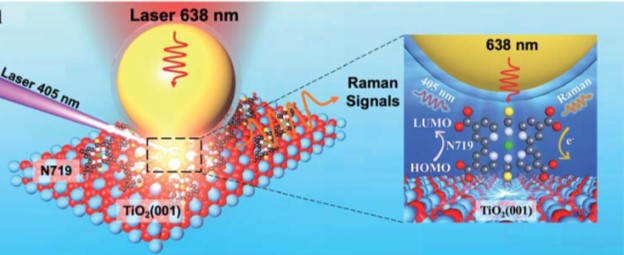
The researchers adopted surface-enhanced Raman spectroscopy (Fig.1) in their research, the setup of which involved two laser beams. One 405-nm laser excited the dye molecules to initiate energy conversion, and another 638-nm laser collected the Raman scattering signals at the dye/TiO2 interface. The obtained Raman spectra showed the peaks associated with the vibrations of N719.

Figure 1. The experimental setup. The 405-nm laser excites N719 dye molecules adsorbed on rutile TiO2. The 638-nm laser probed the Raman scattering signals of N719. The Au nanoparticle (yellow sphere) enhances the Raman signal intensity.

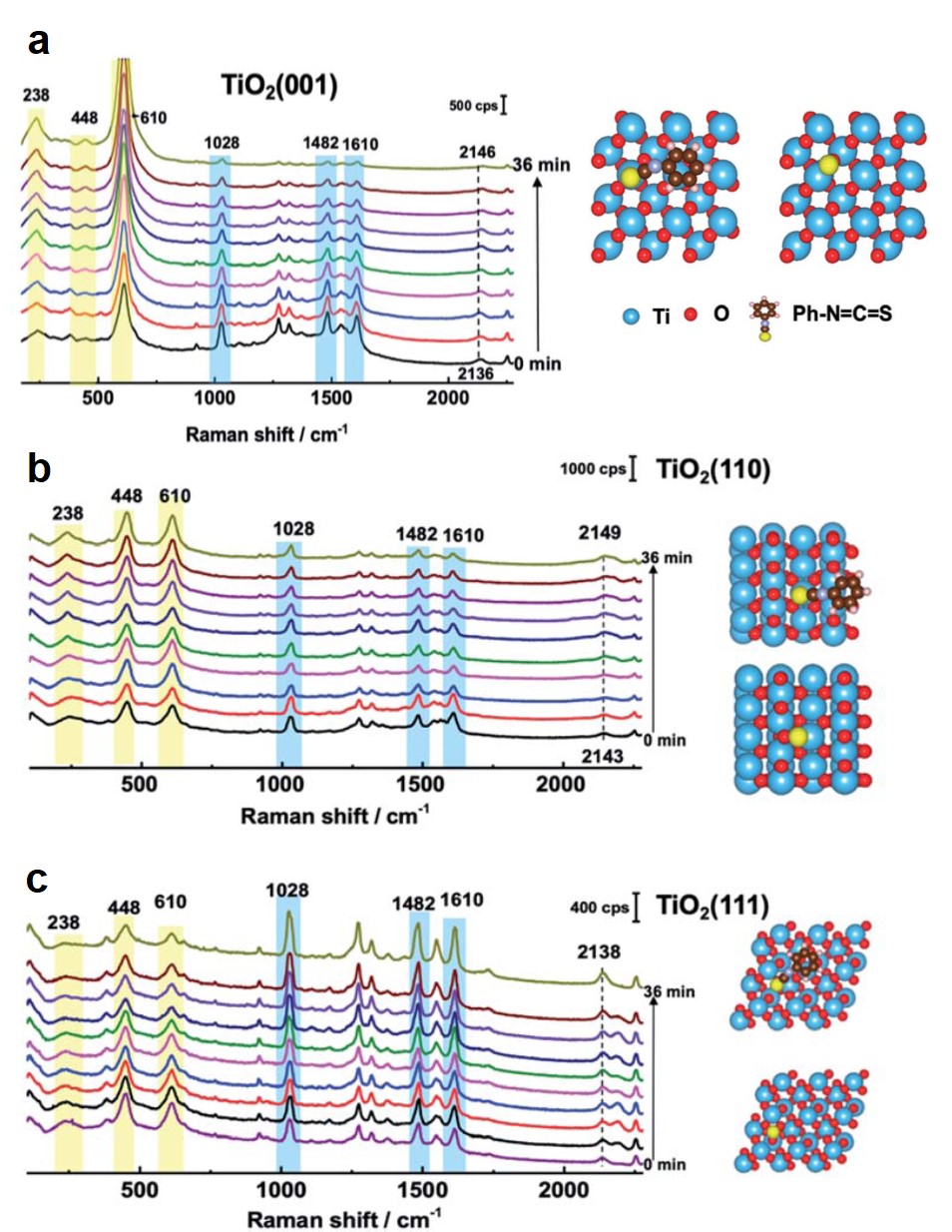
The Raman spectra revealed that the adsorption stability of N719 depended on the crystal facet of TiO2. For TiO2(001), after illumination for 36 min, the Raman peaks of N719 gradually diminished (Fig. 2a), indicating that the dye molecules were either detached from TiO2 or decomposed. A similar trend was observed for N719 on TiO2(110) (Fig. 2b). Mass spectroscopy detected that the electrolytes after 36-min illumination contained N719 molecules missing an S atom. This result indicated that the C=S bond of N719 was broken, leading to the loss of the dye. In contrast, N719 on TiO2(111) exhibited stable Raman signals during the identical illumination duration (Fig. 2c).

The different stability was ascribed to variation in the dissociation energy of the C=S bond. Density functional theory (DFT) simulation proved that the cleavage of the C=S bond on TiO2(111) had an energy barrier of 3.5 eV, about 1.0 eV and 1.5 eV higher than those on TiO2(110) and TiO2(001), respectively. The higher energy barrier suppresses bond dissociation and stabilizes the adsorption of N719.

Figure 2. Raman spectra of N719 adsorbed on (a) TiO2(001), (b) TiO2(110), and (c) TiO2(111). Spectra were collected with an interval of 4 min. Peaks highlighted in yellow and blue are from TiO2 and N719, respectively. The schemes on the right show the simulated structures of dye-adsorbed (top) and desorbed (bottom) TiO2 facets. Ph–N=C=S represents N719 in simulation. The yellow spheres are S.

This work highlights the importance of dye positioning in promoting long-lasting performance of DSSCs.

For expanded understanding, please read:

In Situ Raman Study of the PhotoInduced Behavior of Dye Molecules on TiO2(hkl) Single Crystal Surfaces

Sheng-Pei Zhang, Jia-Sheng Lin, Rong-Kun Lin, Petar M. Radjenovic, Wei-Min Yang, Juan Xu, Jin-Chao Dong, Zhi-Lin Yang, Wei Hang, Zhong-Qun Tian, and Jian-Feng Li

Chem. Sci., 2020, DOI: 10.1039/D0SC00588F


Tianyu Liu acknowledges Zacary Croft at Virginia Tech, U.S., for his careful proofreading of this post.


About the blogger:

Tianyu Liu obtained his Ph.D. (2017) in Chemistry from the University of California, Santa Cruz, in the United States. He is passionate about the communication of scientific endeavors to both the general public and other scientists with diverse research expertise to introduce cutting-edge research to broad audiences. He is a blog writer for Chem. Comm. and Chem. Sci. More information about him can be found at http://liutianyuresearch.weebly.com/.

Digg This
Reddit This
Stumble Now!
Share on Facebook
Bookmark this on Delicious
Share on LinkedIn
Bookmark this on Technorati
Post on Twitter
Google Buzz (aka. Google Reader)

Welcome to our new Associate Editor: Gabriel Merino

We would like to wish a very warm welcome to our new Chemical Science Associate Editor Professor Gabriel Merino!


Professor Gabriel Merino

Gabriel is a Professor in the Applied Physics Department at Centro de Investigacion y de Estudios Avanzados Merida (Cinvestav Mérida), México. He studied at the Universidad de las Americas Puebla (BSc in Chemistry, 1997) and Cinvestav Zacatenco (PhD in Chemistry, 2003) under the supervision of Alberto Vela. He then joined the group of Gotthard Seifert and Thomas Heine at TU Dresden as a postdoctoral fellow before returning to Mexico in 2005 to take his first independent research position at the Universidad de Guanajuato. He joined Cinvestav Merida in 2012 and his research group is one of the most active groups in Theoretical and Computational Chemistry in Mexico and Latin America.

Gabriel has also spent time researching at Cornell University (Roald Hoffmann, 2005), and the University of the Basque Country (Jesus Ugalde, 2011). He is a member of the Mexican National Researcher System (Level 3, the highest level), and a member of the Mexican Academy of Sciences. He has been awarded the Research Grant from the Academia Mexicana de Ciencias (2012), the Catedra Marcos Moshinsky (2012), the National Prize “Andres Manuel del Rio” in Chemistry from the Mexican Chemical Society (2017), the Walter Kohn Award (2018) from the International Center of Theoretical Physics, and the Moshinsky Medal (2019) from Institute of Physics (UNAM).

Gabriel has previously served as Associate Editor for RSC Advances (2016-2020) and is currently a member of the editorial board for the International Journal of Quantum Chemistry and ChemistrySelect. His group’s main research interests are the prediction of new chemical entities and the study of central concepts of chemistry, such as chemical bonding and aromaticity. You can find out more on their website.


Browse a selection of Gabriel’s latest work published by the Royal Society of Chemistry:

Origin of the isotropic motion in crystalline molecular rotors with carbazole stators
Abraham Colin-Molina, Marcus J. Jellen, Eduardo García-Quezada, Miguel Eduardo Cifuentes-Quintal, Fernando Murillo, Jorge Barroso, Salvador Pérez-Estrada, Rubén A. Toscano, Gabriel Merino and Braulio Rodríguez-Molina
Chem. Sci., 2019, 10, 4422-4429
DOI: 10.1039/C8SC04398A

Filling the void: controlled donor–acceptor interaction facilitates the formation of an M–M single bond in the zero oxidation state of M (M = Zn, Cd, Hg)
Ranajit Saha, Sudip Pan, Pratim K. Chattaraj and Gabriel Merino
Dalton Trans., 2020, 49, 1056-1064
DOI: 10.1039/C9DT04213J

Triggering the dynamics of a carbazole-p-[phenylene-diethynyl]-xylene rotor through a mechanically induced phase transition
Andrés Aguilar-Granda, Abraham Colin-Molina, Marcus J. Jellen, Alejandra Núñez-Pineda, M. Eduardo Cifuentes-Quintal, Rubén Alfredo Toscano, Gabriel Merino and Braulio Rodríguez-Molina
Chem. Commun., 2019, 55, 14054-14057
DOI: 10.1039/C9CC05672F

Exhaustive exploration of MgBn (n = 10–20) clusters and their anions
Yonghong Tian, Donghe Wei, Yuanyuan Jin, Jorge Barroso, Cheng Lu and Gabriel Merino
Phys. Chem. Chem. Phys., 2019, 21, 6935-6941
DOI: 10.1039/C9CP00201D


Chemical Science, Royal Society of Chemistry

Submit to Chemical Science today! Check out our author guidelines for information on our article types or find out more about the advantages of publishing in a Royal Society of Chemistry journal.

Keep up to date with our latest articles, reviews, collections & more by following us on Twitter. You can also keep informed by signing up to our E-Alerts.

Digg This
Reddit This
Stumble Now!
Share on Facebook
Bookmark this on Delicious
Share on LinkedIn
Bookmark this on Technorati
Post on Twitter
Google Buzz (aka. Google Reader)

Real World data for protein modeling

It should go without saying that NMR is an incredibly important characterization technique with profoundly broad applicability across the entirety of chemistry. Rarely do you find something that people who work on proteins and wacky main-group synthesis both consider crucial to their work. Given powerful enough magnets and high-quality samples, rich structural information can be obtained for all manner of molecules large and small. Large molecules do pose a problem with the sheer volume of information contained within a single spectrum. Because of this, there exists a need to develop computational programs that can translate spectra into detailed structural models. Currently, existing methods predict NMR spectra based on a combination of experimentally based databases with chemical shift heuristics. These simulations, while useful, lack high predictive rigor and often have difficulty simulating the messiness of real world data. This is particularly challenging because experimental spectra can often have significant chemical shift deviations from predicted values, with those peaks discarded as outliers.

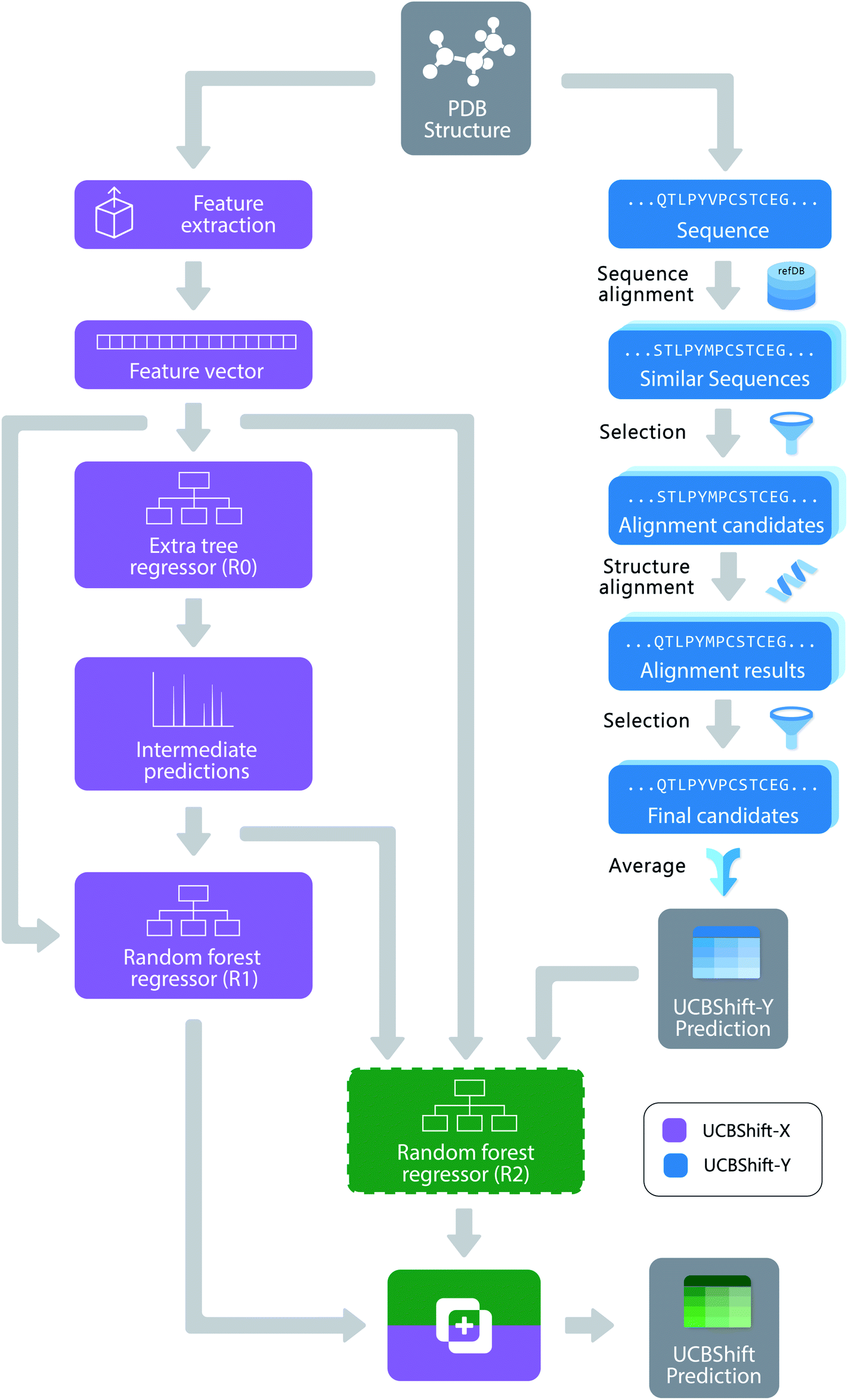
Figure 1. The overall design of the novel UCBShift chemical shift prediction algorithm, combining both a transfer prediction module a machine learning module.

To face these challenges and generate more accurate results, researchers in the US developed a new algorithm that uses both machine learning and transfer prediction (Figure 1). Transfer prediction has been widely used and relies on the similarities of NRM peak sequences between known data, typically clean datasets, and the experimental sample in question. The advantage of the new approach is that it allows for data that would previously have been dismissed as anomalous to be utilized and to give more accurate predictions. The researchers used high-quality datasets that they modified for accuracy. In particular, they retained the water and ligand molecules that co-crystallized with the proteins that would likely be associated with the solvated forms of the proteins. As the interactions of these small molecules can alter the spectral shifts of NMR peaks, their inclusion increases the likelihood that peaks previously considered outliers will be incorporated and analyzed.

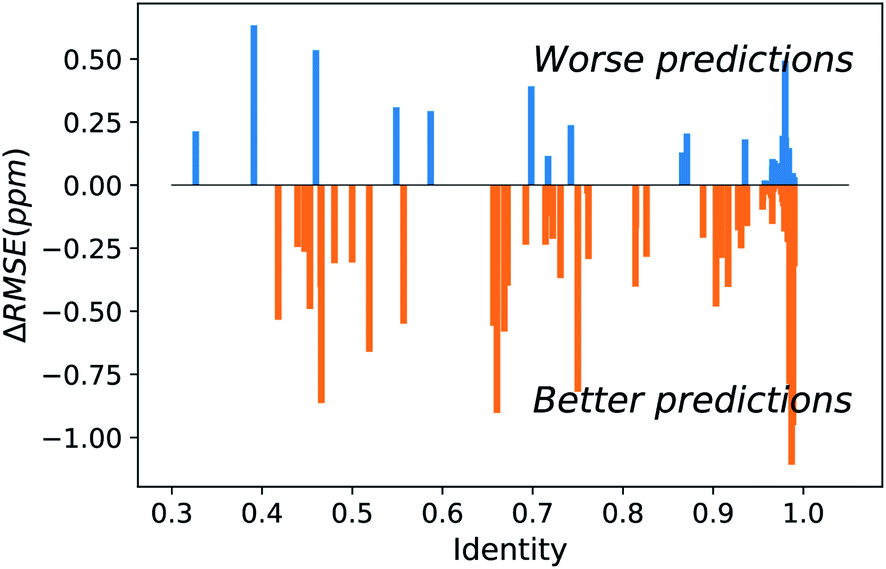
Figure 2. Difference between UCBShift-Y and SHIFTY+ (previous method) showing that overall the new algorithm is making better predictions.

Initial analysis with the new dataset produced some anomalous results, which were then mitigated by removing paramagnetic and other outlier proteins that would bias the results against the earlier algorithms. Once those were removed, the new algorithm still outperformed prior methods (Figure 2). While these advances are extremely useful for current researchers, they are approaching the limit of accuracy for systems that rely heavily on transfer predictions. In order to generate fully accurate models and structures intense work on combining deep learning with human expertise is necessary.

To find out more, please read:

Accurate prediction of chemical shifts for aqueous protein structure on “Real World” data

Jie Li, Kochise C. Bennett, Yuchen Liu, Michael V. Martin and Teresa Head-Gordon

Chem. Sci., 2020,11, 3180-3191

About the blogger:

Dr. Beth Mundy is a recent PhD in chemistry from the Cossairt lab at the University of Washington in Seattle, Washington. Her research focused on developing new and better ways to synthesize nanomaterials for energy applications. She is often spotted knitting in seminars or with her nose in a good book. You can find her on Twitter at @BethMundySci.

Digg This
Reddit This
Stumble Now!
Share on Facebook
Bookmark this on Delicious
Share on LinkedIn
Bookmark this on Technorati
Post on Twitter
Google Buzz (aka. Google Reader)

Welcome to Associate Editor Maja Köhn

We would like to wish a very warm welcome to our new Chemical Science Associate Editor Professor Maja Köhn!


Maja Köhn is a Professor for Integrative Signaling Research at the Faculty of Biology, University of Freiburg, Germany. She studied chemistry at the University of Kiel and moved afterwards to the Max-Planck-Institute and the University in Dortmund, where she obtained her PhD under the direction of H. Waldmann in 2005. After Maja’s postdoctoral work with G. L. Verdine at Harvard University, she started her independent career in 2007 as a group leader at the European Molecular Biology Laboratory in Heidelberg, Germany. In 2016 Maja moved to Freiburg for her current position. Research in her group focuses on the development and application of tools using synthetic chemistry and molecular cell biology to study and target phosphatases in health and disease. Maja’s ORCiD: https://orcid.org/0000-0001-8142-3504


Development of a solid phase synthesis strategy for soluble phosphoinositide analogues
Miriam Bru, Shriram P. Kotkar, Nilanjana Kar and Maja Köhn
Chem. Sci., 2012, 3, 1893-1902
DOI: 10.1039/C2SC01061E

Chemical Science, Royal Society of Chemistry

Submit to Chemical Science today! Check out our author guidelines for information on our article types or find out more about the advantages of publishing in a Royal Society of Chemistry journal.

Keep up to date with our latest articles, reviews, collections & more by following us on Twitter. You can also keep informed by signing up to our E-Alerts.

Digg This
Reddit This
Stumble Now!
Share on Facebook
Bookmark this on Delicious
Share on LinkedIn
Bookmark this on Technorati
Post on Twitter
Google Buzz (aka. Google Reader)

HOT articles: April

We are pleased to share a selection of our referee-recommended HOT articles for April. We hope you enjoy reading these articles and congratulations to all the authors whose articles are featured! As always, Chemical Science is free to read & download. You can find our full 2020 HOT article collection here.


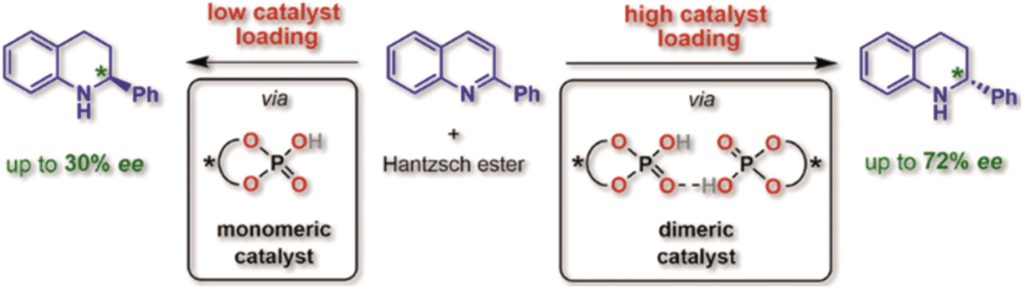
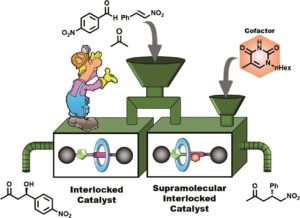
What is the role of acid–acid interactions in asymmetric phosphoric acid organocatalysis? A detailed mechanistic study using interlocked and non-interlocked catalysts
Dennis Jansen, Johannes Gramüller, Felix Niemeyer, Torsten Schaller, Matthias C. Letzel, Stefan Grimme, Hui Zhu, Ruth M. Gschwind and Jochen Niemeyer
Chem. Sci., 2020, Advance Article
DOI: 10.1039/D0SC01026J

10.1039/D0SC01026J


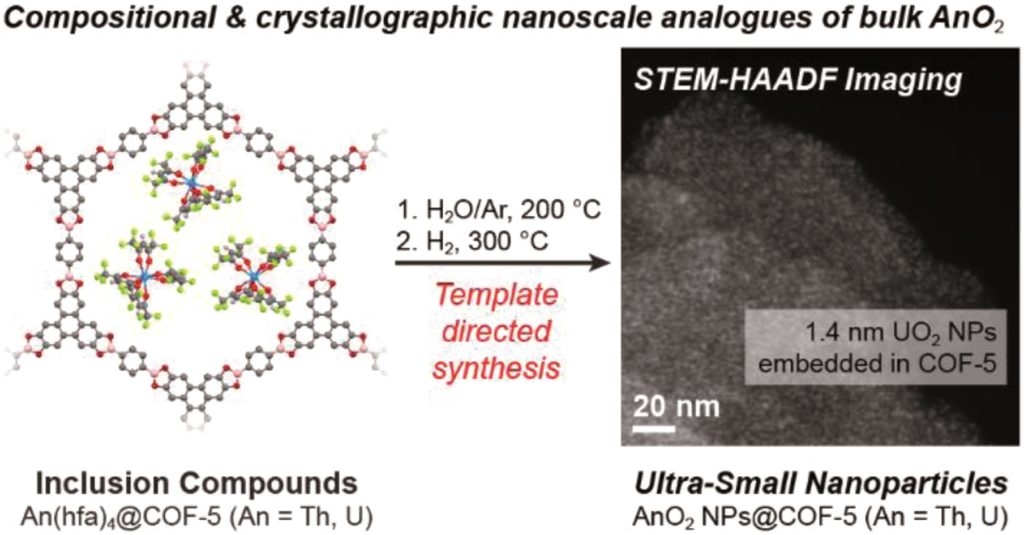
Structural properties of ultra-small thorium and uranium dioxide nanoparticles embedded in a covalent organic framework
Liane M. Moreau, Alexandre Herve, Mark D. Straub, Dominic R. Russo, Rebecca J. Abergel, Selim Alayoglu, John Arnold, Augustin Braun, Gauthier J. P. Deblonde, Yangdongling Liu, Trevor D. Lohrey, Daniel T. Olive, Yusen Qiao, Julian A. Rees, David K. Shuh, Simon J. Teat, Corwin H. Booth and Stefan G. Minasian
Chem. Sci., 2020, Advance Article
DOI: 10.1039/C9SC06117G


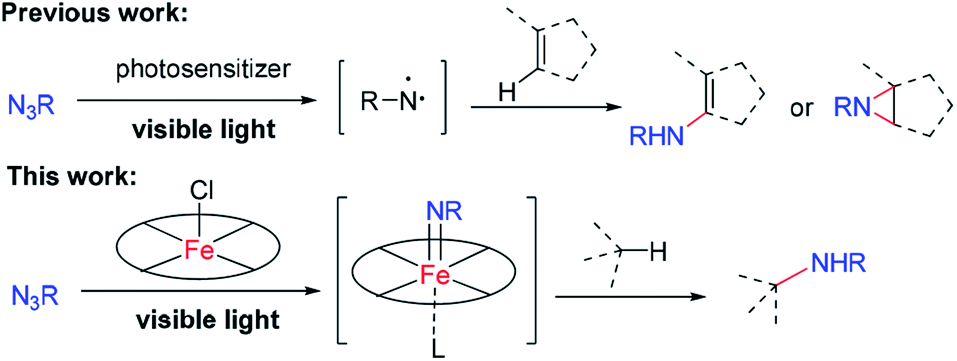
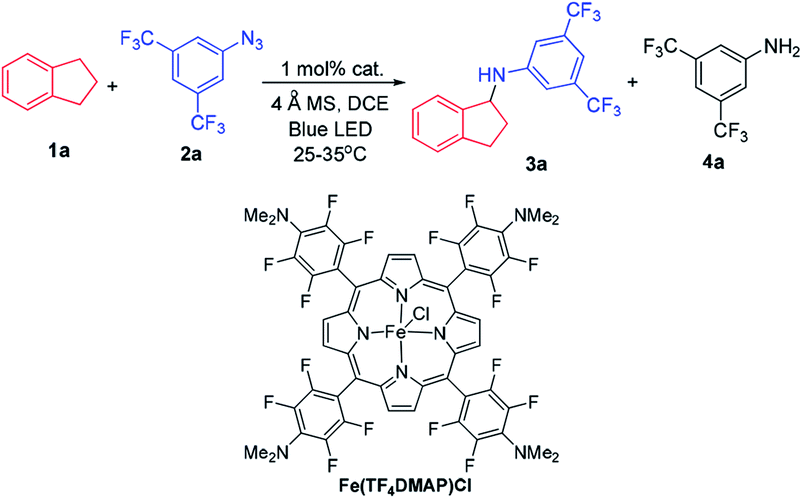
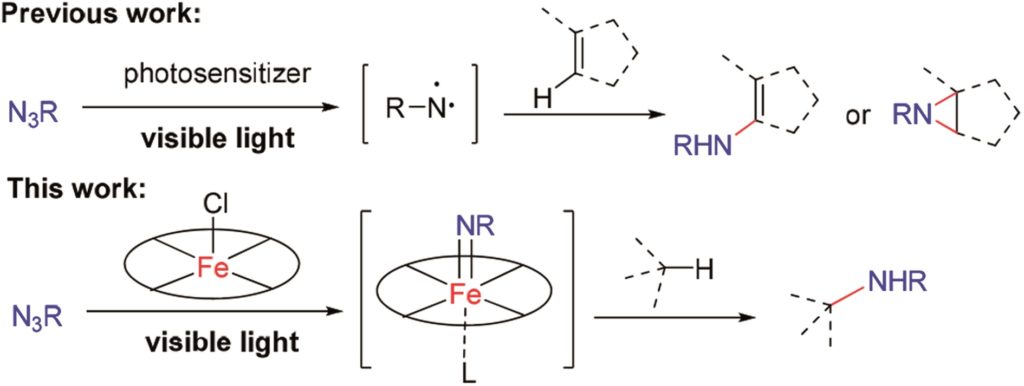
Iron porphyrin catalysed light driven C–H bond amination and alkene aziridination with organic azides
Yi-Dan Du, Cong-Ying Zhou, Wai-Pong To, Hai-Xu Wang and Chi-Ming Che
Chem. Sci., 2020, Advance Article
DOI: 10.1039/D0SC00784F


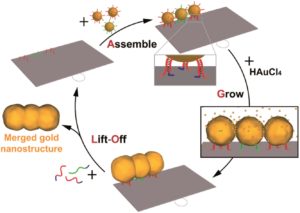
The assemble, grow and lift-off (AGLO) strategy to construct complex gold nanostructures with pre-designed morphologies
Xin Luo, Christophe Lachance-Brais, Amy Bantle and Hanadi F. Sleiman
Chem. Sci., 2020, Advance Article
DOI: 10.1039/D0SC00553C


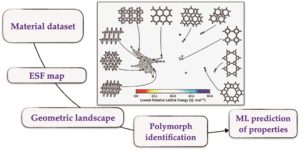
Geometric Landscapes for Material Discovery within Energy-Structure-Function Maps
Seyed Mohamad Moosavi, Henglu Xu, Linjiang Chen, Andrew Cooper and Berend Smit
Chem. Sci., 2020, Accepted Manuscript
DOI: 10.1039/D0SC00049C


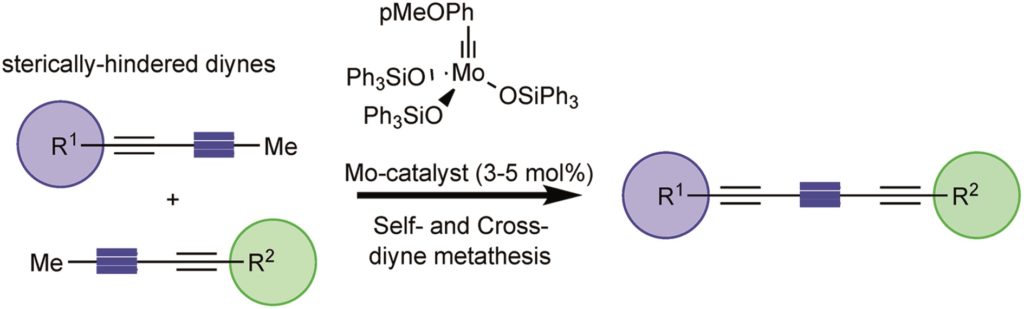
Expedient synthesis of conjugated triynes via alkyne metathesis
Idriss Curbet, Sophie Colombel-Rouen, Romane Manguin, Anthony Clermont, Alexandre Quelhas, Daniel S. Müller, Thierry Roisnel, Olivier Baslé, Yann Trolez and Marc Mauduit
Chem. Sci., 2020, Advance Article
DOI: 10.1039/D0SC01124J


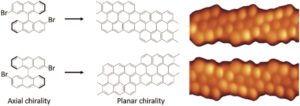
Transferring Axial Molecular Chirality Through a Sequence of On-Surface Reactions
Néstor Merino-Díez, Mohammed S. G. Mohammed, Jesus Castro, Luciano Colazzo, Alejandro Berdonces-Layunta, James Lawrence, Jose Ignacio Pascual, Dimas G. de Oteyza and Diego Peña
Chem. Sci., 2020, Accepted Manuscript
DOI: 10.1039/D0SC01653E


Chemical Science, Royal Society of Chemistry

Submit to Chemical Science today! Check out our author guidelines for information on our article types or find out more about the advantages of publishing in a Royal Society of Chemistry journal.

Keep up to date with our latest articles, reviews, collections & more by following us on Twitter. You can also keep informed by signing up to our E-Alerts.

Digg This
Reddit This
Stumble Now!
Share on Facebook
Bookmark this on Delicious
Share on LinkedIn
Bookmark this on Technorati
Post on Twitter
Google Buzz (aka. Google Reader)

HOT articles: March

We are pleased to share a selection of our referee-recommended HOT articles for March. We hope you enjoy reading these articles and congratulations to all the authors whose articles are featured! As always, Chemical Science is free to read & download. You can find our full 2020 HOT article collection here.


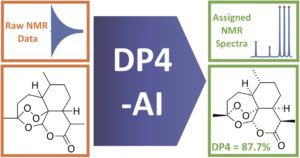
DP4-AI automated NMR data analysis: straight from spectrometer to structure
Alexander Howarth, Kristaps Ermanis and Jonathan M. Goodman
Chem. Sci., 2020, Advance Article
DOI: 10.1039/D0SC00442A


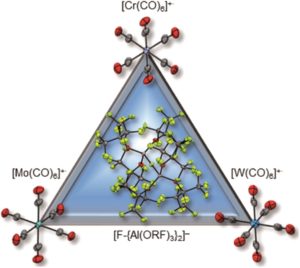
Completing the triad: synthesis and full characterization of homoleptic and heteroleptic carbonyl and nitrosyl complexes of the group VI metals
Jan Bohnenberger, Manuel Schmitt, Wolfram Feuerstein, Ivo Krummenacher, Burkhard Butschke, Jakub Czajka, Przemysław J. Malinowski, Frank Breher and Ingo Krossing
Chem. Sci., 2020, 11, 3592-3603
DOI: 10.1039/C9SC06445A


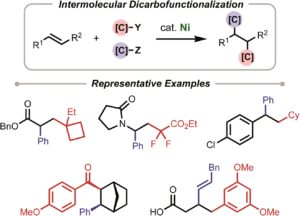
Recent developments in nickel-catalyzed intermolecular dicarbofunctionalization of alkenes
Joseph Derosa, Omar Apolinar, Taeho Kang, Van T. Tran and Keary M. Engle
Chem. Sci., 2020, Advance Article
DOI: 10.1039/C9SC06006E


Enhancing the selectivity of prolinamide organocatalysts using the mechanical bond in [2]rotaxanes
María Calles, Julio Puigcerver, Diego A. Alonso, Mateo Alajarin, Alberto Martinez-Cuezva and Jose Bern
Chem. Sci., 2020, 11, 3629-3635
DOI: 10.1039/D0SC00444H


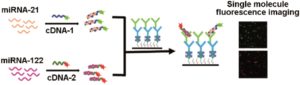
Simultaneous and ultrasensitive detection of multiple microRNAs by single-molecule fluorescence imaging
Hongding Zhang, Xuedong Huang, Jianwei Liu and Baohong Liu
Chem. Sci., 2020, 11, 3812-3819
DOI: 10.1039/D0SC00580K


Chemical Science, Royal Society of Chemistry

Submit to Chemical Science today! Check out our author guidelines for information on our article types or find out more about the advantages of publishing in a Royal Society of Chemistry journal.

Keep up to date with our latest articles, reviews, collections & more by following us on Twitter. You can also keep informed by signing up to our E-Alerts.

Digg This
Reddit This
Stumble Now!
Share on Facebook
Bookmark this on Delicious
Share on LinkedIn
Bookmark this on Technorati
Post on Twitter
Google Buzz (aka. Google Reader)

Most Popular 2018 – 2019 Chemical Science Articles By Subject

The ongoing COVID-19 pandemic has had wide reaching implications on the global research community. In addition to limitations on the ability to conduct research, many in our community are experiencing restricted or no access to institutional resources and published research articles. In-line with our continuing efforts to support the chemical sciences community, we have put together some subject-specific collections of our most popular Chemical Science content from 2018 and 2019. These specially curated collections are designed to highlight some of the exceptional research published in Chemical Science – and like all Chemical Science articles, they are free to access and read from anywhere on the globe with no restrictions. We hope you will find them useful during this time.

Many of the articles selected in the collections below are also included in our 20182019 and 2020 ChemSci Pick of the Week Collections, as well as our 20182019 and 2020 Chemical Science HOT Article Collections.


Organic chemistry

This collection presents some outstanding contributions to the field, ranging from dual vicinal functionalisation of heterocycles via an interrupted Pummerer coupling/[3,3]-sigmatropic rearrangement cascade to a review of C4-H indole functionalisation. Browse the full collection


Catalysis Chemistry

This specially curated collection pulls together some of the most popular articles from 2018 and 2019 in the field of catalysis. Articles range from Pd doped with Te for the highly selective electrocatalytic reduction of aqueous CO2 to a review of catalyst characterization in the presence of solvent through liquid phase structure-activity relationships.
Browse the full collection


Analytical chemistry

This collection ranges from high throughput reaction screening using desorption electrospray ionization mass spectrometry to a review of fluorescent probes for organelle-targeted bioactive species imaging.
Browse the full collection


Materials chemistry

This collection presents some outstanding contributions to the field, ranging from the rational design of a water-soluble NIR AIEgen to a review of the mechanical properties of metal-organic frameworks.
Browse the full collection


Main group, inorganic & organometallic chemistry

This collection presents articles ranging from the reactivity of diborane(4) towards pyridine and isocyanide to a review of spin states, vibrations and spin relaxation in molecular nanomagnets and spin qubits.
Browse the full collection


Chemical biology

This collection includes articles ranging from dual-biomarker-triggered fluorescence probes for differentiating cancer cells to a review of the biomedical applications of copper-free click chemistry.
Browse the full collection


Physical & theoretical chemistry

This collection presents some outstanding contributions to the field, ranging from a study that asks why are photosynthetic reaction centres dimeric to a review of polariton chemistry.
Browse the full collection


Supramolecular chemistry

This collection presents some outstanding contributions to the field, ranging from a halogen-bond assembled supramolecular catalyst, XBphos-Rh, to a review of electrochemically switchable rotaxanes.
Browse the full collection


Chemical Science, Royal Society of Chemistry

Submit to Chemical Science today! Check out our author guidelines for information on our article types or find out more about the advantages of publishing in a Royal Society of Chemistry journal.

Keep up to date with our latest articles, reviews, collections & more by following us on Twitter. You can also keep informed by signing up to our E-Alerts.

Digg This
Reddit This
Stumble Now!
Share on Facebook
Bookmark this on Delicious
Share on LinkedIn
Bookmark this on Technorati
Post on Twitter
Google Buzz (aka. Google Reader)

How to Identify Diverse Acids with High-Throughput Research

Have you ever heard of nonulosonic acids? As a materials chemist I hadn’t, as most of the acids I’ve dealt with are either acting as ligands or inorganic and I tend to forget that sugars are actually acids. These nine-carbon sugars are critical for a wide range of cellular functions throughout living organisms. Over 100 different members of this broad group of acids have been identified, all of which can undergo diversification at multiple positions, generating an even larger library of derivatives. What types of modifications can occur has yet to be fully realized, as novel compounds are continually discovered, particularly in prokaryotes. Even when examining a limited number of modifications, say 15, the number of possible derivatives is staggering, reaching several thousand without stereochemical considerations. Identifying these acids is key, as they have been linked to virulence in pathogenic bacteria and their previously mentioned diversity makes them challenging to genomically analyze.

Given these challenges, current detection practices rely on staining and fluorescent labeling which can be labor intensive and specific to a small number of acids. Early approaches based on mass spectroscopy were limited due to the complex backgrounds produced and the difficulties separating signal and noise. However, developments in high-resolution spectrometers and increased data processing abilities have led to successful analysis of increasing numbers of known metabolites. Researchers in the Netherlands and Russia extended this work to develop a screening approach to identify a diverse range of nonulosonic acids via small mass channel mass spectroscopy from previously unexplored environmental microbes (Figure 1).

Figure 1. Outline of the general procedure for the survey pipeline, beginning from the cells to the final structural analysis of the identified acids.

To successfully identify these unknown derivatives, the researchers identified specific ulosonic acid fragments invariant to functionalization. They used 1,2-diamino-4,5-methylene dioxybenzene, an alpha-keto-acid specific labeling reagent, to shift the double bond equivalents from the general cellular background and help conserve the core ulosonic acid structure. By screening a known range of acids with different functional group moieties, they were able to identify universal features for this category of molecules (Figure 2). From there, they created a full process for rapid-throughput studies that automated everything from initial identification of a potential acid molecule through filtering and structural analysis.

Figure 2. A) Universal fragmentation route used to identify nonulasonic acids in the screening, B) data output of various ulosonic acid derivatives identified in the study, and C) differences seen from the chemical labeling introduced in the procedure.

After the pipeline was established, the researchers used various standard cell lines, plant, animal, and algal, for a molecular level survey to confirm the validity of their approach for full-cell analysis. In general, the plants and yeast cells contained no nonulosonic acids, as expected, while the microalgae and animal cells had a range of different nonulosonic acids present. As these acids are thought to play a role in bacterial virulence, a bacteria known to display the acids was screened and several subtypes of animal and bacterial acids were identified as incorporated into the cells. With that validation, the researchers moved on to a wide range of non-pathogenic bacteria. They discovered that over half of these bacteria possess nonulosonic acids; in fact, some have only slightly lower acid abundance than mammalian cells. While much of this data was obtained from single cultures, it represents exciting validation of a broad new approach that could be used to identify potential targets for medical applications and continue to extend our understanding of the diversity of nonulosonic acids.

To find out more, please read:

Tackling the chemical diversity of microbial nonulosonic acids – a universal large-scale survey approach

Hugo B. C. Kleikamp, Yue Mei Lin, Duncan G. G. McMillan, Jeanine S. Geelhoed, Suzanne N. H. Naus-Wiezer, Peter van Baarlen, Chinmoy Saha, Rogier Louwen, Dimitry Y. Sorokin, Mark C. M. van Loosdrecht and Martin Pabst

Chem. Sci., 2020, 11, 3074-3080.

About the blogger:

Dr. Beth Mundy is a recent PhD in chemistry from the Cossairt lab at the University of Washington in Seattle, Washington. Her research focused on developing new and better ways to synthesize nanomaterials for energy applications. She is often spotted knitting in seminars or with her nose in a good book. You can find her on Twitter at @BethMundySci.

Digg This
Reddit This
Stumble Now!
Share on Facebook
Bookmark this on Delicious
Share on LinkedIn
Bookmark this on Technorati
Post on Twitter
Google Buzz (aka. Google Reader)

Seeing is Believing: Is Your Polymerization Working?

If you are a polymer chemist, you may have dreamt of having a pair of eyes that can directly tell whether your polymerization reaction is working or not. Good news! Randall H. Goldsmith of the University of Wisconsin-Madison, U.S. and coworkers have developed an optical technique to monitor the course of a polymerization reaction in real-time. This breakthrough has been published in Chemical Science (DOI: 10.1039/C9SC05559B).

This technique relies on two parameters, fluorescence polarization anisotropy and aggregation-induced emission, to examine molecular weights. The authors specifically studied a well-controlled polymerization of norbornene (NB) into polynorbornene. Besides monomer, they added small amounts of two fluorescent probes, perylene diimide-functionalized norbornene (PDI-NB) and tetraphenylethylene-linked norbornene (TPE-NB), to the polymerization system. These NB derivatives were co-polymerized with NB (Fig.1).

Figure 1. Polymerization of norbornene (NB) catalyzed by a ruthenium-based Grubbs Generation II catalyst (Grubbs Gen II). PDI-NB and TPE-NB are two probes co-polymerized with NB to monitor the growth of polynorbornene.

The technique temporally resolved the evolution of polynorbornene molecular weight. The polymerization incorporated the probe molecules into the backbones of polynorbornene. As polymer chains grew, the rotational freedom of PDI-NB became increasingly limited, giving rise to an enhanced anisotropy signal during the first 200 min of polymerization (Fig. 2a, top panel and Fig. 2b, red curve). Further polymerization brought the incorporated TPE-NB together, triggering the aggregation-induced fluorescence emission of TPE-NB (Fig. 2a, bottom panel and Fig. 2b, blue curve). Importantly, the rise of the emission intensity from TPE-NB immediately followed the saturation of anisotropy signal from PDI-NB, making the two molecules complementary for monitoring the polymer growth in different time scales. Critically, the anisotropy signal intensity of PDI-NB correlated positively with the weight-average molecular weight of polynorbornene (Fig. 2c), demonstrating the capability of this technique to track the progression of polymer growth.

Figure 2. (a) (top) Color-scale images of anisotropy values of PDI-NB and (bottom) emission intensities of TPE-NB over time. Dots are top-view toluene microdroplets where polymerization happens. Scale bar: 250 µm. (b) Time-evolution of average anisotropy values of PDI-NB (red) and aggregation-induced-emission (AIE) intensity of TPE-NB (blue) throughout a polymerization. (c) The correlation between measured anisotropy values and the weight-average molecular weights of polynorbornene. The red dashed line provides a visualization of the trend.

The reported technique is applicable to other ring-opening metathesis polymerizations (ROMPs) involving monomers such as norbornadiene.


For expanded understanding, please read:

Optical Monitoring of Polymerizations in Droplets with High Temporal Dynamic Range

Andrew C. Cavell, Veronica K. Krasecki, Guoping Li, Abhishek Sharma, Hao Sun, Matthew P. Thompson, Christopher J. Forman, Si Yue Guo, Riley J. Hickman, Katherine A. Parrish, Alán Aspuru-Guzik, Leroy Cronin, Nathan C. Gianneschi, and Randall H. Goldsmith

Chem. Sci., 2020, 11, 2647-2656.


The blogger acknowledges Zac Croft at Virginia Tech, U.S., for his careful proofreading of this post.


About the blogger:

Tianyu Liu obtained his Ph.D. (2017) in Chemistry from the University of California, Santa Cruz, in the United States. He is passionate about the communication of scientific endeavors to both the general public and other scientists with diverse research expertise to introduce cutting-edge research to broad audiences. He is a blog writer for Chem. Comm. and Chem. Sci. More information about him can be found at http://liutianyuresearch.weebly.com/.


Digg This
Reddit This
Stumble Now!
Share on Facebook
Bookmark this on Delicious
Share on LinkedIn
Bookmark this on Technorati
Post on Twitter
Google Buzz (aka. Google Reader)

Chemical Science 2019 Outstanding Reviewers

We are delighted to highlight the Outstanding Reviewers for Chemical Science in 2019, as selected by the editorial team, for their significant contribution to the journal. The reviewers have been chosen based on the quantity, quality and timeliness of the reports completed over the last 12 months.

We would like to say a big thank you to those individuals listed here as well as to all of the reviewers that have supported the journal.

Each Outstanding Reviewer will receive a certificate to give recognition for their significant contribution.

Dr Igor Alabugin, Florida State University, ORCiD: 0000-0001-9289-3819
Dr Gonçalo Bernardes, University of Cambridge, ORCiD: 0000-0001-6594-8917
Dr Luca Bernardi, University of Bologna, ORCiD: 0000-0002-7840-3200
Dr Davide Bonifazi, Cardiff University, ORCiD: 0000-0001-5717-0121
Professor M. Kevin Brown, Indiana University, ORCiD: 0000-0002-4993-0917
Professor Tianning Diao, New York University, ORCiD: 0000-0003-3916-8372
Professor Dr Matthias Drieß, Technical University Berlin, ORCiD: 0000-0002-9873-4103
Professor Xinliang Feng, TU Dresden, ORCiD: 0000-0003-3885-2703
Professor Dr Frank Glorius, WWU Münster, ORCiD: 0000-0002-0648-956X
Professor Hiroshi Kitagawa, Kyoto University, ORCiD: 0000-0001-6955-3015
Professor Dr Paul Knochel, Ludwig-Maximilians-Universität München, ORCiD: 0000-0001-7913-4332
Dr Sami Lakhdar, LCMT, ENSICAEN, CNRS, ORCiD: 0000-0002-1168-7472
Professor Jinghong Li, Tsinghua University, ORCiD: 0000-0002-0750-7352
Professor Stephen Liddle, The University of Manchester, ORCiD: 0000-0001-9911-8778
Professor Stefan Matile, University of Geneva, ORCiD: 0000-0002-8537-8349
Professor Dr Kilian Muniz, ICIQ, ORCiD: 000-0002-8109-1762
Dr Manuel Nappi, University of Cambridge, ORCiD: 0000-0002-3023-0574
Professor Dr Martin Oestreich, Technical University Berlin, ORCiD: 0000-0002-1487-9218
Professor Dr Andreas Schnepf, Universität Tübingen, ORCiD: 0000-0002-7719-7476
Professor Dr Armido Studer, WWU Münster, ORCiD: 0000-0002-1706-513X
Professor Bo Tang, Shandong Normal University, ORCiD: 0000-0002-8712-7025
Professor Tomás Torres, Universidad Autonoma de Madrid, ORCiD: 0000-0001-9335-6935
Professor Christopher Uyeda, Purdue University, ORCiD: 0000-0001-9396-915X
Dr Jan van Hest, Technische Universiteit Eindhoven, ORCiD: 0000-0001-7973-2404
Professor Bo Wang, Beijing Institute of Technology, ORCiD: 0000-0001-9092-3252
Professor Andrew Wilson, University of Leeds, ORCiD: 0000-0001-9852-6366
Professor Dr Wen-Jing Xiao, Central China Normal University, ORCiD: 0000-0002-9318-6021
Professor Vivian Yam, The University of Hong Kong, ORCiD: 0000-0001-8349-4429
Professor Juyoung Yoon, Ewha Womans University, ORCiD: 0000-0002-1728-3970
Professor Shu-Li You, Shanghai Institute of Organic Chemistry, ORCiD: 000-0003-4586-8359


We would also like to thank the Chemical Science board and our community for their continued support of the journal, as authors, reviewers and readers.

If you would like to become a reviewer for our journal, just email us with details of your research interests and an up-to-date CV or résumé.  You can find more details in our author and reviewer resource centre.

Keep up to date with our latest articles, reviews, collections & more by following us on Twitter. You can also keep informed by signing up to our E-Alerts.

Chemical Science, Royal Society of Chemistry

Digg This
Reddit This
Stumble Now!
Share on Facebook
Bookmark this on Delicious
Share on LinkedIn
Bookmark this on Technorati
Post on Twitter
Google Buzz (aka. Google Reader)