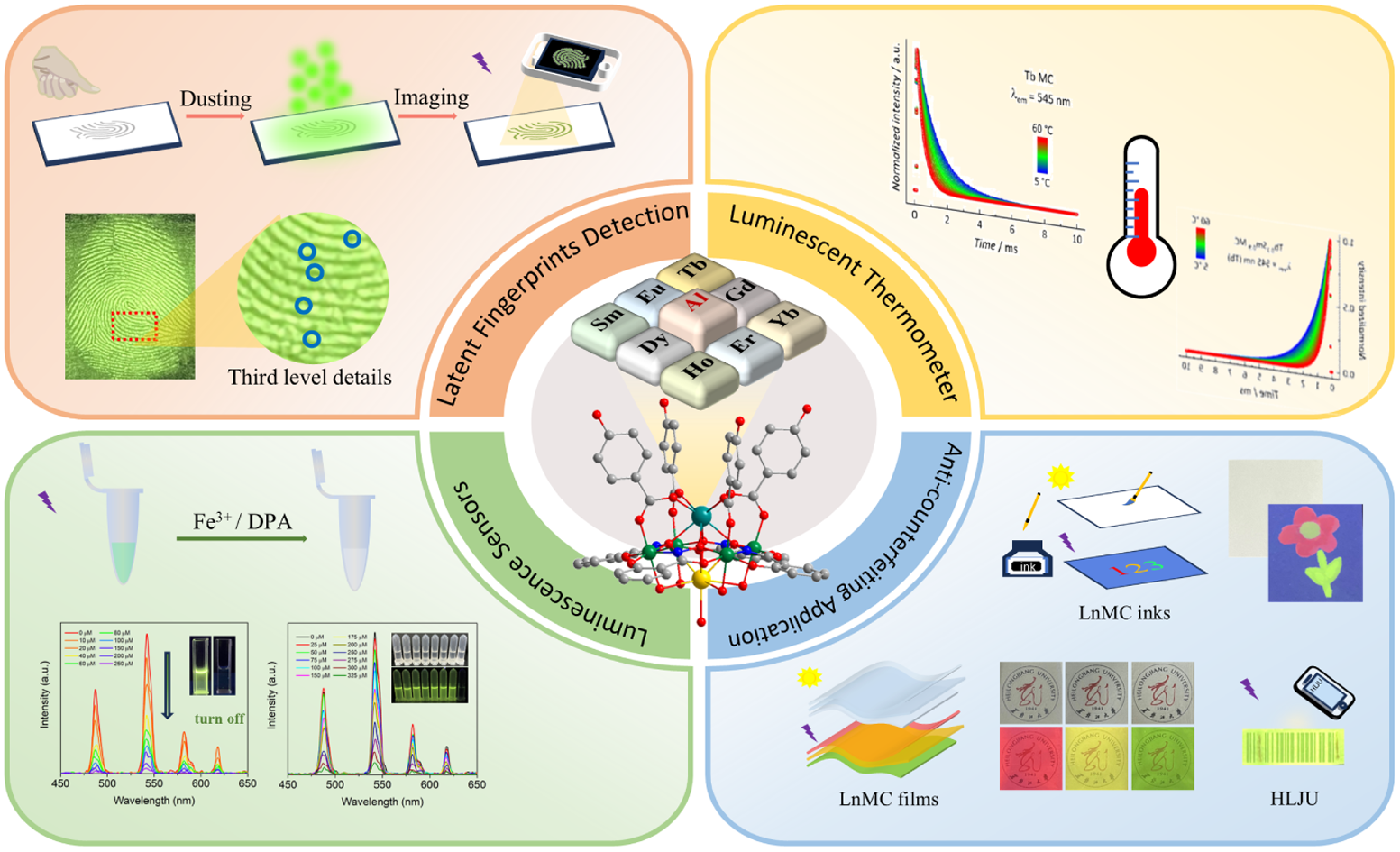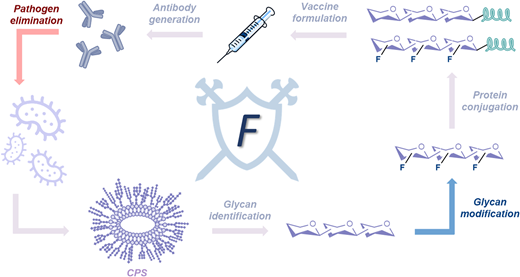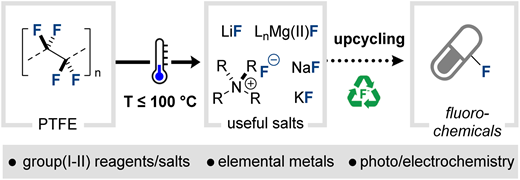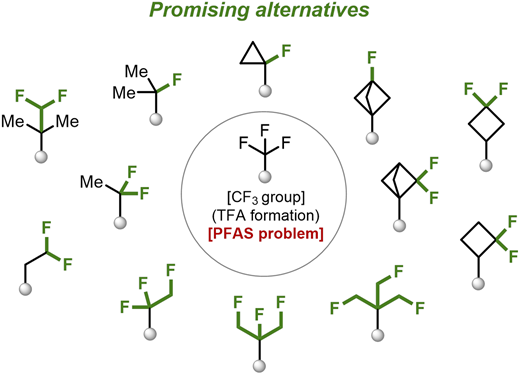
2026 Chemical Science Lectureship awarded to Alán Aspuru-Guzik

Awarded for contributions to the field of digital chemistry and the chemical applications of artificial intelligence, machine learning and automation.

Chemical Science is delighted to announce the winner of our 2026 Lectureship, Professor Alán Aspuru-Guzik!

The Chemical Science Lectureship celebrates leading, independent researchers at all career stages who have made exceptional discoveries and innovations in their field within the last five years. This annual lectureship focuses on a specific subject area that aligns with the Chemical Science symposium each year, rotating to cover the breadth of the journal and all areas of the chemical sciences.

This year, the Lectureship focused on digital chemistry and Professor Alán Aspuru-Guzik was selected as the winner for his recent research on machine learning and automation. Alán will deliver the Lectureship at the 2026 Chemical Science Symposium on the same theme on 29–30 October in London, UK.


About our 2026 winner:

Photo credit: Carlos Osorio

Alán Aspuru-Guzik, University of Toronto

Alán Aspuru-Guzik is a professor of Chemistry and Computer Science at the University of Toronto, the Canada 150 Laureate in Theoretical Chemistry, and a Canada CIFAR AI Chair at the Vector Institute for Artificial Intelligence. He is also a CIFAR Fellow and co-directs CIFAR’s Accelerated Decarbonization program.

Alán directs the Acceleration Consortium, a University of Toronto strategic initiative that brings together researchers from industry, government, and academia to advance pre-competitive research related to the lab of the future. Before joining the University of Toronto, Alán began his independent career at Harvard University in 2006, where he was a full professor from 2013 to 2018. He received his B.Sc. from the National Autonomous University of Mexico (UNAM) in 1999 and his PhD from the University of California, Berkeley in 2004, where he was a postdoctoral fellow from 2005 to 2006.

Alán’s research spans quantum information, machine learning, and chemistry. He pioneered the development of algorithms and experimental implementations of quantum computers and quantum simulators for chemical systems. His work has also examined the role of quantum coherence in excitonic energy transfer in photosynthetic complexes and accelerated discovery through calculations on organic semiconductors, organic photovoltaic materials, organic batteries, and organic light-emitting diodes.

He has worked extensively on molecular representations and generative models for learning molecular properties. His current interests include automation and autonomous chemical laboratories for accelerating scientific discovery as well as AI Scientists, in particular the El Agente project.

Alán has also made significant contributions to scientific publishing and editorial leadership. He served as the first Chemical Science Associate Editor for theoretical and computational chemistry. He is editor-in-chief of Digital Discovery, the Royal Society of Chemistry journal focused on data-driven approaches to scientific discoveries.

Among other recognitions, Alán has received the Google Focused Award for Quantum Computing, the Sloan Research Fellowship, and the Camille and Henry Dreyfus Teacher-Scholar Award. He won the Heinrich Emanuel Merck Award for Computational Sciences in 2025 and was named a Fellow of the Royal Society of Canada in 2025. He was selected by MIT Technology Review as one of the top innovators under 35 and received the Early Career Award in Theoretical Chemistry from the American Chemical Society. He is also an elected fellow of the American Physical Society and the American Association for the Advancement of Science.

In 2024, Alán received the University of Toronto President’s Impact Award and the 2024 PRISM Prize from the Istituto di Struttura della Materia.

Alán was named in Maclean’s 2024 Power List as one of Canada’s 100 most powerful people, in the AI category. In 2026, he was featured as a BetaKit Most Ambitious Canadian.

Alán has served as a co-founder and advisor of several companies.


Read Alán’s recent Chemical Science articles:

Photochemical post-functionalization of polystyrene enables accelerated chemical recycling

Stanley Lo, Angela Lin, Cher Tian Ser, Alán Aspuru-Guzik* and  Helen Tran* 

Chem. Sci., 2026, 17, DOI: 10.1039/D6SC03696A

Grammar-driven SMILES standardization with TokenSMILES

 Luis Armando Gonzalez-Ortiz,* Lisset Noriega, Filiberto Ortiz-Chi, Gabriela Vidales-Ayala, Emmanuel Soberanis-Cáceres, Amilcar Meneses-Viveros,*  Alan Aspuru-Guzik* and Gabriel Merino*

Chem. Sci., 2026,17, 1666-1675

Automated electrosynthesis reaction mining with multimodal large language models (MLLMs)

 Shi Xuan Leong, Sergio Pablo-García, Zijian Zhang and Alán Aspuru-Guzik*

Chem. Sci., 2024,15, 17881-17891


Find out more about the 2026 Chemical Science Symposium on digital chemistry in the age of AI and machine learning where Alán will deliver the 2026 Lectureship on our event webpage.


Digg This
Reddit This
Stumble Now!
Share on Facebook
Bookmark this on Delicious
Share on LinkedIn
Bookmark this on Technorati
Post on Twitter
Google Buzz (aka. Google Reader)

Professor Tony James joins the Chemical Science Editorial Board

We are delighted to share that Professor Tony James (University of Bath, UK) has joined the Chemical Science Editorial Board as an Associate Editor.

Tony James is a Professor at the University of Bath, United Kingdom. Professor James’s expertise and interests cover a broad range of topics, particularly sensing, supramolecular chemistry and imaging, with his recent research being focused on the development of new fluorescent chemical probes.


“I am delighted to be joining Chemical Science as an Editor. The journal’s commitment to excellence, openness, and scientific breadth strongly resonates with me, and I look forward to working with authors and reviewers to advance the chemical sciences. I am particularly excited to see—and support—innovative advances in sensor research.”


Tony’s research interests span supramolecular chemistry, molecular recognition, fluorescent sensor design, fluorescence imaging, and theranostic systems. He is particularly known for pioneering work on fluorescent probes, including the development of the first glucose-selective fluorescent sensor in 1994. More recent work from his group focuses on fluorescent probes for imaging reactive oxygen, nitrogen, and sulfur species, as well as long-wavelength probes for studying cellular metabolism, with emerging applications in cancer diagnostics.


Discover the areas that Professor James will be considering in our Most Popular Analytical Chemistry and Chemcial Biology & Medicinal Chemistry collections, and read his latest publications in Chemical Science:


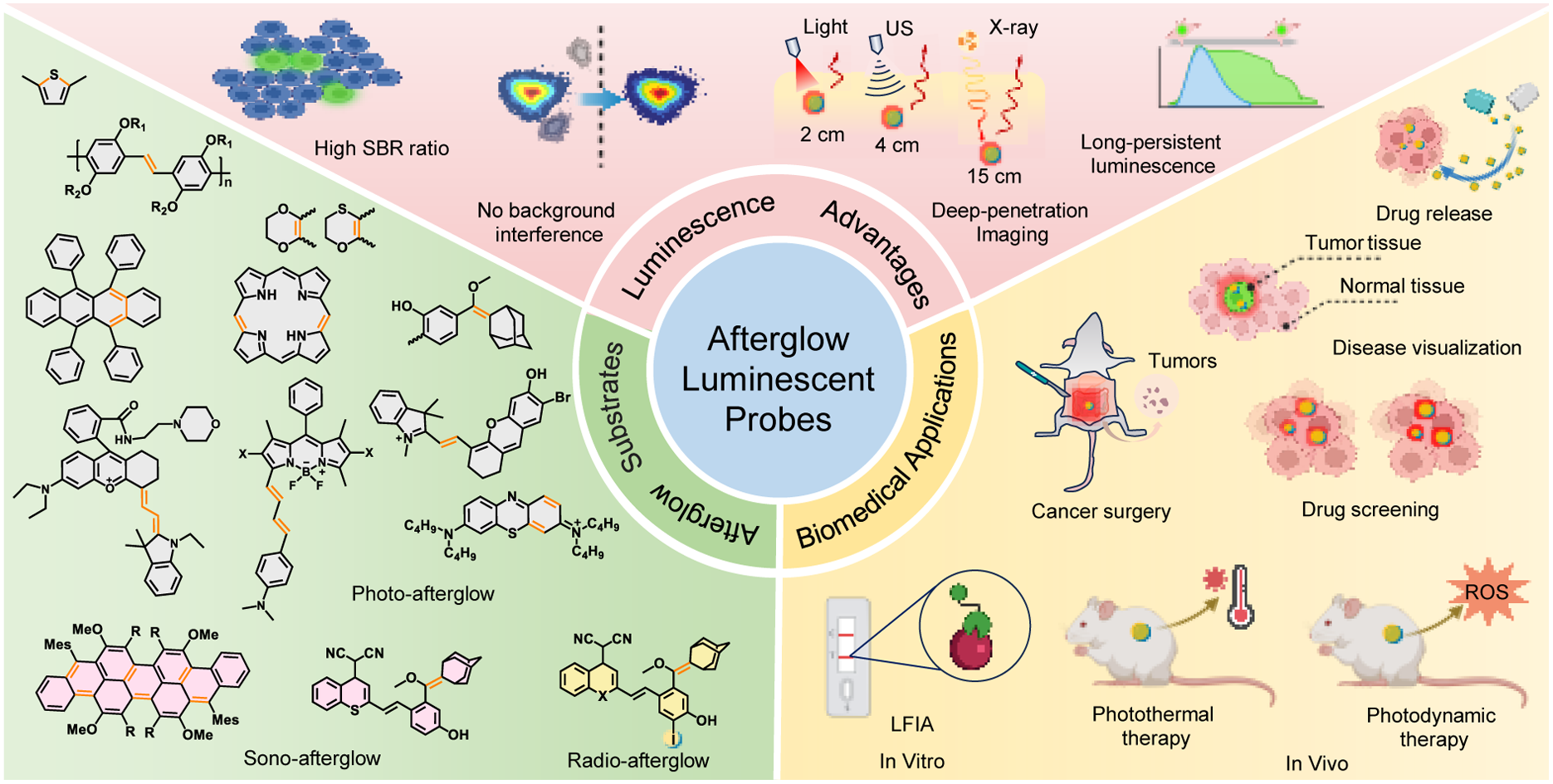
Deep excitation afterglow luminescent probes for biomedical applications
Yuxia Liu, Xi Liu, Pu Chen, Jonathan L. Sessler, Bo Tang, Tony D. James and Guang Chen et al.
Chem. Sci., 2026,17, 6805-6834


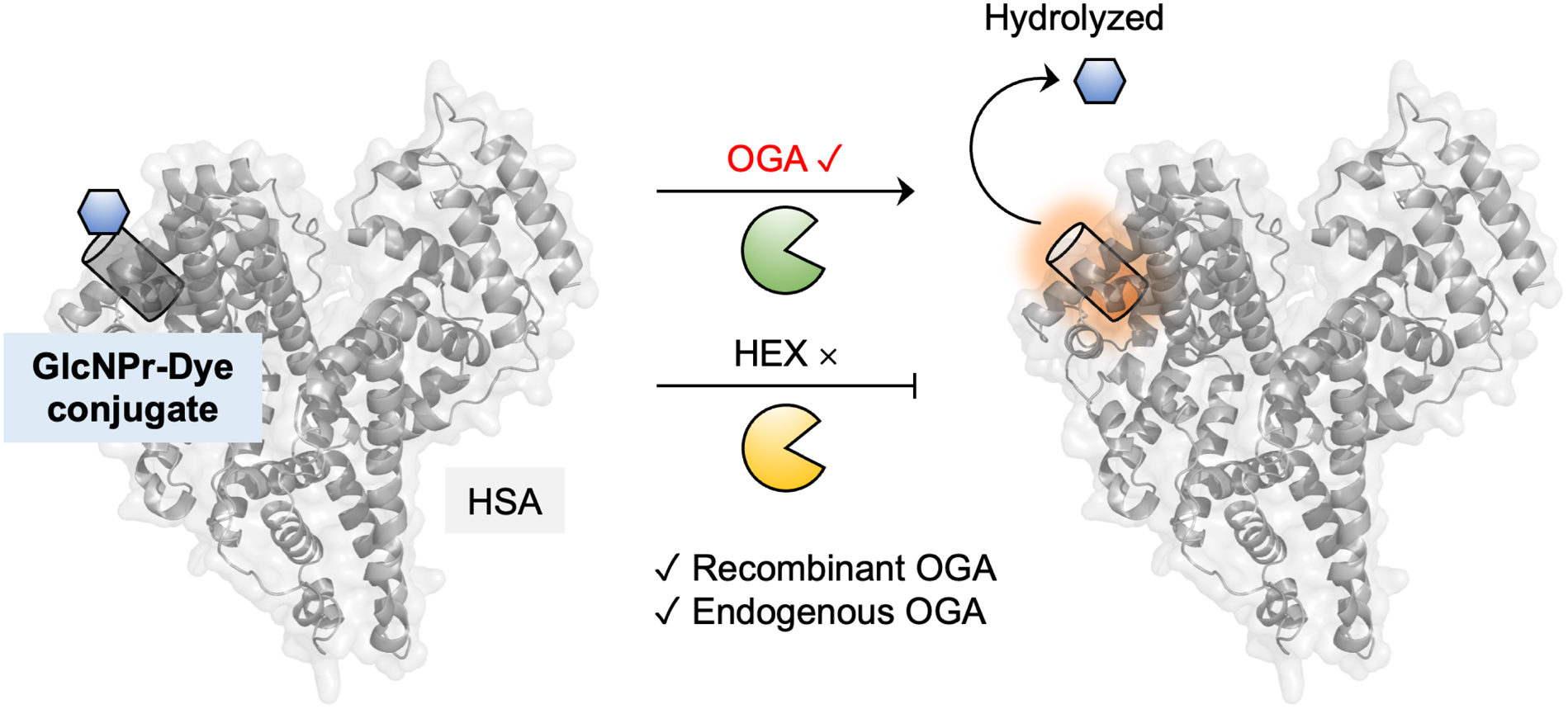
Protein-encapsulated fluorogenic probes for the selective detection of endogenous O-GlcNAcase (OGA)
Tony D. James, Jia Li and Xiao‑Peng He et al.
Chem. Sci., 2026,17, 7178-7184


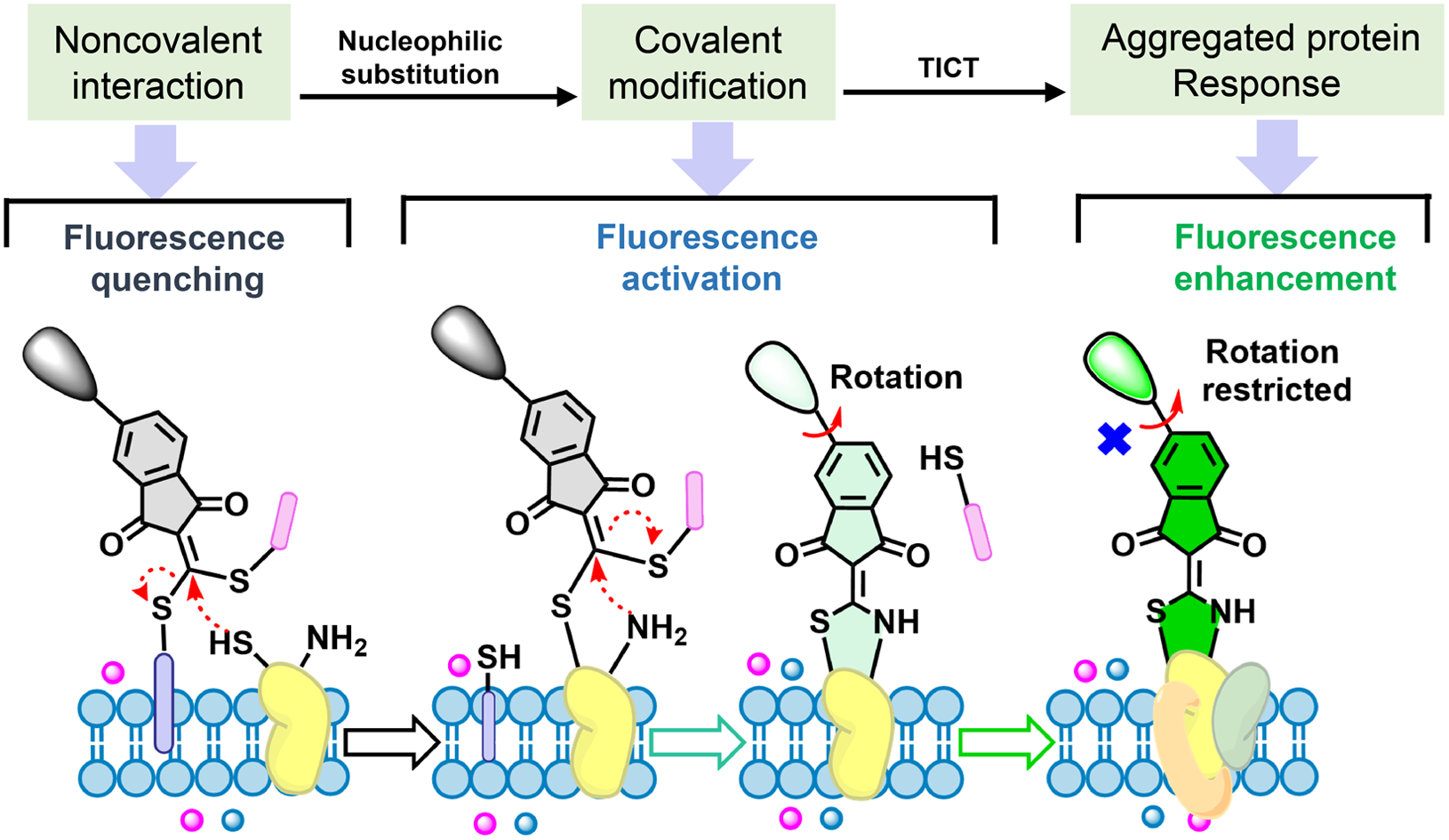
Reactive fluorescent probe for covalent membrane-anchoring: enabling real-time imaging of protein aggregation dynamics in live cells
Hui Zhang, Tony D. James and Xiaolong Sun et al.
Chem. Sci., 2026,17, 5201-5212

We look forward to receiving submissions of your best work in the area of sensors, probes and analytical chemistry!


Digg This
Reddit This
Stumble Now!
Share on Facebook
Bookmark this on Delicious
Share on LinkedIn
Bookmark this on Technorati
Post on Twitter
Google Buzz (aka. Google Reader)

Professor Dirk Guldi joins the Chemical Science Editorial Board

Chemical Science is excited to share that Professor Dirk Guldi (Friedrich-Alexander-University Erlangen-Nürnberg, Germany) has joined the journal as an Associate Editor.

Professor Guldi has previously served as the Editor-in-Chief of Nanoscale and Nanoscale Advances and brings this experience to his role as an Associate Editor for Chemical Science. Dirk is one of the world’s leading scientists in the field of charge transfer and nanocarbons. In particular, he is well-known for his outstanding contributions to the areas of charge-separation in donor-acceptor materials and the construction of nanostructured thin films for solar energy conversion.

His group is involved in the designing, devising, synthesizing, and testing of novel nanometer scale structures as integrative components for photoelectrochemical devices. The charge transfer behaviour of nanocarbon materials is also studied, in solution, as transparent films or at electrode surfaces.


“I am thrilled and honoured to join the distinguished team of scientist-editors at Chemical Science as an Associate Editor.

As the flagship journal of the Royal Society of Chemistry, Chemical Science publishes cutting-edge research at the forefront of chemistry and its interfaces with fields like materials science, energy, and nanoscience.

Over the past 15 years, I have co-authored 37 papers in Chemical Science, which have been cited nearly 1,500 times according to Scopus.  I am excited to bring this experience to my editorial role, helping to select the most impactful manuscripts, and to write forward-looking perspectives and reviews that guide research and help shape the future of the field.

I warmly invite submissions on topics including photoactive nanomaterials, carbon nanostructures, molecular photochemistry, nanotechnology, and sustainable solar energy technologies. Authors can expect fast decisions and a highly professional review process for manuscripts that advance to review.  I look forward to working with you to highlight the very best chemistry research.”


Discover the areas that Professor Guldi will be considering in our Most Popular Energy Conversion and Nanoscience collections, and read his latest publications in Chemical Science:

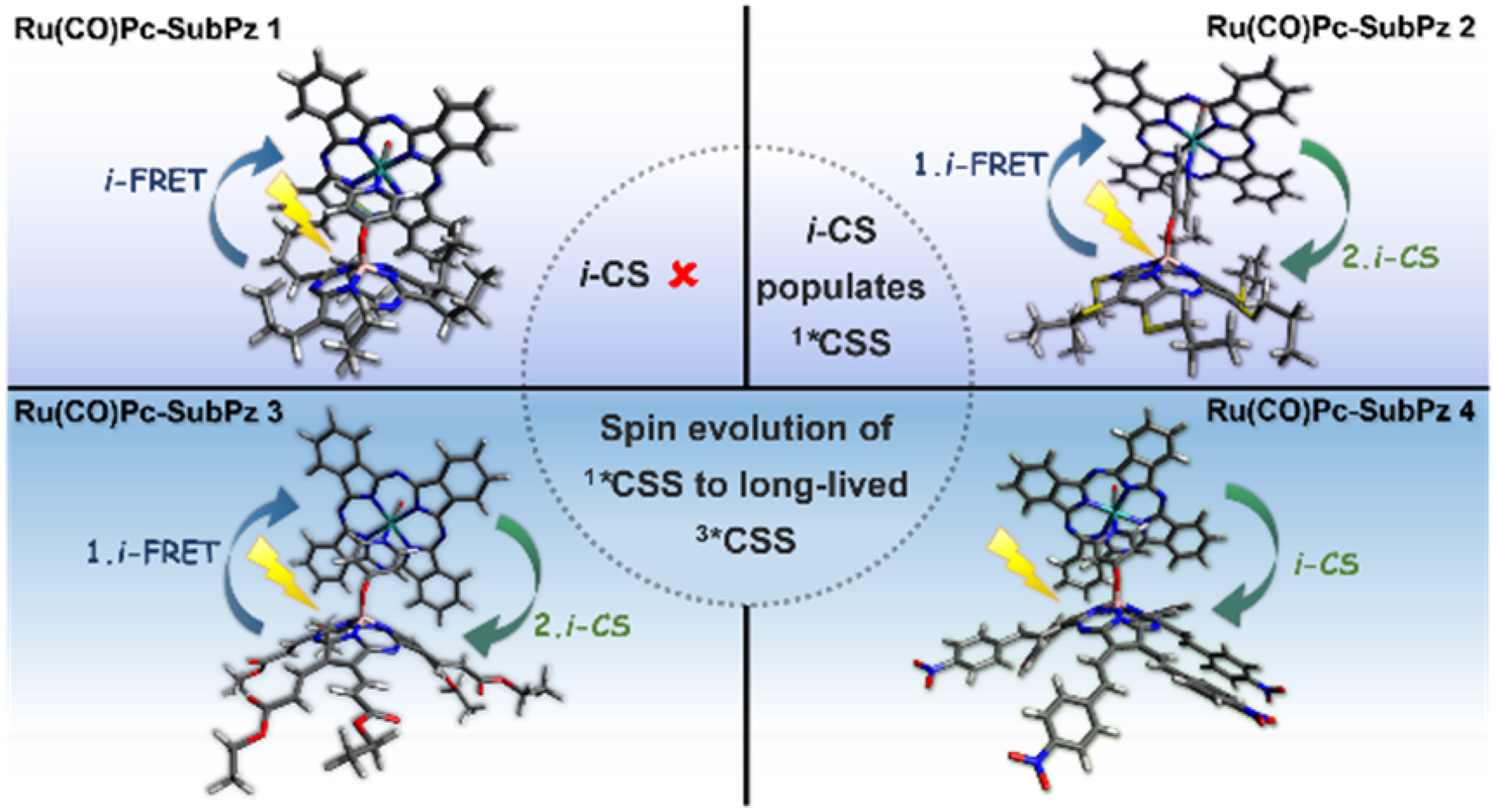
Subporphyrazine scaffolds as emerging electron acceptors for long-lived charge separation
Tomás Torres, Dirk M. Guldi and M. Salomé Rodríguez‑Morgade et al.
Chem. Sci., 2026,17, 5563-5575

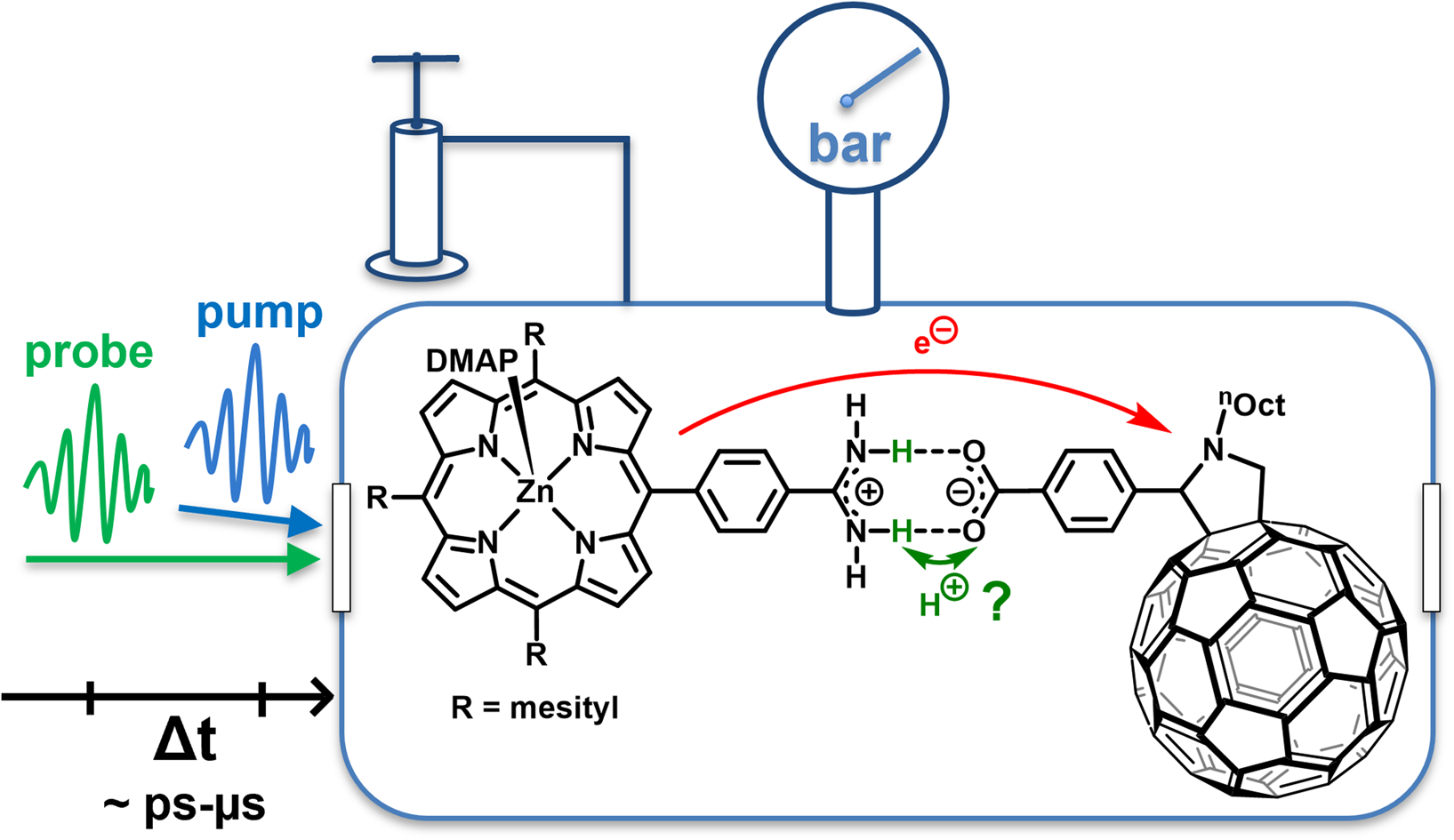
Activation volumes associated with excited-state electron transfer across amidinium-carboxylate bridge
Tomás Torres and Dirk M. Guldi et al.
Chem. Sci., 2026, Advance Article

We look forward to receiving your outstanding work in energy conversion and nanoscience for consideration towards publication in Chemical Science!

Digg This
Reddit This
Stumble Now!
Share on Facebook
Bookmark this on Delicious
Share on LinkedIn
Bookmark this on Technorati
Post on Twitter
Google Buzz (aka. Google Reader)

Most Popular 2025 Article Collections

We are pleased to share subject-specific collections of our most popular Chemical Science content published in the last year. These collections are designed to highlight some of the exceptional research published in Chemical Science – and like all Chemical Science articles, they are free to access and read from anywhere in the world with no restrictions.

We hope you enjoy reading our selections of 2025 most popular articles in the collections below.


Analytical Chemistry

Featuring contributions on single-molecule detection, nanopores, NIR probes, and NMR spectroscopy amongst other topics in the area of analytical chemistry.

Bioinorganic Chemistry

Our most popular bioinorganic chemistry articles include enzyme electrocatalysis, bioinorganic spectroscopy, and enzymatic pathways.

Catalysis

Including research articles on water splitting, CO2 conversion, ammonia synthesis, enzyme mimics and C-H bond functionalisation.

Chemical Biology

Ranging from recent advances in amyloid-β aggregation, long oligonucleotides, molecular glues to pathway inhibition.

Energy Conversion

Covering solar cells, photocatalysis, thermoelectric materials and water electrolysis and other topics.

Energy Storage

Highlighting developments in batteries and alternative energy storage technologies, such as supercapacitors and hydrogen storage.

Inorganic Chemistry

Including single molecule magnets, multiple bonds, and boron chemistry, among many other topics.

Inorganic Materials

Featuring NLO and ferroelectric materials, superionic conduction, and chiral-induced spin selection, among other topics.

Machine Learning

Detailing developments including LLMs and autonomous agents, AI reaction simulations and machine-learned force fields.

Nanoscience

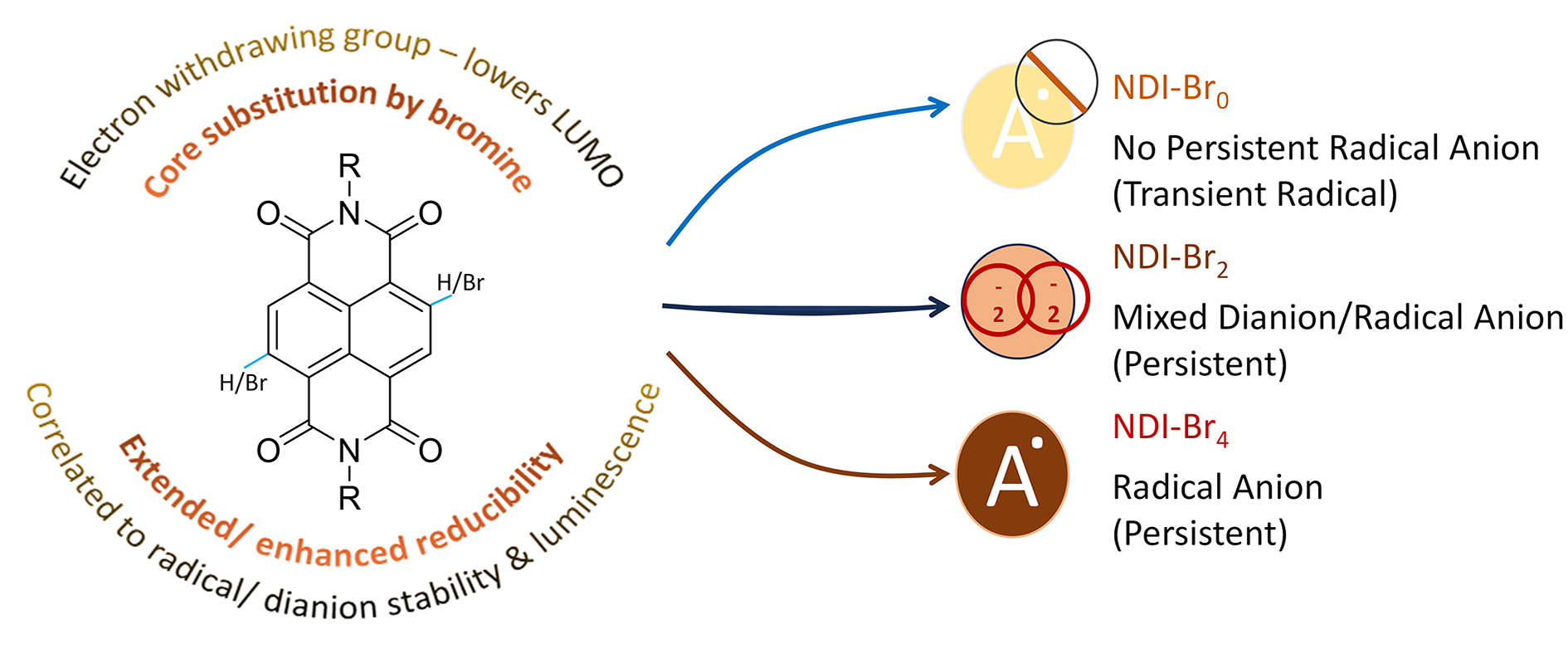
Highlighting work on nanocarbons and carbon dots, atomically precise metal nanoclusters, and catalysts.

Chemical science logo

Organic Materials

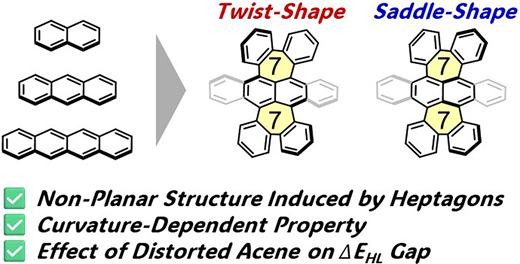
Covering developments in organic optical materials, molecular switches, polycyclic aromatic hydrocarbons and more.

Organic Methodology

Detailing research focused on methodology and mechanistic insights, including AI-enabled retrosynthesis and multi-ligand catalytic reactions.

Organic Synthesis

Including bicyclobutanes, chiral lactams, electrochemical and photocatalytic reactions and spirocyclic compounds.

Photochemistry

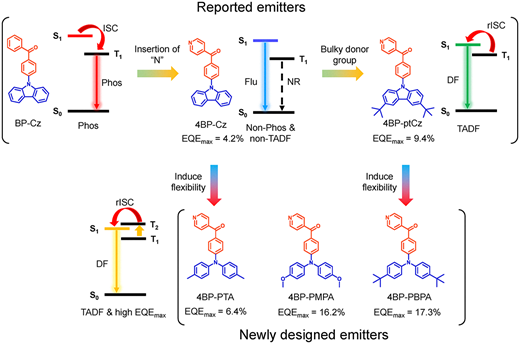
Highlighting photocatalysis, photoswitches, AIEgens, photoactive molecular liquids and luminescent materials among other topics.

Physical Chemistry

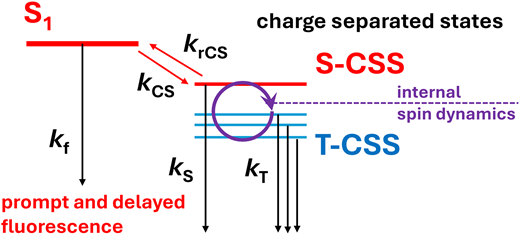
New research on polaritons, reactions in microdroplets, ultrafast spectroscopy and photophysics and other topics.

Polymers

Highlighting our most popular articles in polymer chemistry including ultra-high molecular weight polymers, chemical upcycling and backbone editing.

Porous Materials

Including separation with zeolites, recovery of precious metals, MOFs as catalysts and AI for the discovery of new porous materials.

Sensing & Imaging

Presenting fluorescent probes, sensing and NIR-II imaging-guided cancer therapy among many other research.

Supramolecular Chemistry

Detailing dynamic covalent cages, supramolecular polymers and rotaxane dendrimers among other topics.

Theoretical & Computational Chemistry

Covering tools for predicting regioselectivity, aromaticity via quantum tunnelling, and the allowed and forbidden classification of organic reactions.

The Chemical Science Lectureship is now open! Find out how to nominate researchers in the area of machine learning, digital chemistry and automation and that have published in Chemical Science in the last five years here.


Submit to Chemical Science today! Check out our author guidelines for information on our article types and find out more about the advantages of publishing in a Royal Society of Chemistry journal.

Keep up to date with our latest articles, reviews, collections & more by following us on social media (BlueSky, LinkedIn, Facebook), and browse the articles in our latest issues by signing up to our E-Alerts.

Digg This
Reddit This
Stumble Now!
Share on Facebook
Bookmark this on Delicious
Share on LinkedIn
Bookmark this on Technorati
Post on Twitter
Google Buzz (aka. Google Reader)

Chemical Science Reviewer Spotlight December 2025

Chemical Science Reviewer Spotlight – December 2025

To further thank and recognise the support from our excellent reviewer community, we are highlighting reviewers who have provided exceptional support to the journal over the past year.

This month, we’ll be highlighting Dr Alexandra Brumberg, Professor Liliana Quintanar, Dr Sami Lakhdar, Professor Kathryn Fairfull-Smith and Professor Louise Berben. We asked our reviewers a few questions about what they enjoy about reviewing, and their thoughts on how to provide a useful review.

Dr Alexandra Brumberg. Our group combines materials synthesis with steady-state and time-resolved optical spectroscopy to control and understand dynamic structural processes in bulk and nanocrystalline inorganic materials. Ultimately, our aim is to enable control over optoelectronic and other physico-chemical properties in inorganic materials through enhanced fundamental understanding of how electron and carrier dynamics are influenced by changes in structure.

Professor Liliana Quintanar. My research group studies the interaction of metal ions with proteins that are involved in degenerative diseases, such as Alzheimer´s and cataract disease. In particular, we study essential metals such as copper and zinc, and we use different spectroscopic tools to understand how these metals interact with the proteins associated with disease.

Dr Sami Lakhdar. My group develops new chemical reactions by combining modern synthetic methods, light-driven catalysis, and mechanistic insight. We are particularly interested in phosphorus chemistry and in creating more efficient and sustainable chemical processes


Professor Kathryn Fairfull-Smith. My research focuses the use of organic synthesis to build molecules or functionalize surfaces and polymers for various applications, including the development of novel anti-biofilm agents and materials.

Professor Louise Berben. Louise’s research group studies new molecular catalysts made from earth abundance elements, including their properties and reactivity to create new sustainable catalytic processes.


What encouraged you to review for Chemical Science?

Dr Alexandra Brumberg: I think very highly of the work that is published in Chemical Science, which often highlights research that requires expertise spanning multiple chemical subdisciplines. I’m always impressed by papers that successfully bridge these areas, and I value the opportunity to contribute reviews on interdisciplinary work that aligns with my expertise.
Professor Kathryn Fairfull-Smith: Chemical Science publishes high quality interdisciplinary research findings – it is always interesting to review for this journal. Reviewing gives early access to the latest data, methods, and ideas before they’re published, helping me stay up to date in fast-moving fields.

Dr Sami Lakhdar: I chose to review for Chemical Science because it consistently highlights ambitious research with broad impact. Its open-access model gives the work real reach and reviewing feels like a small but meaningful way to support a community committed to innovation and rigour.


What advice would you give a first-time author looking to maximise their chances of successful peer review?

Dr Sami Lakhdar: Be clear about what is new and why it matters. Present a focused, coherent story supported by strong evidence and well-crafted figures. Be transparent about methods and limitations, avoid overstating claims, and refine the manuscript so reviewers can fully engage with the science.
Professor Liliana Quintanar: It is important to write the manuscript in a concise and succinct manner, considering the audience is broad across the wide range of areas of chemistry and related fields. I also think it is important to provide editors with a list of colleagues who can serve as potential reviewers and provide constructive feedback to their work.
Professor Louise Berben: Write a story that can be understood by a general chemistry audience, teach the reader something new and tell them clearly what you believe is the most important conclusion of the paper. Arrange the presentation so that the necessary complicated parts don’t detract from your punchline.
 

Did reviewing for Chemical Science affect how you approached preparation of your recent publication with us?

Professor Louise Berben: Absolutely, reviewing other researchers’ manuscripts provides insights for the construction of your own story and presentation, in a way that will be accessible and interesting to the reader. It’s always easier to see issues with work you read for the first time than it is with your own writing, and those elements can improve your approach to writing.

 

What makes a paper truly stand out for you when reviewing a paper?

Dr Alexandra Brumberg: Of course, truly innovative scientific approaches or ideas are great, but I also find that clear, well-organized writing and clean figures can be hard to come across. Both as an early career researcher and as a reviewer who sometimes reviews papers outside of my immediate area of expertise, it can be difficult to determine if I am struggling to understand a section in a paper because I do not have the necessary expertise or because it was not explained well. The papers that stand out are those that explain everything clearly.


What do you enjoy most about reviewing?

Professor Liliana Quintanar:  I enjoy reviewing manuscripts when they are well written and they communicate concisely. I also like to give constructive feedback to authors to help them improve their manuscripts. 

Professor Kathryn Fairfull-Smith: Learning about scientific breakthroughs and helping to maintain high standards of scientific rigour in my discipline.

How has your approach to peer reviewing changed over time?

Dr Sami Lakhdar:  Over time, I’ve learned to look beyond individual technical details and to focus more on clarity, significance, and constructive guidance. I now try to provide reviews that are fair, respectful, and genuinely useful to authors and to the scientific community.


What has been your biggest learning point from reviewing?

Dr Alexandra Brumberg: Serving as a reviewer has helped me learn how to focus my feedback. I find it difficult to refrain from including every critique in my review, but this can lead to overwhelmingly long reviews that detract from the main issue(s) in the paper. Now, I’ve gotten better at identifying the main points that will genuinely improve the paper and learning to let the smaller things go.

Professor Kathryn Fairfull-Smith: Manuscripts worthy of publication generally have the same components: clear research questions, tight logic, appropriate controls, and a coherent narrative that matches the journal’s scope. As a reviewer, it is also interesting to see how your perspective compares or contrasts with the other reviewers and observe how editorial decisions are made — knowledge that is invaluable when submitting your own papers.


If you want to learn more about how we support our reviewers, check out our Reviewer Hub.

Interested in joining our ever-growing reviewer community? Apply here now!

Digg This
Reddit This
Stumble Now!
Share on Facebook
Bookmark this on Delicious
Share on LinkedIn
Bookmark this on Technorati
Post on Twitter
Google Buzz (aka. Google Reader)

Zaiping selects her Editor’s Choice in batteries and energy storage

Read Zaiping’s recent ChemSci picks covering batteries and energy storage.

Photo of Zaiping Guo in a circle with a decorative swoosh on the side.

Professor Zaiping Guo, City University of Hong Kong

Professor Zaiping Guo’s Editor’s Choice

We are delighted to share with you our latest Editor’s Choice collection that presents a selection of notable research contributions in batteries and energy storage in Chemical Science from the last two years.

The featured articles selected by Chemical Science Associate Editor Zaiping demonstrate 12 cutting-edge studies that explore the next generation of battery materials, architectures, and interfacial strategies.

From lithium-ion, sodium-ion, zinc-ion, and all-solid-state batteries, as well as thermogalvanic cells, these works reveal how innovations in electrode design, electrolyte chemistry, and in situ diagnostics are contributing to more stable, efficient, and high-performance energy storage systems.


Professor Guo considers work at the forefront of energy materials, including materials for energy storage and conversion, rechargeable batteries, hydrogen storage, and fuel cells. Submit your best manuscripts on these topics to Chemical Science for Professor Guo’s consideration.

We hope you enjoy reading this selection of recent articles chosen by Professor Zaiping Guo.

1

Janus interface enables reversible Zn-ion battery by regulating interfacial water structure and crystal-orientation

Chem. Sci., 2024, 15, 1488-1497

Graphical abstract: Janus interface enables reversible Zn-ion battery by regulating interfacial water structure and crystal-orientation
2

Planar pentacoordinate s-block metals

Chem. Sci., 2023, 14, 8785-8791

Graphical abstract: Planar pentacoordinate s-block metals
3

How uniform particle size of NMC90 boosts lithium ion mobility for faster charging and discharging in a cylindrical lithium ion battery cell

Chem. Sci., 2024, 15, 2026-2036

Graphical abstract: How uniform particle size of NMC90 boosts lithium ion mobility for faster charging and discharging in a cylindrical lithium ion battery cell

4

P-doped spherical hard carbon with high initial coulombic efficiency and enhanced capacity for sodium ion batteries

Chem. Sci., 2024, 15, 8478-8487

Graphical abstract: P-doped spherical hard carbon with high initial coulombic efficiency and enhanced capacity for sodium ion batteries
5

In situ polymerization of 1,3-dioxolane and formation of fluorine/boron-rich interfaces enabled by film-forming additives for long-life lithium metal batteries

Chem. Sci., 2024, 15, 12108-12117

Graphical abstract: In situ polymerization of 1,3-dioxolane and formation of fluorine/boron-rich interfaces enabled by film-forming additives for long-life lithium metal batteries

6

A covalent organic framework as a dual-active-center cathode for a high-performance aqueous zinc-ion battery

Chem. Sci., 2024, 15, 4341-4348

Graphical abstract: A covalent organic framework as a dual-active-center cathode for a high-performance aqueous zinc-ion battery
7

In situ Nafion-nanofilm oriented (002) Zn electrodeposition for long-term zinc-ion batteries

Chem. Sci., 2024, 15, 4322-4330

Graphical abstract: In situ Nafion-nanofilm oriented (002) Zn electrodeposition for long-term zinc-ion batteries

8

Self-assembled monolayers for electrostatic electrocatalysis and enhanced electrode stability in thermogalvanic cells

Chem. Sci., 2024, 15, 6958-6964

Graphical abstract: Self-assembled monolayers for electrostatic electrocatalysis and enhanced electrode stability in thermogalvanic cells

9

High temperature in situ gas analysis for identifying degradation mechanisms of lithium-ion batteries

Chem. Sci., 2025, 16, 5118-5128

Graphical abstract: High temperature in situ gas analysis for identifying degradation mechanisms of lithium-ion batteries

10

Nanostructured amorphous Ni–Co–Fe phosphide as a versatile electrocatalyst towards seawater splitting and aqueous zinc–air batteries

Chem. Sci., 2025, 16, 9484-9500

Graphical abstract: Nanostructured amorphous Ni–Co–Fe phosphide as a versatile electrocatalyst towards seawater splitting and aqueous zinc–air batteries

11

Catalysis of a LiF-rich SEI by aromatic structure modified porous polyamine for stable all-solid-state lithium metal batteries

Chem. Sci., 2025, 16, 2453-2464

Graphical abstract: Catalysis of a LiF-rich SEI by aromatic structure modified porous polyamine for stable all-solid-state lithium metal batteries

12

Revealing the dissolution mechanism of organic carbonyl electrodes in lithium–organic batteries

Chem. Sci., 2025, 16, 4335-4341

Graphical abstract: Revealing the dissolution mechanism of organic carbonyl electrodes in lithium–organic batteries


If you are interested in research in similar areas, explore our most popular 2024 energy articles collection in Chemical Science.

Chemical Science is the flagship journal of the Royal Society of Chemistry, publishing exceptional research across the chemical sciences. As a diamond open access journal, all of our articles are free to read and free to publish – find out more and browse our latest articles on our webpage.

Keep up to date with our latest articles, reviews, collections & more by following us on Bluesky, LinkedIn or by signing up to our E-Alerts.

Digg This
Reddit This
Stumble Now!
Share on Facebook
Bookmark this on Delicious
Share on LinkedIn
Bookmark this on Technorati
Post on Twitter
Google Buzz (aka. Google Reader)

Chemical Science Reviewer Spotlight – September 2025

To further thank and recognise the support from our excellent reviewer community, we are highlighting reviewers who have provided exceptional support to the journal over the past year.

This month, we’ll be highlighting Professor Mercedes Taylor, Professor Renana Gershoni-Poranne, Professor Dan Li and Professor Nick Le Brun. We asked our reviewers a few questions about what they enjoy about reviewing, and their thoughts on how to provide a useful review.

Professor Mercedes Taylor, University of Maryland. Mercedes Taylor’s lab uses supramolecular assembly and reticular chemistry to design robust organic materials for challenging ion separations.

Professor Renana Gershoni-Poranne, Technion-Israel Institute of Technology. My group uses computational chemistry and data-driven approaches to understand and predict the chemical properties and reactivity of polycyclic aromatic systems. We then try to encapsulate these insights into conceptual frameworks to enable the design of molecules with tailored properties that can be used in various areas, such as organic semiconductors or ligands for catalysts. We’ve recently also started to employ machine- and deep-learning techniques for generative design of these molecules.

Professor Dan Li, Jinan University. My research focuses on designing and building complex molecules, combining different types of chemical bonds/weak interactions to create visually appealing shapes with exciting properties, aiming to develop sustainable materials.

Professor Nick Le Brun, University of East Anglia. My research is focused on understanding the roles of metals in life, how organisms minimise the toxicity of essential metals, and how they assemble complex metallocofactors.


What encouraged you to review for Chemical Science?

Professor Renana Gershoni-Poranne: Chemical Science is a leading journal that publishes innovative, high-quality work across all areas of chemistry. I was motivated to contribute to maintaining these standards and to support a journal that fosters scientific excellence and broad accessibility. I am particularly grateful that Chemical Science provides an important platform for aromaticity-related work, allowing the work of our community to reach broad audiences and have an impact.

Professor Dan Li: Chemical Science serves as an interdisciplinary platform for researchers across a wide range of fields. Reviewing for it offers a unique opportunity to engage with chemists from diverse backgrounds.

Professor Mercedes Taylor: I enjoy reading articles in Chemical Science because of their fundamental approach to broadly-relevant questions, so this enjoyment encouraged me to contribute as a reviewer.


What advice would you give a first-time author looking to maximise their chances of successful peer review?

Professor Nick Le Brun: Aside from the obvious things such as making sure that the main messages of the manuscript are well supported by the data (including the right controls), and that it’s been carefully proof read before submission, it’s important to capture the interest of the reader from the beginning – weave your findings into an engaging story that emphasises why the science is important.


What makes a paper truly stand out for you when reviewing a paper?

Professor Mercedes Taylor: I appreciate papers with thoughtful, unusual introductions. Occasionally authors will depart from the standard format of an introduction to offer more original musings on the state of the field, which sets the paper apart from the beginning.


What do you enjoy most about reviewing

Professor Renana Gershoni-Poranne: Getting to read manuscripts before they are published feels like getting a ‘sneak peek’ – which is always fun! I also enjoy the opportunity to contribute constructive feedback that strengthens the work, if I think I can. Reviewing also broadens my own perspective by exposing me to ideas and methods outside my immediate field. I always include something complimentary in each review, because I know that the students and postdocs who worked on the manuscript deserve encouragement, even if there are still some areas that can be improved. I like to think that this makes the reviewing process less stressful for them.

Professor Nick Le Brun: Reviewing a manuscript properly takes significant time, but can be very rewarding. Helping to get fascinating new science published is enjoyable, as is the opportunity to suggest ways to improve a manuscript.

Professor Dan Li: Reviewing embodies both a privilege and a solemn duty.


How did you prepare to write a review for Chemical Science?

Professor Mercedes Taylor: I prepare to write a review by reading the article through from start to finish; I try to resist the urge to make notes and form opinions until the second read. 


How do you find that Chemical Science has contributed to your research field?

Professor Nick Le Brun: Chemical Science, as the flagship journal of the RSC, is a leading broad remit chemistry journal, and as such publishes some of the best science in bioinorganic chemistry. It’s led the way in terms of making science accessible to all through its highly unusual and long-standing free-to-publish policy.

Professor Renana Gershoni-Poranne: As a computational chemist, I particularly appreciate that Chemical Science serves as an important venue for disseminating high-impact research in computational and theoretical chemistry, fields which have traditionally had a much harder time getting published in broader journals. As mentioned above, in recent years Chemical Science has also provided a platform for research in the area of aromaticity, which has been important for our community. 


Tune in soon to meet our next group of #ChemSciReviewers!


If you want to learn more about how we support our reviewers, check out our Reviewer Hub.

Interested in joining our ever-growing reviewer community? Apply here now!

Digg This
Reddit This
Stumble Now!
Share on Facebook
Bookmark this on Delicious
Share on LinkedIn
Bookmark this on Technorati
Post on Twitter
Google Buzz (aka. Google Reader)

Jinlong Gong selects his Editor’s Choice in catalysis

Read Jinlong’s recent ChemSci picks covering applications in catalysis

Headshot photo of Prof Gong inside a teal green circle swoosh.

Professor Jinlong Gong, Tianjin University

Professor Jinlong Gong’s Editor’s Choice

We are delighted to share with you our latest Editor’s Choice collection that presents a selection of notable research contributions in catalysis chemistry in Chemical Science from 2023 to 2024.

The featured articles selected by Chemical Science Associate Editor Jinlong demonstrate 21 cutting-edge papers at the forefront of catalysis, highlighting the diverse strategies and mechanistic insights driving progress in energy conversion, environmental remediation and sustainable chemical transformations via heterogeneous and homogeneous catalysis.

Covering photo- and electrocatalytic platforms, machine learning, and applications from carbon dioxide reduction to plastic upcycling, these studies showcase key interdisciplinary advances in catalysis published Chemical Science.


Professor Gong considers work at the forefront of heterogeneous catalysis, including small molecule conversion and the synthesis of new nanostructured catalytic materials. Submit your best manuscripts on these topics to Chemical Science for Professor Gong’s consideration.


We hope you enjoy reading this selection of articles chosen by Professor Jinlong Gong.

1 Transport limitations in polyolefin cracking at the single catalyst particle level

Sebastian Rejman, Ina Vollmer, Maximilian J. Werny, Eelco T. C. Vogt, Florian Meirer and Bert M. Weckhuysen

Chem. Sci., 2023, 14, 10068-10080

Graphical abstract: Transport limitations in polyolefin cracking at the single catalyst particle level
2 A 2D/2D heterojunction of ultrathin Pd nanosheet/MXene towards highly efficient methanol oxidation reaction: the significance of 2D material nanoarchitectonics

Huajie Huang, Di Xiao, Zihan Zhu, Chi Zhang, Lu Yang, Haiyan He, Jungmok You, Quanguo Jiang, Xingtao Xu and Yusuke Yamauchi

Chem. Sci., 2023, 14, 9854-9862

Graphical abstract: A 2D/2D heterojunction of ultrathin Pd nanosheet/MXene towards highly efficient methanol oxidation reaction: the significance of 2D material nanoarchitectonics
3 Room temperature design of Ce(IV)-MOFs: from photocatalytic HER and OER to overall water splitting under simulated sunlight irradiation

Shan Dai, Eva Montero-Lanzuela, Antoine Tissot, Herme G. Baldoví, Hermenegildo García, Sergio Navalón and Christian Serre

Chem. Sci., 2023, 14, 3451-3461

Graphical abstract: Room temperature design of Ce(iv)-MOFs: from photocatalytic HER and OER to overall water splitting under simulated sunlight irradiation

4

Hydrogen spillover enhances alkaline hydrogen electrocatalysis on interface-rich metallic Pt-supported MoO3

Chem. Sci., 2024, 15, 364-378

Graphical abstract: Hydrogen spillover enhances alkaline hydrogen electrocatalysis on interface-rich metallic Pt-supported MoO3

5

Highly dispersed Pd-based pseudo-single atoms in zeolites for hydrogen generation and pollutant disposal

Chem. Sci., 2024, 15, 379-388

Graphical abstract: Highly dispersed Pd-based pseudo-single atoms in zeolites for hydrogen generation and pollutant disposal

6

An optimal Fe–C coordination ensemble for hydrocarbon chain growth: a full Fischer–Tropsch synthesis mechanism from machine learning

Chem. Sci., 2023, 14, 9461-9475

Graphical abstract: An optimal Fe–C coordination ensemble for hydrocarbon chain growth: a full Fischer–Tropsch synthesis mechanism from machine learning

7

The challenge of balancing model sensitivity and robustness in predicting yields: a benchmarking study of amide coupling reactions

Chem. Sci., 2023, 14, 10835-10846

Graphical abstract: The challenge of balancing model sensitivity and robustness in predicting yields: a benchmarking study of amide coupling reactions

8

PET recycling under mild conditions via substituent-modulated intramolecular hydrolysis

Chem. Sci., 2023, 14, 6558-6563

Graphical abstract: PET recycling under mild conditions via substituent-modulated intramolecular hydrolysis

9

The spatial distribution of cobalt phthalocyanine and copper nanocubes controls the selectivity towards C2 products in tandem electrocatalytic CO2 reduction

Chem. Sci., 2023, 14, 1097-1104

Graphical abstract: The spatial distribution of cobalt phthalocyanine and copper nanocubes controls the selectivity towards C2 products in tandem electrocatalytic CO2 reduction

10

Customizing precise, tunable, and universal cascade charge transfer chains towards versatile photoredox catalysis

Chem. Sci., 2024, 15, 2898-2913

Graphical abstract: Customizing precise, tunable, and universal cascade charge transfer chains towards versatile photoredox catalysis

11

Manipulating electron redistribution between iridium and Co6Mo6C bridging with a carbon layer leads to a significantly enhanced overall water splitting performance at industrial-level current density

Chem. Sci., 2024, 15, 11890-11901

Graphical abstract: Manipulating electron redistribution between iridium and Co6Mo6C bridging with a carbon layer leads to a significantly enhanced overall water splitting performance at industrial-level current density

12

Enhancing the photocatalytic upcycling of polystyrene to benzoic acid: a combined computational-experimental approach for acridinium catalyst design

Chem. Sci., 2024, 15, 1061-1067

Graphical abstract: Enhancing the photocatalytic upcycling of polystyrene to benzoic acid: a combined computational-experimental approach for acridinium catalyst design

13

Identifying the active sites and intermediates on copper surfaces for electrochemical nitrate reduction to ammonia

Chem. Sci., 2024,15, 2578-2585

Graphical abstract: Identifying the active sites and intermediates on copper surfaces for electrochemical nitrate reduction to ammonia

14

Lessons learnt in photocatalysis – the influence of solvent polarity and the photostability of the photocatalyst

Chem. Sci., 2024, 15, 3741-3757

Graphical abstract: Lessons learnt in photocatalysis – the influence of solvent polarity and the photostability of the photocatalyst

15

Mesoporous Mo-doped PtBi intermetallic metallene superstructures to enable the complete electrooxidation of ethylene glycol

Chem. Sci., 2024, 15, 4349-4357

Graphical abstract: Mesoporous Mo-doped PtBi intermetallic metallene superstructures to enable the complete electrooxidation of ethylene glycol

16

Efficient C–N coupling for urea electrosynthesis on defective Co3O4 with dual-functional sites

Chem. Sci., 2024, 15, 3233-3239

Graphical abstract: Efficient C–N coupling for urea electrosynthesis on defective Co3O4 with dual-functional sites

17

Alleviating the competitive adsorption of hydrogen and hydroxyl intermediates on Ru by d–p orbital hybridization for hydrogen electrooxidation

Chem. Sci., 2024,15, 2123-2132

Graphical abstract: Alleviating the competitive adsorption of hydrogen and hydroxyl intermediates on Ru by d–p orbital hybridization for hydrogen electrooxidation

18

Electrolyte selection toward efficient photoelectrochemical glycerol oxidation on BiVO4

Chem. Sci., 2024, 15, 10425-10435

Graphical abstract: Electrolyte selection toward efficient photoelectrochemical glycerol oxidation on BiVO4

19

Solar-driven CO2-to-ethanol conversion enabled by continuous CO2 transport via a superhydrophobic Cu2O nano fence

Chem. Sci., 2024, 15, 1638-1647

Graphical abstract: Solar-driven CO2-to-ethanol conversion enabled by continuous CO2 transport via a superhydrophobic Cu2O nano fence

20

Overall reaction mechanism of photocatalytic CO2 reduction on a Re(I)-complex catalyst unit of a Ru(II)–Re(I) supramolecular photocatalyst

Chem. Sci., 2024, 15, 2074-2088

Graphical abstract: Overall reaction mechanism of photocatalytic CO2 reduction on a Re(i)-complex catalyst unit of a Ru(ii)–Re(i) supramolecular photocatalyst

21

Dynamic structural evolution of MgO-supported palladium catalysts: from metal to metal oxide nanoparticles to surface then subsurface atomically dispersed cations

Chem. Sci., 2024, 15, 6454-6464

Graphical abstract: Dynamic structural evolution of MgO-supported palladium catalysts: from metal to metal oxide nanoparticles to surface then subsurface atomically dispersed cations


If you are interested in research in similar areas, explore our most popular 2024 catalysis articles collection in Chemical Science, as well as our special anniversary joint themed collection guest edited by Professor Jinlong Gong, Yingjin Yuan (Tianjin University, China), Shizhang Qiao (The University of Adelaide, Australia) and Naiqin Zhao (Tianjin University, China) in celebration of the 130th anniversary of Tianjin University.

Chemical Science is the flagship journal of the Royal Society of Chemistry, publishing exceptional research across the chemical sciences. As a diamond open access journal, all of our articles are free to read and free to publish – find out more and browse our latest articles on our webpage.

Keep up to date with our latest articles, reviews, collections & more by following us on Bluesky, LinkedIn or by signing up to our E-Alerts.

Digg This
Reddit This
Stumble Now!
Share on Facebook
Bookmark this on Delicious
Share on LinkedIn
Bookmark this on Technorati
Post on Twitter
Google Buzz (aka. Google Reader)

Yi-Tao Long selects his Editor’s Choice in analytical chemistry and sensors

Read Yi-Tao’s recent ChemSci picks covering imaging, diagnostics, phototherapy and more

Photo of Yitao Long in a circle

Professor Yi-Tao Long, Nanjing University

Professor Yi-Tao Long’s Editor’s Choice

We are delighted to share with you our latest Editor’s Choice collection that presents a selection of notable research contributions in analytical chemistry and sensors in Chemical Science from 2023 to 2024.

The featured articles selected by Chemical Science Associate Editor, Yi-Tao, demonstrate 18 cutting-edge papers in analytical chemistry and sensors, highlighting innovations in imaging, diagnostics, phototherapy, mass spectroscopy, AI-powered detection and more.

From photodynamic therapy to high-throughput proteomics, these studies showcase key advances in analytical chemistry and the creativity and interdisciplinary strength of chemical research published in Chemical Science.


Professor Long considers work at the forefront of analytical chemistry, including significant advances in spectroscopic analysis and electrochemistry. Submit your best manuscripts on these topics to Chemical Science for Professor Long’s consideration.

We hope you enjoy reading this selection of articles chosen by Professor Yi-Tao Long.

A mitochondria-localized iridium(III) photosensitizer for two-photon photodynamic immunotherapy against melanoma

Lili Wang, Johannes Karges, Fangmian Wei, Lina Xie, Zhuoli Chen, Gilles Gasser, Liangnian Ji and Hui Chao

Chem. Sci., 2023, 14, 1461-1471

Graphical abstract: A mitochondria-localized iridium(iii) photosensitizer for two-photon photodynamic immunotherapy against melanoma

Rational design of mesoporous chiral MOFs as reactive pockets in nanochannels for enzyme-free identification of monosaccharide enantiomers

Graphical abstract: Rational design of mesoporous chiral MOFs as reactive pockets in nanochannels for enzyme-free identification of monosaccharide enantiomers

Ligand engineering of Au44 nanoclusters for NIR-II luminescent and photoacoustic imaging-guided cancer photothermal therapy

Chem. Sci., 2023, 14, 4308-4318

Graphical abstract: Ligand engineering of Au44 nanoclusters for NIR-II luminescent and photoacoustic imaging-guided cancer photothermal therapy

Acceptor engineering of metallacycles with high phototoxicity indices for safe and effective photodynamic therapy

Chem. Sci., 2023, 14, 2901-2909

Graphical abstract: Acceptor engineering of metallacycles with high phototoxicity indices for safe and effective photodynamic therapy

Target-mediated self-assembly of DNA networks for sensitive detection and intracellular imaging of APE1 in living cells

Chem. Sci., 2023, 14, 2318-2324

Graphical abstract: Target-mediated self-assembly of DNA networks for sensitive detection and intracellular imaging of APE1 in living cells

The compact integration of a cascaded HCR circuit for highly reliable cancer cell discrimination

Chem. Sci., 2023, 14, 2159-2167

Graphical abstract: The compact integration of a cascaded HCR circuit for highly reliable cancer cell discrimination

Automatic materials characterization from infrared spectra using convolutional neural networks

Chem. Sci., 2023, 14, 3600-3609

Graphical abstract: Automatic materials characterization from infrared spectra using convolutional neural networks

Oxidization enhances type I ROS generation of AIE-active zwitterionic photosensitizers for photodynamic killing of drug-resistant bacteria

Chem. Sci., 2023, 14, 4863-4871

Graphical abstract: Oxidization enhances type I ROS generation of AIE-active zwitterionic photosensitizers for photodynamic killing of drug-resistant bacteria

All-in-One digital microfluidics pipeline for proteomic sample preparation and analysis

Chem. Sci., 2023, 14, 2887-2900

Graphical abstract: All-in-One digital microfluidics pipeline for proteomic sample preparation and analysis

Selective FRET nano probe based on carbon dots and naphthalimide–isatin for the ratiometric detection of peroxynitrite in drug-induced liver injury

Chem. Sci., 2024, 15, 757-764

Graphical abstract: Selective FRET nano probe based on carbon dots and naphthalimide–isatin for the ratiometric detection of peroxynitrite in drug-induced liver injury

Lanthanide MOF-based luminescent sensor arrays for the detection of castration-resistant prostate cancer curing drugs and biomarkers

Chem. Sci., 2024, 15, 6488-6499

Graphical abstract: Lanthanide MOF-based luminescent sensor arrays for the detection of castration-resistant prostate cancer curing drugs and biomarkers

Redox-mediated electrochemiluminescence enhancement for bead-based immunoassay

Chem. Sci., 2024, 15, 1150-1158

Graphical abstract: Redox-mediated electrochemiluminescence enhancement for bead-based immunoassay

Ratiometric near-infrared fluorescent probe for nitroreductase activity enables 3D imaging of hypoxic cells within intact tumor spheroids

Chem. Sci., 2024, 15, 3633-3639

Graphical abstract: Ratiometric near-infrared fluorescent probe for nitroreductase activity enables 3D imaging of hypoxic cells within intact tumor spheroids

Dynamic surface reconstruction of individual gold nanoclusters by using a co-reactant enables color-tunable electrochemiluminescence

Chem. Sci., 2024, 15, 3255-3261

Graphical abstract: Dynamic surface reconstruction of individual gold nanoclusters by using a co-reactant enables color-tunable electrochemiluminescence

High-throughput single-cell mass spectrometry enables metabolic network analysis by resolving phospholipid C[double bond, length as m-dash]C isomers

Chem. Sci., 2024, 15, 6314-6320

Graphical abstract: High-throughput single-cell mass spectrometry enables metabolic network analysis by resolving phospholipid C [[double bond, length as m-dash]] C isomers

High-throughput drug target discovery using a fully automated proteomics sample preparation platform

Chem. Sci., 2024, 15, 2833-2847


Graphical abstract: High-throughput drug target discovery using a fully automated proteomics sample preparation platform

A simplified and efficient extracellular vesicle-based proteomics strategy for early diagnosis of colorectal cancer

Chem. Sci., 2024, 15, 18419-18430

Graphical abstract: A simplified and efficient extracellular vesicle-based proteomics strategy for early diagnosis of colorectal cancer

Calibration-free reaction yield quantification by HPLC with a machine-learning model of extinction coefficients

Chem. Sci., 2024, 15, 10092-10100

Graphical abstract: Calibration-free reaction yield quantification by HPLC with a machine-learning model of extinction coefficients


If you are interested in research in similar areas, explore our most popular 2024 analytical chemistry articles collection and our related Imaging, biosensing and diagnostics: 2025 Chemical Science symposium collection.

Chemical Science is the flagship journal of the Royal Society of Chemistry, publishing exceptional research across the chemical sciences. As a diamond open access journal, all of our articles are free to read and free to publish – find out more and browse our latest articles on our webpage.

Keep up to date with our latest articles, reviews, collections & more by following us on Bluesky, LinkedIn or by signing up to our E-Alerts.

Digg This
Reddit This
Stumble Now!
Share on Facebook
Bookmark this on Delicious
Share on LinkedIn
Bookmark this on Technorati
Post on Twitter
Google Buzz (aka. Google Reader)

Ning Jiao selects his Editor’s Choice in synthetic chemistry

Professor Ning Jiao’s Editor’s Choice

We are delighted to share with you our latest Editor’s Choice collection that presents a selection of notable research contributions in synthetic chemistry from 2023 to 2024.

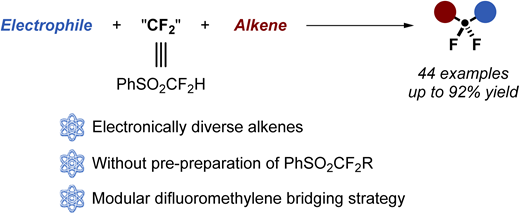
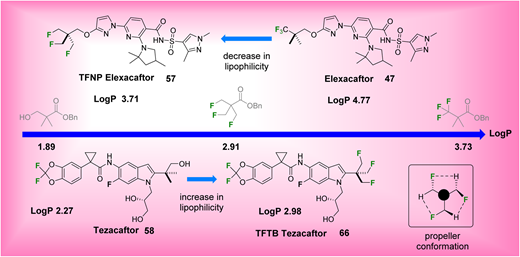
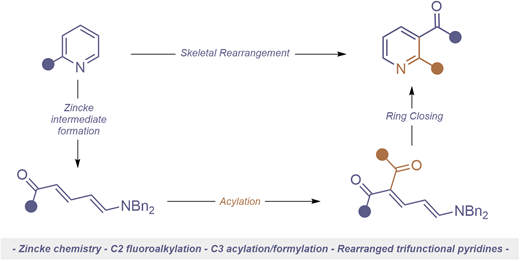
The featured articles selected by Ning demonstrate significant methodological developments such as nitrogen insertion reactions for heterocycle synthesis, machine learning applications for reaction prediction, and innovative bioisostere design for drug discovery.

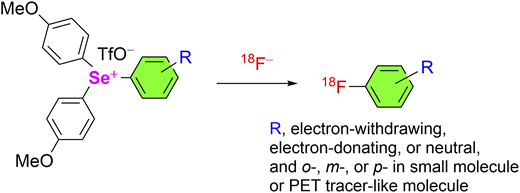
The collection also highlights advances in organocatalysis, photochemistry, and transition metal catalysis, covering diverse transformations such as C-H functionalization, cycloadditions, and radical reactions. Several studies focus on the synthesis of structurally complex or strained molecules, while others explore sustainable approaches under mild conditions.

These carefully selected works represent rigorous and impactful research, offering valuable insights for synthetic chemists across both fundamental and applied contexts.

Professor Jiao considers work at the forefront of synthetic chemistry, including significant advances in catalysis and organic methodology. Submit your best manuscripts on these topics to Chemical Science for Professor Jiao’s consideration.

We hope you enjoy reading this selection of articles selected by Professor Ning Jiao.


Nitrogen atom insertion into indenes to access isoquinolines
Patrick Finkelstein, Julia C. Reisenbauer, Bence B. Botlik, Ori Green, Andri Florin, Bill Morandi


On the use of real-world datasets for reaction yield prediction
Mandana Saebi, Bozhao Nan, John E. E. Herr, Jessica Wahlers, Zhichun Guo, Andrzej M. M. Zuranski, Thierry Kogej, Per-Ola Norrby, Abigail G. G. Doyle, Nitesh V. V. Chawla, Olaf Wiest

Graphical abstract: On the use of real-world datasets for reaction yield prediction


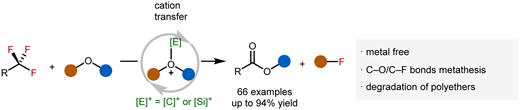
1,2-Disubstituted bicyclo[2.1.1]hexanes as saturated bioisosteres of ortho-substituted benzene
Aleksandr Denisenko, Pavel Garbuz, Yelyzaveta Makovetska, Oleh Shablykin, Dmytro Lesyk, Galeb Al-Maali, Rodion Korzh, Iryna V. Sadkova, Pavel K. Mykhailiuk

Graphical abstract: 1,2-Disubstituted bicyclo[2.1.1]hexanes as saturated bioisosteres of ortho-substituted benzene


In situ polymerization of 1,3-dioxolane and formation of fluorine/boron-rich interfaces enabled by film-forming additives for long-life lithium metal batteries
Ting Li, Kai Chen, Borui Yang, Kun Li, Bin Li, Miao He, Liu Yang, Anjun Hu, Jianping Long

Graphical abstract: In situ polymerization of 1,3-dioxolane and formation of fluorine/boron-rich interfaces enabled by film-forming additives for long-life lithium metal batteries


Synthesis of polysubstituted bicyclo[2.1.1]hexanes enabling access to new chemical space
Marius Reinhold, Justin Steinebach, Christopher Golz, Johannes C. L. Walker

Graphical abstract: Synthesis of polysubstituted bicyclo[2.1.1]hexanes enabling access to new chemical space


Lewis acid-catalyzed diastereoselective carbofunctionalization of bicyclobutanes employing naphthols
Avishek Guin, Subrata Bhattacharjee, Mahesh Singh Harariya, Akkattu T. Biju

Graphical abstract: Lewis acid-catalyzed diastereoselective carbofunctionalization of bicyclobutanes employing naphthols


Cobalt-catalyzed enantioselective C-H/N-H annulation of aryl sulfonamides with allenes or alkynes: facile access to C-N axially chiral sultams
Xiao-Ju Si, Xiaofang Zhao, Jianli Wang, Xinhai Wang, Yuanshuo Zhang, Dandan Yang, Mao-Ping Song, Jun-Long Niu

Graphical abstract: Cobalt-catalyzed enantioselective C–H/N–H annulation of aryl sulfonamides with allenes or alkynes: facile access to C–N axially chiral sultams


Lemniscular carbon nanohoops with contiguous conjugation from planar chiral [2.2]paracyclophane: influence of the regioselective synthesis on topological chirality
Jing He, Mo-Han Yu, Zhe Lian, Yan-Qing Fan, Sheng-Zhu Guo, Xiao-Nan Li, Ying Wang, Wen-Guang Wang, Zhi-Yun Cheng, Hua Jiang

Graphical abstract: Lemniscular carbon nanohoops with contiguous conjugation from planar chiral [2.2]paracyclophane: influence of the regioselective synthesis on topological chirality


Triarylamines as catalytic donors in light-mediated electron donor-acceptor complexes
Durbis J. Castillo-Pazos, Juan D. Lasso, Ehsan Hamzehpoor, Jorge Ramos-Sanchez, Jan Michael Salgado, Gonzalo Cosa, Dmytro F. Perepichka, Chao-Jun Li

Graphical abstract: Triarylamines as catalytic donors in light-mediated electron donor–acceptor complexes


Metal-free photosensitized radical relay 1,4-carboimination across two distinct olefins
Guangying Tan, Fritz Paulus, Alessia Petti, Maxim-Aleksa Wiethoff, Anna Lauer, Constantin Daniliuc, Frank Glorius

Graphical abstract: Metal-free photosensitized radical relay 1,4-carboimination across two distinct olefins


2,5-disubstituted bicyclo[2.1.1]hexanes as rigidified cyclopentane variants
Shashwati Paul, Daniel Adelfinsky, Christophe Salome, Thomas Fessard, M. Kevin Brown

Graphical abstract: 2,5-disubstituted bicyclo[2.1.1]hexanes as rigidified cyclopentane variants


Transition metal-free photochemical C-F activation for the preparation of difluorinated-oxindole derivatives
Bianca Matsuo, Jadab Majhi, Albert Granados, Mohammed Sharique, Robert T. Martin, Osvaldo Gutierrez, Gary A. Molander

Graphical abstract: Transition metal-free photochemical C–F activation for the preparation of difluorinated-oxindole derivatives


Stereoselective alkyl C-glycosylation of glycosyl esters via anomeric C-O bond homolysis: efficient access to C-glycosyl amino acids and C-glycosyl peptides
Anrong Chen, Shiyin Zhao, Yang Han, Zhenghong Zhou, Bo Yang, Lan-Gui Xie, Maciej A. Walczak, Feng Zhu

Graphical abstract: Stereoselective alkyl C-glycosylation of glycosyl esters via anomeric C–O bond homolysis: efficient access to C-glycosyl amino acids and C-glycosyl peptides


Lewis acid catalyzed [4+2] annulation of bicyclobutanes with dienol ethers for the synthesis of bicyclo[4.1.1]octanes
Stefano Nicolai, Jerome Waser

Graphical abstract: Lewis acid catalyzed [4+2] annulation of bicyclobutanes with dienol ethers for the synthesis of bicyclo[4.1.1]octanes


Palladium-catalyzed decarboxylative (4+3) cycloadditions of bicyclobutanes with 2-alkylidenetrimethylene carbonates for the synthesis of 2-oxabicyclo[4.1.1]octanes
Xin-Yu Gao, Lei Tang, Xu Zhang, Jian-Jun Feng

Graphical abstract: Palladium-catalyzed decarboxylative (4 + 3) cycloadditions of bicyclobutanes with 2-alkylidenetrimethylene carbonates for the synthesis of 2-oxabicyclo[4.1.1]octanes


Visible-light-driven alkene dicarboxylation with formate and CO2 under mild conditions
Fulin Zhang, Xiao-Yang Wu, Pan-Pan Gao, Hao Zhang, Zhu Li, Shangde Ai, Gang Li

Graphical abstract: Visible-light-driven alkene dicarboxylation with formate and CO2 under mild conditions


One-pot asymmetric living copolymerization-induced chiral self-assemblies and circularly polarized luminescence
Run-Tan Gao, Shi-Yi Li, Bing-Hao Liu, Zheng Chen, Na Liu, Li Zhou, Zong-Quan Wu

Graphical abstract: One-pot asymmetric living copolymerization-induced chiral self-assemblies and circularly polarized luminescence


De novo synthesis of inherently chiral heteracalix[4]aromatics from enantioselective macrocyclization enabled by chiral phosphoric acid-catalyzed intramolecular SNAr reaction
Xing-Chi Li, Ying Cheng, Xu-Dong Wang, Shuo Tong, Mei-Xiang Wang

Graphical abstract: De novo synthesis of inherently chiral heteracalix[4]aromatics from enantioselective macrocyclization enabled by chiral phosphoric acid-catalyzed intramolecular SNAr reaction


If you are interested in similar areas, explore our most popular organic and catalysis themed collections!

Chemical Science is the flagship journal of the Royal Society of Chemistry, publishing exceptional research across the chemical sciences. As a diamond open access journal, all of our articles are free to read and free to publish – find out more and browse our latest articles on our webpage.

Keep up to date with our latest articles, reviews, collections & more by following us on Bluesky, LinkedIn or by signing up to our E-Alerts.

Digg This
Reddit This
Stumble Now!
Share on Facebook
Bookmark this on Delicious
Share on LinkedIn
Bookmark this on Technorati
Post on Twitter
Google Buzz (aka. Google Reader)