HOT articles: February

We are pleased to share a selection of our referee-recommended HOT articles for January. We hope you enjoy reading these articles and congratulations to all the authors whose articles are featured! As always, Chemical Science is free to read & download. You can find our full 2020 HOT article collection here.


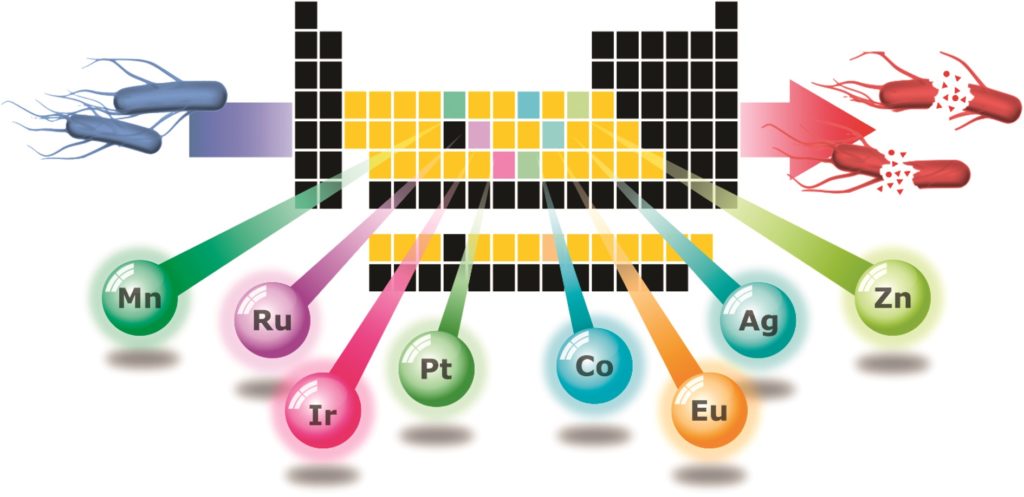
Metal complexes as a promising source for new antibiotics
Angelo Frei, Johannes Zuegg, Alysha G. Elliott, Murray Baker, Stefan Braese, Christopher Brown, Feng Chen, Christopher G. Dowson, Gilles Dujardin, Nicole Jung, A. Paden King, Ahmed M. Mansour, Massimiliano Massi, John Moat, Heba A. Mohamed, Anna K. Renfrew, Peter J. Rutledge, Peter J. Sadler, Matthew H. Todd, Charlotte E. Willans, Justin J. Wilson, Matthew A. Cooper and Mark A. T. Blaskovich
Chem. Sci., 2020, Advance Article
DOI: 10.1039/C9SC06460E
10.1039/C9SC06460E


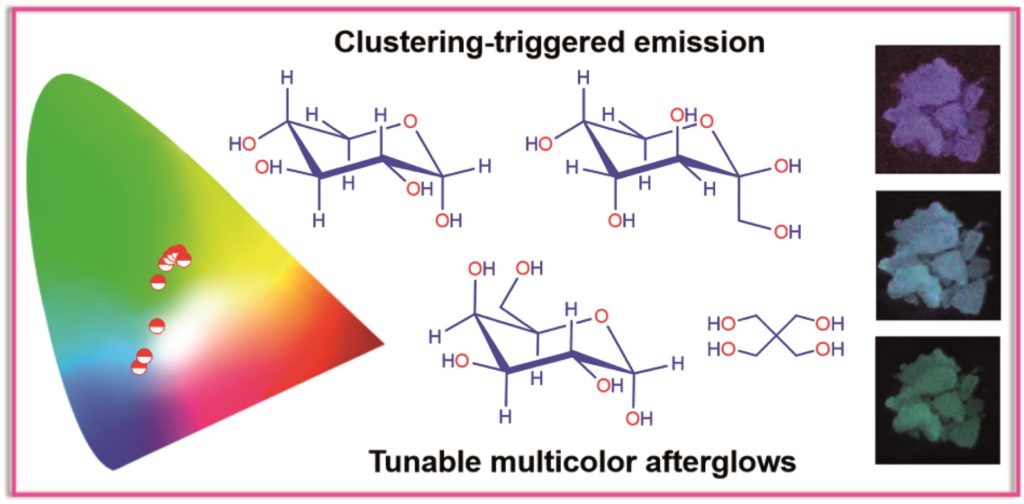
A clustering-triggered emission strategy for tunable multicolor persistent phosphorescence
Qing Zhou, Tianjia Yang, Zihao Zhong, Fahmeeda Kausar, Ziyi Wang, Yongming Zhang and Wang Zhang Yuan
Chem. Sci., 2020, Advance Article
DOI: 10.1039/C9SC06518K

10.1039/C9SC06518K


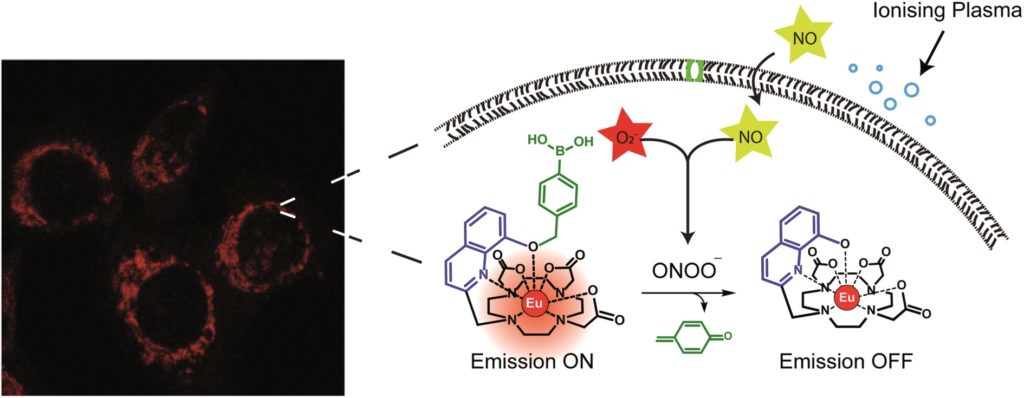
Time-resolved luminescence detection of peroxynitrite using a reactivity-based lanthanide probe
Colum Breen, Robert Pal, Mark R. J. Elsegood, Simon J. Teat, Felipe Iza, Kristian Wende, Benjamin R. Buckley and Stephen J. Butler
Chem. Sci., 2020, Advance Article
DOI: 10.1039/C9SC06053G
10.1039/C9SC06053G


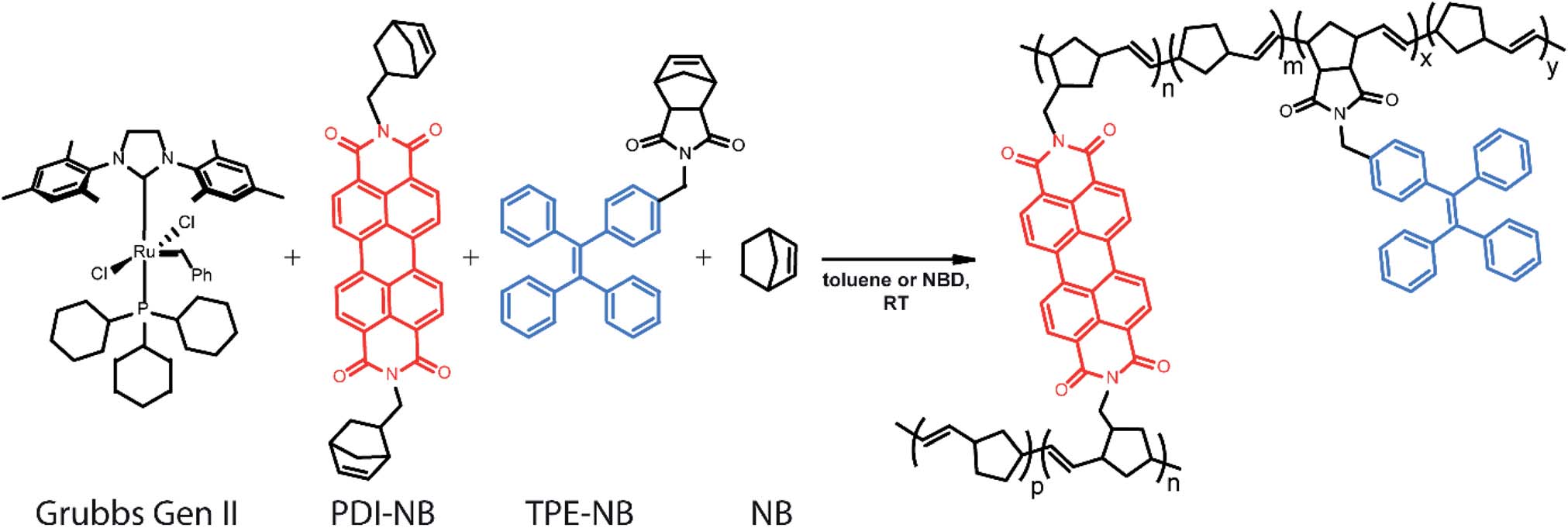
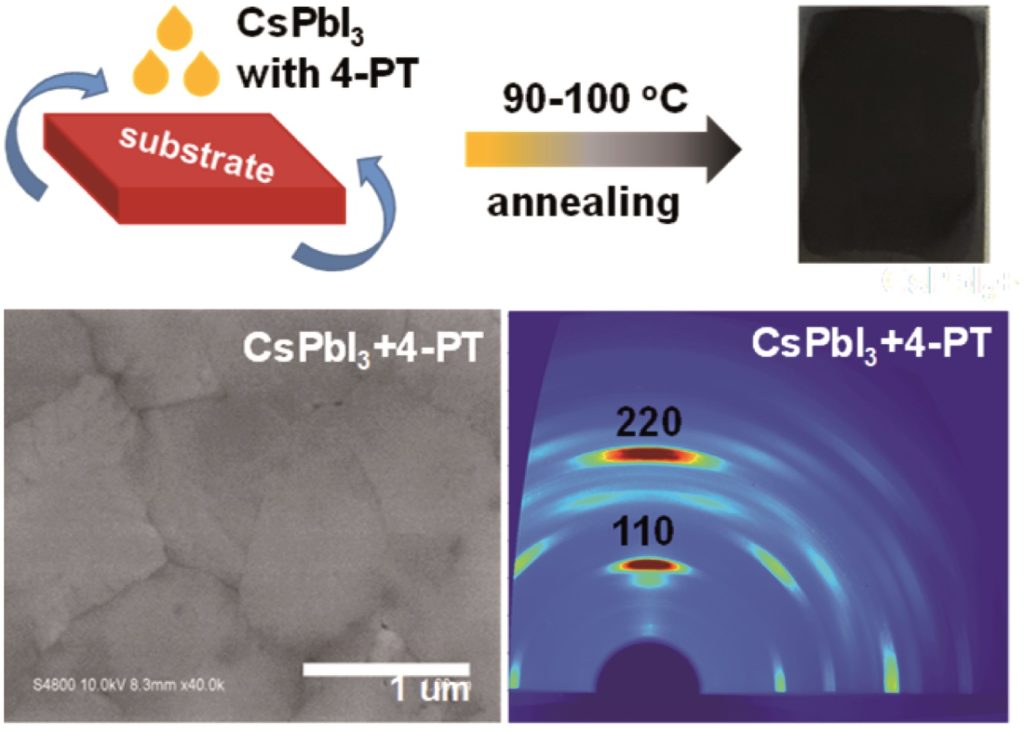
Electron-enriched thione enables strong Pb–S interaction for stabilizing high quality CsPbI3 perovskite films with low-temperature processing
Xiaojia Xu, Hao Zhang, Erpeng Li, Pengbin Ru, Han Chen, Zhenhua Chen, Yongzhen Wu, He Tiana and Wei-Hong Zhu
Chem. Sci., 2020, Advance Article
DOI: 10.1039/C9SC06574A
10.1039/C9SC06574A


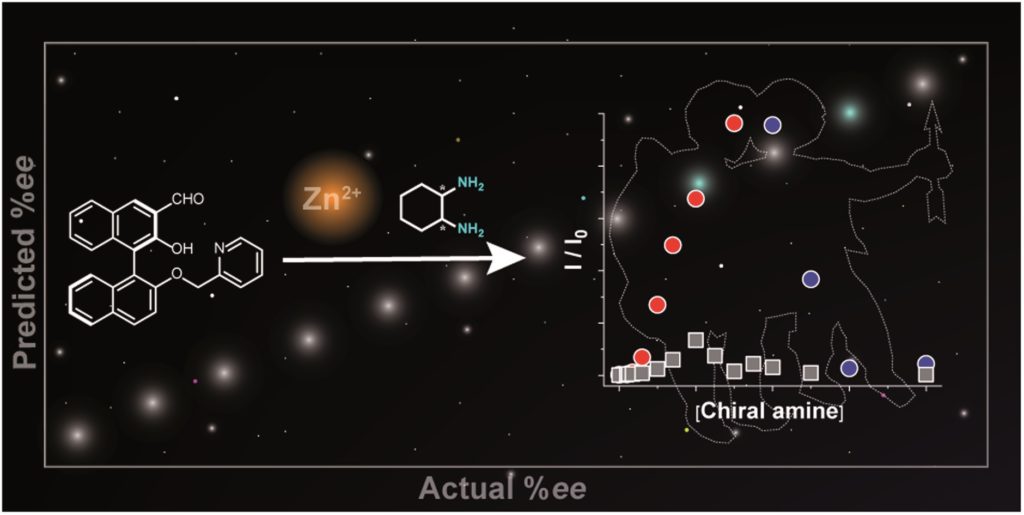
Accurate chiral pattern recognition for amines from just a single chemosensor
Yui Sasaki, Soya Kojima, Vahid Hamedpour, Riku Kubota, Shin-ya Takizawa, Isao Yoshikawa, Hirohiko Houjou, Yuji Kubo and Tsuyoshi Minami
Chem. Sci., 2020, Advance Article
DOI: 10.1039/D0SC00194E

10.1039/D0SC00194E


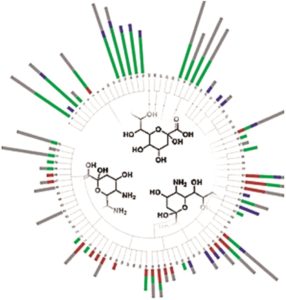
Tackling the chemical diversity of microbial nonulosonic acids – a universal large-scale survey approach
Hugo B. C. Kleikamp, Yue Mei Lin, Duncan G. G. McMillan, Jeanine S. Geelhoed, Suzanne N. H. Naus-Wiezer, Peter van Baarlen, Chinmoy Saha, Rogier Louwen, Dimitry Y. Sorokin, Mark C. M. van Loosdrecht and Martin Pabst
Chem. Sci., 2020, Advance Article
DOI: 10.1039/C9SC06406K

10.1039/C9SC06406K


Chemical Science, Royal Society of Chemistry

Submit to Chemical Science today! Check out our author guidelines for information on our article types or find out more about the advantages of publishing in a Royal Society of Chemistry journal.

Keep up to date with our latest articles, reviews, collections & more by following us on Twitter. You can also keep informed by signing up to our E-Alerts.

Digg This
Reddit This
Stumble Now!
Share on Facebook
Bookmark this on Delicious
Share on LinkedIn
Bookmark this on Technorati
Post on Twitter
Google Buzz (aka. Google Reader)

The 19th International Symposium on Silicon Chemistry (ISOS XIX), Toulouse, July 2020

ISOS XIX Royal Society of Chemistry


Chemical Science is pleased to be sponsoring The 19th International Symposium on Silicon Chemistry (ISOS XIX) in Toulouse, 05 – 10 July 2020 along with RSC Advances, ChemComm and Dalton Transactions.

It will be held at the University Paul Sabatier and aims to bring together outstanding scientists from both academia and industry to explore the frontiers of Silicon Chemistry from basic and fundamental science to the development of new synthetic tools and of silicon-based materials and technologies. The scientific programme will reflect the latest achievements in synthesis (organic and organometallic), bio-organo silicon chemistry, catalysis, and material sciences (including bio-composites, silica, silsesquioxanes, silicones, silicon polymers etc..).

You can find out more on the website.

Don’t forget to register before the deadline:

Early Bird Registration Deadline:  15 April 2020


Chemical Science, Royal Society of Chemistry

Submit to Chemical Science today! Check out our author guidelines for information on our article types or find out more about the advantages of publishing in a Royal Society of Chemistry journal.

Keep up to date with our latest articles, reviews, collections & more by following us on Twitter. You can also keep informed by signing up to our E-Alerts.

Digg This
Reddit This
Stumble Now!
Share on Facebook
Bookmark this on Delicious
Share on LinkedIn
Bookmark this on Technorati
Post on Twitter
Google Buzz (aka. Google Reader)

F. Albert Cotton Award in Synthetic Inorganic Chemistry, Spring ACS National Meeting, March 22 – 26 | Philadelphia

Chemical Science and Dalton Transactions are very pleased to be sponsoring the F. Albert Cotton Award in Synthetic Inorganic Chemistry Symposium this year as part of the Spring ACS National Meeting in Philadelphia. The award recognizes outstanding synthetic accomplishment in the field of inorganic chemistry. The award is granted regardless of race, gender, age, religion, ethnicity, nationality, sexual orientation, gender expression, gender identity, presence of disabilities, and educational background. Creativity and imagination is especially valued.

We wish the 2020 winner Professor Daniel J. Mindiola a huge congratulations!


You can find out more about the F. Albert Cotton Award in Synthetic Inorganic Chemistry on the website.


Chemical Science, Royal Society of Chemistry

Submit to Chemical Science today! Check out our author guidelines for information on our article types or find out more about the advantages of publishing in a Royal Society of Chemistry journal.

Keep up to date with our latest articles, reviews, collections & more by following us on Twitter. You can also keep informed by signing up to our E-Alerts.

Digg This
Reddit This
Stumble Now!
Share on Facebook
Bookmark this on Delicious
Share on LinkedIn
Bookmark this on Technorati
Post on Twitter
Google Buzz (aka. Google Reader)

HOT articles: January

We are pleased to share a selection of our referee-recommended HOT articles for January. We hope you enjoy reading these articles and congratulations to all the authors whose articles are featured! As always, Chemical Science is free to read & download. You can find our full 2020 HOT article collection here.


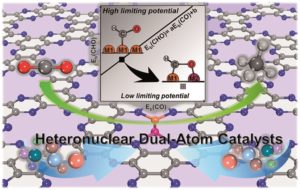
Breaking scaling relations for efficient CO2 electrochemical reduction through dual-atom catalysts
Yixin Ouyang, Li Shi, Xiaowan Bai, Qiang Li and Jinlan Wang
Chem. Sci., 2020, Advance Article
DOI: 10.1039/C9SC05236D

Breaking scaling relations for efficient CO2 electrochemical reduction through dual-atom catalysts


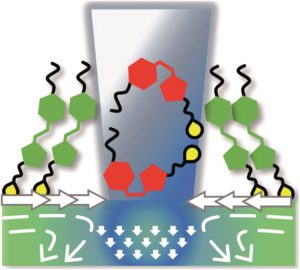
Unexpected monolayer-to-bilayer transition of arylazopyrazole surfactants facilitates superior photo-control of fluid interfaces and colloids
Christian Honnigfort, Richard A. Campbell, Jörn Droste, Philipp Gutfreund, Michael Ryan Hansen, Bart Jan Ravoo and Björn Braunschweig
Chem. Sci., 2020, Advance Article
DOI: 10.1039/C9SC05490A

Unexpected monolayer-to-bilayer transition of arylazopyrazole surfactants facilitates superior photo-control of fluid interfaces and colloids


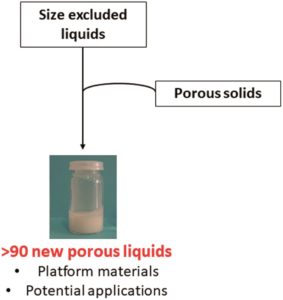
Type 3 porous liquids based on non-ionic liquid phases – a broad and tailorable platform of selective, fluid gas sorbents
John Cahir, Min Ying Tsang, Beibei Lai, David Hughes, M. Ashraf Alam, Johan Jacquemin, David Rooney and Stuart L. James
Chem. Sci., 2020, Advance Article
DOI: 10.1039/C9SC05770F

Type 3 porous liquids based on non-ionic liquid phases – a broad and tailorable platform of selective, fluid gas sorbents


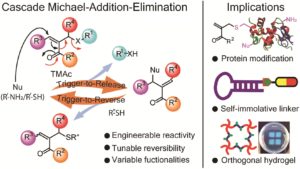
A programmable chemical switch based on triggerable Michael acceptors
Jiaming Zhuang, Bo Zhao, Xiangxi Meng, Jessica D. Schiffman, Sarah L. Perry, Richard W. Vachet and S. Thayumanavan
Chem. Sci., 2020, Advance Article
DOI: 10.1039/C9SC05841A


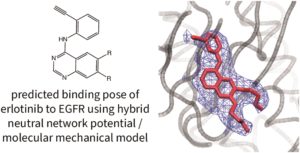
Simulating protein–ligand binding with neural network potentials
Shae-Lynn J. Lahey and Christopher N. Rowley
Chem. Sci., 2020, Advance Article
DOI: 10.1039/C9SC06017K

Simulating protein–ligand binding with neural network potentials


Efficient white polymer light-emitting diodes (WPLEDs) based on covalent-grafting of [Zn2(MP)3(OAc)] into PVK
Guorui Fu, Yani He, Wentao Li, Tiezheng Miao, Xingqiang Lü, Hongshan He, Li Liu c and Wai-Yeung Wong
Chem. Sci., 2020, Advance Article
DOI: 10.1039/C9SC05288G

Efficient white polymer light-emitting diodes (WPLEDs) based on covalent-grafting of [Zn2(MP)3(OAc)] into PVK


Chemical Science, Royal Society of Chemistry

Submit to Chemical Science today! Check out our author guidelines for information on our article types or find out more about the advantages of publishing in a Royal Society of Chemistry journal.

Keep up to date with our latest articles, reviews, collections & more by following us on Twitter. You can also keep informed by signing up to our E-Alerts.

Digg This
Reddit This
Stumble Now!
Share on Facebook
Bookmark this on Delicious
Share on LinkedIn
Bookmark this on Technorati
Post on Twitter
Google Buzz (aka. Google Reader)

For catalysis, do you need one gold or two?

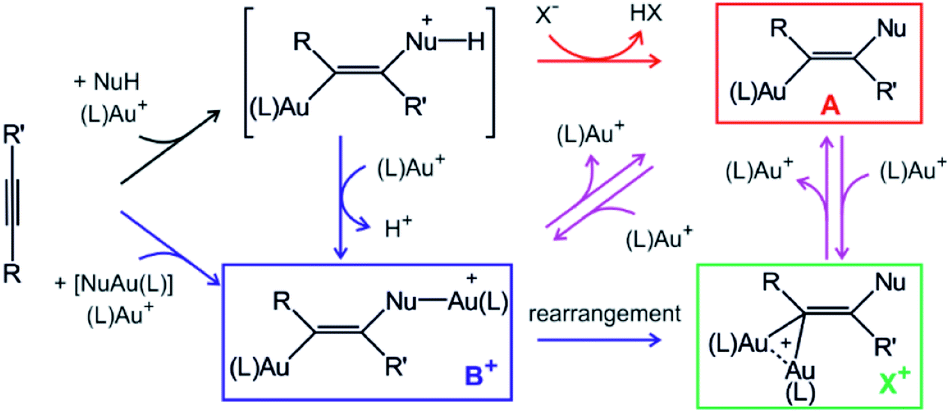
Doesn’t everyone love gold? Not only is it shiny and pretty in macroscopic form, but it’s one of the best-behaved nanoscale systems and the focus of extensive catalysis study. While much is known about the mechanisms of many gold-catalyzed reactions, a question of whether a number of organogold complexes are actual intermediates or off-cycle sinks remains. Catalysis of the nucleophilic addition of water to alkynes via gold complexes is a reaction with multiple hypothesized active intermediates and reaction pathways. Initially thought to occur via monoaurated species, subsequent work proposed activation by multiple gold catalysts. The problem, as seen in figure 1, is that the two pathways are connected and the presence of any specific intermediates can’t rule either pathway out.

Figure 1. Reaction scheme with potential intermediates for nucleophile addition to an alkyne via a gold-catalyzed pathway.

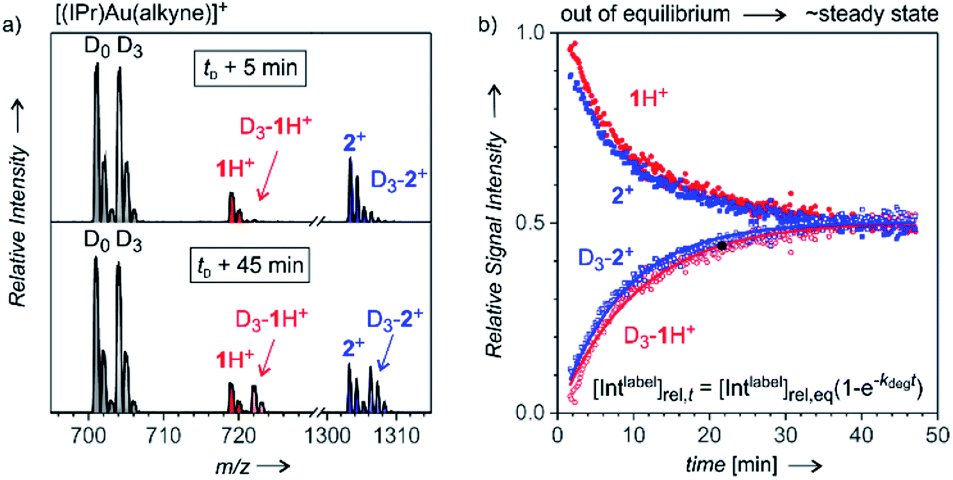
To solve this problem, researchers in the Czech Republic and the Netherlands developed a method to probe solution-phase intermediates with electrospray ionization mass spectrometry (ESI-MS) called Delayed Reactant Labeling. To do this, one of the reactants must be a mixture of isotopically labeled and unlabeled molecules, added separately with a time delay. This helps eliminate ionization artifacts and moves the reaction away from steady state conditions to allow for kinetic modeling. Using this technique, combined with other more standard characterization methods like NMR and infrared (IR) spectroscopy, the researchers studied gold-catalyzed water addition to alkynes. The catalyst is known to form digold hydroxides in the presence of water, which lends credence to the idea that a digold species is involved in the catalysis. Based on kinetic restrictions, they studied the addition of water to 1-phenylpropyne, which produces a mixture of regioisomers of intermediates that was a bit challenging to deconvolute. The initial ESI-MS spectra show the presence of both mono- and diaurated species and the different fragments were isolated, analyzed by IR photodissociation, and the spectra compared to theoretical models to corroborate their identity.

These results set the stage for the Delayed Reactant Labeling studies using deuterated 1-phenylpropyne. After the reaction reached equilibrium, in this case about 40 minutes, the labeled reactant was added to then allow for kinetic fitting of the intermediates. They determined that under standard conditions the monoaurated species has a half life of approximately 9 minutes and the diaurated species has a half life of 7 minutes. These decay constants could be altered by adding organic acids to degrade the complexes faster, while attempts to trap the species as salts were unsuccessful. Upon reaction with D2O a kinetic isotope effect doubling the lifetimes was observed and suggests that the mechanism is likely the same for all intermediates and that it involves a hydrogen/proton transfer. The two types of species also have slightly different rates of formation, with the diaurated species likely having a higher turn-over frequency. However, there isn’t a dramatic difference between the kinetics of these two types of intermediates.

Figure 2. Example of a) spectra obtained from the delayed reactant labeling method and b) fits of peak intensities over time used to extract kinetic information.

In order to determine which of the intermediates is catalytically relevant, the researchers changed the substrate to 3-hexyne. The symmetric alkyne has no regioisomeric intermediates to convolute the data, but the reaction kinetics are much faster and therefore not suited to the prior mechanistic studies. By adding an excess of acid, the rate determining step was moved from protodeauration.  Under these conditions, the rate has a linear dependence on the gold complex and likely proceeds primarily via monoaurated intermediates. This approach combining multiple analytical techniques elucidated the role of various gold-containing intermediates and demonstrated the utility of ESI-MS as a tool for determining reaction kinetics.

To find out more, please read:

Monoaurated vs. diaurated intermediates: causality or independence?

Mariarosa Anania, Lucie Jašková, Jan Zelenka, Elena Shcherbachenko, Juraj Jašk and Jana Roithová

Chem. Sci., 2020, Advance Article

About the blogger:

Beth Mundy is a PhD candidate in chemistry in the Cossairt lab at the University of Washington in Seattle, Washington. Her research focuses on developing new and better ways to synthesize nanomaterials for energy applications. She is often spotted knitting in seminars or with her nose in a good book. You can find her on Twitter at @BethMundySci.

Digg This
Reddit This
Stumble Now!
Share on Facebook
Bookmark this on Delicious
Share on LinkedIn
Bookmark this on Technorati
Post on Twitter
Google Buzz (aka. Google Reader)

Congratulations to the Poster Prize winners at IPEROP!

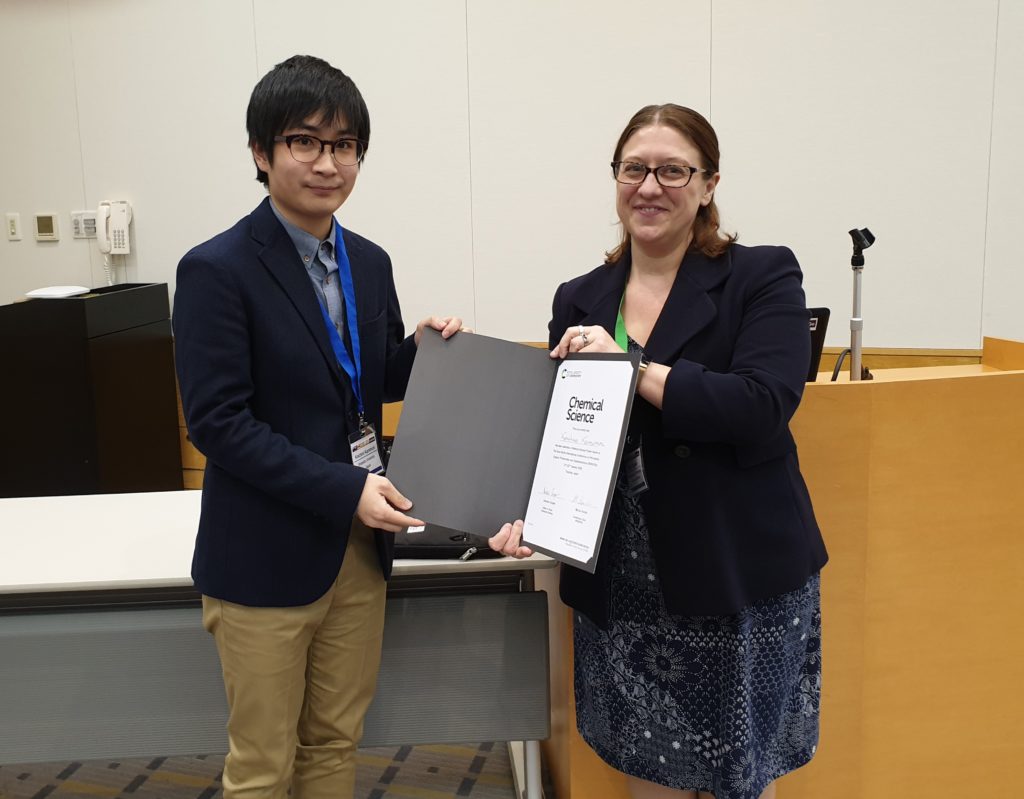
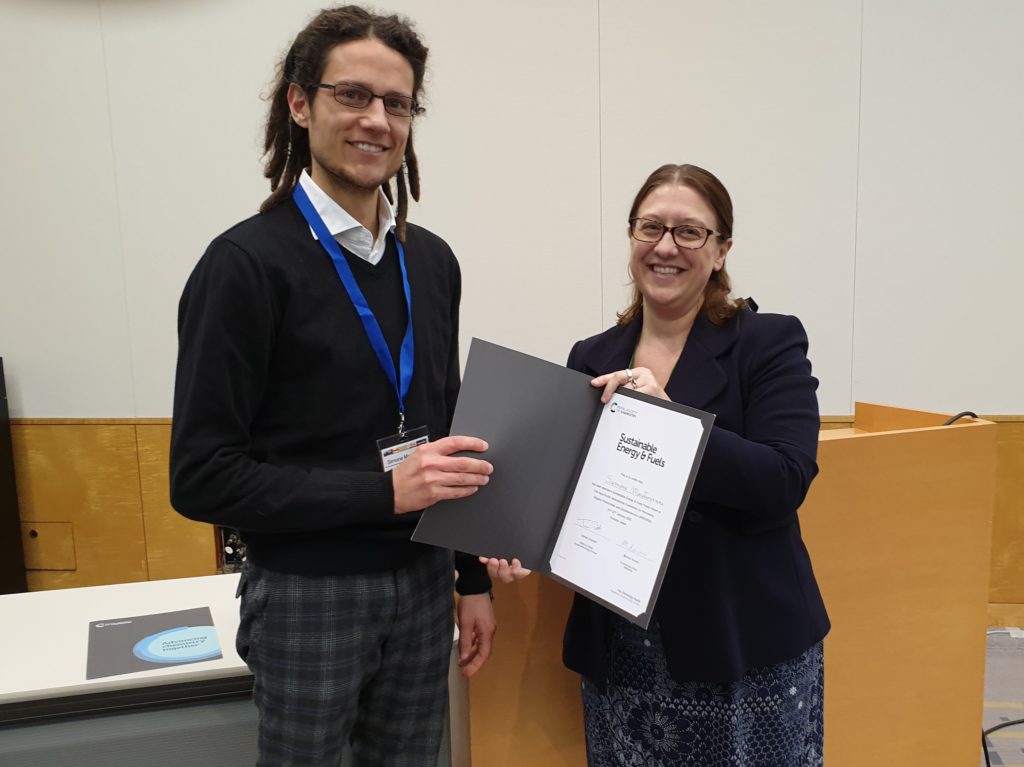
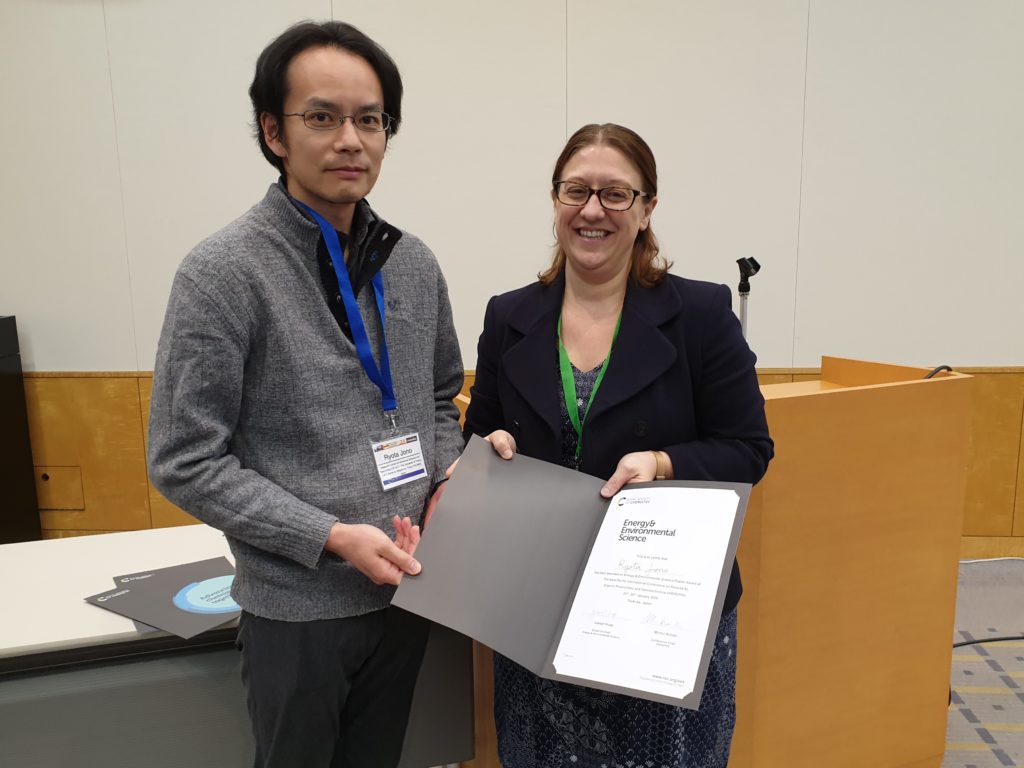
Congratulations to all three Royal Society of Chemistry Poster Presentation Prize winners at this year’s Perovskite, Organic Photovoltaics and Optoelectronics conference, IPEROP, in Tsukuba, Japan 20 – 22 January!

Chemical Science Executive Editor May Copsey attended and presented the awards to the three winners.


Koichiro Kamimori Simone Mastroianni Ryota Jono


Chemical Science, Royal Society of Chemistry

Submit to Chemical Science today! Check out our author guidelines for information on our article types or find out more about the advantages of publishing in a Royal Society of Chemistry journal.

Keep up to date with our latest articles, reviews, collections & more by following us on Twitter. You can also keep informed by signing up to our E-Alerts.

Digg This
Reddit This
Stumble Now!
Share on Facebook
Bookmark this on Delicious
Share on LinkedIn
Bookmark this on Technorati
Post on Twitter
Google Buzz (aka. Google Reader)

Biophotoelectrochemical Systems: Solar Energy Conversion and Fundamental Investigations, 22 – 24 April, Cambridge

Biophotoelectrochemical Workshop 2020

We are pleased to be sponsoring the upcoming Biophotoelectrochemical Systems: Solar Energy Conversion and Fundamental Investigations workshop which will be held at the School of Divinity, St John’s College, Cambridge on 22 – 24th April.

This workshop will cover a range of topics, including:

  • Latest developments in protein-film and biofilm photoelectrochemistry, semi-artificial photosynthesis, biophotovoltaics, biological production of solar fuels and chemicals
  • New materials and characterisation tools for the above areas
  • Insights into degradation pathways (photodegradation, reaction with reactive oxygen species, mediator toxicity…) and strategies to enhance stability
  • Short-circuiting pathways at the bio-material interface (charge carrer recombination, redox cycling, non-natural electron transfer pathways…)
  • Engineering challenges – using protein-film and biofilm electrodes for practical applications (electron transfer bottlenecks, the voltage/recombination dilemma, bioengineering challenges…)


Registration is now open


You can find out more information, including a full list of confirmed speakers, over on the website.


Chemical Science, Royal Society of Chemistry

Submit to Chemical Science today! Check out our author guidelines for information on our article types or find out more about the advantages of publishing in a Royal Society of Chemistry journal.

Keep up to date with our latest articles, reviews, collections & more by following us on Twitter. You can also keep informed by signing up to our E-Alerts.

Digg This
Reddit This
Stumble Now!
Share on Facebook
Bookmark this on Delicious
Share on LinkedIn
Bookmark this on Technorati
Post on Twitter
Google Buzz (aka. Google Reader)

The Miller Symposium, 5-6 March, UC Davis

The Miller symposium is an annual event dedicated to Professor R. Bryan Miller and his contributions and achievements in research, teaching, and the chemical community. This symposium honours his legacy by celebrating the advancements in chemistry and chemical biology that have led transformative technologies in pharmaceutical and biotechnology industries.


Chemical Science is pleased to be sponsoring along with Organic & Biomolecular Chemistry.


To register for the symposia, click here

To learn more about the work of R. Bryan Miller and previous symposia, click here.


R. Bryan Miller Symposium


Chemical Science, Royal Society of Chemistry

Submit to Chemical Science today! Check out our author guidelines for information on our article types or find out more about the advantages of publishing in a Royal Society of Chemistry journal.

Keep up to date with our latest articles, reviews, collections & more by following us on Twitter. You can also keep informed by signing up to our E-Alerts.

Digg This
Reddit This
Stumble Now!
Share on Facebook
Bookmark this on Delicious
Share on LinkedIn
Bookmark this on Technorati
Post on Twitter
Google Buzz (aka. Google Reader)

14th Annual International Electromaterials Science Symposium, Australian National University, Canberra 5 – 7 February 2020

14th Annual International Electromaterials Science Symposium


Hosted by the ARC Centre of Excellence for Electromaterials Science (ACES), the 14th Annual International Electromaterials Science Symposium will be held at the Australian National University in Canberra 5 – 7 February. Chemical Science is pleased to be sponsoring the symposium along with Journal of Materials Chemistry C and Materials Horizons.


The symposium will provide a multidisciplinary forum, with participants from across eight Australian collaborating institutions, as well as international partners from around the world. Topics will cover both the fundamental and applied aspects of electromaterials, new devices, and across broad areas of research in Health, Energy, and Ethics. It provides a platform for leading international scientists and engineers to communicate their work to the next generation of researchers, and inspire us to continue to make the scientific and technological breakthroughs that are necessary to continue our transition towards a cleaner, healthier and more socially conscious society.


You can find out more over on the website


~

Chemical Science, Royal Society of Chemistry

Submit to Chemical Science today! Check out our author guidelines for information on our article types or find out more about the advantages of publishing in a Royal Society of Chemistry journal.

Keep up to date with our latest articles, reviews, collections & more by following us on Twitter. You can also keep informed by signing up to our E-Alerts.

Digg This
Reddit This
Stumble Now!
Share on Facebook
Bookmark this on Delicious
Share on LinkedIn
Bookmark this on Technorati
Post on Twitter
Google Buzz (aka. Google Reader)

HOT articles: December

We are pleased to share a selection of our referee-recommended HOT articles for December. We hope you enjoy reading these articles and congratulations to all the authors whose articles are featured! As always, Chemical Science is free to read & download. You can find our full 2019 HOT article collection here.


Interplay between intrinsically disordered proteins inside membraneless protein liquid droplets
Yongsang Jo and Yongwon Jung
Chem. Sci., 2020, Advance Article
DOI: 10.1039/C9SC03191J

https://doi.org/10.1039/C9SC03191J


Single-molecule nanopore sensing of actin dynamics and drug binding
Xiaoyi Wang, Mark D. Wilkinson, Xiaoyan Lin, Ren Ren, Keith R. Willison, Aleksandar P. Ivanov, Jake Baum and Joshua B. Edel
Chem. Sci., 2020, Advance Article
DOI: 10.1039/C9SC05710B

10.1039/C9SC05710B


Uncommon structural and bonding properties in Ag16B4O10
Anton Kovalevskiy, Congling Yin, Jürgen Nuss, Ulrich Wedig and Martin Jansen
Chem. Sci., 2020, Advance Article
DOI: 10.1039/C9SC05185F
10.1039/C9SC05185F


Rational synthesis of interpenetrated 3D covalent organic frameworks for asymmetric photocatalysis
Xing Kang, Xiaowei Wu, Xing Han, Chen Yuan, Yan Liu and Yong Cui
Chem. Sci., 2020, Advance Article
DOI: 10.1039/C9SC04882K

10.1039/C9SC04882K


Serine is the molecular source of the NH(CH2)2 bridgehead moiety of the in vitro assembled [FeFe] hydrogenase H-cluster
Guodong Rao, Lizhi Tao and R. David Britt
Chem. Sci., 2020, Advance Article
DOI: 10.1039/C9SC05900H

10.1039/C9SC05900H


Chemical Science, Royal Society of Chemistry

Submit to Chemical Science today! Check out our author guidelines for information on our article types or find out more about the advantages of publishing in a Royal Society of Chemistry journal.

Keep up to date with our latest articles, reviews, collections & more by following us on Twitter. You can also keep informed by signing up to our E-Alerts.


Digg This
Reddit This
Stumble Now!
Share on Facebook
Bookmark this on Delicious
Share on LinkedIn
Bookmark this on Technorati
Post on Twitter
Google Buzz (aka. Google Reader)