Archive for June, 2020

Porous supports for hemes to mimic enzymatic transformations

Nature is the ultimate molecular designer. The complex structures of proteins are crucial for allowing the many processes that support life, including the many chemical transformations that occur. A diverse array of biological reactions are catalysed by iron porphyrin active sites (also known as hemes), and rely on the local protein environments to envelop and stabilise the reactive intermediates that can form in the process. Whilst chemists can easily synthesise iron porphyrins to imitate the reactive centre, mimicking the surrounding protein superstructure is less trivial.

Metal-organic frameworks (MOFs) represent one strategy (as an alternative to proteins) to support iron porphyrins for chemical catalysis. These frameworks can precisely separate each heme unit, thereby sequestering each active site in a similar fashion to a protein, and the porous nature allows for diffusion of reagents into the catalyst. Importantly, the pore environment can be precisely controlled and modified, allowing for enhancements to the catalytic activity of the supported heme.

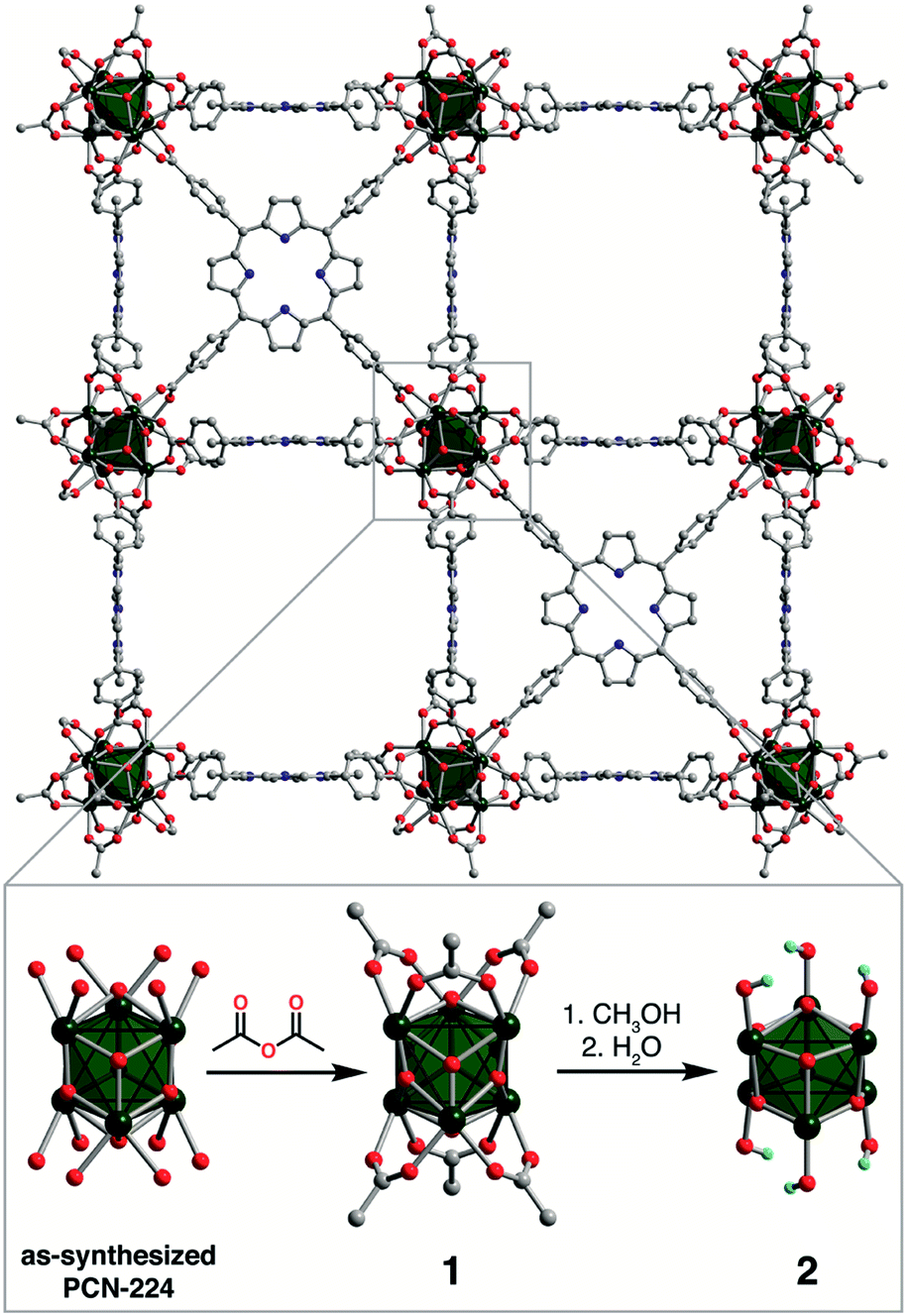
Researchers in the US have now reported a new method to modify a heme-containing metal-organic framework to enhance the catalytic activity towards C-H bond activation. They studied the porphyrinic Zr-based framework, PCN-224, where the porphyrin is suspended between Zr6 nodes (Figure 1).  Exchange of the formate and benzoate ligands around the Zr6 node in PCN-224 was achieved by initial treatment with acetic anhydride to give acetate ligands in the new material (PCN-224’, 1), and further reactivity with methanol resulted in Zr-hydroxy ligands (2) – see insert to Figure 1. Additionally, iron was installed into the modified framework 1 by reaction with FeCl3 and base, to give 1FeCl. Here, an FeCl was installed in each porphyrin unit in the MOF, and further hydroxylation reactivity (similar to the 1 to 2 transformation) resulted in the formation of 2FeCl.
PCN-224 framework

Figure 1. The structure of the PCN-224 framework. Insert (below) shows modifications to PCN-224 to give 1 and 2, with varying ligands around the Zr6 node (in green).

The modified PCN-224 frameworks were characterised by various techniques. Powder X-ray diffraction showed the retention of bulk crystallinity of the material upon ligand substitution. UV-Vis and 57Fe Mössbauer spectroscopy confirmed iron coordination within the porphyrin units of the framework. Importantly, the modification of the Zr6 ligands was structrually confirmed by single-crystal X-ray analysis, and DRIFTS spectra showed the expected O-H stretches for the hydroxy ligands in 2 and 2FeCl. The porosity of the framework was maintained upon the modifications, as shown by surface area measurements, making the new materials ideal candidates for catalytic testing.
PCN-224 catalytic activity

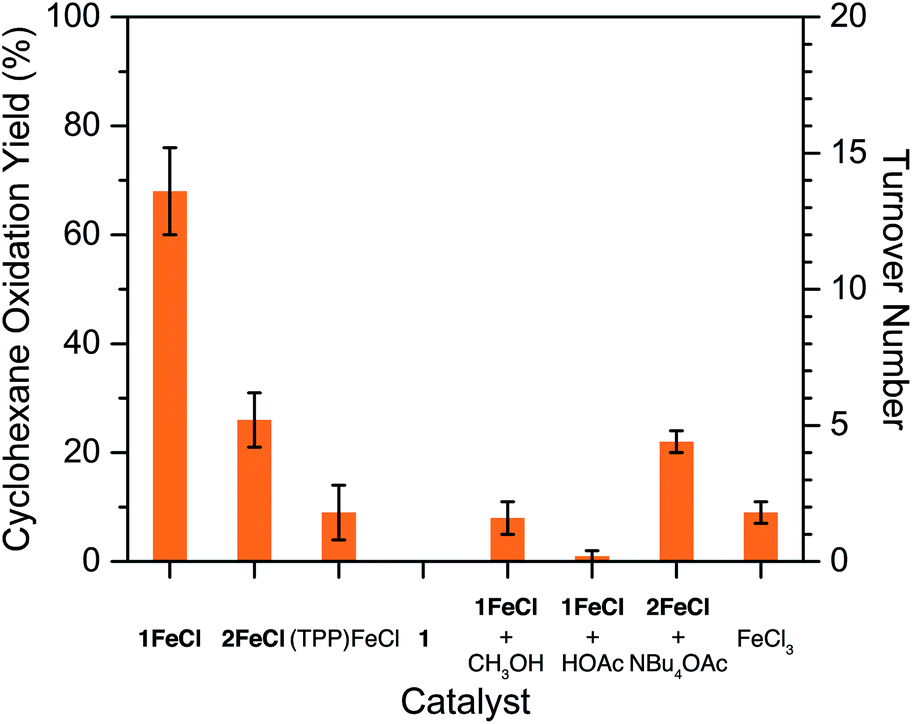
Figure 2. A chart showing the catalytic activity of the heme-frameworks (1FeCl and 2FeCl) compared to the molecular iron porphyrin complex ((TPP)FeCl) for cyclohexane oxidation.

The researchers studied the effects of the framework modifications using the catalytic oxidation of cyclohexane as a model reaction. The researchers compared the oxidation of cyclohexane with iodosylbenzene in CH2Cl2 using either the molecular iron porphyrin complex, or the metallated porphyrin frameworks 1FeCl or 2FeCl. Whilst low yields of oxidation products (cyclohexanol, cyclohexanone and chlorocyclohexane) were observed for the molecular iron porphyrin complex, higher yields of 68% and 26% were noted for the frameworks 1FeCl and 2FeCl, with corresponding turnovers of 14 and 5, respectively (Figure 2). The higher catalytic activity for the acetylated framework (1FeCl) was attributed to the lack of acidic protons within the framework that would impair any oxidation reactivity at the heme centre. Ultimately, the results show an enhancement to the catalysis when the heme is supported and protected, demonstrating that MOFs are ideal supports for modelling enzymatic reactions.

To find out more, please read:

Enhancing catalytic alkane hydroxylation by tuning the outer coordination sphere in a heme-containing metal–organic framework

David Z. Zee and T. David Harris

Chem. Sci., 2020, 11, 5447-5452


About the blogger:

Dr. Samantha Apps is a Postdoctoral Research Associate in the Lu Lab at the University of Minnesota, USA, and obtained her PhD in 2019 from Imperial College London, UK. She has spent the last few years, both in her PhD and postdoc, researching synthetic nitrogen fixation and transition metal complexes that can activate and functionalise dinitrogen. Outside of the lab, you’ll likely find her baking at home, where her years of synthetic lab training has sparked a passion in kitchen chemistry too.


Digg This
Reddit This
Stumble Now!
Share on Facebook
Bookmark this on Delicious
Share on LinkedIn
Bookmark this on Technorati
Post on Twitter
Google Buzz (aka. Google Reader)

Capturing nitrenes with iron and light for C-N bond formation

Finding new ways to make chemical bonds is not only a fascination for chemists, but also important for developing greener routes in chemical synthesis. Carbon-nitrogen bonds are one such motif of interest; they are ubiquitous in chemical synthesis as part of amine functional groups, which are present in biologically relevant molecules and pharmaceutical compounds. A powerful method for the formation of C-N bonds involves using nitrenes (R-N:) as the nitrogen source. The use of azides (RN3) to generate the nitrene is particularly attractive, as the only by-product is nitrogen gas, and no additional oxidants are required.

Typical drawbacks associated with the use of nitrenes in amination reactions, i.e. forming C-N bonds for amine functionalities, include the necessity for elevated temperatures (to liberate nitrogen gas from the azide to form the nitrene) and competitive side reactivity (since nitrenes are highly reactive intermediates). Research by Che and co-workers in Hong Kong and China now describes a way to circumvent these disadvantages, using visible light in combination with an iron porphyrin complex to catalyse C-N bond formation by either C-H bond amination or alkene aziridination using organic azide substrates.

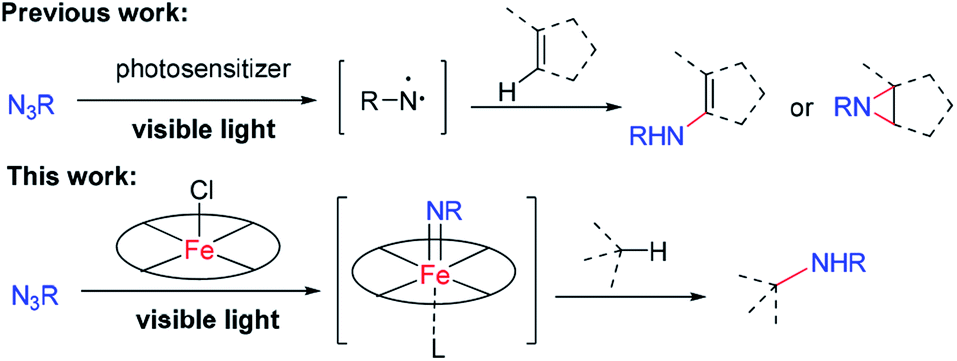
Iron porphyrin nitrene capture from organic azide

Figure 1: Trapping of the nitrene (NR) generated from an azide (N3R) by the iron porphyrin (bottom), compared to previous work (top) where a free, reactive nitrene is generated.

The iron porphyrin complex, as described by the researchers, has a dual role in the light-driven C-N bond formation reactivity. Firstly, the iron porphyrin acts as a photosensitiser in this reaction, assisting with the nitrene formation from the organic azide by irradiation. More importantly, the porphyrin complex then acts as a trap for the reactive nitrene and forms a resulting metal-nitrene (or imido) intermediate that can then react with carbon-based substrates for C-N bond formation. Capturing the nitrene at a metal centre, as opposed to generating a free nitrene for subsequent reactivity (as shown in Figure 1), allows for greater selectivity, which is reflected in the extensive substrate scope described by Che and co-workers.

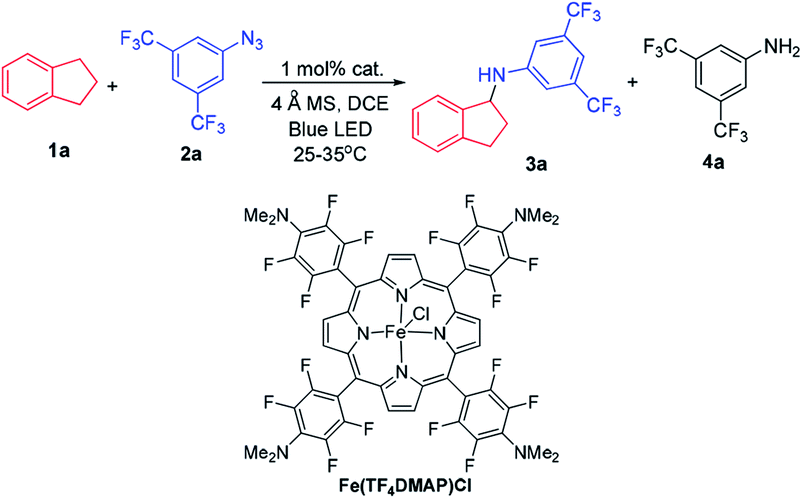
The researchers started their investigation by screening a panel of iron porphyrins to serve as a catalyst in the light-driven C-H amination of indane (as a hydrocarbon substrate) with an electron-deficient aryl azide (Scheme 1). They observed the successful conversion to the C-H amination product, 1-aminoindane, in various yields, where the Fe(TF4DMAP)Cl porphyrin complex (as shown in Scheme 1) was the most effective catalyst, resulting in a 99% yield after 24 hours. Control studies confirmed both light irradiation and the iron porphyrin were required for conversion, and further mechanistic experiments supported the formation of an iron-nitrene intermediate, that could subsequently react with a C-H bond (in this case, within indane) via H-atom abstraction for amination. Translating the same reaction conditions to sp2 carbon substrates, by using styrene instead of indane, resulted in olefin aziridination, showing the applicability of this method to other substrates.

Fe-porphyrin catalysed C-H amination of indane scheme

Scheme 1: C-H amination of indane (1a) with the electron-deficient aryl azide (2a) to form 1-aminoindane (3a), using the optimal iron porphyrin catalyst Fe(TF4DMAP)Cl

After determining the optimal conditions in the above example reactions, Che and co-workers demonstrated an impressive substrate scope for this reactivity, varying either the hydrocarbon substrate or the organic azide for C-H amination. Additionally, they also demonstrated this reactivity could be applied to intramolecular C-H amination, for the formation of imidazolidines or α-azidoketones. Ultimately, this reactivity could be translated to natural product synthesis, and preliminary results in this report showed that late-stage C-H amination using azides could be achieved in complex substrates.

This work elegantly demonstrates a new method for C-N bond formation using organic azides and hydrocarbon or olefin substrates, as the first example of a light driven, iron-porphyrin catalysed, C-H amination or alkene aziridination reaction.

To find out more, please read:

Iron porphyrin catalysed light driven C–H bond amination and alkene aziridination with organic azides

Yi-Dan Du, Cong-Ying Zhou, Wai-Pong To, Hai-Xu Wang and Chi-Ming Che

Chem. Sci., 2020,11, 4680-4686

Digg This
Reddit This
Stumble Now!
Share on Facebook
Bookmark this on Delicious
Share on LinkedIn
Bookmark this on Technorati
Post on Twitter
Google Buzz (aka. Google Reader)

HOT Articles: May

We are pleased to share a selection of our referee-recommended HOT articles for May. We hope you enjoy reading these articles and congratulations to all the authors whose articles are featured! As always, Chemical Science is free to read & download. You can find our full 2020 HOT article collection here.


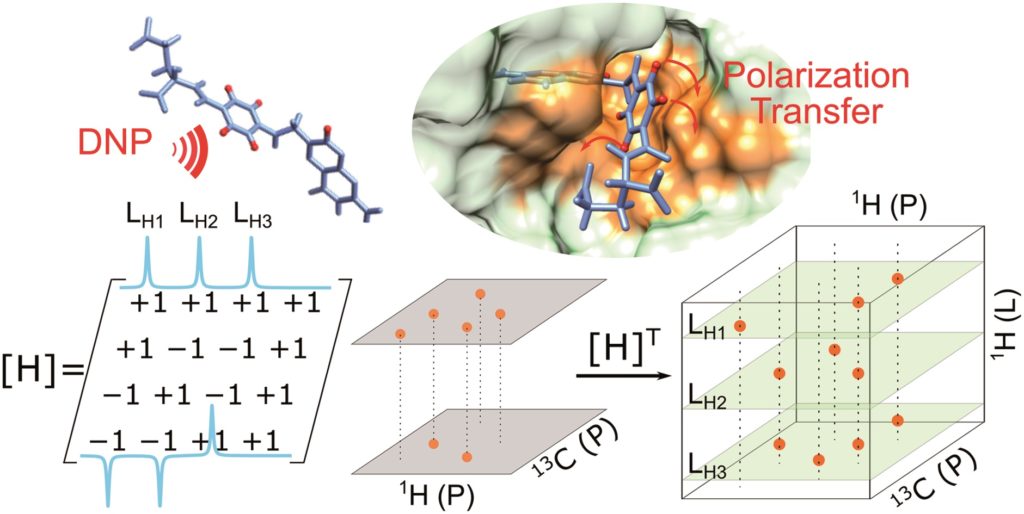
Determination of protein–ligand binding modes using fast multi-dimensional NMR with hyperpolarization
Yunyi Wang, Jihyun Kim and Christian Hilty
Chem. Sci., 2020, Advance Article
DOI: 10.1039/D0SC00266F


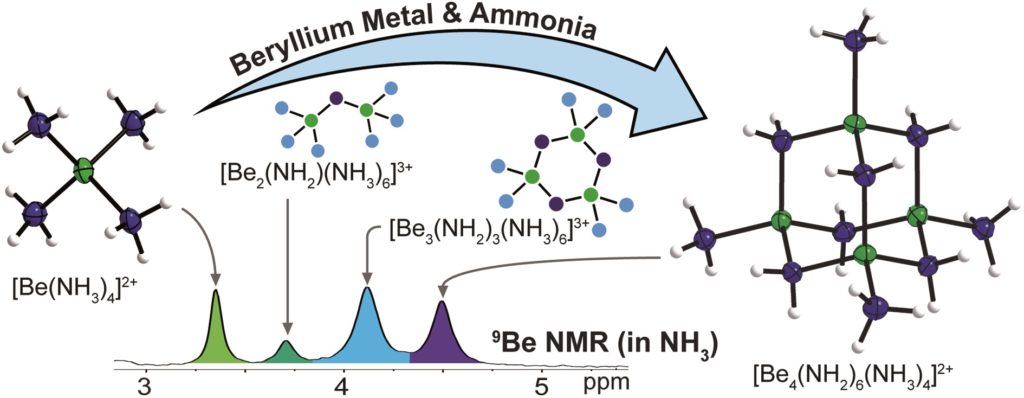
Speciation of Be2+ in acidic liquid ammonia and formation of tetra- and octanuclear beryllium amido clusters
Matthias Müller, Antti J. Karttunen and Magnus R. Buchner
Chem. Sci., 2020, Advance Article
DOI: 10.1039/D0SC01112F


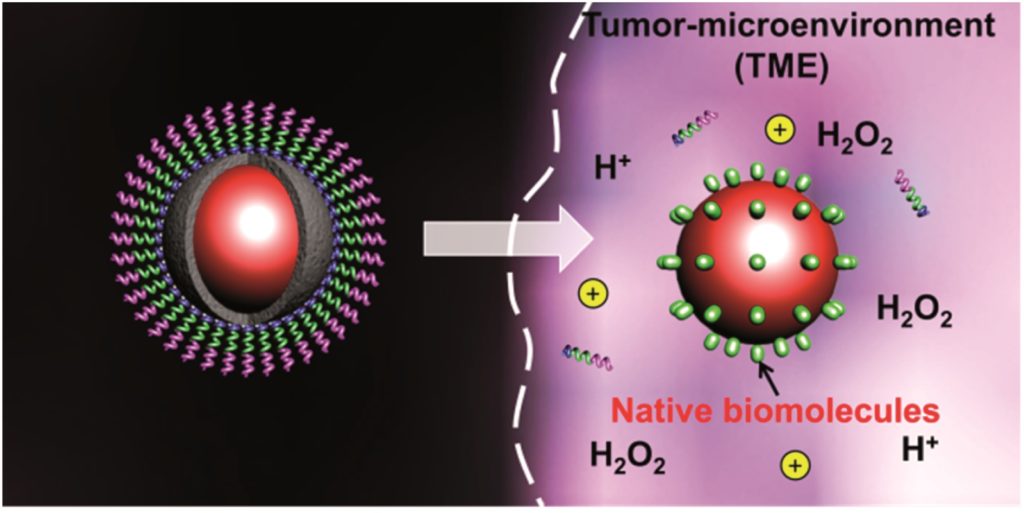
Stimulus-responsive surface-enhanced Raman scattering: a “Trojan horse” strategy for precision molecular diagnosis of cancer
Cai Zhang, Xiaoyu Cui, Jie Yang, Xueguang Shao, Yuying Zhang and Dingbin Liu
Chem. Sci., 2020, Advance Article
DOI: 10.1039/D0SC01649G


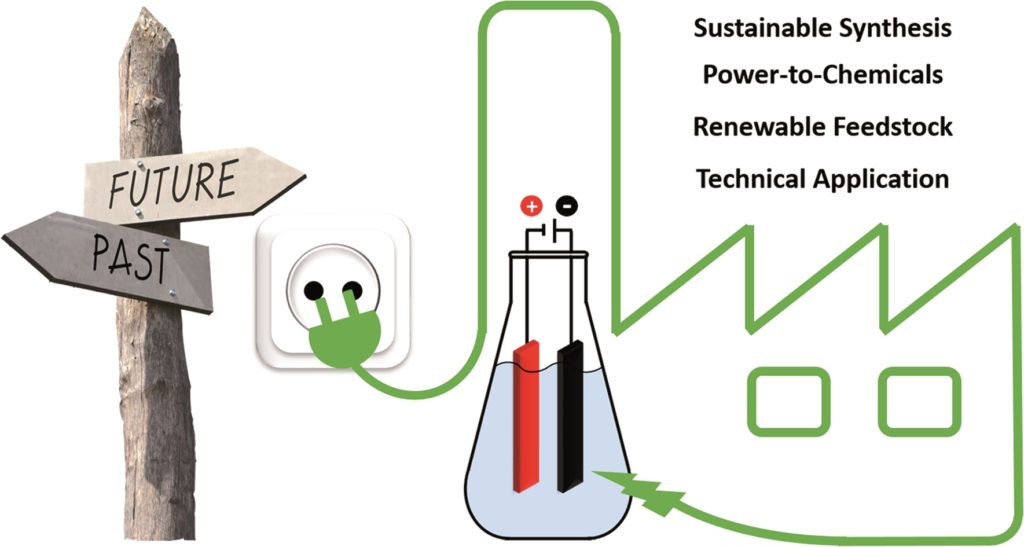
Electro-organic Synthesis – A 21st Century Technique
Dennis Pollok and Siegfried R Waldvogel
Chem. Sci., 2020, Accepted Manuscript
DOI: 10.1039/D0SC01848A


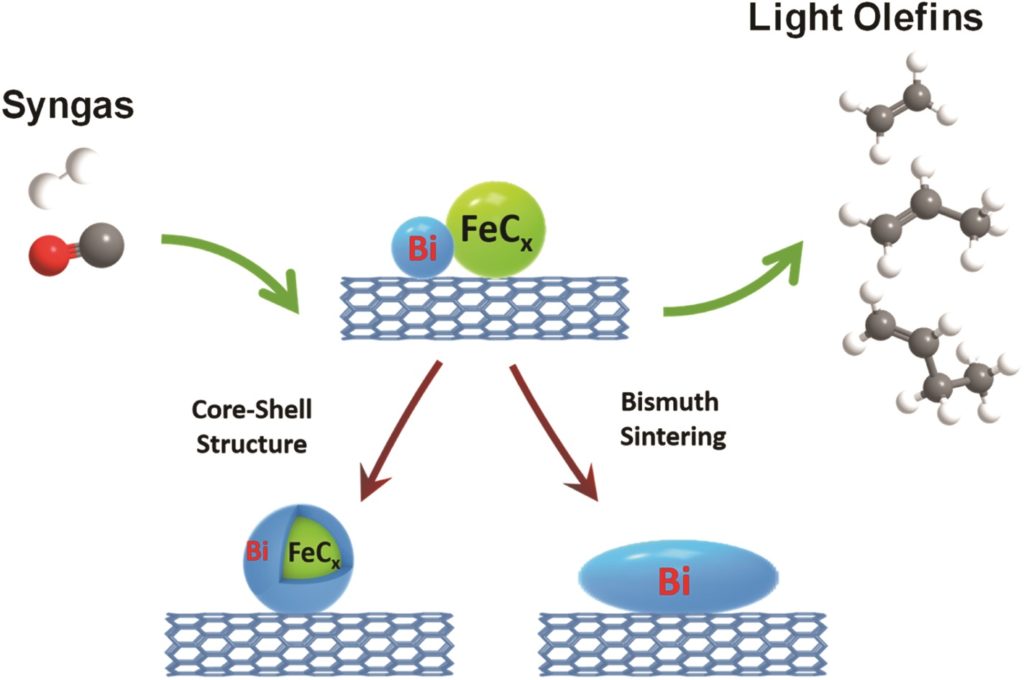
Mobility and Versatility of the Liquid Bismuth Promoter in the Working Iron Catalysts for Light Olefin Synthesis from Syngas
Bang Gu, Deizi Vanessa Peron, Alan J Barrios, Mounib Bahri, Ovidiu Ersen, Mykhailo Vorokhta, Břetislav Šmíd, Dipanjan Banerjee, Mirella Virginie, Eric Marceau, Robert Wojcieszak, Vitaly Ordomsky and Andrei Khodakov
Chem. Sci., 2020, Accepted Manuscript
DOI: 10.1039/D0SC01600D


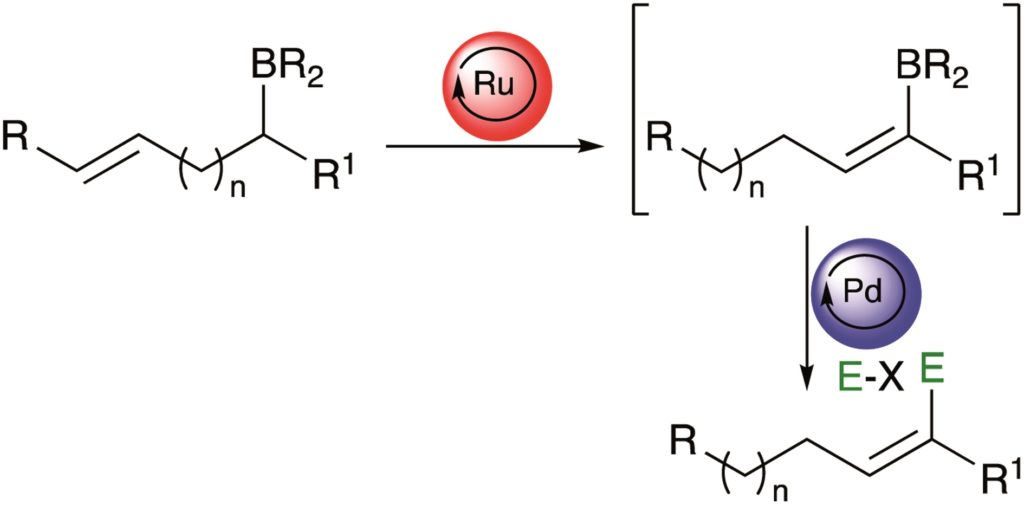
Ru-catalyzed isomerization of ω-alkenylboronates towards stereoselective synthesis of vinylboronates with subsequent in situ functionalization
Guo-Ming Ho, Lucas Segura and Ilan Marek
Chem. Sci., 2020, Advance Article
DOI: 10.1039/D0SC02542A


Chemical Science, Royal Society of Chemistry

Submit to Chemical Science today! Check out our author guidelines for information on our article types or find out more about the advantages of publishing in a Royal Society of Chemistry journal.

Keep up to date with our latest articles, reviews, collections & more by following us on Twitter. You can also keep informed by signing up to our E-Alerts.

Digg This
Reddit This
Stumble Now!
Share on Facebook
Bookmark this on Delicious
Share on LinkedIn
Bookmark this on Technorati
Post on Twitter
Google Buzz (aka. Google Reader)