Film to aid drug metabolism study

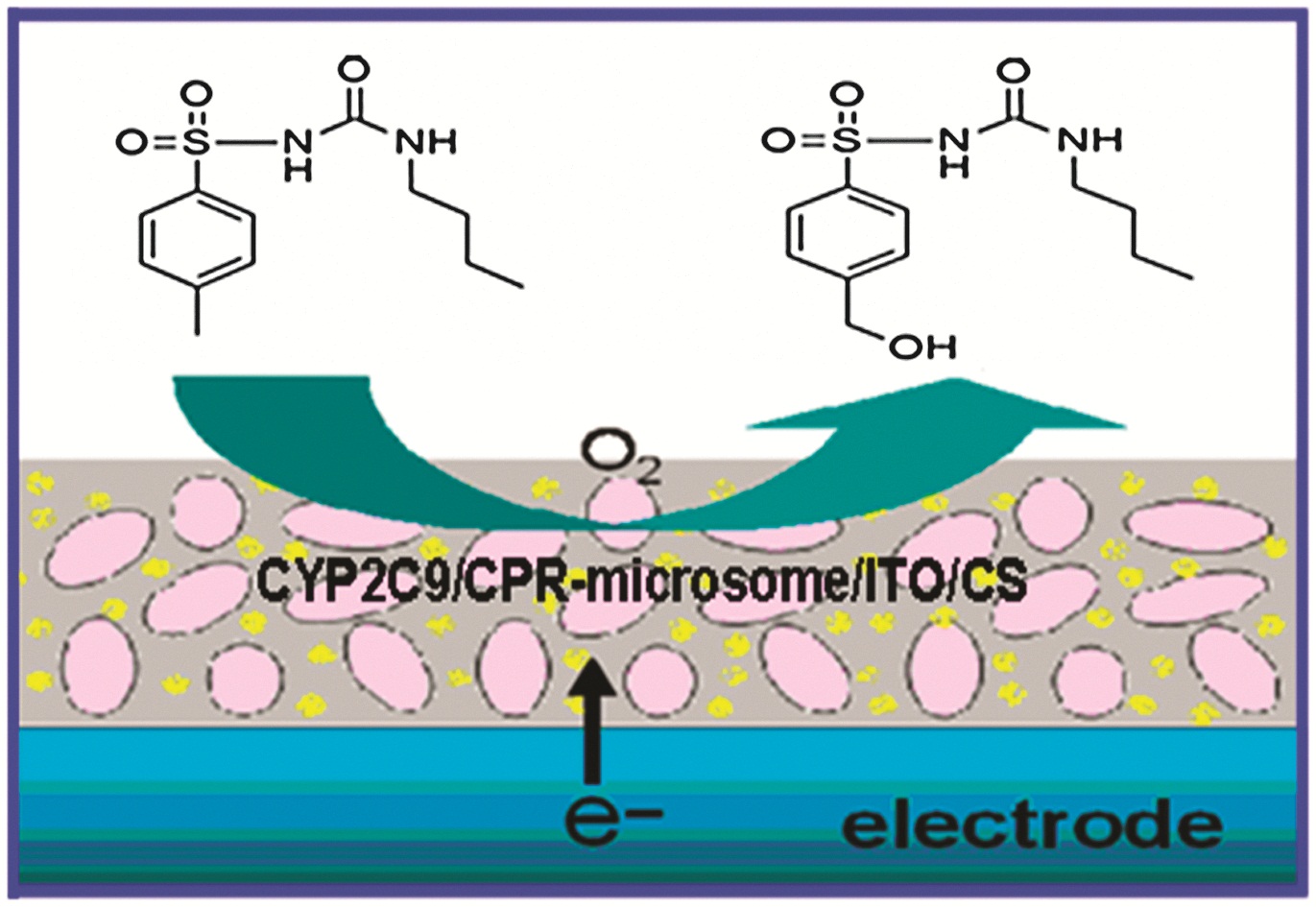
A way to study drug metabolism using cytochrome P450 enzymes (which are involved in the metabolism of over 60% of clinically used drugs) has been developed by scientists in China.

The team made a film of indium tin oxide nanoparticles (they have good conductivity) and cytochrome P450s encapsulated by chitosan (which are biocompatible) on a carbon electrode. They were able to bioelectronically initiate cytochrome P450 catalysis by replacing electron donation from expensive nicotinamide adenine dinucleotide phosphate with electrodes.

The system has potential for applications in drug discovery and development by monitoring substrate metabolism and enzyme inhibition. Other applications include biosensors for toxicity analysis and bioreactors for chemical synthesis.

Film to aid drug metabolism study


Link to journal article
Electrochemically Driven Drug Metabolism via Cytochrome P450 2C9 Isozyme Microsomes with Cytochrome P450 Reductase and Indium Tin Oxide Nanoparticle Composites

X Xu et al
Chem. Commun.,
2012, DOI: 10.1039/c2cc33575a

Digg This
Reddit This
Stumble Now!
Share on Facebook
Bookmark this on Delicious
Share on LinkedIn
Bookmark this on Technorati
Post on Twitter
Google Buzz (aka. Google Reader)

Macrocycle insulation for molecular wires

Researchers in Texas are using rotaxane formation to sterically protect or “insulate” molecular wires.

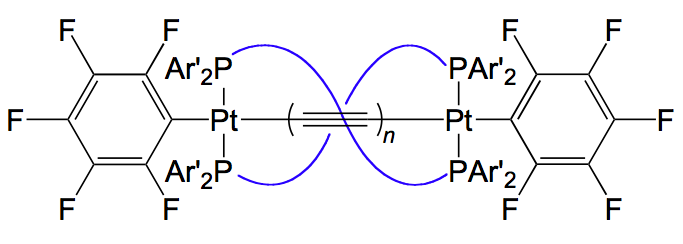
Molecular wires, in which an unsaturated linker separates two or more redox active metal sites, are of great research interest. These structures allow phenomena such as electron delocalisation or transport between the two redox sites. John Gladysz’s group at Texas A&M University have an ongoing interest in dimetallic polyynediyl complexes, in which two metal centres are linked by conjugated polyynediyl linkers that they now hope to “insulate” to reduce interactions between wires and the external environment. A previous approach used long alkyl bis-phosphine, which wrapped around the wire in a double helix to complex both metal centres. However, this gave two enantiomers, which interconverted rapidly in solution via uncoiling of the protective ligands.

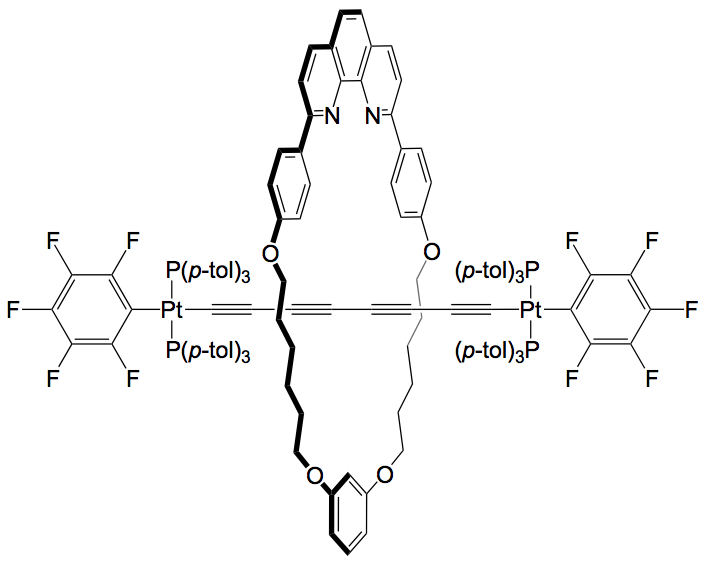
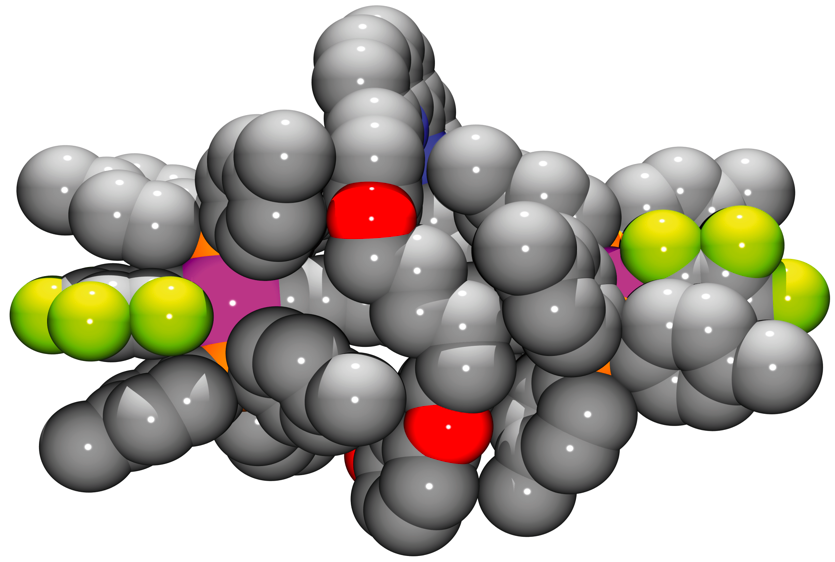
The Gladysz group are now reporting a straightforward solution to this problem. They found that by synthesising their bis-platinum wire in the presence of a 33-membered macrocycle, they could incorporate the wire as the thread of a rotaxane complex. This provides a more robust protection for the wire which is unaffected by dynamic processes.

This work shows a fantastic application of rotaxane chemistry for protection of a molecular wire. What’s more, the synthesis of this rotaxane is adaptable, and the Gladysz group are working on exciting new and improved systems including longer polyynediyl linkers and redox inactive macrocycles to improve the properties of the insulated wires.

The full communication can be downloaded here.

Cally Haynes

Digg This
Reddit This
Stumble Now!
Share on Facebook
Bookmark this on Delicious
Share on LinkedIn
Bookmark this on Technorati
Post on Twitter
Google Buzz (aka. Google Reader)

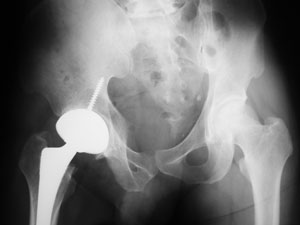
Why some metal hip replacements fail

Hundreds of thousands of patients have been fitted with metal-on-metal hip joints

Hundreds of thousands of patients have been fitted with metal-on-metal hip joints

An investigation into why metal-on-metal hip joints fail long before other types of joints, such as metal-on-polyethylene and ceramic-on-ceramic, has revealed how the metal particles shed by the joints grinding against each other damage surrounding cells. The work, carried out by scientists in the UK, Canada, the Netherlands and the US, could lead to ways to predict which patients will have problems with these joints.

One theory why metal-on-metal hip implants fail points to the debris that is generated as the joints wear. It is thought that the debris is not compatible with human tissue, which causes the metal hip joints to fail, but it’s not known why.

Read the full article in Chemistry World

Link to journal article
Chemical Speciation of Nanoparticles Surrounding Metal-on-Metal Hips

A E Goode et al
Chem. Commun.,
2012, DOI: 10.1039/c2cc33016d

Digg This
Reddit This
Stumble Now!
Share on Facebook
Bookmark this on Delicious
Share on LinkedIn
Bookmark this on Technorati
Post on Twitter
Google Buzz (aka. Google Reader)

Kitchen nanodot chemistry

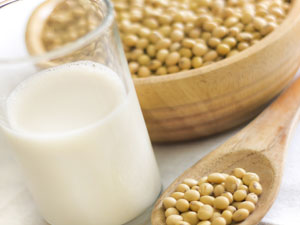
For carbon nanodots, simply heat soy milk for three hours. The milk undergoes carbonisation, surface functionalisation and doping

For carbon nanodots, simply heat soy milk for three hours. The milk undergoes carbonisation, surface functionalisation and doping

Water-soluble, nitrogen-doped fluorescent carbon nanodots (FCNs) have been made by simply heating soy milk. This cheap and green approach produces a carbon nanomaterial suitable for bioimaging applications, and has already shown promise as an electrocatalyst, say scientists in China.

There have already been several successful demonstrations using natural biomass as a precursor for producing nanomaterials. Inspired by these endeavours, Shaojun Dong and colleagues at the Chinese Academy of Sciences have developed a simpler, time-saving method for preparing bifunctional nanomaterials, in just three hours, using soy beans.

Read the full article in Chemistry World

Link to journal article
Bifunctional fluorescent carbon nanodots: green synthesis via soy milk and as metal-free electrocatalysts for oxygen reduction
C Zhu, J Zhai and S Dong
Chem. Commun., 2012, DOI: 10.1039/c2cc33844k


Digg This
Reddit This
Stumble Now!
Share on Facebook
Bookmark this on Delicious
Share on LinkedIn
Bookmark this on Technorati
Post on Twitter
Google Buzz (aka. Google Reader)

Deadline Approaching – ICPOC 21 poster abstracts

There is still just time to submit your poster abstract to the 21st IUPAC International Conference on Physical Organic Chemistry (ICPOC 21) but don’t delay.

The deadline date of 13 July is for both poster abstracts and early bird registrations.

Why join ICPOC21?

Professor Hiromitsu Maeda
, Ritsumeikan University, Japan has won the 2012 ChemComm Emerging Investigator Lectureship and will delivering his lecture at ICPOC 21.

This annual award recognises an emerging scientist in the early stages of their independent academic career. Professor Maeda’s has been particularly commended for his contributions to the fields of organic chemistry, supramolecular chemistry and materials science.

In addition to the outstanding plenary sessions, there will be three parallel sessions over the five days comprising invited lectures and contributed talks, as well as poster sessions.

A broad range of scientists from across the whole community who share a quantitative perspective on chemistry will be there, providing an opportunity to discuss and celebrate the current status, development, and the future of physical organic chemistry.

Make sure you are one of them! Don’t miss the poster abstract submission and early bird registration deadline – 13 July.

Digg This
Reddit This
Stumble Now!
Share on Facebook
Bookmark this on Delicious
Share on LinkedIn
Bookmark this on Technorati
Post on Twitter
Google Buzz (aka. Google Reader)

ChemComm’s Impact Factor climbs up once more – 6.169!

Another Impact Factor announcement and another increase for ChemComm

Thomson Reuters has just released the 2011 Journal Citation Reports ® and it’s great news for ChemComm.

Our Impact Factor* (IF) has grown once again and now stands at 6.169.

The journal’s success would not be possible without the loyalty of our authors and the commitment of our referees – thank you to all of you who have helped contribute to this impressive figure. And, of course, we sincerely thank our Editorial and Advisory Boards for their continued dedication and commitment.

With an average time of just 55 days from receipt to publication, ChemComm has the fastest average publication times of any chemical journal and with our latest IF as well, it’s clear why ChemComm is the home of urgent, high impact communications from across the chemical sciences.

Join your colleagues today and submit your next high impact communication to ChemComm.

Find out how other RSC journals are ranked in the latest Impact Factor release >

*The IF provides an indication of the average number of citations per paper. Produced annually, IFs are calculated by dividing the number of citations in a year, by the number of citeable articles published in the preceding two years.

 2011 Journal Citation Reports ®, (Thomson Reuters, 2012).

Digg This
Reddit This
Stumble Now!
Share on Facebook
Bookmark this on Delicious
Share on LinkedIn
Bookmark this on Technorati
Post on Twitter
Google Buzz (aka. Google Reader)

For clean water, just add sunlight

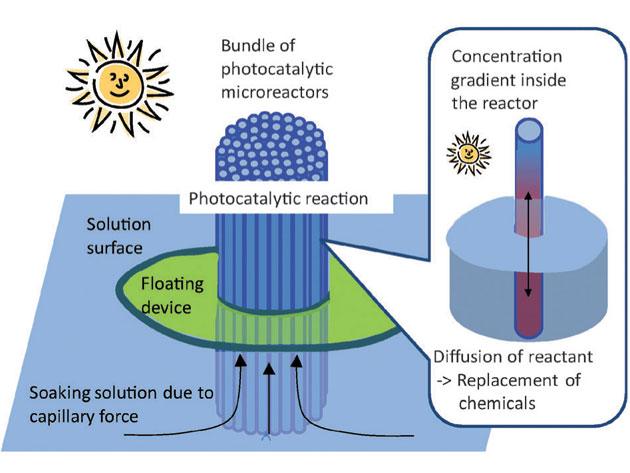
For clean water, just add sunlight

Capillaries coated on the inside with photocatalytic materials induced a photocatalytic reaction by pulling up a solution under the action of capillary forces

Researchers from Japan have developed a photocatalytic reactor for a water purifier that does not require batteries. Rather than using an external power source to pump water through the reactor, the system uses diffusion and capillary action to achieve an entirely non-electric reactor.

In addition to water purification itself, it is also important to ensure a constant and efficient transfer of contaminated water into the reactor and clean water out. This is normally achieved by an electric or fuel pump, but in areas where the power supply is often disrupted or is scarce, another approach is needed.

Read the full article in Chemistry World

Link to journal article
Novel Photocatalytic Microreactor Bundle that does not Require an Electric Power Source
K Katayama, Y Takeda and S Kuwahara
Chem. Commun., 2012, DOI: 10.1039/c2cc33525e

Digg This
Reddit This
Stumble Now!
Share on Facebook
Bookmark this on Delicious
Share on LinkedIn
Bookmark this on Technorati
Post on Twitter
Google Buzz (aka. Google Reader)

A new catalyst for asymmetric aziridination

Aziridines are used extensively as intermediates for organic synthesis. The strained three-membered heterocycles reveal amino groups on ring-opening and therefore provide access to a variety of useful products. Enantioselective methods for forming aziridine rings are highly desirable because enantiopure amino-compounds represent important targets for both natural product synthesis and in the discovery of novel therapeutics.

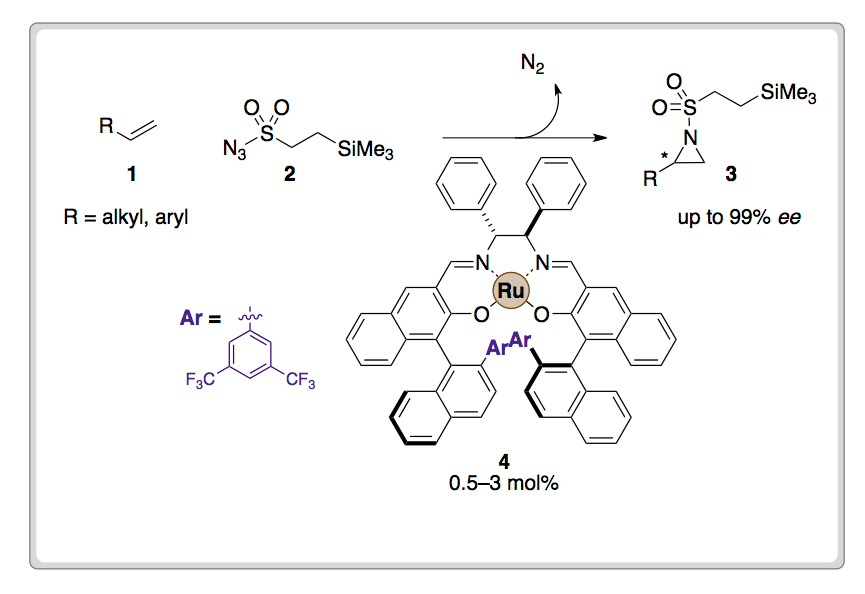
Researchers from Kyushu University in Japan have reported a newly designed Ru(CO)salen complex (4), which acts as an efficient catalyst for asymmetric aziridination of alkenes.

Reaction of olefinic substrates (1) with 2-(trimethylsilyl)ethanesulfonyl (SES) protected azide (2) in the presence of the Ru(CO)salen complex 4 afforded enantioenriched aziridine products. 4 efficiently decomposes azides under ambient conditions and also catalyses asymmetric aziridination.

Judicious selection of an appropriate azide protecting-group also influenced the design of the catalyst. The researchers chose to include an appropriately located C–F  bond within the ligand in order to improve tolerance of 4 to reacting electrophiles.

Low catalyst loadings enabled the highly enantioselective azirdination of a variety of substrates possessing conjugated or non-conjugated terminal or cyclic olefins.

Find out more – download the communication for free for a limited period.

Digg This
Reddit This
Stumble Now!
Share on Facebook
Bookmark this on Delicious
Share on LinkedIn
Bookmark this on Technorati
Post on Twitter
Google Buzz (aka. Google Reader)

Additional benefit of cancer drug

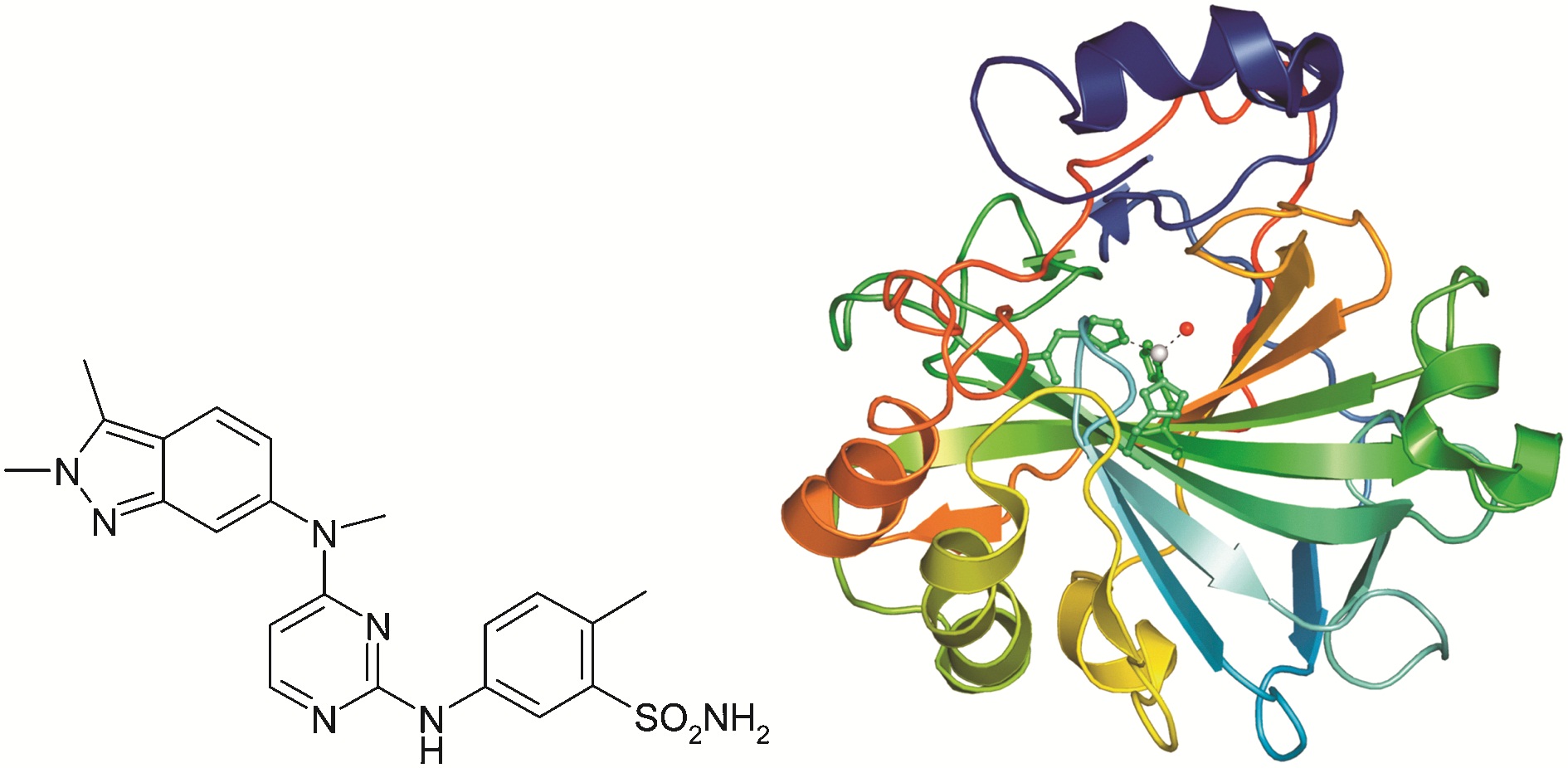
A new clinically used cancer drug thought to work by inhibiting kinase enzymes also strongly inhibits carbonic anhydrase (CA) enzymes, reveal scientists in Italy.

Scientists did not evaluate the CA inhibition activity of pazopanib before its approval for the treatment of a variety of different cancers, including lung, breast and ovarian cancers. But Claudiu Supuran and colleagues recognised part of the drug’s structure – a primary sulfonamide moiety – is often found in drugs that can inhibit CAs. So they tested pazopanib along with some other related structures and found that the drug did indeed inhibit CAs. They estimate that a significant proportion of the drug’s therapeutic effect on hypoxic tumors is due to its strong CA inhibitory properties.


Link to journal article
Polypharmacology of sulfonamides: Pazopanib, a multitargeted receptor tyrosine kinase inhibitor in clinical use, potently inhibits several mammalian carbonic anhydrases
J-Y Winum et al
Chem. Commun., 2012, DOI: 10.1039/c2cc33415a

Digg This
Reddit This
Stumble Now!
Share on Facebook
Bookmark this on Delicious
Share on LinkedIn
Bookmark this on Technorati
Post on Twitter
Google Buzz (aka. Google Reader)

Top ten most accessed articles in May

This month sees the following articles in ChemComm that are in the top ten most accessed:-

Development of a near-infrared fluorescent probe for imaging of endogenous Cu+ in live cells
Xiaowei Cao, Weiying Lin and Wei Wan
Chem. Commun., 2012,48, 6247-6249, DOI: 10.1039/C2CC32114A, Communication

Formal asymmetric enone aminohydroxylation: organocatalytic one-pot synthesis of 4,5-disubstituted oxazolidinones
David Cruz Cruz, Pedro A. Sánchez-Murcia and Karl Anker Jørgensen
Chem. Commun., 2012,48, 6112-6114, DOI: 10.1039/C2CC32385K, Communication

Recognition and sensing of various species using boronic acid derivatives
Zhiqian Guo, Injae Shin and Juyoung Yoon
Chem. Commun., 2012,48, 5956-5967, DOI: 10.1039/C2CC31985C, Feature Article

Silver(i)-catalyzed carboxylation of arylboronic esters with CO2
Xiao Zhang, Wen-Zhen Zhang, Ling-Long Shi, Chun-Xiao Guo, Ling-Ling Zhang and Xiao-Bing Lu
Chem. Commun., 2012,48, 6292-6294, DOI: 10.1039/C2CC32045B, Communication

One-pot synthesis of highly crystalline mesoporous TiO2 nanoparticle assemblies with enhanced photocatalytic activity
Ioannis Tamiolakis, Ioannis N. Lykakis, Alexandros P. Katsoulidis and Gerasimos S. Armatas
Chem. Commun., 2012,48, 6687-6689, DOI: 10.1039/C2CC33122E, Communication

Supramolecular electron transfer by anion binding
Shunichi Fukuzumi, Kei Ohkubo, Francis DSouza and Jonathan L. Sessler
Chem. Commun., 2012, Accepted Manuscript, DOI: 10.1039/C2CC32848H, Feature Article

A new water-soluble pillar[5]arene: synthesis and application in the preparation of gold nanoparticles
Yong Yao, Min Xue, Xiaodong Chi, Yingjie Ma, Jiuming He, Zeper Abliz and Feihe Huang
Chem. Commun., 2012,48, 6505-6507, DOI: 10.1039/C2CC31962D, Communication

Iridium-catalyzed reaction of enones with alcohols affording 1,3-diketones
Yasushi Obora, Kazuhiro Nakamura and Shintaro Hatanaka
Chem. Commun., 2012,48, 6720-6722, DOI: 10.1039/C2CC32787B, Communication

Covalently stabilized self-assembled chlorophyll nanorods by olefin metathesis
Sanchita Sengupta and Frank Würthner
Chem. Commun., 2012,48, 5730-5732, DOI: 10.1039/C2CC32314A, Communication

Sodium methoxide: a simple but highly efficient catalyst for the direct amidation of esters
Takashi Ohshima, Yukiko Hayashi, Kazushi Agura, Yuka Fujii, Asako Yoshiyama and Kazushi Mashima
Chem. Commun., 2012,48, 5434-5436, DOI: 10.1039/C2CC32153J, Communication

Why not take a look at the articles today and blog your thoughts and comments below.

Fancy submitting an article to ChemComm? Then why not submit to us today or alternatively email us your suggestions.

Digg This
Reddit This
Stumble Now!
Share on Facebook
Bookmark this on Delicious
Share on LinkedIn
Bookmark this on Technorati
Post on Twitter
Google Buzz (aka. Google Reader)