Archive for March, 2023

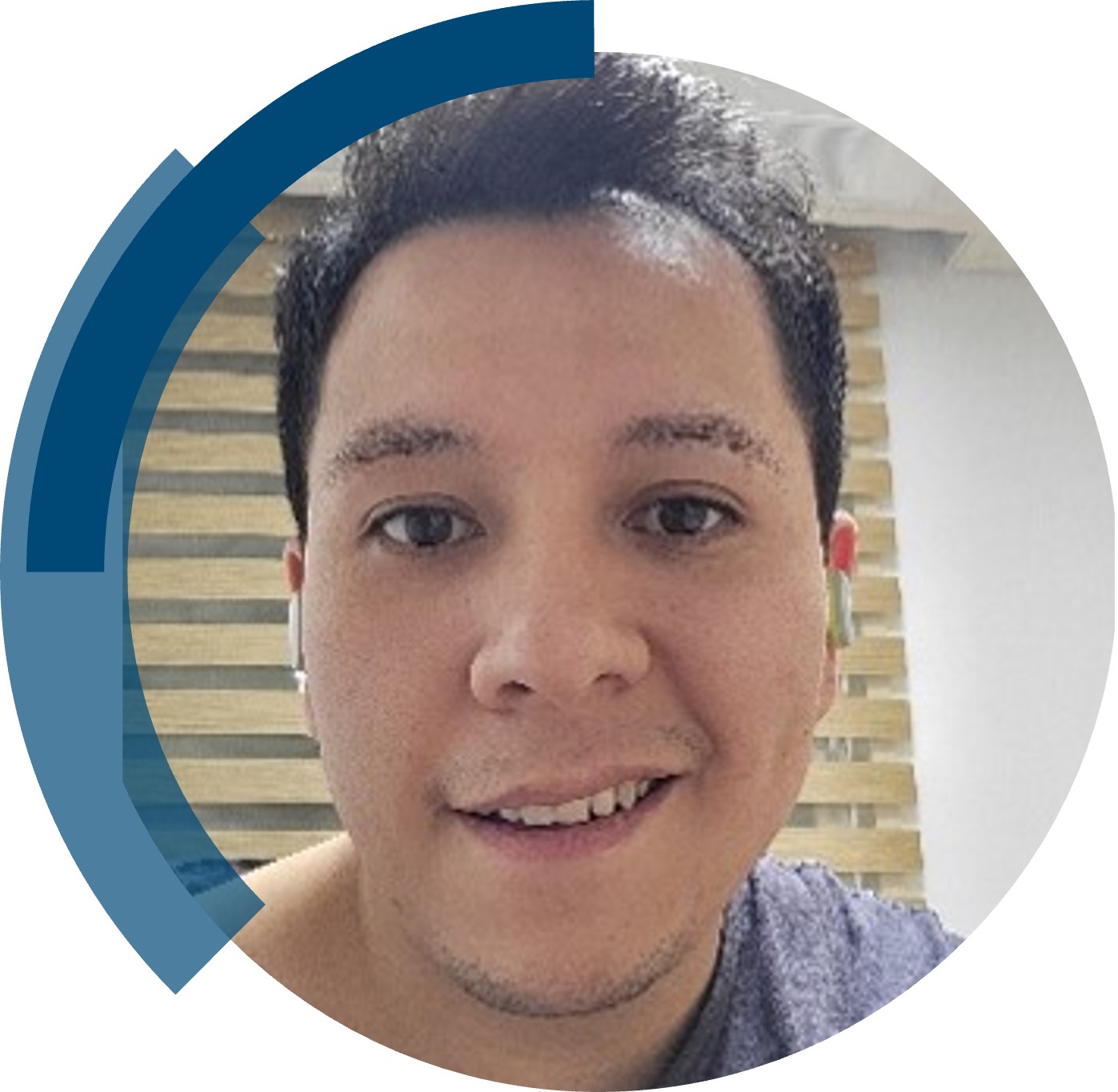
ChemComm Milestones – Shi-Qiang Wang

We are excited to share the success of Shi-Qiang Wang’s first-time independent article in ChemComm; “Adsorbate-dependent phase switching in the square lattice topology coordination network [Ni(4,4′-bipyridine)2(NCS)2]n” included in the full milestones collection. 

Read our interview with Shi-Qiang below.

What are the main areas of research in your lab and what motivated you to take this direction?

My research focuses on crystal engineering of metal-organic materials (PCPs/PCNs/MOFs) for gas storage, water sorption and hydrocarbon separations. In particular, the unusual “switching” behaviour of a series of square lattice coordination networks has fascinated me to work on this field.

Can you set this article in a wider context?

Gas storage is an important but energy-intensive process in industry. Although porous physisorbent materials hold significant promise in addressing this matter, they suffer from relatively low working capacity due to the Langmuir (type I) sorption isotherms. Flexible/switching coordination networks or MOFs featuring stepped sorption isotherms may provide higher working capacity and better thermal management than rigid sorbents with type I isotherms. However, their responsiveness to different adsorbates remains largely understudied.

In this work, we report the sorption properties of nine gases (N2, CH4, CO2, C2H2, C2H4, C2H6, C3H4, C3H6, and C3H8) for a prototypal switching coordination network, [Ni(4,4’-bipyridine)2(NCS)2] (sql-1-Ni-NCS), which exhibits adsorbate-dependent switching pressures and sorption uptakes. The primary message from this study is that nonporous materials (as determined by their crystal structures and/or 77 K N2 sorption data) should not be discarded as candidates for sorption-based applications as they may exhibit exceptionally high gas sorption working capacity through a phase switching mechanism.

What do you hope your lab can achieve in the coming year?

In the coming year, I hope we can develop a simple and cheap, sustainable and environment-friendly method for manufacturing functional metal-organic materials in large scale that meet the needs of industry and society. We are also open for potential collaborations from different perspectives to make the world better together.

Describe your journey to becoming an independent researcher.

I started my “chem journey” since I was an undergraduate at Hebei University (2009-2013) where I learnt fundamental knowledge of different chemistry disciplines (e.g., Inorganic, Organic, Analytical, and Physical Chemistry). I then majored in Inorganic Chemistry for my Master’s degree (2013-2016) and conducted systematic research under the supervision of Prof. Xiang-Jian Kong and Prof. La-Sheng Long at Xiamen University. I worked on 3d-4f metal clusters and studied their magnetism and chirality.

Although I changed my research topics to higher dimensional (2 or 3D) metal-organic materials during my PhD study, the skills I have learnt previously helped me a lot. Under the guidance of Prof. Michael Zaworotko at the University of Limerick (2016-2022), I developed a family of 2D switching coordination networks that can be potentially used for gas storage and hydrocarbon separations. Afterwards, I was fortunate to have the opportunity to work with A/Prof. Dan Zhao as a Research Fellow at the National University of Singapore where I worked on advanced porous materials for air dehumidification.

Recently, I joined the Institute of Materials Research and Engineering (IMRE), which is a leading research institute of the Agency for Science, Technology and Research (A*STAR), Singapore. As a Scientist at IMRE, I will continue my research, which is already part of my life, and hope to discover more advanced materials for real-world applications.

What is the best piece of advice you have ever been give?

Negative results can be also informative and should not be just laid aside and neglected. Unfortunately, it is common that researchers are keen on publishing the best results and pursuing new records, while it is also meaningful and important to mention what they have tried or failed before reaching the targeted goals.

Why did you choose to publish in ChemComm?

My first first-author paper was published in ChemComm in 2018 (https://doi.org/10.1039/C8CC03838D), and I was impressed by its rapid publication, excellent reputation, and broad audience. It thus prompted me to submit my first independent research (https://doi.org/10.1039/D2CC06549E) to ChemComm as well.
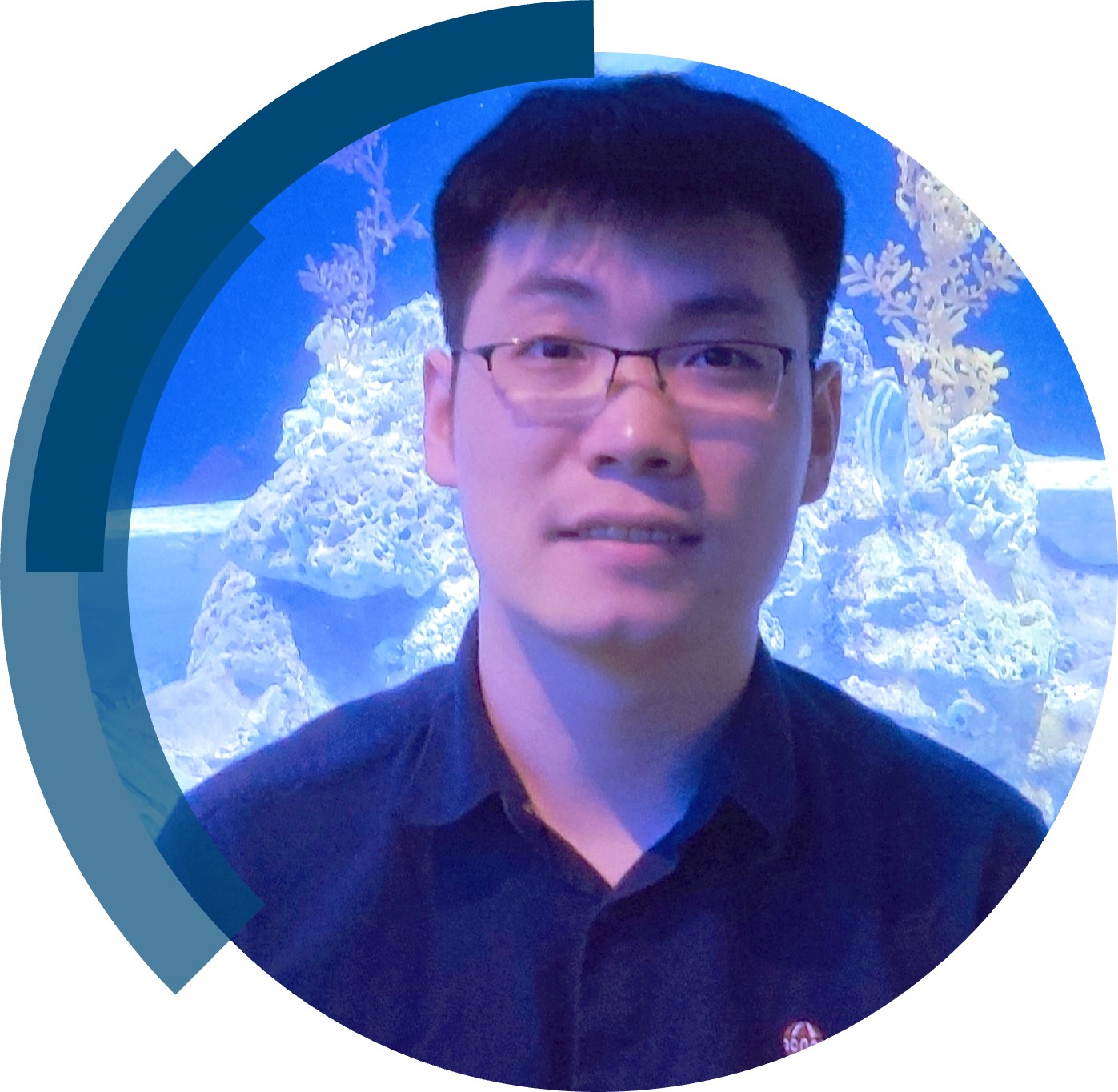
 

Dr. Shi-Qiang Wang (MRSC) is currently a Scientist at the Institute of Materials Research and Engineering (IMRE) under the umbrella of the Agency for Science, Technology and Research (A*STAR), Singapore. Before moving to IMRE, he served as a Research Fellow (2022.03-2022.10) in the Advanced Porous Materials Group (PI: A/Prof. Dan Zhao) at the National University of Singapore (NUS). He completed his PhD (2016.09-2020.06) and continued as a Postdoctoral Researcher (2020.08-2022.03) in the Crystal Engineering Research Group (PI: Prof. Michael Zaworotko) at the University of Limerick (UL), Ireland. He won two “Young Scientist” conference Awards sponsored respectively by the European Crystallographic Association and the International Union of Crystallography in 2018/2019 and the 2020 Chinese Government Award for Outstanding Self-financed Students Abroad.

You can reach out to Shi-Qiang on Twitter: @ShiQiang_SQ, WeChat: sqwang0123, LinkedIn: https://www.linkedin.com/in/sqwangchem or his personal website: https://sqwangchem.com/


Explore more ChemComm Milestones news and updates on our Twitter: @ChemCommun

Digg This
Reddit This
Stumble Now!
Share on Facebook
Bookmark this on Delicious
Share on LinkedIn
Bookmark this on Technorati
Post on Twitter
Google Buzz (aka. Google Reader)

ChemComm Milestones – Ricardo Peralta

We are excited to share the success of Ricardo Peralta’s first-time independent article in ChemComm; “Gas-phase organometallic catalysis in MFM-300(Sc) provided by switchable dynamic metal sites” included in the full milestones collection. 

Read our interview with Ricardo below.

What are the main areas of research in your lab and what motivated you to take this direction?

My research primarily aims to rationalize and develop applications for dynamic metal-ligand bonding phenomena in MOFs. I am motivated to explore these processes because I believe that to fully exploit the intrinsic characteristics of MOFs such as porosity, modular synthesis and crystallinity, the role of dynamic metal processes in fields such as catalysis must be elucidated. MOFs featuring dynamic metal-linker bonds are a promising route towards the synthesis of active and stable catalysts that do not require harsh activation conditions. The production of catalytically active MOFs often requires challenging synthesis and I believe that we have only touched the tip of the iceberg with the current research. The immense possibilities within MOF synthesis and it’s wider applications still fascinates and motivates me to pursue them.

Can you set this article in a wider context?

Using MOFs in heterogenous catalysis is advantageous due to the well-defined crystalline framework, which facilitates rapid diffusion of small molecules, high catalytic selectivity and can act as a matrix for the isolation of reactive complexes and intermediates.  Recyclability of heterogeneous catalysts provides a facile route to catalyst recovery.​ Due to high porosity and surface areas, gas phase catalysis is an area in which MOFs are particularly promising but which remains underexplored. Often MOFs featuring open metal sites are used for catalysis; however, such materials typically require harsh activation conditions and are not stable to some catalysis conditions.  The route towards gas phase catalysts proposed in this work relies on hemilability to generate temporary open metal sites in-situ without requiring harsh activation conditions.

What do you hope your lab can achieve in the coming year?

I hope that my lab can further establish the role of dynamic metal-ligand phenomena in MOFs and demonstrate the capacity of MOFs featuring hemilability in important applications.

Describe your journey to becoming an independent researcher.

My pathway to becoming an independent researcher has been challenging but entirely rewarding. Undertaking my PhD studies and postdoctoral work in Australia and Korea challenged me to develop my English communication skills and provided opportunities to learn about advanced characterization techniques in turn broadening my chemistry knowledge. I have been guided by mentors who are experts in the area and friends who have supported me through my journey. I feel incredibly lucky and proud to have an opportunity to pursue my dream as an independent researcher and continue my learning path.

What is the best piece of advice you have ever been give?

Perseverance is the key to great outcomes.

Why did you choose to publish in ChemComm?

Chemical Communications is a highly regarded journal in the chemical sciences and an excellent route to communicate new ideas and research. It has excellent readership which open up avenues to for exchange of new ideas. I have read multiple articles from journal throughout my career and it is an honor to have my first paper as an independent researcher published in ChemComm!


After completing my undergraduate studies, I worked in industry at DUPONT Mexico and Seguros Monterrey New York Life, which inspired me to pursue a career in research. Through my Masters program at the National University Autonomous of Mexico, I encountered Metal-organic Frameworks (MOFs) and developed a keen interest in the development and applications of crystalline materials. I moved to The University of Adelaide in Australia to conduct my PhD which focused on isolating reactive transition metal complexes in MOFs for catalytic reactions. Buoyed by my experience in MOF catalysis, I undertook a research fellowship (Brain pool program) at Daegu Gyeongbuk Institute of Science and Technology (DGIST) in South Korea, where I studied dynamic metal-ligand bonding within MOFs and its effect on catalysis. I continue to explore this fascinating phenomenon in my independent research and in my role as an Assistant Professor in Chemistry at the Metropolitan Autonomous University in Mexico.


Explore more ChemComm Milestones news and updates on our Twitter: @ChemCommun

Digg This
Reddit This
Stumble Now!
Share on Facebook
Bookmark this on Delicious
Share on LinkedIn
Bookmark this on Technorati
Post on Twitter
Google Buzz (aka. Google Reader)

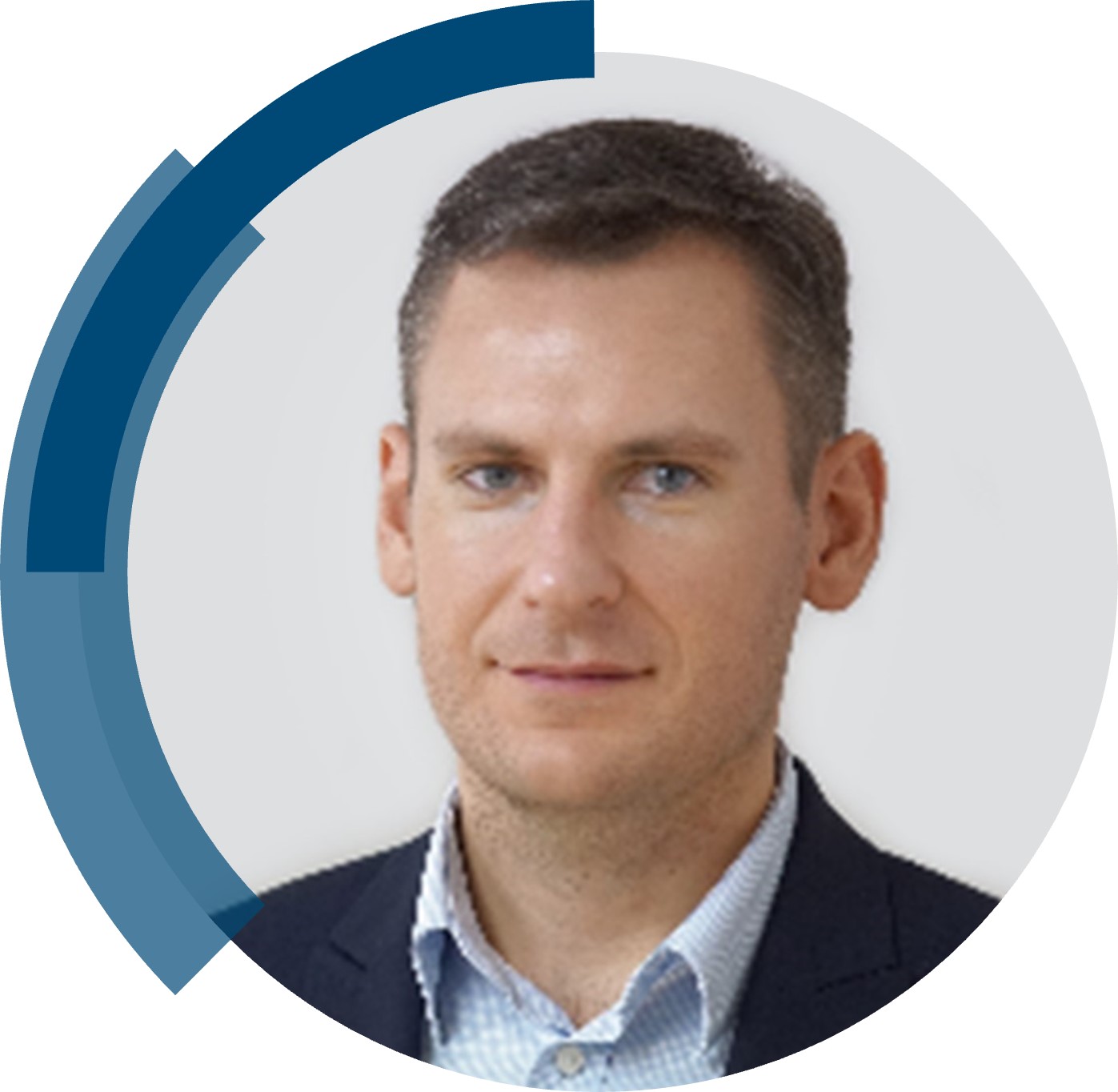
ChemComm Milestones – Marcin Lindner

We are excited to share the success of Marcin Lindner’s first-time independent article in ChemComm; “V-shaped donor–acceptor organic emitters. A new approach towards efficient TADF OLED devicesincluded in the full milestones collection. 

Read our interview with Marcin below.

What are the main areas of research in your lab and what motivated you to take this direction?

Research in my group has focused on the rational design and the synthesis of functional aromatic materials such as concave N-doped polycyclic aromatic hydrocarbons (N-PAHs), curved heteroatom-doped nanographenes, donor-acceptor organic emitters with unique topology. These are investigated as emissive components in thermally activated delay fluorescent (TADF)/hyperfluorescent (HF) OLED devices, and hole-transporting layers (HTL) applied for more efficient throughput of Perovskite Solar Cells (PSCs). We have faced the challenge in constructing highly emissive organic materials by integrating donor-acceptor structure thoroughly fused and conjugated scaffold which bears, however, nonplanar geometry. We believe that implementation of such conceptually new, tailor-made organic materials would allow to holistically tune the desired optical properties such an efficient quantum yield, excited states energy difference, and bandgap energy.

Can you set this article in a wider context?

Seeking new organic emitters for TADF OLED devices has recently constituted an intensive field of research. Particularly, organic dyes with a small energy gap (ΔEST) which enable an efficient up-conversion process of triplet excitones are of high interest. The most common approach offered so far has relied on a use of rigid platforms decorated with twisted electron rich substituents to minimize HOMO-LUMO overlap which usually affects on ΔEST . We recently demonstrated first ambipolar and curved N-doped PAHs in which antiaromatic 7-memered ring led to the spatially separate HOMO-LUMO levels while curvature enabled one to minimize their overlap and achieve TADF emission (Angew. Chem. 2022, 61, e202202232) with PLQY up to 86% and EQE of 12%.

Building on that we envisaged the release of  the structural tension from our pristine N-PAHs would result in the system bearing V-shaped topology leading to a well decoupled donor-acceptor system. In this published paper, we showed the rational design and concise synthesis of a new set of V-shaped D-π-A organic emitters. “Releasing structural tension” from our parental architecture, we gained access to a novel class of dyes with V-shaped geometry, which was transparently proved by X-ray single crystal analysis. Furthermore, HOMO-LUMO levels were well separated leading to the remarkable decrease of ΔEST (<0.1eV for each derivative) and efficacious TADF process. For the best performing phenoxazine decorated dye, we found appreciable PLQY of 36% accompanied by a very good EQE of 13.6% which indeed stress the importance of the efficient up-conversion of triplet excitones due to the low ΔEST energy. These demonstrated results shed light on new structural paradigm that contributes strongly to the increase of TADF OLED effciency.

What do you hope your lab can achieve in the coming year?

We have currently aimed at developing a peripheral functionalization of our N-PAHs. Moreover, we have explored the synthetic methodologies toward curved nanographenes which are going to be brought to light this year.

Describe your journey to becoming an independent researcher.

After my PhD in the group of Prof. Marcel Mayor (University of Basel, KIT Karlsruhe), I returned to Poland (2017) where I spent a short period of time at the industry (Selvita). With this valuable experience in a hand, I subsequently moved to Warsaw (IOC PAS). Within next 1.5 year I had here tackled to the development of new anion receptors and catalytic methods for stereo-selective semi-hydrogenation of alkynes, working in a group of Prof. Janusz Jurczak and Karol Grela, respectively. Meantime (2018/2019) I successfully applied for my first independent research grant (within the frame of Sonata 14 competition) funded by National Centre of Science. Year after (2020) I received second grant, this time from the National Centre of Research and Development (Lider XI). Within the scope of my independent research I try to perform a unique approach to the synthesis of aromatic compounds with goal of reaching a specific functionality.

What is the best piece of advice you have ever been give?

Well, here I would come with two quotes. Namely, “treat other as you want to be treated” and “make people believe what you believe in”. Both help me on daily basis to gradually become a better leader.

Why did you choose to publish in ChemComm?

ChemComm is a journal with a long tradition and an excellent reputation in chemistry. As it is a so-called “general” type of journal, it is accessed by the broad society of researchers who often cross the borders of chemistry and physics. “Publish your results in a journal, you used to read”. This attitude of my former co-advisor Dr Michal Valášek, (KIT, Germany) which was transferred to my professional life and was a driving force to publish following manuscript in ChemComm.

Marcin Lindner completed his PhD in 2016 at the University of Basel, Switzerland, under the guidance of Prof. Marcel Mayor. He defended a PhD dissertation entitled “Tailor-made tetraphenylmethanes : from surface decoartion to 3D organic polymers”.

In 2017 he returned to Poland to work at Selvita as a Synthesis Specialist III. After this short adventure in industry he returned to academia (Institute of Organic Chemistry, Polish Academy of Science) to work with Prof. Janusz Jurczak (10/2017-01/2019) and Prof. Karol Grela (02-11/2019).

Since 2019, has been employed as assistant professor and appointed a head of the Aromatic Functional Materials group at the IOC, PAS in Warsaw.

Twitter: @lindner_marcin

Explore more ChemComm Milestones news and updates on our Twitter: @ChemCommun

Digg This
Reddit This
Stumble Now!
Share on Facebook
Bookmark this on Delicious
Share on LinkedIn
Bookmark this on Technorati
Post on Twitter
Google Buzz (aka. Google Reader)

Presenting the ChemComm Career Milestones Collections

ChemComm is here to support researchers throughout their careers. Whether you’re a first-time author or a senior academic, you can trust us to handle your submission fairly and efficiently.

As part of our support for academics at all stages of their careers, we would like to highlight our Career Milestones collections.

ChemComm Milestones – First Independent Articles

This collection celebrates authors’ first articles as independent researchers. This momentous milestone marks the beginning of an independent academic career and we are proud to champion authors through this stage and beyond.

Read our interviews with the authors on our blog.

ChemComm Emerging Investigators

This annual special collection showcases research carried out by internationally recognised, up-and-coming scientists in the early stages of their independent careers, and who are making outstanding contributions to their respective fields.

Read the profile of last year’s contributors here.


ChemComm Pioneering Investigators

This collection showcases high quality research being carried out by international researchers who are more established in their independent careers and have been recognised as making a significant contribution to their field.

Read the profile of last year’s contributors here.


We hope you will join us in congratulating all contributors to our Career Milestones collections!


Digg This
Reddit This
Stumble Now!
Share on Facebook
Bookmark this on Delicious
Share on LinkedIn
Bookmark this on Technorati
Post on Twitter
Google Buzz (aka. Google Reader)