Archive for the ‘Themed collections’ Category

Chemical Science Themed Collection on Organofluorine Chemistry

Dedicated to Professor David O’Hagan to mark his retirement from the University of St Andrews (UK) and his seminal contributions to shaping contemporary organofluorine chemistry, this themed collection brings together invited contributions that highlight the vibrancy of fluorine chemistry, including Reviews and Perspectives that highlight emerging areas in the field. Guested Edited by Professor Ryan Gilmour, Associate Editor, Chemical Science.

Reviews & Perspectives

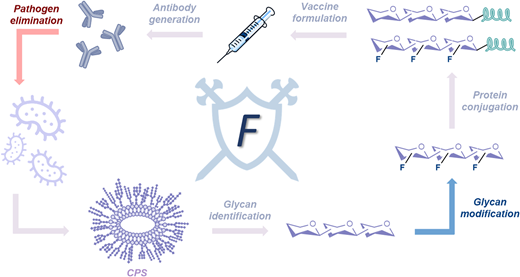
Fluorinated carbohydrate-based vaccines
Elena Chikunova, James Suri, Kathrin Siebold, Ryan Gilmour*
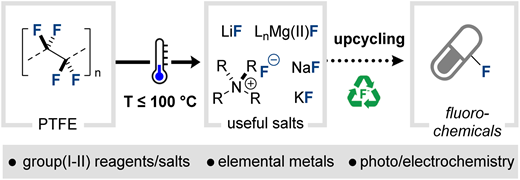
Recent advances in the degradation of polytetrafluoroethylene (PTFE) at low temperature (≤100 °C)
Matthew E. Lowe, Matthew N. Hopkinson, Dominik J.,* Erli Lu,* Roly J. Armstrong*
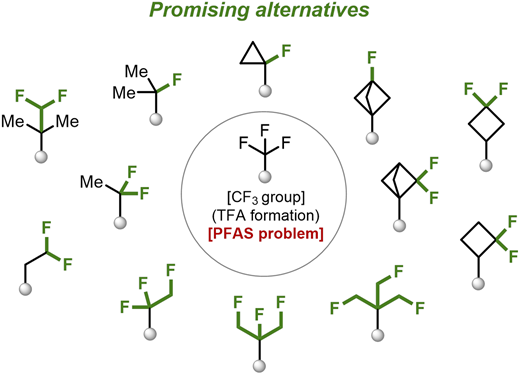
Unique fluoroalkyl substituents: is there life after CF3?
Vladimir Kubyshkin,* Pavel K. Mykhailiuk*
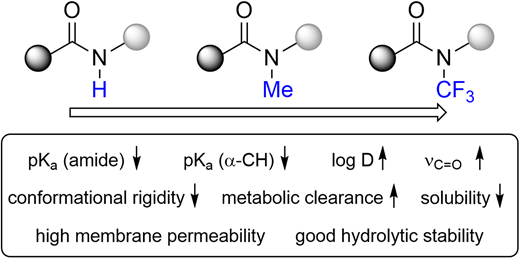
Synthesis and properties of N-(trifluoromethyl)amides
Miriam L. O’Duill,* Isabel L. Wood, Isaac Brooks, Charlotte McIvor

Edge Articles


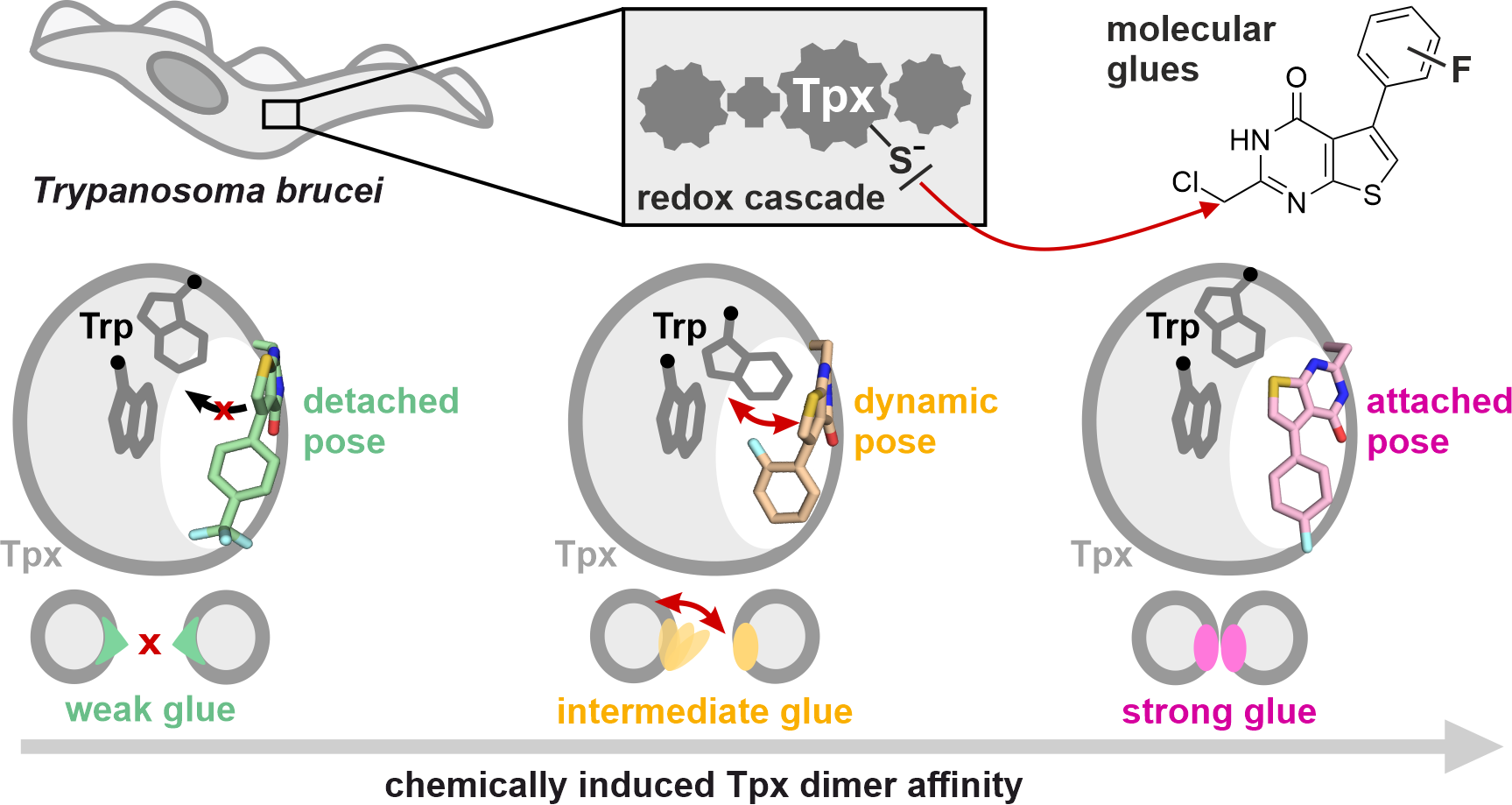
Inhibitor fluorination pattern modulates protein surface dynamics and chemically induced dimerization
Eric Schwegler, Jean-Martin Harder, Marco D. Preuss, Charlotte Guhl, Shuaibing Zhang, Annika Wagner, Nicole Bader, Pierre Stallforth, Hermann Schindelin, Till Opatz, Markus Lakemeyer, Ute Hellmich*
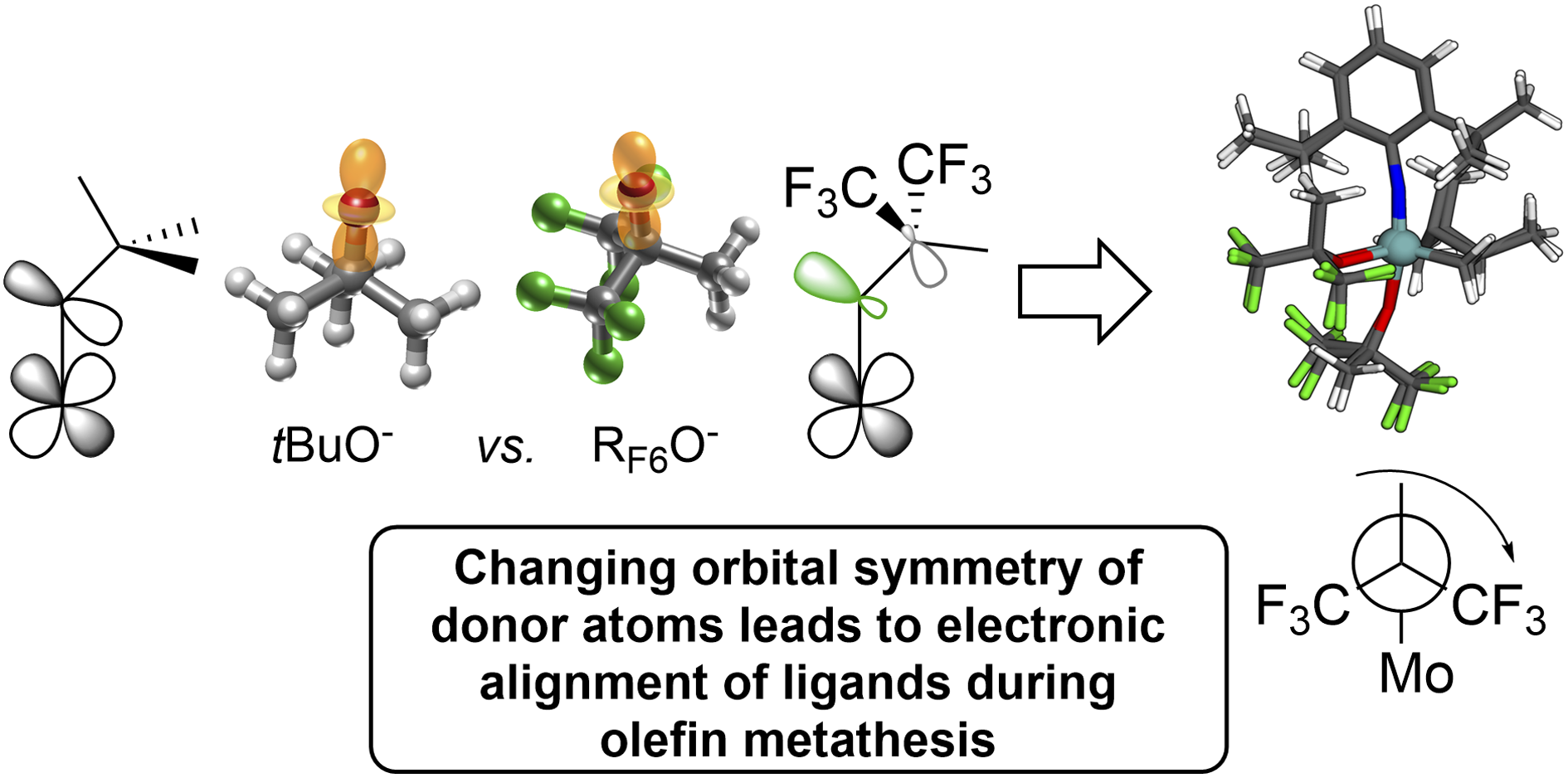
Fluorination of Alkoxide Ligands: Neither too much, Nor too little for Optimal Ligand Field Strength
Felix Jeffrey de Zwart; Noah Gehr; Sophie W Anferov; Joel Landis; Christophe Coperet*
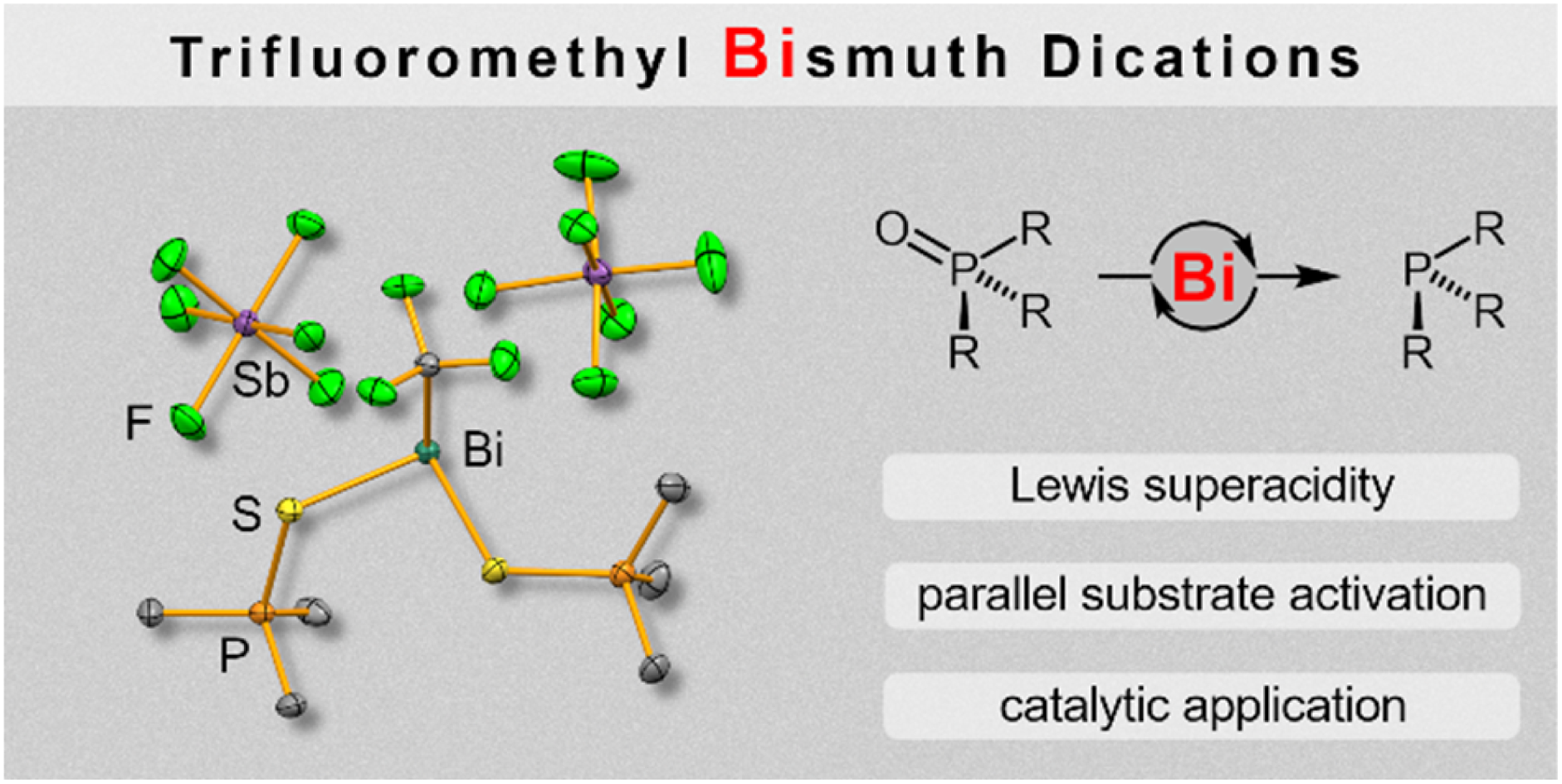
Trifluoromethylbismuth dications: pronounced parallel substrate activation, Lewis superacidity, and catalytic application
Ahmed Fetoh, Heba Youssef, Hendrik Kilian, Bernhard Roling, Crispin Lichtenberg*
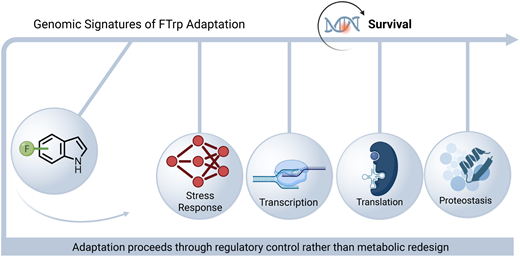
Genomic signatures highlight stress-response evasion and translational tuning as key drivers of Escherichia coli adaptation to fluorinated tryptophans
Christin Treiber-Kleinke, Jana Madeleine Göller, Justin Liba, Michael Chun-Hin Wong, Silver Anthony Wolf, Allison Ann Berger, Torsten Semmler, Nediljko Budisa,* Beate Koksch*
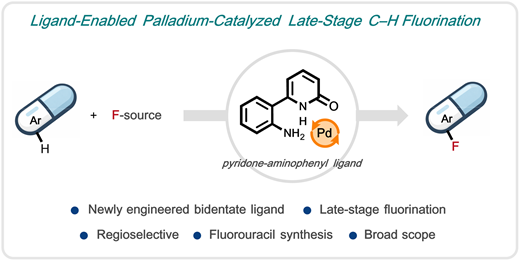
Ligand-enabled palladium-catalyzed late-stage C–H fluorination of arenes
Chitrala Teja, Minhajul Islam, Jagrit Grover, Yogesh Bairagi, Velayudham Sankar, Rajagopal Pothikumar, Arvind Kumar Yadav, Debabrata Maiti*
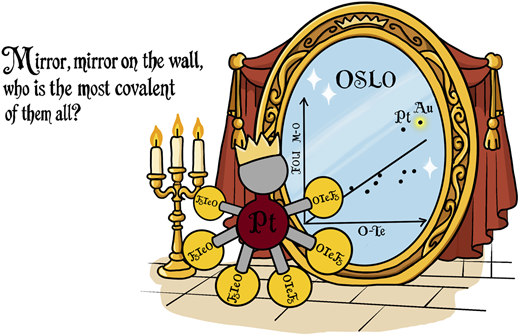
Homoleptic teflate coordination at platinum(iv): synthesis and characterization of [Pt(OTeF5)6]2−, and covalency trends revealed by the OSLO method
Niklas Limberg, Jacob Mack, Alberto Pérez-Bitrián, André Dallmann, Simon Steinhauer, Sebastian Riedel*
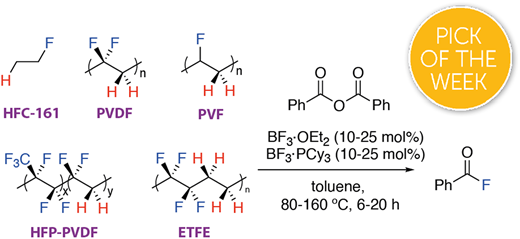
Recycling fluoropolymers to acyl fluorides through shuttle catalysis
Shannon E. S. Farley, Amanda A. Fogh, Mark R. Crimmin*
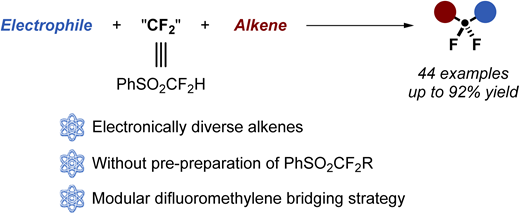
PhSO2CF2H as a difluoromethylene bridge connecting electrophiles and electronically diverse alkenes
Yunlong Zhao, Kaidi Zhu, Feng Zhao, Yanxia Zhang, Chuanfa Ni, Jinbo Hu*
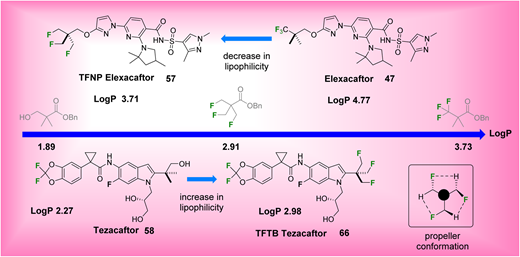
Incorporation and properties of the tris-fluoromethylated motif into heterocycles, amino acids and analogues of elexacaftor and tezacaftor
Josephine M. Stewart, Bruno A. Piscelli, David B. Cordes, Rodrigo A. Cormanich,* David O’Hagan*
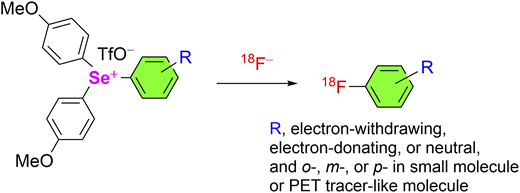
Triarylselenonium triflates provide efficient access to no-carrier-added ortho-, meta-, and para-[18F]Fluoroareness
Jake Sypniewski, Yong-Sok Lee, Phuc Tran, Sean Costner, Fabrice G. Siméon,* Victor W. Pike*
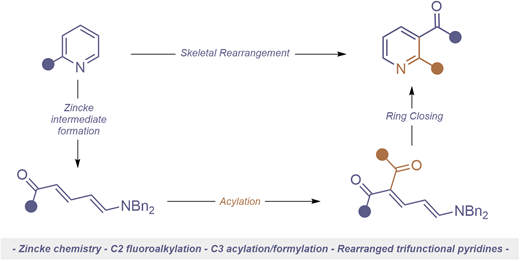
Trifluoromethylation of pyridines through skeletal rearrangement
Haiwen Wang, Nilanjan Bhaduri, Michael F. Greaney*
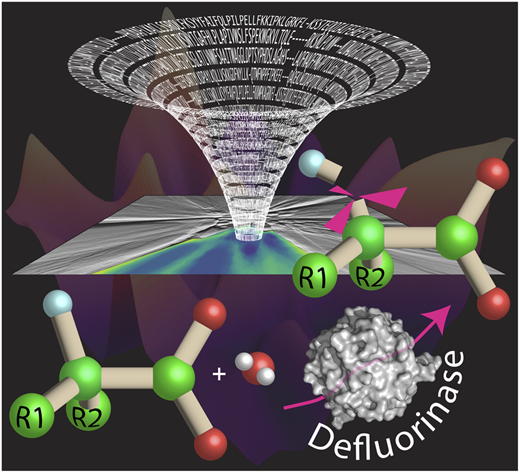
Decoding cryptic defluorinases through a latent generative sequence landscape
Ke Ji, Sydney S. Barnes, Cheyenne Ziegler, Marjan Nikpey, Jose Alberto de la Paz, Elizabeth K. Pack, Nikita Kvasovs, Faruck Morcos,* Sheel C. Dodani*
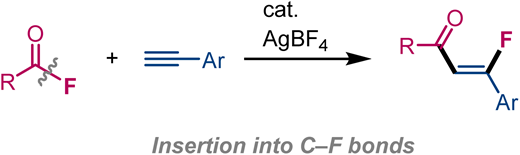
AgBF4-catalyzed insertion of unactivated alkynes into C–F bonds of acyl fluorides
Tomoya Emmei; Mamoru Tobisu*
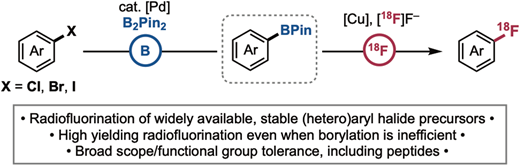
18F-labelling of (hetero)aryl halides via sequential Miyaura borylation/copper-mediated radiofluorination
Abdias N. Noel, Samuel G. Greco, Mami Horikawa, Taylor E. Spiller, Diana L. Nichols, Jason A. Witek, Allen F. Brooks, Peter J. H. Scott,* Melanie S. Sanford*
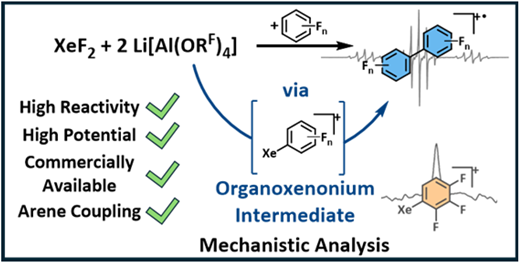
Using xenon difluoride and 2 Li[Al{OC(CF3)3}4] as an oxidant: from organoxenonium intermediates to (fluoro-)biphenyl radical cations
Konstantin Kloiber, Tim Heizmann, Benoît Lacombe, Philipp Thielert, Malte Sellin, Tim Schwandt, Sabine Richert, Stefan Weber, Ingo Krossing*
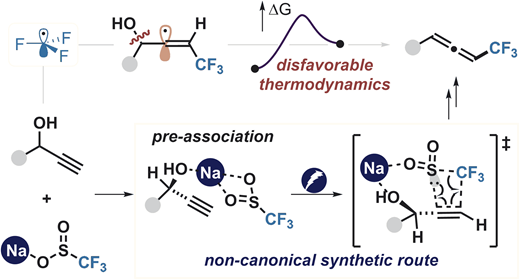
Electrochemical deoxygenative trifluoromethylallenylation of propargylic alcohols via sodium-mediated pre-association
Jihoon Jang, Hyunwoo Kim, Eun Jin Cho*
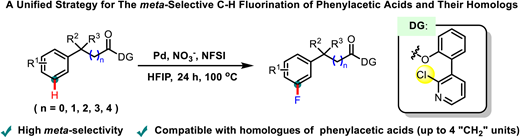
A unified strategy for remote C–H fluorination of phenylacetic acids and their homologues at the meta-position
Kun Zhou, Xin Chen, Yue Wang, Yang-Jie Mao,* Xin Yang, Kai Liu, Qi Pan, Dong-Liang Pan, Dan-Qian Xu,* Shao-Jie Lou*
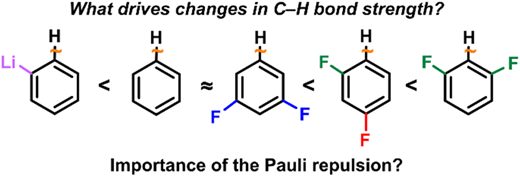
How fluorine substituents strengthen aryl C–H bonds
Daniel A. Santos Oliveira, Daniela Rodrigues Silva, Ataualpa A. C. Braga, Célia Fonseca Guerra, Robin N. Perutz,* Odile Eisenstein,* F. Matthias Bickelhaupt*
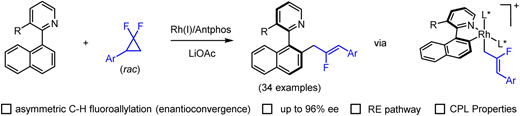
Rhodium-catalyzed atroposelective C–H fluoroallylation of heteroarenes with gem-difluorocyclopropanes
Junwei Li, Fen Wang,* Xian He, Genping Huang,* Zi-Qiang Rong, Xingwei Li*
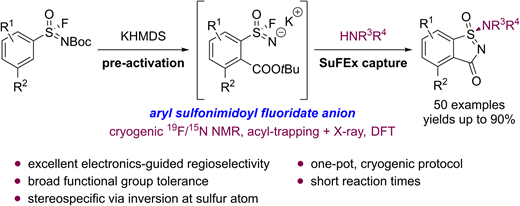
Regioselective synthesis of aza-saccharins via anionic [1,4] Fries-type rearrangement of aryl sulfonimidoyl fluorides
Mario Leypold,* Lorenzo Poli, Max Earl, Okky D. Putra, Karolina Kwapien, Richard J. Lewis, John J. Murphy, Marta Passamonti, Lena M. von Sydow, Victor Spelling, Ioannis Asproudis, Malvika Sardana, Claudia Gatti, Hikaru Seki, Thomas Lemaitre, Radvile Juskaite, Ranganath Gopalakrishnan, Stuart J. Francis, Cristina Gardelli, Per-Ola Norrby, Werngard Czechtizky
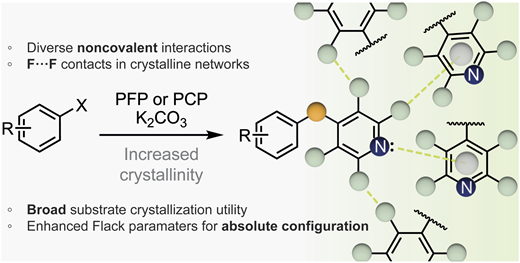
Enhanced crystallinity of tetrahalopyridyl (THP) derivatized compounds
Callum S. Begg, Viktoriya G. Dragomanova, Dmitry S. Yufit, Toby J. Blundell, Steven L. Cobb, Mark A. Fox,* Matthew O. Kitching,* William D. G. Brittain*
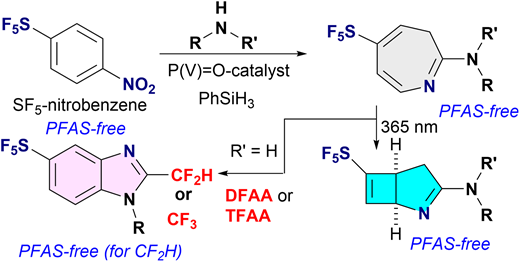
Bidirectional skeletal remodelling of SF5-nitrobenzenes into azepine, bicyclic, and benzimidazole frameworks
Muhamad Zulfaqar Bacho, Shiwei Wu, Takuya Muramatsu, Chavakula Nagababu, Daiki Harano, Seishu Ochiai, Norio Shibata*
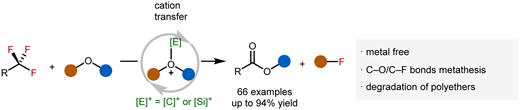
Conversion of trifluoromethyls into esters along with polyether upcycling via cation-transfer-catalyzed C–O/C–F metathesis
Zhuojun Li, Xiangqian Shi, Dongke Zhang, Qian Wu*
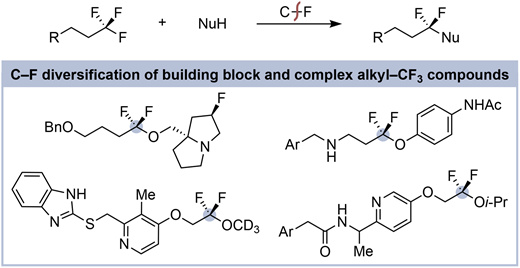
A Brønsted acid–base approach for the net monoselective C–F substitution of (trifluoromethyl)alkanes
Nicholas J. Coradi, Jeffrey S. Bandar*
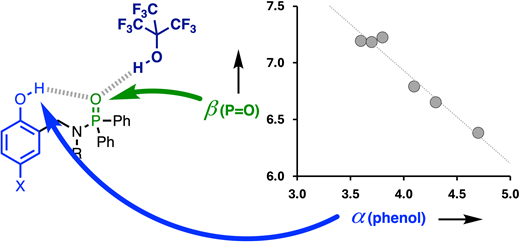
Negative cooperativity in the formation of two H-bonds with an oxygen H-bond acceptor
Maria Cristina Misuraca, Christopher A. Hunter*
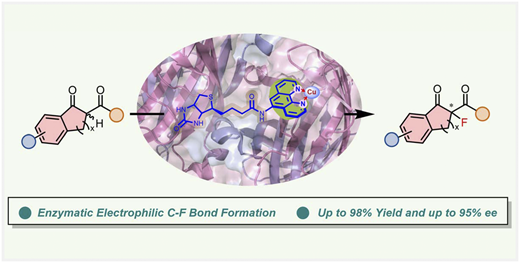
Enantioselective electrophilic α-fluorination catalyzed by an artificial metalloenzyme
Jinmeng Yu, Chang Wang, Wenhao Hu, Huan Wang, Jing Zhao, Hui-Jie Pan*


Digg This
Reddit This
Stumble Now!
Share on Facebook
Bookmark this on Delicious
Share on LinkedIn
Bookmark this on Technorati
Post on Twitter
Google Buzz (aka. Google Reader)

RSC Joint Collection on Photoluminescent Organic Materials

This themed collection brings together invited contributions showcasing the different kinds of phenomena leading to photoluminescence in organic materials systems, with articles published in Chemical Science, Journal of Materials Chemistry C, and PCCP and Reviews published in Chem Soc Rev (Chemical Society Reviews). Guested Edited by Professor Subi George (JNCASR Bangalore), Professor Mahesh Hariharan (IISER Thiruvananthapuram) and Professor Frank Würthner (University of Würzburg), the collection covers the development, underlying photophysics, excited state dynamics and various experimental and computational tools used for probing and analysis of photoluminescent organic materials.

In Chem Soc Rev:

Reviews

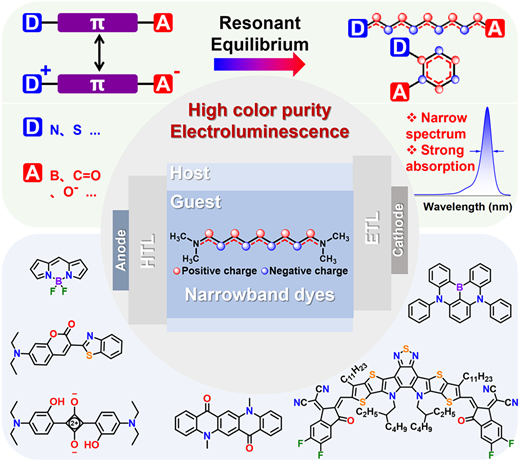
Narrow-spectrum and strong-absorptive fluorescent dyes: molecular design strategy and electroluminescence applications
Wenle Tan, Xinyu Wang, Donghao Wen, Yue Yu*, Yuguang Ma*
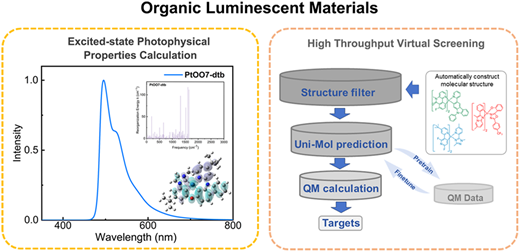
Combining quantum chemistry, machine learning and rate theory for organic luminescent materials
Rongrong Li, Qi Ou,* Zhigang Shuai*
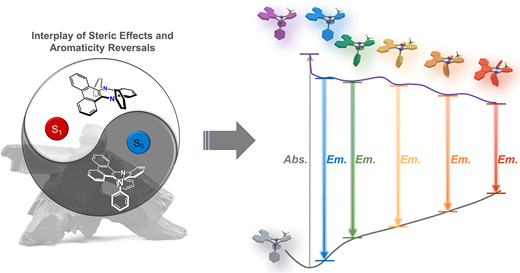
  Small molecule helical emitters
Tadashi Mori*
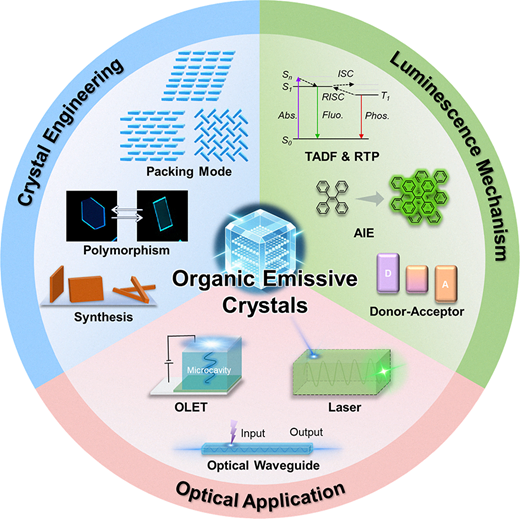
Emissive organic crystals and device applications
Shuai Zhao, Xue-Dong Wang,* Hongbing Fu*
  Multicolour luminescence phenomena of vibration-induced emission
Xin Jin, Xuwen Sun, Yuting Zou, Zhiyun Zhang,* He Tian*
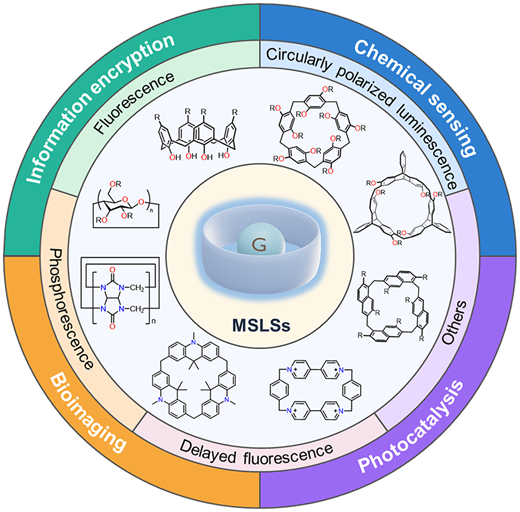
Luminescence in macrocyclic supramolecular systems
Shuai Zhao,* Xue-Dong Wang, Hongbing Fu*
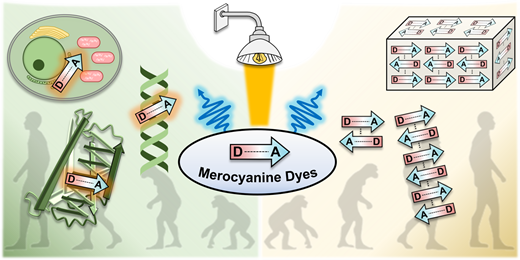
  Fluorescent merocyanines: from fundamental properties to applications as molecular probes, in bioimaging and as emissive dye aggregates
Julian Fichtner, Yvonne Wagenhäuser, Menyhárt Sárosi, Matthias Stolte, Frank Würthner*

Training Reviews

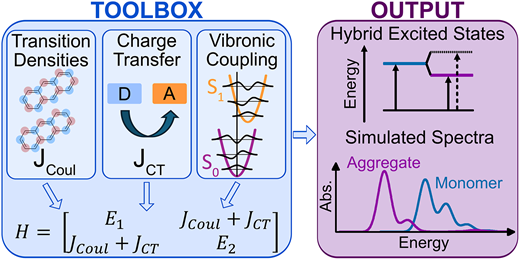
Strong exciton coupling: a practical toolbox for computing interaction energies, wavefunctions, and optical spectra
Rasmus Ringström, S. Rasoul Hashemi, Yuanxin Liang, Nicholas J. Hestand, Karl Börjesson*
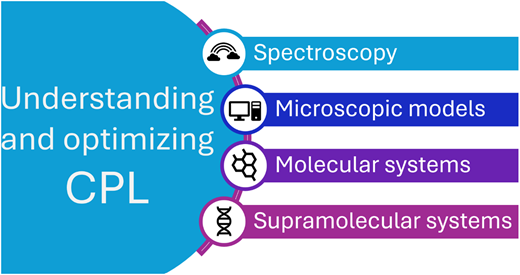
Circularly polarized luminescence: an easy path from molecules to supramolecular systems and beyond
Francesco Bertocchi, Davide Giavazzi, Shahana Nizar, D. K. Andrea Phan Huu, Lorenzo Savi; Francesca Terenziani, Cristina Sissa, Anna Painelli*

In Chemical Science:

Reviews

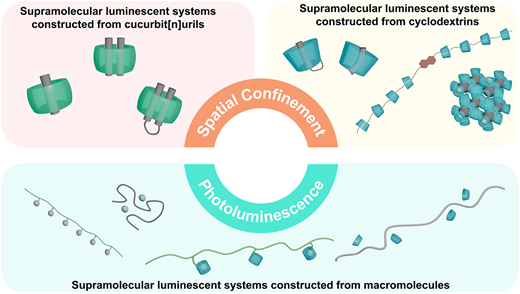
Organic supramolecular assemblage-confined photoluminescence
Hengzhi Zhang, Yu Liu*
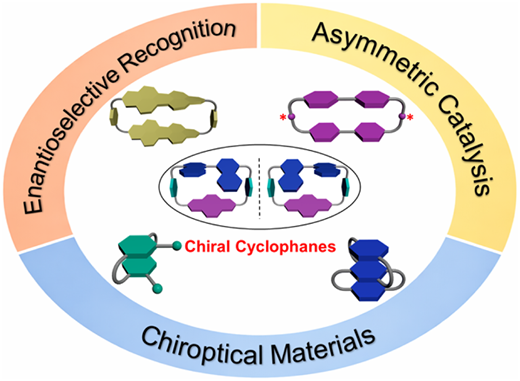
Delicate molecular design, self-assembly and functional applications of chiral cyclophanes
Yiming Zhang, Hongzhe Jia, Lijin Xu,* Minghua Liu, Guanghui Ouyang*

Edge Articles

Azulene as an Anomaly in Triplet-State Engineering Via Bromination and/or Carbonylation: Internal Conversion Overrides Intersystem Crossing
Kavya Vinod, Claire Tonnelé,* Anup Rana, Amalnadh T., P. E. Swathi Krishna, Juan Carlos Roldao, Henrik Ottosson,* David Casanova, Mahesh Hariharan*
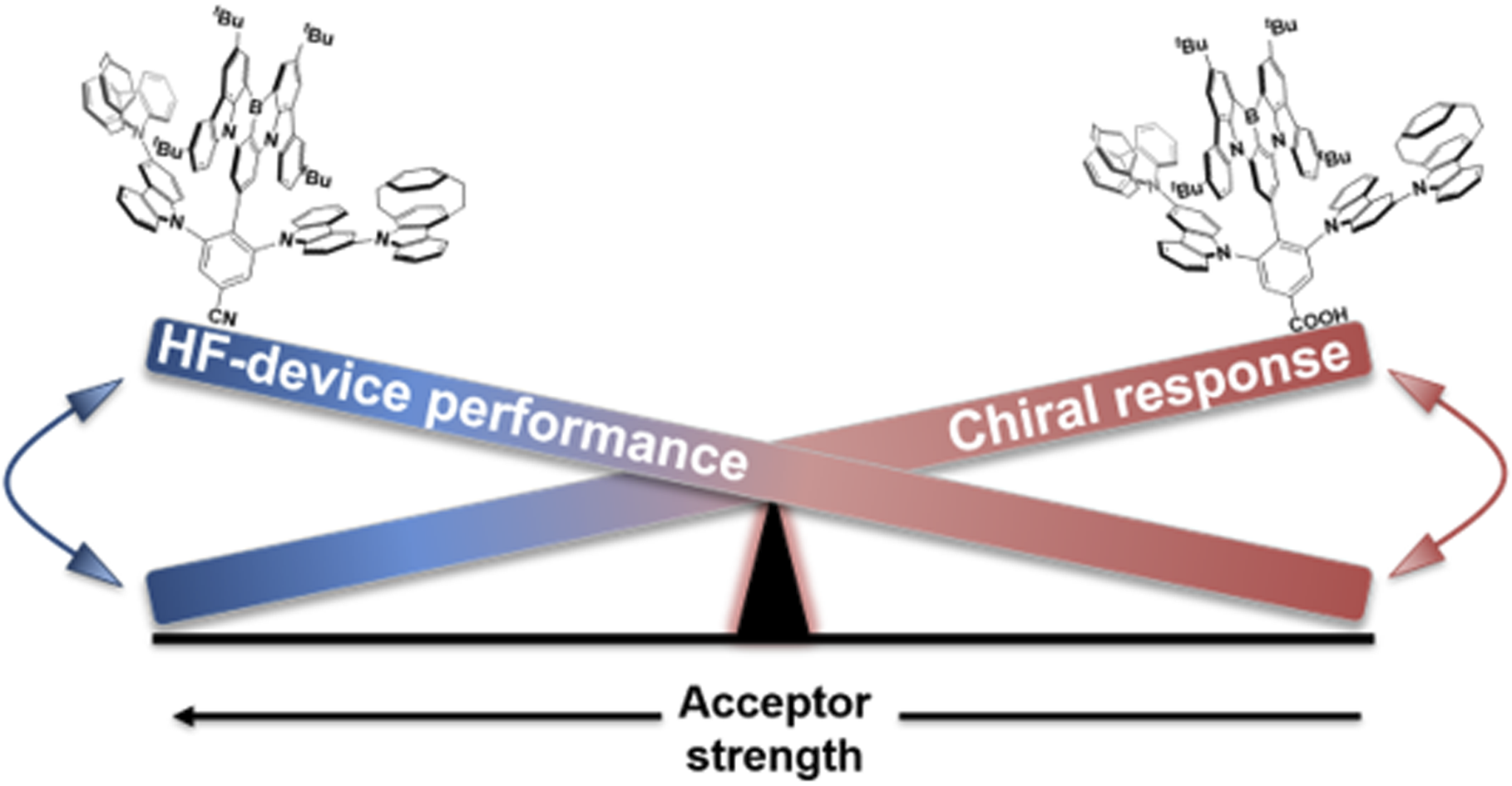
Tuning Chiroptical Properties and Device Hyperfluorescence Efficiency via Acceptor Modification in an Intramolecularly Sensitised TADF Dendrimer
Mahni Fatahi, Yan Xu, Dongyang Chen, Praveen Choudhary, Jhon Sebastian Oviedo Ortiz, Jasmin Seibert, Stefan Braese, Jeanne Crassous,* Xiaohong Zhang,* Eli Zysman-Colman*
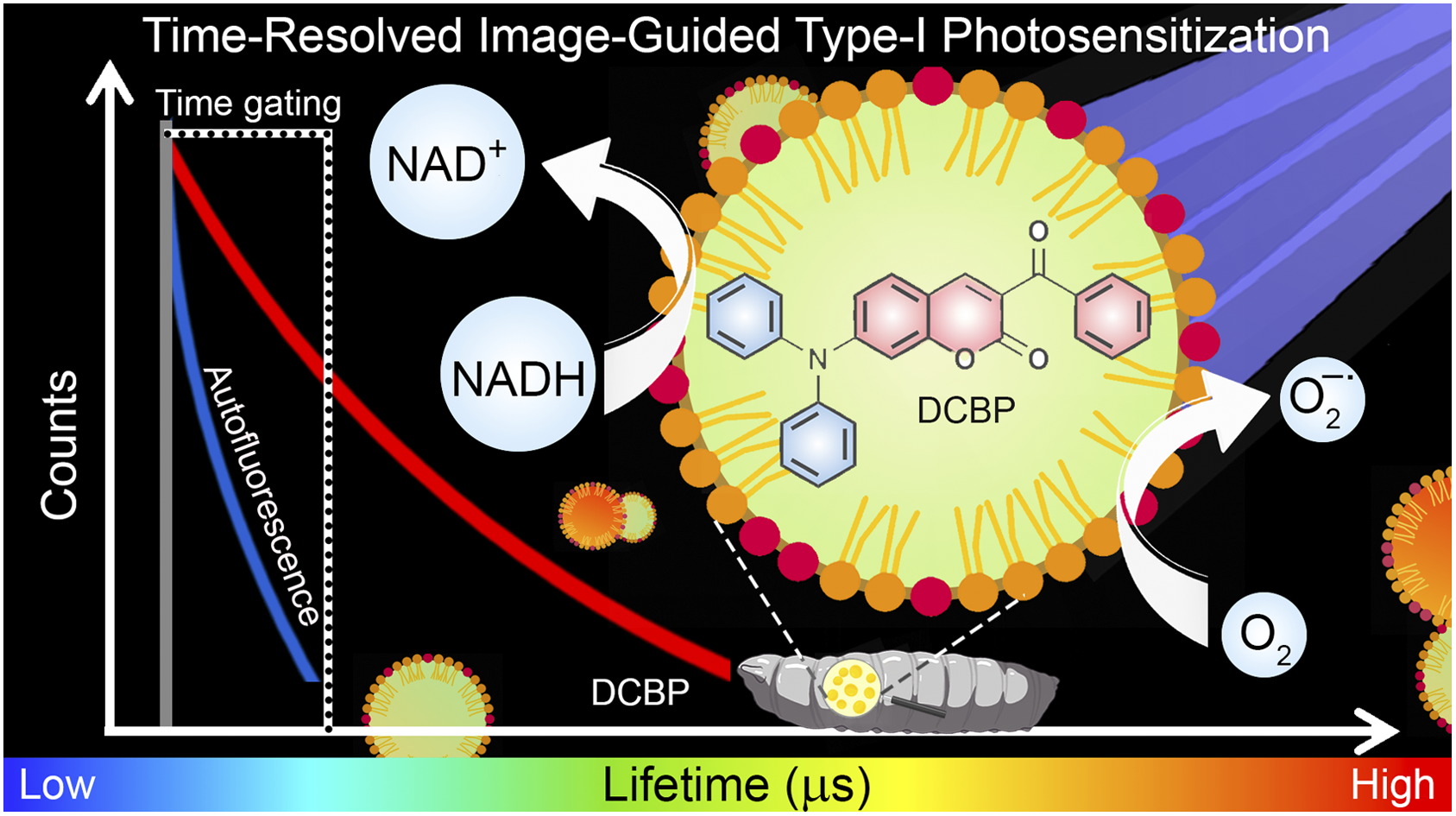
Time-Resolved Image-Guided Type-I Photosensitization Using a Delayed Fluorescent Emitter
Subhadeep Das,* Arnab Mandal, Pradyumna Joshi, Shradha V. T. K., Peter William McDonald, Rémi Métivier, Ram Kumar Mishra, Abhijit Patra*
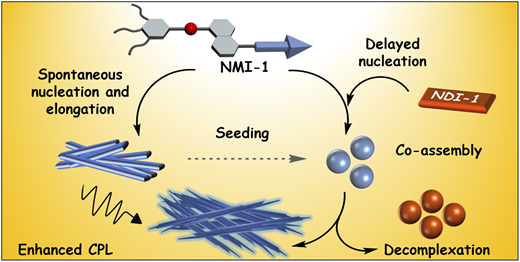
Additive-induced kinetic control and chiral amplification in circularly polarized luminescence (CPL)-emitting secondary supramolecular polymers
Yaiswarya Das Karmakar, Chandreyee Banerjee, Payel Khanra, Bijoy Ghosh, Lisa Roy, Anindita Das*
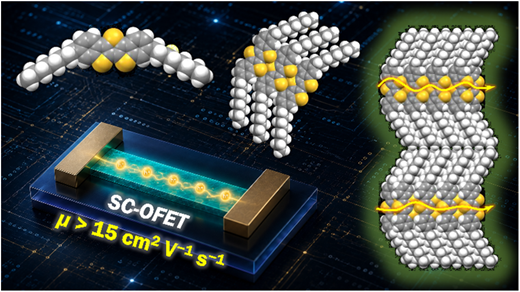
Chalcogen-driven supramolecular organization and emission modulation of ladder-type heteroacenes for high-performance organic semiconductors
Yusei Tanaka, Tatsuya Mori, Yu Seok Yang, Yuka Kojiguchi, Subham Ranjan, Takuma Yasuda*
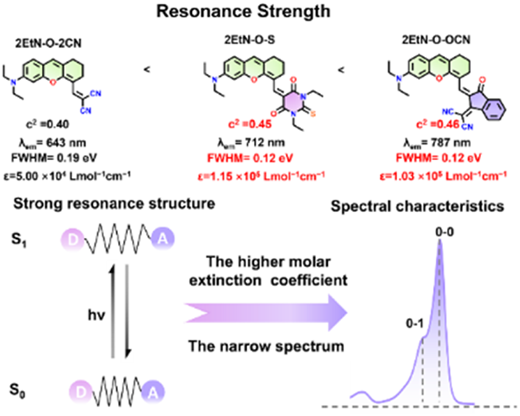
Two-State Resonance Deep-Red Narrowband OLED Emitters
Xinyu Wang, Hanlin Gan, Yahuan Lai, Jinpu Lei, Ling Lin, Jiangbo Liu, Donghao Wen, Wenle Tan, Bohan Wang, Yue Yu,* Yuguang Ma*
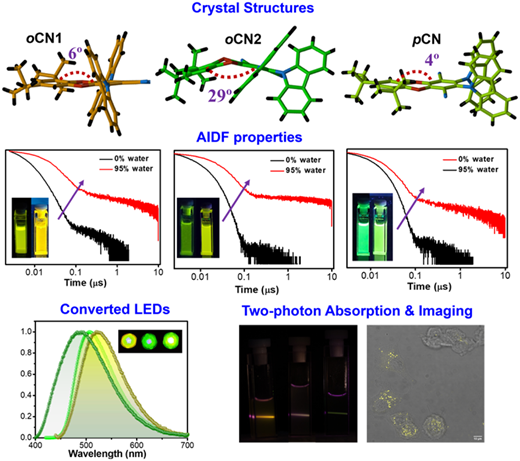
Regioisomeric carbazole-dicyano-dioxin AIDF emitters for efficient triplet harvesting, two-photon absorption and bioimaging
Anwesha Bera, Madhusudan Dutta, Ajay J. Malik, Madan Ambhore, Mayurika Lahiri, Partha Hazra*
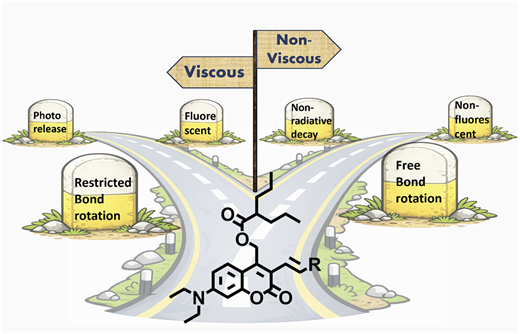
Exploring Viscosity Sensitivity of p-extended Coumarin Fluorogen-based PRPGs for Precise Photorelease of Valproic Acid: Detection and Defibrillation of TDP-43 Aggregation
Subham Pal, Sagarika Das, Suchhanda Biswas, Sri Dinesh Murugan, Nihar Ranjan Jana, Asoke Prasun Chattopadhyay, N. D. Pradeep Singh*
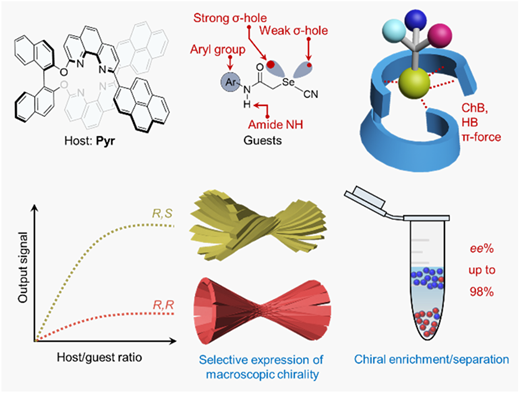
Chalcogen-bonding-mediated chiral recognition and enantioenrichment of organoselenocyanates
Tianhao Wang, Aiyou Hao,* Pengyao Xing*
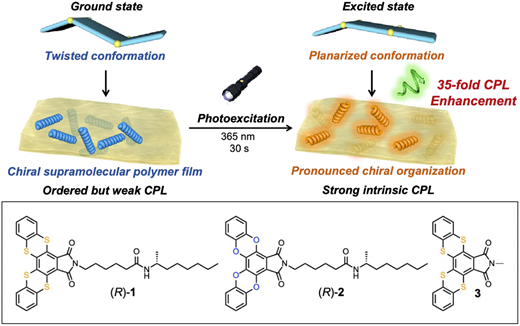
Excited-state conformational flexibility enables intrinsic amplification of circularly polarized luminescence
Jia-Nan Jin, Rui-Long Zhang, Rui Liao,* Feng Wang*
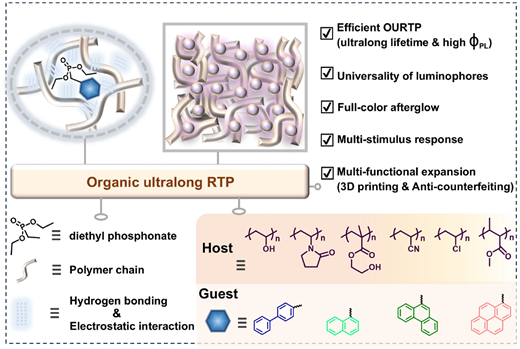
Aromatic phosphonate-based luminophores: universal building blocks for ultralong room-temperature phosphorescence and multifunctional applications
Chunli Li, Zizhao Huang, Tao Li, Tengjiao Zhao, Lei Zhou, Zhenyi He,* He Tian, Xiang Ma*
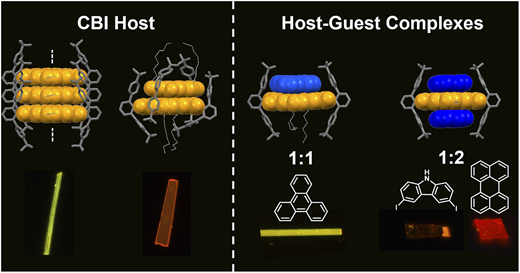
Colour by design: tuning the solid-state emission of coronene bisimide by tailored matrices
Simon Soldner, Ömer E. Öçal, Kazutaka Shoyama, Dominik Horneber, Johannes Düreth, Sven Höfling, Sebastian Klembt, Matthias Stolte, Frank Würthner*
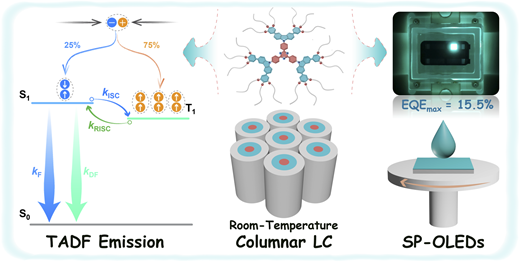
A columnar liquid crystalline self-assembly of a donor–acceptor TADF emitter design for solution-processed OLEDs
Joydip De, Yuka Yasuda, Mikihito Takenaka, Amy Drysdale-Dykes, Hironori Kaji,* Eli Zysman-Colman*
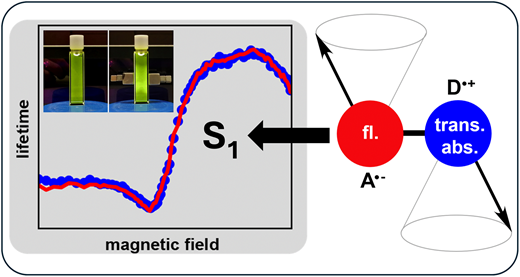
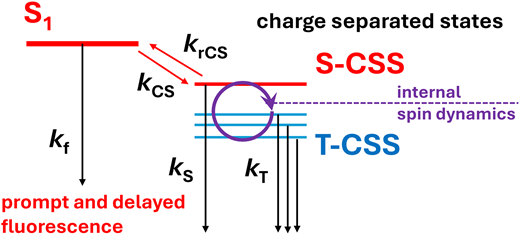
Magnetic-field-dependent delayed fluorescence from thermally activated reverse charge separation of spin-correlated charge separated states
Tobias Groß, Paul Mentzel, Marco Holzapfel, Alexander Schmiedel, Ben Woodward, Nikita N. Lukzen, Ulrich E. Steiner,* Christoph Lambert*
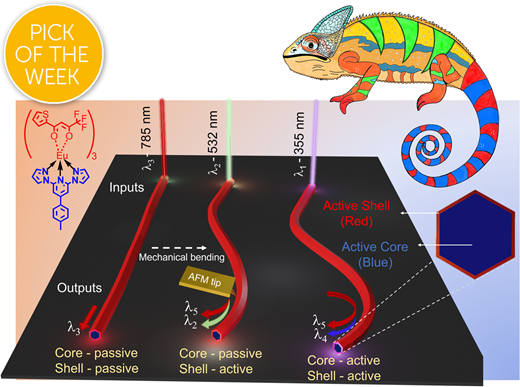
A chameleon-like core–shell organic/lanthanide flexible crystal waveguide for bandwidth and colour tunability
Melchi Chosenyah, Mehdi Rohullah, Avulu Vinod Kumar, K. V. Jovan Jose,* Rajadurai Chandrasekar*
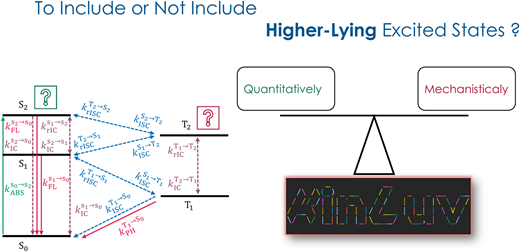
Beyond the three-state picture: when higher-lying excited states become quantitatively indispensable
Yue He, Daniel Escudero*
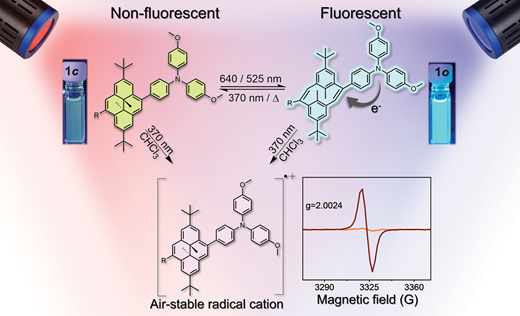
Turn-on fluorescence switching and radical formation in a dual-functional negative photochromic dimethyldihydropyrene
Sariful Molla, Samyadeb Mahato, Avinash Kumar Ray, Subhajit Bandyopadhyay*
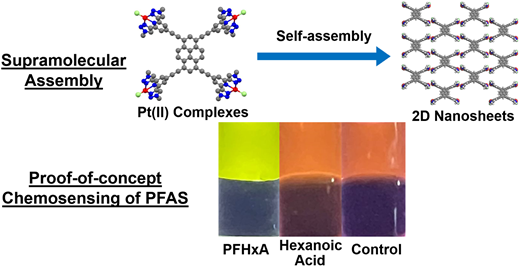
Supramolecular assembly strategy of multinuclear platinum(ii) complexes for proof-of-concept detection and extraction of perfluorohexanoic acid
Nicholas Chun-Ming Yeung, Zhen Chen, Ziyong Chen, Eric Ka-Ho Wong, Vivian Wing-Wah Yam*
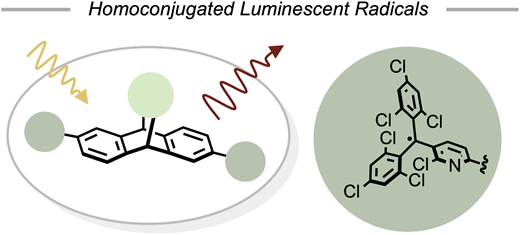
Through-space donor–acceptor homoconjugation strategies for emissive radical species
Ashton R. Davis, Yujie Zhao, Robert N. Sansone, Colleen H. McAloon, Robert G. Griffin,* Timothy M. Swager*
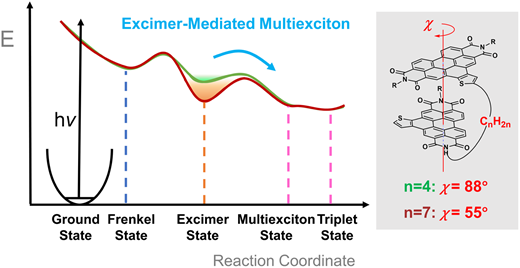
Excimer-mediated multiexciton generation in covalently linked cross foldamers of thiophene-fused perylene bisimides
Weicong Li, Wei Zhang,* Jiadong Zhou, Linlin Liu, Hongwei Song,* Zengqi Xie*
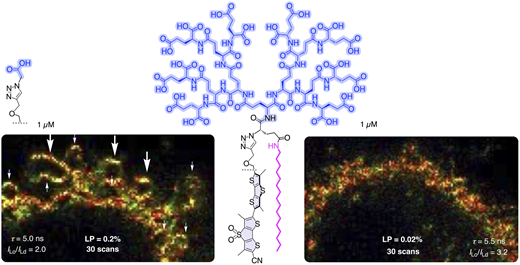
Flipper dendrimers
Nerea Gonzalez-Sanchis, Felix Bayard, Juan Manuel García-Arcos, Tithi Mandal, Aurelien Roux, Naomi Sakai, Stefan Matile*
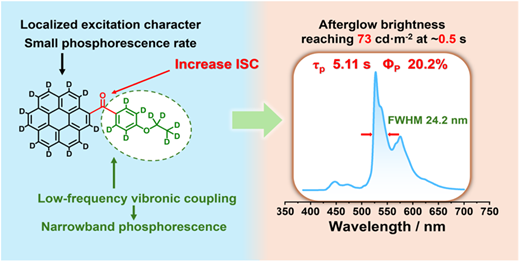
Ultrabright and narrowband organic afterglow achieved by molecular engineering of coronene
Yuanyuan Chen, Yue Zhang, Guoyi Wu, Ting Luo, Jialiang Jiang, Tengyue Wang, Xiaoya Guo,* Kaka Zhang*
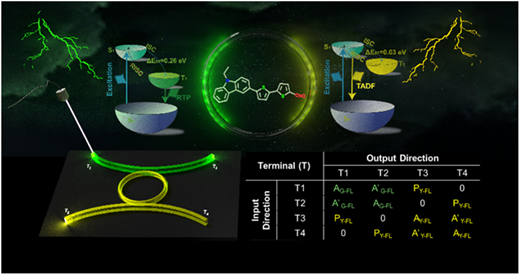
Resonator-based add-drop filters enabled by flexible polymorphic crystals with TADF-RTP motifs
Pradip Pattanayak, Ankur Khapre, Shamim Ahmad, Avulu Vinod Kumar, Bishes Ray, Satendra Kumar, Chilla Malla Reddy, Rajadurai Chandrasekar,* Pradipta Purkayastha*
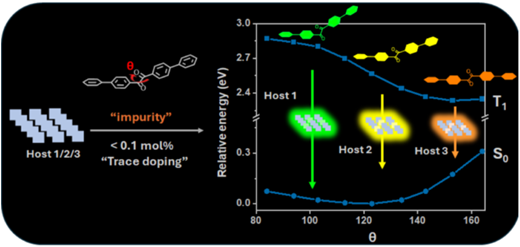
“Impurity”-driven tunable organic room temperature phosphorescence via conformational regulation in multi host/guest systems
Arnab Dutta, Utkarsh Singh, Swapan K. Pati,* Uday Maitra*
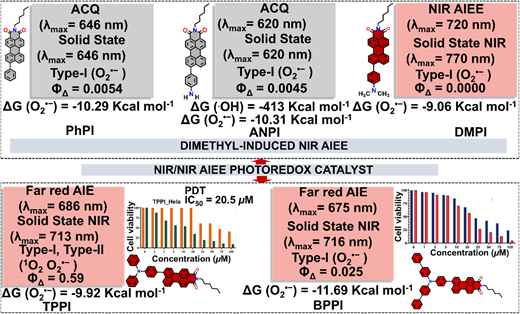
Heavy-metal free near infrared photoredox catalysts in cancer phototherapy
Mst Nasima Khatun, Satyendu Nandy, Chakali Srinivas, Mrinalini Singh, Ramkrishna Das Adhikari, Sachin Kumar,* Parameswar Krishnan Iyer*

In Journal of Materials Chemistry C:

Research articles

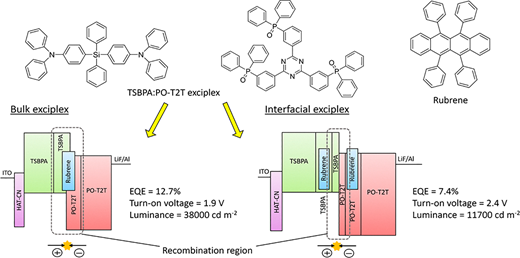
Energy transfer from TSBPA:PO-T2T exciplex to rubrene: how FRET efficiency determines the optimal OLED device structure
Lucy A. Weatherill,* Luke W. Bowd-Griffin, Chris Groves, Roderick Mackenzie,* Piotr Pander,* Fernando B. Dias
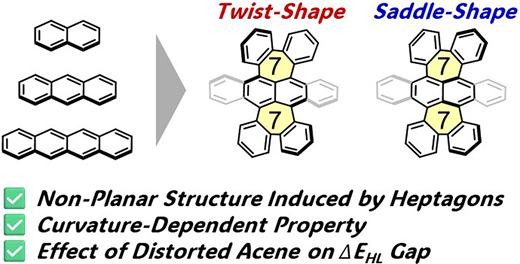
Heptagon-fusion as a molecular design strategy for distorted acenes
Masato Hisada, Daiki Shimizu,* Kenji Matsuda*
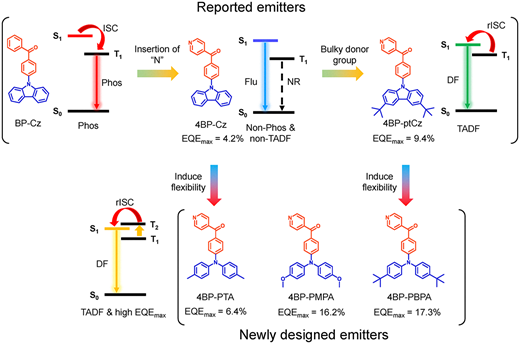
A design strategy for inducing delayed fluorescence via molecular flexibility: structure–property relationships in organic emitters
Gyana Prakash Nanda, Suvendu Dey, Bahadur Sk, Rajan Suraksha, Sanyam, Anirban Mondal,* Pachaiyappan Rajamalli*
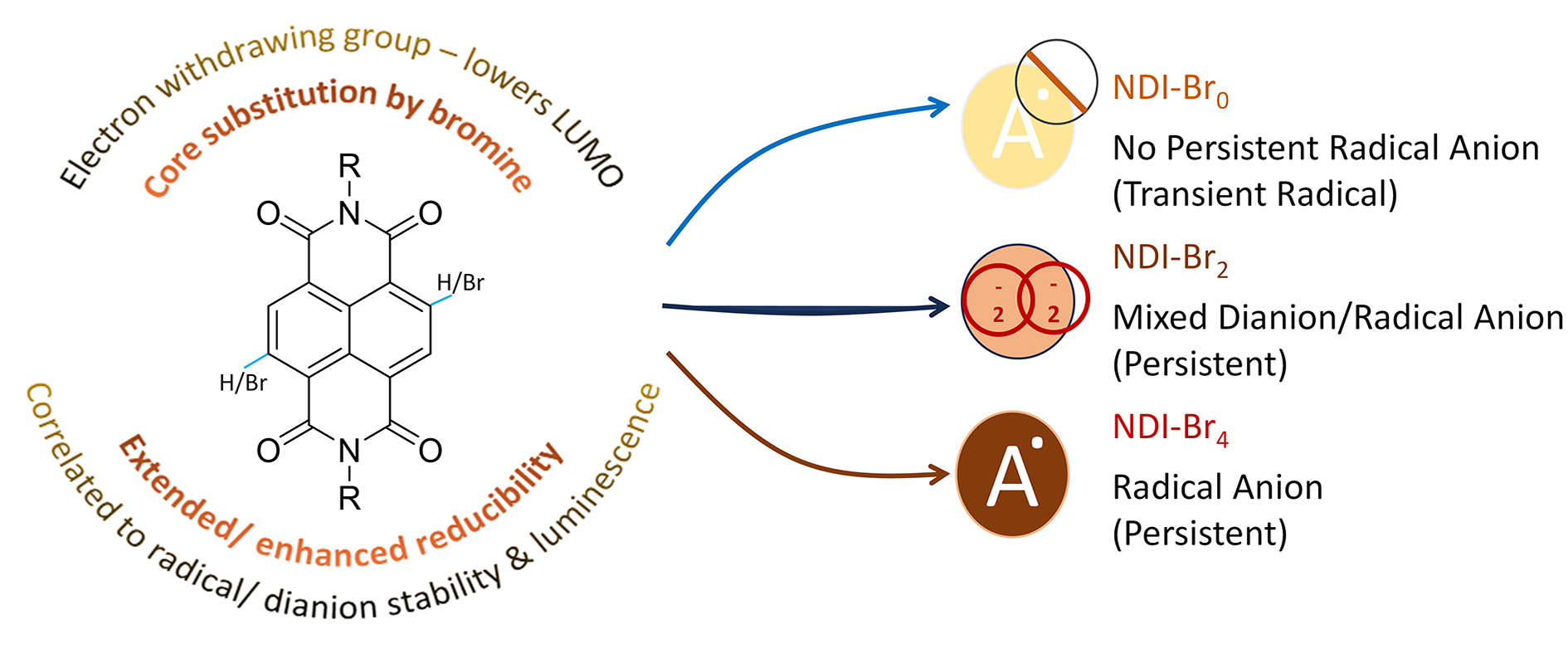
The impact of core-substitution on the sequential reduction-induced open-shell structures in napthalenediimides
Amjed Khader K. T., A. Arshad, Shant Chhetri, Jesslyn John P., Ratheesh K. Vijayaraghavan*

In Physical Chemistry Chemical Physics:

Research articles

Reversible coupling of radical pair spin dynamics to a locally excited electronic singlet state
Ulrich E. Steiner*
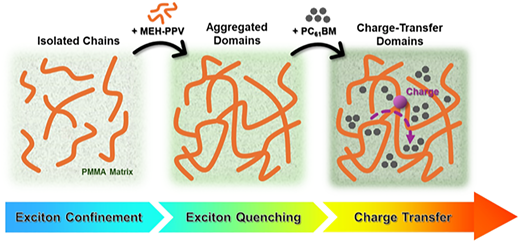
Influence of blend composition on morphology and exciton-charge dynamics in MEH-PPV: PMMA thin films
Jung Won Yoon, Habtom B. Gobeze, Kirk S. Schanze*


Digg This
Reddit This
Stumble Now!
Share on Facebook
Bookmark this on Delicious
Share on LinkedIn
Bookmark this on Technorati
Post on Twitter
Google Buzz (aka. Google Reader)

Most popular 2024 article collections

Here at Chemical Science, we are pleased to share subject-specific collections of our most popular Chemical Science content published in the last year. These collections are designed to highlight some of the exceptional research published in Chemical Science – and like all Chemical Science articles, they are free to access and read from anywhere in the world with no restrictions.

We hope you enjoy reading our selections of 2024 most popular articles in the collections below.

Analytical Chemistry

Featuring nanotechnology and molecular imaging, revolutionizing diagnostics, therapy, real-time biological monitoring and more.


Energy & Environment

Including work on perovskite solar cells, supercapacitors, materials for different types of batteries, plastic recycling and more.


Physical & Theoretical Chemistry

Ranging from insights into delocalization errors within the density-functional many-body expansion to visible-light-driven stiff-stilbene photoswitches.

Catalysis

Including articles on photocatalytic plastic upcycling, switchable molecular electrocatalysis and much more.


Materials Chemistry

Ranging from recent advances in phosphorescent and fluorescent organic materials, non-linear optical materials, advances in MOFs, HOFs, and porous cages, organic photoswitches, and many other topics.


Inorganic Chemistry

Ranging from optical fluoride materials to insights into [FeFe] hydrogenases.

Chemical Biology

Featuring photodynamic therapy, polypeptide folding, and much more.


Supramolecular & Polymers Chemistry

Including polymer and supramolecular synthesis, recycling strategies, biomedical and catalytic applications and more.


Organic Chemistry

Featuring peptide macrocyclisation, coupling reactions, continuous flow synthesis, and much more.


Be sure to also browse our most popular all time article collection we have specially selected for our 15th anniversary in 2025 and find out more in our blog post.


Chemical science logo


Submit to Chemical Science today! Check out our author guidelines for information on our article types and find out more about the advantages of publishing in a Royal Society of Chemistry journal.

Keep up to date with our latest articles, reviews, collections & more by following us on social media (BlueSky, LinkedIn, Facebook), and browse the articles in our latest issues by signing up to our E-Alerts.

Digg This
Reddit This
Stumble Now!
Share on Facebook
Bookmark this on Delicious
Share on LinkedIn
Bookmark this on Technorati
Post on Twitter
Google Buzz (aka. Google Reader)

Most Popular 2023 Chemical Science Articles By Subjects

Here at Chemical Science, we have put together some subject-specific collections of our most popular Chemical Science content published last year. These specially curated collections are designed to highlight some of the exceptional research published in Chemical Science – and like all Chemical Science articles, they are free to access and read from anywhere in the world with no restrictions. We hope you will have a great time reading these collections.

Many of the articles selected in the collections below are also included in our 2023 ChemSci Pick of the Week Collections, as well as our 2023 Chemical Science HOT Article Collections.


Analytical Chemistry

This specially curated collection pulls together some of the most popular articles from 2023 in the field of analytical chemistry. The collection presents some outstanding contributions to the field, including chemical sensors for imaging total cellular aliphatic aldehydes in live cells and an all-in-one digital microfluidic pipeline for proteomic sample preparation and analysis.
Browse the full collection


Catalysis

This specially curated collection pulls together some of the most popular articles from 2023 in the field of catalysis. The collection highlights some outstanding contributions, including recent advances in electrocatalysis, photocatalysis and thermocatalysis, especially frontiers on CO2 reduction, C-H activation, H2O2 decomposition.
Browse the full collection


Chemical Biology

This specially curated collection pulls together some of the most popular articles from 2023 in the field of chemical biology. The collection presents some outstanding contributions to the field, ranging from biomaterials for wound healing to biosensors.
Browse the full collection


Energy & Environment

This specially curated collection pulls together some of our most popular articles from 2023 in the fields of energy conversion and storage, sustainability, and environmental and green chemistry. The collection presents some outstanding contributions to the field, including advances in electrolyte and electrode materials for batteries, photocatalysts and electrocatalysts for water splitting, photovoltaics, CO2 reduction, and plastic valorisation.
Browse the full collection


Inorganic Chemistry

This specially curated collection pulls together some of the most popular articles from 2023 in the fields of main group, inorganic and organometallic chemistry. The collection presents some outstanding contributions to the field, ranging from metal photosensitizers to organolanthanide chemistry.
Browse the full collection


Materials Chemistry

This specially curated collection pulls together some of the most popular articles from 2023 in the field of materials chemistry. The collection presents some outstanding contributions to the field, ranging from recent advances in porous materials for targeted drug delivery through to new state-of-the-art research on 2D material nanoarchitectronics, organic–inorganic hybrid metal halides for white-light-emitting diodes.
Browse the full collection


Organic Chemistry

This specially curated collection pulls together some of the most popular articles from 2023 in the field of organic chemistry. The collection presents some outstanding contributions to the field, ranging from enantioselective photocatalysis to flow chemistry.
Browse the full collection


Physical & Theoretical Chemistry

This specially curated collection pulls together some of the most popular articles from 2022 in the fields of main group, inorganic and organometallic chemistry. The collection presents some outstanding contributions to the field, ranging from dysprosium single molecule magnets to air and water stable germacarbonyl compounds.
Browse the collection


Supramolecular & Polymers Chemistry

This specially curated collection pulls together some of the most popular articles from 2023 in the fields of polymers and supramolecular chemistry. The collection presents some outstanding contributions to the field, including sequence-defined antibody-recruiting macromolecules and tetrahomo corona[4]arene-based spirophanes.
Browse the collection


Chemical science logoSubmit to Chemical Science today! Check out our author guidelines for information on our article types and find out more about the advantages of publishing in a Royal Society of Chemistry journal.

Keep up to date with our latest articles, reviews, collections & more by following us on Twitter. Browse the articles in our latest issues by signing up to our E-Alerts.

Digg This
Reddit This
Stumble Now!
Share on Facebook
Bookmark this on Delicious
Share on LinkedIn
Bookmark this on Technorati
Post on Twitter
Google Buzz (aka. Google Reader)

Themed collection on Amyloids and Protein Aggregation

We are pleased to announce our themed collection on amyloids and protein aggregation in Chemical Science, guest edited by Prof. Sara Linse, Lund University (Sweden) and Prof. Tuomas Knowles, University of Cambridge (United Kingdom). This collection highlights key mechanistic findings demystifying the process of amyloid formation.

Read our  Guest Editors’ summary and insights in the accompanying editorial.

The collection features a combination of Review, Perspective and Research Articles covering the thermodynamic, mechanistic and kinetic aspects of amyloid formation. These are studied using a diverse range of techniques including (but not limited to) NMR spectroscopy, Cryo-electron tomography, single molecule detection and computational studies. Articles in this collection also describe novel characterization and quantification strategies.

Browse the collection, which includes:


Molecular mechanisms of amyloid formation in living systems
Tessa Sinnige
Chem. Sci., 2022, 13, 7080-7097, DOI: 10.1039/D2SC01278B

A perspective addressing how molecular mechanisms of amyloid formation, which have been extensively studied in test tube reactions, can apply to the complex situations in living cells and organisms.


Stability matters, too – the thermodynamics of amyloid fibril formation
Alexander K. Buell
Chem. Sci., 2022,13, 10177-10192, DOI: 10.1039/D1SC06782F

A review highlighting important open questions regarding the thermodynamics of amyloid formation and addressing the current state of experimental exploration.


Single molecule sensing of amyloid-β aggregation by confined glass nanopores
Ru-Jia Yu,  Si-Min Lu,  Su-Wen Xu,  Yuan-Jie Li, Qun Xu,  Yi-Lun Ying and  Yi-Tao Long
Chem. Sci., 2019,10, 10728-10732, DOI: 10.1039/C9SC03260F

In this research article, the authors employ a novel technique for direct sensing the amyloidosis process of Aβ1-42 peptide, of great significance in Alzheimer’s disease, using a glass nanopore.


Modulation of electrostatic interactions to reveal a reaction network unifying the aggregation behaviour of the Aβ42 peptide and its variants
Georg Meisl, Xiaoting Yang, Christopher M. Dobson, Sara Linse and Tuomas P. J. Knowles
Chem. Sci., 2017,8, 4352-4362, DOI: 10.1039/C7SC00215G

Here, the authors show that changes in the ionic strength of the solution leads to significant variation in the aggregation mechanism of the Aβ42 peptide, linked to Alzheimer’s disease, and they provide a means to relating the different aggregation mechanisms response to varying electrostatic interactions.


Understanding co-polymerization in amyloid formation by direct observation of mixed oligomers
Lydia M. Young, Ling-Hsien Tu, Daniel P. Raleigh, Alison E. Ashcroft and Sheena E. Radford
Chem. Sci., 2017,8, 5030-5040, DOI: 10.1039/C7SC00620A

In this research article, the authors observe that co-assembly into hetero-oligomers controls the lag time of amylin assembly. They relate the mechanism to that of prions.


Origin of metastable oligomers and their effects on amyloid fibril self-assembly
Filip Hasecke, Tatiana Miti, Carlos Perez, Jeremy Barton, Daniel Schölzel, Lothar Gremer, Clara S. R. Grüning, Garrett Matthews, Georg Meisl, Tuomas P. J. Knowles, Dieter Willbold, Philipp Neudecker, Henrike Heise, Ghanim Ullah, Wolfgang Hoyer and Martin Muschol
Chem. Sci., 2018,9, 5937-5948, DOI: 10.1039/C8SC01479E

This research article conveys how the inhibitory effects of metastable oligomers on amyloid fibril formation can be revealed by analysis of oligomer and fibril assembly kinetics simultaneously.


Identification of on- and off-pathway oligomers in amyloid fibril formation
Alexander J. Dear, Georg Meisl, Anđela Šarić, Thomas C. T. Michaels, Magnus Kjaergaard, Sara Linse and Tuomas P. J. Knowles
Chem. Sci., 2020,11, 6236-6247, DOI: 10.1039/C9SC06501F

A research article enabling the comparison of amyloid oligomers’ contribution to fibril formation by establishing a general non-binary definition for on- and off- pathway intermediates.


Atomic resolution map of the soluble amyloid beta assembly toxic surfaces
Rashik Ahmed, Michael Akcan, Adree Khondker, Maikel C. Rheinstädter, José C. Bozelli, Jr, Richard M. Epand, Vincent Huynh, Ryan G. Wylie, Stephen Boulton, Jinfeng Huang, Chris P. Verschoord and Giuseppe Melacini
Chem. Sci., 2019,10, 6072-6082, DOI: 10.1039/C9SC01331H

In this research article, the authors show an atomic resolution map of amyloid beta assembly “toxic surfaces” that facilitate the early pathogenic events in Alzheimer’s disease.


C-terminal truncation of α-synuclein promotes amyloid fibril amplification at physiological pH
Ingrid M. van der Wateren, Tuomas P. J. Knowles, Alexander K. Buell, Christopher M. Dobson and Céline Galvagnion
Chem. Sci., 2018,9, 5506-5516, DOI: 10.1039/C8SC01109E

Here, the authors show how the pH range at which α-synuclein secondary nucleation occurs can be shifted from acidic to neutral values by C-terminal truncation.


We hope you enjoy reading these articles and the rest in this themed collection published in Chemical Science!

Digg This
Reddit This
Stumble Now!
Share on Facebook
Bookmark this on Delicious
Share on LinkedIn
Bookmark this on Technorati
Post on Twitter
Google Buzz (aka. Google Reader)

Most Popular 2022 Chemical Science Articles By Subject

Here at Chemical Science, we are pleased to present our readers with a series of subject-specific collections of our most popular content published last year. These specially curated collections are designed to highlight some of the exceptional research published in Chemical Science – and like all Chemical Science articles, they are free to access and read from anywhere in the world with no restrictions. We hope you will have a great time reading these collections.

Many of the articles selected in the collections below are also included in our 2022 ChemSci Pick of the Week Collections, as well as our 2022 Chemical Science HOT Article Collections.


Organic chemistry

This specially curated collection pulls together some of the most popular articles from 2022 in the field of organic chemistry. The collection presents some outstanding contributions to the field, ranging from photocatalytic radical generation to prediction of protein pKa.
Browse the full collection


Materials and energy chemistry

This specially curated collection pulls together some of the most read, cited and shared articles from 2022 in the field of materials and energy chemistry. The collection highlights some outstanding contributions ranging from reviews detailing recent advances in energy storage technologies through to new state-of-the-art research on organic ferroelectrics, methods for nanoparticle synthesis, porous materials for isomer separation and many other topics.
Browse the full collection


Catalysis chemistry

This specially curated collection includes some of the most popular articles from 2022 in the field of catalysis. The collection presents some outstanding contributions to the field, including contributions on photocatalysis, electrocatalytic reduction, organocatalysis, and biocatalysis.
Browse the full collection


Analytical chemistry

This specially curated collection pulls together some of the most popular articles from 2022 in the field of analytical chemistry. The collection presents some outstanding contributions to the field, including NIR fluorescent probes for in vivo imaging, new isotope labelling methodologies for NMR, and single-molecule reaction kinetics.
Browse the full collection


Chemical biology

This specially curated collection pulls together some of the most popular articles from 2022 in the field of chemical biology. The collection presents some outstanding contributions to the field, ranging from imaging to peptide catalysis.
Browse the full collection


Physical & theoretical chemistry

This specially curated collection pulls together some of the most popular articles from 2022 in the field of physical and theoretical chemistry. The collection presents some outstanding contributions to the field, ranging from deep learning models for predicting drug-target interactions, through to investigations into colour-tunable persistent luminescence in low-dimensional zinc-organic halide microcrystals.
Browse the full collection


Main group, inorganic & organometallic chemistry

This specially curated collection pulls together some of the most popular articles from 2022 in the fields of main group, inorganic and organometallic chemistry. The collection presents some outstanding contributions to the field, ranging from dysprosium single molecule magnets to air and water stable germacarbonyl compounds.
Browse the collection


Supramolecular chemistry

This specially curated collection pulls together some of the most popular articles from 2022 in the field of supramolecular chemistry. The collection presents some outstanding contributions to the field, ranging from the synthesis of catenane assemblies to chiral molecular nanosilicas.
Browse the collection


Chemical science logoSubmit to Chemical Science today! Check out our author guidelines for information on our article types and find out more about the advantages of publishing in a Royal Society of Chemistry journal.

Keep up to date with our latest articles, reviews, collections & more by following us on Twitter. Browse the articles in our latest issues by signing up to our E-Alerts.

Digg This
Reddit This
Stumble Now!
Share on Facebook
Bookmark this on Delicious
Share on LinkedIn
Bookmark this on Technorati
Post on Twitter
Google Buzz (aka. Google Reader)

Malika Jeffries-EL selects her Editor’s Choice in organic electronics

Chemical Science welcomes our newest Associate Editor, Professor Malika Jeffries-EL, who brings a wealth of experience in organic electronics and functional materials to Chemical Science.

Malika recently came to the end of her time as an Associate Editor for Journal of Materials Chemistry C and Materials Advances and, in celebration of her joining the Editorial Board for Chemical Science, she has selected her Editor’s Choice from papers published in Chemical Science, Journal of Materials Chemistry C and Materials Advances. We hope you enjoy reading through this selection!

Malika Jeffries-EL


You can explore the full collection of papers that are in Malika’s Editor’s Choice here!

Highlighted articles include:

A cell membrane-targeting AIE photosensitizer as a necroptosis inducer for boosting cancer theranostics
Niu Niu, Ying Yu, Zhijun Zhang, Miaomiao Kang, Lei Wang, Zheng Zhao, Dong Wang and Ben Zhong Tang
Chem. Sci., 2022, 13, 5929-5937

Detection of multi-reference character imbalances enables a transfer learning approach for virtual high throughput screening with coupled cluster accuracy at DFT cost
Chenru Duan, Daniel B. K. Chu, Aditya Nandy and Heather J. Kulik
Chem. Sci., 2022, 13, 4962-4971

Acenaphthene-triphenylamine (acceptor-donor) based luminophores for organic light emitting diodes: combined experimental and theoretical study
Jairam Tagare, Aravind Babu Kajjam, Kasturi Singh, Sabita Patel and Sivakumar Vaidyanathan
Mater. Adv., 2022, 3, 399-408

Synthesis and photoswitchable amphiphilicity and self-assembly properties of photochromic spiropyran derivatives
Yiwei Zhang, Maggie Ng, Eugene Yau-Hin Hong, Alan Kwun-Wa Chan, Nathan Man-Wai Wu, Michael Ho-Yeung Chan, Lixin Wu and Vivian Wing-Wah Yam
J. Mater. Chem. C, 2020, 8, 13676-13685

Open-circuit-voltage shift of over 0.5 V in organic photovoltaic cells induced by a minor structural difference in alkyl substituents
Mitsuharu Suzuki, Kengo Terai, Cassandre Quinton, Hironobu Hayashi, Naoki Aratani and Hiroko Yamada
Chem. Sci., 2020,11, 1825-1831


We encourage you to submit your best work in organic electronics and functional materials to Malika and our team of Associate Editors now! Check out the Chemical Science author guidelines for more information.


Chemical Science, Royal Society of Chemistry


Keep up to date with our latest articles, reviews, collections & more by following us on Twitter. You can also keep informed by signing up to our E-Alerts.

Digg This
Reddit This
Stumble Now!
Share on Facebook
Bookmark this on Delicious
Share on LinkedIn
Bookmark this on Technorati
Post on Twitter
Google Buzz (aka. Google Reader)

Happy Chinese New Year!

Happy Chinese New Year to all our authors, reviewers and readers from all of us at Chemical Science!

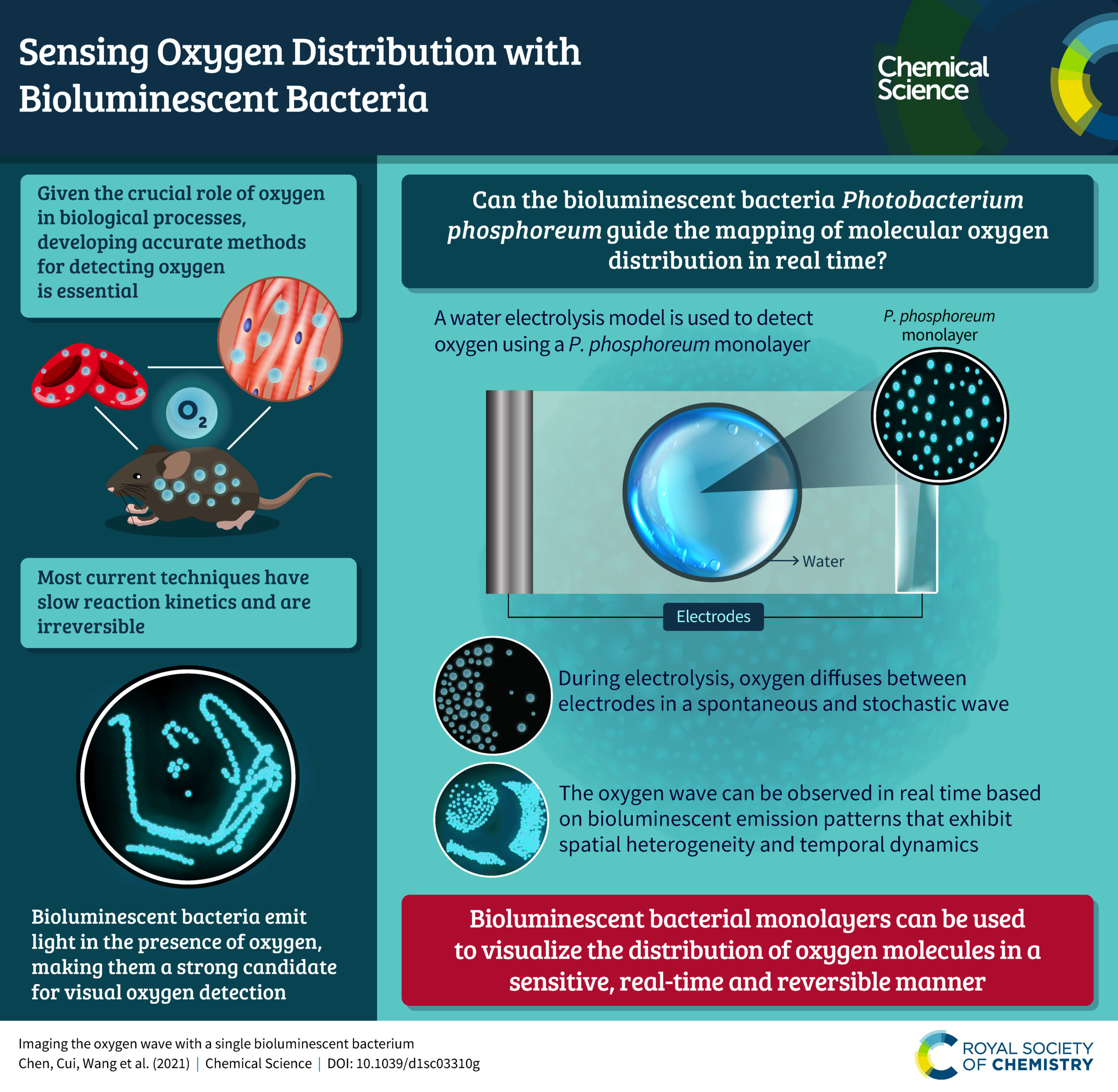
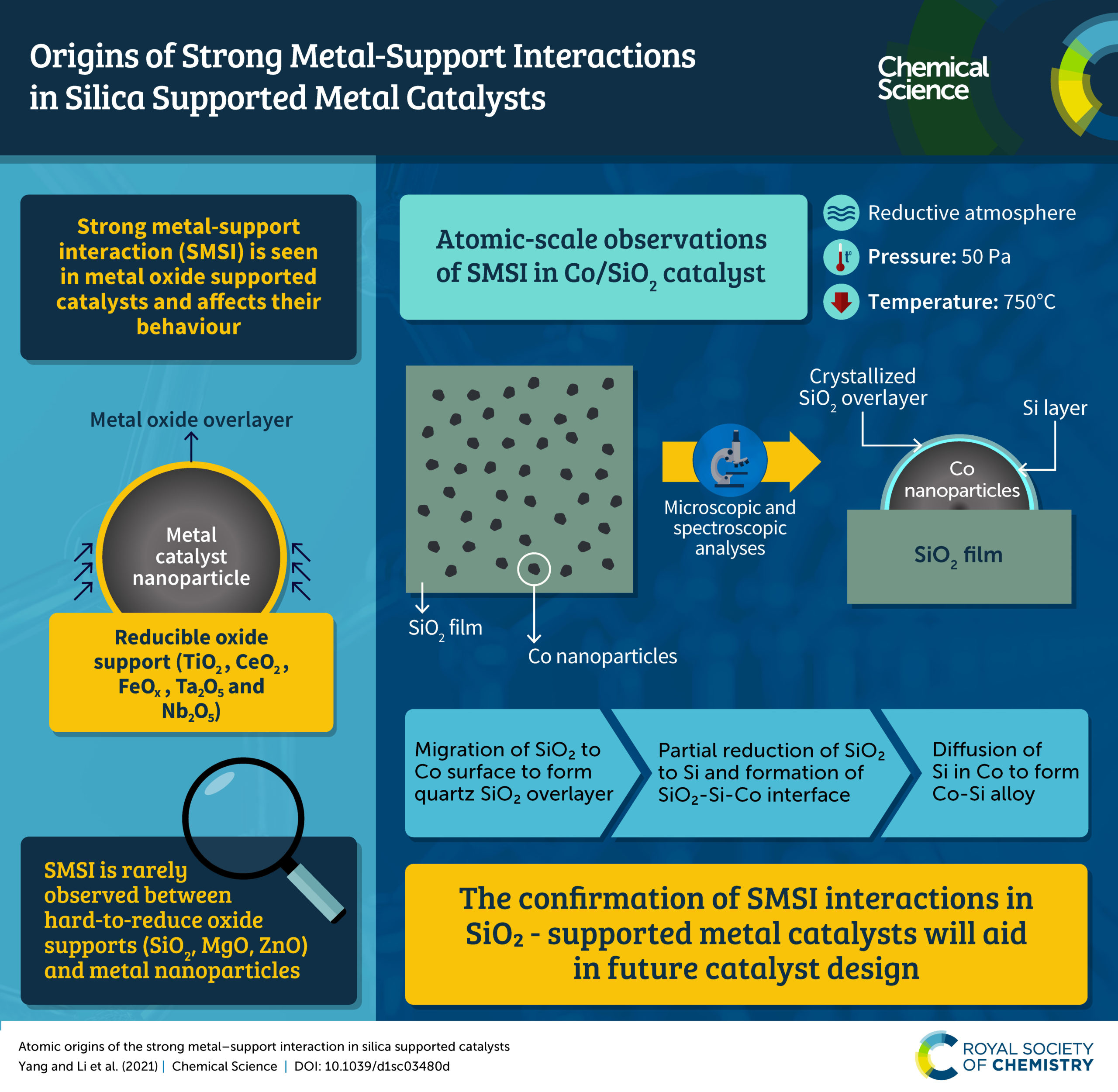
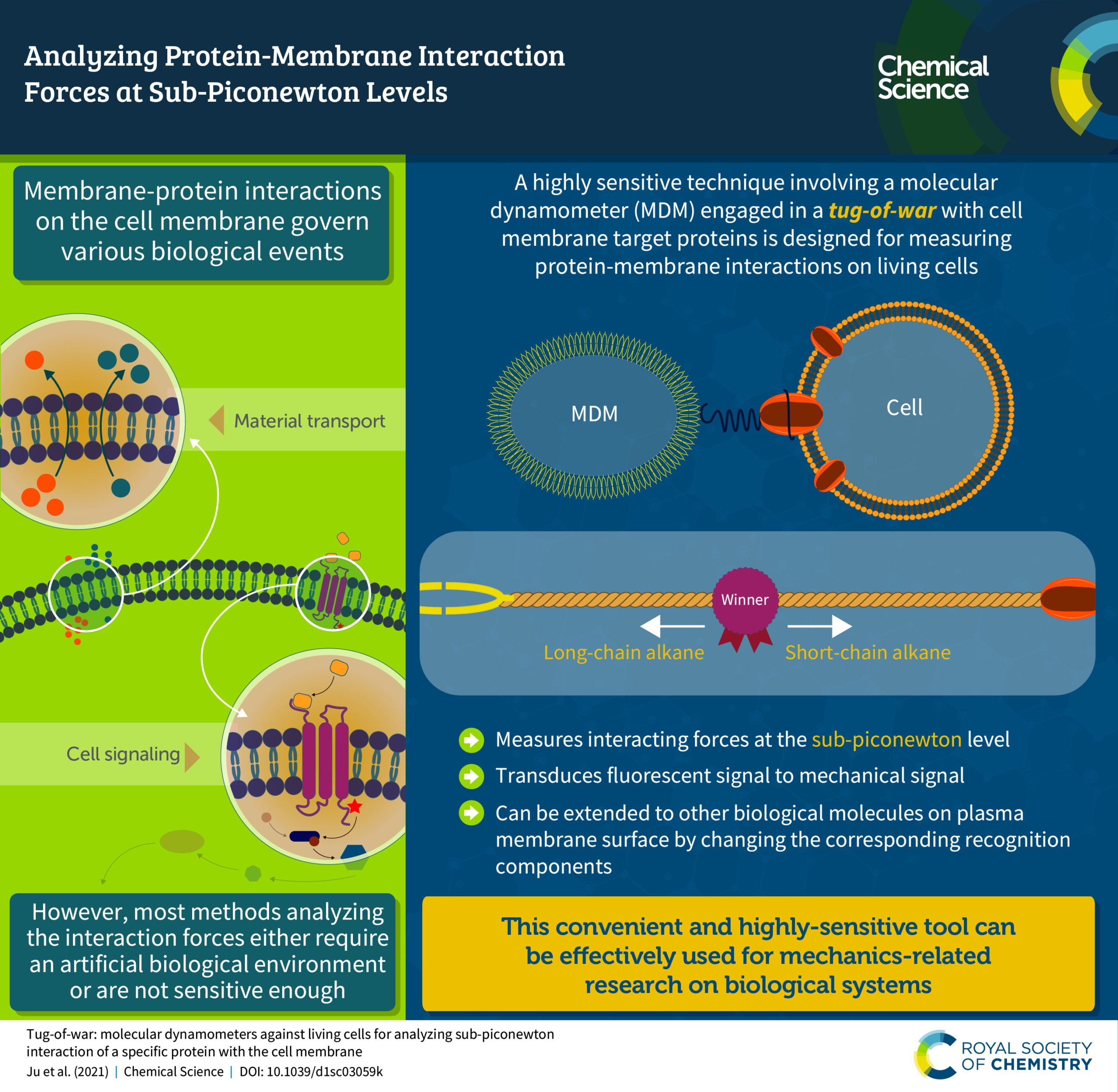
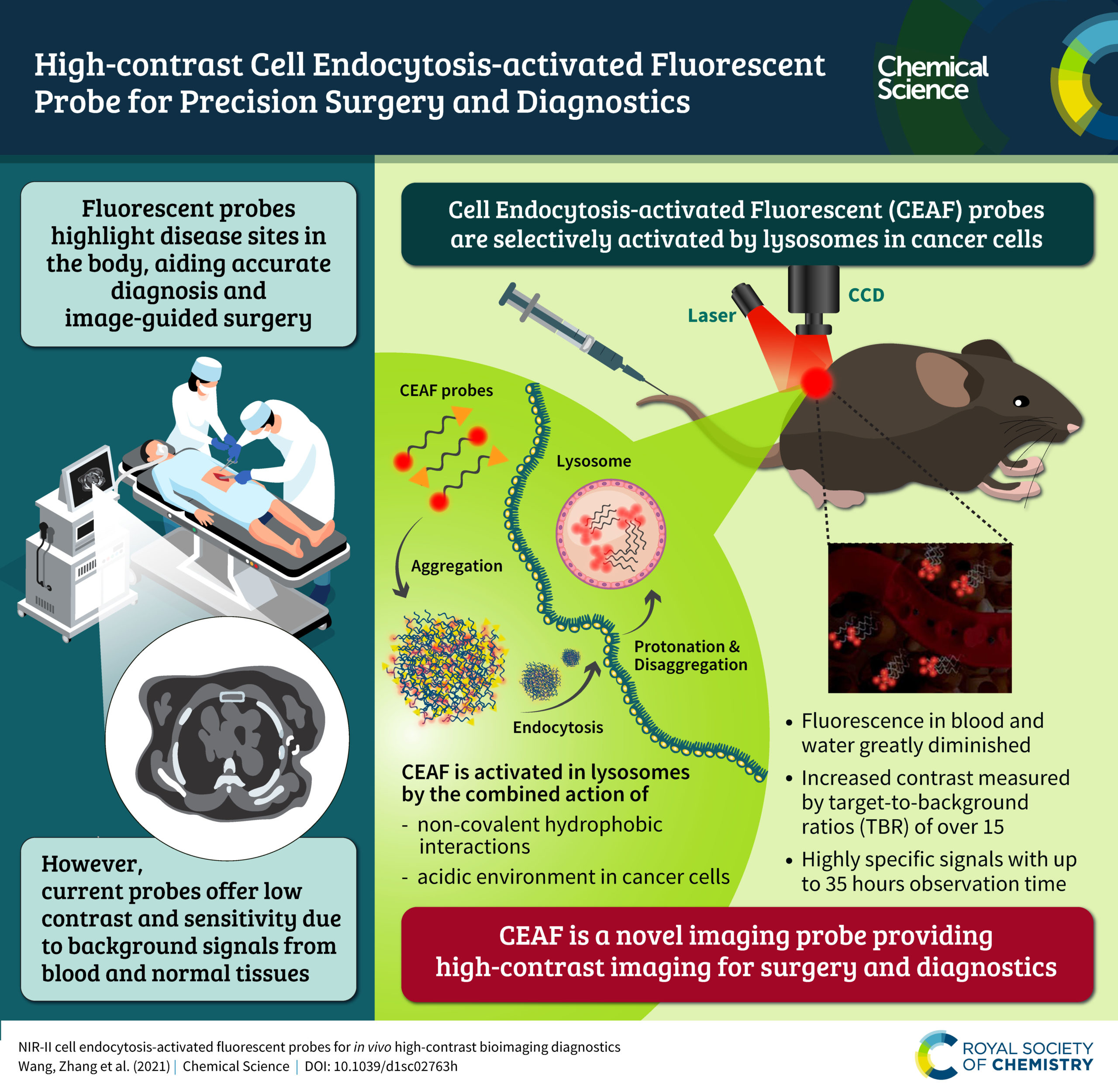
To celebrate the year of the tiger we have put together a collection highlighting our most popular articles from the past year from our Chinese authors, as well as a selection of infographics accompanying some of these papers, which you can find below.

Digg This
Reddit This
Stumble Now!
Share on Facebook
Bookmark this on Delicious
Share on LinkedIn
Bookmark this on Technorati
Post on Twitter
Google Buzz (aka. Google Reader)

Celebrating the 100th Anniversary of Chemistry at Nankai University

The Department of Chemistry at Nankai University was initiated in 1921 by Professor Zongyue Qiu, just 2 years after the founding of Nankai University. Over the years the department has evolved, most recently in the founding of the College of Chemistry in 1995, which then became an entity in 2000. The College of Chemistry of Nankai University has become a leading national base for research and education in chemistry. Chemical Science and the Royal Society of Chemistry are delighted to help celebrate the 100th anniversary of chemical sciences in Nankai University with a themed collection.

This themed collection features articles published in Chemical Science by authors at Nankai University, and speakers at our joint symposium “Celebrating the 100th Anniversary of Chemistry at Nankai University  with New Frontiers in Chemistry: A Chemical Science Symposium”. The symposium is dedicated to the latest research that crosses new frontiers and boundaries within the chemical sciences and introduces new concepts, and will feature 8 leading researchers in multidisciplinary fields as the invited speakers, alongside 16 flash talks from outstanding young researchers, chaired by Chemical Science Associate Editors Professor Jinlong Gong and Professor Ning Jiao.

We hope you enjoy reading this collection and look forward to seeing you at the symposium on the 29th September.


Chemical Science

Digg This
Reddit This
Stumble Now!
Share on Facebook
Bookmark this on Delicious
Share on LinkedIn
Bookmark this on Technorati
Post on Twitter
Google Buzz (aka. Google Reader)

Chemical Science: Celebrating a century of chemical excellence at Nanjing University

Celebrating a century of chemical excellence at Nanjing UniversityEstablished in 1920, the School of Chemistry and Chemical Engineering of Nanjing University is one of the world’s most active and recognised chemistry institutions. After a century of development and evolution, it is now a globally leading department dedicated to advancing the chemical sciences through cutting-edge research and world-renowned education. Chemical Science and the Royal Society of Chemistry are delighted to help celebrate the 100th anniversary of chemical sciences in Nanjing University with a themed collection. This collection was specially curated by the Dean and Vice Dean of the School of Chemistry and Chemical Engineering at Nanjing University, Professors Shuhua Li and Wei Wang, alongside Chemical Science Associate Editor Yi-Tao Long, Professor of Analytical Chemistry at Nanjing University.
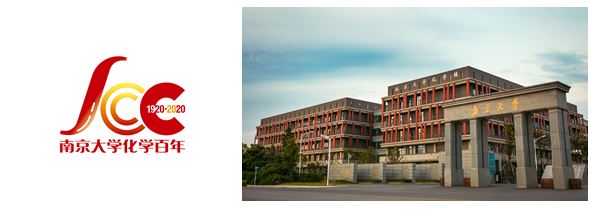
This themed collection features 42 articles published in Chemical Science, the flagship journal of the Royal Society of Chemistry, between 2016-2020 by scientists in the School of Chemistry and Chemical Engineering of Nanjing University. The articles cover a broad spectrum of synthetic chemistry, analytical chemistry, material chemistry, chemical biology, and others.

In joint celebration with the 10th anniversary of Chemical Science, a virtual Symposium will be held on 12th October. The symposium will feature introductions from Chemical Science Executive Editor May Copsey and Royal Society of Chemistry Director of Publishing Emma Wilson alongside scientific talks from Chemical Science Editor-in-Chief Andrew Cooper, Associate Editors Yi-Tao Long and Shu-Li You, and Advisory Board Member Wonwoo Nam.

For more information and to register for this free-to-attend event now please visit: https://www.rsc.org/events/detail/45449/academic-forum-for-100-years-anniversary-of-chemistry-in-nanjing-university-and-10-years-anniversary-of-chemical-science

We hope you enjoy reading this collection and look forward to seeing you at the symposium on the 12th October.

Celebrating a century of chemical excellence at Nanjing University

Digg This
Reddit This
Stumble Now!
Share on Facebook
Bookmark this on Delicious
Share on LinkedIn
Bookmark this on Technorati
Post on Twitter
Google Buzz (aka. Google Reader)