Archive for the ‘Board News’ Category

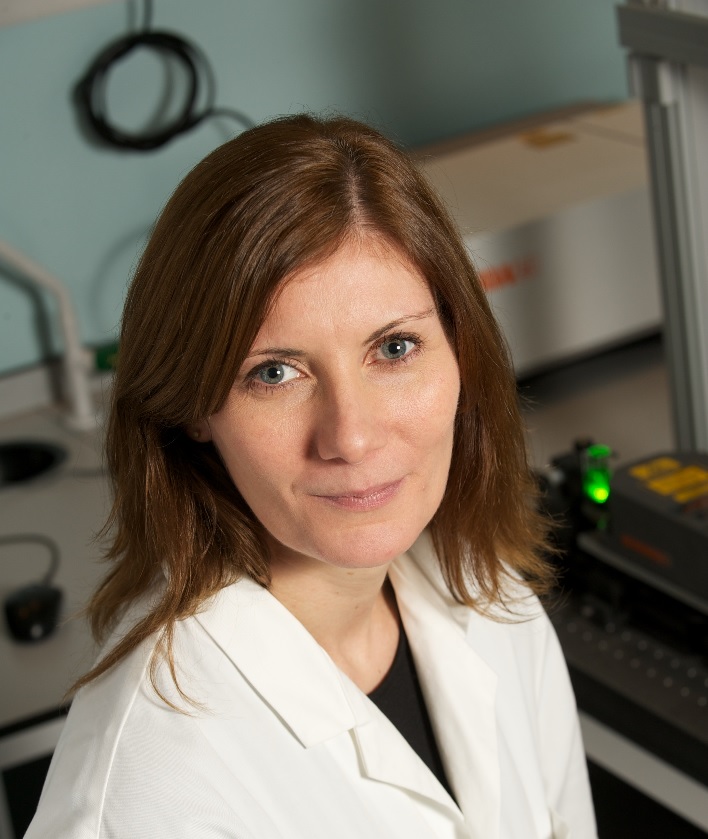
An Interview with Shirley Nakagaki, President of the Brazilian Chemical Society

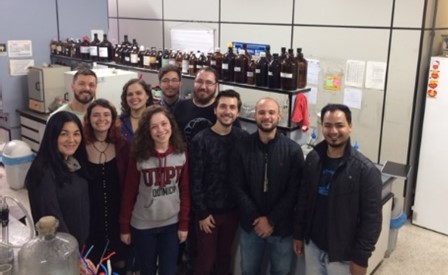
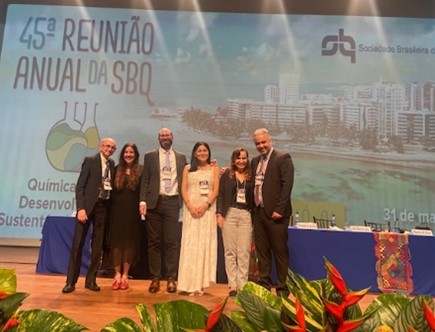
We are delighted to announce that Shirley Nakagaki, one of our Editorial Board members, has been elected as president of the Brazilian Chemical Society.  

This makes Shirley the second ever female researcher to be president of this society in the forty-five years it has been active. To celebrate this achievement, we asked Shirley the following questions, and we hope you find her answers as motivating as we do!

  1. Can you explain your area of research for a non-specialist in the area?

My main interest lies in the study (preparation, characterization and application) of molecules called metalloporphyrins. The key application of these molecules in my research group is in the preparation of compounds known as catalysts (a kind of chemical that accelerates chemical reactions) for oxidation, sequential and esterification reactions. For example, an important oxidation reaction is one that results in an acid species (adipic acid) which is one of the reactants that produces polymeric fibres like nylon. These fibres are used in a range of materials from pantyhose to very sophisticated devices that are part of the International Space Station. In some cases, the catalytic species I study and develop are inspired by biological systems that act as catalysts, in a chemical model known as biomimetic chemistry. In particular, this means that my compounds that act as catalysts can react in a similar way to enzymes, a chemical component found in very efficient biological systems that accelerate reactions necessary to keep organisms alive. In some cases, the catalytic species I study and develop are inspired by biological systems in a chemical model known as biomimetic chemistry. This means my compounds act as catalysts, in a very similar way to enzymes.

  1. What work are you the proudest of?

Fortunately, I can say that I am proud of all my work developed in my 30-year career in the chemical sciences. I have been a supervisor to many chemistry students, supporting them through their undergraduate projects, master’s degree dissertations and PhD theses. These projects have resulted in different products such as patents and scientific papers. However, the education of new chemistry professionals, be it researchers or chemistry professors, is probably my most important job.

  1. What do you find motivating?

My motivation comes from different parts. Firstly, through being a professor, my motivation comes from my students in the classroom or in the lab. When they ask me about chemistry in general or particularly inorganic chemistry, I find motivation in trying to explain to them in the best way that they can solve whatever doubts they have. Another source of motivation comes from realizing every day, and at the end of every paper I read, that there are many things we still do not know and cannot explain in the light of science, particularly in the chemical sciences. The chemical knowledge is vast and fascinating. Everything around us, in some way, involves a chemical process that can or will be explained, either now or in some distant future, based on the advance of the scientific knowledge.

  1. How did your career path lead you to become elected as the president of the Brazilian Chemical Society?

When I was a chemistry undergraduate student in Sao Paulo University, Ribeirao Preto city campus (countryside part of the Sao Paulo State), I joined Professor Yassuko Iamamoto’s research group with a scholarship to work in the development of catalysts for oxidation reactions. Our first research results were presented in the annual meeting of the SBQ – (Brazilian Chemical Society) of which I became an associate in 1983. After that, every year I attended the annual meeting and presented the research results of my master’s degree or PhD studies. After I finished my graduate school, I joined Federal University of Paraná (a southern state in Brazil) and created my own research group. In the SBQ I joined as a director in the inorganic chemistry division, since I believed and continue to believe that I can contribute with my work to build a strong and big Brazilian chemical society that represents the strength of the chemical science in Brazilian universities as well as Brazilian research centres.

  1. What will your role entail and what are you aiming to achieve?

Firstly, I believe that my role as president of the SBQ is to contribute daily to the growth of our society and to foster the good work of the previous 21 presidents. In addition, I have a big responsibility to show young chemists, graduate and undergraduate students, the importance of our society as a civil organization. They are a voice to be heard in issues in which the chemical community can contribute to the greater society. We also hope that our voice can be one that includes, fosters, and promotes quality scientific discussion, being plural, diverse and inclusive.

  1. What are the biggest challenges facing the Brazilian Chemistry Community?

Regarding the chemical sciences, there are many challenges we face. For one, providing quality scientific education for young people in a country with continental figures and big social and income inequalities. We find a good, international level education in one part of the country and a complete lack of basic infrastructure in other parts. Regarding the scientific research, we face low and declining levels of investment, which affects the continuity of good research programs. We face many challenges to become the country we dream of.

  1. What are the most exciting areas in the Brazilian Chemistry Community?

We have many strong research areas in Brazil. These include using natural products to explore our big biodiversity, the preparation and use of new materials, and we have excellent researchers making contributions to the new and alternative energies. In addition, given our great natural resource reserve, we have brilliant researchers working on the extraction of new substances from our biodiverse biomes and developing new pharmacological alternatives from these results. Some of these natural findings are already being prepared in our universities. Our scientific community is very versatile and creative. Despite receiving little financial support, we have produced excellent results. This can be seen in the quality of our Brazilian researchers’ publications around the world. For example, I can quote the Brazilian Science Panorama 2015-2020 report from the Science, Technology and Innovation Observatory (CGEE- OCTI), which shows the Brazilian production of scientific research papers grew 32% in 2020 in comparison to 2015, while the global production only grew 27%. During these five years more than 11 million papers were indexed in Web of Science (WoS), of which 372 thousand are papers with at least one author linked to our Brazilian institutions, giving us the 13th position in global production, surpassing Russia (14th), Iran (15th), the Netherlands (16th) and Turkey (17th). In 2020, this participation reached 3.2% of global scientific research production. These figures are considering scientific papers as a whole, but according to WoS, chemistry is the second area of research in number of indexed papers, lagging only behind the engineering area. These are very relevant figures as it shows the strength of chemistry in Brazilian scientific research, which is concentrated mostly in public universities where our SBQ associates work.

  1. How does it feel being the 2nd woman to hold this position and how is this going to inspire a younger generation of female chemists?

I can see in our long line of SBQ female associates so many chemists that could be in my place. Women are about 50% of all SBQ associates. We have excellent scientists, chemical educators and researchers in our pool of associates. I am not the first female president; I am only the second one in this rough path opened by Prof. Vanderlan Bolzani. But, paraphrasing vice-president Kamala Harris, “I will make sure I will not be the last”. Hopefully, my work will serve as an example and inspiration so that women in SBQ can see that it is possible to be in my position and occupy this space, if we serve with dedication and love to the SBQ.

  1. You have been a member of the RSC Advances Editorial Board since September 2020. What would you say are the biggest strengths of the journal?

Being a member of the RSC Advances Editorial Board has been an interesting and significant experience, considering the size and relevance of the RSC to the world and to the SBQ. Through the years both societies have not only kept good relations but developed key partnerships of research. From my remote participation on the meetings (due to the new coronavirus pandemic) I gathered that the main interest of this journal is to deliver papers of unquestionable scientific quality through an open access journal. On this aspect, the journal invests greatly in its editorial board, giving them adequate support for their job. Moreover, I found it very positive the journal’s actions towards making it more inclusive and transparent.

  1. What do you hope to achieve in your career over the next 10 years?

What I hope to achieve in my career over the next 10 years is continuous progress both from scientific and educational standpoints. I hope to continue to investigate multifunctional catalytic solids aimed at sequential reactions as opposed to single process catalysts. I believe they are more adequate alternatives considering the reduction in cost, time and use of available resources during the preparation of reactions. Furthermore, shaping new generations of chemists has always been a career goal of mine, so I hope I can continue to give classes and participate in the education and formation of professionals in this area of science that is dear to my heart, Chemistry!
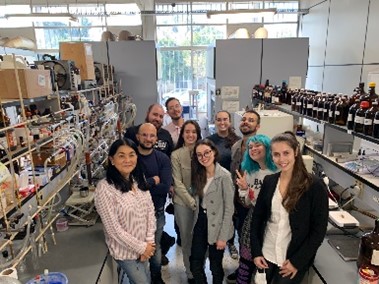
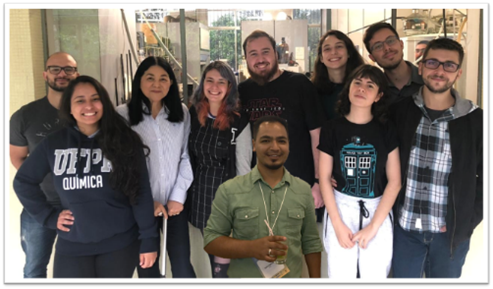
Please join me in extending our congratulations to Shirley for this achievement. We hope you continue to inspire the next generation of chemists!

Digg This
Reddit This
Stumble Now!
Share on Facebook
Bookmark this on Delicious
Share on LinkedIn
Bookmark this on Technorati
Post on Twitter
Google Buzz (aka. Google Reader)

Welcome to our new Editorial Board member: Charlotta Turner

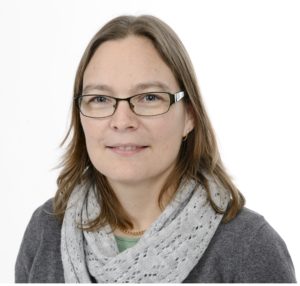
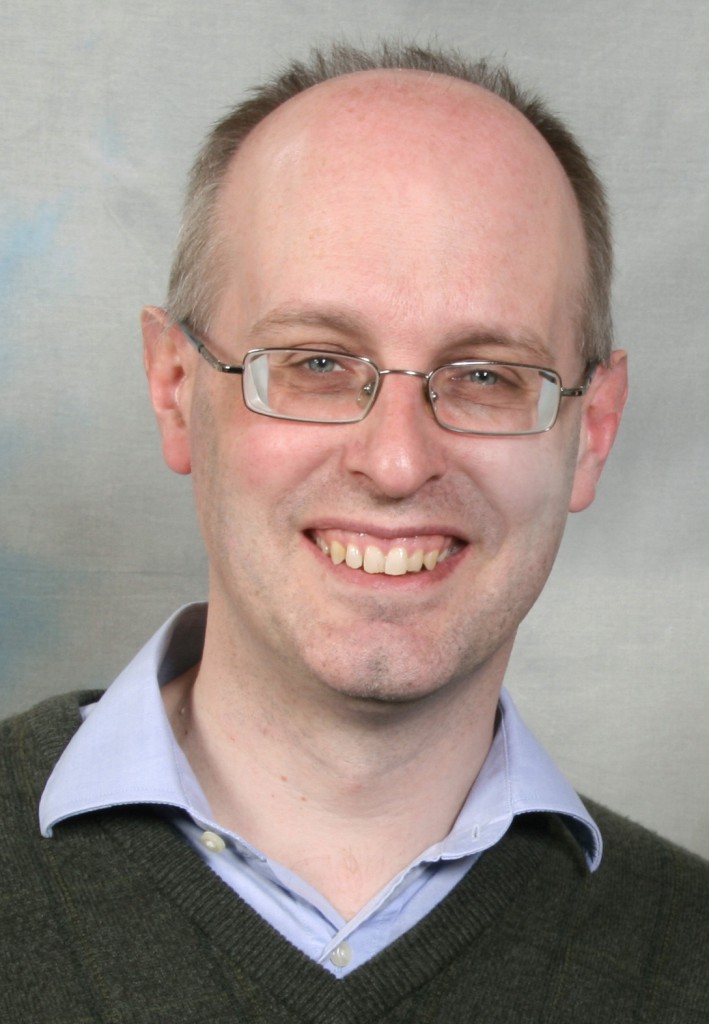
We are delighted to welcome Professor Charlotta Turner to the RSC Advances team!


Charlotta Turner_ RSC Advances Editorial Board Member

Charlotta Turner is a Professor in Analytical Chemistry at Lund University in Sweden. Her research is interdisciplinary, including analytical chemistry, supercritical fluid technology, and sustainable development aspects. She has more than 20 years of experience on the fundamentals of supercritical fluids in separation processes. Her current research focus is on the development of fast, selective, and bias-free separation methods using carbon dioxide expanded green solvents. An important inspiration is the enhanced use of biomass and industrial byproducts as sources of high-value compounds for use in food, health and environmental applications.

Charlotta Turner has published over 100 scientific articles, review papers and book chapters. She has received the Swedish King Carl XVI Gustaf’s award for environmental science (2005), the SSF Ingvar Carlsson Award for returning postdocs (2006), the AOCS Herbert J. Dutton Award for her work on lipid analysis (2015) and the Svante Arrhenius Award for her work on green and sustainable chemistry (2017). She is also awarded with Excellent Teacher Practitioner (ETP, 2017). Charlotta Turner is the chair of the Analytical Chemistry Division of the Swedish Chemical Society, the chair of Lund University Food Faculty, and also a member of the Royal Engineering Science Academy (IVA) and the Royal Physiographic Society of Lund.


Browse a selection of Charlotta’s RSC publications:

Extending the design space in solvent extraction – from supercritical fluids to pressurized liquids using carbon dioxide, ethanol, ethyl lactate, and water in a wide range of proportions
Veronika Pilařová, Said Al Hamimi, Larissa P. Cunico, Lucie Nováková and Charlotta Turner
Green Chem., 2019, 21, 5427-5436
DOI: 10.1039/C9GC02140J

Black pepper-based beverage induced appetite-suppressing effects without altering postprandial glycaemia, gut and thyroid hormones or gastrointestinal well-being: a randomized crossover study in healthy subjects
Yoghatama Cindya Zanzer, Merichel Plaza, Anestis Dougkas, Charlotta Turner and Elin Östman
Food Funct., 2018, 9, 2774-2786
DOI: 10.1039/C7FO01715D

Evaluation and analysis of environmentally sustainable methodologies for extraction of betulin from birch bark with a focus on industrial feasibility
Mikael E. Fridén, Firas Jumaah, Christer Gustavsson, Martin Enmark, Torgny Fornstedt, Charlotta Turner, Per J. R. Sjöberg and Jörgen Samuelsson
Green Chem., 2016, 18, 516-523
DOI: 10.1039/C5GC00519A
 

RSC Advances Royal Society of ChemistrySubmit to RSC Advances today! Check out our author guidelines for information on our article types or find out more about the advantages of publishing in a Royal Society of Chemistry journal.

Keep up to date with our latest HOT articles, Reviews, Collections & more by following us on Twitter. You can also keep informed by signing up to our E-Alerts.

Digg This
Reddit This
Stumble Now!
Share on Facebook
Bookmark this on Delicious
Share on LinkedIn
Bookmark this on Technorati
Post on Twitter
Google Buzz (aka. Google Reader)

Welcome to our new Editorial Board member: Shirley Nakagaki

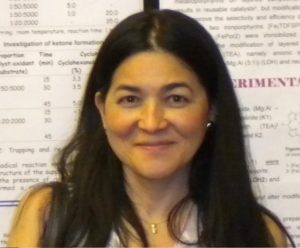
We are delighted to welcome Professor Shirley Nakagaki to the RSC Advances team!


Shirley Nakagaki RSC Advances Editorial Board

Shirley Nakagaki studied Chemistry at University of São Paulo at Ribeirão Preto Campus – USP – São Paulo (1982-1985). She received her Master degree from the UNESP – University of the State of São Paulo at Araraquara, in 1988 and PhD from the same University in 1993, under the supervision of Professor Yassuko Iamamoto. She conducted her postdoctoral research at the University of Illinois at Urbana-Champaign (UIUC) under the supervision of Professor Kenneth S. Suslick, working with Microporous Porphyrin Solids (2002-2003). She acted as a visiting professor at the University of Kyoto (1995) and the Institut de Chimie de Clermont-Ferrand (ICCF) at the Université Clermont Auvergne (2016 and 2019). She was selected for the Assistant Professorship at Federal University of Paraná State at Curitiba in 1992, where she tenured and became Full Professor in 2015.

Her main interests lie in the study of metalloporphyrins and preparation of catalytic species for heterogeneous process for oxidation reaction, sequential reaction and esterification reaction, based on immobilization of catalytic species on solids like mesoporous silicas, layered compounds and different metal oxides.

Shirley was the director of the Inorganic division of the Brazilian Chemical Society –SBQ (2014-2017), Brazilian Chemical Society board and consultive council member (2018-2020) and SBQ incoming president-elect (2022-2024).


Browse a selection of Shirley’s RSC publications:

New highly brominated Mn-porphyrin: a good catalyst for activation of inert C–H bonds
Vinicius Santos da Silva, Shirley Nakagaki, Geani Maria Ucoski, Ynara Marina Idemori and Gilson DeFreitas-Silva
RSC Adv., 2015, 5, 106589-106598
DOI: C5RA20690A, Paper

Copper-phthalocyanine coordination polymer as a reusable catechol oxidase biomimetic catalyst
Kelly A. D. F. Castro, Flávio Figueira, Filipe A. Almeida Paz, João P. C. Tomé, Roberto S. da Silva, Shirley Nakagaki, M. Graça P. M. S. Neves, José A. S. Cavaleiro and Mário M. Q. Simões
Dalton Trans., 2019, 48, 8144-8152
DOI: C9DT00378A, Paper

Oxidation catalyst obtained by the immobilization of layered double hydroxide/Mn(iii) porphyrin on monodispersed silica spheres
Karen Mary Mantovani, Kátia Cristina Molgero Westrup, Renaldo Marcos da Silva Junior, Silvia Jaerger, Fernando Wypych and Shirley Nakagaki
Dalton Trans., 2018, 47, 3068-3073
DOI: C7DT03656F, Paper

Biomimetic oxidation of cyclic and linear alkanes: high alcohol selectivity promoted by a novel manganese porphyrin catalyst
Vinicius Santos da Silva, Warleson Cândido dos Santos Vieira, Alexandre Moreira Meireles, Geani Maria Ucoski, Shirley Nakagaki, Ynara Marina Idemori and Gilson DeFreitas-Silva
New J. Chem., 2017, 41, 997-1006
DOI: C6NJ03072F, Paper

Glycol metalloporphyrin derivatives in solution or immobilized on LDH and silica: synthesis, characterization and catalytic features in oxidation reactions
Kelly A. D. F. Castro, Mário M. Q. Simões, M. Graça P. M. S. Neves, José A. S. Cavaleiro, Fernando Wypych and Shirley Nakagaki
Catal. Sci. Technol., 2014, 4, 129-141
DOI: C3CY00472D, Paper

RSC Advances Royal Society of ChemistrySubmit to RSC Advances today! Check out our author guidelines for information on our article types or find out more about the advantages of publishing in a Royal Society of Chemistry journal.

Keep up to date with our latest HOT articles, Reviews, Collections & more by following us on Twitter. You can also keep informed by signing up to our E-Alerts.

Digg This
Reddit This
Stumble Now!
Share on Facebook
Bookmark this on Delicious
Share on LinkedIn
Bookmark this on Technorati
Post on Twitter
Google Buzz (aka. Google Reader)

Introducing Stacey Wetmore & Tapas Maji: Our New Editorial Board Members

We are delighted to welcome Professors Stacey Wetmore and Tapas Maji as our latest Editorial Board members!

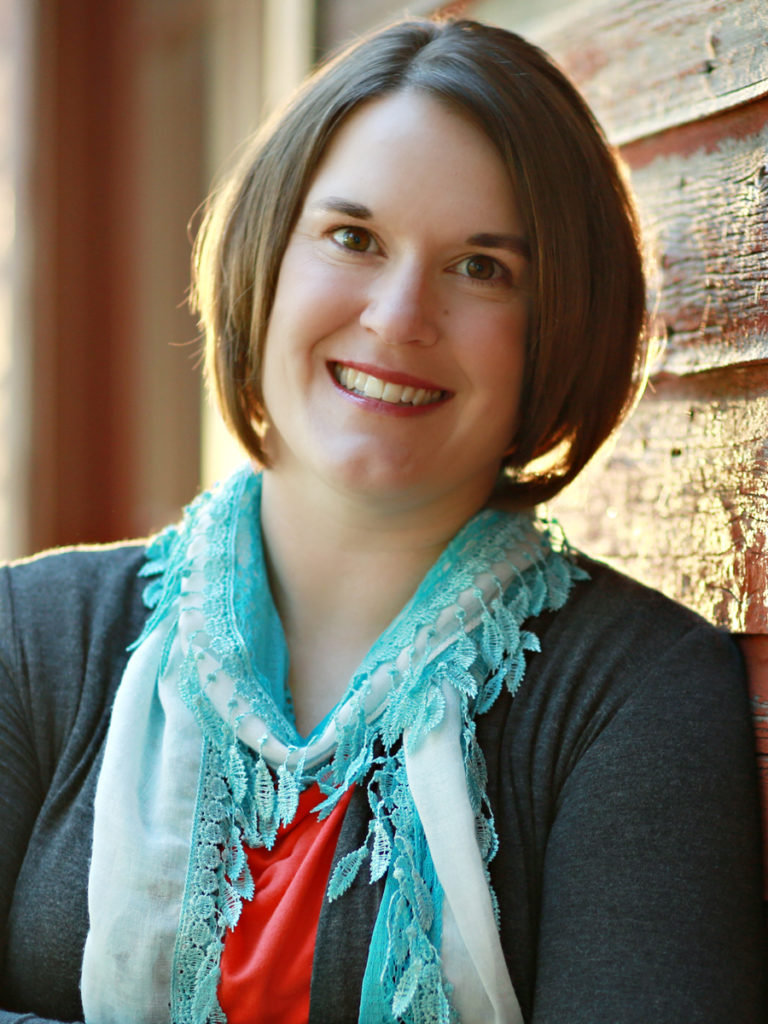
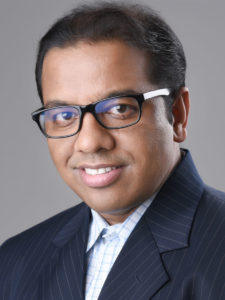
Stacey Wetmore, RSC Advances Royal Society of Chemistry

Stacey D. Wetmore is Professor of Chemistry and Tier I Board of Governors Research Chair in the Department of Chemistry and Biochemistry at the University of Lethbridge, Alberta, Canada. She obtained a B.Sc. (Honours) in Chemistry and Mathematics from Mount Allison University (Sackville, Canada) in 1995, and her Ph.D. in Computational Chemistry from Dalhousie University (Halifax, Canada) under the supervision of Prof. Russell Boyd in 1999. After completing a postdoctoral fellowship with Prof. Leo Radom at the Australian National University (Canberra, 1999–2001), she launched an independent research program at Mount Allison in 2001 and was recruited to the University of Lethbridge in 2006 as a Tier II Canada Research Chair, which was renewed in 2012.

Her research program currently uses computer modeling to study the chemistry of nucleic acids, including the structure and properties of modified nucleic acids and the function of enzymes that process nucleic acids such as those involved in DNA damage, repair and replication pathways. She has a superb research track record as recognized by the award of the most prestigious Chemical Institute of Canada Fellowship, the highest accolade that can be bestowed on a member of the Chemical Institute of Canada.


Browse a selection of Stacey’s work:

Manipulation of a DNA aptamer–protein binding site through arylation of internal guanine residues
Abigail J. Van Riesen, Kaila L. Fadock, Prashant S. Deore, Ahmed Desoky, Richard A. Manderville, Shahin Sowlati-Hashjin and Stacey D. Wetmore
Org. Biomol. Chem., 2018, 16, 3831-3840
DOI: 10.1039/C8OB00704G, Paper

Structural and electronic properties of barbituric acid and melamine-containing ribonucleosides as plausible components of prebiotic RNA: implications for prebiotic self-assembly
Sarabjeet Kaur, Purshotam Sharma and Stacey D. Wetmore
Phys. Chem. Chem. Phys., 2017, 19, 30762-30771
DOI: 10.1039/C7CP06123D, Paper

How do hydrophobic nucleobases differ from natural DNA nucleobases? Comparison of structural features and duplex properties from QM calculations and MD simulations
Indu Negi, Preetleen Kathuria, Purshotam Sharma and Stacey D. Wetmore
Phys. Chem. Chem. Phys., 2017, 19, 16365-16374
DOI: 10.1039/C7CP02576A, Paper

Tapas Kumar Maji, RSC Advances Editorial Board Meeting


Tapas Kumar Maji obtained his PhD in 2002 from Indian Association for the Cultivation of Science (IACS) in Kolkata. After a postdoctoral stint at Kyoto University, Japan, he joined Jadavpur University and then moved to Jawaharlal Nehru Centre for Advanced Scientific Research (JNCASR), Bangalore in 2006. Currently, he is a professor in Chemistry and Physics of Materials Unit (CPMU) at JNCASR.

His current research interest focuses on the design and synthesis of bulk and nanoscale metal–organic frameworks (MOFs) and organic porous polymers (particularly conjugated microporous polymer) for energy storage, generation and conversion, carbon capture and sequestration. He uses these materials for storage and separation of small (C1-C3) hydrocarbons. He also works on different photo-physical aspects of MOFs and coordination polymer gels. Professor Maji has published over 200 peer reviewed publications (h-index of 51). He was elected as the Fellow of the Indian Academy of Sciences in 2018 and Fellow of the Royal Society of Chemistry in 2019.


Browse a selection of Tapas’ work:

Mechanochemical synthesis of a processable halide perovskite quantum dot–MOF composite by post-synthetic metalation
Sohini Bhattacharyya, Darsi Rambabu and Tapas Kumar Maji
J. Mater. Chem. A, 2019, 7, 21106-21111
DOI: 10.1039/C9TA05977F, Paper

Polar functional groups anchored to a 2D MOF template for the stabilization of Pd(0) nps for the catalytic C–C coupling reaction
Stephen Adie Adalikwu, Venkata Suresh Mothika, Arpan Hazra and Tapas Kumar Maji
Dalton Trans., 2019, 48, 7117-7121
DOI: 10.1039/C8DT04766A, Communication

MOF derived carbon based nanocomposite materials as efficient electrocatalysts for oxygen reduction and oxygen and hydrogen evolution reactions
Sohini Bhattacharyya, Chayanika Das and Tapas Kumar Maji
RSC Adv., 2018, 8, 26728-26754
DOI: 10.1039/C8RA05102J, Review Article


RSC Advances Royal Society of Chemistry

Submit to RSC Advances today! Check out our author guidelines for information on our article types or find out more about the advantages of publishing in a Royal Society of Chemistry journal.

Keep up to date with our latest HOT articles, Reviews, Collections & more by following us on Twitter. You can also keep informed by signing up to our E-Alerts.

Digg This
Reddit This
Stumble Now!
Share on Facebook
Bookmark this on Delicious
Share on LinkedIn
Bookmark this on Technorati
Post on Twitter
Google Buzz (aka. Google Reader)

Please Welcome Young-Shin Jun: Our Newest Editorial Board Member


We are delighted to welcome Professor Young-Shin Jun as our newest Editorial Board member!

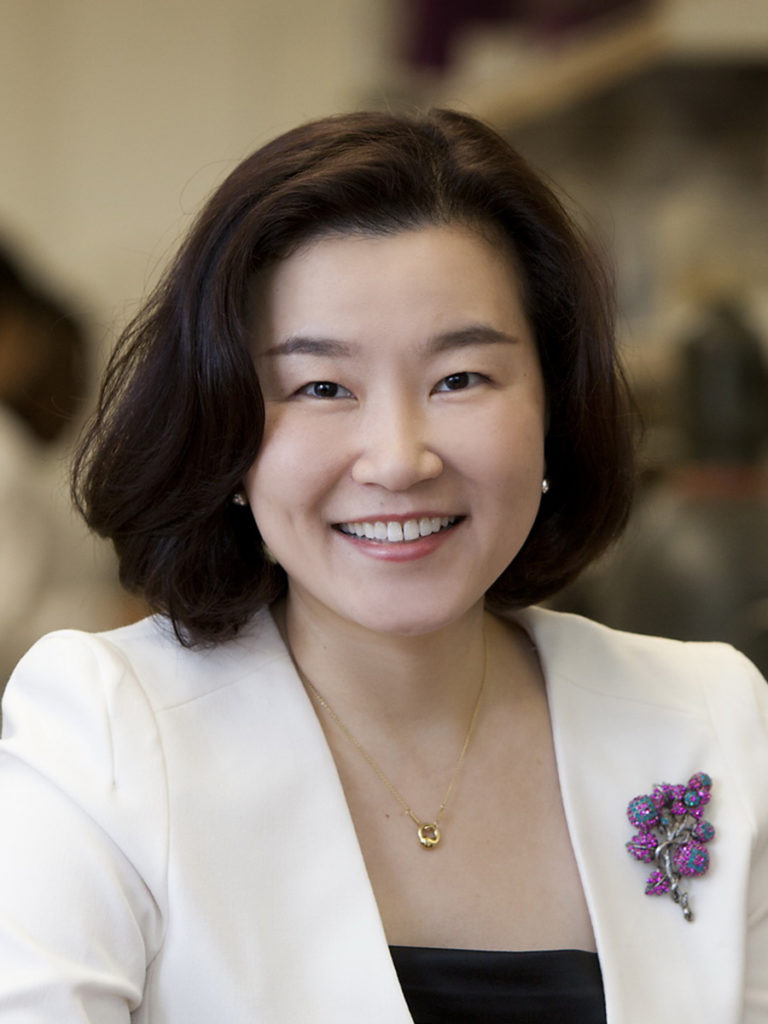
Young-Shin Jun RSC Advances Royal Society of Chemistry


Young-Shin Jun is a Professor of Energy, Environmental & Chemical Engineering at Washington University in St. Louis (Missouri, USA), where she leads the Environmental NanoChemistry Laboratory. She received her Bachelor’s and Master’s degrees from Ewha Womans University (Seoul, South Korea), holds Master’s and PhD degrees in Environmental Chemistry from Harvard University (Massachusetts, USA), and conducted postdoctoral research at the University of California-Berkeley/Lawrence Berkeley National Laboratory (California, USA). Professor Jun received a 2011 U.S. National Science Foundation CAREER award, and was named a 2015 Kavli Fellow by the U.S. National Academy of Sciences, a 2016 Frontier of Engineering Fellow by the U.S. National Academy of Engineering, and a 2018 Fellow of the Royal Society of Chemistry.

Her research is highly interdisciplinary: She investigates energy-related subsurface engineering systems, including geologic CO2 sequestration, conventional and unconventional oil and gas recovery, and hydrothermal energy. Based on a scientific understanding of nanoscale interfacial chemistry and solid nucleation, she seeks new treatment techniques and new catalysts for purifying drinking water and remediating contaminated water and soil, benefiting water reuse, managed aquifer recharge, and membrane processes. In addition, she studies biomineralization and bio-inspired chemistry to develop novel materials for a more sustainable environment.


Browse a selection of work published by Young-Shin:

Redox chemistry of CeO2 nanoparticles in aquatic systems containing Cr(VI)(aq) and Fe2+ ions
Jessica R. Ray, Xuanhao Wu, Chelsea W. Neil, Haesung Jung, Zhichao Li and Young-Shin Jun
Environ. Sci.: Nano, 2019, 6, 2269-2280
DOI: 10.1039/C9EN00201D, Paper

Nanoscale in situ detection of nucleation and growth of Li electrodeposition at various current densities
Haesung Jung, Byeongdu Lee, Miklos Lengyel, Richard Axelbaum, Jeeyoung Yoo, Youn Sang Kim and Young-Shin Jun
J. Mater. Chem. A, 2018, 6, 4629-4635
DOI: 10.1039/C8TA00343B, Communication

Effects of sulfate on biotite interfacial reactions under high temperature and high CO2 pressure
Lijie Zhang, Yaguang Zhu, Xuanhao Wu and Young-Shin Jun
Phys. Chem. Chem. Phys., 2019, 21, 6381-6390
DOI: 10.1039/C8CP07368F, Paper

Localized heating with a photothermal polydopamine coating facilitates a novel membrane distillation process
Xuanhao Wu, Qisheng Jiang, Deoukchen Ghim, Srikanth Singamaneni and Young-Shin Jun
J. Mater. Chem. A, 2018, 6, 18799-18807
DOI: 10.1039/C8TA05738A, Communication

RSC Advances Royal Society of Chemistry

Submit to RSC Advances today! Check out our author guidelines for information on our article types or find out more about the advantages of publishing in a Royal Society of Chemistry journal.

Digg This
Reddit This
Stumble Now!
Share on Facebook
Bookmark this on Delicious
Share on LinkedIn
Bookmark this on Technorati
Post on Twitter
Google Buzz (aka. Google Reader)

Welcome to our new Editorial Board member: Norio Shibata

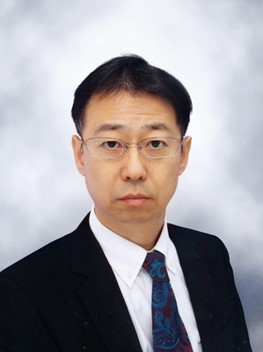
We are delighted to welcome Professor Norio Shibata as our newest Editorial Board member!Professor Norio Shibata, Royal Society of Chemistry RSC Advances Editorial Board

Norio Shibata has been a Professor at the Nagoya Institute of Technology since 2008. He received a Ph.D. (1993) in pharmaceutical sciences from Osaka University under the direction of Professor Yasuyuki Kita. He worked at Dyson Perrins Laboratory (Professor Sir Jack. E. Baldwin), Oxford University (JSPS fellow, 1994−1996), Sagami Chemical Research Institute (Dr. Shiro Terashima, 1996), after which he was a lecturer at Toyama Medical & Pharmaceutical University (1997−2003), and an associate professor at the Nagoya Institute of Technology (2003−2008). He also acted as a visiting professor at the University of Rouen (2008, 2012) and Zhejiang Normal University (2017−), an academic visitor at the University of Oxford (2017, 2018) and University of Valencia (2017, 2019), a senior technical consultant at the National Engineering Technology Center of Fluoro Materials, Juhua Group Corporation (2017−).

He has received the ‘RSC Fluorine Prize’ (2005, UK), ‘The Pharmaceutical Society of Japan Award for Divisional Scientific Promotions’ (2010, Japan), ‘Prizes for Science and Technology, The Commendation for Science and Technology by the Minister of Education, Culture, Sports, Science and Technology’ (2014, Japan), ‘CSJ Award for Creative Work in Chemical Society of Japan’ (2015, Japan), ‘Chinese Chemical Society, W.-Y. Huang Fluorine Prize’ (2015, China), ‘ACS Award for Creative Work in Fluorine Chemistry’ (2019, US) and ‘The 18th Green and Sustainable Chemistry Awards by the Minister of Education, Culture, Sports, Science and Technology’ (2019, Japan). His research interests are synthetic and medicinal fluorine chemistry.

Browse a selection of work published by Norio:

Synthesis of fluorinated donepezil by palladium-catalyzed decarboxylative allylation of α-fluoro-β-keto ester with tri-substituted heterocyclic alkene and the self-disproportionation of its enantiomers
Mayaka Maeno, Hiroya Kondo, Etsuko Tokunaga and Norio Shibata
RSC Adv., 2016, 6, 85058-8506
DOI: 10.1039/C6RA21253K, Communication

Flow trifluoromethylation of carbonyl compounds by Ruppert–Prakash reagent and its application for pharmaceuticals, efavirenz and HSD-016
Satoshi Okusu, Kazuki Hirano, Yoshimasa Yasuda, Etsuko Tokunaga and Norio Shibata
RSC Adv., 2016, 6, 82716-82720
DOI: 10.1039/C6RA19790F, Communication

Synthesis of aryl and heteroaryl tetrafluoro-λ6-sulfanyl chlorides from diaryl disulfides using trichloroisocyanuric acid and potassium fluoride
Ibrayim Saidalimu, Yumeng Liang, Kiyoteru Niina, Kazuhiro Tanagawa, Norimichi Saito and Norio Shibata
Org. Chem. Front., 2019, 6, 1157-1161
DOI: 10.1039/C9QO00191C, Research Article

An eccentric rod-like linear connection of two heterocycles: synthesis of pyridine trans-tetrafluoro-λ6-sulfanyl triazoles
Prajwalita Das, Kiyoteru Niina, Tomoya Hiromura, Etsuko Tokunaga, Norimichi Saito and Norio Shibata
Chem. Sci., 2018, 9, 4931-4936
DOI: 10.1039/C8SC01216D, Edge Article

Submit to RSC Advances today! Check out our author guidelines for information on our article types or find out more about the advantages of publishing in a Royal Society of Chemistry journal.

Digg This
Reddit This
Stumble Now!
Share on Facebook
Bookmark this on Delicious
Share on LinkedIn
Bookmark this on Technorati
Post on Twitter
Google Buzz (aka. Google Reader)

Welcome to our new Editorial Board Member: Qingdong Zheng

We are pleased to introduce Professor Qingdong Zheng as our latest Editorial Board member!

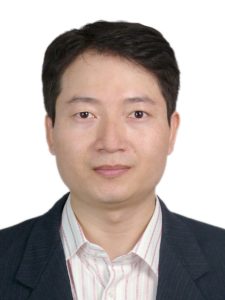
Professor Qingdong Zheng, RSC Advances Editorial Board MemberQingdong Zheng is a Professor of State Key Laboratory of Structural Chemistry in the Fujian Institute of Research on the Structure of Matter, Chinese Academy of Sciences (CAS). He obtained his B.S. (1998), and M.S. (2001) degrees from East China University of Science and Technology, and his Ph.D. degree from the State University of New York at Buffalo in 2005. After carrying out his postdoctoral research at Johns Hopkins University, he joined CAS and took his current position in 2010.
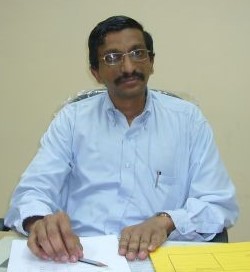
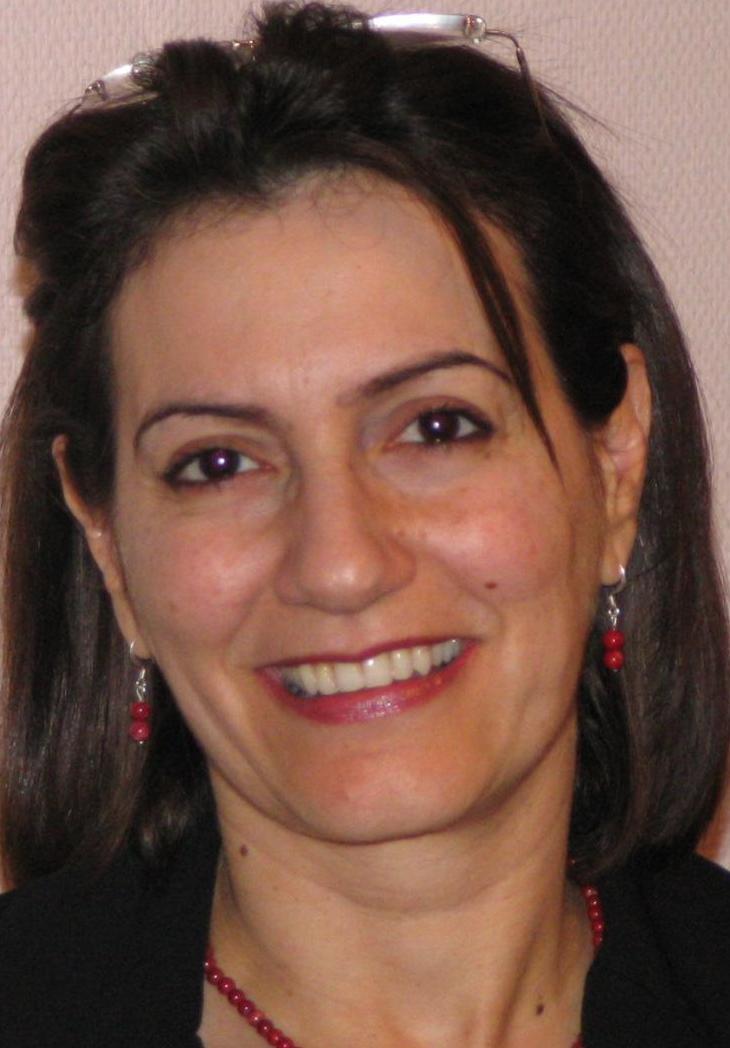

Selected honors and awards include the “100 Talents Programme” of CAS in 2010, and distinguished Young Scholars of National Science Foundation of China (NSFC) in 2013. His main interests lie in optoelectronic materials and the related energy, photonic, and electronic devices, especially conjugated small-molecule or polymeric materials for applications such as solar cells, photodetectors, field-effect transistors, light-emitting diodes, and sensors. He has published over 100 papers in peer-reviewed journals and has previously worked with RSC Advances as an Associate Editor.

Browse a selection of work published by Qingdong:


Indenothiophene-based asymmetric small molecules for organic solar cells
Qi Shang, Meng Wang, Jiajun Weib and Qingdong Zheng
RSC Adv., 2017, 7, 18144-18150
DOI: 10.1039/C7RA01902E, Paper

Solution-processed MoSx thin-films as hole-transport layers for efficient polymer solar cells
Jiajun Wei, Zhigang Yin, Shan-Ci Chen, Dongdong Cai and Qingdong Zheng
RSC Adv., 2016, 6, 39137-39143
DOI: 10.1039/C6RA01204C, Paper

Ladder-type dithienocyclopentadibenzothiophene-cored wide-bandgap polymers for efficient non-fullerene solar cells with large open-circuit voltages
Qisheng Tu, Changquan Tang and Qingdong Zheng
J. Mater. Chem. A, 2019, 7, 3307-3316
DOI: 10.1039/C8TA11404H, Paper

Enhancing the performance of photomultiplication-type organic photodetectors using solution-processed ZnO as an interfacial layer
Jianbin Wang and Qingdong Zheng
J. Mater. Chem. C, 2019, 7, 1544-1550
DOI: 10.1039/C8TC04962A, Paper

Submit to RSC Advances today! Check out our author guidelines for information on our article types or find out more about the advantages of publishing in a Royal Society of Chemistry journal.

Digg This
Reddit This
Stumble Now!
Share on Facebook
Bookmark this on Delicious
Share on LinkedIn
Bookmark this on Technorati
Post on Twitter
Google Buzz (aka. Google Reader)

Welcoming new RSC Advances Editorial board members

RSC Advances gives a warm welcome to the following new Editorial board members: Giridhar Madras, Heloise Pastore and Manuel Minas de Piedade.

Giridhar Madras has been a Full Professor in the Chemical Engineering Department at the Indian Institute of Science, India since 2007 and has published more than 450 international journal articles, which have more than 13000 citations and is among the most cited engineering scientists in India with a h-index of 55. His research interests are in the area of reaction engineering applied to polymers, supercritical fluids, and catalysis.


Heloise Pastore
is currently a Full Professor at the Chemistry Institute of the State University of Campinas in Brazil and has research interests and experience in Molecular sieves, isomorphic substitution, zeolites, mcm-41 and supramolecular arrangements.

Professor Pastore is responsible for the invention of two new families of molecular sieves called CAL and UEC.


Manuel Minas da Piedade‘s research interests are mainly focused on the energetics of molecules (e.g. fullerenes, PAHs, ionic liquids), crystals (nucleation, polymorphism, crystal engineering), and, very recently, also living cells. He is currently based at the Faculty of Sciences, University of Lisbon, Portugal as an Associate Professor of Chemistry and Biochemistry.


Please see a small selection of articles from our new board members below:

Facile one-pot scalable strategy to engineer biocidal silver nanocluster assembly on thiolated PVDF membranes for water purification
Maya Sharma, Nagarajan Padmavathy, Sanjay Remanan, Giridhar Madras and Suryasarathi Bose
RSC Adv., 2016, 6, 38972-38983
DOI: 10.1039/C6RA03143A, Paper

Lamellar zeolites: an oxymoron?
F. Solânea O. Ramos, Mendelssolm K. de Pietre and Heloise O. Pastore
RSC Adv., 2013, 3, 2084-2111
DOI: 10.1039/C2RA21573J, Review Article

Direct experimental observation of the aggregation of α-amino acids into 100–200 nm clusters in aqueous solution
Daniel Hagmeyer, Johannes Ruesing, Tassilo Fenske, Heinz-Werner Klein, Carsten Schmuck, Wolfgang Schrader, Manuel E. Minas da Piedade and Matthias Epple
RSC Adv., 2012, 2, 4690-4696
DOI: 10.1039/C2RA01352E, Paper

Digg This
Reddit This
Stumble Now!
Share on Facebook
Bookmark this on Delicious
Share on LinkedIn
Bookmark this on Technorati
Post on Twitter
Google Buzz (aka. Google Reader)

Professor Karen Faulds joins the Editorial Board

A very warm welcome to Professor Karen Faulds!

Karen FauldsPlease join us in extending a very warm welcome to Professor Karen Faulds, as she joins the RSC Advances team as an Editorial Board member!

Karen is a Professor in the Department of Pure and Applied Chemistry at the University of Strathclyde and an expert in the development of surface enhanced Raman scattering (SERS) and other spectroscopic techniques for novel analytical detection strategies. She is the recipient of the Nexxus Young Life Scientist of the Year award (2009), the RSC Joseph Black Award (2013) and the Craver Award from the Coblentz Society (2016). In 2011 was elected to the Royal Society of Edinburgh Young Academy of Scotland (YAS) and was elected Fellow of the Royal Society of Chemistry in 2012. She is the Strathclyde Director of the EPSRC and MRC funded Centre for Doctoral Training in Optical Medical Imaging, OPTIMA and is the current Chair of the Infrared and Raman Discussion Group (IRDG).

Karen is very much looking forward to her new role:

‘I am delighted to be joining the Editorial Board for RSC Advances and look forward to working with the journal, it will be particularly exciting to work with a journal which has a remit which spans the diversity of the chemical sciences’

Karen Faulds and Matthew Baker have recently guest edited a Chemical Society Reviews themed issue on Fundamental Developments in Clinical Infrared and Raman Spectroscopy.

Digg This
Reddit This
Stumble Now!
Share on Facebook
Bookmark this on Delicious
Share on LinkedIn
Bookmark this on Technorati
Post on Twitter
Google Buzz (aka. Google Reader)

RSC Supramolecular Chemistry Award for Editor-in-Chief Mike Ward

Each year the Royal Society of Chemistry presents prizes and awards to chemical scientists who have made a considerable contribution in their area of research, in industry and academia. This year, we are delighted to announce that RSC Advances Editor-in-Chief, Professor Mike Ward of the University of Sheffield, UK, has been awarded the 2016 RSC Supramolecular Chemistry Award, for his leading contributions to the synthesis, characterisation, host-guest chemistry and functional properties of self-assembled coordination cages.

The Supramolecular Chemistry Award is awarded biennially and recognises studies leading to the design of functionally useful supramolecular species.

In celebration of the 2016 RSC Prizes and Awards, we have collected together some of the research recently published by the winners. This collection showcases articles authored by the winners from across the Royal Society of Chemistry’s journals portfolio, which are free to access for a limited period. A full list of 2016 winners and more information about RSC Prizes and Awards can be found here.

Please join us in congratulating Mike on this achievement!

We would like to highlight the RSC Advances themed collection, Supramolecular chemistry: self-assembly and molecular recognition, Guest Edited by Mike Ward.

The articles in this issue cover many aspects of the formation of, and molecular recognition with, non-covalent self-assembled systems. Systems studied span the range of supramolecular assemblies from MOFs to gels, and potential applications or functional behaviour that are on display here include host/guest chemistry, spin crossover, molecular sensors, and extraction/separation. This collection of articles powerfully illustrates the diversity and increasing importance of supramolecular chemistry.

Digg This
Reddit This
Stumble Now!
Share on Facebook
Bookmark this on Delicious
Share on LinkedIn
Bookmark this on Technorati
Post on Twitter
Google Buzz (aka. Google Reader)