Archive for the ‘Journal of Materials Chemistry A’ Category

Open call for papers: Porous materials for applications in sustainable energy and environmental technologies

Porous materials for applications in sustainable energy and environmental technologies

Open Call for Papers until 9 March 2027

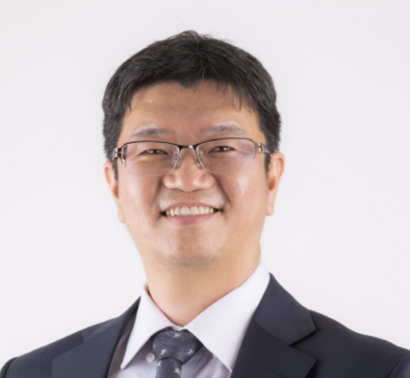
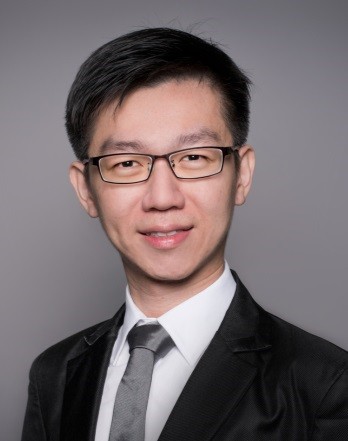
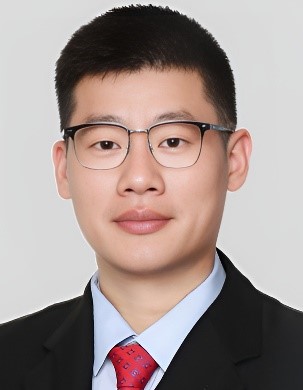
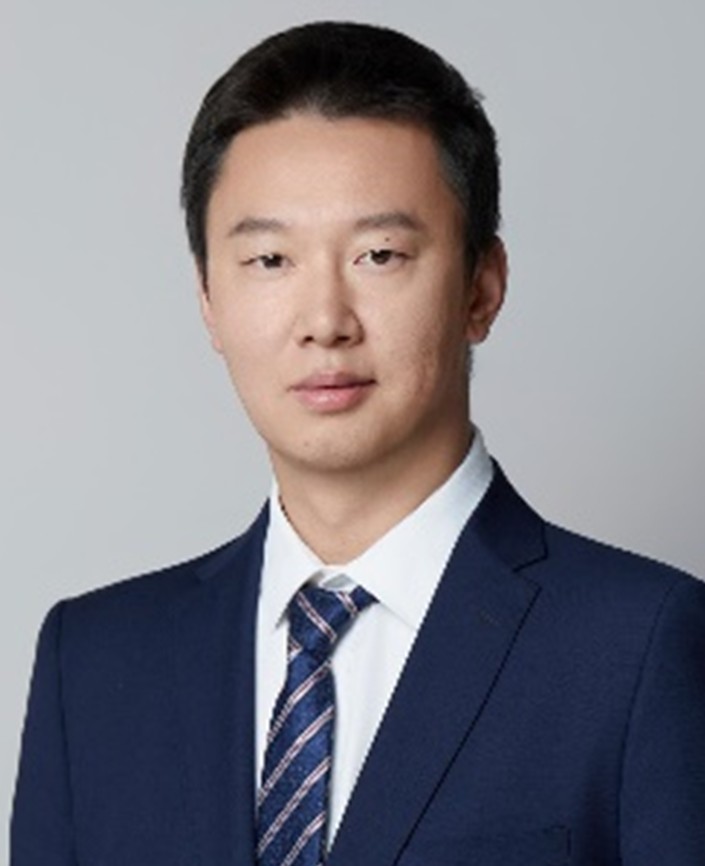
We are delighted to announce this open call for papers to contribute to a themed collection for Journal of Materials Chemistry A, ChemComm, Dalton Transactions and CrystEngComm on Porous materials for applications in sustainable energy and environmental technologies, guest edited by Professor Jier Huang (Boston College, USA), Professor Hai-Long Jiang (University of Science and Technology of China, China), Professor Hoi Ri Moon (Ewha Womans University, Republic of Korea) and Professor Yusuke Yamauchi (The University of Queensland, Australia).

Scope

This collection will showcase the latest advances in porous materials and highlight their applications in Sustainable Energy and Environmental Technologies. The collection will focus on innovative synthetic strategies, structure-property relationships, defect/interface engineering, scalable manufacturing and advanced characterization/preparation methods enabling precise control of framework composition and functionality. Key to the collection is the application of reticular materials in addressing global sustainability challenges, particularly in energy conversion and storage, catalysis, carbon capture and utilization and environmental processes.

Topics suitable for the collection include, but are not limited to:

  • Design and synthesis of MOFs, COFs, and porous coordination networks
  • Defect, interface, and hierarchical structure control
  • Computational and AI-assisted discovery of porous materials
  • Gas storage, separation, and carbon capture technologies
  • Catalytic processes for energy and environmental applications
  • Porous materials in electrocatalysis, batteries, supercapacitors, and fuel cells

Submit your high-quality research

Journal of Materials Chemistry A is the longstanding and influential platform for the chemical design and performance of materials for energy and sustainability research.

ChemComm publishes urgent, new research of outstanding significance from all areas of the chemical sciences. Our scope covers all topics in chemistry, and research at the interface of chemistry and other disciplines (such as materials science, nanoscience, physics, engineering and biology) where there is a significant novelty in the chemistry aspects.

Dalton Transactions is a journal for all areas of inorganic chemistry, which encompasses the organometallic, bioinorganic and materials chemistry of the elements, with applications including synthesis, catalysis, energy conversion/storage, electrical devices and medicine.

CrystEngComm is the forum for the design and understanding of crystalline materials. We welcome studies on the investigation of molecular behaviour within crystals, control of nucleation and crystal growth, engineering of crystal structures, and construction of crystalline materials with tuneable properties and functions.

This call for papers is open only for primary articles.

If you would like to contribute to this themed collection, you can submit your article directly to the online submission service for Journal of Materials Chemistry A, ChemComm, Dalton Transactions or CrystEngComm. Please mention that this submission is a contribution to the Porous materials for applications in sustainable energy and environmental technologies collection in the “Themed issues” section of the submission form and add a “Note to the Editor” that this is from the Open Call. The Editorial Office reserves the right to check suitability of submissions in relation to the scope of both the journal and the collection, and inclusion of accepted articles in the final themed issue is not guaranteed.

Please also note that all submissions will be subject to initial assessment and rigorous peer review to meet the usual high standards of Journal of Materials Chemistry A, ChemComm, Dalton Transactions and CrystEngComm.

If you have any questions about the journal or the collection, then we would be happy to answer them.

Guest Editors
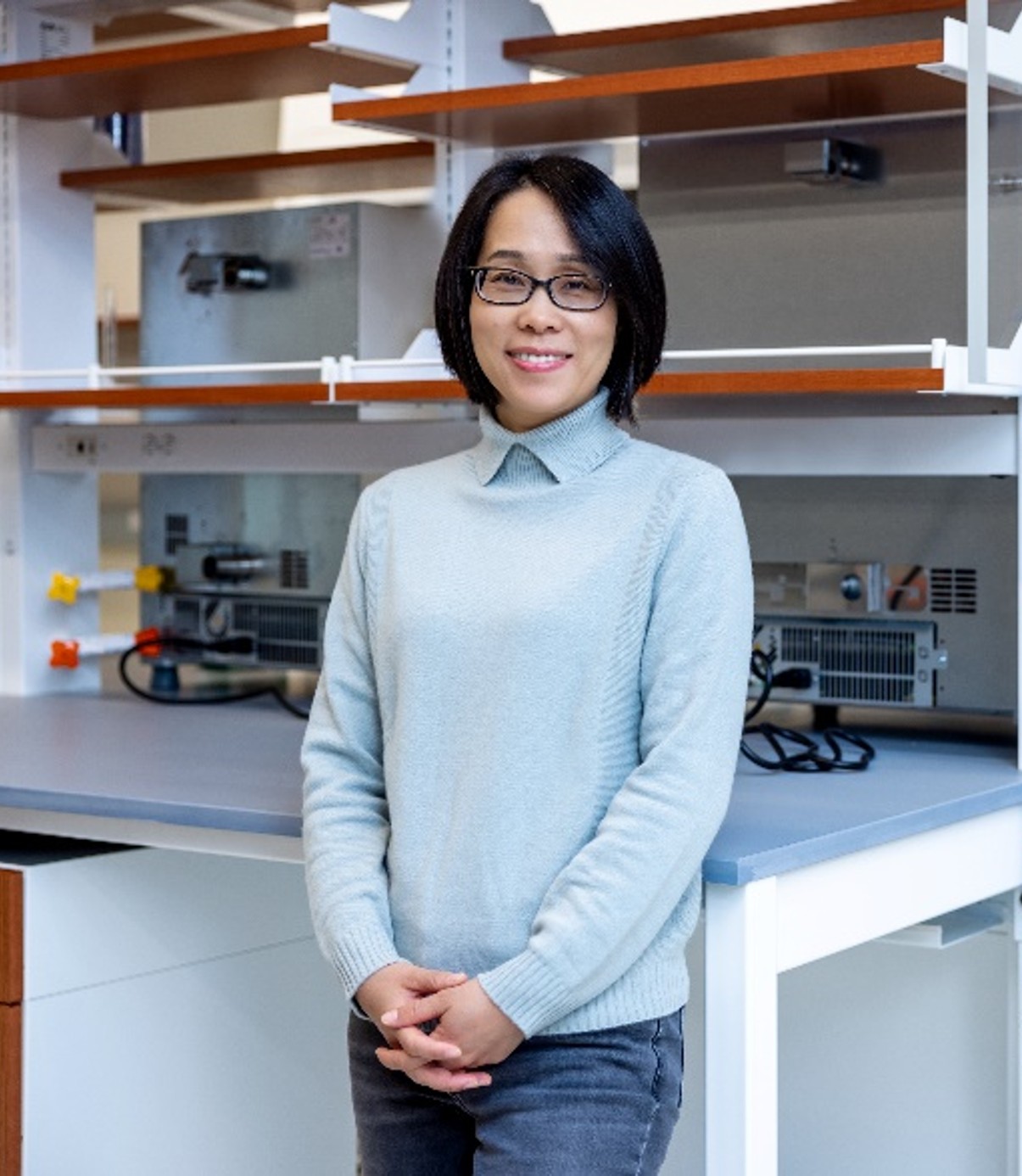
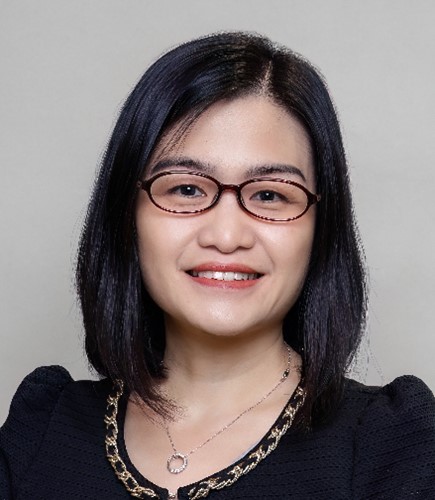
Professor Jier Huang (Boston College, USA)

Jier Huang received her B.S. degree and M.S. in Chemistry from Lanzhou University (China) in 2001 and 2004, respectively and Ph.D. degree from Emory University in 2010. She was a postdoctoral fellow at Argonne National Laboratory. She started her independent career at Marquette as an Assistant Professor in Fall 2013 and Wehr Distinguished Professor from 2021-2022. She moved to Boston College in January 2023 and holds a joint position in the Department of Chemistry and Schiller Institute for Integrated Science and Society. Professor Huang’s research focuses on understanding the photophysical and photochemical processes in porous crystalline and semiconducting materials related to solar energy conversion and catalysis on different temporal and spatial scales using ultrafast optical and X-ray absorption spectroscopy as well as in situ spectroscopic methods. She has received the University’s Way Klingler Young Scholar Award, mentor’s award, NSF Career Award, and DOE early career award.
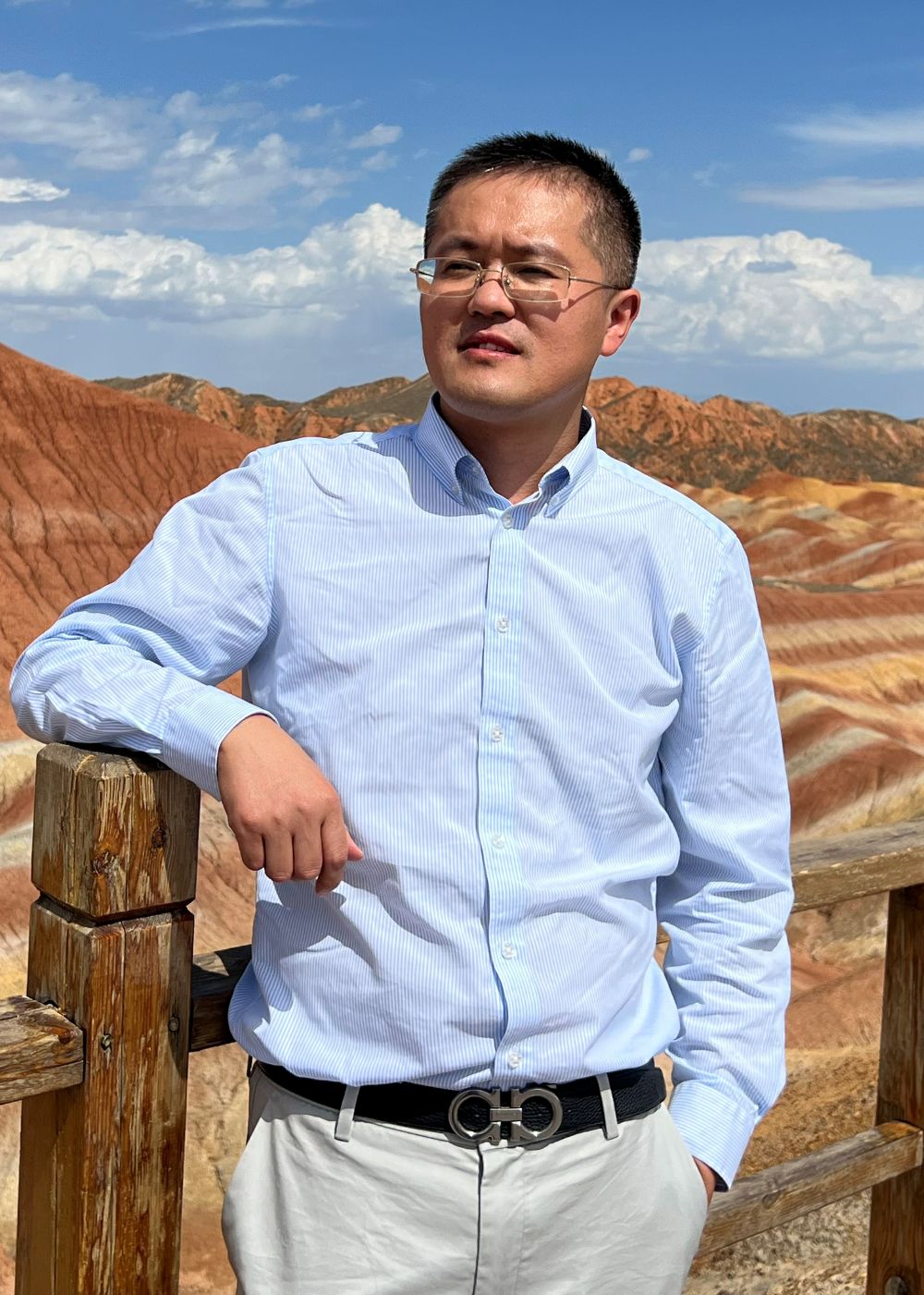
Professor Hai-Long Jiang (University of Science and Technology of China, China)

Hai-Long Jiang earned his Ph.D. in 2008 from Fujian Institute of Research on the Structure of Matter, Chinese Academy of Sciences (CAS). He subsequently worked at the National Institute of Advanced Industrial Science and Technology (AIST) in Japan, as AIST and JSPS fellows from 2008 to 2011. After a postdoctoral stint at Texas A&M University, he became a full professor at USTC in 2013 and now holds the position of Cheung Kong Chair Professor there. He was elected a Fellow of a Fellow of both Chinese Chemical Society (FCCS) and Royal Society of Chemistry (FRSC) and was annually listed as a highly cited researcher (chemistry) by Clarivate Analytics since 2017. He has published more than 260 papers with 70,000 citations (H index 130). His research interest currently lies in biomimetic microenvironment modulation (MEM) surrounding catalytic centers based on reticular materials.

Group Webpage: http://mof.ustc.edu.cn/
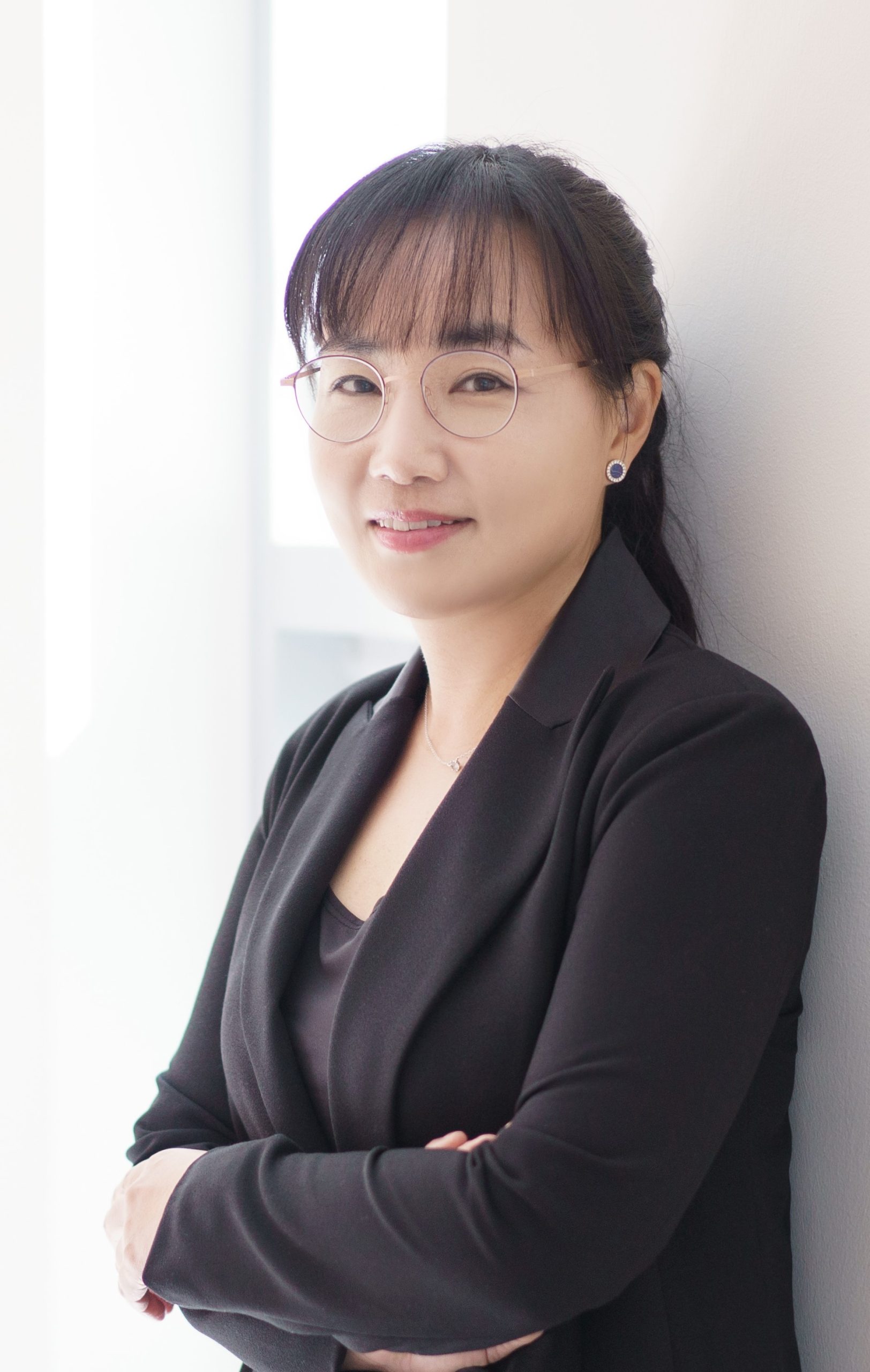
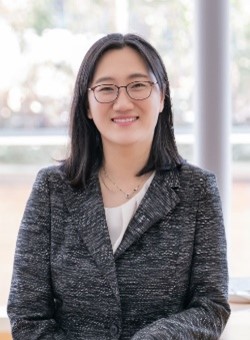
Professor Hoi Ri Moon (Ewha Womans University, Republic of Korea)

Hoi Ri Moon is a professor in the department of Chemistry and Nanoscience at Ewha Womans University. In 2007, she completed her PhD degree in Chemistry at Seoul National University. Her current research focuses on flexible metal−organic frameworks and their crystal engineering for applications such as gas separation, storage, molecular sensing, and catalytic reactions.
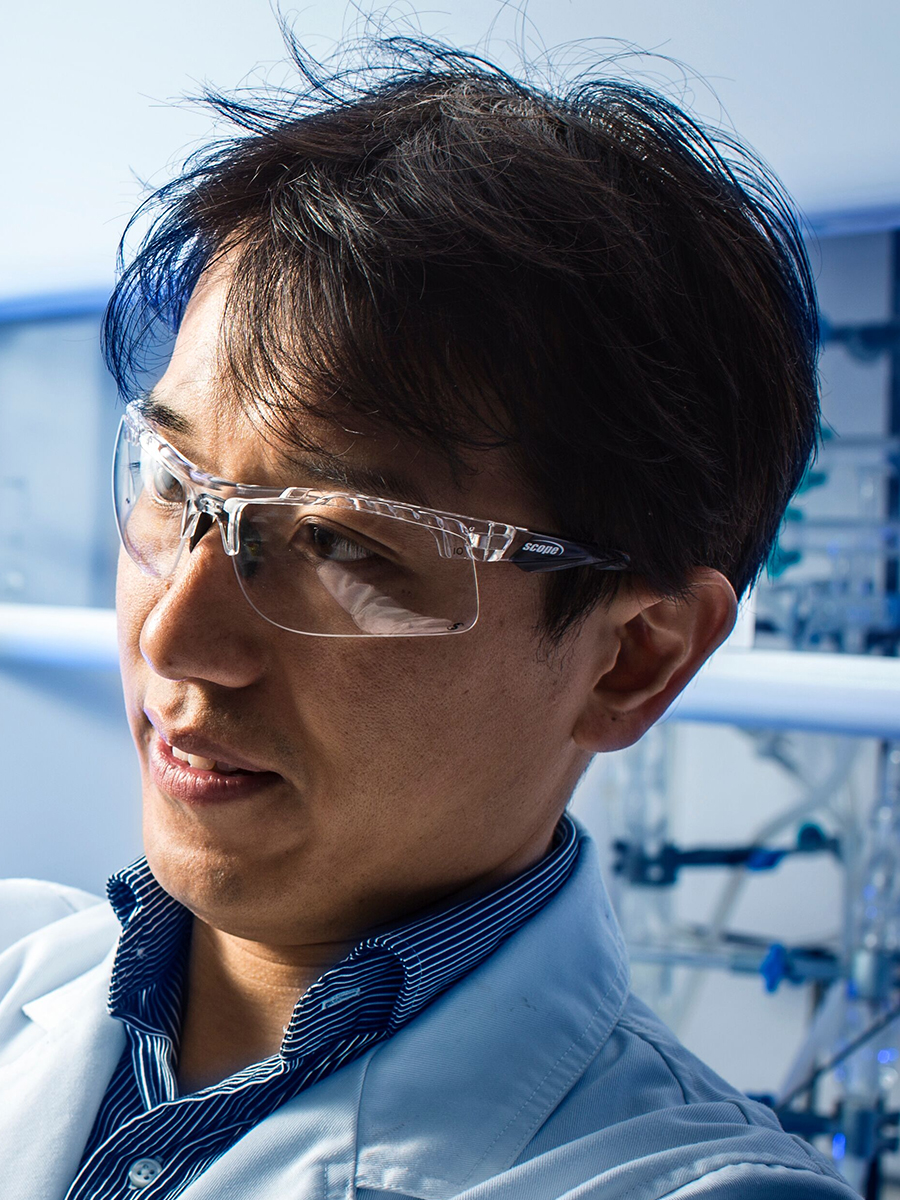
Professor Yusuke Yamauchi (The University of Queensland, Australia)

Yusuke Yamauchi received his Bachelor degree (2003), Master degree (2004), and Ph.D. (2007) from Waseda University (Japan). After receiving his Ph.D., he joined the National Institute of Materials Science (NIMS) (Japan) to start his own research group. In 2016, he joined the University of Wollongong as a Full Professor.

In 2017, he moved to the University of Queensland (UQ). Presently, he is a senior group leader at AIBN and a full professor at School of Chem. Eng. in UQ. He concurrently serves as an honorary group leader at NIMS, a visiting/adjunct/honorary professor at over 50 universities in the world, and an associate editor of J. Mater. Chem. A and Chem. Eng. J. (Elsevier). He has published ~750 papers with ~40,000 citations (h-index > 100) in the field of inorganic materials chemistry and inorganic synthetic chemistry. He is selected as one of the Highly-Cited Researchers in Chemistry in 2016, 2017, 2018 and 2019.

Digg This
Reddit This
Stumble Now!
Share on Facebook
Bookmark this on Delicious
Share on LinkedIn
Bookmark this on Technorati
Post on Twitter
Google Buzz (aka. Google Reader)

Welcoming Li-Zhu Wu as our new Editor-in-Chief

We are delighted to announce that Professor Li-Zhu Wu (Technical Institute of Physics and Chemistry, Chinese Academy of Sciences, China) has been appointed as the new Editor-in-Chief for Journal of Materials Chemistry A and Materials Advances

Li-Zhu Wu is a full Professor and Academician at the Technical Institute of Physics and Chemistry, Chinese Academy of Sciences. Her research focuses on photochemical synthesis and solar energy conversion, including artificial photosynthesis, visible light catalysis for organic transformation, photoinduced electron transfer, energy transfer and chemical reactions in supramolecular systems. Her awards include National Nature Science Fund for Distinguished Young Scholar of China, the 10th China Youth Science and Technology Award, the 7th Young Women Scientists award of China, a Certificate of Merit of the 3rd National Innovation Award, the 9th China Chemical Society-China Petroleum & Chemical Corporation Chemical Contribution Award. She was elected as a Member of Chinese Academy of Sciences in 2019, a Fellow of the World Academy of Sciences (TWAS) in 2021, a New Cornerstone Investigator in 2022.

Li-Zhu Wu has been an Associate Editor on Journal of Materials Chemistry A since 2017 and Materials Advances since it launched in 2020. We are delighted to continue working together with Professor Wu in her new capacity as Editor-in-Chief.

Having served as an Associate Editor for Journal of Materials Chemistry A since 2017 and for Materials Advances since its launch, I am excited to step into the role of Editor-in-Chief for both journals. It is a privilege to help steer their future direction and to continue supporting our diverse research community. These journals aim to provide a reliable platform for publishing the highest-quality work in materials research. I am honoured to collaborate with such a distinguished Editorial Board and the outstanding professional team in the RSC Editorial Office.


We invite you to discover the recent collection Guest Edited by Professor Li-Zhu Wu highlighting new developments in photofunctional materials and transformations, a cross-journal collection in Journal of Materials Chemistry A, Journal of Materials Chemistry C and ChemComm.

We are also delighted to share some of Li-Zhu’s latest publications at the RSC:

Oxygen vacancy-rich Pr6O11: unlocking superior catalytic support for efficient ammonia synthesis
C. Li, Y. Gong, Y. Yang, H. Lu, L. Wu and J. Wang, J. Mater. Chem. A, 2025, 13, 29306, DOI: 10.1039/D5TA03382A

Electronegativity-driven d-band center shifts in Ru–Ni alloys for low methane hydrogenolysis of polyolefin plastics
Q. Zhou, H. Li, S. Zhang, C. Leng, C. Li, Y. Wang, C. Ma, W. Wang, X. Fu, L. Zhu, T. Gao, C. Wang, L. Wu and Z. Li, J. Mater. Chem. A, 2026, 14, 7209, DOI: 10.1039/D5TA08263C

Kinetic-control difunctionalization of olefins to α-hydroxycarbonyls under catalyst-free conditions
H. Hou, Y. Cheng, X. Zhang, K. Zhang, H. Ren, K. Su, Z. Huang, B. Chen, C. Tung and L. Wu, Green Chem., 2025, 27, 10550, DOI: 10.1039/D5GC02308D

Achieving efficient blue room-temperature phosphorescence in cyclized aromatic amides via a hybridized local and charge-transfer state
Q. He, J. Guo, K. Zhang, Y. Chen, C. Tung and L. Wu, J. Mater. Chem. C, 2026, Advance Article, DOI: 10.1039/D5TC03923A

An acid–base responsive supramolecular drawstring with switchable fluorescence
X. Dong, L. Mao, Z. Zhang, Z. Li, S. Lei, X. Yan, C. Tung, L. Wu and H. Cong, J. Mater. Chem. C, 2026, Advance Article, DOI: 10.1039/D5TC04189A


Please join us in congratulating Professor Li-Zhu Wu on her new appointment. We invite you to submit your next article to Journal of Materials Chemistry A and Materials Advances.


Digg This
Reddit This
Stumble Now!
Share on Facebook
Bookmark this on Delicious
Share on LinkedIn
Bookmark this on Technorati
Post on Twitter
Google Buzz (aka. Google Reader)

Congratulations to the winners at Chem4Energy

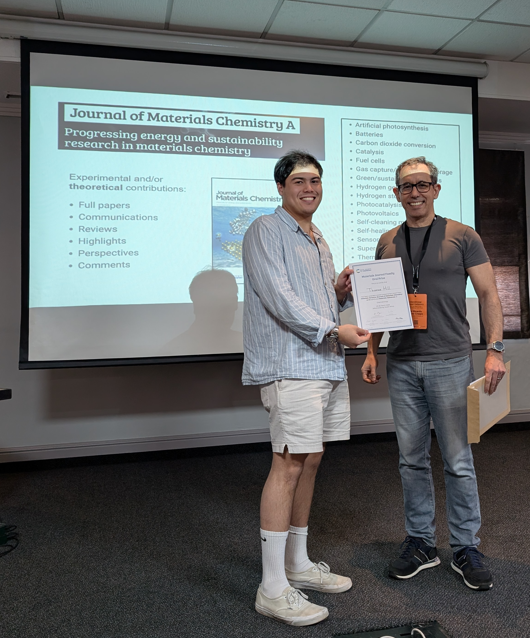
The RSC Materials journals (Materials Horizons, Journal of Materials Chemistry A, Journal of Materials Chemistry B, Journal of Materials Chemistry C, and Materials Advances) were proud to sponsor two oral prizes at Chem4Energy held from 23-26 March 2026 in Johannesburg, South Africa. Congratulations to Thomas Hill, Cardiff University, UK and Bongeka Ndwandwe, Rhodes University, South Africa for winning the oral prizes at the conference.

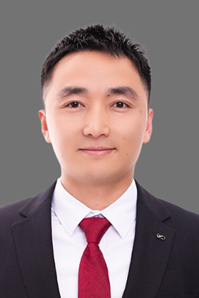
Thomas Hill, Cardiff University, UK

Presentation title: Exploring Structure-Reactivity Relationship on Plasmonically Active MOx Supported Clusters

Thomas Hill is a PhD student in chemistry at Cardiff University, where his research focuses on catalytic materials and sustainable energy processes. He is supervised by Richard Catlow and Graham Hutchings, and is affiliated with the UK Catalysis Hub and the CPLAS programme, a multidisciplinary initiative exploring light-driven energy conversion and plasmon-assisted catalysis.

Thomas completed his undergraduate degree in Chemistry at King’s College London, where he developed an interest in catalysis and materials chemistry. His current research uses computational approaches to explore the fundamentals of plasmonically enhanced catalytic systems.

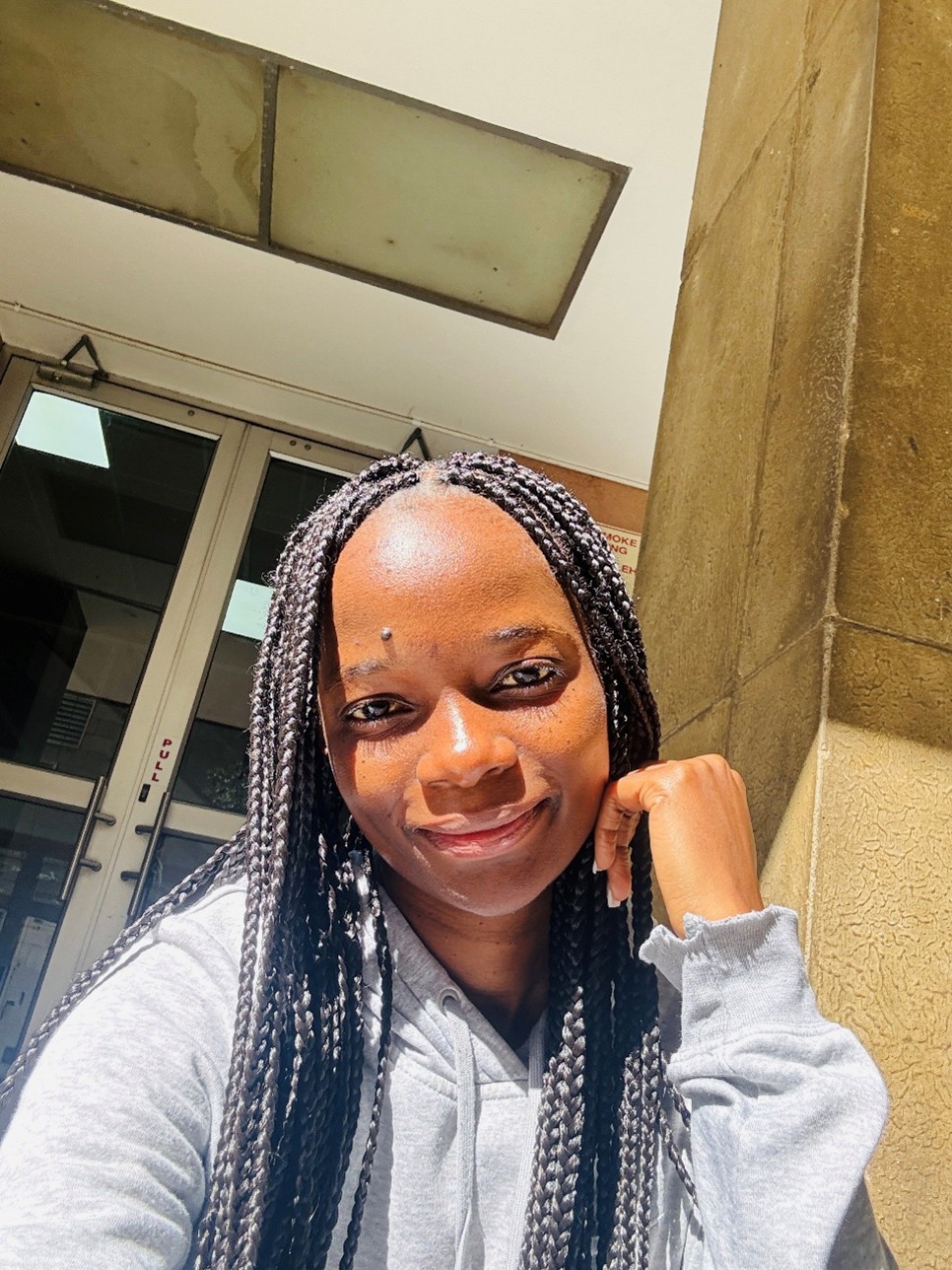
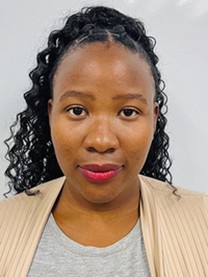
Bongeka Ndwandwe, Rhodes University, South Africa

Presentation title: Tailoring photoresponsive azobenzene-perylene bisimide assemblies for efficient solar energy harvesting

Bongeka Ndwandwe is a PhD candidate in the Department of Chemistry at Rhodes University and the recent recipient of the Oral Presentation Award at the Chem4Energy Conference in Johannesburg, South Africa. Sponsored by the Royal Society of Chemistry, this award recognizes her excellence in communicating complex experimental research.

​Under the supervision of Dr. NF Molefe, Bongeka’s current research focuses on the fabrication of azobenzene-perylene bisimide assemblies designed to revolutionize solar energy harvesting. Her presentation highlighted her work in developing materials capable of broad-spectrum absorption, and efficient energy storage and on-demand release.

​A Rhodes University alumna, she also holds an MSc in Chemistry from the same institution. Her work continues to push the boundaries of sustainable energy solutions and optoelectronic materials.


Digg This
Reddit This
Stumble Now!
Share on Facebook
Bookmark this on Delicious
Share on LinkedIn
Bookmark this on Technorati
Post on Twitter
Google Buzz (aka. Google Reader)

Open Call for Papers: Single-Atom Catalysts for Sustainable Energy and Environmental Applications

Single-Atom Catalysts for Sustainable Energy and Environmental Applications

Open Call for Papers until 11 September 2026

We are delighted to announce this open call for papers to contribute to a themed collection for Journal of Materials Chemistry A and Materials Advances on Single-Atom Catalysts for Sustainable Energy and Environmental Applications, guest edited by Soo Young Kim (Korea University, Republic of Korea), Wee-Jun Ong (Xiamen University Malaysia, Malaysia), Mingyang Xing (East China University of Science and Technology, China) and Xing Xu (Shandong University, China).

Scope

Single-atom catalysts (SACs) have emerged as a frontier in heterogeneous catalysis, offering exceptional activity, selectivity, and atom efficiency through precise control of isolated active sites. This themed collection will showcase the most recent advances in SAC research, with an emphasis on their design, synthesis, and characterization, as well as the fundamental understanding of catalytic processes at the atomic scale.

We welcome contributions covering all aspects of SAC development, including innovative strategies for atom dispersion and stabilization, tailoring of coordination environments, and elucidation of metal–support interactions. Studies addressing SACs for electrochemical, photocatalytic, and thermocatalytic reactions—such as CO₂ reduction, water splitting, nitrogen fixation, and selective oxidation—are of particular interest. We also encourage submissions exploring dual-atom and hybrid catalyst systems, multifunctional SAC platforms, and integrated applications combining catalysis with energy storage, sensing, or pollutant remediation.

Research articles that provide mechanistic insights through advanced theoretical modeling and in situ/operando characterization techniques—including X-ray diffraction, X-ray photoelectron spectroscopy, X-ray absorption spectroscopy, and Raman spectroscopy—are highly encouraged. This collection aims to provide a forum for cutting-edge studies that not only expands the fundamental understanding of single-atom catalysis but also accelerate the translation of these materials toward practical, sustainable technologies.

Submissions to the journal should contain chemistry in a materials context and should fit within the scope of Journal of Materials Chemistry A or Materials Advances. Please see the journal website for more information on the journal scope, standards, article types and author guidelines.

Submit your high-quality research

This call for papers is open for the following article types:

  • Communications
  • Full papers

If you would like to contribute to this themed collection, you can submit your article directly to the online submission service for Journal of Materials Chemistry A or Materials Advances. Please mention that this submission is a contribution to the Single-Atom Catalysts for Sustainable Energy and Environmental Applications collection in the “Themed issues” section of the submission form and add a “Note to the Editor” that this is from the Open Call. The Editorial Office reserves the right to check suitability of submissions in relation to the scope of both the journal and the collection, and inclusion of accepted articles in the final themed issue is not guaranteed.

Please also note that all submissions will be subject to initial assessment and rigorous peer review to meet the usual high standards of Journal of Materials Chemistry A and Materials Advances.

If you have any questions about the journal or the collection, then we would be happy to answer them.

Guest Editors

Soo Young Kim (Korea University, Republic of Korea)

Prof. Soo Young Kim received the B.S., M.S., and Ph. D. degrees in materials science and engineering from Pohang University of Science and Technology (POSTECH) in South Korea. His laboratory is composed of two groups. One group is focusing on organic-based semiconductors, including organic light-emitting diodes, perovskite light-emitting diodes, perovskite solar cells, and perovskite memories. The other group is focusing on the synthesis of two-dimensional materials and its application to the hydrogen evolution reaction and CO2 reduction. He has produced more than 400 publications and H-index is 86 (google scholar).

Wee-Jun Ong (Xiamen University Malaysia, Malaysia)

Wee-Jun Ong received his B.Eng. and Ph.D. in chemical engineering from Monash University. He is a Professor and Assistant Dean in School of Energy and Chemical Engineering at Xiamen University Malaysia. Starting from 2021, he serves as the Director of Center of Excellence for NaNo Energy & Catalysis Technology (CONNECT). Since September 2024, I have been an Adjunct Professor of College of Engineering at Korea University. Previously, he was a scientist at Agency for Science, Technology and Research (A*STAR), Singapore. In 2019, he was a visiting scientist at Technische Universität Dresden and a visiting professor at Lawrence Berkeley National Laboratory. His research interests include nanomaterials for photo(electro)catalytic and electrochemical H2O splitting, CO2 reduction, alcohol oxidation, H2O2 production, plastic reforming, and N2 fixation as well as H2 storage.

Mingyang Xing (East China University of Science and Technology, China)

Professor Dr Mingyang Xing graduated from Weifang University in Shandong Province with a bachelor’s degree in chemistry in 2006 and a doctorate in applied chemistry from East China University of Science and Technology in 2012 (supervisor: Professor Zhang Jinlong); From October 2015 to October 2016, the University of California, Riverside” for 1 year, co-tutor: Professor Yadong Yin; Since 2012, he has been employed by the Institute of Fine Chemicals of East China University of Science and Technology, and has served as a lecturer, associate professor and professor. In 2021, he was hired as the deputy director of Shanghai Multi-media Environmental Catalysis and Resource Engineering Technology Research Center.

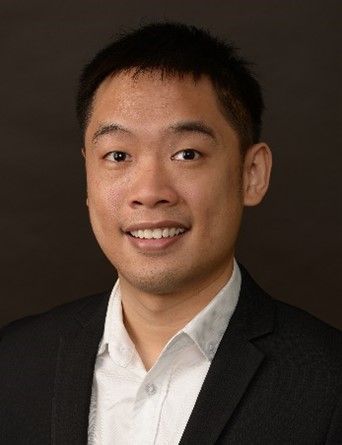
Xing Xu (Shandong University, China)

Xing Xu is a Professor of Environmental Science and Engineering at Shandong University. He received his MSc and PhD from Shandong University in 2009 and 2014. His research focuses on the rational design and application of environmental functional materials, low-carbon and energy-efficient strategies for pollution control and resource recovery, and the integration of material innovation with systems-level environmental engineering. As corresponding author, he has published over 250 peer-reviewed papers in leading journals across environmental science, chemistry, and materials science, including PNAS, Chemical Society Reviews, Nature Communications, Angewandte Chemie International Edition, Advanced Materials, Environmental Science & Technology, Water Research, and Applied Catalysis B: Environmental. His work has garnered over 18,000 citations and an H-index of 69 (Web of Science), with 32 papers designated as ESI Highly Cited Papers and 6 as ESI Hot Papers.

Digg This
Reddit This
Stumble Now!
Share on Facebook
Bookmark this on Delicious
Share on LinkedIn
Bookmark this on Technorati
Post on Twitter
Google Buzz (aka. Google Reader)

Celebrating International Women’s Day 2026: Women in Materials Science

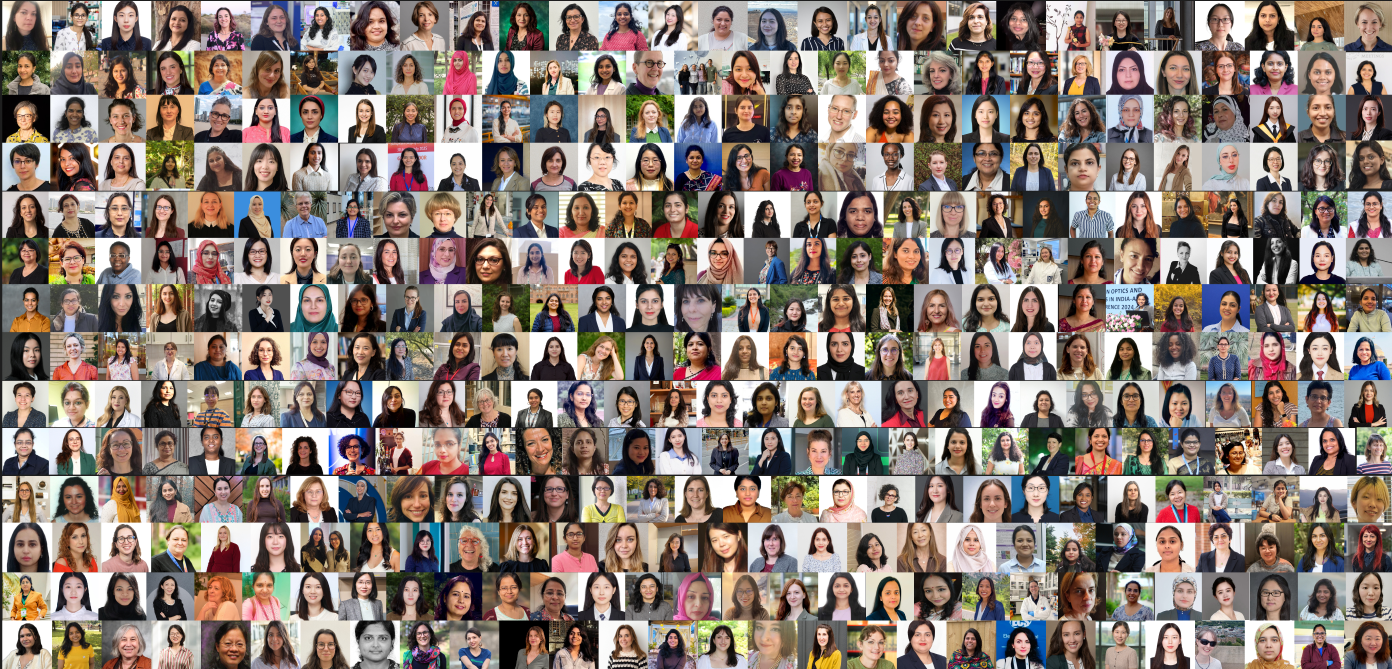
In line with International Women’s Day 2026, we would like to highlight some of the excellent women researchers publishing impactful work in materials science.

These collections showcase a selection of the work published in the Royal Society of Chemistry Materials Portfolio in 2025 led by women scientists around the world and highlights the impact these leading individuals have on the research published within the journals.

We welcome any women corresponding authors and/or first authors who have published recent work in the journals to get in touch and have your work featured in the collections.

Check out our International Women’s Day collections across the RSC materials portfolio:

Celebrating International Women’s Day 2026: Women in Materials Horizons

Celebrating International Women’s Day 2026: Women in Journal of Materials Chemistry A

Celebrating International Women’s Day 2026: Women in Journal of Materials Chemistry B

Celebrating International Women’s Day 2026: Women in Journal of Materials Chemistry C

Celebrating International Women’s Day 2026: Women in Materials Advances

Digg This
Reddit This
Stumble Now!
Share on Facebook
Bookmark this on Delicious
Share on LinkedIn
Bookmark this on Technorati
Post on Twitter
Google Buzz (aka. Google Reader)

Welcoming Professor Wee-Jun Ong to the Advisory Board of Journal of Materials Chemistry A

We are delighted to welcome Professor Wee-Jun Ong (Xiamen University Malaysia) to the Advisory Board of Journal of Materials Chemistry A.

Wee-Jun Ong received his B.Eng. and Ph.D. in chemical engineering from Monash University. He is a Professor and Assistant Dean in the School of Energy and Chemical Engineering at Xiamen University Malaysia. Starting from 2021, he has served as the Director of the Center of Excellence for NaNo Energy & Catalysis Technology (CONNECT). Since September 2024, he has been an Adjunct Professor of the College of Engineering at Korea University. Previously, he was a scientist at the Agency for Science, Technology and Research (A*STAR), Singapore. In 2019, he was a visiting scientist at Technische Universität Dresden and a visiting professor at Lawrence Berkeley National Laboratory. His research interests include nanomaterials for photo(electro)catalytic and electrochemical H2O/seawater splitting, CO2 reduction, H2O2 production, plastic upcycling, nitrate reduction, urea synthesis, alcohol oxidation, and biomass valorization as well as microwave plasma methane cracking to produce graphene and hydrogen. He currently serves as an Associate Editor of SmartMat and has been appointed to the Advisory Boards of several leading journals such as Materials Horizons, Journal of Materials Chemistry A, Small, Nano Research and Chinese Journal of Catalysis. For more details, refer to https://sece.xmu.edu.my/faculty/academic-staff/ong-wee-jun

  1. What does it mean to you to join the Advisory Board of the Journal of Materials Chemistry A?

It is a meaningful professional recognition to be invited to serve on the Advisory Board of Journal of Materials Chemistry A, one of the flagship journals of the Royal Society of Chemistry in the field of energy and sustainability materials. This appointment reflects the trust of the editorial leadership and the broader international materials community in my research contributions, scholarly judgment, and long-term engagement with energy-related materials science.

Beyond recognition, this role carries a clear responsibility. Journal of Materials Chemistry A plays a defining role in setting scientific standards and research directions for materials addressing global challenges in energy conversion, storage, and sustainability. Serving on the Advisory Board provides an opportunity to contribute beyond individual publications where it helps to shape the journal’s scientific vision, uphold rigorous and ethical peer-review practices, and identify emerging research themes with long-term and real-world impact.

Importantly, this appointment allows me to give back to the global materials community by supporting the dissemination of high-quality, reproducible, and impactful research, particularly in clean energy, catalysis, and sustainable materials, where rapid yet responsible scientific advancement is essential for delivering tangible societal benefits.


  1. What is the biggest challenge you currently face in your field?

One of the most pressing challenges in the field of catalysis and energy materials research is achieving clear mechanistic understanding at the atomic and electronic levels. Establishing robust and transferable structure–activity relationships requires seamless integration of advanced experimental techniques with theoretical modeling and simulation. While substantial progress has been made, bridging this gap in a truly predictive and universally applicable manner remains difficult.

Another major challenge lies in the effective deployment of machine learning and AI-driven approaches. Although data-assisted catalyst discovery is advancing rapidly, limitations related to data quality, model interpretability, and physical relevance still constrain widespread and reliable adoption. Ensuring that data-driven insights remain grounded in fundamental chemistry and physics is critical.

Finally, commercialization and real-world viability remain key hurdles. Translating laboratory-scale breakthroughs into scalable, stable, and economically competitive technologies, particularly for hydrogen production, CO2 conversion, and waste valorization, requires close alignment between fundamental science, engineering design, life-cycle considerations, and sustained industry engagement.


  1. What advances in your field are you most excited about?

I am particularly excited by recent advances in in-situ and operando characterization techniques, complemented by ex-situ analyses. These tools now allow us to directly observe dynamic structural, electronic, and chemical changes during photocatalytic and electrocatalytic reactions, fundamentally reshaping our understanding of active sites, reaction intermediates, and charge-transfer processes.

Equally promising is the rapid maturation of computer-aided and data-assisted catalyst design, where theory, high-throughput computation, and machine learning increasingly guide experimental discovery rather than merely rationalizing results post-facto. This shift marks an important step toward predictive materials design.

I am also encouraged by the growing momentum behind waste-to-wealth and circular economy initiatives, where catalysis enables the conversion of CO2, biomass, plastics, and wastewater into value-added fuels and chemicals. Ultimately, deeper insight into fundamental charge dynamics and reaction mechanisms will be the key driver that propels catalysis from empirical optimization toward truly predictive, sustainable, and scalable solutions.

Read Professor Ong’s recent publications in the RSC materials portfolio:

Journal of Materials Chemistry A: Temperature-driven phase engineering: synergistic effect between NiS2 and MoS2 coupled with N-doped graphene self-supported on carbon cloth for efficient electrocatalytic seawater splitting

DOI: https://doi.org/10.1039/D5TA01054C

Materials Horizons: Evolving electrocatalytic nitrate-to-ammonia conversion on Cu- and Co-based catalyst engineering with paired electrolysis approaches

DOI: https://doi.org/10.1039/D5MH02001H

Digg This
Reddit This
Stumble Now!
Share on Facebook
Bookmark this on Delicious
Share on LinkedIn
Bookmark this on Technorati
Post on Twitter
Google Buzz (aka. Google Reader)

Open Call for Submissions: Supercapacitors for a sustainable energy future

Supercapacitors for a sustainable energy future

Submit your research to the collection before 26 November 2025

Journal of Materials Chemistry A and Materials Advances are delighted to announce an open call for our upcoming special themed collection on Supercapacitors for a sustainable energy future.

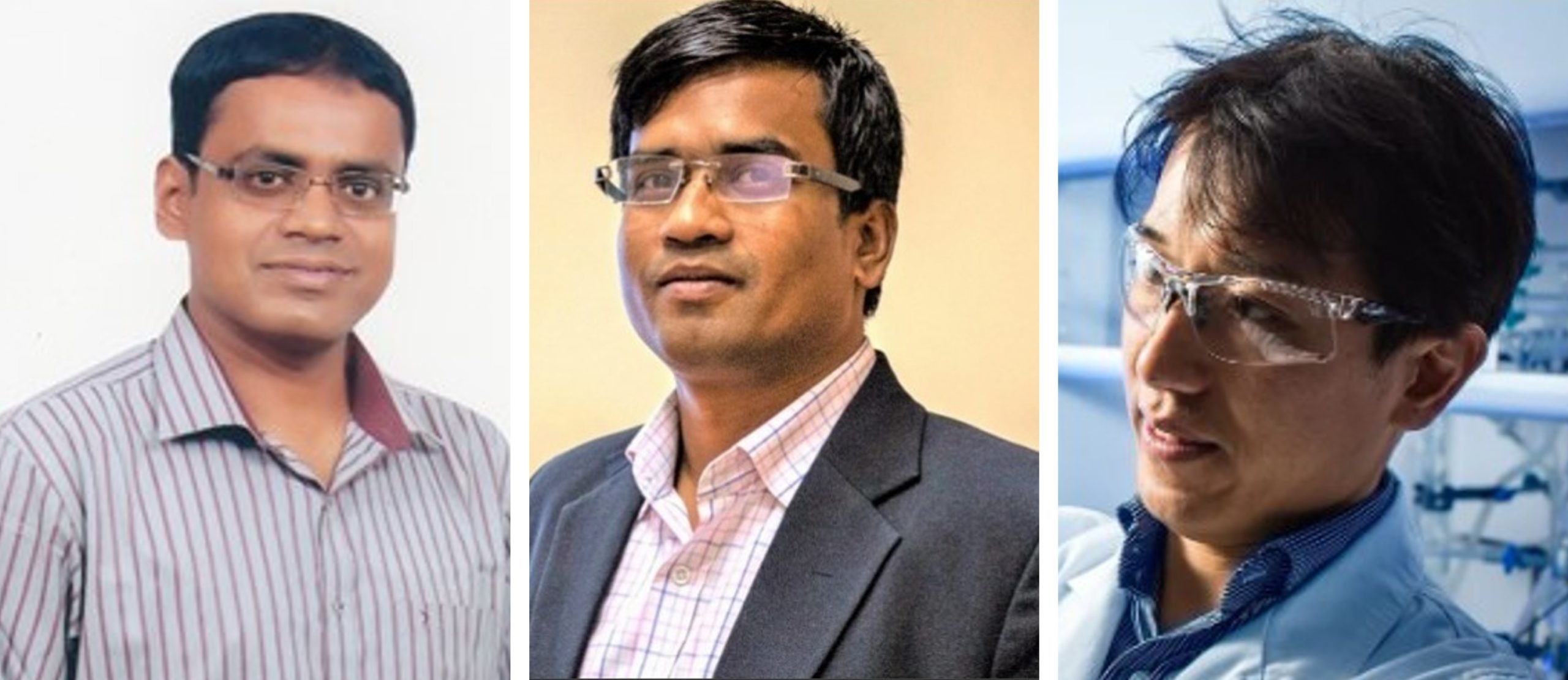
This themed collection is guest edited by Dr. Subrata Kundu (Central Electrochemical Research Institute, India), Prof. Chandra Sekhar Rout (Jain University, India) and Prof. Yusuke Yamauchi (The University of Queensland, Australia).

Scope

This themed collection will highlight the latest breakthroughs in supercapacitor technology, addressing the critical need for safe, affordable, and sustainable large-scale energy storage solutions. We invite contributions focused on the design, synthesis, and characterization of novel electrode and electrolyte materials, as well as fundamental investigations into electrochemical interfaces and charge storage mechanisms—including electrical double-layer capacitance, pseudocapacitance, and hybrid capacitance. We also welcome submissions on hybrid capacitors, supercapacitors, micro-supercapacitors, electrochromic supercapacitors, and self-healing supercapacitors, as well as integrated systems with multifunctional capabilities such as photodetection, gas sensing, and biosensing. Furthermore, studies that advance our understanding of charge storage mechanisms through theoretical modeling and in situ/operando spectroscopic techniques—including in situ XRD, in situ XPS, and in situ Raman spectroscopy—are highly encouraged. This collection aims to serve as a platform for cutting-edge research that deepens the fundamental understanding and promotes the practical application of supercapacitors toward a sustainable energy future.

Submission guidelines

Submissions should fit within the scope of Journal of Materials Chemistry A and Materials Advances. Please see the journals’ websites for more information on the scope, standards, article types and author guidelines.

This call for papers is open for the following article types:

  • Communications
  • Full papers

Open for submissions until 26 November 2025

If you would like to contribute to this themed collection, you can submit your article directly to the online submission service for Journal of Materials Chemistry A and Materials Advances. Please mention that this submission is a contribution to the Supercapacitors for a sustainable energy future collection in the “Themed issues” section of the submission form and add a “Note to the Editor” that this is from the Open Call. The Editorial Office reserves the right to check suitability of submissions in relation to the scope of both the journal and the collection, and as such inclusion of accepted articles in the final themed collection is not guaranteed.

Please note that all submissions will be subject to initial assessment and rigorous peer review to meet the usual high standards of Journal of Materials Chemistry A and Materials Advances.

We look forward to receiving your submissions. Do get in touch at materials-rsc@rsc.org if you have any queries about the collection or submission process.

Meet the Guest Editors

Dr. Subrata Kundu (Central Electrochemical Research Institute, India)

Dr. Subrata Kundu received his Ph.D degree from the Indian Institute of Technology (IIT), Kharagpur, India in early 2005. Then he moved to University of Nebraska, Lincoln, USA and later to Texas A &M University, College station, Texas, USA as a post-doc fellow (from 2005 to 2010). He was visited Texas A&M University, College station, Texas, USA again in 2016-2017 with ‘Bhaskara Advanced Solar Energy (BASE)’ fellowship for ten months. He is currently working as a Senior Principal Scientist at CSIR-CECRI, Karaikudi, India. Dr. Kundu recently received prestigious FRSC (Fellow of Royal Society of Chemistry) from London in 2023. Dr. Kundu is serving as an associate editor of prestigious ‘Journal of Materials Chemistry A’ and ‘Materials Advances’ from RSC publishers since November 2022 and ‘Scientific Reports’ from ‘Nature group publishers’ since 2015.  Dr. Kundu is also joined in the editorial advisory board of ACS journal ‘ACS Applied Materials and Interfaces’ since February 2025. Dr. Kundu and his co-workers are working in the forefront area of Material Sciences with emphasizes on energy, environment, catalysis and electrocatalysis fields

Prof. Chandra Sekhar Rout (Jain University, India)

Chandra Sekhar Rout is a full Professor at the Centre for Nano & Material Sciences (CNMS), Jain University. Before joining CNMS, He was a DST-Ramanujan Fellow at IIT Bhubaneswar, India (2013-2017). He obtained his Ph.D. from JNCASR, Bangalore (2008) under the supervision of Prof. C.N.R. Rao followed by postdoctoral research at NUS, Purdue University, and UNIST. Prof. Rout has received numerous accolades, including the prestigious Ramanujan Fellowship and Young Scientist Award from the Department of Science and Technology, Govt. of India (2013), Brain Pool Research Fellowship from the National Research Foundation (NRF), S. Korea, the Emerging Investigator Award from Elsevier (2017), the IAAM Medal from the International Association of Advanced Materials (2017), Emerging Scientist award 2023 from Adv. Powder Mater. Journal-Elsevier, and the Young Researcher Award from the Venus International Foundation (2015). His research focuses on two-dimensional layered materials and their hybrids for energy and environmental applications. With over 350 publications in international journals, eight edited books, and an impressive h-index of 65 with over 16,500 citations, Prof. Rout is a leading figure in his field. He was ranked among the top 2% of scientists in India according to Stanford’s study (2020–2025).

Prof. Yusuke Yamauchi (The University of Queensland, Australia)

Professor Yusuke Yamauchi received his Ph.D. from Waseda University in 2007 and began his independent career at the National Institute for Materials Science (NIMS), Japan. In 2017, he moved to the University of Queensland (UQ), where he serves as a Senior Group Leader at the Australian Institute for Bioengineering and Nanotechnology (AIBN) and as a Professor in the School of Chemical Engineering. Since 2020, he has also served as the ERATO Research Director for JST-ERATO Yamauchi Materials Space-Tectonics, and since 2023, he has held a distinguished professorship at Nagoya University. He serves on the advisory boards of leading journals and is an Associate Editor for Journal of Materials Chemistry A and Chemical Engineering Journal.

Digg This
Reddit This
Stumble Now!
Share on Facebook
Bookmark this on Delicious
Share on LinkedIn
Bookmark this on Technorati
Post on Twitter
Google Buzz (aka. Google Reader)

Call for papers: sustainable catalysis

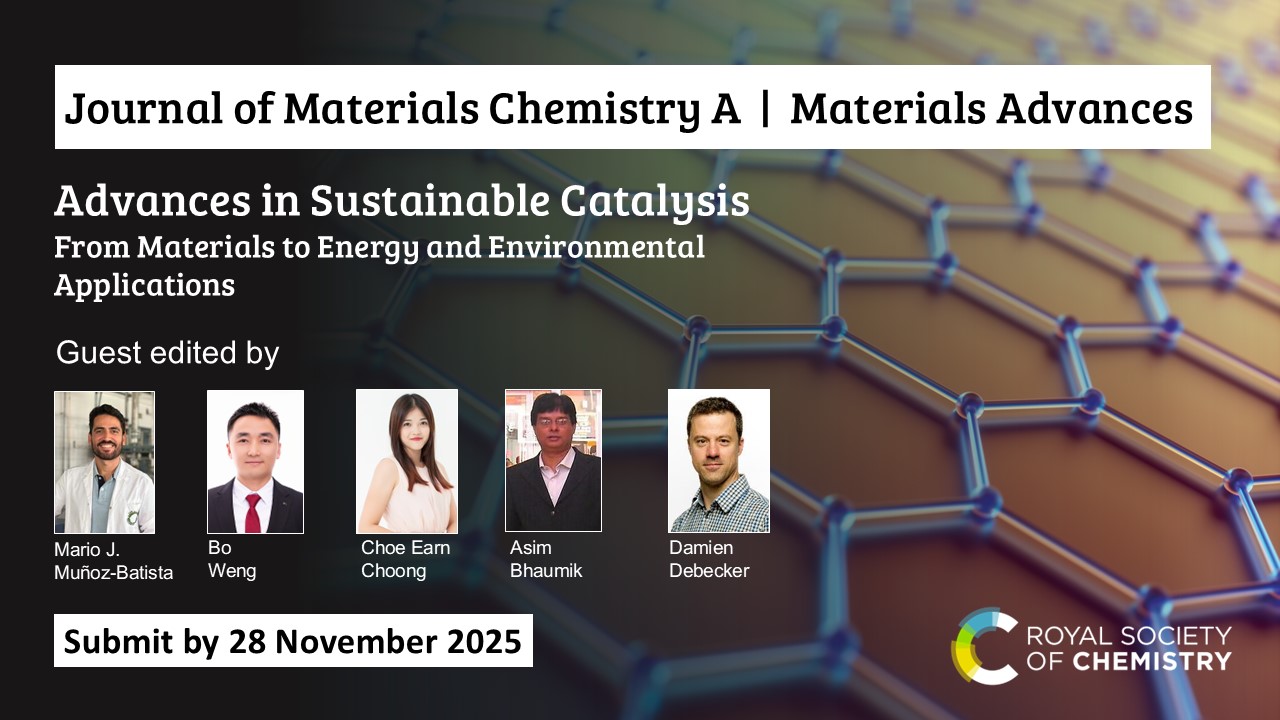
We are delighted to announce an open call for papers to our new themed collection focusing on sustainable catalysis!

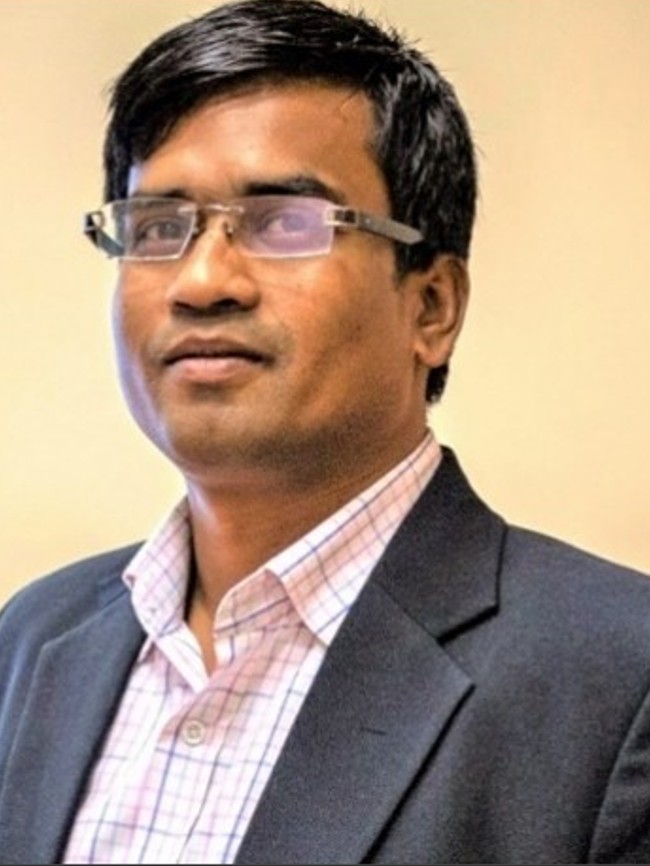
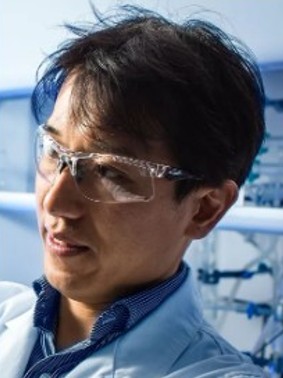
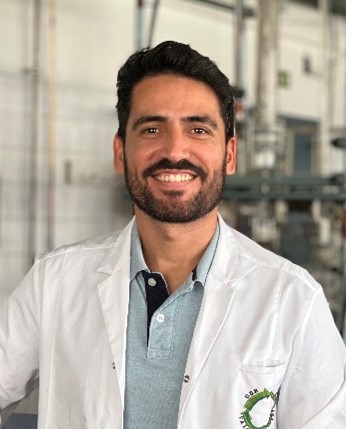
Guest Editors: Prof. Mario J. Muñoz-Batista (University of Granada, Spain), Prof. Bo Weng (Institute of Urban Environment, Chinese Academy of Sciences), Prof. Choe Earn Choong (Kwangwoon University, South Korea), Prof. Asim Bhaumik (School of Materials Sciences, Indian Association for the Cultivation of Science, India), Prof. Damien Debecker (University of Louvain, Belgium)

You are welcome to submit an article within the scope before 28 November 2025

Both Journal of Materials Chemistry A and Materials Advances are happy to receive contributions to this collection.

If you are interested in contributing to this collection, please get in touch with the Editorial Office by email.

Sustainable catalysis can be defined as a multidisciplinary approach that integrates environmental, economic, and social factors to develop catalytic processes that are viable over the long term. This field focuses on creating and utilizing catalysts that enhance the efficiency and selectivity of chemical reactions while minimizing environmental impact and promoting resource conservation. Key aspects include the development of materials using environmentally friendly synthesis techniques or waste-derived materials, transforming waste into valuable resources, and addressing critical environmental challenges. Additionally, sustainable catalysis emphasizes the synergistic use of energy, optimizing processes to reduce energy consumption and enhance overall efficiency.

This includes, but is not limited to, the use of electro-catalytic, photo-catalytic, piezoelectric, sonocatalytic, mechanochemical, and enzymatic catalysis schemes, as well as combinations of these energy forms to achieve synergistic effects. In this collection, we welcome perspectives, review articles and full papers on any of these topics.


There are no costs associated with publishing in Journal of Materials Chemistry A, unless you wish to publish your work open access. Get in touch if you would like more information.

Publishing open access with RSC journals unlocks the full potential of your research – bringing increased visibility, wider readership and higher citation potential to your work. As a not-for-profit organisation serving the chemical sciences community, we ensure that our article processing charge (APC) remains the most competitive of major publishers. More details can be found here and the APC for Materials Advances is £2100. You can also use our journal finder tool to check if your institution currently has an agreement with the RSC that may entitle you to a discount of the APC.


Get to know the Guest Editors

Prof. Mario J. Muñoz-Batista University of Granada, Spain

https://orcid.org/0000-0002-1419-0592

Mario J. Muñoz-Batista is a Professor at the University of Granada. He obtained his PhD in Applied Chemistry from the Autonomous University of Madrid – Institute of Catalysis and Petrochemistry (CSIC). His research expertise lies in the development of innovative methods for material preparation and the mathematical modelling of energy-efficient and environmentally sustainable chemical processes. His work spans a broad range of applications, from effluent treatment to novel pathways for chemical production, fuel generation, and the development of emerging energy vectors, with a strong emphasis on catalytic processes and waste valorization. He has authored more than 110 SCI-indexed articles (h-index = 37), holds two patents, and has contributed to several books and book chapters. He also serves in editorial roles for various leading journals in his field.

Prof. Bo Weng Institute of Urban Environment, Chinese Academy of Sciences

https://orcid.org/0000-0001-8337-219X

Dr. Bo Weng is currently a professor at the Institute of Urban Environment, Chinese Academy of Sciences. He earned his Ph.D. in Physical Chemistry from Fuzhou University, China, in 2018. Following his doctorate, he pursued postdoctoral research at Xiamen University and KU Leuven, supported by the European Union’s Horizon 2020 under Marie Skłodowska-Curie Action (Individual Fellowships) and the Research Foundation-Flanders (FWO) Postdoctoral Fellowships. His research primarily focuses on photocatalysis and photo-assisted AOPs for environmental remediation. He has published 84 papers, achieving an h-index of 38 and 5556 citation (Google Scholar). As the first author or corresponding author, I have published 46 papers including Nature Review Clean Technology, Nature Communications, Angewandte Chemie – International Edition (x3), Advanced Materials, Advanced Energy Materials, Chem et al. I am invited to serve as the Editorial Board Member of NPJ Clean Water (JCR Q1 IF 10.4), Scientific Reports (JCR Q1 IF3.8), Carbon Energy (JCR Q1 IF 19.5), Next-generation advisors of Chem (JCR Q1 IF 19.1), Youth Editorial Board Member of Chinese Chemical Letters (JCR Q1 IF 9.4), EcoMat (JCR Q1 IF 10.4), EcoEnergy, and Guest editor of Chem, Advanced Functional Materials, Carbon Energy, ChemSusChem, RSC Materials Advances et al.

Choe Earn Choong Prof. Choe Earn Choong Kwangwoon University, South Korea

https://orcid.org/0000-0002-3921-778X

Choe Earn Choong is a Research Professor in the Environmental Engineering Department Kwangwoon University, South Korea. In 2018, she received the Ph.D in Environmental Engineering from the University Malaya, Malaysia. Her research interests in developing nanomaterials include advanced oxidation catalysts, plasma catalysts, and adsorbents for water and wastewater treatment. She has published more than 50 scientific papers and was granted 10 patents in the nanomaterial’s development for water treatment. In addition, she is one of the editors for Separation and Purification Technology and Journal of Water Process Engineering.

Prof. Asim Bhaumik School of Materials Sciences, Indian Association for the Cultivation of Science, India

https://orcid.org/0000-0002-4907-7418

Prof. Asim Bhaumik received his PhD in Chemistry in 1997 from National Chemical Laboratory, Pune, India. Then he was JSPS Post-Doctoral Fellow at the University of Tokyo during 1997-1999. After that he moved to Toyota Central R & D Labs Nagoya, Japan during 1999-2001 as Associate Researcher. Then he joined Indian Association for the Cultivation of Science, Kolkata, India where he is currently a Senior Professor. His area of research interest includes designing novel microporous and mesoporous materials for several frontline applications like gas storage (H2/CO2), adsorptive removal of heavy metal ions and other pollutants from contaminated water, heterogeneous catalysis for the synthesis of fine chemicals, CO2 utilization reactions for the synthesis of fuels and chemicals, CO2 reduction, synthesis of biofuels, electrochemical water splitting and CO2 photoreduction. He has published over 530 original research articles with citations over 28500. He is in the Associate Editor of Green Chemistry and Fellow of the Royal Society of Chemistry (FRSC).

Prof. Damien Debecker University of Louvain, Belgium

https://orcid.org/0000-0001-6500-2996

Damien Debecker and his team develop innovative catalytic materials for sustainable chemistry applications. They target three main objectives: (i) the upgrading of biomass and bio-based platform chemicals (glycerol, lignocellulose and lignin-derived monomers, ethanol, short carboxylic acids, triglycerides, sugars, etc.) to valuable molecules, (ii) the capture of CO2 and its conversion, and (iii) greener organic synthesis processes using enzymes, hybrid catalysis approaches and process integration. To do so, they implement ad-hoc strategies to immobilize enzymes into/onto catalytically active solid materials. Another important line of research of the Debecker lab is the utilization of (reactive) spray drying techniques to manufacture original catalytic materials.


Digg This
Reddit This
Stumble Now!
Share on Facebook
Bookmark this on Delicious
Share on LinkedIn
Bookmark this on Technorati
Post on Twitter
Google Buzz (aka. Google Reader)

Congratulations to the winners at Chem4Energy

Congratulations to the winners of the prizes at the Chem4Energy 2025 conference sponsored by Materials Horizons; Journal of Materials Chemistry A, B and C; and Materials Advances.

Poster winner

Rotondwa Mphephu, University of the Witwatersrand, South Africa

Poster Title: Ruthenium complexes of pyrazolyl-pyridine complexes as catalyst precursors for formic acid dehydrogenation

My name is Rotondwa Mphephu, a third-year PhD student in Chemistry at the University of the Witwatersrand (Wits). My research focuses on the dehydrogenation of formic acid mediated by pyrazolyl-pyridine ruthenium(II) complexes, contributing to the development of sustainable hydrogen storage systems. I was awarded the Poster Prize at the Chem4Energy Conference, held in Namibia from 7 April to 10 May 2025, in recognition of my innovative work in the field of catalysis and energy research.


Oral winners

Dina Thole, University of Limpopo, South Africa

Oral Presentation Title: Metal-organic framework modified carbon nanotubes for hydrogen production from formic acid

Dina Thole obtained her M.Sc. in chemistry from the University of Limpopo, South Africa, in 2022. She is currently a Ph.D. student at the same university. Her research interests focus on metal-organic framework/metal oxide for hydrogen production with carbon dioxide capture and conversion. She has presented part of her Ph.D. research work at various local and international conferences. Recently, she received an award of the Best oral Presenter at the Chem4Energy 2025 conference at Protea hotel, Walvis Bay, Namibia. This award is sponsored by the Royal Society of Chemistry.


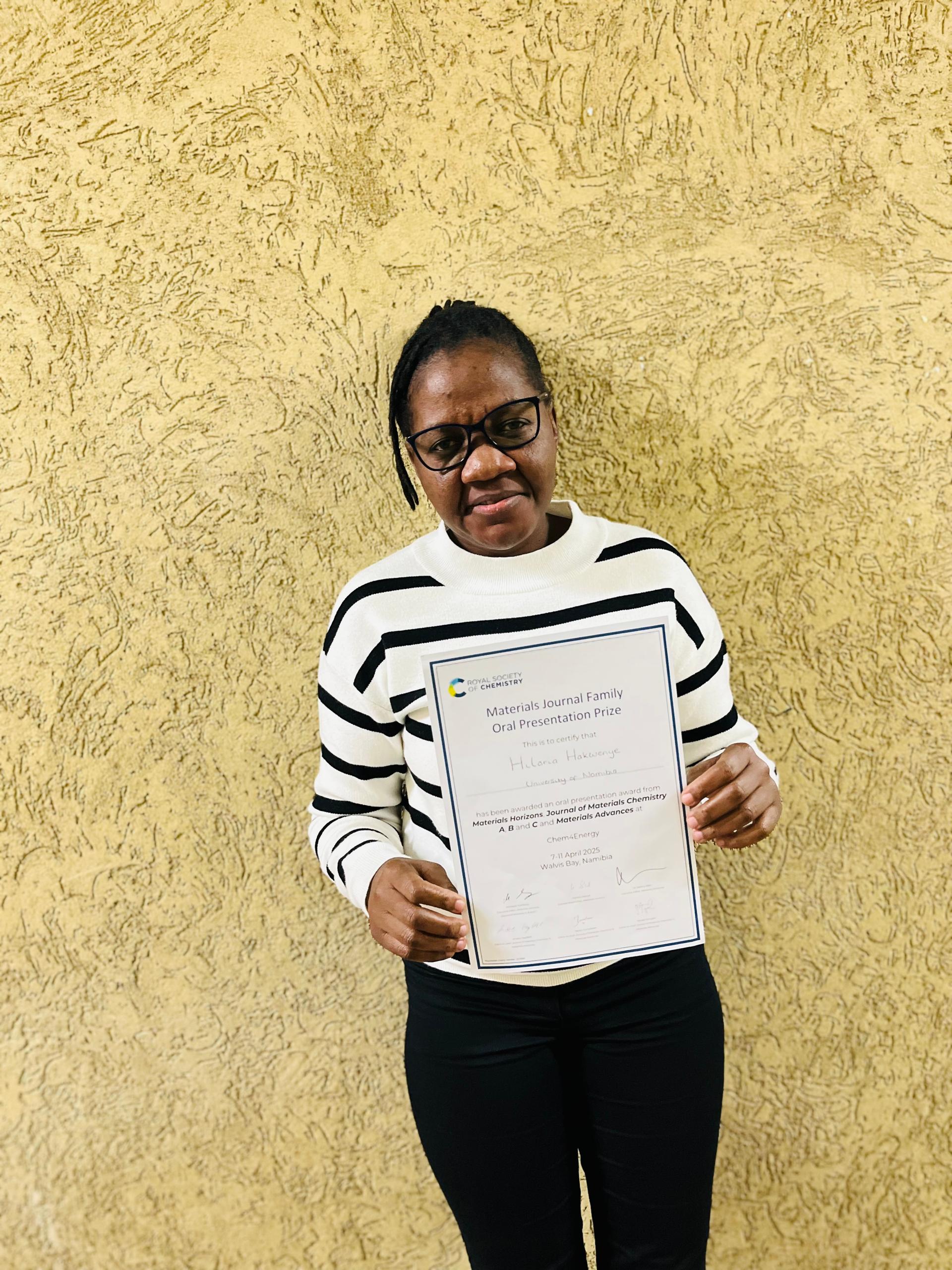
Hilaria Hakwenye, University of Namibia, Namibia

Oral Presentation Title: Chicken eggshells as heterogeneous catalyst for biodiesel production from E.spicatum seeds oil

Hilaria Hakwenye is a Senior Technologist in the Physics, Chemistry, and Materials Science Department at the University of Namibia and a PhD student in the same department. Hilaria is a Master’s Degree holder in Analytical Chemistry with research interests in environmental science and sustainable energy. Her current research is focused on producing biodiesel from non-edible seed oil using CaO derived from eggshell waste. The study aims to address two crucial environmental issues: the excessive use of fossil resources and pollution by using eggshells as a source of CaCO3/CaO. In addition, using non-edible oil as feedstock for biodiesel production will minimize the impact of edible oil usage as feedstock on the food system.  Hilaria’s PhD work is under the supervision of Prof. Rahman Ateeq and Prof. Veikko Uahengo, both from the same department.

Digg This
Reddit This
Stumble Now!
Share on Facebook
Bookmark this on Delicious
Share on LinkedIn
Bookmark this on Technorati
Post on Twitter
Google Buzz (aka. Google Reader)

Open call for submissions: Emerging Inorganic Materials for Solar Harvesting

Submit your research until 31 July 2025

We are delighted to announce this open call for papers to contribute to a themed collection for Journal of Materials Chemistry A on Emerging Inorganic Materials for Solar Harvesting in collaboration with ICMAT 2025 Symposium O in Singapore and guest edited by Lydia Helena Wong (Nanyang Technological University, Singapore), Robert Hoye (University of Oxford, UK), Yun Jeong Hwang (Seoul National University, South Korea), Yanwei Lum (National University of Singapore, Singapore) and Frank Osterloh (University of California, Davis, USA).

Scope

In this special themed collection of Journal of Materials Chemistry A, in collaboration with ICMAT 2025 Symposium O in Singapore, we invite submissions of recent emerging inorganic materials for solar energy harvesting devices such as solar cells, solar assisted water splitting and electrochemical CO2 reduction. Examples include but are not limited to: metal oxides (BiVO4, Fe2O3, FeZrO2, CuBiO, ZnFe2O4, etc, and their derivatives), sulfides (Sb2S3, Sb2Se3, CuSbS, Se, etc and their derivatives), novel kesterite (CuZnSnS4 and its novel compounds), metal nitrides (ZnSnN2, metal oxynitrides (TiON, ZrON, TaON and their derivatives) and other novel materials.

  1. Synthesis, characterizations of emerging inorganic photoabsorbers, charge transporting layers, transparent conductors
  2. Theoretical prediction of novel inorganic materials for solar harvesting.
  3. Nanostructuring strategies for novel inorganic materials
  4. New device structures for photovoltaics, solar water splitting, photocatalysis, photoelectrochemistry, CO2 reduction and etc.
  5. Novel electrocatalyst design, synthesis, and characterization for solar water splitting, photocatalysis, CO2 reduction and etc.
  6. High throughput techniques, machine-learning assisted discovery of new materials and etc.
  7. Novel approaches for enhancing light absorption using inorganic materials such as up/down conversion, solar concentrator and etc.
  8. High efficiency solar cells, solar water splitting devices, and photocatalysts

Guest Editors

Lydia Helena Wong (Nanyang Technological University, Singapore)

Lydia Wong is a Professor of Materials Science and Engineering at Nanyang Technological University, Singapore. Her research interest is in the structural and chemical modification of semiconductor materials for clean energy and electronic applications, particularly for conversion of solar energy to electricity and fuel. She has published more than 160 publications in international peer reviewed journals and cited more than 10,000 times. A Fellow of the Royal Society of Chemistry, she serves on editorial boards for leading journals in energy and materials chemistry, including Journal of Materials Chemistry A.

Robert Hoye (University of Oxford, UK)

Robert Hoye is an Associate Professor of Inorganic Chemistry at the University of Oxford. Prof. Hoye obtained his PhD from the University of Cambridge in 2014, followed by a postdoc at MIT (2015-2016), and two College research fellowships in Cambridge (2016 – 2020). In 2020, he moved to Imperial College London as a Lecturer, then Senior Lecturer (Aug. 2022 -). In Oct. 2022, he moved to Oxford as Associate Professor. Prof. Hoye’s group focuses on developing inorganic semiconductors for energy applications, particularly focussing on lead-free perovskite-inspired materials.

Yun Jeong Hwang (Seoul National University, South Korea)

Yun Jeong Hwang has been an Associate Professor in the Department of Chemistry, at Seoul National University since 2021. Her major research topics are electrochemical catalytic reactions for carbon/nitrogen/oxygen utilization such as CO2, H2O, N-containing small molecules, Lithium mediated nitrogen reduction reaction, and biomass derivatives upgrading. It also covers in-situ/operando electrochemical Raman and IR analysis to understand the reaction pathways and the catalyst surface. She received a Bachelor’s degree and a Master’s degree from the Chemistry Department of Korea Advanced Institute of Science and Technology (KAIST). She continued her graduate study at the University of California, Berkeley studying charge separation within semiconductor nanowire arrays for photoelectrochemical water splitting. She started her independent research career in the Clean Energy Research Center at the Korea Institute of Science and Technology (KIST) before she transferred to Seoul National University. She was one of the pioneer members who initiated the e-chemical (electrochemical CO2 conversion) project at KIST. She has served as an Associate Editor of the Journal of Materials Chemistry A and Materials Advances, the Royal Society of Chemistry since 2019. She is a recipient of the 2020 Top 10 Technology Award in Climate Change Response by the Korean Government Ministerial Commendation and the 2020 Top 100 National R&D Award (Project Investigator Yun Jeong Hwang), by the Korean Government. She was selected as a Young Korean Academy of Science and Technology (Y-KAST) member in 2022 and Women Scientists at the Forefront of Energy Research by ACS Energy Letters in 2023.
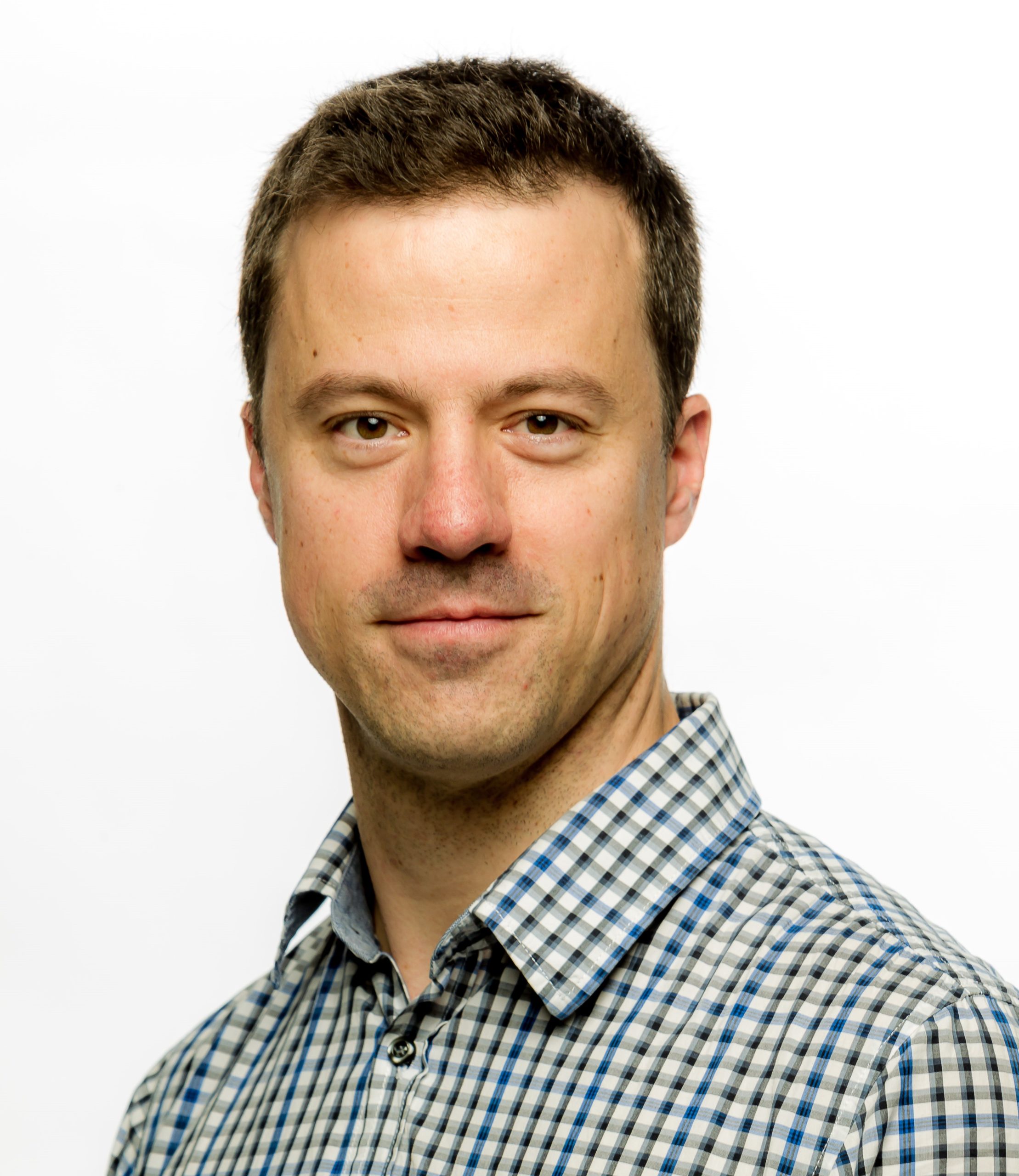
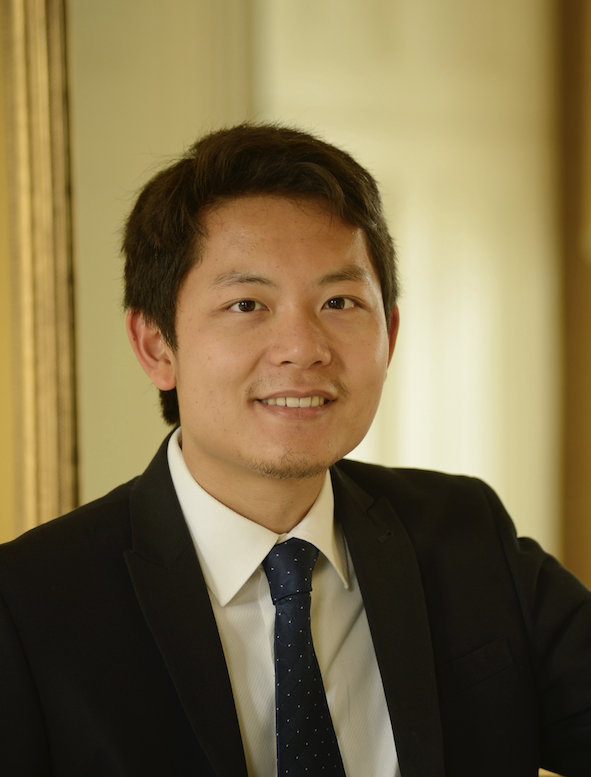
Yanwei Lum (National University of Singapore, Singapore)

Yanwei Lum obtained his BEng degree in Materials Science and Engineering at Imperial College London in 2012. He then received his PhD degree in Materials Science and Engineering at the University of California, Berkeley in 2018 under Prof. Joel W. Ager III. This was followed by a PostDoctoral stint at the University of Toronto with Prof. Edward H. Sargent. He joined the Department of Chemical and Biomolecular Engineering at the National University of Singapore as an Assistant Professor in 2021. His research interests include electrocatalysis, CO2 conversion, electroorganic reactions and hydrogen storage. He has a H-index of 37 and his publications have been cited >9000 times. In his independent career, he has published in top international journals such as Nat. Chem., Nat. Commun., Sci. Adv. and J. Mater. Chem. A as the corresponding author.

Frank Osterloh (University of California, Davis, USA)

Frank Osterloh is a professor of Chemistry at the University of California at Davis, in the United States. His research interests are centered on the chemical and photophysical properties of inorganic materials and their use for solar energy conversion. This includes the development of photocatalysts for overall water splitting (artificial photosynthesis), inorganic photovoltaic cells, and the study of photochemical charge transfer reactions with surface photovoltage spectroscopy.

Submit to Journal of Materials Chemistry A

Please consider contributing to this open call for papers for our upcoming themed collection on Emerging Inorganic Materials for Solar Harvesting to be published in Journal of Materials Chemistry A.

Submissions to the journal should contain chemistry in a materials context and should fit within the scope of Journal of Materials Chemistry A. Please see the journal’s website for more information on the journal’s scope, standards, article types and author guidelines.

This call for papers is open for the following article types:

  • Communications
  • Full papers

Open for Submissions until 31 July 2025

If you would like to contribute to this themed collection, you can submit your article directly to the online submission service for Journal of Materials Chemistry A. Please mention that this submission is a contribution to the Emerging Inorganic Materials for Solar Harvesting collection in the “Themed issues” section of the submission form and add a “Note to the Editor” that this is from the Open Call. The Editorial Office reserves the right to check suitability of submissions in relation to the scope of both the journal and the collection, and inclusion of accepted articles in the final themed issue is not guaranteed.

Please also note that all submissions will be subject to initial assessment and rigorous peer review to meet the usual high standards of Journal of Materials Chemistry A.

Digg This
Reddit This
Stumble Now!
Share on Facebook
Bookmark this on Delicious
Share on LinkedIn
Bookmark this on Technorati
Post on Twitter
Google Buzz (aka. Google Reader)