Archive for March, 2026

Congratulations to the winners at MatSuS26

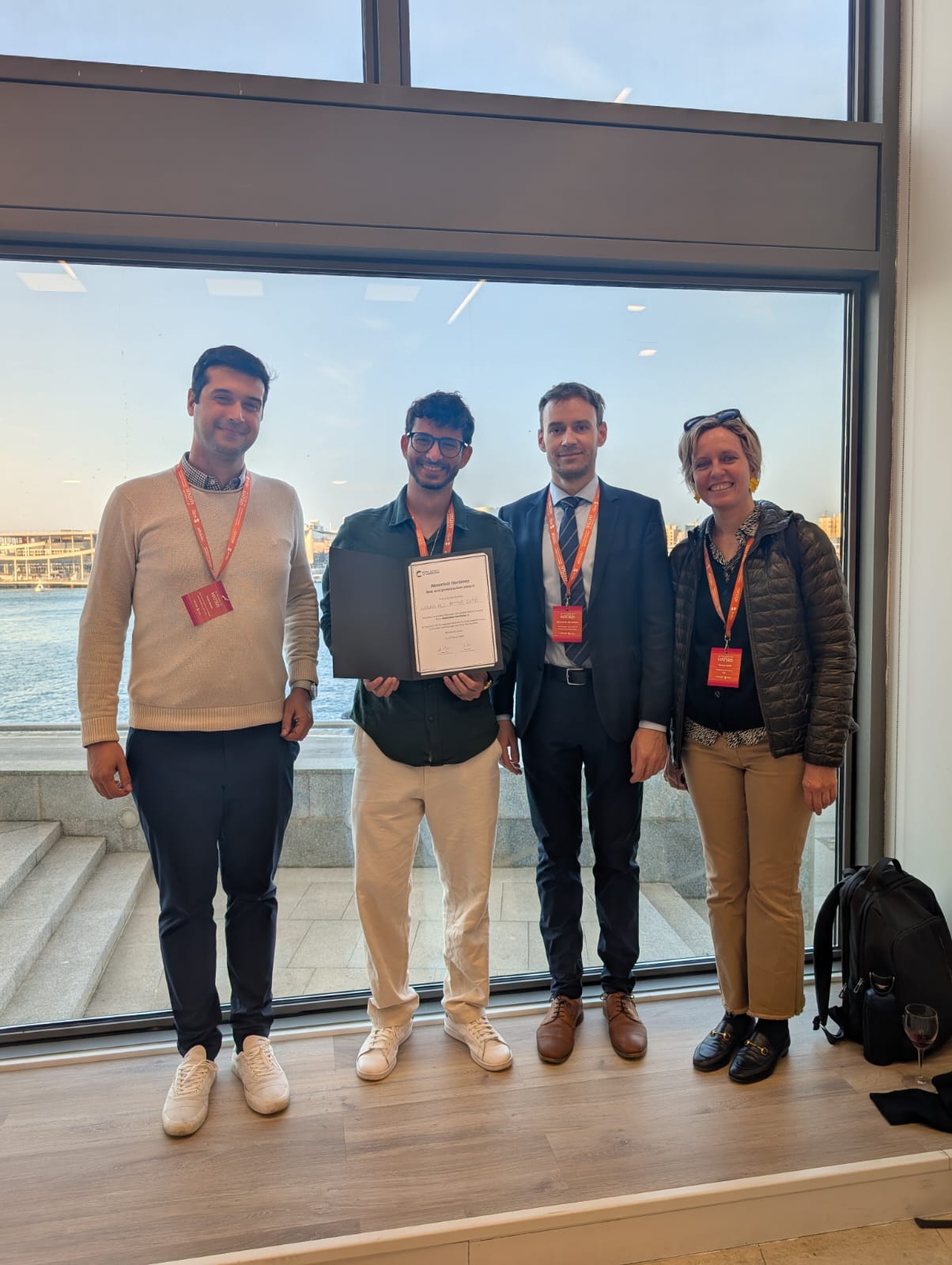
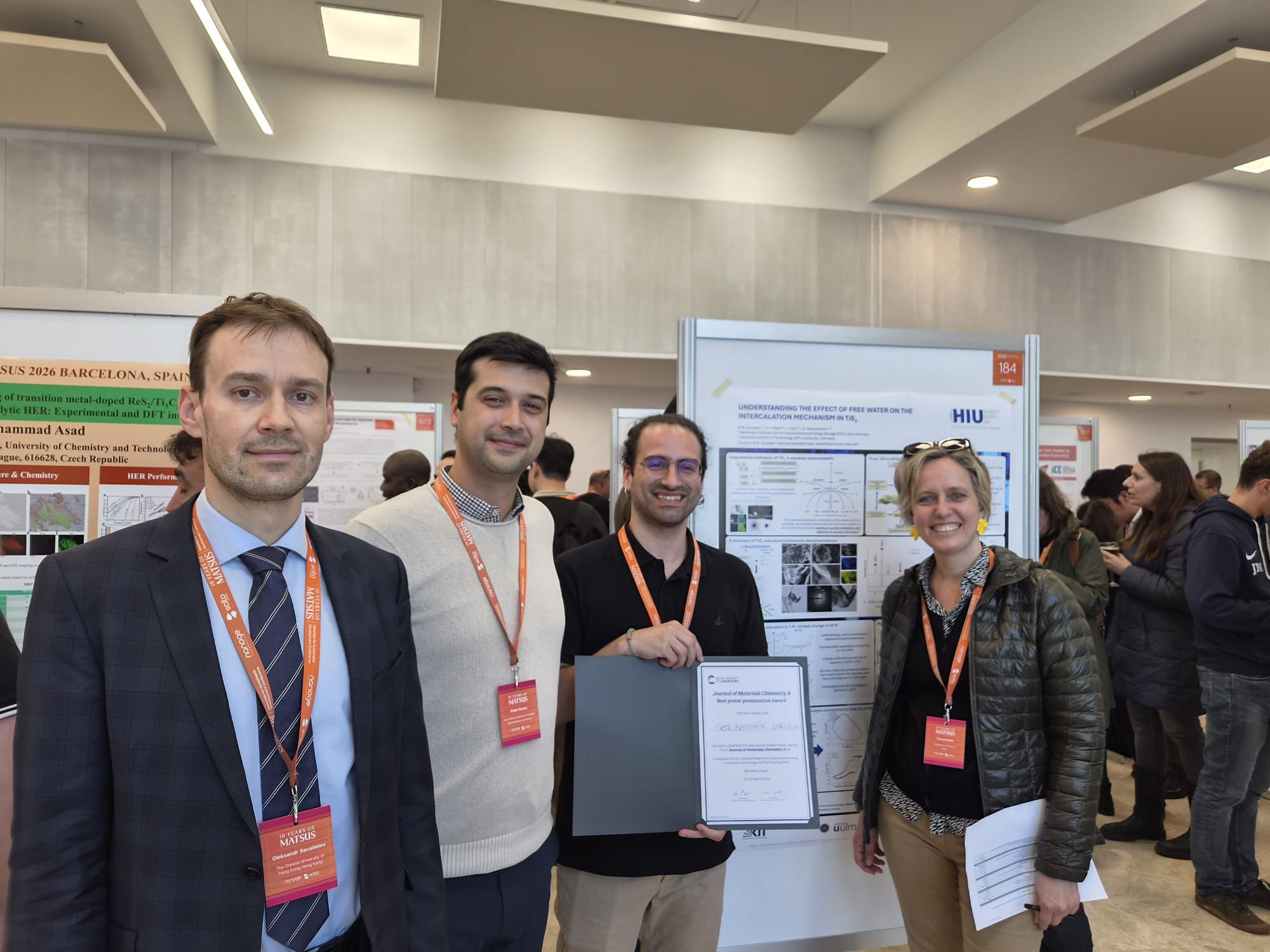
Materials Horizons and Journal of Materials Chemistry A were proud to sponsor two awards at the Symposium for Layered Materials for Sustainable Energy Conversion and Storage at the Materials for Sustainable Development Spring Conference 2026 (MATSUS26), which took place from the 23rd to the 27th of March 2026, in Barcelona, Spain.

Oral Prize sponsored by Materials Horizons


Gabriel Ali Atta Diab

Extending the Visible-Light Response of Poly(heptazine imide) via Controlled Sulfur Incorporation

Gabriel Ali Atta Diab holds a BSc degree in Chemistry from the University of Brasília and is currently a PhD candidate at the Federal University of São Carlos, Brazil, under the supervision of Prof. Dr. Ivo Freitas Teixeira. His research focuses on the photocatalytic production of hydrogen using crystalline carbon nitrides, particularly poly(heptazine imide) (PHI) and poly(triazine imide) (PTI) systems. During his PhD, he conducted a research internship at the Max Planck Institute for Solid State Research in Stuttgart, Germany, in the group of Prof. Dr. Bettina V. Lotsch, where he worked on the synthesis and structural characterization of PHI/PTI materials to optimize their photocatalytic performance.


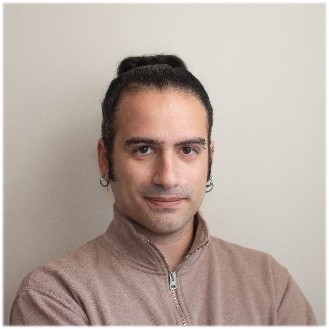
Poster Prize sponsored by Journal of Materials Chemistry A

Dr. Mete Batuhan Durukan

Understanding the effect of free water on the intercalation mechanism in TiS2

Dr. Mete Batuhan Durukan is a postdoctoral researcher at the Helmholtz Institute Ulm (HIU), working under the supervision of Dr. Simon Fleischmann. He received his Ph.D. in Metallurgical and Materials Engineering from Middle East Technical University (Turkey) in 2023. In 2024, he was awarded an Alexander von Humboldt Postdoctoral Fellowship and joined HIU in July 2025. His current research focuses on investigating the degradation mechanisms of TiS₂ in aqueous systems.

Digg This
Reddit This
Stumble Now!
Share on Facebook
Bookmark this on Delicious
Share on LinkedIn
Bookmark this on Technorati
Post on Twitter
Google Buzz (aka. Google Reader)

Open Call for Papers: Next-Generation Materials and Devices for Indoor Photovoltaic Energy Harvesting

Next-Generation Materials and Devices for Indoor Photovoltaic Energy Harvesting

Open Call for Papers until 16 November 2026

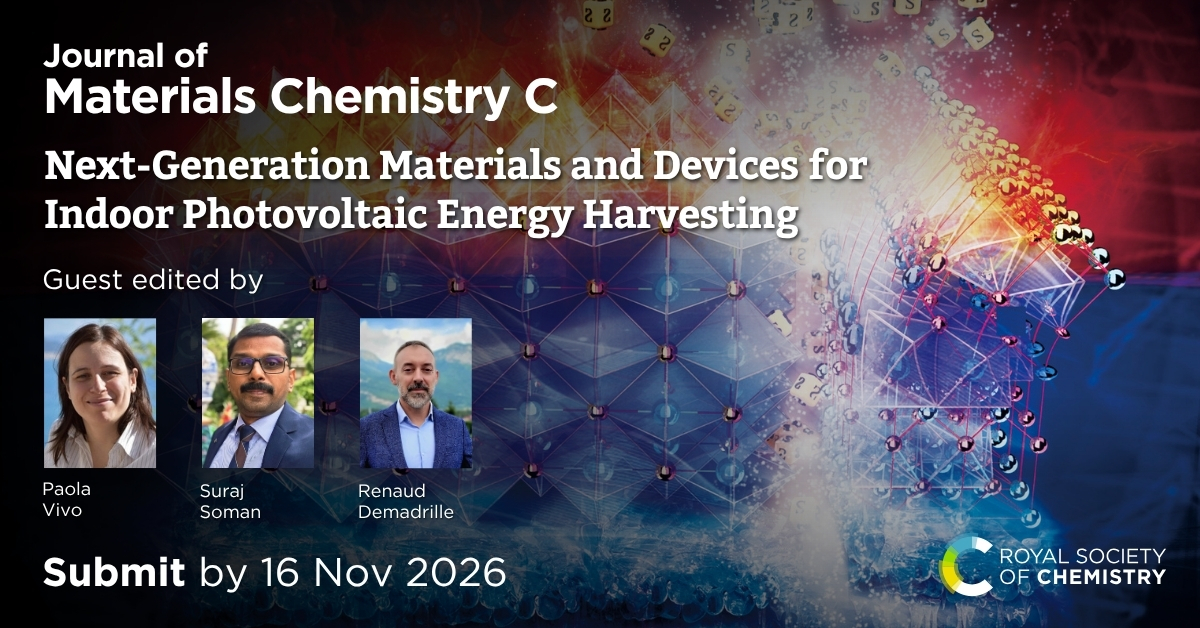
We are delighted to announce this open call for papers to contribute to a themed collection for Journal of Materials Chemistry C on Next-Generation Materials and Devices for Indoor Photovoltaic Energy Harvesting, guest edited by Prof. Paola Vivo (Tampere University, Finland), Dr. Suraj Soman (CSIR-NIIST, Thiruvananthapuram, India) and Dr. Renaud Demadrille (CEA-IRIG, Université Grenoble-Alpes, France).
Scope

As buildings account for almost 40% of global energy consumption and around 36% of greenhouse gas emissions, improving energy efficiency is critical. Smart buildings address this challenge by using digitalisation and automation to monitor and optimise energy usage in systems such as heating, lighting, and air-conditioning. This relies on the collection and processing of real-time data from interconnected Internet of Things (IoT) sensors. However, powering large-scale IoT sensor networks remains a key limitation. Reliance on external power supplies and batteries leads to high maintenance costs, an increased carbon footprint and limited scalability.

Indoor photovoltaic (IPV) technology is emerging as a promising solution to this problem. By harvesting energy from indoor lighting or sunlight through windows, IPV enables IoT sensors to operate autonomously and without batteries. This reduces maintenance requirements and environmental impact while enhancing the scalability and sustainability of smart building infrastructures.

This themed collection, “Next-Generation Materials and Devices for Indoor Photovoltaic Energy Harvesting”, will bring together recent advances in this area. It will cover the development of organic, hybrid and inorganic materials, the characterisation and optimisation of their structure-property-performance relationships, strategies for device integration, advanced characterisation techniques and key aspects of sustainability.

Submissions to the journal should contain chemistry in a materials context and should fit within the scope of Journal of Materials Chemistry C. Please see the journal website for more information on the journal scope, standards, article types and author guidelines.

Submit your high-quality research

This call for papers is open for the following article types:

  • Communications
  • Full papers

If you would like to contribute to this themed collection, you can submit your article directly to the online submission service for Journal of Materials Chemistry C. Please mention that this submission is a contribution to the Next-Generation Materials and Devices for Indoor Photovoltaic Energy Harvesting collection in the “Themed issues” section of the submission form and add a “Note to the Editor” that this is from the Open Call. The Editorial Office reserves the right to check suitability of submissions in relation to the scope of both the journal and the collection, and inclusion of accepted articles in the final themed issue is not guaranteed.

Please also note that all submissions will be subject to initial assessment and rigorous peer review to meet the usual high standards of Journal of Materials Chemistry C.

If you have any questions about the journal or the collection, then we would be happy to answer them.

Guest Editors

Prof. Paola Vivo (Tampere University, Finland)

Paola Vivo is a Full Professor of Materials Chemistry at the Faculty of Engineering and Natural Sciences at Tampere University (TAU), Finland. She earned her Ph.D. in Chemistry from Tampere University of Technology in 2010 and has nearly twenty years of expertise in solution‑processed organic and inorganic semiconductors for emerging photovoltaic technologies. During her career, she has secured several major competitive research grants as Principal Investigator, including the prestigious Academy of Finland Postdoctoral Fellowship (2013–2017). She leads the Hybrid Solar Cells research group at TAU, advancing optoelectronic technologies to address sustainability challenges through a chemistry‑driven approach focused on novel solution‑processed semiconductors. Her research focuses on developing sustainable and stable perovskite‑inspired materials for both indoor and outdoor photovoltaic applications. She also coordinates MENTOR, a Marie‑Skłodowska‑Curie Doctoral Network funded by the European Commission and dedicated to advancing indoor photovoltaics and training the next generation of researchers in this rapidly evolving field. Additionally, she serves as Associate Editor of Optical Materials (Elsevier), Editorial Board Member of Scientific Reports (Springer), and Guest Editor for several journals, including Solar RRL (Wiley).

Dr. Suraj Soman (CSIR-NIIST, Thiruvananthapuram, India)

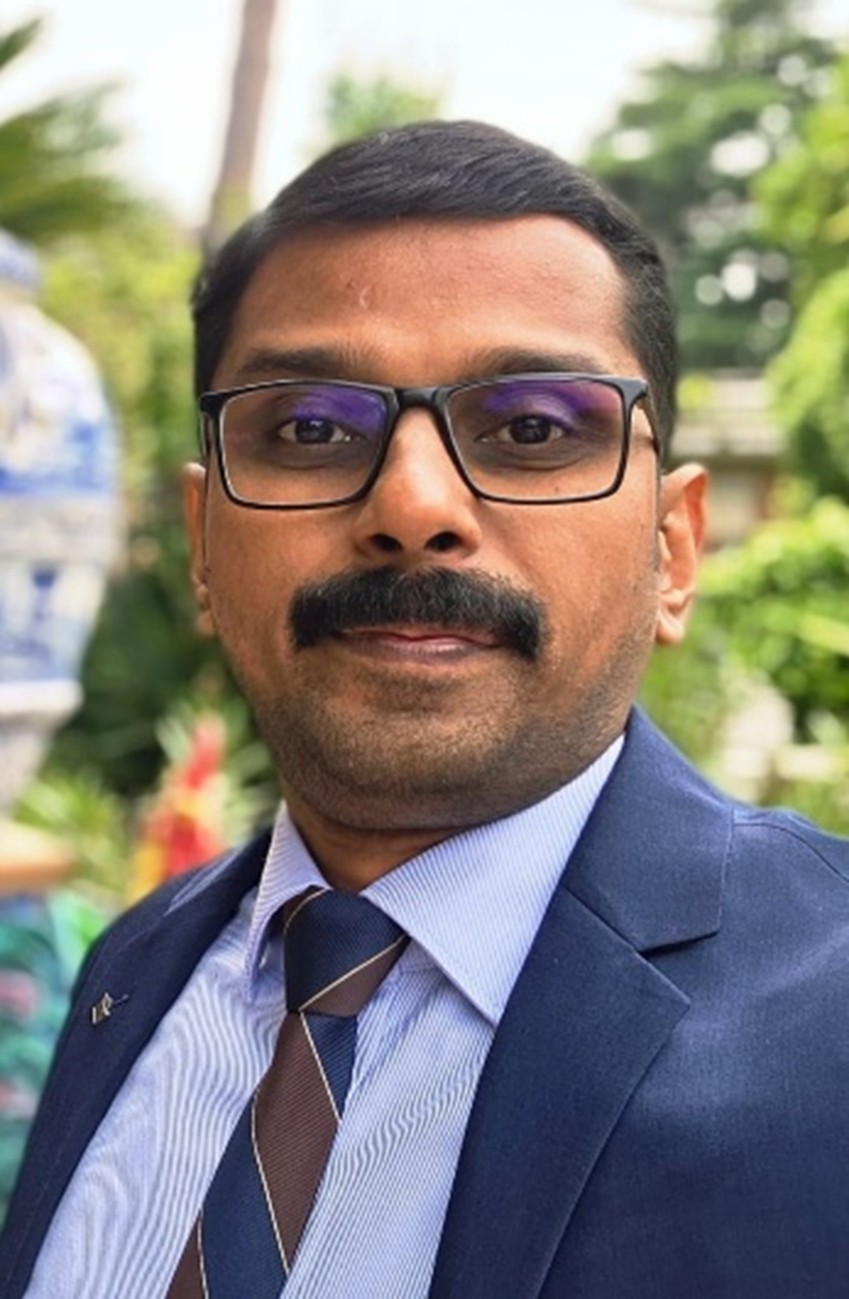
Dr. Suraj Soman is a Principal Scientist at the Centre for Sustainable Energy Technologies (C-SET), CSIR-National Institute for Interdisciplinary Science and Technology (CSIR-NIIST), India. He received his Ph.D. in Chemistry from Dublin City University, Ireland, in 2011, followed by postdoctoral research positions at Michigan State University, USA, until 2014. He began his independent research career at CSIR-NIIST in 2014 and has since been leading research in next-generation photovoltaic technologies.

His research focuses on harvesting and recycling indoor and ambient light using third-generation molecular photovoltaic technologies, particularly dye-sensitized solar cells (DSCs) and perovskite solar cells (PSCs). His group works at the interface of molecular design, device engineering, and equipment development, translating fundamental laboratory discoveries into practical solutions for emerging applications such as indoor photovoltaics and self-powered electronic systems.

He has authored more than 60 peer-reviewed publications in the field of molecular solar cells and has received several prestigious recognitions, including the Solar Challenge Award from the Department of Science and Technology (India), the Scientific High Level Visiting Award from the Government of France, CSIR Young Scientist Award, INSA Medal for Young Scientists, and Kerala State Young Scientist Award.

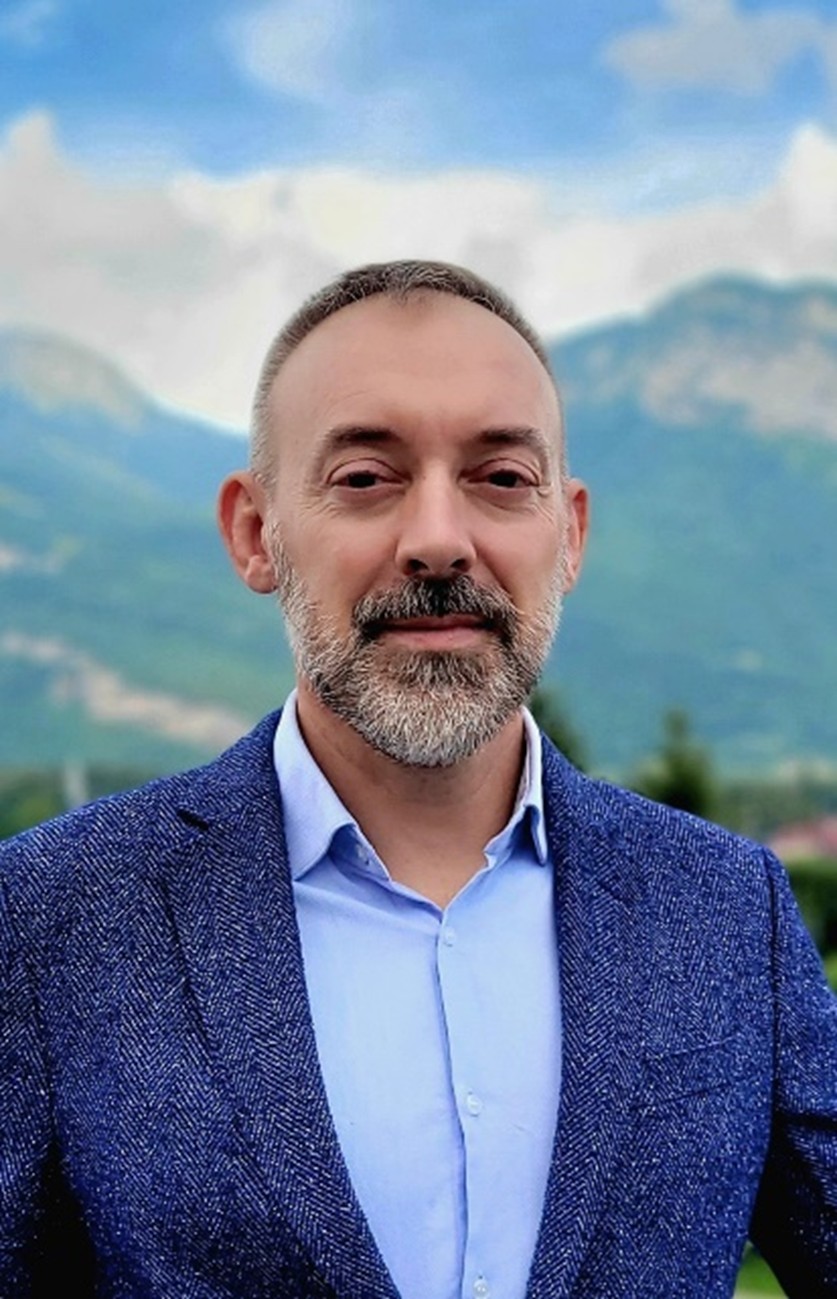
His team has also established a state-of-the-art automated pilot facility for the fabrication of indoor solar modules at NIIST and has successfully demonstrated multiple field deployments of indoor photovoltaic devices for practical applications.

Dr. Renaud Demadrille (CEA-IRIG, Université Grenoble-Alpes, France)

Renaud Demadrille is a Senior Researcher and Director of Research at the Interdisciplinary Research Institute of Grenoble (IRIG), part of the French Alternative Energies and Atomic Energy Commission (CEA), France. He earned his PhD in organic chemistry in 2000 from University of Aix-Marseille II, supported by fellowships from PPG Industries and Essilor International. After completing his PhD, he worked as a junior research engineer at the R&D center of an international chemical company before joining the CEA as a postdoctoral fellow. In 2005, he was appointed to a permanent research position at CEA-Grenoble within the Fundamental Research Division.

His research centers on the design, synthesis, and characterization of novel π-conjugated molecules and macromolecules for applications in organic and hybrid photovoltaics, as well as in (opto)electronic devices. Over the course of his career, he has received numerous distinctions, including an Advanced Grant from the European Research Council (ERC) in 2019, the “Innovation in Chemistry for Energy Prize” from the Société Chimique de France (SCF), and the “Ivan Peychès Prize” from the French Academy of Sciences. In 2025, his team was awarded the “Materials Chemistry Horizon Prize: Stephanie L. Kwolek Prize” by the Royal Society of Chemistry (RSC). That same year, he received a Fulbright Scholarship to develop a research program at Georgia Institute of Technology (USA).

Since 2020, he has served as an Associate Editor for Materials Advances and Journal of Materials Chemistry C, both published by the Royal Society of Chemistry.


 

Digg This
Reddit This
Stumble Now!
Share on Facebook
Bookmark this on Delicious
Share on LinkedIn
Bookmark this on Technorati
Post on Twitter
Google Buzz (aka. Google Reader)

Open Call for Papers: Single-Atom Catalysts for Sustainable Energy and Environmental Applications

Single-Atom Catalysts for Sustainable Energy and Environmental Applications

Open Call for Papers until 11 September 2026

We are delighted to announce this open call for papers to contribute to a themed collection for Journal of Materials Chemistry A and Materials Advances on Single-Atom Catalysts for Sustainable Energy and Environmental Applications, guest edited by Soo Young Kim (Korea University, Republic of Korea), Wee-Jun Ong (Xiamen University Malaysia, Malaysia), Mingyang Xing (East China University of Science and Technology, China) and Xing Xu (Shandong University, China).

Scope

Single-atom catalysts (SACs) have emerged as a frontier in heterogeneous catalysis, offering exceptional activity, selectivity, and atom efficiency through precise control of isolated active sites. This themed collection will showcase the most recent advances in SAC research, with an emphasis on their design, synthesis, and characterization, as well as the fundamental understanding of catalytic processes at the atomic scale.

We welcome contributions covering all aspects of SAC development, including innovative strategies for atom dispersion and stabilization, tailoring of coordination environments, and elucidation of metal–support interactions. Studies addressing SACs for electrochemical, photocatalytic, and thermocatalytic reactions—such as CO₂ reduction, water splitting, nitrogen fixation, and selective oxidation—are of particular interest. We also encourage submissions exploring dual-atom and hybrid catalyst systems, multifunctional SAC platforms, and integrated applications combining catalysis with energy storage, sensing, or pollutant remediation.

Research articles that provide mechanistic insights through advanced theoretical modeling and in situ/operando characterization techniques—including X-ray diffraction, X-ray photoelectron spectroscopy, X-ray absorption spectroscopy, and Raman spectroscopy—are highly encouraged. This collection aims to provide a forum for cutting-edge studies that not only expands the fundamental understanding of single-atom catalysis but also accelerate the translation of these materials toward practical, sustainable technologies.

Submissions to the journal should contain chemistry in a materials context and should fit within the scope of Journal of Materials Chemistry A or Materials Advances. Please see the journal website for more information on the journal scope, standards, article types and author guidelines.

Submit your high-quality research

This call for papers is open for the following article types:

  • Communications
  • Full papers

If you would like to contribute to this themed collection, you can submit your article directly to the online submission service for Journal of Materials Chemistry A or Materials Advances. Please mention that this submission is a contribution to the Single-Atom Catalysts for Sustainable Energy and Environmental Applications collection in the “Themed issues” section of the submission form and add a “Note to the Editor” that this is from the Open Call. The Editorial Office reserves the right to check suitability of submissions in relation to the scope of both the journal and the collection, and inclusion of accepted articles in the final themed issue is not guaranteed.

Please also note that all submissions will be subject to initial assessment and rigorous peer review to meet the usual high standards of Journal of Materials Chemistry A and Materials Advances.

If you have any questions about the journal or the collection, then we would be happy to answer them.

Guest Editors

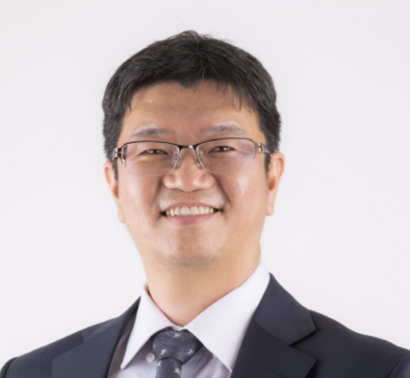
Soo Young Kim (Korea University, Republic of Korea)

Prof. Soo Young Kim received the B.S., M.S., and Ph. D. degrees in materials science and engineering from Pohang University of Science and Technology (POSTECH) in South Korea. His laboratory is composed of two groups. One group is focusing on organic-based semiconductors, including organic light-emitting diodes, perovskite light-emitting diodes, perovskite solar cells, and perovskite memories. The other group is focusing on the synthesis of two-dimensional materials and its application to the hydrogen evolution reaction and CO2 reduction. He has produced more than 400 publications and H-index is 86 (google scholar).

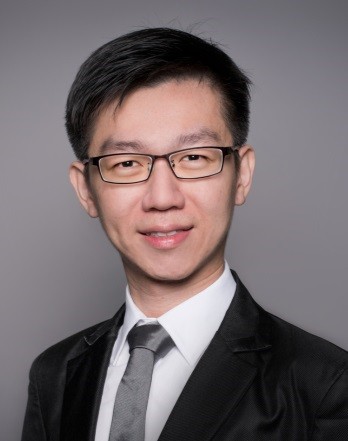
Wee-Jun Ong (Xiamen University Malaysia, Malaysia)

Wee-Jun Ong received his B.Eng. and Ph.D. in chemical engineering from Monash University. He is a Professor and Assistant Dean in School of Energy and Chemical Engineering at Xiamen University Malaysia. Starting from 2021, he serves as the Director of Center of Excellence for NaNo Energy & Catalysis Technology (CONNECT). Since September 2024, I have been an Adjunct Professor of College of Engineering at Korea University. Previously, he was a scientist at Agency for Science, Technology and Research (A*STAR), Singapore. In 2019, he was a visiting scientist at Technische Universität Dresden and a visiting professor at Lawrence Berkeley National Laboratory. His research interests include nanomaterials for photo(electro)catalytic and electrochemical H2O splitting, CO2 reduction, alcohol oxidation, H2O2 production, plastic reforming, and N2 fixation as well as H2 storage.

Mingyang Xing (East China University of Science and Technology, China)

Professor Dr Mingyang Xing graduated from Weifang University in Shandong Province with a bachelor’s degree in chemistry in 2006 and a doctorate in applied chemistry from East China University of Science and Technology in 2012 (supervisor: Professor Zhang Jinlong); From October 2015 to October 2016, the University of California, Riverside” for 1 year, co-tutor: Professor Yadong Yin; Since 2012, he has been employed by the Institute of Fine Chemicals of East China University of Science and Technology, and has served as a lecturer, associate professor and professor. In 2021, he was hired as the deputy director of Shanghai Multi-media Environmental Catalysis and Resource Engineering Technology Research Center.

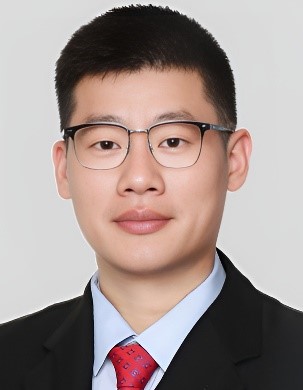
Xing Xu (Shandong University, China)

Xing Xu is a Professor of Environmental Science and Engineering at Shandong University. He received his MSc and PhD from Shandong University in 2009 and 2014. His research focuses on the rational design and application of environmental functional materials, low-carbon and energy-efficient strategies for pollution control and resource recovery, and the integration of material innovation with systems-level environmental engineering. As corresponding author, he has published over 250 peer-reviewed papers in leading journals across environmental science, chemistry, and materials science, including PNAS, Chemical Society Reviews, Nature Communications, Angewandte Chemie International Edition, Advanced Materials, Environmental Science & Technology, Water Research, and Applied Catalysis B: Environmental. His work has garnered over 18,000 citations and an H-index of 69 (Web of Science), with 32 papers designated as ESI Highly Cited Papers and 6 as ESI Hot Papers.

Digg This
Reddit This
Stumble Now!
Share on Facebook
Bookmark this on Delicious
Share on LinkedIn
Bookmark this on Technorati
Post on Twitter
Google Buzz (aka. Google Reader)

Celebrating International Women’s Day 2026: Women in Materials Science

In line with International Women’s Day 2026, we would like to highlight some of the excellent women researchers publishing impactful work in materials science.

These collections showcase a selection of the work published in the Royal Society of Chemistry Materials Portfolio in 2025 led by women scientists around the world and highlights the impact these leading individuals have on the research published within the journals.

We welcome any women corresponding authors and/or first authors who have published recent work in the journals to get in touch and have your work featured in the collections.

Check out our International Women’s Day collections across the RSC materials portfolio:

Celebrating International Women’s Day 2026: Women in Materials Horizons

Celebrating International Women’s Day 2026: Women in Journal of Materials Chemistry A

Celebrating International Women’s Day 2026: Women in Journal of Materials Chemistry B

Celebrating International Women’s Day 2026: Women in Journal of Materials Chemistry C

Celebrating International Women’s Day 2026: Women in Materials Advances

Digg This
Reddit This
Stumble Now!
Share on Facebook
Bookmark this on Delicious
Share on LinkedIn
Bookmark this on Technorati
Post on Twitter
Google Buzz (aka. Google Reader)

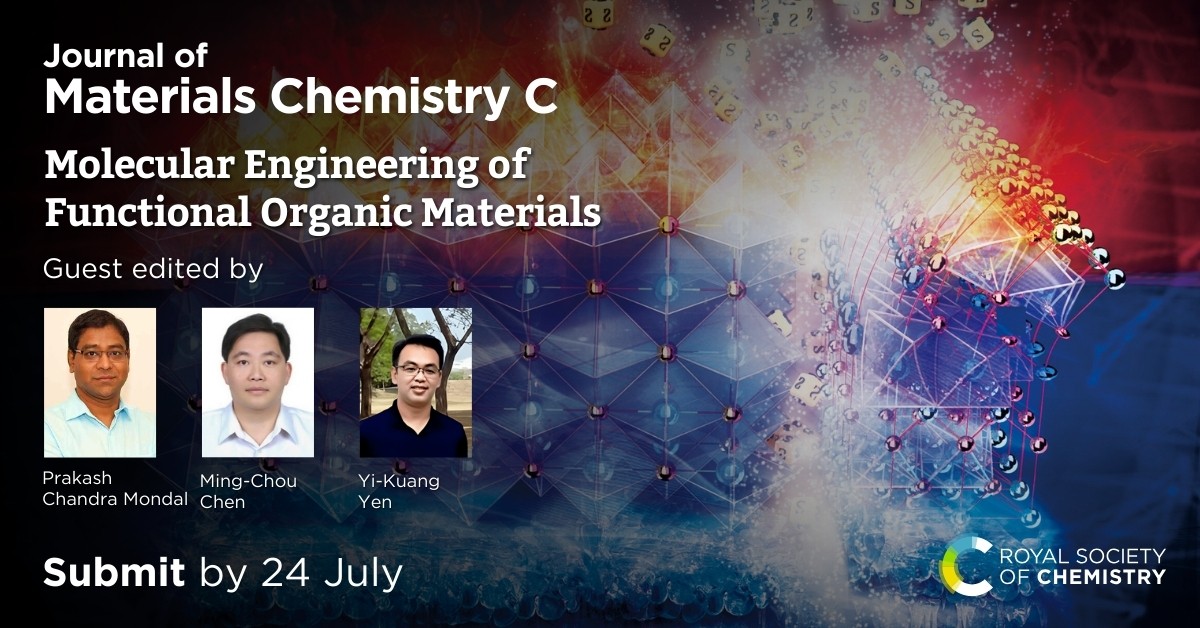
Open Call for Papers: Molecular Engineering of Functional Organic Materials

Molecular Engineering of Functional Organic Materials

Open Call for Papers until 24 July 2026

We are delighted to announce this open call for papers to contribute to a themed collection for Journal of Materials Chemistry C on Molecular Engineering of Functional Organic Materials, guest edited by Prof. Prakash Chandra Mondal (Indian Institute of Technology, Kanpur), Prof. Ming-Chou Chen (National Central University), and Prof. Yi-Kuang Yen (National Taipei University of Technology).

Recent advances in organic chemistry and interface engineering have explored exciting opportunities to bridge the gap between molecular design and desired optoelectronics and device applications. The thematic collection on “Molecular Engineering of Functional Organic Materials” highlights the rational design and synthesis of functional organic molecules with tunable electronic, optical, magnetic, and surface functionalized properties. By controlling molecular structure and functionalities, one can tune optoelectronics, charge transport, light absorption and emission, redox activity, and magnetic properties. This thematic collection aims to highlight emerging organic materials, optoelectronics, surface engineering, and electrical applications that lead to the next generation of real-world applications.

Submissions to the journal should contain chemistry in a materials context and should fit within the scope of Journal of Materials Chemistry C. Please see the journal’s website for more information on the journal’s scope, standards, article types and author guidelines.

This call for papers is open for the following article types:

  • Communications
  • Full papers

Open for Submissions until 24 July 2026

If you would like to contribute to this themed collection, you can submit your article directly to the online submission service for Journal of Materials Chemistry C. Please mention that this submission is a contribution to the Molecular Engineering of Functional Organic Materials collection in the “Themed issues” section of the submission form and add a “Note to the Editor” that this is from the Open Call. The Editorial Office reserves the right to check suitability of submissions in relation to the scope of both the journal and the collection, and inclusion of accepted articles in the final themed issue is not guaranteed.

Please also note that all submissions will be subject to initial assessment and rigorous peer review to meet the usual high standards of Journal of Materials Chemistry C.

If you have any questions about the journal or the collection, then we would be happy to answer them.

____

Guest Editors:

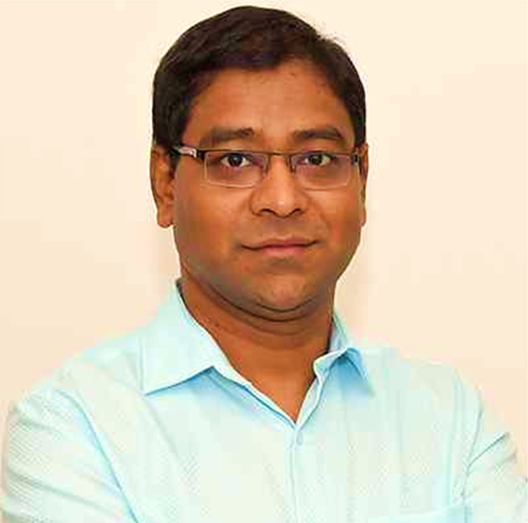
Prof. Prakash Chandra Mondal (Indian Institute of Technology, Kanpur)

Dr. Prakash Chandra Mondal is an Associate Professor in the Department of Chemistry at the Indian Institute of Technology (IIT) Kanpur. His research program centers on surface chemistry, molecular electronics, and molecular electrochromic devices, with a particular emphasis on understanding molecule–electrode interfaces, stimuli-responsive charge transport mechanisms, and functional molecular materials for next-generation electronic and optoelectronic technologies. He serves on the Editorial Boards of the Journal of Materials Chemistry C and Analyst (Royal Society of Chemistry), reflecting his active engagement with the global scientific community and his contributions to advancing materials and nanoelectronics. Dr. Mondal has been recognized with several prestigious awards, including the Young Faculty Research Award (2024), the BRICS Young Scientist Award (2024), the Marie-Curie Post-doctoral Fellowship (2017), and the Thieme Chemistry Journals Award (2025).

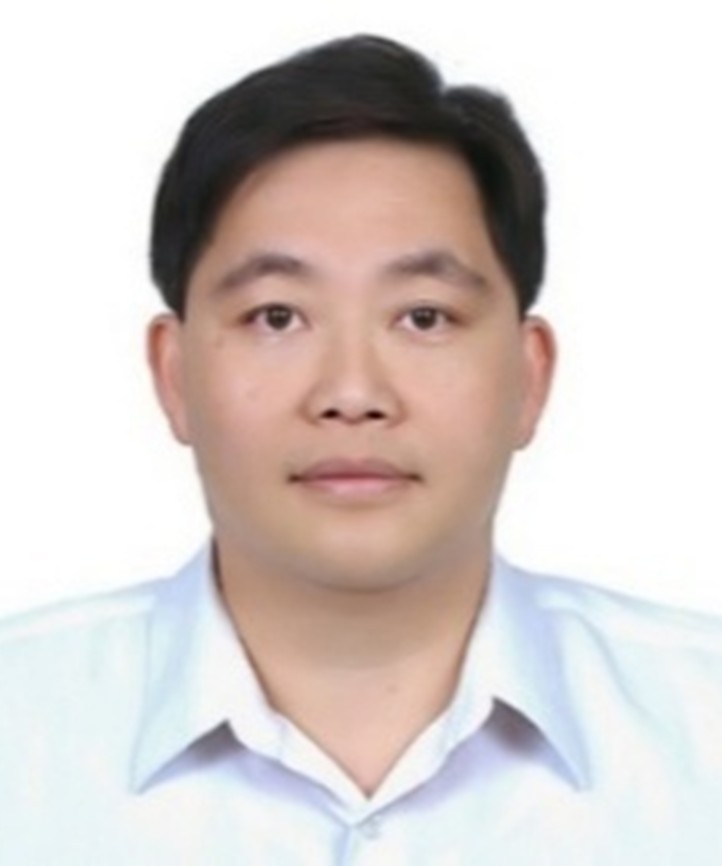
Prof. Ming-Chou Chen (National Central University)

Ming-Chou Chen received his Ph.D. degree from UC, San Diego (UCSD) in 1998. After postdocs at UC Berkeley (1998-1999) and Northwestern University (1999-2004), he has been a professor in the Department of Chemistry, National Central University (NCU), since 2004. He became a Distinguished Professor at NCU in the last decade. The primary research interests of Ming-Chou Chen are the development of materials for PSC, OTFT, OPV, and DSSC.

Prof. Yi-Kuang Yen (National Taipei University of Technology)

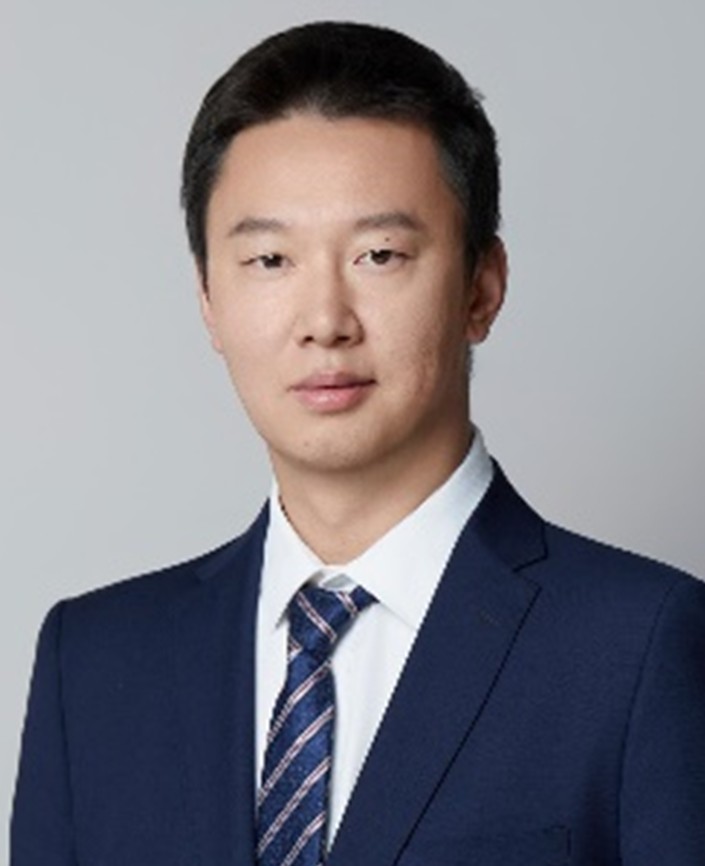
At NTUT, Prof. Yen leads the Wisdom Bio/Chemical Sensing Systems (WiBCSS) Lab, where his research integrates micro/nanofabrication, materials chemistry, and bioelectronics to develop BioMEMS-based nanomechanical and electrochemical biosensors. His work spans from CMOS-MEMS sensing arrays and bridge-type nanomechanical devices to laser-scribed graphene sensors and paper-based electrochemical systems. These innovations enable portable, label-free, and ultrasensitive detection of disease biomarkers, drugs, and environmental toxins—advancing smart diagnostic and monitoring technologies for global health applications.

Digg This
Reddit This
Stumble Now!
Share on Facebook
Bookmark this on Delicious
Share on LinkedIn
Bookmark this on Technorati
Post on Twitter
Google Buzz (aka. Google Reader)