

Porous materials for applications in sustainable energy and environmental technologies
Open Call for Papers until 9 March 2027
We are delighted to announce this open call for papers to contribute to a themed collection for Journal of Materials Chemistry A, ChemComm, Dalton Transactions and CrystEngComm on Porous materials for applications in sustainable energy and environmental technologies, guest edited by Professor Jier Huang (Boston College, USA), Professor Hai-Long Jiang (University of Science and Technology of China, China), Professor Hoi Ri Moon (Ewha Womans University, Republic of Korea) and Professor Yusuke Yamauchi (The University of Queensland, Australia).

Scope
This collection will showcase the latest advances in porous materials and highlight their applications in Sustainable Energy and Environmental Technologies. The collection will focus on innovative synthetic strategies, structure-property relationships, defect/interface engineering, scalable manufacturing and advanced characterization/preparation methods enabling precise control of framework composition and functionality. Key to the collection is the application of reticular materials in addressing global sustainability challenges, particularly in energy conversion and storage, catalysis, carbon capture and utilization and environmental processes.
Topics suitable for the collection include, but are not limited to:
- Design and synthesis of MOFs, COFs, and porous coordination networks
- Defect, interface, and hierarchical structure control
- Computational and AI-assisted discovery of porous materials
- Gas storage, separation, and carbon capture technologies
- Catalytic processes for energy and environmental applications
- Porous materials in electrocatalysis, batteries, supercapacitors, and fuel cells
Submit your high-quality research
Journal of Materials Chemistry A is the longstanding and influential platform for the chemical design and performance of materials for energy and sustainability research.
ChemComm publishes urgent, new research of outstanding significance from all areas of the chemical sciences. Our scope covers all topics in chemistry, and research at the interface of chemistry and other disciplines (such as materials science, nanoscience, physics, engineering and biology) where there is a significant novelty in the chemistry aspects.
Dalton Transactions is a journal for all areas of inorganic chemistry, which encompasses the organometallic, bioinorganic and materials chemistry of the elements, with applications including synthesis, catalysis, energy conversion/storage, electrical devices and medicine.
CrystEngComm is the forum for the design and understanding of crystalline materials. We welcome studies on the investigation of molecular behaviour within crystals, control of nucleation and crystal growth, engineering of crystal structures, and construction of crystalline materials with tuneable properties and functions.
This call for papers is open only for primary articles.
If you would like to contribute to this themed collection, you can submit your article directly to the online submission service for Journal of Materials Chemistry A, ChemComm, Dalton Transactions or CrystEngComm. Please mention that this submission is a contribution to the Porous materials for applications in sustainable energy and environmental technologies collection in the “Themed issues” section of the submission form and add a “Note to the Editor” that this is from the Open Call. The Editorial Office reserves the right to check suitability of submissions in relation to the scope of both the journal and the collection, and inclusion of accepted articles in the final themed issue is not guaranteed.
Please also note that all submissions will be subject to initial assessment and rigorous peer review to meet the usual high standards of Journal of Materials Chemistry A, ChemComm, Dalton Transactions and CrystEngComm.
If you have any questions about the journal or the collection, then we would be happy to answer them.
Guest Editors
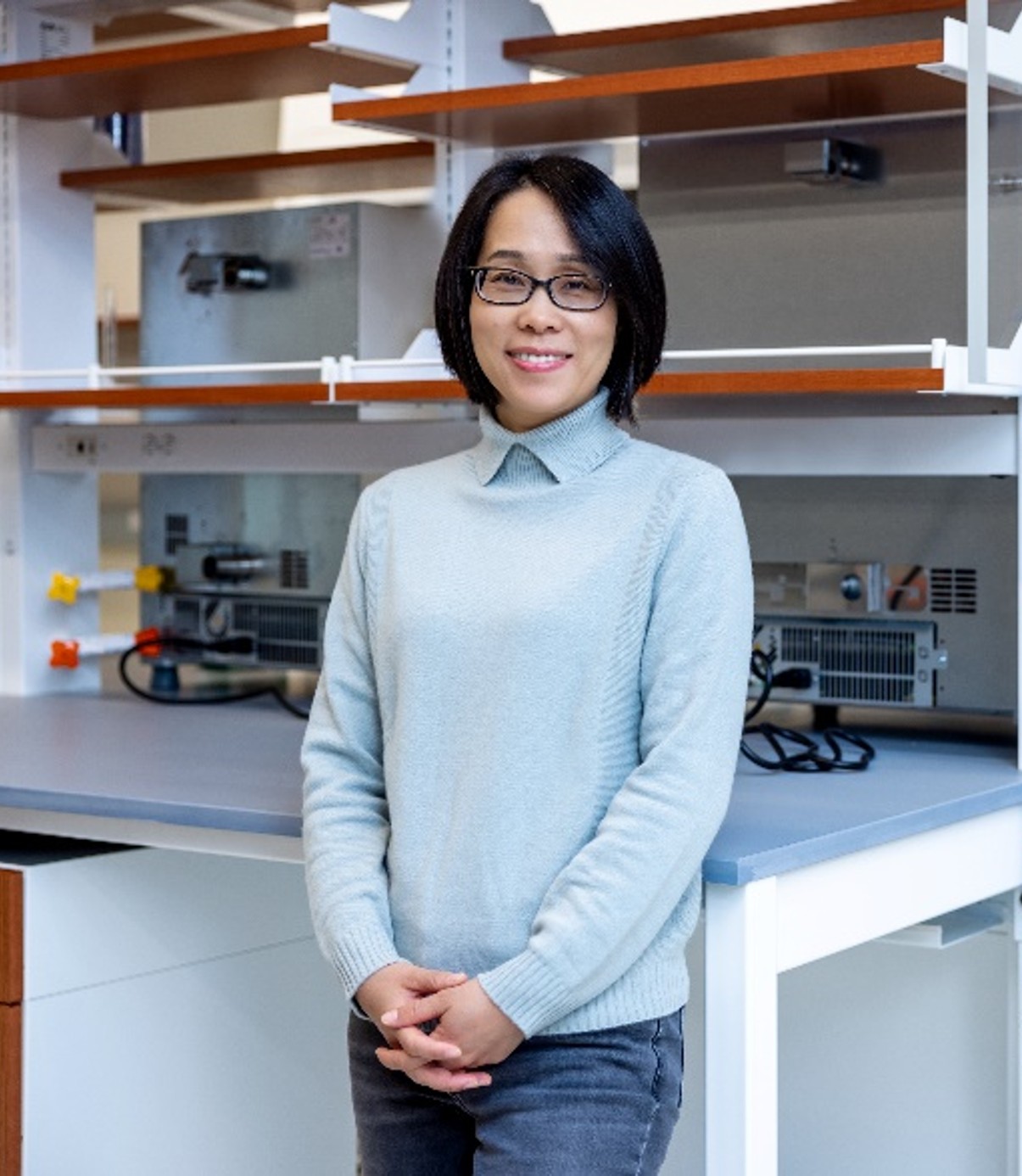
Professor Jier Huang (Boston College, USA)
Jier Huang received her B.S. degree and M.S. in Chemistry from Lanzhou University (China) in 2001 and 2004, respectively and Ph.D. degree from Emory University in 2010. She was a postdoctoral fellow at Argonne National Laboratory. She started her independent career at Marquette as an Assistant Professor in Fall 2013 and Wehr Distinguished Professor from 2021-2022. She moved to Boston College in January 2023 and holds a joint position in the Department of Chemistry and Schiller Institute for Integrated Science and Society. Professor Huang’s research focuses on understanding the photophysical and photochemical processes in porous crystalline and semiconducting materials related to solar energy conversion and catalysis on different temporal and spatial scales using ultrafast optical and X-ray absorption spectroscopy as well as in situ spectroscopic methods. She has received the University’s Way Klingler Young Scholar Award, mentor’s award, NSF Career Award, and DOE early career award.
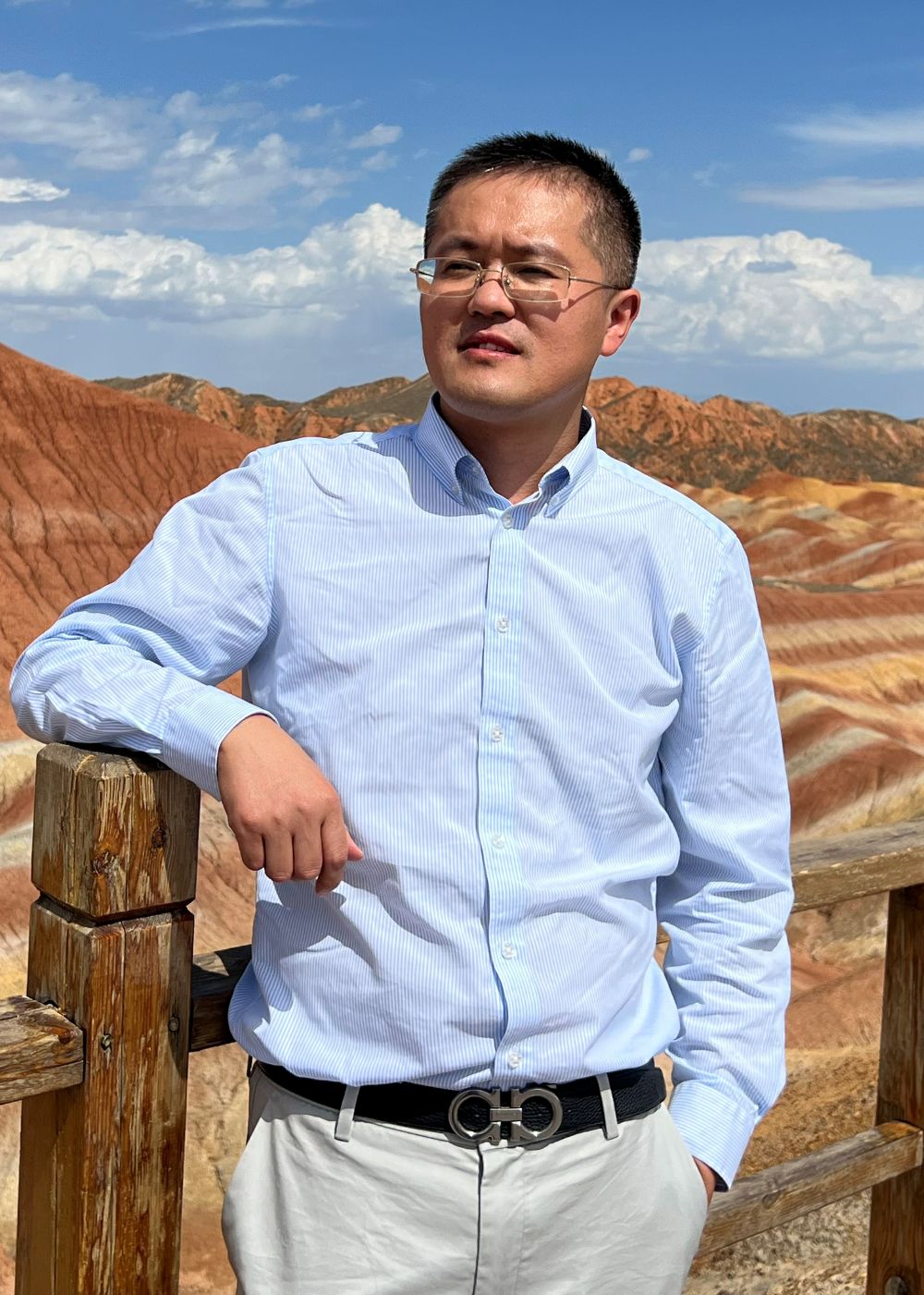
Professor Hai-Long Jiang (University of Science and Technology of China, China)
Hai-Long Jiang earned his Ph.D. in 2008 from Fujian Institute of Research on the Structure of Matter, Chinese Academy of Sciences (CAS). He subsequently worked at the National Institute of Advanced Industrial Science and Technology (AIST) in Japan, as AIST and JSPS fellows from 2008 to 2011. After a postdoctoral stint at Texas A&M University, he became a full professor at USTC in 2013 and now holds the position of Cheung Kong Chair Professor there. He was elected a Fellow of a Fellow of both Chinese Chemical Society (FCCS) and Royal Society of Chemistry (FRSC) and was annually listed as a highly cited researcher (chemistry) by Clarivate Analytics since 2017. He has published more than 260 papers with 70,000 citations (H index 130). His research interest currently lies in biomimetic microenvironment modulation (MEM) surrounding catalytic centers based on reticular materials.
Group Webpage: http://mof.ustc.edu.cn/
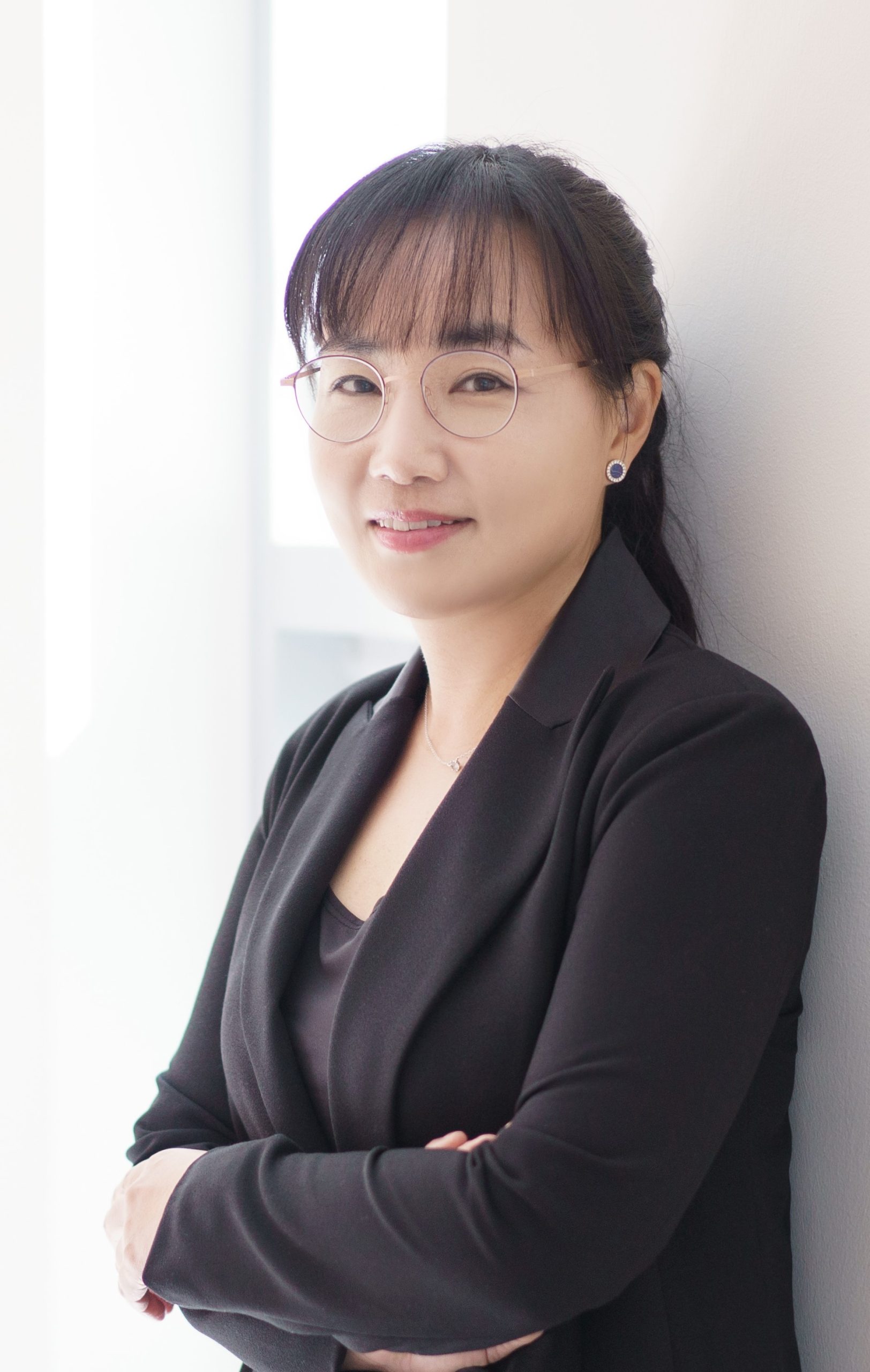
Professor Hoi Ri Moon (Ewha Womans University, Republic of Korea)
Hoi Ri Moon is a professor in the department of Chemistry and Nanoscience at Ewha Womans University. In 2007, she completed her PhD degree in Chemistry at Seoul National University. Her current research focuses on flexible metal−organic frameworks and their crystal engineering for applications such as gas separation, storage, molecular sensing, and catalytic reactions.
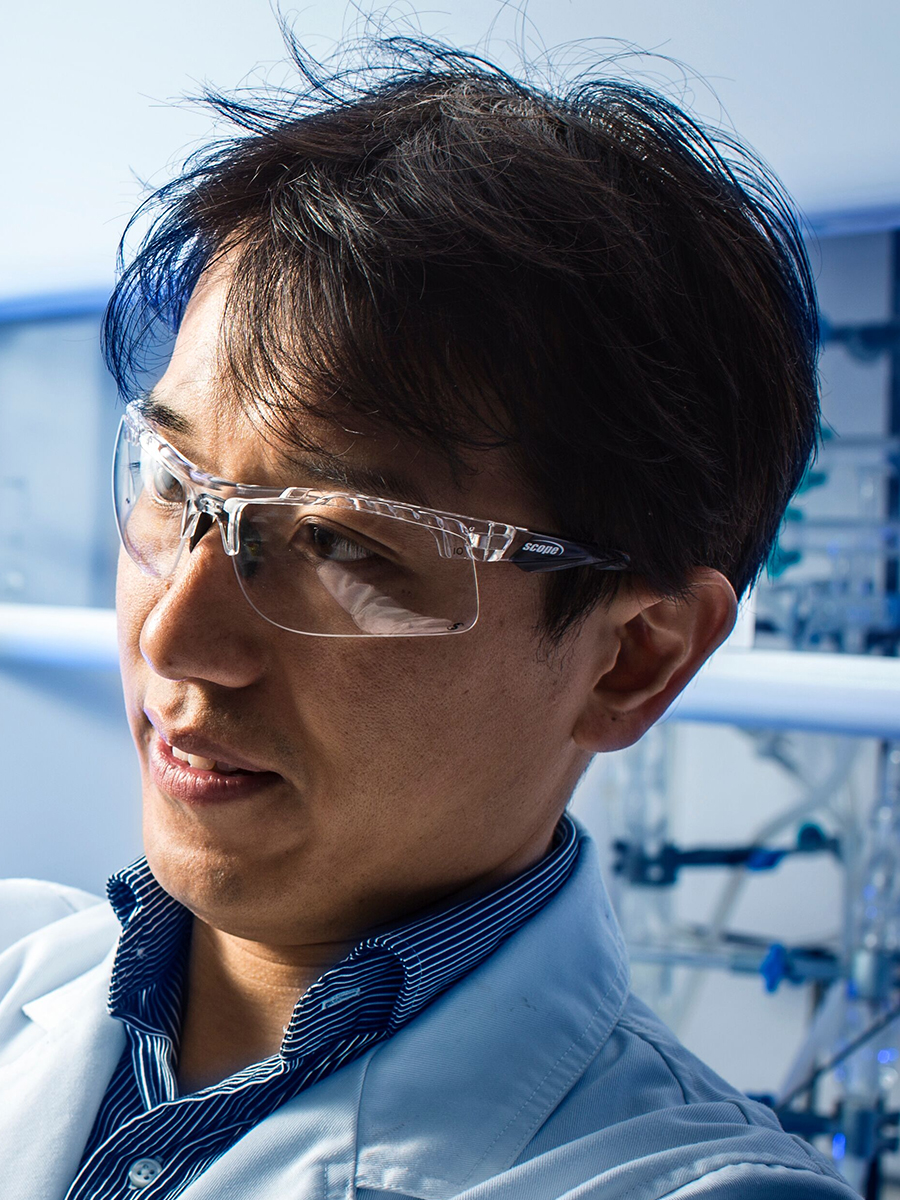
Professor Yusuke Yamauchi (The University of Queensland, Australia)
Yusuke Yamauchi received his Bachelor degree (2003), Master degree (2004), and Ph.D. (2007) from Waseda University (Japan). After receiving his Ph.D., he joined the National Institute of Materials Science (NIMS) (Japan) to start his own research group. In 2016, he joined the University of Wollongong as a Full Professor.
In 2017, he moved to the University of Queensland (UQ). Presently, he is a senior group leader at AIBN and a full professor at School of Chem. Eng. in UQ. He concurrently serves as an honorary group leader at NIMS, a visiting/adjunct/honorary professor at over 50 universities in the world, and an associate editor of J. Mater. Chem. A and Chem. Eng. J. (Elsevier). He has published ~750 papers with ~40,000 citations (h-index > 100) in the field of inorganic materials chemistry and inorganic synthetic chemistry. He is selected as one of the Highly-Cited Researchers in Chemistry in 2016, 2017, 2018 and 2019.


