Archive for the ‘Materials Advances’ Category

Congratulations to the winners at Chem4Energy

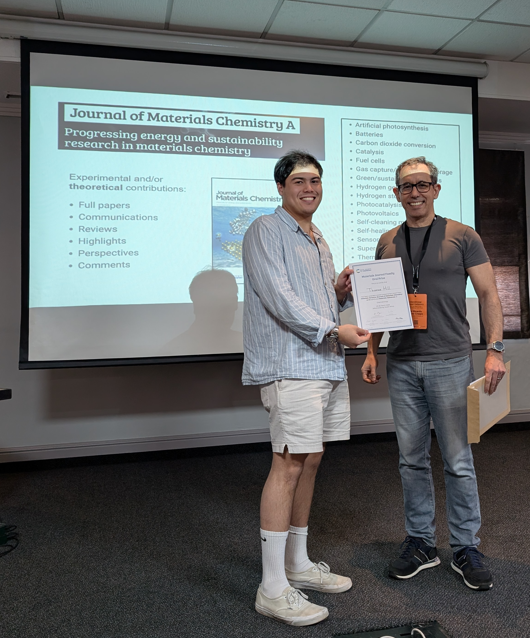
The RSC Materials journals (Materials Horizons, Journal of Materials Chemistry A, Journal of Materials Chemistry B, Journal of Materials Chemistry C, and Materials Advances) were proud to sponsor two oral prizes at Chem4Energy held from 23-26 March 2026 in Johannesburg, South Africa. Congratulations to Thomas Hill, Cardiff University, UK and Bongeka Ndwandwe, Rhodes University, South Africa for winning the oral prizes at the conference.

Thomas Hill, Cardiff University, UK

Presentation title: Exploring Structure-Reactivity Relationship on Plasmonically Active MOx Supported Clusters

Thomas Hill is a PhD student in chemistry at Cardiff University, where his research focuses on catalytic materials and sustainable energy processes. He is supervised by Richard Catlow and Graham Hutchings, and is affiliated with the UK Catalysis Hub and the CPLAS programme, a multidisciplinary initiative exploring light-driven energy conversion and plasmon-assisted catalysis.

Thomas completed his undergraduate degree in Chemistry at King’s College London, where he developed an interest in catalysis and materials chemistry. His current research uses computational approaches to explore the fundamentals of plasmonically enhanced catalytic systems.

Bongeka Ndwandwe, Rhodes University, South Africa

Presentation title: Tailoring photoresponsive azobenzene-perylene bisimide assemblies for efficient solar energy harvesting

Bongeka Ndwandwe is a PhD candidate in the Department of Chemistry at Rhodes University and the recent recipient of the Oral Presentation Award at the Chem4Energy Conference in Johannesburg, South Africa. Sponsored by the Royal Society of Chemistry, this award recognizes her excellence in communicating complex experimental research.

​Under the supervision of Dr. NF Molefe, Bongeka’s current research focuses on the fabrication of azobenzene-perylene bisimide assemblies designed to revolutionize solar energy harvesting. Her presentation highlighted her work in developing materials capable of broad-spectrum absorption, and efficient energy storage and on-demand release.

​A Rhodes University alumna, she also holds an MSc in Chemistry from the same institution. Her work continues to push the boundaries of sustainable energy solutions and optoelectronic materials.


Digg This
Reddit This
Stumble Now!
Share on Facebook
Bookmark this on Delicious
Share on LinkedIn
Bookmark this on Technorati
Post on Twitter
Google Buzz (aka. Google Reader)

Open Call for Papers: Single-Atom Catalysts for Sustainable Energy and Environmental Applications

Single-Atom Catalysts for Sustainable Energy and Environmental Applications

Open Call for Papers until 11 September 2026

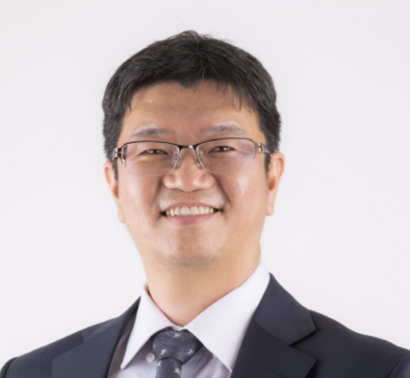
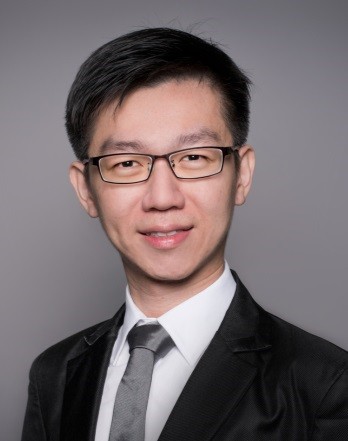
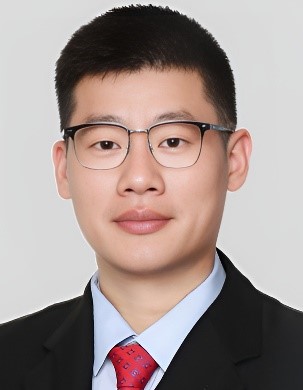
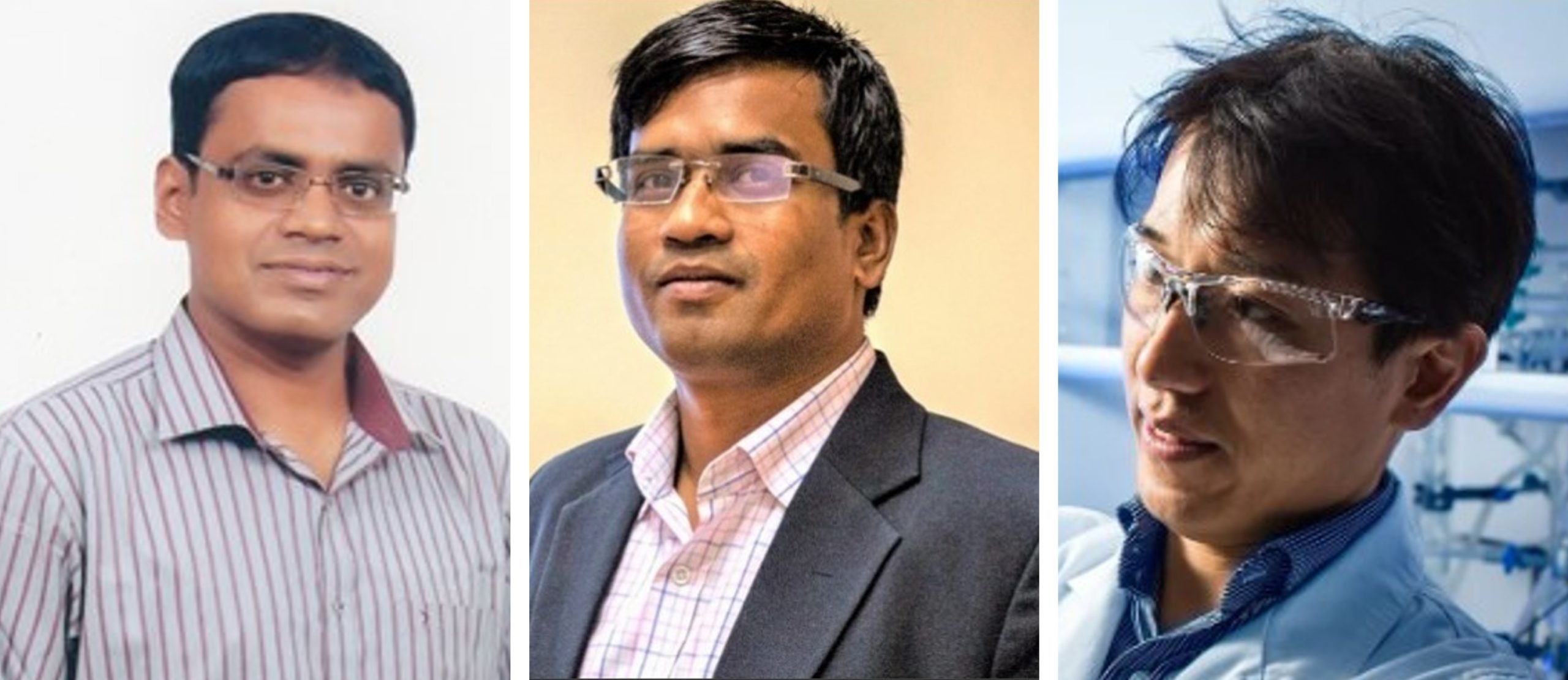
We are delighted to announce this open call for papers to contribute to a themed collection for Journal of Materials Chemistry A and Materials Advances on Single-Atom Catalysts for Sustainable Energy and Environmental Applications, guest edited by Soo Young Kim (Korea University, Republic of Korea), Wee-Jun Ong (Xiamen University Malaysia, Malaysia), Mingyang Xing (East China University of Science and Technology, China) and Xing Xu (Shandong University, China).

Scope

Single-atom catalysts (SACs) have emerged as a frontier in heterogeneous catalysis, offering exceptional activity, selectivity, and atom efficiency through precise control of isolated active sites. This themed collection will showcase the most recent advances in SAC research, with an emphasis on their design, synthesis, and characterization, as well as the fundamental understanding of catalytic processes at the atomic scale.

We welcome contributions covering all aspects of SAC development, including innovative strategies for atom dispersion and stabilization, tailoring of coordination environments, and elucidation of metal–support interactions. Studies addressing SACs for electrochemical, photocatalytic, and thermocatalytic reactions—such as CO₂ reduction, water splitting, nitrogen fixation, and selective oxidation—are of particular interest. We also encourage submissions exploring dual-atom and hybrid catalyst systems, multifunctional SAC platforms, and integrated applications combining catalysis with energy storage, sensing, or pollutant remediation.

Research articles that provide mechanistic insights through advanced theoretical modeling and in situ/operando characterization techniques—including X-ray diffraction, X-ray photoelectron spectroscopy, X-ray absorption spectroscopy, and Raman spectroscopy—are highly encouraged. This collection aims to provide a forum for cutting-edge studies that not only expands the fundamental understanding of single-atom catalysis but also accelerate the translation of these materials toward practical, sustainable technologies.

Submissions to the journal should contain chemistry in a materials context and should fit within the scope of Journal of Materials Chemistry A or Materials Advances. Please see the journal website for more information on the journal scope, standards, article types and author guidelines.

Submit your high-quality research

This call for papers is open for the following article types:

  • Communications
  • Full papers

If you would like to contribute to this themed collection, you can submit your article directly to the online submission service for Journal of Materials Chemistry A or Materials Advances. Please mention that this submission is a contribution to the Single-Atom Catalysts for Sustainable Energy and Environmental Applications collection in the “Themed issues” section of the submission form and add a “Note to the Editor” that this is from the Open Call. The Editorial Office reserves the right to check suitability of submissions in relation to the scope of both the journal and the collection, and inclusion of accepted articles in the final themed issue is not guaranteed.

Please also note that all submissions will be subject to initial assessment and rigorous peer review to meet the usual high standards of Journal of Materials Chemistry A and Materials Advances.

If you have any questions about the journal or the collection, then we would be happy to answer them.

Guest Editors

Soo Young Kim (Korea University, Republic of Korea)

Prof. Soo Young Kim received the B.S., M.S., and Ph. D. degrees in materials science and engineering from Pohang University of Science and Technology (POSTECH) in South Korea. His laboratory is composed of two groups. One group is focusing on organic-based semiconductors, including organic light-emitting diodes, perovskite light-emitting diodes, perovskite solar cells, and perovskite memories. The other group is focusing on the synthesis of two-dimensional materials and its application to the hydrogen evolution reaction and CO2 reduction. He has produced more than 400 publications and H-index is 86 (google scholar).

Wee-Jun Ong (Xiamen University Malaysia, Malaysia)

Wee-Jun Ong received his B.Eng. and Ph.D. in chemical engineering from Monash University. He is a Professor and Assistant Dean in School of Energy and Chemical Engineering at Xiamen University Malaysia. Starting from 2021, he serves as the Director of Center of Excellence for NaNo Energy & Catalysis Technology (CONNECT). Since September 2024, I have been an Adjunct Professor of College of Engineering at Korea University. Previously, he was a scientist at Agency for Science, Technology and Research (A*STAR), Singapore. In 2019, he was a visiting scientist at Technische Universität Dresden and a visiting professor at Lawrence Berkeley National Laboratory. His research interests include nanomaterials for photo(electro)catalytic and electrochemical H2O splitting, CO2 reduction, alcohol oxidation, H2O2 production, plastic reforming, and N2 fixation as well as H2 storage.

Mingyang Xing (East China University of Science and Technology, China)

Professor Dr Mingyang Xing graduated from Weifang University in Shandong Province with a bachelor’s degree in chemistry in 2006 and a doctorate in applied chemistry from East China University of Science and Technology in 2012 (supervisor: Professor Zhang Jinlong); From October 2015 to October 2016, the University of California, Riverside” for 1 year, co-tutor: Professor Yadong Yin; Since 2012, he has been employed by the Institute of Fine Chemicals of East China University of Science and Technology, and has served as a lecturer, associate professor and professor. In 2021, he was hired as the deputy director of Shanghai Multi-media Environmental Catalysis and Resource Engineering Technology Research Center.

Xing Xu (Shandong University, China)

Xing Xu is a Professor of Environmental Science and Engineering at Shandong University. He received his MSc and PhD from Shandong University in 2009 and 2014. His research focuses on the rational design and application of environmental functional materials, low-carbon and energy-efficient strategies for pollution control and resource recovery, and the integration of material innovation with systems-level environmental engineering. As corresponding author, he has published over 250 peer-reviewed papers in leading journals across environmental science, chemistry, and materials science, including PNAS, Chemical Society Reviews, Nature Communications, Angewandte Chemie International Edition, Advanced Materials, Environmental Science & Technology, Water Research, and Applied Catalysis B: Environmental. His work has garnered over 18,000 citations and an H-index of 69 (Web of Science), with 32 papers designated as ESI Highly Cited Papers and 6 as ESI Hot Papers.

Digg This
Reddit This
Stumble Now!
Share on Facebook
Bookmark this on Delicious
Share on LinkedIn
Bookmark this on Technorati
Post on Twitter
Google Buzz (aka. Google Reader)

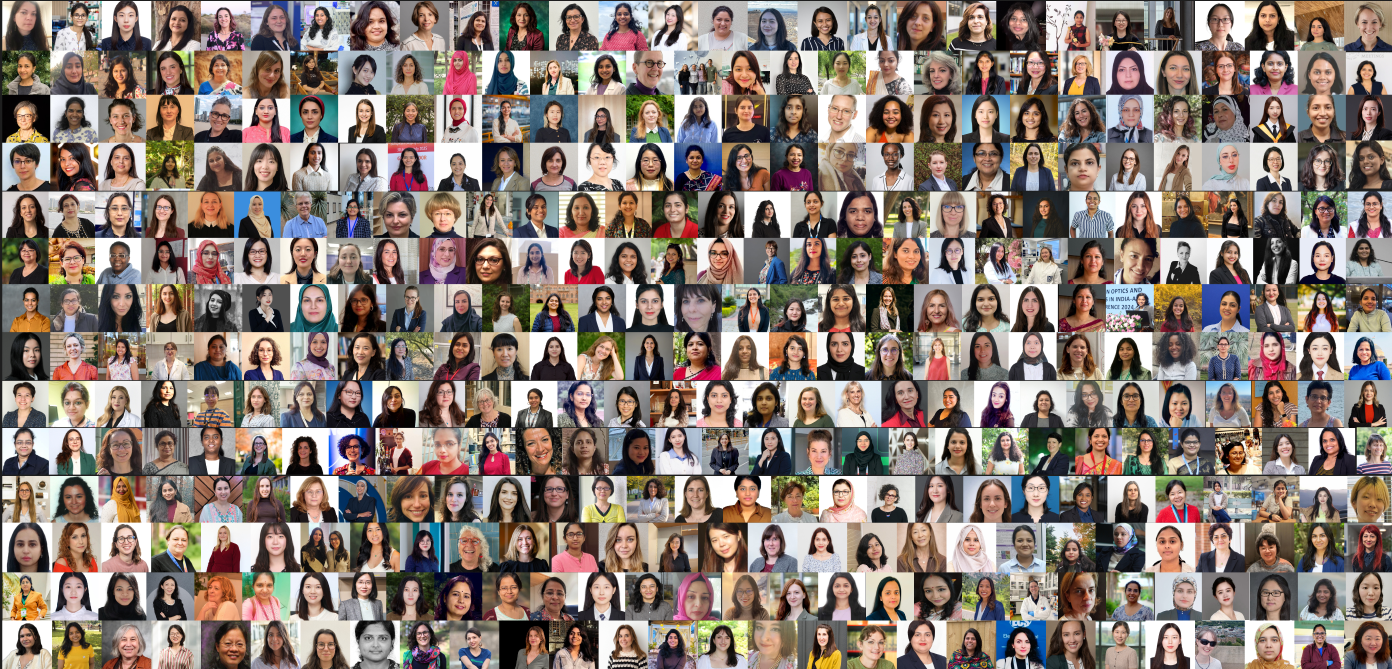
Celebrating International Women’s Day 2026: Women in Materials Science

In line with International Women’s Day 2026, we would like to highlight some of the excellent women researchers publishing impactful work in materials science.

These collections showcase a selection of the work published in the Royal Society of Chemistry Materials Portfolio in 2025 led by women scientists around the world and highlights the impact these leading individuals have on the research published within the journals.

We welcome any women corresponding authors and/or first authors who have published recent work in the journals to get in touch and have your work featured in the collections.

Check out our International Women’s Day collections across the RSC materials portfolio:

Celebrating International Women’s Day 2026: Women in Materials Horizons

Celebrating International Women’s Day 2026: Women in Journal of Materials Chemistry A

Celebrating International Women’s Day 2026: Women in Journal of Materials Chemistry B

Celebrating International Women’s Day 2026: Women in Journal of Materials Chemistry C

Celebrating International Women’s Day 2026: Women in Materials Advances

Digg This
Reddit This
Stumble Now!
Share on Facebook
Bookmark this on Delicious
Share on LinkedIn
Bookmark this on Technorati
Post on Twitter
Google Buzz (aka. Google Reader)

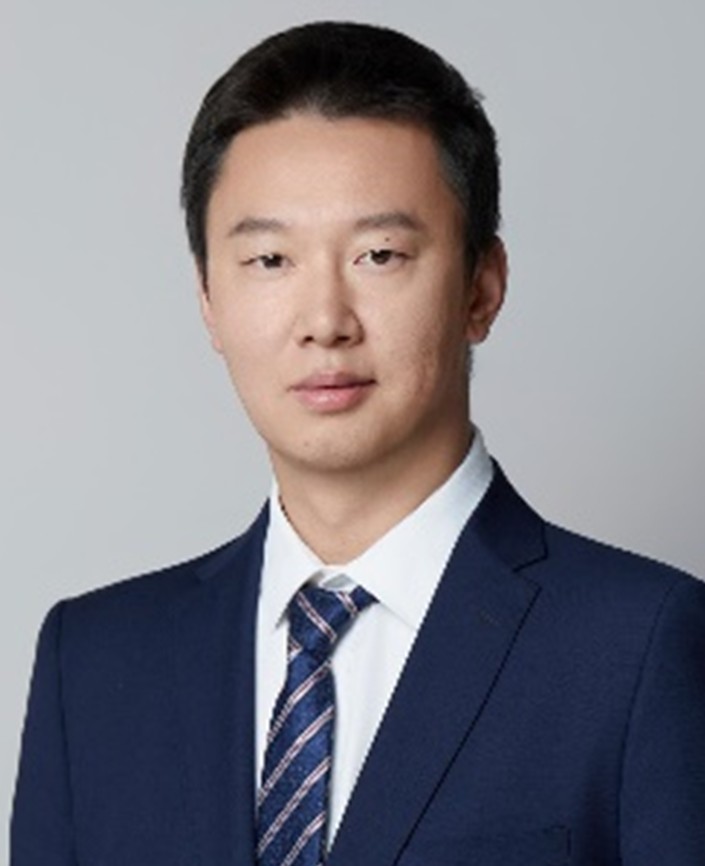
Welcoming Professor Martyn McLachlan as the new Editor-in-Chief of Journal of Materials Chemistry C and Materials Advances

Welcoming Professor Martyn McLachlan as the new Editor-in-Chief of Journal of Materials Chemistry C and Materials Advances


Having served as an Associate Editor for Journal of Materials Chemistry C since 2017 and for Materials Advances since its launch, I am delighted to take on the role of Editor-in-Chief for both journals. It is a privilege to help shape their future direction and to continue supporting our diverse research community. These journals exist to serve and support our research community — providing a trusted platform for the publication of the highest-quality materials research. I am honoured to work alongside such a talented Editorial Board and the outstanding professional team in the RSC Editorial Office.


Martyn McLachlan is Professor of Materials Science in the Department of Materials at Imperial College London, where he leads research at the interface of materials chemistry, physics, and engineering. His work focuses on the design, synthesis, and characterisation of advanced functional materials for energy conversion and optoelectronic applications, including metal-halide perovskites, metal oxide semiconductors, and hybrid systems.

A core theme of his research is understanding how processing conditions influence structure and device performance developing fundamental insights into thin-film formation, defect control, and interfacial phenomena. Martyn’s group employs state-of-the-art analytical techniques to study surfaces and buried interfaces, linking nanoscale chemistry and physics to macroscopic device behaviour. Beyond research, Martyn is passionate about mentorship and community building. He has played a key role in doctoral training and cross-disciplinary education, nurturing the next generation of scientists and engineers equipped to tackle global materials challenges.

He has been an Associate Editor on Journal of Materials Chemistry C since 2017 and Materials Advances since it launched in 2020.

We invite you to read our new collection, dedicated to Professor Martyn McLachlan, containing Journal of Materials Chemistry C and Materials Advances articles on materials for photovoltaic and light emitting devices. Read it here: https://pubs.rsc.org/en/journals/articlecollectionlanding?sercode=ma&themeid=9ff9b068-be68-4c23-856a-12665fa6fcda

Digg This
Reddit This
Stumble Now!
Share on Facebook
Bookmark this on Delicious
Share on LinkedIn
Bookmark this on Technorati
Post on Twitter
Google Buzz (aka. Google Reader)

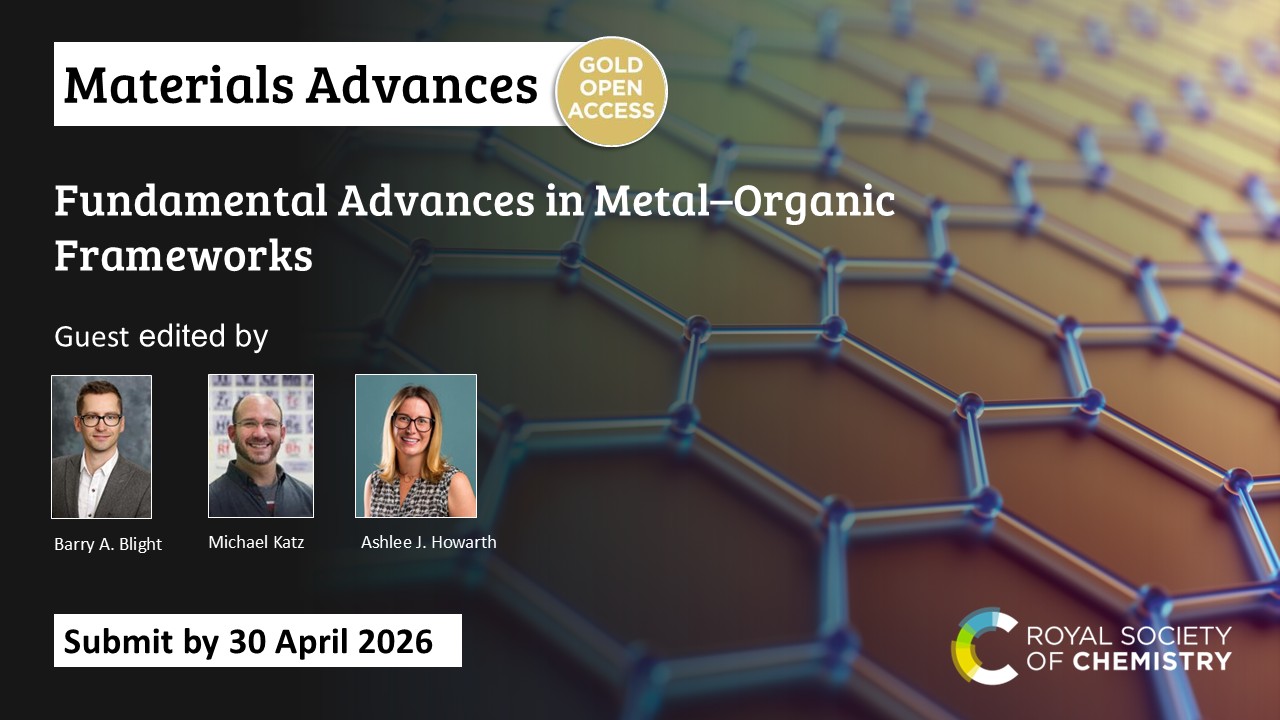
Call for Papers: Fundamental Advances in Metal-Organic Frameworks

Materials Advances is delighted to announce an open call for papers to our new themed collection focusing on fundamental advances in metal-organic frameworks!

If you are interested in contributing to this collection, please get in touch with the Editorial Office by email.


This themed collection is Guest Edited by:

The vast and rapid development of metal–organic framework (MOF) chemistry has produced countless examples of new structures, topologies, and materials. Many of these MOFs were designed with an application in mind, but some were designed to further our understanding of reticular chemistry and fundamental synthetic processes. This collection in Materials Advances will focus on research that furthers our fundamental understanding of how MOFs are assembled, including the synthesis of new MOFs, mechanisms of MOF formation, the thorough characterization and impact of structural defects, guest binding, coordination modulation, and new or advanced techniques for characterization of MOFs. In the dissemination of these details, we will drive the development of MOFs with a richer understanding of their synthesis and properties.


We are happy to consider both review articles and primary research work.


Submit your article before 30 April 2026


Publishing open access with RSC journals unlocks the full potential of your research – bringing increased visibility, wider readership and higher citation potential to your work. As a not-for-profit organisation serving the chemical sciences community, we ensure that our article processing charge (APC) remains the most competitive of major publishers. More details can be found here. There is a 15% RSC member and RSC open access agreement discount available (applicable to full price only). You can also use our journal finder tool to check if your institution currently has an agreement with the RSC that may entitle you to a discount of the APC.
 

Additional submission information

Please add a “note to the editor” in the submission form when you submit your manuscript to say that this is a submission for the themed collection fundamental advances in metal-organic frameworks.

The Editorial Office and Guest Editors reserve the right to check suitability of submissions in relation to the scope of the collection and inclusion of accepted articles in the collection is not guaranteed. All manuscripts will be subject to the journal’s usual peer review process. Accepted manuscripts will be added to the online collection as soon as they are online, and they will be published in a regular issue of Materials Advances.

Digg This
Reddit This
Stumble Now!
Share on Facebook
Bookmark this on Delicious
Share on LinkedIn
Bookmark this on Technorati
Post on Twitter
Google Buzz (aka. Google Reader)

Call for Papers: Solution-processed Perovskites & 2D Materials

Contribute to a new themed collection in Materials Advances

We are pleased to announce an open call for papers for a new themed collection on Solution-processed Perovskites and 2D Materials for Energy, Optoelectronics, and Computation Devices to be published in Materials Advances.

Guest Edited by Prof Anupama B. Kaul (University of North Texas), Prof Jayan Thomas (University of Central Florida) and Dr Qinglong Jiang (University of Arkansas).


This themed collection aims to bring together the latest advances made in our understanding of the structure, theory, properties, synthesis and device applications emerging from (but not limited to) solution-processed perovskites, and 2D inorganic van der Waals solids.

We invite a broad range of submissions, including original research articles, reviews, and perspectives. Topics may include, but are not limited to the following:

  • Solution-processed perovskites for solar cells, optoelectronics, photoabsorbers and light emitters for LEDs, lasers and quantum devices
  • Solution-processed inorganic 2D materials and their hybrids for functional photo-active, energy, and sensing devices
  • Perovskites for neuromorphic synapses towards brain-like computation

Submit before 31 December 2025


If you are interested in contributing to this collection, please get in touch with the Editorial Office.

Publishing open access with RSC journals unlocks the full potential of your research – bringing increased visibility, wider readership and higher citation potential to your work. As a not-for-profit organisation serving the chemical sciences community, we ensure that our article processing charge (APC) remains the most competitive of major publishers. More details can be found here and the standard APC for Materials Advances is £2,100 (+local taxes if applicable). There is a 15% RSC member and RSC open access agreement discount available (applicable to full price only). You can also use our journal finder tool to check if your institution currently has an agreement with the RSC that may entitle you to a discount of the APC.
 

Additional submission information

Please add a “note to the editor” in the submission form when you submit your manuscript to say that this is a submission for the themed collection. Solution-processed Perovskites & 2D Materials.
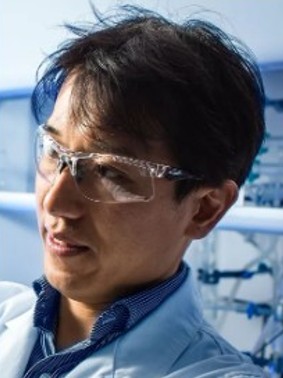
The Editorial Office and Guest Editors reserve the right to check suitability of submissions in relation to the scope of the collection and inclusion of accepted articles in the collection is not guaranteed. All manuscripts will be subject to the journal’s usual peer review process. Accepted manuscripts will be added to the online collection as soon as they are online, and they will be published in a regular issue of Materials Advances.

Digg This
Reddit This
Stumble Now!
Share on Facebook
Bookmark this on Delicious
Share on LinkedIn
Bookmark this on Technorati
Post on Twitter
Google Buzz (aka. Google Reader)

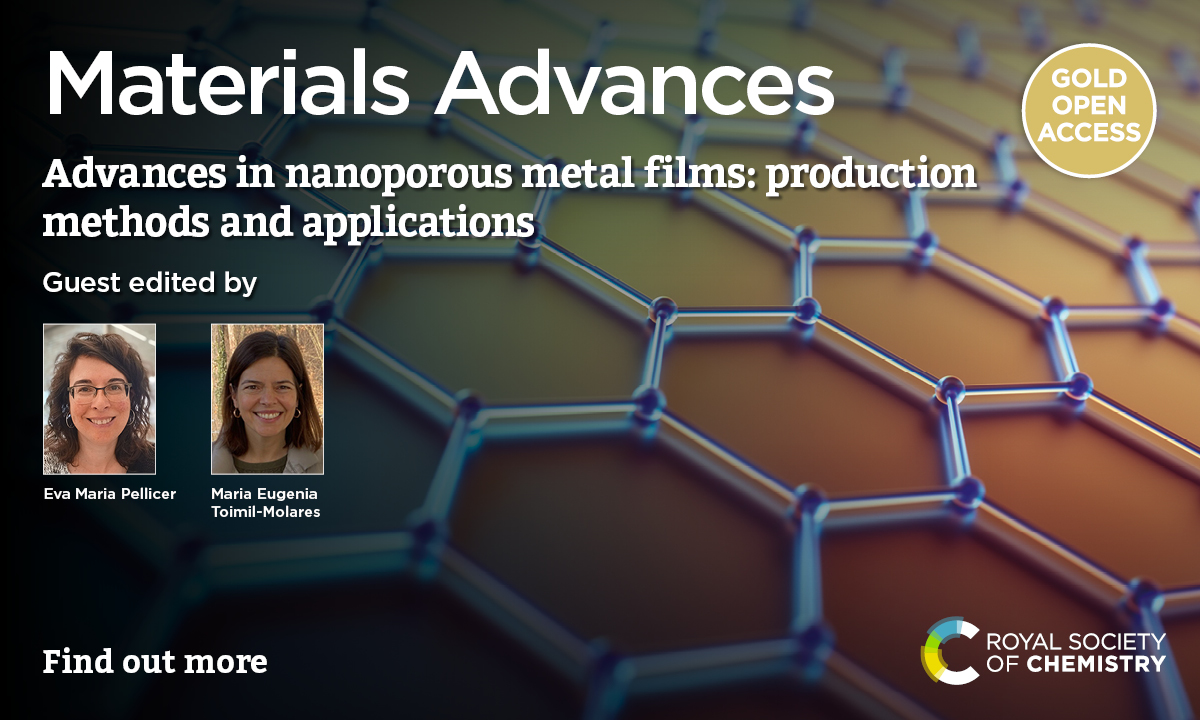
Advances in nanoporous metal films: production methods and applications

Read the new collection in Materials Advances

We are delighted to introduce our new themed collection focusing on Advances in nanoporous metal films: production methods and applications!

Guest Edited by Prof. Eva Maria Pellicer (Universitat Autònoma de Barcelona) & Prof. Maria Eugenia Toimil-Molares (GSI Helmholtzzentrum für Schwerionenforschung GmbH)


A small selection of the papers are featured below:

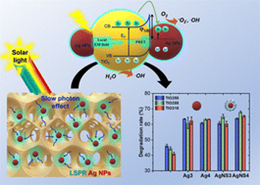
Tunable slow photon effect and local surface plasmon in Ag-immobilized TiO2 inverse opal films for enhancing pollutant photodegradation

Thi Kim Ngan Nguyen,Fabien Grasset, Satoshi Ishii, Hiroshi Fudouzi & Tetsuo Uchikoshi

Mater. Adv., 2024, 5, 8615-8628

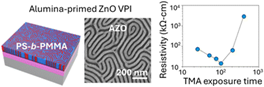
Effects of alumina priming on the electrical properties of ZnO nanostructures derived from vapor-phase infiltration into self-assembled block copolymer thin films

Won-Il Lee, Ashwanth Subramanian, Kim Kisslinger, Nikhil Tiwale & Chang-Yong Nam

Mater. Adv., 2024, 5, 5698-5708

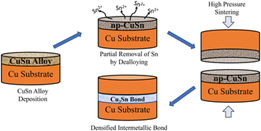
New generation copper-based interconnection from nanoporous CuSn alloy film sintered at low temperatures

Ezer Castillo, Abdullah F. Pasha, Zachary I. Larson & Nikolay Dimitrov

Mater. Adv., 2024, 5, 2285-2295


We hope you enjoy reading the full themed collection!


Did you know?

At Materials Advances, our themed collections are built by collaboration between our Guest Editors and expert Associate Editors. Our Guest Editors guide the scope and curate the contributions in our collections but all submissions are handled through peer review by our team of resident Associate Editors. This means that as an author you receive a consistent experience, and as a reader you can trust the quality of the science being presented.

If you have an idea for a topical collection in your research field, we’d love to hear from you! Get in touch.

Digg This
Reddit This
Stumble Now!
Share on Facebook
Bookmark this on Delicious
Share on LinkedIn
Bookmark this on Technorati
Post on Twitter
Google Buzz (aka. Google Reader)

Nanoengineered Biomaterials for Anticancer and Antimicrobial Drug Targeting

Read the new collection in Materials Advances

We are delighted to introduce our new Materials Advances themed collection focusing on Nanoengineered Biomaterials for Anticancer and Antimicrobial Drug Targeting!

Guest Edited by Sabya Sachi Das (University of North Carolina, USA), Janne Ruokolainen (Aalto University, Finland) and Kavindra Kumar Kesari (Aalto University, Finland)

This collection shines a spotlight on new research covering nanoengineered biomaterials targeting cancer and microbial infections theranostics. Particularly focusing on new research exploring the enhanced physicochemical and biological properties of nanoengineered biomaterials, which has led to their increasingly widespread use for diverse biomedical applications.

All papers are open access and free to read. A selection of the papers are featured below:

Synthesis strategies and cancer therapy applications of PEDOT nanoparticles
Diogo Dias, Leonor Resina, Frederico Castelo Ferreira, Paola Sanjuan-Alberte and Teresa Esteves
Mater. Adv., 2024, 5, 7561-7583
DOI: 10.1039/D4MA00260A

Spike trains in PANI-proteinoid nanomaterials with different light pulse rates
Panagiotis Mougkogiannis and Andrew Adamatzky
Mater. Adv., 2024, 5, 6185-6195
DOI: 10.1039/D4MA00253A

A graphene oxide-based sequential nanocatalyst for efficient tumor combination therapy
Zhenlu Yang, Ying Zhao, Zi Xu, Rongpin Wang and Qing Wang
Mater. Adv., 2024, 5, 5482-5493
DOI: 10.1039/D4MA00109E


We hope you enjoy reading this themed collection!


Did you know?

At Materials Advances, our themed collections are built by collaboration between our Guest Editors and expert Associate Editors. Our Guest Editors guide the scope and curate the contributions in our collections, but all submissions are handled through peer review by our team of resident Associate Editors. This means that as an author you receive a consistent experience, and as a reader you can trust the quality of the science being presented.

If you have an idea for a topical collection in your research field, we’d love to hear from you! Get in touch.


Digg This
Reddit This
Stumble Now!
Share on Facebook
Bookmark this on Delicious
Share on LinkedIn
Bookmark this on Technorati
Post on Twitter
Google Buzz (aka. Google Reader)

Open Call for Submissions: Supercapacitors for a sustainable energy future

Supercapacitors for a sustainable energy future

Submit your research to the collection before 26 November 2025

Journal of Materials Chemistry A and Materials Advances are delighted to announce an open call for our upcoming special themed collection on Supercapacitors for a sustainable energy future.

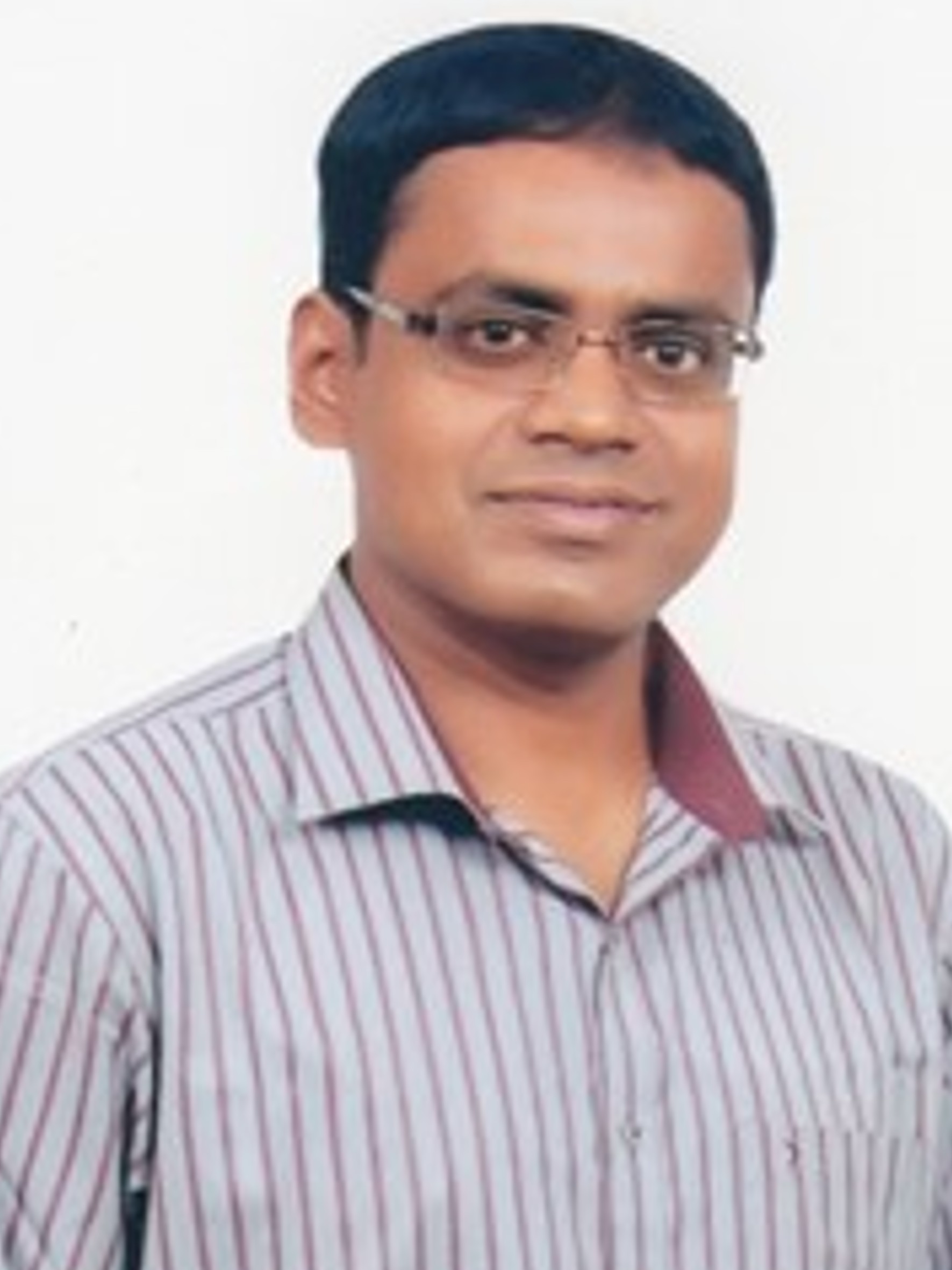
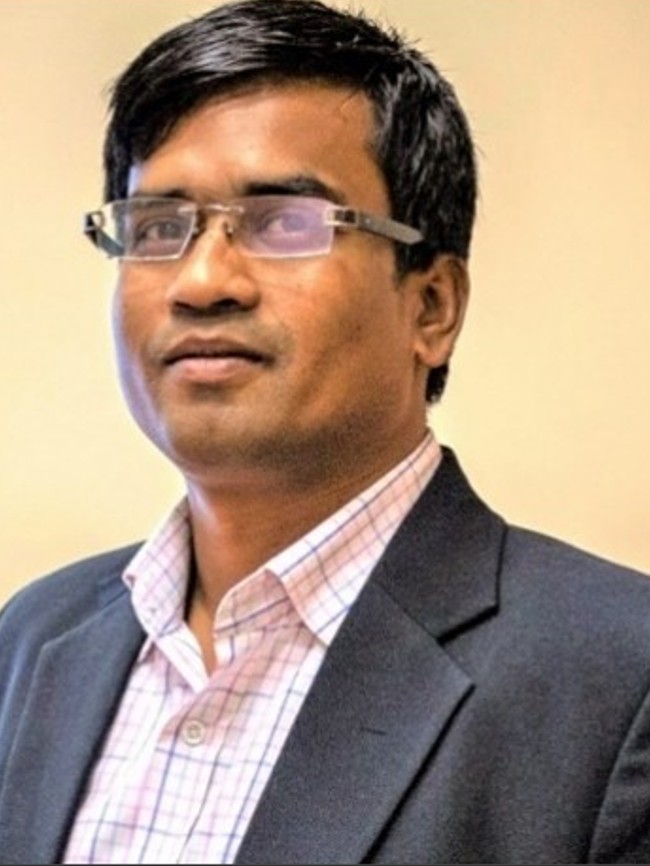
This themed collection is guest edited by Dr. Subrata Kundu (Central Electrochemical Research Institute, India), Prof. Chandra Sekhar Rout (Jain University, India) and Prof. Yusuke Yamauchi (The University of Queensland, Australia).

Scope

This themed collection will highlight the latest breakthroughs in supercapacitor technology, addressing the critical need for safe, affordable, and sustainable large-scale energy storage solutions. We invite contributions focused on the design, synthesis, and characterization of novel electrode and electrolyte materials, as well as fundamental investigations into electrochemical interfaces and charge storage mechanisms—including electrical double-layer capacitance, pseudocapacitance, and hybrid capacitance. We also welcome submissions on hybrid capacitors, supercapacitors, micro-supercapacitors, electrochromic supercapacitors, and self-healing supercapacitors, as well as integrated systems with multifunctional capabilities such as photodetection, gas sensing, and biosensing. Furthermore, studies that advance our understanding of charge storage mechanisms through theoretical modeling and in situ/operando spectroscopic techniques—including in situ XRD, in situ XPS, and in situ Raman spectroscopy—are highly encouraged. This collection aims to serve as a platform for cutting-edge research that deepens the fundamental understanding and promotes the practical application of supercapacitors toward a sustainable energy future.

Submission guidelines

Submissions should fit within the scope of Journal of Materials Chemistry A and Materials Advances. Please see the journals’ websites for more information on the scope, standards, article types and author guidelines.

This call for papers is open for the following article types:

  • Communications
  • Full papers

Open for submissions until 26 November 2025

If you would like to contribute to this themed collection, you can submit your article directly to the online submission service for Journal of Materials Chemistry A and Materials Advances. Please mention that this submission is a contribution to the Supercapacitors for a sustainable energy future collection in the “Themed issues” section of the submission form and add a “Note to the Editor” that this is from the Open Call. The Editorial Office reserves the right to check suitability of submissions in relation to the scope of both the journal and the collection, and as such inclusion of accepted articles in the final themed collection is not guaranteed.

Please note that all submissions will be subject to initial assessment and rigorous peer review to meet the usual high standards of Journal of Materials Chemistry A and Materials Advances.

We look forward to receiving your submissions. Do get in touch at materials-rsc@rsc.org if you have any queries about the collection or submission process.

Meet the Guest Editors

Dr. Subrata Kundu (Central Electrochemical Research Institute, India)

Dr. Subrata Kundu received his Ph.D degree from the Indian Institute of Technology (IIT), Kharagpur, India in early 2005. Then he moved to University of Nebraska, Lincoln, USA and later to Texas A &M University, College station, Texas, USA as a post-doc fellow (from 2005 to 2010). He was visited Texas A&M University, College station, Texas, USA again in 2016-2017 with ‘Bhaskara Advanced Solar Energy (BASE)’ fellowship for ten months. He is currently working as a Senior Principal Scientist at CSIR-CECRI, Karaikudi, India. Dr. Kundu recently received prestigious FRSC (Fellow of Royal Society of Chemistry) from London in 2023. Dr. Kundu is serving as an associate editor of prestigious ‘Journal of Materials Chemistry A’ and ‘Materials Advances’ from RSC publishers since November 2022 and ‘Scientific Reports’ from ‘Nature group publishers’ since 2015.  Dr. Kundu is also joined in the editorial advisory board of ACS journal ‘ACS Applied Materials and Interfaces’ since February 2025. Dr. Kundu and his co-workers are working in the forefront area of Material Sciences with emphasizes on energy, environment, catalysis and electrocatalysis fields

Prof. Chandra Sekhar Rout (Jain University, India)

Chandra Sekhar Rout is a full Professor at the Centre for Nano & Material Sciences (CNMS), Jain University. Before joining CNMS, He was a DST-Ramanujan Fellow at IIT Bhubaneswar, India (2013-2017). He obtained his Ph.D. from JNCASR, Bangalore (2008) under the supervision of Prof. C.N.R. Rao followed by postdoctoral research at NUS, Purdue University, and UNIST. Prof. Rout has received numerous accolades, including the prestigious Ramanujan Fellowship and Young Scientist Award from the Department of Science and Technology, Govt. of India (2013), Brain Pool Research Fellowship from the National Research Foundation (NRF), S. Korea, the Emerging Investigator Award from Elsevier (2017), the IAAM Medal from the International Association of Advanced Materials (2017), Emerging Scientist award 2023 from Adv. Powder Mater. Journal-Elsevier, and the Young Researcher Award from the Venus International Foundation (2015). His research focuses on two-dimensional layered materials and their hybrids for energy and environmental applications. With over 350 publications in international journals, eight edited books, and an impressive h-index of 65 with over 16,500 citations, Prof. Rout is a leading figure in his field. He was ranked among the top 2% of scientists in India according to Stanford’s study (2020–2025).

Prof. Yusuke Yamauchi (The University of Queensland, Australia)

Professor Yusuke Yamauchi received his Ph.D. from Waseda University in 2007 and began his independent career at the National Institute for Materials Science (NIMS), Japan. In 2017, he moved to the University of Queensland (UQ), where he serves as a Senior Group Leader at the Australian Institute for Bioengineering and Nanotechnology (AIBN) and as a Professor in the School of Chemical Engineering. Since 2020, he has also served as the ERATO Research Director for JST-ERATO Yamauchi Materials Space-Tectonics, and since 2023, he has held a distinguished professorship at Nagoya University. He serves on the advisory boards of leading journals and is an Associate Editor for Journal of Materials Chemistry A and Chemical Engineering Journal.

Digg This
Reddit This
Stumble Now!
Share on Facebook
Bookmark this on Delicious
Share on LinkedIn
Bookmark this on Technorati
Post on Twitter
Google Buzz (aka. Google Reader)

Call for Papers: Materials Advances in Additive Manufacturing: from Processing to Applications

We are pleased to invite you to contribute to a new themed collection on Materials Advances in Additive Manufacturing: from Processing to Applications to be published in Materials Advances by the Royal Society of Chemistry.

Materials Advances publishes quality research across the breadth of materials science. The journal is indexed in all major indexes, with an impact factor of 4.7 (2024 Journal Citation Reports, Clarivate Analytics).

We invite a broad range of submissions, including original research articles, reviews, and perspectives. Topics may include, but are not limited to:

  • Design and Synthesis of Advanced Inorganic and Organic Precursors (e.g., Photoinitiators, Metals, Alloys, Crosslinkers, Monomers and Macromonomers, among others): Development of new chemistries specifically tailored for additive manufacturing.
  • Stimuli-Responsive and Functional Materials: Engineering of materials with dynamic, adaptive properties that respond to external triggers, supporting advanced applications in biomedicine, electronics, and environmental technologies.
  • Innovative Printing and Characterisation Techniques: Advancement of printing methodologies, including but not limited to volumetric and multi-material 3D printing, and characterisation tools for assessing the rheological, mechanical, and functional performance of novel materials under both standard and non-standard additive manufacturing conditions.
  • Biomedical and Pharmaceutical Applications: Development of biocompatible and bioactive scaffolds for use in drug delivery systems, tissue engineering scaffolds, regenerative therapies, and personalised medical devices.
  • Innovative Applications of Additive Manufacturing: Utilisation of functionalised materials in diverse sectors including food-grade systems, soft robotics, wearable sensors etc.
  • Sustainable and Environmentally Conscious Manufacturing: Biodegradable, recyclable, and bio-based materials that support sustainable development and circular economy principles.
  • Multidisciplinary Integration and Computational Design: Computational modelling, machine learning, and simulations to predict material behaviour, optimise printability, and accelerate the discovery of new materials.

Submit before 15th December 2025

If you are interested in contributing to this collection, please get in touch with the Editorial Office. The Editorial Office and Guest Editors reserve the right to check suitability of submissions in relation to the scope of the collection and inclusion of accepted articles in the collection is not guaranteed.  Accepted manuscripts will be added to the online collection as soon as they are online, and they will be published in a regular issue of Materials Advances.

Publishing open access with RSC journals unlocks the full potential of your research – bringing increased visibility, wider readership and higher citation potential to your work. As a not-for-profit organisation serving the chemical sciences community, we ensure that our article processing charge (APC) remains the most competitive of major publishers. More details can be found here and the standard APC for Materials Advances is £2,100 (+local taxes if applicable). There is a 15% RSC member and RSC open access agreement discount available (applicable to full price only). You can also use our journal finder tool to check if your institution currently has an agreement with the RSC that may entitle you to a discount of the APC.


This themed collection is Guest Edited by:

Dr Vincenzo Taresco, University of Nottingham, ORCID: 0000-0003-4476-8233

Dr Yinfeng He, University of Nottingham Ningbo China, ORCID: 0000-0003-0325-8675

Dr Katharina Ehrmann, Technische Universität Wien, ORCID: 0000-0002-0161-0527

Dr Belén Begines, University of Seville, ORCID: 0000-0002-1513-7443

Digg This
Reddit This
Stumble Now!
Share on Facebook
Bookmark this on Delicious
Share on LinkedIn
Bookmark this on Technorati
Post on Twitter
Google Buzz (aka. Google Reader)