Archive for the ‘Themed Collections’ Category

150th Anniversary of the Indian Association for the Cultivation of Science (IACS), Kolkata

We are delighted to bring you this ChemComm themed collection celebrating the 150th anniversary of Indian Association for the Cultivation of Science, Kolkata. Guest Edited by Professors Kalobaran Maiti and Jyotirmayee Dash, this collection aims to bring together invited contributions from distinguished faculties and alumni of IACS Kolkata across all areas of chemical sciences.

Founded in 1876, The Indian Association for the Cultivation of Science (IACS) has been one of the oldest scientific research institutes in India and the birthplace of modern Indian science. It was at this institute, Sir C. V. Raman conducted his Nobel Prize–winning research on the scattering of light. To commemorate this historic milestone of IACS, we have put together a themed collection to celebrate the continued tradition of excellence in chemical sciences.

We hope that you enjoy reading the articles in this collection.

Reviews

Nanoparticle-stabilized Pickering emulsions as vaccine delivery carriers: a review

Rajkumar Sahoo; Suman Mandal; Nikhil R. Jana

https://doi.org/10.1039/D5CC06900A


Reversible interconversion in atomically precise metal nanoclusters

Khokan Paria; Paritosh Mahato; Saptarshi Mukherjee

https://doi.org/10.1039/D6CC02426B


Communications

Oxidative C5−H amination of imidazo[1,2-a]pyrimidines via iodine catalysis

Frenki Mahato; Alakananda Hajra

https://doi.org/10.1039/D6CC02067D


LMCT enabled photo-decarboxylative C−N cross coupling of α,β-unsaturated acids with pyrazoles

Soumya Mondal; Pradyut Ghosh

https://doi.org/10.1039/D6CC01177B


A naphthalimide-based reversible colorimetric and luminescent sensor for detecting trace water in organic solvents

Sk Sujauddin; Prasenjit Maity; Subhadeep Kar; Sk. Mursed Ali; Mijanur R. Molla

https://doi.org/10.1039/D5CC07336G


Mitochondria targeting by a nonionic and emissive push–pull type chromophore or its polymer conjugate

Atish Nag; Priya Rajdev; Supan Roy; Likesh Kumar; Khushi Verma; Siddhartha S. Jana; Suhrit Ghosh

https://doi.org/10.1039/D5CC06572K


PIDA-mediated oxidative ring-opening of 2H-indazoles with N-hydroxyphthalimide

Arindam Barman; Krishna Kanta Das; Alakananda Hajra

https://doi.org/10.1039/D6CC01588C


DNA i-motif guided synthesis of a selective telomerase inhibitor

Urmila Saha; Pratap Paul; Khushnood Fatma; Raj Paul; Sayantan Pradhan, Zoë Ann Ella Waller; Jyotirmayee Dash

https://doi.org/10.1039/D6CC03102A


Core engineering within BINOL-based porous organic polymers for efficacious sequestration of iodine and methyl orange

Flora Banerjee; Amrita Hazra; Suman Kalyan Samanta

https://doi.org/10.1039/D6CC02734B


A concise synthesis of indole-fused azepino- and azocino-indoles via acid-catalyzed 1,2-migration

Nabin Parui; Kousik Maji; Manab Diasi; Jyotirmayee Dash

https://doi.org/10.1039/D5CC07212C


Protein migration via dissolution of ATP-stabilized condensate in a gradient of AMP

Shikha Shikha; Sakshi Juneja; Subhabrata Maiti

https://doi.org/10.1039/D5CC07323E


Exploring neutral backbones in phosphorodiamidate morpholino oligomers: synthesis and biophysical properties

Arnab Das; Debajyoti Kuilya; Swrajit Nath Sharma; Surajit Sinha

https://doi.org/10.1039/D6CC01842D


Human Tat-derived cyclic peptide destabilizes the MALAT1 ENE triple helix and attenuates expression

Pranotosh Das; Shuvam Mandal; Manish Debnath

https://doi.org/10.1039/D6CC02102F


Orthogonally self-sorted hydrogels with pathway-dependent morphology guide bimetallic nanozyme formation

Debolina Saha; Shreya Sridhar; Ipsita Sahu; Priyadarshi Chakraborty

https://doi.org/10.1039/D6CC02116F


Crowder architecture matters: Distinct effects of linear and branched macromolecular crowders on dynamics and function of Escherichia coli prolyl-tRNA synthetase

Gaona Her; Breanna Parker Hayden; Brianna Finke; Elijah Weitzel; Christine Le; Anne Sarah Moise; Sanchita Hat; Sudeep Bhattacharyya

https://doi.org/10.1039/D6CC02487D


Digg This
Reddit This
Stumble Now!
Share on Facebook
Bookmark this on Delicious
Share on LinkedIn
Bookmark this on Technorati
Post on Twitter
Google Buzz (aka. Google Reader)

ChemComm 60th Anniversary Board Member Collection


Chemical Communications will be publishing its 60th volume in 2024. Over the past 60 years, ChemComm has been the RSC’s most cited journal, and one of the most trusted venues for rapid publication of short communications. In our anniversary year, we recognise the important contributions ChemComm has made, and continues to make, in advancing the chemical sciences.

As part of these celebrations, we’ve brought together a special collection highlighting the latest work from the pioneering researchers who have supported the journal in reaching this milestone by serving on ChemComm’s Editorial and Advisory boards in the last two decades. Throughout the year, we’ll be catching up with these current and former Board Members to discuss their work and reflect on ChemComm’s 60th anniversary. Check out our first interviews with current Editorial Board chair, Professor Doug Stephan, and Advisory Board member, Professor Eli Zysman-Colman, below!


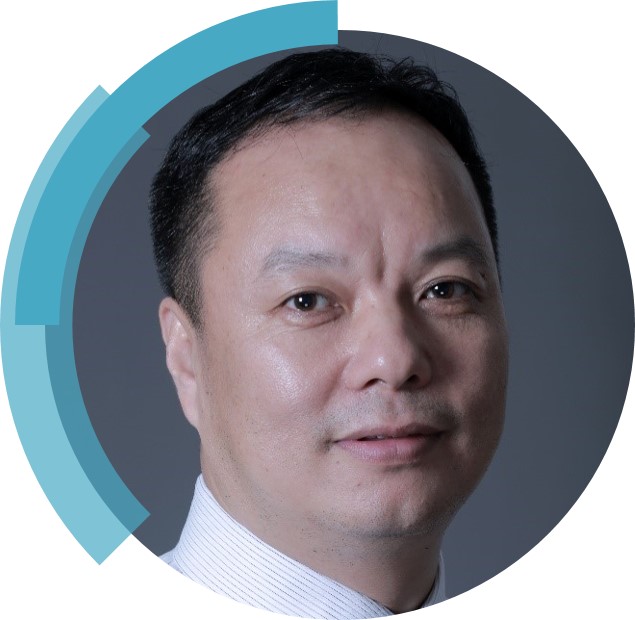
Doug Stephan, born in Hamilton ON, graduated with his BSc at McMaster (1976) and PhD at UWO (1980). After a NATO PDF at Harvard, he began his independent career at the University of Windsor (1982). He was promoted to Associate Professor (1985), full Professor(1992) and named a NSERC Industrial Research Chair (2001), University Professor (2002) and Canada Research Chair (2005). In 2008 he moved to the University of Toronto as a Professor and Canada Research Chair, In 2018, he was appointed University Professor. In 2020, he established an additional satellite laboratory at Ningbo University as a Zhedong Scholar Chair Professor. He was an Associated Editor for Chemical Society Reviews for 6 years, the Chair of the editorial board and is now Chair of the editorial board of Chemical Communications

A world-leading researcher in inorganic chemistry/catalysis, he is best known as the founder of the field of “frustrated Lewis pair” (FLP) chemistry. He has received a number of National and International awards, including Humboldt and Killam Fellowships. He is a Fellow of the Royal Society (London), a Corresponding Member of North-Rhein-Westfaelia Academy of the Sciences and Arts (Germany) and was a Distinguished Adjunct Professor at King Abdulaziz University, and an Einstein Visiting Fellow at TU Berlin. More recently, he was the recipient of the 2019 J. C. Polanyi Award from NSERC of Canada, a 2020 Guggenheim Fellowship the 2021 Killam Prize in Science and the 2022 F.A Cotton Award from the American Chemical Society. In 2023, he wqs named the John C. Polanyi Chair in Chemistry at the University of Toronto.

What attracted you to the role as Editorial Board Chair for ChemComm?

There are a number of positives that drew me to this role. Firstly, the journal has a solid reputation for publishing quality communications. The associate editors and board members are great scientists whom I admire, and all of the RSC staff are a pleasure to work with.

How have you seen ChemComm evolve over the years, and what aspects do you find most noteworthy?

I think that ChemComm, like the discipline has evolved in sophistication and rigor.  Years ago, communications were very short reports of new concepts that were worthy of further study, and they were typically followed up with a fuller report. Today, communications go so much further, substantiating claims and providing much more credible proofs of principle. So much so that they most often stand on their own merit.

What is your favourite thing about ChemComm?

I guess the thing I like the most is that as one scans the table of contents of an issue, one can find a very broad range of chemistry. Inorganic organic, materials, polymers, theoretical and physical chemistry are all covered. Thus, even if I do not read all the papers, I feel I am at least aware of important developments outside of my particular area.

In what ways do you think ChemComm stands out among other journals in your field?

As other journals take communications, full papers and numerous reviews, ChemComm stands out as the journal that focuses on  communications. These short but impactful papers cover areas across the discipline of Chemistry and beyond.

Are there ways in which the journal can further support and engage with future generations of scientists?

I think that young (and old) scientists want to engage with quality, quality papers, quality reviewing and quality editors. The sustained focus of ChemComm on these aspects augurs well for continuing engagement of the community through the generations.

I also believe that ChemComm’s efforts to continue to increase their presence and use of social media is critically important. This is a terrific tool for the rapid dissemination of information allowing scientist to ensure that their community is aware of their work.

Could you provide a brief summary of your recent ChemComm publication?

Our recent ChemComm describes a unique synthetic route to phosphorus analogues of β-lactams, exploiting FLP-type reactions.

In your opinion, what are the next steps or potential areas of research that could build upon the findings in this paper?

These compounds have potential to act as antimicrobial agents. We are developing collaborations to evaluate these species and related derivatives.

Read Doug’s full Communication here: Stannyl phosphaketene as a synthon for phosphorus analogues of β-lactams by Yong-an Luo, Zhao Zhao, Ting Chen, Yanguo Li, Yufen Zhao, Douglas Stephan and Yile Wu

Eli Zysman-Colman obtained his Ph.D. from McGill University in 2003 under the supervision of Prof. David N. Harpp as an FCAR scholar, conducting research in physical organic sulfur chemistry.  He then completed two postdoctoral fellowships, one in supramolecular chemistry with Prof. Jay Siegel at the Organic Chemistry Institute, University of Zurich as an FQRNT fellow and the other in inorganic materials chemistry with Prof. Stefan Bernhard at Princeton University as a PCCM fellow.  He joined the department of chemistry at the Université de Sherbrooke in Quebec, Canada as an assistant professor in 2007. In 2013, he moved to the University of St Andrews in St Andrews, UK, where he is presently Professor of Optoelectronic Materials, Fellow of the Royal Society of Chemistry and a past holder of a Royal Society Leverhulme Trust Senior Research Fellowship.  His research program focuses on the rational design of: (I) luminophores for energy-efficient visual displays and flat panel lighting based on organic light emitting diode (OLED) and light-emitting electrochemical cell (LEEC) device architectures; (II) sensing materials employed in electrochemiluminescence; and (III) photocatalyst developing for use in organic reactions.

What is your favourite thing about ChemComm?

I enjoy the breadth of chemistry covered in Chem. Commun.

Could you provide a brief summary of your recent ChemComm publication?

Our paper demonstrates a new multiresonant thermally activated delayed fluorescence (MR-TADF) emitter design, DDiKTa-F wherein we annelate on either side of a fluorene a known MR-TADF moiety that we had previous studied, DiKTa. In doing so, we produced a narrower, brighter and red-shifted emission compared to a previous emitter we had developed, DDiKTa. We then demonstrated its utility as the emitter in an organic-light emitting diode.

Read Eli’s Open Access Communcation article here: A fluorene-bridged double carbonyl/amine multiresonant thermally activated delayed fluorescence emitter for efficient green OLEDs by Sen Wu, Ya-Nan Hu, Dianming Sun, Kai Wang, Xiao-Hong Zhang and Eli Zysman-Colman


Digg This
Reddit This
Stumble Now!
Share on Facebook
Bookmark this on Delicious
Share on LinkedIn
Bookmark this on Technorati
Post on Twitter
Google Buzz (aka. Google Reader)

Nanocatalysis: A Nanoscale Horizons, Nanoscale, and ChemComm Collection

Nanocatalysis

A collection of recent articles in Nanoscale Horizons, Nanoscale and ChemComm

Nanoscale Horizons, Nanoscale and ChemComm are pleased to present a collection highlighting some of the latest nanocatalysis research published in the journals.


Check out this selection of articles from the collection, with many more available online.

Synthesis of monodisperse high entropy alloy nanocatalysts from core@shell nanoparticles
Yifan Chen, Xun Zhan, Sandra L. A. Bueno, Ibrahim H. Shafei, Hannah M. Ashberry, Kaustav Chatterjee, Lin Xu, Yawen Tang and Sara E. Skrabalak
Nanoscale Horizons, 2021, DOI: 10.1039/D0NH00656D

Synthesis of silver and gold nanoparticles-enzyme-polymer conjugate hybrids as dual-activity catalysts for chemoenzymatic cascade reactions (Open Access)
Janne M. Naapuri, Noelia Losada-Garcia, Jan Deska, Jose M. Palomo
Nanoscale, 2022, DOI: 10.1039/D2NR00361A


We hope you enjoy reading this special collection and will consider Nanoscale Horizons, Nanoscale, and ChemComm for your future submissions!

Digg This
Reddit This
Stumble Now!
Share on Facebook
Bookmark this on Delicious
Share on LinkedIn
Bookmark this on Technorati
Post on Twitter
Google Buzz (aka. Google Reader)

SU 120: Celebrating 120 Years of Soochow University

Situated in the historical and picturesque city of Suzhou, a metropolis well reputed in the world for its classic gardens, Soochow University (SU) was founded in 1900 and represents one of the first modern universities in China. Soochow University is a top comprehensive university in Jiangsu Province, listed as a key university of “Project 211” and a member of “the Double First-Class” Initiative.

The College of Chemistry, Chemical Engineering and Materials Science grew out of the Chemistry Department of Soochow University, which was founded in 1914 and was one of the earliest chemistry departments in China. The chemistry research at SU focuses on precision synthesis, micro/nano materials for environmental science, energy and materials, health chemistry and diagnosis, precision catalysis and application as well as green chemistry and chemical engineering. As a result of the scientific and technological innovation strategy “Think Big and Start Small”, Soochow University has harvested fruitful results in chemistry innovation. As indicated by data from Nature Index and Lens in 2017, the field of chemistry at Soochow University headed the list of mainland universities among the global innovative scientific research institutions and universities. Noticeably, both the disciplines of Chemistry and Materials Science at the College are listed in the top 1‰ around the world according to the latest Essential Science Indicators (ESI).

“Following the rapid developments in new technology and equipment, today we are living in a golden age of chemistry.” says Prof. Jianlin Yao, Dean of the College of Chemistry, Chemical Engineering and Materials Science, Soochow University. “Soochow University chemists will continue to work on original innovation, breakthrough techniques and technology transfer in practical application, and all of us are committed to the sustainable development goals of humanity.”

To celebrate the 120th anniversary, we are sharing a special virtual issue of research articles from Soochow University chemists. Authors across the university have contributed more than 60 articles on topics ranging from synthetic chemistry to biological chemistry and other cross chemistry disciplines. We hereby invite you to read through these selected articles to witness the achievements made by Soochow University in the past few years (2015-2020).

Find the collection online here!

Jianlin Yao

Soochow University

Digg This
Reddit This
Stumble Now!
Share on Facebook
Bookmark this on Delicious
Share on LinkedIn
Bookmark this on Technorati
Post on Twitter
Google Buzz (aka. Google Reader)

Virtual issue on Aggregation-induced Emission (AIE)

We’re celebrating the upcoming 20th anniversary of aggregation-induced emission (AIE), a term which was first coined in 2001. We’ve put together a collection of key AIE articles published in RSC journals. Here are the articles in the collection from ChemComm, including the very first AIE article!

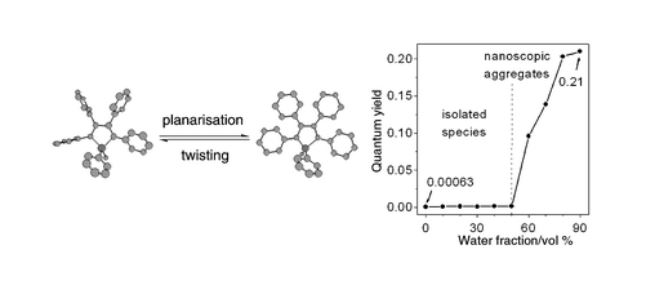
Aggregation-induced emission of 1-methyl-1,2,3,4,5-pentaphenylsilole
Ben Zhong Tang et al
Chem. Commun., 2001, 1740–1741

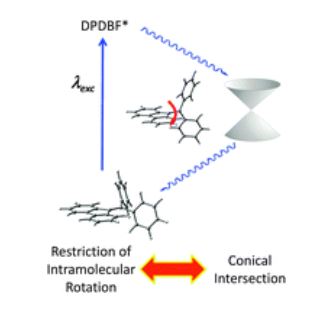
A conical intersection model to explain aggregation induced emission in diphenyl dibenzofulvene
Quansong Lia and Lluís Blancafort
Chem. Commun., 2013, 49, 5966

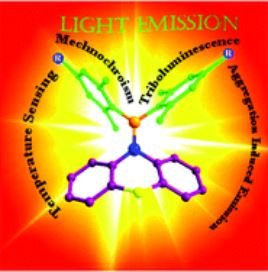
Diarylboryl-phenothiazine based multifunctional molecular siblings
Kalluvettukuzhy K. Neena, Pakkirisamy Thilagar* et al.
Chem. Commun., 2017, 53, 3641-3644

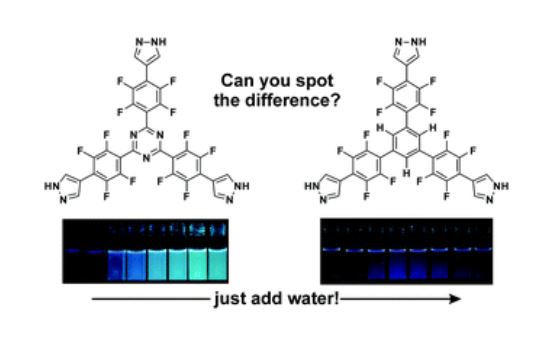
Aggregation-induced emission in precursors to porous molecular crystals
Zhenglin Zhang, Ognjen Š. Miljanić* et al.
Chem. Commun., 2017,53, 10022-10025

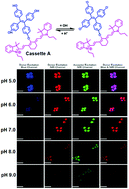
A cyanine-based fluorescent cassette with aggregation-induced emission for sensitive detection of pH changes in live cells
Mingxi Fang, Haiying Liu* et al.
Chem. Commun., 2018,54, 1133-1136

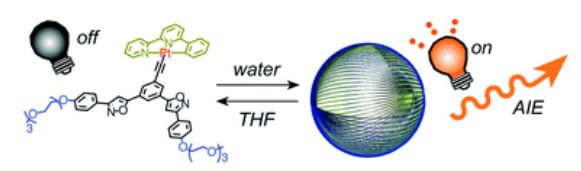
AIE-active micelles formed by self-assembly of an amphiphilic platinum complex possessing isoxazole moieties
Takehiro Hirao,Takeharu Haino* et al.
Chem. Commun., 2020,56, 1137-1140

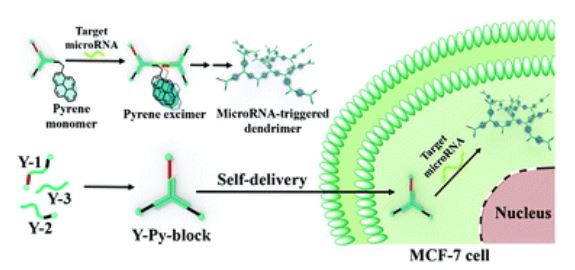
A self-delivery DNA nanoprobe for reliable microRNA imaging in live cells by aggregation induced red-shift-emission
Zhe Chen, Leilei Tian* et al.
Chem. Commun., 2020,56, 1501-1504

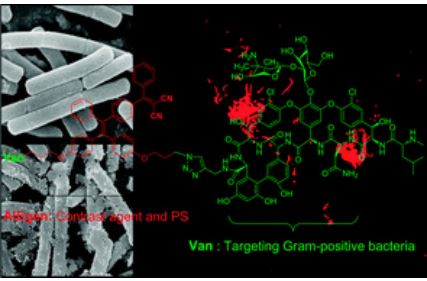
A light-up probe with aggregation-induced emission characteristics (AIE) for selective imaging, naked-eye detection and photodynamic killing of Gram-positive bacteria
Guangxue Feng, Bin Liu* et al.
Chem. Commun., 2015, 51, 12490-12493

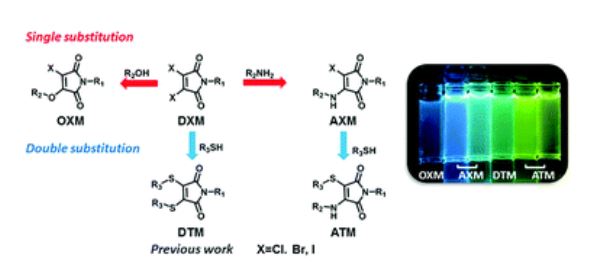
Rational design of substituted maleimide dyes with tunable fluorescence and solvafluorochromism
Yujie Xie, Rachel K. O’Reilly et al.
Chem. Commun., 2018,54, 3339-3342

Digg This
Reddit This
Stumble Now!
Share on Facebook
Bookmark this on Delicious
Share on LinkedIn
Bookmark this on Technorati
Post on Twitter
Google Buzz (aka. Google Reader)

ChemComm Emerging Investigators 2018 – Call for Papers

We were delighted to publish the 2017 ChemComm Emerging Investigators issue last year and we continue to be overwhelmed by the community’s positive response. We are now excited to announce the forthcoming 2018 ChemComm Emerging Investigators issue.

This special issue, now on its eighth year, showcases high quality research being carried out by international researchers in the early stages of their independent careers. This annual issue features principal investigators whose work has the potential to influence future directions in science or result in new and exciting developments.

If you are interested in submitting to this issue please contact the ChemComm Editorial Office in the first instance and please take a look at the excellent research and Feature articles published by your peers in our previous issues in 20112012, 2013, 2014, 2015 and 2016.

Please note that authors must not have featured in a previous ChemComm Emerging Investigators issue. The deadline for submission to this issue is 27 March 2018.

Digg This
Reddit This
Stumble Now!
Share on Facebook
Bookmark this on Delicious
Share on LinkedIn
Bookmark this on Technorati
Post on Twitter
Google Buzz (aka. Google Reader)

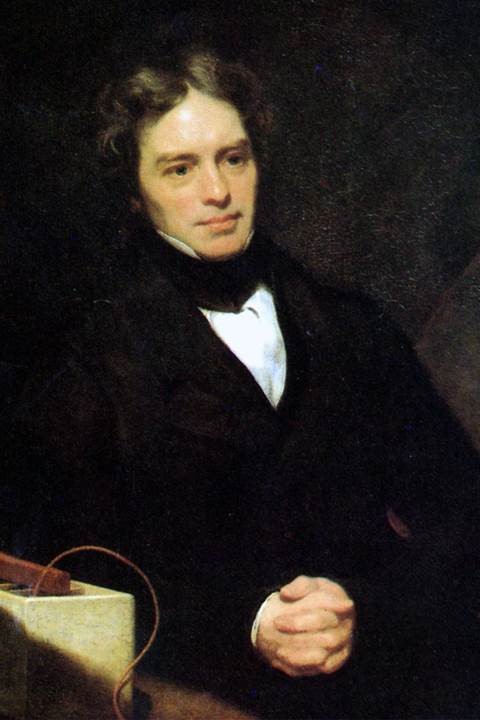
Commemorating Michael Faraday (1791-1867) – call for papers in physical chemistry

This year we are commemorating the 150th anniversary of the death of Michael Faraday, perhaps one of the most prolific and influential scientists who ever lived. His ground-breaking research into the relationship between electricity and magnetism ultimately led to the invention of the electric motor.

One of his most well-known creations, the Faraday cage, is the basis of MRI machines which are routinely used for a range of medical diagnoses. He also discovered benzene, pioneered research into nanotechnology, and gave his name to the Faraday Effect, Faraday’s Law, and the SI unit of capacitance, the farad.

At the Royal Society of Chemistry, we are honouring Michael Faraday with a special Chemical Communications web themed issue, highlighting key discoveries and developments in physical chemistry.

We encourage you to submit your best research to be included in this unique collection! More information about our article types can be found here. Submit at www.rsc.org/ChemComm by 31st July 2017! Please note that all submissions will be subject to peer review in accordance with the journal’s quality and standards. If you are interested in this opportunity, please email chemcomm-rsc@rsc.org

Digg This
Reddit This
Stumble Now!
Share on Facebook
Bookmark this on Delicious
Share on LinkedIn
Bookmark this on Technorati
Post on Twitter
Google Buzz (aka. Google Reader)

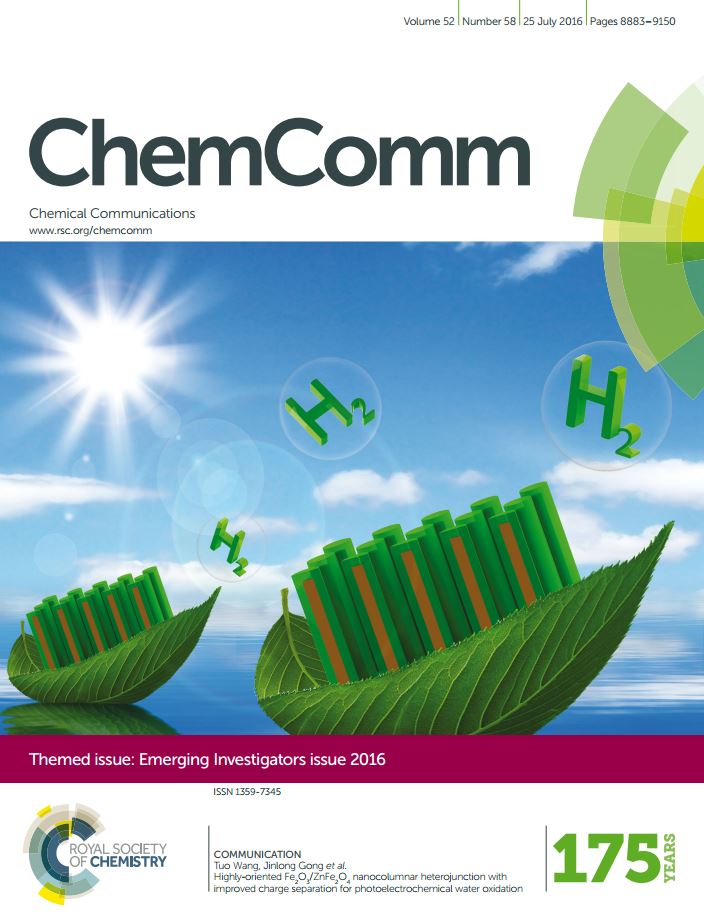
2016 ChemComm Emerging Investigators issue – now published

We are delighted to announce the publication of the 2016 ChemComm Emerging Investigators issue.

Now on its sixth year, this annual special issue showcases internationally recognised, up-and-coming scientists who are making outstanding contributions to their respective fields.

This year’s issue includes a selection of Feature articles and Communications, as well as a Profile of this year’s contributors, with interesting photos to spotlight our authors at work or at play – look out for a cool plasma ball, white-water rafting, a cute canine friend, and loads of lovely shots in the great outdoors!

You can also take a look at our previous Emerging Investigator issues in 2011, 2012, 2013, 2014 and 2015.


Read our Emerging Investigators 2016 collection today

Digg This
Reddit This
Stumble Now!
Share on Facebook
Bookmark this on Delicious
Share on LinkedIn
Bookmark this on Technorati
Post on Twitter
Google Buzz (aka. Google Reader)

Ivan Aprahamian wins Cram Lehn Pedersen Prize

Photograph of Professor Ivan AprahamianThe International Committee of the International Symposium on Macrocyclic and Supramolecular Chemistry is delighted to announce that the 2016 Cram Lehn Pedersen Prize, given annually to an outstanding early-career supramolecular chemist, has been awarded to Professor Ivan Aprahamian, Dartmouth College, USA for his exciting research on molecular switches – congratulations!

As part of the Prize, Prof. Aprahamian will give a lecture at the 11th International Symposium on Macrocyclic and Supramolecular Chemistry meeting in Seoul, Korea which takes place from 10–14 July 2016.

Photograph of Dr Jeanne AndresDr Jeanne Andres (Deputy Editor of ChemComm) will be attending the event and will present the award in person. She would love to hear about your research and meet with our readers, authors and referees. Please do get in touch with Jeanne if you would like to arrange a meeting in advance.

We are also delighted to announce that the International Symposium on Macrocyclic and Supramolecular Chemistry in 2017 will be held in conjuction with ISACS: Challenges in Organic Materials & Supramolecular Chemistry.

Our keynote speakers will be:

  • François Diederich (ETH Zurich, Switzerland)
  • David Leigh (The University of Manchester, UK)
  • Jeffrey Long (University of California, Berkeley, USA)
  • Vivian Yam (University of Hong Kong, Hong Kong)
  • Xi Zhang (Tsinghua University, China)

Full details of all the confirmed speakers may be found on the event website.

We hope you can join us in Cambridge, UK – save the dates 2–6 July 2017!

While you are waiting you might like to check out some of our recent themed collections of articles in the area of supramolecular chemistry – Enjoy!

Digg This
Reddit This
Stumble Now!
Share on Facebook
Bookmark this on Delicious
Share on LinkedIn
Bookmark this on Technorati
Post on Twitter
Google Buzz (aka. Google Reader)

Announcing the ChemComm Emerging Investigator Issue 2016

We are delighted to announce the forthcoming 2016 ChemComm Emerging Investigators issue. This special issue, now in its sixth year, will showcase the high quality research being carried out by international researchers in the early stages of their independent careers.

If you are interested in submitting to the issue please contact the ChemComm Editorial Office in the first instance. Please note that authors must not have featured in a previous ChemComm Emerging Investigators issue. The deadline for submission is 18 January 2016.

This annual issue is dedicated to profiling the very best research from scientists in the early stages of their independent careers from across the chemical sciences. We hope to feature principal investigators whose work has the potential to influence future directions in science or result in new and exciting developments.

C5CC90126JAlso of interest:

Browse the 2015 Emerging Investigators issue

Find out more about the winners of the recent ChemComm Emerging Investigator Lectureship – awarded annually to exceptional scientists in the early stage of their independent career

Digg This
Reddit This
Stumble Now!
Share on Facebook
Bookmark this on Delicious
Share on LinkedIn
Bookmark this on Technorati
Post on Twitter
Google Buzz (aka. Google Reader)