Author Archive

Announcing Saurabh Chitnis and Xiongyi Huang as the joint winners of the 2025 ChemComm Emerging Investigator Lectureship

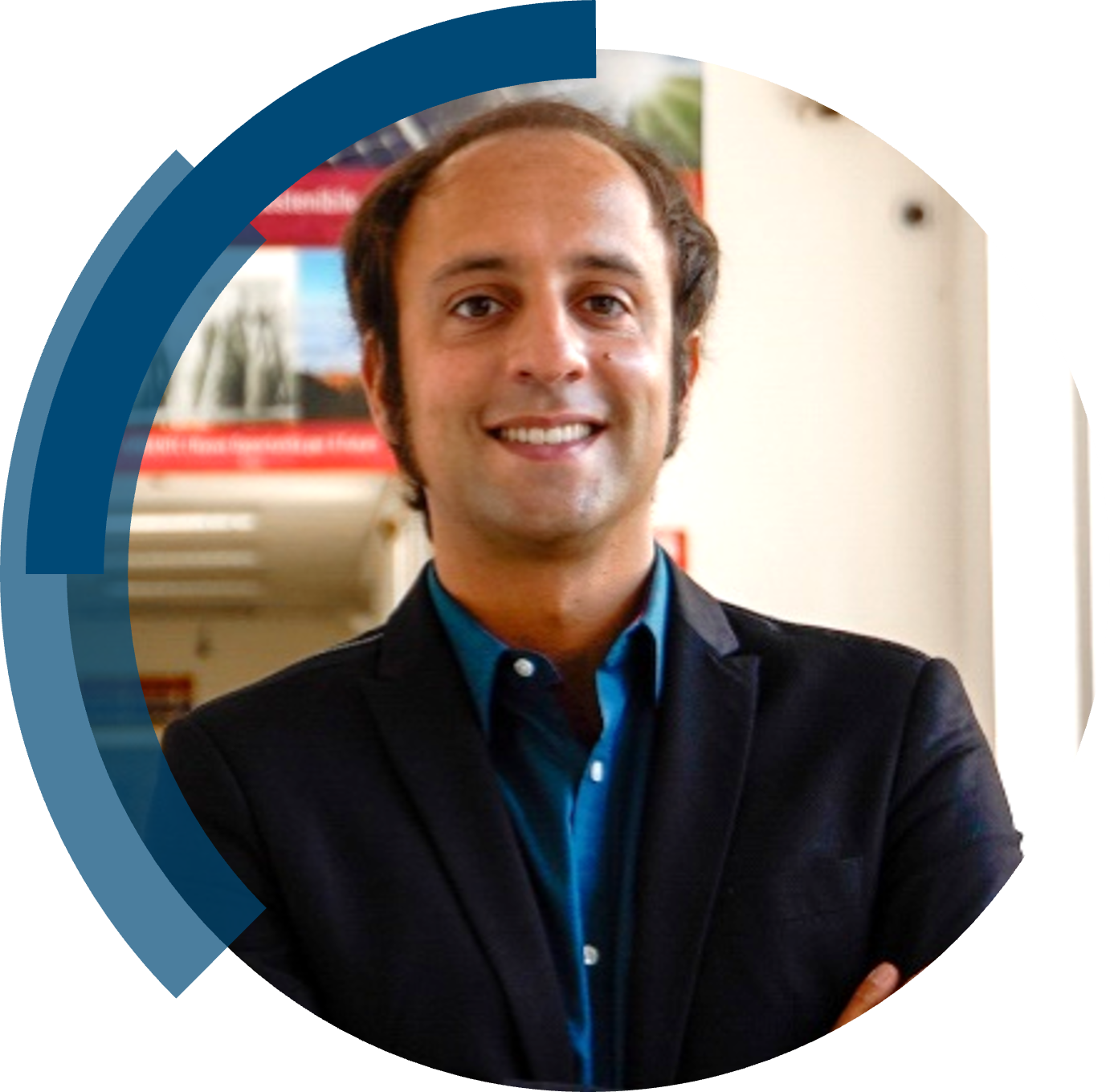
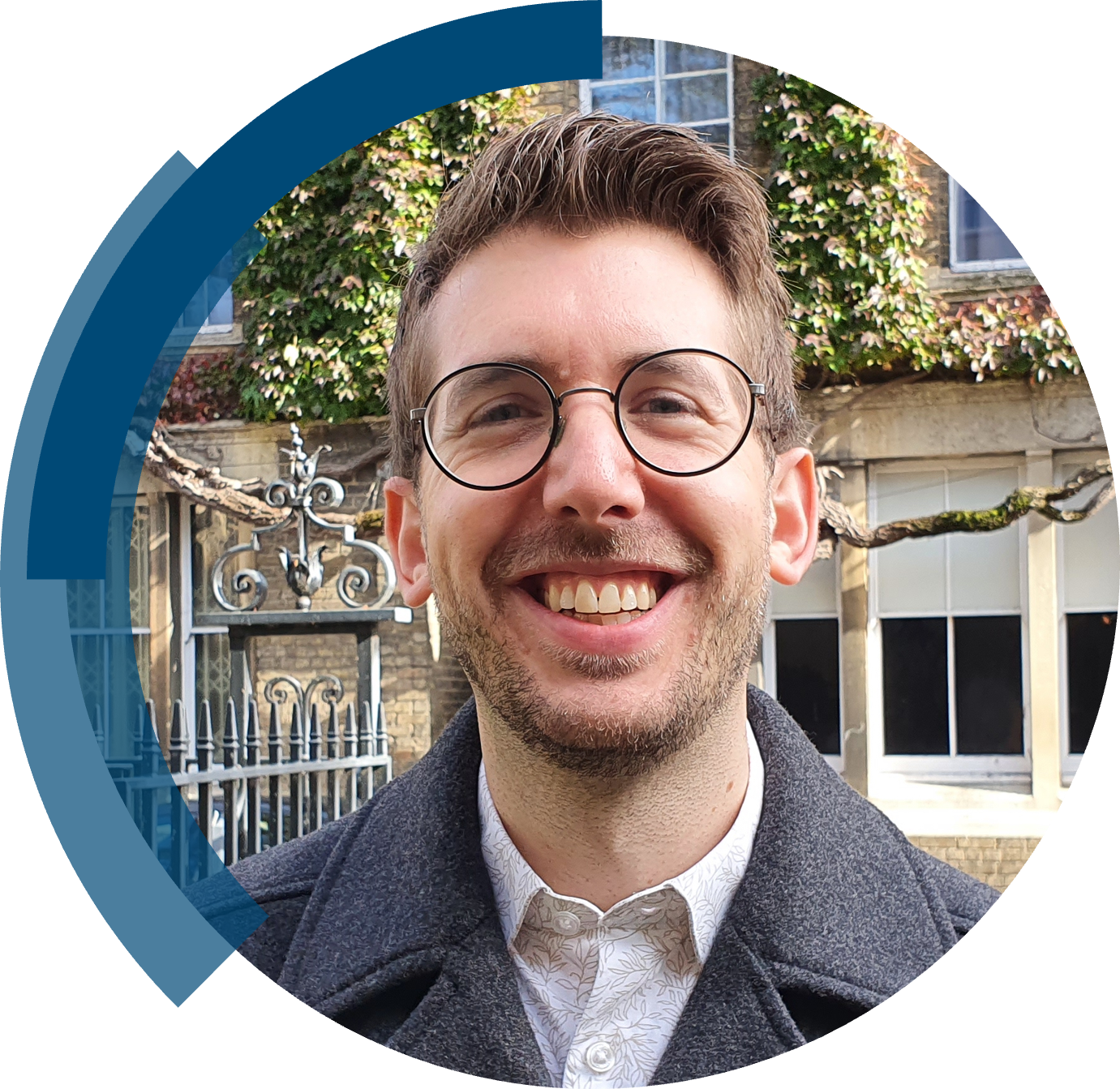
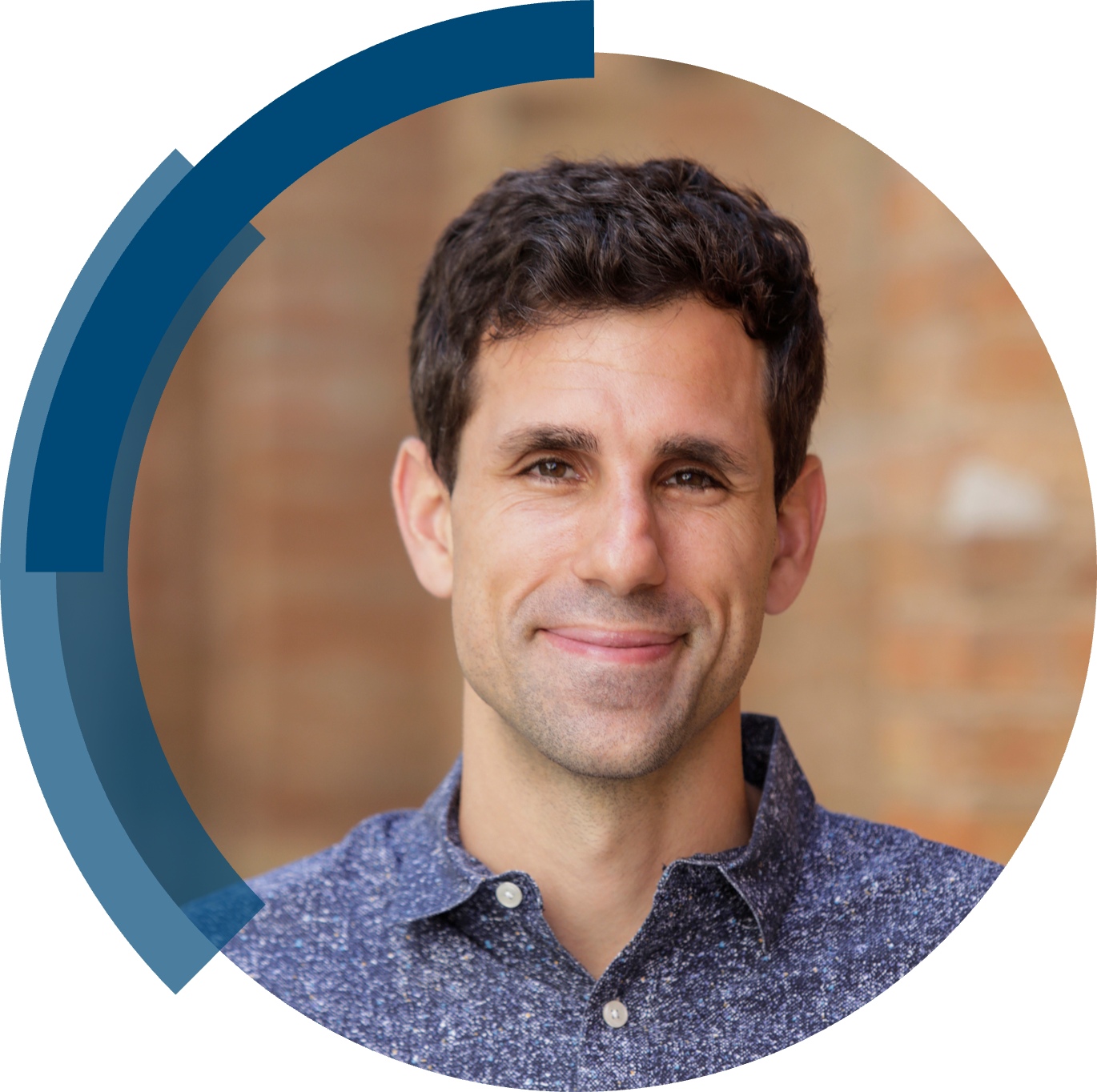
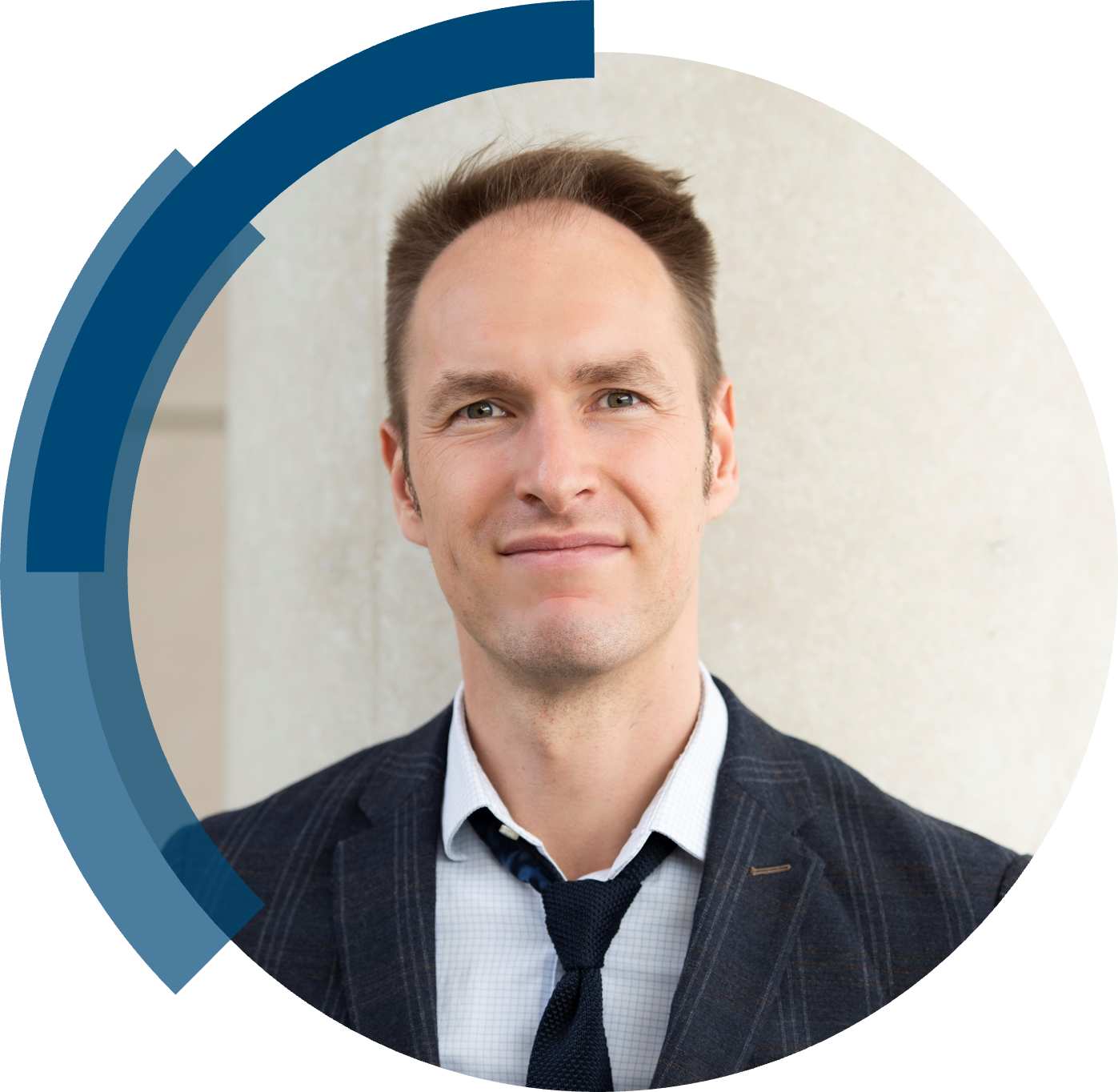
On behalf of the ChemComm Editorial Board, we are delighted to announce the winners of the 2025 ChemComm Emerging Investigator Lectureship – Saurabh Chitnis (University of Victoria) and Xiongyi Huang (Johns Hopkins University)

Saurabh and Xiongyi join our recent past winners Federico Bella and Grace Han (2024), Josep Cornella (2022), and Keary Engle/Thomas Bennett (2021).

Get to know more about Saurabh and Xiongyi below:

Saurabh Chitnis obtained his Ph.D. with Neil Burford at the University of Victoria (2015), where his doctoral thesis was recognized with a Governor General’s Gold Medal. He then performed postdoctoral research with Ian Manners at the University of Bristol as a Banting Postdoctoral Fellow (2015–2017) and later with Doug Stephan at the University of Toronto (2017–2018). He started his independent career at Dalhousie University in July 2018, where in 2023 he received tenure and was promoted to Associate Professor and University Research Chair. In 2025, he moved to the University of Victoria as a Canada Research Chair in Inorganic Materials & Polymers.

Research in the Chitnis lab focuses on molecular and macromolecular main group chemistry. Select honours include the Dalhousie President’s Research Excellence Award, Science Killam Prize, the CNC-IUPAC National Travel Award, the Alfred P. Sloan Research Fellowship, and the Chemistry Undergraduate Teaching Award. In his free time, Saurabh enjoys coastal hiking, brewing fine beers, biking, and pretending he is a Masterchef, despite ample evidence to the contrary.

Discover the latest research coming out of Saurabh’s laboratory at www.chitnislab.ca

Xiongyi Huang received his B.S. Degree in Chemistry in 2010 from University of Science and Technology of China (USTC), where he worked on computational organic chemistry under the guidance of Prof. Yao Fu and Prof. Jing Shi. He then came to the United States and completed his graduate studies with Prof. John T. Groves at Princeton University as an HHMI International Predoctoral Fellow. After receiving his PhD in 2016, Xiongyi worked with Prof. Frances Arnold at Caltech, first as an NIH NRSA Postdoctoral Fellow and later as an NIH Pathway to Independence Postdoctoral Fellow. Xiongyi began as an Assistant Professor in the Department of Chemistry at the Johns Hopkins University in September 2019.

His research focuses on engineering metalloenzymes, particularly nonheme enzymes, to catalyse synthetic reactions currently absent in the reaction repertoire of enzymes. Xiongyi has been recognized with several awards, including the Packard Fellowship, the Camille Dreyfus Teacher–Scholar Award, the Sloan Research Fellowship, the Edward I. Stiefel Memorial Award for Metals in Biology, and selection as a Frontiers of Science Fellow by the National Academy of Sciences.

Find more info about Xiongyi and his group’s work at their website.

As part of the Lectureship award, Saurabh and Xiongyi will be presenting lectures over the coming 12 months. Details of the lectures will be announced in due course but follow our LinkedIn showcase and Bluesky accounts to keep up with the details!

About our Lectureships

RSC journal lectureships are intended to inspire and support the wider scientific community and to promote the value of science to broader society. They cover various subject areas and support talented and eligible scientists primarily in the earlier stages of their careers. Full details of all our lectureships, including nomination timelines, can be found here: https://www.rsc.org/standards-and-recognition/prizes/journal-lectureships

Digg This
Reddit This
Stumble Now!
Share on Facebook
Bookmark this on Delicious
Share on LinkedIn
Bookmark this on Technorati
Post on Twitter
Google Buzz (aka. Google Reader)

Sharing Your ChemComm publication with a Global Audience

With more than a million new scholarly publications released each year, ensuring your work reaches the readers who will value it most can feel like a challenge at times. Fortunately, ChemComm has a number of social media channels that can help your research gain the visibility it deserves, enabling you to build meaningful connections and ensure your contribution resonates around the world.

Using social media strategically

Platforms such as LinkedIn and Bluesky allow you to connect directly with a broad international network. Include clear links to your article, add relevant hashtags to expand your reach and tag our journal accounts so we can help amplify your post.

WeChat

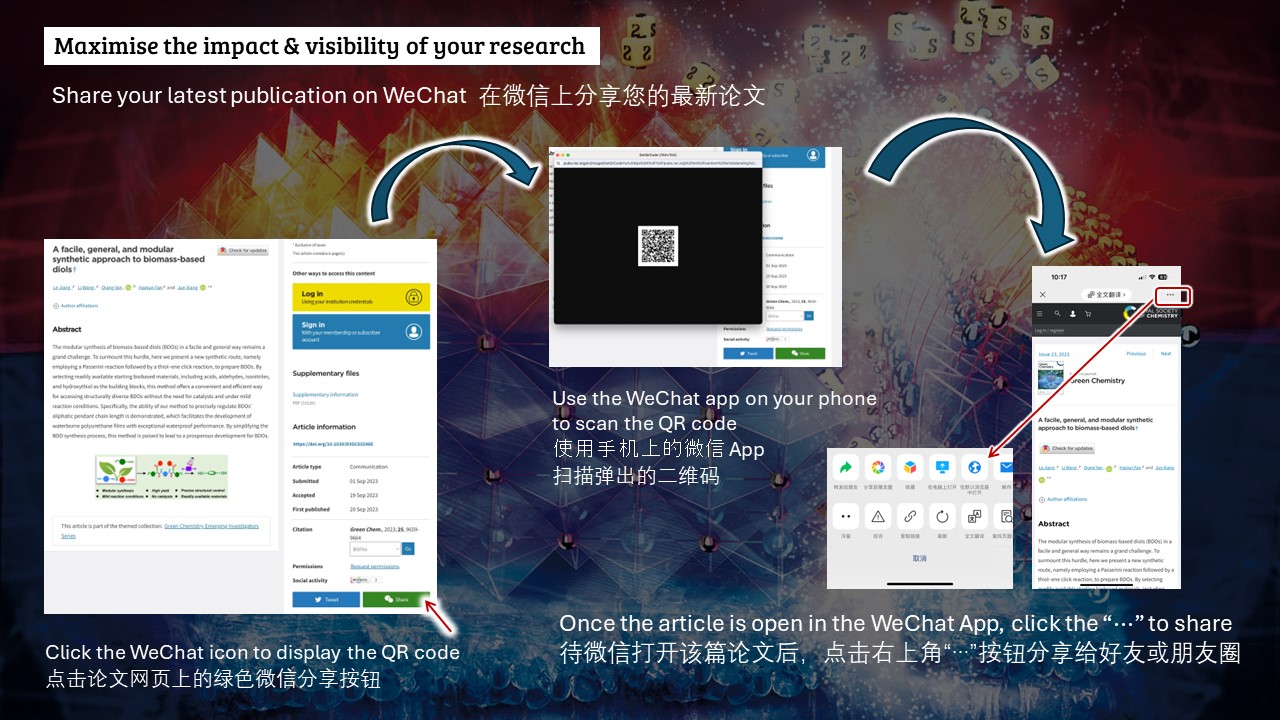
WeChat users can easily share articles by scanning the article’s QR code and forwarding it directly through the WeChat app. It’s an excellent way to keep your network up to date with your latest research. See our how-to guide below:

Networking and press releases

Don’t forget to add your article link to your email signature, share it with colleagues and make use of any e-prints or reprints provided by your journal to spark conversation and collaboration.

If your findings have societal relevance, broader impact or public interest potential, consider working with your institution’s press office to develop a press release. Clear language, strong visuals and practical context help non‑specialists understand why your work matters.


Digg This
Reddit This
Stumble Now!
Share on Facebook
Bookmark this on Delicious
Share on LinkedIn
Bookmark this on Technorati
Post on Twitter
Google Buzz (aka. Google Reader)

Announcing our new page limit for ChemComm

ChemComm has evolved as a journal over the past 60 years to meet the changing needs of our author community. As a society publisher, the RSC is committed to supporting our community in achieving best practice in the sharing and archiving of research data.

To that end, it’s essential that authors have sufficient space for required funder and publisher statements, acknowledgements, and proper referencing. At the same time, it’s equally important that we preserve the accessible, concise, and distinctive nature of our Communication format – a hallmark that has made ChemComm one of the most trusted journals in chemistry.

ChemComm’s new 5-page limit

ChemComm Communications can now be a maximum of 5 pages in length.

  • Up to 3.5 pages may be used for the title, authors and main text up to and including conclusions.
  • The remaining space may only include Conflicts of interest, Data availability and Author contributions statements, Acknowledgements and the References section.

This updated page limit gives authors additional space to include a full reference section and any information required by the journal, funders or institutes, whilst maintaining our concise, easily-digestible Communication format.

Our updated template

Our new policy is reflected in our updated author guidelines (https://www.rsc.org/publishing/publish-with-us/publish-a-journal-article/chemcomm) and Communication template. We have also refreshed our guidelines around abstract length and figure sizes. We have done this to support our authors in maximising the clarity and discoverability of their publications in ChemComm.

We extend our sincere appreciation to our authors, reviewers and readers for their continued support of ChemComm. Should you have any queries about our new policy, please don’t hesitate to contact the Editorial Office at chemcomm-rsc@rsc.org.


Digg This
Reddit This
Stumble Now!
Share on Facebook
Bookmark this on Delicious
Share on LinkedIn
Bookmark this on Technorati
Post on Twitter
Google Buzz (aka. Google Reader)

2024 ChemComm Emerging Investigator Lectureship winners

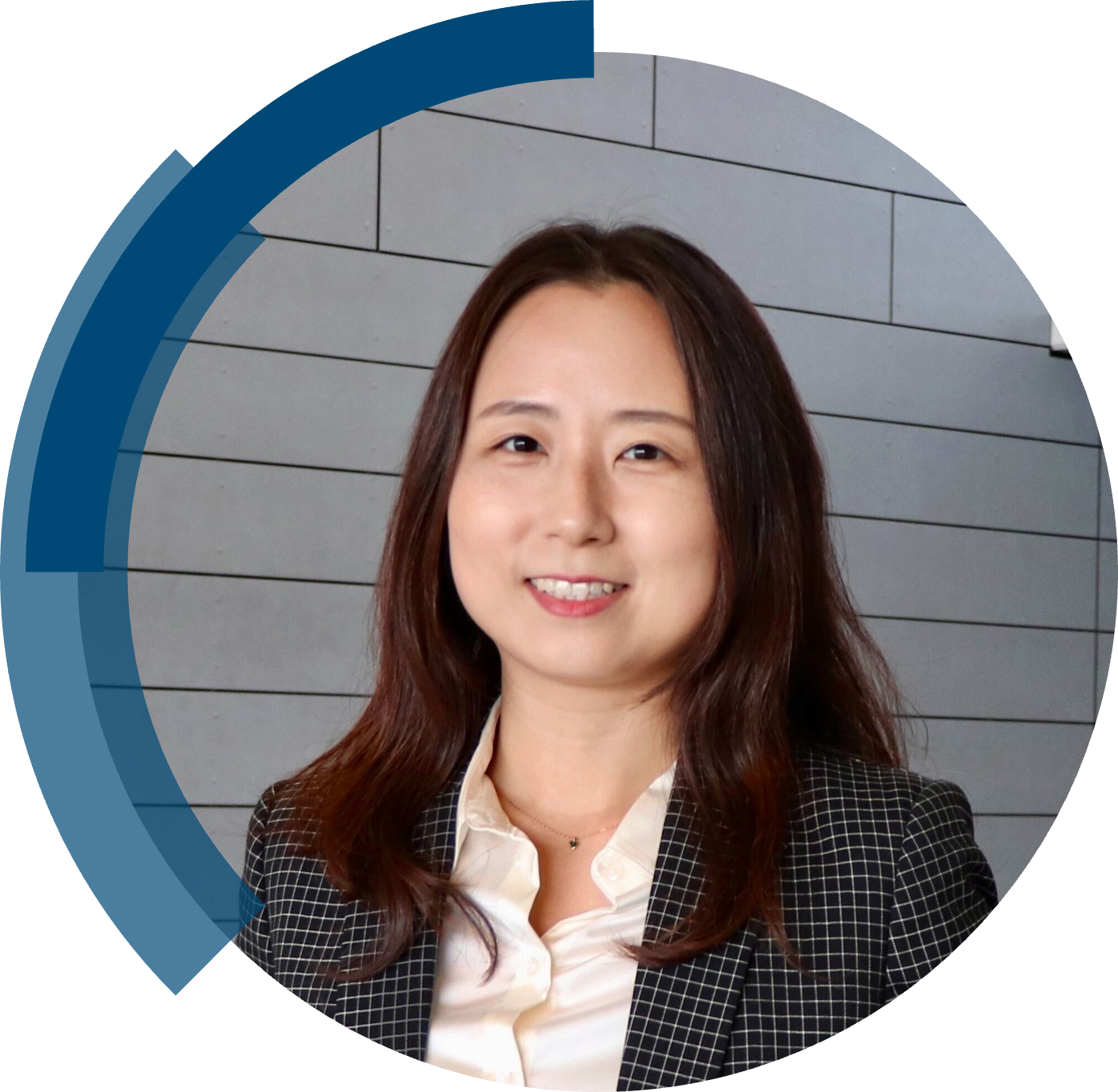
Announcing our joint winners for 2024, Federico Bella and Grace Han

On behalf of the ChemComm Editorial Board, we are delighted to announce the winners of the 2024 ChemComm Emerging Investigator Lectureship – Federico Bella (Politecnico di Torino) and Grace Han (Brandeis University).

Federico and Grace join our recent past winners Josep Cornella (2022), Keary Engle and Thomas Bennett (2021).

Get to know more about Federico and Grace below:

Federico Bella is Full Professor of Chemistry at Politecnico di Torino (Italy). His main scientific activity covers post-lithium batteries and electrochemical ammonia production, through sustainable chemistry-oriented and multivariate approaches. He has published more than 130 papers and counts a h-index of 75. He has received awards from the most important worldwide scientific associations, such as the International Society of Electrochemistry (2023 Tajima Prize), the Royal Society of Chemistry (2021 Horizon Prize), and the Accademia Nazionale dei Lincei (2019 Piontelli International Award). He is coordinating an ERC Starting Grant project (SuN2rise), with an overall fund of 1.5 M euros, and has recently launched the first Italian research laboratory on potassium-based batteries.

Discover the latest research coming out of Federico’s laboratory at https://www.facebook.com/ElectrochemistryGroupPoliTO


Grace Han received her PhD in 2015 at MIT, where she worked with Professor Timothy Swager on the development of organic materials for photovoltaics. She then joined the Department of Materials Science and Engineering at MIT as a postdoctoral associate with Professor Jeffrey Grossman. Grace has been awarded several honors during her independent career, including a 2022 AFOSR Young Investigator Research Program Award, a 2022 NSF CAREER award, a 2022 Alfred P. Sloan Research Fellowship, a 2023 Camille Dreyfus Teacher-Scholar Award, a 2023 DFG Mercator Fellowship, and a 2023 DoD DURIP Award.

She is currently an Associate Professor of Chemistry at Brandeis University, and her group’s research focuses on the discovery of molecular photoswitches and photochemistry for applications including the solar energy conversion and storage, optically-controlled catalyst recycling, and light-induced phase transitions.

Find more info about Grace and her group on Twitter @GraceGDHan.


As part of the Lectureship award, Federico and Grace will be presenting lectures over the coming 12 months. Details of the lectures will be announced in due course but keep an eye on our Twitter @ChemCommun and Linkedin for details!

Highly Commended Nominations

Each year, many excellent researchers get nominated for the ChemComm Emerging Investigator Lectureship award. Due to the repeatedly very high standard of nominations this year, we have again decided to select a number of Highly Commended candidates, who the Editorial Board highlighted as performing exceptional science and deserving of recognition in the community.

Michael Booth is a Lecturer (Assistant Professor) in Organic Chemistry and Chemical Biology in the Department of Chemistry at University College London, UK. He also holds a Royal Society University Research Fellowship. He completed his PhD at the University of Cambridge, UK, and a Junior Research Fellowship at the University of Oxford, UK. The Booth research group focuses on developing new chemical modifications of nucleic acids and demonstrating their application in synthetic biology and medicine.

Find out more about Michael’s research at his group’s homepage.


Cesar de la Fuente is a Presidential Assistant Professor at the University of Pennsylvania where he leads the Machine Biology Group. He completed his postdoctoral research at MIT and earned a PhD from UBC. His research aims to use machines to accelerate biological and medical discoveries. He developed the first computer-designed antibiotic effective in animal models, helping launch the field of AI for antibiotic discovery. His lab has pioneered computational methods to mine biological information, leading to new antimicrobials and exploring the human proteome as an antibiotic source. They were the first to find therapeutic molecules in extinct organisms, initiating the field of molecular de-extinction. Prof. de la Fuente was selected as the inaugural recipient of the Langer Prize and as an ACS Kavli Emerging Leader in Chemistry, an ASM Distinguished Lecturer, Waksman Foundation Lecturer, and received the Miklós Bondanszky Award, AIChE’s 35 Under 35 Award, Society of Hispanic Professional Engineers Young Investigator Award, and the ACS Infectious Diseases Young Investigator Award. He has been named a Highly Cited Researcher by Clarivate multiple times, and has given over 250 invited lectures, including numerous Keynote and Named Lectures, and has spoken at TEDx.

Find out more about Cesar’s research at his group’s homepage.


Nikolay Kornienko obtained his PhD from UC Berkeley in 2016 (advisor: Prof. Peidong Yang). He then carried out postdoctoral studies at the University of Cambridge as a Royal Society Newton Fellow from 2016-2018 (advisor: Prof. Erwin Reisner). Following this, Prof. Kornienko began his independent career at the University of Montreal, first as an Assistant Professor and then as an Associate Professor. In 2023, Prof. Kornienko moved to the University of Bonn in Germany as a Full W3 Professor in the Institute of Inorganic Chemistry. His group focuses on electrocatalyst development, reaction mechanisms, and new routes for small molecule activation, all in the context of sustainability.

Find out more about Nikolay’s research at his group’s homepage.

Digg This
Reddit This
Stumble Now!
Share on Facebook
Bookmark this on Delicious
Share on LinkedIn
Bookmark this on Technorati
Post on Twitter
Google Buzz (aka. Google Reader)