Archive for the ‘Reviewer Spotlight’ Category

Chemical Science Reviewer Spotlight – September 2025

To further thank and recognise the support from our excellent reviewer community, we are highlighting reviewers who have provided exceptional support to the journal over the past year.

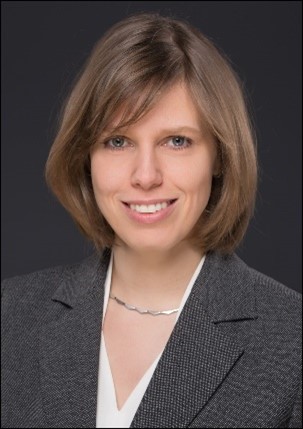
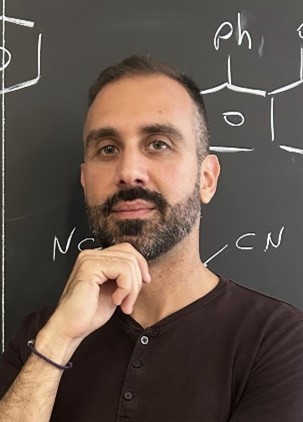
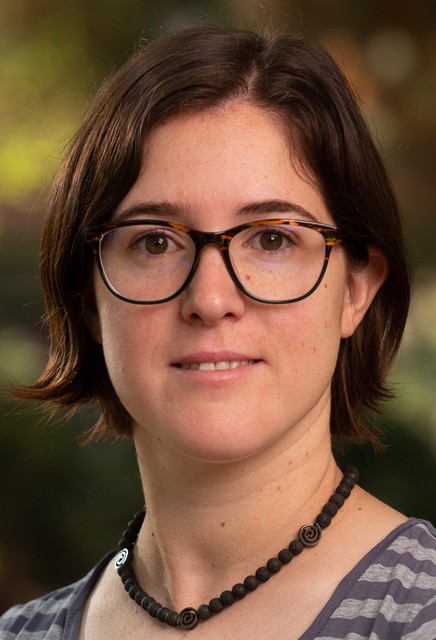
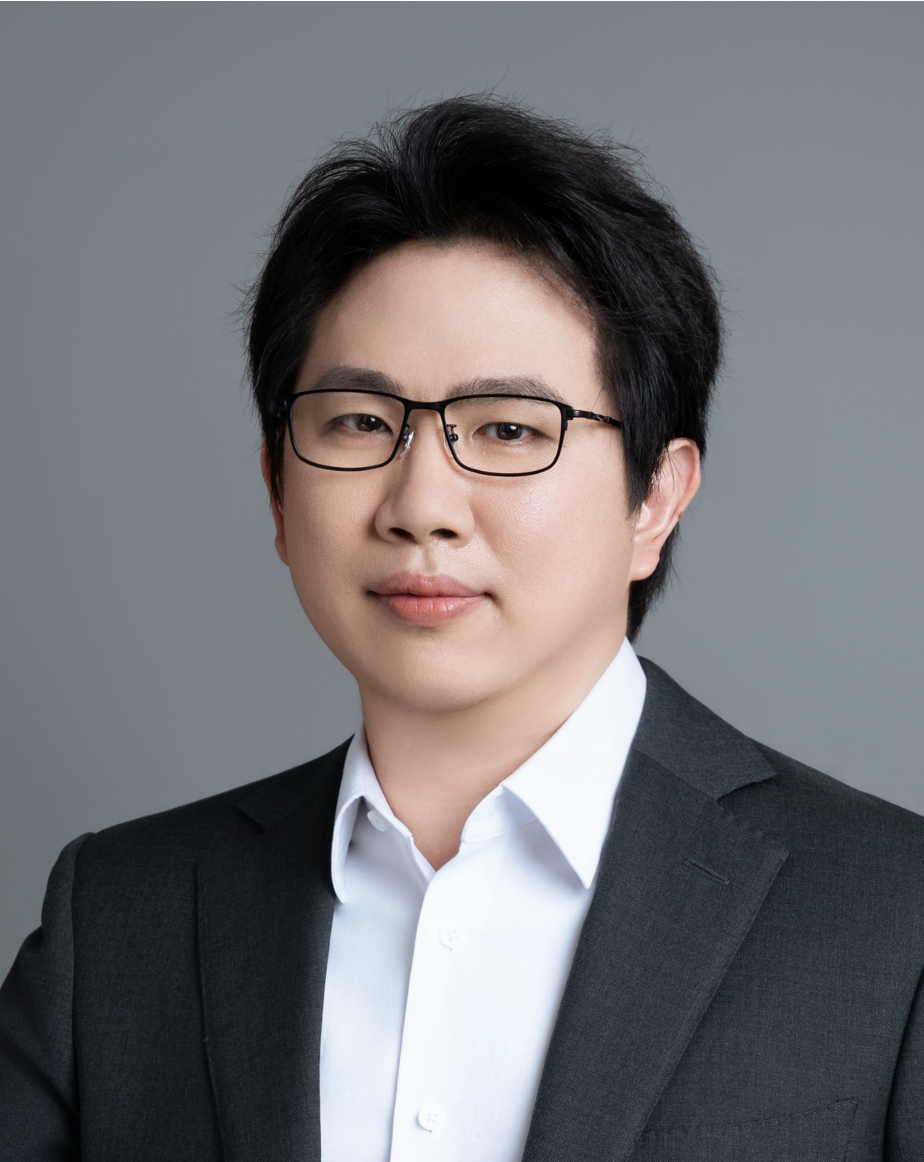
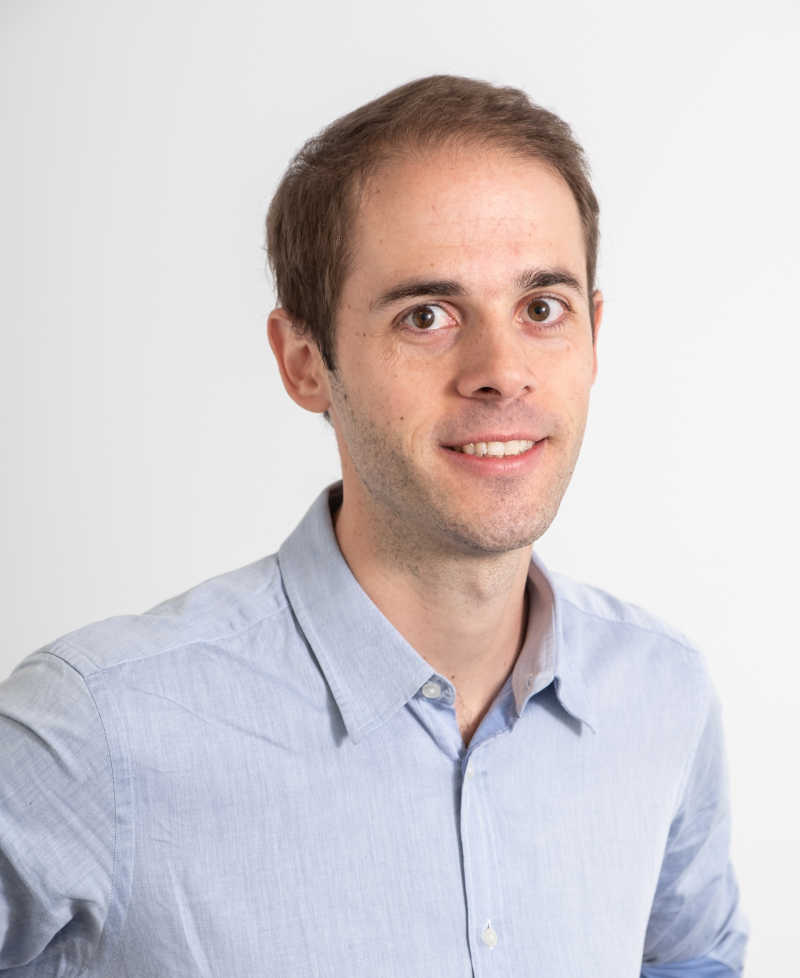
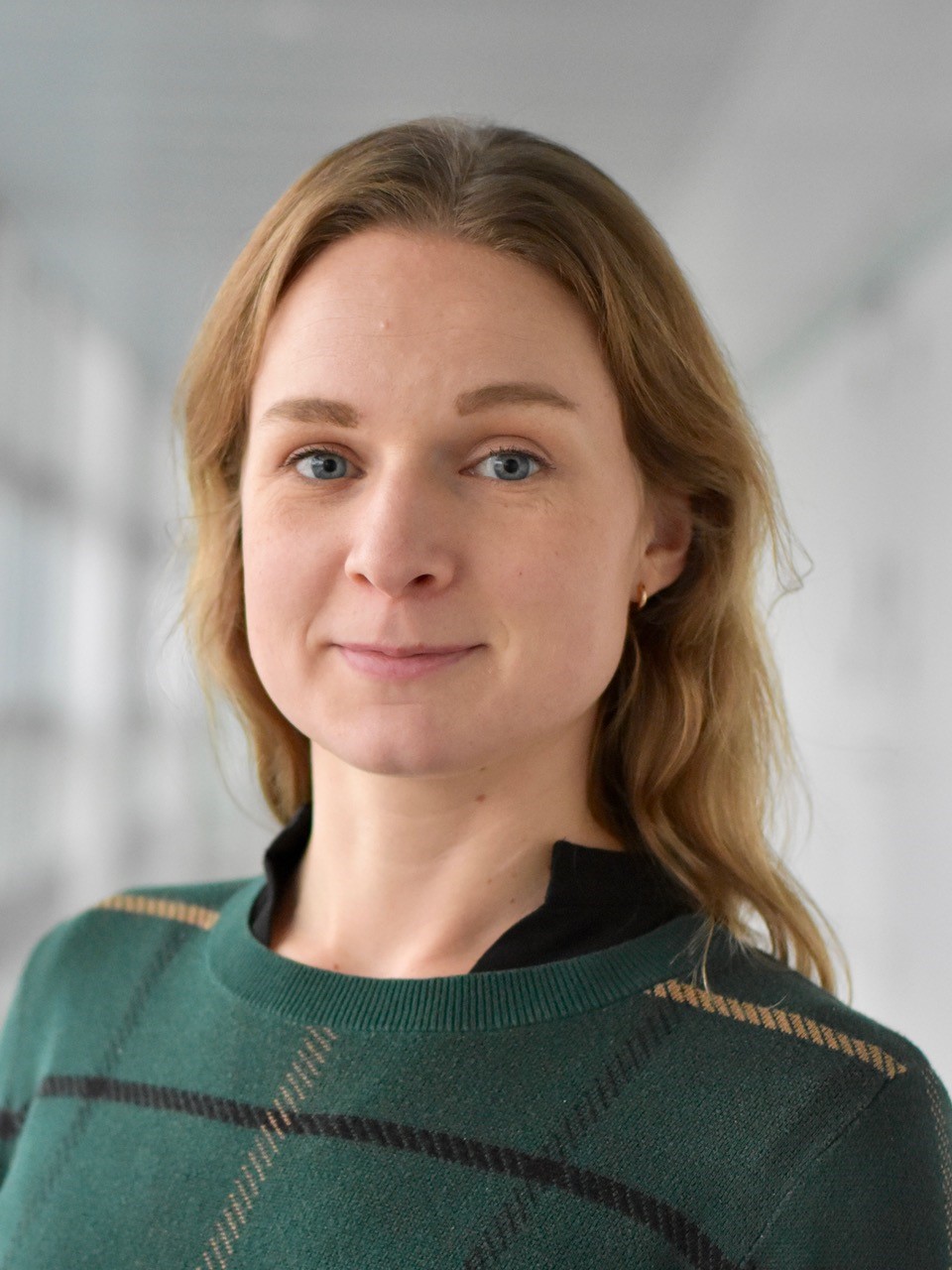
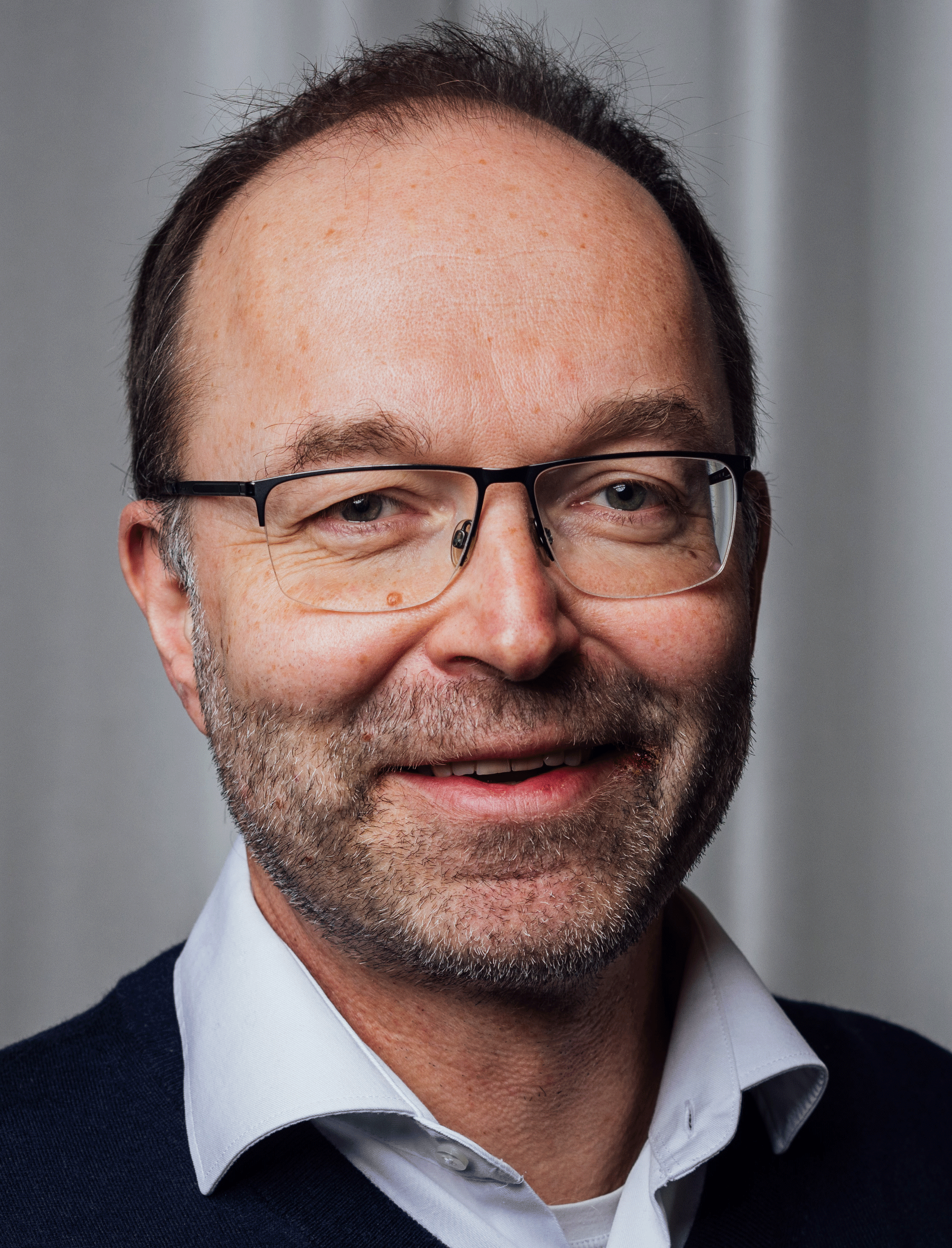
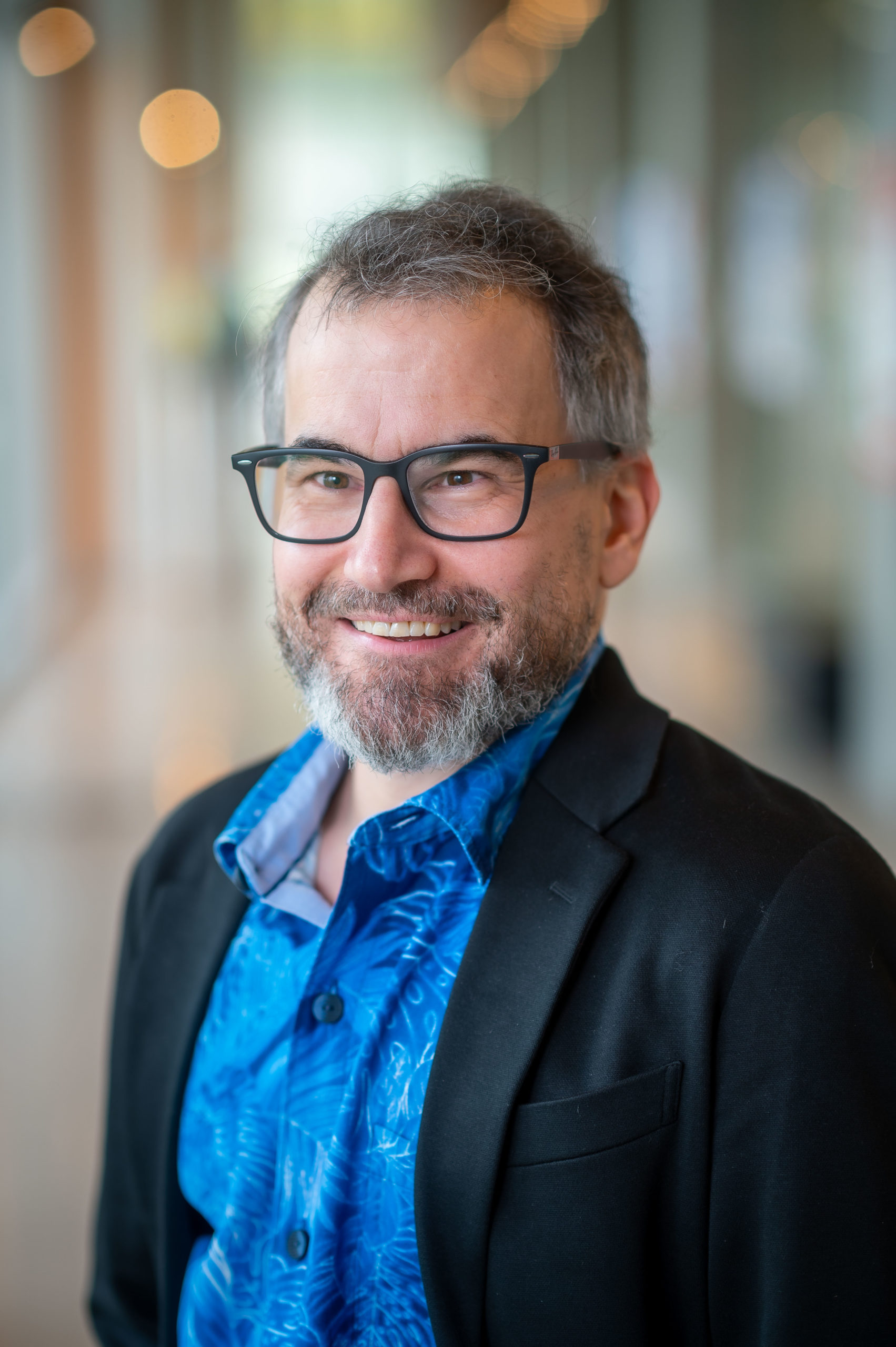
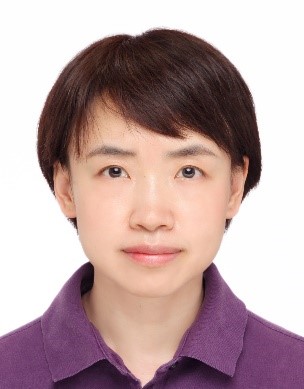
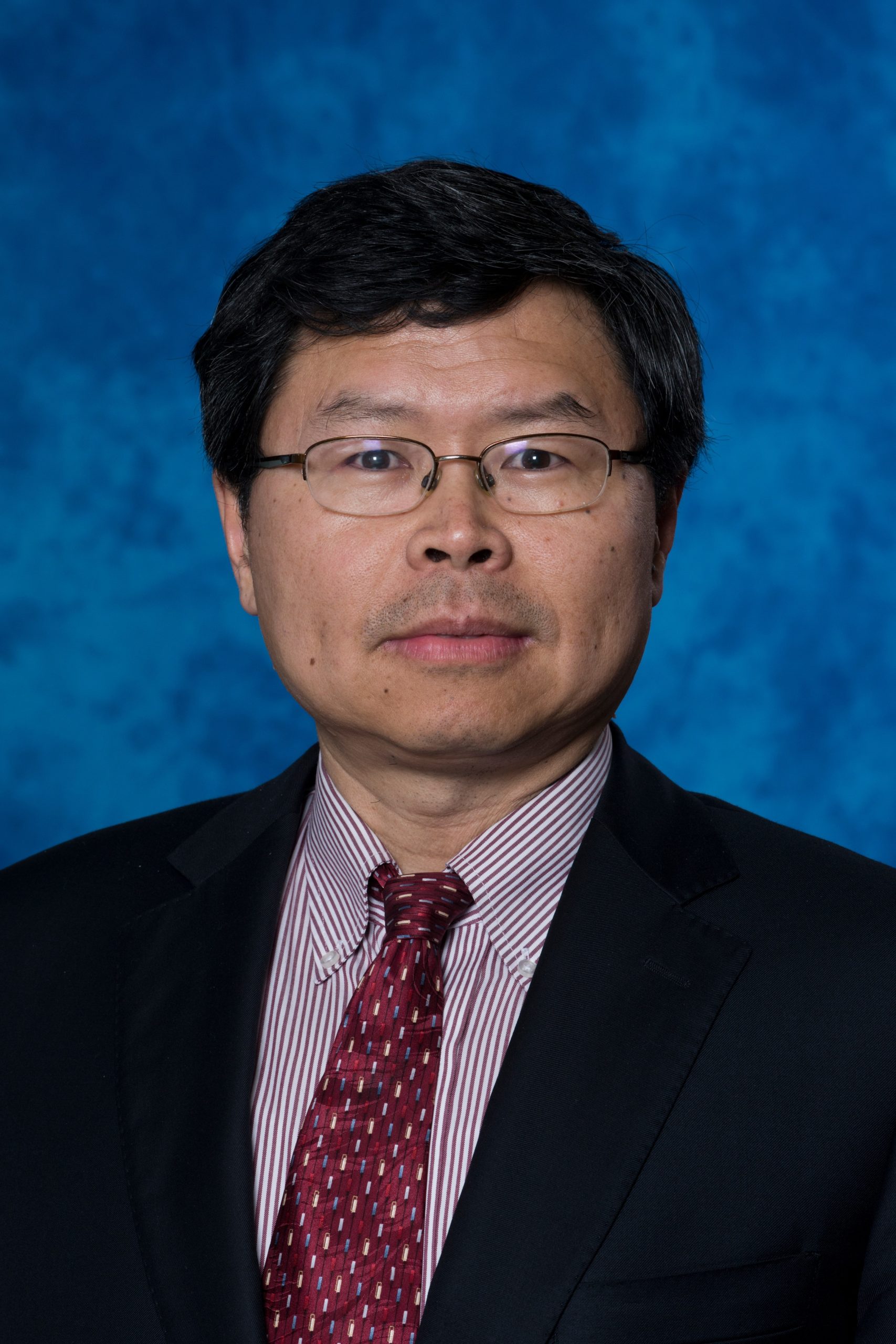
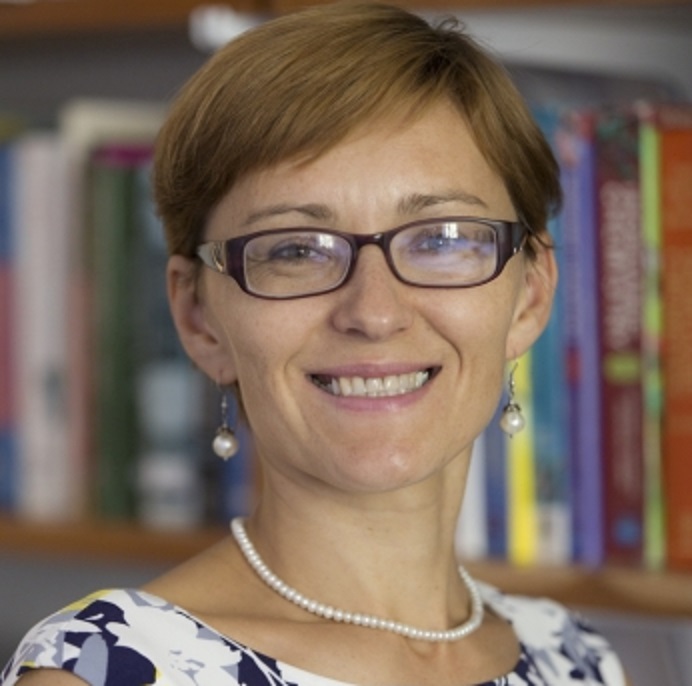
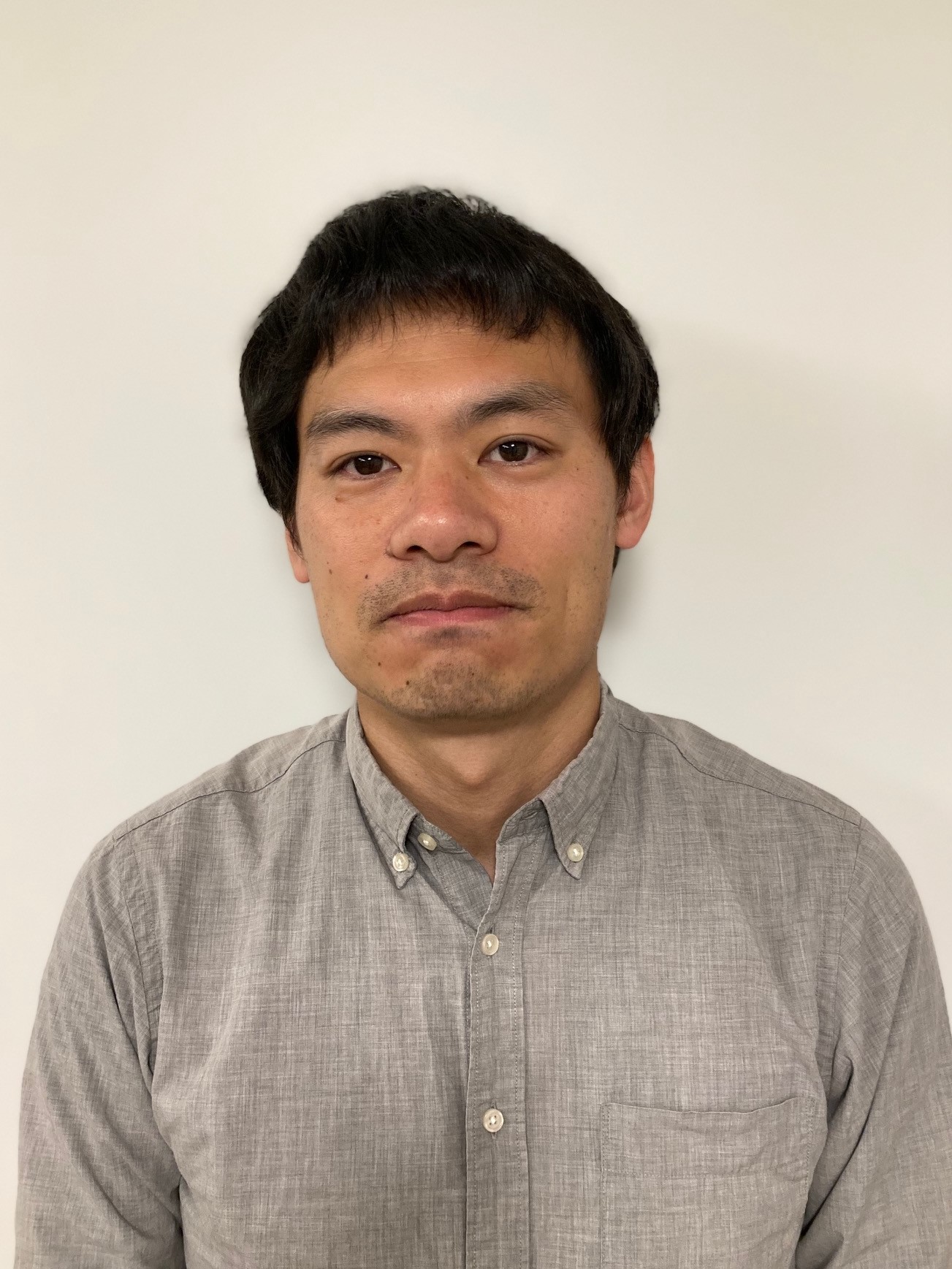
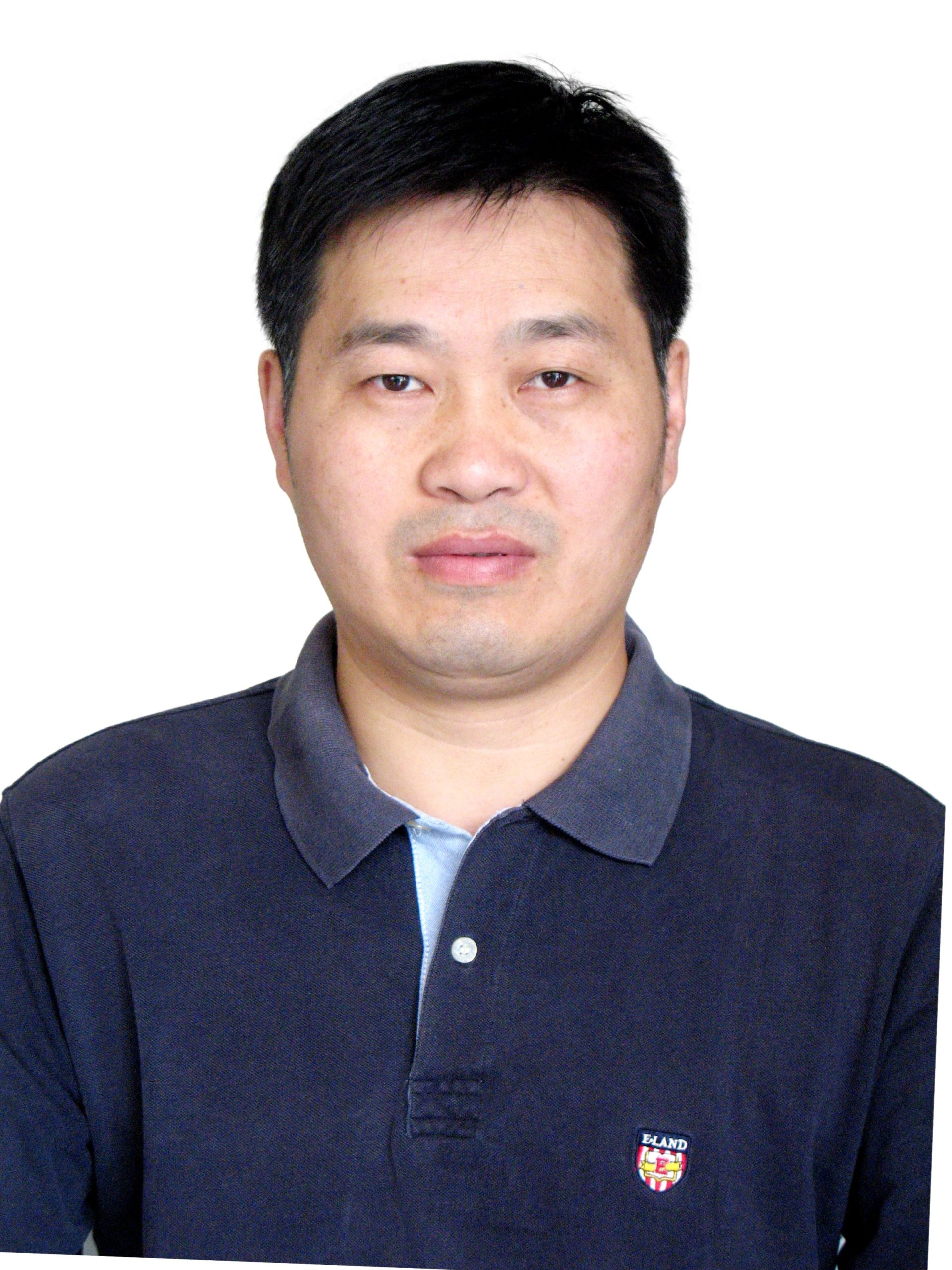
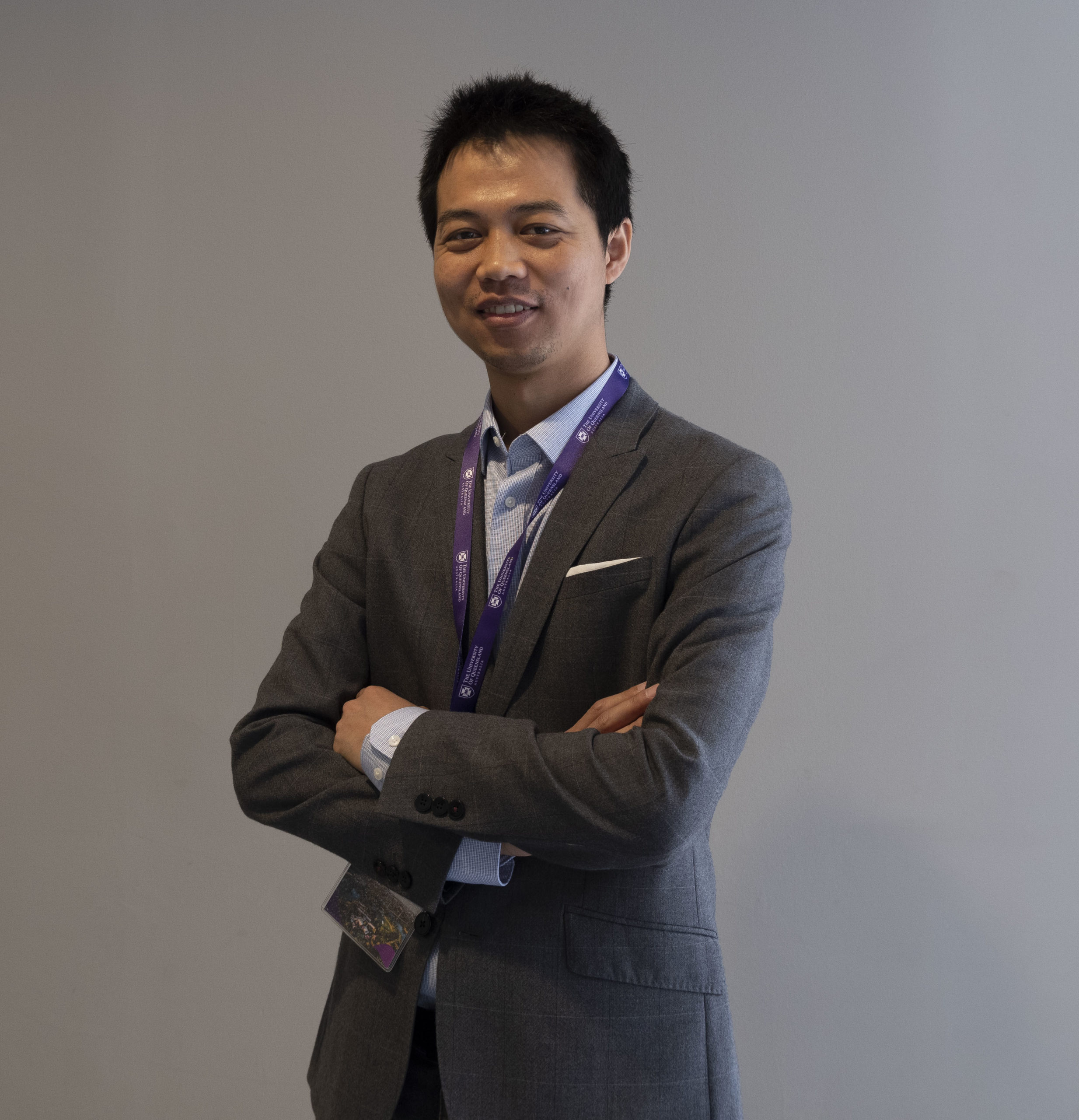
This month, we’ll be highlighting Professor Mercedes Taylor, Professor Renana Gershoni-Poranne, Professor Dan Li and Professor Nick Le Brun. We asked our reviewers a few questions about what they enjoy about reviewing, and their thoughts on how to provide a useful review.

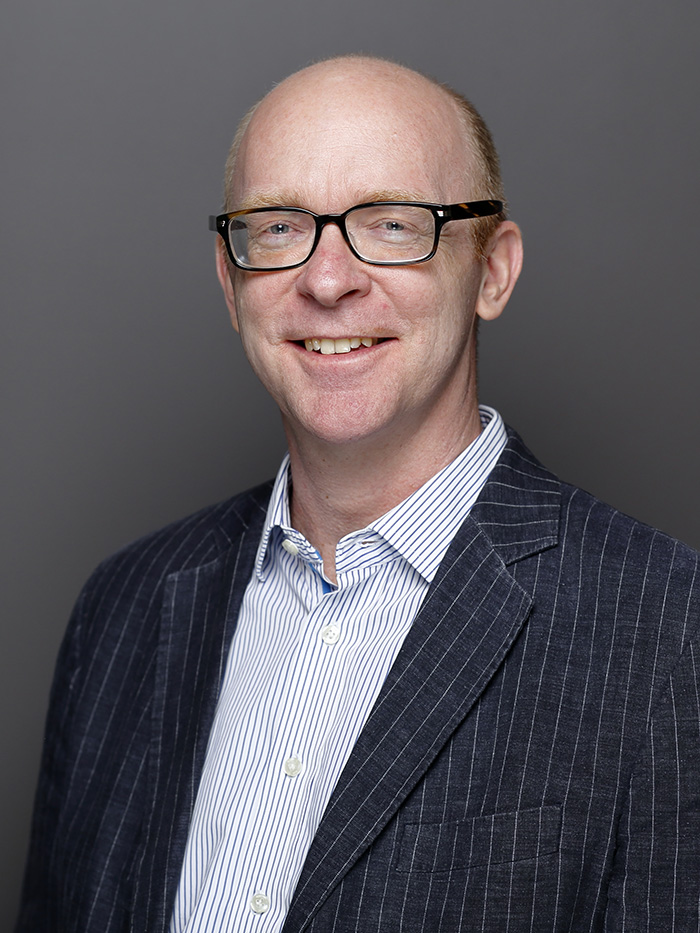
Professor Mercedes Taylor, University of Maryland. Mercedes Taylor’s lab uses supramolecular assembly and reticular chemistry to design robust organic materials for challenging ion separations.

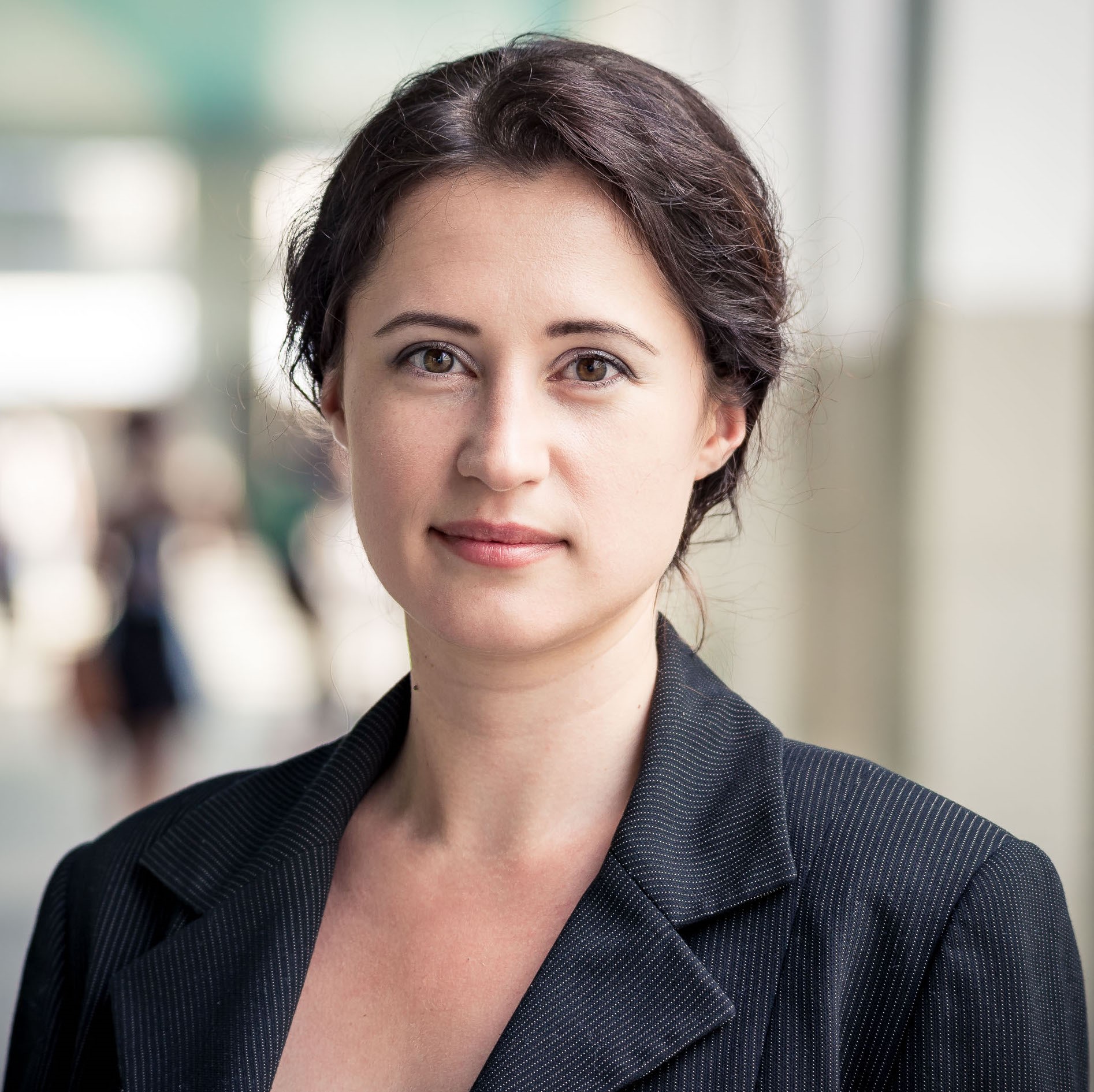
Professor Renana Gershoni-Poranne, Technion-Israel Institute of Technology. My group uses computational chemistry and data-driven approaches to understand and predict the chemical properties and reactivity of polycyclic aromatic systems. We then try to encapsulate these insights into conceptual frameworks to enable the design of molecules with tailored properties that can be used in various areas, such as organic semiconductors or ligands for catalysts. We’ve recently also started to employ machine- and deep-learning techniques for generative design of these molecules.

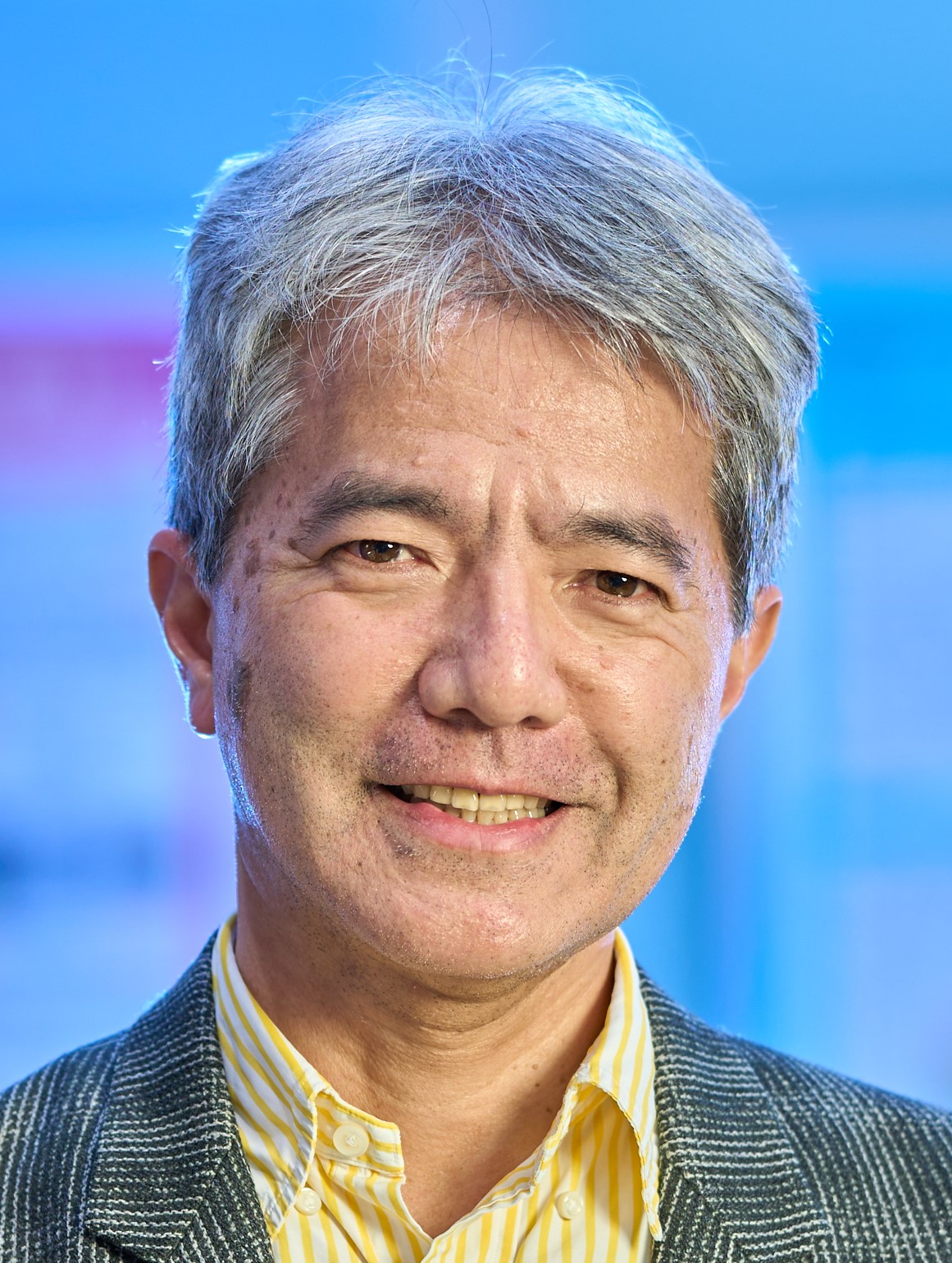
Professor Dan Li, Jinan University. My research focuses on designing and building complex molecules, combining different types of chemical bonds/weak interactions to create visually appealing shapes with exciting properties, aiming to develop sustainable materials.

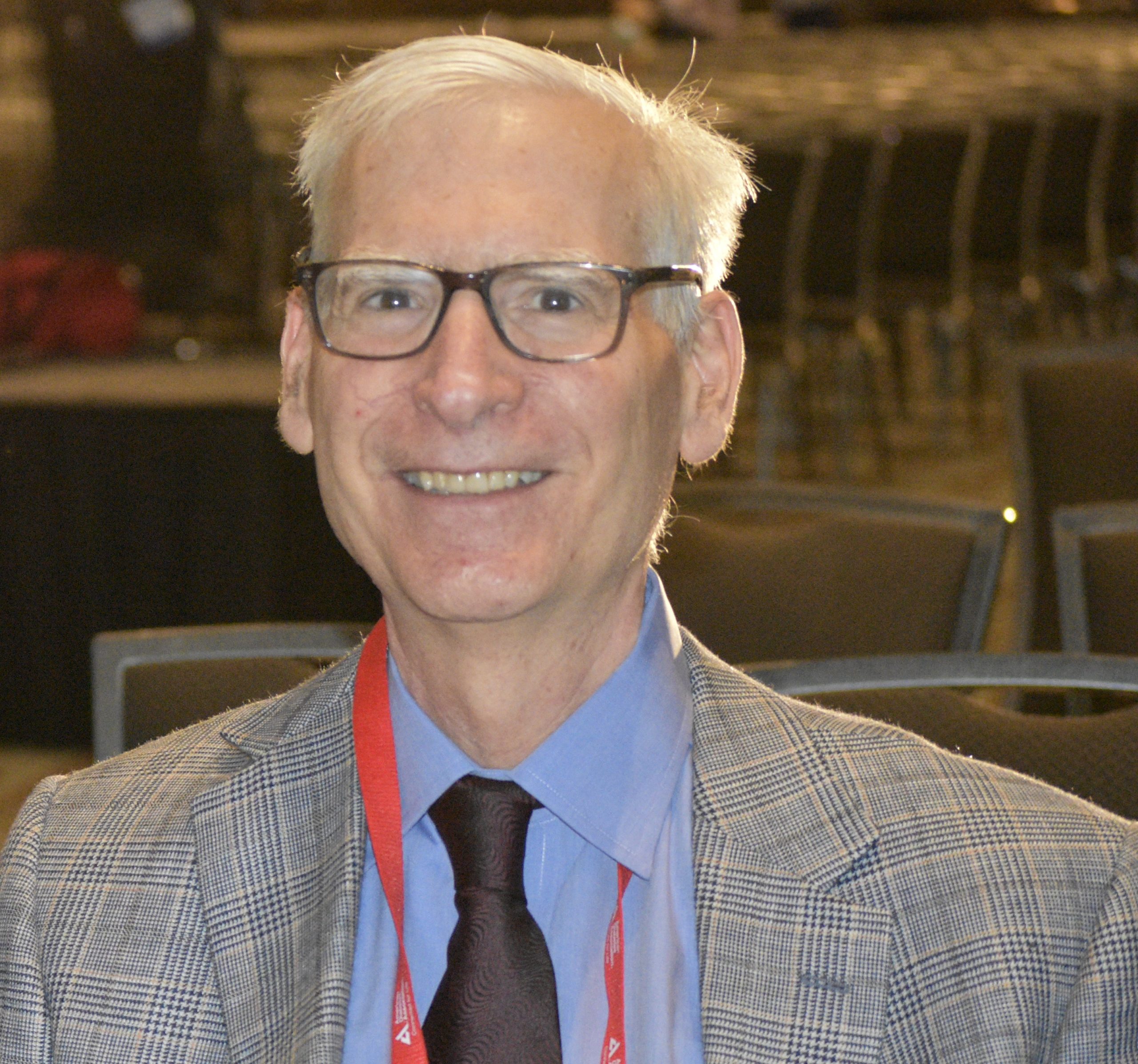
Professor Nick Le Brun, University of East Anglia. My research is focused on understanding the roles of metals in life, how organisms minimise the toxicity of essential metals, and how they assemble complex metallocofactors.


What encouraged you to review for Chemical Science?

Professor Renana Gershoni-Poranne: Chemical Science is a leading journal that publishes innovative, high-quality work across all areas of chemistry. I was motivated to contribute to maintaining these standards and to support a journal that fosters scientific excellence and broad accessibility. I am particularly grateful that Chemical Science provides an important platform for aromaticity-related work, allowing the work of our community to reach broad audiences and have an impact.

Professor Dan Li: Chemical Science serves as an interdisciplinary platform for researchers across a wide range of fields. Reviewing for it offers a unique opportunity to engage with chemists from diverse backgrounds.

Professor Mercedes Taylor: I enjoy reading articles in Chemical Science because of their fundamental approach to broadly-relevant questions, so this enjoyment encouraged me to contribute as a reviewer.


What advice would you give a first-time author looking to maximise their chances of successful peer review?

Professor Nick Le Brun: Aside from the obvious things such as making sure that the main messages of the manuscript are well supported by the data (including the right controls), and that it’s been carefully proof read before submission, it’s important to capture the interest of the reader from the beginning – weave your findings into an engaging story that emphasises why the science is important.


What makes a paper truly stand out for you when reviewing a paper?

Professor Mercedes Taylor: I appreciate papers with thoughtful, unusual introductions. Occasionally authors will depart from the standard format of an introduction to offer more original musings on the state of the field, which sets the paper apart from the beginning.


What do you enjoy most about reviewing

Professor Renana Gershoni-Poranne: Getting to read manuscripts before they are published feels like getting a ‘sneak peek’ – which is always fun! I also enjoy the opportunity to contribute constructive feedback that strengthens the work, if I think I can. Reviewing also broadens my own perspective by exposing me to ideas and methods outside my immediate field. I always include something complimentary in each review, because I know that the students and postdocs who worked on the manuscript deserve encouragement, even if there are still some areas that can be improved. I like to think that this makes the reviewing process less stressful for them.

Professor Nick Le Brun: Reviewing a manuscript properly takes significant time, but can be very rewarding. Helping to get fascinating new science published is enjoyable, as is the opportunity to suggest ways to improve a manuscript.

Professor Dan Li: Reviewing embodies both a privilege and a solemn duty.


How did you prepare to write a review for Chemical Science?

Professor Mercedes Taylor: I prepare to write a review by reading the article through from start to finish; I try to resist the urge to make notes and form opinions until the second read. 


How do you find that Chemical Science has contributed to your research field?

Professor Nick Le Brun: Chemical Science, as the flagship journal of the RSC, is a leading broad remit chemistry journal, and as such publishes some of the best science in bioinorganic chemistry. It’s led the way in terms of making science accessible to all through its highly unusual and long-standing free-to-publish policy.

Professor Renana Gershoni-Poranne: As a computational chemist, I particularly appreciate that Chemical Science serves as an important venue for disseminating high-impact research in computational and theoretical chemistry, fields which have traditionally had a much harder time getting published in broader journals. As mentioned above, in recent years Chemical Science has also provided a platform for research in the area of aromaticity, which has been important for our community. 


Tune in soon to meet our next group of #ChemSciReviewers!


If you want to learn more about how we support our reviewers, check out our Reviewer Hub.

Interested in joining our ever-growing reviewer community? Apply here now!

Digg This
Reddit This
Stumble Now!
Share on Facebook
Bookmark this on Delicious
Share on LinkedIn
Bookmark this on Technorati
Post on Twitter
Google Buzz (aka. Google Reader)

Chemical Science Reviewer Spotlight – June 2025

Chemical Science Reviewer Spotlight – June 2025

To further thank and recognise the support from our excellent reviewer community, we are highlighting reviewers who have provided exceptional support to the journal over the past year.

This month, we’ll be highlighting Dr Stephen Fielden, Dr Franziska Thomas, Professor Luca Dell’Amico and Professor Xin-Yao Yu. We asked our reviewers a few questions about what they enjoy about reviewing, and their thoughts on how to provide a useful review.


Dr Stephen Fielden, University of Birmingham


Dr Stephen Fielden, University of Birmingham. I combine supramolecular chemistry and polymer science to develop new nanotechnology. I am particularly interested in developing complex systems of nanoparticles that influence and control each other.


Dr Franziska Thomas, Heidelberg University


Dr Franziska Thomas, Heidelberg University. My research focuses on designing and synthesising functional miniproteins — peptides with a defined three-dimensional structure that can contain natural and non-natural building blocks.


Professor Luca Dell’Amico, University of Padova


Professor Luca Dell’Amico, University of Padova. We build molecules using the most sustainable methods available or developing new ones. We harness the transformative power of light, either by directly exciting the molecules or by employing organic photocatalysts. We are fascinated by new reaction manifolds that open up novel pathways to access previously unattainable scaffolds and bioactive molecules. We study these new synthetic transformations in depth using a range of optical and spectroscopic techniques, as well as computational methods.


Professor Xin-Yao Yu, Anhui University


Professor Xin-Yao Yu, Anhui University. My research centers on the design and synthesis of advanced materials for energy storage and conversion.


What encouraged you to review for Chemical Science?

Dr Stephen Fielden: I know that a paper considered for Chemical Science is going to contain exciting new results and provide a scientific advance that I haven’t seen before. Also, I like to help the RSC to continue publishing impactful work in an open access format.

Dr Franziska Thomas: Chemical Science is an interdisciplinary journal that I regularly read and in which I have also published articles. As my own manuscripts have been reviewed by other scientists, I consider it my duty to review manuscripts in return.

Professor Luca Dell’Amico: Chemical Science is a go-to journal for us chemists. It always maintains excellent research standards, which motivates me to do my best as a reviewer and contribute to its continued growth.

Professor Xin-Yao Yu: I was motivated by the journal’s reputation for publishing high-impact, interdisciplinary chemical research, coupled with its commitment to rigorous yet constructive peer review. As a researcher in materials chemistry, I see reviewing as a way to contribute to maintaining scientific standards while engaging with cutting-edge work in my field.


What do you enjoy most about reviewing?

Dr Stephen Fielden: I really enjoy being one of the first people to see new science. In addition, it’s satisfying to know that I can help ensure that new advances are impactful as possible.

Dr Franziska Thomas: It is always nice to read about new and refreshing concepts. What I enjoy most is offering my colleagues suggestions on how to improve a manuscript, thereby enhancing the research it describes.

Professor Luca Dell’Amico: It’s when I see exciting new findings and the authors’ enthusiasm, combined with a detailed and precise analysis of new reaction manifolds and/or applications, that I feel truly inspired.

Professor Xin-Yao Yu: The most rewarding aspect of reviewing is the opportunity to engage with innovative research at the forefront of the field. I enjoy critically evaluating scientific arguments, identifying strengths that deserve recognition, and providing constructive feedback to help authors refine their work. Additionally, reviewing allows me to learn from diverse research approaches and gain fresh perspectives that often inspire new ideas in my own work.


What are you looking for in a paper that you can recommend for acceptance in Chemical Science?

Dr Stephen Fielden: I am looking for a new concept that draws together disparate areas of research. If the science has been done well to evidence the claims behind this new concept then I am happy.


What makes a paper truly stand out for you when reviewing a paper?

Dr Franziska Thomas: An exceptional manuscript is characterised by an innovative research idea that is systematically implemented through a series of well-founded experiments. Additionally, an outstanding publication is supported by figures and schemes that convey the research results clearly, even when the text is not read.

Professor Luca Dell’Amico: As mentioned above, I believe it’s a combination of the authors’ enthusiasm in presenting their findings and the deep mechanistic understanding of a new process or mechanism with broader applications.


What single piece of advice would you give to someone about to write their first review?

Dr Franziska Thomas: Read the manuscript through once, then put it aside for a day before reading it again in detail. Don’t forget to read the supplementary material.


How has your approach to peer reviewing changed over time?

Professor Luca Dell’Amico: I always follow the same approach: first, a general read-through, and then a more detailed understanding of the work by going section by section, also analyzing the supporting materials. Sometimes we’re overwhelmed with review requests, but I always stick to this method—perhaps being a bit late at times—in order to maintain the highest possible standards. We owe this to both the authors (as fellow researchers) and to the journal.


What advice would you give a first-time author looking to maximise their chances of successful peer review?

Professor Xin-Yao Yu: Clarify the scientific significance; clearly articulate how the work addresses a critical challenge in the field and why it matters beyond the specific methodology. Prioritize logical flow; organize the manuscript with a strong narrative structure, ensuring each section (introduction, methods, results, discussion) builds coherently toward the central conclusion. Anticipate reviewer concerns; proactively address potential limitations, compare your work with existing literature, and provide robust data to support claims. Pay attention to presentation; use high-quality figures and concise language to enhance readability.


What has been your biggest learning point from reviewing?

Dr Stephen Fielden: Insight into the peer review process is essential for scientists to learn their craft and to see that every good research paper starts as a ‘rough diamond’.


Did reviewing for Chemical Science affect how you approached preparation of your recent publication with us?

Professor Xin-Yao Yu: Yes, the reviewing experience has significantly influenced my approach to manuscript preparation for Chemical Science. Through evaluating other researchers’ work, I gained a deeper understanding of the journal’s expectations for novelty, rigor, and interdisciplinary appeal. This perspective helped me refine the narrative of our recent submission, ensuring we emphasized the broader implications of our findings and proactively addressed potential cross-disciplinary questions. Additionally, reviewing highlighted the importance of clear data presentation and robust supporting information, which we prioritized in our manuscript to enhance transparency and scientific integrity.


Tune in soon to meet our next group of #ChemSciReviewers!


If you want to learn more about how we support our reviewers, check out our Reviewer Hub.

Interested in joining our ever-growing reviewer community? Apply here now!

Digg This
Reddit This
Stumble Now!
Share on Facebook
Bookmark this on Delicious
Share on LinkedIn
Bookmark this on Technorati
Post on Twitter
Google Buzz (aka. Google Reader)

Chemical Science Reviewer Spotlight – March 2025

To further thank and recognise the support from our excellent reviewer community, we are highlighting reviewers who have provided exceptional support to the journal over the past year.

This month, we’ll be highlighting Dr Ana Bahamonde, Professor Andrew Sue and Dr Felix Plasser. We asked our reviewers a few questions about what they enjoy about reviewing, and their thoughts on how to provide a useful review.

Dr Ana Bahamonde, University of California Riverside. Our group focuses on advancing the understanding of Ni catalysis, specifically addressing its tendency to alternate between 1- and 2-electron mechanisms. Our goal is to achieve a deep enough understanding of what drives each reaction pathway, enabling us to leverage this knowledge to improve existing catalytic systems.


Professor Andrew Sue, Xiamen University. Our research group utilizes dynamic covalent chemistry and coordination-driven assembly to construct nanotubular cavitand hosts, exploring molecular recognition and behavior within these confined spaces.


Dr Felix Plasser, Loughborough University. My research is in computational photochemistry. We use computer simulations to learn how molecules interact with light to aid in the design of next-generation materials.


What encouraged you to review for Chemical Science?

Professor Andrew Sue: My very first research paper during my PhD was published in Chemical Science, making it a journal that holds a special place in my heart.

Dr Felix Plasser: I believe that reviewing is an important part of the scientific process. When I was first asked to review, I was also somewhat honoured that Chemical Science put their trust in me as a reviewer.

Dr Ana Bahamonde: When reviewing a paper, I invest significantly more effort in critically evaluating every hypothesis and explanation compared to when I read general literature. This approach helps me explore different perspectives and learn from others.


What do you enjoy most about reviewing?

Dr Ana Bahamonde: What I enjoy most is that, every now and then, I get the opportunity to help authors refine their findings or delivery.

Professor Andrew Sue: I am motivated by the opportunity to engage with novel research firsthand, gaining early insights before they become publicly available. I also appreciate the chance to contribute to shaping these papers and ensuring their quality and impact.

Dr Felix Plasser: I enjoy having a chance to shape the work that is being published and to provide a critical assessment of the underlying methods. Reviewing also provides a great chance for staying up to date with current research in my area.


Do you have any advice to our readers seeking publication in Chemical Science on what makes a good paper?

Dr Ana Bahamonde: I believe a good paper offers a novel solution to an unresolved problem. It is crucial to clearly emphasize the paper’s originality and the specific outstanding issue it addresses in the introduction.


What advice would you give a first-time author looking to maximise their chances of successful peer review?

Dr Felix Plasser: Make sure to take all reviewer comments seriously. Even if you are frustrated that the reviewer does not get your point, act on their comments. You can assume that readers won’t get your point either – so try to improve your paper rather than arguing with the reviewers.


What are you looking for in a paper that you can recommend for acceptance in Chemical Science?

Professor Andrew Sue: I look for papers that present brilliant ideas backed by rigorous execution, along with an effective and scholarly presentation. Additionally, I highly value unexpected, serendipitous discoveries that provide fresh insights and have the potential to inspire new directions in research.


Tune in soon to meet our next group of #ChemSciReviewers!

If you want to learn more about how we support our reviewers, check out our Reviewer Hub.

Interested in joining our ever-growing reviewer community? Apply here now!

Digg This
Reddit This
Stumble Now!
Share on Facebook
Bookmark this on Delicious
Share on LinkedIn
Bookmark this on Technorati
Post on Twitter
Google Buzz (aka. Google Reader)

Chemical Science Reviewer Spotlight – November 2024

To further thank and recognise the support from our excellent reviewer community, we are highlighting reviewers who have provided exceptional support to the journal over the past year.

This month, we’ll be highlighting Professor Amy Fraley, Professor Knut Asmis, Dr Chidambar Kulkarni and Professor Mark MacLachlan. We asked our reviewers a few questions about what they enjoy about reviewing, and their thoughts on how to provide a useful review.

Professor Amy Fraley, ETH Zürich. Our group approaches medicinal chemistry from a non-traditional angle, taking inspiration from nature, and tuning natural systems (for example enzymes and even whole organisms) towards challenges impacting human health or the environment.


Professor Knut Asmis, Universität Leipzig. Our group characterizes the intrinsic properties of molecules, clusters and nanoparticles in order to gain a deeper understanding on how these can be affected by their environment.


Dr Chidambar Kulkarni, IIT Bombay. Our research involves the design, synthesis and understanding the mesoscopic assembly of functional organic molecules/polymers to ultimately gain control over the macroscopic devices made up of these materials. We use a physical-organic chemistry approach to gain insights into soft functional materials.


Professor Mark MacLachlan, The University of British Columbia. Our group makes new molecules and materials that have interesting structures and stretch our chemical creativity. We are especially interested in new substances with interesting optical properties that can make them useful for sensing.


What encouraged you to review for Chemical Science?

Professor Amy Fraley:  I was motivated to review for Chemical Science due to the breadth of interdisciplinary work that they foster. I enjoy contributing feedback and giving back to the community, especially when these efforts are toward a journal offering to make peer-reviewed articles freely and permanently available online such as the Diamond Open Access program offered by Chemical Science.

Dr Chidambar Kulkarni: Chemical science is one of my frequently read general chemistry journals, contributing to this community at large by reviewing is an honour. 

Professor Knut Asmis: Reviewing is part of my community duty and since Chemical Science is one of the few outstanding and interdisciplinary journals I particularly enjoy to review for them. 

Professor Mark MacLachlan: I have been asked to review several papers for Chemical Science.  As I like the journal and publish there, I feel a responsibility to occasionally review manuscripts for the journal.  I find the papers are generally high quality and of interest to me.


What do you enjoy most about reviewing?

Professor Amy Fraley: I like that reviewing provides me with the opportunity to read about the latest discoveries in my field, and contribute my thoughts to constructively shape the work in its final published form.

Dr Chidambar Kulkarni: The fact that I get to view a new piece of science for the first time and help improve it is enjoyable.

Professor Knut Asmis: Learning how others do research, what research topics they work on and how they place their research results in a more general context. 

Professor Mark MacLachlan: I like to review papers as a way to keep up on the literature – even before the work is published.


What are you looking for in a paper that you can recommend for acceptance in Chemical Science?

Professor Amy Fraley: I look for innovative work that presents groundbreaking discoveries in the field, but also recognizes the foundational work that came before. The authors should be able to place their discoveries in the context of related research, and describe what makes their work stand out.

Dr Chidambar Kulkarni: I look for either a conceptual advancement or new materials with appealing properties or novel insights into existing systems.

Professor Knut Asmis: Insights into chemistry, based on state-of-the-art research approaches that yield high quality data that is presented in a clear form and from which concise conclusions can be derived, that go beyond the borders of a particular discipline. 

Professor Mark MacLachlan: I am looking for a paper that is easy to read and understand, reports something new, and has results that are either surprising or significant.  My favourite papers to review usually involve an element of serendipity – an unexpected crystal structure, reaction, or effect – or achieving something challenging.


What would you recommend to new reviewers to ensure their report is helpful?

Professor Knut Asmis: Think twice, before accepting to review a particular manuscript. Identify weak spots and suggest improvements. Don’t get lost in detail. Treat the authors as you would like to be treated.   


Tune in next month to meet our next group of #ChemSciReviewers!


If you want to learn more about how we support our reviewers, check out our Reviewer Hub.

Interested in joining our ever-growing reviewer community? Apply here now!

Digg This
Reddit This
Stumble Now!
Share on Facebook
Bookmark this on Delicious
Share on LinkedIn
Bookmark this on Technorati
Post on Twitter
Google Buzz (aka. Google Reader)

Chemical Science Reviewer Spotlight – September 2024

To further thank and recognise the support from our excellent reviewer community, we are highlighting reviewers who have provided exceptional support to the journal over the past year.

This month, we’ll be highlighting Professor Kevin Huang and Professor Fei Li. We asked our reviewers a few questions about what they enjoy about reviewing, and their thoughts on how to provide a useful review.

Professor Fei Li, Xi’an Jiaotong University (China). My present research interests are development and applications of various electroanalytical methods and techniques in biomedical engineering studies, including single-cell electrochemical analysis and point-of-care testing electrochemical biosensors.

Professor Kevin Huang, University of South Carolina (USA). My research is on electrochemical materials and devices.


What encouraged you to review for Chemical Science?

Professor Fei Li: The reputation, quality and broad areas of Chemical Science. 

Professor Kevin Huang: Desire to learn and judge new advancements in basic science.

What do you enjoy most about reviewing?

Professor Fei Li: The most up-to-date researches and the different ways that authors tell their stories. 

Professor Kevin Huang: Learning new knowledge and getting to know the most recent developments.

Do you have any advice to our readers seeking publication in Chemical Science on what makes a good paper?

Professor Kevin Huang: Focusing on presenting your own understanding on fundamental aspects of new discoveries.

What are you looking for in a paper that you can recommend for acceptance in Chemical Science?

Professor Fei Li: The novelty and uniqueness, the systematic and solid experiments, as well as the contribution to the corresponding research areas and even the whole chemistry field.


Tune in next month to meet our next group of #ChemSciReviewers!


If you want to learn more about how we support our reviewers, check out our Reviewer Hub.

Interested in joining our ever-growing reviewer community? Apply here now!

Digg This
Reddit This
Stumble Now!
Share on Facebook
Bookmark this on Delicious
Share on LinkedIn
Bookmark this on Technorati
Post on Twitter
Google Buzz (aka. Google Reader)

Chemical Science Reviewer Spotlight – August 2024

To further thank and recognise the support from our excellent reviewer community, we are highlighting reviewers who have provided exceptional support to the journal over the past year.

This month, we’ll be highlighting Professor Liliya Yatsunyk, Dr Hajime Kameo and Dr Amar Flood. We asked our reviewers a few questions about what they enjoy about reviewing, and their thoughts on how to provide a useful review.

Professor Liliya Yatsunyk, Swarthmore College (USA). Canonical DNA is well known as a carrier of genetic information. But non-canonical DNA structures that my lab investigates play functional roles in our bodies, regulating a variety of important biological processes, notably cancer and aging.


Dr Hajime Kameo, Osaka Prefecture University, Japan. My research focuses on contributing to the deepening of catalysis science based on the chemistry of organometallic complexes.


Dr Amar Flood, Indiana University (USA). Amar studies ion-driven assembly with an emphasis on what anions bring to the table for molecular recognition and self-assembly leading to responsive polymers and optical materials (called SMILES).


What encouraged you to review for Chemical Science?

Professor Liliya Yatsunyk: Being a reviewer is a great privilege as it gives me a chance to glimpse into the newest research findings. It also gives me an opportunity to shape this research with my careful feedback on the submitted work.

Dr Amar Flood: The journal attracts interesting chemistry-focussed research, and so the articles are fun and enjoyable to read and review.

Dr Hajime Kameo: Chemical Science is one of my favorite journals and makes a significant contribution to the chemical community. Its high quality is indicative of a rigorous and fair peer review process. I am honored to be a part of this process.


What do you enjoy most about reviewing?

Professor Liliya Yatsunyk: Learning new things, helping others to improve their work, and feeling part of the great community of scientists.

Dr Amar Flood: Helping the authors (and particularly the first author) to improve the quality of the science and its communication to the community

Dr Hajime Kameo: Aside from being able to contribute to the scientific community at a high level, the most enjoyable part is the opportunity to reaffirm my interest in chemistry by reading stories of cutting-edge, outstanding chemistry.


Do you have any advice to our readers seeking publication in Chemical Science on what makes a good paper?

Dr Hajime Kameo: The significance and value of the study are clearly demonstrated through concise text and attractive figures and tables.


Are there any steps that reviewers can undertake to improve the quality of their review?

Professor Liliya Yatsunyk: Do not stretch themselves thin with taking on too many papers to review or having other commitments. Also, as a reviewer, one needs to keep in mind that our task is not to criticize the authors or find mistakes, our task is to help authors improve their work – shape your review with that goal in mind. Focus on the big picture and major problems that you see with the review – word editing is not a reviewer’s job and it takes lots of time and potentially also detracts from delivering the useful message.


Tune in next month to meet our next group of #ChemSciReviewers!


If you want to learn more about how we support our reviewers, check out our Reviewer Hub.

Interested in joining our ever-growing reviewer community? Apply here now!

Digg This
Reddit This
Stumble Now!
Share on Facebook
Bookmark this on Delicious
Share on LinkedIn
Bookmark this on Technorati
Post on Twitter
Google Buzz (aka. Google Reader)

Chemical Science Reviewer Spotlight – July 2024

To further thank and recognise the support from our excellent reviewer community, we are highlighting reviewers who have provided exceptional support to the journal over the past year.

This month, we’ll be highlighting Professor Arturo Jimenez-Sanchez, Professor Ganna Gryn’ova, Professor Kazuya Kikuchi, and Professor Michael Weiss. We asked our reviewers a few questions about what they enjoy about reviewing, and their thoughts on how to provide a useful review.

Professor Arturo Jimenez-Sanchez, Institute of Chemistry, UNAM. My research focuses on developing new bioanalytical molecular platforms that integrate aspects of organic synthesis, cellular biology, and optical imaging to create efficient and precise methods for delivering molecules into cells and monitoring cellular processes. https://orcid.org/0000-0002-8757-4589

Professor Ganna Gryn’ova, University of Birmingham.I use theoretical and computational chemistry, physics, and materials science in combination with chemical machine learning to explore and exploit diverse functional organic and hybrid materials and molecules. https://orcid.org/0000-0003-4229-939X

Professor Kazuya Kikuchi, Osaka University. I use chemical technique to make functional molecules in living cells, body, etc. visible. https://orcid.org/0000-0001-7103-1275

Professor Michael Weiss, Indiana University.Our research focuses on the biosynthesis, evolution and function of the insulin molecule with application to (a) monogenic diabetes syndromes in children and (b) molecular engineering of improved insulin analogs for clinical management.


What encouraged you to review for Chemical Science?

Professor Arturo Jimenez-Sanchez: I have always valued Chemical Science for its rigorous standards and the high quality of its published research. Reviewing for the journal allows me to contribute to the scientific community by ensuring that these standards are upheld and by helping to disseminate important advancements in the field.

Professor Ganna Gryn’ova: I always receive great papers to review from Chemical Science, fitting my expertise and interests. Reviewing these papers goes beyond service to community as it enriches me scientifically.

Professor Kikuchi: I sometimes am not happy about the comments made by reviewers, so I should write comments with convincing logic, evidence and background.

Professor Weiss: Because our work is grounded in chemical and biophysical principles, the breadth and depth of the studies in Chemical Science broadly inform our experimental design.


What do you enjoy most about reviewing?

Professor Arturo Jimenez-Sanchez: I enjoy the opportunity to engage with cutting-edge research and to provide constructive feedback that can help authors improve their work. Reviewing also allows me to stay updated on the latest developments and trends in my field.

Professor Ganna Gryn’ova: I enjoy learning how to write better papers from the manuscripts themselves and from the fellow referees’ comments.

Professor Kikuchi: I can make out points which I may overlook when I read paper without critical thinking.

Professor Weiss: It is a pleasure to review for this journal because in general the manuscripts combine focused insight into a given chemical or biochemical system with a broad awareness of foundational principles in bioorganic chemistry. Reviewing such excellent manuscripts has helped us to improve our own style of presentation.


What makes a paper truly stand out for you when reviewing a paper?

Professor Arturo Jimenez-Sanchez: A paper stands out when it presents novel ideas or approaches, is well-structured and clearly written, and includes comprehensive data that supports its conclusions. Innovative methodologies and a strong potential for real-world application also make a significant impact.

Professor Ganna Gryn’ova: A single strong, clear message, which certainly needs to be fully supported by well-executed and well-documented research.

Professor Kikuchi: Original and elegant molecular design.


Are there any steps that reviewers can undertake to improve the quality of their review?

Professor Arturo Jimenez-Sanchez: Reviewers can improve the quality of their reviews by being thorough, objective, and constructive. It is important to provide specific feedback that can help authors enhance their manuscripts, including pointing out both strengths and areas for improvement. Additionally, staying current with the latest research and methodologies in the field can provide valuable context and insights during the review process.


Tune in next month to meet our next group of #ChemSciReviewers!


If you want to learn more about how we support our reviewers, check out our Reviewer Hub.

Interested in joining our ever-growing reviewer community? Apply here now!

Digg This
Reddit This
Stumble Now!
Share on Facebook
Bookmark this on Delicious
Share on LinkedIn
Bookmark this on Technorati
Post on Twitter
Google Buzz (aka. Google Reader)

Chemical Science Reviewer Spotlight – June 2024

To further thank and recognise the support from our excellent reviewer community, we are highlighting reviewers who have provided exceptional support to the journal over the past year.

This month, we’ll be highlighting Professor Rose Cersonsky, Professor Christian Heinis and Professor Bing Yang. We asked our reviewers a few questions about what they enjoy about reviewing, and their thoughts on how to provide a useful review.

Headshot of Professor Rose Cersonsky.


Professor Rose Cersonsky, University of Wisconsin – Madison. My group uses molecular simulation and machine learning to understand and design behavior in multiscale and complex materials systems. Additionally, we strive to provide high-quality, open-source software, including the python package scikit-matter, a scikit-learn-affiliated and compatible software suite focused on machine-learning methods with additional nuance in chemical science.

Headshot of Professor Christian Heinis


Professor Christian Heinis, Ecole Polytechnique Federal de Lausanne (EPFL). My laboratory is developing new methods for the creation of cyclic peptide-based therapeutics. In recent years, we have begun to address the long-standing goal of developing target-specific peptides that are membrane-permeable and/or orally available.

Headshot of Professor Bing Yang


Professor Bing Yang, Jilin University. Bing is engaged in the research of organic optoelectronic functional materials, such as organic electroluminescent materials, supramolecular optoelectronic functional materials, stimulus-responsive smart materials, etc.


What encouraged you to review for Chemical Science?

Professor Rose Cersonsky: Generally, I find the science within Chemical Science to be high-quality, and enjoy the topic areas it covers. I aim to be a responsible scientific steward by reviewing, as it upholds the quality and rigor of our field.

Professor Christian Heinis: Chemical Science is a top chemistry journal and manuscripts tend to report new, innovative work that is a pleasure to read.

Professor Bing Yang: Chemical Science is my favorite journal, because it does a great job in terms of scientific taste and originality, so peer review process provides me with a valuable communication platform that I greatly appreciate.


What do you enjoy most about reviewing?

Professor Rose Cersonsky: I treat every review as if I’m speaking to the (likely) graduate student who wrote the paper, and try to highlight the aspects of the work that were well-done or interesting, while providing constructive feedback, even in the case of rejecting a paper, to improve the study or its impact.

Professor Bing Yang: I most enjoy reviewing the manuscripts that have a major breakthroughs in terms of innovation, uniqueness and subversion, which is a feeling of meeting each other too late.


What makes a paper truly stand out for you when reviewing a paper?

Professor Christian Heinis: Papers that report answers to important scientific questions or solutions to long-standing challenges. Papers also attract my attention if the work is particularly creative or unconventional, or if the results are unexpected.

Professor Bing Yang: The most important thing for a paper that truly stands out is its scientific novelty, including new discoveries, new structures, new principles, new concepts, new functions, and new methods, which are well supported by systematic experiments and reliable theories.


What are you looking for in a paper that you can recommend for acceptance in Chemical Science?

Professor Rose Cersonsky: I look for a paper that has something unique to say in the context of chemical science, wherein the authors have done due-diligence in their scientific arguments and reporting.


Did reviewing for Chemical Science affect how you approached preparation of your recent publication with us?

Professor Bing Yang: Yes, absolutely. Reviewers can use other people’s manuscripts as a “mirror” to reflect our own strengths and weaknesses.


How do you balance reviewing with your other activities?

Professor Christian Heinis: I commute from Bern to Lausanne and often read and review papers on the train. I then stop reviewing activities when I arrive at work or at home.


What has been your biggest learning point from reviewing?

Professor Rose Cersonsky: It’s not my job to fix everything in a paper — early on in reviewing, I would write 2-3 treatises noting every typo and place of improvement. Now, I try to provide holistic reviews that focus on the points of largest concern for the author.


Tune in next month to meet our next group of #ChemSciReviewers!


If you want to learn more about how we support our reviewers, check out our Reviewer Hub.

Interested in joining our ever-growing reviewer community? Apply here now!

Digg This
Reddit This
Stumble Now!
Share on Facebook
Bookmark this on Delicious
Share on LinkedIn
Bookmark this on Technorati
Post on Twitter
Google Buzz (aka. Google Reader)

Chemical Science Reviewer Spotlight – May 2024

To further thank and recognise the support from our excellent reviewer community, we are highlighting reviewers who have provided exceptional support to the journal over the past year.

This month, we’ll be highlighting Dr Arundhati Deshmukh, Dr Zhiliang Wang and Professor Biplab Maji. We asked our reviewers a few questions about what they enjoy about reviewing, and their thoughts on how to provide a useful review.

Dr Arundhati Deshmukh, Stanford University. My current research is related to the broad family of halide perovskites. I design new derivatives of the original perovskites structures, specifically layered perovskites that can emit broadband white-light through a complex excited state landscape.

Dr Zhiliang Wang, the University of Queensland. My research focuses on materials innovation and mechanism understanding in solar energy conversion, such as photoelectrocatalysis, photocatalysis and electrocatalysis.

Professor Biplab Maji, IISER Kolkata. My research focuses on developing diverse catalytic strategies using cheap and abundant resources for environmentally benign and economically sound catalytic transformations.


What encouraged you to review for Chemical Science?

Dr Zhiliang Wang: My first paper was published in Chemical Science. The high requirement and professional peer-review impress me a lot. The paper published in this journal has a high quality. The peer-review for Chemical Science gives me a good chance to get the very first taste of some potential eye-catching researches.

Dr Arundhati Deshmukh: I have always followed the journal for its interdisciplinary showcase, it’s a great way to get acquainted with interesting work outside of your sub-discipline. So, when I received a review request and the paper looked interesting to me, I didn’t even have to think twice.


What do you enjoy most about reviewing?

Professor Biplab Maji: What I particularly enjoy about reviewing manuscripts is the opportunity to engage with the latest research findings and contribute to advancing knowledge in the field.

Dr Zhiliang Wang: I enjoy the comments-reply very much because it provides a channel to have a critical communication about science. It is much like a scientific argument, during which it will deepen my understanding about the research topic.


Do you have any advice to our readers seeking publication in Chemical Science on what makes a good paper?

Professor Biplab Maji: First, ensure your work’s originality and clarity, and always try to get peer feedback from your colleagues, mentors, or collaborators before submitting your paper.


What are you looking for in a paper that you can recommend for acceptance in Chemical Science?

Dr Arundhati Deshmukh: I love seeing papers where fundamental chemistry or a chemical insight/principle is directly related to an impactful solution to current challenges or discovers a new and interesting phenomenon. Of course, it goes without saying that the work has to be sound and well-written, and the findings sufficiently substantiated.


Tune in next month to meet our next group of #ChemSciReviewers!


If you want to learn more about how we support our reviewers, check out our Reviewer Hub.

Interested in joining our ever-growing reviewer community? Apply here now!

Digg This
Reddit This
Stumble Now!
Share on Facebook
Bookmark this on Delicious
Share on LinkedIn
Bookmark this on Technorati
Post on Twitter
Google Buzz (aka. Google Reader)

Chemical Science Reviewer Spotlight – April 2024

To further thank and recognise the support from our excellent reviewer community, we are highlighting reviewers who have provided exceptional support to the journal over the past year.

This month, we’ll be highlighting Dr Zachariah Page, Professor Selvan Demir, and Professor Vicent Moliner. We asked our reviewers a few questions about what they enjoy about reviewing, and their thoughts on how to provide a useful review.

Dr Zachariah Page, University of Texas at Austin. Dr Page’s research group uses light as an energy source to rapidly and efficiently create next generation “smart” plastics that are more mechanically robust than existing materials.


Professor Selvan Demir, Michigan State University. Professor Demir’s research has a strong emphasis on organometallic rare earth metal and actinide chemistry to develop compounds that are relevant for the design of next generation single-molecule magnets and qubits, with potential applications in high-density information storage and quantum computing.


Professor Vicent Moliner, Jaume I University. Professor Moliner’s research interests are in theoretical studies of biological processes, particularly enzyme-catalyzed processes, by means of multiscale simulations. The major lines of research in his group are devoted to the design of artificial enzymes and the design of enzyme inhibitors.


What encouraged you to review for Chemical Science?

Dr Zachariah Page: Chemical Science is a premier journal that covers a wide breadth of cutting-edge chemistry research, including within the field of polymer science that is my area of expertise. Reviewing for this journal allows me to give back to the scientific community in a meaningful way.

Professor Selvan Demir: I consider reviewing a responsible and crucial service to the research community and I strive to provide authors with useful feedback based on my expertise. Personally, I truly appreciate receiving insightful comments on my articles.

Professor Vicent Moliner: Despite it taking a lot of our time, reviewing is part of our job as members of the scientific community. By the same token, we expect our manuscripts to be reviewed in a fair and professional manner by other colleagues.


What do you enjoy most about reviewing?

Dr Zachariah Page: It is always exciting to get a sneak peak of up and coming science before it has become publicly available, which reviewing allows for.

Professor Selvan Demir: I enjoy reading about new discoveries, extraordinary results, and inspiring concepts. Reviewing a paper allows me to delve into the new findings and thoroughly learn about them.

Professor Vicent Moliner: I always learn by reviewing high level manuscripts that are submitted to Chemical Science. In addition, the discussions established with the authors are usually debates of quality.


What makes a paper truly stand out for you when reviewing a paper?

Dr Zachariah Page: The papers that stand out the most to me are those where the figures clearly tell the story and when the results (e.g., metrics) are placed into context with state-of-the-art examples, either commercial or academic.


Did reviewing for Chemical Science affect how you approached preparation of your previous publications with us?

Professor Selvan Demir: For sure. I pay more attention to the accessibility of the paper to a broad readership. This ranges from implementing a clear language to providing sufficient scientific evidence for the reported science and drawn conclusions. Chemical Science is one of the leading journals last but not least because the papers are available to many scientists around the world through the Diamond Open Access which is yet another motivation to both review for and publish in this outstanding journal.


What are you looking for in a paper that you can recommend for acceptance in Chemical Science?

Professor Vicent Moliner: A real new contribution to the field, with relevant conclusions, originality, good practice, and reproducibility of the experimental/computational part.


Tune in next month to meet our next group of #ChemSciReviewers!


If you want to learn more about how we support our reviewers, check out our Reviewer Hub.

Interested in joining our ever-growing reviewer community? Apply here now!

Digg This
Reddit This
Stumble Now!
Share on Facebook
Bookmark this on Delicious
Share on LinkedIn
Bookmark this on Technorati
Post on Twitter
Google Buzz (aka. Google Reader)