Archive for the ‘RSC Advances’ Category

Introducing our new Associate Editor: Parastoo Hashemi

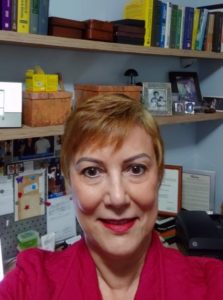
We are very pleased to welcome Professor Parastoo Hashemi to the RSC Advances team as an Associate Editor today.

 

Parastoo (Parry) Hashemi RSC AdvancesParastoo (Parry) Hashemi received her MSci degree in Chemistry from King’s College, London. She performed her PhD with Martyn Boutelle in the Department of Bioengineering in Imperial College, London where she developed online biosensing technology to measure brain metabolites from human traumatic brain injury patients. She performed her post doctoral with Mark Wightman at UNC Chapel Hill. Here she developed fast scan cyclic voltammetry (FSCV) at carbon-fiber microelectrodes (CFMs) to measure serotonin in vivo using FSCV. She currently runs two research labs in the Department of Chemistry at the University of South Carolina and in the Department of Bioengineering at Imperial College, London. The focus of her research is to develop diagnostic tools and novel treatments for mental illnesses.

Parry has also recently guest-edited a themed collection on analytical science in neurochemistry for Analyst with Jean-Francois Masson and Martyn G. Boutelle. You can browse the full collection here.
 

Browse a selection of work published by Parry in RSC journals:

Frontiers in electrochemical sensors for neurotransmitter detection: towards measuring neurotransmitters as chemical diagnostics for brain disorders
Yangguang Ou, Anna Marie Buchanan, Colby E. Witt and Parastoo Hashemi
Anal. Methods, 2019, 11, 2738-2755
DOI: 10.1039/C9AY00055K, Critical Review

Fast voltammetry of metals at carbon-fiber microelectrodes: towards an online speciation sensor
Pavithra Pathirathna, Thushani Siriwardhane, Shawn P. McElmurry, Stephen L. Morgan and Parastoo Hashemi
Analyst, 2016, 141, 6432-6437
DOI: 10.1039/C6AN01807F, Paper

The coaction of tonic and phasic dopamine dynamics
Christopher W. Atcherley, Kevin M. Wood, Kate L. Parent, Parastoo Hashemi and Michael L. Heien
Chem. Commun., 2015, 51, 2235-2238
DOI: 10.1039/C4CC06165A, Communication

 

RSC Advances Royal Society of Chemistry

Submit your research or reviews to Sonia & Ahjeong now, they will be delighted to receive them! See our author guidelines for information on our article types or find out more about the advantages of publishing in a Royal Society of Chemistry journal.

Keep up to date with our latest HOT articles, Reviews, Collections & more by following us on Twitter. You can also keep informed by signing up to our E-Alerts.

Digg This
Reddit This
Stumble Now!
Share on Facebook
Bookmark this on Delicious
Share on LinkedIn
Bookmark this on Technorati
Post on Twitter
Google Buzz (aka. Google Reader)

“Witnessing wonderful, innovative and exciting science”: an associate editor’s insight

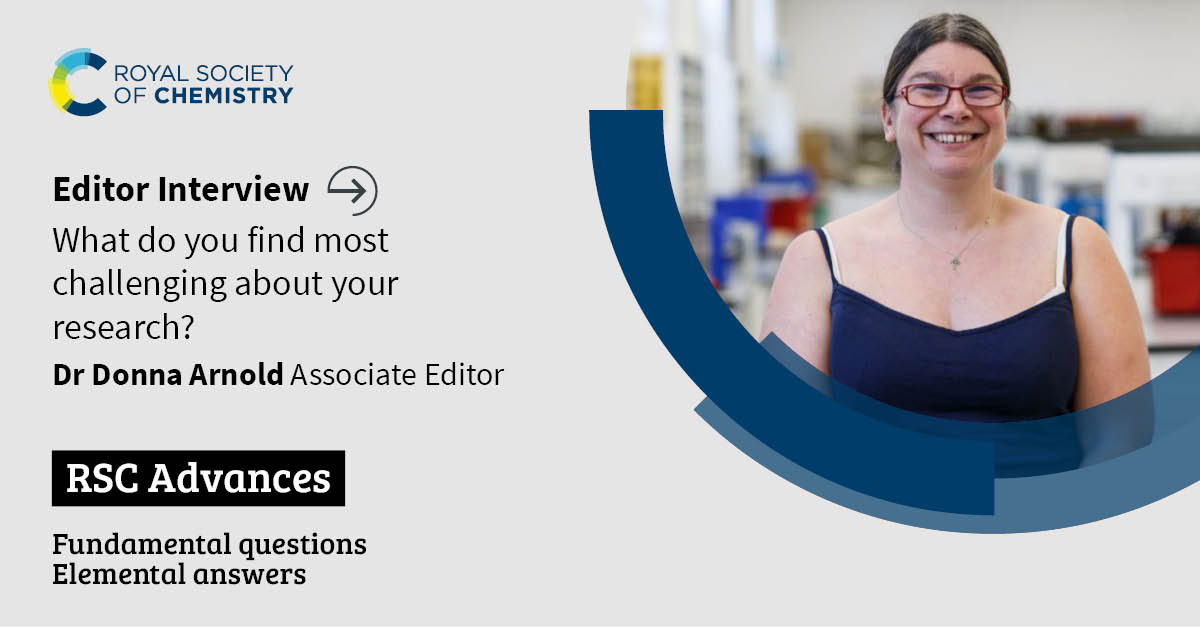
Dr Donna Arnold, Associate Editor of the Royal Society of Chemistry’s RSC Advances, believes it’s vital that scientists contribute to their community by getting involved in the process of publishing high quality research.

Dr Donna Arnold is Senior Lecturer in Chemistry and Forensic Science at the University of Kent. Her PhD, undertaken at the Royal Institution of Great Britain, focussed on the structure and electronic properties of porous manganese oxides. She has since worked at the Foundation for Research and Technology in Crete and undertaken postdoctoral research at the University of St Andrews. Her research on functional nanomaterials at University College Cork earned her national recognition for her role in the design of the first patterned substrates manufactured by Intel to meet key research needs.

Q. What is your personal research focus, and what aspect of your work are you most excited about at the moment?

I focus on new multifunctional materials for next-generation devices. In particular, my team are interested in synthesising materials with both magnetic and ferroelectric properties. Realising commercially useful materials of this kind would allow us to build memory devices which offer faster read/write capabilities while simultaneously requiring less energy to operate.

Q. What do you find most challenging about your research?

Research should be challenging. Without challenge there is no reward. That said, often the trickiest part is knowing when to share it with the scientific community. Do you wait until you have a complete picture, or do you share your findings as they come? There are pros and cons to both approaches and these vary depending on the project.

Q. Why did you decide to become an Associate Editor for RSC Advances?

I wanted to understand more about the publishing process, contribute to my community, improve my own submissions, and share knowledge and best practice. I applied to RSC Advances because it has a truly global readership across all areas of chemistry.

My role as Associate Editor gives me an opportunity to see the extensive, excellent work being performed in my area of expertise and to play a part in sharing this work with the wider research community.

Q. What is your favourite thing about the Associate Editor role?

It’s got to be witnessing the wonderful, innovative and exciting science being done worldwide. As researchers, our focus often becomes very narrow and we end up only reading within our direct area of interest. Being an Associate Editor means that I read a broad range of science. I’m constantly amazed by the innovative experiments that scientists perform!

Q. How does your role contribute to the journal and to the scientific community?

We all strive to publish our work and rely on these mechanisms to share knowledge and communicate our ideas – something that’s only achievable through the sensitive handling of papers by editorial staff and peer reviewers.

I hope that my contribution to the publishing of excellent science in RSC Advances inspires researchers and continues to drive science to new and exciting heights.

Q. If you had one piece of advice for authors submitting to RSC Advances, what would it be?

Include a cover letter with your submission which allows us to see where you think your work falls in the field and gives us a sense of the paper before we read it. Tell us why your work is cutting-edge and how it extends the current state of the art. What are the highlights? Why is it exciting? How does it fit within the scope of the journal?

Q. Who were your role models as a child, and did you always want to be a scientist?

I always wanted to be a scientist, although initially I wanted to be a pathologist (inspired by the TV show Quincy)! I later realised my true passion was for materials chemistry and that I really wanted to be an academic. I’ve been fortunate to have had some wonderful teachers and an incredibly supportive family, without whom this path would have been impossible.

Q. Which profession would you choose if you weren’t a researcher?

I’d like to think that I would have become a rock star or racing-car driver – although I lack the talent for both!

More realistically, I would have become a primary school teacher so that I could have inspired the next generation of researchers and scientists.


RSC Advances Royal Society of Chemistry

Submit to RSC Advances today! Check out our author guidelines for information on our article types or find out more about the advantages of publishing in a Royal Society of Chemistry journal.

Digg This
Reddit This
Stumble Now!
Share on Facebook
Bookmark this on Delicious
Share on LinkedIn
Bookmark this on Technorati
Post on Twitter
Google Buzz (aka. Google Reader)

RSC Advances highlight article – beetles’ bumpy backs inspire a new way to extract water from air

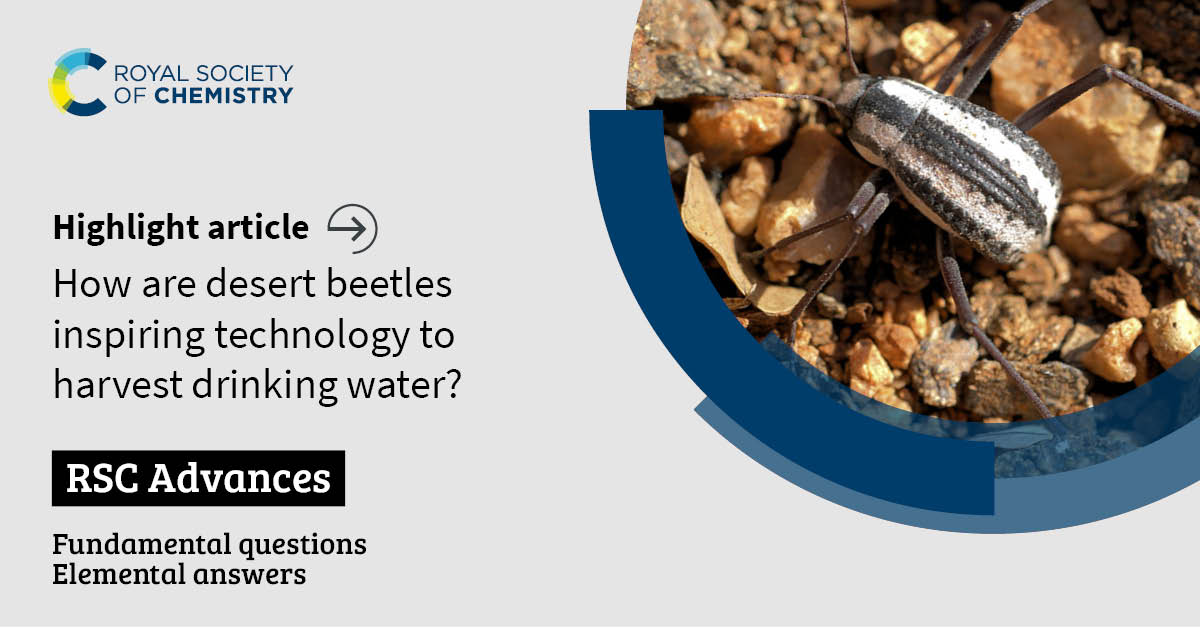
Harvesting drinking water by making it jump out of foggy air sounds far-fetched, but that is exactly what is achieved by some clever chemistry inspired by the water-gathering exoskeletons of desert beetles.

Research published in the journal RSC Advances reveals how surface coatings with water-attracting and water-repelling regions make water droplets form and jump together into larger droplets that can be collected. The system offers an inexpensive and efficient route to condensing much-needed drinking water from air in arid and semi-arid regions of the world.

Xikui Wang and Youfa Zhang and their colleagues at Southeast University in Nanjing, China, took inspiration from the bumpy surfaces of desert beetles to develop their new technology. The bumps on the beetle’s back promote the formation of water droplets from foggy air. The water is then channelled into the beetle’s mouth, allowing it to survive in the dry wilderness of South West Africa.

To adapt the beetle’s trick for human use, the researchers built a hybrid material by adding silicon carbide particles to a superhydrophobic silicon dioxide coating on aluminium sheets. This created a rough surface with interspersed and interacting water-attracting and water-repelling regions that encouraged tiny water droplets to form.

The water-gathering power of the beetles was then improved by bringing two layers of the synthetic material close together. Remarkably, the forces on the smallest droplets made them jump off the surface and collide. This makes the system more than twice as effective at catching water from the air as single surfaces alone.

Other methods for harvesting water from air do already exist, but the researchers say the new process is easier and will cost less.

While their proof-of-concept work paves the way for building better watercollectors, they also see possible applications for desalination systems to extract drinking water from the sea, and applications in other fields involving heat exchange and water purification.

RSC Advances Royal Society of Chemistry

Submit to RSC Advances today! Check out our author guidelines for information on our article types or find out more about the advantages of publishing in a Royal Society of Chemistry journal.

Article details:

Beetle-like droplet-jumping superamphiphobic coatings for enhancing fog collection of sheet arrays
Xikui Wang, Jia Zeng, Xinquan Yu, Caihua Liang and Youfa Zhang
RSC Advances, 2020, 10, 282-288
DOI: 10.1039/c9ra09329j

Digg This
Reddit This
Stumble Now!
Share on Facebook
Bookmark this on Delicious
Share on LinkedIn
Bookmark this on Technorati
Post on Twitter
Google Buzz (aka. Google Reader)

Introducing our new Associate Editors: Sonia de Pascual-Teresa & Ahjeong Son

We are very pleased to introduce Dr Sonia de Pascual-Teresa & Professor Ahjeong Son. Sonia and Ahjeong join the RSC Advances team as associate editors this month, keep reading to find out more.

Sonia de Pascual-Teresa, RSC Advances Associate Editor


Sonia de Pascual-Teresa is a Scientist at the Institute of Food Science, Technology and Nutrition (ICTAN) belonging to the Spanish Research Council (CSIC). She has a BS in Pharmacy and a PhD in Food Science and Nutrition, both from the University of Salamanca. She has worked previously at the IFR in Norwich and the University of Reading. Her main interests are polyphenols, their bioavailability, metabolism and biological effects. She has experience in both, human trials and cellular models to study the bioavailability and biological activity of food bioactives. Polyphenols analysis and chemistry is in the basis of much of her work. In the last years she has focused on the study of the cardiovascular and neuroprotective effects of dietary polyphenols, including flavanols and anthocyanins. She has published more than 100 peer-reviewed journal papers and book chapters.

‘I am pleased with the opportunity to collaborate with RSC Advances in promoting the impactful, high-quality and open-access publications in the food research area.’


Ahjeong Son, RSC Advances Associate Editor


Ahjeong Son received her PhD in Civil and Environmental Engineering from the University of Delaware under the supervision of Professor Daniel Cha. She completed her NIH-funded postdoctoral stint in Professor Kate M. Scow’s lab at University of California at Davis. She began her independent career in 2008 with the Department of Civil Engineering at Auburn University, USA. She received the National Science Foundation CAREER Award in 2011. She is currently a full professor in the Department of Environmental Science and Engineering at Ewha Womans University, Korea. She is tenured at both Auburn University and Ewha Womans University.

Her research focus includes the development of nanomaterials based biosensor technologies and systems to address environmental challenges.

Ahjeong looks forward to her role as an associate editor, saying “I am excited to join the editorial team of RSC Advances and hope to contribute to the journal from the environmental engineering perspective”.


RSC Advances Royal Society of Chemistry

Submit your research or reviews to Sonia & Ahjeong now, they will be delighted to receive them! See our author guidelines for information on our article types or find out more about the advantages of publishing in a Royal Society of Chemistry journal.

Keep up to date with our latest HOT articles, Reviews, Collections & more by following us on Twitter. You can also keep informed by signing up to our E-Alerts.

Digg This
Reddit This
Stumble Now!
Share on Facebook
Bookmark this on Delicious
Share on LinkedIn
Bookmark this on Technorati
Post on Twitter
Google Buzz (aka. Google Reader)

Welcome to our new Associate Editors: Ekin Atilla-Gokcumen & Qin Wang

We are delighted to welcome Professor G. Ekin Atilla-Gokcumen and Dr Qin Wang to the RSC Advances team this month!

Dr G. Ekin Atilla-Gokcumen, University at Buffalo, RSC Advances


Ekin Atilla-Gokcumen received her Ph.D. in Chemistry working under the supervision of Eric Meggers from the University of Pennsylvania. Her dissertation work focused on the design, synthesis and biological activity of Ru-based organometallic protein kinase inhibitors. She then joined Riki Eggert’s lab at the Dana Farber Cancer Institute for her post-doctoral studies where she took an interest in lipids. She started her independent career at University at Buffalo, Department of Chemistry in 2013.

The Atilla laboratory uses chemical biology, mass spectrometry and molecular and cellular biology approaches to elucidate novel roles of lipids during different cellular fates.

Ekin looks forward to her role as an associate editor, saying “I am excited to join the editorial team in RSC Advances and help promote cutting edge, innovative and impactful research”.


Qin Wang, RSC Advances Associate Editor, Royal Society of Chemistry


Qin Wang is an Associate Professor in the Department of Nutrition and Food Science at the University of Maryland, College Park. She got her Ph.D. in Food Science from the University of Illinois at Urbana-Champaign in 2004.

Dr. Wang’s laboratory uses food chemistry, food biophysics, material science and nanotechnology approaches to investigate structure-function relationships of food proteins and polysaccharides with the ultimate goal of improving food safety and quality. Different nanostructures, including nanoparticles, nanoemulsions, nanolaminates, etc. have been produced in her lab with applications in nutraceutical encapsulation and target delivery, antimicrobial packaging materials, food pathogen detection, and edible coating.

Dr. Wang has published more than 100 peer-reviewed journal papers, 7 book chapters and has co-edited a book entitled: Nanotechnology Research Methods for Foods and Bioproducts.

Qin is very excited to join the RSC Advances team, saying “I am looking forward to using my expertise to bring up high-quality research in food science to this journal.”


Browse a selection of work published by Ekin and Qin:

Regulation of lipids is central to replicative senescence
Darleny Y. Lizardo, Yen-Lung Lin, Omer Gokcumen and G. Ekin Atilla-Gokcumen
Mol. BioSyst., 2017, 13, 498-509
DOI: 10.1039/C6MB00842A, Paper

Beta-lactoglobulin-based encapsulating systems as emerging bioavailability enhancers for nutraceuticals: a review
Zi Teng, Ruoyang Xua and Qin Wang
RSC Adv., 2015, 5, 35138-35154
DOI: 10.1039/C5RA01814E, Review Article

Mass spectrometry-based metabolomics to assess uptake of silver nanoparticles by Arabidopsis thaliana
Nita G. Chavez Soria, Angelina Montes, Mary A. Bisson, G. Ekin Atilla-Gokcumen and Diana S. Aga
Environ. Sci.: Nano, 2017, 4, 1944-1953
DOI: 10.1039/C7EN00555E, Paper

Electrodeposition of a weak polyelectrolyte hydrogel: remarkable effects of salt on kinetics, structure and properties
Yi Liu, Boce Zhang, Kelsey M. Gray, Yi Cheng, Eunkyoung Kim, Gary W. Rubloff, William E. Bentley, Qin Wang and Gregory F. Payne
Soft Matter, 2013, 9, 2703-2710
DOI: 10.1039/C3SM27581G, Paper

RSC Advances Royal Society of Chemistry

Submit your research or reviews to Ekin & Qin now, they will be delighted to receive them! See our author guidelines for information on our article types or find out more about the advantages of publishing in a Royal Society of Chemistry journal.

Keep up to date with our latest HOT articles, Reviews, Collections & more by following us on Twitter. You can also keep informed by signing up to our E-Alerts.

Digg This
Reddit This
Stumble Now!
Share on Facebook
Bookmark this on Delicious
Share on LinkedIn
Bookmark this on Technorati
Post on Twitter
Google Buzz (aka. Google Reader)

International Open Access Week 2019

In celebration of International Open Access Week, we have collected a selection of our recent reviewer-recommended HOT articles.

As always, these articles are free to read and download. Happy reading!


International Open Access Week 2019


An anode catalyst support for polymer electrolyte membrane fuel cells: application of organically modified titanium and silicon dioxide
Marek Malinowski, Agnieszka Iwan, Agnieszka Hreniak and Igor Tazbir
RSC Adv., 2019, 9, 24428-24439
DOI: 10.1039/C9RA04862F, Paper
Subject Area: Energy

Thermostability of protein nanocages: the effect of natural extra peptide on the exterior surface
Xiaorong Zhang, Jiachen Zang, Hai Chen, Kai Zhou, Tuo Zhang, Chenyan Lv and Guanghua Zhao
RSC Adv., 2019, 9, 24777-24782
DOI: 10.1039/C9RA04785A, Paper
Subject Area: Biological

Enabling chloride salts for thermal energy storage: implications of salt purity
J. Matthew Kurley, Phillip W. Halstenberg, Abbey McAlister, Stephen Raiman, Sheng Dai and Richard T. Mayes
RSC Adv., 2019, 9, 25602-25608
DOI: 10.1039/C9RA03133B, Paper
Subject Area: Energy

Asymmetric retro-[1,4]-Brook rearrangement of 3-silyl allyloxysilanes via chirality transfer from silicon to carbon
Ya Wu, Hua Chen, Wenyu Yang, Yu Fan, Lu Gao, Zhishan Su, Changwei Hu and Zhenlei Song
RSC Adv., 2019, 9, 26209-26213
DOI: 10.1039/C9RA05482K, Paper
Subject Area: Organic

Spermidine enhanced resistance of Chlorella to high levels of CO2 and light intensity for improving photosynthetic growth rate
Xiangdong Zhang, Jun Cheng, Hongxiang Lu, Feifei Chu, Junchen Xu, Xuebin Wang and Kefa Cen
RSC Adv., 2019, 9, 26495-26502
DOI: 10.1039/C9RA05152J, Paper
Subject Area: Biological

Tannic acid-based nanopesticides coating with highly improved foliage adhesion to enhance foliar retention
Manli Yu, Changjiao Sun, Yumiao Xue, Chang Liu, Dewen Qiu, Bo Cui, Yan Zhang, Haixin Cui and Zhanghua Zeng
RSC Adv.,2019, 9, 27096-27104
DOI:
10.1039/C9RA05843E, Paper
Subject Area: Nanoscience

Activation of atomically precise silver clusters on carbon supports for styrene oxidation reactions
Kazeem O. Sulaiman, V. Sudheeshkumar and Robert W. J. Scott
RSC Adv., 2019, 9, 28019-28027
DOI: 10.1039/C9RA05566E, Paper
Subject Area: Catalysis

Pyrrolizidine alkaloids quantified in soil and water using UPLC-MS/MS
Jawameer R. Hama and Bjarne W. Strobel
RSC Adv., 2019, 9, 30350-30357
DOI: 10.1039/C9RA05301H, Paper
Subject Area: Environmental

Asymmetric supercapacitors with excellent rate performance by integrating Co(OH)F nanorods and layered Ti3C2Tx paper
Si Chen, Xuejiao Zhou, Xinzhi Ma, Lu Li, Panpan Sun and Mingyi Zhang
RSC Adv., 2019, 9, 30957-30963
DOI: 10.1039/C9RA06393E, Paper
Subject Area: Energy

Anti-tumor effect of volatile oil from Houttuynia cordata Thunb. on HepG2 cells and HepG2 tumor-bearing mice
Linsong Yang, Weiwei Ji, Hui Zhong, Luyao Wang, Xiaolin Zhu and Jie Zhu
RSC Adv., 2019, 9, 31517-31526
DOI: 10.1039/C9RA06024C, Paper
Subject Area: Biological

The role of surface copper content on biofilm formation by drinking water bacteria
I. B. Gomes, L. C. Simões and M. Simões
RSC Adv., 2019, 9, 32184-32196
DOI: 10.1039/C9RA05880J, Paper
Subject Area: Biological

Mono and co-immobilization of imidazolium ionic liquids on silica: effects of the substituted groups on the adsorption behavior of 2,4-dinitrophenol
Zhike Wang, Honglian Ge, Xueyuan Wang, Cunling Ye and Shunli Fan
RSC Adv., 2019, 9, 32425-32434
DOI: 10.1039/C9RA07635B, Paper
Subject Area: Environmental

Paper-based microfluidic devices based on 3D network polymer hydrogel for the determination of glucose in human whole blood
Rong-Yu He, Hsin-Yi Tseng, Hsia-An Lee, Yu-Ci Liu, Igor O. Koshevoy, Sheng-Wei Pan and Mei-Lin Ho
RSC Adv., 2019, 9, 32367-32374
DOI: 10.1039/C9RA04278D, Paper
Subject Area: Analytical

Dual-mode US/MRI nanoparticles delivering siRNA and Pt(iv) for ovarian cancer treatment
Yanhua Zhang, Hui Huang, Hao Fu, Meng Zhao, Zhihua Wu, Yang Dong, He Li, Yourong Duan and Ying Sun
RSC Adv., 2019, 9, 33302-33309
DOI: 10.1039/C9RA03681D, Paper
Subject Area: Chemical Biology and Medicinal

A protocol for size separation of nanographenes
Ikuya Matsumoto, Ryo Sekiya and Takeharu Haino
RSC Adv., 2019, 9, 33843-33846
DOI: 10.1039/C9RA07528C, Paper
Subject Area: Materials

Long non-coding RNA PCAT1 facilitates cell growth in multiple myeloma through an MTDH-mediated AKT/β-catenin signaling pathway by sponging miR-363-3p
Ying Chen, Jinxia Hao, Jing Zhao, Ye Liu, Yuan Li, Juan Ren and Wei Wang
RSC Adv., 2019, 9, 33834-33842
DOI: 10.1039/C9RA06188F, Paper
Subject Area: Biological
RSC Advances Royal Society of Chemistry

Submit to RSC Advances today! Check out our author guidelines for information on our article types or find out more about the advantages of publishing in a Royal Society of Chemistry journal.

Digg This
Reddit This
Stumble Now!
Share on Facebook
Bookmark this on Delicious
Share on LinkedIn
Bookmark this on Technorati
Post on Twitter
Google Buzz (aka. Google Reader)

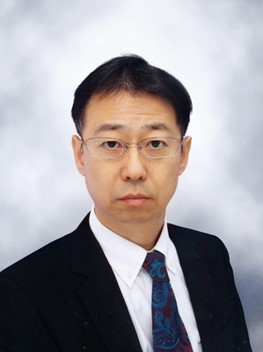
Welcome to our new Editorial Board member: Norio Shibata

We are delighted to welcome Professor Norio Shibata as our newest Editorial Board member!Professor Norio Shibata, Royal Society of Chemistry RSC Advances Editorial Board

Norio Shibata has been a Professor at the Nagoya Institute of Technology since 2008. He received a Ph.D. (1993) in pharmaceutical sciences from Osaka University under the direction of Professor Yasuyuki Kita. He worked at Dyson Perrins Laboratory (Professor Sir Jack. E. Baldwin), Oxford University (JSPS fellow, 1994−1996), Sagami Chemical Research Institute (Dr. Shiro Terashima, 1996), after which he was a lecturer at Toyama Medical & Pharmaceutical University (1997−2003), and an associate professor at the Nagoya Institute of Technology (2003−2008). He also acted as a visiting professor at the University of Rouen (2008, 2012) and Zhejiang Normal University (2017−), an academic visitor at the University of Oxford (2017, 2018) and University of Valencia (2017, 2019), a senior technical consultant at the National Engineering Technology Center of Fluoro Materials, Juhua Group Corporation (2017−).

He has received the ‘RSC Fluorine Prize’ (2005, UK), ‘The Pharmaceutical Society of Japan Award for Divisional Scientific Promotions’ (2010, Japan), ‘Prizes for Science and Technology, The Commendation for Science and Technology by the Minister of Education, Culture, Sports, Science and Technology’ (2014, Japan), ‘CSJ Award for Creative Work in Chemical Society of Japan’ (2015, Japan), ‘Chinese Chemical Society, W.-Y. Huang Fluorine Prize’ (2015, China), ‘ACS Award for Creative Work in Fluorine Chemistry’ (2019, US) and ‘The 18th Green and Sustainable Chemistry Awards by the Minister of Education, Culture, Sports, Science and Technology’ (2019, Japan). His research interests are synthetic and medicinal fluorine chemistry.

Browse a selection of work published by Norio:

Synthesis of fluorinated donepezil by palladium-catalyzed decarboxylative allylation of α-fluoro-β-keto ester with tri-substituted heterocyclic alkene and the self-disproportionation of its enantiomers
Mayaka Maeno, Hiroya Kondo, Etsuko Tokunaga and Norio Shibata
RSC Adv., 2016, 6, 85058-8506
DOI: 10.1039/C6RA21253K, Communication

Flow trifluoromethylation of carbonyl compounds by Ruppert–Prakash reagent and its application for pharmaceuticals, efavirenz and HSD-016
Satoshi Okusu, Kazuki Hirano, Yoshimasa Yasuda, Etsuko Tokunaga and Norio Shibata
RSC Adv., 2016, 6, 82716-82720
DOI: 10.1039/C6RA19790F, Communication

Synthesis of aryl and heteroaryl tetrafluoro-λ6-sulfanyl chlorides from diaryl disulfides using trichloroisocyanuric acid and potassium fluoride
Ibrayim Saidalimu, Yumeng Liang, Kiyoteru Niina, Kazuhiro Tanagawa, Norimichi Saito and Norio Shibata
Org. Chem. Front., 2019, 6, 1157-1161
DOI: 10.1039/C9QO00191C, Research Article

An eccentric rod-like linear connection of two heterocycles: synthesis of pyridine trans-tetrafluoro-λ6-sulfanyl triazoles
Prajwalita Das, Kiyoteru Niina, Tomoya Hiromura, Etsuko Tokunaga, Norimichi Saito and Norio Shibata
Chem. Sci., 2018, 9, 4931-4936
DOI: 10.1039/C8SC01216D, Edge Article

Submit to RSC Advances today! Check out our author guidelines for information on our article types or find out more about the advantages of publishing in a Royal Society of Chemistry journal.

Digg This
Reddit This
Stumble Now!
Share on Facebook
Bookmark this on Delicious
Share on LinkedIn
Bookmark this on Technorati
Post on Twitter
Google Buzz (aka. Google Reader)

Welcome to our new Editorial Board Member: Qingdong Zheng

We are pleased to introduce Professor Qingdong Zheng as our latest Editorial Board member!

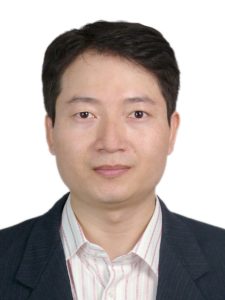
Professor Qingdong Zheng, RSC Advances Editorial Board MemberQingdong Zheng is a Professor of State Key Laboratory of Structural Chemistry in the Fujian Institute of Research on the Structure of Matter, Chinese Academy of Sciences (CAS). He obtained his B.S. (1998), and M.S. (2001) degrees from East China University of Science and Technology, and his Ph.D. degree from the State University of New York at Buffalo in 2005. After carrying out his postdoctoral research at Johns Hopkins University, he joined CAS and took his current position in 2010.
Selected honors and awards include the “100 Talents Programme” of CAS in 2010, and distinguished Young Scholars of National Science Foundation of China (NSFC) in 2013. His main interests lie in optoelectronic materials and the related energy, photonic, and electronic devices, especially conjugated small-molecule or polymeric materials for applications such as solar cells, photodetectors, field-effect transistors, light-emitting diodes, and sensors. He has published over 100 papers in peer-reviewed journals and has previously worked with RSC Advances as an Associate Editor.

Browse a selection of work published by Qingdong:


Indenothiophene-based asymmetric small molecules for organic solar cells
Qi Shang, Meng Wang, Jiajun Weib and Qingdong Zheng
RSC Adv., 2017, 7, 18144-18150
DOI: 10.1039/C7RA01902E, Paper

Solution-processed MoSx thin-films as hole-transport layers for efficient polymer solar cells
Jiajun Wei, Zhigang Yin, Shan-Ci Chen, Dongdong Cai and Qingdong Zheng
RSC Adv., 2016, 6, 39137-39143
DOI: 10.1039/C6RA01204C, Paper

Ladder-type dithienocyclopentadibenzothiophene-cored wide-bandgap polymers for efficient non-fullerene solar cells with large open-circuit voltages
Qisheng Tu, Changquan Tang and Qingdong Zheng
J. Mater. Chem. A, 2019, 7, 3307-3316
DOI: 10.1039/C8TA11404H, Paper

Enhancing the performance of photomultiplication-type organic photodetectors using solution-processed ZnO as an interfacial layer
Jianbin Wang and Qingdong Zheng
J. Mater. Chem. C, 2019, 7, 1544-1550
DOI: 10.1039/C8TC04962A, Paper

Submit to RSC Advances today! Check out our author guidelines for information on our article types or find out more about the advantages of publishing in a Royal Society of Chemistry journal.

Digg This
Reddit This
Stumble Now!
Share on Facebook
Bookmark this on Delicious
Share on LinkedIn
Bookmark this on Technorati
Post on Twitter
Google Buzz (aka. Google Reader)

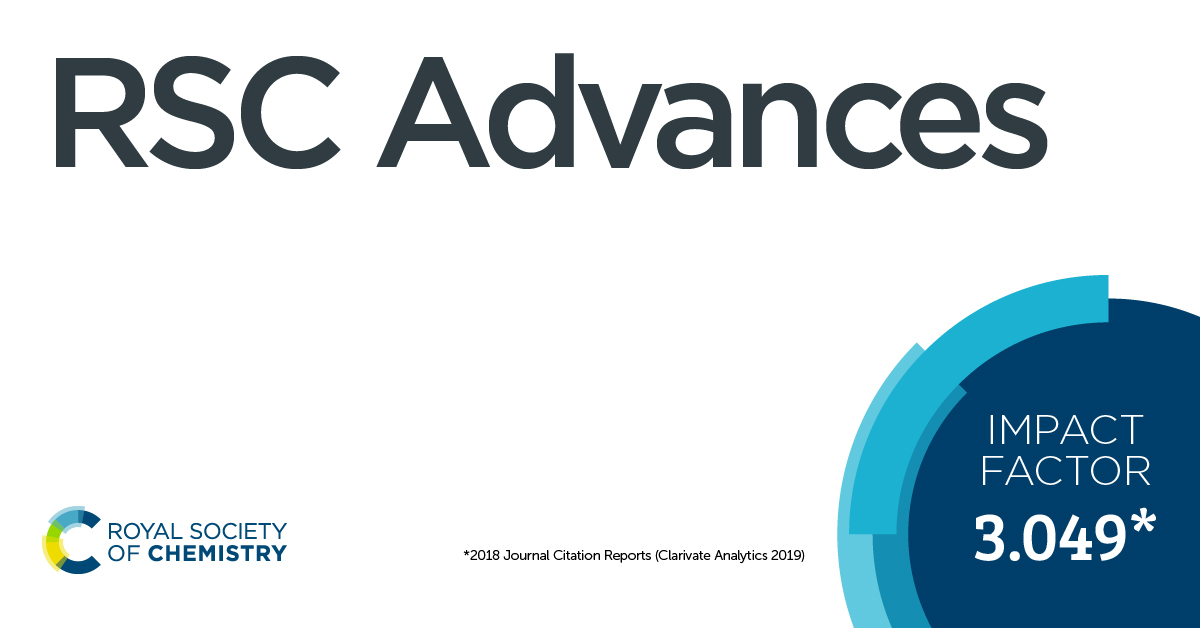
RSC Advances’ latest Impact Factor: 3.049

RSC Advances new Impact Factor Royal Society fo Chemistry

RSC Advances is very pleased to announce that our latest Impact Factor has increased to 3.049*, demonstrating our continuting commitment to quality and increased visibility of published work following its transition to gold open access.

As the largest gold open access journal dedicated to the chemical sciences, RSC Advances is here for everyone who wants to publish quality chemistry research and share it with the world.

We are here for everyone who needs access to work in every area of the chemical sciences and related disciplines. And as part of the Royal Society of Chemistry, we are at the heart of open, international research dissemination for the chemistry community.

Great science matters. We make sure the world knows it.

RSC Advances in numbers:

A 5-year impact factor above 3
Submissions from 90+countries in 2018
An average of 30 days from submission to first decision
An acceptance rate of 44%
Associate editors in 30+ countries
10,000+ articles free to access and growing


We would like to thank all our authors, readers, reviewers along with our Editorial and Advisory Board members for their continued support.

Find all of the RSC’s newly published 2018 Impact Factors* here.

*The Impact Factor provides an indication of the average number of citations per paper. Produced annually, Impact Factors are calculated by dividing the number of citations in a year, by the number of citeable articles published in the preceding two years. Data based on Journal Citation Reports (Web of Science Group, 2019).

Digg This
Reddit This
Stumble Now!
Share on Facebook
Bookmark this on Delicious
Share on LinkedIn
Bookmark this on Technorati
Post on Twitter
Google Buzz (aka. Google Reader)

Welcome to our new Associate Editors: Angela Meireles & Amanda Garner

A warm welcome to both Professor M. Angela. A. Meireles and Professor Amanda L. Garner who start as Associate Editors for RSC Advances in June!

Angela Meireles. RSC Advances Associate Editor RSCEmployed for close to 34 years at the University of Campinas (UNICAMP) in São Paulo, Brazil, Professor Meireles completed her PhD in Chemical Engineering at Iowa State University. Starting as an Assistant Professor in the School of Food Engineering in 1983, she has since become a Professor and has supervised 50 PhD dissertations, 30 MSc theses and approximately 72 undergraduate research projects. She has also coordinated scientific exchange projects between UNICAMP and European universities in France, Germany, Holland, and Spain. Angela has served as a Head of Department, as Associate Dean for Undergraduate Studies of Food Engineering and as Associated Director at the Chemical, Biological, and Agricultural Pluridisciplinary Research Center.

Professor Meireles’ expertise helped her serve as the coordinator of Food Science for the Coordination for the Improvement of Higher Education Personnel (CAPES) between 2014 and 2018. She is a partner and innovative director of Bioativos Naturais, Ltd. and a current invited Professor at the School of Food Engineering at the University of Campinas.

Angela is excited to join the RSC Advances team, saying “I am truly grateful to belong to the Editorial team of this prestigious Open Access Journal: this is the future of scientific publications.”


Browse a selection of work published by Angela:

Sub-2 μm fully porous and partially porous (core–shell) stationary phases for reversed phase liquid chromatography
Endler M. Borges, Mauricio A. Rostagno and M. Angela A. Meireles
RSC Adv., 2014, 4, 22875-22887
DOI: 10.1039/ C3RA45418E, Review Article

Fast analysis of phenolic terpenes by high-performance liquid chromatography using a fused-core column
Giovani L. Zabot, Moyses N. Moraes, Maurício A. Rostagno and M. Angela A. Meireles
Anal. Methods, 2014, 6, 7457-7468
DOI: 10.1039/ C4AY01124D, Paper

Fast analysis of β-ecdysone in Brazilian ginseng (Pfaffia glomerata) extracts by high-performance liquid chromatography using a fused-core column
Mauricio A. Rostagno, Isabel C. N. Debien, Renata Vardanega, Gislaine C. Nogueira, Gerardo F. Barbero and M. Angela A. Meireles
Anal. Methods, 2014, 6, 2452-2459
DOI: 10.1039/ C3AY42276C, Paper


Amanda L Garner. RSC Advances Associate Editor RSCAmanda Garner received her Ph.D. in Chemistry from the University of Pittsburgh working under the supervision of Prof. Kazunori Koide and completed NIH-funded postdoctoral studies in the laboratory of Prof. Kim Janda at The Scripps Research Institute. She began her independent career in 2013 in the Department of Medicinal Chemistry at the University of Michigan.
Her laboratory uses chemical biology, medicinal chemistry and molecular and cellular biology approaches to investigate the high-risk/high-reward areas of targeting microRNAs, RNA-protein and protein-protein interactions for probe and drug discovery.

Amanda looks forward to her new role, saying “I am excited for the opportunity to help RSC Advances in promoting the high-quality and impactful chemical research being performed within the global community.”


Browse a selection of work published by Amanda:

cat-ELCCA: catalyzing drug discovery through click chemistry
Amanda L. Garner
Chem. Commun., 2018, 54, 6531-6539
DOI: 10.1039/C8CC02332H, Feature Article

A click chemistry-based microRNA maturation assay optimized for high-throughput screening
Daniel A. Lorenz and Amanda L. Garner
Chem. Commun., 2016, 52, 8267-8270
DOI: 10.1039/C6CC02894B, Communication

Antagonism of a zinc metalloprotease using a unique metal-chelating scaffold: tropolones as inhibitors of P. aeruginosa elastase
Jessica L. Fullagar, Amanda L. Garner, Anjali K. Struss, Joshua A. Day, David P. Martin, Jing Yu, Xiaoqing Cai, Kim D. Janda and Seth M. Cohen
Chem. Commun., 2013, 49, 3197-3199
DOI: 10.1039/C3CC41191E, Communication

Submit your research or reviews to Angela & Amanda now, they will be delighted to receive them!

See our author guidelines for information on our article types or find out more about the advantages of publishing in a Royal Society of Chemistry journal.

Digg This
Reddit This
Stumble Now!
Share on Facebook
Bookmark this on Delicious
Share on LinkedIn
Bookmark this on Technorati
Post on Twitter
Google Buzz (aka. Google Reader)