Archive for the ‘RSC Advances’ Category

RSC Advances Outstanding Student Paper Awards 2024 – Webinars

We are delighted to announce the winners of our 2024 Outstanding Student Paper Awards. We are celebrating this year’s winners with a series of webinars and encouraging submissions for 2025 and onwards!

The RSC Advances Outstanding Student Paper Awards recognise outstanding work published in the journal, for which a substantial component of the research was conducted by a student. For 2024 we received over 860 nominations, which were shortlisted, and the winning papers were then selected by our Editorial Board and Associate Editors.

You can view the winning contributions and hear more about the winners here:

Editorial                                                    Full Collection

Join us for our upcoming series of webinars, where the award winners will present an overview of their research.

Registration is free, so sign up now to support our winners and hear about the exciting research that helped them to win the award.

Outstanding Student Paper Award Webinars

Session 1: 27th November, 2025
9:00 UK time | 10:00 CET |
Session 2: 3rd December, 2025
9:00 UK time | 10:00 CET |
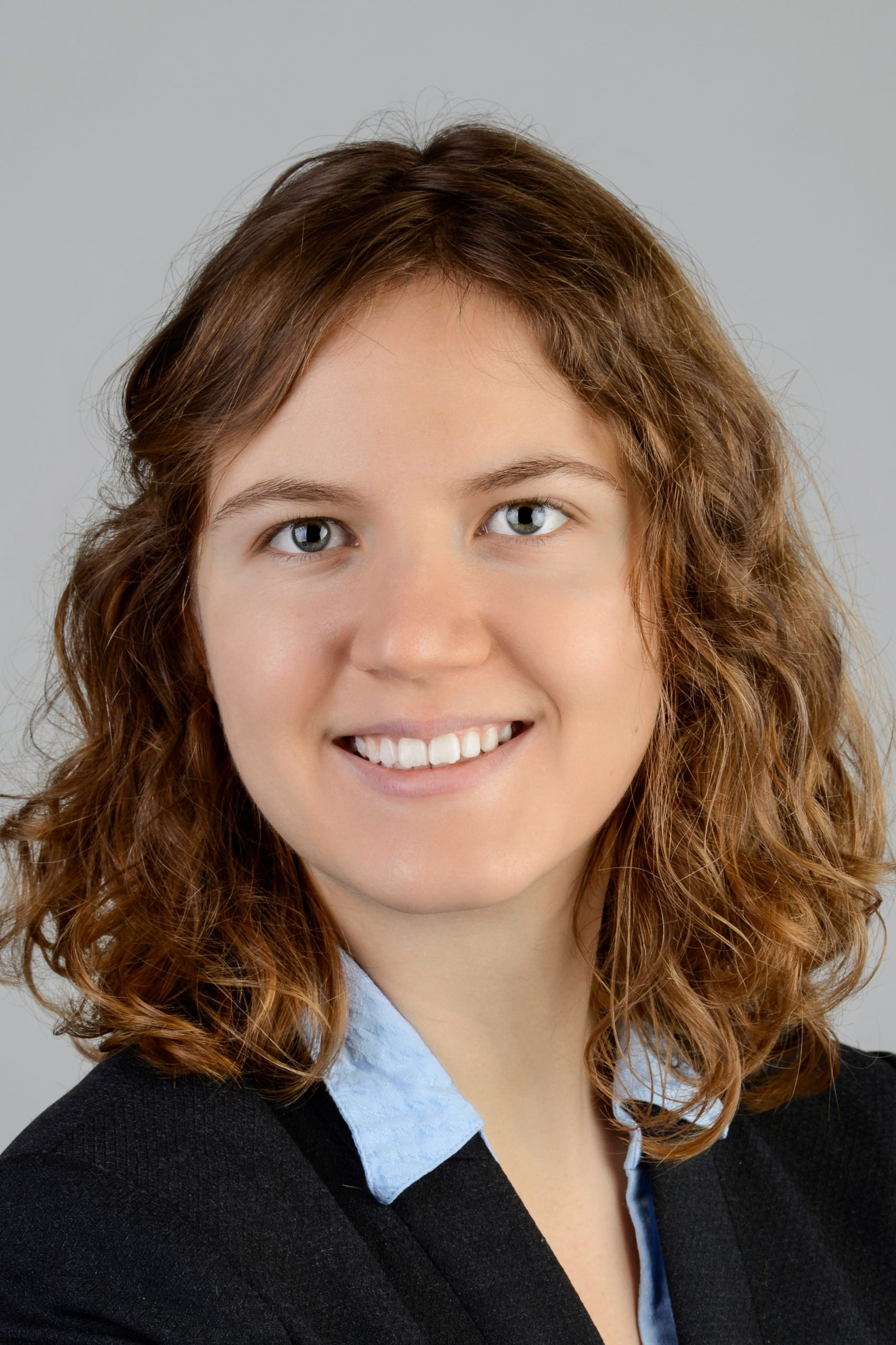
Biological and Medicinal Chemistry Morgane Baudoin, Université Grenoble Alpes, France Materials Chemistry Vaishali Rathi, University of Petroleum and Energy Studies UPES, India
Catalysis Anjana Rajeev, National Institute of Technology Calicut, India Organic Chemistry Mintu Munda, Indian Institute of Science Education and Research Bhopal, India
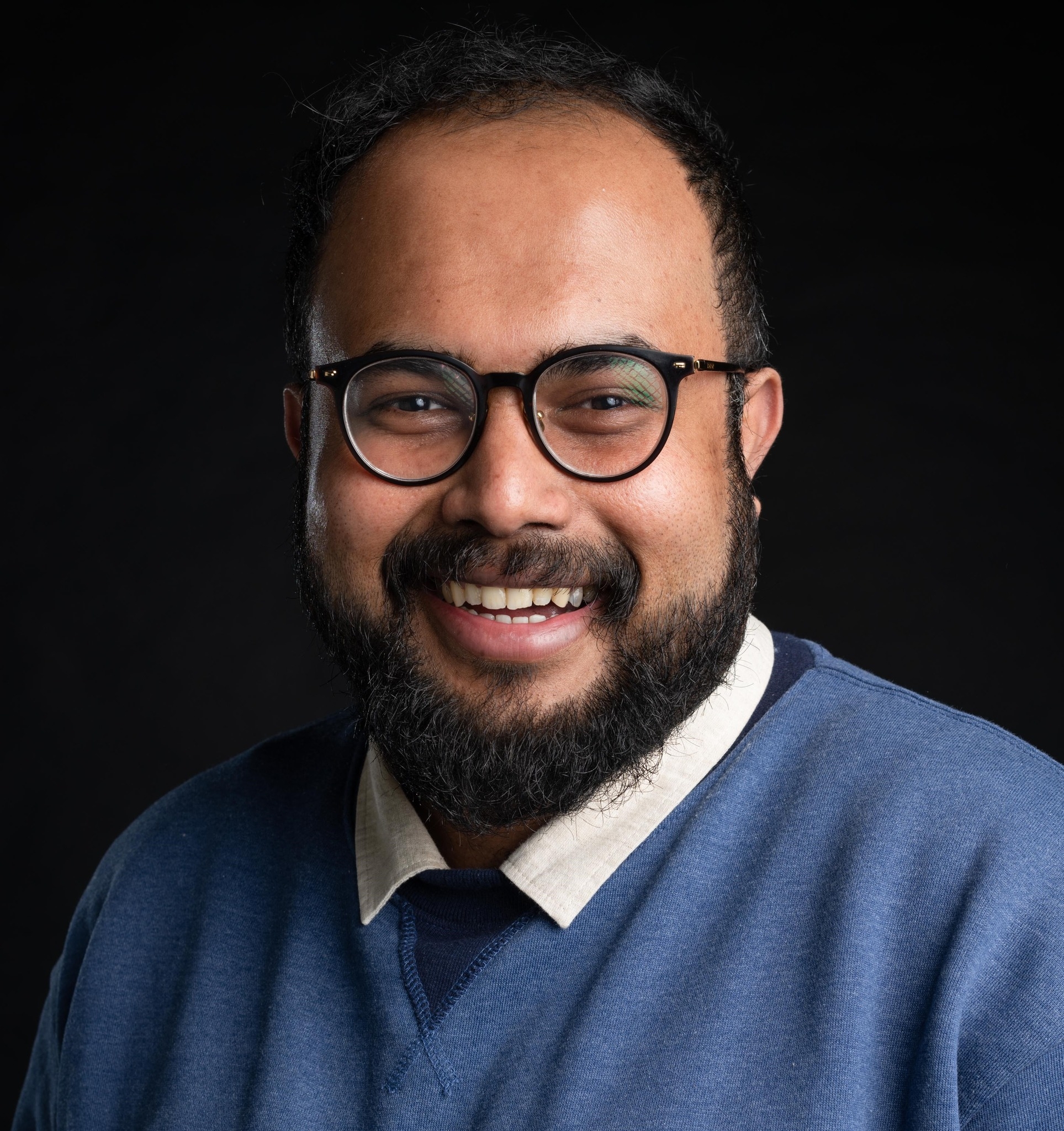
Energy Chemistry A M Mahmudul Hasan, University of Dhaka, Bangladesh Physical Chemistry Maria Bånkestad, Uppsala University, Sweden
[Registration link] [Registration link]
Session 3: 4th December, 2025
16:00 UK time | 17:00 CET | 10:00 CT |
 
   
Computational & Theoretical Chemistry Reza Ghanavati & Alma C. Escobosa, New Mexico State University, USA  
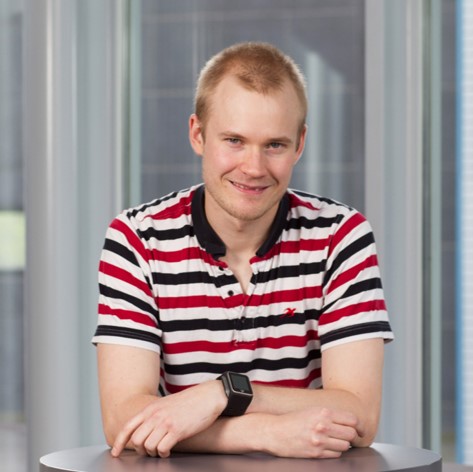
Inorganic Chemistry T. Harri Jones, University of New Brunswick, Canada  
Nanoscience Christina Wenck, Fraunhofer Institute for Microengineering and Microsystems IMM, Germany
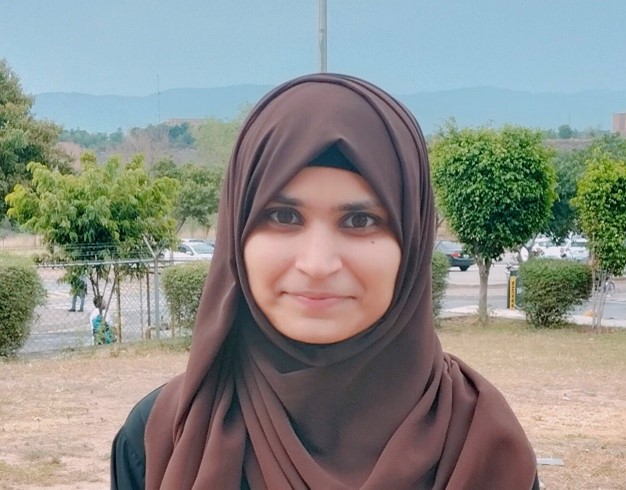
Food Chemistry Nafisa Sadaf, University of Arkansas, USA 
[Registration link]

Apologies from the winners who are unable to attend: Analytical chemistry Zhaokang Zhang, Fuzhou University; Environmental chemistry Melanie Maddin, Trinity College Dublin.


Looking forward: RSC Advances Outstanding Student Paper Awards 2025 and onwards

We will continue to recognise outstanding student contributions and give out these awards each year. If you published a research article in 2025, or go on to publish with the journal in the future, and would like to recognise a significant contribution made by a student, we invite them to join us in future editions of this series. Please look at our webpage for more information or submit now!


Submit to RSC Advances today! Check out our author guidelines for information on our article types or find out more about the advantages of publishing in a Royal Society of Chemistry journal.

Keep up to date with our latest Popular Advances, Reviews, Collections & more by following us on BlueSky. You can also keep informed by signing up to our E-Alerts.

Digg This
Reddit This
Stumble Now!
Share on Facebook
Bookmark this on Delicious
Share on LinkedIn
Bookmark this on Technorati
Post on Twitter
Google Buzz (aka. Google Reader)

RSC Advances Outstanding Student Paper Awards 2024

We are delighted to announce the winners for the RSC Advances Outstanding Student Paper Awards 2024. RSC Advances presents an annual award series to recognise the hard work of students within the chemistry community.

All research articles published in RSC Advances in 2024 were considered. In order to be eligible for this award, the first author or co-first author must have been a student at the time of carrying out the research. From the support of corresponding authors, we received over 860 nominations highlighting the incredible talent and potential of emerging researchers in the field of chemistry. These awards continue to celebrate the exceptional work across a range of research fields and countries, reflecting the talent, diversity, and scientific curiosity that define the next generation of chemists.

The nominations were shortlisted based on several criteria, and the winning papers were then selected by our Editorial Board and Associate Editors.

Below, we highlight the winner of each subject category, and the research paper that won them the award. Please join us in congratulating all our winners for their exceptional achievement. We look forward to witnessing their continued growth and impact as they embark on a promising career in the field of chemistry.

Analytical chemistry

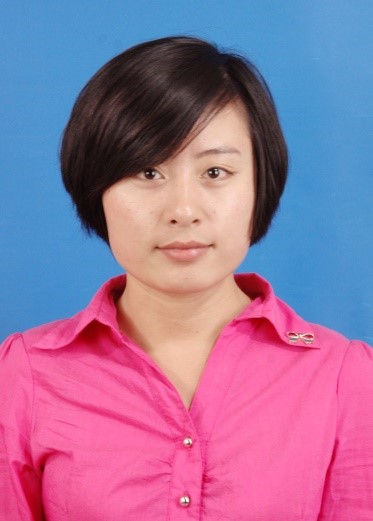
Zhaokang Zhang, Fuzhou University, China


Zhaokang is recognised for his outstanding contribution to the research presented in:

Portable glucose sensing analysis based on laser-induced graphene composite electrode

Zhaokang Zhang has a Master’s degree in materials and chemical engineering from Fuzhou University under the supervision of Professor Li Yanxia. His research focuses on enzyme electrochemical sensors, where he specializes in enhancing micro-sensing electrode performance through advanced materials engineering while capitalizing on enzymatic bioelectrocatalysis to develop next-generation flexible wearable biosensors.

Prior to his graduate studies, he earned a Bachelor’s degree in materials science from Hefei University of Technology in 2021. Building upon his expertise in polymer synthesis and nanomaterial fabrication, he is presently engaged in cutting-edge research dedicated to optimizing high-performance polyolefin production systems through catalytic process innovation and process intensification strategies.

Biological and Medicinal Chemistry

Morgane Baudoin, Université Grenoble Alpes, France


Morgane is recognised for her outstanding contribution to the research presented in:

To click or not to click for short pulse-labeling of the bacterial cell wall

Morgane Baudoin obtained an engineering degree in chemistry in 2017 from the Graduate School of Chemical, Materials and Industrial Engineering (ENSIACET) in Toulouse, France. After six months of experience as an intern at the pharmaceutical company Servier, where she worked on the synthesis of polymer–drug conjugates (PDC), she pursued a PhD in chemical biology at the Department of Molecular Pharmacochemistry (DPM) in Grenoble under the supervision of Dr Yung-Sing Wong and graduated in 2023. Through the design and synthesis of novel organic compounds, she explored the metabolic incorporation of teichoic acid and peptidoglycan precursors in the cell wall of Streptococcus pneumoniae for labelling and therapeutic purposes. This work led to the publication of 4 research papers in peer-reviewed international journals and several oral communications at national and international conferences. She is currently working as a postdoctoral researcher at Uppsala University in Sweden with Dr Luke Odell.

Catalysis

Anjana Rajeev, National Institute of Technology Calicut, India


Anjana is recognised for her outstanding contribution to the research presented in:

Selective synthesis of cyclic alcohols from cycloalkanes using nickel(II) complexes of tetradentate amidate ligands

Anjana Rajeev K obtained her Master’s degree in applied chemistry from the University of Calicut. She then pursued her PhD at the National Institute of Technology Calicut, India, under the supervision of Dr Muniyandi Sankaralingam, and was awarded her degree in April 2025. Her doctoral research focused on the synthesis and characterization of diverse molecular nickel(II) complexes and their catalytic applications in the oxidation of unactivated C–H bonds in substrates such as cycloalkanes and benzene derivatives. Her broader research interests include the generation, trapping, and reactivity studies of first-row transition metal–oxygen species.

Computational & Theoretical Chemistry


Reza Ghanavati & Alma C. Escobosa, New Mexico State University, USA


Reza & Alma are recognised for their outstanding contribution to the research presented in:

An automated protocol to construct flexibility parameters for classical forcefields: applications to metal–organic frameworks

Reza Ghanavati is a fifth-year PhD student in chemical and materials engineering at New Mexico State University, where he conducts research under the mentorship of Dr Thomas A. Manz. His doctoral work focuses on developing automated methodologies for polarizable, flexible forcefields to study gas separations in metal–organic frameworks (MOFs), targeting hydrogen purification in solar water-splitting applications. He earned his Bachelor’s degree in Chemical Engineering from Amirkabir University of Technology and a Master’s degree in chemical engineering from Sharif University of Technology, specializing in simulation and control. Beyond his academic research, Reza has applied machine-learning algorithms and developed interactive R Shiny applications to advance pharmacometrics modelling, enhancing predictions of pharmacokinetics and pharmacodynamics (PK/PD) parameters. He has also gained industry experience through internships at leading pharmaceutical companies, including GSK, Bristol Myers Squibb, and Johnson & Johnson.

Alma C. Escobosa earned her Bachelor’s degree in chemistry from the University of Texas at El Paso in 2018. She then continued to pursue her PhD in chemical engineering at New Mexico State University, completing it in 2024. Her doctoral research, conducted under the supervision of Dr Thomas Manz, focused on developing interatomic potentials (forcefields) for metal–organic frameworks (MOFs) to allow prediction of helium separation performance from natural gas. Her dissertation presents a roadmap for constructing, validating, and applying forcefields to use in atomistic simulations. Along the way, she was a recipient of the Frontera Computational Science Fellowship and the CONACYT fellowship, both of which she is grateful for.

Energy Chemistry

A M Mahmudul Hasan, University of Dhaka, Bangladesh


Mahmudul is recognised for his outstanding contribution to the research presented in:

Synergism in carbon nanotubes and carbon-dots: counter electrode of a high-performance dye-sensitized solar cell

A M Mahmudul Hasan completed his BSc in chemistry (2021) and MSc in physical chemistry (2022) at the University of Dhaka, Bangladesh, where he conducted research in the Materials Chemistry Research Laboratory (MCRL) under the supervision of Prof. Md. Abu Bin Hasan Susan. Mahmudul’s research centres on the design and synthesis of π-conjugated, structurally ordered electronic materials with high electrical conductivity that are cost-effective and readily processable for next-generation energy technologies. Motivated by the urgent need for environmentally sustainable energy solutions, his Master’s research focused on developing composite carbon materials as counter electrodes to enhance the performance of dye-sensitized solar cells. This research led to fellowship awards from the Bangladesh National Institute of Science and Technology (NIST) and the Semiconductor Research Institute at the University of Dhaka. Mahmudul is currently pursuing a PhD in physical chemistry at the University of Florida, USA, where his work expands to the development of advanced organic polymer-based electronic materials. His doctoral research has been recognized with the Louise and V.T. Jackson Summer Fellowship and the Martin T. Vala Award for Research Excellence in Physical Chemistry. Mahmudul remains dedicated to advancing his research toward the development of novel, scalable, and economically viable materials that facilitate the transition to renewable energy technologies.

Environmental Chemistry


Melanie Maddin, Trinity College Dublin, Ireland


Melanie is recognised for her outstanding contribution to the research presented in:

Transient crystallisation of rare earth carbonates during the hydrothermal oxidation of siderite

Melanie Maddin is a geochemist with a BSc in Earth science and a PhD in geochemistry from Trinity College Dublin. Her doctoral research explored how rare-earth elements are taken up and fractionated in carbonates, iron carbonates, and iron phosphates. She now works as a laboratory technician and research fellow in the Earth Surface Research Laboratory at Trinity College Dublin, where she supports and develops cutting-edge geochemical research. Her upcoming project will investigate carbon, nutrient, and trace-element dynamics in the coastal systems of North County Dublin, with the aim of advancing our understanding of how these environments respond to environmental change.

Inorganic Chemistry

T. Harri Jones, University of New Brunswick, Canada


Harri is recognised for his outstanding contribution to the research presented in:

Colour tuneability of heteroleptic iridium complexes through second-sphere coordination

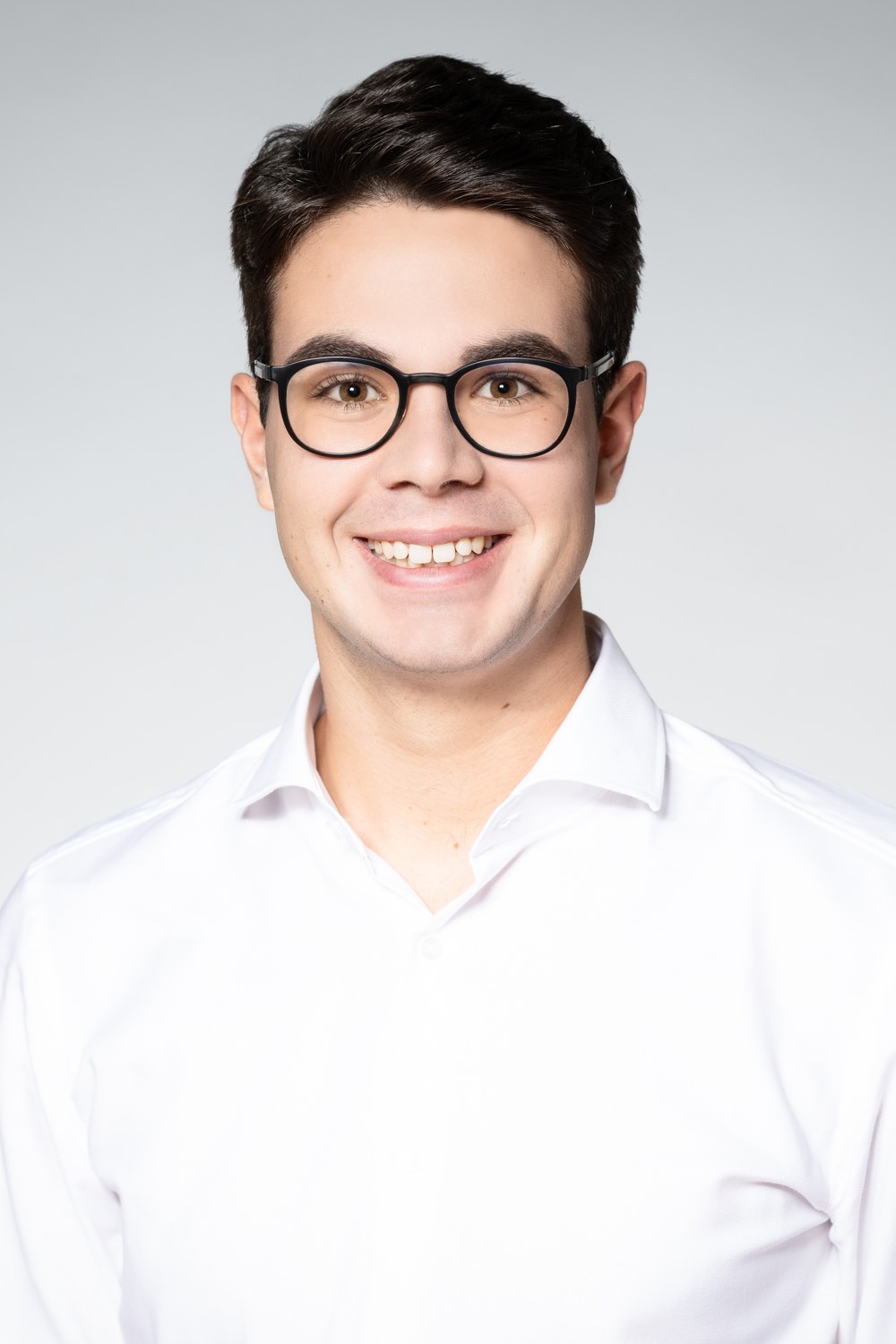
Trystan Harri Jones obtained his MChem from the University of Edinburgh, Scotland in 2021. His Master’s thesis work was on the synthesis of amide-directed boron-doped polyaromatic hydrocarbons under the supervision of Prof. Michael Ingleson. He then went on to earn his PhD at the University of New Brunswick, Canada, in 2025 with the guidance of Prof. Barry Blight. His doctoral research centred on a large library of cyclometalated iridium complexes with tuneable optoelectronic properties that had potential applications from photocatalysts to emitters. The tuneable nature of these iridium complexes relied on complementary hydrogen-bonding arrays built into complexes which facilitate a change in emission in the presence of complementary H-bonding compounds.

During his PhD, Harri published multiple research papers in peer-reviewed journals, presented at several conferences (notably winning a poster prize at CANUK 2025), worked as a finalist judge for the Canada wide science fair, and delivered lectures in organic chemistry. Harri has accepted a post-doctoral research position with Prof. Catherine Aitchison at Linköping University, Sweden, in the laboratory of organic electronics.

Materials Chemistry

Vaishali Rathi, University of Petroleum and Energy Studies UPES, India


Vaishali is recognised for her outstanding contribution to the research presented in:

Improved thermoelectric performance of PEDOT:PSS/Bi2Te3/reduced graphene oxide ternary composite films for energy harvesting applications

Dr Vaishali Rathi is an INSPIRE Fellowship awardee with a strong academic and research background in materials science and nanotechnology. She completed her BSc (CBZ) from HNB Garhwal University, Srinagar, in 2015, followed by an MSc in organic chemistry from the same university in 2017, graduating with a Gold Medal for securing first rank.

She earned her PhD in materials science from the University of Petroleum and Energy Studies (UPES), Dehradun, in May 2025, under the supervision of Prof. Ashish Kumar and Prof. Ranjeet Kumar Brajpuriya. Her doctoral research focused on the design, synthesis, and multi-scale characterization of organic–inorganic hybrid composites for thermoelectric energy harvesting. She developed strategies to enhance the performance of graphene-based ternary composites with conducting polymers (PEDOT:PSS, PANI) and Bi2Te3, achieving improvements in electrical conductivity, Seebeck coefficient, and power factor.

Currently, Vaishali is a scientist at The Advance Carbon Company (TACC) Ltd., Madhya Pradesh, leading R&D on graphene materials for applications in concrete, textiles, and coatings. Outside research, she enjoys travelling and playing badminton.

Nanoscience

Christina Wenck, Fraunhofer Institute for Microengineering and Microsystems IMM, Germany


Christina is recognised for her outstanding contribution to the research presented in:

Design and characterisation of casein coated and drug loaded magnetic nanoparticles for theranostic applications

Christina Wenck joined the Fraunhofer Institute for Microengineering and Microsystems (IMM) in Mainz, Germany, as a doctoral student in 2023, in the Nanomedicine group led by Dr Regina Bleul. Her research focuses on synthesizing magnetic nanoparticles using a continuous-flow micromixer setup, online analytics for real-time characterization, and developing magnetic nanoparticle systems for theranostic applications.

Christina holds Bachelor’s and Master’s degrees in nanotechnology from Leibniz University Hannover. After completing her Master’s degree in 2022, she worked in the Biophotonics group of Prof. Dr Heisterkamp at the Institute for Quantum Optics, Leibniz University Hannover. During this period, and while working on her Master’s thesis, her research focused on colorimetric detection of oral bacteria using functionalized gold nanoparticles as a plasmonic biosensor array, which was published in 2024 (https://doi.org/10.1039/D3NA00477E).

Organic Chemistry

Mintu Munda, Indian Institute of Science Education and Research Bhopal, India


Mintu is recognised for his outstanding contribution to the research presented in:

Total synthesis of naturally occurring abietane diterpenoids via a late-stage Fe(iii)-bTAML catalysed Csp3–H functionalization

Dr Mintu Munda, born in Kolkata, India, obtained his BSc (Hons.) in chemistry from Chakdaha College, affiliated to the University of Kalyani, in 2016. He then pursued an MSc in chemistry at the Indian Institute of Technology, Kharagpur. In 2018, Dr Munda joined the Indian Institute of Science Education and Research (IISER) Bhopal for his doctoral studies under the guidance of Prof. Alakesh Bisai, with Prof. Aasheesh Srivastava as co-supervisor. His PhD research focused on the total syntheses of indolosesquiterpene alkaloids, including xiamycins A and C–F, advancing synthetic strategies for biologically important natural products.

Following his PhD, Mintu joined the Department of Medicinal Chemistry at the University of Kansas, United States, in 2024 as a postdoctoral researcher in the group of Prof. Shyam Sathyamoorthi. His research focused on the development of catalytic asymmetric methods for the synthesis of β-amino acids and their application to biologically active frameworks.

In the same year, Mintu was awarded the prestigious Marie Skłodowska-Curie Postdoctoral Fellowship. He subsequently moved to the United Kingdom to join Queen Mary University of London (QMUL) as an MSCA postdoctoral researcher in the group of Dr Stellios Arseniyadis, where his current work explores biohybrid N-heterocyclic carbene (NHC) catalysis at the interface of synthetic methodology and chemical biology.

Physical Chemistry

Maria Bånkestad, Uppsala University, Sweden


Maria is recognised for her outstanding contribution to the research presented in:

Carbohydrate NMR chemical shift prediction by GeqShift employing E(3) equivariant graph neural networks

Maria Bånkestad defended her PhD in Machine Learning for Scientific Applications at Uppsala University in February 2025, with the dissertation Structured models for scientific machine learning: From graphs to kernels. Her doctoral work combined methods from graph neural networks and kernel approaches to tackle problems in the physical sciences, and her final paper was Carbohydrate NMR chemical shift prediction by GeqShift employing E(3) equivariant graph neural networks. Maria is currently a researcher at RISE Research Institutes of Sweden, where she applies machine learning to materials science and related fields.

Food Chemistry

Nafisa Sadaf, University of Arkansas, USA


Nafisa is recognised for her outstanding contribution to the research presented in:

Effect of a novel drying method based on supercritical carbon dioxide on the physicochemical properties of sorghum proteins

Nafisa Sadaf is a PhD student in food science at Florida State University under the supervision of Dr Leqi Cui. Her doctoral research focuses on enhancing the functionalities of plant proteins and evaluating their impact on the gut microbiome. She earned her MSc in food science at the University of Arkansas, working with Dr Ali Ubeyitogullari on improving sorghum protein properties using supercritical carbon dioxide (SC-CO2). Her thesis compared the physicochemical characteristics of SC-CO2-dried and freeze-dried sorghum proteins, providing novel insights into sustainable protein processing. Nafisa has published three peer-reviewed research papers and one conference proceeding. She was recognized as a finalist in the Protein and Co-Products Division Poster Competition at the AOCS Annual Meeting and Expo (2024). She completed her BSc in food engineering at Shahjalal University of Science and Technology, Bangladesh, where her undergraduate thesis explored edible coating development using ascorbic acid and aloe vera gel to extend fruit shelf life. Across her academic journey, Nafisa has consistently demonstrated a commitment to rigorous, application-oriented food science that advances sustainable protein systems and supports future innovations in nutrition and health.


Please join us in congratulating all of our winners for their exceptional achievement. We extend our sincere gratitude to all the authors for their contributions, as well as to the editors and referees for their collaboration, which has resulted in this high-quality series.

We will continue to recognise outstanding student contributions and plan to give out these awards each year. If you published a research article in 2025, or go on to publish with the journal in the future, and would like to recognise a significant contribution made by a student, we invite them to join us in future editions of this series. Please email advances-rsc@rsc.org for more information.

 

Submit to RSC Advances today! Check out our author guidelines for information on our article types or find out more about the advantages of publishing in a Royal Society of Chemistry journal.

Keep up to date with our latest Popular Advances, Reviews, Collections & more by following us on BlueSky. You can also keep informed by signing up to our E-Alerts.

Digg This
Reddit This
Stumble Now!
Share on Facebook
Bookmark this on Delicious
Share on LinkedIn
Bookmark this on Technorati
Post on Twitter
Google Buzz (aka. Google Reader)

RSC Advances Announces Concurrent Editing

Here at RSC Advances we aim to make the publishing experience as simple as possible for authors. We are therefore delighted to announce the introduction of concurrent editing!

Concurrent editing allows you and your co-authors to work on an accepted manuscript’s corrections at the same time; while corresponding authors can track, review and approve all changes.

The option to share access with your co-authors will be listed on the initial instructions panel and tracked on the workflow and editing panel as you work on your corrections together.


To use concurrent editing, the corresponding author will need to share the proof with any co-authors using the “Invite Collaborators” feature in Proof Central as shown below. This will give each invited author a unique link, allowing their changes to be tracked and all authors to work on corrections at the same time. The corresponding author can then review and approve all changes before submitting the final corrections. Full instructions can be found on Proof Central.

Alternatively, if you would prefer to supply proof corrections by annotating the PDF, this option will still be available and can also be done through Proof Central and an editor will apply the corrections on your behalf.

In addition to RSC Advances, concurrent editing will soon be a feature on all Royal Society of Chemistry journals, so watch out for this exciting tool with your next proof!


Digg This
Reddit This
Stumble Now!
Share on Facebook
Bookmark this on Delicious
Share on LinkedIn
Bookmark this on Technorati
Post on Twitter
Google Buzz (aka. Google Reader)

Advance presented in RSC Advances article recognised by the World Health Organisation India

We are delighted to share that an RSC Advances article published by Dr. Ashish D. Patel and co-authors, titled “Nanotechnology as a cutting-edge solution to combat antimicrobial resistance” has been recognized by the World Health Organisation (WHO) India in  Antimicrobial Resistance Sameeksha review (Volume 31, November 2024)! This is an excellent accomplishment and we would like to congratulate all of the authors involved!

Dr. Ashish Patel is a researcher and academic with expertise in nanotechnology, particularly in the synthesis and application of nanoparticles for environmental and biomedical solutions. He has a strong background in material science, environmental engineering, and the use of nanomaterials for sustainable solutions. Dr. Patel currently serves as Associate Professor and Senior Researcher at Hemchandracharya North Gujarat University, where he leads a research group dedicated to exploring novel methods for biomedical application and environmental remediation using advanced nanomaterials. He has contributed to several high-impact publications in peer-reviewed journals and continues to collaborate with both academic and industry partners to apply his research in real-world settings. He also mentors Masters, Ph.D. and postdoctoral researchers, guiding them through projects related to nanomaterial synthesis and applications. With a commitment to advancing sustainable technologies and contributing to the scientific community, Dr. Patel remains dedicated to both his research and his role in academic and industry collaborations.

Dr Dhiraj Bhatia obtained his PhD from NCBS-TIFR in Bangalore, India, in DNA nanotechnology. Post PhD he went to the Curie Institute in Paris to join the team of Ludger Johannes initially as a Curie fellow and later as an HFSP long-term fellow where he developed cellular and biological applications of DNA nanodevices. In 2018, he moved to India to start his own laboratory at the Indian Institute of Technology Gandhinagar where he is an Associate Professor, and was Ramanujan fellow till 2023. His lab focusses on the translational aspects of DNA nanotechnology to develop tools to program biological systems for biomedical applications. He is currently a member of INYAS-INSA and also a scientific advisor for the startup company Q-Nano-Sol Biotech (QNANOSOL Pvt Ltd).

Dr. Dipak Kumar Sahoo works as a Research Scientist-III (Associate Graduate Faculty) at the Department of Veterinary Clinical Sciences, College of Veterinary Medicine, Iowa State University. He has an extensive research background of over 20 years with a doctoral degree (from Utkal University, India) and postdoctoral training (from Iowa State University, USA & University of Kentucky, USA) in animal biology, specific training and expertise in working with various disease models, cancer biology, molecular biology, biochemistry, genetics and ex vivo organoid studies, and has more than 100 research publications. He was also recognized as a “Top Peer Reviewer” in Biochemistry, Genetics, and Molecular Biology and received the “Sentinels of Science Award” in 2016. His current research focuses on developing molecular markers linked with colorectal cancer, inflammatory bowel diseases and sepsis, as well as the impact of antioxidants/oxidative stress in various pathophysiological conditions.

Could you briefly explain the focus of your review to the non-specialist (in one or two sentences only) and why it is of current interest?

The review focuses on antimicrobial resistance (AMR) and how nanomaterials can offer new solutions to combat resistant infections. This is of current interest due to the growing inability of traditional antibiotics to treat resistant bacterial strains, creating an urgent need for alternative treatments.

What are the most significant challenges in combatting AMR?

The main challenges in tackling AMR include the rapid development of resistance by bacteria, the limited number of new antibiotics being introduced to the market, and the slow and often inaccurate diagnostics that make it difficult to identify resistant infections in time.

How do nanomaterials address these issues compared to traditional antibiotics?

Nanomaterials address these challenges by offering alternative mechanisms to fight infections. They can disrupt bacterial cell structures, bypass common resistance pathways, and deliver drugs more effectively to the infection site, unlike traditional antibiotics that often lose their effectiveness over time.

Can you briefly highlight some of the most promising nanomedicines and their mechanisms of action?

Some of the most promising nanomedicines include silver nanoparticles, which break down bacterial cell membranes, and magnetic nanoparticles, which can target infections more precisely using external magnetic fields. Carbon-based nanomaterials also show potential in disrupting bacterial communication and preventing biofilm formation.

Which type of nanomedicine are you most excited about?

The type of nanomedicine that excites me the most is silver nanoparticles because of their broad-spectrum effectiveness against a range of pathogens and their potential to reduce resistance development.

What do you believe is the next step in tackling AMR?

To tackle AMR, the next step is likely to involve combining nanomaterials with traditional antibiotics to enhance their effectiveness and prevent further resistance from developing.

Checkout “Nanotechnology as a cutting-edge solution to combat antimicrobial resistance” here.

Submit to RSC Advances today! Check out our author guidelines for information on our article types or find out more about the advantages of publishing in a Royal Society of Chemistry journal.

Keep up to date with our latest Popular Advances, Reviews, Collections & more by following us on X. You can also keep informed by signing up to our E-Alerts.
 

Digg This
Reddit This
Stumble Now!
Share on Facebook
Bookmark this on Delicious
Share on LinkedIn
Bookmark this on Technorati
Post on Twitter
Google Buzz (aka. Google Reader)

RSC Advances Science Communications – Hydrogels: The Smart Solution for Energy-Efficient Windows in Sustainable Buildings

Harnessing solar energy through chemical bonds, as nature achieves via photosynthesis, represents a pivotal strategy for addressing global energy challenges. Efficiently splitting water to produce hydrogen—a clean fuel whose only byproduct is water—could revolutionize energy production. Achieving this requires the development of a cost-effective water-splitting cell, comprising stable semiconductors designed to directly catalyze water splitting at the semiconductor surface. The quest for effective solar-to-hydrogen production has driven significant research into developing stable and efficient semiconductors that are active under visible light.

On this occasion, we have, for the first time, explored the potential of a tetragonal dendritic nanostructured TiVO₄ photoelectrochemical (PEC) catalyst, synthesized through spray pyrolysis [1]. The resulting photoanode demonstrated an optical band gap of approximately 2.18 eV and exhibited a stable photocurrent density of 0.080 mA cm⁻² at 1.23 V, which remained consistent for up to 110 minutes. The optimization process revealed that a substrate temperature of 250 °C, coupled with an annealing temperature of 600 °C, was critical to achieving a single-phase TiVO₄ photoanode. Moreover, the sprayed TiVO₄ photoanode maintained excellent stability for up to 6000 seconds. Notably, the photocurrent density showed a significant increase from 73 to 400 mA cm⁻² at 1.8 V vs. RHE as the annealing temperature was elevated from 500 to 600 °C. These findings suggest that TiVO₄, as an underlying photo-absorbing semiconductor, addresses the challenge of inefficient photoanodes for water-splitting reactions, offering enhanced material performance and achieving long-term passivation without compromising stability.

Check out the article, published in RSC Advances:

Fabrication of TiVO4 photoelectrode for photoelectrochemical application

Manal Alruwaili, Anurag Roy, Srijita Nundy and Asif Ali Tahir
RSC Adv., 2022,12, 34640-34651

About the Web Writer:

Dr. Anurag Roy is a Doctor in Chemical Sciences and is currently an early career researcher in Renewable Energy at the University of Exeter, Cornwall Campus, UK. His research expertise lies in material design, synthesis, and characterization, with a focus on advancing solar energy technologies. With a strong background in both materials chemistry and materials engineering, he specializes in creating custom-designed nanoscale materials. Dr. Roy is also passionate about organizing and participating in science outreach and dissemination activities. You can connect with him on LinkedIn under his name or on X (formerly Twitter) at @Anuroyrag.

Submit to RSC Advances today! Check out our author guidelines for information on our article types or find out more about the advantages of publishing in a Royal Society of Chemistry journal.

Keep up to date with our latest Popular Advances, Reviews, Collections & more by following us on Twitter. You can also keep informed by signing up to our E-Alerts.

Digg This
Reddit This
Stumble Now!
Share on Facebook
Bookmark this on Delicious
Share on LinkedIn
Bookmark this on Technorati
Post on Twitter
Google Buzz (aka. Google Reader)

RSC Advances Outstanding Student Paper Awards 2023

We are delighted to announce the winners for the RSC Advances Outstanding Student Paper Awards 2023. RSC Advances presents an annual award series to recognise the hard work of students within the chemistry community.

All research articles published in RSC Advances in 2023 were considered. In order to be eligible for this award, the first author or co-first author must have been a student at the time of carrying out the research. From the support of corresponding authors, we received over 700 nominations highlighting the incredible talent and potential within the next generation of chemists. It is particularly inspiring to learn about the exceptional work from a diverse range of research fields and countries, a testament to the quality of research and curiosity throughout the community.

The nominations were shortlisted based on a number of criteria, and the winning papers were then selected by our Editorial Board and Associate Editors.

Below, we highlight the winner of each subject category, and the research paper that won them the award. Please join us in congratulating all of our winners for their exceptional achievement. We look forward to witnessing their continued growth and impact as they embark on a promising career in the field of chemistry.

Analytical chemistry

Kumar Shwetabh, Indian Institute of Technology (Indian School of Mines), India


Kumar is recognised for his outstanding contribution to the research presented in:

Synthesis and upconversion emission studies of CaYF5:Ho3+/Yb3+ phosphor and its applications in optical thermometry, fingerprint detection, and security ink 

Kumar Shwetabh, from Bihar, India, completed his B.Sc. and M.Sc. in Physics in the years 2015 and 2018 respectively, from Lalit Narayan Mithila University, India. He joined the Indian Institute of Technology (Indian School of Mines) for a PhD, and completed his PhD in July 2024 under the supervision of Prof. Kaushal Kumar at the Department of Physics, IIT(ISM) Dhanbad, India. During his PhD, he explored various rare earth-doped nanomaterials for upconversion-based multifunctional applications via, biomedical, optical thermometry, forensics, and security applications. His work is mainly focussed on rare earth-doped fluoride-based materials viz, NaYF4, NaGdF4, LiYF4, CaYF5, and KYF4 nanoparticles. Apart from academics, he likes to read books and play cricket.

Biological and Medicinal Chemistry

Mateusz Kozarski, University of Warsaw, Poland


Mateusz is recognised for his outstanding contribution to the research presented in:

Towards superior mRNA caps accessible by click chemistry: synthesis and translational properties of triazole-bearing oligonucleotide cap analogs 

Mateusz Kozarski completed his B.Sc. in Molecular Biophysics at the University of Warsaw in 2016, focussing on the application of copper(I)-catalysed alkyne-azide cycloaddition to synthesise novel 7-methylguanosine nucleotide analogs modified at the 5’ position. Continuing at the University of Warsaw, he completed his MSc. in Molecular Biophysics in 2018, exploring new molecular tools to investigate the biological role of the enzyme cNIIIB through the design, synthesis, and evaluation of novel 7-methylguanosine 5’-monophosphate analogs.
His pursuit of knowledge led him to a PhD programme at the Faculty of Physics, University of Warsaw, and the Centre of New Technologies, University of Warsaw in Chemical Biology and Biophysical Chemistry Laboratory. His doctoral research, supervised by Joanna Kowalska, PhD, DSc, and Prof. Jacek Jemielity, focussed on the synthesis and evaluation of nucleoside-based molecular tools for monitoring mRNA-related biological processes, where he co-authored three scientific publications on 5’-end mRNA metabolism.
From 2022 to 2023, he worked in industry as a scientist at Celon Pharma (Poland), where he was involved in research and development in the mRNA bioengineering group, working on RNA synthesis and purification. Mateusz is currently a Senior Scientist at etherna (Belgium), biotechnological company which focusses on customizable Lipid Nano Particles (cLNPs), supported by RNA chemistry and process technologies, here, Mateusz is responsible for optimising processes of RNA production and purification.

Catalysis

Respati K. Pramadewandaru, University of Ulsan, Republic of Korea


Respati is recognised for his outstanding contribution to the research presented in:

Synergistic effect of bimetallic Pd–Pt nanocrystals for highly efficient methanol oxidation electrocatalysts 

Respati Kevin Pramadewandaru is an Assistant Professor in the Department of Materials and Metallurgical Engineering at Sepuluh Nopember Institute of Technology (ITS), Indonesia. He earned his Ph.D. in Nano-Energy Chemistry from the University of Ulsan, South Korea (2024), where he also completed his master’s degree. His research focuses on material synthesis, characterisation, and applications, particularly in electrochemical systems and nanotechnology.

Respati has published several papers in reputable journals and has received awards such as the Best Paper Presentation at the International Joint Symposium of Ulsan University and Fukuoka University Conferences in 2022. He is actively involved in professional organizations, including the Indonesian Engineers Association (PII), collaborates with Nanyang Technological University (NTU) on hydrogen energy projects (REIDI ITS) and fuel cell team with NTU-Univeristas Indonesia (UI).

Computational & Theoretical Chemistry

Songyuan Yao, University of Oklahoma, USA


Songyuan is recognised for his outstanding contribution to the research presented in:

Machine learning based implicit solvent model for aqueous-solution alanine dipeptide molecular dynamics simulations 

Sonyuan Yao graduated with a Ph.D. from Dr. Yihan Shan’s group at the University of Oklahoma. His primary research focus during his studies was on utilising machine learning to assist in molecular dynamics simulations. In addition to his work in simulation and dry lab research, he also engaged in wet lab activities, which enhanced my understanding of drug discovery and molecular modelling.

Energy Chemistry

Naufal Hanif Hawari, A*STAR (Agency for Science, Technology and Research), Singapore


Naufal is recognised for his outstanding contribution to the research presented in:

Understanding SEI evolution during the cycling test of anode-free lithium-metal batteries with LiDFOB salt 

Naufal Hanif Hawari earned his BSc in 2020 and MSc in 2023, both in Materials Science and Engineering from Institut Teknologi Bandung, Indonesia. His research focusses on developing high-energy density batteries, including silicon anodes and lithium metal batteries under the supervision of Dr. Afriyanti Sumboja. During the final year of his master’s program, he received the Singapore Pre-Graduate Award (SIPGA), allowing him to spend five months at the Institute of Materials Research and Engineering (IMRE) at the Agency for Science, Technology, and Research (A*STAR) in Singapore. Additionally, he was awarded the Singapore International Graduate Award (SINGA) from A*STAR to pursue a 4-year PhD program at Nanyang Technological University (NTU) under the supervision of Dr. Ning Ding and Prof. Yan Qingyu.

Environmental Chemistry


 Valtteri Suorsa, Miho Otaki and Topi Suominen, University of Helsinki, Finland

Valtteri, Miho and Topi are recognised for their outstanding contribution to the research presented in:

Anion exchange on hydrous zirconium oxide materials: application for selective iodate removal 

Valtteri Suorsa obtained his PhD in CHEMS doctoral school of University of Helsinki, Finland in 2023. Within his PhD studies he and his co-authoring colleagues in associate professor Risto Koivula’s Ion exchange for nuclear waste treatment and for recycling research group focused on different ion exchange materials suitable for purification of radioactive waste. His doctoral thesis, Selective iodate removal using zirconium oxides, summarises his research regarding the utilization of zirconium oxides for the selective purification of solutions containing radioactive iodine. Currently, he works as a senior inspector at Finnish Radiation Safety Authority (STUK) and his work focuses on the radiochemical and ICP-MS analytics of radionuclides.

Miho Otaki earned her bachelor’s degree in Chemistry from the University of Tokyo and pursued her master’s degree in Radiochemistry at the University of Helsinki. Her master’s research involved the synthesis and characterization of ion-exchange sorbents for the removal of radioactive substances. Currently, she is a doctoral researcher at the University of Helsinki, working with Dr. Risto Koivula. Her ongoing project is focused on developing highly selective methods for the separation of Group 3 and f-block elements, utilising inorganic-organic hybrid sorbents and selective precipitation techniques.

Topi Suominen is a PhD researcher at the University of Helsinki, working in the ion exchange group of the radiochemistry laboratory. He earned his master’s degree in chemistry and molecular sciences from the University of Helsinki in 2019. Originally focusing on environmental chemistry during his master’s, he moved into materials research in the ion exchange group under the supervision of Risto Koivula in 2020 when he started his PhD. Currently, his research interests include separation of lanthanides and synthesis of mesoporous metal oxides.

Inorganic Chemistry

Anderson Moledo Vicente Guedes, Federal University of Rio de Janeiro, Brazil


Anderson is recognised for his outstanding contribution to the research presented in:

Valence tautomerism in a cobalt–dioxolene complex containing an imidazolic ancillary ligand 

Anderson Moledo Vicente Guedes attended chemical engineering college and obtained a bachelor’s degree in 2016. Still in 2016, he entered the master’s course in Chemistry at the Federal University of Rio de Janeiro, Brazil, under the supervision of professors Giordano Poneti and Rafael Alves Allão Cassaro. Here, he worked on the synthesis and the magnetic properties of transition metal complexes seeking to obtain the phenomenon of valence tautomerism. After completing his master’s degree in 2018, he joined the doctorate course in 2019 in the same University. During his doctorate, Anderson worked to increase the complexity of systems that exhibited the phenomenon of valence tautomerism and used various techniques to study the complexes he developed, having contact with techniques such as synchrotron x-ray absorption spectroscopy, x-ray photoelectron spectroscopy, magnetometry and others. Anderson is currently in the process of completing his doctorate and, concomitantly, using part of the knowledge acquired during postgraduate studies in a profession as a forensic expert.

Materials Chemistry

Kun-Lin Wu, University of Washington (UW), USA


Kun-Lin is recognised for his outstanding contribution to the research presented in:

Pharmacological regulation of protein-polymer hydrogel stiffness 

Kun-Lin Wu is a PhD candidate in chemical engineering at the University of California, Davis, under the direction of Prof. Ambarish Kulkarni. His current research interest is using computational modelling to investigate CO2 adsorption in microporous materials for carbon reduction application. Before his PhD studies, he was a master’s student at the University of Washington under the guidance of Prof. Cole DeForest. He employed protein engineering and molecular biology techniques to design and synthesise biomaterials for drug delivery application. His research interest is developing and designing materials from an atomistic scale with applications in diverse domains, including carbon capture, nanoscience and biomaterials.

Nanoscience

Ashima Makhija, Maharshi Dayanand University, India


Ashima is recognised for her outstanding contribution to the research presented in:

Green emission from trivalent cerium doped LaAlO3/MgO nano-composite for photonic and latent finger printing applications 

Ashima Makhija is a Research Scholar in the Department of Physics at Maharishi Dayanand University, India. Currently, she is pursuing a Ph.D. on the topic “Synthesis and Characterization of Rare-earth metal doped nanomaterials.” Ashima’s research interest lies in enhancing luminescence and the photocatalytic properties of nanomaterials, contributing to advancements in Materials Science and Nanotechnology. Under the expert guidance of Prof. Rajesh Punia, she embarked on a journey to explore the suitability of luminescent materials for LEDs and latent fingerprint identification applications. Her research work has led to the publication of seven research papers in peer-reviewed international journals and one in conference proceedings. Ashima has actively participated in numerous international and national conferences, workshops, seminars, and webinars that have enriched my research experience. She has received the Best Poster Presentation Awards at 2 National Conferences, i.e. RAMAN-2023 and FMS-2024. Her academic achievements include securing the University 3rd rank in graduation and qualifying GATE 2018. She has also been awarded the POSE fellowship at graduation and post-graduation levels.

Organic Chemistry

Margarita Damai, London Metropolitan University, UK


Margarita is recognised for her outstanding contribution to the research presented in:

Crafting mono- and novel bis-methylated pyrroloquinoxaline derivatives from a shared precursor and its application in the total synthesis of marinoquinoline A

Margarita Damai is a second-year student at London Metropolitan University pursuing a BSc Biomedical Sciences degree. Her research work primarily revolves around synthesising complex molecular structures and their applications in medicinal chemistry.
She is an active individual and has participated in several research conferences to represent her work. Apart from research, Margarita is heavily involved in democracy, particularly within the LondonMet Students Union, where she served one year as a sabbatical officer.

Physical Chemistry

Maria Dekermenjian, INRS-EMT, Canada


Maria is recognised for her outstanding contribution to the research presented in:

Raman spectroscopy investigation of magnesium oxide nanoparticles 

Since high school, Maria Dekermenjian has found an interest and passion in science, especially in mathematics and physics.  She completed a bachelor’s degree in physics at University of Montreal (2005-2008).  Her real contact with research was during the three summer internships (financed by NSERC and RQMP scholarships) with her Physics professors during her bachelor’s degree. She wanted to learn more about research, so she pursued with a master’s in physics in the group of Prof Richard Martel at the same university from 2008 to 2011. Her thesis focussed on far infrared properties of carbon nanotube films. After finishing her master’s thesis, she worked as a private teacher alongside immersing herself in entrepreneurship. She wanted to learn more about nanotechnology and more importantly perfecting her research skills. Therefore, in 2017, she started a PhD at EMT-INRS (Varennes, Canada) in the group of Prof Andreas Ruediger co-supervised by Prof Alexandre Merlen. Maria graduated in 2024, her thesis being entitled “Raman spectroscopy study of magnesium oxide nanoparticles”. She co-supervises research activities in the same field. Thus far, she has 10 publications in highly impacted journals.


Please join us in congratulating all of our winners for their exceptional achievement. We extend our sincere gratitude to all the authors for their contributions, as well as to the editors and referees for their collaboration, which has resulted in this high-quality series.

We will continue to recognise outstanding student contributions and plan to give out these awards each year. If you published a research article in 2024, or go on to publish with the journal in the future, and would like to recognise a significant contribution made by a student, we invite them to join us in future editions of this series. Please email advances-rsc@rsc.org for more information.


Submit to RSC Advances today! Check out our author guidelines for information on our article types or find out more about the advantages of publishing in a Royal Society of Chemistry journal.

Keep up to date with our latest Popular Advances, Reviews, Collections & more by following us on Twitter. You can also keep informed by signing up to our E-Alerts.

Digg This
Reddit This
Stumble Now!
Share on Facebook
Bookmark this on Delicious
Share on LinkedIn
Bookmark this on Technorati
Post on Twitter
Google Buzz (aka. Google Reader)

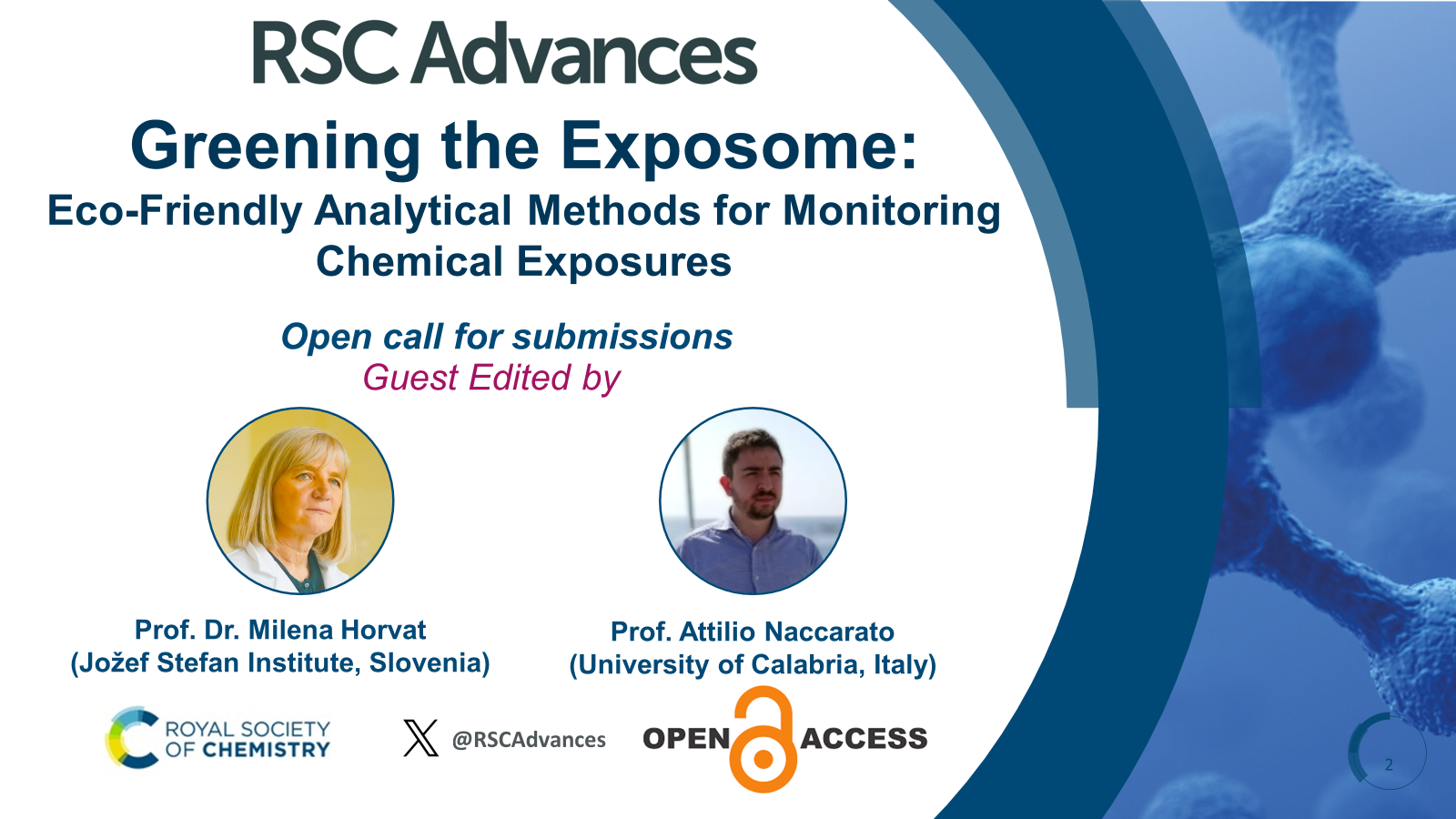
Open call for papers – Greening the Exposome

RSC Advances is delighted to announce a new themed collection entitled Greening the Exposome: Eco-Friendly Analytical Methods for Monitoring Chemical Exposures.

This collection is Guest Edited by Prof. Attilio Naccarato (University of Calabria, Italy) and Prof. Dr. Milena Horvat (Jožef Stefan Institute, Slovenia).

We welcome your submission to the series!

The exposome, encompassing all environmental exposures throughout life, plays a crucial role in human health and disease. Monitoring chemical exposures from various sources, including the environment and food, is essential for understanding their impact on health outcomes. However, traditional analytical methods often rely on harsh chemicals, generate hazardous waste, and contribute to environmental burdens.

RSC Advances is pleased to announce a themed collection dedicated to innovative and eco-friendly analytical methods for monitoring chemical exposures within the exposome framework. This special issue aims to showcase recent advancements in sustainable analytical strategies for assessing human exposure to environmental and foodborne contaminants, offering valuable insights that can benefit the fields of epidemiology, clinical chemistry, and environmental medicine.

Topics of interest include, but are not limited to:

1. Advancements in eco-friendly analytical techniques: Innovative analytical methods for exposome analysis designed to minimize environmental impact, including the use of green solvents, sustainable sample preparation techniques, and miniaturized analytical platforms.

2. Microfluidics and Lab-on-a-Chip technologies: Application of Microfluidics and Lab-on-a-Chip technologies for high-throughput analysis of environmental and biological samples to rapidly detect contaminants and biomarkers.

3. High-throughput screening for exposome-wide chemical analysis: Innovative approaches for conducting exposome-wide chemical analysis, including high-throughput screening methods and advanced data processing techniques for mapping exposure profiles and potential health risks.

4. Use of novel sensors: Implementation of biosensors, in-situ sensors, on-site, and personal sensing devices for monitoring exposures.

5. Analytical challenges and solutions: Addressing key analytical challenges with exposome investigations, such as sample complexity, matrix effects, and data integration, with a focus on novel analytical solutions and methodologies.

6. Quality assurance and quality control (QA/QC) procedures: Emphasizing the critical role of robust QA/QC procedures to ensure the reliability and validity of exposome data. Topics could include calibration strategies, method validation, proficiency testing, and inter-laboratory comparisons, metrological challenges, and analytical data interpretation in line with the FAIR (Findable, Accessible, Interoperable, and Reusable) data principles.

Authors are encouraged to submit original research articles and reviews that address the theme of greening the exposome through sustainable analytical methods.

Submission deadline: 31st January 2025

Submit your article to this collection

Both Papers and Review articles will be considered for this themed collection. All submissions will be subject to an initial assessment by Associate Editors and, if suitable for the journal, they will be subject to rigorous peer review to meet the usual high standards of RSC Advances.

RSC Advances’ article processing charge (APC) is among the lowest in chemistry and waivers are also available for authors who meet the eligibility criteria outlined here. We have a number of Read & Publish deals in place with institutions, please see Chronoshub for more information on specific institutions and funders.

If you would like to submit to this themed collection the manuscript should be prepared according to our article guidelines and submitted via our online system any time before the submission deadline of 31 01 2025. During submission, authors will be asked if they are submitting for a themed collection and should include the name of the themed collection. If you would like to submit but require additional time to prepare your article, please do let us know by contacting the journal.

Submit to RSC Advances today! Check out our author guidelines for information on our article types or find out more about the advantages of publishing in a Royal Society of Chemistry journal.

Keep up to date with our latest Popular Advances, Reviews, Collections & more by following us on X. You can also keep informed by signing up to our E-Alerts.
Digg This
Reddit This
Stumble Now!
Share on Facebook
Bookmark this on Delicious
Share on LinkedIn
Bookmark this on Technorati
Post on Twitter
Google Buzz (aka. Google Reader)

Minerals2Materials – Interview with Foster Mbaiwa

On 26th – 27th June 2023, in celebration of Professor Nora de Leeuw’s 60th birthday, University College London held a two day symposium including presentations and discussions on recent experimental and theoretical progress in the investigation of mineral-based materials.

RSC Advances were lucky enough to sponsor the event and offer a bursary to an early career researcher from Africa to attend and give an oral presentation at this event.

Foster Mbaiwa is an Associate Professor in Physical Chemistry at Botswana International University of Science and Technology. He completed his PhD on dipole moment effect effects in photodetachment from cluster anions at Washington University, St. Louis in 2011. His research interests surround the production of biodiesel from various feedstocks and catalytic conversion to hydrocarbon fuels using mixed metal oxides, as well as molecular dynamics simulation of industrially important liquid mixtures.

At the conference, Foster presented a computational study of the decarboxylation of methyl palmitate using NiMoO4 catalyst – towards improving the flow properties of biodiesel”.


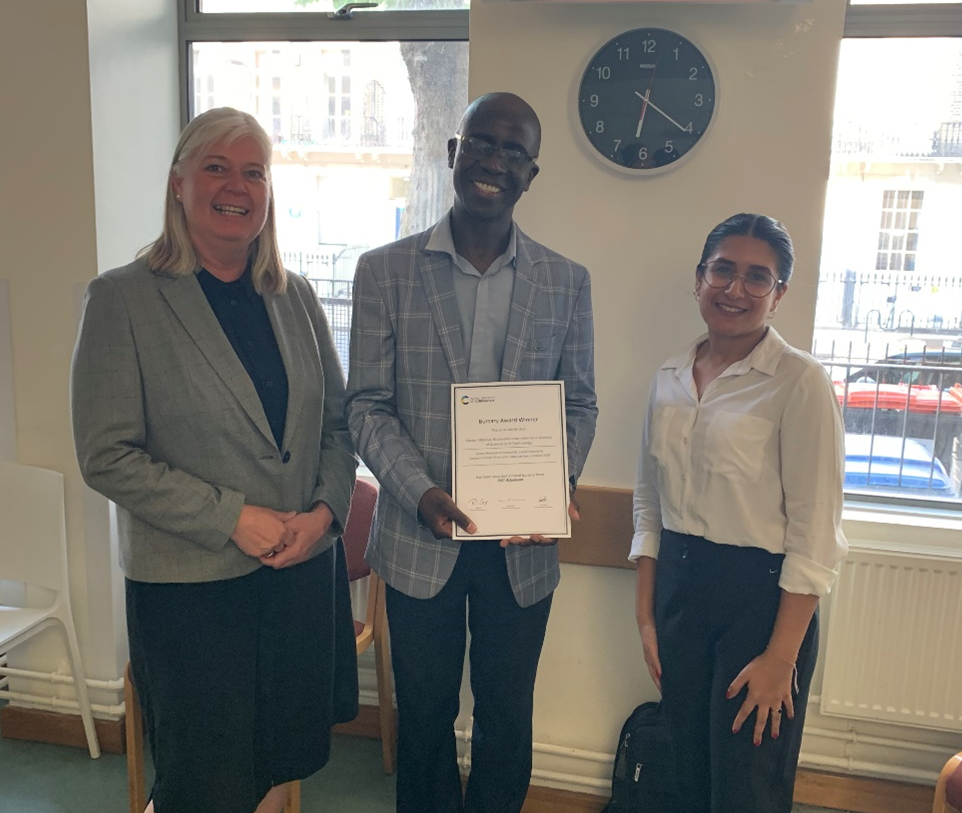
Professor Nora de Leeuw, Associate Professor Foster Mbaiwa and RSC Advances Assistant Editor Namita Datta

Foster told us more about the research and what he hopes to achieve in the future. He gave some advice for early career researchers and his thoughts on open access publishing.

What is the focus of your research and why it is of current interest?

The focus of this research is to improve the flow properties of biodiesel. Essentially, we want to make sure that biodiesel is similar to fossil fuel so that it doesn’t harm the engine. There are many ways you can do this, for example, mixing the fuel so that it is 90% diesel and 10% biodiesel. Or you can change the chemical structure and composition of biodiesel, so it is closer to diesel. We can use a catalyst to convert the biodiesel in the hopes of creating a cleaner, more available diesel, thus reducing the demand for fossil fuel. The focus of this study is finding a catalyst that is able to do that without producing small chain hydrocarbons – we want to improve the catalytic selectivity.

What are the key design considerations for your study?

It is important that the catalyst is safe and environmentally friendly. The catalyst should reduce the energy demand on the whole process. We must also consider the recyclability of the catalyst. Of course, we must consider affordability too – catalyst with metal centres (such as copper) are cheaper.

Which part of the research proved to be the most challenging?

The surface selection. Selecting a surface with all the right properties can be challenging. If you don’t choose the right surface, the catalyst can be too reactive.

To go about this, we started with the current catalysts that are used. Currently, the active centre used is nickel – it is easily attainable as it a by-product of a copper mine in Botswana. Understanding these surfaces allowed us to suggest improvements.

What aspect of the work are you most excited about?

The application of reactive molecular dynamics to catalysis – using computational chemistry to map reactions and visualise new structures. Although new to me, this field has been around for a long time and has proven to be highly effective.

How has your research evolved from your first article to this particular article? What do you have planned next?

I actually completed my PhD in the United States on the photoelectron spectroscopy of anions. When I moved back home there wasn’t as much funding for laboratory work, so I changed direction to computing. I had support from the Centre for High-Performance Computing and I managed to adapt.

Hopefully, funding permitting, I can move from the computer back to the lab to design catalysts based on what’s been discovered through the simulations. The aim is to perfect a catalyst for the decarboxylation of methyl esters into green diesel.

In the future, through collaboration, I would like to return to spectroscopy. For instance, exploring computational chemistry in the direction of spectroscopy. Combining mass spectrometry of anions with theoretical calculations could be really interesting in terms of astrophysics. One idea I’m interested in is the application of theoretical mass spectrometry in studying ions which can only occur under extreme conditions, hence difficultly to study this experimentally.

What advice would you give to students and early career researchers in a similar situation to yourself?

PhD students – talk to people! The more you network the more you’ll realise you’re not the only person with problems. The chances are you will find someone who can help you. Make sure to really think about the research you’re doing now because it might be the defining research of your life. Could you see yourself doing this forever? If not, that’s okay! You can always change direction, it is one of the freedoms of life.

Early career researchers – don’t run away from your mentors too quickly. There will always be someone with more experience than you – learn from them.

What are some of the challenges you have faced as a researcher working in Botswana and what positive progress have you seen throughout your career so far?

Laboratory resources are limited and even with computational chemistry you need high computational power. The Centre for High Performance Computing is great but a lot of researchers in Africa rely on it – it’s a limited resource. Computational chemistry is not taught here because we simply don’t have the resources. However, throughout my career I’ve seen a lot of great students who are willing to take on the challenge and learn on the fly.

Do you have any recommendations for improving the STEM workforce to create an environment that better supports researchers from lower- and middle-income countries? Is there anything publishers such as the RSC can do to help?

Following on from my previous answer, it would be great to see publishers such as the RSC provide funding for students to learn computational science. We have benefited from this in the past and it contributes to the positive progress we’ve made. The computational chemistry society is very supportive and helps create a great network for researchers in Africa and the UK.

Finally, what are your thoughts on open access publishing?

As a researcher, and end user of published research, open access is the best! It allows for easy access to papers – it’s like gold! In that regard it helps a lot of researchers from poorly funded universities and institutions.*

However, at the same time, there is the idea that open access is motivated by money rather than research. The pressure to publish is very much there, and there’s a belief that “predatory” open access journals benefit from this. Also, from a university management perspective, there’s this idea that papers in open access journals are generally of lower quality – this might be because the reviewing process often leaves something to be desired.

My advice to researchers would be to avoid these “predatory” journals. My advice to publishers would be to ensure that peer review is rigorous and so does not tarnish the benefits of open access.**

Anything else to note?

I would like to thank RSC Advances for this opportunity – I am very grateful.

*RSC’s journals provide APC waivers for authors from low and middle income countries, in line with the Research4Life programme.

**RSC Advances has recently introduced Transparent Peer Review (TPR) as an option for authors. TPR is where the reviewer reports, authors’ response to reviewers, and decision letters are published alongside the manuscript. A top priority for the journal is to ensure rigorous and high-quality peer review, so by offering TPR we hope to ensure transparency around the peer review process, offering our readers a chance to understand the scientific discussions behind an accepted article. Please see here for more information on TPR.

Submit to RSC Advances today! Check out our author guidelines for information on our article types or find out more about the advantages of publishing in a Royal Society of Chemistry journal.

Keep up to date with our latest Popular Advances, Reviews, Collections & more by following us on Twitter. You can also keep informed by signing up to our E-Alerts.

Digg This
Reddit This
Stumble Now!
Share on Facebook
Bookmark this on Delicious
Share on LinkedIn
Bookmark this on Technorati
Post on Twitter
Google Buzz (aka. Google Reader)

RSC Advances Outstanding Student Paper Awards 2022

We are delighted to announce our winners for the RSC Advances Outstanding Student Paper Awards 2022.

These awards recognise outstanding work published in the journal in 2022, for which a substantial component of the research was conducted by a student. We received over 550 nominations, highlighting the incredible talent and potential within the next generation of chemists. The nominations were shortlisted, and the winning papers were then selected by our Editorial Board and Associate Editors.

Below, we congratulate the winner of each subject category, and highlight the research paper that won them the award. We look forward to witnessing their continued growth and impact as they embark on a promising career in the field of chemistry.

Analytical chemistry

Margaret MacConnachie, Queen’s University, Canada

Margaret is recognised for her outstanding contribution in the research advance presented in Sex determination of mummies through multi-elemental analysis of head hair using electrothermal vaporization coupled to inductively coupled plasma optical emission spectrometry

Originally hailing from Alberta, Canada, Margaret moved to Ontario to pursue her bachelor’s degree at Queen’s University. She received her BScH in 2018, with a major in chemistry and a minor in classical studies. During the last year of her degree, she completed a fourth-year research project on the analysis of solder for applications in forensic science, which sparked her interest in analytical chemistry. Following the completion of her undergraduate work, she stayed at Queen’s University to complete a PhD under the supervision of Dr. Diane Beauchemin, working on projects which combine elemental analysis with both forensic and archaeological sciences. She recently submitted her thesis, titled ‘Novel Forensic and Archaeological Applications of Methods Involving the Direct Multi-Elemental Analysis of Solid Materials’. In the last year of her doctoral program, she received a MITACS Globalink Research Award which allowed her to spend six months working in an archaeometry research group at the University of Southern Denmark (Odense campus). Although interested in many areas of analytical chemistry, she has a particular passion for the intersection between chemical analysis, cultural heritage, and archaeology.


Biological and Medicinal Chemistry

Toni Pringle, Newcastle University, UK

Toni is recognised for her outstanding contribution in the research advance presented in The influence of degree of labelling upon cellular internalisation of antibody-cell penetrating peptide conjugates

Toni is a 4th year postgraduate researcher working with Dr James Knight at Newcastle University. Her research focuses on synthesis and preclinical evaluation of radioimmunoconjugates for positron emission tomography and fluorescence imaging, and cancer therapy. This includes the development of dual-modal antibody constructs for pre- and intra-operative imaging of sarcoma to enhance both surgical planning and the identification of tumour margins. She is also developing novel antibody constructs with cell-internalising properties for both diagnosis and therapy of cancer. Her current position follows the award of a 1st class MChem (Hons) degree in Chemistry with Medicinal Chemistry from Newcastle University. In her spare time, she enjoys hiking in the Lake District, snowboarding and sailing.


Catalysis

Gen Li, Dalian University of Technology, China

Gen is recognised for his outstanding contribution in the research advance presented in Highly dispersed ruthenium nanoparticles on nitrogen doped carbon toward efficient hydrogen evolution in both alkaline and acidic electrolytes

Gen Li obtained his B.S degree (2019) and M.S. (2022) degree in chemical engineering from Dalian University of Technology. He is now a Ph.D. student at the Dalian University of Technology under the supervision of Professor Yujiang Song. His current research mainly focus on electrocatalysts and membrane electrode assembly toward hydrogen evolution reaction and/or oxygen evolution reaction in polymer electrolyte membrane water electrolysis.


Computational & Theoretical Chemistry


Stephanie Linker & Christian Schellhaas, ETH Zürich, Switzerland

Stephanie and Christian are recognised for their outstanding contribution in the research advance presented in Polar/apolar interfaces modulate the conformational behavior of cyclic peptides with impact on their passive membrane permeability

Stephanie holds a double degree in Biochemistry and Biophysics from the Goethe University in Frankfurt, Germany. In her studies she focused on the development of computational models for complex biological processes. Afterwards, Stephanie joined the Computational Chemistry group of Prof. Riniker at ETH Zurich, Switzerland for her PhD.  There she used molecular dynamics simulations to study the permeability mechanism of large drug molecules. After defending her PhD in January 2023, Stephanie joined Merck (EMD) as a Computational Chemist. Beyond her academic achievements, Stephanie is a passionate advocate for science and is active in the board of the Swiss chemical society where she is responsible for international collaborations.

Christian studied Interdisciplinary Sciences with a focus on Chemical Biology and Theoretical Chemistry at ETH Zurich. He is currently pursuing his Ph.D. in the field of protein engineering under supervision of Prof. Bruno Correia at EPFL Lausanne. Initially, Christian started working on the computational design of proteins during his master’s thesis project in the research group of Prof. Possu Huang at Stanford University. Inspired by the work on the conformational behaviour of cyclic peptides, his current research interest focuses on the conformational dynamics of proteins and how these dynamics can inform the design of binding proteins. In his leisure time, Christian likes to play tennis and to make most of the Swiss Alps, be it by hiking in summer or skiing in winter.


Energy Chemistry

Karina Asheim, Norwegian University of Science and Technology, Norway

Karina is recognised for her outstanding contribution in the research advance presented in Improved electrochemical performance and solid electrolyte interphase properties of electrolytes based on lithium bis(fluorosulfonyl)imide for high content silicon anodes

Karina graduated from a 5-year Master’s program in chemical engineering at the Norwegian University of Science and Technology in 2016. During the study she specialized in materials science and materials for energy technology, finishing with a Master Thesis on Mg-ion batteries. Continuing in the world of batteries, she started on a PhD project in Li-ion batteries where the work focussed on electrolyte for silicon-based anodes. The work was supervised by Prof. Ann Mari Svensson, was carried out at the Norwegian University of Science and Technology, and was completed in 2021. Now Karina works on battery separators for a Norwegian polymer R&D company called Norner AS.


Environmental Chemistry

Cui Li, China University of Geosciences, China

Cui is recognised for her outstanding contribution in the research advance presented in Response of chlorinated hydrocarbon transformation and microbial community structure in an aquifer to joint H2 and O2

Cui Li, doctor from China University of Geosciences, majoring in Environmental Science and Engineering. The research direction focuses on microorganisms, with the goal of achieving efficient treatment of pollutants. The main researches are environmental microbiology, microbial community function and its transformation mechanism of organic pollutants. Published 3 SCI papers and applied for 2 utility model patents during the doctoral period.


Food Chemistry

Xingyu Ding, Nanjing Tech University, China

Xingyu is recognised for her outstanding contribution in the research advance presented in Preparation of chitosan-coated polystyrene microspheres for the analysis of trace Pb(II) ions in salt by GF-AAS assisted with solid-phase extraction

Ding Xingyu, was born in Jiangsu Province, China in 1997. Her bachelor’s and master’s degrees were obtained from Nanjing University of Technology under the supervision of Associate Professor Li Yi, and all of her research achievements are inseparable from his guidance and assistance. Her research direction is food safety, and the title of her master’s project is “Research and Preparation of Novel Polymer Carriers for Concentration and Enrichment of Harmful Heavy Metal Ions”.

This article, “Preparation of Chitosan-coated Polystyrene Microspheres for the Analysis of Trace Pb(II) Ions in Salt by GF-AAS Assisted with Solid-phase Extraction”, focuses on the enrichment and analysis of harmful heavy metal lead in food. This article studies and prepares a polymer microsphere to overcome the interference of high salt background and achieve the separation and detection of heavy metal lead.

In the future, food safety will receive increasing attention, and the enrichment materials and detection methods for heavy metals will also show diversified development. Xingyu hopes that the food safety industry will flourish and more scholars will join in.


Inorganic Chemistry

Nicole DiBlasi, University of Notre Dame, USA

Nicole is recognised for her outstanding contribution in the research advance presented in Pu(III) and Cm(III) in the presence of EDTA: aqueous speciation, redox behavior, and the impact of Ca(II)

Nicole A. DiBlasi is a Scientist in Actinide Analytical Chemistry at Los Alamos National Lab with 8 years of experience in actinide and environmental radiochemistry. After receiving her bachelor’s in chemistry from the University of Missouri in 2016, Nicole pursued her doctorate in actinide chemistry at the University of Notre Dame under the guidance of Dr. Amy E. Hixon where her doctoral research focused on the speciation, solubility, and redox behaviour of the Pu-EDTA system under conditions relevant for deep geological repositories. In addition to her dissertation work, Nicole was able to participate in other projects including work with novel actinide compound synthesis and characterization and the development of synthesis methods for post-detonation nuclear melt glass reference materials for use in nuclear forensics. Following the completion of her Ph.D. in 2021, Nicole became a postdoctoral research associate at the Institute for Nuclear Waste Disposal at the Karlsruhe Institute of Technology in Karlsruhe, Germany, where she performed research on actinide- and technetium-organic interactions under alkaline and high ionic strength conditions. In late 2022, Nicole accepted a position as a scientist at Los Alamos National Laboratory where she performs high accuracy, high precision analyses on actinide materials as part of the Radiochemistry team in the Actinide Analytical Chemistry group.


Materials Chemistry

Despoina Eleftheriadou, University College London, UK

Despoina is recognised for her outstanding contribution in the research advance presented in An alginate-based encapsulation system for delivery of therapeutic cells to the CNS

Despoina Eleftheriadou obtained her MEng in Chemical Engineering from the Aristotle University of Thessaloniki in 2016. She then completed her M.Sc. in Nanotechnology and Regenerative Medicine at University College London in 2018. During this time, she was able to work on various projects including nanobiomaterials for Alzheimer’s disease treatment and immunomodulation for therapeutic cell transplantation in the CNS. She is currently a Ph.D. student at the University College London Centre for Nerve Engineering, focusing on mathematical modelling led design of nerve repair constructs. Her research interest lies in working at the interface of engineering and life sciences.


Nanoscience

Rabia Tahir, National University of Sciences and Technology, Pakistan

Rabia is recognised for her outstanding contribution in the research advance presented in First observation on emergence of strong room-temperature ferroelectricity and multiferroicity in 2D-Ti3C2Tx free-standing MXene film

Born in Multan (southern Punjab city of Pakistan) and completed her Bachelor’s degree from The Women University Multan (WUM), Rabia Tahir is currently enrolled as a PhD student at Department of Physics, School of Natural Sciences (SNS), National University of Sciences and Technology (NUST), Islamabad, Pakistan. Under the expert guidance of her supervisor, Prof. Dr. Syed Rizwan, she embarks on a journey to explore the unique properties and potential applications of 2D materials such as MXene and their potential as a ferroelectric and multiferroic material that has been a long-standing issue of interest in the research community. Rabia Tahir reported the ferroelectricity and multiferroicity in 2D Ti3C2Tx MXene for the first time that may revolutionize next-generation data storage devices with enhanced functionalities.

Rabia Tahir is also hired as research associate under the Higher Education Commission (HEC) of Pakistan under project No. 20-14784/NRPU/R&D/HEC/2021. In her leisure time, she likes to play sports and reads books with inspiring lessons.


Organic Chemistry

Alejandro O. Viviano-Posadas, National Autonomous University of Mexico, Mexico

Alejandro is recognised for his outstanding contribution in the research advance presented in Efficient fluorescent recognition of ATP/GTP by a water-soluble bisquinolinium pyridine-2,6-dicarboxamide compound. Crystal structures, spectroscopic studies and interaction mode with DNA

Alejandro Viviano was born in Mexico City. He received his B.Sc. (2019) and M.Sc. (2021) degrees with theses focused on the synthesis and luminescent properties of novel Pd/Pt-based complexes with analytical applications. He is currently pursuing his Ph.D. with Professor Alejandro Dorazco at the Chemistry Institute from the National Autonomous University of Mexico.

His research involves the molecular recognition of neurotransmitters and nucleotides using novel organometallic and organic receptors. To date, their scientific results have been published in seven research articles. (ORCID: 0000-0002-3588-5836)


Physical Chemistry

Rawia Msalmi, Sfax University, Tunisia

Rawia is recognised for her outstanding contribution in the research advance presented in Organically tuned white-light emission from two zero-dimensional Cd-based hybrids

Dr. Rawia Msalmi obtained a Ph.D. degree in Chemistry from the Faculty of Sciences of Sfax, Sfax University, Tunisia. During her thesis, she performed the physico-chemical characterization of Cd- and Pb-based white light emitter hybrid materials (WLEHMs). Her research focus was on the contribution of the organic molecules and the tridimensional assembly mode in the performance of the emitted white light. She has published the findings of her Ph.D. study in four peer-reviewed journal articles. In line with her Ph.D. work, she contributed in other research papers on the study of optical behavior of one-dimensional Cu-based perovskites published in Journal of Material Chemistry C as second co-author.

Dr. Rawia Msalmi is currently a postdoctoral researcher in the Laboratory of Physico-Chemistry of the Solid State, Chemistry Department, Faculty of Sciences of Sfax, Sfax University, Tunisia, under the supervision of professor Houcine Naïli. Her present investigation focuses on the stabilization and physico-chemical characterization of lead-free hybrid materials for environmentally friendly photovoltaic solar cells and lighting sources. She co-supervises research activities in the same field. Thus far, she has 10 publications in highly impacted journals.


Please join us in congratulating all of our winners for their exceptional achievement.

Digg This
Reddit This
Stumble Now!
Share on Facebook
Bookmark this on Delicious
Share on LinkedIn
Bookmark this on Technorati
Post on Twitter
Google Buzz (aka. Google Reader)

RSC Advances Welcomes Stephen Ojwach as a New Associate Editor

The RSC Advances team are delighted to welcome Professor Stephen Ojwach as our newest Associate Editor!

Professor Stephen Ojwach, University of KwaZulu-Natal, South Africa

Research Areas: organometallic chemistry, homogeneous catalysis, coordination chemistry, ligand design, transition metal chemistry, and green chemistry.

Prof Ojwach obtained his PhD in Organometallic Chemistry and Homogeneous Catalysis from the University of Johannesburg, South Africa under the supervision of Professor James Darkwa. Currently a professor of Inorganic Chemistry at the University of KwaZulu-Natal, South Africa, he is also a visiting professor at a number of institutions: the University of Lethbridge, Canada, RWTH Aachen University and Technical University of Kaiserslautern, Germany, and University of Strasbourg, France, among others.

Prof Ojwach has made exemplary contribution to the design and development of transition metal complexes as catalysts for various organic transformations, including, but not limited to, oligomerization, polymerization, carbonylation, and hydrogenation reactions. His research involves careful manipulation of ligand design to optimize the catalytic properties (Structure-Property-Activity-Relationship, SPAR) of complexes in given transformation. Kinetics, mechanistic and theoretical studies are undertaken to offer insights for rationale future catalyst designs.

Prof Ojwach has published over 100 research articles in the fields of inorganic chemistry, organometallic chemistry, and catalysis in a broad scope of journals such as RSC Advances, Dalton Transactions, Organometallics, Molecular Catalysis, and Inorganic Chemistry.

Check out Prof Ojwach’s latest RSC publications!

Structural and ethylene oligomerization studies of chelating (imino)phenol Fe(ii), Co(ii) and Ni(ii) complexes: an experimental and theoretical approach
Makhosonke Ngcobo, Holliness Nose, Arumugam Jayamani and Stephen O. Ojwach
New J. Chem., 2022,46, 6219-6229

Carboxamide carbonyl-ruthenium(II) complexes: detailed structural and mechanistic studies in the transfer hydrogenation of ketones
Robert T. Kumah, Paranthaman Vijayan and Stephen O. Ojwach
New J. Chem., 2022,46, 3146-3155

Role of π-conjugation on the coordination behaviour, substitution kinetics, DNA/BSA interactions, and in vitro cytotoxicity of carboxamide palladium(II) complexes
Reinner O. Omondi, Nicole R. S. Sibuyi, Adewale O. Fadaka, Mervin Meyer, Deogratius Jaganyi and Stephen O. Ojwach.
Dalton Trans., 2021,50, 8127-8143

Prof Ojwach is looking forward to receiving your papers! Submit to RSC Advances today. Check out our author guidelines for information on our article types or find out more about the advantages of publishing in a Royal Society of Chemistry journal.

Keep up to date with our latest Popular Advances, Reviews, Collections & more by following us on Twitter. You can also keep informed by signing up to our E-Alerts.

Digg This
Reddit This
Stumble Now!
Share on Facebook
Bookmark this on Delicious
Share on LinkedIn
Bookmark this on Technorati
Post on Twitter
Google Buzz (aka. Google Reader)