Author Archive

International Women’s Day – Associate Editors

International Women’s Day (IWD) is celebrated annually on March 8th to honour the achievements of women all around the world. IWD has been observed since 1911 and remains significant in driving positive change for women. In honour of this day, at RSC Advances, would like to take the opportunity to highlight some members of our Editorial Board and Associate Editor group. These members share some of their own perspectives of being a woman in science, technology, engineering and maths (STEM), and provide some guidance for researchers.

Prof Shannon Biros, Associate Editor, Grand Valley State University, USA

What advice would you give to early career female researchers?

I would tell early career female researchers to never give up. Building a career in science is hard; I think it is hard for everyone, just in different ways. I would tell them that they are going to make plenty of mistakes, and when they do to learn from them and move forward. I would tell them to always stand up for themselves, and to trust their instincts. I would tell them that they are smart enough, they do work hard enough, and they do belong here. And then I would tell them that balance is important, to make sure they have friends and interests outside of their career. Lastly, I would tell them that they should have a job that they look forward to going to every day (well…most days) that brings them joy. If their current job doesn’t do that, then it’s time to reassess. But to always remember that they can do this, and that just because it’s hard doesn’t mean it’s not right.

Shannon’s top publications:

Synthesis of diphenyl-(2-thienyl)phosphine, its chalcogenide derivatives and a series of novel complexes of lanthanide nitrates and triflates
Troy Luster, Hannah J. Van de Roovaart, Kyle J. Korman, Georgia G. Sands, Kylie M. Dunn, Anthony Spyker, Richard J. Staples,  Shannon M. Biros and John E. Bender
Dalton Trans., 2022,51, 9103-9115

Supramolecular ligands for the extraction of lanthanide and actinide ions
Eric J. Werner and Shannon M. Biros
Org. Chem. Front., 2019,6, 2067-2094

X-ray crystallographic, luminescence and NMR studies of phenacyldiphenylphosphine oxide with the Ln(iii) ions Sm, Eu, Gd, Tb and Dy
Erin G. Leach, Justin R. Shady, Adam C. Boyden, Anne-lise Emig, Alyssa T. Henry, Emily K. Connor, Richard J. Staples, Stephanie Schaertel, Eric J. Werner and Shannon M. Biros
Dalton Trans., 2017,46, 15458-15469

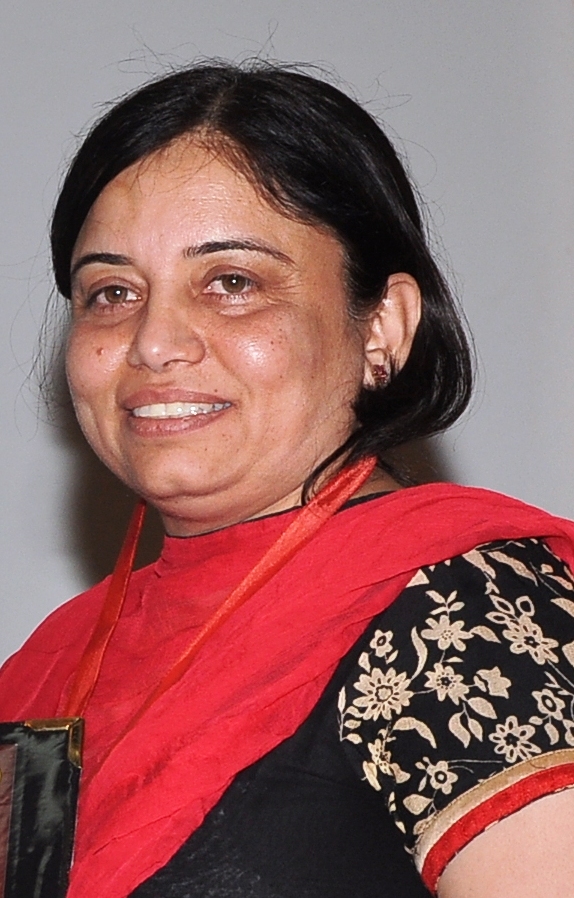
Dr Vandana Bhalla, Associate Editor, Guru Nanak Dev University, India
What are some of the challenges you have faced as a woman in science and what positive progress have you seen throughout your career so far?

In the field, I have definitely faced my share of challenges. Starting from the basic level of scoring a job interview and unfavourable work environment due to subconscious and unintended gender insensitivity. To receive similar levels of recognition/respect for my research work as received by male colleagues, I had to show exceptional productivity.
Fortunately, I am lucky enough to witness the positive progress in the field. We are now initiating the conversation about this issue at all levels. Multiple initiatives have already been started to achieve gender equity in STEM like increased job openings, funding opportunities for women.

What do you think are the main factors perpetuating the gender gap in STEM fields, and what can we do to help close this gap?

In my opinion, there are multiple prejudices that contribute towards the large gender gap in STEM. It is common practice to refer a male researcher as ‘Scientist ‘ while the female counterpart is referred as ‘Female Scientist’. The general perception about STEM as a career is that it requires high intelligent quotient (IQ) and low emotional quotient (EQ) and consequently, people with high EQs are usually considered unsuitable for the field.

To close the gap, efforts are needed at multiple educational levels starting from the primary schools. It is important to educate young minds that there is no competition to prove gender superiority rather we are working as a team to build sustainable future through positive initiatives in STEM.

Why do you think it is that women are often under-represented at senior levels? What are the benefits of taking on a leadership role?

According to me there is an uneven competition in the pathway to reach up the ladder.
Taking up leadership roles is essential in shaping the careers of young researchers. It is important to have an opportunity to bring your opinion to the table. Often women participation at senior levels is to complete the checklist, it is imperative to turn it into true representation.

The theme of this year’s IWD is Embrace Equity. Do you have any recommendations for improving the STEM workforce to create an environment that better supports women?

Honestly, I believe that holistic approach is required to improve effective participation of women in STEM. Interventions should be made at multiple levels starting from promoting gender equity at home, gender sensitivity at educational institutions and gender inclusivity at work place. More job openings and research opportunities should be created to close the gap.

Vandana’s top publications:

Enzyme-/metal-free quinoxaline assemblies: direct light-up detection of cholesterol in human serum
Amrit Kaur, Manoj Kumar and Vandana Bhalla
Chem. Commun., 2023,59, 1501-1504

A photocatalytic ensemble HP-T@Au-Fe3O4: synergistic and balanced operation in Kumada and Heck coupling reactions
Harpreet Kaur, Manoj Kumar and Vandana Bhalla
Green Chem., 2020,22, 8036-8045

Visible light promoted PANI@Au:CuO catalyzed sequential amination, azidation and annulation for the preparation of 2-arylbenzimidazoles
Radhika Chopra, Manoj Kumar, Neelam and Vandana Bhalla
Green Chem., 2019,21, 3666-3674

Dr Estelle Roth, Associate Editor, University of Reims, France

What do you think are the main factors perpetuating the gender gap in STEM fields, and what can we do to help close this gap?

In my opinion, the main obstacle lies in the self-censorship of women in the consideration of a scientific career due to lack of confidence and a position behind the male sex. Many actions are currently being conducted to remedy this situation; for example, in France, the association Femmes et Sciences, of which I am a member, promotes scientific studies among young girls and supports doctoral students at the end of their thesis and in the construction of their careers. As well, recruitment of assistant professors to limit gender bias…. and so on.

What advice would you give to early career female researchers?

Recruitment of lecturers is accompanied by training to limit gender bias. So my main advice would be to be self-confident and ambitious, and don’t worry about pregnancy affecting your career.

Why do you think it is that women are often under-represented at senior levels? What are the benefits of taking on a leadership role?

Women are still underrepresented in high responsibility jobs. I don’t think they are hindered in taking on responsibility, but they are not recognized in an official capacity. For example, being a woman should not affect whether you are the project investigator of a scientific project. Gender balance is a requirement for institutions. However, it is still much more difficult for women to reach the status of Professor or Director of a scientific institute. Women face the “glass ceiling” as we say in French!

Estelle’s top publications:

Gas-phase UV absorption spectra and OH-oxidation kinetics of 1H-1,2,3-triazole and pyrazole
Brahim Samir, Carmen Kalalian, Estelle Roth, Rachid Salghi and Abdelkhaleq Chakir 
RSC Adv., 2019,9, 27361-27368

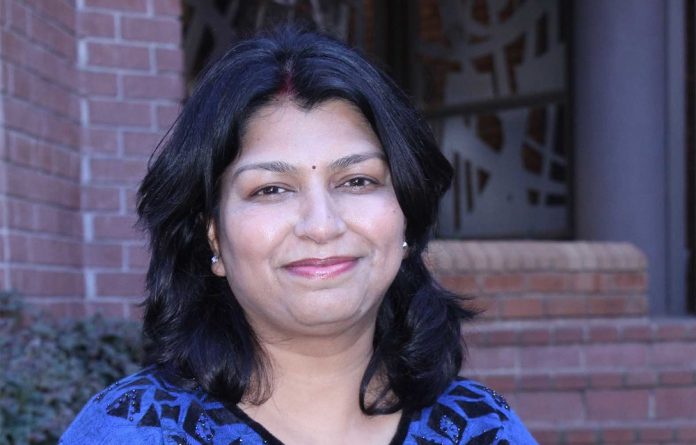
Prof Shivani Bhardwaj Mishra, Associate Editor, University of South Africa, Johannesburg
What are some of the challenges you have faced as a woman in science and what positive progress have you seen throughout your career so far?

Being a woman, the challenges started appearing at the very start of my academic journey as a student transitioning to a career in STEM. I could not score any fellowships for any of my degrees, and therefore made myself self-sufficient in pursing higher studies by outsourcing my knowledge as a tutor. The challenge was juggling university and work to contribute towards my academic expenses. At the time, it was tiring and demotivating but it helped me to develop teaching skills as well as retain the fundamentals of my chosen discipline and its implementation to research and development. A challenge can be difficult but if it is taken advantage of it can transform career. The opportunity in higher education lacked resources but even this challenge was a blessing in disguise that made me understand the value of collaboration, which also helped me to develop global networking at a later stage of my career.

What do you think are the main factors perpetuating the gender gap in STEM fields, and what can we do to help close this gap

Unfortunately, its a huge gap. There are many factors for this, including underestimating the capabilities of women understanding STEM, and the patriarchal power play that involves demoralising ambitious women. To add onto is social stigma, there are set norms for woman regarding families, society and academic fraternity. STEM is gender biased just like any other sector. There is a need to bridge the gap in order to provide a platform for the flowers to bloom to their and contribute or participate towards further scientific advancement. For this, the academic sector has to work together with Government and other academic bodies at their respective levels to promote gender equity in STEM by introducing more fellowships, positions, academic women’s organizations and universities dedicated to uplift the STEM gap.

What advice would you give to early career female researchers?

The best advise to early career female researchers is “Never give up girls” if STEM is your dream. Transform your challenge into a long term investment for your career. Identify the purpose of your dreams and your life and respect your existence. No challenge is bigger or difficult than your will power. Stay patient when time tests you or your passion and keep working hard and the right opportunity will knock on your door at the right time.

The theme of this year’s IWD is Embrace Equity. Do you have any recommendations for improving the STEM workforce to create an environment that better supports women?

I would recommend new opportunities dedicated to women, new STEM institutions supporting only women both at leadership positions and as a work force. Promoting their achievements and contributing towards career development. Celebrating their performances locally and globally to present role models to new generation of STEM. Bring forward the historical STEM women who made significant contributions by organizing funds, holding conferences, colloquium, and symposiums in the name of these STEM women. Special issues dedicated to woman scientists could provide assistance, as well as support, through fellowships.

Shivani’s top publications:

Mechanistic pathways for the degradation of SMX drug and floatation of degraded products using F–Pt co-doped TiO2 photocatalysts
Majid Jahdi, Shivani B. Mishra, Edward N. Nxumalo, Sabelo D. Mhlanga and Ajay K. Mishra
RSC Adv., 2020,10, 27662-27675

Dr Xi Chen, Associate Editor, Shanghai Jiao Tong University, China
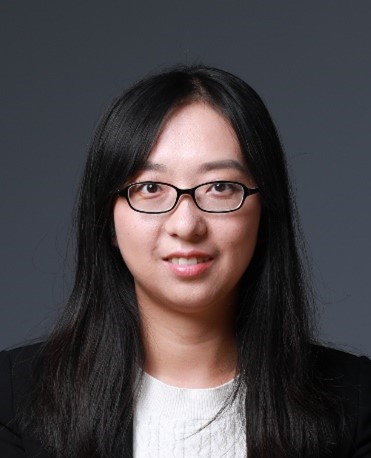
What are some of the challenges you have faced as a woman in science and what positive progress have you seen throughout your career so far? Why do you think it is that women are often under-represented at senior levels? What are the benefits of taking on a leadership role?

As a female researcher, I am delighted to be invited by RSC Advances to share my experience. When I was looking for a faculty position, women were still underrepresented in many fields of science, particularly in leadership positions. But today, more women are entering the field of science and pursuing advanced degrees in STEM fields. And more women are being appointed to leadership positions in science. For example, two women—Prof Lesley Yellowlees and Dame Carol Vivien Robinson—have held the presidency of RSC in the past ten years. These women can help us better advocate for gender equality in STEM fields. These are all gratifying progress. Also, as a mother, I sometimes struggle to balance my work and personal life. Fortunately, I have family members and colleagues who always support me on the road of scientific research, take care of me and share happiness with me.

What advice would you give to early career female researchers?

Some women with great scientific research potential may give up their favourite career due to the pressure of some traditional ideas or the need to take on more family tasks, but I want to encourage those outstanding female researchers not to give up easily, but to follow their hearts, be the truest self and don’t set limits on life. There may be a lot of challenges for early female researchers, but I hope we can have more courage and determination to go the way we like.

Xi’s top publications:

Acid hydrolysis of chitin in calcium chloride solutions
Yudi Wang, Jia Kou, Xuewei Wanga and Xi Chen
Green Chem., 2023, Advance Article

Base-catalysed, one-step mechanochemical conversion of chitin and shrimp shells into low molecular weight chitosan
Xi Chen, Huiying Yang, Ziyi Zhong and Ning Yan 
Green Chem., 2017,19, 2783-2792

Direct conversion of chitin into a N-containing furan derivative
Xi Chen, Shu Ling Chew, Francesca M. Kerton and Ning Yan
Green Chem., 2014,16, 2204-2212

Prof Abha Misra, Associate Editor, IISc Bangalore, India

What are some of the challenges you have faced as a woman in science and what positive progress have you seen throughout your career so far?

It is difficult to find support from women and mentors to give advice on how to tackle the challenges that you face to make any significant progress in your early career. A slow and steady progress pays off in a long run.

What advice would you give to early career female researchers?

My advice is to see challenges as opportunities which bring a completely different perspective and can help with positive progress. It is important to be role model for other women facing similar problems and be part of the system to make changes for the young women of the future.

The theme of this year’s IWD is Embrace Equity. Do you have any recommendations for improving the STEM workforce to create an environment that better supports women?

Provide a support system to ensure an environment of trust and enable an understanding of the challenges faced. Women should also be given support at senior levels especially when it becomes important to have more role models.

Abha’s top publications:

Self-powered ZnO-based pyro-phototronic photodetectors: impact of heterointerfaces and parametric studies
Vinod Panwar, Sukanta Nandi, Mandira Majumder and Abha Misra
J. Mater. Chem. C, 2022,10, 12487-12510

Role of the electrode-edge in optically sensitive three-dimensional carbon foam-MoS2 based high-performance micro-supercapacitors
Sumana Kumar, Anwesha Mukherjee, Swanand Telpande, Ayon Das Mahapatra, Praveen Kumar and Abha Misra 
J. Mater. Chem. A, 2023,11, 4963-4976

Stacked vanadium pentoxide–zinc oxide interface for optically-chargeable supercapacitors
Pankaj Singh Chauhan, Sumana Kumar, Anindita Mondal, Pragya Sharma, Mihir N. Parekh, Vinod Panwar, Apparao M. Rao and Abha Misra
J. Mater. Chem. A, 2023,11, 95-107

Dr Donna Arnold, Associate Editor, University of Kent, UK
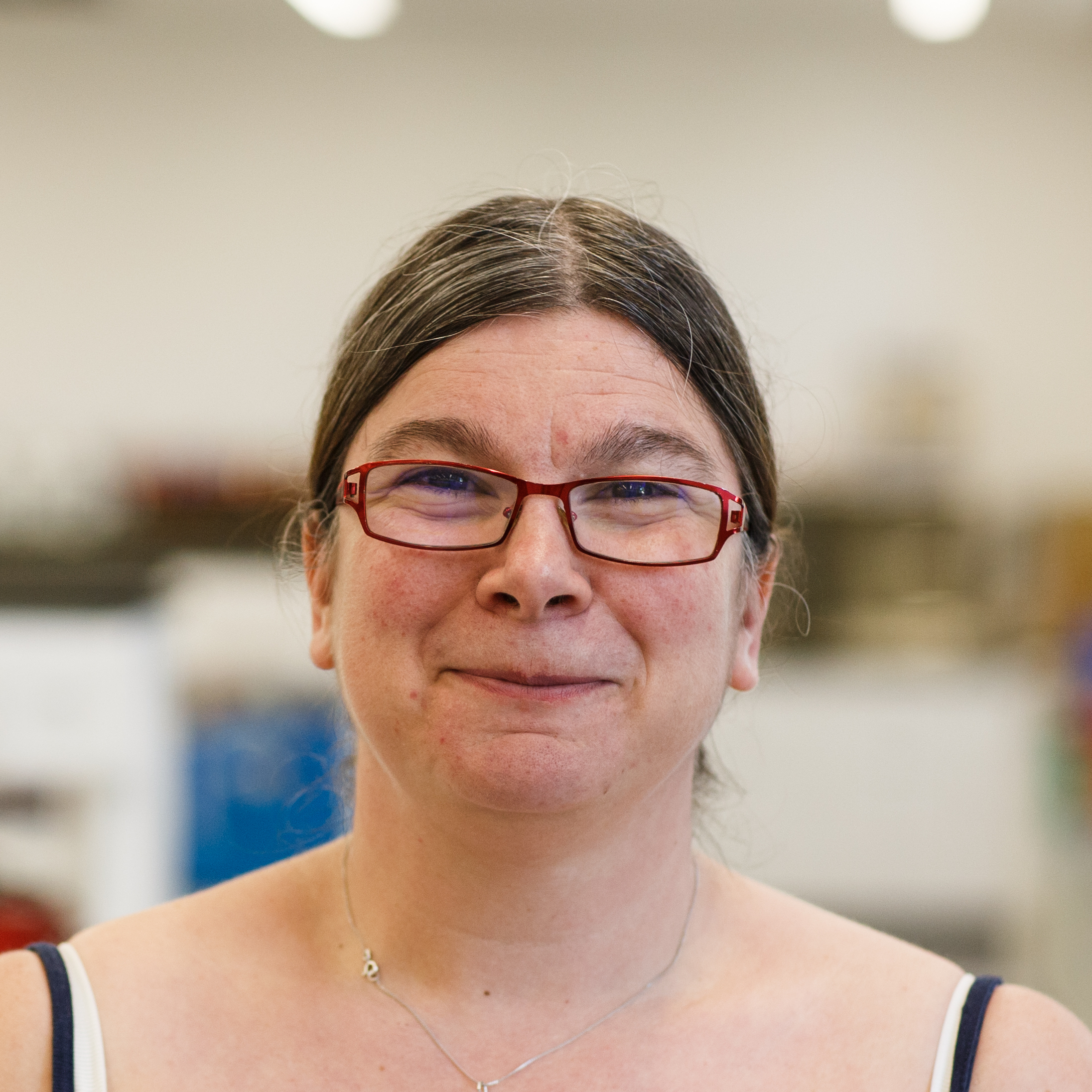
What are some of the challenges you have faced as a woman in science and what positive progress have you seen throughout your career so far?

Early in my career I found that I would be the only woman in a meeting. Sometimes this even meant that no one would know where female toilets were located! This could make you feel like you did not belong. Things have changed. There is now normally much wider representation in meetings and on the occasions where this is not the case there is enough awareness to ensure that it is a meeting of scientific equality.

What advice would you give to early career female researchers?

Change will only come from within. Do not be put off if you find yourselves in challenging environments and do not feel guilty for striving to have a career and a family. Both are possible. Remember that you are the voices of change and that once you get to the later part of your own career you are the voice that will inspire next generations and facilitate further change.

Why do you think it is that women are often under-represented at senior levels? What are the benefits of taking on a leadership role?

Whilst things are definitely changing women are more likely to take career breaks and then juggle family life alongside a STEM career. The demands of senior management often pulls against this. Additionally, these roles often require a certain seniority and thus also come about when women are entering menopause. This comes with self-doubt and other complicated emotional, mental health and physical states. We are still not open enough about menopause and the effects it can have on women and how that fits with delivering work demands.

Taking a leadership role can help to affect change and provide platform from which to do so. These are also the roles that end up shaping roles for early career individuals so it is important to have broad representation.

Donna’s top publications:

A new series of sodium cobalt oxyhydrates
Sundip Mistry, Donna C. Arnold, Chris J. Nuttall, Alexandros Lappas and Mark A. Green
Chem. Commun., 2004, 2440-2441

B-cation effects in relaxor and ferroelectric tetragonal tungsten bronzes
Donna C. Arnold and Finlay D. Morrison
J. Mater. Chem., 2009,19, 6485-6488

Investigation of the role of morphology on the magnetic properties of Ca2Mn3O8 materials
Laura J. Vera Stimpson, Silvia Ramos, Gavin B. G. Stenning, Marek Jura, Stephen Parry, Giannantonio Cibin and Donna C. Arnold 
Dalton Trans., 2017,46, 14130-14138

Dr Parukuttyamma Sujatha Devi, Associate Editor, CSIR-National Institute for Interdisciplinary Science and Technology, India

What are some of the challenges you have faced as a woman in science and what positive progress have you seen throughout your career so far?

Meeting both domestic responsibilities and professional activities has been a major challenge throughout my career. I have always motivated myself to do so. 

What advice would you give to early career female researchers?

Equal opportunities have rarely been given to female researchers. So my advice to early career researchers would be to motivate yourself and stay inspired, even by smaller successes and recognitions in your career. Don’t be defeated – follow your consciousness and success will follow.

The theme of this year’s IWD is Embrace Equity. Do you have any recommendations for improving the STEM workforce to create an environment that better supports women?

Flexibility in the work place! The lack of adequate numbers of female mentors is a lacuna in STEM.

Devi’s top publications:

Some interesting insights into the acetone sensing characteristics of monoclinic WO3
Puja Ghosh, M Manikandan, Shrabanee Sen, Parukuttyamma Sujatha Devi,
Mater. Adv., 2023,4, 1146-1160

ZnO decorated ZnSnO3 as efficient fillers to PVDF: toward simultaneous enhancement of energy storage density and efficiency and improved energy harvesting activity
Abhishek Sasmal, Samar Kumar Medda, Parukuttyamma Sujatha Devi, Shrabanee Sen Nano
Nanoscale, 2020,12, 20908-20921

Surface functionalized multifunctional ZnFe2O4 nanoparticles as ad carrier of hydrophobic and hydrophilic anti-cancer drug molecules
Debabrata Maiti, Arindam Saha and Parukuttyamma Sujatha Devi
Phys. Chem. Chem. Phys., 2016,18, 1439-1450
Check out our Women in Chemistry page to learn more about women working as chemists and the issues that affect them in science education.

In 2019, the Royal Society of Chemistry published a report to assess if publishing in the chemical sciences is gender biased. The full report and guidance as a result of the findings can be viewed here https://www.rsc.org/new-perspectives/talent/gender-bias-in-publishing

Digg This
Reddit This
Stumble Now!
Share on Facebook
Bookmark this on Delicious
Share on LinkedIn
Bookmark this on Technorati
Post on Twitter
Google Buzz (aka. Google Reader)

RSC Advances Welcomes Stephen Ojwach as a New Associate Editor

The RSC Advances team are delighted to welcome Professor Stephen Ojwach as our newest Associate Editor!

Professor Stephen Ojwach, University of KwaZulu-Natal, South Africa

Research Areas: organometallic chemistry, homogeneous catalysis, coordination chemistry, ligand design, transition metal chemistry, and green chemistry.

Prof Ojwach obtained his PhD in Organometallic Chemistry and Homogeneous Catalysis from the University of Johannesburg, South Africa under the supervision of Professor James Darkwa. Currently a professor of Inorganic Chemistry at the University of KwaZulu-Natal, South Africa, he is also a visiting professor at a number of institutions: the University of Lethbridge, Canada, RWTH Aachen University and Technical University of Kaiserslautern, Germany, and University of Strasbourg, France, among others.

Prof Ojwach has made exemplary contribution to the design and development of transition metal complexes as catalysts for various organic transformations, including, but not limited to, oligomerization, polymerization, carbonylation, and hydrogenation reactions. His research involves careful manipulation of ligand design to optimize the catalytic properties (Structure-Property-Activity-Relationship, SPAR) of complexes in given transformation. Kinetics, mechanistic and theoretical studies are undertaken to offer insights for rationale future catalyst designs.

Prof Ojwach has published over 100 research articles in the fields of inorganic chemistry, organometallic chemistry, and catalysis in a broad scope of journals such as RSC Advances, Dalton Transactions, Organometallics, Molecular Catalysis, and Inorganic Chemistry.

Check out Prof Ojwach’s latest RSC publications!

Structural and ethylene oligomerization studies of chelating (imino)phenol Fe(ii), Co(ii) and Ni(ii) complexes: an experimental and theoretical approach
Makhosonke Ngcobo, Holliness Nose, Arumugam Jayamani and Stephen O. Ojwach
New J. Chem., 2022,46, 6219-6229

Carboxamide carbonyl-ruthenium(II) complexes: detailed structural and mechanistic studies in the transfer hydrogenation of ketones
Robert T. Kumah, Paranthaman Vijayan and Stephen O. Ojwach
New J. Chem., 2022,46, 3146-3155

Role of π-conjugation on the coordination behaviour, substitution kinetics, DNA/BSA interactions, and in vitro cytotoxicity of carboxamide palladium(II) complexes
Reinner O. Omondi, Nicole R. S. Sibuyi, Adewale O. Fadaka, Mervin Meyer, Deogratius Jaganyi and Stephen O. Ojwach.
Dalton Trans., 2021,50, 8127-8143

Prof Ojwach is looking forward to receiving your papers! Submit to RSC Advances today. Check out our author guidelines for information on our article types or find out more about the advantages of publishing in a Royal Society of Chemistry journal.

Keep up to date with our latest Popular Advances, Reviews, Collections & more by following us on Twitter. You can also keep informed by signing up to our E-Alerts.

Digg This
Reddit This
Stumble Now!
Share on Facebook
Bookmark this on Delicious
Share on LinkedIn
Bookmark this on Technorati
Post on Twitter
Google Buzz (aka. Google Reader)

SACI-44 Poster Prize and Flash Presentation Winners

The 44th South African Chemical Institute’s National Convention took place between 8 – 13 January 2023. Over the course of these 5 days, the conference was home to plenary and parallel sessions covering all areas of chemistry, though the overarching theme was chemistry for sustainable development in Africa. The event was part of the International Year of Basic Sciences for Sustainable Development – SA IYBSSD 2022.

RSC Advances, along with Dalton Transactions, were pleased to sponsor six poster prize winners and four flash presentation winners. We are delighted that the conference was such a success and we would like to wish a huge congratulations to all of the winners!

Poster prize winners:

• PA5 Geyan Kempkes, University of Pretoria
Development of a novel graphene-based passive air sampler for mercury monitoring

• PI5 Taryn Golding, University of Cape Town
Ferrocenyl aminoquinoline-benzimidazole molecular hybrids as antiplasmodial agents

• PA43 Derrick Sipoyo, University of Venda
Synthesis of naphthalene derivatives as bifunctional electrolyte additives for lithium-ion batteries

• PP14 Kgalaletso Otukile, University of the Free State
First-principles based evaluation of rate constants for R + O2 reactions with R = ethyl, isopropyl, isobutyl, t-butyl and neopentyl

• PO30 Trégen Snayer, Stellenbosch University
Studies towards resolving racemic C4-symmetric inherently chiral calix[4]arenes

• PI33 Shira Zinman, University of Cape Town
Expanding the versatility of aminoquinoline organometallic complexes as anticancer and antibacterial agents

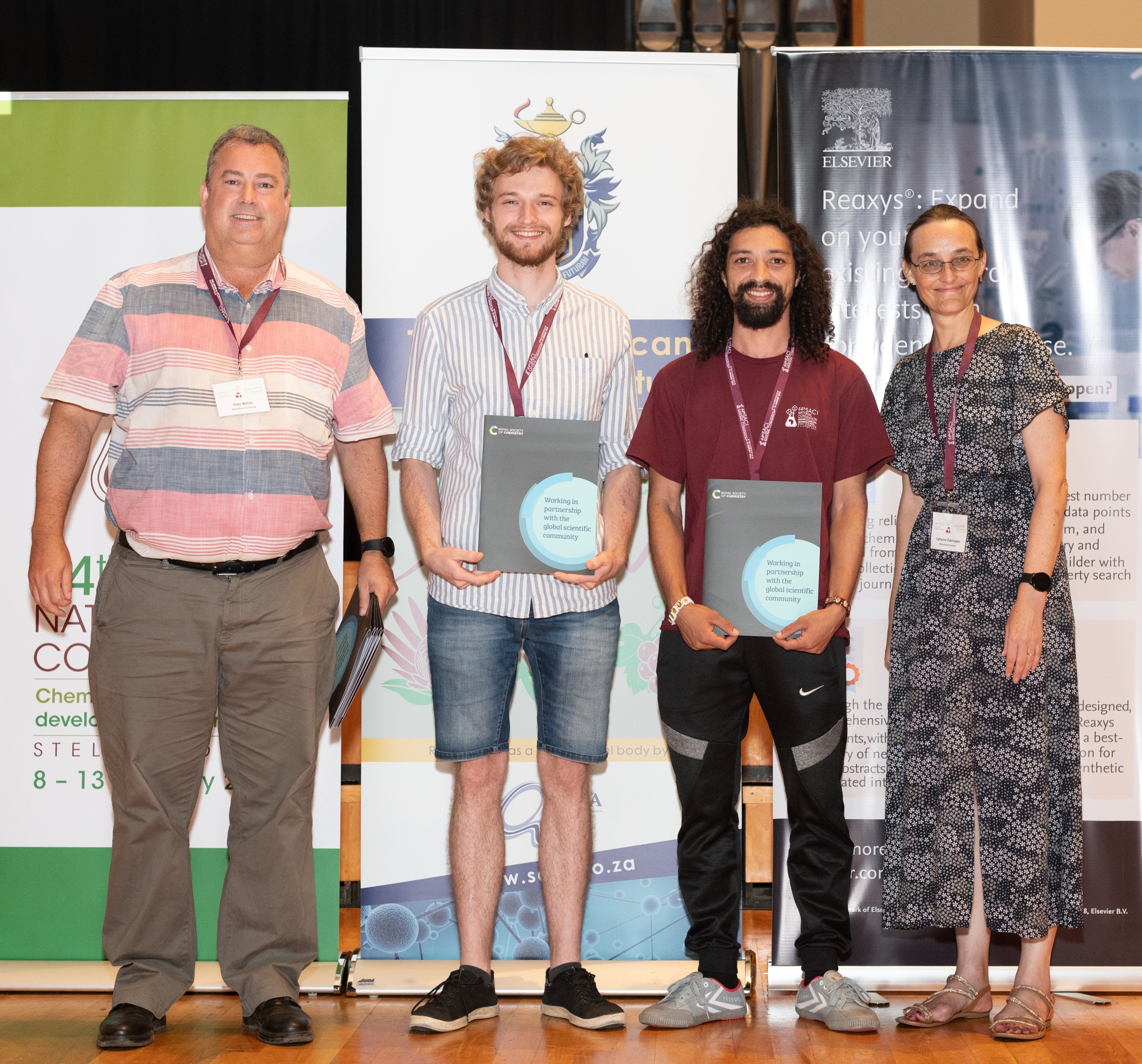
Peter Mallon (SACI previous president), Geyan Kempkes, Trégen Snayer, and Catharine Esterhuysen (Chair of 44th SACI National Convention)

Flash presentation winners:

• PO27 Ursula Ralepelle, University of Limpopo
Reduction of alkynyl carbonyl compounds using SnCl2 and computational investigation of the reaction mechanism

• PO37 Sarah Wright, University of the Witwatersrand
Phenylcyclobutenone annulation reactions as new entry towards total syntheses of aglycones gilvocarcins

• PP8 Mofeli Leoma, Rhodes University
Better insights into the squalene monooxygenase inhibitors for lowering cholesterol in cardiovascular biology using molecular docking and molecular dynamics simulations

• PI12 Luccile Mbonzhe, University of Venda
A Zinc-based 3D mixed ligand metal-organic-framework with stepwise CO2 adsorption at low temperature

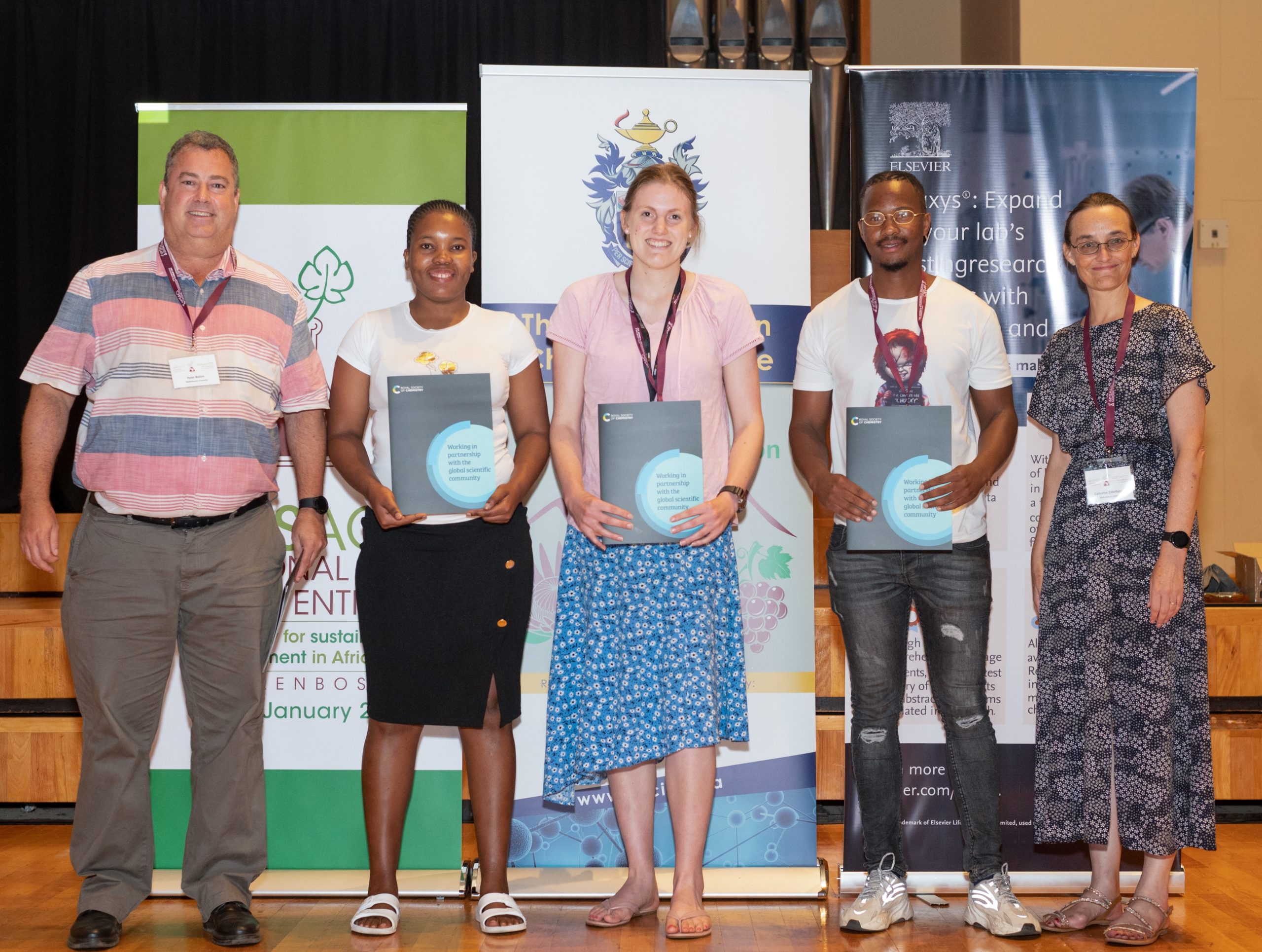
Peter Mallon, Ursula Ralepelle, Sarah Wright, Mofeli Leoma, and Catharine Esterhuysen 

Find out more about the Pan Africa Chemistry Network, which seeks to create a self-sustaining science base in Africa, helping to build capacity, solve local challenges and contribute to global knowledge.

Digg This
Reddit This
Stumble Now!
Share on Facebook
Bookmark this on Delicious
Share on LinkedIn
Bookmark this on Technorati
Post on Twitter
Google Buzz (aka. Google Reader)

Call for papers: Advances in Sustainable Hydrogen Energy Systems

RSC Advances is delighted to announce a new themed collection titled ‘Advances in sustainable hydrogen energy systems’. This collection is Guest Edited by Nader Karimi (Queen Mary University of London, UK), Manosh C. Paul (University of Glasgow, UK), Larry K. B. Li (The Hong Kong University of Science and Technology, Hong Kong), Mohammad Hossein Doranehgard (University of Alberta, Canada), and Freshteh Sotoudeh (Houston University, USA).

Scope

It is now clear that developing low-carbon economy is an essential prerequisite to sustainability. Despite the great desire for the replacement of fossil fuels with hydrogen, realisation of hydrogen economy continues to be a grand challenge. Currently, there exists a wide range of technologies for the production, storage and utilisation of hydrogen. Nevertheless, hydrogen-based integrated energy systems that are economically viable and environmentally friendly have not been developed yet.

This themed collection has been motivated the new wave of research on the design, analysis, and assessment of future hydrogen energy systems. Thermodynamic, technoeconomic and environmental analyses are central to such efforts to complement elements of socioeconomics and policy making.

The purpose of this collection is to bring together the latest research findings of the international, multidisciplinary community of hydrogen energy on the system-level analyses of hydrogen technologies. In particular, contributions are sought in the following fields:

  • Energy, exergy, economic, and environmental analysis of hydrogen systems.
  • Technoeconomic, exergoeconomic and exergoenvironmental investigations of hydrogen production, storage and utilisation.
  • Applications of machine learning and data-centric techniques to the analysis of hydrogen energy systems.
  • Multi-objective optimisation of hydrogen energy systems using conventional and emerging techniques.
  • Integration and hybridisation of hydrogen energy systems with other sustainable energy systems.

Please make sure that your submission provides an insight that advances the chemistry field or is of interest to the chemistry community.

How to submit

Both Papers and Review articles will be considered for this issue. All submissions will be subject to an initial assessment by Associate Editors and, if suitable for the journal, they will be subject to rigorous peer review to meet the usual high standards of RSC Advances.

Our APC is among the lowest in the industry and there are no submission charges. Discounts and waivers are offered to authors from developing countries.

If you would like to submit to this issue the manuscript should be prepared according to our article guidelines and submitted via our online system anytime before the submission deadline of 30 June 2023. During submission, authors will be asked if they are submitting for a themed collection and should include the name of the themed collection. If you would like to submit but require additional time to prepare your article, please do let us know by contacting the journal.

RSC Advances Royal Society of ChemistrySubmit to RSC Advances today! Check out our author guidelines for information on our article types or find out more about the advantages of publishing in a Royal Society of Chemistry journal.

Keep up to date with our latest Popular Advances, Reviews, Collections & more by following us on Twitter. You can also keep informed by signing up to our E-Alerts.

Digg This
Reddit This
Stumble Now!
Share on Facebook
Bookmark this on Delicious
Share on LinkedIn
Bookmark this on Technorati
Post on Twitter
Google Buzz (aka. Google Reader)

Editor’s collection: A Decade of Progress in Click Reactions Based on CuAAC

We are delighted to share with you our latest collection on A Decade of Progress in Click Reactions Based on CuAAC, guest edited by Associate Editor Prof. Manojit Pal (Dr Reddy’s Institute of Life Sciences, India).

We are inviting submissions of new papers and review articles to this collection!

About the Collection

The Nobel Prize in Chemistry 2022 was awarded jointly to Prof. Carolyn R. Bertozzi, Prof. Morten Meldal and Prof. K. Barry Sharpless for their work in the development of biorthogonal and click chemistry. Bioorthogonal chemistry has made it possible to monitor the chemical processes occurring in living cells, without interfering with native biochemical systems or causing cellular toxicity. Click chemistry has revolutionized the routes of molecular construction and has applications in drug discovery and development, medicinal and pharmaceutical chemistry, analytical chemistry, materials science, surface science, and more!

However, click chemistry has not gone unnoticed over the years; many chemists have made contributions (both big and small) to this exciting area of research. So, in celebration of the Nobel Prize, we are excited to announce a new collection comprising of relevant papers published over last 10 years. The collection, handpicked by Prof. Pal, predominantly covers the application of click reactions in the areas of bioorganic and medicinal chemistry, with papers devoted to the development of methodologies also included.

RSC Advances is most cited gold open access journal dedicated to the chemical sciences and all publications in our journal are free to access. We hope you enjoy reading these articles!

Read the full collection

If you would like to submit your research to this collection, and give your work the global visibility it deserves, you can do so now!

All submissions will be subject to an initial assessment by Associate Editors and, if suitable for the journal, they will be subject to rigorous peer review to meet the usual high standards of RSC Advances.

Submit your research

Meet the Editor

Manojit Pal received his PhD from Jadavpur University, India in 1995 under the guidance of Prof. Nitya G. Kundu. He then worked in various industrial R&D centres including Alembic, Sun Pharma, Matrix Lab, and Dr Reddy’s Lab Ltd. In 2009, he joined Dr. Reddy’s Institute of Life Science where he now continues as a Professor of Organic and Medicinal Chemistry, as well as Chief Scientist of the CIMPS Department.

Prof. Pal became an Associate Editor at RSC Advances in 2015, FRSC in 2016, Adjunct Faculty-Manipal University in 2018, and member of Editorial Board – Bioorganic Chemistry in 2019. He also became an invited member of ACS in 2019. Furthermore, in 2020, his name was featured in Stanford’s top 2% list of scientists in the world, and in 2022, he received a certificate for publishing open access articles with Elsevier, four of which were linked to the United Nations Sustainable Development Goals.

His research interests include development of new chemical entities under the new drug discovery programme in various therapeutic areas, namely tuberculosis, inflammation, obesity, psoriasis, and cancer. Other major areas of focus include transition metal / non-metal catalysed reactions, sonochemical approaches, green chemistry, heterocycle synthesis, and more! He has authored/co-authored more than 280 research publications, as well as 18 review articles, several patents, a book chapter, and a book.

RSC Advances Royal Society of Chemistry

Submit to RSC Advances today! Check out our author guidelines for information on our article types or find out more about the advantages of publishing in a Royal Society of Chemistry journal.

Keep up to date with our latest Popular Advances, Reviews, Collections & more by following us on Twitter. You can also keep informed by signing up to our E-Alerts.

Digg This
Reddit This
Stumble Now!
Share on Facebook
Bookmark this on Delicious
Share on LinkedIn
Bookmark this on Technorati
Post on Twitter
Google Buzz (aka. Google Reader)

RSC Advances Popular Advances Interview with Abdu Saeed

We are very pleased to introduce Dr Abdu Saeed who is the corresponding author of the RSC Advances article, antibacterial activity of the micro and nanostructures of the optical material tris(8-hydroxyquinoline)aluminum and its application as an antimicrobial coating. This was well received by reviewers and was handpicked by our handling editors to be part of our Popular Advances collection – a big congratulations to all the authors!

Dr Saeed told us more about the work that went into this study and what he hopes to achieve in the future. You can explore other articles in our 2022 Popular Advances online collection here!


Meet the Author:

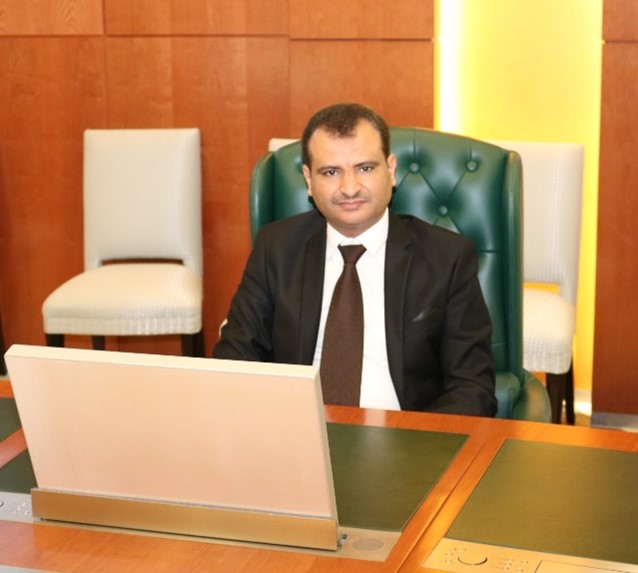
Abdu Saeed was born in Ibb, Yemen, in 1979. After obtaining two degrees in physics (from Ibb University and Taiz University, respectively) he was selected as a teaching assistant at Thamar University. Afterwards, he pursued an MSc and PhD in applied experimental physics at King Abdulaziz University, Saudia Arabia, where he was selected as the best postgraduate student! Nowadays, Dr Saeed works in multidisciplinary fields including energy, electrical properties, nanotechnology, and polymer science. Currently, Dr Saeed and his group are studying the bio applications of the optical material tris(8-hydroxyquinoline)aluminum.


Could you briefly explain the focus of your article to the non-specialist and why it is of current interest?
This research focuses mainly on estimating the antibacterial activity of Alq3, but the effect of particle size (micro- and nano- structures) of the Alq3 powders was also investigated. Furthermore, we successfully incorporated this material with polystyrene to form an antibacterial composite for coating purposes.

How big an impact could your results potentially have?
Alq3 is one of the most famous small molecular semiconductors with efficient electroluminescence and fluorescence properties. Since this material was used to manufacture the first OLED, it has been utilized massively in fabricating optoelectrical devices. However, it has not been used in bio applications. Therefore, we think use as an antibacterial coating could bring more interest to Alq3 in bio applications. 

Could you explain the motivation behind this study?
I was studying the toxicity of this material and found two things: Firstly, this material has high toxicity and, when used as a dye for fluorescence bioimaging, the captured images had high fluorescence. These results gave the motivation to utilize this material in new bio applications. Secondly, we spent three months overcoming bacterial contamination in the lab while doing the cell viability experiments. These two things motivated us to study whether Alq3 can be used as an antibacterial agent.

In your opinion, what are the key design considerations for your study?
Alq3 is an attractive and exciting material. It has different crystal structures, and it is considered the most popular organometallic semiconductor in OLED. Its molecular structure has a conjugated π-electron system, which is advantageous for many applications. This material has electroluminescence (EL) and photoluminescence (PL) properties. EL properties make it an excellent material for optoelectronics devices; PL properties make it a good material for optical applications. Its diverse properties and current applications make it an excellent candidate for more investigations into new applications.

Which part of the work towards this paper proved to be most challenging?
We tested the antibacterial activity of the Alq3 samples on seven different human pathogenic bacterial strains representing Gram-positive and Gram-negative bacteria: Escherichia coli ATCC 11775 (EC), Enterococcus faecalis ATCC 29212 (EF), Klebsiella pneumoniae ATCC 13883 (KP), Methicillin-resistant Staphylococcus aureus ATCC 33591 (MRSA), Pseudomonas aeruginosa ATCC 9027 (PA), Staphylococcus aureus ATCC 12600 (SA), and Salmonella Typhimurium ATCC 14028 (ST). Estimating the IC50 for this material against the bacterial strains was the most challenging part of this study.

What aspect of your work are you most excited about at the moment?
We are most excited about using Alq3 in biosensor applications, particularly in bioimaging. We believe that it will be interesting to make modifications, such as using an appropriate material as a surface modifier containing optimized ligands to synthesize Alq3 into a core-shell form. This could further reduce Alq3’s toxicity whilst maintaining its impressive fluorescence.

What is the next step? What work is planned?
We will use what we have achieved to identify and obtain further uses for Alq3. We will study its antifungal activity and incorporate it with suitable polymers for its antifungal tests. Additionally, we hope to check its interaction with different viruses. The first use of Alq3 for bioimaging was by us – we believe there is still much more effort to be made to optimize the use of Alq3 in bioimaging. 


Antibacterial activity of the micro and nanostructures of the optical material tris(8-hydroxyquinoline)aluminum and its application as an antimicrobial coating

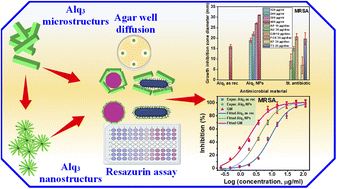
Graphical abstract: Antibacterial activity of the micro and nanostructures of the optical material tris(8-hydroxyquinoline)aluminum and its application as an antimicrobial coating


Submit to RSC Advances today! Check out our author guidelines for information on our article types or find out more about the advantages of publishing in a Royal Society of Chemistry journal.

Keep up to date with our latest Popular Advances, Reviews, Collections & more by following us on Twitter. You can also keep informed by signing up to our E-Alerts.

Digg This
Reddit This
Stumble Now!
Share on Facebook
Bookmark this on Delicious
Share on LinkedIn
Bookmark this on Technorati
Post on Twitter
Google Buzz (aka. Google Reader)

RSC Advances Popular Advances Interview with James Knight

We are excited to introduce Dr James Knight, who is the corresponding author of the RSC Advances article, The influence of degree of labelling upon cellular internalisation of antibody-cell penetrating peptide conjugates. The manuscript was well received by reviewers and was handpicked by our handling editors to be part of our Popular Advances collection.

Dr Knight told us more about the work that went into this paper and what he hopes to achieve in the future. You can explore other articles in our 2022 Popular Advances online collection here!

Meet the Author:

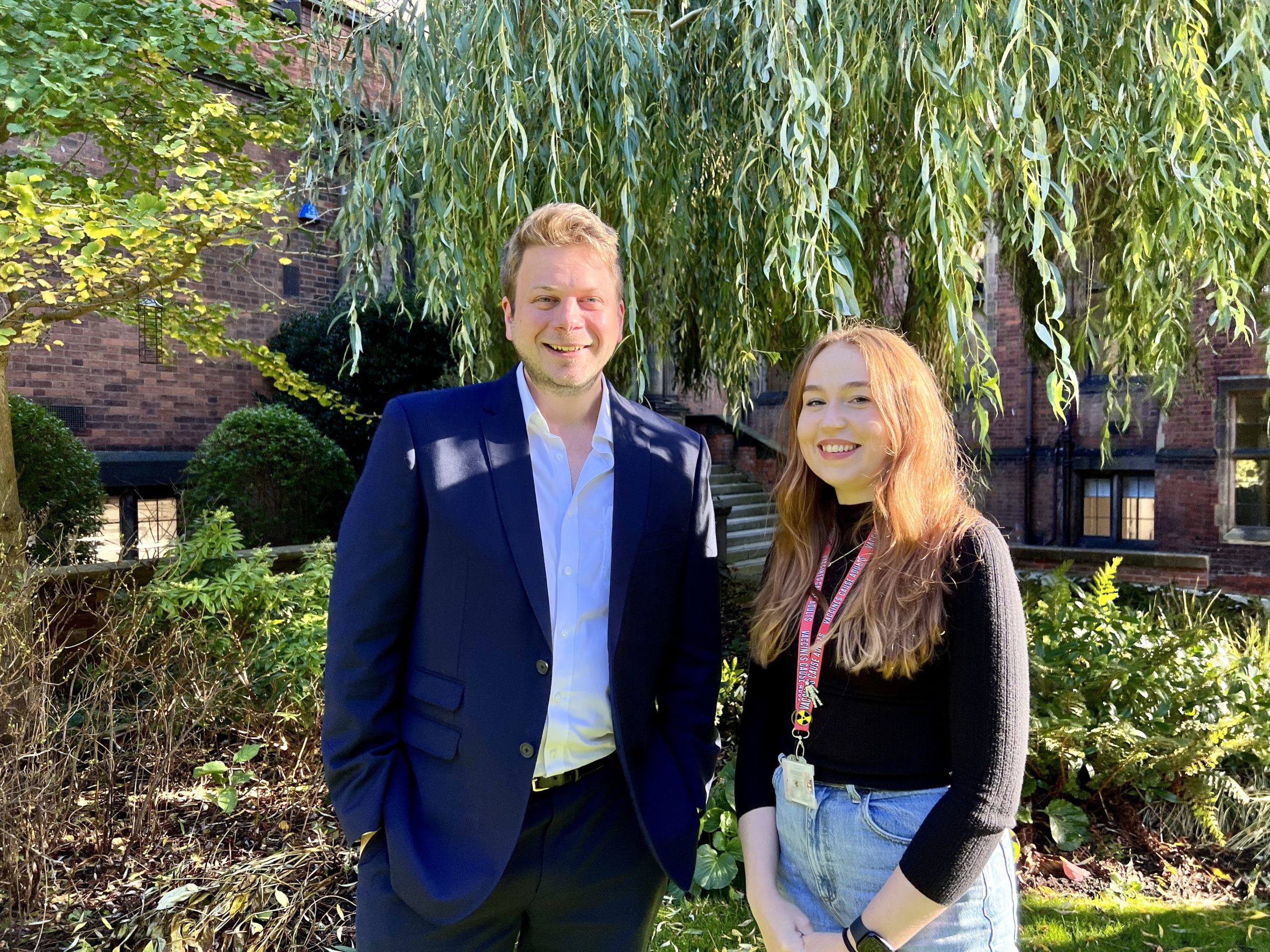
Dr James Knight is lecturer in radiochemistry at the School of Natural and Environmental Sciences at Newcastle University. His research surrounds the synthesis and preclinical evaluation of radiopharmaceuticals for imaging and therapeutic applications. Additionally, he is the Degree Programme Director for MSc Drug Chemistry and the lead for radiochemistry within the Discovery of Medicines research theme in the Faculty of Medical Sciences. Interestingly, he also recently co-authored two textbooks on click chemistry and its role in radiochemistry!

The first author, Toni Pringle, is a PhD student who led the research in this paper!

Could you briefly explain the focus of your article to the non-specialist and why it is of current interest?
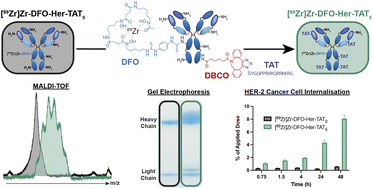
In the present era of precision medicine, antibodies have emerged as an important class of highly target-specific therapeutic drugs, particularly in oncology, yet their inefficient cellular internalisation limits their scope of application to disease targets situated on the exterior side of the cell membrane. This article is based on research led by PhD student Toni Pringle who modified Herceptin (an antibody used to treat HER2-positive breast and gastric cancers) with a peptide that confers cell-penetrating properties and examined how the extent of this modification affected the uptake of Herceptin in human breast cancer cells, resulting in data that advances our understanding of the cell-internalising properties of these constructs.

How big an impact could your results potentially have?
The results of our study shine a light on the significant influence of a fundamental molecular design parameter – the degree of cell-penetrating peptide labelling. Notably, we found that a radiolabelled analogue of Herceptin modified with five cell-penetrating peptides had uptake in HER2-expressing cells 14.7-fold higher after 48 hours compared to an equivalent analogue with no peptide modification. The scale of this enhancement is exciting when you consider its implications for enhancing the therapeutic index of antibody-drug conjugates, as well as its potential to expand the scope of antibody-based positron emission tomography imaging agents to include disease biomarkers located in the intracellular environment.

Could you explain the motivation behind this study?
The main focus of our research is the development of radiopharmaceuticals that can be used as imaging and/or therapeutic agents for cancer. We are particularly interested in radiopharmaceuticals based on antibody-cell penetrating peptide conjugates (Ab-CPPs) and our motivation in this case was to understand the extent to which cellular internalisation of cancer target-specific Ab-CPP is affected by the degree of peptide labelling. Our group is keen to expand in this area and we felt it was crucial to get a firm handle on this important parameter.

In your opinion, what are the key design considerations for your study?
To allow us to determine the degree of peptide labelling, we decided to use a bioconjugation strategy based on strain-promoted alkyne-azide cycloaddition as this provided a convenient way to measure this parameter by depletion of the alkyne absorbance in the UV region. We also had to think carefully about how to approach the cell-based assays which were fairly complex due to the need to consider several factors, such as the specific activity of the radiolabelled Ab-CPPs, cell numbers and how these would change over the course of the experiment (and how to account for this), the sensitivity of the gamma counter, and of course, radio-protection measures at each stage etc. I must say that Toni did a fabulous job here in the planning and implementation of these experiments.

Which part of the work towards this paper proved to be most challenging?
Working with radioisotopes can be challenging as the agents we put so much effort into making are continually and irretrievably disappearing from the moment we make them! As a result, we have to plan our work very carefully, and often this involves coordinating the activities of several people!

What aspect of your work are you most excited about at the moment?
Radiochemistry and imaging at Newcastle University is thriving and enjoying a period of expansion. The imminent opening of our radiopharmaceutical GMP suite will grant us the ability to readily translate our probes into the clinic, and we have a dedicated network of academics and clinicians supporting us in this endeavour. For me, this is an incredibly exciting prospect!

What is the next step? What work is planned?
We’re taking this forward in two ways. First, we are applying this approach to antibody-drug conjugates to examine the influence of DOL upon therapeutic efficacy in target cell populations. Second, we are developing PET radioligands based on Ab-CPPs to target intracellular biomarkers that arise early in the development of pancreatic cancer to facilitate early detection. In each case, we are applying new, improved cell penetrating peptides. We are looking forward to sharing the results of these investigations soon!


The influence of degree of labelling upon cellular internalisation of antibody-cell penetrating peptide conjugates.

Graphical abstract: The influence of degree of labelling upon cellular internalisation of antibody-cell penetrating peptide conjugates

Submit to RSC Advances today! Check out our author guidelines for information on our article types or find out more about the advantages of publishing in a Royal Society of Chemistry journal.

Keep up to date with our latest Popular Advances, Reviews, Collections & more by following us on Twitter. You can also keep informed by signing up to our E-Alerts.

Digg This
Reddit This
Stumble Now!
Share on Facebook
Bookmark this on Delicious
Share on LinkedIn
Bookmark this on Technorati
Post on Twitter
Google Buzz (aka. Google Reader)

September 2022 RSC Advances Review Articles

Welcome to September’s Review round up!

Every month we update our 2022 Reviews in RSC Advances collection to showcase all of the review articles published in RSC Advances in 2022. Don’t forget to come back next month to check out our latest reviews.

We hope you enjoy reading and as always, all of our articles are open access so you can easily share your favourites online and with your colleagues.

Explore the full collection!

Browse a selection of our September reviews below:

The diversity and utility of arylthiazoline and aryloxazoline siderophores: challenges of total synthesis
Karolina Kamińska, Andrzej Mular, Evgenia Olshvang, Nils Metzler Nolte, Henryk Kozłowski, Elżbieta Wojaczyńska and Elżbieta Gumienna-Kontecka
RSC Adv., 2022,12, 25284-25322

Optical bio-sensing of DNA methylation analysis: an overview of recent progress and future prospects
Mina Adampourezare, Mohammad Hasanzadeh and Farzad Seidi
RSC Adv., 2022,12, 25786-25806

Synthesis and pharmacological activities of azo dye derivatives incorporating heterocyclic scaffolds: a review
Kibrom Mezgebe and Endale Mulugeta
RSC Adv., 2022,12, 25932-25946

Electrochemical Detection of selected Heavy Metals in Water: a case study of African experiences
Enyioma C. Okpara, Omolola E. Fayemi, Olanrewaju B. Wojuola, Damian C. Onwudiwe and Eno E. Ebenso
RSC Adv., 2022,12, 26319-26361

Nanozyme-based sensors for detection of food biomarkers: a review
Fareeha Arshad, Noor Faizah Mohd-Naim, Rona Chandrawati, Daniel Cozzolino and Minhaz Uddin Ahmed
RSC Adv., 2022,12, 26160-26175

Mechanism and behavior of caffeine sorption: affecting factors
Merve Fakioğlu and Yasemen Kalpaklı
RSC Adv., 2022,12, 26504-26513

Recovery and utilization of crude glycerol, a biodiesel byproduct
Yujia Liu, Biqi Zhong and Adeniyi Lawal
RSC Adv., 2022,12, 27997-28008

Submit to RSC Advances today! Check out our author guidelines for information on our article types or find out more about the advantages of publishing in a Royal Society of Chemistry journal.

Keep up to date with our latest Popular Advances, Reviews, Collections & more by following us on Twitter. You can also keep informed by signing up to our E-Alerts.

Digg This
Reddit This
Stumble Now!
Share on Facebook
Bookmark this on Delicious
Share on LinkedIn
Bookmark this on Technorati
Post on Twitter
Google Buzz (aka. Google Reader)

September 2022 Popular Advances Articles

Welcome to September’s Popular Advances article round up!

Every month we update our 2022 RSC Advances Popular Advances Article Collection to showcase all of the articles selected by our reviewers and handling editors as Popular Advances in 2022. Don’t forget to come back next month to check out our latest Popular articles.

We hope you enjoy reading and as always, all of our articles are open access so you can easily share your favourites online and with your colleagues.

Explore the full collection!

Efficient and practical synthesis of monoalkyl oxalates under green conditions
Tatiana Barsukova, Takeyuki Sato, Haruki Takumia and Satomi Niwayama
RSC Adv., 2022,12, 25669-25674

A simple and direct ionic chromatography method to monitor galactose oxidase activity
Eden Kaddouch, Maria E. Cleveland, David Navarro, Sacha Grisel, Mireille Haon, Harry Brumer, Mickaël Lafond, Jean-Guy Berrin and Bastien Bissaro
RSC Adv., 2022,12, 26042-26050

Enhanced transformation of CO2 over microporous Ce-doped Zr metal–organic frameworks
Juan Bai, Ziwei Song, Lijuan Liu, Xu Zhu, Faming Gao and Raghunath V. Chaudhari
RSC Adv., 2022,12, 26307-26318

Stereoselective synthesis of C3-tetrasubstituted oxindoles via copper catalyzed asymmetric propargylation
Jiao-Mei Wang, Yu Zhao, Chang-Sheng Yao and Kai Zhang
RSC Adv., 2022,12, 26727-26732

Synthesis and Hybridizing Properties of P Stereodefined Chimeric [PS]-{DNA:RNA} and [PS]-{DNA:(2’-OMe)-RNA} Oligomers
Katarzyna Jastrzębska, Anna Maciaszek, Rafał Dolot, Agnieszka Tomaszewska-Antczak, Barbara Mikołajczyk and Piotr Guga
RSC Adv., 2022, 12, 26815-26824

Antibacterial activity of the micro and nanostructures of the optical material tris(8-hydroxyquinoline)aluminum and its application as an antimicrobial coating
Abdu Saeed, Aysh Y. Madkhli, Rami Adel Pashameah, Noor M. Bataweel, Mir Ali Razvi and Numan Salah
RSC Adv., 2022,12, 27131-27144

The influence of degree of labelling upon cellular internalisation of antibody-cell penetrating peptide conjugates
Toni A. Pringle, Oliver Coleman, Akane Kawamura and James C. Knight
RSC Adv., 2022,12, 27716-27722

One-pot synthesis of chromenes in the presence of nano-cellulose/Ti(IV)/Fe3O4 as natural-based magnetic nano-catalysts under solvent free conditions
Raziyeh Gholami, Abdolhamid Bamoniri and Bi Bi Fatemeh Mirjalili
RSC Adv., 2022,12, 27555-27563

Submit to RSC Advances today! Check out our author guidelines for information on our article types or find out more about the advantages of publishing in a Royal Society of Chemistry journal.

Keep up to date with our latest  Popular Advances articles, Reviews, Collections & more by following us on Twitter. You can also keep informed by signing up to our E-Alerts.

Digg This
Reddit This
Stumble Now!
Share on Facebook
Bookmark this on Delicious
Share on LinkedIn
Bookmark this on Technorati
Post on Twitter
Google Buzz (aka. Google Reader)

Advancing with Advances – How to publish and not perish (Part 9): Publishing Tips from an Academic Editor

Would you read your own manuscript?

The importance of honesty and integrity in publishing.

This week’s advice is courtesy of Dr Fabienne Dumoulin, who discusses many reasons why manuscripts can be rejected without review. Fabienne reminds us of the principal purpose of publishing: collaboration and sharing to ensure advancement of the scientific community.

Meet the editor:

Dr Fabienne Dumoulin, Associate Editor and Editorial Board Member for RSC Advances, works in the Department of Biomedical Engineering of Acibadem Mehmet Ali Aydınlar University. Her research interests surround phthalocyanines, co photodynamic therapy, molecular materials, and nanomedicine.

Dr Fabienne Dumoulin, Acibadem Mehmet Ali Aydınlar University

  1. What is the most common reason for rejecting a manuscript without review?

‘There are several reasons to pre-screen a manuscript and desk-reject it.

Very rarely, because the journal scope is rather large, a manuscript can be rejected because there really is no chemistry. A complete biological work on a molecule or material that is already published and without reference to the role of its structure wouldn’t fit in RSC Advances. This is rare, but it happens.

What is really crucial is the solidity of science. Are the characterizations complete and reliable? In line with the journal guidelines? Is the experimental part accurate? Copy-paste are often used during its preparation, but I’ve seen materials and methods sections citing characterization equipment that are not used in the description of the reported materials or molecules.

Declaring a paper as incremental and rejecting it on this basis is more subjective, but we can see some (a minority of) authors submitting manuscript with nearly the same figures because the same measurements are made, with the same organization of works, the molecules or materials being only slightly different from what is already available in the literature by the same authors. Here come the different between what is novel/new and what is scientifically interesting.

Even more subjective is the impact criteria. It is partially related to the incremental one! Simple example: if we know how a molecule with a hexyl chain behaves, no need to publish the same with an octyl chain if no significant difference(s) in the properties are observed. Or use of a different cell line? but nothing new? That would also prompt a desk-rejection.

Finally, we are trained on detecting paper milled manuscripts, and assisted by the fantastic editorial publishing team of the journal!

  1. What is the best piece of advice you could give a submitting author?

Write and submit a paper you would like to read, as a reviewer and as a scientist!

Remember that beyond the need to publish dictated by annual performance evaluation and funding applications, the first purpose of scientific publication is to SHARE SCIENCE and SHARE SCIENTIFIC DATA to help the other actors of the field moving forward.

Like: I’ve tried this, it does work, or this works better, no need to repeat the experiment, rather use this information as it may prompt new topics/procedures/experiments/hypotheses, open new horizons, avoid reproducing dead ends.

Also, your manuscript must give a feeling of trust and confidence. Present solid characterization and experimental part. Spectra must be complete (always start the scale of your NMR spectra at zero please…), as must be the microphotographs of gels. When only a part of an electrophoresis gel is of interest for the discussion, it is fine to put only this part in the paper, but then present the whole picture in the supporting information for the sake of reliability (and refer to it in the caption of the manuscript figure!). Otherwise, it raises a red flag!

Figures must be well readable, without useless colors and effects.

Be rigorous, homogeneous, and coherent.

Be honest. You’ve submitted your paper to another journal? Specify it in the submission system if it is an RSC journal, in all cases in the cover letter. Explain why you believe it will fit well in RSC Advances despite this previous rejection.

And, please, please, please discuss your results. Unexpected observation? Mention it, explain why it is unexpected, why it is important, contextualize with the existing data and the expectations when you designed and conceived the works.

We hope that you find these insights from useful while writing your next paper!

Tune in next week for more Advancing with Advances!

You are welcome to send in any questions you have about peer-review or publishing to advances-rsc@rsc.org or post them on Twitter @RSCAdvances #AdvancingWithAdvances.

Don’t miss out on our previous tips on how to publish and not perish below:

Advancing with Advances (Part 1): featuring Professor Robert Baker (Trinity College Dublin)

Advancing with Advances (Part 2): featuring editorial insights from staff editors at RSC Advances

Advancing with Advances (Part 3): featuring Professor Brenno A.D. Neto (Universidade de Brasília, Brazil) Dr. Donna Arnold (University of Kent, UK), and Professor Nestor Mariano Correa (Universidad Nacional de Rio Cuarto, Argentina)

Advancing with Advances (Part 4): featuring Professor Megan O’Mara (Australian Institute for Bioengineering and Nanotechnology), Dr Giacomo Saielli (University of Padova, Italy), and Dr Pablo Denis (Universidad de la Republica Oriental del Uruguay)

Advancing with Advances (Part 5): featuring Professor Franck Dumeignil (University of Lille, France) Professor Xi Chen (Shanghai Jiao Tong University, China), and Professor Manojit Pal (Dr Reddy’s Institute of Life Sciences, India)

Advancing with Advances (Part 6): featuring Dr. Ranjit Koodali (Western Kentucky University, USA), Professor Luigi Vaccaro ( University of Perugia, Italy), and Professor Thierry Ollevier, (Université Laval, Québec Canada)

Advancing with Advances (Part 7): featuring Professor Steven McIntosh, Lehigh University, Pennsylvania, USA and Dr. Lubomír Rulíšek, Institute of Organic Chemistry and Biochemistry of the Czech Academy of Sciences, Prague

Advancing with Advances (Part 8): featuring Professor Leyong Wang, Nanjing University, China, and Professor Pucci, University of Pisa, Italy.


Digg This
Reddit This
Stumble Now!
Share on Facebook
Bookmark this on Delicious
Share on LinkedIn
Bookmark this on Technorati
Post on Twitter
Google Buzz (aka. Google Reader)