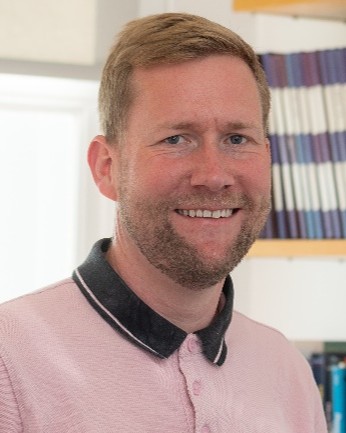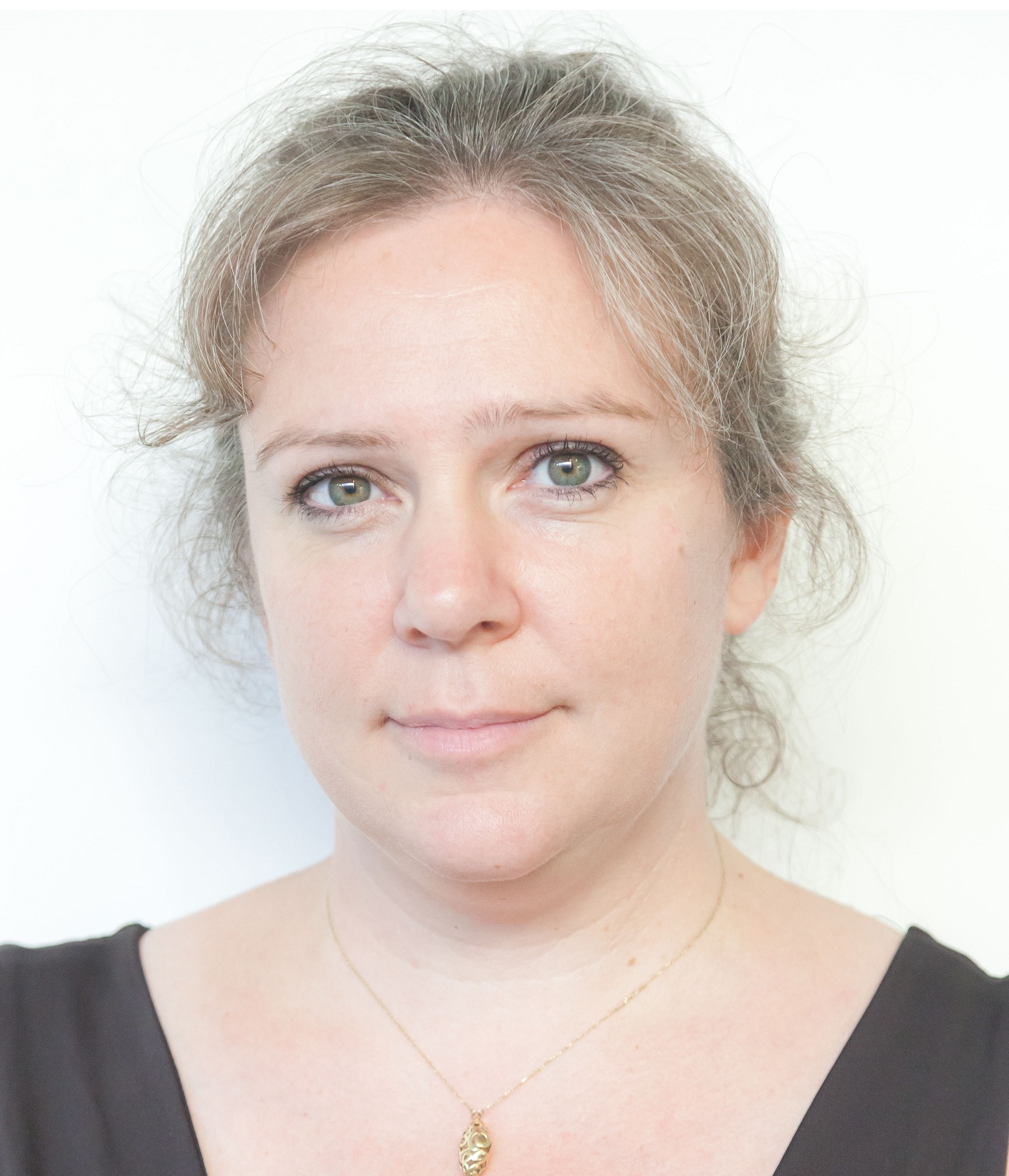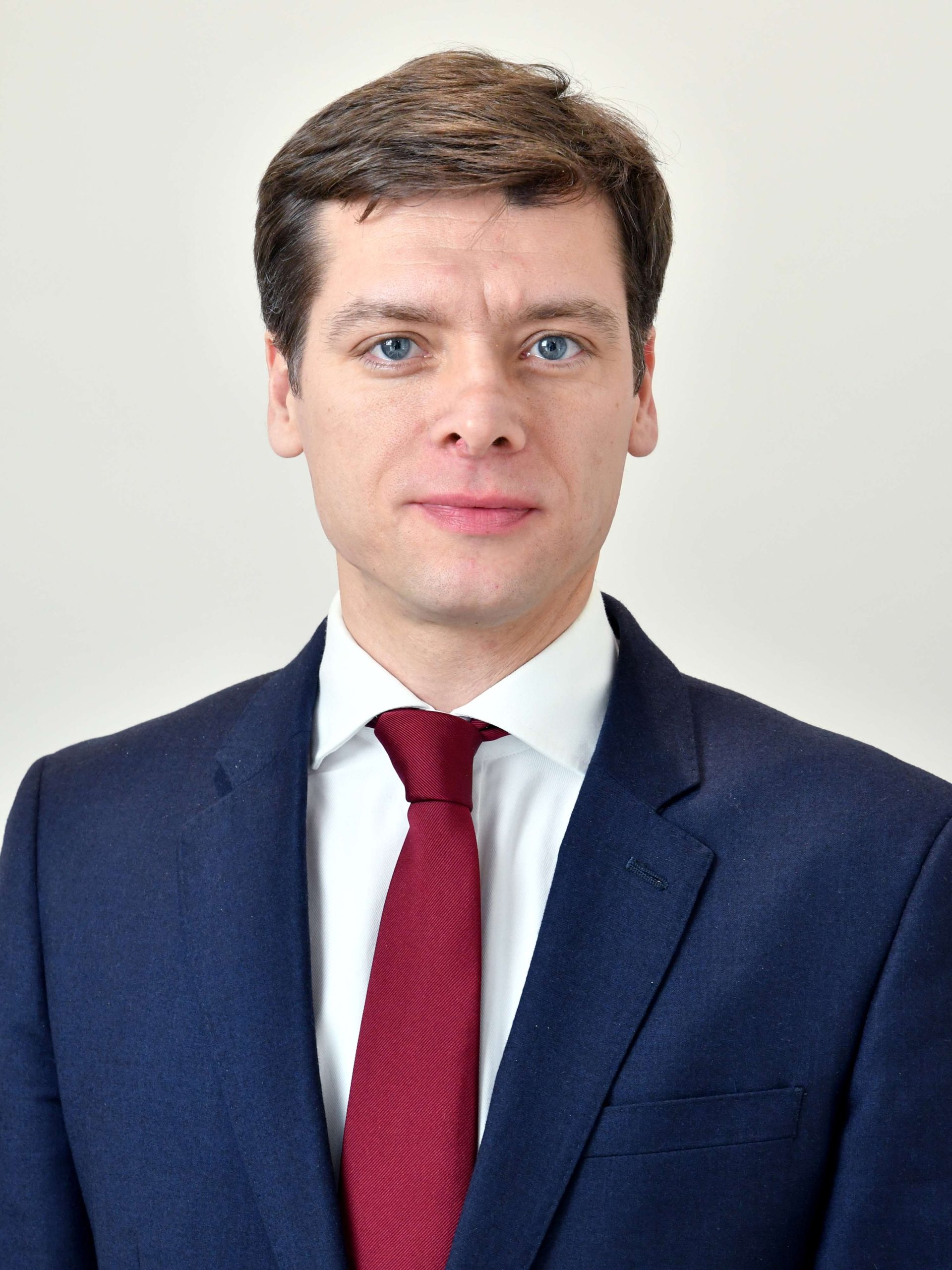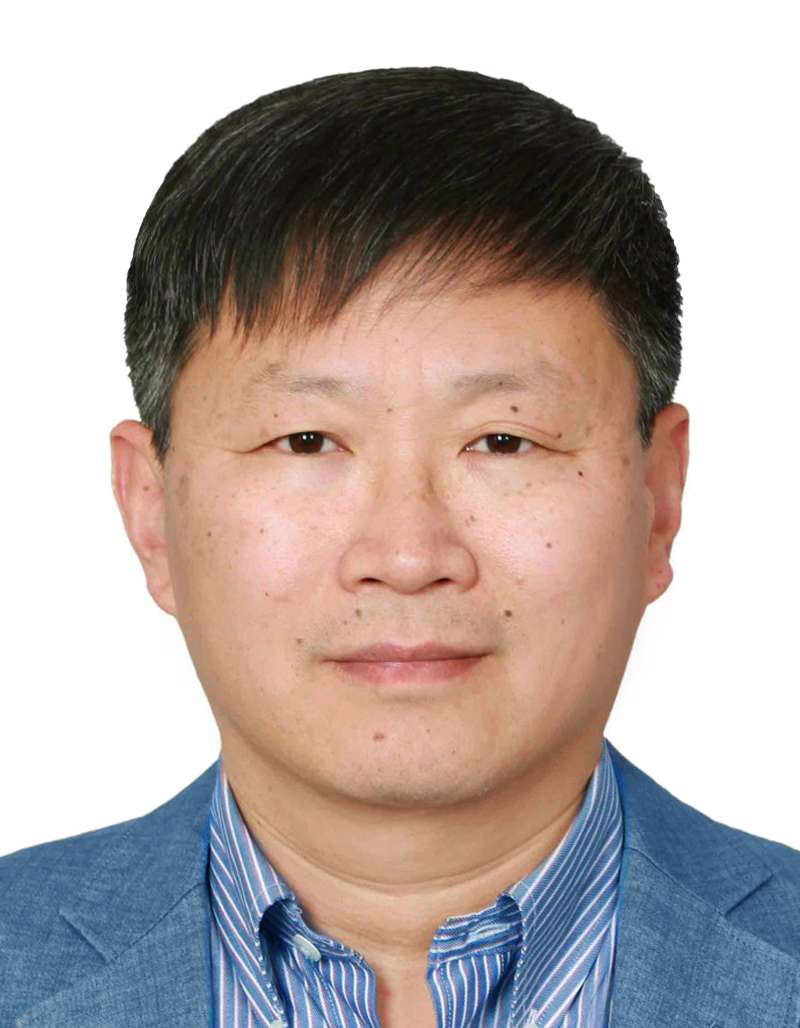
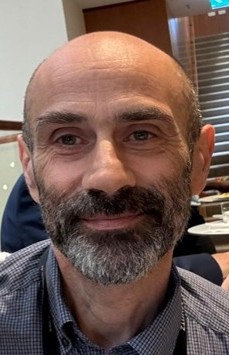
Vito Lippolis joins RSC Advances as an Editorial Board member and Associate Editor

RSC Advances is delighted to welcome Professor Vito Lippolis, as an Editorial Board member and Associate Editor.

Vito Lippolis is Professor of Inorganic Chemistry at the University of Cagliari, Italy. He graduated with honours in Chemistry from the University of Pisa and, in the same year, obtained a Diploma in Chemistry from the Scuola Normale Superiore (Pisa). He subsequently earned his PhD at the University of Nottingham under the supervision of Professor Martin Schröder, receiving the “J. J. Turner Prize for PhD Thesis Excellence”. Professor Lippolis is the author of approximately 380 papers in international peer-reviewed journals and six book chapters. His research lies at the interface of coordination chemistry, supramolecular chemistry, and the chemistry of main-group elements, with a particular emphasis on the design of functional molecular systems and their practical applications.

His research interests include supramolecular chemistry and the crystal engineering of molecular frameworks; the coordination chemistry of macrocyclic ligands for the development of optical molecular sensors, ionophores, and receptors for heavy metal ions and anions, as well as luminescent materials based on metallophilic interactions; and the study of non-covalent interactions involving chalcogen donor molecules and dihalogens, with a particular focus on halogen and chalcogen bonding.

He is actively engaged in the international chemical community through scientific collaborations, conference organisation, and advisory roles. He serves as a permanent member of the Advisory Board of the International Conference on Selenium and Tellurium Chemistry (ICCST), which he chaired in 2019, and of the International Advisory Boards of both the SeSRedCat Network (Selenium and Sulfur Redox & Catalysis) and the HalChem International Meeting on Halogen Chemistry.

Professor Lippolis has also contributed to editorial initiatives of the Royal Society of Chemistry, serving as Guest Editor of the themed collection “Selenium & Tellurium Chemistry at the Beginning of the 3rd Millennium: A Celebration of ICCST” in the New Journal of Chemistry.

In 2023, he co-edited the volume “Chalcogen Chemistry: Fundamentals and Applications”, published by the Royal Society of Chemistry, which provides a comprehensive overview of recent advances in the chemistry of chalcogen elements and their applications.

Research areas:

  • Molecular recognition and sensing
  • Macrocyclic ligands and coordination chemistry
  • Main group elements in particular halogens and chalcogens
  • Non covalent interactions in particular halogen and chalcogen bonds


Browse a selection of Vito’s RSC publications:


Tailoring cyclic polyamines for inorganic/organic phosphate binding

Carla Bazicalupi, Aandrea Bencini and Vito Lippolis

Chem. Soc. Rev., 2010, 39, 3709-3728


Selective binding and fluorescence sensing of diphosphate in H2O via Zn2+–induced allosteric regulation of the receptor structure

Carla Bazzicalupi, Aandrea Bencini, Stefano Puccioni, Barbara Valtancoli, Paola Gratteri, Alessandra Garau and Vito Lippolis

Chem. Commun., 2012, 48, 139-141


Zn2+/Cd2+ optical discrimination by fluorescent chemosensors based on 8-hydroxyquinoline derivatives and sulfur-containing macrocyclic units

Carla Aragoni, Massimiliano Arca, Andrea Bencini, Claudia Caltagirone, Alessandra Garau, Francesco Isaia, Mark E. Light, Vito Lippolis, Carlos Lodeiro, Marta Mameli, Riccardo Montis, M. Cristina Mostallino, Anna Pintus and Stefano Puccioni

Dalton Trans., 2013, 42, 14516-14530


A fluorescent ratiometric nanosized system for the determination of PdII in water

Massimiliano Arca, Claudia Caltagirone, Greta De Filippo, Mauro Formica, Vieri Fusi, Luca Giorgi, Vito Lippolis, Luca Prodi, Enrico Rampazzo, M. Andrea Scorciapino, Massimo Sgarzi and Nelsi Zaccheroni

Chem. Commun., 2014, 50, 15259-15262


An unprecedented non-classical polyinterhalogen anion made of [I2Cl]– and I2 at the 2-(p-tolyl)selenopheno[2,3-b]pyridinium cation template

Carla Aragoni, Enrico Podda, Massimiliano Arca, Anna Pintus, Vito Lippolis, Claudia Caltagirone, Ricardo H. Bartz, Eder J. Lenardão, Gelson Perin, Ricardo F. Schumacher, Simon J. Coles and James B. Orton

New J. Chem., 2022, 46, 21921-21929


Structural and computational evidence of rare synergic N(amide)H···Au(I) and N(amidate)···Au(I) secondary bonding interactions

Laura Coconubo-Guio, Sonia Moreno, Giacomo Picci, Miguel Monge, José M. López-de-Luzuriaga, M. Elena Olmos, Claudia Caltagirone and Vito Lippolis

New J. Chem., 2026, 50, 9368–9376

 

RSC Advances Royal Society of Chemistry


Submit to RSC Advances today! Check out our author guidelines for information on our article types or find out more about the advantages of publishing in a Royal Society of Chemistry journal.

Keep up to date with our latest Popular Advances, Reviews, Collections & more by following us on Bluesky. You can also keep informed by signing up to our E-Alerts.

Digg This
Reddit This
Stumble Now!
Share on Facebook
Bookmark this on Delicious
Share on LinkedIn
Bookmark this on Technorati
Post on Twitter
Google Buzz (aka. Google Reader)

Davide Corinti joins RSC Advances as Associate Editor

RSC Advances is delighted to welcome Professor Davide Corinti, Sapienza University of Rome, as Associate Editor!

Dr Davide Corinti obtained his Ph.D. in Pharmaceutical Sciences from Sapienza University of Rome in 2018 and subsequently received the 2019 Best PhD Thesis in Inorganic Chemistry award from the Italian Chemistry Society.

His research focuses on exploring the interactions between metal-based drugs and biomolecules utilizing advanced mass spectrometry, ion spectroscopy, and quantum mechanical calculations. Furthermore, he combines analytical methodologies with theoretical calculations to establish gas-phase spectroscopic techniques for the structural discrimination of isomeric metabolites. His research involves an active international network, encompassing visiting appointments, as well as conducting experiments at European free-electron laser facilities, including FEL CLIO and FELIX.

Dr Corinti is currently an Assistant Professor in the Department of Drug Chemistry and Technologies at Sapienza University of Rome.


Research areas:

  • Spectroscopy
  • Mass spectrometry
  • Bioinorganic chemistry
  • Coordination chemistry
  • Computational reactivity and structure
  • Density functional theory


Browse a selection of Davide’s RSC publications:
Zn(ii) complexation promotes isomerization and oxidative rearrangements of naringenin: evidence from IR ion spectroscopy and DFT calculations
Lucretia Rotari, Valeria Vergine, Giel Berden, Jos Oomens, Barbara Chiavarino, Davide Corinti, Maria Elisa Crestoni
Dalton Trans. 2026; 55 (13): 5290–5300

Vibrational analysis of auranofin complexes with cysteine and selenocysteine unveils distinct binding motifs and specific unimolecular reactivity
Roberto Paciotti, Davide Corinti, Cecilia Coletti, Nazzareno Re, Giel Berden, Jos Oomens, Simonetta Fornarini, Maria Elisa Crestoni
Inorg. Chem. Front. 2024; 11 (23): 8464–8478

Complexation of halide ions to tyrosine: role of non-covalent interactions evidenced by IRMPD spectroscopy
Davide Corinti, Barbara Gregori, Leonardo Guidoni, Debora Scuderi, Terry B. McMahon, Barbara Chiavarino, Simonetta Fornarini, Maria Elisa Crestoni
Phys. Chem. Chem. Phys. 2018; 20 (6): 4429–4441.

Hydrolysis of cis- and transplatin: structure and reactivity of the aqua complexes in a solvent free environment
Davide Corinti, Cecilia Coletti, Nazzareno Re, Susanna Piccirillo, Marco Giampà, Maria Elisa Crestoni, Simonetta Fornarini
RSC Adv. 2017; 7 (26): 15877–15884

RSC Advances Royal Society of Chemistry

Submit to RSC Advances today! Check out our author guidelines for information on our article types or find out more about the advantages of publishing in a Royal Society of Chemistry journal.

Keep up to date with our latest Popular Advances, Reviews, Collections & more by following us on Bluesky. You can also keep informed by signing up to our E-Alerts.

Digg This
Reddit This
Stumble Now!
Share on Facebook
Bookmark this on Delicious
Share on LinkedIn
Bookmark this on Technorati
Post on Twitter
Google Buzz (aka. Google Reader)

Paul Wilson joins RSC Advances as an Associate Editor

We are delighted to welcome Professor Paul Wilson, University of Warwick, as an Associate Editor!

Paul Wilson is a Professor of Chemistry in the Department of Chemistry at the University of Warwick. He studied chemistry at the University of Bristol (MSci, 1st Class, 2006) before completing a PhD in organic chemistry (Warwick, 2010). Having previously held a Leverhulme Trust Early Career Fellowship (Warwick, 2016—2019), he currently holds a Royal Society Tata University Research Fellowship until the end of 2026.

His URF is focussed on developing platforms for nanoscale synthesis and nanofabrication, through combining the capabilities of scanning electrochemical probe microscopy techniques with electrochemically-mediated organic, macromolecular and supramolecular chemistry. More broadly, the team are interested in developing new methodologies and technologies that can enable the preparation of synthetic and biological (nano)materials with an optimum level of compositional, architectural, topological and functional control. They are also interested in applying the methods, techniques and materials developed to help solve long-term and emerging problems that impact global economic and societal development such as nanotechnology, defense, healthcare technologies and sustainability.

Paul is an advocate for UK polymer science and engages in the (inter)national polymer community through an active role on the MacroGroup UK committee, which has followed a prior appointment as treasurer of the Recent Appointees in Polymer Science group.

Discover some of Paul’s publications:

Organic Arsenicals As Efficient and Highly Specific Linkers for Protein/Peptide–Polymer Conjugation
Paul Wilson, Athina Anastasaki, Matthew R. Owen, Kristian Kempe, David M. Haddleton, Sarah K. Mann, Angus P. R. Johnston, John F. Quinn, Michael R. Whittaker, Philip J. Hogg and Thomas P. Davis
J. Am. Chem. Soc., 2015; 137, 4215–4222

A Tunable Hydrogel Platform Based on Platinum-Containing Polymeric Arsenicals
Alexandros Magiakos, Evelina Liarou, Spyridon Efstathiou, Andrea Dsouza, Chrystala Constantinidou, Marc Walker, Constantinos Methenitis and Paul Wilson
Chem. Mater.
, 2025; 37, 3733–3746

Localised polymerisation of acrylamide using single-barrel scanning electrochemical cell microscopy
Mahir Mohammed, Bryn A. Jones, Evelina Liarou and Paul Wilson
Chem. Commun., 2023; 59, 10992–10995

Aqueous electrochemically-triggered atom transfer radical polymerization
Boyu Zhao, Fred Pashley-Johnson, Bryn A. Jones and Paul Wilson
Chem. Sci., 2022; 13, 5741–5749

Plug-and-play aqueous electrochemical atom transfer radical polymerization
Boyu Zhao, Mahir Mohammed, Bryn A. Jones and Paul Wilson
Chem. Commun., 2021; 57, 3897–3900

RSC Advances Royal Society of Chemistry

Submit to RSC Advances today! Check out our author guidelines for information on our article types or find out more about the advantages of publishing in a Royal Society of Chemistry journal.

Keep up to date with our latest Popular Advances, Reviews, Collections & more by following us on Bluesky. You can also keep informed by signing up to our E-Alerts.

Digg This
Reddit This
Stumble Now!
Share on Facebook
Bookmark this on Delicious
Share on LinkedIn
Bookmark this on Technorati
Post on Twitter
Google Buzz (aka. Google Reader)

Saying goodbye to Editor-in-Chief Professor Russell Cox

Headshot of Professor Russell Cox

Professor Russell Cox

After over a decade of service on the Editorial Board, RSC Advances bids a fond farewell to Editor-in-Chief Professor Russell Cox, University of Hannover. Russell has been with RSC Advances since the journal’s launch, joining as an Associate Editor in 2011 and becoming Editor-in-Chief in 2018. During this time, Russell has led the journal through many key developments and milestones, including the transition to Open Access, piloting Transparent Peer Review, and even surviving a global pandemic. On behalf of the journal, RSC Advances Executive Editor Dr Laura Fisher paid thanks to Russell:

‘Russell has led RSC Advances since I joined the team in 2019. It has been my absolute pleasure to work with such an engaged, thoughtful, and committed Editor-in-Chief, and none of what we have achieved as a journal since I joined the team would have been possible without Russell. Together we have established an incredibly engaged and supportive Editorial Board and Associate Editor group, and I look forward to working with them to build on these successes into the future.‘

On his penultimate day as RSC Advances Editor-in-Chief, Russell reflected on his experiences with RSC Advances from core values to current status:

‘I think I may be the last, or one of the last, of the team who set up the journal, under the leadership of Mike Ward and Sarah Ruthven in 2011, and later Andrew Shore, and Laura Fisher of course. In 2010 when discussion about the new journal first began, it was a dramatic change for the RSC and began the process of transformation of the publishing platform, the success of which we see today. The aim of Advances was to find a home for much work that was inter- and multi-disciplinary, with a broad definition of ‘chemistry’, and a remit to support young academics, overseas authors and particularly authors in developing nations. We also had an aim to innovate and not worry too much about ‘traditional’ ideas of publishing. We published our first paper in August 2011. I think we were very successful in all those areas, and we formed a base on which the RSC could experiment and learn. In particular, the change to Gold Open Access was hugely successful for Advances and for the RSC in general. The success of the concept was clear from the fact that our competitors – both traditional and new arrivals – copied our model (and were also successful!). I have been privileged to have been present for all of it – and I must say that I also learned a huge amount!

More recently the journal has settled somewhat and is now a well recognised and regarded publishing outlet for the chemistry community, combining high volume and quality. It has been a great pleasure for me to have been involved in the leadership, with Karen Faulds, Laura Fisher, Sarah Rainford and Anna Moore, over the past 8 years. Challenges remain, of course – not least the snowballing of AI, the pressure on authors to ‘publish or perish’ and the increasing stress and ossification of academia. We rely on the good will, expertise and judgement of our board members, AEs and reviewers – but that is not guaranteed. We also rely on the professionalism of our authors and readers – and I think that continues to hold up. Our editorial system is robust for now. We can keep on top of it, but vigilance is ever needed!’

RSC Advances Editor-in-Chief Professor Karen Faulds, University of Strathclyde shared her thoughts on working with Russell:

‘It has been a genuine privilege to work with Russell who has made an extraordinary contribution to RSC Advances since its inception 15 years ago. His vision, knowledge, pragmatism and unwavering passion for the journal have been central to its development, from helping to establish its revolutionary approach at the outset to guiding it through a remarkable period of growth and success.

Headshot of Professor Fabienne Dumoulin

Professor Fabienne Dumoulin

RSC Advances was a new concept for the RSC, a broad scope chemistry journal, and has always been ambitious and innovative in terms of trying new publishing approaches, not least becoming the first journal in the portfolio to become fully open access and accessible to everyone. It has been at the forefront of changes in publishing concepts and peer review models since the outset and Russell’s leadership, dedication and commitment have left an enduring mark on the journal, shaping its reputation, impact and success.

I have personally learned a great deal from working with Russell, and I am deeply grateful for his counsel, pragmatism and our many discussions over complex ethical cases. It has been a real pleasure to work alongside Russell and he will be greatly missed by me and by the whole publishing team, but we also celebrate all that he has accomplished.’

Karen will be joined as Editor-in-Chief by Professor Fabienne Dumoulin, Acıbadem Mehmet Ali Aydınlar University. Later this month Fabienne will introduce herself and share her thoughts on the next steps for RSC Advances. Russell welcomed Fabienne to her new role as Editor-in-Chief alongside Karen:

‘So, I leave the journal with a lot of pride, a lot of thanks and very best wishes for the future! Karen will continue the excellent job at the top, and Fabienne is very well placed to take the EiC role into the future. ‘

Russell has published his research in RSC Advances and we are delighted to share these works with you below.

Kinetic characterisation of the FAD dependent monooxygenase TropB and investigation of its biotransformation potential
Amira Abood, Ahmed Al-Fahad, Alan Scott, Alaa El-Dein M. S. Hosny, Amal M. Hashem, Azza M. A. Fattah, Paul R. Race, Thomas J. Simpson and Russell J. Cox
RSC Adv., 2015, 5, 49987.

O-Methylation steps during strobilurin and bolineol biosynthesis
Karen E. Lebe and Russell J. Cox
RSC Adv., 2019, 9, 31527.

Function of pathway specific regulators in the ACE1 and pyrichalasin H biosynthetic gene clusters
Verena Hantke, Chongqing Wang, Elizabeth J. Skellam and Russell J. Cox
RSC Adv., 2019, 9, 35797.

Reengineering the programming of a functional domain of an iterative highly reducing polyketide synthase
Oliver Piech and Russell J. Cox
RSC Adv., 2020, 10, 18469.

Investigating the biosynthesis of Sch-642305 in the fungus Phomopsis sp. CMU-LMA
Francesco Trenti, Karen E. Lebe, Emilie Adelin, Jamal Ouazzani, Carsten Schotte and Russell J. Cox
RSC Adv., 2020, 10, 27369.

In vitro studies of maleidride-forming enzymes
Sen Yin, Steffen Friedrich, Vjaceslavs Hrupins and Russell J. Cox
RSC Adv., 2021, 11, 14922.

Molecular methods unravel the biosynthetic potential of Trichoderma species
Mary L. Shenouda and Russell J. Cox
RSC Adv., 2021, 11, 3622.

Sporothioethers: deactivated alkyl citrates from the fungus Hypomontagnella monticulosa
Henrike Heinemann, Kevin Becker, Hedda Schrey, Haoxuan Zeng, Marc Stadler and Russell J. Cox
RSC Adv., 2023, 13, 29768.

Investigation of chain-length selection by the tenellin iterative highly-reducing polyketide synthase
Katharina Schmidt and Russell J. Cox
RSC Adv., 2024, 14, 8963.

Synthesis of l-β-(6-azulenyl)alanine and the fluorescent actin disruptor (6-azuleno)chalasin H
Maurice Hauser, Katharina Schmidt, Leonard Beiderwieden, Cheng Yi, Kjeld Gerdes, Markus Kalesse, Jennifer Gerke, Theresia E. Stradal and Russell J. Cox
RSC Adv., 2025, 15, 26048.

ent-Kaurene, ent-kauran-16-ol, and shunted diterpenoids from an engineered strain of Aspergillus oryzae
Ahmed Arafa, Yuechen Jiang, Jennifer Gerke, Jakob Franke and Russell J. Cox
RSC Adv, 2026, Advance Article now available: https://doi.org/10.1039/d6ra05338f

Digg This
Reddit This
Stumble Now!
Share on Facebook
Bookmark this on Delicious
Share on LinkedIn
Bookmark this on Technorati
Post on Twitter
Google Buzz (aka. Google Reader)

Petr Beier joins RSC Advances as an Associate Editor

We are delighted to welcome Dr Petr Beier, Czech Academy of Sciences, as an Associate Editor!

Petr Beier is a Senior Research Leader at the Institute of Organic Chemistry and Biochemistry (IOCB), Academy of Sciences, Prague, Czech Republic. He obtained his PhD in organic chemistry from St Andrews University, UK in 2004, following an MSc in organic chemistry from the University of Pardubice, Czech Republic. After a postdoctoral stay at the University of Southern California and Loker Hydrocarbon Research Institute, Los Angeles, USA he started his independent career at IOCB in 2007.

His current research focuses on organic chemistry, the chemistry of main group elements, organofluorine chemistry, and methodology development. His group designed new reagents in fluorine chemistry, discovered new synthetic pathways, studied reaction mechanisms, and used reactive intermediates. More recently the group has been focusing on the chemistry of fluorinated organic azides, Cu(III) complexes and bioconjugation.

Dr. Beier received the Alfred Bader Prize for Organic Chemistry in 2013 and RSC Fluorine Prize in 2017.

Discover some of Petr’s publications:

Photochemical Cu(III)-mediated trifluoromethylation of (hetero)arenes and biomolecules
Petr Pospíšil, Vladimir Motornov, Ondřej Michal, Lucie Šálková, Soňa Boháčová, Tomáš Slanina, Ján Tarábek, Blanka Klepetářová and Petr Beier
Chem. Sci., 2026, 17, 430–435

Mild C─F Activation of Azido(per)Fluoroalkanes
Olena Shaitanova, María Martínez Mallo, Sergii Suikov, Blanka Klepetářová, Josef Filgas, Petr Slavíček, Lucie Bednárová and Petr Beier
Chem. Eur. J., 2026, e71323

Beyond traditional strain-promoted azide–alkyne cycloadditions by achieving orthogonality and rapid kinetics with fluoroalkyl azides
Matúš Tomčo, Veronika Šlachtová, Milan Vrábel, Jialu Li, Josef Filgas, Petr Slavíček, Lucie Bednárová, František Filandr and Petr Beier
Commun. Chem., 2026, 9, 171

From boom to bloom: synthesis of diazidodifluoromethane, its stability and applicability in the ‘click’ reaction
Mykyta Ziabko, Sergeii Suikov, Josef Filgas, Petr Slavíček, Michaela Gazdurová, Lucie Bednárová, Robert Matyáš, Blanka Klepetářová, Tomáš David and Petr Beier
Chem. Commun., 2025, 61, 885–888

Transformation of 5-acylated N-fluoroalkyl-1,2,3-triazoles to trifluoromethylated ring-fused isoquinolines, 1,3-oxazines, and 1,3-oxazin-6-ones via ketenimines
Lukáš Janecký, Blanka Klepetářová and Petr Beier
RSC Adv., 2024, 14, 26938–26942


RSC Advances Royal Society of Chemistry

Submit to RSC Advances today! Check out our author guidelines for information on our article types or find out more about the advantages of publishing in a Royal Society of Chemistry journal.

Keep up to date with our latest Popular Advances, Reviews, Collections & more by following us on Bluesky. You can also keep informed by signing up to our E-Alerts.

Digg This
Reddit This
Stumble Now!
Share on Facebook
Bookmark this on Delicious
Share on LinkedIn
Bookmark this on Technorati
Post on Twitter
Google Buzz (aka. Google Reader)

Marvadeen Singh-Wilmot joins RSC Advances as an Associate Editor

We are delighted to welcome Dr Marvadeen Singh-Wilmot, University of the West Indies, Jamaica, as an Associate Editor!


Marvadeen Singh-Wilmot is a Senior Lecturer in the Department of Chemistry at The University of the West Indies (UWI), Mona, Jamaica, and the founder and Head of crXstal, the Caribbean Regional X-ray Science Toward Advancement Laboratory, the only single-crystal X-ray diffraction hub in the English-speaking Caribbean. She obtained her PhD in lanthanide chemistry from UWI Mona in 2003, following a BSc in Pure and Applied Chemistry from the same institution.

Her current research focuses on establishing a systematic structure–property framework for lanthanide coordination polymers (CPs) and metal–organic frameworks (MOFs), showing how lanthanide-ion size, linker design, supramolecular interactions (including halogen bonds) and synthetic conditions govern CP/MOF architecture and optical behaviour. Her group has designed, synthesised and structurally authenticated an extensive library of lanthanide CPs and framework materials across various ligand families, spanning the complete lanthanide series (La–Lu), all deposited in the Cambridge Structural Database (CSD).  In recognition of this contribution, Dr. Singh-Wilmot was designated a “CSD Champion” in 2025. Members of the library act as selective luminescent sensors for Fe³⁺, Cu²⁺ and nitroaromatic compounds with further testing on the way to explore their gas adsorption and storage capacity, and modify and screen them for anticancer activity. The library is also being currently expanded to include mixed ligand CPs and MOFs as well ligands that undergo photoisomerization for use as molecular switches.

Dr. Singh-Wilmot has made extensive contributions to research capacity building in the Caribbean, establishing crXstal as a regional platform for diffraction-based structural characterisation and crystallographic training. She is the co-founder and coordinator of the Caribbean Crystallography School and a member of the Executive Committee of the Greater Caribbean Light Source, an initiative to establish a synchrotron light source for the region. In 2010 she was inducted as a Young Affiliate Fellow of The World Academy of Sciences (TWAS), and in 2023 she was elected Fellow of the Caribbean Academy of Sciences (CAS). She is also a member of the International Science Council’s Global Roster of Experts, one of the co-authors of IUPAC’s Guiding Principles for the Responsible Practice of Chemistry, and a former member of IUPAC’s Committee on Ethics, Diversity, Equity and Inclusion (CEDEI).

Research areas
Inorganic Chemistry, including:

  • Coordination chemistry and crystal engineering
  • Metal–organic frameworks and coordination polymers
  • Lanthanide chemistry and luminescence
  • Luminescent sensing
  • Functional and materials chemistry
  • X-ray crystallography and diffraction

Discover some of Marvadeen’s publications:

Responsible chemistry for a changing world: IUPAC’s guiding principles
J. Garcia-Martinez, Peter G. Mahaffy, Mark C. Cesa, Mei-Hung Chiu, Jonathan E. Forman, Mary J. Garson, Richard M. Hartshorn, Tanja Junkers, Leah McEwen, Akiko Nakamura, Daniel O. Reddy, Marvadeen A. Singh-Wilmot, Christine M. Straut Langlinais, Supawan Tantayanon and Rylee E. Van’t Land
Chem. Sci., 2026, 17, 10804–10812

New lanthanide coordination polymers (Ln-CPs) from 2-hydroxyterephthalate: Excited-state intramolecular proton transfer (ESIPT) and sensing capabilities
Marvadeen A. Singh-Wilmot*, Jermaine A. Smith, Zeyar Min, Christopher H. Hossack, Elizabeth A. Decoteau, Christopher L. Cahill and Peter N. Nelson
Polyhedron, 2026, 294, 118160

Expanding the Library: Twenty New Ln(III) Metal–Organic Frameworks, Including Two Isoreticular Pairs, from Dihaloterephthalic Acid
Jermaine A. Smith, Marvadeen A. Singh-Wilmot*, Christopher H. Hossack; Christopher L. Cahill and Risan A. C. Ford
Cryst. Growth Des., 2024, 24, 7822–7836

Supramolecular assembly of lanthanide-2,3,5,6-tetrafluoroterephthalic acid coordination polymers via fluorine⋯fluorine interactions: a platform for luminescent detection of Fe3+ and nitroaromatic compounds
Jermaine A. Smith, Marvadeen A. Singh-Wilmot*, Korey P. Carter, Christopher L. Cahill and J. August Ridenour
New J. Chem., 2020, 44, 12317–12330


RSC Advances Royal Society of Chemistry

Submit to RSC Advances today! Check out our author guidelines for information on our article types or find out more about the advantages of publishing in a Royal Society of Chemistry journal.

Keep up to date with our latest Popular Advances, Reviews, Collections & more by following us on Bluesky. You can also keep informed by signing up to our E-Alerts.

Digg This
Reddit This
Stumble Now!
Share on Facebook
Bookmark this on Delicious
Share on LinkedIn
Bookmark this on Technorati
Post on Twitter
Google Buzz (aka. Google Reader)

RSC Advances Science Communications – Could birch eventually replace graphite? Using wood to power lithium-ion batteries!

Lithium-ion batteries are being used across the world for a wide range of applications, including consumer electronics, renewable energy, and electric transportation. They have the potential to replace technologies that traditionally rely on fossil-fuel derived products and emit significant quantities of greenhouse gases. Over the entire lifespan of a vehicle, those made with lithium-ion batteries instead of gas have a drastically lower carbon footprint, but during the manufacturing step the lithium-ion batteries have a much higher global warming potential. That is because lithium-ion batteries continue to use non-renewable materials during fabrication that often have to be mined, including mineral graphite. The mining of mineral graphite and other minerals has historically resulted in significant environmental concerns and large energy consumption, and it relies on geopolitical supply chains dependent on where the specific minerals are located. For example, graphite mining in Mozambique has caused serious social and environmental impacts on local communities from increased pollution, dispossession of land, loss of livelihoods and cultures, criminalization, and silencing concerns from local activists.

Najeeb ur Rehman Lashari and co-workers at Åbo Akademi University in Finland were able to successfully replace mineral graphite with birch-derived biomass for long-life lithium-ion batteries. They prepared their carbonaceous material by first activating birch biomass with phosphoric acid and then pyrolyzing it at 1,000 °C for 12 h to create biochar. It was observed by Brunauer-Emmett-Teller (BET) and transmission electron microscopy (TEM) analyses to have a very high specific surface area with micro- and meso-porosity. X-ray photoelectron spectroscopy (XPS) analyses showed C 1s, O 1s, and P 2p species present which confirmed phosphorus was successfully integrated into the sample, and oxygen- and phosphorus-containing surface groups facilitate charge transfer and enhance wettability. The biochar was used to prepare electrodes by mixing it with conductive acetylene black and poly(vinylidene fluoride) to act as the binder. For their experiments, glass fiber served as the separator, the electrolyte used was LiPF6 EC/EMC, and lithium metal foil was used as the counter and reference electrode.

When dos Reis et al. compared their birch carbon anodes to traditional graphite anodes, they determined that their new biomass-derived anodes had better electrochemical performance! For example, when using birch char as an anode, the lithium-ion battery had an extremely high specific capacity of 915 mA h g-1 at 1C after 1,000 discharge-charge cycles, compared to just 365 mA h g-1 at 1C after 400 cycles when graphite was used as the anode. Furthermore, the birch biomass material demonstrated excellent cycling stability of 100% after 1,000, 2,000, and 5,000 cycles. Using biomass-derived anodes for lithium-ion battery manufacturing could be considered a promising alternative to mineral graphite and would help solve ongoing environmental concerns and socioeconomic issues caused by mining.


Check out the article, published in RSC Advances:

Wood outlasts graphite: revolutionary birch biomass-based carbon anodes for long-life lithium-ion batteries

Glaydson Simoes dos Reis, Mukhtiar Ahmed, Luis O. P. Silva, Jyri-Pekka Mikkola and Lashari Najeeb ur Rehman

RSC Adv., 2026, 16, 30497–30506

About the Web Writer:

Sarah Boudreau is a 3rd year PhD candidate at Memorial University of Newfoundland (MUN) in St. John’s, NL, Canada, studying under the supervision of Dr. Francesca Kerton. In 2021, she completed her BSc (Honours) in Chemistry at Cape Breton University, NS, Canada while researching the extraction of birch bark-oil (Maskwiomin) with Dr. Matthias Bierenstiel using an Indigenous Two-eyed seeing approach. She is currently an Ocean Graduate Excellence Network (OGEN) scholar who works in collaboration with the National Research Council of Canada (NRC) to transform wasted by-products of the seafood processing industry to nanomaterials with applications in high-value sectors. Sarah is particularly interested in applying the principles of Green Chemistry to help achieve a circular economy and net zero goals.


Submit to RSC Advances today! Check out our author guidelines for information on our article types or find out more about the advantages of publishing in a Royal Society of Chemistry journal.

Keep up to date with our latest Popular Advances, Reviews, Collections & more by following us on Bluesky. You can also keep informed by signing up to our E-Alerts.

Digg This
Reddit This
Stumble Now!
Share on Facebook
Bookmark this on Delicious
Share on LinkedIn
Bookmark this on Technorati
Post on Twitter
Google Buzz (aka. Google Reader)

Welcome to our new Editorial Board member: Tiancheng Mu

We are delighted to welcome Professor Tiancheng Mu to the RSC Advances Editorial Board!

Tiancheng Mu is a Professor in the School of Chemistry and Life Sciences at Renmin University of China. He earned his Ph.D. in Physical Chemistry from the Institute of Chemistry, Chinese Academy of Sciences, in 2004. From 2005 to 2007, he expanded his research expertise as a postdoctoral fellow in the Department of Industrial Chemistry at Oldenburg University, Germany, collaborating with Professor Jürgen Gmehling.

Dr. Mu’s research focuses primarily on ionic liquids, chemical thermodynamics, and green chemistry. He has co-authored over 200 peer-reviewed publications and 8 books or chapters, holds 12 patents, and has accumulated more than 18,000 citations. His significant contributions to the field have earned him prestigious accolades, including the First-Class Science and Technology Award from the China Association for Instrumental Analysis (2016) and the Second-Class Natural Science Award from the Liangxi Forestry Science and Technology Award of the Chinese Forestry Society (2019).

In addition to his research, Dr. Mu holds several prominent editorial and leadership roles. He serves as an Associate Editor for RSC Advances and as Section Editor-in-Chief for Processes. He is also a member of the Editorial Advisory Boards for the Journal of Molecular Liquids (Elsevier), Clean – Soil, Air, Water (Wiley), and Chemical Thermodynamics and Thermal Analysis (Elsevier). Furthermore, he is the Vice Dean of the Ionic Liquids Professional Committee of the Chemical Industry and Engineering Society of China (CIESC), a former Vice Director of the Beijing Thermal Analysis Society, and a committee member across multiple specialized divisions within the Chinese Chemical Society (CCS) and CIESC—including supercritical fluids, chemical thermodynamics and thermal analysis, green chemistry, high purity chemicals technology and equipment, chemical industry big data and intelligent design.

Browse a selection of Tiancheng’s RSC publications:

Closed-loop upcycling of PET waste into defect-engineered Ni@C electrocatalysts for efficient formate production
Rui Qin, Chenyang Wei, Yijun Yin, Zhaohui Yang, Shao Wang, Yurun Tian, Lan Chen, Zhimin Xue and Tiancheng Mu
Green Chem., 2025, 27, 14279–14289

Weakened hydrogen bond connectivity promotes interfacial mass transfer for industrial level scalable biomass electrooxidation
Zhaohui Yang, Lan Chen, Yijun Yin, Chenyang Wei, Zhimin Xue and Tiancheng Mu
Energy Environ. Sci., 2024, 17, 8801–8809

Small organic molecules with tailored structures: initiators in the transition-metal-free C–H arylation of unactivated arenes
Zhenghui Liu, Peng Wang, Yu Chen, Zhenzhong Yan, Suqing Chen, Wenjun Chen and Tiancheng Mu
RSC Adv., 2020, 10, 14500–14509

RSC Advances Royal Society of Chemistry

Submit to RSC Advances today! Check out our author guidelines for information on our article types or find out more about the advantages of publishing in a Royal Society of Chemistry journal.

Keep up to date with our latest Popular Advances, Reviews, Collections & more by following us on Bluesky. You can also keep informed by signing up to our E-Alerts.

Digg This
Reddit This
Stumble Now!
Share on Facebook
Bookmark this on Delicious
Share on LinkedIn
Bookmark this on Technorati
Post on Twitter
Google Buzz (aka. Google Reader)

Sandip Murarka Joins RSC Advances as an Associate Editor

RSC Advances are delighted to welcome Sandip Murarka, IIT Jodhpur, India as an Associate Editor!

Dr. Murarka pursued his PhD from WWU Münster under the supervision of Prof. Armido Studer. After completing his Ph.D. (2013), he worked as a Max-Planck postdoctoral research fellow in the laboratory of Prof. Herbert Waldmann at Max Planck Institute of Molecular Physiology, Dortmund (2013-2016). Following a year long stay (2016-2017) as a Team Leader at Syngene International Limited, a pharmaceutical company, he decided to return to academia. In May 2017, he joined the Indian Institute of Technology Jodhpur, India, as an Assistant Professor and was promoted to the post of Associate Professor in June 2022. He is currently the Head of the Chemistry department at IIT Jodhpur.

Dr. Murarka’s current research activities include the study of novel activation modes and the development of chemoselective and sustainable synthetic transformations. His research group utilizes sustainable chemical tools, such as base-metal catalysis, photocatalysis, and electro-organic synthesis, to convert feedstock chemicals to value-added compounds and pharmaceutically relevant molecular architectures.

He is a recipient of the Humboldt Fellowship for Experienced Researchers (2026) by AvH Foundation, CRSI Bronze Medal (2026) by Chemical Research Society of India, Thieme Chemistry Journal Award (2022) by Thieme, and Merck Young Scientist Award (runners up, 2023) by Merck. He is an Early Career Advisory Board Member (ECAB) of journals, such as ChemistrySelect (Wiley-VCH), Chemistry an Asian Journal (Wiley-VCH), and Organic Chemistry Frontiers (RSC). He is also an elected Fellow of the Royal Society of Chemistry (FRSC).

Sandip’s research areas include all things Organic Catalysis.

Read some of Sandip’s recent Royal Society of Chemistry Publications:

1. Photoredox-Catalyzed Multicomponent Transformation Towards Functionalized trans-2,3-Disubstituted Indolines
M. Siva Prasad, Sneha Chandra, Prahallad Meher, Sandip Murarka*
Chem. Commun., 2026,62, 589-593

2. Iron Photocatalysis Towards Site-Selective C(sp3)-H Alkylation of Glycines and Peptides
Satya Prakash Panda, M. Siva Prasad, Prahallad Meher, Oliver Reiser*, Sandip Murarka*
Chem. Sci., 2025, 16, 22084-22090

3. Photoredox-Catalyzed Arylative and Aryl Sulfonylative Radical Cascades Involving Diaryliodonium Reagents: Synthesis of Functionalized Pyrazolones
Karan Ramdas Thombare, Sushanta Kumar Parida, Prahallad Meher, Sandip Murarka*
Chem. Commun., 2024,60, 13907-13910

4. Direct C-H Alkylation of 3,4-Dihydroquinoxaline-2-one with N-(acyloxy)phthalimide via Radical-Radical Cross Coupling
Sudhir Kumar Hota, Gulshan Singh, Sandip Murarka*
Chem. Commun., 2024,60, 6268-6271

5. Visible light photoredox-catalyzed arylative cyclization to access benzimidazo[2,1-a]isoquinolin-6(5H)-ones
Prahallad Meher, Raj Kumar Samanta, Sourav Manna, Sandip Murarka*
Chem. Commun., 2023,59, 6092-6095

Submit your Organic Catalysis papers for consideration by Sandip Murarka.

Check out our author guidelines for information on our article types or find out more about the advantages of publishing in a Royal Society of Chemistry journal.

Keep up to date with our latest Popular Advances, Reviews, Collections & more by following us on Bluesky. You can also keep informed by signing up to our E-Alerts.

Digg This
Reddit This
Stumble Now!
Share on Facebook
Bookmark this on Delicious
Share on LinkedIn
Bookmark this on Technorati
Post on Twitter
Google Buzz (aka. Google Reader)

Andrea Goldson-Barnaby joins RSC Advances as an Associate Editor

RSC Advances is delighted to welcome Andrea Goldson-Barnaby, The University of the West Indies, Jamaica, as an Associate Editor!


Dr. Andrea Goldson-Barnaby is a graduate of The University of the West Indies, Jamaica where she pursued a BSc, doing a double major in Chemistry and Food Chemistry followed by a M Phil in Applied Organic Chemistry. While at The University of the West Indies she worked as a synthetic chemist at Tanaud International BV. A Canadian Commonwealth Scholar, she pursued doctoral studies in Food Science at the University of British Columbia, Canada where she was the recipient of several awards (Dr Wilson Henderson Memorial Graduate Fellowship, Student Leadership Recognition Award, Graduating Class of Agriculture 1921 Graduate Scholarship). Currently she is a Senior Lecturer in the Department of Chemistry at The University of the West Indies, Kingston, Jamaica where she serves as the Head of the Food Chemistry Division and a Fellow of the Caribbean Academy of Science. She was the recipient of the Principal’s Award for Most Outstanding Researcher/Research Activity, for three consecutive years (2017/2018, 2018/2019 and 2019/2020) as well as best research publication in 2019. Dr Goldson-Barnaby is involved in capacity building of the local Food Industry and has been conducting Food Safety Preventive Controls Alliance, Human Food Workshops since 2017. She enjoys doing science outreach and serves as the Faculty Advisor for the American Chemical Society (ACS) Jamaica International Student Chapter and Secretary of the Caribbean Academy of Science.

Research Areas: Food Chemistry, including:
Chemistry of food processing
Chemistry of food safety
Chemistry of food structure
Chemistry of food packaging
Food analysis
Food colloids

Discover some of Andrea’s publications:
Biochemical properties of tree ripened and post-harvest ripened Mangifera indica (cv. East Indian)
Kimberly A. Blissett, Machel Emanuel, Andrea Goldson-Barnaby*
International Journal of Fruit Science, 19(4), 452–463.

Free Radical Scavenging Capacity, Carotenoid Content, and NMR Characterization of Blighia sapida Aril Oil
Andrea Goldson-Barnaby*, Jesse Clarke, Dane Warren, Kailesha Duffus
Journal of Lipids,2018,1762342

Phenylalanine ammonia lyase activity, antioxidant properties, fatty acid profile, mineral content and physiochemical analyses of Cissus sicyoides berries
Andrea Goldson-Barnaby*, Ratmond Reid, Dane Warren
Journal of Berry Research. 7, 117-127.

Micro-encapsulation of ginger (Zingiber officinale) extract by spray drying technology
Kelly Simon-Brown, Kevin Mis Solval, Aranee Chotiko, Luis Alfaro, Vondel Reyes, Chen Liu, Bennett Dzandu, Emanuel Kyereh, Andrea Goldson-Barnaby, Ian Thompson, Zhimin Xu, Subramaniam Sathivel*
LWT – Food Science and Technology. 70, 119-125

Submit your Food Chemistry papers for consideration by Andrea Goldson-Barnaby

Check out our author guidelines for information on our article types or find out more about the advantages of publishing in a Royal Society of Chemistry journal.

Keep up to date with our latest Popular Advances, Reviews, Collections & more by following us on Bluesky. You can also keep informed by signing up to our E-Alerts.

Digg This
Reddit This
Stumble Now!
Share on Facebook
Bookmark this on Delicious
Share on LinkedIn
Bookmark this on Technorati
Post on Twitter
Google Buzz (aka. Google Reader)