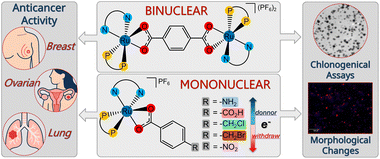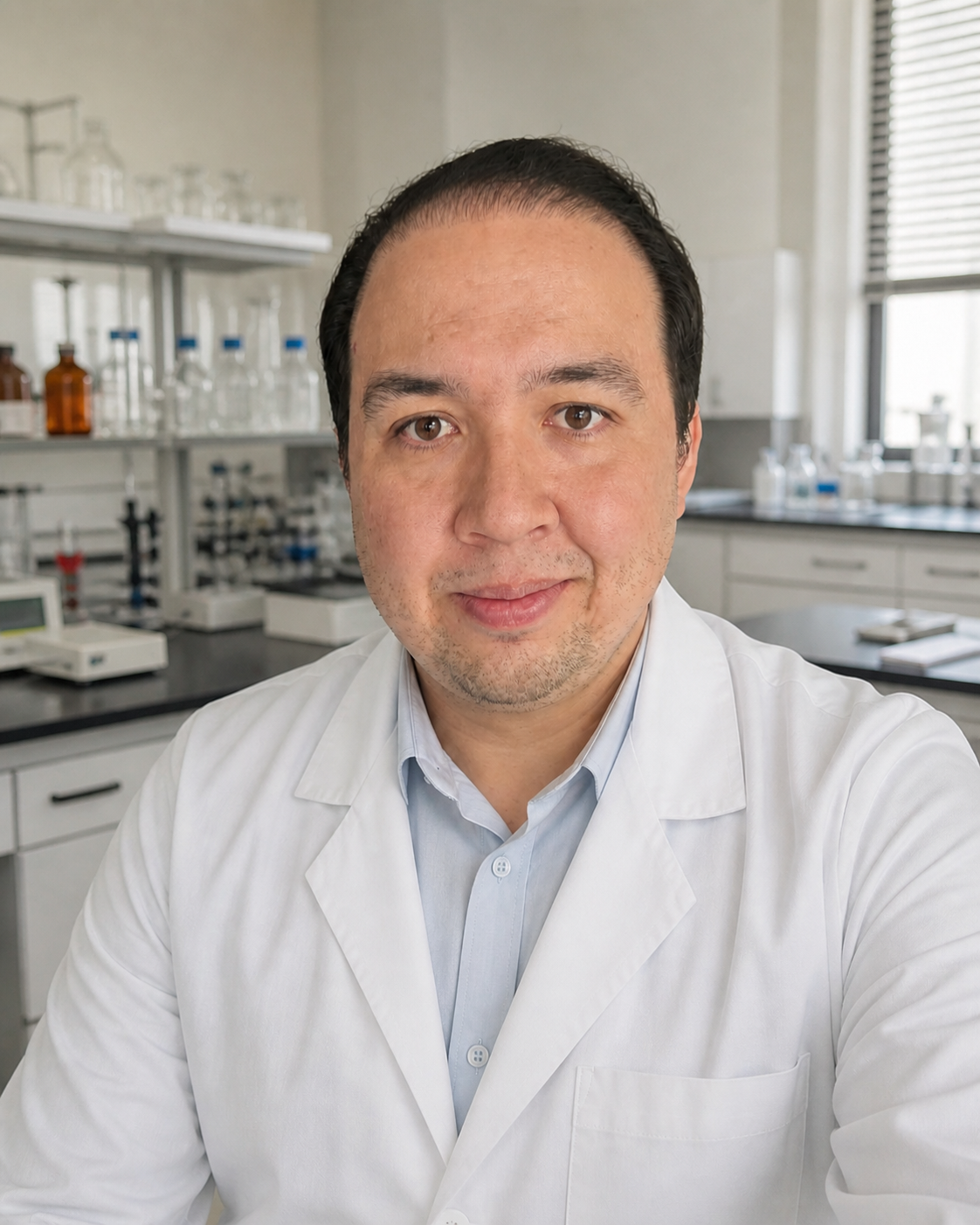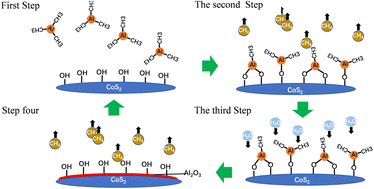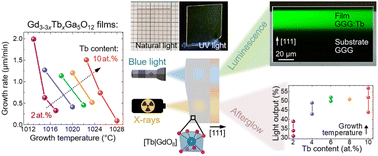
RSC Advances Emerging Investigators Series 2024 – Author Spotlight – Daniel Heredia

We are delighted to present the 2024 edition of the RSC Advances Emerging Investigators series! Following the success of our 2023 edition, we are excited to continue highlighting the chemistry research being conducted by some of the leading investigators in our community.

This year’s Series Editors were Professor Shirley Nakagaki (Federal University of Paraná, Brazil) and Professor Fabienne Dumoulin (Acıbadem Mehmet Ali Aydınlar Universit, Türkiye). Nine articles were selected to support emerging researchers who are already making strides in their respective fields of research, both nationally and internationally. This series focused on interesting studies showcasing researchers’ efforts to obtain information that could potentially address the United Nations Sustainable Development Goals (UN SDGs). Here we showcase publications that present an advance in chemistry and support societal efforts for sustainable development. Read all about the collection in this accompanying Editorial

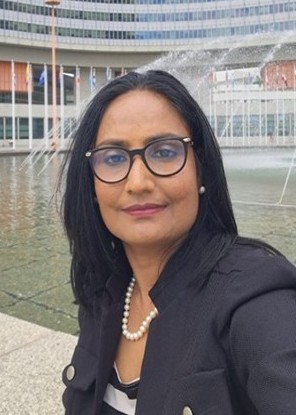
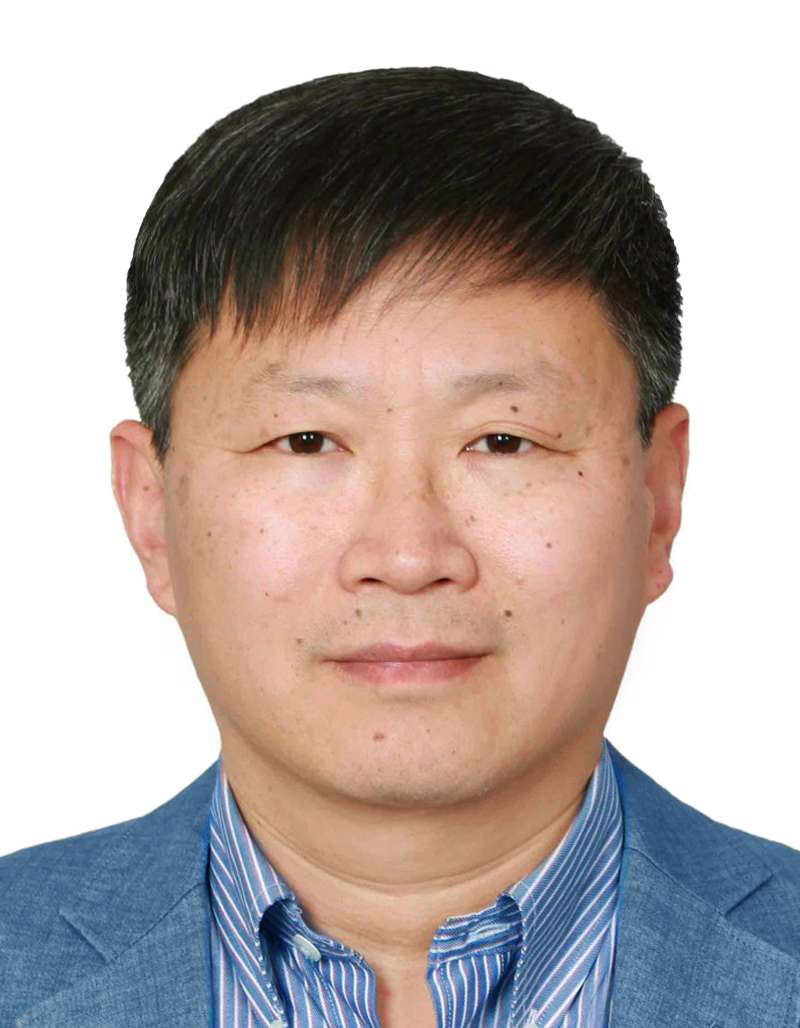
We would like to take this opportunity to highlight an author from the series, Daniel Heredia. We interviewed Daniel about his work.

Daniel Heredia

Could you briefly explain the focus of your article to the non-specialist (in one or two sentences only) and why it is of current interest?

We developed a new perfluorinated porphyrin-PEDOT conjugated polymer obtained through electrochemical polymerization, designed to act as an active material for energy storage devices. Its simplicity, stability, and ambipolar redox behavior make it a promising candidate for next-generation sustainable and active material in the development of supercapacitor energy storage devices.
This research is of current interest because the growing global energy demand and the challenges associated with climate change make it essential not only to develop renewable energy sources but also to design efficient systems for energy storage.

How big an impact could your results potentially have?

Our approach demonstrates that stable, multifunctional conjugated polymers can be synthesized through a simple and scalable electrochemical route, potentially impacting the design of flexible, durable materials for supercapacitors and other energy-related technologies.

Could you explain the motivation behind this study?

It is similar to the response in question one (why it is of current interest?). We aimed to bridge the gap between complex synthetic procedures and practical applicability in functional materials. By designing a porphyrin monomer with electropolymerizable EDOT units, we sought to obtain a high-performance material through an efficient and environmentally friendly process.

In your opinion, what are the key design considerations for your study?

In our study, one of the key design considerations was to develop a simple, high-yielding, and scalable synthetic route. We proposed a two-step synthesis that allows the efficient preparation of the monomer, facilitating its future translation from laboratory research to potential large-scale or industrial applications. This straightforward approach not only reduces synthetic complexity and cost but also enhances reproducibility, which is essential for the practical implementation of advanced materials. In addition, another key consideration was combining an electron-withdrawing perfluorinated porphyrin core with electroactive EDOT moieties to enable ambipolar behavior and stable electrodeposition. This molecular design ensured both photo- and chemical stability.

Which part of the work towards this paper proved to be most challenging?

There was no particularly challenging stage during the development of this work, as each member of the research team had solid experience in complementary areas such as organic synthesis, photochemistry, electrochemical deposition, impedance spectroscopy, and supercapacitor characterization. This multidisciplinary expertise allowed us to address every aspect of the study efficiently and to carry out the project smoothly from synthesis to supercapacitor evaluation.

What aspect of your work are you most excited about at the moment?

We are excited about the ambipolar nature and stability of these polymeric films, which opens the door to applications not only in supercapacitors but also in light-harvesting and optoelectronic devices.

How has your research evolved from your first article to this particular article?

Our research has evolved from studying isolated photoactive macrocycles to integrating them into functional polymeric systems.

What is the next step? What work is planned?

We plan to explore metal–corrole and porphyrin-based electropolymers to improve redox performance and extend their applications to self-sterilizing and photoresponsive coatings.

RSC Advances Royal Society of Chemistry

Submit to RSC Advances today! Check out our author guidelines for information on our article types or find out more about the advantages of publishing in a Royal Society of Chemistry journal.

Keep up to date with our latest Popular Advances, Reviews, Collections & more by following us on BlueSky. You can also keep informed by signing up to our E-Alerts.

Digg This
Reddit This
Stumble Now!
Share on Facebook
Bookmark this on Delicious
Share on LinkedIn
Bookmark this on Technorati
Post on Twitter
Google Buzz (aka. Google Reader)

RSC Advances Emerging Investigators Series 2024 – Author Spotlight – Valerio Fasano

We are delighted to present the 2024 edition of the RSC Advances Emerging Investigators series! Following the success of our 2023 edition, we are excited to continue highlighting the chemistry research being conducted by some of the leading investigators in our community.

This year’s Series Editors were Professor Shirley Nakagaki (Federal University of Paraná, Brazil) and Professor Fabienne Dumoulin (Acıbadem Mehmet Ali Aydınlar Universit, Türkiye). Nine articles were selected to support emerging researchers who are already making strides in their respective fields of research, both nationally and internationally. This series focused on interesting studies showcasing researchers’ efforts to obtain information that could potentially address the United Nations Sustainable Development Goals (UN SDGs). Here we showcase publications that present an advance in chemistry and support societal efforts for sustainable development. Read all about the collection in this accompanying Editorial

We would like to take this opportunity to highlight an author from the series, Valerio Fasano . We interviewed Valerio about his work.

Valerio Fasano 


First total synthesis of caerulomycin K: a case study on selective, multiple C–H functionalizations of pyridines

Alessandro Dimasi, Mattia Failla, Arianna Montoli, Andrea Citarella, Paolo Ronchi, Daniele Passarella and Valerio Fasano

RSC Adv., 2024,14, 5542-5546

Dr Valerio Fasano earned his B.Sc. from the University of Catania and M.Sc. from the University of Bologna (Italy). After a research visit to the University of Lund (Sweden), he completed his Ph.D. at the University of Manchester (UK) under Prof. Michael Ingleson. Supported by a Royal Society of Chemistry mobility grant, he joined Prof. Douglas Stephan at the University of Toronto (Canada). He then returned to the UK as a Doctoral Prize Fellow at the University of Bristol with Prof. Varinder Aggarwal. In 2023, he became a Tenure Track Assistant Professor at the University of Milan (Italy), where he was promoted to Associate Professor in 2026.

Could you briefly explain the focus of your article to the non-specialist and why it is of current interest?

We achieved the first total synthesis of caerulomycin K, a natural product isolated from marine-derived bacteria. This pyridine-based alkaloid is of interest due to its antimicrobial potential and relevance in natural product chemistry.

How big an impact could your results potentially have?

Although structurally simple, previous syntheses of similar molecules required numerous steps. Our new three-step route offers a rapid and efficient access to caerulomycin K, enabling the swift preparation of related analogues for biological evaluation.

Could you explain the motivation behind this study?

Our group focuses on the total synthesis of natural products and the functionalization of nitrogen-containing heterocycles. Caerulomycin K was an ideal target as it lies at the intersection of both research areas.

In your opinion, what are the key design considerations for your study?

From the outset, we aimed to synthesize caerulomycin K without relying on pre-functionalized intermediates, instead using selective C–H functionalization of N-heterocycles. Achieving this required testing several strategies before identifying the successful one.

Which part of the work towards this paper proved to be most challenging?

Our initial approach relied on a double functionalization of the pyridine ring, which could have allowed tunable derivatization. Despite promising attempts, this strategy ultimately proved unfeasible.

What aspect of your work are you most excited about at the moment?

Achieving a concise, three-step total synthesis of caerulomycin K is particularly exciting, as it opens the door to rapidly generating diverse analogues for further study.

How has your research evolved from your first article to this particular article?

While we continue to explore N-heterocycle functionalization, our research has expanded to include isotopic labelling and the study of boron-containing heterocycles.

What is the next step? What work is planned?

We are developing new methodologies for heterocycle functionalization, with a particular focus on integrating photocatalysis and automated synthesis technologies.

Why did you want to publish in RSC Advances?

The Royal Society of Chemistry is a long-standing and highly respected institution. RSC Advances offers excellent visibility and scientific credibility, making it an ideal platform for our work.

What are your thoughts on open access publishing?

I strongly support open access, as science should be freely accessible to all. My main concern, however, is the rise of predatory journals, which threaten the quality and integrity of scientific research.


RSC Advances Royal Society of Chemistry

Submit to RSC Advances today! Check out our author guidelines for information on our article types or find out more about the advantages of publishing in a Royal Society of Chemistry journal.

Keep up to date with our latest Popular Advances, Reviews, Collections & more by following us on BlueSky. You can also keep informed by signing up to our E-Alerts.

Digg This
Reddit This
Stumble Now!
Share on Facebook
Bookmark this on Delicious
Share on LinkedIn
Bookmark this on Technorati
Post on Twitter
Google Buzz (aka. Google Reader)

RSC Advances Emerging Investigators Series 2024 – Meet the Authors

We are delighted to present the 2024 edition of the RSC Advances Emerging Investigators series! Following the success of our 2023 edition, we are excited to continue highlighting the chemistry research being conducted by some of the leading investigators in our community.

This year’s Series Editors were Professor Shirley Nakagaki (Federal University of Paraná, Brazil) and Professor Fabienne Dumoulin (Acıbadem Mehmet Ali Aydınlar Universit, Türkiye). Nine articles were selected to support emerging researchers who are already making strides in their respective fields of research, both nationally and internationally. This series focused on interesting studies showcasing researchers’ efforts to obtain information that could potentially address the United Nations Sustainable Development Goals (UN SDGs). Here we showcase publications that present an advance in chemistry and support societal efforts for sustainable development. Read all about the collection in this accompanying Editorial

Ravi Kumar Pujala

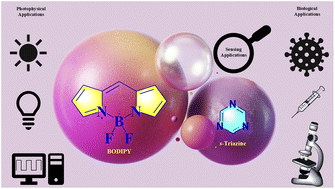
Rational design and investigation of nonlinear optical response properties of pyrrolopyrrole aza-BODIPY-based novel push–pull chromophores

Ravi Kumar Pujala is an Associate Professor in the Department of Physics at the Indian Institute of Science Education and Research (IISER) Tirupati, Andhra Pradesh, India. He was at Laboratoire de Physique des Solides (LPS) at the University of Paris-Saclay as a Visiting Professor during 2023. Before joining IISER Tirupati, he worked as DST INSPIRE Faculty at School of Physics, University of Hyderabad, India (2017-2018). He received his Masters in Physics (2008) and Ph.D. in 2014 from Jawaharlal Nehru University (JNU), New Delhi, on Dispersion Stability, Microstructure and Phase Transition of Anisotropic Nanodiscs. Subsequently, his post-doctoral stints were at (i) IESL/FORTH, Crete, Greece with Prof. George Petekidis’ Group he worked on shear-induced crystallization of colloidal hard sphere glasses and (ii) at Utrecht University, Netherlands, with Prof. Alfons van Blaaderen he investigated 3D model active particle systems. His research work involves both basic and applied outcomes of Soft Matter, in that his research group (i) studies the physics of soft matter of both passive and active systems and (ii) fabricates new mesostructured materials by self-assembly. His long-term goal is to develop new functional soft materials with reconfigurable structures at the nano and meso-scales. Ravi’s research accomplishments are well recognized through several awards including Springer Thesis International Award (2014), DST INSPIRE Faculty Award (2016) by Government of India, Marie Sklodowska-Curie Actions Seal of Excellence for “A High-Quality Project Proposal” by European Commission (2017), Visiting Professor/Researcher at University of Paris-Saclay supported by CNRS, France (2020 and 2023), and two Core Research Grants (CRG) of the SERB, India. He also serves as the Associate Guest Editor and Review Editor of the journal Frontiers in Soft Matter. He was also featured as a Soft Matter Emerging Investigator by Soft Matter, RSC.

Valerio Fasano 

First total synthesis of caerulomycin K: a case study on selective, multiple C–H functionalizations of pyridines

Dr Valerio Fasano earned his B.Sc. from the University of Catania and M.Sc. from the University of Bologna (Italy). After a research visit to the University of Lund (Sweden), he completed his Ph.D. at the University of Manchester (UK) under Prof. Michael Ingleson. Supported by a Royal Society of Chemistry mobility grant, he joined Prof. Douglas Stephan at the University of Toronto (Canada). He then returned to the UK as a Doctoral Prize Fellow at the University of Bristol with Prof. Varinder Aggarwal. In 2023, he became a Tenure Track Assistant Professor at the University of Milan (Italy), where he was promoted to Associate Professor in 2026.

Titel Jurca

Thermogravimetric analysis of commercial tungsten molecular precursors for vapor phase deposition processes

Titel received his BSc in 2008 from the University of Ottawa, where he worked with Deryn Fogg on metathesis catalysts. In the interim, he spent a summer in the lab of Doug Stephan at the University of Windsor working on FLP chemistry. He returned to the University of Ottawa to pursue a PhD in main group chemistry with Darrin Richeson. He followed this with a Marie Curie postdoctoral fellowship at the University of Bristol with Ian Manners on main group polymers and a second postdoctoral fellowship at Northwestern University with Tobin Marks on ALD precursors. In 2017 he began his independent career at UCF where his group works on molecular inorganic, materials, and catalysis chemistry.


Ramprasad Misra and Pralok K. Samanta

Rational design and investigation of nonlinear optical response properties of pyrrolopyrrole aza-BODIPY-based novel push–pull chromophores

Ramprasad Misra did his doctoral studies (2007-2012) in the Indian Association for the Cultivation of Science (IACS), Kolkata, India, where he worked on signatures of intramolecular charge transfer in several novel organic molecules. Thereafter, he took up different postdoctoral roles in the University of Pittsburgh (USA), IACS and Weizmann Institute of Science (Israel) before joining the current position as Research Associate in the Experimental Biophysics Group, Institute of Biology, Humboldt University of Berlin, Germany in August 2020. His broad areas of interest are in Biophysical Chemistry, Physical Organic Chemistry and Molecular Spectroscopy.

Pralok K. Samanta received his PhD from Jawaharlal Nehru Centre for Advanced Scientific Research, India in 2014. He was a postdoctoral fellow at King Abdullah University of Science and Technology, and at University College Dublin. Currently, Dr. Samanta is an Assistant Professor in the Department of Chemistry at BITS-Pilani, Hyderabad campus. He was an Assistant Professor at GITAM (Hyderabad campus) from 2020 to 2023. His research focusses mainly on the understanding of electronic, magnetic, transport and photophysical properties of organic and organic-inorganic hybrid molecules and materials via combination of quantum mechanical approaches and molecular dynamics simulations.


Looking forward: Emerging Investigator Series 2025!

We are pleased to announce that Shirley and Fabienne will continue as the Series Editors for the 2025 Emerging Investigator series. We can’t wait to see what the next early career investigators have been working on in Chemistry!

Authors can self-nominate for participation in the Emerging Investigators Series. Articles can be submitted to the series at any time and will be accepted and published throughout the year. If you would like to be involved in our upcoming series, please look at our webpage for more information or submit now!

For any questions do not hesitate to contact us at advances-rsc@rsc.org

RSC Advances Royal Society of Chemistry

Submit to RSC Advances today! Check out our author guidelines for information on our article types or find out more about the advantages of publishing in a Royal Society of Chemistry journal.

Keep up to date with our latest Popular Advances, Reviews, Collections & more by following us on BlueSky. You can also keep informed by signing up to our E-Alerts.

Thank you so much to the Series Editors, Associate Editors and to all our reviewers at RSC Advances for their ongoing support and contribution, helping us to bring together such a fantastic collection of articles.

Digg This
Reddit This
Stumble Now!
Share on Facebook
Bookmark this on Delicious
Share on LinkedIn
Bookmark this on Technorati
Post on Twitter
Google Buzz (aka. Google Reader)

RSC Advances Outstanding Student Paper Awards 2024 – Webinars

We are delighted to announce the winners of our 2024 Outstanding Student Paper Awards. We are celebrating this year’s winners with a series of webinars and encouraging submissions for 2025 and onwards!

The RSC Advances Outstanding Student Paper Awards recognise outstanding work published in the journal, for which a substantial component of the research was conducted by a student. For 2024 we received over 860 nominations, which were shortlisted, and the winning papers were then selected by our Editorial Board and Associate Editors.

You can view the winning contributions and hear more about the winners here:

Editorial                                                    Full Collection

Join us for our upcoming series of webinars, where the award winners will present an overview of their research.

Registration is free, so sign up now to support our winners and hear about the exciting research that helped them to win the award.

Outstanding Student Paper Award Webinars

Session 1: 27th November, 2025
9:00 UK time | 10:00 CET |
Session 2: 3rd December, 2025
9:00 UK time | 10:00 CET |
Biological and Medicinal Chemistry Morgane Baudoin, Université Grenoble Alpes, France Materials Chemistry Vaishali Rathi, University of Petroleum and Energy Studies UPES, India
Catalysis Anjana Rajeev, National Institute of Technology Calicut, India Organic Chemistry Mintu Munda, Indian Institute of Science Education and Research Bhopal, India
Energy Chemistry A M Mahmudul Hasan, University of Dhaka, Bangladesh Physical Chemistry Maria Bånkestad, Uppsala University, Sweden
[Registration link] [Registration link]
Session 3: 4th December, 2025
16:00 UK time | 17:00 CET | 10:00 CT |
 
   
Computational & Theoretical Chemistry Reza Ghanavati & Alma C. Escobosa, New Mexico State University, USA  
Inorganic Chemistry T. Harri Jones, University of New Brunswick, Canada  
Nanoscience Christina Wenck, Fraunhofer Institute for Microengineering and Microsystems IMM, Germany
Food Chemistry Nafisa Sadaf, University of Arkansas, USA 
[Registration link]

Apologies from the winners who are unable to attend: Analytical chemistry Zhaokang Zhang, Fuzhou University; Environmental chemistry Melanie Maddin, Trinity College Dublin.


Looking forward: RSC Advances Outstanding Student Paper Awards 2025 and onwards

We will continue to recognise outstanding student contributions and give out these awards each year. If you published a research article in 2025, or go on to publish with the journal in the future, and would like to recognise a significant contribution made by a student, we invite them to join us in future editions of this series. Please look at our webpage for more information or submit now!


Submit to RSC Advances today! Check out our author guidelines for information on our article types or find out more about the advantages of publishing in a Royal Society of Chemistry journal.

Keep up to date with our latest Popular Advances, Reviews, Collections & more by following us on BlueSky. You can also keep informed by signing up to our E-Alerts.

Digg This
Reddit This
Stumble Now!
Share on Facebook
Bookmark this on Delicious
Share on LinkedIn
Bookmark this on Technorati
Post on Twitter
Google Buzz (aka. Google Reader)

RSC Advances Outstanding Student Paper Awards 2024

We are delighted to announce the winners for the RSC Advances Outstanding Student Paper Awards 2024. RSC Advances presents an annual award series to recognise the hard work of students within the chemistry community.

All research articles published in RSC Advances in 2024 were considered. In order to be eligible for this award, the first author or co-first author must have been a student at the time of carrying out the research. From the support of corresponding authors, we received over 860 nominations highlighting the incredible talent and potential of emerging researchers in the field of chemistry. These awards continue to celebrate the exceptional work across a range of research fields and countries, reflecting the talent, diversity, and scientific curiosity that define the next generation of chemists.

The nominations were shortlisted based on several criteria, and the winning papers were then selected by our Editorial Board and Associate Editors.

Below, we highlight the winner of each subject category, and the research paper that won them the award. Please join us in congratulating all our winners for their exceptional achievement. We look forward to witnessing their continued growth and impact as they embark on a promising career in the field of chemistry.

Analytical chemistry

Zhaokang Zhang, Fuzhou University, China


Zhaokang is recognised for his outstanding contribution to the research presented in:

Portable glucose sensing analysis based on laser-induced graphene composite electrode

Zhaokang Zhang has a Master’s degree in materials and chemical engineering from Fuzhou University under the supervision of Professor Li Yanxia. His research focuses on enzyme electrochemical sensors, where he specializes in enhancing micro-sensing electrode performance through advanced materials engineering while capitalizing on enzymatic bioelectrocatalysis to develop next-generation flexible wearable biosensors.

Prior to his graduate studies, he earned a Bachelor’s degree in materials science from Hefei University of Technology in 2021. Building upon his expertise in polymer synthesis and nanomaterial fabrication, he is presently engaged in cutting-edge research dedicated to optimizing high-performance polyolefin production systems through catalytic process innovation and process intensification strategies.

Biological and Medicinal Chemistry

Morgane Baudoin, Université Grenoble Alpes, France


Morgane is recognised for her outstanding contribution to the research presented in:

To click or not to click for short pulse-labeling of the bacterial cell wall

Morgane Baudoin obtained an engineering degree in chemistry in 2017 from the Graduate School of Chemical, Materials and Industrial Engineering (ENSIACET) in Toulouse, France. After six months of experience as an intern at the pharmaceutical company Servier, where she worked on the synthesis of polymer–drug conjugates (PDC), she pursued a PhD in chemical biology at the Department of Molecular Pharmacochemistry (DPM) in Grenoble under the supervision of Dr Yung-Sing Wong and graduated in 2023. Through the design and synthesis of novel organic compounds, she explored the metabolic incorporation of teichoic acid and peptidoglycan precursors in the cell wall of Streptococcus pneumoniae for labelling and therapeutic purposes. This work led to the publication of 4 research papers in peer-reviewed international journals and several oral communications at national and international conferences. She is currently working as a postdoctoral researcher at Uppsala University in Sweden with Dr Luke Odell.

Catalysis

Anjana Rajeev, National Institute of Technology Calicut, India


Anjana is recognised for her outstanding contribution to the research presented in:

Selective synthesis of cyclic alcohols from cycloalkanes using nickel(II) complexes of tetradentate amidate ligands

Anjana Rajeev K obtained her Master’s degree in applied chemistry from the University of Calicut. She then pursued her PhD at the National Institute of Technology Calicut, India, under the supervision of Dr Muniyandi Sankaralingam, and was awarded her degree in April 2025. Her doctoral research focused on the synthesis and characterization of diverse molecular nickel(II) complexes and their catalytic applications in the oxidation of unactivated C–H bonds in substrates such as cycloalkanes and benzene derivatives. Her broader research interests include the generation, trapping, and reactivity studies of first-row transition metal–oxygen species.

Computational & Theoretical Chemistry


Reza Ghanavati & Alma C. Escobosa, New Mexico State University, USA


Reza & Alma are recognised for their outstanding contribution to the research presented in:

An automated protocol to construct flexibility parameters for classical forcefields: applications to metal–organic frameworks

Reza Ghanavati is a fifth-year PhD student in chemical and materials engineering at New Mexico State University, where he conducts research under the mentorship of Dr Thomas A. Manz. His doctoral work focuses on developing automated methodologies for polarizable, flexible forcefields to study gas separations in metal–organic frameworks (MOFs), targeting hydrogen purification in solar water-splitting applications. He earned his Bachelor’s degree in Chemical Engineering from Amirkabir University of Technology and a Master’s degree in chemical engineering from Sharif University of Technology, specializing in simulation and control. Beyond his academic research, Reza has applied machine-learning algorithms and developed interactive R Shiny applications to advance pharmacometrics modelling, enhancing predictions of pharmacokinetics and pharmacodynamics (PK/PD) parameters. He has also gained industry experience through internships at leading pharmaceutical companies, including GSK, Bristol Myers Squibb, and Johnson & Johnson.

Alma C. Escobosa earned her Bachelor’s degree in chemistry from the University of Texas at El Paso in 2018. She then continued to pursue her PhD in chemical engineering at New Mexico State University, completing it in 2024. Her doctoral research, conducted under the supervision of Dr Thomas Manz, focused on developing interatomic potentials (forcefields) for metal–organic frameworks (MOFs) to allow prediction of helium separation performance from natural gas. Her dissertation presents a roadmap for constructing, validating, and applying forcefields to use in atomistic simulations. Along the way, she was a recipient of the Frontera Computational Science Fellowship and the CONACYT fellowship, both of which she is grateful for.

Energy Chemistry

A M Mahmudul Hasan, University of Dhaka, Bangladesh


Mahmudul is recognised for his outstanding contribution to the research presented in:

Synergism in carbon nanotubes and carbon-dots: counter electrode of a high-performance dye-sensitized solar cell

A M Mahmudul Hasan completed his BSc in chemistry (2021) and MSc in physical chemistry (2022) at the University of Dhaka, Bangladesh, where he conducted research in the Materials Chemistry Research Laboratory (MCRL) under the supervision of Prof. Md. Abu Bin Hasan Susan. Mahmudul’s research centres on the design and synthesis of π-conjugated, structurally ordered electronic materials with high electrical conductivity that are cost-effective and readily processable for next-generation energy technologies. Motivated by the urgent need for environmentally sustainable energy solutions, his Master’s research focused on developing composite carbon materials as counter electrodes to enhance the performance of dye-sensitized solar cells. This research led to fellowship awards from the Bangladesh National Institute of Science and Technology (NIST) and the Semiconductor Research Institute at the University of Dhaka. Mahmudul is currently pursuing a PhD in physical chemistry at the University of Florida, USA, where his work expands to the development of advanced organic polymer-based electronic materials. His doctoral research has been recognized with the Louise and V.T. Jackson Summer Fellowship and the Martin T. Vala Award for Research Excellence in Physical Chemistry. Mahmudul remains dedicated to advancing his research toward the development of novel, scalable, and economically viable materials that facilitate the transition to renewable energy technologies.

Environmental Chemistry


Melanie Maddin, Trinity College Dublin, Ireland


Melanie is recognised for her outstanding contribution to the research presented in:

Transient crystallisation of rare earth carbonates during the hydrothermal oxidation of siderite

Melanie Maddin is a geochemist with a BSc in Earth science and a PhD in geochemistry from Trinity College Dublin. Her doctoral research explored how rare-earth elements are taken up and fractionated in carbonates, iron carbonates, and iron phosphates. She now works as a laboratory technician and research fellow in the Earth Surface Research Laboratory at Trinity College Dublin, where she supports and develops cutting-edge geochemical research. Her upcoming project will investigate carbon, nutrient, and trace-element dynamics in the coastal systems of North County Dublin, with the aim of advancing our understanding of how these environments respond to environmental change.

Inorganic Chemistry

T. Harri Jones, University of New Brunswick, Canada


Harri is recognised for his outstanding contribution to the research presented in:

Colour tuneability of heteroleptic iridium complexes through second-sphere coordination

Trystan Harri Jones obtained his MChem from the University of Edinburgh, Scotland in 2021. His Master’s thesis work was on the synthesis of amide-directed boron-doped polyaromatic hydrocarbons under the supervision of Prof. Michael Ingleson. He then went on to earn his PhD at the University of New Brunswick, Canada, in 2025 with the guidance of Prof. Barry Blight. His doctoral research centred on a large library of cyclometalated iridium complexes with tuneable optoelectronic properties that had potential applications from photocatalysts to emitters. The tuneable nature of these iridium complexes relied on complementary hydrogen-bonding arrays built into complexes which facilitate a change in emission in the presence of complementary H-bonding compounds.

During his PhD, Harri published multiple research papers in peer-reviewed journals, presented at several conferences (notably winning a poster prize at CANUK 2025), worked as a finalist judge for the Canada wide science fair, and delivered lectures in organic chemistry. Harri has accepted a post-doctoral research position with Prof. Catherine Aitchison at Linköping University, Sweden, in the laboratory of organic electronics.

Materials Chemistry

Vaishali Rathi, University of Petroleum and Energy Studies UPES, India


Vaishali is recognised for her outstanding contribution to the research presented in:

Improved thermoelectric performance of PEDOT:PSS/Bi2Te3/reduced graphene oxide ternary composite films for energy harvesting applications

Dr Vaishali Rathi is an INSPIRE Fellowship awardee with a strong academic and research background in materials science and nanotechnology. She completed her BSc (CBZ) from HNB Garhwal University, Srinagar, in 2015, followed by an MSc in organic chemistry from the same university in 2017, graduating with a Gold Medal for securing first rank.

She earned her PhD in materials science from the University of Petroleum and Energy Studies (UPES), Dehradun, in May 2025, under the supervision of Prof. Ashish Kumar and Prof. Ranjeet Kumar Brajpuriya. Her doctoral research focused on the design, synthesis, and multi-scale characterization of organic–inorganic hybrid composites for thermoelectric energy harvesting. She developed strategies to enhance the performance of graphene-based ternary composites with conducting polymers (PEDOT:PSS, PANI) and Bi2Te3, achieving improvements in electrical conductivity, Seebeck coefficient, and power factor.

Currently, Vaishali is a scientist at The Advance Carbon Company (TACC) Ltd., Madhya Pradesh, leading R&D on graphene materials for applications in concrete, textiles, and coatings. Outside research, she enjoys travelling and playing badminton.

Nanoscience

Christina Wenck, Fraunhofer Institute for Microengineering and Microsystems IMM, Germany


Christina is recognised for her outstanding contribution to the research presented in:

Design and characterisation of casein coated and drug loaded magnetic nanoparticles for theranostic applications

Christina Wenck joined the Fraunhofer Institute for Microengineering and Microsystems (IMM) in Mainz, Germany, as a doctoral student in 2023, in the Nanomedicine group led by Dr Regina Bleul. Her research focuses on synthesizing magnetic nanoparticles using a continuous-flow micromixer setup, online analytics for real-time characterization, and developing magnetic nanoparticle systems for theranostic applications.

Christina holds Bachelor’s and Master’s degrees in nanotechnology from Leibniz University Hannover. After completing her Master’s degree in 2022, she worked in the Biophotonics group of Prof. Dr Heisterkamp at the Institute for Quantum Optics, Leibniz University Hannover. During this period, and while working on her Master’s thesis, her research focused on colorimetric detection of oral bacteria using functionalized gold nanoparticles as a plasmonic biosensor array, which was published in 2024 (https://doi.org/10.1039/D3NA00477E).

Organic Chemistry

Mintu Munda, Indian Institute of Science Education and Research Bhopal, India


Mintu is recognised for his outstanding contribution to the research presented in:

Total synthesis of naturally occurring abietane diterpenoids via a late-stage Fe(iii)-bTAML catalysed Csp3–H functionalization

Dr Mintu Munda, born in Kolkata, India, obtained his BSc (Hons.) in chemistry from Chakdaha College, affiliated to the University of Kalyani, in 2016. He then pursued an MSc in chemistry at the Indian Institute of Technology, Kharagpur. In 2018, Dr Munda joined the Indian Institute of Science Education and Research (IISER) Bhopal for his doctoral studies under the guidance of Prof. Alakesh Bisai, with Prof. Aasheesh Srivastava as co-supervisor. His PhD research focused on the total syntheses of indolosesquiterpene alkaloids, including xiamycins A and C–F, advancing synthetic strategies for biologically important natural products.

Following his PhD, Mintu joined the Department of Medicinal Chemistry at the University of Kansas, United States, in 2024 as a postdoctoral researcher in the group of Prof. Shyam Sathyamoorthi. His research focused on the development of catalytic asymmetric methods for the synthesis of β-amino acids and their application to biologically active frameworks.

In the same year, Mintu was awarded the prestigious Marie Skłodowska-Curie Postdoctoral Fellowship. He subsequently moved to the United Kingdom to join Queen Mary University of London (QMUL) as an MSCA postdoctoral researcher in the group of Dr Stellios Arseniyadis, where his current work explores biohybrid N-heterocyclic carbene (NHC) catalysis at the interface of synthetic methodology and chemical biology.

Physical Chemistry

Maria Bånkestad, Uppsala University, Sweden


Maria is recognised for her outstanding contribution to the research presented in:

Carbohydrate NMR chemical shift prediction by GeqShift employing E(3) equivariant graph neural networks

Maria Bånkestad defended her PhD in Machine Learning for Scientific Applications at Uppsala University in February 2025, with the dissertation Structured models for scientific machine learning: From graphs to kernels. Her doctoral work combined methods from graph neural networks and kernel approaches to tackle problems in the physical sciences, and her final paper was Carbohydrate NMR chemical shift prediction by GeqShift employing E(3) equivariant graph neural networks. Maria is currently a researcher at RISE Research Institutes of Sweden, where she applies machine learning to materials science and related fields.

Food Chemistry

Nafisa Sadaf, University of Arkansas, USA


Nafisa is recognised for her outstanding contribution to the research presented in:

Effect of a novel drying method based on supercritical carbon dioxide on the physicochemical properties of sorghum proteins

Nafisa Sadaf is a PhD student in food science at Florida State University under the supervision of Dr Leqi Cui. Her doctoral research focuses on enhancing the functionalities of plant proteins and evaluating their impact on the gut microbiome. She earned her MSc in food science at the University of Arkansas, working with Dr Ali Ubeyitogullari on improving sorghum protein properties using supercritical carbon dioxide (SC-CO2). Her thesis compared the physicochemical characteristics of SC-CO2-dried and freeze-dried sorghum proteins, providing novel insights into sustainable protein processing. Nafisa has published three peer-reviewed research papers and one conference proceeding. She was recognized as a finalist in the Protein and Co-Products Division Poster Competition at the AOCS Annual Meeting and Expo (2024). She completed her BSc in food engineering at Shahjalal University of Science and Technology, Bangladesh, where her undergraduate thesis explored edible coating development using ascorbic acid and aloe vera gel to extend fruit shelf life. Across her academic journey, Nafisa has consistently demonstrated a commitment to rigorous, application-oriented food science that advances sustainable protein systems and supports future innovations in nutrition and health.


Please join us in congratulating all of our winners for their exceptional achievement. We extend our sincere gratitude to all the authors for their contributions, as well as to the editors and referees for their collaboration, which has resulted in this high-quality series.

We will continue to recognise outstanding student contributions and plan to give out these awards each year. If you published a research article in 2025, or go on to publish with the journal in the future, and would like to recognise a significant contribution made by a student, we invite them to join us in future editions of this series. Please email advances-rsc@rsc.org for more information.


Submit to RSC Advances today! Check out our author guidelines for information on our article types or find out more about the advantages of publishing in a Royal Society of Chemistry journal.

Keep up to date with our latest Popular Advances, Reviews, Collections & more by following us on BlueSky. You can also keep informed by signing up to our E-Alerts.

Digg This
Reddit This
Stumble Now!
Share on Facebook
Bookmark this on Delicious
Share on LinkedIn
Bookmark this on Technorati
Post on Twitter
Google Buzz (aka. Google Reader)

Meet Sol Carretero Palacios: New Principal Investigator

We are delighted to introduce the next contribution to our New Principal Investigators collection.

Read the paper

Plasmonic nanoparticles boost low-current perovskite LEDs governed by photon recycling effects

Jaime Bueno, Alberto Jiménez-Solano, Miguel Anaya and Sol Carretero-Palacios

Graphical abstract: Plasmonic nanoparticles boost low-current perovskite LEDs governed by photon recycling effects

This work demonstrates how embedding plasmonic nanoparticles in perovskite LEDs boosts emission efficiency, achieving up to a four-fold enhancement in external quantum efficiency at ultra-low injection currents. These advances are enabled by a rigorous three-dimensional theoretical model that, for the first time, accounts for photon recycling when photonic nanostructures are incorporated, opening new design pathways for next-generation energy-efficient light sources.

Meet the Principal Investigator

Since September 2023, Sol has been a Tenured Scientist at the Instituto de Ciencia de Materiales de Madrid (ICMM-CSIC), where she leads the theoretical branch of her research group. Her work focuses on modeling light–matter interactions at the nanoscale, with applications in optoelectronic devices, nanostructured materials, sustainable technologies, and Casimir forces in optical systems. As Principal Investigator, she has secured several national projects in Spain as well as international funding through a MSCA Doctoral Network. She earned her PhD in Physics from the University of Zaragoza, including a research stay at the Australian National University, and carried out postdoctoral research at LMU Munich, the Institute of Materials Science of Seville, and the Universidad Autónoma de Madrid, supported by prestigious fellowships such as the Alexander von Humboldt and Juan de la Cierva. In recognition of her mentoring, she received the 2024 Best Early-Career PhD Supervisor Award from CSIC, and she remains actively involved in initiatives that promote inclusivity in science.


You’ve recently started your own group, what are the big research question/s your group will be focussing on?

Rather than pursuing a single “big question,” my group is dedicated to uncovering connections across different topics where knowledge from one field can unlock progress in another. For example, we apply our expertise in optical materials not only to optoelectronic devices such as detectors, LEDs, and solar cells, but also to unconventional challenges such as mitigating ice and snow loss in glaciers, exploring mechanisms for ocean preservation on icy worlds, and potentially using photonic structures for exoplanet detection. This diversity reflects my own constant curiosity for understanding different problems, and we address them by combining rigorous theoretical formalisms with emerging tools from artificial intelligence, aiming to advance areas where conventional approaches have reached their limits.

What inspired you to get into science?

Since childhood, I have been driven by curiosity and a need to ask “why,” across many different subjects. At the same time, I wanted to dedicate myself to something that could benefit others. For me, science, particularly in academia, embodies that balance of curiosity and altruism, an honest pursuit of knowledge that aligns with who I am and the values I want to bring to my work.

What advice would you give to those who are seeking their first group leader position?

My advice is to focus on working in an area you are genuinely passionate about, and to find a team and environment where people inspire and support one another. In a kind and encouraging atmosphere, ideas emerge more naturally, motivation stays high, and it is easier to achieve ambitious goals. Finding the right place to grow and develop is crucial: when passion and effort are nurtured in such conditions, success and recognition will follow naturally.

Digg This
Reddit This
Stumble Now!
Share on Facebook
Bookmark this on Delicious
Share on LinkedIn
Bookmark this on Technorati
Post on Twitter
Google Buzz (aka. Google Reader)

RSC Advances Science Communications – Enhanced Peroxidase-like Copper-Poly(tannic acid) Nanozyme for Antioxidant Sensing

By Anna Anandita.

Evaluating total antioxidant capacity in food samples is essential for determining the antioxidant levels and managing oxidative stress-related health risks such as cardiovascular diseases, cancer, neurodegenerative diseases, diabetes, and inflammatory conditions. However, the current methods need complex equipment and procedures. Therefore, a simple, rapid and accurate method for detection is crucial. Work by Chen and co-workers addresses the same by introducing a copper-poly(tannic acid) (Cu-PTA) coordination polymer nanozyme synthesised through a formaldehyde-mediated sol–gel chemistry route that exhibits enhanced peroxidase-like catalytic activity, for sensitive and rapid colorimetric detection of total antioxidant capacity (TAC) in food samples such as fruit juices. The copper ions (Cu2+) coordinate with long-chain poly(tannic acid) molecules, yielding a three-dimensional network structure with substantial phenolic hydroxyl groups providing active sites for catalytic function. This structure creates a stable nanozyme with excellent water dispersibility and surface area. The nanozyme catalyses the oxidation of the chromogenic substrate 3,3’,5,5’-tetramethylbenzidine (TMB) which produces a strong visible blue colour change into oxidised form (oxTMB) in the presence of hydrogen peroxide (H2O2) which allows easy and colorimetric detection of enzyme activity. The introduction of antioxidants such as ascorbic acid inhibits this oxidation reaction by consuming reactive oxygen species generated in the catalytic cycle, thereby decreasing the colour intensity. The result is a fast, visually perceptible colorimetric assay where the blue colour intensity correlates inversely with antioxidant concentration. Using smartphone images analysed via red-green-blue (RGB) colour models, the assay enables on-site, simple TAC evaluation without bulky spectrophotometers. Further, the nanozyme follows Michaelis–Menten enzyme kinetics with higher affinities for TMB and H2O2 substrates compared to many natural peroxidases with improved catalytic performance.

Nanozymes like Cu-PTA overcome challenges like enzyme instability, high costs, and complex storage requirements that are usually seen with natural enzymes. This enhanced catalytic performance of nanomaterials with smartphone-based colorimetric detection adds to the emerging focus on the development of multiplexed and portable platforms for various applications such as disease diagnostics, nutritional monitoring, and pollution assessment. This comprehensive presentation of nanozyme kinetics and stability could aid with the development of portable sensor surface designs, integrating increased shelf-life of the sensors, enhanced signal amplification, and improved assay robustness. Additionally, the portable nature of the RGB-based readout resonates with integrating optics and image analysis into biomedical devices for real-time, quantitative health monitoring.

Read the article published in RSC Advances:

Enhanced peroxidase-like nanozyme: copper-poly(tannic acid) for advanced colorimetric assay of total antioxidant capacity

Yan Chen, Zhaohui Zhang, Yifan Ouyang, Aikebaier Reheman and Bei Jiang

RSC Adv., 2025,15, 11401-11408

About the Web Writer

Biography


Anna Anandita is a PhD candidate in Chemical Engineering at the Indian Institute of Technology, Jammu, India, specialising in nanozyme-enhanced smartphone-assisted microfluidics and biosensor development for healthcare applications. She completed her MTech and BTech degrees in Chemical Engineering, focusing on sensor design, environmental monitoring, and fluid transport phenomena. Anna collaborates on interdisciplinary projects integrating nanomaterial development, data science, machine learning, and transport modelling to develop innovative diagnostic devices. She is actively engaged in science communication, community outreach, and capacity-building initiatives to promote health equity and disaster resilience. You can connect with Anna through LinkedIn and social media platforms @thedumbbanshee.


Submit to RSC Advances today! Check out our author guidelines for information on our article types or find out more about the advantages of publishing in a Royal Society of Chemistry journal.

Keep up to date with our latest Popular Advances, Reviews, Collections & more by following us on BlueSky. You can also keep informed by signing up to our E-Alerts.

Digg This
Reddit This
Stumble Now!
Share on Facebook
Bookmark this on Delicious
Share on LinkedIn
Bookmark this on Technorati
Post on Twitter
Google Buzz (aka. Google Reader)

Submit your nanocatalysis research to our new themed collection

RSC Advances is excited to launch a themed collection entitled “Nanocatalysis”, which is Guest Edited by Professor Anil Banerjee (University of Connecticut), Professor Steven Suib (University of Connecticut) and Professor Koustuv Ray (Indian Institute of Technology Kharagpur)

Nanocatalysis represents an exciting subfield in nanoscience and nanotechnology which involves the use of nanomaterials in the research fields in physics, chemistry, biology, medicine and particularly catalysis. They are defined as substances in the shape of spherical dots, rods, thin plates, or any irregular shape with a cross section of less than 100 nm. Even subnano-sized materials (nanoclusters, diatoms, single atoms) are preferably used as catalysts for a wide variety of homogeneous and heterogeneous catalytic reactions. Along with significant advances in nanomaterial design and synthesis assisted by machine learning, in-situ/ex-situ characterization techniques, and computational chemistry, the past several decades have witnessed a flood of research activities in this rapidly evolving area with most of the studies focusing on the effects of size, shape, chemical composition and morphology on catalytic properties and performance.


Nanocatalysts can potentially bridge the gap between homogeneous and heterogeneous catalysts, and offer better promise for activity, selectivity, stability, efficiency, atom economy and reusability. By controlling the size, shape, spatial distribution, surface composition, and electronic structures, the properties of nanocatalysts could be tweaked for new applications in chemical reactions. Interestingly, nanocatalysts have a wide range of applications including environmental and automobile pollution control, renewable energy, alternative fuels, polymerization, and design of novel catalytic processes and reactions. The types of nanocatalysts include carbon nano tubes, nanowires, nano composites, nano porous materials, low-dimensional materials (including 2D materials) monometallic, bimetallic and oxide nano catalysts. Broadly, the three classes of reaction domains namely thermal catalysis, electrocatalysis and photocatalysis, are going to be highlighted to showcase research directions towards environmental and energy related challenges.


This special themed collection aims to provide a platform to showcase the recent progress and challenges in the field of nanocatalysis. The way forward and novel techniques to overcome activity-stability and activity–selectivity trade-off are provisioned to broaden the scope.


We invite submissions that contribute to the advancement of knowledge in the broad field of nanocatalysis, with particular emphasis on the following broad topics. To keep the focus on nanocatalysis, research articles without application to nanocatalytic reactions will not be considered for this themed collection.


•           Synthesis, characterization and reactions in thermal catalysis, photocatalysis, electrocatalysis

•           Automotive and air pollution nanocatalysis

•           Structure-activity relations, confinement effects, dynamic evolution of active sites

•           Mechanism and catalytic cycles of nanocatalysts

•           Theoretical modelling (First-principles based DFT calculations, catalyst screening and exploring new and alternative catalysts by the use of machine learning) on nanocatalysis

•           Process and product development involving nanocatalysts


RSC Advances is a gold Open Access journal publishing high-quality research on all aspects of chemistry. Both papers and review articles are welcome. More information on the article types can be found on the journal web page.


The deadline for manuscript submission is 31 March 2026.


All manuscripts will be subject to the journal’s usual peer review process. Accepted manuscripts will be published in a regular issue of the journal as soon as possible and then added to the themed collection on the journal webpage.


RSC Advances’ article processing charge (APC) is among the lowest in chemistry and waivers are also available for authors who meet the eligibility criteria outlined here.


In order to view any deals that your institute may have in place with the Royal Society of Chemistry for Open Access publishing, or to discover any discounts that you may be entitled to, authors are encouraged to use our Journal Finder tool.


Did you know?


At RSC Advances, our themed collections are built in collaboration between our Guest Editors and expert Associate Editors. Our Guest Editors guide the scope and curate the contributions in our collections but all submissions are handled through peer review by our team of resident Associate Editors. This means that as an author you receive a consistent experience, and as a reader you can trust the quality of the science being presented.


Digg This
Reddit This
Stumble Now!
Share on Facebook
Bookmark this on Delicious
Share on LinkedIn
Bookmark this on Technorati
Post on Twitter
Google Buzz (aka. Google Reader)

Meet Diego Alzate-Sanchez: New Principal Investigator

We are delighted to introduce the next contribution to our New Principal Investigators collection.

Read the paper

Fabrication of hydroxylated norbornene foams via frontal polymerization for catalytic applications

Andrew Vogler, Tina Dinh, Hanlin M. Wang, Ghaida Aldhahri, Arfa Abrar Malik and Diego Alzate-Sanchez

Watch the summary on YouTube

https://youtu.be/cKlQN3Q96I8?si=UR3NKgjGj0fSRkB1

Meet the Principal Investigator

08/23/23 – BOSTON, MA. – Diego Alzate-Sanchez, College of Science, poses for a headshot in Blackman Auditorium on campus at Northeastern University on Wednesday August 23, 2023. Photo by Adam Glanzman for Northeastern University


Diego was born and raised in Bogotá/Colombia. He completed his undergraduate studies at the National University of Colombia. After graduation, He worked with Professor Cesar Sierra as a Master student in the same institution. Then, He moved to Manizales/Colombia, where he worked as a volcanologist. He moved to the USA and finished his graduate studies at Northwestern University, working with Professor William Dichtel. Then, he completed postdoctoral training at the University of Illinois, Urbana-Champaign in the group of Professor Jeffrey Moore. Currently, Diego is an assistant professor in the department of Chemistry and Chemical Biology at Northeastern University. Diego is an enthusiastic scientist working in polymer sustainability and a member of the DMAS lab, where they are interested in finding alternative techniques to manufacture materials in a more sustainable fashion. They work at the interface of polymer chemistry and materials science, developing cutting edge technologies based on macromolecules.


You’ve recently started your own group, what are the big research question/s your group will be focussing on?

One of the central research questions guiding my new group is: Can we design polymeric materials in a way that mimics nature’s ability to eliminate waste entirely? I’m deeply interested in demonstrating that human systems—particularly those built on synthetic polymers—can achieve true sustainability by embracing circularity. Nature offers a powerful blueprint: everything is reused, repurposed, and regenerated in closed loops. In contrast, many of our synthetic systems rely on linear lifecycles that generate persistent waste.
Our approach to this grand challenge is grounded in polymer chemistry. We focus on developing materials and processes that enable complete circularity—whether through chemical recycling, dynamic covalent networks, bio-based monomers, or systems that degrade predictably under specific conditions. The overarching goal is to prove, through both fundamental and applied work, that it is possible to make polymers that support human needs without compromising planetary health.

What inspired you to get into science?

I’ve always been a curious person, and that curiosity naturally drew me to science. In middle school, I joined a few science clubs where I discovered how much I enjoyed doing experiments and understanding why things happened the way they did. That hands-on experience made science feel both exciting and accessible. In high school, my chemistry teacher recognized that I wasn’t just curious—I was also dedicated and organized. She encouraged me to pursue chemistry, seeing potential in me that I hadn’t fully realized yet. Her support and belief in me played a pivotal role in my decision to become a chemist, and it’s a path I’ve thoroughly enjoyed ever since.

What advice would you give to those who are seeking their first group leader position?

I want to start by acknowledging that everyone’s path is different, and advice that works for one person may not apply to another. That said, one piece of guidance I feel strongly about is: be truthful to yourself. Know what truly excites and motivates you, and try to build your path in that direction. Don’t shape your goals or take on roles just because they seem like the “right” steps toward a group leader position—especially if they don’t align with your interests or values. The energy and authenticity you bring to your work are incredibly important, and they’re only sustainable if you’re doing something you genuinely care about.

Digg This
Reddit This
Stumble Now!
Share on Facebook
Bookmark this on Delicious
Share on LinkedIn
Bookmark this on Technorati
Post on Twitter
Google Buzz (aka. Google Reader)

Themed Collection – 2D materials and their applications

RSC Advances is delighted to present a themed collection on 2D materials and their applications. 

This themed collection collects and compiles research articles and reviews focused on characterising the structural and physiochemical properties of 2D materials. The collection aims to investigate the applications of 2D materials in various fields of fundamental and applied research, with an emphasis on the development of new 2D nanomaterials.

This collection is Guest Edited by Andreas Rosenkranz (University of Chile, Chile), Massimiliano Papi (Catholic University of the Sacred Heart, Italy), Jastrzębska Agnieszka (Warsaw University of Technology, Poland) and Diana Berman (University of North Texas, United States of America),

A selection of articles have been highlighted below, and you can view the full collection here.

Carbon-based nanocomposites for biomedical applications
Minkyu Shin, Joungpyo Lim, Yongseon Park, Ji-Young Lee, Jinho Yoon and Jeong-Woo Choi
RSC Adv., 2024,14, 7142-7156

Graphene-like emerging 2D materials: recent progress, challenges and future outlook
Md. Mohi Uddin, Mohammad Humaun Kabir, Md. Ashraf Ali, Md. Mukter Hossain, Mayeen Uddin Khandaker, Sumit Mandal, A. Arifutzzamane and Debnarayan Jana
RSC Adv., 2023,13, 33336-33375

Fabrication of a free-standing Ti3C2Tx-PTh counter electrode via interfacial polymerization for dye-sensitized solar cells
Suruthi Priya Nagalingam, Saravanan Pandiaraj, Khalid E. Alzahrani, Abdullah. N. Alodhay and Andrews Nirmala Grace
RSC Adv., 2024,14, 24000-24009

Water adsorption on MoS2 under realistic atmosphere conditions and impacts on tribology
N. Scott Bobbitt, John F. Curry, Tomas F. Babuska and Michael Chandross
RSC Adv., 2024,14, 4717-4729

View the full collection here

We welcome you to contribute to this collection. Please contact the Editorial Office to highlight your interest in submitting to this collection.


RSC Advances Royal Society of Chemistry

Submit to RSC Advances today! Check out our author guidelines for information on our article types or find out more about the advantages of publishing in a Royal Society of Chemistry journal.

Keep up to date with our latest Popular Advances, Reviews, Collections & more by following us on bluesky @rscadvaces.rsc.org. You can also keep informed by signing up to our E-Alerts.

Digg This
Reddit This
Stumble Now!
Share on Facebook
Bookmark this on Delicious
Share on LinkedIn
Bookmark this on Technorati
Post on Twitter
Google Buzz (aka. Google Reader)