
Sustainable perovskites: from advanced processing to emerging applications
Open Call for Papers until 24 March 2027
We are delighted to announce this open call for papers to contribute to a themed collection for Journal of Materials Chemistry C on Sustainable perovskites: from advanced processing to emerging applications, guest edited by Davide Raffaele Ceratti (CNRS – École Nationale Supérieure de Chimie de Paris, PSL University, France), Katarzyna Gawlińska – Nęcek
(Institute of Metallurgy and Materials Science Polish Academy of Sciences, Poland), Małgorzata Kot (Faculty of Electronics, Photonics and Microsystems, Wrocław University of Science and Technology (WUST), Poland) and Salvatore Valastro (Institute for Microelectronics and Microsystems – National Research Council, CNR-IMM, Italy). This themed collection is a collaboration between E-MRS Fall 2026 Symposium H and Journal of Materials Chemistry C.

Scope
Metal–halide perovskites have revolutionised optoelectronics, driving remarkable advances in photovoltaics, light-emitting diodes, photodetectors, radiation sensors and related technologies. Having achieved record-breaking efficiencies and approaching industrial deployment with high technology readiness levels (TRLs), the field is now entering a new frontier that extends well beyond conventional optoelectronic applications toward sustainable, multifunctional devices.
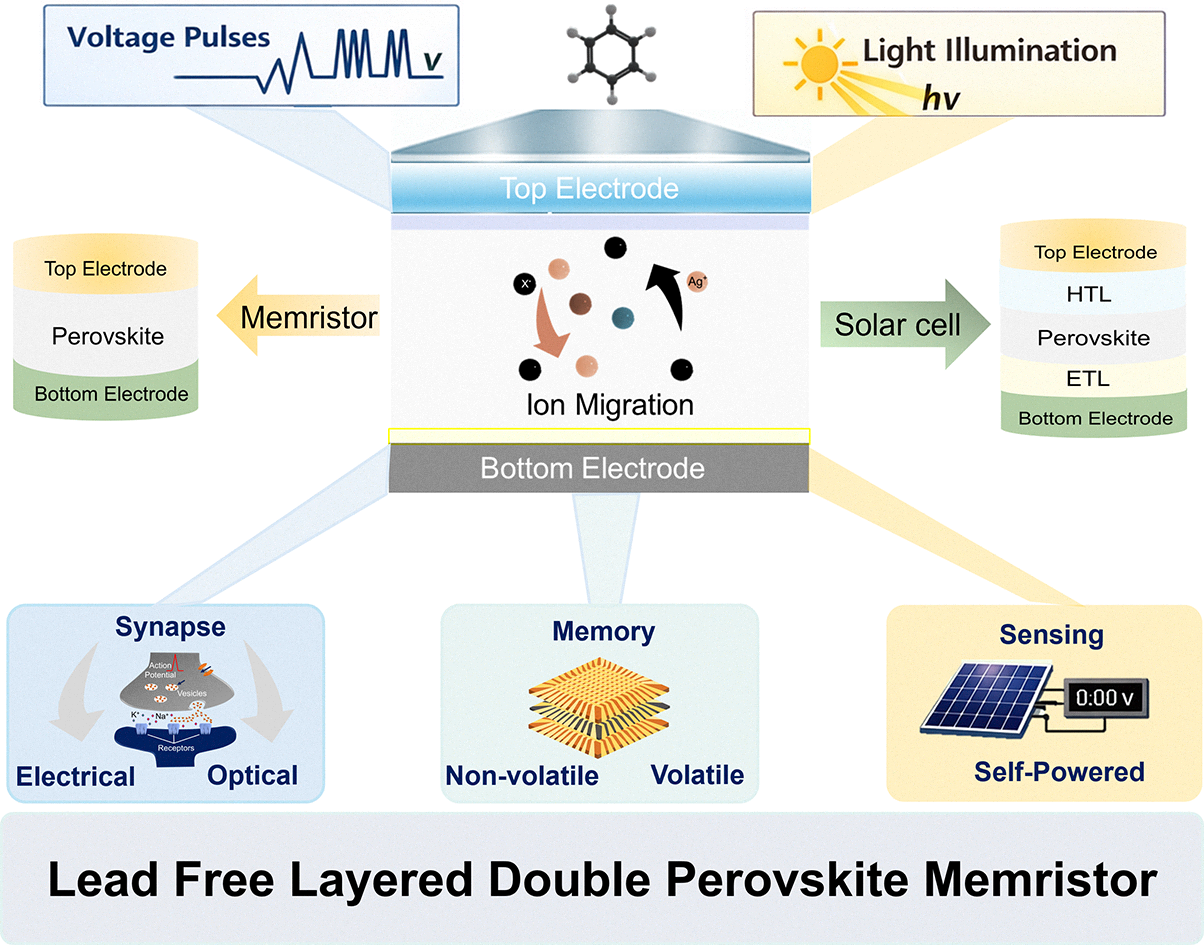
Emerging devices are extending the impact of perovskites to a broader range of applications, including imaging, sensing, and lighting, neuromorphic electronics, low-intensity energy harvesting, high-energy photon detection in harsh environments, medical and plasma diagnostics.
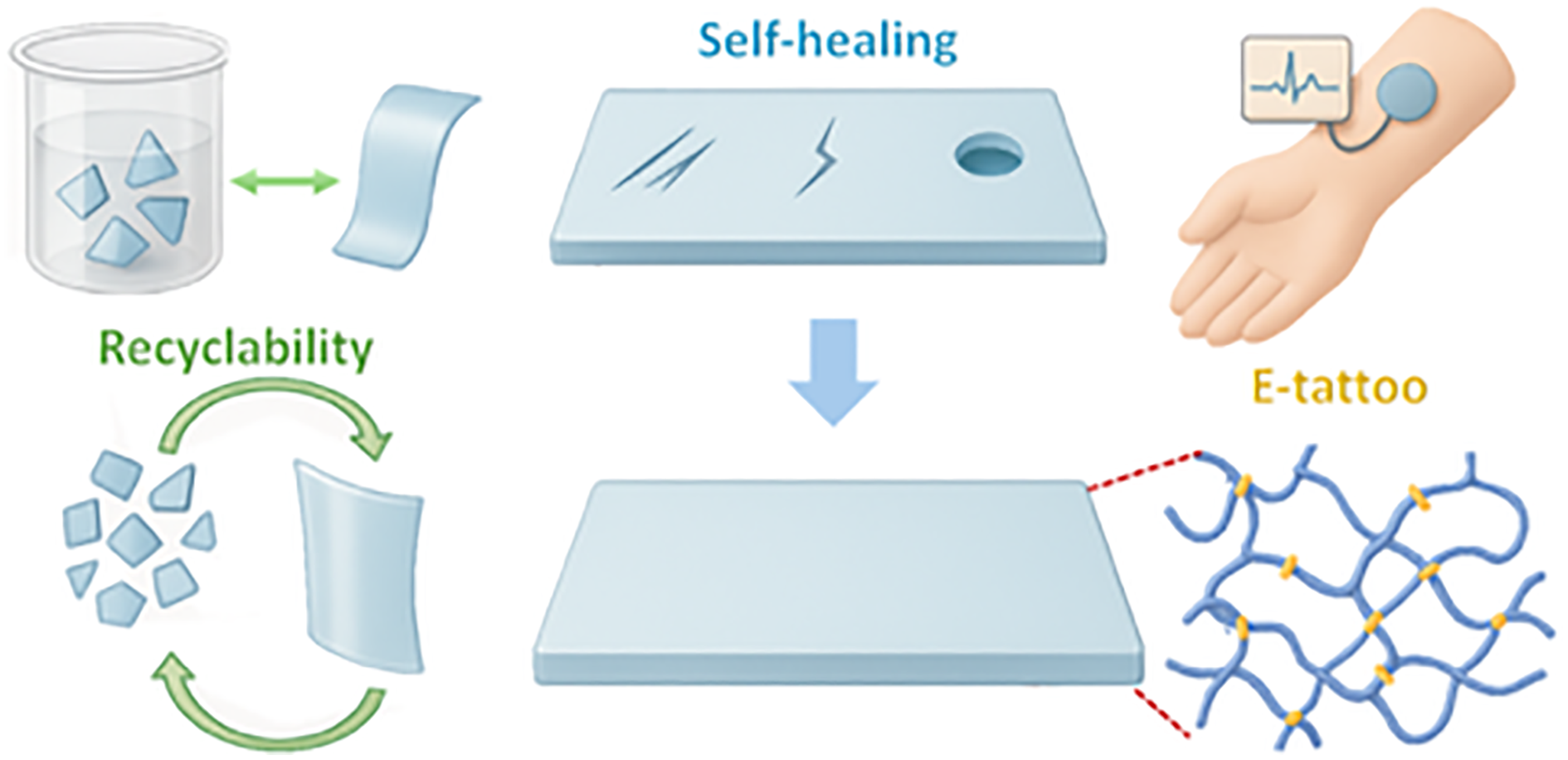
Sustainability is reshaping the perovskite research landscape. Current efforts are increasingly directed toward lead-free and earth-abundant materials, recycle-reuse of materials and devices, green manufacturing routes, environmental impact mitigation strategies and durable device architectures. Complementing these developments, AI-assisted materials discovery and predictive modeling are accelerating the rational design of resilient, high-performance perovskite systems, paving the way for sustainable and scalable technological solutions.
This themed collection will explore the next horizons of sustainable perovskite optoelectronics, connecting advances in materials chemistry, device physics, and data-driven innovation to enable real-world applications beyond conventional solar energy conversion. Emphasis will be placed on Agrivoltaics, indoor and low-light energy harvesting, high-energy photon detection and self-powered IoT platforms. The themed collection will also address low-dimensional and nanostructured perovskites, novel compositions, and durable architectures defining the next generation of perovskite optoelectronics.
Included topics:
- Sustainable synthesis and processing
- Lead-free, low-toxicity formulations
- Low-dimensional and nanostructured perovskites
- Charge transport, recombination, and interface engineering
- Microscopy and spectroscopy for structure–function analysis
- In-situ and In-operando analyses for stability studies
- Scalable fabrication and encapsulation strategies
- Advances in solar cells, photodetectors, sensors and radiation detection, LEDs
- Semitransparent solar cells
- Devices and integrated systems for Agrivoltaics, indoor PV, and IoT
- Neuromorphic electronics and memristors
- AI/ML-driven materials and process design
- Life-cycle assessment, reuse/recycling approaches
Submit your high-quality research
This call for papers is open for the following article types:
- Communications
- Full papers
If you would like to contribute to this themed collection, you can submit your article directly to the online submission service for Journal of Materials Chemistry C. Please mention that this submission is a contribution to the Sustainable perovskites: from advanced processing to emerging applications collection in the “Themed issues” section of the submission form and add a “Note to the Editor” that this is from the Open Call. The Editorial Office reserves the right to check suitability of submissions in relation to the scope of both the journal and the collection, and inclusion of accepted articles in the final themed issue is not guaranteed.
Please also note that all submissions will be subject to initial assessment and rigorous peer review to meet the usual high standards of Journal of Materials Chemistry C.
If you have any questions about the journal or the collection, then we would be happy to answer them.
Guest Editors
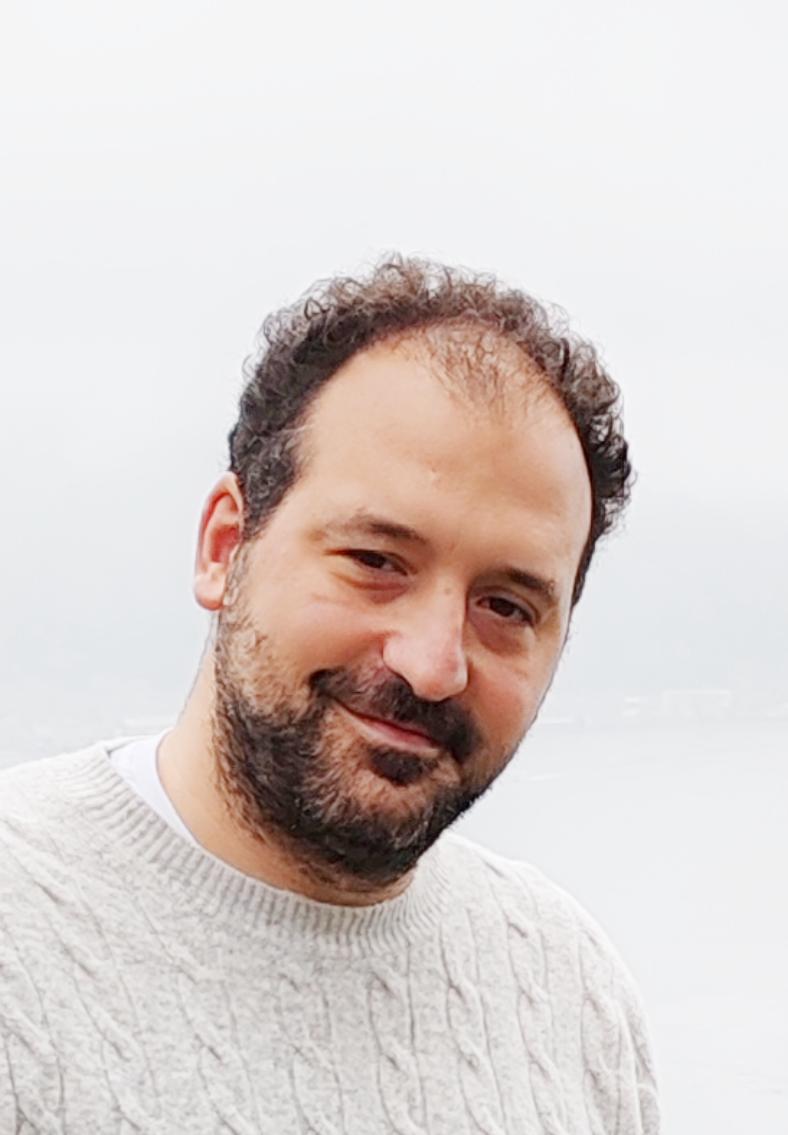
Davide Raffaele Ceratti (CNRS – École Nationale Supérieure de Chimie de Paris, PSL University, France)
Davide Raffaele Ceratti is a CNRS Junior Professor at the Institut de Recherche de Chimie Paris (IRCP, UMR 8247, CNRS – Chimie ParisTech – PSL, Paris, France). He received his PhD from the Université Pierre et Marie Curie in 2015, having also trained at the Scuola Normale Superiore di Pisa. He subsequently held postdoctoral positions at the Weizmann Institute of Science and, as a Marie Curie Fellow, at the Institut Photovoltaïque d’Île-de-France (IPVF), before joining Sorbonne Université. His research established the existence of intrinsic self-healing in halide perovskite crystals, elucidating the defect dynamics and thermodynamic driving forces underpinning stability in this semiconductor class. His current interests span the corrosion of metal contacts in perovskite solar cells, functional sol-gel coatings, and halide perovskite chemistry. He has authored 33 peer-reviewed articles in journals including Journal of Materials Chemistry C, Advanced Materials, Nature Communications, and ACS Energy Letters.

Katarzyna Gawlińska – Nęcek (Institute of Metallurgy and Materials Science Polish Academy of Sciences, Poland)
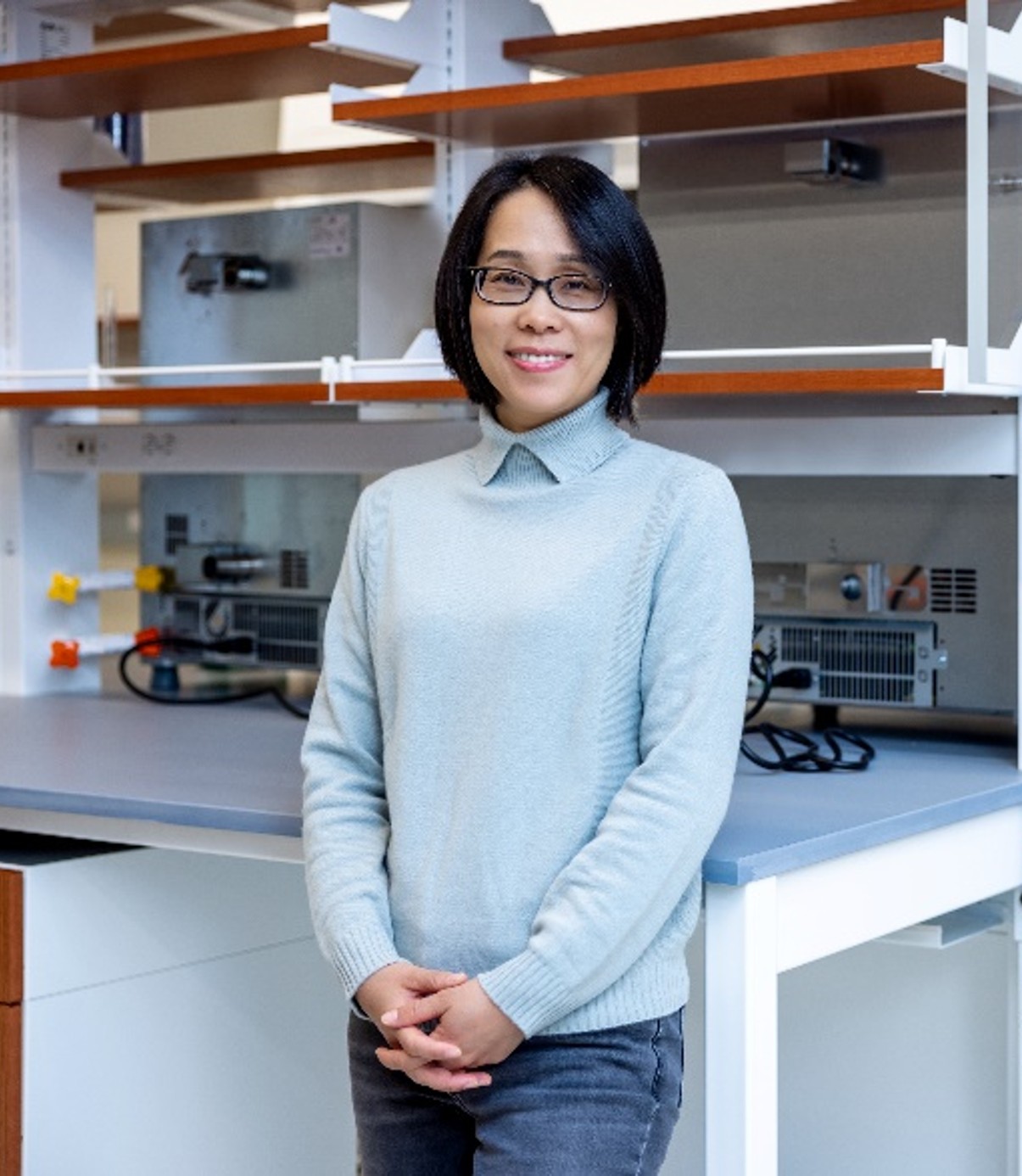
Dr Katarzyna Gawlińska-Nęcek is an Assistant Professor at the Faculty of Materials Science in Institute of Metallurgy and Materials Science Polish Academy of Sciences of Krakow, Poland. Her research focuses on advanced functional materials for photovoltaics, optoelectronics, and sensing applications, with particular emphasis on metal-halide perovskites and metal oxide semiconductors. She specializes in solution- and vapor-based thin-film deposition techniques, including spray coating and chemical vapor deposition (CVD), as well as in the relationships between processing conditions, material properties, and device performance. Her recent work focuses on wide-bandgap perovskites for semitransparent photovoltaic technologies and energy-generating greenhouses, as well as doped metal oxides for sensor applications. Dr Gawlińska-Nęcek has participated in numerous national and international research projects and collaborates with both academic and industrial partners. Her research combines fundamental studies of structure–property relationships with the development of innovative materials for sustainable energy technologies.

Małgorzata Kot (Faculty of Electronics, Photonics and Microsystems, Wrocław University of Science and Technology (WUST), Poland)
Dr Małgorzata Kot is a recognized researcher in nanoscience and thin-film technologies, with expertise in atomic layer deposition (ALD) and photoelectron spectroscopies. She completed her PhD research on resistive switching in RRAM and subsequently conducted postdoctoral work on ALD chemistry for perovskite solar cells. Her achievements include demonstrating room-temperature ALD of AlOx using TMA and water, which enhances both power-conversion efficiency and device stability; she also showed that TMA alone improves performance. She further established that PE-ALD of AlOx is feasible for hybrid perovskites. Dr. Kot applies advanced in-situ/in-operando spectroscopy and synchrotron-based photoelectron techniques to elucidate structure-property relationships during film growth and device operation. She obtained her Dr. rer. nat degree in 2016 and successfully received her habilitation in 2026 at BTU Cottbus-Senftenberg. Her guiding motto is “think out-of-the-box.”
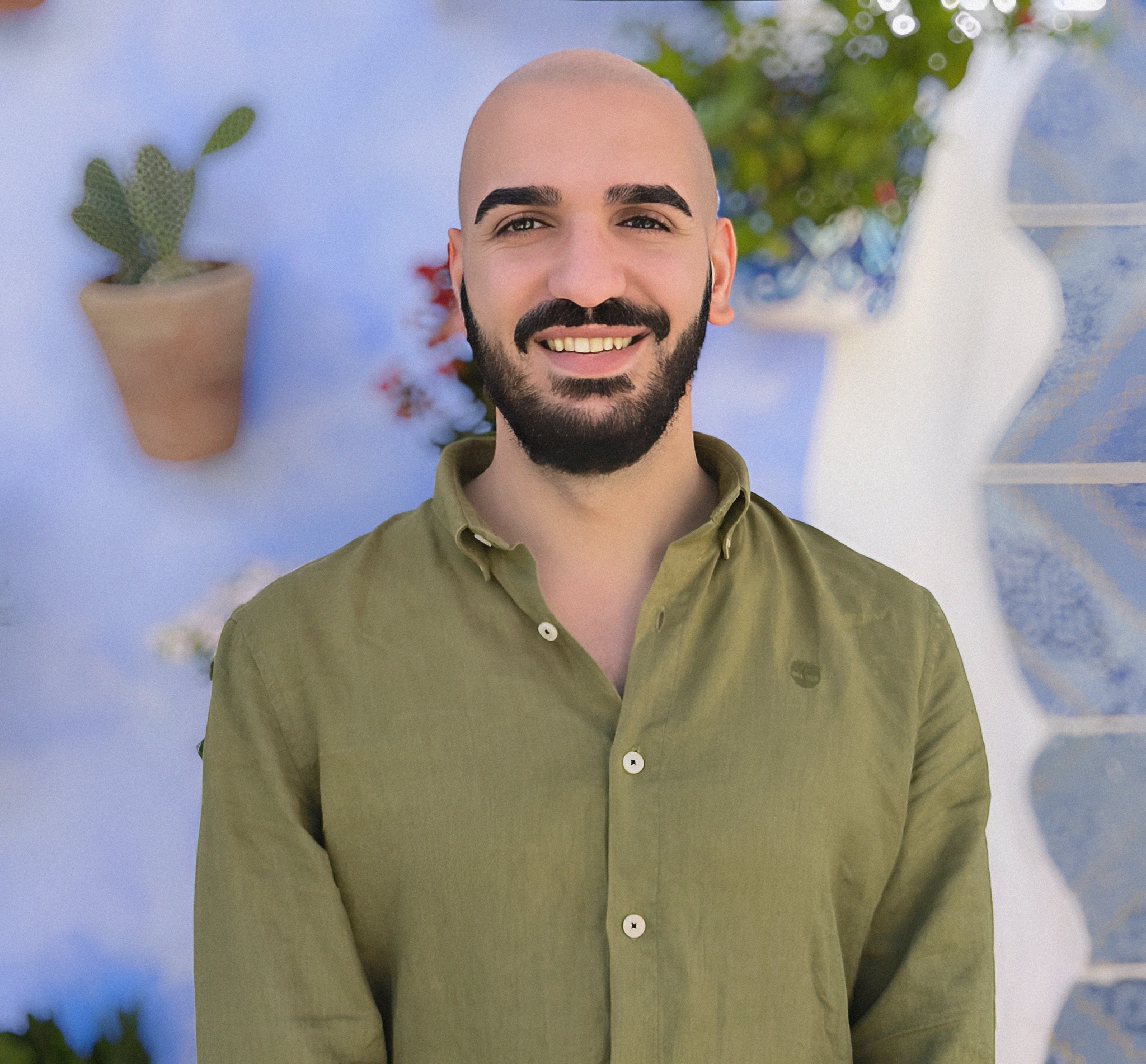
Salvatore Valastro (Institute for Microelectronics and Microsystems – National Research Council, CNR-IMM, Italy)
Salvatore Valastro is a researcher at the Institute for Microelectronics and Microsystems of the Italian National Research Council (CNR-IMM) in Catania. He received his PhD in Materials Science and Nanotechnology from the University of Catania in 2022. His research focuses on perovskite materials and optoelectronic devices, combining thin-film fabrication with advanced structural, optical, and electrical characterization. His work aims to develop sustainable solutions for next-generation photovoltaic and optoelectronic technologies.