Archive for April, 2023

Celebrating 10 years of ChemComm Emerging Investigators

We recently celebrated 10 years of ChemComm‘s Emerging Investigators collection. Begun in 2011, this annual collection showcases high quality research being carried out by international researchers in the early stages of their independent careers. After 10 years, we continue to be overwhelmed by the community’s positive response to this collection and look forward to continuing to champion researchers at the early stages of their careers and beyond.


To mark the 10 year anniversary, we recently published an anniversary collection featuring new work from contributors to the early Emerging Investigator collections. We hope you will enjoy reading these articles marking this special occasion.


ChemComm is proud to support researchers at all stages of their careers. Whether you’re a first-time author or a senior academic, you can trust us to handle your submission fairly and efficiently.


We’d like to thank all contributors to our Emerging Investigators collections throughout the years, and hope that you will join us in celebrating their successes!


Digg This
Reddit This
Stumble Now!
Share on Facebook
Bookmark this on Delicious
Share on LinkedIn
Bookmark this on Technorati
Post on Twitter
Google Buzz (aka. Google Reader)

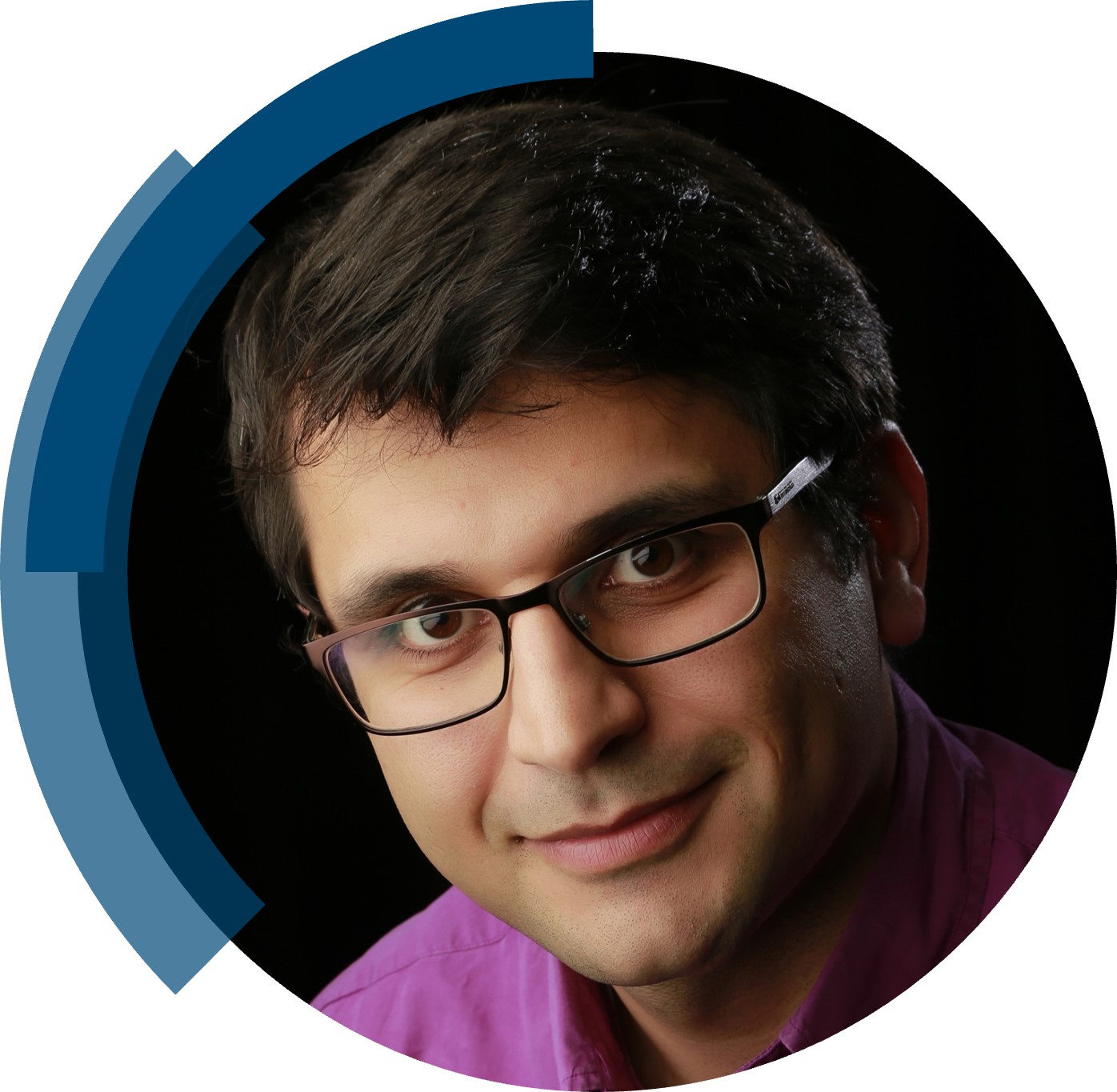
ChemComm Milestones – Kourosh Ebrahimi

We are excited to share the success of Kourosh Ebrahimi’s first-time independent article in ChemComm; “VITAS, a sensitive in vivo selection assay to discover enzymes producing antiviral natural productsincluded in the full milestones collection. 

Read our interview with Kourosh below.

What are the main areas of research in your lab and what motivated you to take this direction?

My lab research areas include Bioinorganic Immunology and Drug Discovery. We elucidate the function of metalloenzymes and iron-sulfur [FeS] clusters, one of the oldest bioinorganic cofactors of life, and [FeS] containing proteins in the immune response. We use the outcome of our work to design and engineer biological systems for synthesizing and developing novel therapeutics. We apply a multidisciplinary approach combining protein engineering, biochemical and biophysical techniques, molecular biology, and cell biological methods.

Can you set this article in a wider context?

The idea of the VITAS assay described in the article initially came to me in 2017, and I included the idea in an ERC starting grant. The available assays to discover enzymes producing antiviral natural products (NPs) are multi-step with a high risk of failure at each step: (i) Identification and selection of desired enzymes among the unlimited natural library of enzymes, which is a random process. (ii) Expression and purification of a functional enzyme, which is not straightforward, especially in the case of oxygen-sensitive [FeS] proteins. (iii) Identification and discovery of the correct substrates of enzymes and the NPs they produce. (iv) Purifying the NPs and confirming the antiviral activity using biochemical or cell-based assays. Consequently, the discovery of new antiviral enzymes and NPs is practically a random process with a very high risk of failure.

We developed VITAS (the Latin word for leaving), an in vivo selection assay for identifying enzymes producing antiviral lead NPs to solve the challenge. The assay is based on a simple concept: a commonly used bacterium in the lab, namely E. coli, should die if an antiviral enzyme is absent inside the cells. We engineered the bacterium so that it generates a toxin protein in the absence of an antiviral enzyme. This live/dead assay will enable us to rapidly screen many enzymes among the repository of natural proteins and a library of variants generated using protein engineering. When the assay is coupled with other methods like liquid chromatography-mass spectrometry, we can identify and discover novel antiviral lead NPs produced by enzymes.

What do you hope your lab can achieve in the coming year?

In the coming years, we hope to decode the molecular mechanism underlying the activity of a conserved antiviral response, discover new antiviral molecules, and design and create revolutionary approaches to antiviral therapeutics. This work is a milestone in our path to achieving our goals.

Describe your journey to becoming an independent researcher.

My journey has been unique. I did my Bachelor’s studies in Chemical Engineering, Petroleum Process Design. After my graduation, an unexpected and sudden accident changed everything. Because of that event, I decided to continue my studies in Biochemistry to understand the molecular mechanism of diseases like cancer. Yet, my first stop was working in the industry to help support my career ambitions. After five years, I found the opportunity to start my M.Sc. and, subsequently, PhD studies, both under the supervision of Prof Wilfred Hagen, TU Delft. I developed a passion for fundamental science and the mechanism of function of metalloenzymes. After my PhD, I did a one-year Postdoc in Virology at the Scripps Research Institute, Florida, USA, with Prof Michael Farzan. I returned to TU Delft and received a two-year fellowship from the European Molecular Biology Organization (EMBO) to move to the University of Oxford. I joined the group of Prof Frazer Armstrong. I initiated multiple collaborations with various groups across the University, including with Prof William James (Sir William Dunn School of Pathology) and Prof James McCullagh (Department of Chemistry). With their support, I developed my research niche at the interface of Bioinorganic Chemistry and Immunology/Virology. After six years working at Oxford, in October 2021, I joined the Institute of Pharmaceutical Sciences at King’s College London to start my independent career and establish my research group.

What is the best piece of advice you have ever been give?

A good scientist does everything possible to disprove their theories.

Why did you choose to publish in ChemComm?

After finalizing the draft of our manuscript, I was looking for a possible venue among highly respected journals in the field. While visiting the Chemical Communications website, I came across the Journal collection ‘ChemComm Milestones – First Independent Articles’. I was excited to see the support and recognition the Journal provides new investigators. I decided to submit our article to Chemical Communications without any second thought.

  I was born (on 26th December 1979) in Kerman, a small city near a desert in the south of Iran. After finishing my Bachelor’s studies, I worked in the petrochemical industry for five years. Subsequently, I received a scholarship from Delft University of Technology (TU Delft), the Netherlands, and did my M.Sc. and later PhD studies there. My PhD was followed by a postdoc at the Scripps Research Institute and then one at TU Delft. I received an EMBO fellowship and moved to Oxford at the end of 2015. In October 2021, I joined the Institute of Pharmaceutical Science at King’s College London as a Lecturer (Assistant Professor) in Immunology and Drug Discovery.


Social Handles: @Kouroshhe; @FeSImmChemNet; @kingsmedicine

Explore more ChemComm Milestones news and updates on our Twitter: @ChemCommun

Digg This
Reddit This
Stumble Now!
Share on Facebook
Bookmark this on Delicious
Share on LinkedIn
Bookmark this on Technorati
Post on Twitter
Google Buzz (aka. Google Reader)

ChemComm Milestones – Kun Jiang

We are excited to share the success of Kun Jiang’s first-time independent article in ChemComm; “Top-down manufacturing of efficient CO2 reduction catalysts from the gasification residue carbon” included in the full milestones collection. 

Read our interview with Kun Jiang below.

What are the main areas of research in your lab and what motivated you to take this direction?

My group research focuses on the precise electrochemical synthesis, especially on the selective electrocatalytic conversion of atmosphere molecules like O2/CO2/H2O into value-added chemicals and fuels. Aiming at this target, our lab has two primary research themes: 1) developing highly sensitive spectroelectrochemical techniques for operando interfacial study during these reactions, shedding light on the complex reaction pathways and the potential tuning knobs of local reaction environment; 2) rational design of gas diffusion electrode based electrochemical reactors with the insights from online diagnosis toward a more efficient energy conversion.

We believe such a synergetic approach from fundamental surface electrochemical investigation and practical pilot device validation could pave the development of more efficient electrosynthesis systems, aiding to envision the sustainable neutral carbon cycle.

Can you set this article in a wider context?

Electrochemical CO2 reduction reaction (CO2RR) has provided a promising route to close the anthropogenic carbon cycle by storing renewable electricity within greenhouse gas molecules and generating fuels and commodity chemicals. Among various aqueous CO2RR products, CO is a simplest 2e product with a projected cost of $0.44 kg–1, making the electrochemical CO2-to-CO route be competitive to conventional processes and holding great significance for the chemical industry. In a recent work, we have demonstrated the role of local reaction environment, especially the electrode–electrolyte interface and the relevant hydrodynamic boundary layer in the vicinity of the cathode, in defining the activity and selectivity for Ag catalyzed CO2-to-CO conversion (Energy Environ. Sci., 2022, 15, 749-759).

Along this line, we have developed a “top-down” strategy to manufacture Ni-N-C active motif enriched carbon catalysts rather than the coinage metal of Ag, for a selective and stable CO2-to-CO conversion at ~45 LCO gcatalyst-1 h-1 for more than 50-h continuous electrolysis at ambient condition. More importantly, we started the single atom catalyst fabrication from the raw material of gasification residue carbon from heavy hydrocarbon feedstock, demonstrating a carbon neutral cycle driven by a “solid carbon waste”.

What do you hope your lab can achieve in the coming year?

Currently we’re working on modulating local reaction environment toward selective CO2-to-C2+ conversion. Both fundamental insights from advanced spectroelectrochemical techniques and practical electrolyzer performance optimization are going to be brought to light this year.

Describe your journey to becoming an independent researcher.

After finishing my undergraduate study of applied chemistry at Jinan University, I started my academic research in physical chemistry with Prof. Wen-Bin Cai at Fudan University. The dynamic interfacial electrochemistry of Pd catalyzed HCOOH dehydrogenation versus dehydration pathway ignited my passion for spectroelectrochemistry investigations.

After I finished my Ph.D in 2016, I took postdoctoral trainings with Prof. Haotian Wang at Harvard University, and with Prof. Alexis T. Bell at LBNL/UC Berkeley, for which I stayed focus on the cutting edge research field of electrochemically converting “CO2 waste” into value-added chemicals and fuels with green energy input. These experiences have broadened my research area from surface electrochemistry into material science and chemical engineering, which granted me a widened academic horizon and collaboration.

Also based on these research experience, I took the PI position at SJTU and back to my home country in late 2019.  I currently lead a small group of 3 Ph.D candidates and 2 graduate students with a diverse education background of Mechanical Engineering, Chemical Engineering and Applied Chemistry, working on the emerging interdisciplinary research topics bridging the fundamental researches at lab with the sustainable future demands on circular carbon economy.

What is the best piece of advice you have ever been give?

In Chinese, we have a proverb saying “海纳百川,有容乃大”, which has been vividly expressed by President Bacow’s commencement remarks to the Harvard class of 2022:

To save a seat for others, to make room for others, to ensure that the opportunities afforded by your education do not enrich your life alone.

Why did you choose to publish in ChemComm?

In September of 2011, I published my very first 1st-authored research paper at ChemComm as well. The rigorous peer-review process, amazing publication time and broad readership across all fields of chemistry make the journal a fantastic platform!
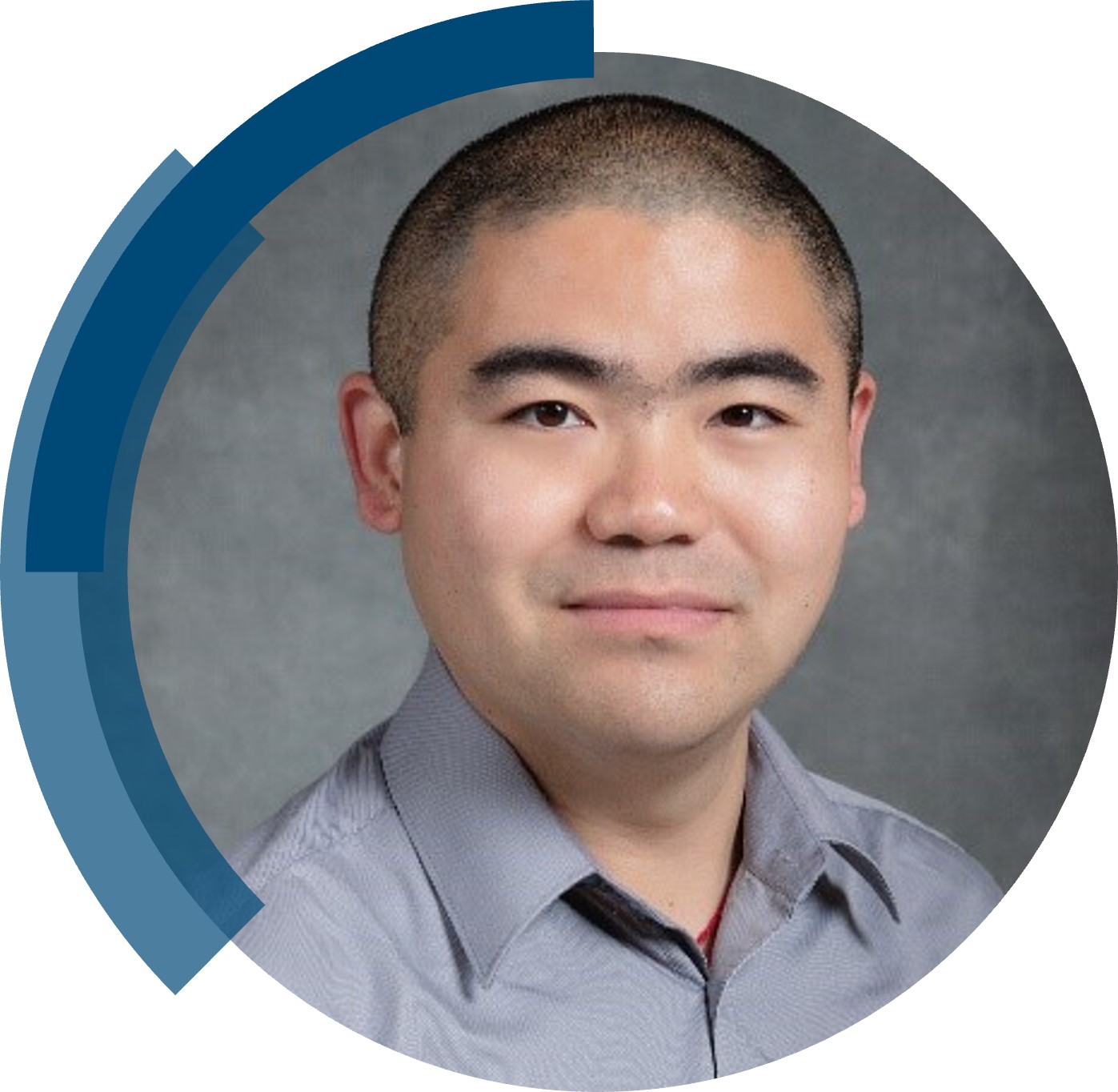
Kun Jiang is currently an Associate Professor of Mechanical Engineering at Shanghai Jiao Tong University (SJTU). He obtained a Ph.D. degree in physical chemistry from Fudan University in 2016, held a Baden-Württemberg fellowship at Institute for Surface Chemistry and Catalysis, Ulm University, and completed
postdoctoral trainings at Harvard, Lawrence Berkeley Laboratory and U.C. Berkeley. In 2019, he joined the School of Mechanical Engineering, Shanghai Jiao Tong University as a Principal Investigator, with the research focus of developing advanced reactor devices and spectroelectrochemical techniques for renewable energy utilization.

Group website: https://jianglab.sjtu.edu.cn/

Explore more ChemComm Milestones news and updates on our Twitter: @ChemCommun

Digg This
Reddit This
Stumble Now!
Share on Facebook
Bookmark this on Delicious
Share on LinkedIn
Bookmark this on Technorati
Post on Twitter
Google Buzz (aka. Google Reader)