Archive for the ‘Journal of Materials Chemistry Lectureship’ Category

2025 Journal of Materials Chemistry Lectureship winner: Dr Guanjie He

Congratulations to Dr Guanjie He, University College London, UK for being selected as the recipient of the 2025 Journal of Materials Chemistry Lectureship.

The Journal of Materials Chemistry Lectureship is an annual award, established in 2010, which honours early-career scientists who have made a significant contribution to the fields of materials chemistry. This year we received numerous high-quality nominations from across the world. With help from our Advisory and Editorial Boards, each nomination was assessed and considered for the award. The final selection was made by our Editors-in-Chief and Executive Editor.

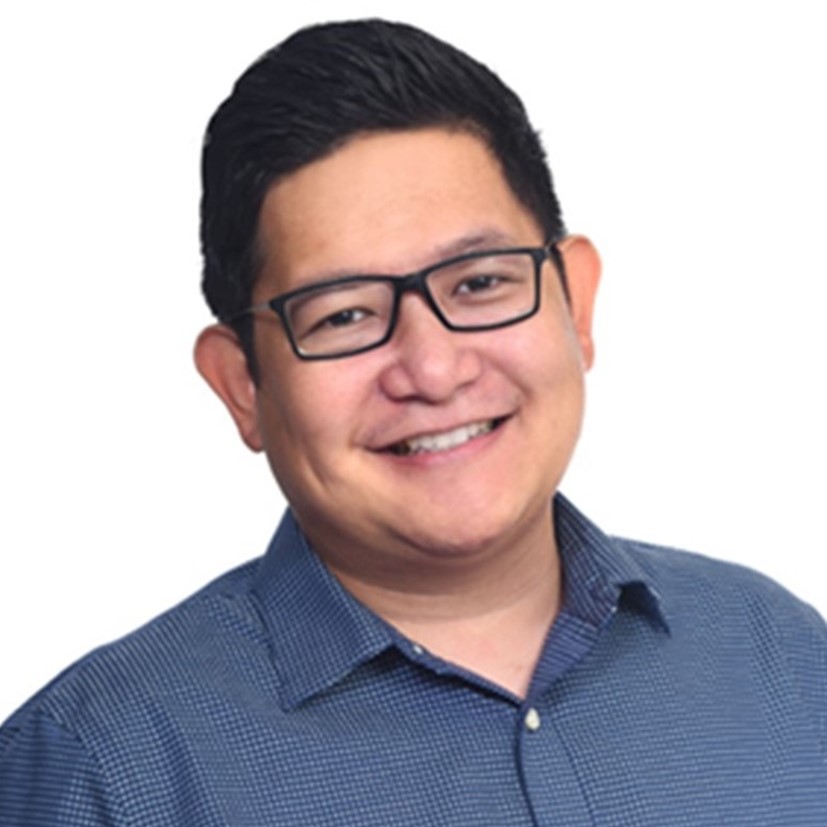
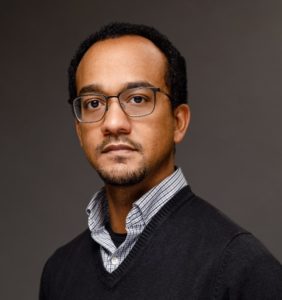
Dr Guanji He winner of the 2025 JMC Lectureship award

Dr Guanjie He, University College London, UK

Guanjie He (FRSC, FIMMM) is a Professor in Materials Chemistry and Engineering at University College London (UCL), Department of Chemistry. His research group focuses on materials, interfaces, and devices for aqueous electrochemical energy storage and conversion, particularly zinc-ion batteries and electrocatalysis. His work aims to bridge fundamental chemistry with practical technologies that enable a sustainable energy future. He has received recognitions such as 2025 RSC Harrison-Meldola Early Career Prize for Chemistry and Emerging Investigator Awards from Journal of Materials Chemistry and Nanoscale. He is also the CTO and co-founder of Element 30 Ltd., a spin-out advancing safe and sustainable energy storage technologies. He contributes actively to the materials chemistry community through editorial, mentoring, and leadership roles.

Discover Guanjie’s RSC publications in this web collection to find out more about their research


Check out our interview with Guanjie below:

How did you feel when you were announced as winner of the 2025 Journal of Materials Chemistry Lectureship?

I was deeply honoured and humbled to receive this recognition from the JMC community. The award is not only a personal milestone but also a reflection of the dedication and creativity of my research group and collaborators. It motivates me to continue pushing the boundaries of materials chemistry towards sustainable and impactful technologies.

Which of your JMC publications are you most proud of and why?

I am particularly proud of our Journal of Materials Chemistry A paper titled “An anti-aging polymer electrolyte for flexible rechargeable zinc-ion batteries.” In this work, we developed an adhesive solid polymer electrolyte that overcomes the aging and densification issues common in hydrogel electrolytes. The material maintained stable interfacial resistance for over 200 hours, twice that of conventional systems, and enabled flexible zinc-ion batteries that could keep working even under bending or twisting. This study was meaningful to me because it combined interfacial chemistry with practical device design, demonstrating a simple yet robust strategy for durable and safe flexible energy storage.

At which upcoming conferences may our community meet you?

I will be attending the Singapore Scientific Conference (SSC) 2025 and 2026 MRS Spring Meeting & Exhibit. These events are great opportunities to exchange ideas and strengthen our community connections in materials chemistry.

What do you like to do in your free time?

Outside the lab, I enjoy playing badminton, swimming, and exploring London’s parks and museums. I also like spending time with friends and former students, many of whom have become collaborators. These moments of balance and connection often bring fresh ideas and energy back into my research life.

Do you have any advice for Early-Career researchers who wish to be nominated for the 2026 JMC Lectureship award?

My main advice is to stay passionate, persistent, and open-minded. Please choose research questions that genuinely excite you, and don’t be afraid to take on interdisciplinary challenges. Equally important is to contribute actively to our materials chemistry community, whether by mentoring students, junior colleagues, reviewing manuscripts, organizing workshops or conferences, or supporting diversity and outreach activities. These efforts not only strengthen our community but also help you grow as a scientist and a leader. The materials chemistry field thrives when we share knowledge, support one another, and work collectively toward a more sustainable future.

Digg This
Reddit This
Stumble Now!
Share on Facebook
Bookmark this on Delicious
Share on LinkedIn
Bookmark this on Technorati
Post on Twitter
Google Buzz (aka. Google Reader)

2025 Journal of Materials Chemistry Lectureship runners-up: Dr Xiaoli Liu and Dr Beatriz Martín-García

Congratulations to our 2025 Journal of Materials Chemistry Lectureship runners-up: Dr Xiaoli Liu & Dr Beatriz Martín-García

This year, Dr Guanjie He from University College London, UK was selected as the recipient of the 2025 Journal of Materials Chemistry Lectureship. While we can only award one winner, we wanted to recognise two runners-up for their impressive contributions to materials chemistry and as emerging leaders in the field.

Congratulations to Dr Xiaoli Liu (Xi’an Jiaotong University, China) and Dr Beatriz Martin-Garcia (CIC nanoGUNE, Spain) for being selected as the runners-up of the 2025 Journal of Materials Chemistry Lectureship.

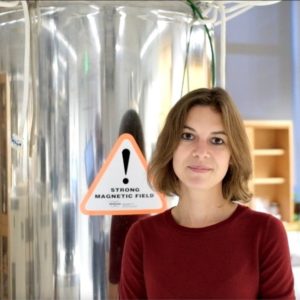
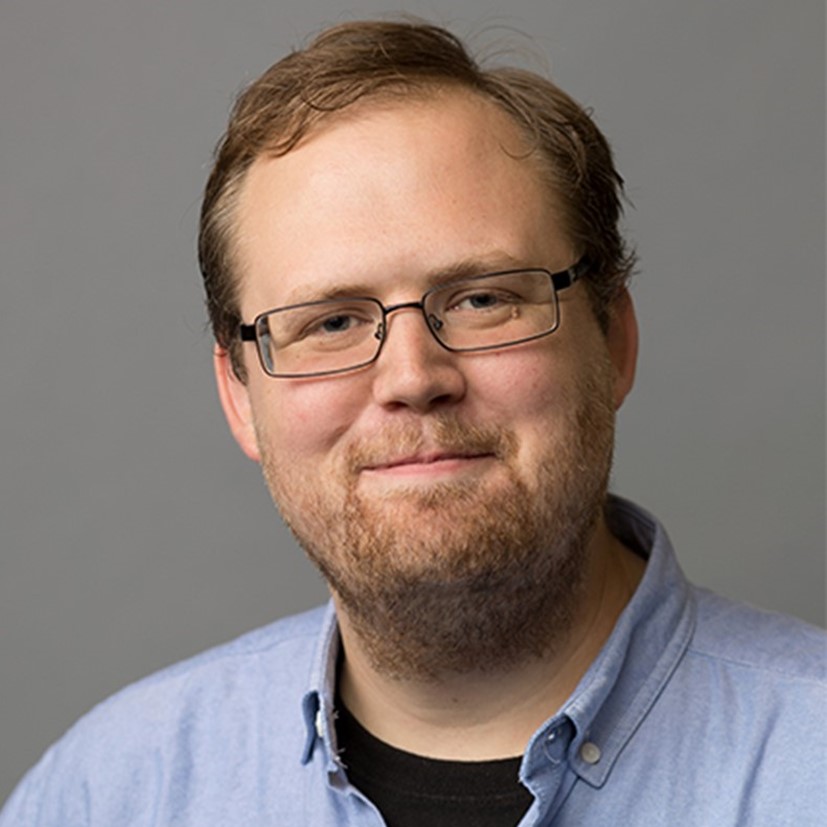
XiaoliLiu JMCRunnerup award 2025


Professor Xiaoli Liu earned her Ph.D. from Northwest University, China, in 2015. During her doctoral studies, she completed five years of research training as an exchange student at the National University of Singapore. In 2016, she joined the National Center for Nanoscience and Technology as a postdoctoral researcher supported by China’s National Postdoctoral Innovation Talent Program. She then returned to Northwest University to found the Magnetic Nanomedicine Group. Currently, Dr. Liu is a professor at the National-Local Joint Engineering Research Center for Precision Surgery & Regenerative Medicine, First Affiliated Hospital of Xi’an Jiaotong University, where she is recognized under the Young Talent Support Program-A and holds the National Excellent Young Scientist Fund.

Her research focuses on magnetic hyperthermia-based cancer therapy, with an emphasis on how intracellular magnetic hyperthermia modulates immune signaling pathways to reshape the tumor immune microenvironment and improve immunotherapeutic outcomes. She has published over 90 papers in high-impact journals and authored the book Magnetic Nanobiomaterials.


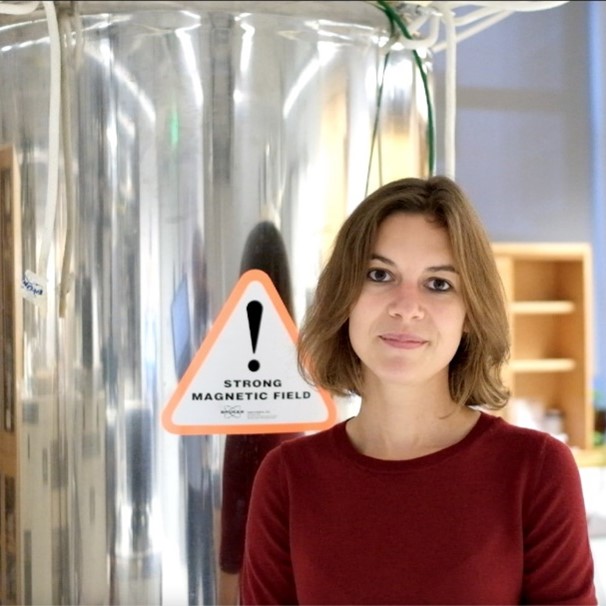
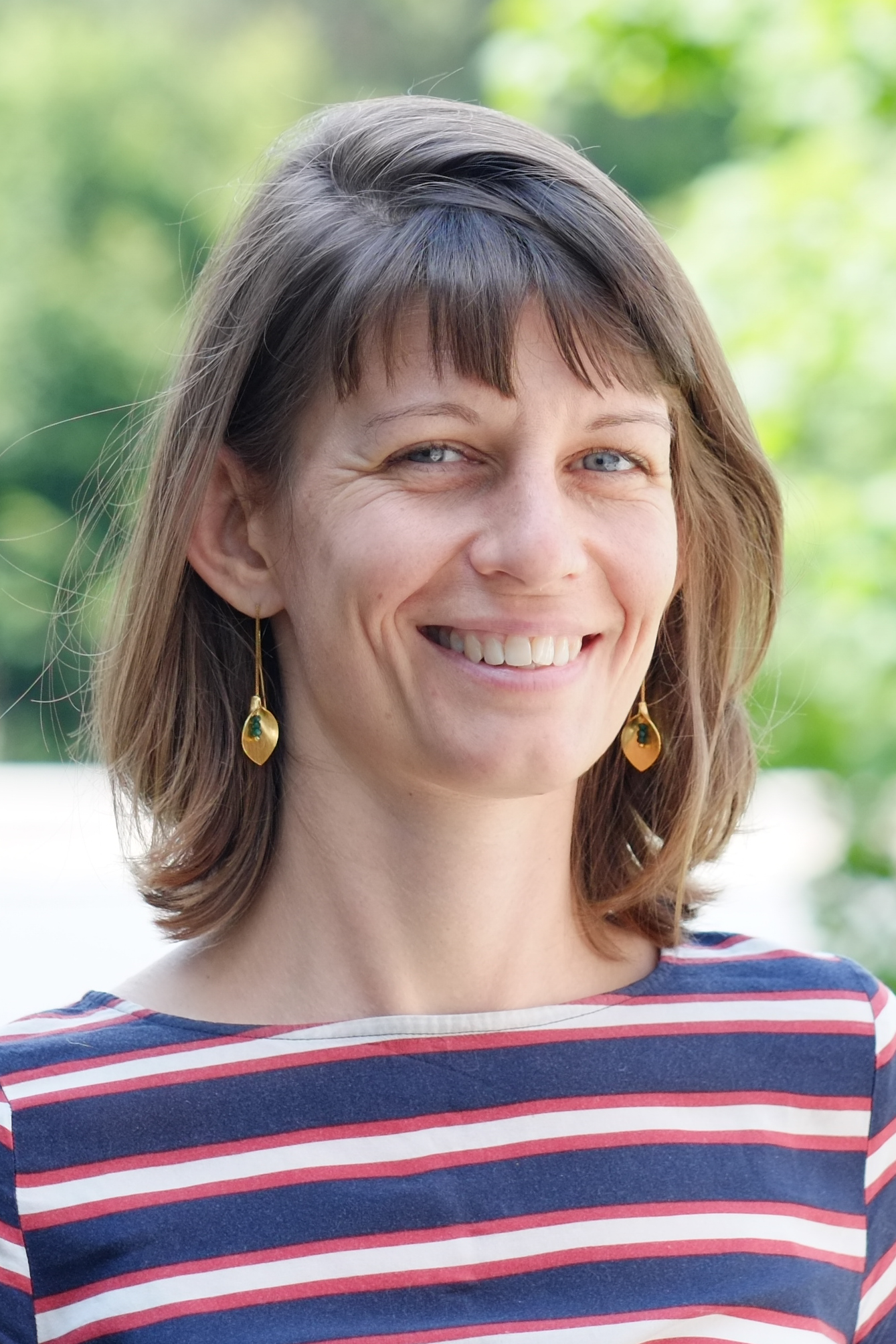
BMartinGarcia JMC award Runnerup 2025

Dr Beatriz Martín-García is a Ramón y Cajal and Ikerbasque research fellow at CIC nanoGUNE. She received her PhD cum laude with European mention in 2013, having completed her doctoral studies under the supervision of Prof. M. Mercedes Velázquez at the University of Salamanca, Spain (department of Physical Chemistry) working on self-assembled systems of nanomaterials. She then moved to the Istituto Italiano di Tecnologia, where she worked as a postdoctoral researcher within the Graphene Flagship project in the Nanochemistry Department led by Prof. Liberato Manna, under the supervision of Dr. Iwan Moreels, and in the Graphene Labs led by Dr. Francesco Bonnacorso and Prof. Vittorio Pellegrini. During this time, she focused on modulating the optoelectronic properties of various materials, including nanocrystals, 2D materials, and hybrid metal-halide perovskites, through chemical and surface functionalisation approaches. She also specialised in the in-depth characterisation of these materials using spectroscopy techniques, as well as their integration into solar cells, photodetectors, and memory devices. In 2020, she joined the Nanodevices Group led by Profs. Luis E. Hueso and Félix Casanova. Currently, she is leading a research line to develop low-dimensional and anisotropic materials through chemical design and studying them using dedicated spectroscopic techniques, with a particular focus on micro-Raman spectroscopy.

Her research focuses on unveiling the interplay between the crystal structure, composition and optical, electrical and magnetic properties of materials, to drive the selection of materials with tailor-made properties for application mainly in optical and electronic devices. She oversees a micro-Raman spectroscopy facility at the Centre and is working on implementing new options for characterising materials, such as photoluminescence mapping, low-temperature and low-frequency analysis and angle-resolved linear and circular polarisation studies. Her recent recognition includes being selected for the 2025 Emerging Investigators list in the Journal of Materials Chemistry C.

Discover Xiaoli and Beatriz’s RSC publications in this web collection to find out more about their research


Check out our interview with Xiaoli and Beatriz below:

How did you feel when you were announced as a runner-up of the 2025 Journal of Materials Chemistry Lectureship?

XL: I felt truly happy and deeply honored to be named the runner-up for the 2025 Journal of Materials Chemistry Lectureship. This recognition means a lot to me, not only as an acknowledgment of my past work, but also as an as motivation to continue advancing and exploring new opportunities in my research.
BM-G: I am honoured to receive this award, especially alongside such distinguished scientists who are leaders in materials chemistry. It recognises the hard, dedicated and creative work I have done at different levels over the years, from PhD student to postdoc to independent researcher. But nevertheless, I would like to share this award with my colleagues, students and esteemed network of collaborators, whose time, effort, and creativity have been made our projects possible, as well as everyone who has supported me on my scientific journey, including my colleagues, supervisors and family.

Which of your JMC publications are you most proud of and why?

XL: The JMC paper that I’m most proud of is “Optimization of surface coating on Fe3O4 nanoparticles for high-performance magnetic hyperthermia agents” (J. Mater. Chem., 2012, 22, 8235). It was my first paper, completed during my doctoral exchange at the National University of Singapore. I still remember the excitement of seeing my work published for the first time. That moment gave me confidence and a sense of belonging in the scientific community. It also sparked my lasting passion for magnetic nanomedicine. At that time, the journal hadn’t yet been divided into A, B, and C, it was simply JMC, which makes it even more memorable to me.
BM-G: It’s difficult to choose — all my JMC publications have a story, a great team and a project behind them. Let’s go for J. Mater. Chem. C, 2018, 6, 13128 because it has a double significance. Firstly, the work was not aligned with the project I was working on as a postdoc at Istituto Italiano di Tecnologia at that time. Indeed, it emerged from my investigation into why my solar cell devices were producing observable ‘dendrite’ structures during operation. As a curious researcher, I dedicated time and effort to understand what was happening. Then, together with my colleagues, I took advantage of the physicochemical processes to create a different type of device: a resistive switching memory. Secondly, this work later became a project that I led, and I was the corresponding author for the first time, which was a significant step in my career. Furthermore, it is still within my research interests today, and collaborative projects and other publications have arisen.

At which upcoming conferences may our community meet you?

XL: I plan to participate in upcoming conferences on materials chemistry and nanomedicine, and I’d love to meet members of the JMC community there to share ideas and inspirations.
BM-G: I still have not confirmed my attendance, but I would like to join the EMRS Spring Meeting and at least other conference next year.

What do you like to do in your free time?

XL: In my free time, I enjoy running and reading. I also like to spend time learning new professional knowledge online, for example, taking courses in immunology and related scientific fields. It helps me relax while staying inspired in my research.
BM-G: In my free time, my favourite activities are swimming, walking and listening to music.

Do you have any advice for Early-Career researchers who wish to be nominated for the 2026 JMC Lectureship award?

XL: I believe scientific research is a marathon, not a sprint. It takes patience, persistence, and genuine passion. My advice to early-career researchers is to stay curious and committed, even when progress feels slow. Try to think not only about publishing papers, but also about how your discoveries might eventually make a real difference. It’s never easy to keep going in the same direction for years, but if you truly love what you’re doing and keep pushing forward, your efforts will definitely lead to something meaningful.
BM-G: Never give up and remain faithful, because your research merits will be recognised in due course. A piece of good advice I received when I started out in science is that perseverance and a well-done work always pay off.

Digg This
Reddit This
Stumble Now!
Share on Facebook
Bookmark this on Delicious
Share on LinkedIn
Bookmark this on Technorati
Post on Twitter
Google Buzz (aka. Google Reader)

Congratulations to our shortlisted candidates for the 2025 Journal of Materials Chemistry Lectureship

Congratulations to our shortlisted candidates for the 2025 Journal of Materials Chemistry Lectureship

The Journal of Materials Chemistry annual lectureship, established in 2010, honours early-career scientists who have made a significant contribution to the field of materials chemistry. We were delighted to have awarded Dr Guanjie He (University College London, UK) the 2025 Lectureship.

This year we received numerous high-quality nominations from across the world and we wanted to recognise our shortlisted candidates for their contributions to materials chemistry and as emerging leaders in their fields. We have listed the names of the shortlisted candidates below and have put together a collection featuring some of their recent work published in Royal Society of Chemistry journals.

Discover our shortlisted candidates RSC publications in this web collection

2025 Journal of Materials Chemistry Lectureship winner

Professor Guanjie He (University College London, UK)

Runners-up

Dr Xiaoli Liu (Xi’an Jiaotong University, China)

Dr Beatriz Martin-Garcia (CIC nanoGUNE, Spain)

Shortlisted Candidates

Dr Edison Ang Huixiang (National Institute of Education/Nanyang Technological University, Singapore)

Professor Alexander Bagger (Technical University of Denmark, Denmark)

Dr Federico Bella (Politecnico di Torino, Italy)

Dr Marco Carlotti (University of Pisa, Italy)

Dr Austin M. Evans (University of Florida, USA)

Dr Simon Fleischmann (Karlsruhe Institute of Technology (KIT), Germany)

Dr Prashun Gorai (Rensselaer Polytechnic Institute, USA)

Professor Kent Griffith (UC San Diego, USA)

Dr Ehsan Hamzehpoor (University of Montreal, Canada)

Professor Ivana Hasa University of Warwick, UK)

Dr Chun Ann Huang (Imperial College London, UK)

Dr Laure Kayser (University of Delaware, USA)

Dr Haegyum Kim (Lawrence Berkeley National Lab, USA)

Dr Youngmin Ko (Sungkyunkwan University, Korea)

Dr Prabhat Kumar Singh (Bhabha Atomic Research Centre, Mumbai, India)

Dr Hui Luo (University of Surrey, UK)

Dr Libu Manajakkal (Edinburgh Napier University, UK)

Dr Riccardo Marin (Università Ca’ Fosscari di Venezia , Italy)

Professor Markus Suta (HHU Düsseldorf, Germany)

Dr Christos Tapeinos (University of Manchester, UK)

Dr Joerg Werner (Boston University, USA)

Please note that we have only included candidates who have consented to recognition of their name in this way.

Digg This
Reddit This
Stumble Now!
Share on Facebook
Bookmark this on Delicious
Share on LinkedIn
Bookmark this on Technorati
Post on Twitter
Google Buzz (aka. Google Reader)

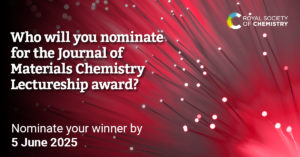
2025 Journal of Materials Chemistry Lectureship – nominations are open!

Journal of Materials Chemistry Lectureship 2025

Nominate your candidate by 5 June 2025

Do you know an outstanding early-career researcher in materials chemistry who deserves recognition? We are delighted to announce that nominations are now OPEN for the prestigious 2025 Journal of Materials Chemistry Lectureship. Nominate your candidate by 5 June 2025 to be considered for the 2025 Lectureship award.

Established in 2010, this international lectureship honours early-career scientists who have made significant contributions to the field of materials chemistry, with previous recipients including Christopher Bettinger, Henry Snaith, Maria Escudero-Escribano, Jovana Milić and last year’s winner Raphaële Clément.

Eligible candidates must be in the early stage of their independent career in materials chemistry research, typically within 10 years of completing their PhD or within 5 years of their independent career and must have made significant contributions to the materials chemistry field. We require a letter of recommendation from the nominator and an additional supporting letter from a referee to support the candidate’s nomination.

For more information and details on eligibility criteria and how to nominate a candidate, please visit the Journal of Materials Chemistry Lectureship webpage.


Celebrating our 2024 Lectureship winner and runners-up


Check out our interview with our 2024 Journal of Materials Chemistry Lectureship winner, Dr Raphaële Clément (University of California, Santa Barbara, United States) and our runners-up, Dr Maxx Arguilla (University of California, Irvine, United States) and Dr Phillip Milner (Cornell University, United States).

2024 Journal of Materials Chemistry Lectureship winner: Dr Raphaële Clément

Dr Raphaële Clément is an Associate Professor in the Materials Department at UC Santa Barbara. She received her Ph.D. in Chemistry in 2016 from the University of Cambridge, working under the supervision of Prof. Dame Clare Grey. She then joined the group of Prof. Gerbrand Ceder as a postdoc at UC Berkeley. Since 2018, the Clément group at UC Santa Barbara is interested in establishing materials design rules, and in optimizing materials processing approaches to advance electrochemical energy storage. The group’s expertise lies in the development and deployment of magnetic resonance and magnetometry techniques (experimental and computational) for the study of battery materials and beyond, with an emphasis on real-time, operando analysis. 


Dr Clément will be giving her Lectureship presentation at MC-17 in Edinburgh in July 2025. Register now to not miss out!


How did you feel when you were announced as the winner of the 2024 Journal of Materials Chemistry Lectureship?

I was thrilled. This is a wonderful recognition of the group’s hard work over the years. I have been fortunate to work with talented students and postdocs, so this award goes to them too. 

Which of your JMC publications are you most proud of and why?

This paper lead by a former student, Dr. Elias Sebti, is a textbook example of the impact of materials synthesis and processing on structure and properties. This is a study of a new class of Na-ion solid conductors, where solid-state NMR was key to understanding their complex defect and polymorphic landscape, and ion transport processes. I am proud of it because this was a complicated puzzle and we solved it!

Do you have any advice for Early-Career researchers who wish to be nominated for the 2025 JMC Lectureship award?

Don’t give up! There are many talented Early Career researchers out there, and only one receives the Lectureship every year. I applied several times and this paid off.


2024 Journal of Materials Chemistry Lectureship runner-up: Dr Maxx Q. Arguilla

Maxx Q. Arguilla obtained his B.S. in Chemistry from the University of the Philippines Diliman, cum Laude, in 2011. After a one-year junior instructor position at UPD, he moved to the US and completed his Ph.D. in Inorganic Chemistry from The Ohio State University with Professor Joshua Goldberger in 2017.  He then moved to MIT as postdoctoral fellow in Professor Mircea Dinca’s group, where he focused on the growth of one-dimensional van der Waals crystals and the evolution of their physical properties as they transform into ultrathin nanowires and on establishing the fundamental anisotropic physical properties of two-dimensional metal-organic frameworks. In July 2020, Professor Arguilla joined the UC Irvine Department of Chemistry as a tenure-track Assistant Professor. His research is focused on the discovery and chemical understanding of several classes of crystalline solid state materials comprising of sub-nanometer-thick inorganic chains that are held together by weak van der Waals (vdW) or ionic interactions.


How did you feel when you were announced as a runner-up of the 2024 Journal of Materials Chemistry Lectureship?

Receiving the runner-up award for the 2024 JMC lectureship was a great honor for me, especially being alongside Prof. Clément and Prof. Milner who are both materials chemists whose work I truly admire!

This award is special to me and my group as it recognizes our contributions in understanding the chemistry and physics of emergent 1D and quasi-1D solids that approach the sub-nanometer-thick regime. This was especially important for us, having started during the challenging times of the pandemic as many have thought these would be very challenging and almost impossible to create and study. Personally, this recognition was special as it came from one of the family of materials chemistry journals that I have followed consistently since my formative years during my graduate studies and has continuously shaped the science that I do in my independent career. Moreover, the previous awardees and runners-up are also materials scientists that I look up to and aspire to emulate. Most importantly, this award is truly a recognition of the tremendous collective effort of the members of my group and our network of collaborators who have dedicated their time, effort, and creativity in exploring an unusual and understudied class of low-dimensional solids.

Which of your JMC publications are you most proud of and why?
Among my publications at JMC and RSC, I am most proud of my first paper in JMCC (J. Mater. Chem. C, 2017, 5, 11259-11266) where I demonstrated how micro-Raman spectroscopy can be used a probe to study the composition- and stacking-dependence of the Raman-active phonon modes in layered honeycomb Zintl phase tetrelides and their 2D van der Waals deintercalation products. This is a paper that I wrote when I was a senior graduate student but the approach that I have taken in this work has shaped how we use micro-Raman spectroscopy in my group as an enabling tool to probe the structure, lattice dynamics, and stimulus-sensitive response of various classes of low-dimensional solids, especially approaching atomic scale thicknesses. The results that we covered in this report laid ground to several fundamental studies in my independent career, such as our discovery of pronounced thermochromic behavior the helical crystal, InSeI (Advanced Materials, 2024, 36, 21, 2312597), as well as in the strong quantum confinement of Sb2S3 grown within single-walled carbon nanotubes and boron nitride nanotubes (Chemical Science, 2024, 15, 10464–10476).

Do you have any advice for Early-Career researchers who wish to be nominated for the 2025 JMC Lectureship award?
While many of our projects are hypothesis-driven, the most unusual results that we found in our materials systems arose from curiosity-driven research. In classes of materials where our chemical intuition is limited, there is a large, untapped opportunity to explore ideas that do not necessarily conform to the scientific norms in various fields. Thus, if there is an advice that I can give to early-career researchers, it would be to follow their scientific curiosities as these could lead to surprising discoveries that can accelerate (or change) the course of the field!

2024 Journal of Materials Chemistry Lectureship runner-up: Dr Phillip Milner

Phillip Milner (Phill) graduated from Hamilton College in 2010 with B.A.s in Chemistry and Mathematics, and went on to pursue his Ph.D. in Chemistry with Prof. Stephen Buchwald at MIT. There, Phill developed Pd-catalyzed fluorination and 11C-cyanation reactions of (hetero)aryl halides. Upon graduating from MIT in 2015, Phill joined the group of Prof. Jeffrey Long at the University of California, Berkeley, where he designed amine-functionalized metal–organic frameworks for CO2 capture. In 2018, Phill joined the Department of Chemistry and Chemical Biology at Cornell University, where his research is focused broadly at the intersection of organic, inorganic, and materials chemistry.  Phill is a member of the Cornell Center for Materials Research (CCMR) and the Cornell Energy Systems Institute (CESI), a Cornell Atkinson Center for Sustainability Faculty Fellow, and a field member in the Department of Chemical and Biomolecular Engineering. Phill was promoted to Associate Professor with tenure in 2024.


Which of your JMC publications are you most proud of and why?

It’s difficult to pick, but I would probably go with: Tristan A. Pitt, Haojun Jia, Tyler J. Azbell, Mary E. Zick, Aditya Nandy, Heather J. Kulik, Phillip J. Milner*. “Benchmarking Nitrous Oxide Adsorption and Activation in Metal–Organic Frameworks Bearing Coordinatively Unsaturated Metal Centers.” J. Mater. Chem. C, 2024, 12, 3164–3174. This project was spearheaded by a fantastic graduate student, Tristan Pitt, as part of his rotation project in our lab. It also sparked our on-going collaboration with Heather Kulik using theory to understand reactivity within metal-organic frameworks. All around a great in-depth study of a difficult problem (how to activate nitrous oxide using MOFs).

Do you have any advice for Early-Career researchers who wish to be nominated for the Lectureship award?

I would encourage folks to go after difficult problems and identify ways in which they can uniquely contribute to materials science. Working on the same problem in the same way as everyone else is a great way to boost your h-index but it does not help you stand out as a unique voice in the community. I always encourage students in my lab at least to think about how to be indispensable – the one person who can solve a particular problem in a new way.

At which upcoming conferences may our community meet you?

I will be at the Nanoporous Materials Gordon Research Conference in August, and Pacifichem in December!


We look forward to receiving nominations for the 2025 Lectureship award. If you have any questions about eligibility or the selection process, please get in touch with materials-rsc@rsc.org.

Digg This
Reddit This
Stumble Now!
Share on Facebook
Bookmark this on Delicious
Share on LinkedIn
Bookmark this on Technorati
Post on Twitter
Google Buzz (aka. Google Reader)

Congratulations to our shortlisted candidates for the 2024 Journal of Materials Chemistry Lectureship

Congratulations to our shortlisted candidates for the 2024 Journal of Materials Chemistry Lectureship

The Journal of Materials Chemistry annual lectureship, established in 2010, honours early-career scientists who have made a significant contribution to the field of materials chemistry. We were delighted to have awarded Dr Raphaële Clément (University of California, Santa Barbara, United States) the 2024 Lectureship.

This year we received numerous high-quality nominations from across the world and we wanted to recognise our shortlisted candidates for their contributions to materials chemistry and as emerging leaders in their fields. We have listed the names of the shortlisted candidates below and have put together a collection featuring some of their recent work published in Royal Society of Chemistry journals.


Please note that we have only included candidates who have consented to recognition of their name in this way.

Runners-up

Dr Maxx Arguilla (University of California, Irvine, United States)

Dr Phillip Milner (Cornell University, United States)


Shortlisted Candidates

Professor Milad Abolhasani (North Carolina State University, United States)

Professor Giuseppe Cavallaro (University of Palermo, Italy)

Professor Jinxing Chen (Soochow University, China)

Professor Juan-Pablo Correa-Baena (Georgia Institute of Technology, United States)

Professor Antoni Forner-Cuenca (Eindhoven University of Technology, The Netherlands)

Dr Chun Ann Huang (Imperial College London, United Kingdom)

Dr Haegyum Kim (Lawrence Berkeley National Laboratory, United States)

Professor Ayala Lampel (Tel Aviv University, Israel)

Professor Eleonora Macchia (University of Bari, Italy)

Dr Libu Manjakkal (Edinburgh Napier University, United Kingdom)

Professor Lukasz Marciniak (Polish Academy of Sciences, Poland)

Dr Beatriz Martín-García (CIC nanoGUNE BRTA, Spain)

Professor Lisa Poulikakos (University of California, San Diego, United States)

Dr Alex Ramadan (University of Sheffield, United Kingdom)

Professor Daniel Tordera (University of Valencia, Spain)

Dr Junpeng Wang (University of Akron, United States)

Professor Weiwei Xie (Michigan State University, United States)

Dr Aleksandr V. Zhukhovitskiy (University of North Carolina at Chapel Hill, United States)

Related posts:

2024 Journal of Materials Chemistry Lectureship winner: Raphaële Clément

2024 Journal of Materials Chemistry Lectureship runners-up: Maxx Arguilla and Phillip Milner


Digg This
Reddit This
Stumble Now!
Share on Facebook
Bookmark this on Delicious
Share on LinkedIn
Bookmark this on Technorati
Post on Twitter
Google Buzz (aka. Google Reader)

2024 Journal of Materials Chemistry Lectureship runners-up: Maxx Arguilla and Phillip Milner

Congratulations to our 2024 Journal of Materials Chemistry Lectureship runners-up, Dr Maxx Arguilla and Dr Phillip Milner

This year, Dr Raphaële Clément from University of California, Santa Barbara, United States was selected as the recipient of the 2024 Journal of Materials Chemistry Lectureship. While we can only award one winner, we wanted to recognise two runners-up for their impressive contributions to materials chemistry and as emerging leaders in the field.

Congratulations to Dr Maxx Arguilla (University of California, Irvine, United States) and Dr Phillip Milner (Cornell University, United States) for being selected as the runners-up of the 2024 Journal of Materials Chemistry Lectureship.

Maxx Q. Arguilla originates from the Philippines. He obtained his B.S. in Chemistry from the University of the Philippines Diliman, cum Laude, in 2011. After a one-year junior instructor position at UPD, he moved to the US and completed his Ph.D. in Inorganic Chemistry from The Ohio State University with Professor Joshua Goldberger in 2017. His dissertation centered on the electronic, optical, and magnetic properties and applications of new two-dimensional solid state lattices in the bulk and at the nanoscale. He then moved to MIT as postdoctoral fellow in Professor Mircea Dinca’s group, where he focused on the growth of one-dimensional van der Waals crystals and the evolution of their physical properties as they transform into ultrathin nanowires and on establishing the fundamental anisotropic physical properties of two-dimensional metal-organic frameworks. In July 2020, Professor Arguilla joined the UC Irvine Department of Chemistry as a tenure-track Assistant Professor. His research is focused on the discovery and chemical understanding of several classes of crystalline solid state materials comprising of sub-nanometer-thick inorganic chains that are held together by weak van der Waals (vdW) or ionic interactions. Such functional 1D and quasi-1D structures could be thought of as freestanding “edge states” or “all-inorganic polymers” and could bridge the underexplored chemical and physical knowledge gap that exists between atomically precise 2D and 0D solids. He is an affiliate faculty of the Department of Chemical and Biomolecular Engineering and the Solutions that Scale Initiative. He also serves as a member of the advisory board of both the Eddleman Quantum Institute and the American Chemical Society’s Chemical & Engineering News. Professor Arguilla is the recipient of the NSF CAREER Award and a finalist (grand winner to be announced) for the 2024 Dream Chemistry Award of the Polish and Czech Academy of Sciences. He was also named as one of Chemical & Engineering News’ Talented Twelve honorees in 2023 and as Matter’s 35 PIs under 35 in Materials Science in 2024.


Phillip Milner (Phill) was born a stone’s throw from Ithaca in Towanda, PA and grew up near Rochester, NY. Phill attended Hamilton College near Utica, NY, where his love of synthetic organic chemistry was born while working on radical cyclizations with Prof. Ian Rosenstein.


Phill graduated from Hamilton College in 2010 with B.A.s in Chemistry and Mathematics, and went on to pursue his Ph.D. in Chemistry with Prof. Stephen Buchwald at MIT. There, Phill developed Pd-catalyzed fluorination and 11C-cyanation reactions of (hetero)aryl halides. Upon graduating from MIT in 2015, Phill joined the group of Prof. Jeffrey Long at the University of California, Berkeley, where he designed amine-functionalized metal–organic frameworks for CO2 capture.


In 2018, Phill joined the Department of Chemistry and Chemical Biology at Cornell University, where his research is focused broadly at the intersection of organic, inorganic, and materials chemistry.  Phill is a member of the Cornell Center for Materials Research (CCMR) and the Cornell Energy Systems Institute (CESI), a Cornell Atkinson Center for Sustainability Faculty Fellow, and a field member in the Department of Chemical and Biomolecular Engineering. Phill was promoted to Associate Professor with tenure in 2024.


Phill’s independent awards and honors include: Camille Dreyfus Teacher-Scholar Award (2023), NSF CAREER Award (2021), Robert A. and Donna B. Paul Award for Excellence in Advising (2021), Scialog Fellowship (2020), Department of Energy Early Career Award (2020), and NIH Maximizing Investigator’s Research Award (2020).


Check out our interview with Maxx and Phillip below:

How did you feel when you were announced as a runner-up of the 2024 Journal of Materials Chemistry Lectureship?

MA: Being a runner-up for the 2024 JMC is a great honor for me as it recognizes our contributions in understanding the chemistry and physics of emergent 1D and quasi-1D solids that approach the sub-nanometer-thick regime that many have thought would be very challenging and almost impossible. It is, personally, special since this recognition is coming from one of the family of materials chemistry journals that I have followed consistently since my formative years. The previous awardees and runners-up are also materials scientists that I look up to and aspire to emulate. Most importantly, this award is a recognition of the tremendous collective effort of the members of my group and our network of collaborators who have dedicated their time, effort, and creativity in exploring an unusual and understudied class of low-dimensional solids.

PM: I feel truly honored to be recognized as a runner-up for this lectureship. Having been trained classically as an organic chemist during my PhD, I came to the world of materials relatively late. Our research group tries to blend the two worlds together in (what we hope are) new and innovative ways. Being recognized with this prestigious lectureship highlights how supportive the materials community has been of our work over the last 6 years.

Which of your Journal of Materials Chemistry publications are you most proud of and why?

MA: I am most proud of my first paper in JMCC (J. Mater. Chem. C, 2017, 5, 11259-11266) where I demonstrated how micro-Raman spectroscopy can be used a probe to study the composition- and stacking-dependence of the Raman-active phonon modes in layered honeycomb Zintl phase tetrelides and their 2D van der Waals deintercalation products. This is a paper that I wrote when I was in graduate school but the approach that I have taken in this work has shaped how we use micro-Raman spectroscopy in my group as an enabling tool to probe the structure, lattice dynamics, and stimulus-sensitive response of various classes of low-dimensional solids, especially approaching atomic scale thicknesses.

PM: I am going to cheat a little bit and pick a paper from each JMC-A and JMC-C! In a paper we published in JMC-A last year (J. Mater. Chem. A, 2023, 11, 17159–17166) we built upon some previous work to try to identify general conditions for the solvent-free synthesis of conjugated microporous polymers. We tested over 30 different Lewis/Bronsted acids and found just one (ZnBr2) that can be used generally to make many different porous materials from simple poly(ketone) monomers. Really a user-friendly way to make porous materials, which is something our lab is excited about. This year in JMC-C, we published a paper looking carefully at a really difficult problem – nitrous oxide (N2O) activation using MOFs. We looked carefully at a number of different materials to try to understand what enables N2O cleavage by metal sites in MOFs to make N2 and reactive metal oxos. This work also sparked a collaboration with Heather Kulik at MIT, which continues to this day!

At which upcoming conferences may our community meet you?

MA: My group and I will be attending the American Chemical Society Spring 2025 meeting in San Diego and the North American Solid State Chemistry Conference in Ames, Iowa in Summer 2025.

PM: I am currently planning to attend EuroMOF 2025!

What do you like to do in your free time?

MA: In a recent feature in C&EN magazine (https://cen.acs.org/materials/inorganic-chemistry/Maxx-Arguilla/101/i16), I talked about how the 1D materials that my group works on resemble many forms of pasta of various thicknesses, dimensionalities (spaghetti vs. lasagna), tubular forms (penne and rigatoni), or even complex chiral structures (fusilli and rotini). This comparison was intentionally by design since I am a foodie—I spend my free time either trying out new hole-in-the-wall restaurants or cooking (often times, homemade pasta dishes) in my home kitchen.

PM: Since it is basically just “applied chemistry,” brewing beer is something I like to do for fun. I also like to listen to (admittedly terrible) music.

Do you have any advice for Early-Career researchers who wish to be nominated for the 2025 JMC Lectureship award?

MA: While many of our projects are hypothesis-driven, the most unusual results that we found in our materials systems arose from curiosity-driven research. In classes of materials where our chemical intuition is limited, there is a large, untapped opportunity to explore ideas that do not necessarily conform to the scientific norms in various fields. Thus, if there is an advice that I can give to early-career researchers, it would be to follow their scientific curiosities as these could lead to surprising discoveries that can accelerate (or change) the course of the field!

PM: One piece of advice I got (from one of my colleagues) is “there is no silver bullet.” I interpreted this as, don’t just do whatever everyone else is doing – work on what you find interesting and think could be impactful! It is good to think outside the box about what new ideas you can bring to long-standing challenges in the field.

Related posts:

2024 Journal of Materials Chemistry Lectureship winner: Raphaële Clément

2024 Journal of Materials Chemistry Lectureship shortlisted candidates


Digg This
Reddit This
Stumble Now!
Share on Facebook
Bookmark this on Delicious
Share on LinkedIn
Bookmark this on Technorati
Post on Twitter
Google Buzz (aka. Google Reader)

2024 Journal of Materials Chemistry Lectureship winner: Raphaële Clément

Congratulations to Dr Raphaële Clément, University of California, Santa Barbara, United States for being selected as the recipient of the 2024 Journal of Materials Chemistry Lectureship

The Journal of Materials Chemistry Lectureship is an annual award, established in 2010, which honours early-career scientists who have made a significant contribution to the fields of materials chemistry. This year we received numerous high-quality nominations from across the world. With help from our Advisory and Editorial Boards, each nomination was assessed and considered for the award. The final selection was made by our Editors-in-Chief and Executive Editor.

“This is a wonderful recognition of the group’s hard work over the years.”

Dr Raphaële Clément

University of California, Santa Barbara, United States

2024 Journal of Materials Chemistry Lectureship

Dr Raphaële Clément is an Associate Professor in the Materials Department at UC Santa Barbara. She received her Ph.D. in Chemistry in 2016 from the University of Cambridge, working under the supervision of Prof. Dame Clare Grey. She then joined the group of Prof. Gerbrand Ceder as a postdoc at UC Berkeley. Since 2018, the Clément group at UC Santa Barbara is interested in establishing materials design rules, and in optimizing materials processing approaches to advance electrochemical energy storage. The group’s expertise lies in the development and deployment of magnetic resonance and magnetometry techniques (experimental and computational) for the study of battery materials and beyond, with an emphasis on real-time, operando analysis. Raphaële’s recent awards include an NSF CAREER Award, a 2024 Camille Dreyfus Teacher-Scholar Award, the IBA Early Career Researcher Award from the International Battery Association, as well as the Battery Division Early Career Award from the Electrochemical Society. She is a Topical Editor for ACS Energy Letters.

You can keep up to date with Raphaële’s research on her website: https://clement.materials.ucsb.edu/

Discover Raphaële’s RSC publications in this web collection to find out more about her research

Check out our interview with Raphaële below:

How did you feel when you were announced as the winner of the 2024 Journal of Materials Chemistry Lectureship?

I was thrilled. This is a wonderful recognition of the group’s hard work over the years. I have been fortunate to work with talented students and postdocs, so this award goes to them too.

Which of your JMC publications are you most proud of and why?

This paper (J. Mater. Chem. A, 2022, 10, 21565-21578) lead by a former student, Elias, is a textbook example of the impact of materials synthesis and processing on structure and properties. This is a study of a new class of Na-ion solid conductors, where solid-state NMR was key to understanding their complex defect and polymorphic landscape, and ion transport processes. I am proud of it because this was a complicated puzzle and we solved it!

At which upcoming conferences may our community meet you?

I am often at the MRS, ECS, and ACS conferences, as well as more specialized battery and NMR conferences.

What do you like to do in your free time?

I like to spend time in nature (hiking, backpacking, or on a road trip), exercising (yoga, running), exploring new parts of the world, listening to podcasts, going to concerts, and cooking.

Do you have any advice for Early-Career researchers who wish to be nominated for the 2025 JMC Lectureship award?

Don’t give up! There are many talented Early Career researchers out there, and only one receives the Lectureship every year. I applied several times and this paid off.

Please join us in congratulating Raphaële!

Related posts:

2024 Journal of Materials Chemistry Lectureship runners-up: Maxx Arguilla and Phillip Milner

2024 Journal of Materials Chemistry Lectureship shortlisted candidates


Digg This
Reddit This
Stumble Now!
Share on Facebook
Bookmark this on Delicious
Share on LinkedIn
Bookmark this on Technorati
Post on Twitter
Google Buzz (aka. Google Reader)

2023 Journal of Materials Chemistry Lectureship winner: Jovana Milić

Congratulations to Dr Jovana Milić, University of Fribourg, Switzerland for being selected as the recipient of the 2023 Journal of Materials Chemistry Lectureship

The Journal of Materials Chemistry Lectureship is an annual award, established in 2010, which honours early-career scientists who have made a significant contribution to the fields of materials chemistry. This year we received numerous high-quality nominations from across the world. With help from our Advisory and Editorial Boards, each nomination was assessed and considered for the award. Dr Jovana Milić was selected for the 2023 Lectureship based on her impressive publication record, her establishment as an early-career researcher and her strong engagement in a variety of outreach opportunities to support the chemistry community.

“I am honoured by this recognition and stimulated to further contribute to the materials chemistry community!”

Dr. Jovana V. Milić is Assistant Professor and Smart Energy Materials Group Leader at the University of Fribourg in Switzerland since January 2021. She obtained her Ph.D. in the Department of Chemistry and Applied Biosciences of ETH Zurich in 2017. She then worked as a postdoctoral scientist in the Laboratory of Photonics and Interfaces at EPFL until taking on a Group Leader position at the Adolphe Merkle Institute in September 2020 as the Swiss National Science Foundation PRIMA Fellow. Her research is centered around developing (supra)molecular materials for energy conversion, with a particular focus on hybrid photovoltaics. This involves a multidisciplinary approach at the interface of chemistry, material science, and engineering. Her research activities have been recognized by numerous honors and awards, including the CAS Future Leader 2019, Green Talents Award in 2020, and Zeno Karl Schindler Prize in 2021 for research contributions to sustainable development. She has also been awarded ERC Starting Grant in 2023 for the development of smart and sustainable hybrid materials for opto(electro)ionics. In addition to research and international collaborations, she has been invested in science outreach, policy, and diplomacy as a member of the Global Young Academy, Swiss Young Academy, the European Young Chemists’ Network, and International Younger Chemists Network, connecting and supporting young scientists globally.

You can keep up to date with Jovana’s research:

Website: jovanamilic.com

LinkedIn:  linkedin.com/in/jovanavmilic

Twitter/X: @jovana_v_milic

Discover Jovana’s RSC publications in this web collection to find out more about her research

Check out our interview with Jovana below:

How did you feel when you were announced as the winner of the 2023 Journal of Materials Chemistry Lectureship?

I was surprised and honoured by the nomination and selection for the 2023 Journal of Materials Chemistry Lectureship, which further strengthens my motivation to contribute to the community of materials chemistry.

Which of your JMC publications are you most proud of and why?

I am proud of my recent J. Mat. Chem. C 2021 (doi.org/10.1039/D1TC01533H) and our Nanoscale 2022 (doi.org/10.1039/D1NR08311B) publications, as well as Photochemistry 2022 book chapter (doi.org/10.1039/9781839167676-00346), highlighting our research and educational efforts to rely on supramolecular engineering in advancing hybrid materials toward multifunctional materials for energy conversion and smart nanotechnologies. In addition, I am proud of our J. Mat. Chem. A 2021 contribution (doi.org/10.1039/D1TA90183D) with my colleagues at the European Young Chemists’ Network (EYCN), supporting the community of young chemists. I am also grateful for these articles to be highlighted in the Emerging Investigators Issues of the journals.

At which upcoming conferences may our community meet you?

The community can meet me at several upcoming conferences in hybrid and organic electronics, photovoltaics, and supramolecular chemistry, including the Global Conference for Decarbonization of Energy and Materials (GCDM), Asia-Pacific International Conference on Perovskite and Organic Photovoltaics and Optoelectronics (IPEROP), Materials for Sustainable Development Conference (MATSUS), International Conference on Science and Technology of Synthetic Electronic Materials (ICSM), and International Conference on Noncovalent Interactions (ICNI-III), as well as International Conference in Hybrid and Organic Photovoltaics (HOPV), which I will be chairing next year, among others.

Please join us in congratulating Jovana!

Related posts:

2023 Journal of Materials Chemistry Lectureship runners-up, Kwabena Bedianko and Laure Biniek

2023 Journal of Materials Chemistry Lectureship shortlisted candidates

Digg This
Reddit This
Stumble Now!
Share on Facebook
Bookmark this on Delicious
Share on LinkedIn
Bookmark this on Technorati
Post on Twitter
Google Buzz (aka. Google Reader)

2023 Journal of Materials Chemistry Lectureship runners-up: Kwabena Bediako and Laure Biniek

Congratulations to our 2023 Journal of Materials Chemistry Lectureship runners-up, Dr Kwabena Bediako and Dr Laure Biniek

This year, Dr Jovana Milić from the University of Fribourg, Switzerland was selected as the recipient of the 2023 Journal of Materials Chemistry Lectureship. While we can only award one winner, we wanted to recognise two runners-up for their impressive contributions to materials chemistry and as emerging leaders in the field.

Congratulations to Dr Kwabena Bediako (University of California, Berkeley, USA) and Dr Laure Biniek (Institut Charles Sadron, CNRS- Strasbourg, France) for being selected as the runners-up of the 2023 Journal of Materials Chemistry Lectureship.


 Kwabena Bediako was born in Ghana, West Africa. He moved to the US in 2004 for his undergraduate studies in Chemistry at Calvin College, MI, graduating with honours in 2008. After a year working at UOP Honeywell in IL where he researched new catalysts for the petrochemical and gas processing industries, he travelled from the Midwest to the East Coast to begin his graduate studies in Inorganic Chemistry with Prof. Daniel Nocera at MIT (and later Harvard University). His graduate research focused on structural and mechanistic studies of water splitting electrocatalysis at cobalt and nickel compounds. After receiving his Ph.D. in 2015 from Harvard University, Kwabena began postdoctoral work in Prof. Philip Kim’s group in the Department of Physics at Harvard, where he studied ion intercalation and quantum transport in 2D van der Waals heterostructures. In July 2018, Kwabena joined the faculty of the UC Berkeley Department of Chemistry.

Laure Biniek is a CNRS researcher at the Institut Charles Sadron (ICS, France). She studied chemistry and then polymer science at the University of Lyon. She earned her Ph.D in the chemistry of low band gap polymers from the University of Strasbourg in 2010. Her postdoctoral training, completed at Imperial College London in Iain McCulloch’s group, focused on the synthesis and characterization of semi-conducting polymers for organic photovoltaics and field effect transistors. After gaining experience in structural analysis under the guidance of Martin Brinkmann at the Institut Charles Sadron (as a second postdoc), she contributed to the development of the high-temperature rubbing technique for the alignment of conjugated polymers. Currently, she is focused on researching structure-property correlations and is actively involved in developing bulk porous conducting polymers for thermoelectric applications. Since 2020, she also leads the discussions on societal responsibilities and sustainable development at ICS. Her role is to evaluate the Institute’s environmental impact and to facilitate the implementation of trajectories aimed at reducing green-house gas emission.


Discover some of Kwabena and Laure’s RSC publications in this Lectureship runners- up web collection

Check out our interview with Kwabena and Laure below:

How did you feel when you were announced as a runner-up of the 2023 Journal of Materials Chemistry Lectureship?

KB: I was delighted to have been nominated, and so when I received news that I was one of the runners up, I was very honoured. It is a great honour to be counted among those who have received this commendation in the past.

LB: I had to read the announcement email several times, it was a wonderful surprise. There are many excellent young scientists who deserve to be recognized for their contribution to the field of materials science. It was a real honour to have been nominated, and even more to be selected among them.

Which of your Journal of Materials Chemistry publications are you most proud of and why?

LB: If I had to pick just one, it would be the most recent (Q. Weinbach et al., JMCC 2023). It was an exciting and challenging project to implement structural control of conjugated polymer on a few cm scale. Experimenting with ice crystallization (to create patterns on the material, but also to visualize its structure by cryo-electron microscopy) was really enjoyable. It was also a great human experience to guide super dynamic young scientists and work together with material characterization specialists.

 At which upcoming conferences may our community meet you?

KB: I will be attending the Fall Materials Research Society meeting in Boston in November 2023.

LB: I will be happy to meet you at E-MRS (Strasbourg May 2024), ICSM (Dresden, June 2024) or ECT/ICT (Krakow, July 2024).

What do you like to do in your free time?

KB: I enjoy watching soccer and playing with my kids.

LB: I am quite active, even in my spare time. It’s a balanced combination of recharging my batteries in nature (hiking, climbing, sightseeing,…) and working for a more inclusive, cooperative and sustainable society (within various non-profit organizations).

Do you have any advice for Early-Career researchers who wish to be nominated for the 2024 JMC Lectureship award?

KB: Don’t be shy about asking someone to nominate you (and this applies more generally to any awards/honours for which you are eligible). 

LB: Publishing your best works in JMC and communicating your research to your scientific community are certainly important. Do not forget to highlight your communication to the general public and your service to the community. Good luck with the 2024 award.

Related posts:

2023 Journal of Materials Chemistry Lectureship winner: Jovana Milić

2023 Journal of Materials Chemistry Lectureship shortlisted candidates

Digg This
Reddit This
Stumble Now!
Share on Facebook
Bookmark this on Delicious
Share on LinkedIn
Bookmark this on Technorati
Post on Twitter
Google Buzz (aka. Google Reader)

Congratulations to our shortlisted candidates for the 2023 Journal of Materials Chemistry Lectureship

Congratulations to our shortlisted candidates for the 2023 Journal of Materials Chemistry Lectureship

The Journal of Materials Chemistry annual lectureship, established in 2010, honours early-career scientists who have made a significant contribution to the field of materials chemistry. We were delighted to have awarded Dr Jovana Milić (University of Fribourg, Switzerland) the 2023 Lectureship.

This year we received numerous high-quality nominations from across the world and we wanted to recognise our shortlisted candidates for their contributions to materials chemistry and as emerging leaders in their fields. We have listed the names of the shortlisted candidates below and have put together a collection featuring some of their recent work published in Royal Society of Chemistry journals.

Read the shortlisted candidates web collection here.

Please note that we have only included candidates who have consented to recognition of their name in this way.

Runners-up

Prof. Kwabena Bediako (University of California, Berkeley, USA)

Prof. Laure Biniek (Institut Charles Sadron- Strasbourg, France)


Shortlisted Candidates

Prof. Ana Jorge Sobrido (Queen Mary University of London, UK)

Prof. Ariel L. Furst (Massachusetts Institute of Technology, USA)

Dr Can Avci (ICMAB-CSIC, Spain)

Prof. Christina Li (Purdue University, USA)

Prof. Dongliang Chao (Fudan University, China)

Prof. Daniel Tordera (University of Valencia, Spain)

Prof. Daniel Tabor (Texas A&M University, USA)

Prof. Eleni Stavrinidou (Linköping University, Sweden)

Dr Gemma-Louise Davies (University of Birmingham, UK)

Prof. Guo-Hong Ning (Jinan University, China)

Dr Haegyum Kim (Lawrence Berkeley National Laboratory, USA)

Prof. Huanyu (Larry) Cheng (Pennsylvania State University, USA)

Prof. Jianyu Li (McGill University, USA)

Dr Jingwei Hou (The University of Queensland, Australia)

Prof. Juan-Pablo Correa-Baena (Georgia Institute of Technology, USA)

Prof. Khoon Lim (University of Sydney, Australia)

Prof. Lukasz Marciniak (Polish Academy of Sciences, Poland)

Prof. Lauren Nicole McHugh (University of Liverpool, UK)

Prof. Lisa Poulikakos (UC San Diego, USA)

Prof. Ludovic Favereau (Institute of Chemical Sciences of Rennes, France)

Dr Mayank Kumar Gupta (Bhabha Atomic Research Centre, India)

Dr Lea Nienhaus (Florida State University, USA)

Prof. Rebecca Greenaway (Imperial College London, UK)

Prof. Raphaële Clement (University of California Santa Barbara, USA)

Prof. Robert Macfarlane (Massachusetts Institute of Technology, USA)

Prof. Robert Hoye (University of Oxford, UK)

Dr Ramendra Sundar Dey (Institute of Nano Science & Technology, India)

Prof. Xian-Kai Chen (Soochow University, China)

Prof. Xue Wang (City University of Hong Kong, Hong Kong)


Related posts:

2023 Journal of Materials Chemistry Lectureship winner: Jovana Milić 

2023 Journal of Materials Chemistry Lectureship runners-up: Kwabena Bediako and Laure Biniek

Digg This
Reddit This
Stumble Now!
Share on Facebook
Bookmark this on Delicious
Share on LinkedIn
Bookmark this on Technorati
Post on Twitter
Google Buzz (aka. Google Reader)