Hear from our authors: Seth B. Darling

Nanoscale Horizons is a leading journal for the publication of exceptionally high-quality, innovative nanoscience and nanotechnology. To celebrate the excellent articles that are published in the journal, we asked some of our authors to discuss their research in more detail.

In this post, we hear from Seth B. Darling as they discuss their recent review article, ‘Sharpening the cut: physical origins of rejection-curve broadening and routes to precision ultrafiltration‘.


Insights from the author

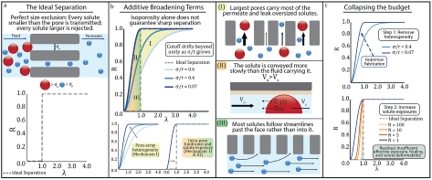
Anyone who has used a kitchen sieve expects filtering by size to be simple: small things pass through and large things stay behind. Ultrafiltration membranes, which are essential to water treatment, protein purification, and oil/water separations, are built on this idea, but they have never worked that cleanly. Their “rejection curves” are soft, S-shaped slopes rather than crisp steps. Molecules smaller than the average-sized pores are partly held back, and some larger ones slip through. For about fifty years, the field has largely accepted this as an inherent limit, with classical hindered-transport theory often read as a hard ceiling on precision. In our new article, ‘Sharpening the Cut: Physical Origins of Rejection-Curve Broadening and Routes to Precision Ultrafiltration’, my co-authors at Argonne National Laboratory and the University of Chicago and I argue that this softness is not a law of nature. It is the sum of several separate problems, and each one can be solved.

We describe the gap between the ideal step and the real slope as a “broadening budget” with three main entries. First, conventional membranes have a wide spread of pore sizes. Because flow scales with the fourth power of pore radius, the largest pores carry most of the fluid and leak oversized molecules. Second, even in a perfectly uniform pore, a molecule close to the pore size is slowed by the walls due to solvent (water) drag. Third, a molecule has to reach a pore mouth to pass through, and in a single pass many never get the chance. The deceptively simple insight that excited us is that a molecule smaller than the pore is only slowed, not blocked. If the feed is recirculated, it gets another try. If a single pass retains a fraction of the population of a solute, then after a sufficient number of passes the remaining solutes will find their way through, while a solute too large to enter is rejected every time. Our team tested this idea in earlier work published in Nature Water. We used silicon nitride membranes with exceptionally uniform nanoscale pores, with a coefficient of variation of about 0.07 compared with roughly 0.2 for commercial membranes. After recirculating the feed more than 900 times over about 200 hours, the rejection curve became much sharper than classical single-pass theory predicts, and the cutoff stayed locked at the pore size.

We still did not reach a perfect step, and the reason points to the next challenge. Simulations showed that most of the flow ran along the membrane rather than into it, so many passes were not true encounters with a pore. The path forward therefore runs increasingly through process design, but there is a catch. Water moves through pores faster than dissolved solutes do, so any process that maximizes encounters also has to keep resupplying water at the membrane surface to prevent concentration build-up and fouling. Flow cells that steer solutes toward the membrane, pulsed flows, and pore walls that let water “slip” are all promising next steps. More broadly, I hope this work encourages researchers in any field to look again at limits that seem fundamental. Sometimes they turn out to be several smaller, solvable problems stacked on top of each other.


Meet the authors

 

Jamila G. Eatman graduated from Spelman College in 2022 and is a Ph.D. candidate in the Pritzker School of Molecular Engineering at the University of Chicago. As part of her studies, she holds a visiting graduate student appointment at Argonne National Laboratory. In the Darling group at Argonne, she investigates the theory and practice of ultrafiltration. Her research characterizes the behavior of state-of-the-art isoporous membranes, from size-selective separations to fouling phenomena. By studying membranes with precisely controlled pore geometry, she tests whether it is possible to separate solutes and maintain performance beyond the limits predicted by classical models and by conventional membranes with randomly distributed pores.


Chaoqiuyu Wang is a Postdoctoral Scholar in the Pritzker School of Molecular Engineering at the University of Chicago. She obtained her Ph.D. in Chemistry and Chemical Biology from Cornell University in 2024, where her research focused on ion transport in liquid crystalline materials. In early 2025, she joined the group of Prof. Paul Nealey, where her focus shifted toward the self-assembly of block copolymers, exploiting the morphology of the assembled patterns to fabricate nanoporous membranes with precisely defined pore size.


Paul F. Nealey is currently the Brady W. Dougan Family Professor in Molecular Engineering at the Pritzker School of Molecular Engineering of the University of Chicago, and a Senior Scientist at Argonne National Laboratory. His research interests include nanofabrication techniques based on advanced lithography and directed self-assembly, dimension dependent material properties of nanoscopic macromolecular systems, quantitative three-dimensional characterization of the structure and dynamics of soft materials, and transport in nanostructured polymers and membranes. He is a fellow of the American Physical Society and member of the National Academy of Engineering.


Seth Darling is an Argonne Distinguished Fellow in the Chemical Sciences & Engineering Division at the U.S. Department of Energy’s Argonne National Laboratory, where he has worked for over 20 years. He also serves as the Director of the Advanced Materials for Energy-Water Systems (AMEWS) Energy Frontier Research Center (EFRC) and is a Senior Scientist with the Pritzker School of Molecular Engineering at the University of Chicago. His group’s research centers around molecular engineering with a current emphasis on advanced chemistry and materials for cleaning and recovering critical resources from water.


Sharpening the cut: physical origins of rejection-curve broadening and routes to precision ultrafiltration

Jamila G. Eatman; Chaoqiuyu Wang; Paul F. Nealey; Seth B. Darling

Nanoscale Horiz. (2026). DOI: 10.1039/d6nh00362a


Nanoscale Horizons is a leading journal for the publication of exceptionally high-quality, innovative nanoscience and nanotechnology. The journal places an emphasis on original research that demonstrates a new concept or a new way of thinking (a conceptual advance), rather than primarily reporting technological improvements. However, outstanding articles featuring truly breakthrough developments such as record performance alone may also be published in the journal.

Digg This
Reddit This
Stumble Now!
Share on Facebook
Bookmark this on Delicious
Share on LinkedIn
Bookmark this on Technorati
Post on Twitter
Google Buzz (aka. Google Reader)

Hear from our authors: Dorian Durig

Nanoscale Horizons is a leading journal for the publication of exceptionally high-quality, innovative nanoscience and nanotechnology. To celebrate the excellent articles that are published in the journal, we asked some of our authors to discuss their research in more detail.

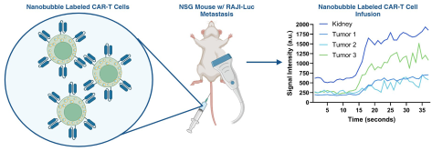
In this post, we hear from Dorian Durig (Case Western Reserve University, USA) as they discuss their recent article, ‘In vivo tracking of CAR-T cells in tumors via nanobubble-based contrast enhanced ultrasound‘.


Nanoscale Horizons – hear from our authors: Dorian Durig


In vivo tracking of CAR-T cells in tumors via nanobubble-based contrast enhanced ultrasound

Dorian Durig; Jude Franklin; Reshani Perera; Zachary Jackson; Smitha Hosahalli Vasanna; Michael C. Kolios; David N. Wald; Agata A. Exner

Nanoscale Horiz. (2026) 11 (4): 1081–1094. DOI: 10.1039/d5nh00708a


Nanoscale Horizons is a leading journal for the publication of exceptionally high-quality, innovative nanoscience and nanotechnology. The journal places an emphasis on original research that demonstrates a new concept or a new way of thinking (a conceptual advance), rather than primarily reporting technological improvements. However, outstanding articles featuring truly breakthrough developments such as record performance alone may also be published in the journal.

Digg This
Reddit This
Stumble Now!
Share on Facebook
Bookmark this on Delicious
Share on LinkedIn
Bookmark this on Technorati
Post on Twitter
Google Buzz (aka. Google Reader)

Hear from our authors: Tsukasa Irie, Saikat Das and Yuichi Negishi

Nanoscale Horizons is a leading journal for the publication of exceptionally high-quality, innovative nanoscience and nanotechnology. To celebrate the excellent articles that are published in the journal, we asked some of our authors to discuss their research in more detail.

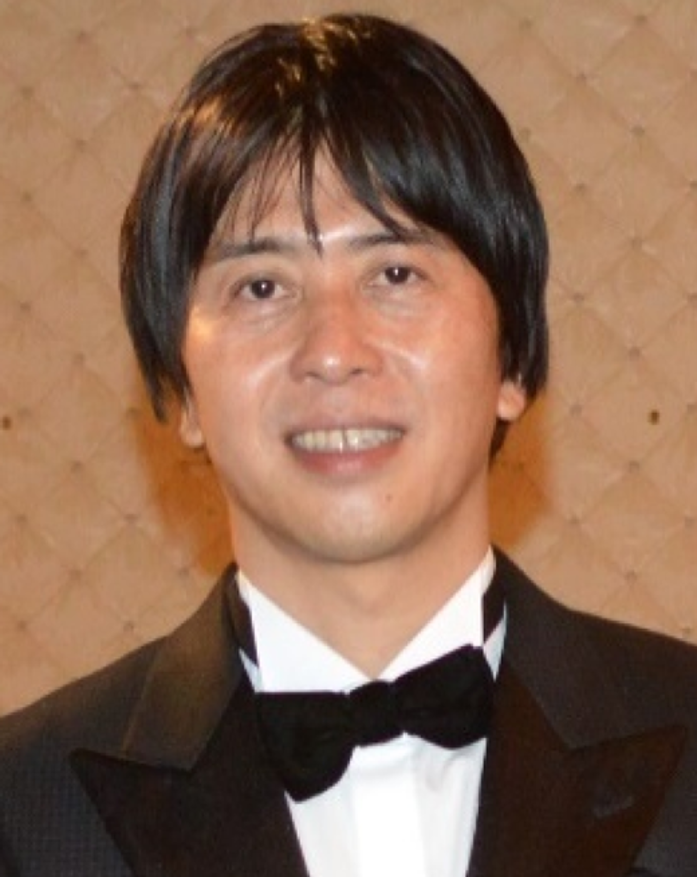
In this post, we hear from Tsukasa Irie, Saikat Das and Yuichi Negishi as they discuss their recent review article, ‘Covalent organic frameworks as precision nanocarriers for targeted drug delivery: developments, hurdles, and horizons‘, and share their perspectives on the opportunities and challenges of connecting precise materials design with drug delivery.


An interview with the authors

What is the main message of your review?

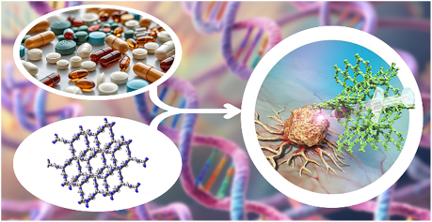
Our central message is that covalent organic frameworks (COFs) should be viewed as more than porous containers for drugs. Their ordered architectures allow pore geometry, linkage chemistry and functional groups to be tailored together, creating opportunities to control how therapeutic molecules are loaded, retained and released. In our review, we bring together advances in molecular recognition, targeted delivery and stimuli-responsive release to identify useful design principles. Equally importantly, we examine the barriers to clinical translation. Promising drug-loading performance must be considered alongside physiological stability, biological fate, reproducible manufacturing and long-term safety.

What aspect of this field excites you most at the moment?

What excites us most is the possibility of designing the molecular interactions between a framework and its therapeutic cargo. For example, the π-conjugated COF TU-32, discussed in our review, illustrates how drug–framework interactions can influence loading and retention beyond pore size alone. This highlights the importance of the chemical environment within a pore, rather than simply the amount of empty space it provides. Combining such molecular recognition with stimuli-responsive chemistry opens opportunities to retain a drug during delivery and release it under selected conditions. To us, this is a particularly exciting connection between fundamental materials chemistry and a practical therapeutic challenge.

In your opinion, what are the most important questions to be answered in this field?

Where does the carrier go in the body, how does it change, and what remains after drug release? We believe these questions are central to the next stage of COF-based drug delivery. A framework must remain sufficiently stable to protect and transport its cargo, yet ideally break down into safe, excretable products afterwards. Understanding this balance requires quantitative information about degradation, biodistribution, clearance and immune responses—not only short-term cell viability. Ultimately, we need to establish whether the structural precision achieved during synthesis can translate into predictable and reproducible behaviour in complex biological environments.

What do you find most challenging about research on COF-based drug delivery?

One of the greatest challenges is balancing properties that can work against one another. Strong drug–framework interactions may improve retention but make release more difficult, while greater framework stability can complicate degradation after delivery. Adding targeting groups or protective coatings also introduces further demands on synthesis and quality control. Another challenge is comparing published systems: differences in loading protocols, doses and biological models make it difficult to identify broadly applicable design rules. Progress therefore depends on carefully controlled comparisons and reproducible evaluation, rather than simply increasing loading capacity or adding more functions to a carrier.

Where do you see your research going in the future?

We would like to strengthen the connection between precise framework design and experimentally validated delivery behaviour. This means understanding how topology, linkage chemistry and host–guest interactions work together, rather than optimising individual properties in isolation. We see particular opportunities in controlled biodegradation and release mechanisms that respond to combinations of biological signals. Combining synthesis and structural characterisation with molecular simulations could help establish more reliable design principles, while closer collaboration with specialists in biological evaluation and pharmacology will be essential. Our longer-term ambition is to help translate the structural versatility of COFs into reproducible delivery platforms supported by convincing evidence of their performance and safety.


Meet the authors


Tsukasa Irie is currently a PhD student at Tohoku University under the supervision of Prof. Yuichi Negishi. He received his BSc degree in Applied Chemistry (2023) and MSc degree in Chemistry (2025) from Tokyo University of Science (TUS). He was employed as a Technical Assistant at the Institute of Multidisciplinary Research for Advanced Materials at Tohoku University before beginning his doctoral studies in 2026. His research interests include the structural and functional exploration of metal–organic frameworks (MOFs) and covalent organic frameworks (COFs).


Saikat Das is a Junior Associate Professor at the Institute of Multidisciplinary Research for Advanced Materials, Tohoku University, Japan. Prior to this, he served as a Junior Associate Professor and Assistant Professor at the Tokyo University of Science. He earned his PhD in 2018 from Jilin University, China. His research focuses on the rational design and synthesis of novel reticular materials, including covalent organic frameworks (COFs) and metal–organic frameworks (MOFs), for sustainable energy and environmental applications.


Yuichi Negishi is currently a Professor at the Institute of Multidisciplinary Research for Advanced Materials at Tohoku University. He received his PhD degree in Chemistry (2001) from Keio University under the supervision of Prof. Atsushi Nakajima. He was employed as an Assistant Professor at Keio University and the Institute for Molecular Science. Prior to joining Tohoku University, he was a Professor at TUS. His research interests include the structural and functional exploration of atomically precise metal nanoclusters, MOFs and COFs.


Covalent organic frameworks as precision nanocarriers for targeted drug delivery: developments, hurdles, and horizons

Tsukasa Irie; Saikat Das; Yuichi Negishi

Nanoscale Horiz. (2026) 11 (4): 928–952. https://doi.org/10.1039/d5nh00612k


Nanoscale Horizons is a leading journal for the publication of exceptionally high-quality, innovative nanoscience and nanotechnology. The journal places an emphasis on original research that demonstrates a new concept or a new way of thinking (a conceptual advance), rather than primarily reporting technological improvements. However, outstanding articles featuring truly breakthrough developments such as record performance alone may also be published in the journal.

Digg This
Reddit This
Stumble Now!
Share on Facebook
Bookmark this on Delicious
Share on LinkedIn
Bookmark this on Technorati
Post on Twitter
Google Buzz (aka. Google Reader)

The Nanoscale journal family is evolving to better serve the nanoscience community

New article types, clearer journal identities, and a more connected editorial structure

Whether you have published, reviewed, or followed research in Nanoscale Horizons, Nanoscale, or Nanoscale Advances, you have helped shape the success of our journals, and we are grateful for your contribution to our community. In a recent editorial, we outlined our vision for the future of the Nanoscale journal family. In this blog, we would like to share with you the key messages and what they mean for authors, reviewers, and readers.

Clearer positioning across the Nanoscale journal family

As nanoscience continues to grow, we are evolving the Nanoscale journals to give each journal a clear identity while remaining closely connected and complementary to the other titles in the journal family:

  • Nanoscale Horizons will focus on defining the future direction of nanoscience, publishing agenda-setting research, forward-looking analyses, and contributions that help frame emerging challenges and opportunities for the field.
  • Nanoscale will publish influential research that drives progress across nanoscience and deepens understanding across emerging and established areas, connecting developments across disciplines.
  • Nanoscale Advances will provide an open and inclusive platform for specialised and robust research that underpins ongoing scientific progress.

We are also introducing clear distinctions in the role review articles play across the journals, ensuring that they deliver unique value to the community.

New article types for Nanoscale Horizons

As part of this evolution, Nanoscale Horizons will be expanding its article types.

  • For review content, we will introduce Perspective articles, enabling authoritative researchers to share insights and analysis on emerging developments.
  • For primary research, full research papers will be launched alongside our existing concise communications to allow a broader range of research to be reported in the journal.

These additions create new opportunities for researchers to communicate both groundbreaking discoveries and visionary thinking that can influence the trajectory of the field.

A more connected publishing experience

We have also introduced a new leadership and governance model for the journal family to increase collaboration and to better connect the journals:

  • A family-level Editor-in-Chief will provide strategic oversight across all three journals: Professor Yue Zhang (USTB, China)
  • Dedicated Editorial Board Chairs will lead the journals at a title level: Professor Katharina Landfester (Max Planck Institute for Polymer Research, Germany) continues this role for Nanoscale Horizons, while Professor Xiaohui Qiu (NCNST, China) takes up this position for Nanoscale and Nanoscale Advances
  • A combined Advisory Board will span the full journal family
  • A new Early Career Advisory Board serving the journal family

Shared leadership, stronger coordination between editorial teams, and closer alignment of advisory boards will help create a more seamless experience for authors, reviewers, and readers.

Looking ahead

The Nanoscale journal family has always been driven by a commitment to publishing outstanding science and supporting researchers at every stage of their careers. These changes represent the next step in that journey. By working together as a connected portfolio, the three journals aim to better support the nanoscience community while maintaining the distinct strengths and identities that have made each title successful, ensuring the portfolio remains well positioned to serve a rapidly evolving research landscape.

Read the full editorial:
The future of the Nanoscale journal family: connected, collaborative, impactful
DOI: 10.1039/D6NH90042A

We are grateful to our authors, reviewers, readers, and editorial board members for their continued support, expertise, and contributions. Your engagement has been central to the success of the journals, and we look forward to working with you as we continue to shape the future of nanoscience and nanotechnology together.

Digg This
Reddit This
Stumble Now!
Share on Facebook
Bookmark this on Delicious
Share on LinkedIn
Bookmark this on Technorati
Post on Twitter
Google Buzz (aka. Google Reader)

US National Nanotechnology Day 2026

The US National Nanotechnology Day is an annual event of the National Nanotechnology Initiative of the U.S government featuring community-led events and activities on or around October 9th to help raise awareness of nanotechnology. 

We are delighted to share with you a new collection of recent Nanoscale Horizons, Nanoscale, and Nanoscale Advances articles published by researchers based in the US that show how the world’s smallest technologies shape our daily lives. This nationwide celebration highlights how nanotechnology enriches our daily lives today and the exciting opportunities it offers for the future. 

Read our cross-journal collection of papers for US National Nanotechnology Day 2026 


Digg This
Reddit This
Stumble Now!
Share on Facebook
Bookmark this on Delicious
Share on LinkedIn
Bookmark this on Technorati
Post on Twitter
Google Buzz (aka. Google Reader)

Cellulose Nanocrystals for Materials Innovation Open Call

Nanoscale Horizons is pleased to announce an open call for papers to an upcoming collection on cellulose nanocrystals for materials innovation. Submit your latest work in this field today!


This themed collection is guest edited by Professor Hou-Yong Yu (Zhejiang Sci-Tech University, China), Professor Somia Yassin Hussain Abdalkarim (Zhejiang Sci-Tech University, China) and Professor Ning Lin (Wuhan University of Technology, China).

Cellulose nanocrystals (CNCs) have emerged as a highly promising class of sustainable nanomaterials, combining exceptional mechanical strength, high crystallinity, tunable surface chemistry, large specific surface area, optical activity, colloidal stability, and intrinsic liquid-crystalline self-assembly. Derived from abundant and renewable biomass resources, CNCs provide a unique foundation for the development of advanced materials that integrate high performance with environmental sustainability.

Recent advances in CNC synthesis, surface modification, self-assembly, and hybrid material design have expanded their role far beyond that of conventional reinforcing agents. CNCs are now recognized as versatile nanoscale building blocks capable of directing hierarchical organization, tailoring interfacial interactions, and enabling emergent functionalities across a broad range of material systems. These capabilities have led to significant breakthroughs in structural nanocomposites, photonic and optical materials, responsive soft matter, flexible electronics, energy storage and conversion technologies, biomedical platforms, smart coatings, and sustainable packaging.

This Nanoscale Horizons Themed Collection seeks to highlight pioneering research that leverages the unique physicochemical, interfacial, colloidal, and self-assembly properties of CNCs to create innovative materials with unprecedented structures, properties, and functions. We particularly welcome contributions that bridge fundamental nanoscale science with practical applications and scalable technologies, reveal new structure–property relationships, uncover unexpected phenomena, establish innovative design principles, or demonstrate transformative applications enabled by CNC-based systems.

By bringing together researchers from chemistry, materials science, nanotechnology, physics, engineering, and related disciplines, this collection aims to showcase the growing impact of cellulose nanocrystals as a versatile platform for materials innovation. Through highlighting fundamental discoveries and emerging applications, the collection will provide a forward-looking perspective on how CNC-enabled materials can drive advances in sustainable technologies and inspire the next generation of functional nanomaterials.

We welcome Communications, Reviews and Minireviews that address cutting-edge advances in cellulose nanocrystal (CNC) science and technology, spanning fundamental understanding through to functional and scalable applications. Contributions should align with the broad interdisciplinary scope of Nanoscale Horizons and demonstrate clear conceptual novelty, emerging design principles, or transformative material performance.

Topics of interest include, but are not limited to:

  • CNC Synthesis, Extraction, Functionalization & Surface Engineering
  • Self-Assembly, Hierarchical Organization & Structural Design
  • Advanced Nanocomposites & Hybrid Materials
  • Functional & Responsive Materials
  • Porous Materials: Aerogels, Foams & 3D Architectures
  • Energy & Environmental Applications
  • Biomedical & Biofunctional Materials
  • Sustainable Materials & Circular Design
  • Emerging Concepts & Frontier Applications


Open for submissions until 31 January 2027

Find out more about this open call here


When you submit to Nanoscale Horizons you may wish to consider the option of publishing your research open access, making it immediately accessible to a global audience upon publication. More information about open access publishing can be found here. You may be eligible for a discount on the article processing charge (APC) through an institutional agreement – you can check this using our Journal Finder tool.

If you are interested in submitting, we encourage you to find out more about the collection requirements and the scope and standards of the journals involved below. Please note that primary research should be submitted in the form of a Communication and should also contain a ‘New Concepts statement’ to help ascertain the significance of the research. Find out more about our new concepts statements for Nanoscale Horizons.

Please inform the Editorial Office at nanoscalehorizons-rsc@rsc.org as soon as possible if you plan to submit to the themed collection. If you are interested in submitting a review-type article, please contact the Editorial Office in the first instance with a proposed title and abstract as initial approval is required before submission to avoid potential topic overlap and ensure that we cover topics in need to review. 

Digg This
Reddit This
Stumble Now!
Share on Facebook
Bookmark this on Delicious
Share on LinkedIn
Bookmark this on Technorati
Post on Twitter
Google Buzz (aka. Google Reader)

Outstanding Paper Award 2025

Announcing our Nanoscale Horizons Outstanding Paper Award winners

Our annual Outstanding Paper Award recognises some of the exceptional work published in Nanoscale Horizons, and the authors behind those articles. The winners are chosen by the Editorial and Advisory Boards based on the science presented and the work’s potential future impact.

Discover our 2025 winners here

Please join us in congratulating the winners of the 2025 Outstanding Paper Award! We hope that you enjoy reading their outstanding articles as much as we did! Read more about the prize winners and their research in our Editorial.

To be eligible to receive a Nanoscale Horizons Outstanding Paper Award you must have published an article in the journal in the previous calendar year. All submissions will be subject to initial assessment and peer review as appropriate according to the journal’s guidelines. We would be delighted if you would consider Nanoscale Horizons for your next exceptionally high-quality and innovative nanoscience and nanotechnology submission. Find out more about the journal and submit your work now!

Digg This
Reddit This
Stumble Now!
Share on Facebook
Bookmark this on Delicious
Share on LinkedIn
Bookmark this on Technorati
Post on Twitter
Google Buzz (aka. Google Reader)

Congratulations to our latest Emerging Investigator Dr Joelle P. Straehla (Massachusetts Institute of Technology/Seattle Children’s Research Institute/University of Washington, United States)

Nanoscale Horizons Emerging Investigator Series 

Congratulations to our latest Emerging Investigator Dr Joelle P. Straehla (Massachusetts Institute of Technology/Seattle Children’s Research Institute/University of Washington, United States)! 

Since the launch of Nanoscale Horizons, the journal has had a clear vision to publish exceptionally high-quality work whilst acting as a resource to researchers working at all career levels. We continue to be impressed by the quality of the research published and at the same time are looking for new ways of recognising and promoting the outstanding authors behind articles published in the journal. 

We launched our Emerging Investigator Series to showcase the exceptional work published by early-career researchers in the journal and regularly select a recently published Communication article to feature in an interview-style Editorial article with the corresponding author. We hope that the series will also benefit the nanoscience community by highlighting the exciting work being done by its early-career members. 

We are excited to share our latest Emerging Investigator, Dr Joelle P. Straehla (Massachusetts Institute of Technology/Seattle Children’s Research Institute/University of Washington, United States)! 

Read our interview with Joelle here 

Joelle P. Straehla, MD, is a Principal Investigator at Seattle Children’s Research Institute and a pediatric neuro-oncologist in the Brain Tumor Program at Seattle Children’s Hospital. She is an assistant professor of pediatrics and adjunct assistant professor of bioengineering at the University of Washington, and a member of the Fred Hutch/UW/Seattle Children’s Cancer Consortium. The Straehla Lab advances drug delivery technologies for pediatric cancers, with a particular focus on cancer nanomedicine. Operating at the intersection of nanotechnology and cancer biology, the lab works to bridge engineering innovation and clinical practice—designing new nanoparticle-based therapeutics, identifying the biological regulators of nanoparticle delivery, and developing strategies to overcome difficult tissue barriers, including the blood–brain barrier, in order to bring safer, more effective treatments to children with cancer. Dr Straehla received her MD from Northwestern University and completed her pediatric residency at Seattle Children’s Hospital/University of Washington. She trained in pediatric hematology/oncology at Dana-Farber/Boston Children’s Cancer and Blood Disorders Center, where she also gained additional training in biological and chemical engineering in the laboratory of Dr Paula Hammond at MIT. Prior to joining Seattle Children’s in 2024, she was an Instructor of Pediatrics at Harvard Medical School and a Charles W. (1955) and Jennifer C. Johnson Clinical Investigator at MIT’s Koch Institute for Integrative Cancer Research. In the clinic, Dr Straehla cares for children with brain and spinal cord tumors and is active in local and national consortia focused on improving drug delivery for brain tumors through collaborative research.

Congratulations to Joelle for her excellent work! You can read her featured Emerging Investigator article from Nanoscale Horizons below.


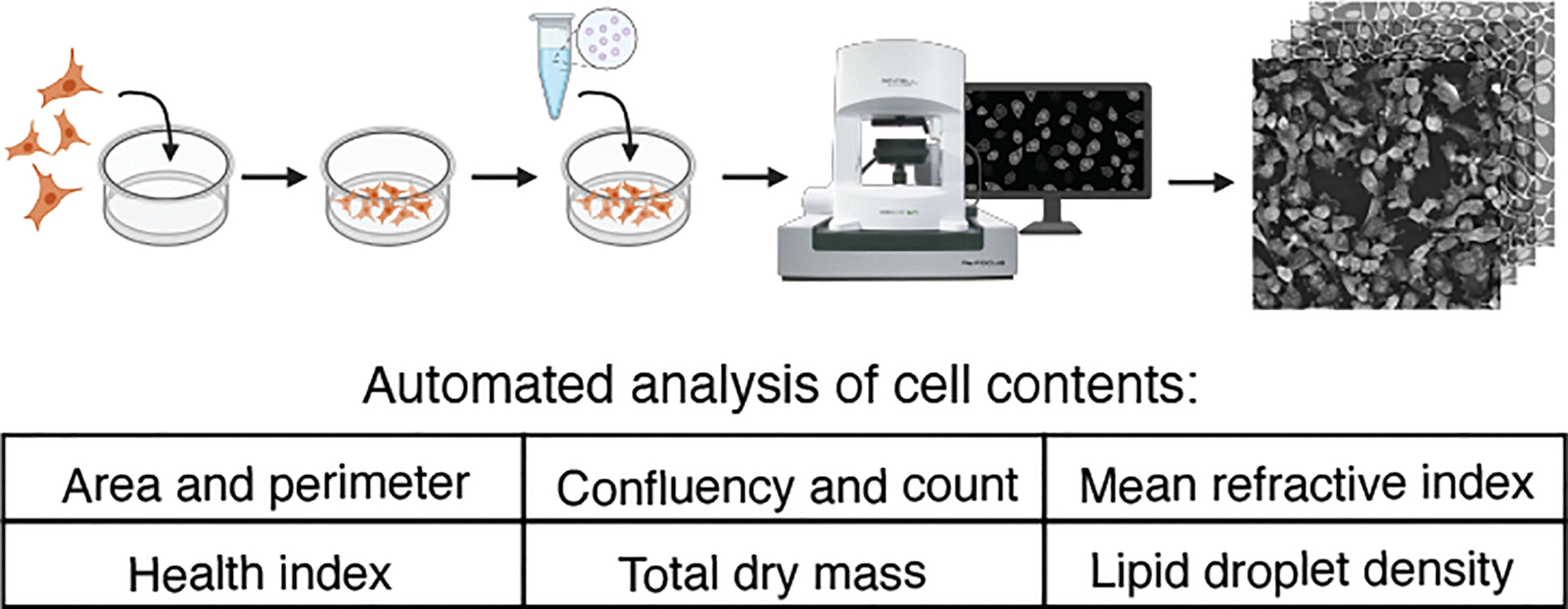
Subcellular nanoparticle trafficking investigated with label-free, live cell imaging

Elizabeth B. Nelson, Gil Covarrubias; Namita Nabar; Victoria F. Gomerdinger, Anderson Scott; Paula T. Hammond and Joelle P. Straehla

Nanoscale Horiz. (2026) 11 (4): 1011–1021

https://doi.org/10.1039/d5nh00749f


We hope you enjoy reading our interview and featured article and are looking forward to sharing our future Emerging Investigators with you! 

Do you publish innovative nanoscience and nanotechnology research? Submit your latest work to Nanoscale Horizons now. If you are eligible for the Emerging Investigators series, you could be considered to feature in one of our future interviews! Find out more about the eligibility criteria and the process in this editorial introducing the series. 

Digg This
Reddit This
Stumble Now!
Share on Facebook
Bookmark this on Delicious
Share on LinkedIn
Bookmark this on Technorati
Post on Twitter
Google Buzz (aka. Google Reader)

Congratulations to our latest Emerging Investigator Dr Jake McClements, Newcastle University, UK

Nanoscale Horizons Emerging Investigator Series 

Congratulations to our latest Emerging Investigator Dr Jake McClements, (Newcastle University, UK)! 

Since the launch of Nanoscale Horizons, the journal has had a clear vision to publish exceptionally high-quality work whilst acting as a resource to researchers working at all career levels. We continue to be impressed by the quality of the research published and at the same time are looking for new ways of recognising and promoting the outstanding authors behind articles published in the journal. 

We launched our Emerging Investigator Series to showcase the exceptional work published by early-career researchers in the journal and regularly select a recently published Communication article to feature in an interview-style Editorial article with the corresponding author. We hope that the series will also benefit the nanoscience community by highlighting the exciting work being done by its early-career members. 

We are excited to share our latest Emerging Investigator, Dr Jake McClements, (Newcastle University, UK)! 

The picture shows a picture of Jake McClements and reads “Royal Society of Chemistry. Nanoscale Horizons Interview with Jake McClements.”

Read our interview with Jake here

Dr Jake McClements is a Newcastle University Academic Track (NUAcT) Fellow in Ageing and Health, based in the School of Engineering. He obtained his PhD in materials engineering from the University of Edinburgh in 2019, where his research explored the interfacial behaviour of polymers at surfaces across multiple length scales. After a one-year postdoctoral position in the same department at Edinburgh, in collaboration with Michelin, he moved to Chemical Engineering at Newcastle University in 2020 to take up a postdoctoral role developing polymer-based diagnostics for cardiovascular conditions.

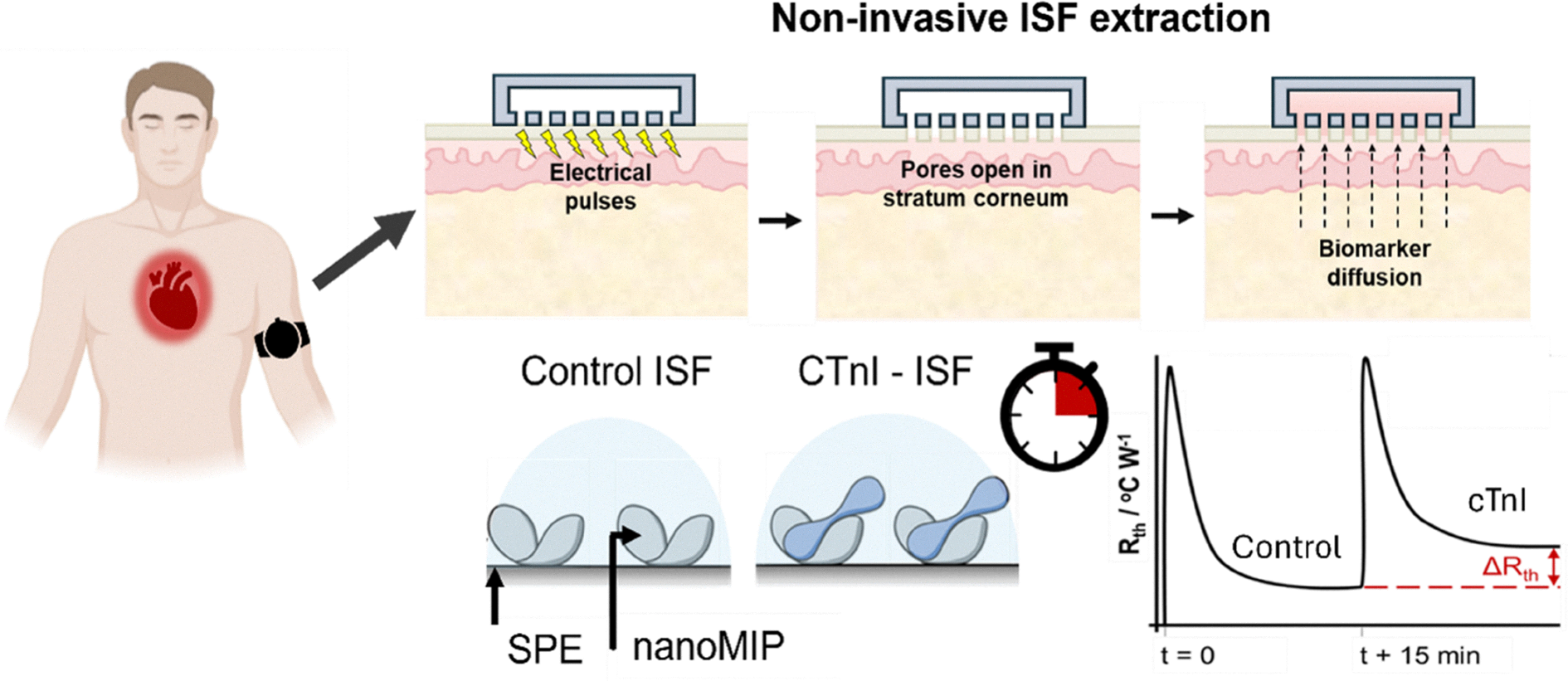
In 2024, he was awarded a NUAcT Fellowship at Newcastle. His research group develops polymeric recognition elements and associated sensors for a range of diagnostic and industrial applications, with a particular focus on next-generation wearable and point-of-care devices that use minimally invasive sampling methods, such as interstitial fluid extraction. Beyond research, he also serves as an Editor for the Elsevier journal Sustainable Materials and Technologies. Find out more about Dr McClements’ research group here.

Congratulations to Jake for his excellent work! You can read his featured Emerging Investigator article from Nanoscale Horizons below. 

Unlocking interstitial fluid for acute coronary syndrome diagnosis: ultrasensitive troponin I detection using imprinted polymer nanoparticles

Joshua Saczek, Amy Dann, Robert D. Crapnell, Craig E. Banks, Rhiannon E. Johnson, Francesco Canfarotta, Alan Thomson, Azfar Zaman, Ioakim Spyridopoulos, Katarina Novakovic, Marloes Peeters and Jake McClements

Nanoscale Horiz. (2026) 11 (3): 803–816

D5NH00441A

 We hope you enjoy reading our interview and featured article and are looking forward to sharing our future Emerging Investigators with you! 

Do you publish innovative nanoscience and nanotechnology research? Submit your latest work to Nanoscale Horizons now. If you are eligible for the Emerging Investigators series, you could be considered to feature in one of our future interviews! Find out more about the eligibility criteria and the process in this editorial introducing the series. 

Digg This
Reddit This
Stumble Now!
Share on Facebook
Bookmark this on Delicious
Share on LinkedIn
Bookmark this on Technorati
Post on Twitter
Google Buzz (aka. Google Reader)

Hear from our authors: Yu Qiu, Haijiao Xu and Hongda Wang

Nanoscale Horizons is a leading journal for the publication of exceptionally high-quality, innovative nanoscience and nanotechnology. To celebrate the excellent articles that are published in the journal, we asked some of our authors to discuss their research in more detail.

In this post, we hear from Yu Qiu, Haijiao Xu and Hongda Wang as they discuss their recent article, ‘Actin-dependent regulation of RSV F-mediated cell–cell fusion revealed by visualizing its spatiotemporal dynamics‘.


Insights from the authors

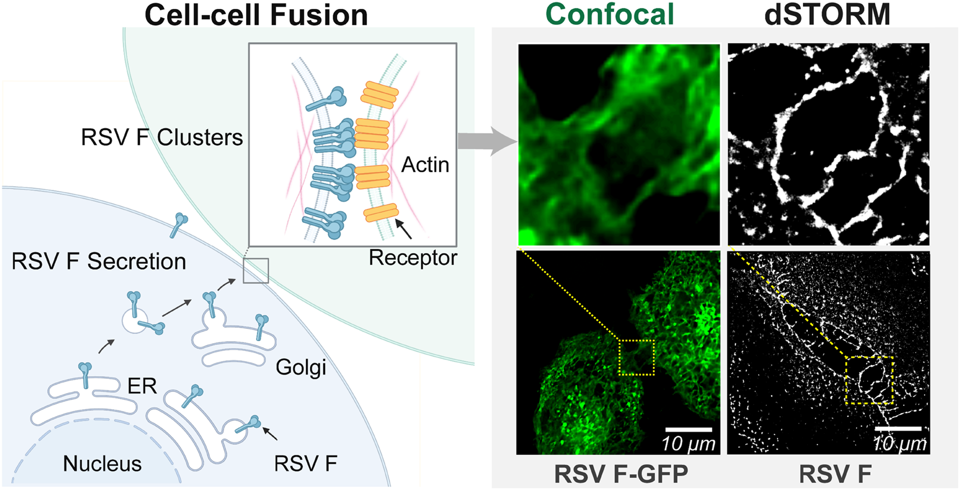
This study integrates live‑cell and super‑resolution microscopy to directly visualize the spatiotemporal dynamics of respiratory syncytial virus fusion (F) protein from its secretion to membrane assembly. It reveals that RSV F traffics efficiently to the plasma membrane and induces F‑actin‑enriched membrane protrusions that promote cell‑cell fusion, a process strictly dependent on branched actin remodeling. Beyond mechanical support, super‑resolution imaging uncovers that actin orchestrates the nanoscale reorganization of RSV F from dispersed clusters into near‑continuous ribbon‑like nanodomains specifically at cell–cell contact sites, establishing a stable fusion platform. This work thus demonstrates a dual role of actin—both in generating fusogenic protrusions and in spatially organizing the viral fusogen. Collectively, these findings define a key mechanism in RSV pathogenesis, reveal a nanoscale organizational target for antiviral intervention, and underscore the power of advanced nano-scale to unravel complex host‑pathogen interactions at the molecular level.


Highlights of the work

  • We visualized, for the first time, the entire secretory trafficking of RSV F in living cells, showing its independent transport through the ER‑Golgi pathway to the plasma membrane without other viral proteins.
  • Time‑lapse imaging captured the stepwise fusion pore formation, from filopodial bridges to pore nucleation and expansion, culminating in multinucleated syncytia.
  • Pharmacological perturbations revealed that Arp2/3‑dependent branched actin, but not formin‑mediated parallel actin, is essential for RSV F‑induced syncytium formation, whereas global actin polymerization is indispensable.
  • dSTORM super‑resolution imaging quantified the nanoscale clustering of RSV F on the plasma membrane and showed that actin disruption fragments these clusters, reducing localization density, cluster number and area.
  • At cell–cell contacts, RSV F reorganizes into near‑continuous ribbon‑like nanodomains—a structure invisible to conventional microscopy—that are disrupted upon actin depolymerization, highlighting actin’s role in building a mature fusion platform.


Future perspectives

Future research will focus on the dynamic interplay between RSV F protein and the actin cytoskeleton, especially the physiological spatiotemporal evolution of nanoscale fusion platforms. While actin’s dual functions in force generation and spatial scaffolding have been established, the stability and dynamic remodeling of F protein nanoclusters during fusion remain poorly characterized. Transient rearrangement of viral fusogens at cell–cell contacts profoundly modulates fusion efficiency and is undetectable by static super-resolution imaging alone. Integrating live-cell dynamic monitoring with nanoscale static characterization is therefore a core research direction. Advanced live-cell super-resolution microscopy enables real-time tracking of actin remodeling and F protein assembly, facilitating precise kinetic analysis and the rational design of host-directed antiviral strategies. This nanoscale mechanistic insight offers a basis for developing broad-spectrum therapies targeting conserved host–virus interfaces to limit drug resistance, and provides a universal framework for studying cytoskeleton-dependent viral infections.


Meet the authors


Yu Qiu is currently a postgraduate student at the University of Science and Technology of China, under the supervision of Researcher Hongda Wang. Her research focuses on the dynamic transport mechanisms of cell membrane systems.


Haijiao Xu is an Associate Professor at Changchun Institute of Applied Chemistry, Chinese Academy of Sciences. Haijiao Xu received her Ph.D. degree in Analytical Chemistry from the same institute in 2021. Her research has long been dedicated to the field of single molecule biophysics, with a particular focus on the mechanistic relationships between membrane protein distribution patterns and dynamic vesicular trafficking.


Hongda Wang is a Professor at Changchun Institute of Applied Chemistry, Chinese Academy of Sciences, and University of Science and Technology of China. His research revolves around single-molecule biophysics and biomembrane structural biology. He has pioneered two original membrane architecture models: the semi-mosaic model for erythrocyte membranes, as well as the protein layer-lipid-protein island model applicable to nucleated tissue cell membranes. Meanwhile, he has autonomously engineered topographic super-resolution fluorescence microscopes and high-precision motorized fluorescence microscopes optimized for biophysical imaging applications.


Actin-dependent regulation of RSV F-mediated cell–cell fusion revealed by visualizing its spatiotemporal dynamics

Yu Qiu; Xin Ji; Jinrui Zhang; Jing Gao; Yan Shi; Yangang Pan; Guanghua Che; Haijiao Xu; Hongda Wang

Nanoscale Horiz. (2026), https://doi.org/10.1039/d6nh00043f


Nanoscale Horizons is a leading journal for the publication of exceptionally high-quality, innovative nanoscience and nanotechnology. The journal places an emphasis on original research that demonstrates a new concept or a new way of thinking (a conceptual advance), rather than primarily reporting technological improvements. However, outstanding articles featuring truly breakthrough developments such as record performance alone may also be published in the journal.

Digg This
Reddit This
Stumble Now!
Share on Facebook
Bookmark this on Delicious
Share on LinkedIn
Bookmark this on Technorati
Post on Twitter
Google Buzz (aka. Google Reader)