Author Archive

Cellulose Nanocrystals for Materials Innovation Open Call

Nanoscale Horizons is pleased to announce an open call for papers to an upcoming collection on cellulose nanocrystals for materials innovation. Submit your latest work in this field today!


This themed collection is guest edited by Professor Hou-Yong Yu (Zhejiang Sci-Tech University, China), Professor Somia Yassin Hussain Abdalkarim (Zhejiang Sci-Tech University, China) and Professor Ning Lin (Wuhan University of Technology, China).

Cellulose nanocrystals (CNCs) have emerged as a highly promising class of sustainable nanomaterials, combining exceptional mechanical strength, high crystallinity, tunable surface chemistry, large specific surface area, optical activity, colloidal stability, and intrinsic liquid-crystalline self-assembly. Derived from abundant and renewable biomass resources, CNCs provide a unique foundation for the development of advanced materials that integrate high performance with environmental sustainability.

Recent advances in CNC synthesis, surface modification, self-assembly, and hybrid material design have expanded their role far beyond that of conventional reinforcing agents. CNCs are now recognized as versatile nanoscale building blocks capable of directing hierarchical organization, tailoring interfacial interactions, and enabling emergent functionalities across a broad range of material systems. These capabilities have led to significant breakthroughs in structural nanocomposites, photonic and optical materials, responsive soft matter, flexible electronics, energy storage and conversion technologies, biomedical platforms, smart coatings, and sustainable packaging.

This Nanoscale Horizons Themed Collection seeks to highlight pioneering research that leverages the unique physicochemical, interfacial, colloidal, and self-assembly properties of CNCs to create innovative materials with unprecedented structures, properties, and functions. We particularly welcome contributions that bridge fundamental nanoscale science with practical applications and scalable technologies, reveal new structure–property relationships, uncover unexpected phenomena, establish innovative design principles, or demonstrate transformative applications enabled by CNC-based systems.

By bringing together researchers from chemistry, materials science, nanotechnology, physics, engineering, and related disciplines, this collection aims to showcase the growing impact of cellulose nanocrystals as a versatile platform for materials innovation. Through highlighting fundamental discoveries and emerging applications, the collection will provide a forward-looking perspective on how CNC-enabled materials can drive advances in sustainable technologies and inspire the next generation of functional nanomaterials.

We welcome Communications, Reviews and Minireviews that address cutting-edge advances in cellulose nanocrystal (CNC) science and technology, spanning fundamental understanding through to functional and scalable applications. Contributions should align with the broad interdisciplinary scope of Nanoscale Horizons and demonstrate clear conceptual novelty, emerging design principles, or transformative material performance.

Topics of interest include, but are not limited to:

  • CNC Synthesis, Extraction, Functionalization & Surface Engineering
  • Self-Assembly, Hierarchical Organization & Structural Design
  • Advanced Nanocomposites & Hybrid Materials
  • Functional & Responsive Materials
  • Porous Materials: Aerogels, Foams & 3D Architectures
  • Energy & Environmental Applications
  • Biomedical & Biofunctional Materials
  • Sustainable Materials & Circular Design
  • Emerging Concepts & Frontier Applications


Open for submissions until 31 January 2027

Find out more about this open call here


When you submit to Nanoscale Horizons you may wish to consider the option of publishing your research open access, making it immediately accessible to a global audience upon publication. More information about open access publishing can be found here. You may be eligible for a discount on the article processing charge (APC) through an institutional agreement – you can check this using our Journal Finder tool.

If you are interested in submitting, we encourage you to find out more about the collection requirements and the scope and standards of the journals involved below. Please note that primary research should be submitted in the form of a Communication and should also contain a ‘New Concepts statement’ to help ascertain the significance of the research. Find out more about our new concepts statements for Nanoscale Horizons.

Please inform the Editorial Office at nanoscalehorizons-rsc@rsc.org as soon as possible if you plan to submit to the themed collection. If you are interested in submitting a review-type article, please contact the Editorial Office in the first instance with a proposed title and abstract as initial approval is required before submission to avoid potential topic overlap and ensure that we cover topics in need to review. 

Digg This
Reddit This
Stumble Now!
Share on Facebook
Bookmark this on Delicious
Share on LinkedIn
Bookmark this on Technorati
Post on Twitter
Google Buzz (aka. Google Reader)

Outstanding Paper Award 2025

Announcing our Nanoscale Horizons Outstanding Paper Award winners

Our annual Outstanding Paper Award recognises some of the exceptional work published in Nanoscale Horizons, and the authors behind those articles. The winners are chosen by the Editorial and Advisory Boards based on the science presented and the work’s potential future impact.

Discover our 2025 winners here

Please join us in congratulating the winners of the 2025 Outstanding Paper Award! We hope that you enjoy reading their outstanding articles as much as we did! Read more about the prize winners and their research in our Editorial.

To be eligible to receive a Nanoscale Horizons Outstanding Paper Award you must have published an article in the journal in the previous calendar year. All submissions will be subject to initial assessment and peer review as appropriate according to the journal’s guidelines. We would be delighted if you would consider Nanoscale Horizons for your next exceptionally high-quality and innovative nanoscience and nanotechnology submission. Find out more about the journal and submit your work now!

Digg This
Reddit This
Stumble Now!
Share on Facebook
Bookmark this on Delicious
Share on LinkedIn
Bookmark this on Technorati
Post on Twitter
Google Buzz (aka. Google Reader)

Congratulations to our latest Emerging Investigator Dr Joelle P. Straehla (Massachusetts Institute of Technology/Seattle Children’s Research Institute/University of Washington, United States)

Nanoscale Horizons Emerging Investigator Series 

Congratulations to our latest Emerging Investigator Dr Joelle P. Straehla (Massachusetts Institute of Technology/Seattle Children’s Research Institute/University of Washington, United States)! 

Since the launch of Nanoscale Horizons, the journal has had a clear vision to publish exceptionally high-quality work whilst acting as a resource to researchers working at all career levels. We continue to be impressed by the quality of the research published and at the same time are looking for new ways of recognising and promoting the outstanding authors behind articles published in the journal. 

We launched our Emerging Investigator Series to showcase the exceptional work published by early-career researchers in the journal and regularly select a recently published Communication article to feature in an interview-style Editorial article with the corresponding author. We hope that the series will also benefit the nanoscience community by highlighting the exciting work being done by its early-career members. 

We are excited to share our latest Emerging Investigator, Dr Joelle P. Straehla (Massachusetts Institute of Technology/Seattle Children’s Research Institute/University of Washington, United States)! 

Read our interview with Joelle here 

Joelle P. Straehla, MD, is a Principal Investigator at Seattle Children’s Research Institute and a pediatric neuro-oncologist in the Brain Tumor Program at Seattle Children’s Hospital. She is an assistant professor of pediatrics and adjunct assistant professor of bioengineering at the University of Washington, and a member of the Fred Hutch/UW/Seattle Children’s Cancer Consortium. The Straehla Lab advances drug delivery technologies for pediatric cancers, with a particular focus on cancer nanomedicine. Operating at the intersection of nanotechnology and cancer biology, the lab works to bridge engineering innovation and clinical practice—designing new nanoparticle-based therapeutics, identifying the biological regulators of nanoparticle delivery, and developing strategies to overcome difficult tissue barriers, including the blood–brain barrier, in order to bring safer, more effective treatments to children with cancer. Dr Straehla received her MD from Northwestern University and completed her pediatric residency at Seattle Children’s Hospital/University of Washington. She trained in pediatric hematology/oncology at Dana-Farber/Boston Children’s Cancer and Blood Disorders Center, where she also gained additional training in biological and chemical engineering in the laboratory of Dr Paula Hammond at MIT. Prior to joining Seattle Children’s in 2024, she was an Instructor of Pediatrics at Harvard Medical School and a Charles W. (1955) and Jennifer C. Johnson Clinical Investigator at MIT’s Koch Institute for Integrative Cancer Research. In the clinic, Dr Straehla cares for children with brain and spinal cord tumors and is active in local and national consortia focused on improving drug delivery for brain tumors through collaborative research.

Congratulations to Joelle for her excellent work! You can read her featured Emerging Investigator article from Nanoscale Horizons below.


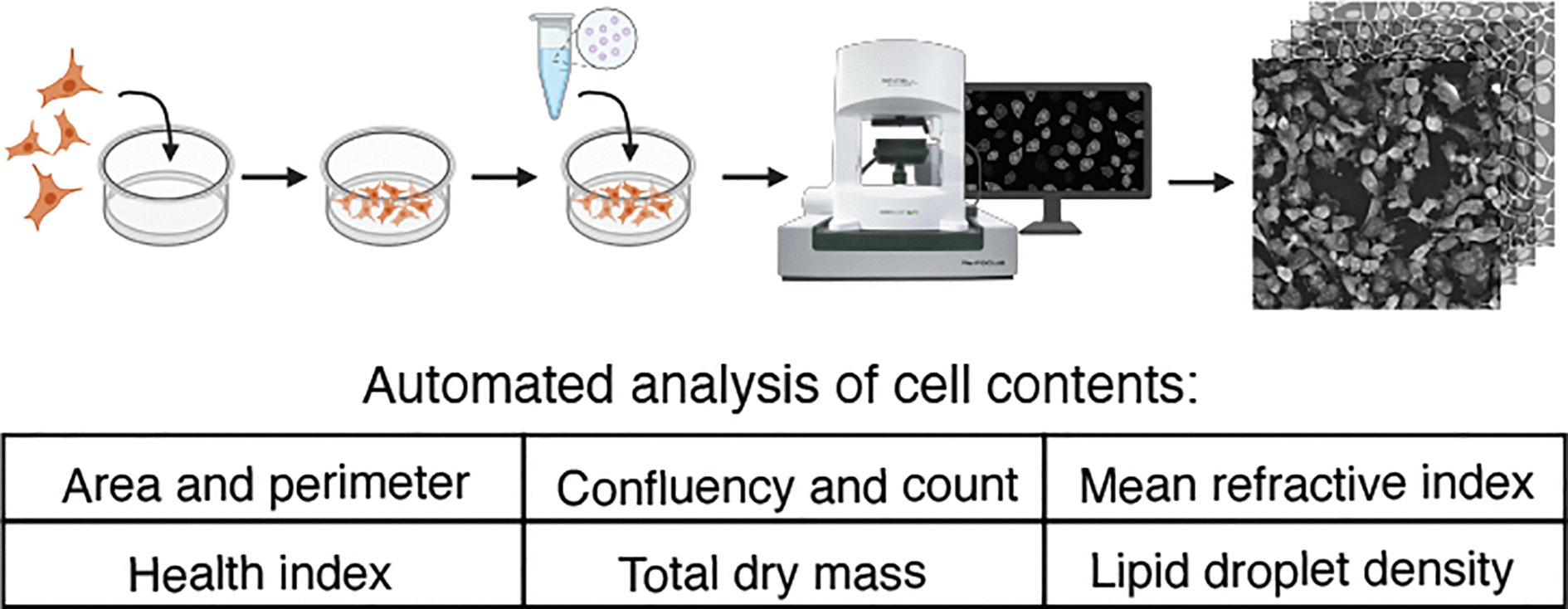
Subcellular nanoparticle trafficking investigated with label-free, live cell imaging

Elizabeth B. Nelson, Gil Covarrubias; Namita Nabar; Victoria F. Gomerdinger, Anderson Scott; Paula T. Hammond and Joelle P. Straehla

Nanoscale Horiz. (2026) 11 (4): 1011–1021

https://doi.org/10.1039/d5nh00749f


We hope you enjoy reading our interview and featured article and are looking forward to sharing our future Emerging Investigators with you! 

Do you publish innovative nanoscience and nanotechnology research? Submit your latest work to Nanoscale Horizons now. If you are eligible for the Emerging Investigators series, you could be considered to feature in one of our future interviews! Find out more about the eligibility criteria and the process in this editorial introducing the series. 

Digg This
Reddit This
Stumble Now!
Share on Facebook
Bookmark this on Delicious
Share on LinkedIn
Bookmark this on Technorati
Post on Twitter
Google Buzz (aka. Google Reader)

Congratulations to our latest Emerging Investigator Dr Jake McClements, Newcastle University, UK

Nanoscale Horizons Emerging Investigator Series 

Congratulations to our latest Emerging Investigator Dr Jake McClements, (Newcastle University, UK)! 

Since the launch of Nanoscale Horizons, the journal has had a clear vision to publish exceptionally high-quality work whilst acting as a resource to researchers working at all career levels. We continue to be impressed by the quality of the research published and at the same time are looking for new ways of recognising and promoting the outstanding authors behind articles published in the journal. 

We launched our Emerging Investigator Series to showcase the exceptional work published by early-career researchers in the journal and regularly select a recently published Communication article to feature in an interview-style Editorial article with the corresponding author. We hope that the series will also benefit the nanoscience community by highlighting the exciting work being done by its early-career members. 

We are excited to share our latest Emerging Investigator, Dr Jake McClements, (Newcastle University, UK)! 

The picture shows a picture of Jake McClements and reads “Royal Society of Chemistry. Nanoscale Horizons Interview with Jake McClements.”

Read our interview with Jake here

Dr Jake McClements is a Newcastle University Academic Track (NUAcT) Fellow in Ageing and Health, based in the School of Engineering. He obtained his PhD in materials engineering from the University of Edinburgh in 2019, where his research explored the interfacial behaviour of polymers at surfaces across multiple length scales. After a one-year postdoctoral position in the same department at Edinburgh, in collaboration with Michelin, he moved to Chemical Engineering at Newcastle University in 2020 to take up a postdoctoral role developing polymer-based diagnostics for cardiovascular conditions.

In 2024, he was awarded a NUAcT Fellowship at Newcastle. His research group develops polymeric recognition elements and associated sensors for a range of diagnostic and industrial applications, with a particular focus on next-generation wearable and point-of-care devices that use minimally invasive sampling methods, such as interstitial fluid extraction. Beyond research, he also serves as an Editor for the Elsevier journal Sustainable Materials and Technologies. Find out more about Dr McClements’ research group here.

Congratulations to Jake for his excellent work! You can read his featured Emerging Investigator article from Nanoscale Horizons below. 

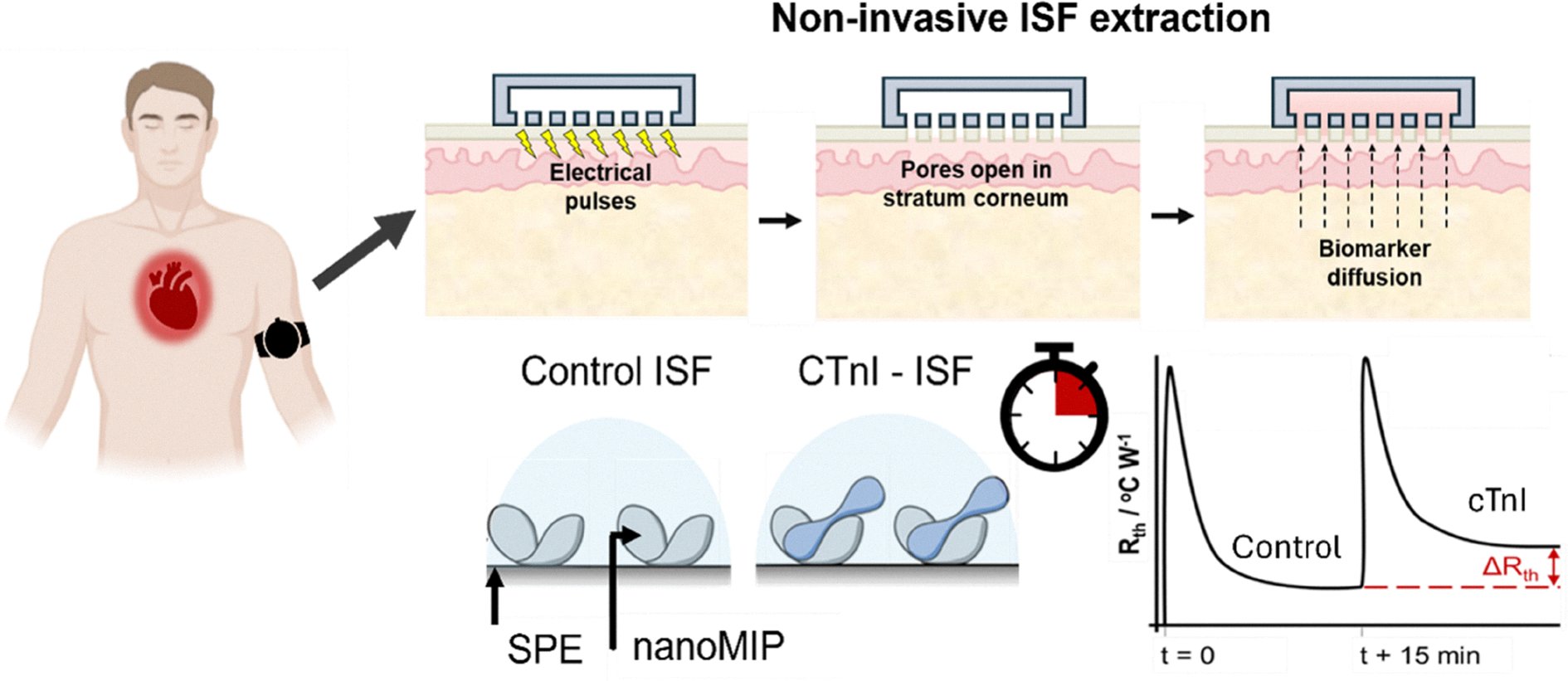
Unlocking interstitial fluid for acute coronary syndrome diagnosis: ultrasensitive troponin I detection using imprinted polymer nanoparticles

Joshua Saczek, Amy Dann, Robert D. Crapnell, Craig E. Banks, Rhiannon E. Johnson, Francesco Canfarotta, Alan Thomson, Azfar Zaman, Ioakim Spyridopoulos, Katarina Novakovic, Marloes Peeters and Jake McClements

Nanoscale Horiz. (2026) 11 (3): 803–816

D5NH00441A

 We hope you enjoy reading our interview and featured article and are looking forward to sharing our future Emerging Investigators with you! 

Do you publish innovative nanoscience and nanotechnology research? Submit your latest work to Nanoscale Horizons now. If you are eligible for the Emerging Investigators series, you could be considered to feature in one of our future interviews! Find out more about the eligibility criteria and the process in this editorial introducing the series. 

Digg This
Reddit This
Stumble Now!
Share on Facebook
Bookmark this on Delicious
Share on LinkedIn
Bookmark this on Technorati
Post on Twitter
Google Buzz (aka. Google Reader)

Congratulations to our latest Emerging Investigator Dr Wouter Van Gompel

Nanoscale Horizons Emerging Investigator Series

Congratulations to our latest Emerging Investigator Dr Wouter Van Gompel (Hasselt University, Belgium)! 

Since the launch of Nanoscale Horizons, the journal has had a clear vision to publish exceptionally high-quality work whilst acting as a resource to researchers working at all career levels. We continue to be impressed by the quality of the research published and at the same time are looking for new ways of recognising and promoting the outstanding authors behind articles published in the journal. 

We launched our Emerging Investigator Series to showcase the exceptional work published by early-career researchers in the journal and regularly select a recently published Communication article to feature in an interview-style Editorial article with the corresponding author. We hope that the series will also benefit the nanoscience community by highlighting the exciting work being done by its early-career members. 

We are excited to share our latest Emerging Investigator, Dr Wouter Van Gompel (Hasselt University, Belgium)! 

Image showing a picture Emerging Investigator Wouter Van Gompel. Text on the slide says "Royal Society of Chemistry. Nanoscale Horizons Interview with Wouter Van Gompel."

Read our interview with Wouter

Dr Wouter Van Gompel received his Master’s degree in chemistry from Ghent University in 2015 and completed his PhD in chemistry at Hasselt University in 2019 under the supervision of Prof. Dr. Dirk Vanderzande, supported by a personal PhD Fellowship from the Research Foundation Flanders (FWO). Following his PhD, he continued his work on hybrid perovskites as a postdoctoral researcher at Hasselt University from 2019 to 2023. During this period, he conducted international research stays at EPFL, in the group of Prof. Mohammad Khaja Nazeeruddin, and at the University of Cambridge, in the group of Prof. Samuel Stranks. In 2023, he was appointed assistant professor (Tenure Track) in the Chemistry Department at Hasselt University, part of the joint imec-UHasselt ‘Institute for Materials Research’ (IUMAT).

He currently leads the Hybrid Materials Design (HyMaD) group and serves as (co)supervisor for nine PhD researchers. In 2025, he received the PRISM Prize (Junior category) from the Istituto di Struttura della Materia (CNR-ISM) in Italy for significant contributions to materials research over the past five years.

His research centres on hybrid materials chemistry and optoelectronics, with emphasis on low-dimensional hybrid organic–inorganic perovskites (HOIPs). He investigates how tailored organic cations integrate into inorganic frameworks to modulate energy-level alignment, excitonic behavior, and charge transport. He also develops organic interlayers to enhance the stability and efficiency of perovskite solar cells. His approach combines molecular design, synthesis, and advanced characterization to establish structure–property-performance relationships in hybrid semiconductors for applications such as solar cells, photodetectors, and light-emitting devices.

Congratulations to Wouter for his excellent work! You can read his featured Emerging Investigator article from Nanoscale Horizons below.


Ultrafast charge transfer and coherent phonons in electroactive organic cation-templated low-dimensional perovskite analogues

Ilan Devroey, Yorrick Boeije, Peter Banks, Claudio Quarti, Paola La Magna, Aleksandra Ciesielska, Laurence Lutsen, Elien Derveaux, Peter Adriaensens, Kristof Van Hecke, David Beljonne, Samuel D. Stranks and Wouter T. M. Van Gompel

Nanoscale Horiz., 2026, 11, 185-201

D5NH00494B

We hope you enjoy reading our interview and featured article and are looking forward to sharing our future Emerging Investigators with you! 

Do you publish innovative nanoscience and nanotechnology research? Submit your latest work to Nanoscale Horizons now. If you are eligible for the Emerging Investigators series, you could be considered to feature in one of our future interviews! Find out more about the eligibility criteria and the process in this editorial introducing the series. 

Digg This
Reddit This
Stumble Now!
Share on Facebook
Bookmark this on Delicious
Share on LinkedIn
Bookmark this on Technorati
Post on Twitter
Google Buzz (aka. Google Reader)

Congratulations to our latest Emerging Investigator Dr Luiz Henrique Vieira

Nanoscale Horizons Emerging Investigator Series

Congratulations to our latest Emerging Investigator Dr Luiz Henrique Vieira (São Carlos Institute of Chemistry at the University of São Paulo, Brazil).

Since the launch of Nanoscale Horizons, the journal has had a clear vision to publish exceptionally high-quality work whilst acting as a resource to researchers working at all career levels. We continue to be impressed by the quality of the research published and at the same time are looking for new ways of recognising and promoting the outstanding authors behind articles published in the journal. 

We launched our Emerging Investigator Series to showcase the exceptional work published by early-career researchers in the journal and regularly select a recently published Communication article to feature in an interview-style Editorial article with the corresponding author. We hope that the series will also benefit the nanoscience community by highlighting the exciting work being done by its early-career members. 

We are excited to share our latest Emerging Investigator, Dr Luiz Henrique Vieira (São Carlos Institute of Chemistry at the University of São Paulo, Brazil)! 


Image showing a picture Emerging Investigator Dr Luiz Henrique Vieira. Text on the slide says "Royal Society of Chemistry. Nanoscale Horizons Interview with Dr Luiz Henrique Vieira."

Read our interview with Luiz here


Dr Luiz Henrique Vieira is an assistant professor at the São Carlos Institute of Chemistry at the University of São Paulo (IQSC/USP), Brazil. He received his BSc (2012), MSc (2014) and PhD in chemistry (2018) from the Institute of Chemistry at São Paulo State University – UNESP. During his doctoral studies, he also spent a research period as a visiting scholar at the Georgia Institute of Technology. His research focuses on heterogeneous catalysis, materials chemistry, and adsorption processes for sustainable chemical transformations. During his graduate studies, he worked on the development of bifunctional lamellar catalysts derived from zeolitic structures for the upgrading of renewable feedstocks into industrially relevant products. From 2018 to 2021, he was a postdoctoral researcher at IQSC/USP within the Research Centre for Greenhouse Gas Innovation (RCGI), a São Paulo Research Foundation and Shell initiative, where he developed catalytic systems for the conversion of CH4, CO2, and CO. Between 2021 and 2023, he was a researcher and visiting professor at the Federal University of São Carlos (UFSCar), working on technological trends in the biofuels sector within the Brazilian National Agency for Petroleum, Natural Gas and Biofuels (ANP) through the Human Resources Program (PRH). His current research focuses on the development of inorganic and hybrid organic–inorganic materials for catalytic processes and gas separation, with particular emphasis on CO2 capture and the conversion of environmentally relevant small molecules into value-added chemicals.

Congratulations to Luiz for his excellent work! You can read his featured Emerging Investigator article from Nanoscale Horizons below.


Advances in the direct conversion of CH4 and CO2 into acetic acid over bimetallic catalysts supported on H-ZSM-5

Gabriel F. Lopes, Alessandra F. Lucrédio, Luiz H. Vieira and Elisabete M. Assaf

Nanoscale Horiz., 2025, 10, 3051-3060

D5NH00496A

We hope you enjoy reading our interview and featured article and are looking forward to sharing our future Emerging Investigators with you! 

Do you publish innovative nanoscience and nanotechnology research? Submit your latest work to Nanoscale Horizons now. If you are eligible for the Emerging Investigators series, you could be considered to feature in one of our future interviews! Find out more about the eligibility criteria and the process in this editorial introducing the series. 

Digg This
Reddit This
Stumble Now!
Share on Facebook
Bookmark this on Delicious
Share on LinkedIn
Bookmark this on Technorati
Post on Twitter
Google Buzz (aka. Google Reader)

Congratulations to our latest Emerging Investigator Dr Shelly Conroy

Nanoscale Horizons Emerging Investigator Series. 

Congratulations to our latest Emerging Investigator Dr Shelly Conroy (Imperial College London, UK)! 

Since the launch of Nanoscale Horizons, the journal has had a clear vision to publish exceptionally high-quality work whilst acting as a resource to researchers working at all career levels. We continue to be impressed by the quality of the research published and at the same time are looking for new ways of recognising and promoting the outstanding authors behind articles published in the journal. 

We launched our Emerging Investigator Series to showcase the exceptional work published by early-career researchers in the journal and regularly select a recently published Communication article to feature in an interview-style Editorial article with the corresponding author. We hope that the series will also benefit the nanoscience community by highlighting the exciting work being done by its early-career members. 

We are excited to share our latest Emerging Investigator, Dr Shelly Conroy, (Imperial College London, UK)!


Image showing a picture Emerging Investigator Shelly Conroy. Text on the slide says "Royal Society of Chemistry. Nanoscale Horizons Interview with Shelly Conroy."

Read our interview with Shelly here 


Dr Shelly Conroy is an associate professor in the Department of Materials at Imperial College London. Her research centres on understanding how interfaces in materials evolve under real operating conditions, particularly in systems relevant to energy and quantum technologies. Her work spans both the growth of thin films and the atomic-scale characterisation of the dynamic processes that govern their behaviour.

Her group develops and applies advanced correlative characterisation approaches, combining in situ electron microscopy, electrochemical measurements, hard X-ray beamline experiments and cryogenic atom probe tomography. By bringing together techniques across multiple length scales, her research links dynamic behaviour directly to atomic-scale chemistry and structure, enabling complex interfaces to be studied in ways that were not previously possible.

Conroy is supported by a Royal Society Tata University Research Fellowship and an ERC Consolidator Grant (DISCO). She was previously a Research Ireland Industry Fellow at Analog Devices and a Staff Scientist at Pacific Northwest National Laboratory. She is also currently a Mercator Fellow at the University of Erlangen–Nuremberg and a Principal Researcher in Advanced Electron Microscopy at Tyndall National Institute.

Congratulations to Shelly for her excellent work! You can read her featured Emerging Investigator article from Nanoscale Horizons below. 


A workflow for correlative in situ nanochip liquid cell transmission electron microscopy and atom probe tomography enabled by cryogenic plasma focused ion beam

Neil Mulcahy, James O. Douglas, Syeda Ramin Jannat, Lukas Worch, Geri Topore, Baptiste Gault, Mary P. Ryan and Michele Shelly Conroy

Nanoscale Horiz., 2025, 10, 3486-3498

D5NH00310E


We hope you enjoy reading our interview and featured article and are looking forward to sharing our future Emerging Investigators with you! 

Do you publish innovative nanoscience and nanotechnology research? Submit your latest work to Nanoscale Horizons now. If you are eligible for the Emerging Investigators series, you could be considered to feature in one of our future interviews! Find out more about the eligibility criteria and the process in this editorial introducing the series. 

Digg This
Reddit This
Stumble Now!
Share on Facebook
Bookmark this on Delicious
Share on LinkedIn
Bookmark this on Technorati
Post on Twitter
Google Buzz (aka. Google Reader)

Congratulations to our latest Emerging Investigator Dr Yinan Zhang

Nanoscale Horizons Emerging Investigator Series

Congratulations to our latest Emerging Investigator Dr Yinan Zhang (Tongji University, China)! 

Since the launch of Nanoscale Horizons, the journal has had a clear vision to publish exceptionally high-quality work whilst acting as a resource to researchers working at all career levels. We continue to be impressed by the quality of the research published and at the same time are looking for new ways of recognising and promoting the outstanding authors behind articles published in the journal. 

We launched our Emerging Investigator Series to showcase the exceptional work published by early-career researchers in the journal and regularly select a recently published Communication article to feature in an interview-style Editorial article with the corresponding author. We hope that the series will also benefit the nanoscience community by highlighting the exciting work being done by its early-career members. 

We are excited to share our latest Emerging Investigator, Dr Yinan Zhang (Tongji University, China)!

Image showing a picture Emerging Investigator Dr Yinan Zhang. Text on the slide says "Royal Society of Chemistry. Nanoscale Horizons Interview with Dr Yinan Zhang."

Read our interview with Yinan here

Dr Yinan Zhang is a Distinguished Researcher and Doctoral Supervisor at the School of Chemical Science and Engineering and the Advanced Research Institute, Tongji University. He received his BS degree in Materials Science and Engineering from Shandong University (2012) and his PhD from the Shanghai Institute of Applied Physics, Chinese Academy of Sciences (2017) under the supervision of Academician Chunhai Fan. Dr Zhang conducted postdoctoral research at the Shanghai Institute of Applied Physics (2017–2019) with Academician Chunhai Fan and Prof. Nadrian Seeman (NAS member), and at Arizona State University (2020–2021) with Prof. Hao Yan (NAI/AIMBE Fellow). Before joining Tongji University in 2022, he served as Senior Manager for Drug Delivery at Henlius Biopharma.

Dr Zhang’s research focuses on developing nucleic acid-based nanostructures and molecular machines. Utilizing DNA/RNA as engineering materials and harnessing principles of nucleic acid self-assembly, his group constructs precise nanoscale architectures to address specific biomedical and nanotechnological challenges.

He has published about 40 research papers, including approximately 30 as first or corresponding author in leading journals such as Science AdvancesNature CommunicationsJ. Am. Chem. Soc. and Angew. Chem. Int. Ed. His contributions have been recognized with the CAS President’s Award (2017) and selection as a Shanghai High-Level Overseas Talent (2020). Dr Zhang also serves as a Youth Editorial Board Member for Nano-Micro LettersResearchExploration, and Molecules.

Congratulations to Yinan for his excellent work! You can read his featured Emerging Investigator article from Nanoscale Horizons below.  

A picture of Dr Yinan Zhang

Structure-based DNA memory with Boolean random access, Yanyu Zhou, Lanyang Gao, Chu Jiang, Yuxi Li, Qi Liu, Chengguo Xu, Yingying Liu, Huajie Liu and Yinan Zhang, Nanoscale Horiz., 2025, 10, 3447-3452, 10.1039/D5NH00502G

We hope you enjoy reading our interview and featured article and are looking forward to sharing our future Emerging Investigators with you! 

Do you publish innovative nanoscience and nanotechnology research? Submit your latest work to Nanoscale Horizons now. If you are eligible for the Emerging Investigators series, you could be considered to feature in one of our future interviews! Find out more about the eligibility criteria and the process in this editorial introducing the series. 

Digg This
Reddit This
Stumble Now!
Share on Facebook
Bookmark this on Delicious
Share on LinkedIn
Bookmark this on Technorati
Post on Twitter
Google Buzz (aka. Google Reader)

DNA Nanotechnology Themed Collection

Explore the articles in this themed collection 

We are delighted to share this themed collection in Nanoscale Horizons on ‘DNA Nanotechnology’. This collection is guest edited by Professors Chunhai Fan (Shanghai Jiaotong University, China), Wenlong Cheng (University of Sydney, Australia), Chengde Mao (Purdue University, USA), Shelley Wickham (University of Sydney, Australia), Young Hoon Roh (Yonsei University, South Korea) and Laura Na Liu (University of Stuttgart, Germany) and aims to provide an impactful platform to showcase the state-of-the-art progress as well as address future challenges and opportunities in the field of DNA nanotechnology. 


Read the collection

Read the editorial


We encourage you to explore the high-quality and exciting research presenting novel concepts in DNA nanotechnology.  

All of the articles in the collection are free to access until 27 February 2026. Read some of the featured articles below. 

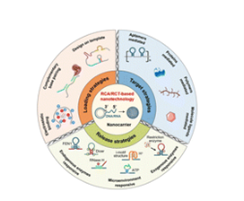
Rolling circle amplification/transcription-based nanotechnology for efficient delivery of nucleic acid drugs

 Xun You, Qingxuan Zeng, Tianshuang Xia, Xiaocui Guo, Chi Yao and Dayong Yang 

Nanoscale Horiz., 2025, DOI: 10.1039/D5NH00364D 

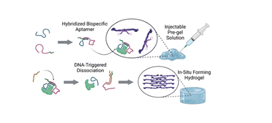
DNA-triggered activation of aptamer-neutralized enzyme for in situ formation of injectable hydrogel 

Connie Wen, Yixun Wang, Kyungsene Lee, Xuelin Wang and Yong Wang 

Nanoscale Horiz.2025, 101703-1716, DOI: 10.1039/D5NH00314H 

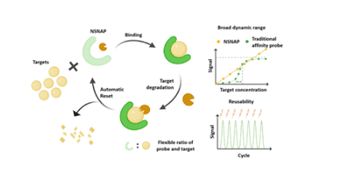
Non-saturated nucleic acid probes with a broad dynamic range 

Xinmiao Kang, Yu Liu, Dandan Tian, Zuhao Shen, Shihui Wang and Xin Su 

Nanoscale Horiz., 2025, 101684–1691, DOI: 10.1039/D5NH00218D 

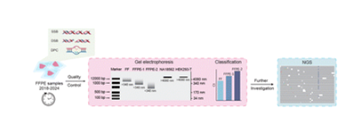
A nanoscale quality control framework for assessing FFPE DNA integrity in cancer research 

Zixuan Huang, Yunpei Si, Yi Zhang, Zicheng Huang, Xuehao Xiu, Yunshan Wang, YuDong Wang, Chunhai Fan and Ping Song 

Nanoscale Horiz., 2025, 101692–1702, DOI: 10.1039/D5NH00176E 

Nanoscale Horizons is always interested in considering exceptional articles on nanomaterials for DNA technology and we would be delighted if you would consider the journals for your future submissions. Submissions to the journals can be made via the Nanoscale Horizons online submission service. All submissions are subject to a full assessment by the editorial team according to the journals’ guidelines, and peer review and acceptance cannot be guaranteed. 


We hope you enjoy reading this collection! 

Digg This
Reddit This
Stumble Now!
Share on Facebook
Bookmark this on Delicious
Share on LinkedIn
Bookmark this on Technorati
Post on Twitter
Google Buzz (aka. Google Reader)

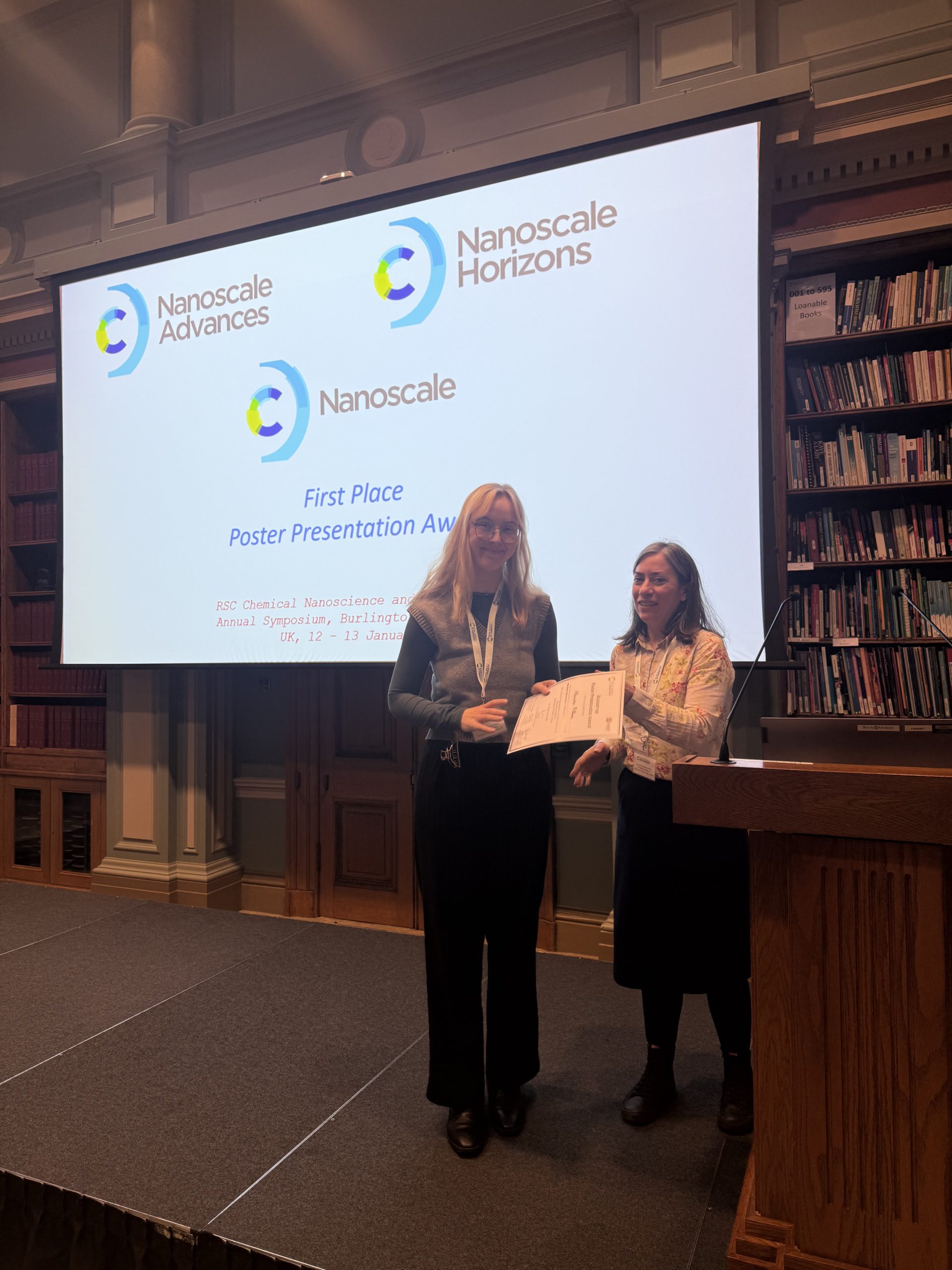
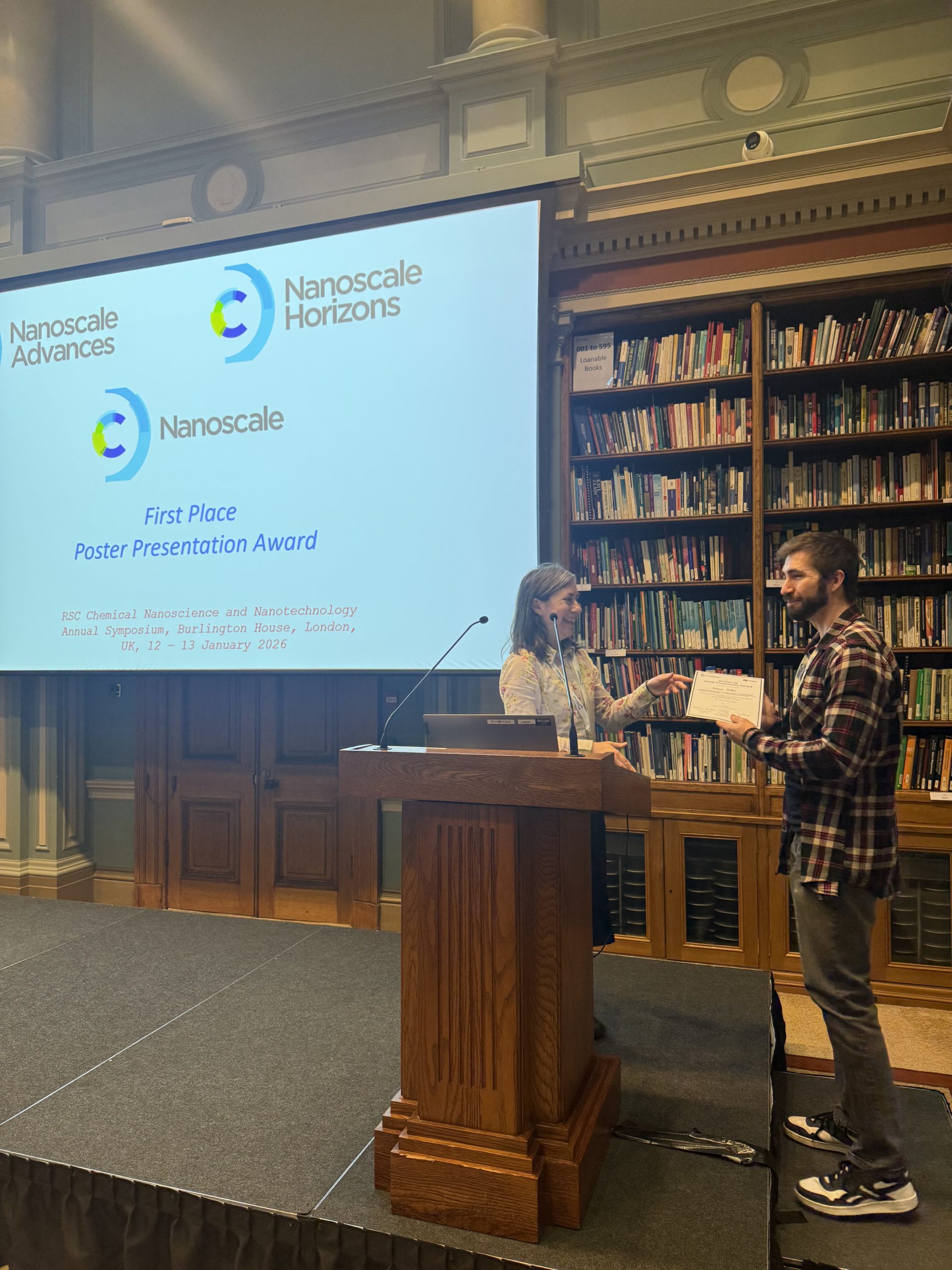
Congratulations to the poster prize winners of the RSC Chemical Nanoscience & Nanotechnology Annual Symposium 2026

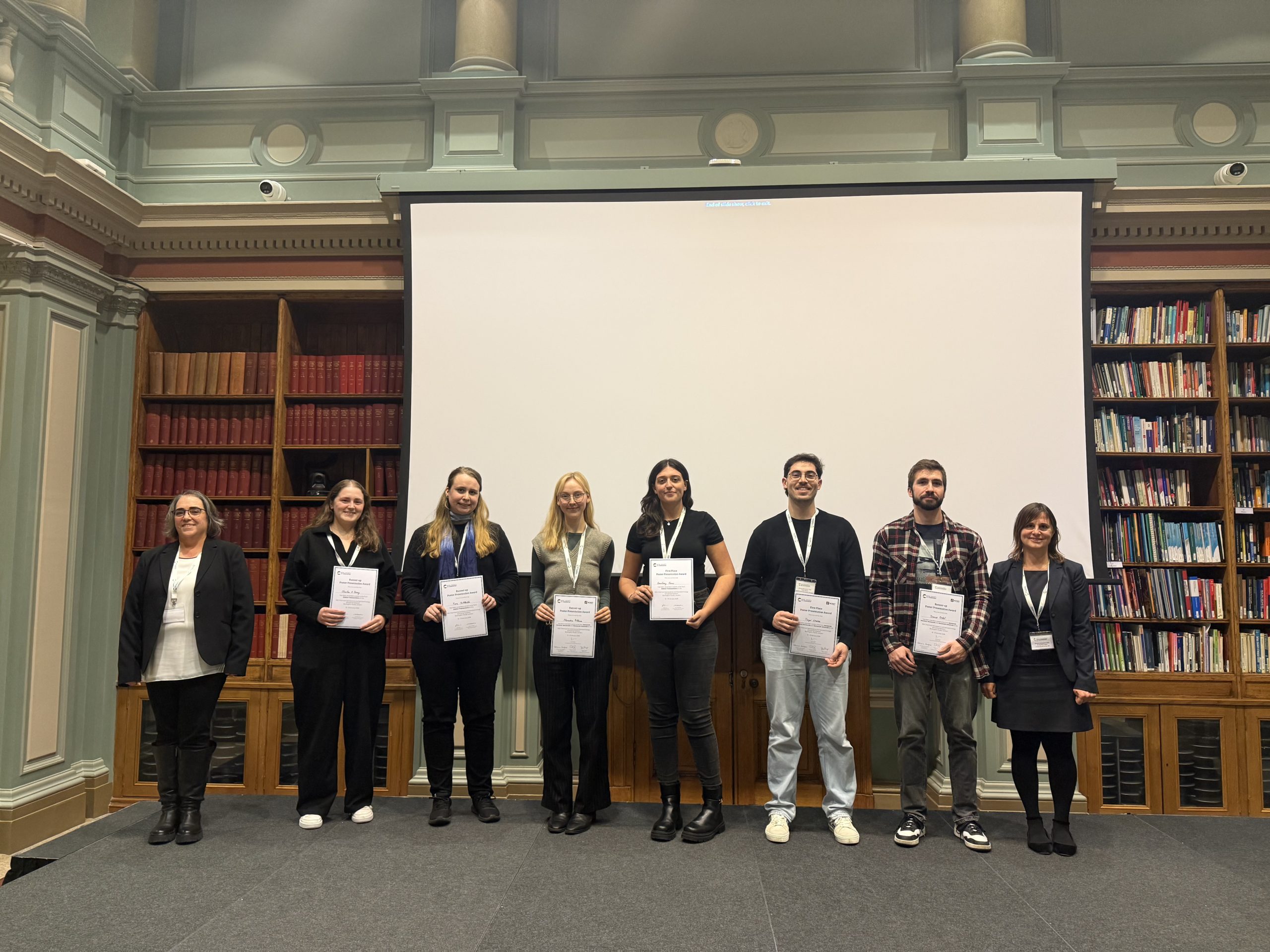
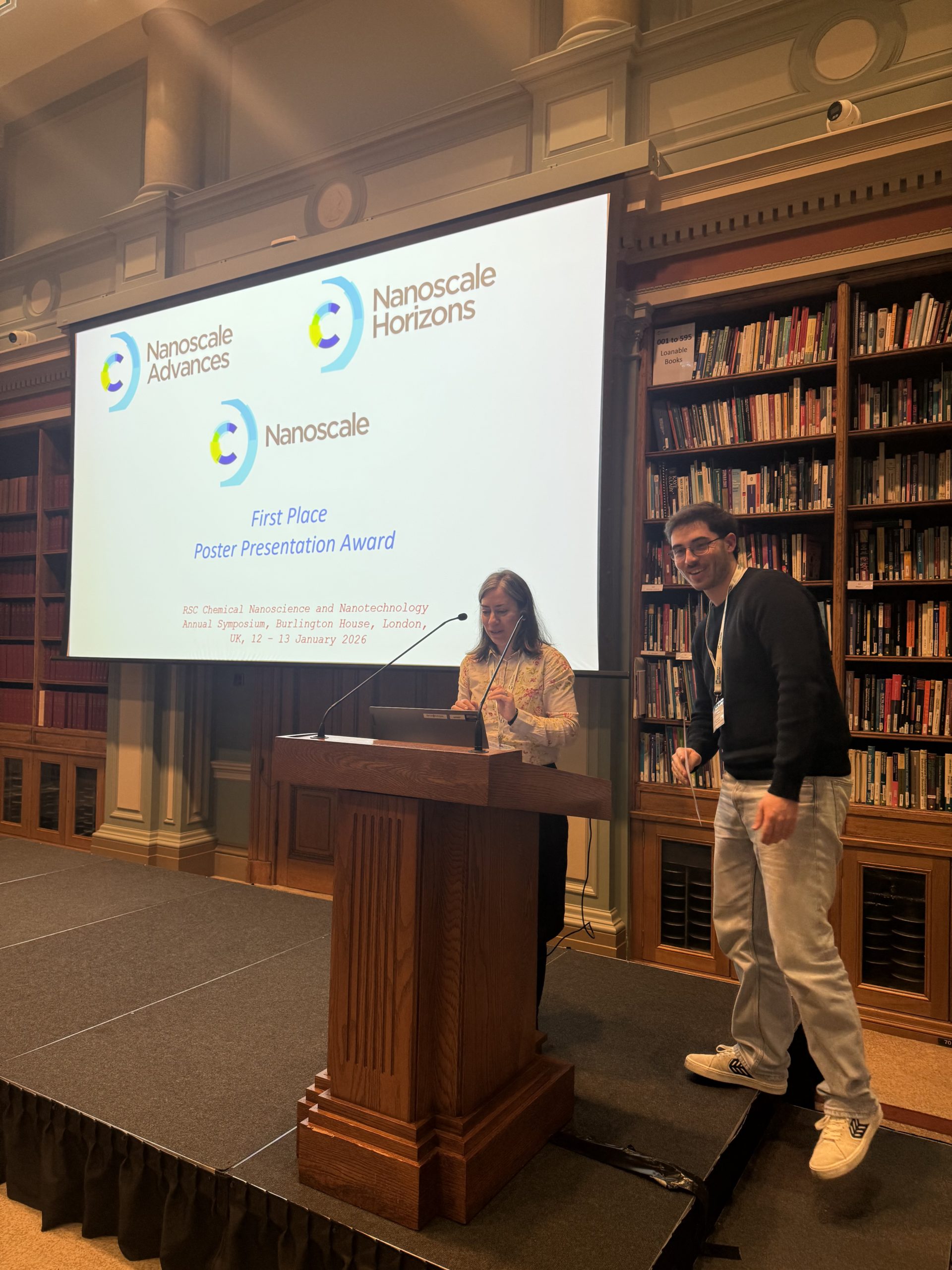
The Nanoscale journal family were delighted to sponsor poster prizes at RSC Chemical Nanoscience & Nanotechnology Annual Symposium the which took place in London, U.K on 12-13th January 2026.

Please join us in congratulating the winners on their awards!

First Prize: Tiago Linares (NOVA University, Portugal)

Poster title: Development of Injectable Chitosan Hydrogels Incorporating Cellulosic Nanoparticles and Derivatives for Biomedical Applications

Runner up: Alexandra Billina (University of Birmingham, United Kingdom )

Poster title: Probing Small-Molecule Interactions via Magnetic Relaxometry of Engineered Gd³⁺-Nanoparticle Platforms

Runner up: Dario Orlić (University of Trieste, Italy)

Poster title: Measuring physical and chemical properties of thermo-responsive nano-micelles for drug delivery using molecular dynamics


Digg This
Reddit This
Stumble Now!
Share on Facebook
Bookmark this on Delicious
Share on LinkedIn
Bookmark this on Technorati
Post on Twitter
Google Buzz (aka. Google Reader)