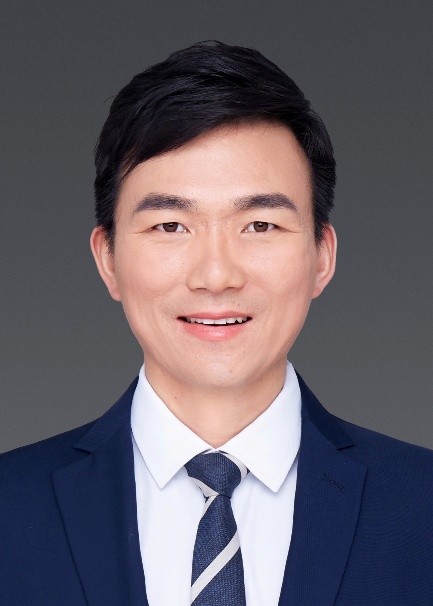
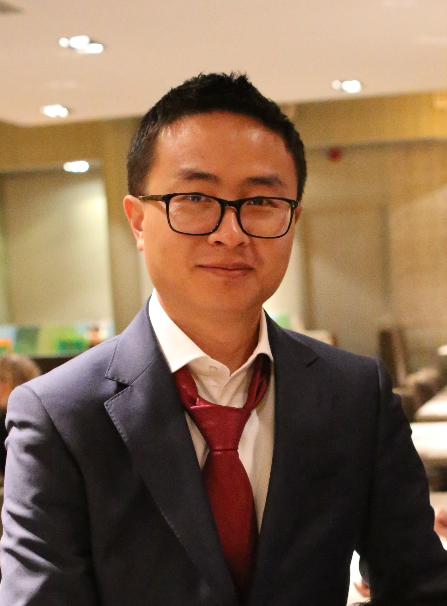
Hear from our authors: Yimeng Sun, Lin Tao, Yaqiong Su and Baigang An

Nanoscale Horizons is a leading journal for the publication of exceptionally high-quality, innovative nanoscience and nanotechnology. To celebrate the excellent articles that are published in the journal, we asked some of our authors to discuss their research in more detail.

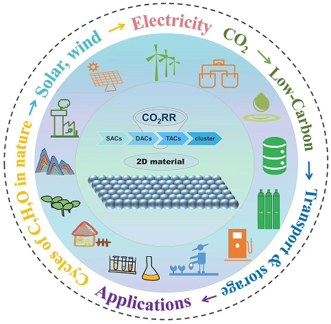
In this post, we hear from Yimeng Sun, Lin Tao, Yaqiong Su and Baigang An as they discuss their recent article, ‘Emerging two-dimensional supported atomic and cluster catalysts for CO2 electroreduction‘.


An introduction from the authors

The electrocatalytic carbon dioxide reduction reaction (CO2RR) has emerged as a promising approach for transforming CO2 into value-added chemicals and fuels using renewable electricity. Among the diverse catalyst platforms explored to date, two-dimensional supported catalysts have attracted considerable attention due to their tunable electronic structures, abundant anchoring sites, and well-defined active centers.

Although single-atom catalysts have demonstrated remarkable activity and selectivity for CO2RR, growing evidence suggests that catalytic performance is governed not only by the nature of the active site but also by the number and spatial arrangement of neighboring metal centers. Expanding from isolated single atoms to double atoms, three-atom ensembles, and metal clusters creates new opportunities to tailor adsorption energetics, charge redistribution, and reaction pathways, ultimately enabling more precise control over catalytic activity and product selectivity.

In this review, we examine recent advances in two-dimensional supported catalysts for CO2RR, with a particular focus on how active-site complexity shapes catalytic behavior. By bringing together experimental progress and insights from density functional theory (DFT), we highlight the structure–activity relationships that govern the formation of key C1 products and discuss how these insights can guide the rational design of next-generation CO2RR catalysts.

Highlights of this study

  • We provide a comprehensive comparison of single-atom, double-atom, three-atom, and cluster-based active centers supported on two-dimensional materials.
  • We discuss how the number and geometric arrangement of active sites influence CO2 activation, reaction intermediate stabilization, and product selectivity.
  • We highlight the critical role of density functional theory in elucidating reaction mechanisms and identifying key descriptors for catalytic performance.
  • We summarize emerging structure–activity relationships that link atomic-scale catalyst architectures to CO2RR activity and selectivity.

Next steps

Future research will increasingly focus on understanding more complex active-site architectures and their dynamic evolution under operating conditions. While significant progress has been made in optimizing activity and selectivity, the thermodynamic stability of multi-atom sites and metal clusters remains an important yet often overlooked challenge. Structural reconstruction, aggregation, or dissolution during electrochemical operation can substantially alter catalytic behavior and may lead to deviations from predictions based on static theoretical models. Bridging the gap between idealized computational models and experimentally accessible catalysts therefore represents a critical direction for the field. Advances in operando characterization techniques, combined with increasingly sophisticated theoretical simulations, will be essential for capturing catalyst evolution in real time and establishing more reliable design principles for efficient, selective, and durable CO2RR catalysts.


Meet the authors

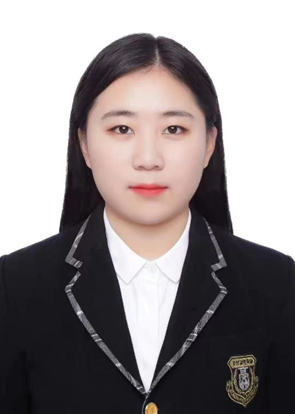
Yimeng Sun received her B.E. degree in Energy Storage Science and Engineering from the University of Science and Technology Liaoning in 2025. She is currently a master’s student in Chemical Engineering and Technology at the same institution, under the supervision of Associate Professor Lin Tao. Her research focuses on the electroreduction of carbon dioxide.
Lin Tao is currently an Associate Professor at the University of Science and Technology Liaoning. He received his Ph.D. in Metallurgical Engineering from the same institution in 2021. His research interests focus on electrochemical materials, computational chemistry, and metal oxide semiconductor gas sensors.
Yaqiong Su is currently a full Professor in School of Chemistry, Xi’an Jiaotong University, China. He received his Ph.D. degree in Catalysis at Eindhoven University of Technology in 2019. His main research interests are computational energy catalysis, electrochemistry of materials, and interfaces/surface-enhanced Raman Theory of Surface Enhanced Raman Spectroscopy.
Baigang An is currently a Professor at the University of Science and Technology Liaoning. He received his Ph.D. in Applied Chemistry from Tianjin University in 2003. His research interests focus on energy materials and electrochemical energy storage technologies.


Emerging two-dimensional supported atomic and cluster catalysts for CO2 electroreduction

Yimeng Sun, Lin Tao, Yaqiong Su, Davoud Dastan; Han Zhang, Hongwei Zhao, Lixiang Li and Baigang An

Nanoscale Horiz. (2026) 11 (5): 1239–1279. DOI: 10.1039/d5nh00710k


Nanoscale Horizons is a leading journal for the publication of exceptionally high-quality, innovative nanoscience and nanotechnology. The journal places an emphasis on original research that demonstrates a new concept or a new way of thinking (a conceptual advance), rather than primarily reporting technological improvements. However, outstanding articles featuring truly breakthrough developments such as record performance alone may also be published in the journal.

Digg This
Reddit This
Stumble Now!
Share on Facebook
Bookmark this on Delicious
Share on LinkedIn
Bookmark this on Technorati
Post on Twitter
Google Buzz (aka. Google Reader)

Hear from our authors: Dr Jake McClements

Nanoscale Horizons is a leading journal for the publication of exceptionally high-quality, innovative nanoscience and nanotechnology. To celebrate the excellent articles that are published in the journal, we asked some of our authors to discuss their research in more detail.

In this post, we hear from Dr Jake McClements from Newcastle University, UK, as they discuss their recent article, ‘Unlocking interstitial fluid for acute coronary syndrome diagnosis: ultrasensitive troponin I detection using imprinted polymer nanoparticles‘.


An introduction from Jake McClements

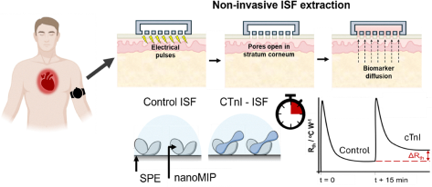
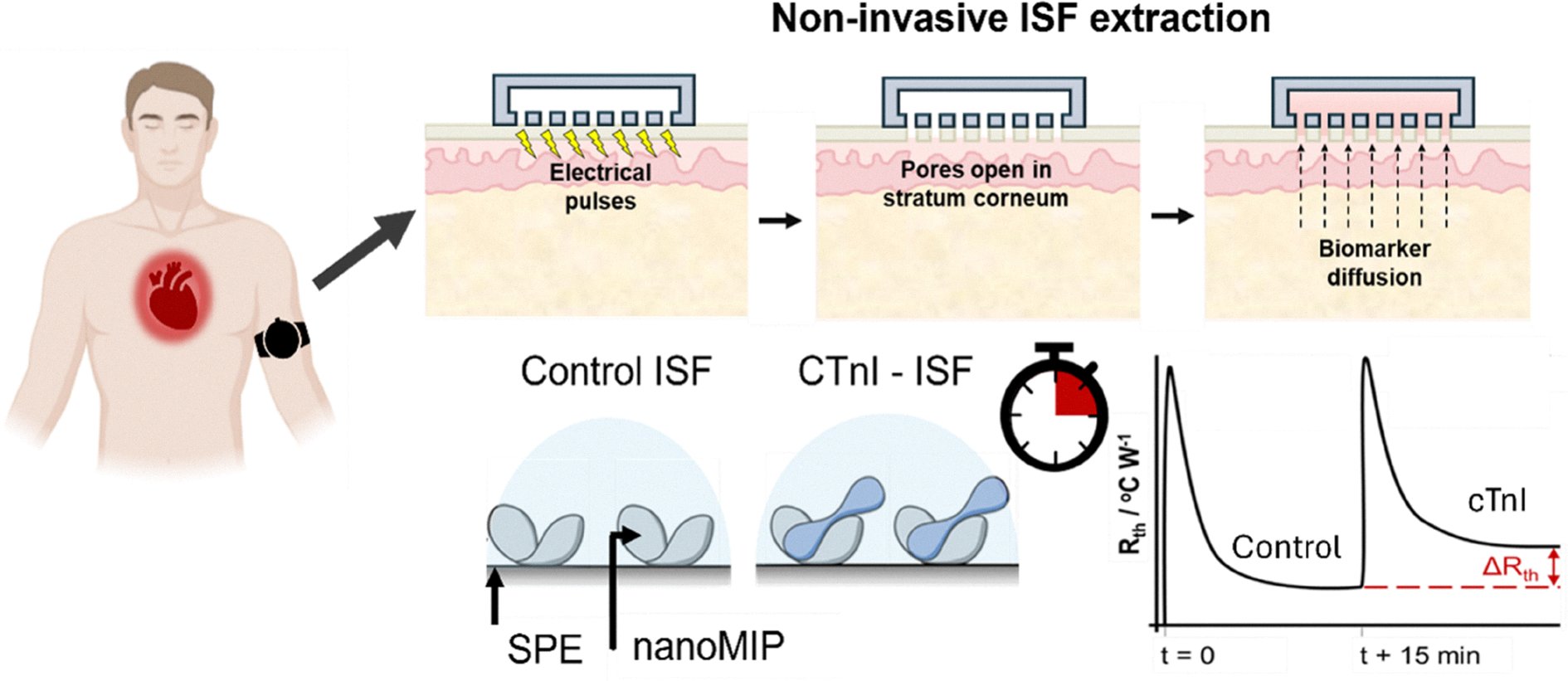
Acute coronary syndrome (ACS), including heart attacks, is usually diagnosed by measuring cardiac troponin I (cTnI) in a blood sample. However, this relies on venous blood collection, sample processing, and laboratory analysis, which can take several hours; a serious problem when faster diagnosis and treatment can save lives. In this study, we asked whether interstitial fluid (ISF), the fluid that surrounds the body’s tissue cells and can be accessed just beneath the skin, could offer a less invasive alternative to blood for this type of testing.

Working with collaborators across Newcastle University, the University of Manchester, Manchester Metropolitan University, Tozaro, and Kiffik Biomedical, we analysed human ISF samples collected using KIFFIK’s non-invasive, electroporation-based extraction technology. To create a rapid testing platform, we combined molecularly imprinted polymer nanoparticles (nanoMIPs), which act as synthetic, antibody-mimicking recognition elements, with a heat-transfer sensing method. This enabled us to detect cTnI in spiked human ISF samples for the first time, achieving a detection limit of 1.85 pg/mL in a 15–20-minute assay using just 120 µL of sample. Encouragingly, when we repeated the experiments in spiked serum and plasma, we obtained very similar results, suggesting that ISF performs comparably to traditional blood-derived fluids for this purpose.

What excites me most about this work is its potential for point-of-care diagnostics. NanoMIPs do not require refrigeration and have a longer shelf life than antibodies, while the heat-transfer method itself requires no labels, redox probes, or large-scale instrumentation. Paired with a wearable, non-invasive ISF extraction device, this type of platform could eventually support rapid chest-pain triage in ambulances or A&E departments without venous blood draws. There is still work to do, particularly in confirming endogenous, rather than spiked, cTnI levels in human ISF and validating selectivity directly in this matrix. However, for us, the most exciting message is that ISF should no longer be viewed as a difficult or niche sample type, but as a promising diagnostic medium that could help bring rapid biomarker testing closer to patients, not only for cardiac conditions but much more broadly.


Meet the author

Dr Jake McClements is a Newcastle University Academic Track (NUAcT) Fellow in Ageing and Health, based in the School of Engineering. He obtained his PhD in Materials Engineering from the University of Edinburgh in 2019, where his research explored the interfacial behaviour of polymers at surfaces across multiple length scales. After a one-year postdoctoral position in the same department at Edinburgh, in collaboration with Michelin, he moved to Chemical Engineering at Newcastle University in 2020 to take up a postdoctoral role developing polymer-based diagnostics for cardiovascular conditions.

In 2024, he was awarded a NUAcT Fellowship at Newcastle. His research group develops polymeric recognition elements and associated sensors for a range of diagnostic and industrial applications, with a particular focus on next-generation wearable and point-of-care devices that use minimally invasive sampling methods, such as interstitial fluid extraction. Beyond research, he also serves as an Editor for the Elsevier journal Sustainable Materials and Technologies.

Find out more about Dr McClements’ research group here.


Unlocking interstitial fluid for acute coronary syndrome diagnosis: ultrasensitive troponin I detection using imprinted polymer nanoparticles

Joshua Saczek, Amy Dann, Robert D. Crapnell, Craig E. Banks, Rhiannon E. Johnson, Francesco Canfarotta, Joanna Czulak, Alan Thomson, Azfar Zaman, Ioakim Spyridopoulos, Katarina Novakovic, Marloes Peeters and Jake McClements

Nanoscale Horiz. (2026) 11 (3): 803–816. DOI: 10.1039/d5nh00441a


Nanoscale Horizons is a leading journal for the publication of exceptionally high-quality, innovative nanoscience and nanotechnology. The journal places an emphasis on original research that demonstrates a new concept or a new way of thinking (a conceptual advance), rather than primarily reporting technological improvements. However, outstanding articles featuring truly breakthrough developments such as record performance alone may also be published in the journal.

Digg This
Reddit This
Stumble Now!
Share on Facebook
Bookmark this on Delicious
Share on LinkedIn
Bookmark this on Technorati
Post on Twitter
Google Buzz (aka. Google Reader)

Hear from our authors: Professor Jun Guo

Nanoscale Horizons is a leading journal for the publication of exceptionally high-quality, innovative nanoscience and nanotechnology. To celebrate the excellent articles that are published in the journal, we asked some of our authors to discuss their research in more detail.

In our first blog post of this new series, we hear from Professor Jun Guo from Tiangong University as they discuss their recent article ‘Confinement of acyclic amino acids inside metal-organic frameworks with topology-varied asymmetric catalysis performances‘.


Insights from the author

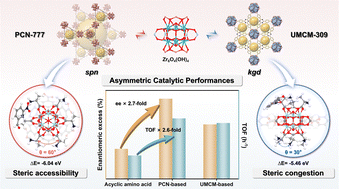
This research explores how the topology of metal-organic frameworks (MOFs) influences the catalytic performance of acyclic amino acids in asymmetric reactions. Although acyclic amino acids possess natural chirality and structural diversity, their applications as asymmetric catalysts have been limited by their flexible conformations and insufficient stereo-control. In this work, two polymorphic zirconium-based MOFs, PCN-777 (spn topology) and UMCM-309 (kgd topology), with identical chemical compositions but distinct topological architectures, were employed as well-defined platforms to investigate topology-dependent confinement effects.

Via post-synthetic modification (PSM), representative acyclic amino acids were anchored onto the Zr6O8 nodes. Catalytic studies demonstrated that the different framework topologies resulted in remarkably different enhancements in asymmetric aldol reactions. In particular, PCN-777 with a more accessible spn topology achieved up to a 158% increasement in catalytic turnover frequency (TOF) and a 2.7-fold improvement in enantiomeric excess (ee) compared with free amino acids, whereas UMCM-309 with a rather constrained kgd topology showed lower confinement improvements. Experimental investigations together with molecular simulations revealed that the topology-induced steric environment plays the dominant role in regulating substrate accessibility and stereoselective control.

This study is part of our broader effort to understand and utilize the porous-structure features of MOFs for precise catalytic regulation, particularly in asymmetric reactions. The revealed relationship between framework topology and asymmetric catalytic performance not only provide new insights into the rational design of confined catalytic systems but also highlight MOFs’ topology as a powerful strategy for developing high-performance heterogeneous asymmetric catalysts.


Meet the author

Dr. Jun Guo, Professor, State Key Laboratory of Advanced Separation Membrane Materials, School of Chemistry, Tiangong University.

Jun Guo is a researcher in the field of chiral nanomaterials and asymmetric catalysis. He has published over 100 peer-reviewed articles in leading journals, including CSR, Nature Communications, Science Advances, JACS and Angewan, with 40 publications as first or corresponding author. His research has received over 6,600 citations with an H-index of 38. He serves as an early career advisory board member for several high-impact journals, including SmartMat, Nano Research and Chinese Chemical Letters.


Confinement of acyclic amino acids inside metal–organic frameworks with topology-varied asymmetric catalysis performances

Aijie Ma, Zhen Li, Bingcheng Liu, Fuli Ye, Yilong Li, Zhongwen Du, Jing Li, Yongli Ji, Jiye Fan, Hongli Chen, Pai Liu, Meiting Zhao and Jun Guo

Nanoscale Horiz., 2026, 11, 1570-1577. DOI: 10.1039/D6NH00010J


Nanoscale Horizons is a leading journal for the publication of exceptionally high-quality, innovative nanoscience and nanotechnology. The journal places an emphasis on original research that demonstrates a new concept or a new way of thinking (a conceptual advance), rather than primarily reporting technological improvements. However, outstanding articles featuring truly breakthrough developments such as record performance alone may also be published in the journal.

Digg This
Reddit This
Stumble Now!
Share on Facebook
Bookmark this on Delicious
Share on LinkedIn
Bookmark this on Technorati
Post on Twitter
Google Buzz (aka. Google Reader)

Nanoscale Horizons 10th Anniversary ‘Community Spotlight’ – Meeting our Emerging Investigators

Nanoscale Horizons 10th Anniversary ‘Community Spotlight’ – Meeting our Emerging Investigators

Celebrating our Nanoscale Horizons Emerging Investigators!

Last year, we were pleased to celebrate the 10th anniversary of Nanoscale Horizons. We are so grateful to our fantastic community of authors, reviewers, board members and readers, and wanted to showcase some of them in a series of ‘Community Spotlight’ blog articles.

In our latest ‘Community Spotlight’ blog, we feature some of our Nanoscale Horizons Emerging Investigators. Our Emerging Investigators are rising stars in the early stages of their independent careers, who have been identified as having the potential to influence future directions in the field.


Baisheng Sa, Emerging Investigator

Fuzhou University, China


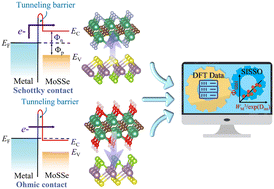
Baisheng Sa received his B.Sc. (2008) in Materials Science and Engineering and Ph.D. (2014) in Materials Physics and Chemistry from Xiamen University. He is currently a professor in School of Materials Science and Engineering at Fuzhou University. His research interests are the data- and AI-driven rational materials design (AI + Materials) of novel low-dimensional materials and van der Waals heterostructures for energy, environment, and electronic applications. He was awarded as one of the top 1% of highly cited authors in Royal Society of Chemistry journals (2019) and Outstanding Young Scientists Foundation of Fujian Province of China (2021), Second Prize in the Materials Genome Engineering Young Scientist Award (2024), and Minjiang Young Scholar of Fujian Province (2025).


1) How do you feel about the Emerging Investigator collection in Nanoscale Horizons as a place to showcase research from early career researchers in nanoscience and nanotechnology?

I believe the Emerging Investigator collection in Nanoscale Horizons provides an excellent platform for early career researchers. It not only offers a professional venue to publish and promote the latest research progress of young scientists, but also, through a less formal interview component, gives early career researchers an opportunity to showcase their personalities and fully express their creativity and imagination. For example, my colleagues who enjoy playing basketball are quite envious that I can publish expressions such as “The feeling of shooting a long-range three-pointer is truly delightful” in a high-level academic journal like Nanoscale Horizons. Thanks to the Emerging Investigator collection in Nanoscale Horizons!

2) Could you provide a brief summary of your most recent Nanoscale Horizons publication?

My recent Nanoscale Horizons publication [Nanoscale Horiz., 2025,10, 2960-2971] reports a floatable cellulose nanofiber aerogel with a gradient, directional porous structure for solar-driven hydrogen production and steam generation. A large-channel bottom layer enables rapid water transport, while a small-channel, floatable top layer enhances gas separation and hosts active materials; a micron-scale embossed surface boosts light absorption1. Integrated with a CTF-BIP photocatalyst, the aerogel achieves a hydrogen evolution rate of 60.7 mmol m2·h-1, and with MXene/r-GO as a photothermal layer, it delivers a water evaporation rate of 1.62 kg·m2·h-1 with excellent salt resistance and stable outdoor desalination performance. Next, I will focus on modifying nanomaterials using AI-driven approaches to advance research on solar-based thermal energy absorption and conversion.

Read Baisheng’s Emerging Investigator article here:

Contact engineering for 2D Janus MoSSe/metal junctions

Yu Shu, Ting Li, Naihua Miao, Jian Gou, Xiaochun Huang, Zhou Cui, Rui Xiong, Cuilian Wen, Jian Zhou,  Baisheng Sa and Zhimei Sun

Nanoscale Horiz., 2024, 9, 264-277
 

Jovana Milić, Emerging Investigator

University of Turku, Finland


Jovana V. Milić has been an Associate Professor in Materials Chemistry at the University of Turku in Finland since September 2024, leading the Smart Energy Materials group as part of the Sustainable Materials & Manufacturing (SUSMAT) programme. She was an Assistant Professor and Swiss National Science Foundation PRIMA Fellow at the Adolphe Merkle Institute of the University of Fribourg in Switzerland since 2021.

She obtained her Dr.Sc. Degree in the Department of Chemistry and Applied Biosciences of ETH Zurich in 2017, and she was a postdoctoral scientist in the Laboratory of Photonics and Interfaces at EPFL in Switzerland, before establishing an independent academic career in 2020. She is an International Science Council Fellow and a member of the Young Academy of Europe as well as the Swiss and Global Young Academies. Her research focuses on the development of bioinspired supramolecular materials that can respond to external stimuli and adapt to their operating conditions in smart and sustainable (nano)technologies, with a special interest in photovoltaics and neuromorphic systems.

Jovana has been a Scientific Editor for Nanoscale Horizons since October 2025.


1) How do you feel about the Emerging Investigator collection in Nanoscale Horizons as a place to showcase research from early career researchers in nanoscience and nanotechnology?

The Emerging Investigator collection of Nanoscale Horizons provides a unique platform to showcase research by early-career researchers. This especially refers to the focus on highlighting conceptual advances and breakthroughs in nanoscience and nanotechnology, a distinctive quality that increases the visibility and impact of early-career researchers.

2) How has your research progressed on from the work published in your Emerging Investigators article?

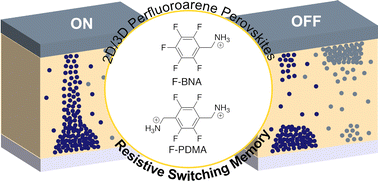
Since we last published the work highlighted in the Emerging Investigator series, which explored the use of perovskite solar cell architectures in neuromorphic computing based on mixed-dimensional perovskite heterostructures, we have expanded the concept to other light-controlled and “self-powered” neuromorphic systems. In particular, we realised the potential of more environmentally friendly lead-free materials in this context and employed unique light-responsive supramolecular systems, enabling their prolonged operational stability for IoT applications.

Read Jovana’s Emerging Investigator article here:

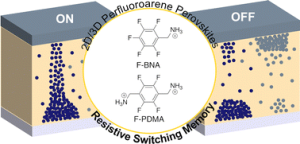
Resistive switching memories with enhanced durability enabled by mixed-dimensional perfluoroarene perovskite heterostructures

Michalis Loizos, Konstantinos Rogdakis, Weifan Luo, Paul Zimmermann, Alexander Hinderhofer, Jovan Lukić, Marinos Tountas, Frank Schreiber, Jovana V. Milić and Emmanuel Kymakis

Nanoscale Horiz., 2024, 9, 1146-1154
 

Mindaugas Juodėnas, Emerging Investigator

Kaunas University of Technology, Lithuania


Mindaugas Juodėnas received his M.Sc. and Ph.D. degrees in materials engineering in 2017 and 2021, respectively, from Kaunas University of Technology, Kaunas, Lithuania. His main topic has been the fabrication and study of surface lattice resonances in self-assembled plasmonic lattices with applications involving sensing and nanolasing. He was a postdoc at Chalmers University of Technology, where he worked on the monolithic integration of dielectric metasurfaces with GaAs vertical-cavity surface-emitting lasers (VCSELs) for biophotonics. Currently he is a senior researcher in Kaunas University of Technology, working on dielectric metasurfaces for high power laser applications.

Research interests:

  • Optical Metasurfaces
    • Finite element modeling and Fourier analysis of metasurfaces and light propagation
    • Nanofabrication of photonic devices for bioimaging and biosensing
  • Nanoparticle self-assembly and plasmonic properties of regular nanostructures
    • Self-assembly processes employing capillary force and structured templates
    • Coupled nanophotonics systems for light generation and sensing
  • Nanofabrication
    • High-throughput electron beam lithography
    • Advanced reactive ion etching processes


1) How do you feel about the Emerging Investigator collection in Nanoscale Horizons as a place to showcase research from early career researchers in nanoscience and nanotechnology?

I think the Emerging Investigator platform is an excellent and necessary initiative. Early career researchers are often the driving force behind scientific progress, juggling grant writing, student supervision, teaching, and networking, all while very often still staying deeply involved in hands-on benchwork and manuscript preparation. Despite doing this heavy lifting, it can be easy for early career researchers to be overshadowed by more established, senior colleagues. A dedicated collection like this in Nanoscale Horizons gives a direct platform to showcase our contributions and build our identities within the nanoscience community.

2) Could you provide a brief summary of your most recent Nanoscale Horizons publication?

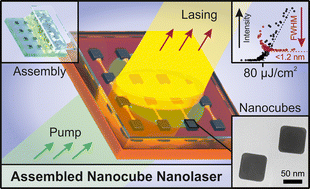
We demonstrated a scalable way to build plasmonic nanolasers. Instead of relying on cleanroom lithography, we used a template-assisted method to assemble mass-produced, monocrystalline silver nanocubes into periodic arrays. When paired with a fluorescent dye, these self-assembled arrays act as excellent resonators, emitting a highly directed laser beam at an impressively low energy threshold. Our work shows that these bottom-up arrays can match the performance of perfectly ordered top-down devices, paving the way for cheaper integration into diagnostics and optical communications equipment.

Read Mindaugas’ Emerging Investigator article here:

Lasing in an assembled array of silver nanocubes

Mindaugas Juodėnas, Nadzeya Khinevich, Gvidas Klyvis, Joel Henzie, Tomas Tamulevičius and Sigitas Tamulevičius

Nanoscale Horiz., 2025, 10, 142-149


Christoph Wolf, Emerging Investigator

IBS Center for Quantum Nanoscience, South Korea


Christoph Wolf is currently a group leader/ principal investigator at the IBS Center for Quantum Nanoscience in Korea. His research focuses on theory aspects of quantum coherent systems at the atomic scale, which are realized using individual atoms or molecules engineered with the sub-nm precision of scanning probe techniques such as scanning tunneling microscopy or atomic force microscopy. He has pioneered coherent state manipulation of individual spins using exchange fields – virtual fields that emerge in magnetic transport junctions – which enable all-electric control of spins states without the need of time-varying magnetic fields.


1) How do you feel about the Emerging Investigator collection in Nanoscale Horizons as a place to showcase research from early career researchers in nanoscience and nanotechnology?

I think it is a great idea to bring thought leaders in the community together and highlight their work. Especially for researchers in the early stages of their career it is critical – and often very difficult – to get the visibility their work deserves. The “Emerging Investigator” series plays a vital role in highlighting these contributions and the people behind it!

2) Where do you see the nanoscience field in the next 10 years?

Ten years is an extremely long timframe to predict or anticipate in such a fast moving research field. I believe that given the current progress in atomic-scale quantum systems which can be built and studied using scanning probe techniques and atom manipulation there is a real chance for technological applications – maybe in the next ten years but hopefully sooner!

Read Christoph’s Emerging Investigator article here:

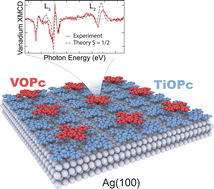
Template-directed 2D nanopatterning of S = 1/2 molecular spins

Kyungju Noh, Luciano Colazzo, Corina Urdaniz, Jaehyun Lee, Denis Krylov, Parul Devi, Andrin Doll, Andreas J. Heinrich, Christoph Wolf, Fabio Donati and Yujeong Bae

Nanoscale Horiz., 2023, 8, 624-631


We sincerely hope you enjoy reading about some of our Emerging Investigators! You can explore the full Nanoscale Horizons Emerging Investigator series here.

Digg This
Reddit This
Stumble Now!
Share on Facebook
Bookmark this on Delicious
Share on LinkedIn
Bookmark this on Technorati
Post on Twitter
Google Buzz (aka. Google Reader)

Congratulations to our latest Emerging Investigator Dr Wouter Van Gompel

Nanoscale Horizons Emerging Investigator Series

Congratulations to our latest Emerging Investigator Dr Wouter Van Gompel (Hasselt University, Belgium)! 

Since the launch of Nanoscale Horizons, the journal has had a clear vision to publish exceptionally high-quality work whilst acting as a resource to researchers working at all career levels. We continue to be impressed by the quality of the research published and at the same time are looking for new ways of recognising and promoting the outstanding authors behind articles published in the journal. 

We launched our Emerging Investigator Series to showcase the exceptional work published by early-career researchers in the journal and regularly select a recently published Communication article to feature in an interview-style Editorial article with the corresponding author. We hope that the series will also benefit the nanoscience community by highlighting the exciting work being done by its early-career members. 

We are excited to share our latest Emerging Investigator, Dr Wouter Van Gompel (Hasselt University, Belgium)! 

Image showing a picture Emerging Investigator Wouter Van Gompel. Text on the slide says "Royal Society of Chemistry. Nanoscale Horizons Interview with Wouter Van Gompel."

Read our interview with Wouter

Dr Wouter Van Gompel received his Master’s degree in chemistry from Ghent University in 2015 and completed his PhD in chemistry at Hasselt University in 2019 under the supervision of Prof. Dr. Dirk Vanderzande, supported by a personal PhD Fellowship from the Research Foundation Flanders (FWO). Following his PhD, he continued his work on hybrid perovskites as a postdoctoral researcher at Hasselt University from 2019 to 2023. During this period, he conducted international research stays at EPFL, in the group of Prof. Mohammad Khaja Nazeeruddin, and at the University of Cambridge, in the group of Prof. Samuel Stranks. In 2023, he was appointed assistant professor (Tenure Track) in the Chemistry Department at Hasselt University, part of the joint imec-UHasselt ‘Institute for Materials Research’ (IUMAT).

He currently leads the Hybrid Materials Design (HyMaD) group and serves as (co)supervisor for nine PhD researchers. In 2025, he received the PRISM Prize (Junior category) from the Istituto di Struttura della Materia (CNR-ISM) in Italy for significant contributions to materials research over the past five years.

His research centres on hybrid materials chemistry and optoelectronics, with emphasis on low-dimensional hybrid organic–inorganic perovskites (HOIPs). He investigates how tailored organic cations integrate into inorganic frameworks to modulate energy-level alignment, excitonic behavior, and charge transport. He also develops organic interlayers to enhance the stability and efficiency of perovskite solar cells. His approach combines molecular design, synthesis, and advanced characterization to establish structure–property-performance relationships in hybrid semiconductors for applications such as solar cells, photodetectors, and light-emitting devices.

Congratulations to Wouter for his excellent work! You can read his featured Emerging Investigator article from Nanoscale Horizons below.


Ultrafast charge transfer and coherent phonons in electroactive organic cation-templated low-dimensional perovskite analogues

Ilan Devroey, Yorrick Boeije, Peter Banks, Claudio Quarti, Paola La Magna, Aleksandra Ciesielska, Laurence Lutsen, Elien Derveaux, Peter Adriaensens, Kristof Van Hecke, David Beljonne, Samuel D. Stranks and Wouter T. M. Van Gompel

Nanoscale Horiz., 2026, 11, 185-201

D5NH00494B

We hope you enjoy reading our interview and featured article and are looking forward to sharing our future Emerging Investigators with you! 

Do you publish innovative nanoscience and nanotechnology research? Submit your latest work to Nanoscale Horizons now. If you are eligible for the Emerging Investigators series, you could be considered to feature in one of our future interviews! Find out more about the eligibility criteria and the process in this editorial introducing the series. 

Digg This
Reddit This
Stumble Now!
Share on Facebook
Bookmark this on Delicious
Share on LinkedIn
Bookmark this on Technorati
Post on Twitter
Google Buzz (aka. Google Reader)

Nanoscale Horizons 10th Anniversary ‘Community Spotlight’ – Meeting our Emerging Investigators

Nanoscale Horizons 10th Anniversary ‘Community Spotlight’ – Meeting our Emerging Investigators
Celebrating our Nanoscale Horizons Emerging Investigators!

Last year, we were pleased to celebrate the 10th anniversary of Nanoscale Horizons. We are so grateful to our fantastic community of authors, reviewers, board members and readers, and wanted to showcase some of them in a series of ‘Community Spotlight’ blog articles.

In our latest ‘Community Spotlight’ blog, we feature some of our Nanoscale Horizons Emerging Investigators. Our Emerging Investigators are rising stars in the early stages of their independent careers, who have been identified as having the potential to influence future directions in the field.


Dr Shalini Singh, Emerging Investigator

University of Limerick, Ireland


Shalini Singh is an associate professor in the Department of Chemical Sciences at the University of Limerick, where she heads the Functional Nanomaterial Research Group. She also serves as the Energy Research Pillar Lead at the Bernal Institute. Her research centres on the development and synthesis of compositionally intricate inorganic nanocrystals and nanocomposites, with a focus on understanding their structural and surface properties and exploring their roles in energy conversion, storage technologies, and catalytic systems. She has published over 50 peer-reviewed articles. Her work is funded by Research Ireland and Horizon Europe, and she is a funded investigator within the AMBER and SSPC research centres.


1) How do you feel about the Emerging Investigator collection in Nanoscale Horizons as a place to showcase research from early career researchers in nanoscience and nanotechnology?

I feel it is a great venue for early career researchers. It gives increased visibility for researchers who are building their independent research programs, applying for their independent grants and establishing their labs. Also, when these articles are highlighted on the social media posts by RSC or Nanoscale Horizons handles, community engagement is really good. You get appreciated by your peers and senior scientists in the field. This collection also defines a cohort of rising scientists, which helps with building connections at conferences and within research communities.

2) In your opinion, how could members of the community be more involved with the journal?

Beyond submitting your excellent research, I think peer review is a very good way to engage with the journal. Especially for young researchers, volunteering to be a reviewer gives you the opportunity of seeing good science first hand and to provide them with constructive feedback. The editorial board can also recommend new board members to diversify expertise and geography. I like that Nanoscale Horizons has a broad landscape that allows for collaborative submissions that bridge subfields. This can also be used as way to submit conceptual advancements that hybrids chemistry, physics, engineering at the nanoscale. These submissions should be encouraged to raise the impact of the journal.

Read Shalini’s Emerging Investigator article here:

Colloidal synthesis of the mixed ionic–electronic conducting NaSbS2 nanocrystals

Maria Zubair, Syed Abdul Ahad, Ibrahim Saana Amiinu, Vasily A. Lebedev, Mohini Mishra, Hugh Geaney, Shalini Singh and Kevin M. Ryan

Nanoscale Horiz., 2023, 8, 1262-1272


Valentina Castagnola, Emerging Investigator

Italian Institute of Technology, Italy


Valentina Castagnola is a chemist by training, with a research profile strongly rooted in a multidisciplinary approach at the interface of chemistry, biology, and physics. She obtained her Master’s degree in Photochemistry and Materials Chemistry from the University of Bologna.
She carried out her PhD at the Laboratory for Analysis and Architecture of Systems (LAAS) in Toulouse, part of the French National Centre for Scientific Research (CNRS). During her doctoral training, Dr. Castagnola pioneered a new line of research within the laboratory focused on the development of highly biocompatible neuroprosthetic devices for chronic implantation, particularly brain–machine interfaces. Her work was recognized with the Best PhD Thesis Award from the doctoral school.To deepen her understanding of molecular mechanisms occurring at the interface between nanomaterials and biological systems, Dr. Castagnola joined the Centre for BioNano Interactions (CBNI) at University College Dublin, Ireland, a centre of excellence directed by Prof. Kenneth Dawson. From 2015 to 2019, she worked as a postdoctoral fellow on several projects investigating fundamental nanoscale biological interactions, participating in several EU large consortia projects.

In 2020, she became a Researcher at the Center for Synaptic Neuroscience and Technology (NSYN) of the Italian Institute of Technology (IIT), directed by Prof. Fabio Benfenati. There, she further expanded her expertise in neuroscience, contributing to projects addressing both the physiopathology of the blood–brain barrier and the interactions between functional nanomaterials and the nervous system.

Since 2025, Dr. Castagnola has joined the Nanomedicine Platform at the Fondazione Pisana per la Scienza, where she was awarded a tenure track grant to establish her own independent research activity. Her current work focuses on the development of minimally invasive, targeted, biomimetic strategies aimed at rescuing neural function loss in neurodegenerative diseases.


1) Where do you see the nanoscience field in the next 10 years?

I envision the nanoscience field increasingly supported at multiple levels by modeling and atomistic-level simulations through machine learning tools, enabling a transition toward personalized medicine.

2) How has your research progressed on from the work published in your Emerging Investigators article?

Given the limitations that have emerged in the in vitro screening of solid nanoparticles in accurately recapitulating the in vivo complexity of biomolecular corona formation (Nanoscale Horizons 9(5), 2024: 799–816), I am now moving toward a biomimetic strategy. This approach aims to endow functional nanomaterials with a biologically derived corona that is minimally altered by the physiological environment.

Read Valentina’s Emerging Investigator article here:

Sources of biases in the in vitro testing of nanomaterials: the role of the biomolecular corona

Valentina Castagnola, Valeria Tomati, Luca Boselli, Clarissa Braccia,e Sergio Decherchi, Pier Paolo Pompa, Nicoletta Pedemonte, Fabio Benfenati and Andrea Armirotti

Nanoscale Horiz., 2024, 9, 799-816


Pengzhan Sun, Emerging Investigator

University of Macau, China


Pengzhan Sun is an assistant professor at the Institute of Applied Physics and Materials Engineering, University of Macau. He obtained his Bachelor’s degree in Mechanical Engineering and Automation (2012) and Ph.D. degree in Materials Science and Engineering (2016), both from Tsinghua University. From 2016 to 2022, he was a research associate at University of Manchester. His research interests include fundamental understanding of molecular transport under confinement, the synthesis and processing of 2D crystals building blocks and their rationally designed assemblies for emerging technologies in environment, energy, informatics, etc. He has published many papers as first/corresponding authors in decent journals including Nature, PNAS, Nature Communications, Science Advances, etc. Also, he has been awarded many important prizes including MIT Technology Review 35 Innovators Under 35 (China), Materials Research Society (MRS, USA) Graduate Student Award (Silver), NSFC Excellent Young Scientist Fund, etc.


1) How do you feel about the Emerging Investigator collection in Nanoscale Horizons as a place to showcase research from early career researchers in nanoscience and nanotechnology?

As one of the early career researchers that have been highlighted in the Emerging Investigator collection, I feel this collection is really an ideal platform for showcasing young researchers’ outputs and further spreading them to a wider community. Getting started from zero is always challenging for independent and early career researchers, who will face numerous difficulties and unimaginable pressure. It would be difficult to get funding and would be rather slow to publish papers at a short period and more importantly, it would be difficult for early career researchers to have applications from promising students or postdocs. In this context, the help from this platform is pretty valuable. On one hand, the interview with an author of a newly published paper gives readers a feeling that research is not only about publishing a paper but more about the research itself. Readers would have a better view about the newly published research through the in-depth introduction by the corresponding author. On the other hand, the journal and the Emerging Investigator collection themselves are powerful platforms for spreading new and important research in the nanoscience field to a wider community, which would also in turn help others to know more about the early career researchers, and further develop connections and collaborations with others.

2) Could you provide a brief summary of your most recent Nanoscale Horizons publication?

My recently published research is about ion transport through micrometer size and solid state pores. This is an old and seemingly well-established research area. From a theoretical perspective, ion transport through such large pores under an electric field can be described well by the Hall equation, which involves only the bulk conductivity. Surface conduction is predicted to be important only for dilute solutions and the importance would become more pronounced in nanometer size pores. Nonetheless, this theoretical claim remains unsupported by experiments, especially for micropores, where the experimentally observed ion conductance is intuitively thought to be dominated by bulk conduction (because of the good fitting to the Hall equation involving only bulk conductivity). In the newly published paper (Nanoscale Horiz., 2026, DOI: 10.1039/D5NH00582E), our electrical measurements of ion transport through silicon nitride pores having diameters ranging from sub-µm up to a few µm show that the surface conduction can be significant and non-negligible in such large pore systems, especially for dilute solutions. The surface conduction can be further enhanced by modifying the wettability of the silicon nitride surface, for example, by coating it with two-dimensional crystals such as graphene, graphene oxide, or monolayer titania sheets. The resulting surface conductivity is seen to increase upon increasing the solution concentration and can be increased by up to one or two orders of magnitude. We believe these experimental observations are important because they provide insights into ion transport in micropore systems and further suggest the possibility of exploiting surface conduction in such large pores for new technologies that were previously believed to apply only to nanopores.

Read Pengzhan’s Emerging Investigator article here:

Catalytic selectivity of nanorippled graphene

Yu Liu, Wenqi Xiong, Achintya Bera, Yu Ji, Miao Yu, Shi Chen, Li Lin, Shengjun Yuan and Pengzhan Sun

Nanoscale Horiz., 2024, 9, 449-455


Mita Dasog, Emerging Investigator

Dalhousie University, Canada


Dr. Mita Dasog (she/her), FRSC (UK), is an Associate Professor and Tier 1 Canada Research Chair at Dalhousie University, jointly appointed in the Departments of Chemistry and Civil Engineering. She earned her B.Sc. in Chemistry from the University of Saskatchewan and her Ph.D. from the University of Alberta. Following a research stay at the Technical University of Munich as a Green Talents visiting scholar, she completed postdoctoral work at the California Institute of Technology. Dr. Dasog returned to Canada in 2016 to establish her research group at Dalhousie University, where her team develops porous silicon and refractory plasmonic nanomaterials for sustainable fuel production, water purification, and passive mining. Her work integrates green chemistry, materials science, and environmental engineering to advance renewable energy and circular economy solutions.


1) Could you provide a brief summary of your most recent Nanoscale Horizons publication?

Magnesiothermic reduction is widely used because it offers a practical, scalable, and comparatively low-temperature route for converting silica into porous silicon while retaining the structural features of the starting material. This is particularly important given the growing demand for porous silicon, whose high surface area and tunable porosity make it attractive for application in lithium-ion batteries, photocatalysis, sensing, drug delivery, and optoelectronics. In our recent Nanoscale Horizons paper, we investigated the reduction mechanism using in-situ powder X-ray diffraction experiments carried out at the SLAC beamline, allowing us to directly follow product evolution during the reaction. We found that the reaction initiates at lower temperatures than previously assumed, that magnesium particle size strongly influences the reaction pathway, and that magnesium silicide functions as a key intermediate rather than the byproduct it had long been considered to be. By resolving how intermediates are formed and consumed as a function of temperature, this work provides a clearer mechanistic picture of porous silicon formation and offers practical insight for improving reaction efficiency, product purity, and structural control in scalable production.

2) How has your research progressed on from the work published in your Emerging Investigators article?

Since our Emerging Investigators article, we have expanded the work by examining how silica particle size influences the magnesiothermic reduction process. We found that similar to magnesium, silica particle size affects not only reaction kinetics and heat distribution, but also the mechanistic pathway itself, including the formation and evolution of intermediate phases. Variations in particle size can shift the balance between competing reactions, ultimately impacting silicon yield and product purity. Building on this deeper understanding of how both magnesium and silica particle sizes govern reaction behavior and mechanism, we are now applying these insights to scale-up efforts. By accounting for particle-size effects and the associated mechanistic changes, we aim to maintain structural control, reproducibility, and product quality as the process is translated to larger batch sizes.

Read Mita’s Emerging Investigator article here:

Unlocking the secrets of porous silicon formation: insights into magnesiothermic reduction mechanism using in situ powder X-ray diffraction studies

Sarah A. Martell, Maximilian Yan, Robert H. Coridan, Kevin H. Stone, Siddharth V. Patwardhan and Mita Dasog

Nanoscale Horiz., 2024, 9, 1833-1842


We sincerely hope you enjoy reading about some of our Emerging Investigators! Keep an eye out for our future Community Spotlight blogs highlighting more of our Emerging Investigators.

Digg This
Reddit This
Stumble Now!
Share on Facebook
Bookmark this on Delicious
Share on LinkedIn
Bookmark this on Technorati
Post on Twitter
Google Buzz (aka. Google Reader)

Congratulations to our latest Emerging Investigator Dr Luiz Henrique Vieira

Nanoscale Horizons Emerging Investigator Series

Congratulations to our latest Emerging Investigator Dr Luiz Henrique Vieira (São Carlos Institute of Chemistry at the University of São Paulo, Brazil).

Since the launch of Nanoscale Horizons, the journal has had a clear vision to publish exceptionally high-quality work whilst acting as a resource to researchers working at all career levels. We continue to be impressed by the quality of the research published and at the same time are looking for new ways of recognising and promoting the outstanding authors behind articles published in the journal. 

We launched our Emerging Investigator Series to showcase the exceptional work published by early-career researchers in the journal and regularly select a recently published Communication article to feature in an interview-style Editorial article with the corresponding author. We hope that the series will also benefit the nanoscience community by highlighting the exciting work being done by its early-career members. 

We are excited to share our latest Emerging Investigator, Dr Luiz Henrique Vieira (São Carlos Institute of Chemistry at the University of São Paulo, Brazil)! 


Image showing a picture Emerging Investigator Dr Luiz Henrique Vieira. Text on the slide says "Royal Society of Chemistry. Nanoscale Horizons Interview with Dr Luiz Henrique Vieira."

Read our interview with Luiz here


Dr Luiz Henrique Vieira is an assistant professor at the São Carlos Institute of Chemistry at the University of São Paulo (IQSC/USP), Brazil. He received his BSc (2012), MSc (2014) and PhD in chemistry (2018) from the Institute of Chemistry at São Paulo State University – UNESP. During his doctoral studies, he also spent a research period as a visiting scholar at the Georgia Institute of Technology. His research focuses on heterogeneous catalysis, materials chemistry, and adsorption processes for sustainable chemical transformations. During his graduate studies, he worked on the development of bifunctional lamellar catalysts derived from zeolitic structures for the upgrading of renewable feedstocks into industrially relevant products. From 2018 to 2021, he was a postdoctoral researcher at IQSC/USP within the Research Centre for Greenhouse Gas Innovation (RCGI), a São Paulo Research Foundation and Shell initiative, where he developed catalytic systems for the conversion of CH4, CO2, and CO. Between 2021 and 2023, he was a researcher and visiting professor at the Federal University of São Carlos (UFSCar), working on technological trends in the biofuels sector within the Brazilian National Agency for Petroleum, Natural Gas and Biofuels (ANP) through the Human Resources Program (PRH). His current research focuses on the development of inorganic and hybrid organic–inorganic materials for catalytic processes and gas separation, with particular emphasis on CO2 capture and the conversion of environmentally relevant small molecules into value-added chemicals.

Congratulations to Luiz for his excellent work! You can read his featured Emerging Investigator article from Nanoscale Horizons below.


Advances in the direct conversion of CH4 and CO2 into acetic acid over bimetallic catalysts supported on H-ZSM-5

Gabriel F. Lopes, Alessandra F. Lucrédio, Luiz H. Vieira and Elisabete M. Assaf

Nanoscale Horiz., 2025, 10, 3051-3060

D5NH00496A

We hope you enjoy reading our interview and featured article and are looking forward to sharing our future Emerging Investigators with you! 

Do you publish innovative nanoscience and nanotechnology research? Submit your latest work to Nanoscale Horizons now. If you are eligible for the Emerging Investigators series, you could be considered to feature in one of our future interviews! Find out more about the eligibility criteria and the process in this editorial introducing the series. 
Digg This
Reddit This
Stumble Now!
Share on Facebook
Bookmark this on Delicious
Share on LinkedIn
Bookmark this on Technorati
Post on Twitter
Google Buzz (aka. Google Reader)

Congratulations to our latest Emerging Investigator Dr Shelly Conroy

Nanoscale Horizons Emerging Investigator Series. 

Congratulations to our latest Emerging Investigator Dr Shelly Conroy (Imperial College London, UK)! 

Since the launch of Nanoscale Horizons, the journal has had a clear vision to publish exceptionally high-quality work whilst acting as a resource to researchers working at all career levels. We continue to be impressed by the quality of the research published and at the same time are looking for new ways of recognising and promoting the outstanding authors behind articles published in the journal. 

We launched our Emerging Investigator Series to showcase the exceptional work published by early-career researchers in the journal and regularly select a recently published Communication article to feature in an interview-style Editorial article with the corresponding author. We hope that the series will also benefit the nanoscience community by highlighting the exciting work being done by its early-career members. 

We are excited to share our latest Emerging Investigator, Dr Shelly Conroy, (Imperial College London, UK)!


Image showing a picture Emerging Investigator Shelly Conroy. Text on the slide says "Royal Society of Chemistry. Nanoscale Horizons Interview with Shelly Conroy."

Read our interview with Shelly here 


Dr Shelly Conroy is an associate professor in the Department of Materials at Imperial College London. Her research centres on understanding how interfaces in materials evolve under real operating conditions, particularly in systems relevant to energy and quantum technologies. Her work spans both the growth of thin films and the atomic-scale characterisation of the dynamic processes that govern their behaviour.

Her group develops and applies advanced correlative characterisation approaches, combining in situ electron microscopy, electrochemical measurements, hard X-ray beamline experiments and cryogenic atom probe tomography. By bringing together techniques across multiple length scales, her research links dynamic behaviour directly to atomic-scale chemistry and structure, enabling complex interfaces to be studied in ways that were not previously possible.

Conroy is supported by a Royal Society Tata University Research Fellowship and an ERC Consolidator Grant (DISCO). She was previously a Research Ireland Industry Fellow at Analog Devices and a Staff Scientist at Pacific Northwest National Laboratory. She is also currently a Mercator Fellow at the University of Erlangen–Nuremberg and a Principal Researcher in Advanced Electron Microscopy at Tyndall National Institute.

Congratulations to Shelly for her excellent work! You can read her featured Emerging Investigator article from Nanoscale Horizons below. 


A workflow for correlative in situ nanochip liquid cell transmission electron microscopy and atom probe tomography enabled by cryogenic plasma focused ion beam

Neil Mulcahy, James O. Douglas, Syeda Ramin Jannat, Lukas Worch, Geri Topore, Baptiste Gault, Mary P. Ryan and Michele Shelly Conroy

Nanoscale Horiz., 2025, 10, 3486-3498

D5NH00310E


We hope you enjoy reading our interview and featured article and are looking forward to sharing our future Emerging Investigators with you! 

Do you publish innovative nanoscience and nanotechnology research? Submit your latest work to Nanoscale Horizons now. If you are eligible for the Emerging Investigators series, you could be considered to feature in one of our future interviews! Find out more about the eligibility criteria and the process in this editorial introducing the series. 

Digg This
Reddit This
Stumble Now!
Share on Facebook
Bookmark this on Delicious
Share on LinkedIn
Bookmark this on Technorati
Post on Twitter
Google Buzz (aka. Google Reader)

Congratulations to our latest Emerging Investigator Professor Chunlan Wang

Nanoscale Horizons Emerging Investigator Series

Congratulations to our latest Emerging Investigator Professor Chunlan Wang (Xi’an Polytechnic University, China)! 

Since the launch of Nanoscale Horizons, the journal has had a clear vision to publish exceptionally high-quality work whilst acting as a resource to researchers working at all career levels. We continue to be impressed by the quality of the research published and at the same time are looking for new ways of recognising and promoting the outstanding authors behind articles published in the journal. 

We launched our Emerging Investigator Series to showcase the exceptional work published by early-career researchers in the journal and regularly select a recently published Communication article to feature in an interview-style Editorial article with the corresponding author. We hope that the series will also benefit the nanoscience community by highlighting the exciting work being done by its early-career members. 

We are excited to share our latest Emerging Investigator, Professor Chunlan Wang (Xi’an Polytechnic University, China)! 

Read our interview with Chunlan here

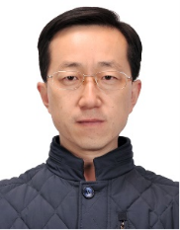
Chunlan Wang is currently a Professor at Xi’an Polytechnic University in China. She received her doctoral degree in Condensed Matter Physics from Wuhan University (2015). She is one of the Fifth Batch of “Young Talents Support Program” for Universities in Shaanxi Province, part of the Experts of the Science and Technology Think Tank of Xi’an Science and Technology Association (First Batch), and one of the Ministry of Education’s “Young Backbone Teachers of Central and Western Universities for Domestic Visiting Scholars”.

Congratulations to Chunlan for her excellent work! You can read her featured Emerging Investigator article from Nanoscale Horizons below.

A multifunctional terahertz device based on vanadium dioxide metamaterials that switches between ultra-broadband absorption and ultra-high-Q narrowband absorption

Tao Liu, Chunlan Wang, Gengliang Zou, Jiaying Ji and Zao Yi

Nanoscale Horiz., 2025, 10, 3105-3115, 10.1039/D5NH00320B

We hope you enjoy reading our interview and featured article and are looking forward to sharing our future Emerging Investigators with you! 

Do you publish innovative nanoscience and nanotechnology research? Submit your latest work to Nanoscale Horizons now. If you are eligible for the Emerging Investigators series, you could be considered to feature in one of our future interviews! Find out more about the eligibility criteria and the process in this editorial introducing the series. 
Digg This
Reddit This
Stumble Now!
Share on Facebook
Bookmark this on Delicious
Share on LinkedIn
Bookmark this on Technorati
Post on Twitter
Google Buzz (aka. Google Reader)

Beyond Li Ion Batteries: From Materials Discovery to Interface Engineering

Submit your latest work to Nanoscale Horizons and Materials Horizons now

We are pleased to announce an open call for submissions to this themed collection on Beyond Li Ion Batteries: From Materials Discovery to Interface Engineering running across Nanoscale Horizons and Materials Horizons. This themed collection is guest edited by Professor Haegyum Kim (Lawrence Berkeley National Laboratory, U.S.A.), Professor Raju Kumar Gupta (Indian Institute of Technology Kanpur, India), Professor Fang Liu (University of Wisconsin-Madison, U.S.A.) and Professor Lingzi Sang (University of Alberta, Canada).


As energy storage demands surpass the limits of conventional Lithium-ion systems, the field is rapidly pivoting toward high-performance, sustainable alternatives. We are pleased to announce a Themed Collection on Beyond Li Ion Batteries, aiming to bridge fundamental materials discovery with rigorous surface/interface engineering and economic viability. We invite communications and reviews covering diverse chemistries (e.g., Na-ion, K-ion, multivalent, and solid-state systems) to Nanoscale Horizons and Materials Horizons. This collection specifically seeks to connect theoretical innovation with practical realization and standardization.

This themed collection particularly welcomes submissions from the following research topics:

  • Computational & AI-Driven Material Discovery: First-principles modeling, simulations, and ML algorithms for materials screening and discovery.
  • Experimental Synthesis: Novel electrodes and electrolytes, scalable synthesis.
  • Interface Engineering: Stabilization strategies for electrode-electrolyte interphases.
  • Advanced Diagnostics: Characterization of failure modes and degradation mechanisms.
  • Standardization: Development of unified testing protocols to ensure data reliability and comparability.
  • Technoeconomics & Sustainability: Life cycle analysis (LCA), cost modeling, and environmental impact assessments of emerging battery technologies.

Join us in establishing the benchmarks for the next generation of energy storage technologies. We look forward to your contributions.


The submissions deadline for this collection is 30 November 2026


Submissions to the journal should fit within the scope of Nanoscale Horizons or Materials Horizons. We invite authors to select the journal that best suits their submission. Please see the journal webpages for more information on the journals’ scopes, standards, article types and author guidelines, which can be accessed below.

Nanoscale Horizons

Materials Horizons


Submission to the Collection

Manuscripts should be submitted via the Royal Society of Chemistry’s online submission service available here for Nanoscale Horizons and here for Materials Horizons. Please ensure that during the submission process you indicate that this is an invited submission for a themed collection. Please note that primary research is accepted in the form of Communications for both journals and require a ‘New Concepts statement’ to help ascertain the significance of the research. General guidance and examples can be found here.

For Nanoscale Horizons, we welcome exceptionally high-quality studies across all fields of nanoscience and nanotechnology in the form of Communications and Review-type articles (Reviews and Focus articles). For Materials Horizons, we welcome exceptionally high-quality materials science in the form of Communications and Review-type articles (Reviews, Opinions and Focus articles).

Please inform the Editorial Office at nanoscalehorizons-rsc@rsc.org as soon as possible if you plan to submit to the themed collection and state which journal you would like to submit to. If you are interested in submitting a review-type article, please contact the Editorial Office in the first instance with a proposed title and abstract as initial approval is required before submission to avoid potential topic overlap.

Nanoscale Horizons and Materials Horizons are hybrid journals, meaning you can choose to publish your work open access or you can choose to publish your work for subscription-only audiences.  When you submit to Nanoscale Horizons or Materials Horizons you may wish to consider the option of publishing your research open access. Publishing open access with RSC journals unlocks the full potential of your research – bringing increased visibility, wider readership and higher citation potential to your work. You can use ourJournal Findertool to check if your institute currently has an agreement with the RSC that may entitle you to publish open access without needing to pay an article processing charge (APC).

Please note that all submissions are subject to rigorous assessment by our Editors before being sent for peer review if appropriate. Manuscripts must meet the journal requirements and as such we cannot guarantee peer review or acceptance.
Submit to Nanoscale Horizons

Submit to Materials Horizons


We sincerely hope that you will be able to submit to this themed collection and we look forward to receiving your contribution.


Professor Haegyum Kim
Lawrence Berkeley National Laboratory, United States
ORCID: 0000-0002-5962-8244
Professor Raju Kumar Gupta
Indian Institute of Technology Kanpur, India
ORCID: 0000-0002-5537-8057
Professor Fang Liu
University of Wisconsin-Madison, United States
ORCID: 0000-0003-0885-5604
Professor Lingzi Sang
University of Alberta, Canada
ORCID: 0000-0002-1052-8947


Digg This
Reddit This
Stumble Now!
Share on Facebook
Bookmark this on Delicious
Share on LinkedIn
Bookmark this on Technorati
Post on Twitter
Google Buzz (aka. Google Reader)