Archive for the ‘Themed Issue’ Category

Organic Chemistry in Green Chemistry: Key Highlights

Green Chemistry is delighted to announce that our latest Editor’s choice collection, Organic Chemistry in Green Chemistry: Key Highlights, is now online and free to access until the end of July 2026.

This collection highlights outstanding research in organic chemistry that showcases advances in green chemistry. The selected articles demonstrate design‑stage approaches that improve resource and energy efficiency, introduce enabling concepts and technologies, and deliver demonstrable environmental benefit.

Guest Edited and curated by our Associate Editors Arjan W. Kleij (Institute of Chemical Research of Catalonia, ICIQ-Cerca) and Aiwen Lei (Wuhan University). Collection highlights:

About this collection: The featured articles explore novel reaction pathways, transformative applications, alternative feedstock and cutting-edge technologies. The collection highlights how organic chemistry continues to evolve as a key driver of innovation in creating cleaner and more efficient chemical processes.

Read the collection: https://rsc.li/GCOrganic

Collection highlights:

Missing-linker defects in a covalent organic framework photocatalyst for highly efficient synthesis of tetrahydroquinoline

 Yuling Zhao, Kangna Zhang, Keping Zhu, Yaqin Zhao, Hanping Zhai, and Jikuan Qiu

 Green Chem., 2024, 26, 2645-2652

Towards a sustainable tomorrow: advancing green practices in organic chemistry

Sudripet Sharma, Fabrice Gallou, and Sachin Handa.

 Green Chem., 2024, 26, 6289-6317

Photoelectrochemical nickel-catalyzed carboacylation/silanoylation of alkenes with unactivated C/Si–H bonds

 Lanfen Wang, Xiangyu Huo, Xiaozhi He, Lutz Ackermann, and Dingyi Wang.

Green Chem., 2024, 26, 8315-8322

Photo-induced intramolecular alkyl/aryl group transfer and SO2 insertion: a new strategy for the synthesis of 3-(alkyl/arylsulfonyl)benzothiophenes

 Tiantian Xu, Fen‑Dou Wang, Wen‑Chao Yang, Tong Lu, Min Wang, and Pinhua Li.

Green Chem., 2025, 27, 2386-2391

‘Green’ synthesis of amines from renewable resources? A detailed analysis of case studies using the CHEM21 green metrics toolkit

 Anastasiia M. Afanasenko, Noemi Deak, Jacquin October, Roberto Sole, and Katalin Barta.

 Green Chem., 2025, 27, 5947-5981

Auto-relay catalysis for the oxidative carboxylation of alkenes into cyclic carbonates by a MOF catalyst

 Ha Phan, Pol de la Cruz‑Sánchez, María Jesús Cabrera‑Afonso, and Belén Martín‑Matute

 Green Chem., 2025, 27, 2439-2448

We hope you enjoy reading the articles in this collection. Please get in touch if you have any questions

Digg This
Reddit This
Stumble Now!
Share on Facebook
Bookmark this on Delicious
Share on LinkedIn
Bookmark this on Technorati
Post on Twitter
Google Buzz (aka. Google Reader)

Biomass Conversion in Green Chemistry: Key Highlights

Green Chemistry is delighted to announce that our latest Editor’s choice collection, Biomass Conversion in Green Chemistry: Key Highlights, is now online and free to access until the end of March 2026.

Guest Edited and curated by our Editorial Board Member Jean-Paul Lange (University of Twente) and our Associate Editor Luigi Vaccaro (University of Perugia).

About this collection

This collection showcases cutting-edge research on biomass utilization and valorisation, emphasizing its pivotal role in advancing sustainable chemical processes. The featured articles explore innovative strategies for converting renewable biomass into high-value chemicals, fuels, and materials, alongside developments in catalytic systems, green solvents, and energy-efficient transformations.

It highlights how biomass can accelerate the transition to a circular economy and low-carbon manufacturing, providing scalable solutions to reduce reliance on fossil resources and mitigate environmental impact.

Read the collection: https://rsc.li/GCBiomass

Collection highlights:

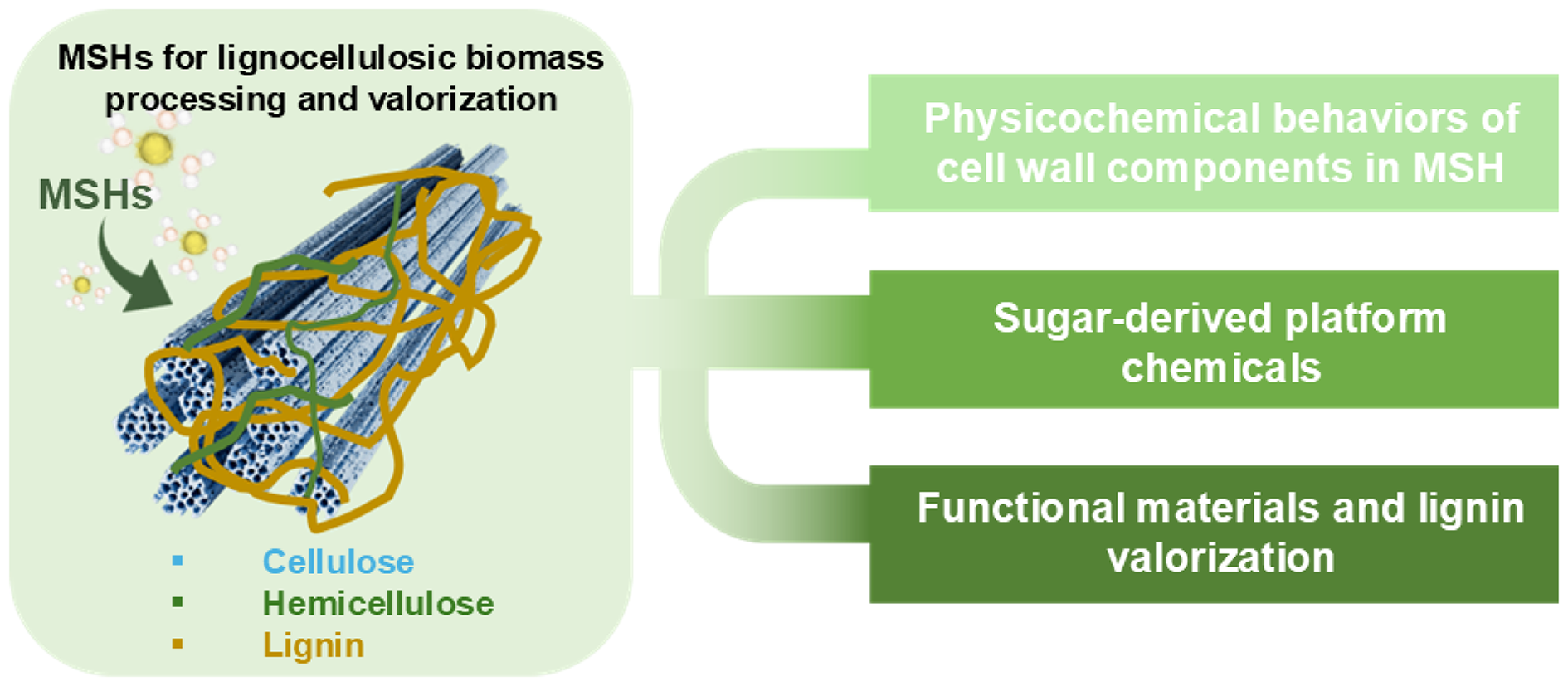
From waste to resource: advancements in sustainable lignin modification

Green Chem., 2024, 26, 4358-4386
DOI: 10.1039/D4GC00745J

Preparation of homogeneous lignin nanoparticles by efficient extraction of lignin and modification of its molecular structure using a functional deep eutectic solvent containing γ-valerolactone

Green Chem., 2024, 26, 4528-4543
DOI: 10.1039/D3GC04897G

Harnessing the potential of biphasic solvent systems in lignocellulosic biomass fractionation through computational insights


Green Chem.
, 2025, 27, 4094-4127
DOI: 10.1039/D4GC05977H

Visible light-driven ligand-to-metal charge transfer-mediated selective cleavage of β-O-4 lignin model compounds: a greener route to lignin valorization

Green Chem., 2025, 27, 4664-4678
DOI: 10.1039/D5GC00948K

We hope you enjoy reading the articles in this collection. Please get in touch if you have any questions.

Digg This
Reddit This
Stumble Now!
Share on Facebook
Bookmark this on Delicious
Share on LinkedIn
Bookmark this on Technorati
Post on Twitter
Google Buzz (aka. Google Reader)

Read our latest themed collection: Make polymers sustainable, why and how?

Green Chemistry, Polymer Chemistry and RSC Sustainability are delighted to announce that our latest cross journal themed collection, Make polymers sustainable, why and how?, is now online and free to access until the end of April 2026.

Guest Edited by Maiyong Zhu (Jiangsu University), Gerard Lligadas (Universitat Rovira i Virgili), Fiona L. Hatton (Loughborough University), Garret Miyake (Colorado State University), and Antoine Buchard (University of York).

About this Themed Collection

This collection brings together a selection of outstanding reviews, perspectives, papers and communications, which collectively provide a panoramic view of the field’s current vitality. The works range from recycling of polymer wastes, substitution of polymer carbon with oxygen (or sulfur), utilization of biomass to replace petroleum-based polluting polymers, copolymerization of CO2 with other monomers, and converting polymers (either natural or synthetic ones) into platform chemicals.

Read the Editorial: Introduction to “Make polymers sustainable, why and how?”

The collection includes:

Lignin valorization through microbial production of polyhydroxyalkanoates: recent trends, challenges and opportunities

Green Chem., 2025,27, 5920-5946
DOI: 10.1039/D5GC00370A

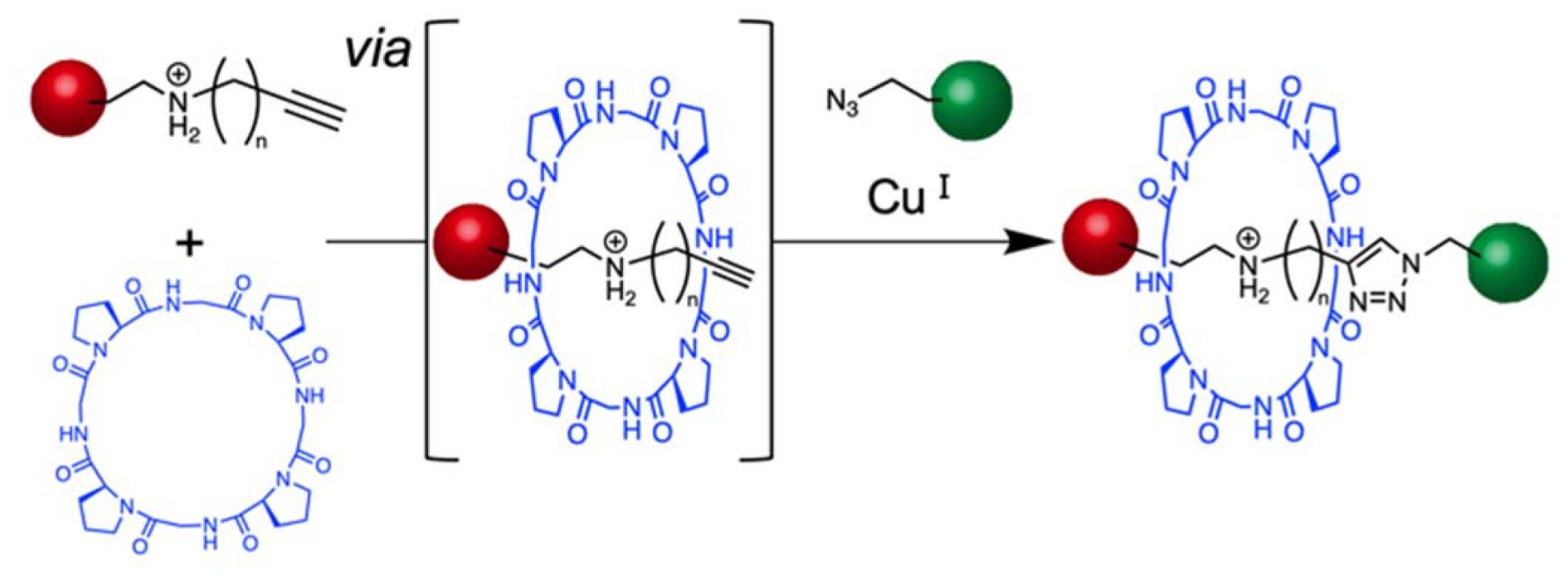
Synthesis of cyclic peptide-based [2]rotaxanes via copper-catalyzed azide–alkyne cycloaddition

Polym. Chem., 2025,16, 409-414
DOI: 10.1039/D4PY01169D

High-strength, self-healable, transparent castor-oil-based waterborne polyurethane barrier coatings enabled by a dynamic acylhydrazone co-monomer

Green Chem., 2025,27, 2220-2229
DOI: 10.1039/D4GC06103A

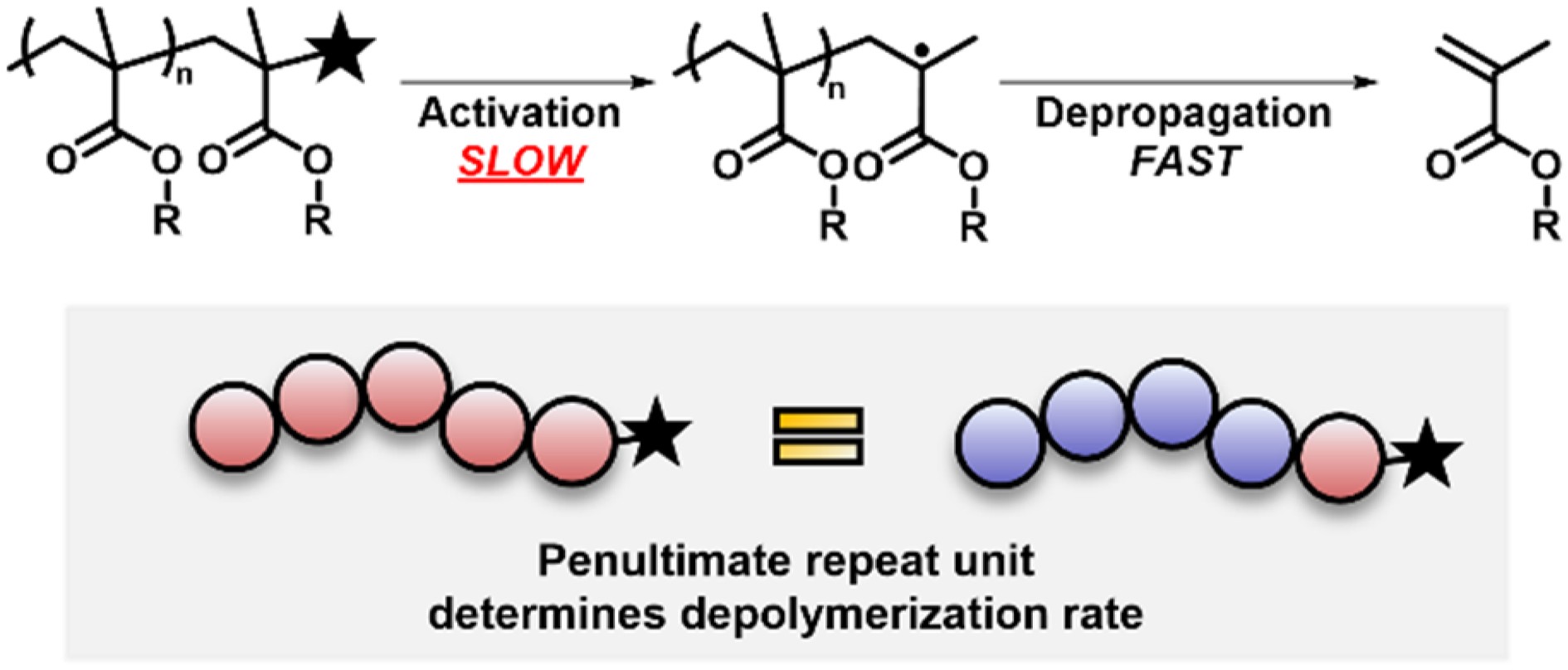
Unravelling the effect of side chain on RAFT depolymerization; identifying the rate determining step

Polym. Chem., 2025,16, 1822-1828
DOI: 10.1039/D5PY00212E

Read the Collection: https://rsc.li/SusPol24

We hope you enjoy reading the articles in this collection.

Digg This
Reddit This
Stumble Now!
Share on Facebook
Bookmark this on Delicious
Share on LinkedIn
Bookmark this on Technorati
Post on Twitter
Google Buzz (aka. Google Reader)

The Green and Sustainable Batteries themed collection is now online and free to access

Green Chemistry, Journal of Material Chemistry A, Sustainable Energy & Fuels and RSC Sustainability are delighted to announce that our latest cross journal themed collection on Green and Sustainable Batteries is now online and free to access until the end of January, 2026.

Guest Edited by Magda Titirici (Imperial College London), Rebeca Marcilla (IMDEA Energy Institute), Cristina Pozo-Gonzalo (Institute of Carboquimica ICB-CSIC) and Theresa Schoetz (University of Illinois at Urbana-Champaign).

About this Themed Collection

This themed collection showcases cutting-edge research, advancements, and remaining challenges in realising the holy grail of batteries: sustainable batteries that balance performance, cost and environmental sustainability.  The collection uncovers new research opportunities in this field by featuring multidisciplinary research on alternative battery chemistries,  sustainable electrolytes, sustainability assessment (including assessing materials criticality and its environmental impact), battery recycling, electrodes manufacturing for improved performance, understanding and preventing degradation and improving life time, design for disassembly and technoeconomic assessment among other topics closely fitting to the sustainable battery topic.

Read the Editorial: Introduction to green and sustainable batteries

The collection includes:

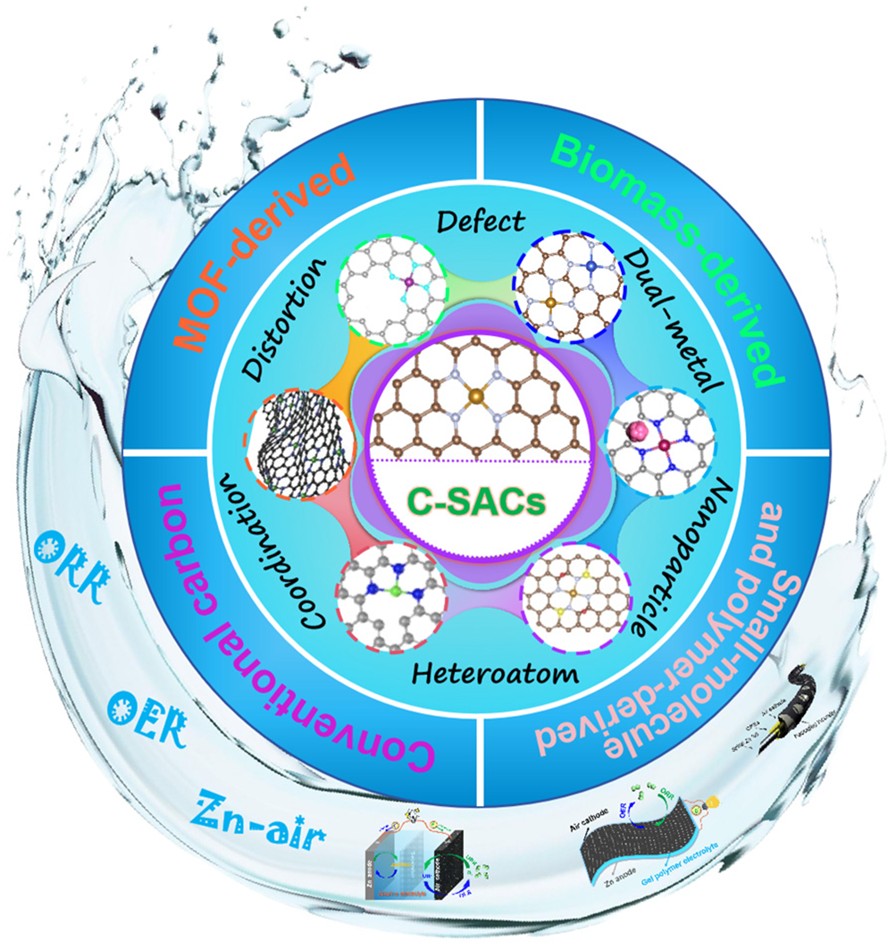
Recent advances in bifunctional carbon-based single-atom electrocatalysts for rechargeable zinc–air batteries

Green Chem., 2025, 27, 293-324

DOI: 10.1039/D4GC04687K

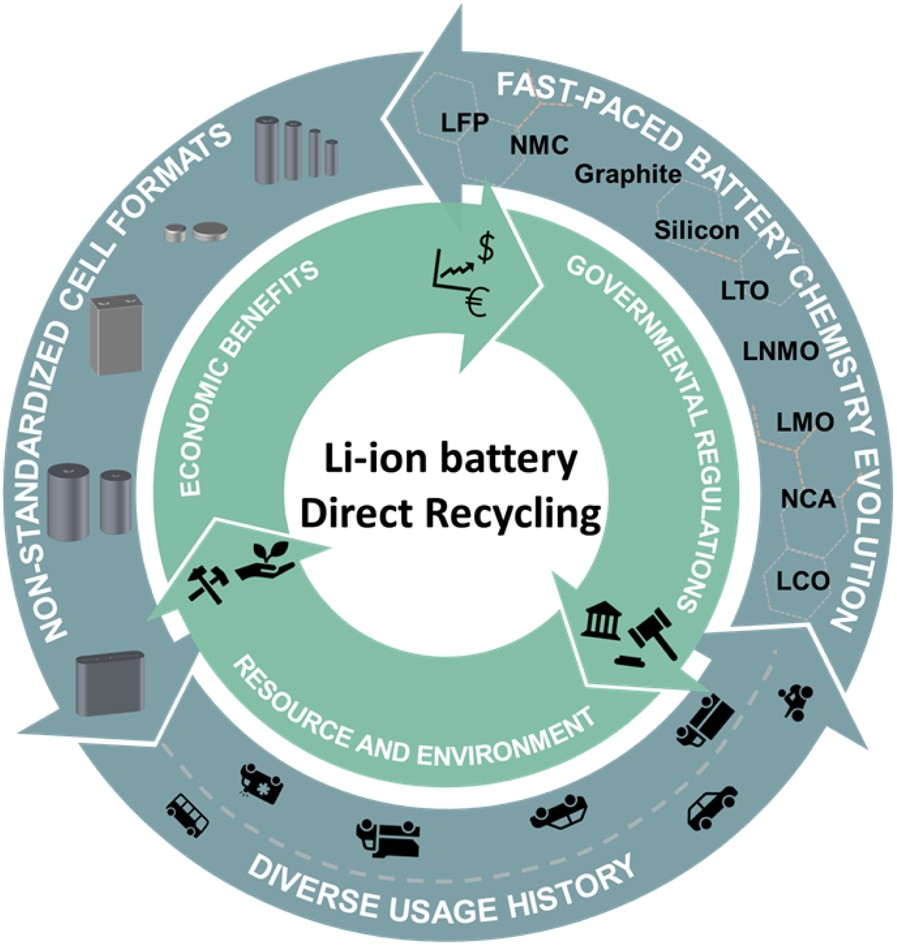
A holistic review on the direct recycling of lithium-ion batteries from electrolytes to electrodes

Mater. Chem. A, 2024,12, 31685-31716

DOI: 10.1039/D4TA04976D

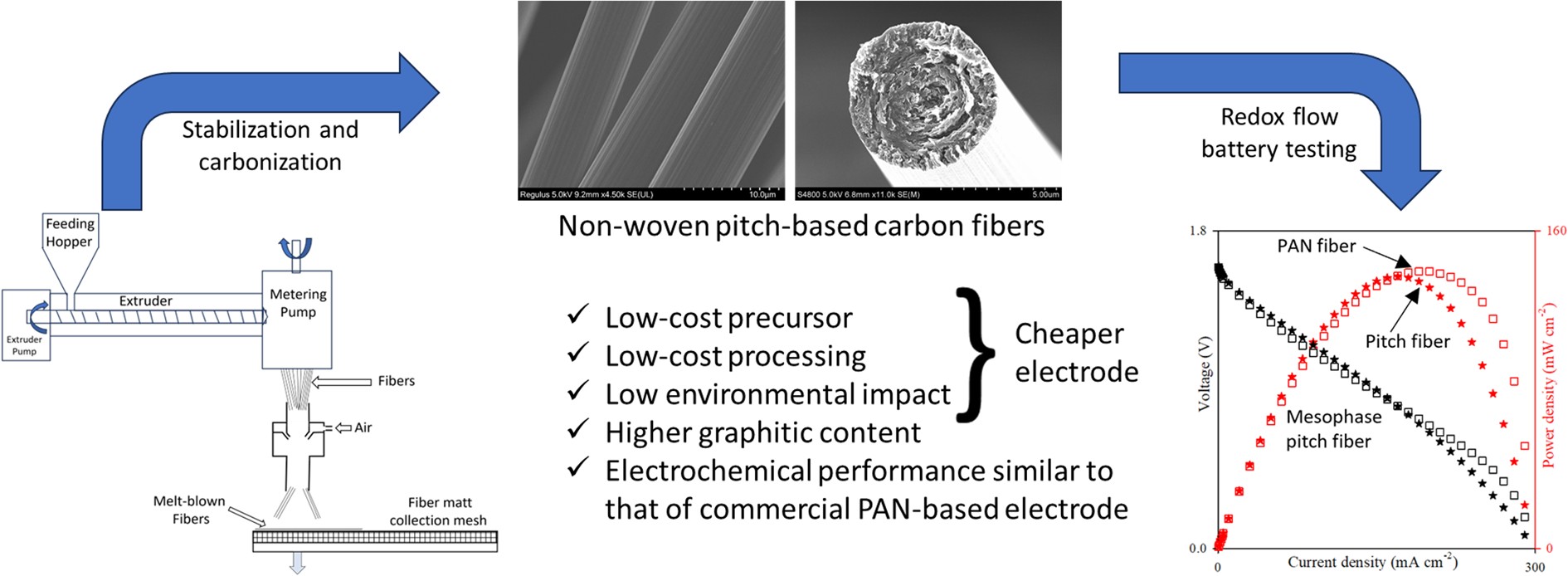
Non-woven pitch-based carbon fiber electrodes for low-cost redox flow battery

Sustainable Energy Fuels, 2025, 9, 198-207

DOI: 10.1039/D4SE01124D

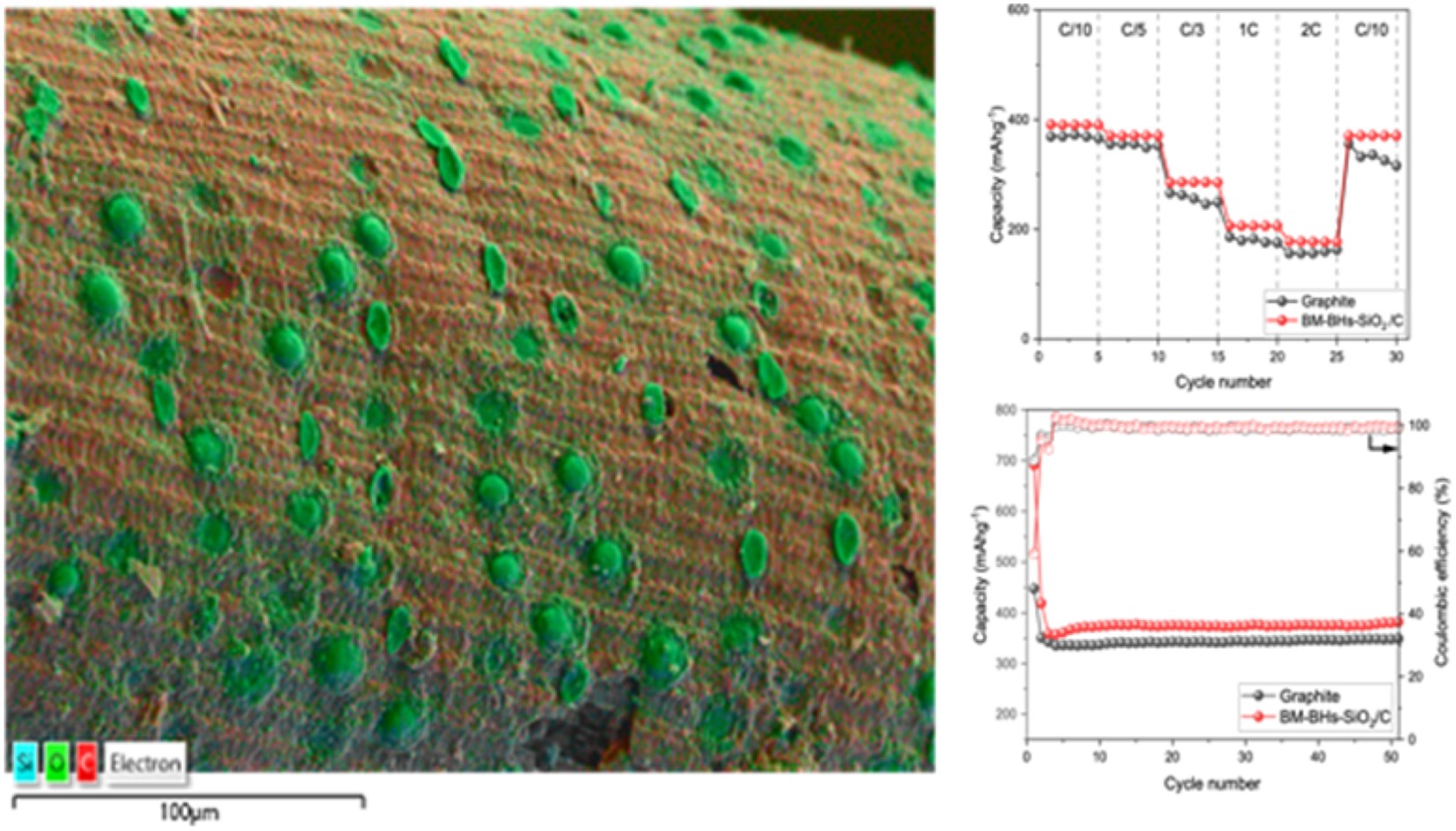
From waste to power: utilizing barley husk as a sustainable anode active material alternative to graphite in lithium-ion batteries

RSC Sustainability, 2025, 3, 2915-2926

DOI: 10.1039/D5SU00254K

Read the Collection: rsc.li/Batteries24

We hope you enjoy reading the articles in this collection.

Digg This
Reddit This
Stumble Now!
Share on Facebook
Bookmark this on Delicious
Share on LinkedIn
Bookmark this on Technorati
Post on Twitter
Google Buzz (aka. Google Reader)

Green Chemistry 25th Anniversary Collection: Liquid-phase hydrogenation of carbon monoxide to methanol using a recyclable manganese-based catalytic system

Over the past 25 years, Green Chemistry has provided a unique forum for the publication of innovative research on the development of alternative sustainable technologies, efficient utilisation of resources and the concomitant minimisation of waste. We are delighted to bring together a very special issue containing articles by members of the green chemistry community as well as past and present Green Chemistry Board members, to mark and celebrate our first 25 years.

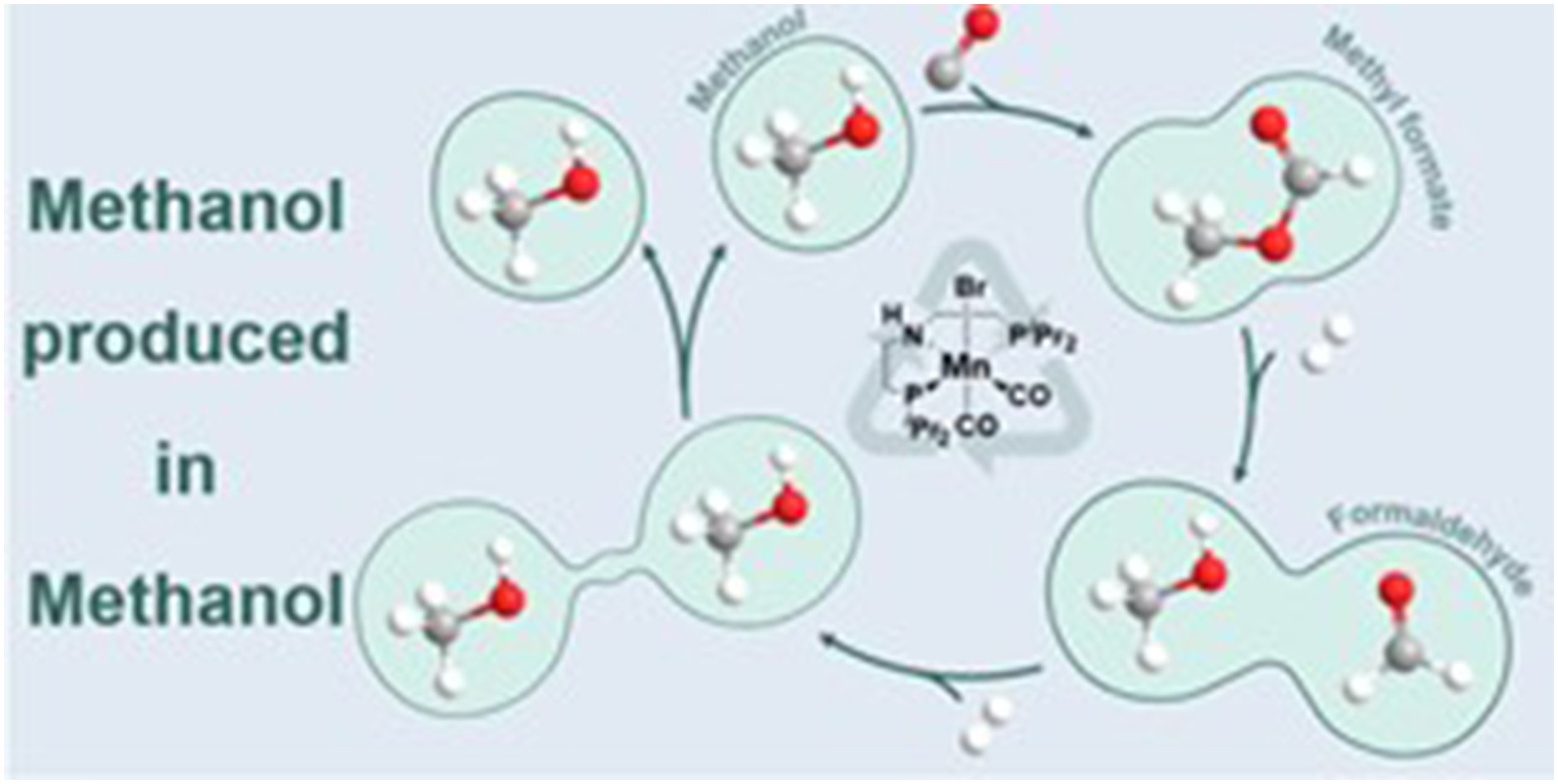
Among the contributions to this themed collection is a Paper where a simple and recyclable homogeneous catalytic system for the hydrogenation of carbon monoxide to methanol was established (DOI: 10.1039/D4GC01050G).

Read our interview with Andreas J. Vorholt, one of the corresponding authors.

Could you briefly explain the focus of your article to the non-specialist?

The homogeneously catalyzed synthesis of methanol overs several advantages over its heterogeneous counterpart such as milder conditions, higher selectivity and one-through conversion. However, catalyst recycling remains an inherited challenge for the industrial application of such processes. This work gives the first demonstration of the recycling of a homogeneous catalyst system based on the earth’s abundant metals manganese with high productivity and excellent selectivity.

How would you set this article in a wider context?

Methanol is considered a central pivot between energy and chemical industry for sustainable transformation. While the established heterogeneous methanol production process benefits from economies of scale, homogeneous catalytic processes are better suited for small to mid-size decentralized production coupled with fluctuating renewable energy supply. This article marks a key step towards such processes by demonstrating the successful, yet inherently challenging, recycling of the employed Mn-based catalyst.

What is the motivation behind this work?

In the past couple of years many systems were developed in the field of homogeneous methanol synthesis either from CO or CO2. However, all those examples were far from industrial applicability as they did not address the challenge of catalyst recycling and simple product separation, which is essential to make such a process economically viable. Therefore, based on our earlier work in this field, we aimed to establish a simplified system that can address these challenges by simple unit operations.

What aspects of this work are you most excited about at the moment and what do you find most challenging about it?

For a transformation that was seen as highly challenging in the past, the simplicity of the developed system, comprising only of the catalyst, the cheap base NaOMe and a long-chain alcohol, is fascinating.

What is the next step? What work is planned?

As we have shown that the catalyst can be recycled batchwise, we are now taking it one step further and employing this system in a continuous operation incl. constant product separation and catalyst recycling. This will get us significantly closer to industrial usability.

Please describe your journey to becoming part of the Green Chemistry community

I started my way in the GC community already in my PhD, when I worked on the conversion of oleochemicals to monomers. Later I wrote a master thesis in my economics studies on the future of renewables under the GC conditions. I was finally caught by the idea after the Gordon Green Chemistry Conference in Hongkong.

Why did you choose to publish in Green Chemistry?

Green Chemistry is at the forefront of the sustainable development of the Chemistry community as a whole. Every article published in this journal aims contribute a small piece to overcoming the great challenges the chemical industry and our entire society are facing today. We are convinced that our manuscript very well aligned with the goals of the journal and it gives us the perfect platform to present to and discuss with an audience that holds the same values and goals to drive the sustainable transformation of chemistry.

What do you think the Green Chemistry journal has done well in the past 25 years, and what do you think are the main challenges our community will face in the next 25 years?

For the past 25 years, Green Chemistry has advanced sustainability in the chemical research from a nice side-bonus to the number one goal of modern-day chemists and engineers. Starting from the 12 Principles of Green Chemistry this journal as a platform has fostered the awareness, importance and acceptance of sustainable chemistry. For the next 25 years ahead one major challenge will be to bring the tons of brilliant ideas that are published in great journals like Green Chemistry out of the lab into practice. Only if we will achieve this fast enough, we will be able to solve the enormous challenges ahead of us.

Digg This
Reddit This
Stumble Now!
Share on Facebook
Bookmark this on Delicious
Share on LinkedIn
Bookmark this on Technorati
Post on Twitter
Google Buzz (aka. Google Reader)

Green Chemistry 25th Anniversary Collection: Interactions of multiple metrics and environmental indicators to assess processes, detect environmental hotspots, and guide future development

Over the past 25 years, Green Chemistry has provided a unique forum for the publication of innovative research on the development of alternative sustainable technologies, efficient utilisation of resources and the concomitant minimisation of waste. We are delighted to bring together a very special issue containing articles by members of the green chemistry community as well as past and present Green Chemistry Board members, to mark and celebrate our first 25 years.

Among the contributions to this themed collection is paper that  offers insights into an assessment approach for evaluating the environmental sustainability of either single chemical transformations or entire processes (DOI: 10.1039/D4GC00302K).  It adopts a multi-dimensional framework, presented in a practical and systematic manner. This approach relies on a clear starting point for all assessments, making use of available data, simulating missing data, to allow for fair comparisons. This comes to improve on the too often used mono-dimensional analyses that have by now proven a potential source for incorrect conclusions and decisions.

Read our interview with the authors, Michael U. Luescher and  Fabrice Gallou:

How would you set this article in a wider context? 

While we do understand that our methodology is far from being 100% accurate, it has proven its reliability against more complex LCA-methodologies in identifying environmental hotspots. This more pragmatic approach enables us to look at, and impact, entire portfolios of industrial companies and guide research interest enabling real returns in the longer term. Besides, we believe that this article should be seen as steppingstone and a first step towards the next generation of metrics, moving away from the one-dimensional approaches, that have served us well in the past and brought us up to this point, and gearing towards LCA-type of analysis.
What is the motivation behind this work? 

Moving away from opinions and one-dimensional assessments, we looked to establish a method to take data driven, educated, sound decisions on a large scale. The timing of such assessments becomes more critical as many transformations can now be done using multiple technologies, which can require extensive investment, and whose overall footprint is not necessarily well understood. Hence the need to establish more tools to support our decision-making process.

What aspects of this work are you most excited about at the moment and what do you find most challenging about it? 

We are very excited at how our methodology has been performing within our organization, the impact it had on our decision taking, and hope that we can share these learnings with the wider community, as we do not consider this a competitive advantage. It is all the more exciting as it has proven to bring real value in terms of multiple aspects of sustainability and can lead to good decisions with tremendous impact on the planet!

What is the next step? What work is planned?

We plan to further streamline the methodology, implementing it company wide, and to illustrate in the future how this approach has helped us select the better options which led to significant impact on the footprint of the syntheses and processes at stake.

Why did you choose to publish in Green Chemistry? 

Green Chemistry has had a long history of gathering the community and disclosing high quality content. It has in our mind further increase its leadership position and authoritative position in this field in the recent years and was thus the obvious choice for us.

What do you think the Green Chemistry journal has done well in the past 25 years, and what do you think are the main challenges our community will face in the next 25 years?

In a first phase, the journal has had tremendous impact raising awareness and educating. More recently, it has in our mind further stepped up being not just a source of inspiration and education, but also really pushing the boundaries of science with impact on sustainability.

Digg This
Reddit This
Stumble Now!
Share on Facebook
Bookmark this on Delicious
Share on LinkedIn
Bookmark this on Technorati
Post on Twitter
Google Buzz (aka. Google Reader)

Call for Papers: Green Liquids and Solvents

Green Chemistry is delighted to announce a call for papers for its latest themed collection on Green Liquids and Solvents, Guest Edited by Zhenzhen Yang (Oak Ridge National Lab, USA), Kecheng Jie (Nanjing University, China) and Jessica Rimsza (Sandia National Laboratories, USA).

About this Themed Collection: 

Sustainable liquid media plays a crucial role in separation, catalysis, energy storage, and beyond, particularly compositions that are biodegradable, non-toxic, renewable, and non-volatile. Ionic liquids (ILs), deep eutectic solvents (DESs), water, supercritical fluids, and bio-based solvents remain at the forefront of green chemistry, demonstrating transformative properties across diverse applications. Beyond their conventional use as single-phase liquid media, recent research has explored innovative strategies to integrate these solvents with other material categories, unlocking new functionalities. A cutting-edge development in this field is the successful engineering of permanent porosities into dense liquid phases forming so-called “porous liquids”, based on ILs, water, and bio-based solvents, enhancing their efficiency in separation and catalysis. In gas storage, the structural design of controllable liquid molecular assemblies has enabled cascade gas trapping in liquid sorbents, significantly outperforming single-component liquid media. This Themed Collection welcomes contributions to recent advances in sustainable liquid technologies, with a particular emphasis on green synthesis strategies, facile fabrication techniques, advanced characterization methods, computational modeling, theoretical frameworks, fundamental structure-function investigations, and cutting-edge applications in separation, catalysis, energy storage, and beyond.

Open for Submissions until 31st March 2026

This call for papers is open for the following article types:

  • Communications
  • Full papers
  • Reviews

How to Submit

If you would like to contribute to this themed collection, articles can be submitted via our website: mc.manuscriptcentral.com/gc. We would be grateful if upon submission you would mention that your manuscript is intended for this themed collection as an open call.

Please note that for publication, manuscripts must meet the usual rigorous and high standards for acceptance in the journal, and all submissions will be subject to initial assessment for suitability for a full peer review before a final decision is made. Accepted articles will be published online in a citeable form, included in the web collection and published in an issue as soon as they are ready. We aim to promote the completed collection in 2026.

Digg This
Reddit This
Stumble Now!
Share on Facebook
Bookmark this on Delicious
Share on LinkedIn
Bookmark this on Technorati
Post on Twitter
Google Buzz (aka. Google Reader)

The Exploring the Frontiers: Unveiling New Horizons in Carbon Efficient Biomass Utilization Themed Collection in Green Chemistry is now online and free to access

We are delighted to announce that the Green Chemistry themed collection Exploring the Frontiers: Unveiling New Horizons in Carbon Efficient Biomass Utilization is now online and free to access until the end of November 2025.

Guest Edited by:  Zhi-Hua Liu (Tianjin University), Bing-Zhi Li (Tianjin University), Joshua Yuan (Washington University in St. Louis), James Clark (University of York), Vânia Zuin Zeidler (Leuphana Universitat Luneburg), Lieve Laurens (National Renewable Energy Laboratory), Arthur Ragauskas (The University of Tennessee Knoxville), Joao Coutinho (CICECO-Universidade de Aveiro) and Buxing Han (Institute of Chemistry, Chinese Academy of Sciences).

This themed collection showcases cutting-edge research, advancements, and innovations in carbon efficient biomass utilization, with a particular focus on uncovering new possibilities and opportunities in this field. It also includes innovative biotechnical solutions that can effectively transform biomass for a wide range of applications, while addressing the current challenges and prospects in the field of carbon efficient biomass utilization. This collection includes contributions in research in various fields such as green chemistry, synthetic biology, artificial intelligence, enzyme engineering, lignin valorization, biorefineries, sustainability, and environmental studies, among others.

Read the collection

The collection includes

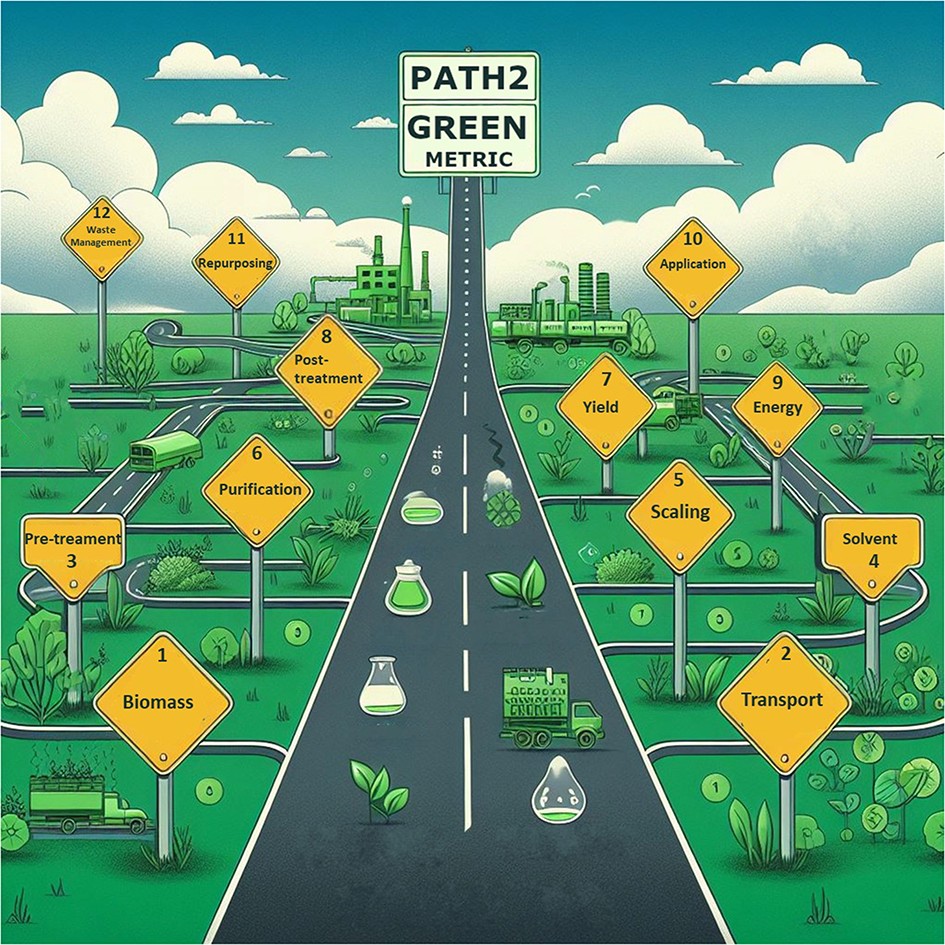
Path2Green: introducing 12 green extraction principles and a novel metric for assessing sustainability in biomass valorization

Green Chem., 2024, 26, 10087-10106

DOI: 10.1039/D4GC02512A

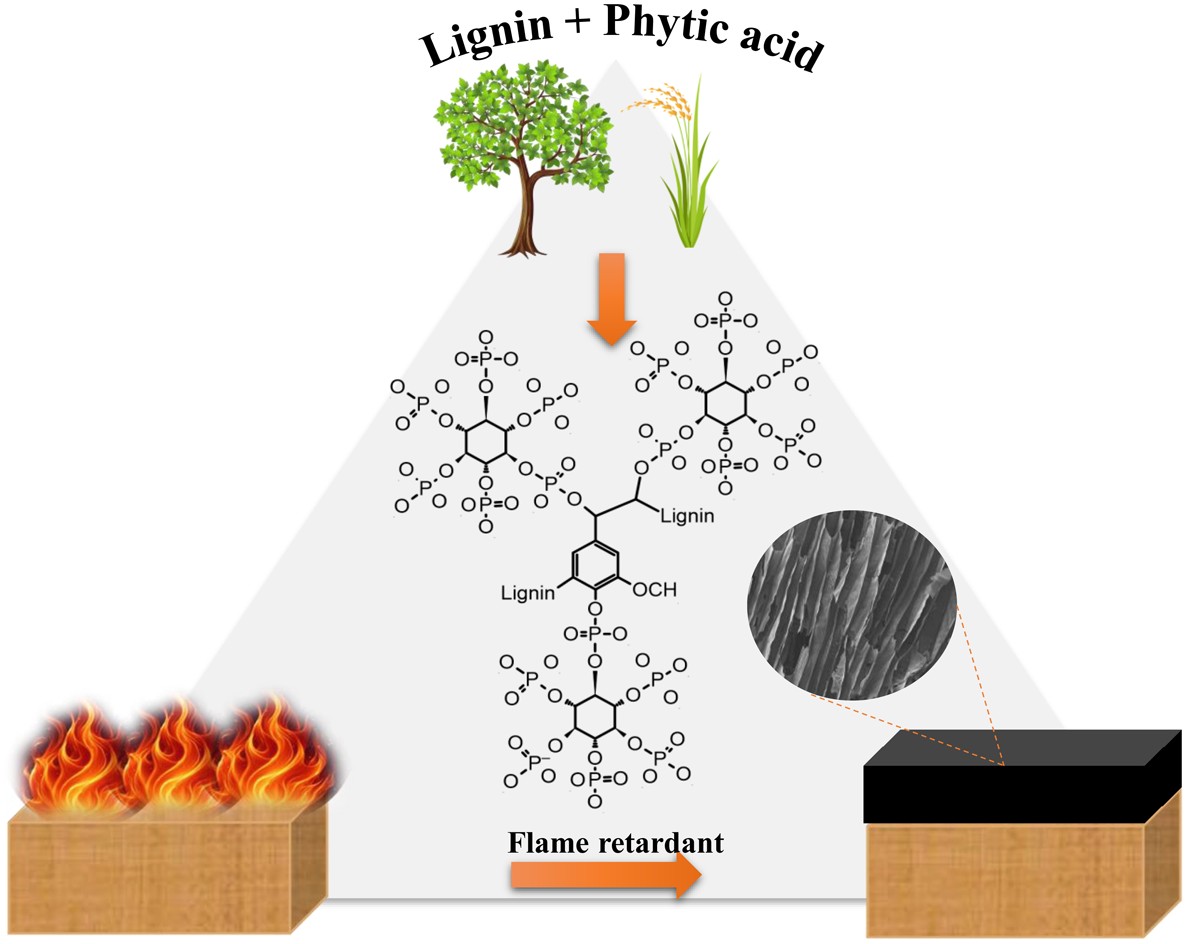
Phytic acid derivatized lignin as a thermally stable and flame retardant material

Green Chem., 2024, 26, 10070-10086

DOI: 10.1039/D4GC03169E

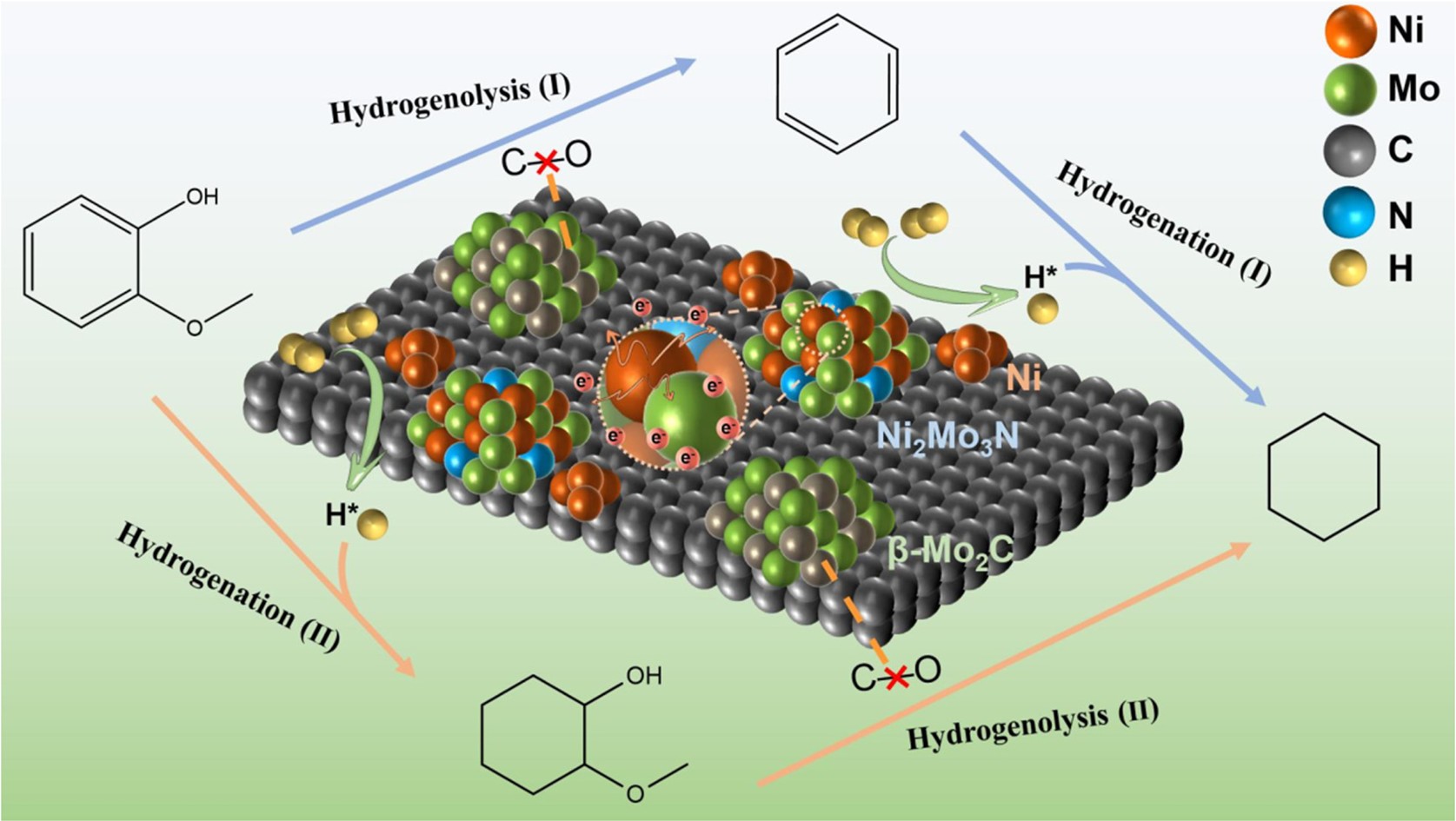
Efficient hydrodeoxygenation of lignin-derived phenolic compounds under acid-free conditions over carbon-supported NiMo catalysts

Green Chem., 2024,26, 9330-9345

DOI: 10.1039/D4GC02298J

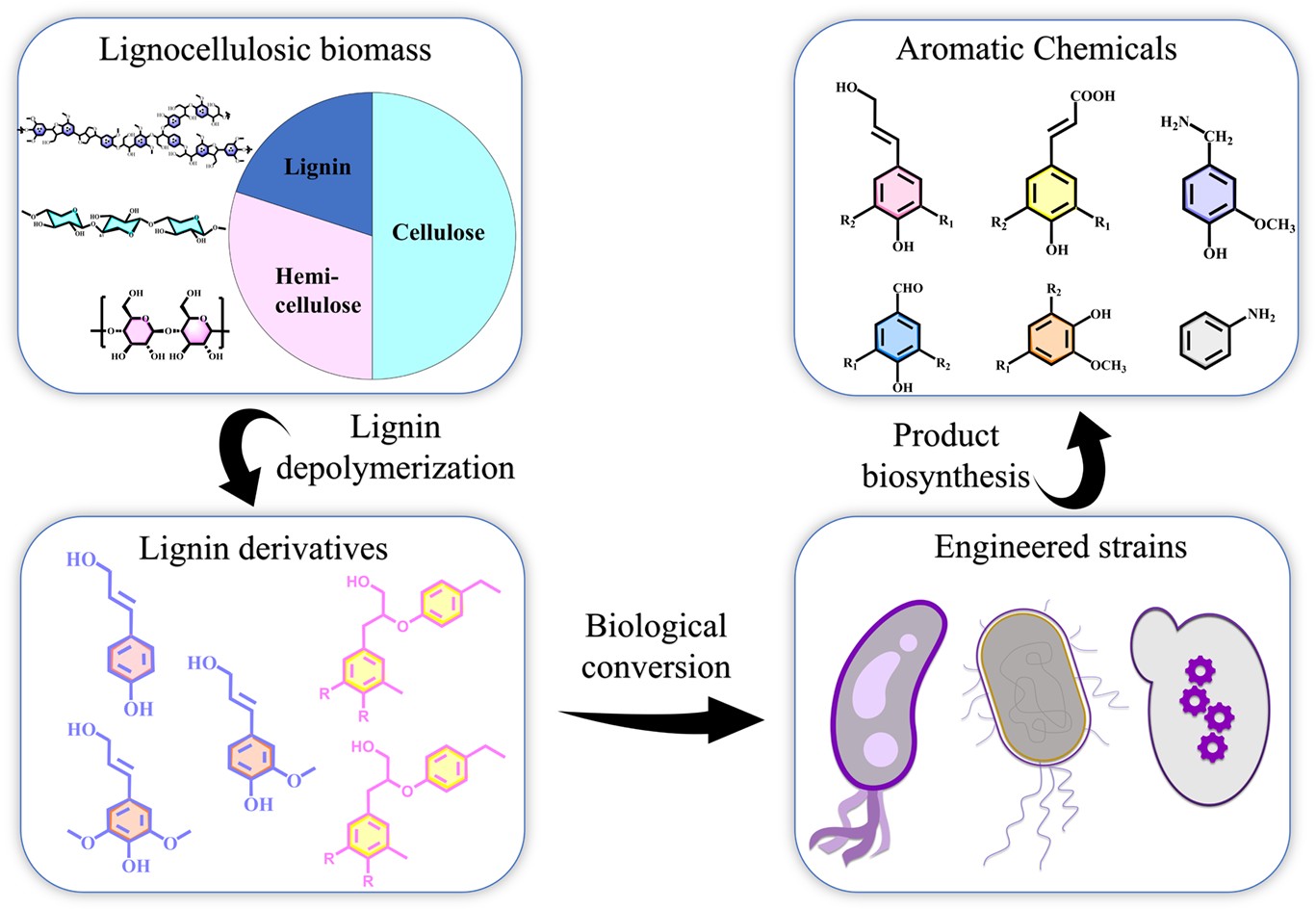
Tapping into the natural aromatic potential of microbial lignin valorization towards aromatic fine chemicals

Green Chem., 2024, 26, 11378-11405

DOI: 10.1039/D4GC03567D

We hope you enjoy reading the articles in this collection.

Digg This
Reddit This
Stumble Now!
Share on Facebook
Bookmark this on Delicious
Share on LinkedIn
Bookmark this on Technorati
Post on Twitter
Google Buzz (aka. Google Reader)

Call for Papers: Advanced Eco-Manufacturing and Sustainable Bioproducts with Lignocellulosic Biomass

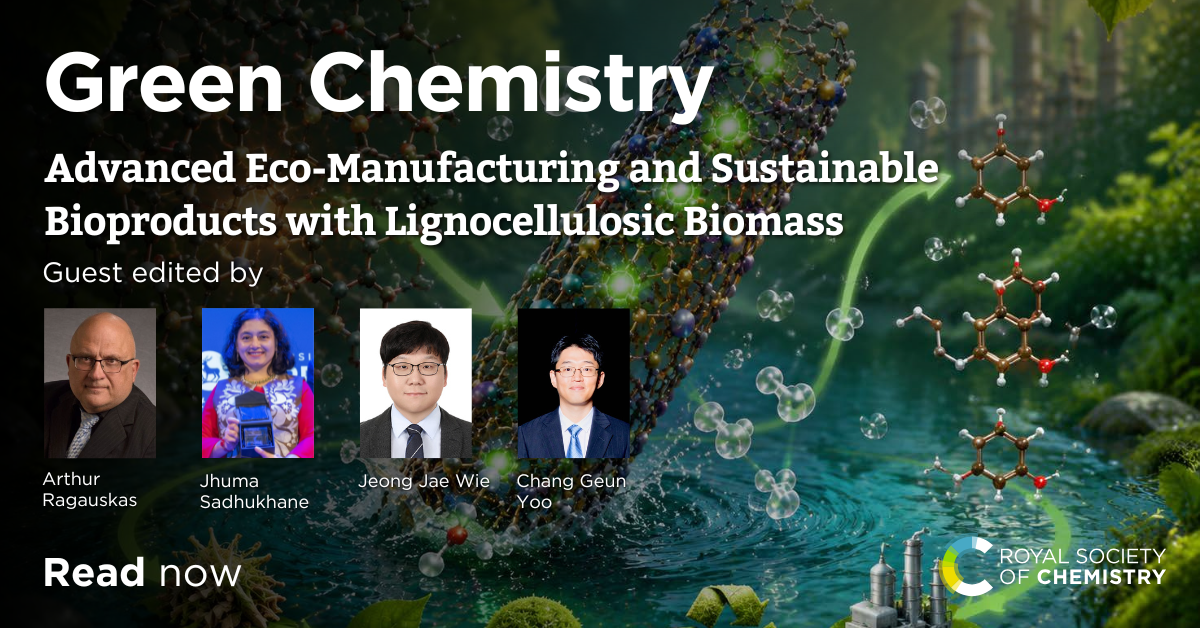
Green Chemistry is delighted to announce a call for papers for its latest themed collection on Advanced Eco-Manufacturing and Sustainable Bioproducts with Lignocellulosic Biomass, Guest Edited by Arthur Ragauskas (University of Tennessee Knoxville), Jhuma Sadhukhan (University of Surrey), Jeong Jae Wie (Hanyang University) and Chang Geun Yoo (State University of New York).

About this Themed Collection: 

The research featured in this Themed Collection will highlight various innovative chemical pathways for converting lignocellulosic biomass into sustainable, value-added products that promote environmentally responsible industrial practices. The collection will focus on the innovative use of lignocellulosic biomass in eco-manufacturing, particularly the role of forestry, agriculture, and plant residues as renewable raw materials. Bringing together cutting-edge research from diverse fields, including green chemistry, materials science, bioengineering, and industrial manufacturing, this Themed Collection will address both the challenges and opportunities associated with lignocellulosic biomass. By focusing on real-world applications and emerging technologies, it will provide actionable insights to help advance environmentally conscious manufacturing systems and promote sustainable resource use.

The global shift towards sustainable practices in the academic, government, and industrial sectors has sparked growing interest in sustainable and renewable resources. Lignocellulosic materials, derived from forestry, agriculture, and plant residues, have emerged as a central focus for driving eco-manufacturing, securing regional production, rural development, and sustainable innovation. These materials, often viewed as waste or by-products, hold significant potential to be transformed into value-added carbon products that can play a crucial role in achieving sustainability goals.

With the increasing emphasis on environmental impacts across industries, such as packaging, forestry products, construction, transportation, and manufacturing, this special issue aims to explore the latest advancements in emerging bio-derived materials. By utilizing green chemistry principles and innovative manufacturing technologies, these materials can support the development of renewable products, materials, and energy sources.  New chemical principles include (i) tailored biomass fractionation and functionalization, (ii) chemo-enzymatic derivatization for product performance, (iii) electrification of chemical pathways via microwave, ultrasonics, and redox chemistry, (iv) bio composite materials and 3D printing, and (v) sustainable chemicals and fuels.

Open for Submissions until 28th February 2026

This call for papers is open for the following article types:

  • Communications
  • Full papers
  • Reviews

How to Submit

If you would like to contribute to this themed collection, articles can be submitted via our website: mc.manuscriptcentral.com/gc. We would be grateful if upon submission you would mention that your manuscript is intended for this themed collection as an open call.

Please note that for publication, manuscripts must meet the usual rigorous and high standards for acceptance in the journal, and all submissions will be subject to initial assessment for suitability for a full peer review before a final decision is made. Accepted articles will be published online in a citeable form, included in the web collection and published in an issue as soon as they are ready. We aim to promote the completed collection in 2026.

Digg This
Reddit This
Stumble Now!
Share on Facebook
Bookmark this on Delicious
Share on LinkedIn
Bookmark this on Technorati
Post on Twitter
Google Buzz (aka. Google Reader)

Green Chemistry 25th Anniversary Collection: Mechanochemical and aging-based reductive amination with chitosan and aldehydes affords high degree of substitution functional biopolymers

Over the past 25 years, Green Chemistry has provided a unique forum for the publication of innovative research on the development of alternative sustainable technologies, efficient utilisation of resources and the concomitant minimisation of waste. We are delighted to bring together a very special issue containing articles by members of the green chemistry community as well as past and present Green Chemistry Board members, to mark and celebrate our first 25 years.

Among the contributions to this themed collection is a Paper reporting a mechanochemical and aging-based method to alkylate Chitosan via reductive amination  (DOI: 10.1039/D4GC00127C).

Read our interview with Audrey Moores, one of the corresponding authors.

Could you briefly explain the focus of your article to the non-specialists?

Chitosan is an interesting material that can be extracted from crustacean waste and has antibacterial and biocompatibility properties. It has however limited solubility so it is very hard to modify its properties to meet our needs. Our group developed a way to functionalize it, and introduce new properties by reacting it in the solid-state giving easily access to, for instance, a more soluble version of chitosan.

How would you set this article in a wider context?

Nature is providing us with wonderful materials packed with amazing properties such as wood or crustaceans exo skeleton. Taking these materials and transforming them with simple and accessible chemistries is a great way for us to replace petrochemicals around us, but it is difficult to achieve because these materials are typically not soluble in most solvents. With this work not only do we demonstrate that working in the solid-state resolve this conundrum, but also we are able to achieve a higher degree of functionalization than similar chemistries in the liquid state.

What is the motivation behind this work?

Our group works in Quebec, which is one of the 13 provinces and territories of Canada. Quebec has an important fishery industry generating every year an estimated 40,000 tons of crustacean waste, currently unvalorised. We are developing a program to demonstrate that mechanochemistry and solid-state reactivity can provide a unique avenue for transforming this underutilized stream into functional materials useful for our societies.

What aspects of this work are you most excited about at the moment and what do you find most challenging about it?

This article is Clearly showcasing how mechanochemistry and solid-state reactivities could be a productive way to develop new products made from chitin, cellulose and chitosan.

What is the next step? What work is planned?

Our work is now geared towards new functionalization of this material so that we could expand our toolbox even further.

Please describe your journey to becoming part of the Green Chemistry community

Green Chemistry started for me during my post doc, which I did under the mentorship of Professor Robert Crabtree at Yale University close to 20 years ago. Back then, Bob sent me to the Green Chemistry summer school of the ACS in Washington. At that event, I met many people including Paul Anastas, Julie Zimmerman and Phil Jessop, all legendary names in the field, who have motivated me to become part of the community. When I started my group at McGill, as a Canada research chair in Green Chemistry, it was thus natural for me to teach this topic, do my research according to its principles, and an encourage all my trainees to become active members in the community.

Why did you choose to publish in Green Chemistry?

Green Chemistry remains a flagship for our community, as the first journal in the field. I have published many articles in this journal and always appreciate the quality of the work from the team and the wide readership it provides.

What do you think the Green Chemistry journal has done well in the past 25 years, and what do you think are the main challenges our community will face in the next 25 years?

Looking back, it is evident to me that Green Chemistry has been a key player in making this topic front and centre in the field of chemistry at large. Honestly this is something that was not evident 25 years ago, and it is thus a huge achievement in my opinion. I think our community should look at the 25 coming years to make sure it becomes central as a science. Working in the field of sustainability, I feel there is still room for people to realize the immense role that chemistry and especially green chemistry can play in developing it further.

Meet the corresponding author

Audrey Moores is a professor of chemistry and associate director of the Facility for Electron Microscopy Research at McGill University. She completed her PhD at the Ecole Polytechnique, France and a post-doctoral fellowship at Yale University. She serves as an executive editor for ACS Sustainable Chemistry & Engineering. She became a member (2020) and president (2024-26) of the College of New Scholars, Artists and Scientists of the Royal Society of Canada. She received the Canadian Chemistry and Chemical Engineering Award for Green Chemistry (2021). With her group, she focuses on sustainable solutions for nanoparticles and biopolymer synthesis as well as catalyzed reactions, with an interest in waste biomass valorization, earth abundant starting materials and high atom economy and has been travelling globally to teach green and sustainable chemistry

Digg This
Reddit This
Stumble Now!
Share on Facebook
Bookmark this on Delicious
Share on LinkedIn
Bookmark this on Technorati
Post on Twitter
Google Buzz (aka. Google Reader)