Archive for the ‘Article collections’ Category

Organic Chemistry in Green Chemistry: Key Highlights

Green Chemistry is delighted to announce that our latest Editor’s choice collection, Organic Chemistry in Green Chemistry: Key Highlights, is now online and free to access until the end of July 2026.

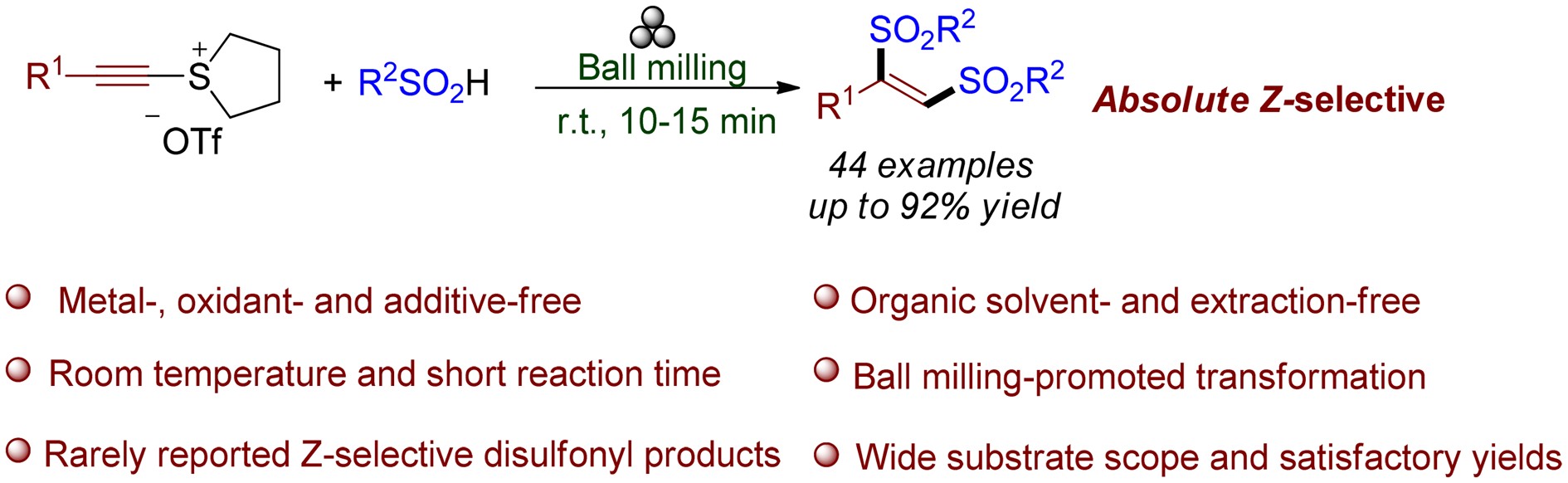
This collection highlights outstanding research in organic chemistry that showcases advances in green chemistry. The selected articles demonstrate design‑stage approaches that improve resource and energy efficiency, introduce enabling concepts and technologies, and deliver demonstrable environmental benefit.

Guest Edited and curated by our Associate Editors Arjan W. Kleij (Institute of Chemical Research of Catalonia, ICIQ-Cerca) and Aiwen Lei (Wuhan University). Collection highlights:

About this collection: The featured articles explore novel reaction pathways, transformative applications, alternative feedstock and cutting-edge technologies. The collection highlights how organic chemistry continues to evolve as a key driver of innovation in creating cleaner and more efficient chemical processes.

Read the collection: https://rsc.li/GCOrganic

Collection highlights:

Missing-linker defects in a covalent organic framework photocatalyst for highly efficient synthesis of tetrahydroquinoline

 Yuling Zhao, Kangna Zhang, Keping Zhu, Yaqin Zhao, Hanping Zhai, and Jikuan Qiu

 Green Chem., 2024, 26, 2645-2652

Towards a sustainable tomorrow: advancing green practices in organic chemistry

Sudripet Sharma, Fabrice Gallou, and Sachin Handa.

 Green Chem., 2024, 26, 6289-6317

Photoelectrochemical nickel-catalyzed carboacylation/silanoylation of alkenes with unactivated C/Si–H bonds

 Lanfen Wang, Xiangyu Huo, Xiaozhi He, Lutz Ackermann, and Dingyi Wang.

Green Chem., 2024, 26, 8315-8322

Photo-induced intramolecular alkyl/aryl group transfer and SO2 insertion: a new strategy for the synthesis of 3-(alkyl/arylsulfonyl)benzothiophenes

 Tiantian Xu, Fen‑Dou Wang, Wen‑Chao Yang, Tong Lu, Min Wang, and Pinhua Li.

Green Chem., 2025, 27, 2386-2391

‘Green’ synthesis of amines from renewable resources? A detailed analysis of case studies using the CHEM21 green metrics toolkit

 Anastasiia M. Afanasenko, Noemi Deak, Jacquin October, Roberto Sole, and Katalin Barta.

 Green Chem., 2025, 27, 5947-5981

Auto-relay catalysis for the oxidative carboxylation of alkenes into cyclic carbonates by a MOF catalyst

 Ha Phan, Pol de la Cruz‑Sánchez, María Jesús Cabrera‑Afonso, and Belén Martín‑Matute

 Green Chem., 2025, 27, 2439-2448

We hope you enjoy reading the articles in this collection. Please get in touch if you have any questions

Digg This
Reddit This
Stumble Now!
Share on Facebook
Bookmark this on Delicious
Share on LinkedIn
Bookmark this on Technorati
Post on Twitter
Google Buzz (aka. Google Reader)

A selection of articles on sustainable process intensification in Green Chemistry

This selection of articles from Green Chemistry highlights recent advances in sustainable process design and intensified reaction technologies. The articles illustrate how innovations in flow chemistry, micro-reaction engineering and catalytic methodologies are reshaping modern chemical practice.

The selection includes emerging strategies for reducing environmental impact through enhanced mass transfer, improved life-cycle performance, more efficient reaction platforms, and sustainability assessments of flow systems.

Sustainability of flow chemistry and microreaction technology

Volker Hessel, Sampurna Mukherjee, Sutanuka Mitra, Arunava Goswami, Nam Nghiep Tran, Francesco Ferlin, Luigi Vaccaro, Fariba Malekpour Galogahi, Nam‑Trung Nguyen, and Marc Escribà‑Gelonch.

Green Chem., 2024, 26, 9503-9528

Pickering emulsion-derived nano/microreactors for unconventional interfacial catalysis: state-of-the-art advances and perspectives in green reactions

 Ansar Abbas, Sameer Hussain, Muhammad Asad, Asma Khatoon, Ali Raza, and Silong Xu

Green Chem., 2024, 26, 3039-3057

Efficient lignin depolymerization by continuous flow microreactor-assisted electrochemical advanced oxidation in water/co-solvent system

Lalida Waura-angkura, Babasaheb M. Matsagar, Kevin Lee, Varong Pavarajarn, and Kevin C.-W. Wu

Green Chem., 2024, 26, 1889-1900

Batch and flow synthesis of sulfides and sulfoxides using green solvents and oxidant through visible-light photocatalysis

 Jin Park, Su Hyeon Kim, Jun‑Young Cho, Shafrizal Rasyid Atriardi, Jae‑Young Kim, Hanifah Mardhiyah, Boyoung Y. Park, and Sang Kook Woo.

Green Chem., 2025, 27, 3284-3292

Green solvent mixture for ultrasound-assisted solid-phase peptide synthesis: a fast and versatile method and its applications in flow and natural product synthesis

 Jingyuan Liao, Renrong Zhang, Xuelei Jia, Meiling Wang, Chaoyi Li, Juntao Wang, Renjin Tang, Junrong Huang, Hengzhi You, and Fen‑Er Chen.

Green Chem., 2024, 26, 10549-10557

A high-performance lignin flow fuel cell based on self-generating electricity of lignin at low temperature via a privileged structure and redox chemistry

 Zixin Xie, Xihong Zu, Jinxin Lin, Xueqing Qiu, Tengda Liang, and Liheng Chen.

 Green Chem., 2024, 26, 2021-2030

Continuous-flow synthesis of cyclic carbonates with polymer-supported imidazolium-based ionic liquid (Im-PSIL) catalysts

Zhibo Yu, Haruro Ishitani, and Shu Kobayashi.

Green Chem., 2024, 26, 11548-11555

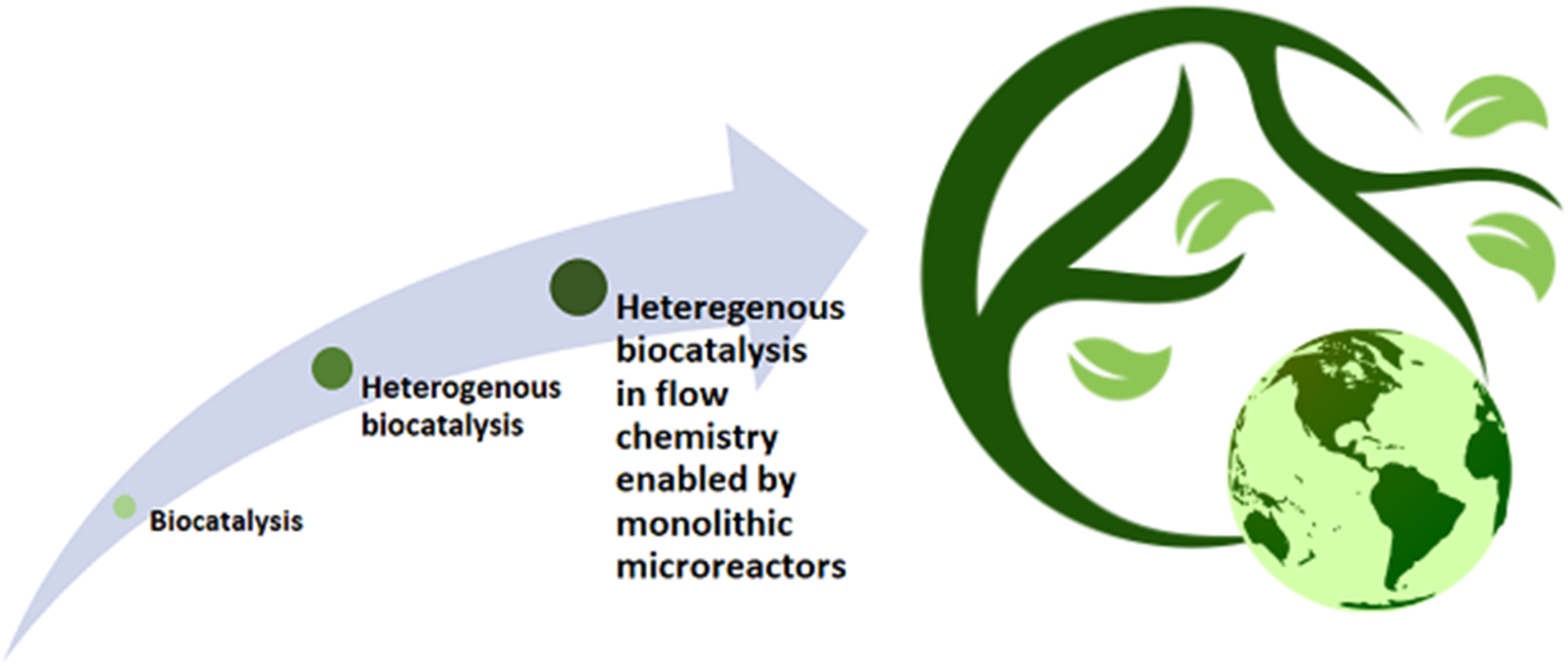
Monoliths enabling biocatalysis in flow chemistry

 Aleksandra Lambarska, Katarzyna Szymańska, and Ulf Hanefeld.

Green Chem.
,
2024, 26, 10718-10738

Efficient continuous flow oxidation of furfural to maleic anhydride using O2 as a green oxidant

 Jonas Mortier, Christian V. Stevens, and Thomas S. A. Heugebaert.

Green Chem., 2025, 27, 5063-5072

Two-step continuous flow aerobic oxidation of cannabidiol to cannabinoquinone derivatives

Manuel Zielke, Christof Aellig, Dominique M. Roberge, Christopher A. Hone, and C. Oliver Kappe.

Green Chem., 2025, 27, 6787-6795

This selection highlights only a small snapshot of recent Green Chemistry research in sustainable process intensification. For much more on sustainable process design and intensified reaction technologies, explore the journal at https://rsc.li/green-chem.

If you would like to publish your research with Green Chemistry or have a suggestion for a timely and impactful topic, contact us at green-rsc@rsc.org.

Engage with us and stay tunned for more news

Digg This
Reddit This
Stumble Now!
Share on Facebook
Bookmark this on Delicious
Share on LinkedIn
Bookmark this on Technorati
Post on Twitter
Google Buzz (aka. Google Reader)

A selection of articles on green solvents in Green Chemistry

This selection of articles from Green Chemistry highlights recent advances in green solvents. It showcases how ionic liquids, deep eutectic solvents, and poly(ionic liquid) materials enable cleaner, more efficient approaches to extractions, separations, CO₂ capture, catalysis, and materials synthesis.

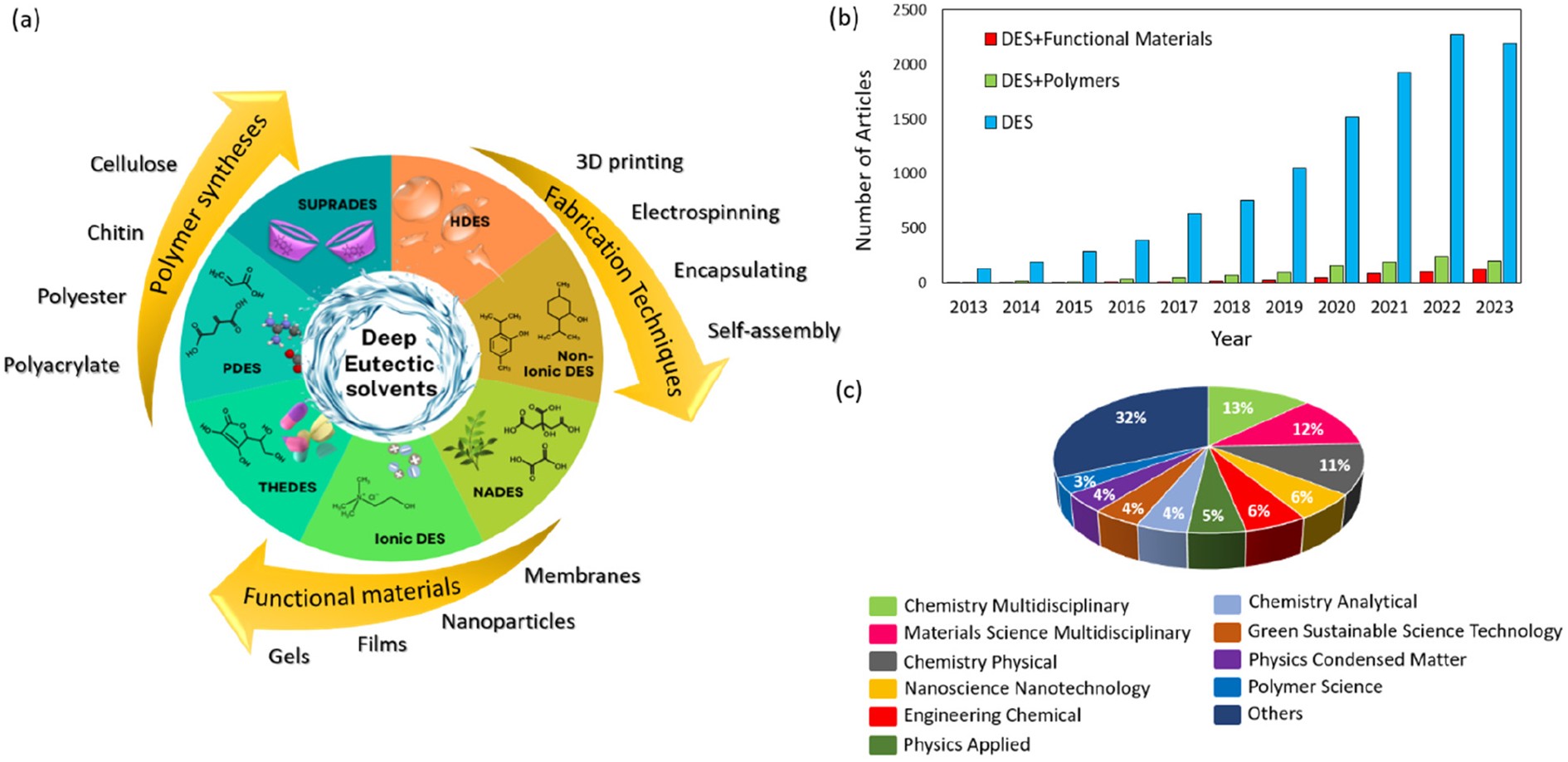
Deep eutectic solvents as an emerging green platform for the synthesis of functional materials

 Yunping Ma, Yu Yang, Tie Li, Shahid Hussain, and Maiyong Zhu.

Green Chem., 2024, 26, 3627-3669

Machine learning models accelerate deep eutectic solvent discovery for the recycling of lithium-ion battery cathodes

Fengyi Zhou, Dingyi Shi, Wenbo Mu, Shao Wang, Zeyu Wang, Chenyang Wei, Ruiqi Li, and Tiancheng Mu.

Green Chem., 2024, 26, 7857-7868


Deep eutectic solvents towards green polymeric materials

Udyani Aloka Weerasinghe, Tingting Wu, Pei Lin Chee, Pek Yin Michelle Yew, Hiang Kwee Lee, Xian Jun Loh, and Kai Dan

Green Chem., 2024, 26, 8497-8527


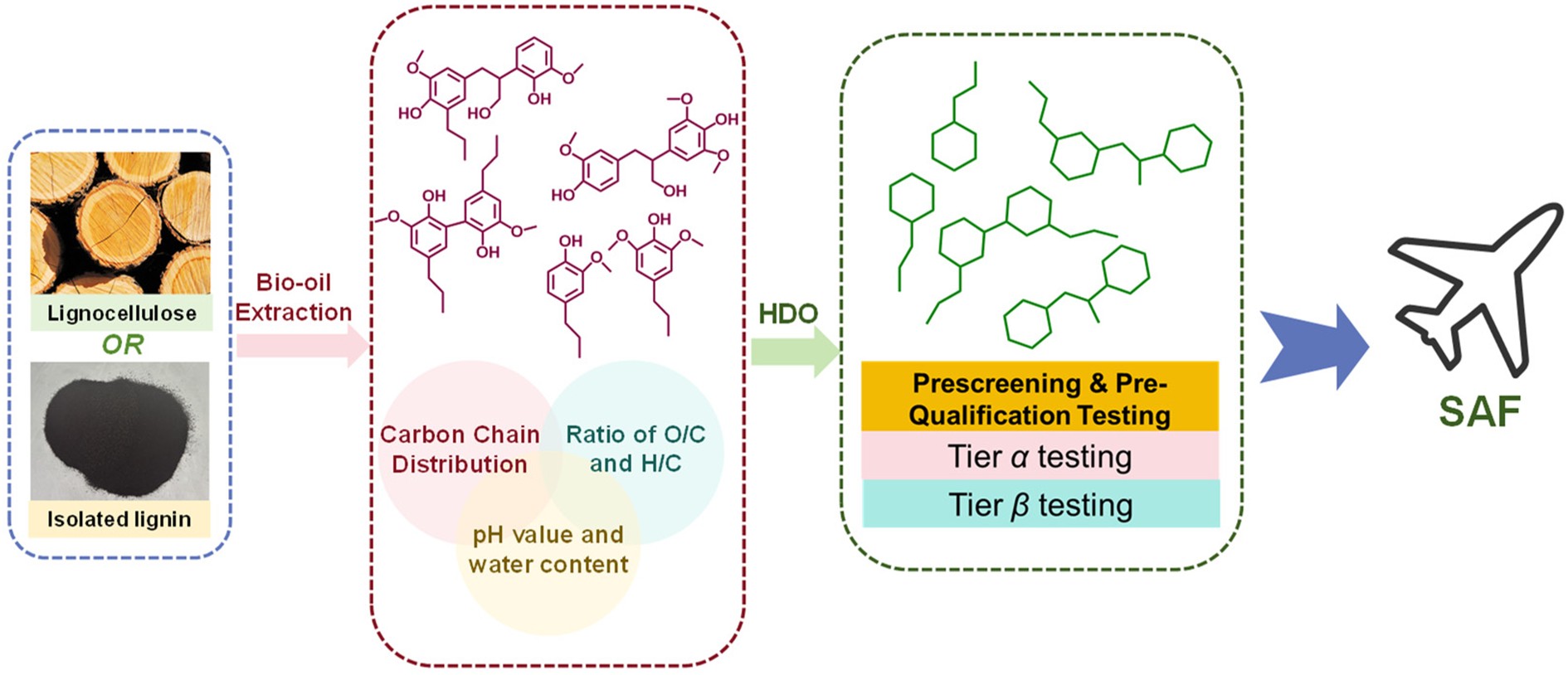
Preparation of homogeneous lignin nanoparticles by efficient extraction of lignin and modification of its molecular structure using a functional deep eutectic solvent containing γ-valerolactone

Mingzhu Yao, Baojie Liu, Lina Qin, Zicheng Du, Zenglin Wang, Chengrong Qin, Chen Liang, Caoxing Huang, and Shuangquan Yao

 Green Chem., 2024, 26, 4528-4543


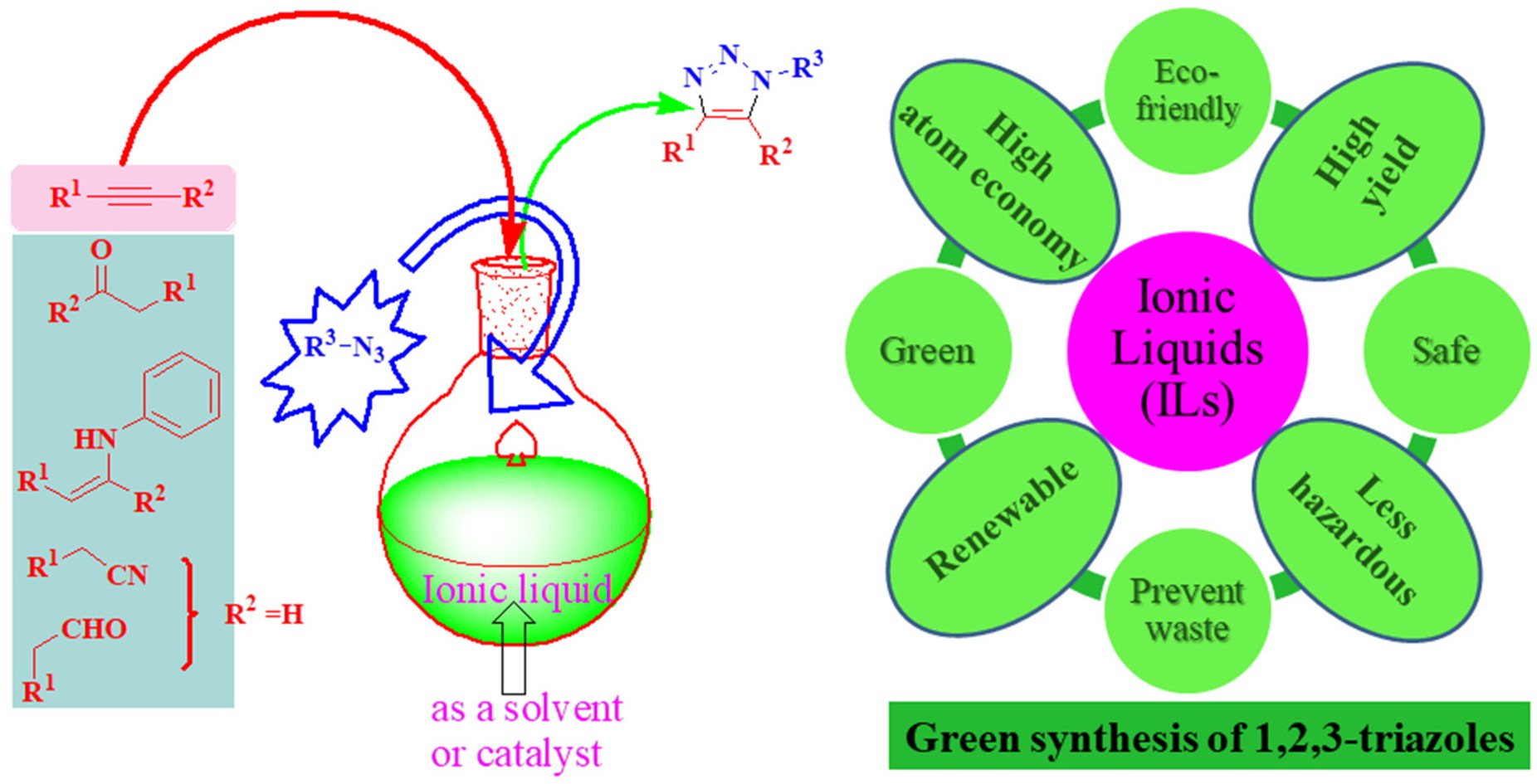
Ionic liquids for the green synthesis of 1,2,3-triazoles: a systematic review

 Aman Kumar, Vijay Kumar, Prashant Singh, Ram Kumar Tittal, and Kashmiri Lal.

Green Chem., 2024, 26, 3565-3594

Natural deep eutectic solvents (NaDES): green solvents for pharmaceutical applications and beyond

Emma Chevé‑Kools, Young Hae Choi, Catherine Roullier, Gwenaël Ruprich‑Robert, Raphaël Grougnet, Florence Chapeland‑Leclerc, and Frank Hollmann.

Green Chem., 2025, 27, 8360-8385

Examining the potential of type V DESs for the solvent extraction of metal ions

 Nicolas Schaeffer, Inês C. M. Vaz, Maísa Saldanha Pinheiro, Felipe Olea, Takafumi Hanada, Sandrine Dourdain, and João A. P. Coutinho

Green Chem., 2025, 27, 4438-4463

Design and application of a decatungstate-based ionic liquid photocatalyst for sustainable hydrogen atom transfer reactions

Miguel Claros, Julian Quévarec, Sara Fernández‑García, and Timothy Noël.

Green Chem., 2025, 27, 7660-7666


Design of halogen-free hyper-crosslinked porous ionic polymers for efficient CO2 capture and conversion

Xiaoqing Yang, Jinshan Zhao, Junfeng Zeng, Bihua Chen, Liang Tang, Jun Zhang, Akif Zeb, Zhiyong Li, Shiguo Zhang, and Yan Zhang.

Green Chem., 2025, 27, 1729-1739


Carboxyl-functionalized ionic liquids enable green preparation of chitosan-based ionic gel membranes for H2S separation

Ping Zhang, Hao Zhu, Zhuoheng Tu, Xingbang Hu, and Youting Wu.

Green Chem., 2025, 27, 7691-7703

This selection highlights only a small snapshot of recent Green Chemistry research in green solvents. For more, explore the full journal at https://rsc.li/green-chem.

If you would like to publish your research with Green Chemistry or have a suggestion for a timely and impactful topic, contact us at green-rsc@rsc.org.

Engage with us and stay tunned for more news

Digg This
Reddit This
Stumble Now!
Share on Facebook
Bookmark this on Delicious
Share on LinkedIn
Bookmark this on Technorati
Post on Twitter
Google Buzz (aka. Google Reader)

A selection of articles on catalysis in Green Chemistry

Catalysis continues to drive innovation in sustainable chemical manufacturing, enabling cleaner, more efficient processes that minimise waste and environmental impact. In this selection of articles from Green Chemistry, explore cutting‑edge catalytic systems, mechanistic insights, practical methodologies and forward‑looking perspectives that advance the design of greener chemical transformations across academic and industrial settings.

Recent advances in the selective oxidation of glycerol to value-added chemicals via photocatalysis/photoelectrocatalysis

By Yang Liu, Bing Zhang, Dongpeng Yan and Xu Xiang.

Green Chem., 2024, 26, 2505-2524

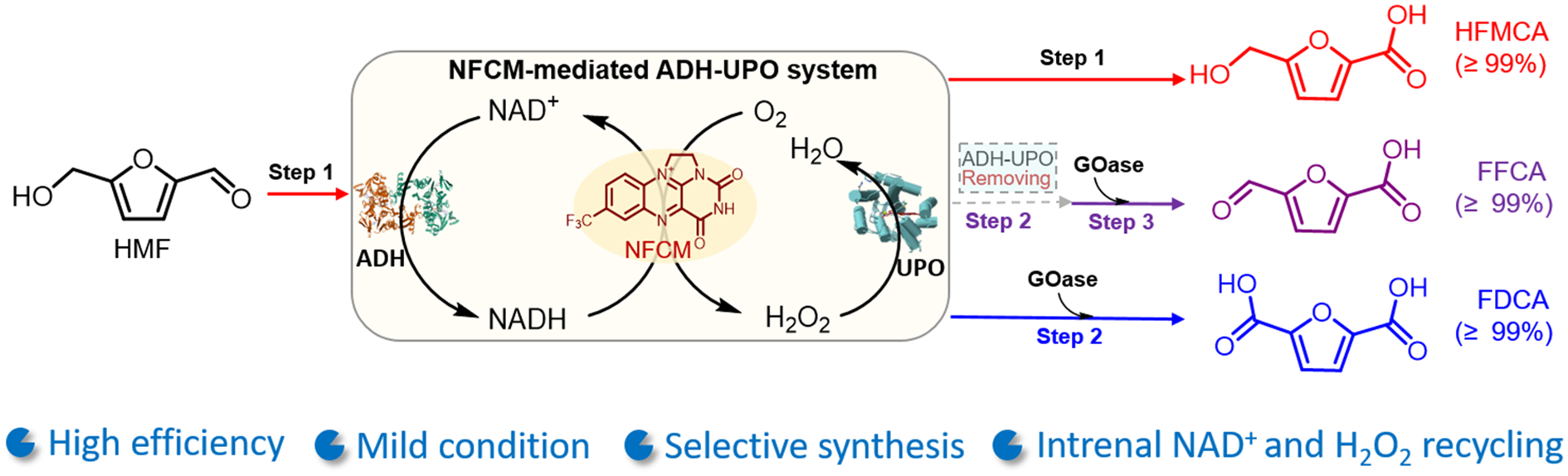
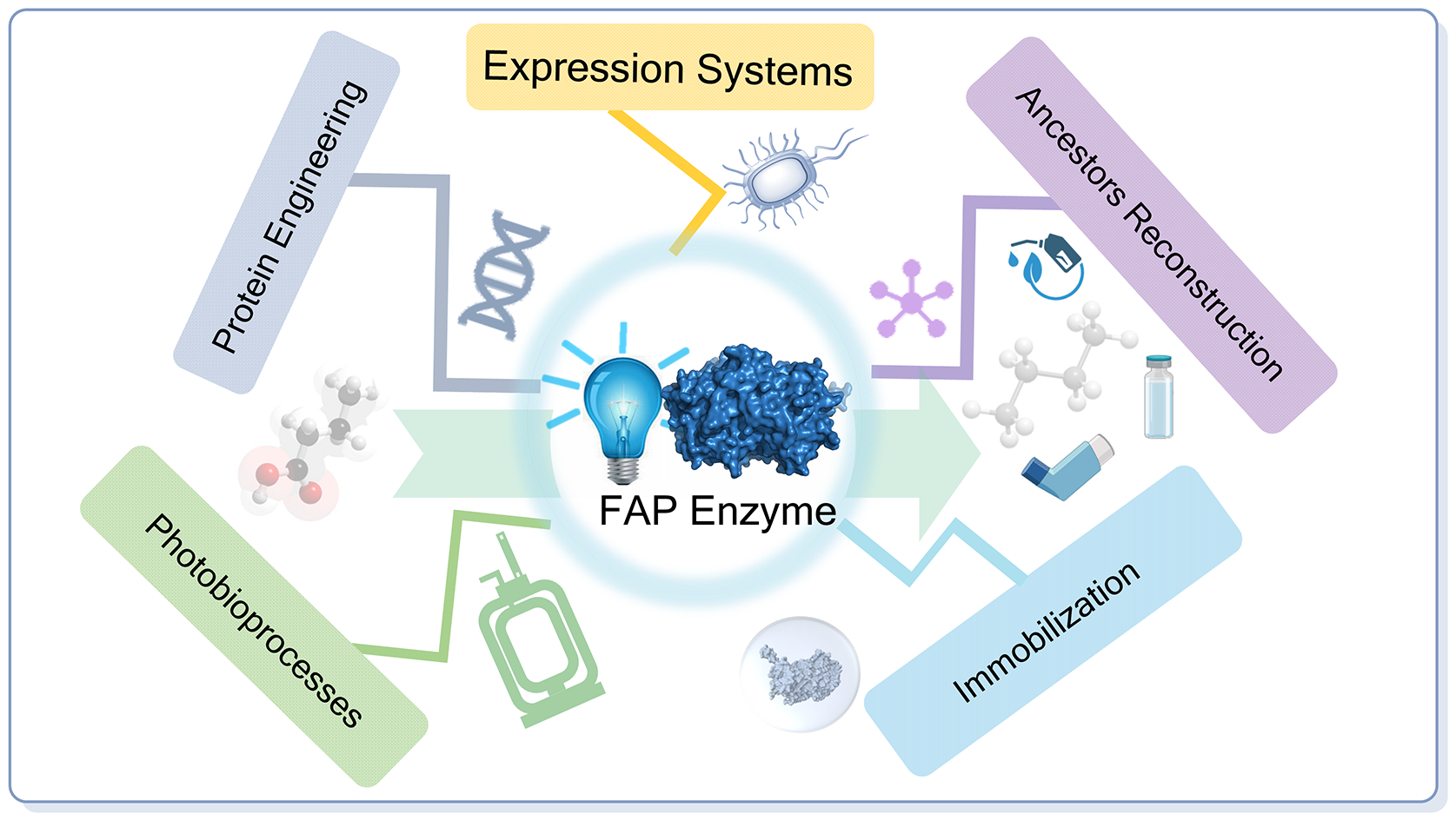
Photo-enzyme-coupled catalysis for selective oxidation of 2,5-diformylfuran into 2,5-furandicarboxylic acid

By Chenxi Zhang,  Hongqing Zhao, Peng Zhan, Houchao Shan, Yanou Qi, Wenqiang Ren, Xiangshi Liu, Peiyong Qin, Di Cai and  Tianwei Tan.

Green Chem., 2025, 27, 1206-1213

Recent catalytic innovations in furfural transformation

By Kangyu Zhao, Bin Wen, Qing Tang, Feng Wang, Xianxiang Liu, Qiong Xu and Dulin Yin.

Green Chem., 2024, 26, 9957-9992

Design of a cage–core–chain structure catalyst for deep catalytic oxidative desulfurization with enhanced substrate enrichment

By Ran Liu, Chang Wang, Xiangxiang Gao, Chen Liu, Jianmin Lv, Yusheng Zhang, Xinying Liu, Ndzondelelo Bingwa, Yali Yao and Fa‑tang Li.

Green Chem., 2025,27, 5340-5358

Continuous production of 1,2-pentanediol from furfuryl alcohol over highly stable bimetallic Ni–Sn alloy catalysts

By Ajaysing S. Nimbalkar, Kyung‑Ryul Oh, Do‑Young Hong, Byung Gyu Park, Maeum Lee, Dong Won Hwang, Ali Awad, Pravin P. Upare, Seung Ju Han and Young Kyu Hwang.

Green Chem., 2024, 26, 11164-11176

Catalyst screening for dehydration of primary alcohols from renewable feedstocks under formation of alkenes at energy-saving mild reaction conditions

By Adil Allahverdiyev, Jianing Yang and Harald Gröger.

Green Chem., 2024, 26, 7869-7878

Upcycling hazardous waste into high-performance Ni/η-Al2O3 catalysts for CO2 methanation

By Qaisar Maqbool, Hamilton Uchenna Aharanwa, Michael Stöger‑Pollach and Günther Rupprechter.

 Green Chem., 2025, 27, 2706-2722

Non-noble metal heterogeneous catalysts for hydrogen-driven deoxydehydration of vicinal diol compounds

By Jianxing Gan, Yoshinao Nakagawa, Mizuho Yabushita and Keiichi Tomishige.

Green Chem., 2024, 26, 8267-8281

Green innovations in C–H bond functionalisation: exploring homogeneous recyclable catalytic systems

By Dewal S. Deshmukh, Sanjay Singh, Kirtikumar C. Badgujar, Vivek T. Humne, Gajanan V. Korpe and Bhalchandra M. Bhanage.

 Green Chem., 2025, 27, 5667-5708

Sonochemistry and sonocatalysis: current progress, existing limitations, and future opportunities in green and sustainable chemistry

By Quang Thang Trinh, Nicholas Golio, Yuran Cheng, Haotian Cha, Kin Un Tai, Lingxi Ouyang, Jun Zhao, Tuan Sang Tran, Tuan‑Khoa Nguyen, Jun Zhang, Hongjie An, Zuojun Wei, Francois Jerome, Prince Nana Amaniampong and Nam‑Trung Nguyen.

 Green Chem., 2025, 27, 4926-4958

This selection highlights only a small snapshot of recent Green Chemistry research in catalysis. For much more on sustainable catalytic methods, mechanisms and applications, explore the full journal at https://rsc.li/green-chem.

If you would like to publish your catalysis research with Green Chemistry or have a suggestion for a timely and impactful topic, contact us at green-rsc@rsc.org.

Engage with us and stay tunned for more news

Digg This
Reddit This
Stumble Now!
Share on Facebook
Bookmark this on Delicious
Share on LinkedIn
Bookmark this on Technorati
Post on Twitter
Google Buzz (aka. Google Reader)

Explore our 25th anniversary collection and discover fresh insights from our Editorial Board Chair

Since its launch in 1999, Green Chemistry has become a leading global journal at the heart of sustainable chemistry research. With our Editorial and Advisory Boards, Green Chemistry remains committed to setting standards, fostering collaboration, and enabling chemistry that responds meaningfully to global challenges. As we look to the future, our mission is to empower the community to move from aspiration to action to build a more inclusive, transformative, and impactful field.

Explore our 25th Anniversary Collection

We are delighted to bring together this very special collection containing articles by members of the green chemistry community as well as past and present Green Chemistry Board members, to mark and celebrate our first 25 years. We have made all articles in the collection free to read until the end of May 2026.

Guest Edited by: Paul Anastas (Yale University), Javier Pérez-Ramírez (ETH Zurich), Martina Peters (Bayer AG), Helen Sneddon (University of York), John Warner (Monash University) and Charlotte Williams (University of Oxford).

The collection includes:

From waste to resource: advancements in sustainable lignin modification

Green Chem., 2024, 26, 4358-4386
DOI: 10.1039/D4GC00745J

Deep eutectic solvents as green solvents for materials preparation

Green Chem., 2024,26, 7478-7507
DOI: 10.1039/D4GC00136B

Characterization of polymer properties and identification of additives in commercially available research plastics

Green Chem., 2024, 26, 7067-7090
DOI: 10.1039/D4GC00659C

Non-equilibrium plasma co-upcycling of waste plastics and CO2 for carbon-negative oleochemicals

Green Chem., 2024, 26, 9156-9175
DOI: 10.1039/D4GC02340D

We hope you enjoy reading the articles in this collection. Please get in touch if you have any questions.

From Aspiration to Action

We’re delighted to share fresh insight into the mission and vision of Green Chemistry, from our Editorial Board Chair, Professor Javier Pérez-Ramírez (ETH Zürich) and our Executive Editor, Dr Michael Rowan. With sustainability central to scientific progress, the journal continues to lead the way in advancing green and circular chemistry with real-world impact.

Discover the evolving mission of Green Chemistry in our latest editorial From aspiration to action: evolving the mission of Green Chemistry

Green Chem., 2025, 27, 8357-8359
DOI:10.1039/D5GC90116B

Want to learn more about the journal and the research we publish?
Watch our new video featuring Professor Pérez-Ramírez, as he reflects on the role of Green Chemistry in supporting more sustainable science (alternative link here)
Celebrate 25 years of Green Chemistry with this Editorial: 25th Anniversary Celebration of Green Chemistry

Green Chem., 2025,27, 8686-8690
DOI: 10.1039/D5GC90115D

From all of the Green Chemistry team, we thank you for your continued interest in and support of te journal!

Digg This
Reddit This
Stumble Now!
Share on Facebook
Bookmark this on Delicious
Share on LinkedIn
Bookmark this on Technorati
Post on Twitter
Google Buzz (aka. Google Reader)

Biomass Conversion in Green Chemistry: Key Highlights

Green Chemistry is delighted to announce that our latest Editor’s choice collection, Biomass Conversion in Green Chemistry: Key Highlights, is now online and free to access until the end of March 2026.

Guest Edited and curated by our Editorial Board Member Jean-Paul Lange (University of Twente) and our Associate Editor Luigi Vaccaro (University of Perugia).

About this collection

This collection showcases cutting-edge research on biomass utilization and valorisation, emphasizing its pivotal role in advancing sustainable chemical processes. The featured articles explore innovative strategies for converting renewable biomass into high-value chemicals, fuels, and materials, alongside developments in catalytic systems, green solvents, and energy-efficient transformations.

It highlights how biomass can accelerate the transition to a circular economy and low-carbon manufacturing, providing scalable solutions to reduce reliance on fossil resources and mitigate environmental impact.

Read the collection: https://rsc.li/GCBiomass

Collection highlights:

From waste to resource: advancements in sustainable lignin modification

Green Chem., 2024, 26, 4358-4386
DOI: 10.1039/D4GC00745J

Preparation of homogeneous lignin nanoparticles by efficient extraction of lignin and modification of its molecular structure using a functional deep eutectic solvent containing γ-valerolactone

Green Chem., 2024, 26, 4528-4543
DOI: 10.1039/D3GC04897G

Harnessing the potential of biphasic solvent systems in lignocellulosic biomass fractionation through computational insights


Green Chem.
, 2025, 27, 4094-4127
DOI: 10.1039/D4GC05977H

Visible light-driven ligand-to-metal charge transfer-mediated selective cleavage of β-O-4 lignin model compounds: a greener route to lignin valorization

Green Chem., 2025, 27, 4664-4678
DOI: 10.1039/D5GC00948K

We hope you enjoy reading the articles in this collection. Please get in touch if you have any questions.

Digg This
Reddit This
Stumble Now!
Share on Facebook
Bookmark this on Delicious
Share on LinkedIn
Bookmark this on Technorati
Post on Twitter
Google Buzz (aka. Google Reader)

Read our latest themed collection: Make polymers sustainable, why and how?

Green Chemistry, Polymer Chemistry and RSC Sustainability are delighted to announce that our latest cross journal themed collection, Make polymers sustainable, why and how?, is now online and free to access until the end of April 2026.

Guest Edited by Maiyong Zhu (Jiangsu University), Gerard Lligadas (Universitat Rovira i Virgili), Fiona L. Hatton (Loughborough University), Garret Miyake (Colorado State University), and Antoine Buchard (University of York).

About this Themed Collection

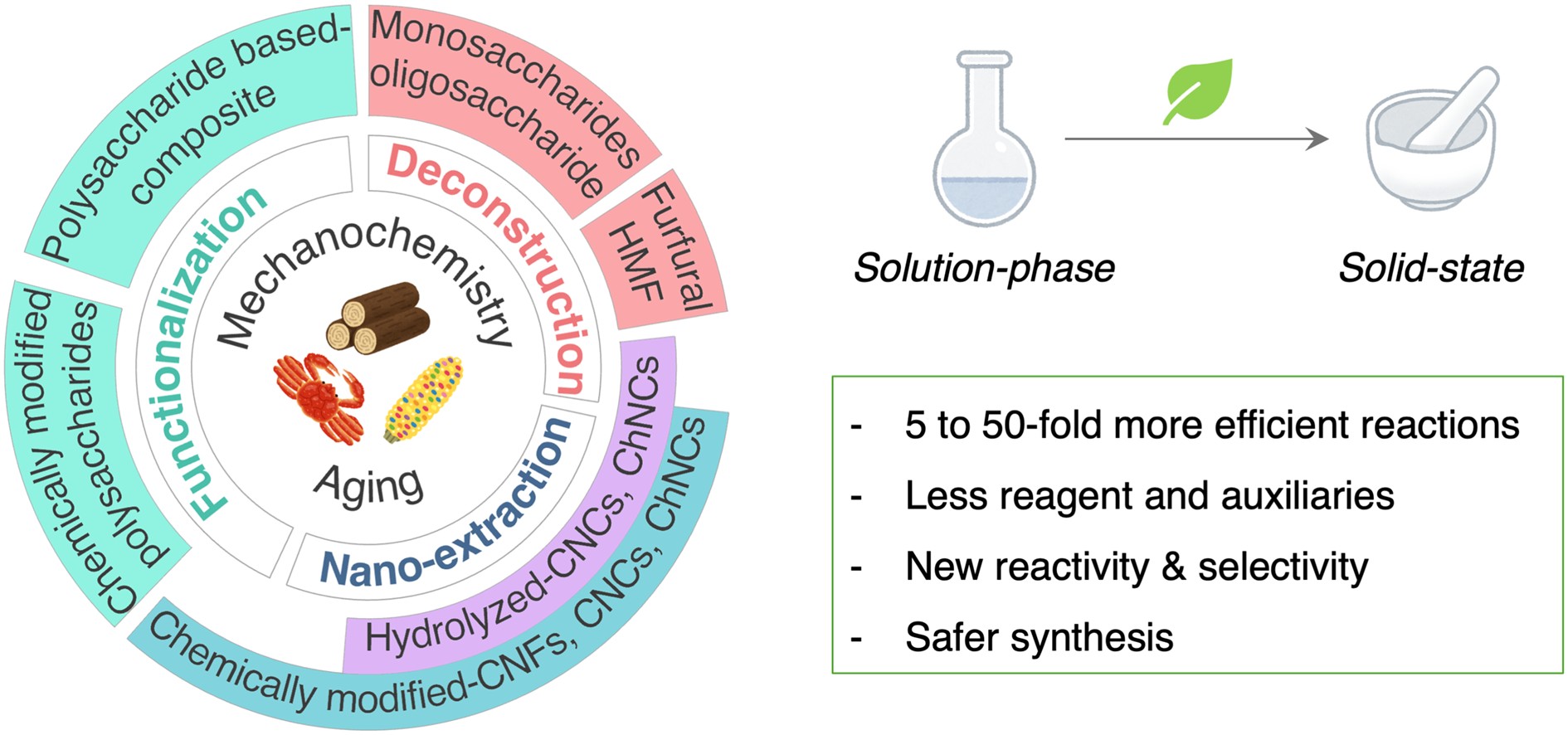
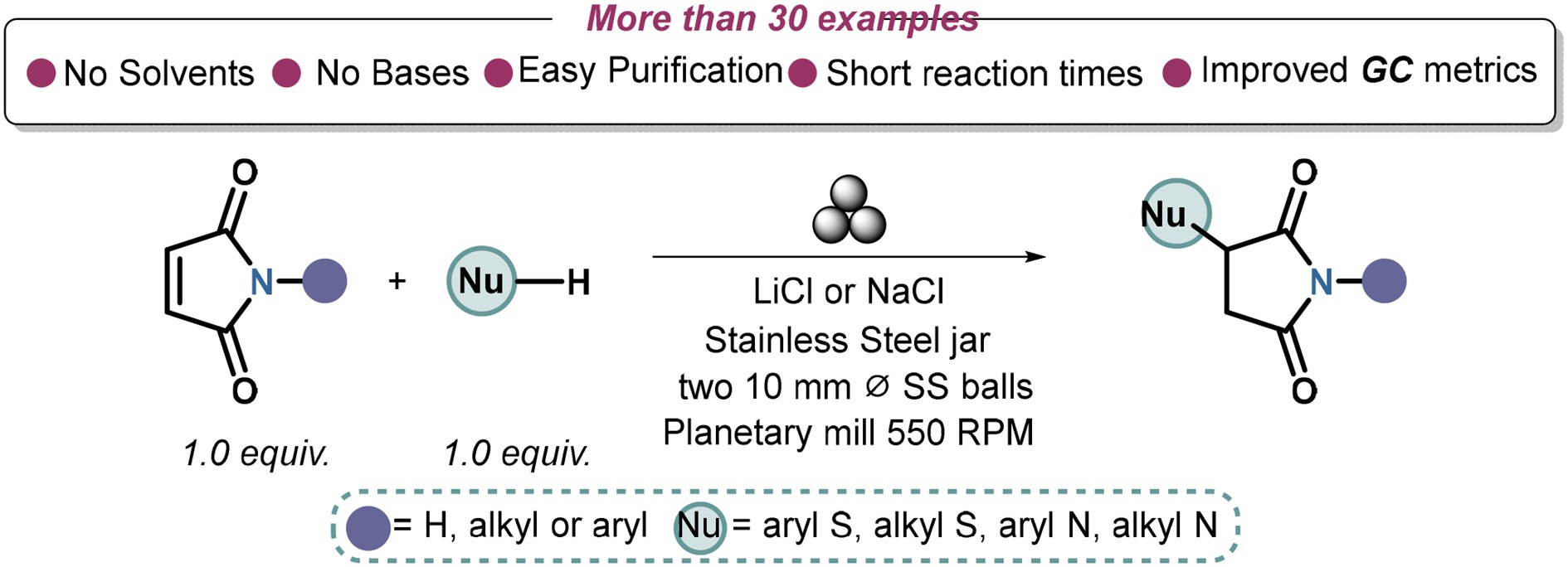
This collection brings together a selection of outstanding reviews, perspectives, papers and communications, which collectively provide a panoramic view of the field’s current vitality. The works range from recycling of polymer wastes, substitution of polymer carbon with oxygen (or sulfur), utilization of biomass to replace petroleum-based polluting polymers, copolymerization of CO2 with other monomers, and converting polymers (either natural or synthetic ones) into platform chemicals.
Read the Editorial: Introduction to “Make polymers sustainable, why and how?”

The collection includes:

Lignin valorization through microbial production of polyhydroxyalkanoates: recent trends, challenges and opportunities

Green Chem., 2025,27, 5920-5946
DOI: 10.1039/D5GC00370A

Synthesis of cyclic peptide-based [2]rotaxanes via copper-catalyzed azide–alkyne cycloaddition

Polym. Chem., 2025,16, 409-414
DOI: 10.1039/D4PY01169D

High-strength, self-healable, transparent castor-oil-based waterborne polyurethane barrier coatings enabled by a dynamic acylhydrazone co-monomer

Green Chem., 2025,27, 2220-2229
DOI: 10.1039/D4GC06103A

Unravelling the effect of side chain on RAFT depolymerization; identifying the rate determining step

Polym. Chem., 2025,16, 1822-1828
DOI: 10.1039/D5PY00212E

Read the Collection: https://rsc.li/SusPol24

We hope you enjoy reading the articles in this collection.

Digg This
Reddit This
Stumble Now!
Share on Facebook
Bookmark this on Delicious
Share on LinkedIn
Bookmark this on Technorati
Post on Twitter
Google Buzz (aka. Google Reader)

The Green and Sustainable Batteries themed collection is now online and free to access

Green Chemistry, Journal of Material Chemistry A, Sustainable Energy & Fuels and RSC Sustainability are delighted to announce that our latest cross journal themed collection on Green and Sustainable Batteries is now online and free to access until the end of January, 2026.

Guest Edited by Magda Titirici (Imperial College London), Rebeca Marcilla (IMDEA Energy Institute), Cristina Pozo-Gonzalo (Institute of Carboquimica ICB-CSIC) and Theresa Schoetz (University of Illinois at Urbana-Champaign).

About this Themed Collection

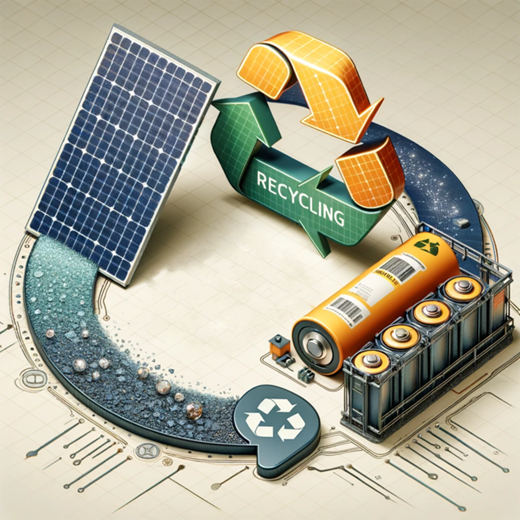
This themed collection showcases cutting-edge research, advancements, and remaining challenges in realising the holy grail of batteries: sustainable batteries that balance performance, cost and environmental sustainability.  The collection uncovers new research opportunities in this field by featuring multidisciplinary research on alternative battery chemistries,  sustainable electrolytes, sustainability assessment (including assessing materials criticality and its environmental impact), battery recycling, electrodes manufacturing for improved performance, understanding and preventing degradation and improving life time, design for disassembly and technoeconomic assessment among other topics closely fitting to the sustainable battery topic.

Read the Editorial: Introduction to green and sustainable batteries

The collection includes:

Recent advances in bifunctional carbon-based single-atom electrocatalysts for rechargeable zinc–air batteries

Green Chem., 2025, 27, 293-324

DOI: 10.1039/D4GC04687K

A holistic review on the direct recycling of lithium-ion batteries from electrolytes to electrodes

Mater. Chem. A, 2024,12, 31685-31716

DOI: 10.1039/D4TA04976D

Non-woven pitch-based carbon fiber electrodes for low-cost redox flow battery

Sustainable Energy Fuels, 2025, 9, 198-207

DOI: 10.1039/D4SE01124D

From waste to power: utilizing barley husk as a sustainable anode active material alternative to graphite in lithium-ion batteries

RSC Sustainability, 2025, 3, 2915-2926

DOI: 10.1039/D5SU00254K

Read the Collection: rsc.li/Batteries24

We hope you enjoy reading the articles in this collection.

Digg This
Reddit This
Stumble Now!
Share on Facebook
Bookmark this on Delicious
Share on LinkedIn
Bookmark this on Technorati
Post on Twitter
Google Buzz (aka. Google Reader)

Call for Papers: Green Liquids and Solvents

Green Chemistry is delighted to announce a call for papers for its latest themed collection on Green Liquids and Solvents, Guest Edited by Zhenzhen Yang (Oak Ridge National Lab, USA), Kecheng Jie (Nanjing University, China) and Jessica Rimsza (Sandia National Laboratories, USA).

About this Themed Collection: 

Sustainable liquid media plays a crucial role in separation, catalysis, energy storage, and beyond, particularly compositions that are biodegradable, non-toxic, renewable, and non-volatile. Ionic liquids (ILs), deep eutectic solvents (DESs), water, supercritical fluids, and bio-based solvents remain at the forefront of green chemistry, demonstrating transformative properties across diverse applications. Beyond their conventional use as single-phase liquid media, recent research has explored innovative strategies to integrate these solvents with other material categories, unlocking new functionalities. A cutting-edge development in this field is the successful engineering of permanent porosities into dense liquid phases forming so-called “porous liquids”, based on ILs, water, and bio-based solvents, enhancing their efficiency in separation and catalysis. In gas storage, the structural design of controllable liquid molecular assemblies has enabled cascade gas trapping in liquid sorbents, significantly outperforming single-component liquid media. This Themed Collection welcomes contributions to recent advances in sustainable liquid technologies, with a particular emphasis on green synthesis strategies, facile fabrication techniques, advanced characterization methods, computational modeling, theoretical frameworks, fundamental structure-function investigations, and cutting-edge applications in separation, catalysis, energy storage, and beyond.

Open for Submissions until 31st March 2026

This call for papers is open for the following article types:

  • Communications
  • Full papers
  • Reviews

How to Submit

If you would like to contribute to this themed collection, articles can be submitted via our website: mc.manuscriptcentral.com/gc. We would be grateful if upon submission you would mention that your manuscript is intended for this themed collection as an open call.

Please note that for publication, manuscripts must meet the usual rigorous and high standards for acceptance in the journal, and all submissions will be subject to initial assessment for suitability for a full peer review before a final decision is made. Accepted articles will be published online in a citeable form, included in the web collection and published in an issue as soon as they are ready. We aim to promote the completed collection in 2026.

Digg This
Reddit This
Stumble Now!
Share on Facebook
Bookmark this on Delicious
Share on LinkedIn
Bookmark this on Technorati
Post on Twitter
Google Buzz (aka. Google Reader)

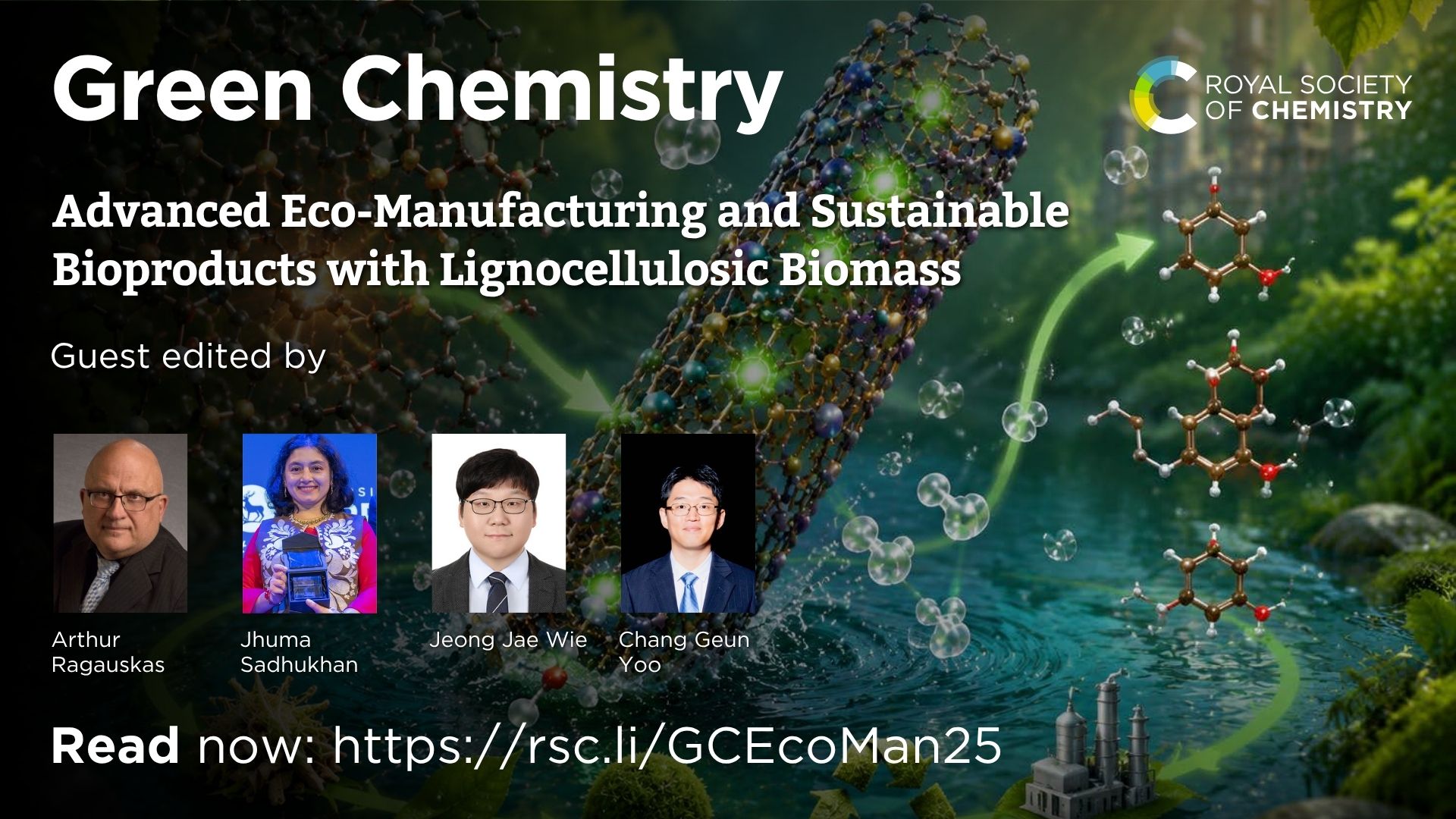
Call for Papers: Advanced Eco-Manufacturing and Sustainable Bioproducts with Lignocellulosic Biomass

Green Chemistry is delighted to announce a call for papers for its latest themed collection on Advanced Eco-Manufacturing and Sustainable Bioproducts with Lignocellulosic Biomass, Guest Edited by Arthur Ragauskas (University of Tennessee Knoxville), Jhuma Sadhukhan (University of Surrey), Jeong Jae Wie (Hanyang University) and Chang Geun Yoo (State University of New York).

About this Themed Collection: 

The research featured in this Themed Collection will highlight various innovative chemical pathways for converting lignocellulosic biomass into sustainable, value-added products that promote environmentally responsible industrial practices. The collection will focus on the innovative use of lignocellulosic biomass in eco-manufacturing, particularly the role of forestry, agriculture, and plant residues as renewable raw materials. Bringing together cutting-edge research from diverse fields, including green chemistry, materials science, bioengineering, and industrial manufacturing, this Themed Collection will address both the challenges and opportunities associated with lignocellulosic biomass. By focusing on real-world applications and emerging technologies, it will provide actionable insights to help advance environmentally conscious manufacturing systems and promote sustainable resource use.

The global shift towards sustainable practices in the academic, government, and industrial sectors has sparked growing interest in sustainable and renewable resources. Lignocellulosic materials, derived from forestry, agriculture, and plant residues, have emerged as a central focus for driving eco-manufacturing, securing regional production, rural development, and sustainable innovation. These materials, often viewed as waste or by-products, hold significant potential to be transformed into value-added carbon products that can play a crucial role in achieving sustainability goals.

With the increasing emphasis on environmental impacts across industries, such as packaging, forestry products, construction, transportation, and manufacturing, this special issue aims to explore the latest advancements in emerging bio-derived materials. By utilizing green chemistry principles and innovative manufacturing technologies, these materials can support the development of renewable products, materials, and energy sources.  New chemical principles include (i) tailored biomass fractionation and functionalization, (ii) chemo-enzymatic derivatization for product performance, (iii) electrification of chemical pathways via microwave, ultrasonics, and redox chemistry, (iv) bio composite materials and 3D printing, and (v) sustainable chemicals and fuels.

Open for Submissions until 28th February 2026

This call for papers is open for the following article types:

  • Communications
  • Full papers
  • Reviews

How to Submit

If you would like to contribute to this themed collection, articles can be submitted via our website: mc.manuscriptcentral.com/gc. We would be grateful if upon submission you would mention that your manuscript is intended for this themed collection as an open call.

Please note that for publication, manuscripts must meet the usual rigorous and high standards for acceptance in the journal, and all submissions will be subject to initial assessment for suitability for a full peer review before a final decision is made. Accepted articles will be published online in a citeable form, included in the web collection and published in an issue as soon as they are ready. We aim to promote the completed collection in 2026.

Digg This
Reddit This
Stumble Now!
Share on Facebook
Bookmark this on Delicious
Share on LinkedIn
Bookmark this on Technorati
Post on Twitter
Google Buzz (aka. Google Reader)