
Nanoscale Horizons 10th Anniversary ‘Community Spotlight’ – Meeting our Community and Advisory boards.
Introducing the Nanoscale Horizons Community and Advisory boards!
This year we are pleased to celebrate the tenth anniversary of Nanoscale Horizons. We are so grateful to our fantastic community of authors, reviewers, Board members and readers and wanted to showcase just some of them in a series of ‘Community Spotlight’ blog articles.
Our Community Board is an early career advisory board made up of researchers with expertise across all areas of the journal’s scope. The board members provide feedback and advice regarding journal activities, as well as acting as advocates for the journal. Our Advisory Board is comprised of internationally renowned researchers working across the field of nanoscience who provide expert guidance and support on our journals, events, and strategic planning.
In our third ‘Community Spotlight’, we feature some of the Community and Advisory Board members who have supported Nanoscale Horizons over the years. We have asked them what they like most about being on the journal’s Boards, about their recent publications and about their own insights into the future of nanoscale chemistry. Check out their interview responses and related articles below.
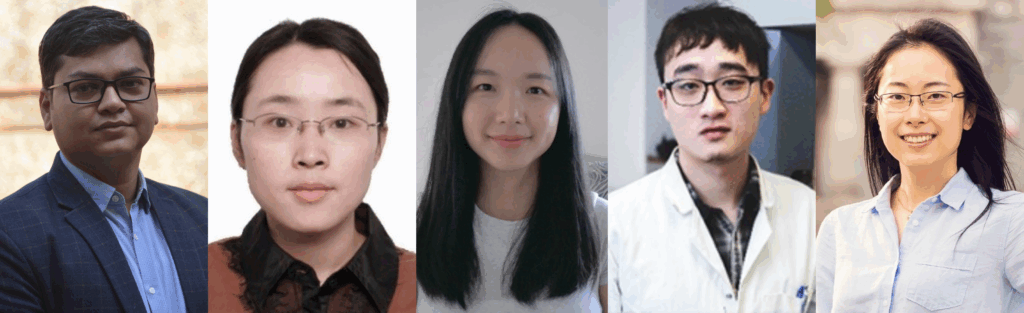
Professor Raju Kumar Gupta, Advisory Board MemberIndian Institute of Technology, Kanpur |
|
|
| 1) What do you like most about being on the Advisory Board for Nanoscale Horizons?
Nanoscale Horizons provides a versatile platform for applying nanoscale research in multidisciplinary backgrounds such as nanomaterials, photonics, energy, biomedical, environment and others. Being on the Advisory Board for Nanoscale Horizons makes me enthusiastic about pushing the boundaries of multidisciplinary nanoscale research for societal benefits and working with global researchers who are motivated to apply nanoscale research to solve the existing challenges in the world through scientific innovations.
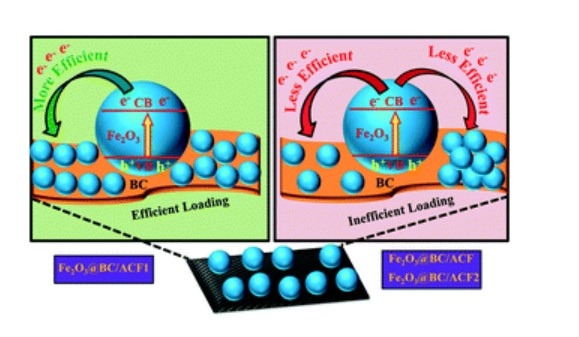
2) What do you think of Nanoscale Horizons as a place to publish impactful nanoscience and nanotechnology research? Nanoscale Horizons is dedicated to publishing impactful science and engineering for real-life applications. It becomes obvious by the Journal’s guidelines for highlighting new concepts developed or breakthroughs and how they differ from the existing research following future implications in the field of nanotechnology research. Furthermore, a range of publication formats, including communications, reviews, minireviews, focus articles, and comments followed by cover art, provides a thorough opportunity to contribute to the scientific community. The Journal publishes scientific breakthroughs in emerging topics and disseminates and acknowledges the exceptional publications that make the researchers and research stand out in nanoscience and nanotechnology research. See some of Raju’s work here:Prasenjit Kar, Komal Shukla, Pratyush Jain and Raju Kumar Gupta React. Chem. Eng., 2021,6, 2029-2041
|
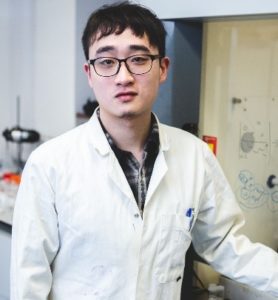
Yikai Xu, Community Board memberEast China University of Science and Technology |
|
|
| 1)What do you like most about being on the Community Board for Nanoscale Horizons?
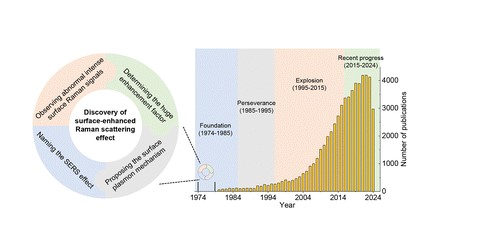
I have been a Community Board member since 2019, being a part of the Nanoscale Horizons Community Board has meant a great deal to me. Being part of the board has many perks. It not only has been a great learning experience for me but also a huge career boost. The Community Board has also been a platform for me to meet peers and extend my professional network. However, my favorite part of the experience has been the valuable insight that I have been able to gain into academic publishing, from the early stages of setting up a journal to growing its brand. 2)What do you think of Nanoscale Horizons as a place to publish impactful nanoscience and nanotechnology research? During my time as a board member, I have seen the journal’s reputation grow tremendously in the nano community and particularly in my area of research. When I started as a board member in 2019, there was only 1 publication related to SERS published in Nanoscale Horizons, now in 2025 this number has grown to 55! Undoubtedly this number will only continue to grow, and I look forward to continuing to participate in the growth of our journal in the future. See some of Yikai Xu’s work here:Surface-enhanced Raman spectroscopy: a half-century historical perspectiveJun Yi, En-Ming You, Ren Hu, De-Yin Wu, Guo-Kun Liu, Zhi-Lin Yang, Hua Zhang, Yu Gu, Yao-Hui Wang, Xiang Wang, Hao Ma, Yang Yang, Jun-Yang Liu, Feng Ru Fan, Chao Zhan, Jing-Hua Tian, Yu Qiao, Hailong Wang, Si-Heng Luo, Zhao-Dong Meng, Bing-Wei Mao, Jian-Feng Li, Bin Ren, Javier Aizpurua, Vartkess Ara Apkarian, Philip N Bartlett, Jeremy Baumberg, Steven EJ Bell, Alexandre G Brolo, Louis E Brus, Jaebum Choo, Li Cui, Volker Deckert, Katrin F Domke, Zhen-Chao Dong, Sai Duan, Karen Faulds, Renee Frontiera, Naomi Halas, Christy Haynes, Tamitake Itoh, Janina Kneipp, Katrin Kneipp, Eric C Le Ru, Zhi-Peng Li, Xing Yi Ling, Jacek Lipkowski, Luis M Liz-Marzán, Jwa-Min Nam, Shuming Nie, Peter Nordlander, Yukihiro Ozaki, Rajapandiyan Panneerselvam, Jürgen Popp, Andrea E Russell, Sebastian Schlücker, Yang Tian, Lianming Tong, Hongxing Xu, Yikai Xu, Liangbao Yang, Jianlin Yao, Jin Zhang, Yang Zhang, Yao Zhang, Bing Zhao, Renato Zenobi, George C Schatz, Duncan Graham, Zhong-Qun Tian Chem. Soc. Rev., 2025, 54, 1453-1551
|
Yuan Fang, Community Board MemberSoochow University |
|
|
| 1) What do you think of Nanoscale Horizons as a place to publish impactful nanoscience and nanotechnology research?
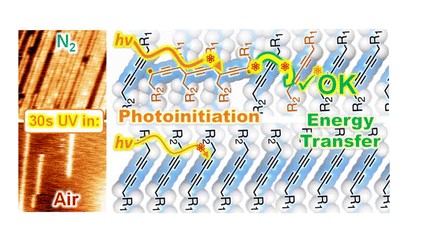
As a researcher in nanoscience, I find Nanoscale Horizons particularly valuable for its interdisciplinary approach, bringing together insights from chemistry, materials science, and physics to foster innovation. Beyond its strong reputation for publishing groundbreaking work, the journal’s commitment to rapid dissemination ensures that transformative discoveries reach the scientific community in a timely manner, accelerating progress across fields from materials science to nanomedicine. Over the past decade, Nanoscale Horizons has established itself as a leading platform for cutting-edge research, and I look forward to seeing how it continues shaping the future of our field. 2) Where do you see the nanoscience field in the next 10 years? Everyone may foresee different opportunities for nanoscience, depending on their perspective. From my viewpoint, the next decade will likely bring major breakthroughs in precision-controlled synthesis, allowing atomic-scale engineering of 2D materials, covalent organic frameworks (COFs), and quantum dots with unprecedented control over defects and interfaces. This will enable next-generation energy storage and conversion technologies, such as all-solid-state batteries and highly efficient electrocatalysts for hydrogen production. We will also see significant advances in nanoscale characterization, particularly with in situ and operando techniques that provide real-time insights into dynamic nanoscale processes. High-resolution scanning probe microscopy and cryo-electron microscopy will push our understanding of quantum materials and interfacial chemistry to new levels. A key frontier will be nanoscience-driven quantum technologies. Materials such as moiré superlattices and twisted bilayers will further explore the ‘magic angle’ effect, leading to tunable superconductors and quantum transistors. Chirality-induced spin selectivity (CISS) is another emerging area that could revolutionize spintronics and molecular electronics. Another exciting direction is biomimetic nanoscience, where nature-inspired designs guide the development of advanced functional materials. For example, Bio-inspired nanorobotics, drawing from molecular motors and cellular processes, could enable autonomous nanoscale systems with applications in catalysis, sensing, and soft robotics. The next decade will be defined by deeper control at the atomic scale and the integration of nanoscale discoveries into real-world technologies. See some of Yuan Fang ‘s work here:Improving diacetylene photopolymerization in monolayers and ultrathin filmsJie Ji, Yao Li, Sven Bernaerts, Kunal S Mali, Rui Ding, Hongzhen Lin, Louis A Cuccia, Steven De Feyter, Oleksandr Ivasenko, Lifeng Chi, Yuan Fang Nanoscale, 2025,17, 11434-11440
|
Qianqian Shi, Community Board MemberUniversity of Newcastle |
|
|
| 1) Where do you see the nanoscience field in the next 10 years?
Nanoscience is at a pivotal stage, and I believe the next 10 years will bring transformative breakthroughs. We’re going to see rapid advancements in smart nanostructures—materials that can be precisely engineered to meet specific needs across various fields. From medicine and energy to electronics and environmental sustainability, nanoscience will push the boundaries of what’s possible. One of the biggest developments will be in fabrication and synthesis techniques. Right now, producing functional nanomaterials can be complex and resource-intensive. In the coming decade, we expect more streamlined, scalable, and cost-effective methods that allow for precise, on-demand material design. Additionally, AI and robotics are likely to play a significant role in advancing these processes. This will be a game-changer, making nanotechnology more accessible for real-world applications. I also see nanoscience playing a crucial role in solving global challenges. We’re looking at innovations in targeted drug delivery, safe, flexible, cost-effective, durable, and high-capacity batteries, advanced computing, and even climate change solutions like carbon capture. The ability to manipulate matter at the nanoscale will open doors to entirely new possibilities, reshaping industries and improving lives. Overall, nanoscience isn’t just about working at a small scale—it’s about making a big impact. By 2035, I expect it to be deeply integrated into everyday technology, driving sustainable solutions and transforming the way we interact with the world. 2) In your opinion, how could members of the community be more involved with the journal? In my opinion, community members could be more involved with the journal through several key initiatives:
See some of Qianqian Shi ’s work here:Wet Chemically Produced Nanomaterials for Soft Wearable BiosensorsRen Wang, Guangzhao Mao, Dewei Chu, Noushin Nasiri, Yuling Wang, Marcela Bilek, Ken-Tye Yong, Wallace Wing Ho Wong, Stan Skafidas, Jefferson Zhe Liu, Yuri S Kivshar, Madhu Bhaskaran, Yuerui Lu, Benjamin Eggleton, Lining Arnold Ju, Qianqian Shi, Nam-Trung Nguyen, Chwee Teck Lim, Wenlong Cheng Nanoscale Horiz., 2025, Accepted Manuscript |
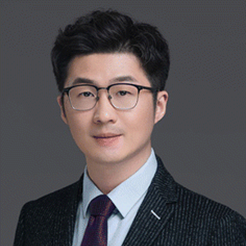
Jiangjiexing Wu, Community Board MemberTianjin University |
|
|
| 1)Where do you see the nanoscience field in the next 10 years??
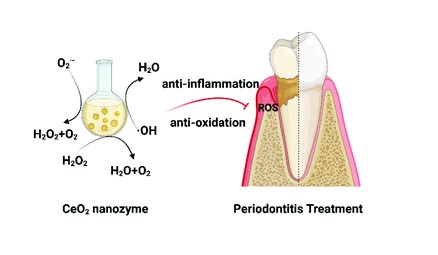
In the next decade, I believe the nanoscience field will undergo a multidimensional evolution, advancing in several exciting directions such as nanomaterials, nanomedicine, and energy. For instance, the discovery of new materials will be exponentially accelerated with the help of artificial intelligence and quantum computing. To complement this, a special issue focus on negative results could be established to reduce redundant trial-and-error costs and enhance research transparency. Moreover, by leveraging synchrotron radiation and cryo-electron microscopy to build a globally shared libraries of nanoscale dynamic process atlas, nanoscience will shift from being speculative and invisible to becoming tangible and visible. Furthermore, nanoscience will transition from being lab-based to society-embedded, with increasing publication of industry-academia collaborative research for practical applications. 2)In your opinion, how could members of the community be more involved with the journal? As a member of the community, I believe there are several ways we can become more actively involved with the journal. First, from my own experience, contributing to the emerging investigator special issue is one of the easiest and most accessible ways to get evolved. Second, inviting members of the community to serve as peer reviewers or guest editors for special issues would not only increase engagement but also help ensure the quality and diversity of the content published. Lastly, journals could host special events tailored to different community members, offering them a range of ways to engage. For example, academic + community writing workshops could be organized to create accessible summaries of key findings. On a personal note, I teach a graduate-level class, and I could collaborate with the journal to offer lectures through the class, which would not only raise the journal’s visibility but also create meaningful opportunities for me to engage directly with the journal. See some of Jiangjiexing Wu’ work here:Cerium oxide nanozyme attenuates periodontal bone destruction by inhibiting the ROS–NFκB pathwayYijun Yu, Sheng Zhao, Deao Gu, Bijun Zhu, Hanxiao Liu, Wenlei Wu, Jiangjiexing Wu, Hui Wei, Leiying Miao Nanoscale, 2022, 14, 2628-2637
|




We sincerely hope you enjoy reading about some of our superb Advisory and Community board members and their latest research.
Keep an eye out for our next edition of the Community spotlight – Outstanding reviewers!


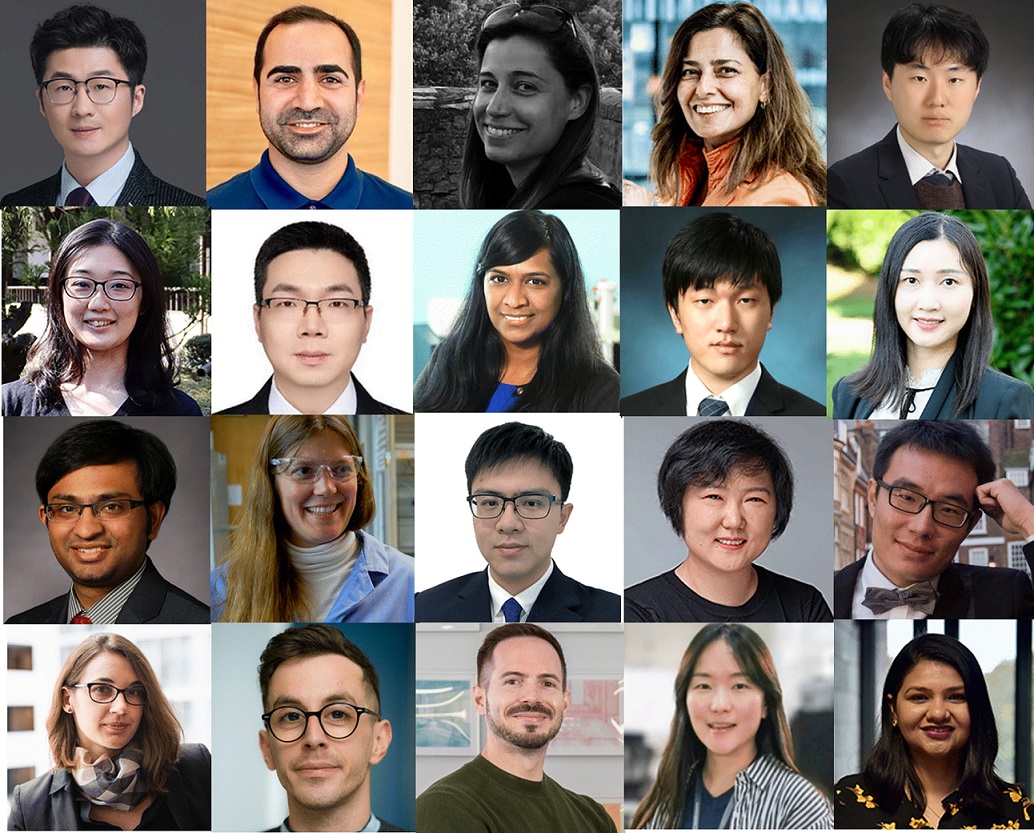

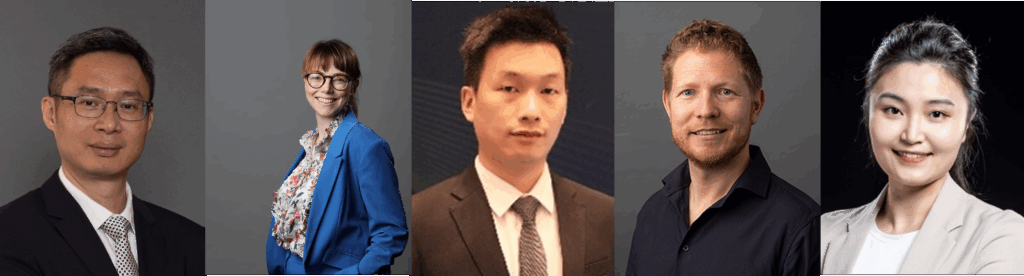




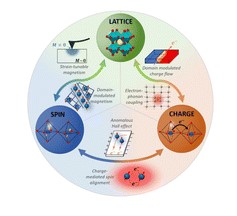
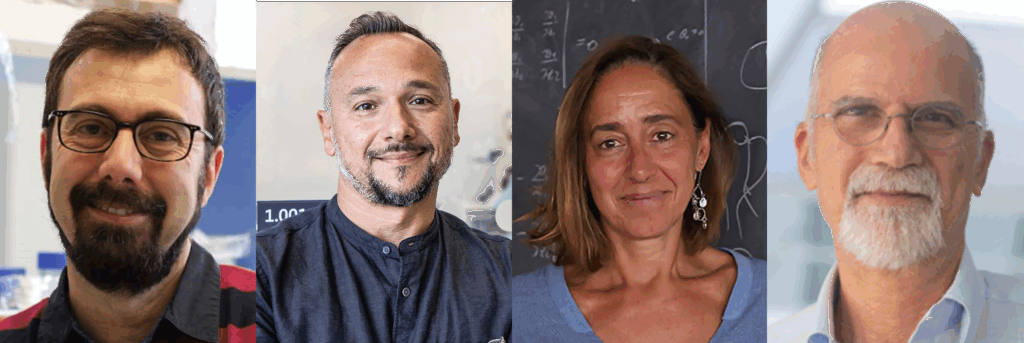
 Amina Benchohra started her studies at Sorbonne Université where she successively obtained a Bachelor in Biology-Chemistry and a Master Degree in Molecular Chemistry. She completed her Ph.D, in 2019, on the design of switchable hybrid materials based on magnetic molecular complexes, at the Institut Parisien de Chimie Moléculaire (IPCM, Paris) under the supervision of Prof David Kreher and Prof Rodrigue Lescouëzec. She then joined Moltech-Anjou (Angers, France), to work with Dr Sébastien Goeb on self-assembled materials for solar cells applications. After moving to the design of Cr(III)-Ln assemblies for energy-transfer upconversion -as post-doctoral researcher and then as a junior lecturer- in the group of Prof Piguet (Geneva), she took up an assistant professor position at the Université de Bretagne Occidentale (Brest, France) in 2023. Her current research focuses on functional molecular materials.
 Fangfang Cao received her Ph.D. in Inorganic Chemistry from the University of Science and Technology of China in 2019, under the co-supervision of Prof. Jinsong Ren and Prof. Xiaogang Qu. She then pursued postdoctoral research at the National University of Singapore under the guidance of Prof. Xiaoyuan Chen. Her research focuses on nanocatalytic medicine, encompassing artificial enzymes, bioorthogonal catalysts, plasma catalysts, and piezoelectric materials for the treatment of cancer, infections, and inflammation. More recently, her work has expanded to microbial therapy, leveraging probiotics and viruses for translational medicine.
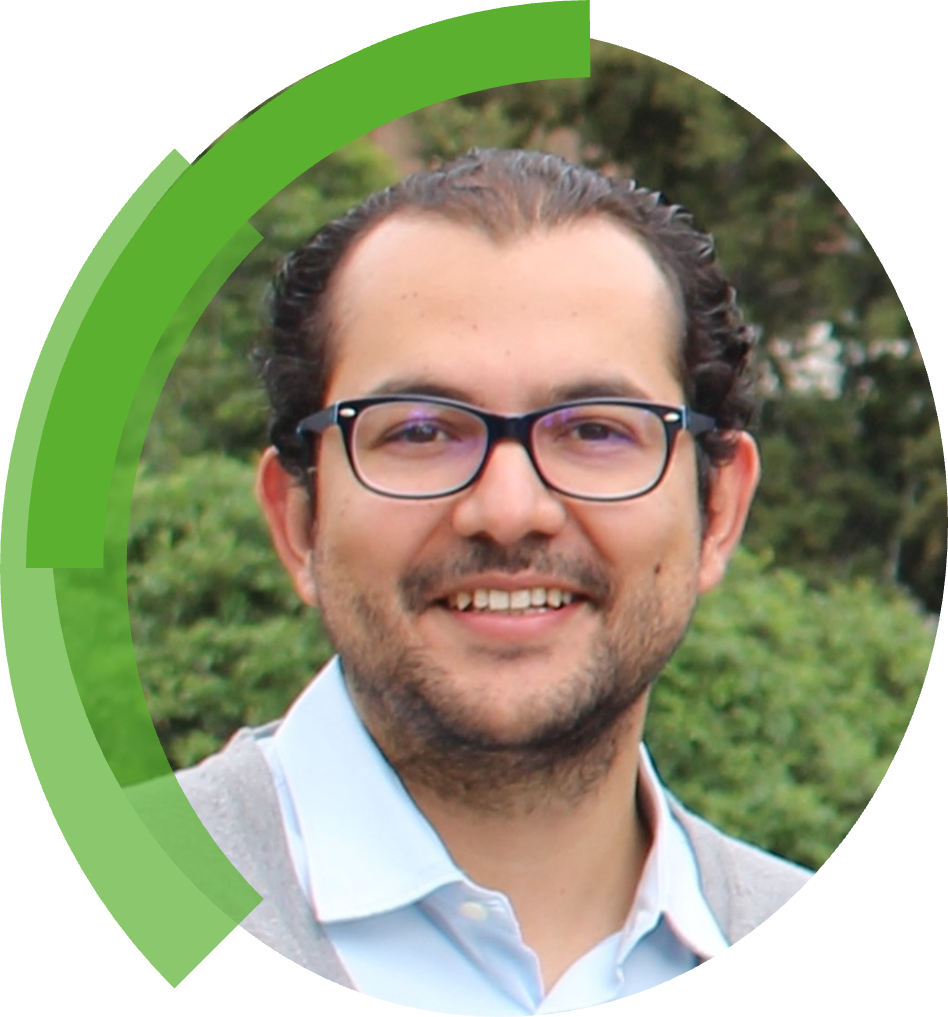 Dr. Jaime Andrés Pérez Taborda received the Engineering Physics degree (Hons.) from the Technological University of Pereira, Colombia, in 2011, and the master\’s degree in synchrotron radiation and particle accelerators from the Universitat Autònoma de Barcelona in 2013, as well as his Ph.D (Cum laude) from the Institute of Microelectronics of Madrid, Complutense University of Madrid, and Higher Council of Scientific Research CSIC, Spain. He has published research articles and book chapters on various subjects including piezoelectric nanostructures for acoustic wave sensors, nanoengineering new thermoelectric materials with high efficiencies obtained by physical methods, such as sputtering and pulsed laser deposition. In addition, he is also a co-founder and President of the Colombian Society of Physics Engineering.
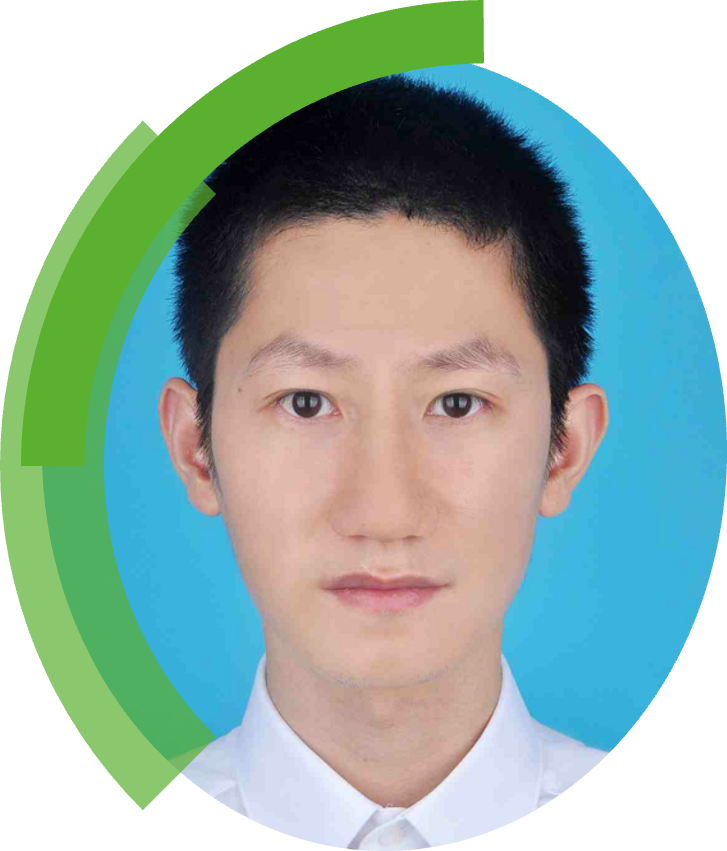 Jiandong Yao obtained his B.S. degree in Materials Physics from School of Physics Science & Engineering, Sun Yat-sen University (2013) and his Ph.D. degree in Condensed Matter Physics from School of Physics, Sun Yat-sen University (2018). Then, he served as a research fellow in Nanyang Technological University. Currently, he is an Associate Professor of School of Materials Science & Engineering, Sun Yat-sen University (One Hundred Talents Program). The focus of his research lies in the synthesis of novel nanomaterials and their application in electronic/optoelectronic devices
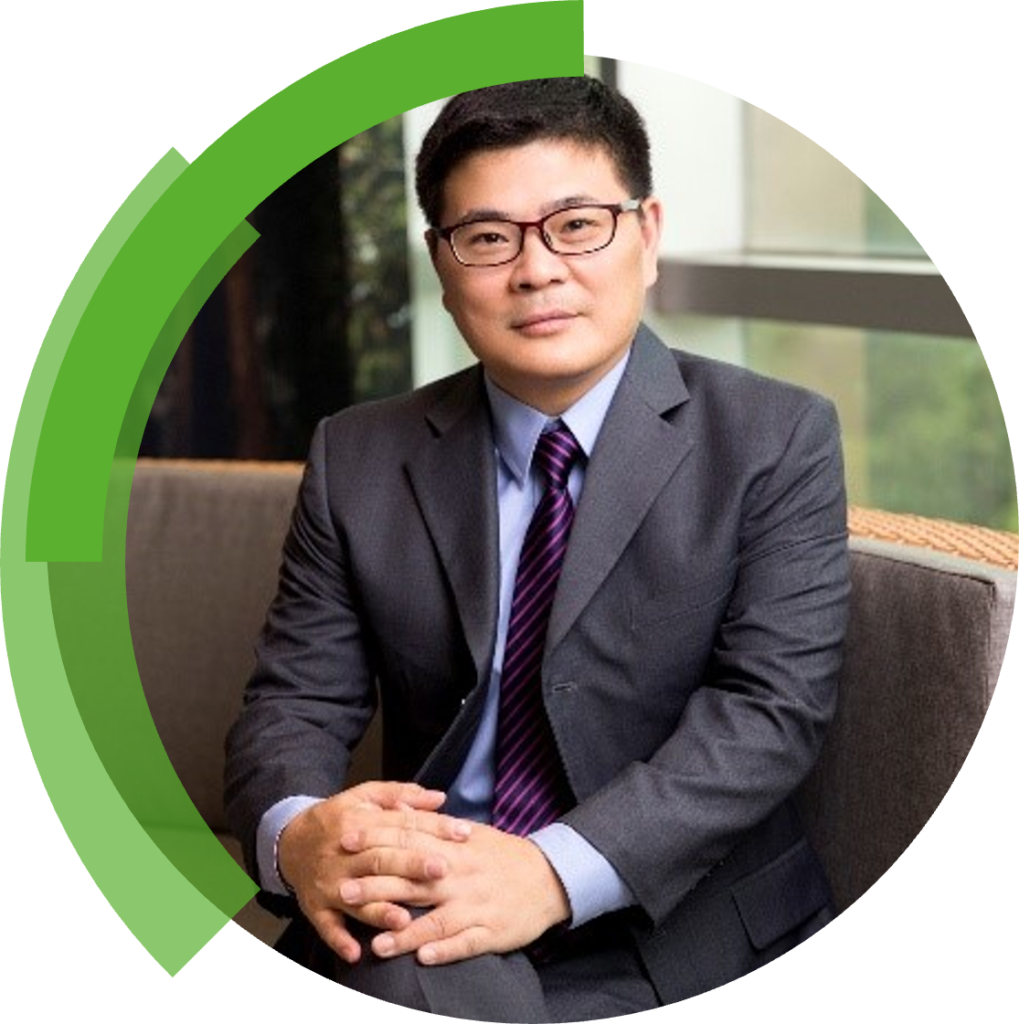 Jianfang Wang obtained his BS degree in inorganic chemistry and software design in 1993 from the University of Science and Technology of China, his MS degree in inorganic chemistry in 1996 from Peking University, and his PhD degree in physical chemistry in 2002 from Harvard University. He did postdoctoral study in the University of California Santa Barbara from 2002 to 2005. He joined the Department of Physics, The Chinese University of Hong Kong (CUHK) in 2005 as an assistant professor. He became an associate professor in 2011 and a full professor in 2015. He was the Assistant Dean (Education) of the Faculty of Science of CUHK from August 2015 to July 2021 and has been the Chairperson of the Department of Physics of CUHK since August 2021. His current research interests are nanoplasmonics, nanophotonics, and photocatalysis. He has published more than 310 papers with a total citation of more than 48,200 and an h-index of 103.