Winter Conference on Plasma Spectrochemistry 2014 and Plasma Award

As you already know if you are following us on twitter, the 2014 Winter Conference on Plasma Spectrochemistry was held on January  6 – 11 in Amelia Island, Florida, USA. The conference, chaired by JAAS Advisory Board member Ramon Barnes, was very successful, as approximately 500 participants presented 5 Plenary lectures, 37 invited lectures, 75 oral contributions and 180 posters, while more than 25 companies participated in the exhibition. 6 Heritages lectures were also imparted by Barry L. Sharp, Nicoló Omenetto, Les Ebdon, Michael J. Collins, Andrew T. Zander and Freddy Adams. In addition, more than 80 short courses were organized.

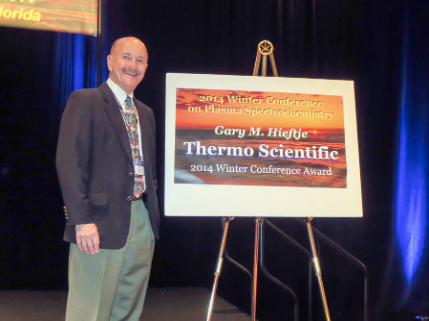
Among the highlights of the conference, the Plasma Spectroscopy Symposium, in which JAAS Editorial Board member Gary Hieftje received the Winter Conference Award in Plasma Spectrochemistry, has to be featured. The laureate discussed on Advances in instrumentation and methods for plasma spectrochemistryCongratulations, Gary!

JAAS sponsored a poster Award consisting in one personal electronic subscription to JAAS, an iPod Nano and a certificate, and the winner was Allen White, from the Rose-Hulman Institute of Technology in Terre Haute, Indiana, for his work on an Application of a High-Frequency Spark Discharge as an Ion Source for Ambient Mass Spectrometry, coauthored by Steve Ray, Kevin Pfeuffer and Gary Hieftje. Congratulations!

We would like to remind you that there is a JAAS Themed Issue devoted to this conference. If you want to submit a work that was presented in Amelia Island, please remember that the deadline for submission is 17th February 2014.

Finally, the next European Winter Conference on Plasma Spectrochemistry will be hosted in Munster, Germany, chaired by Uwe Karst and Michael Sperling.

Prof. Dr. Gary Hieftje, Plasma Award laureate (picture obtained from http://www.indiana.edu/~gmhlab)

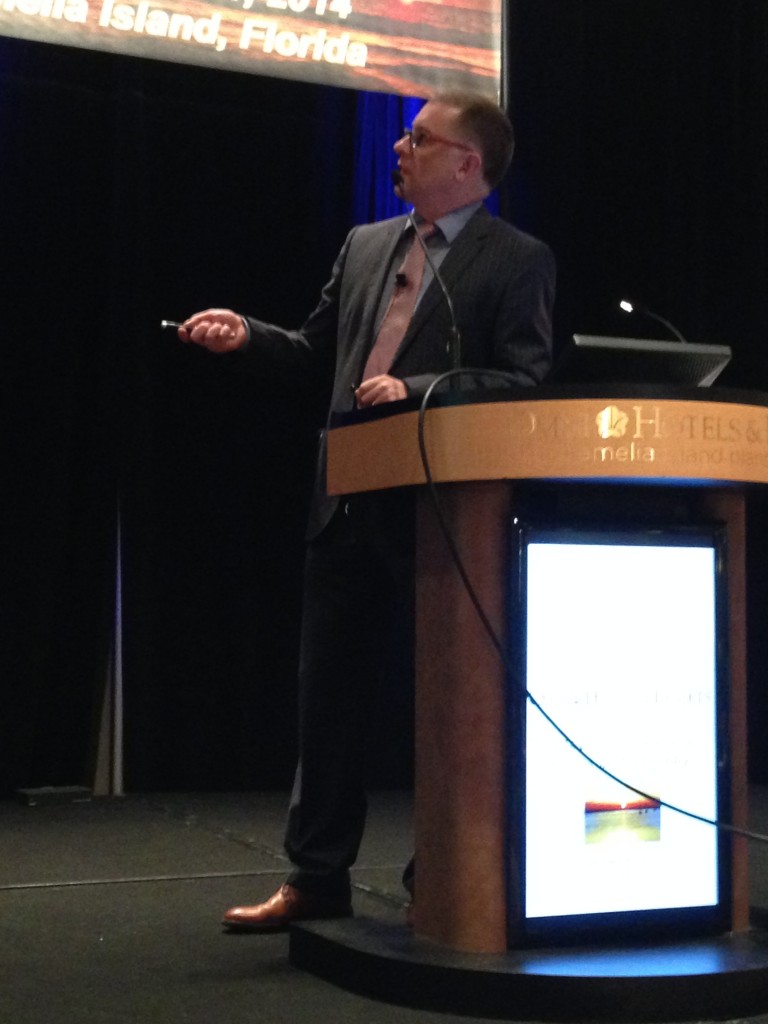
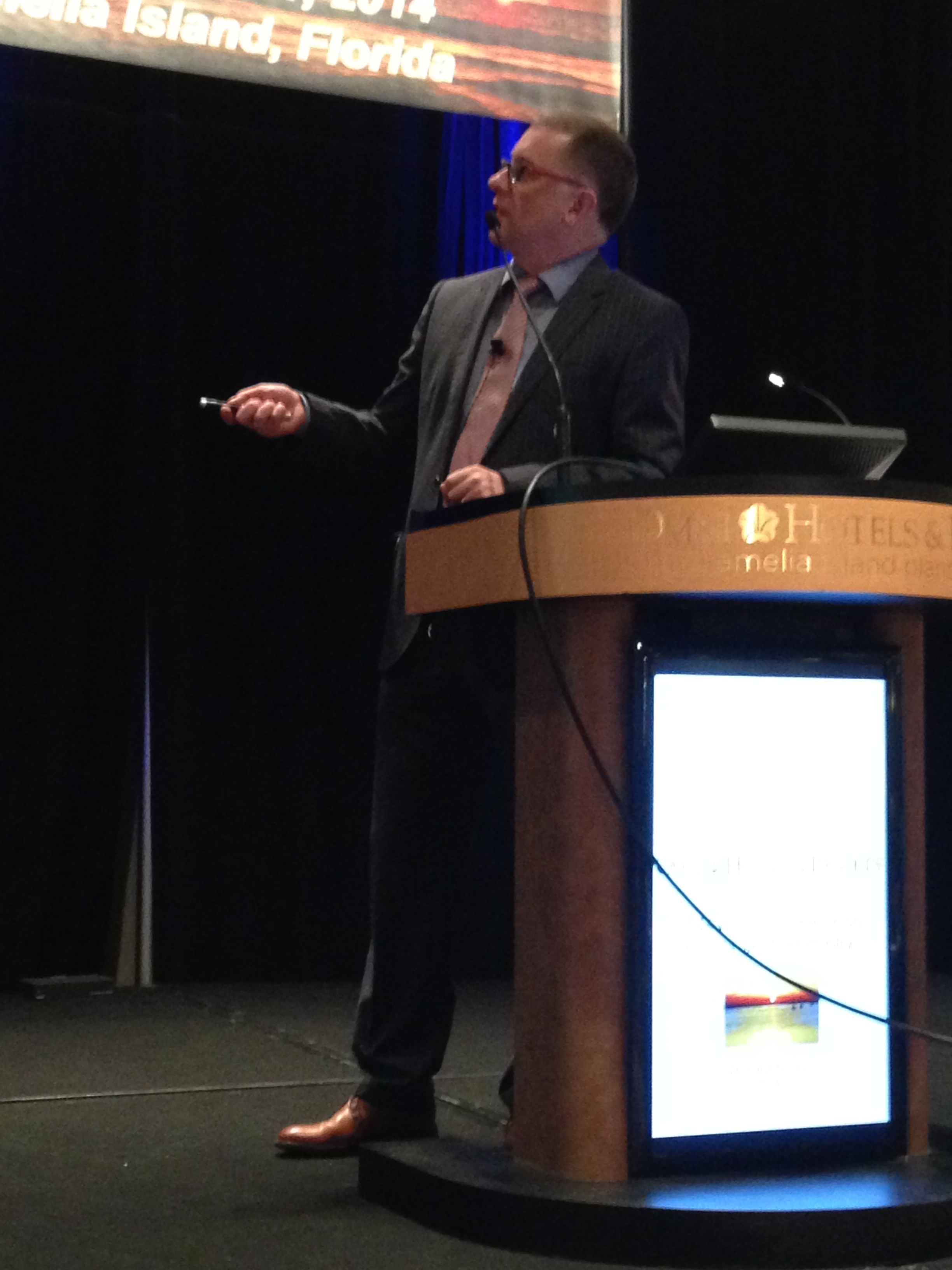
JAAS Chair Frank Vanhaecke, during his presentation in Amelia Island

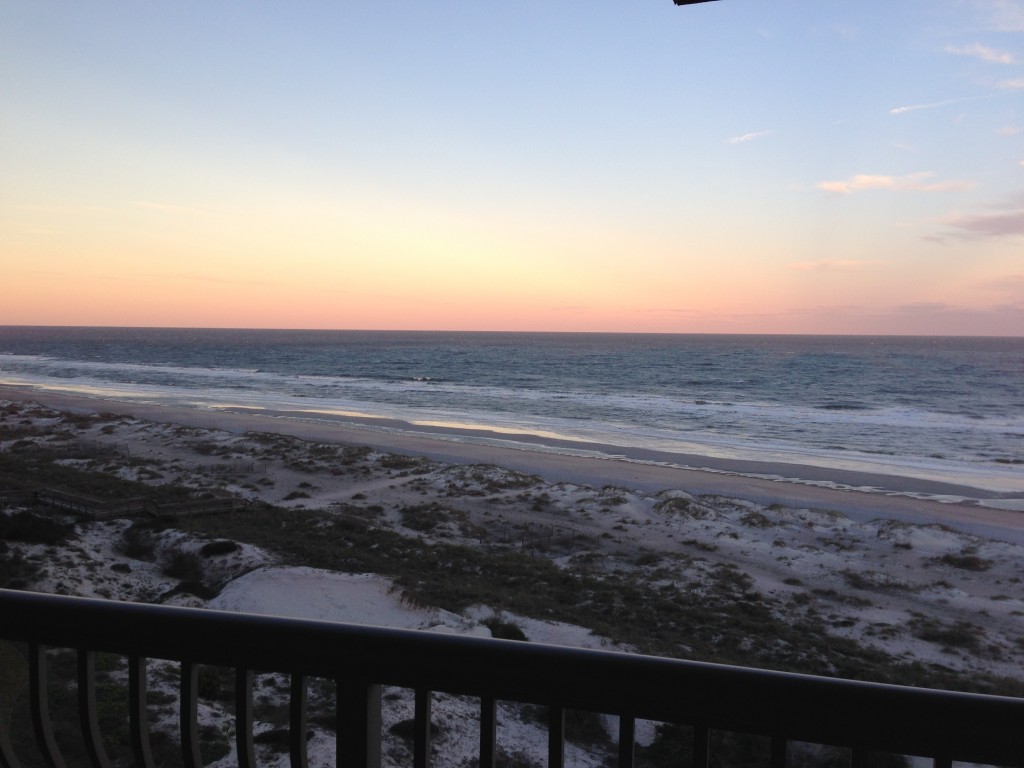
Sunset in Amelia Island

Have a look at the latest articles published by Gary Hieftje in JAAS

Kevin P. Pfeuffer, Jacob T. Shelley, Steven J. Ray and Gary M. Hieftje
J. Anal. At. Spectrom., 2013, 28, 379-387, DOI: 10.1039/C3JA30353E, Paper

First inductively coupled plasma-distance-of-flight mass spectrometer: instrument performance with a microchannel plate/phosphor imaging detector

Alexander Gundlach-Graham, Elise A. Dennis, Steven J. Ray, Christie G. Enke, Charles J. Barinaga, David W. Koppenaal and Gary M. Hieftje

J. Anal. At. Spectrom., 2013, 28, 1385-1395, DOI: 10.1039/C3JA50122A, Paper


Digg This
Reddit This
Stumble Now!
Share on Facebook
Bookmark this on Delicious
Share on LinkedIn
Bookmark this on Technorati
Post on Twitter
Google Buzz (aka. Google Reader)

The Next Generation – Interview with Raquel Sánchez Romero

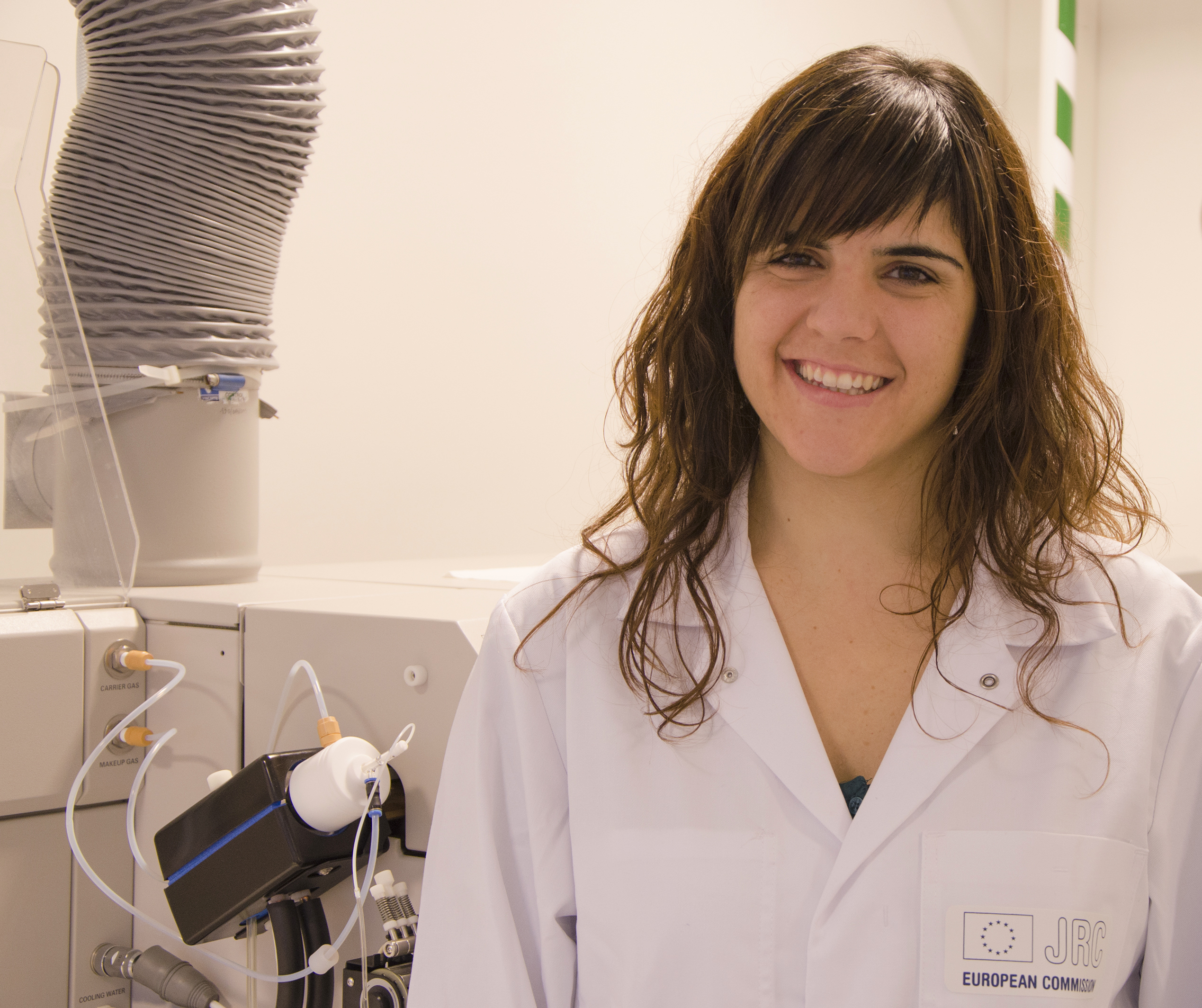
Today, we interview Raquel Sánchez Romero, a Post-Doctoral Scientist at Institute for Reference Materials and Measurements, JRC, EC.
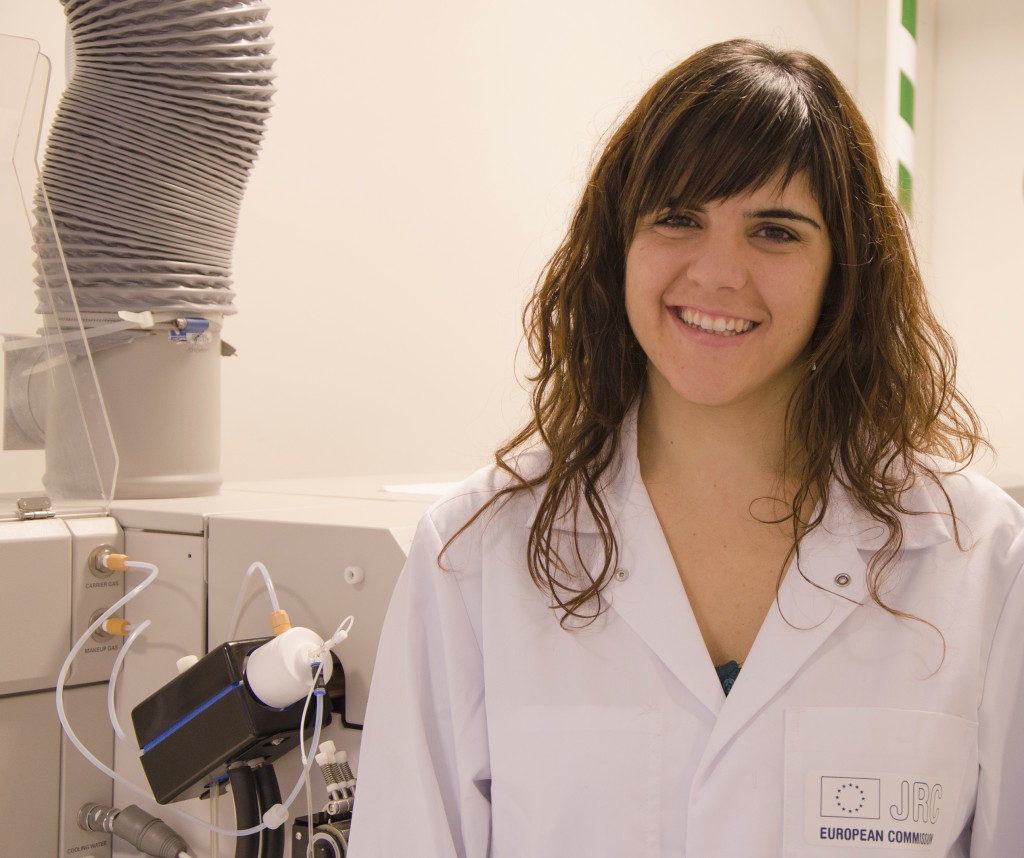
Raquel in his lab in Geel, Belgium

Who or what inspired you to become a scientist?

Although I was interested in Math when I was a child, after my participation in a “Chemistry Olympics” during my last high school year I decided to study Chemistry. There I realized how Chemistry could be the key to explain many things that awoke my curiosity.

Why did you choose your research group/University and what factors influenced your choice?

I have to admit that research was not among my first interests until I started working on it. It was during the last year of my degree at the University of Alicante (Spain), when I had my first contact with research. And I discovered my vocation. Under the supervision of Prof. José Luis Todolí, I started to apply ICP-OES for the analysis of organic matrices. This project had a direct application in real life and thus was the main factor to decide to continue and I started my PhD. It was a project in collaboration with the IFP-Energies nouvelles (Lyon, France), under the supervision of Dr. Lienemann. It focused on the investigation of possible solutions to the day-to-day problems in the analysis of petroleum, its derivatives and biofuels by ICP techniques.

Can you explain a bit the purpose of your current research activities?

As project manager, I am currently working on the development, production and certification of reference materials in the area of environmental science. Moreover, I am currently working in the development and validation of methods for the analysis of environmental samples by inductively coupled plasma mass spectrometry.

How is a typical day in your lab?

I cannot say I really have a typical day in my job, since I have many different tasks and projects to manage. So depending of the day-to-day priorities, I schedule my work focusing on the method development and therefore the tasks of the lab or on the coordination of my projects. If I have to work in the lab, I usually arrive pretty early. I try to prepare everything to start measuring early. So I am able to analyze the results before going home. In this way I am able to plan the lab work for the next day. However, if I have to spend my day at my desk, I normally come a bit later and I work until late. I am more creative after my coffee around 10 in the morning. So I spend my first hour and a half working on easy tasks.

What common activities are organized in your research group?

There are two types of activities, those linked to the work as CRM development producer and those, outside working hours, orientated towards the integration of all the staff. With regard to the first ones, for instance different meetings are organized from general meetings, such as unit meetings, to the more specific ones, such as laboratory meetings or group meetings. Moreover, different trainings are offered.

Regarding the social activities, the unit organised two special meals during the year and a special day with the families. Also, whenever there is someone’s birthday, we bring cakes to celebrate it. My institution organizes several social events throughout the year such as a summer barbecue, an end-of-the-year party … Also there are different social clubs (bowling, volleyball, cooking …) that you can join if you like.

What app/programs do you typically use?

Besides Microsoft Office tools, I use the software specific to the instruments. Also, I use the program SoftCRM, a special software for evaluation data from reference material certifications. I use End Note for the management of my references. Presently, I am working with the program R to make some statistical analysis.

How do you search for scientific information? How do you manage your bibliography?

I am subscribed to email alerts of several journals, so I can keep up with all the latest papers. When I am looking for a particular paper, I normally use the Web of Science. Then, I organized my bibliography using End Notes. I order the papers by subject in different End Notes libraries.

What are your views on JAAS? Which type of articles do you prefer? Do you miss some content?

JAAS is one of my reference journals. I started to follow it from the beginning of my career as researcher. As one of the most important journals in my field, it covers almost all the areas related to atomic spectrometry and lists the most recent and important jobs. Not only I have followed the journal as a reader, most of my papers have been published in this journal. What I like the best is that there is no limitation on figures, tables and pages allowing the authors to present all the data necessary to support the main results.

What do you like and dislike the most about your work?

I am considering myself a lucky person because I can work on what I like. Of course, the part I enjoy the most is working in the laboratory. I enjoy that not all days are the same. I enjoy new challenges to analyze and try to solve them. Like many people in this field, the part that I dislike more is the administrative paperwork. Moreover, I really like working in an international environment. I have the opportunity to meet people from around the world and learn new cultures… What I dislike is being away from my family.

What do you expect to be doing in 5 years time?

This is a tricky question. I like the fact that my days are not all equal. I like the new challenges, I like asking me why… And, I think that only when you do research you are confronted with this. So I hope to continue working in this field. Moreover, the combination of research and teaching would be perfect. My greatest wish would be to obtain a Professor position and to transmit my enthusiasm for science.

What do you enjoy doing when you are not in the lab?

The truth is I’m pretty active in my free time. I like sports, so I go to the gym, running, trekking and I occasionally play basketball. Also I use part of my free time to improve and complete my training, for example my language skills. I like going out, travelling, reading, cooking… I am part of the cooking and bowling club of my institution.

Thanks, Raquel! Keep up with the good work on CRMs, we all need them!

Have a look at the latests articles of Raquel in JAAS:

Quantification of nickel, vanadium and manganese in petroleum products and biofuels through inductively coupled plasma mass spectrometryequipped with a high temperature single pass spray chamber

Raquel Sánchez, Carlos Sánchez, José Luis Todolí, Charles-Philippe Lienemann and Jean-Michel Mermet

J. Anal. At. Spectrom., 2013, Advance Article DOI: 10.1039/C3JA50146A

Improving the analytical performances of ICP-AES by using a high-temperature single-pass spray chamber and segmented-injections micro-sample introduction for the analysis of environmental samples

Francisco Ardini, Marco Grotti, Raquel Sánchez and José Luis Todolí

J. Anal. At. Spectrom., 2012,27, 1400-1404, DOI: 10.1039/C2JA30152K
Digg This
Reddit This
Stumble Now!
Share on Facebook
Bookmark this on Delicious
Share on LinkedIn
Bookmark this on Technorati
Post on Twitter
Google Buzz (aka. Google Reader)

The Emerging Technologies competition open for applications

The Royal Society of Chemistry launches the 2014 UK Emerging Technologies Competition

Applications are invited from university researchers and small companies working in the UK in applied research in the chemical, life and materials sciences for a chance to turn their research into commercial success. The prize consists of ongoing mentoring and support from high profile multinational companies, up to £10,000 cash prize and more. We are proud to announce the mentor companies Procter and Gamble, GlaxoSmithKline, Catalent Applied Drug Delivery Institute, Croda and more will be joining soon.

Emerging Technologies Competition 2014

The applicants can be individuals or teams and they must submit a brief online application to the Royal Society of Chemistry. The entries will be judged by an independent panel of science and business experts and the shortlisted applications will be invited for the second round of the competition. Each team will pitch to a specialist panel at a public event and up to 5 teams will be crowned as winners. But everyone is a winner! The finalists will be able to access one to one FREE advice from business and finance specialists. In addition this is an excellent opportunity to practice pitching ideas to high profile multinational companies and to meet and network with fellow entrepreneurs, investors and business leaders.

Key dates:
First round closes on 1 March 2014
Second round takes place on 25 June 2014,
Chemistry Centre, London

Visit www.rsc.li/emerging-technologies for full details.
UK applications only please

If you have any questions please contact Aurora Antemir antemira@rsc.org.

Digg This
Reddit This
Stumble Now!
Share on Facebook
Bookmark this on Delicious
Share on LinkedIn
Bookmark this on Technorati
Post on Twitter
Google Buzz (aka. Google Reader)

Determination of Sr for the study of geological, hydrological and biological processes

Written by Marina Chanidou, Guest Web Writer for JAAS and PhD student at the University of York.

Determination of Sr to study geological processes

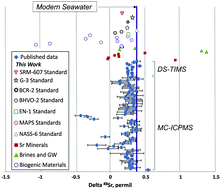
The different isotopes of Strontium (Sr) can provide information on biological, hydrological and geological processes. Measurements of the radiogenic isotopic composition (87Sr/86Sr) have been used for a long time to study these processes, but in the last 30 years the stable isotopic ratio (88Sr/86Sr) has shown potential to help better understand the source of Sr and the cause of mass fractionation, especially when combined with 87Sr/86Sr measurements.

Leonid Neymark and scientists from both the US Geological Survey in Denver and the Instutute of Precambrian Geology and Geochronology of the Russian Academy of Sciences developed a thermal ionisation mass spectrometry (TIMS) method to measure Sr concentration, and “true” 88Sr/86Sr, 87Sr/86Sr and δ88Sr values. “True” values of isotopic ratios are considered those that are caused by natural fractionation, so the values measured have to be corrected for any chemical separation occurring during the measurement. This was achieved by spiking the samples with two Sr isotopes, in this study 87Sr-84Sr, with a precisely known ratio.
Standards, along with fossils, modern fauna, abiogenic minerals, silicate whole rocks and various water samples were analysed and the total range of values of δ88Sr shows potential for δ88Sr to be used as a tracer alongside the 87Sr/86Sr tracer.

To read the full article, please access the link below. This paper will be free to read until 6 january 2014.

Precise determination of δ88Sr in rocks, minerals, and waters by double-spike TIMS: a powerful tool in the study of geological, hydrological and biological processes
Leonid A. Neymark, Wayne R. Premo, Nikolay N. Mel’nikov and Poul Emsbo
J. Anal. At. Spectrom., 2014,29, 65-75
DOI: 10.1039/C3JA50310K

Digg This
Reddit This
Stumble Now!
Share on Facebook
Bookmark this on Delicious
Share on LinkedIn
Bookmark this on Technorati
Post on Twitter
Google Buzz (aka. Google Reader)

Prizes and Awards nominations open

The Royal Society of Chemistry’s Prizes and Awards recognise achievements by individuals, teams and organisations in advancing the chemical sciences. There are over 80 Prizes and Awards available covering all areas of the chemical sciences, with prize money of up to £5000 to be won.

The main categories are:

shutterstock_93666160

Biosciences

Environment, Sustainability and Energy

Inorganic Chemistry (Dalton Division)

Materials Chemistry

Organic Chemistry

Physical Chemistry (Faraday Division)

Industry & Technology

In addition, we have a new award this year, the Industrial Analytical Science Award, to recognise and celebrate the great contribution of analytical science in industry.

To view the full list of Prizes and Awards and to make a nomination, visit www.rsc.org/awards

Nominations open until 15 January 2014

Digg This
Reddit This
Stumble Now!
Share on Facebook
Bookmark this on Delicious
Share on LinkedIn
Bookmark this on Technorati
Post on Twitter
Google Buzz (aka. Google Reader)

European Workshop on Laser Ablation (EWLA2014)

We are delighted to announce that the twelfth European Workshop on Laser Ablation (EWLA2014) will be held at

Royal Holloway University of London
8-11 July 2014

zircon

The European Workshop on Laser Ablation (EWLA) is a biennial event aimed at exchanging ideas and recent results between scientists and students interested in laser-based methods. EWLA2014 will comprise poster presentations, short talks and selected invited presentations. Topics will include:

Fundamentals:

  • Laser-matter interaction
  • Standardisation
  • Isotope ratio analysis (LA-MC-ICPMS)
  • Particle formation and transport phenomena
  • Data reduction developments

Applications:

  • Earth Sciences / Geochemistry
  • Biology & (Bio)Imaging
  • Material Sciences
  • (Bio)Medical Sciences

Instrumentation:

  • New Developments

For more information, please contact Dr Wolfgang Müller at ewla14@es.rhul.ac.uk

Digg This
Reddit This
Stumble Now!
Share on Facebook
Bookmark this on Delicious
Share on LinkedIn
Bookmark this on Technorati
Post on Twitter
Google Buzz (aka. Google Reader)

The Next Generation – Interview with Ariane Donard

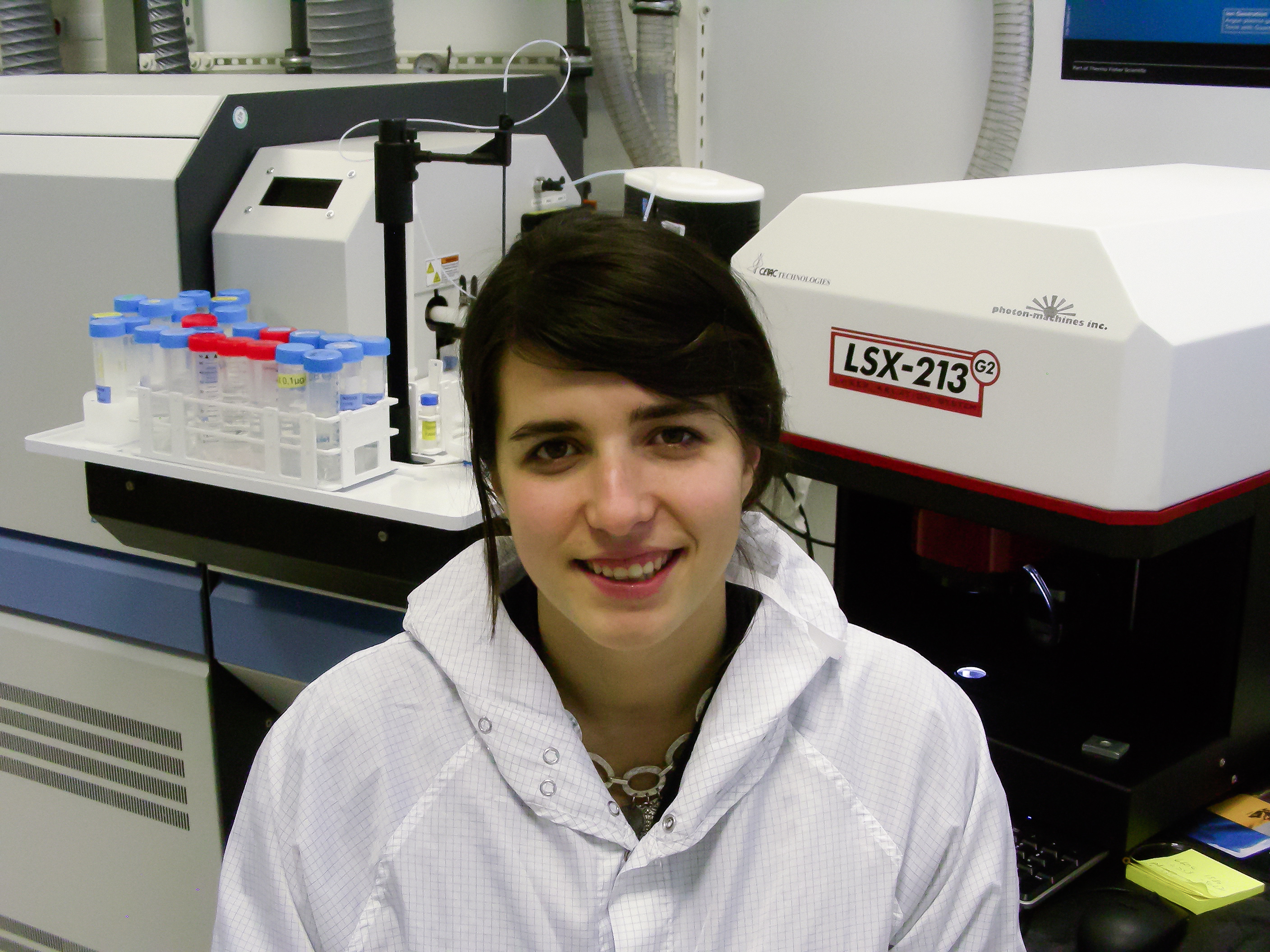
Today, we interview Ariane Donard, a PhD student who carries out her research at the University of pau and pays de l’adour and at the French Nuclear Energy Agency (CEA), under the supervision of Dr. Christophe Peycheran and Dr. Fabien Pointurier.

Ariane in his lab in Pau, France

Who or what inspired you to become a scientist?
I always liked science class as a student and believe that being a scientist would fit my personality well because I think it requires curiosity, patience and pugnacity. There is also no doubt that my father had a great influence on my desire to become a scientist. My father is an analytical and environmental chemist specialized in speciation. He is very passionate about his job and very enthusiastic when he talks about it. I have caught the research bug!

Why did you choose your research group/University and what factors influenced your choice?

After graduating, I worked as an engineer for a year realizing then that I wasn’t completely satisfied with my job. I thought research would fit me better so I started to look for a PhD program. I spent a year in Sweden as a student where I got the chance to work on the coupling of laser ablation and ICP MS and started to appreciate the potential of this technique. So, when I heard Christophe Pecheyran had a PhD position on this subject in collaboration with Fabien Pointurier from the CEA (French nuclear energy agency), I jumped on the opportunity. Another reason that made me choose this PhD program is the availability of great analytical equipment in those laboratories.

Can you explain a bit the purpose of you current research activities?
I work for the French nuclear energy agency. I try to develop methodologies to use LA-ICP-MS for different applications of interest to the agency. I am currently working on a challenging particle analysis dealing with an extremely low quantity of analyte, which produces a very short signal. Another part of my research is to study “laser-material interaction” by evaluating the influence of very high frequency (up to 100 000 Hz) with different wavelengths on ablation. For this, I use a prototype femtoseconde laser being developed in collaboration between my team and NEXEYA, a French company when I work in Pau. I also spend some time of the year in the CEA laboratory, close to Paris where I use a nanosecond laser UV.
How is a typical day in your lab?
When I conduct experiment, I start by turning on the instruments and checking that there is no problem before going to our laser group “kick off of the day” coffee meeting. We are a small group of two postdoc, our chief and me. This morning meeting is a very important moment of day in the lab because we talk about what we will be doing or discuss problems we may have encountered. The rest of the day is typically divided between running experiments and computer work.
What common activities are organized in your research group?
What I really like in our laboratory’s activity is the lunch seminar every other Friday. A person of the lab: a professor, an assistant, a post doc, or a PhD presents one of his research topic for 45 min. It is really interesting because it gives us an insight on all the areas of on-going research in the laboratory. The presentation is followed by a discussion that is always very constructive because people specialized in other fields can give us other perspectives on our own work. After that we all share lunch which is a great opportunity to get to know our coworkers and really help foster a nice atmosphere in the lab.
What are your views on JAAS? Which type of articles do you prefer? Do you miss some content?
JAAS has been one of the reference journals for my bibliography since the beginning of my PhD. I follow actively papers on LA-ICP-MS but also on particle analysis in general. I like the “technical notes” articles that are very useful when you start an experiment and can help you to develop the method.
How do you search for scientific information? How do you manage your bibliography?
At the beginning of the PhD, I did extensive research on laser ablation publication. I mostly use general database like web of knowledge, Scopus. I also check all the reviews in my field and verify that all the journals cited are accessible from the databases I use. I set-up different alerts with key words and also names of famous authors in my field to be up to date on the latest on laser ablation mass spectrometry field.
What app/programs do you typically use?
To write documents, presentation or compiling data I use Microsoft Office pack. I manage my bibliography with Mendeley, it’s really convenient to access to all your files from any computer.
What do you like and dislike the most about your work?
As I said before my experience as an engineer really helps me to see the bright side of the PhD. It’s really nice to have the chance to develop our own subject, to be focused on just one goal. I feel really lucky to work surrounded by experienced persons and to have access to such powerful instruments. I like the fact that we are challenged all the time. Once you find an answer on a subject a new one is always popping up. The part I dislike the most is when the instruments are unstable and you could spend a whole day to get them to work properly.
Where do you see yourself in five years?
In five years, I would hope to be back in France after some postdoc abroad. I would love to work for a few years in a foreign lab. It’s very enriching to discover different methods of work, different cultures. I would like to continue in the research field possibly the public sector but I don’t rule out the industrial sector at this point. Working for example in an analytical laboratory at developing new analytical methods could be a nice job.
What do you enjoy doing when you are not in the lab?
I like my job but I also like my life outside the lab! I have a lot of activities when I’m not at work. I take dance and guitar classes and I’m playing in a band. I think it’s important to take your mind off the work to be even more concentrated during the day. Of course during a PhD, there are very busy periods when you have to put aside your activities for a while and stay focus on your work but I always try to find a balance.

Many thanks for sharing your views with us, Ariane, and be careful with the research bug!

Digg This
Reddit This
Stumble Now!
Share on Facebook
Bookmark this on Delicious
Share on LinkedIn
Bookmark this on Technorati
Post on Twitter
Google Buzz (aka. Google Reader)

15th Beijing Conference and Exhibition on Instrumental Analysis (BCEIA 2013)

By .

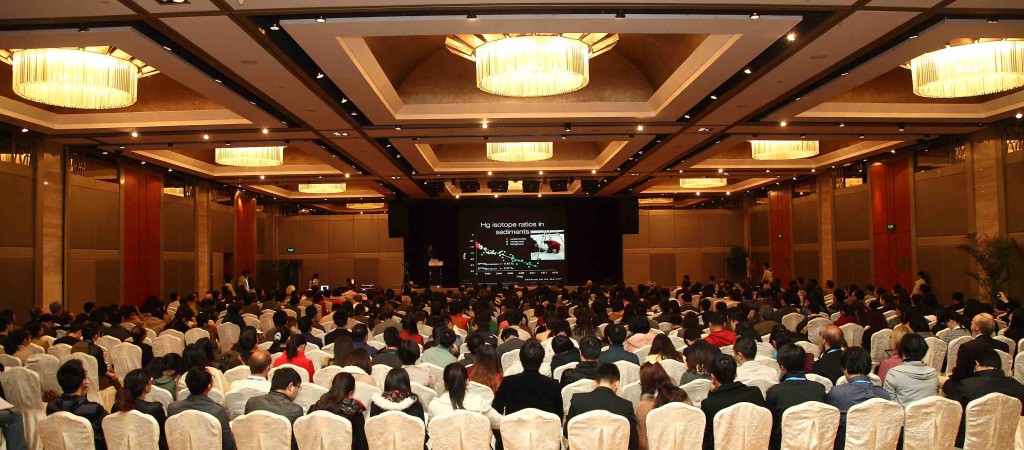
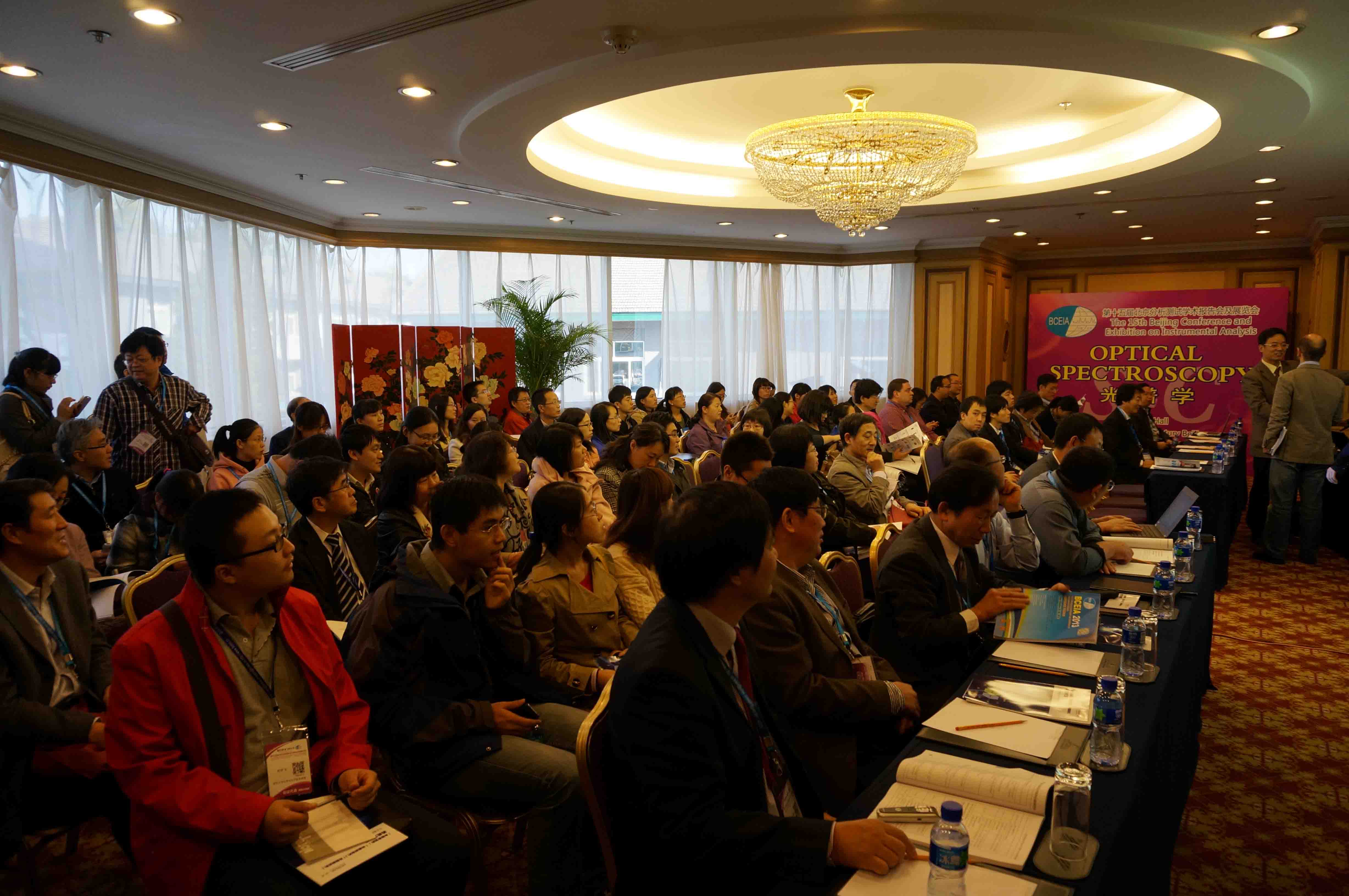
The 15th Beijing Conference and Exhibition on Instrumental Analysis (BCEIA 2013) was held on 23-26 October 2013 at Hotel Nikko New Century Beijing and its exhibition at Beijing Exhibition Center.
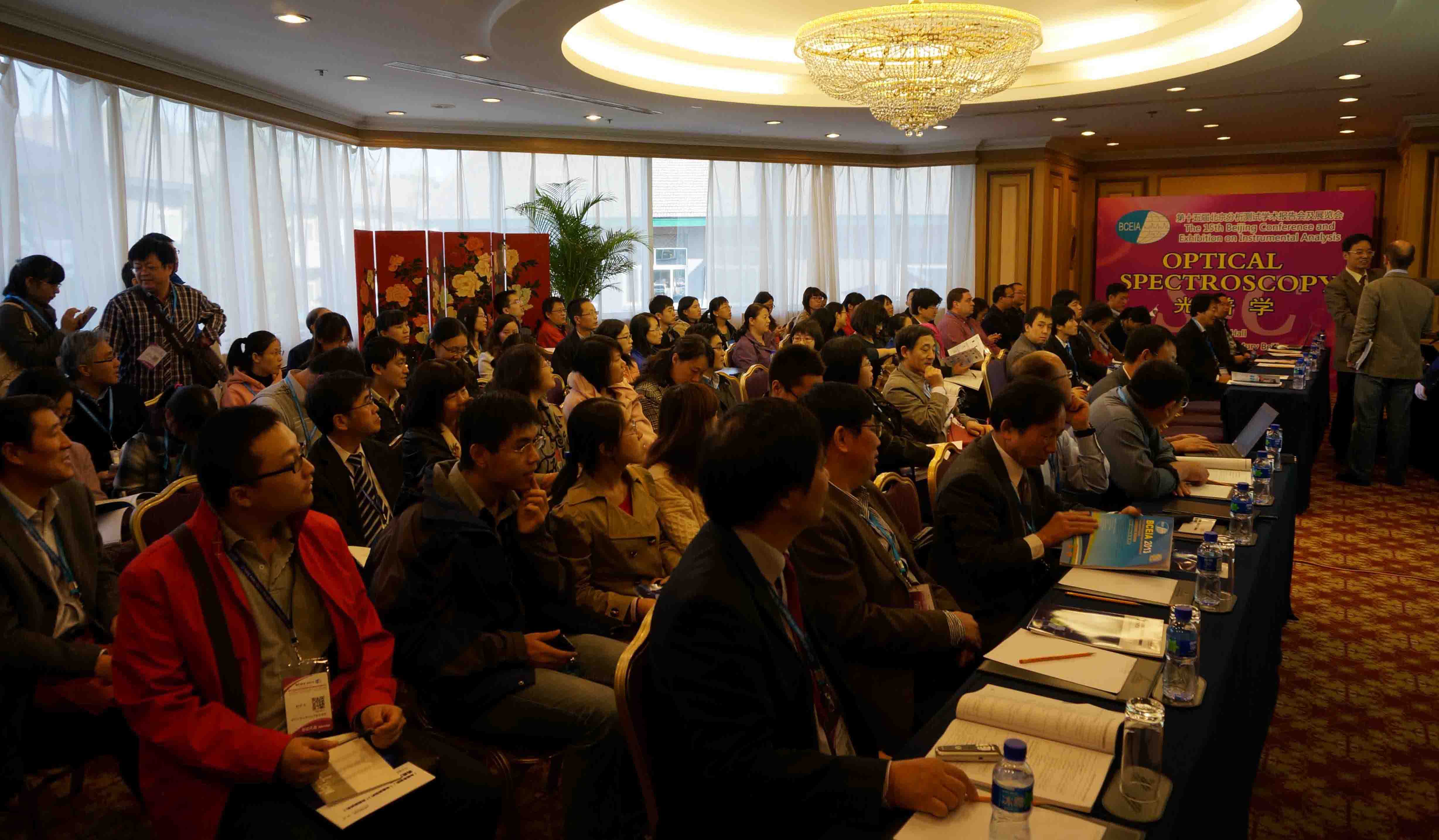
BCEIA was sponsored by the China Association for Instrumental Analysis (CAIA) and supported by the Ministry of Science and Technology of the People’s Republic of China. This has been a biennial international event in China since 1985 and it has the aim to promote academic exchanges among scientists of various countries and regions as well as trade cooperation between the Chinese and foreign partners in this field. It has been the largest and most influential international conference and exhibition on instrumental analysis ever held in China.

The theme of BCEIA 2013 was “Analytical Science Create Future“, which included a plenary session, separate sub-sessions of 7 fields and workshops of 5 fields. More than 600 of scientists from 16 different countries participated in the conference. The plenary session featured specially invited lectures by 13 internationally prominent scientists, including Prof. Holger Hintelmann (Trent University), Prof. R. Graham Cooks (Purdue University), Prof. Jonathan V. Sweedler (University of Illinois at Urbana-Champaign), Prof. Yoshinobu BABA (Nagoya University), Prof. Andrew Ewing (Chalmers University of Technology and University of Gothenburg), Prof. John P. Nolan (La Jolla Bioengineering Institute), Prof. Anne L. Plant (National Institute of Standards and Technology), Prof. Xianen Zhang (Ministry of Science and Technology of the People’s Republic of China), Prof. Rima Kaddurah-Daouk (Duke University Medical Center), Prof. Richard L. Mccreery (University of Alberta), Prof. Daniel T. Chiu (University of Washington), Prof. Lyndon Emsley (Ecole Normale Supérieure de Lyon) and Dr. Peter Becker (Physikalisch-Technische Bundesanstalt). In the separate sub-sessions and workshops, 149 speakers were invited to present their research and more than 500 posters were displayed.

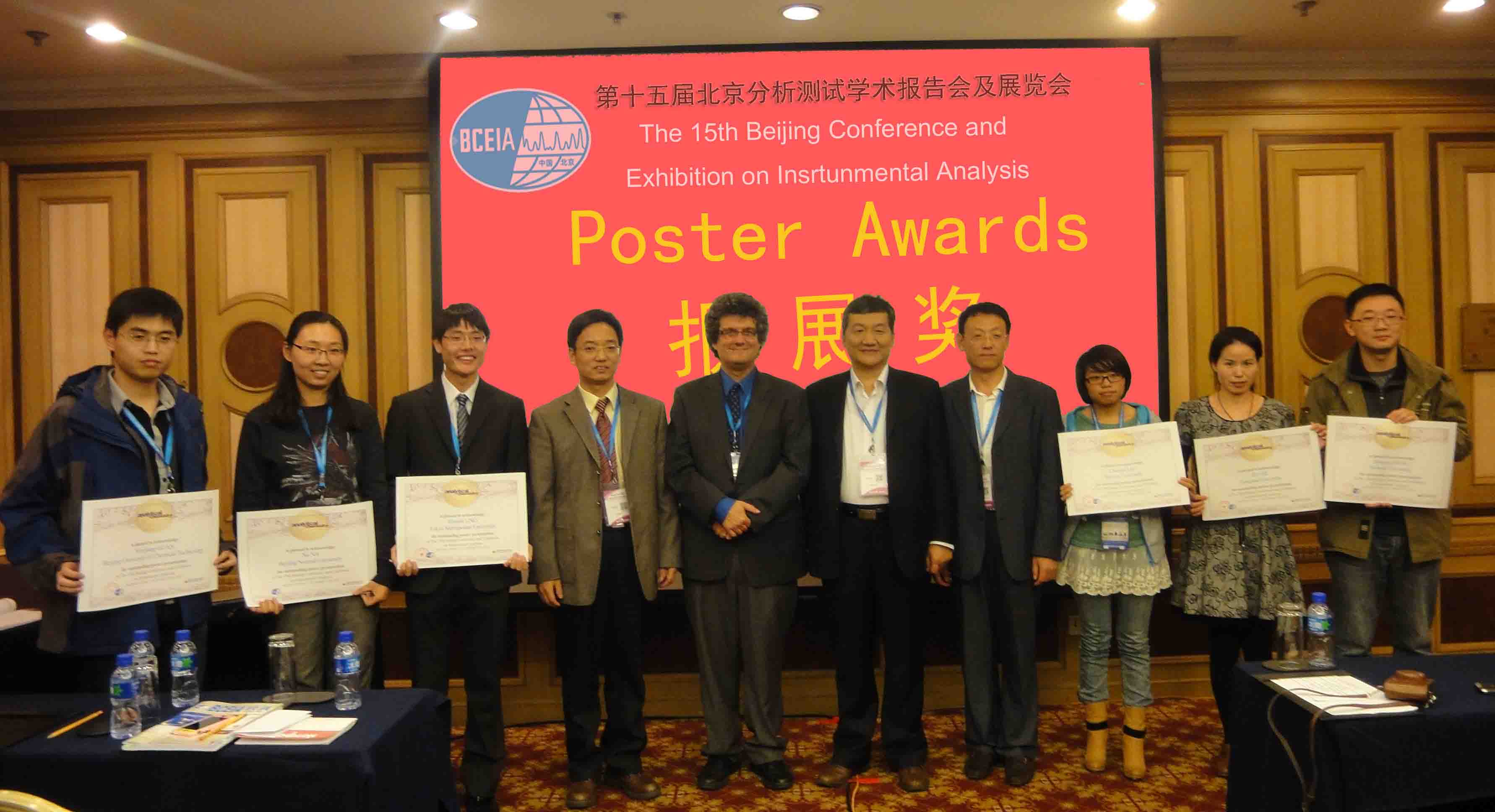
The optical spectroscopy session was organized by Prof. Jin-Ming Lin from Tsinghua University. The session was mainly devoted to recent developments on fluorescence analysis, atomic spectrum, chemiluminescence, biological imaging, microfluidic and new analytical instruments. There were 14 keynote speakers, 22 invited speakers, 4 oral presentations and 69 posters presented. The outstanding poster awards were conferred at the end of the session on 25 October. Prof. Jin-Ming Lin and Prof. Jonathan V. Sweedler gave the awards certifications for 7 winners.

This conference has provided an opportunity for the academic exchange as well as the exhibition of analytical instruments and will further promote the development of analytical chemistry in China.

Digg This
Reddit This
Stumble Now!
Share on Facebook
Bookmark this on Delicious
Share on LinkedIn
Bookmark this on Technorati
Post on Twitter
Google Buzz (aka. Google Reader)

Top ten most accessed articles from July-September 2013

During the months July – September the following articles are in the Top ten most accessed:

A novel ToF-SIMS operation mode for improved accuracy and lateral resolution of oxygen isotope measurements on oxides
Gerald Holzlechner, Markus Kubicek, Herbert Hutter and Jürgen Fleig
J. Anal. At. Spectrom., 2013,28, 1080-1089
DOI: 10.1039/c3ja50059d

Synchrotron-based chemical imaging reveals plumage patterns in a 150 million year old early bird
Phillip. L. Manning, Nicholas P. Edwards, Roy A. Wogelius, Uwe Bergmann, Holly E. Barden, Peter L. Larson, Daniela Schwarz-Wings, Victoria M. Egerton, Dimosthenis Sokaras, Roberto A. Mori and William I. Sellers  
J. Anal. At. Spectrom., 2013,28, 1024-1030
DOI: 10.1039/c3ja50077b

2013 Atomic spectrometry update—A review of advances in X-ray fluorescence spectrometry
Margaret West, Andrew T. Ellis, Philip J. Potts, Christina Streli, Christine Vanhoof, Dariusz Wegrzynek and Peter Wobrauschek  
J. Anal. At. Spectrom., 2013,28, 1544-1590
DOI: 10.1039/c3ja90046k

Atomic spectrometry update. Elemental speciation review
Robert Clough, Chris F. Harrington, Steve J. Hill, Yolanda Madrid and Julian F. Tyson
J. Anal. At. Spectrom., 2013,28, 1153-1195
DOI: 10.1039/c3ja90039h

The influence of laser pulse duration and energy on ICP-MS signal intensity, elemental fractionation, and particle size distribution in NIR fs-LA-ICP-MS
Prasoon K. Diwakar, Sivanandan S. Harilal, Nicole L. LaHaye, Ahmed Hassanein and Pramod Kulkarni  
J. Anal. At. Spectrom., 2013,28, 1420-1429
DOI: 10.1039/c3ja50088h

Critical considerations for the determination of nanoparticle number concentrations, size and number size distributions by single particle ICP-MS
Francisco Laborda, Javier Jiménez-Lamana, Eduardo Bolea and Juan R. Castillo  
J. Anal. At. Spectrom., 2013,28, 1220-1232
DOI: 10.1039/c3ja50100k

Determination of ultra-low 236U/238U isotope ratios by tandem quadrupole ICP-MS/MS
Masaharu Tanimizu, Naoki Sugiyama, Emmanuel Ponzevera and Germain Bayon
J. Anal. At. Spectrom., 2013,28, 1372-1376
DOI: 10.1039/c3ja50145k

Accelerated evaporation of microdroplets at ambient conditions for the on-line analysis of nanoparticles by inductively-coupled plasma mass spectrometry
Joachim Koch, Luca Flamigni, Sabrina Gschwind, Steffen Allner, Henry Longerich and Detlef Günther
J. Anal. At. Spectrom., 2013, Advance Article
DOI: 10.1039/c3ja50052g

Atomic spectrometry update. Industrial analysis: metals, chemicals and advanced materials
Simon Carter, Andy S. Fisher, Michael W. Hinds and Steve Lancaster  
J. Anal. At. Spectrom., 2012,27, 2003-2053
DOI: 10.1039/ c2ja90058k

Atomic spectrometry update: review of advances in atomic spectrometry and related techniques
E. Hywel Evans, Matthew Horstwood, Jorge Pisonero and Clare M. M. Smith  
J. Anal. At. Spectrom., 2013,28, 779-800
DOI: 10.1039/c3ja90029k

If you have any thoughts or comments on any of these articles, we welcome you to leave these in the comment box below.

Do you fancy submitting an article to JAAS? Please submit to us here or alternatively email us with your suggestions.

Digg This
Reddit This
Stumble Now!
Share on Facebook
Bookmark this on Delicious
Share on LinkedIn
Bookmark this on Technorati
Post on Twitter
Google Buzz (aka. Google Reader)

Royal Society of Chemistry Roadshow in Brazil this November

We are pleased to announce The Royal Society of Chemistry Brazil Roadshow that will take place in three amazing Brazilian locations this November.

The roadshow consists of three one-day scientific symposia in Campinas, Porto Alegre and Belo Horizonte, featuring lectures by some of the world’s leading international scientists in analytical science and sustainable chemistry.

The roadshow is free to attend and will bring together academics, students and industrial scientists in a stimulating and friendly environment. Join us to find out more about our journals and wider activities! Click here to register.

4th November: University of Campinas (IQ-UNICAMP), Campinas, Brazil

6th November: The Federal University of Rio Grande do Sul (IQ-UFRGS), Porto Alegre, Brazil

8th November: The Federal University of Minas Gerais (DQ-UFMG), Belo Horizonte, Brazil

Among the outstanding scientists presenting at the roadshow:

Frank Vanhaecke (Chair of the JAAS Editorial Board)

Craig Banks (Analytical Methods Associate Editor)

James Clark (Green Chemistry Advisory Board member)

Boris Mizaikoff, (Analyst Associate Editor)

Janet Scott (Green Chemistry Advisory Board member)

The Royal Society of Chemistry is proud to support and publish high-impact research from all over the globe, and a large amount of our content is from authors in Brazil. Below are some examples of the high-quality content published in Green Chemistry, Analyst, Analytical Methods, RSC Advances and JAAS by your Brazilian colleagues, please take a look at the papers listed below:

Glycerol as a recyclable solvent for copper-catalyzed cross-coupling reactions of diaryl diselenides with aryl boronic acids
Vanessa G. Ricordi, Camilo S. Freitas, Gelson Perin, Eder J. Lenardão, Raquel G. Jacob, Lucielli Savegnago and Diego Alves
Green Chem., 2012, 14, 1030–1034, DOI: 10.1039/C2GC16427B

Reversible polymerization of novel monomers bearing furan and plant oil moieties: a double click exploitation of renewable resources
Carla Vilela, Letizia Cruciani, Armando J. D. Silvestre and Alessandro Gandini
RSC Adv., 2012, 2, 2966–2974, DOI: 10.1039/C2RA20053H

Easy dual-mode ambient mass spectrometry with Venturi self-pumping, canned air, disposable parts and voltage-free sonic-spray ionization
Nicolas V. Schwab, Andreia M. Porcari, Mirela B. Coelho, Eduardo M. Schmidt, Jose L. Jara, Jesui V. Visentainer and Marcos N. Eberlin
Analyst, 2012, 137, 2537–2540, DOI: 10.1039/C2AN16312H

Capacitively coupled contactless conductivity detection on microfluidic systems—ten years of development
Wendell Karlos Tomazelli Coltro, Renato Sousa Lima, Thiago Pinotti Segato, Emanuel Carrilho, Dosil Pereira de Jesus, Claudimir Lucio do Lago and José Alberto Fracassi da Silva
Anal. Methods, 2012, 4, 25–33, DOI: 10.1039/C1AY05364G

Determination of trace metals in high-salinity petroleum produced formation water by inductively coupled plasma mass spectrometry following on-line analyte separation/preconcentration
Eliane Padua Oliveira, Lu Yang, Ralph E. Sturgeon, Ricardo Erthal Santelli, Marcos Almeida Bezerra, Scott N. Willie and Ramsés Capilla
J. Anal. At. Spectrom., 2011, 26, 578-585, DOI: 10.1039/C0JA00108B

Digg This
Reddit This
Stumble Now!
Share on Facebook
Bookmark this on Delicious
Share on LinkedIn
Bookmark this on Technorati
Post on Twitter
Google Buzz (aka. Google Reader)