Archive for the ‘Themed Collections’ Category

Transformation products, mixtures, and vectors themed collection

Guest edited by Professor Hans Peter Arp (Norwegian Geotechnical Institute) and Associate Professor Gabriel Sigmund (Wageningen University & Research), this themed collection includes insights into the transformation of several important pollutants, innovative methods to detect and identify transformation products, and their biological and environmental impacts.

The identity and effects of many substances on the global market remain insufficiently understood, as they often exist as complex mixtures or can generate potentially harmful transformation products. Addressing these mixtures and their transformation products therefore represents a critical frontier in environmental chemistry, as well as in chemical regulation and innovation.

Please enjoy the articles in the collection below.

Introduction to transformation products, mixtures, and vectors

Hans Peter H. Arp*, Gabriel Sigmund*

Environ. Sci.: Processes Impacts 2026, DOI: https://doi.org/10.1039/d6em90018f

 
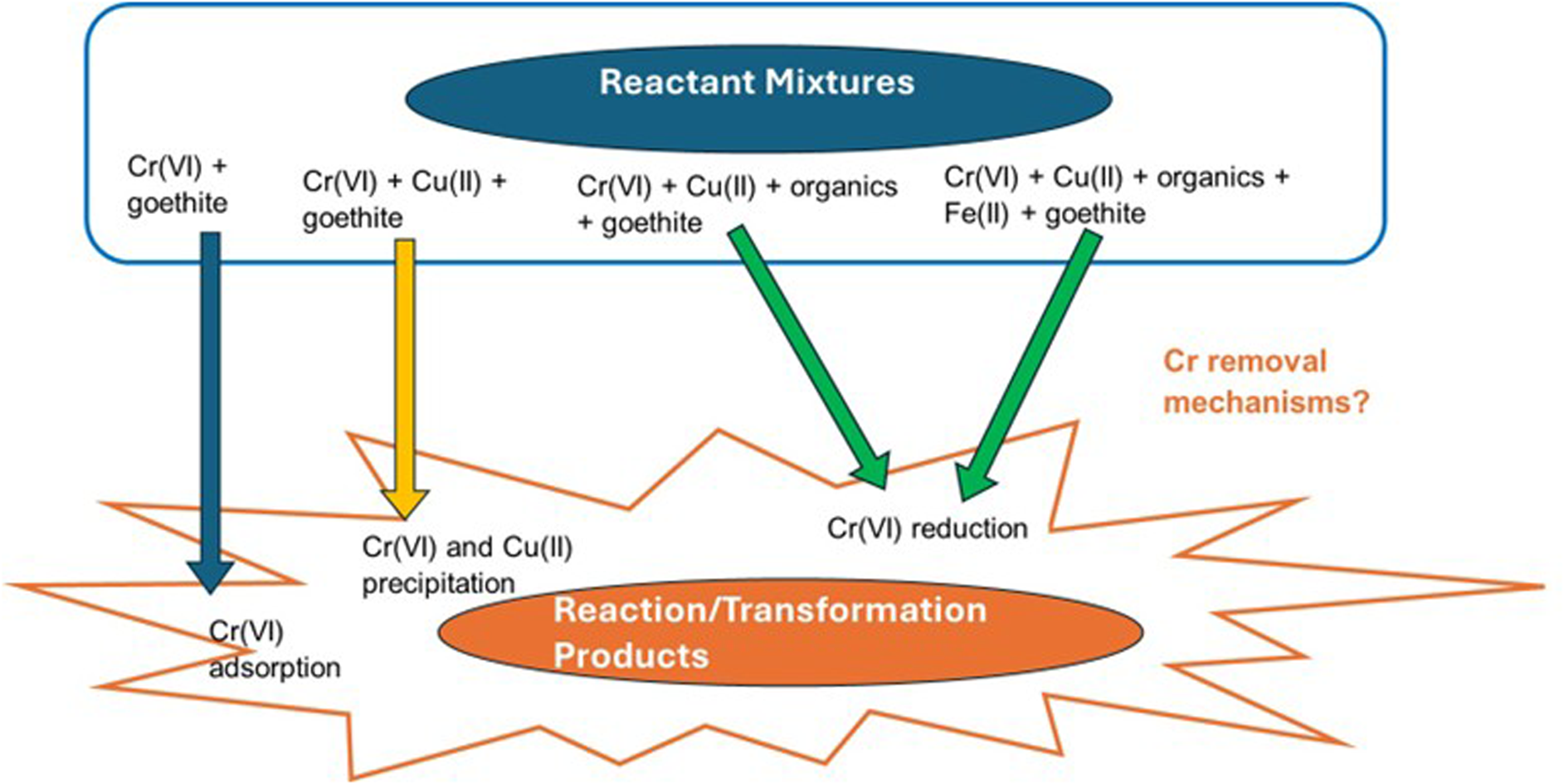
  Heterogeneous reactions control Cr(VI) release and sequestration in complex chemical mixtures of Cr, Fe, Cu, and organics

Noah Jemison*, Angelica Benavidez, Michael Spilde, Angelica Saenz Trevizo, Adrian Brearley, Juan Lezama Pacheco, Drew Latta, Kaelin Gagnon, Stephen Emeanuwa, Fernando Garzon, Stephen Cabaniss, Peter Lichtner, Abdul-Mehdi Ali, José M. Cerrato*

Environ. Sci.: Processes Impacts 2026; 28 (1): 98–111. https://doi.org/10.1039/d5em00786k

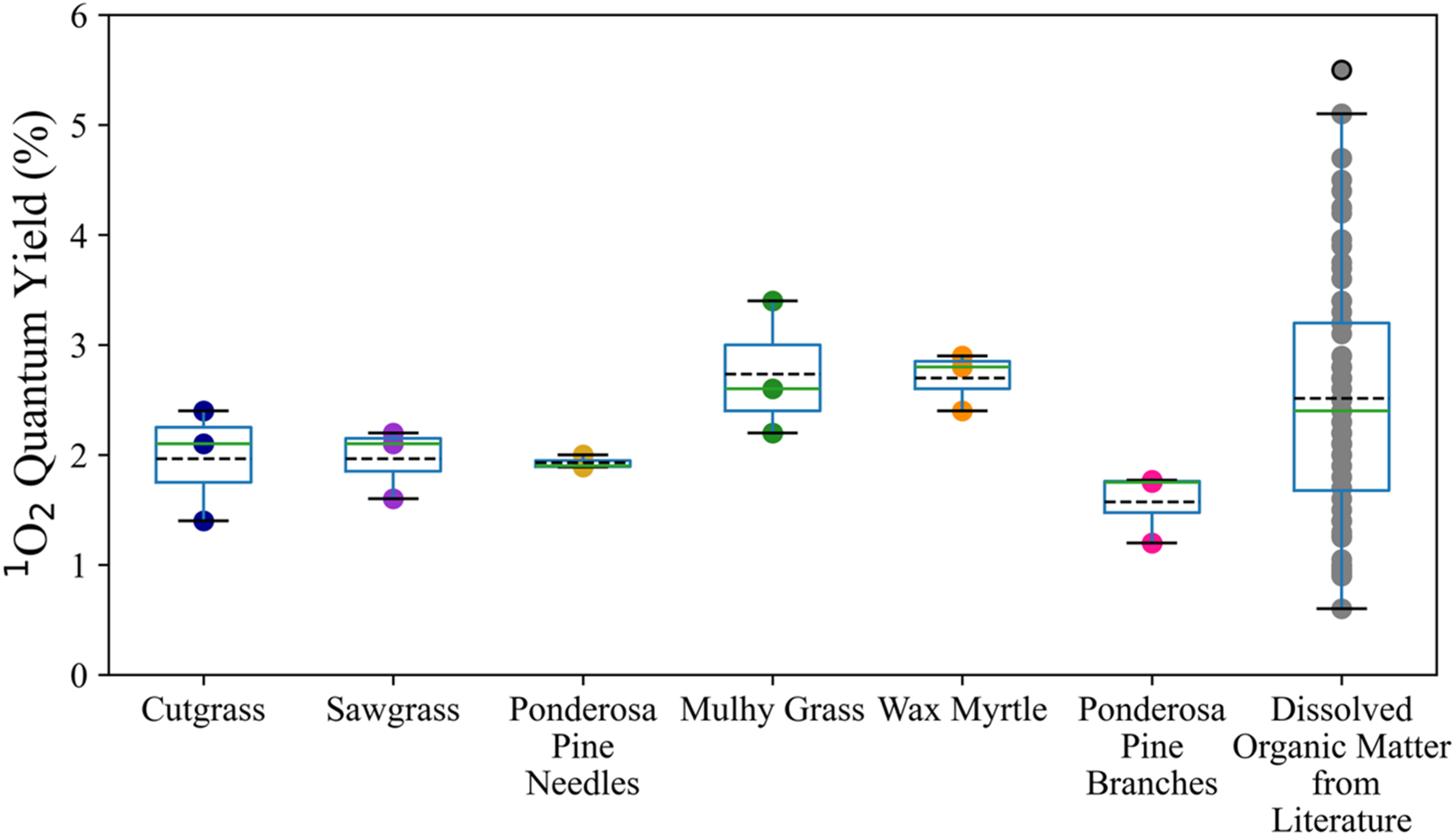
Evolution of the photosensitized production of singlet oxygen by aqueous extracts of biomass-burning aerosol

Daniel Bonomo, Ryan C. Sullivan*

Environ. Sci.: Processes Impacts 2026; 28 (8): 2288–2306. https://doi.org/10.1039/d6em00131a

 
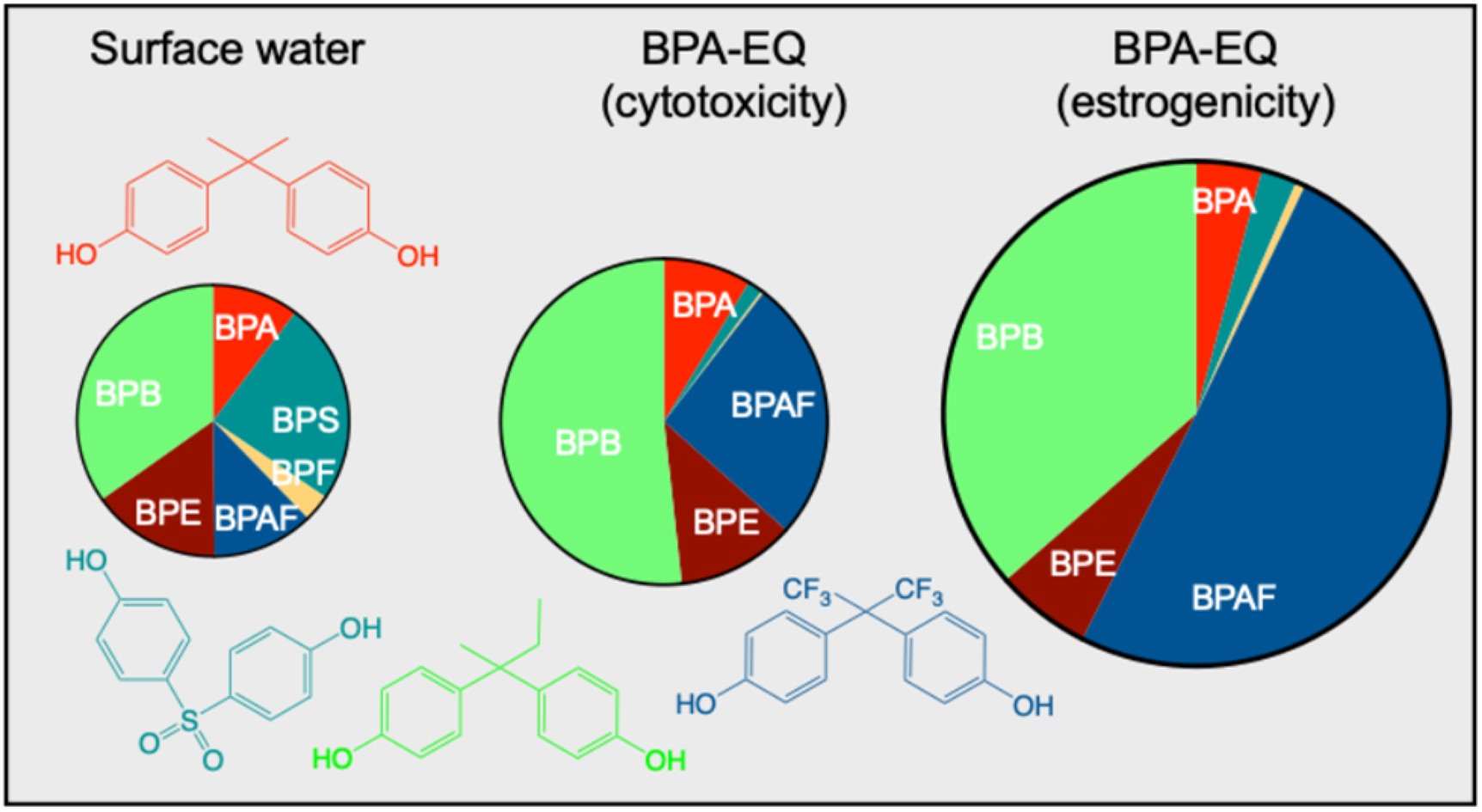
  Introducing BPA-equivalents: assessing mixture toxicity and substitution of BPA in environmental exposure scenarios

Vanessa Srebny, Georg Braun, Niklas Wojtysiak, Beate I. Escher*

Environ. Sci.: Processes Impacts 2026; 28 (3): 779–792. https://doi.org/10.1039/d5em00802f

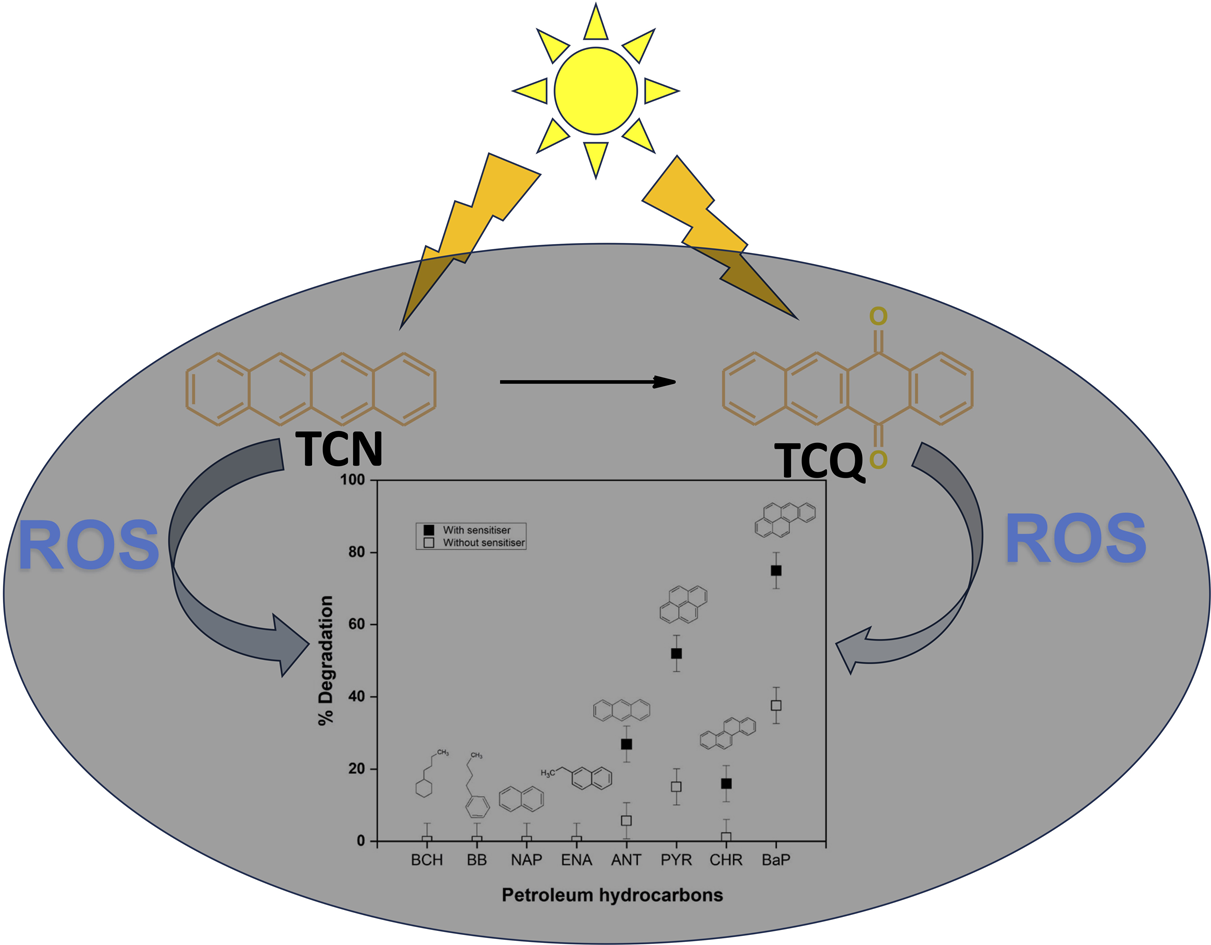
Hydrophobic model systems for oil film photooxidation: part I: sensitizer effects on hydrocarbon photodegradation

Manoj P. Rayaroth*, Bin Wu, Christoph Aeppli.

Environ. Sci.: Processes Impacts 2026; 28 (7): 2009–2020. https://doi.org/10.1039/d5em00809c


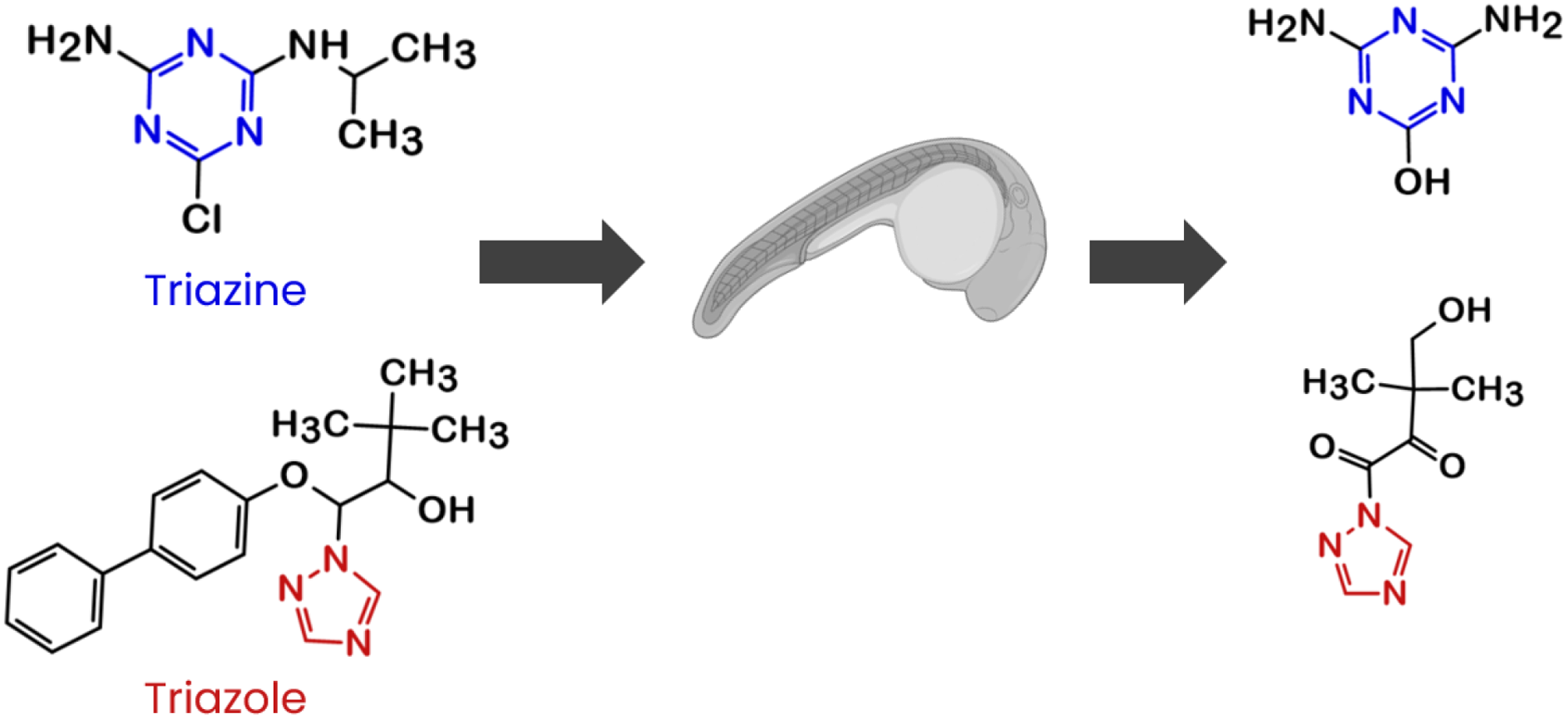
  Identification of persistent substructures in transformation products with zebrafish embryos using cheminformatics and a suspect screening approach

Parviel Chirsir*, Maria Lorena Cordero-Maldonado, Maxim P. Carlier, Timo Hamers, Emma L. Schymanski*

Environ. Sci.: Processes Impacts 2026; 28 (5): 1584–1602. https://doi.org/10.1039/d5em00825e


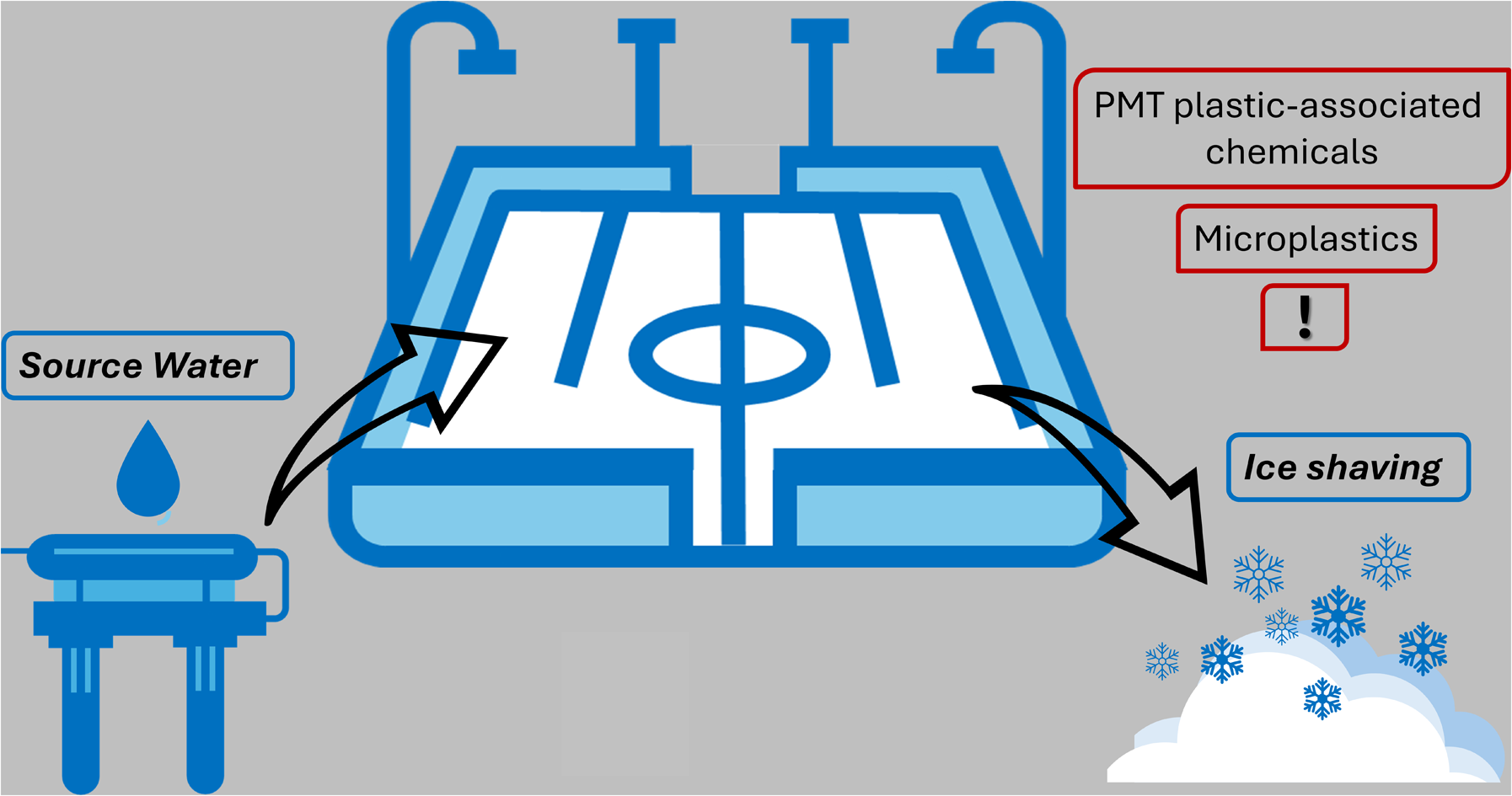
Microplastics and PMT plastic-associated chemicals as co-contaminants in ice shaving waste from an urban ice rink

Yanan Li*, Ryan H. S. Hutchins, Claire Oswald, Stefania Impellizzeri*, Roxana Sühring*

Environ. Sci.: Processes Impacts 2026; 28 (6): 1854–1865. https://doi.org/10.1039/d5em01017a


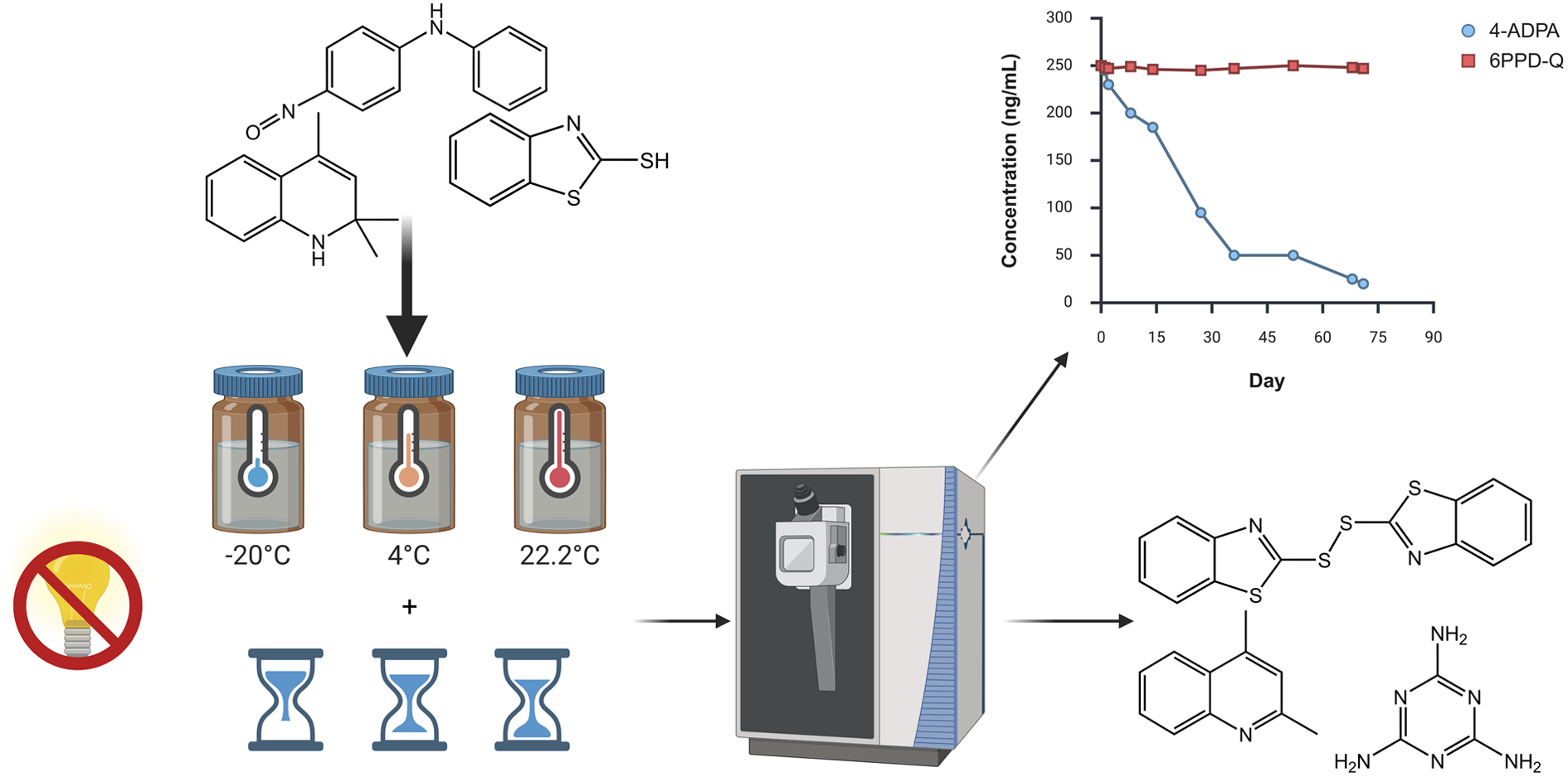
  Stability and transformation products of rubber derived compounds under various storage conditions

Phillip Berger, Katherine Poisson, Jaime Adams, Zhenyu Tian*

Environ. Sci.: Processes Impacts 2026; 28 (4): 961–973. https://doi.org/10.1039/d5em01025j


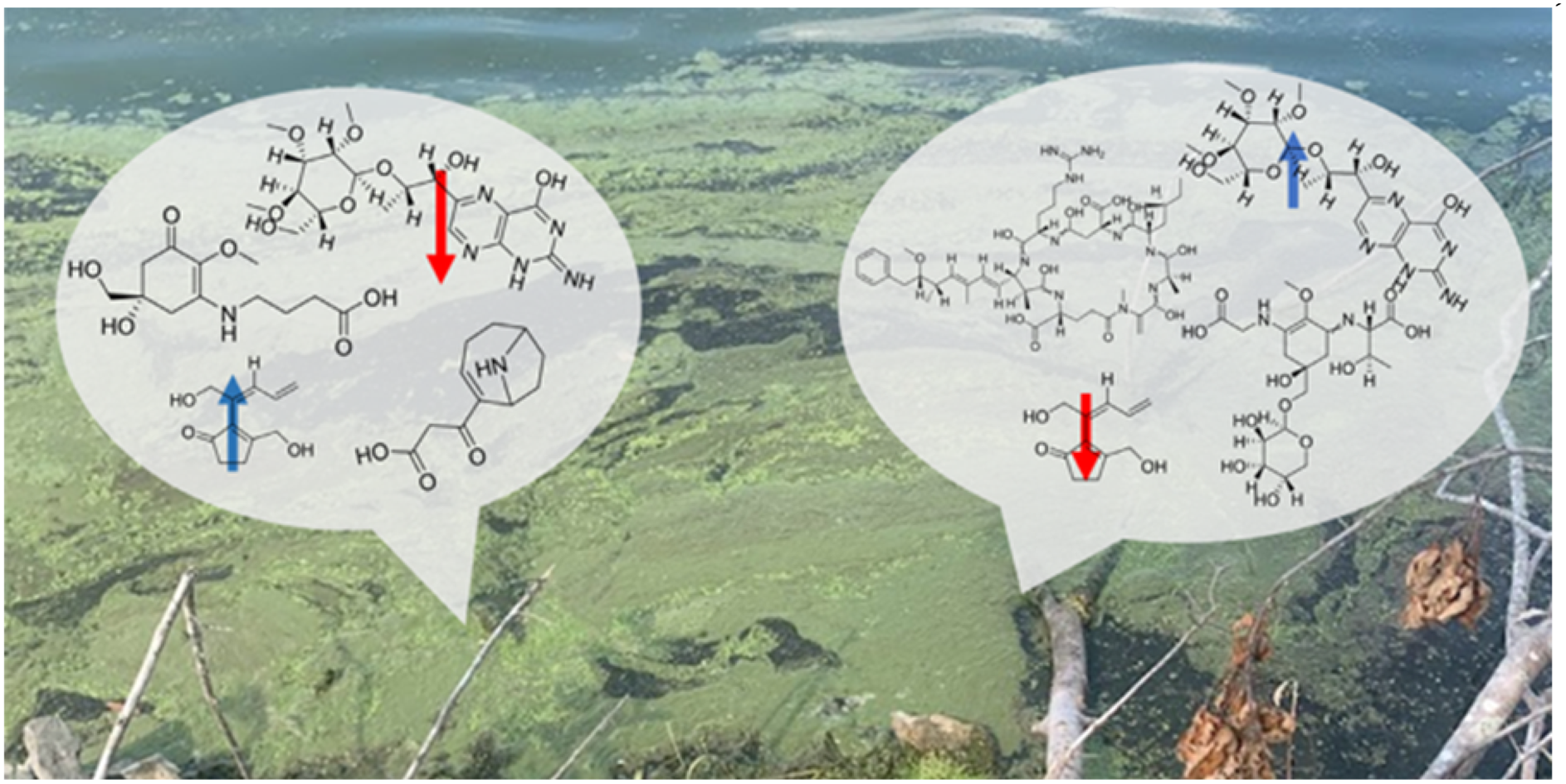
Spatial and temporal variation of suspect screening derived cyanobacterial secondary metabolite mixtures during harmful algal bloom events in shallow agroecosystem lakes

Stanley W. Kohls, Lyndy Holdt, Nervana Metwali, Corey D. Markfort, Peter S. Thorne, Gregory H. LeFevre*

Environ. Sci.: Processes Impacts 2026; 28 (7): 1998–2008. https://doi.org/10.1039/d5em01071c


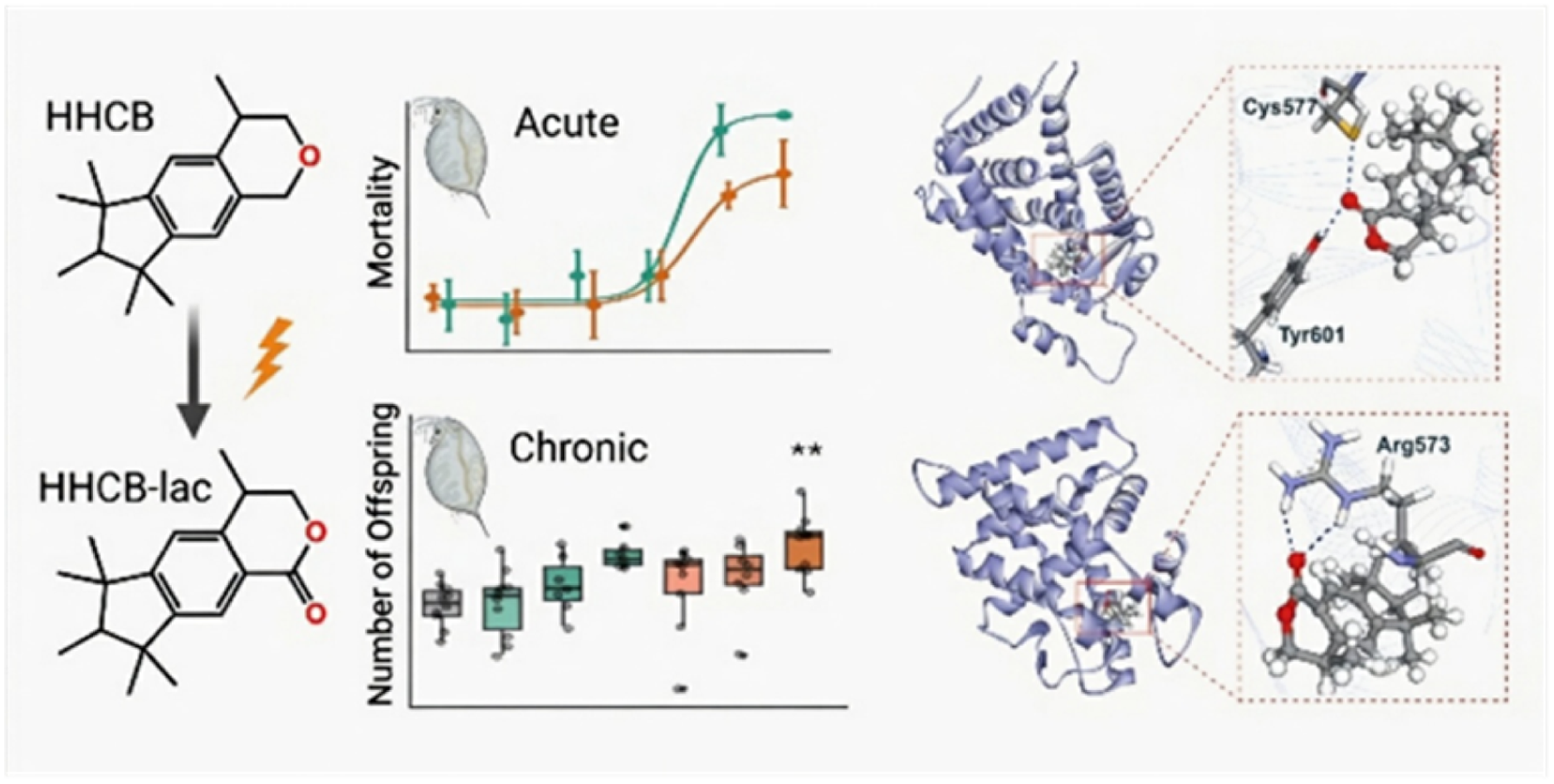
  Comparative toxicity and molecular recognition of galaxolide and its phototransformation product galaxolide lactone in Daphnia magna

Kunting Li, Chuanyang Chen, Dali Wang*, Hongjie Huang, Zixuan Yuan, Jing You

Environ. Sci.: Processes Impacts 2026; 28 (5): 1534–1543. https://doi.org/10.1039/d6em00059b


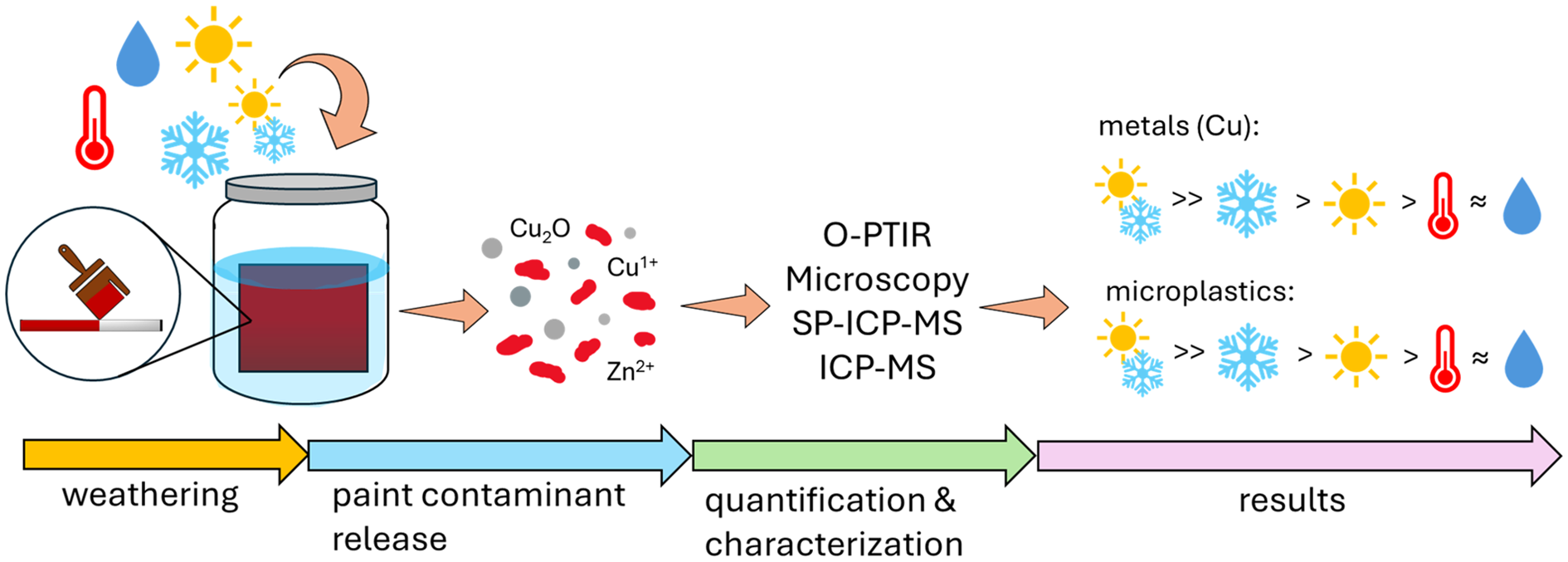
Release of microplastics and metals from antifouling paint during weathering in simulated cold climates

Guadalupe Santos, Georgina C. Kalogerakis, Jun-Ray Macairan, Laura M. Hernandez, Houssame-Eddine Ahabchane, Jennifer F. Provencher, Kevin J. Wilkinson*, Nathalie Tufenkji*

Environ. Sci.: Processes Impacts 2026; 28 (5): 1448–1462. https://doi.org/10.1039/d6em00126b


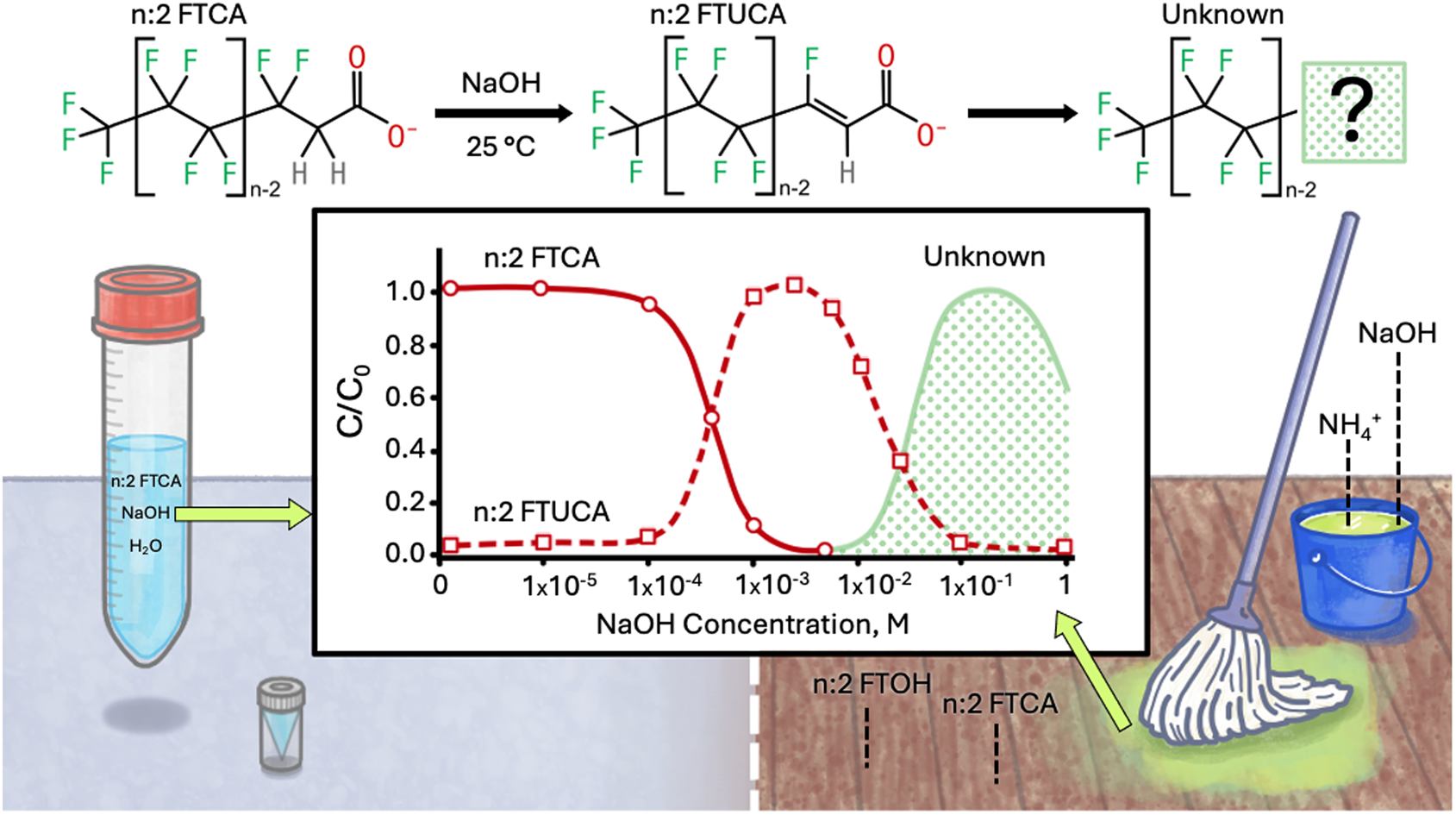
  Hydroxide-promoted transformation of fluorotelomer carboxylic acids at ambient temperature

Liliya Chernysheva, Elizabeth G. Curtis, Kyle Doudrick*

Environ. Sci.: Processes Impacts 2026; 28 (5): 1511–1520. https://doi.org/10.1039/d5em00821b


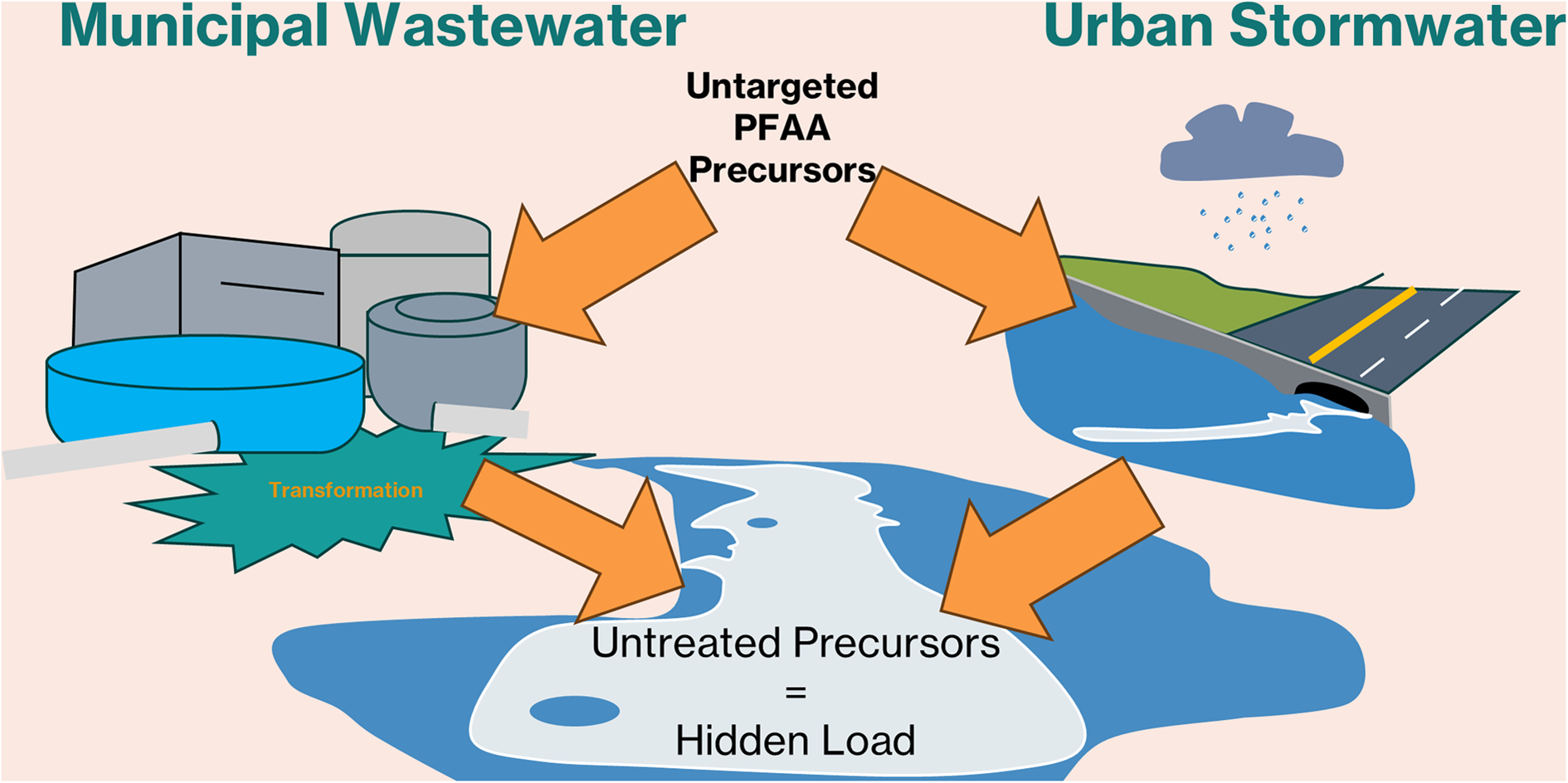
Perfluoroalkyl acid precursor discharge from engineered water systems: composition and treatment impacts

Lois D. Arku, Juhe Liu, Joseph A. Charbonnet*

Environ. Sci.: Processes Impacts 2026; 28 (5): 1521–1533. https://doi.org/10.1039/d6em00042h


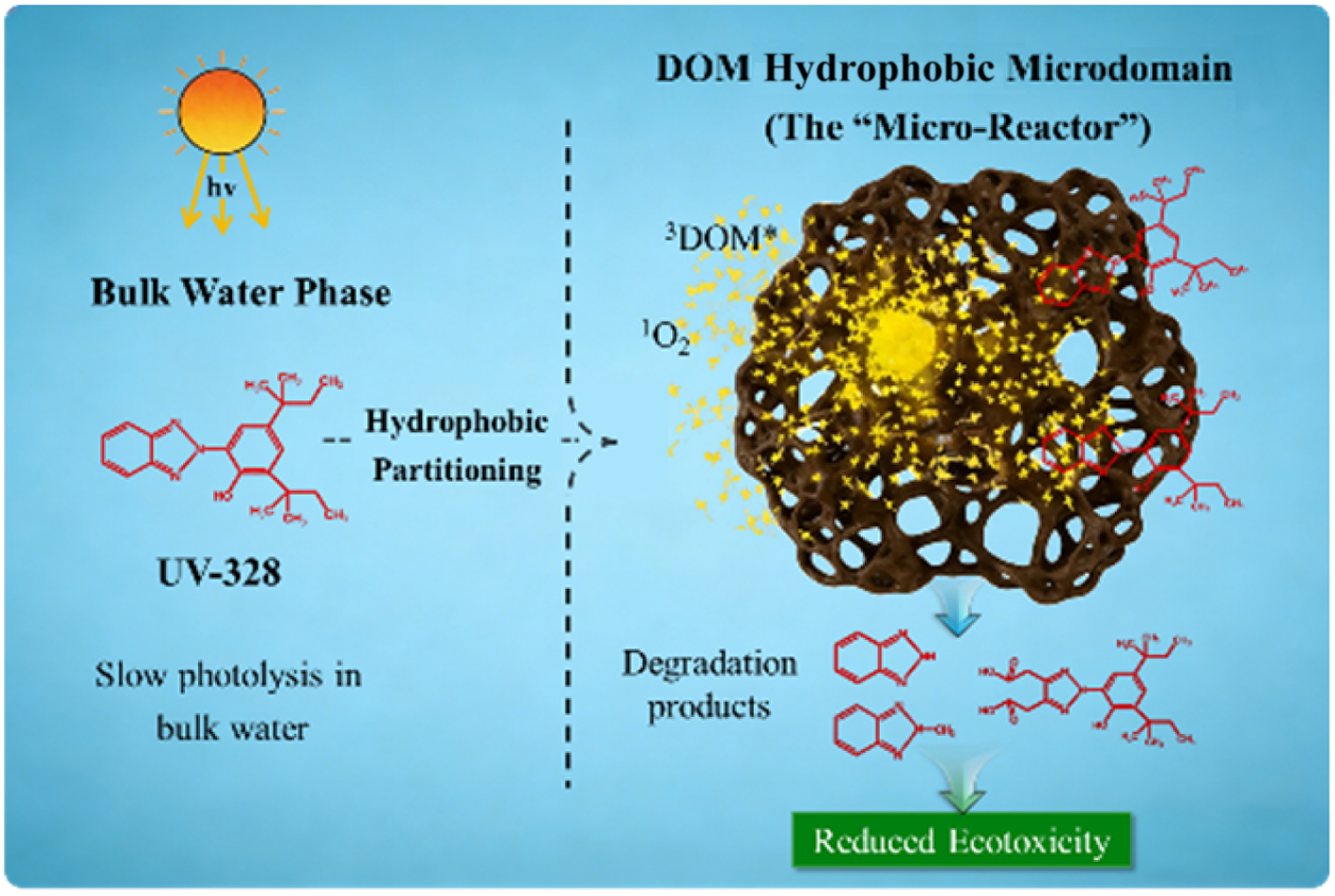
  Accelerated indirect photolysis of UV-328 within the hydrophobic microdomains of dissolved organic matter: the role of sorption and localized reactive intermediates

Mingzhu He, Zhansheng Li, Hongxia Zhao*, Yuhong Su*, Shafiul Azam, Jiawen Shao

Environ. Sci.: Processes Impacts 2026; 28 (5): 1385–1395. https://doi.org/10.1039/d6em00139d


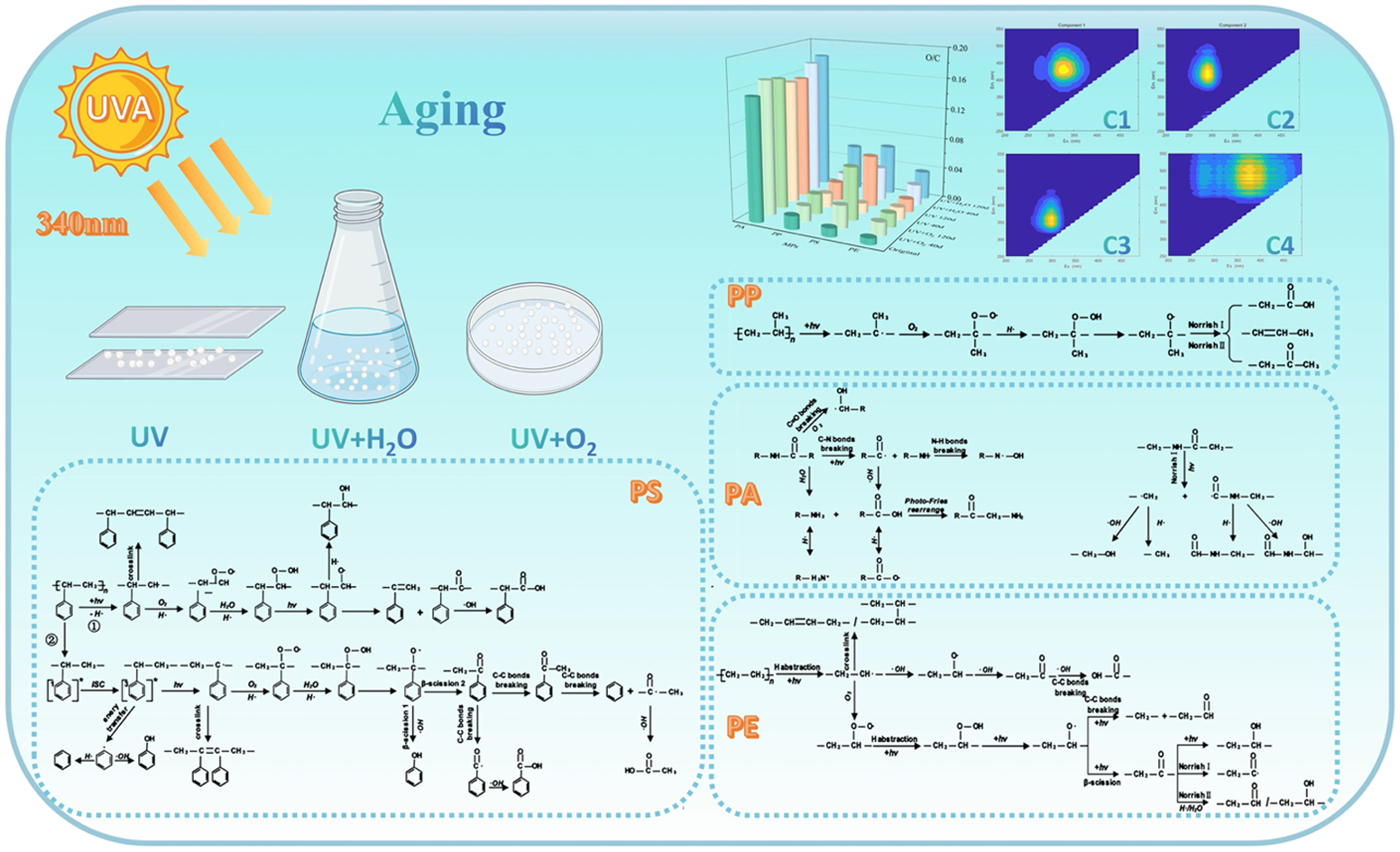
Photoaging of four microplastics under diverse conditions: characteristics and leachate composition studies

Jing Yang, Jing He*, Kening Tian

Environ. Sci.: Processes Impacts 2026; 28 (5): 1552–1565. https://doi.org/10.1039/d6em00102e


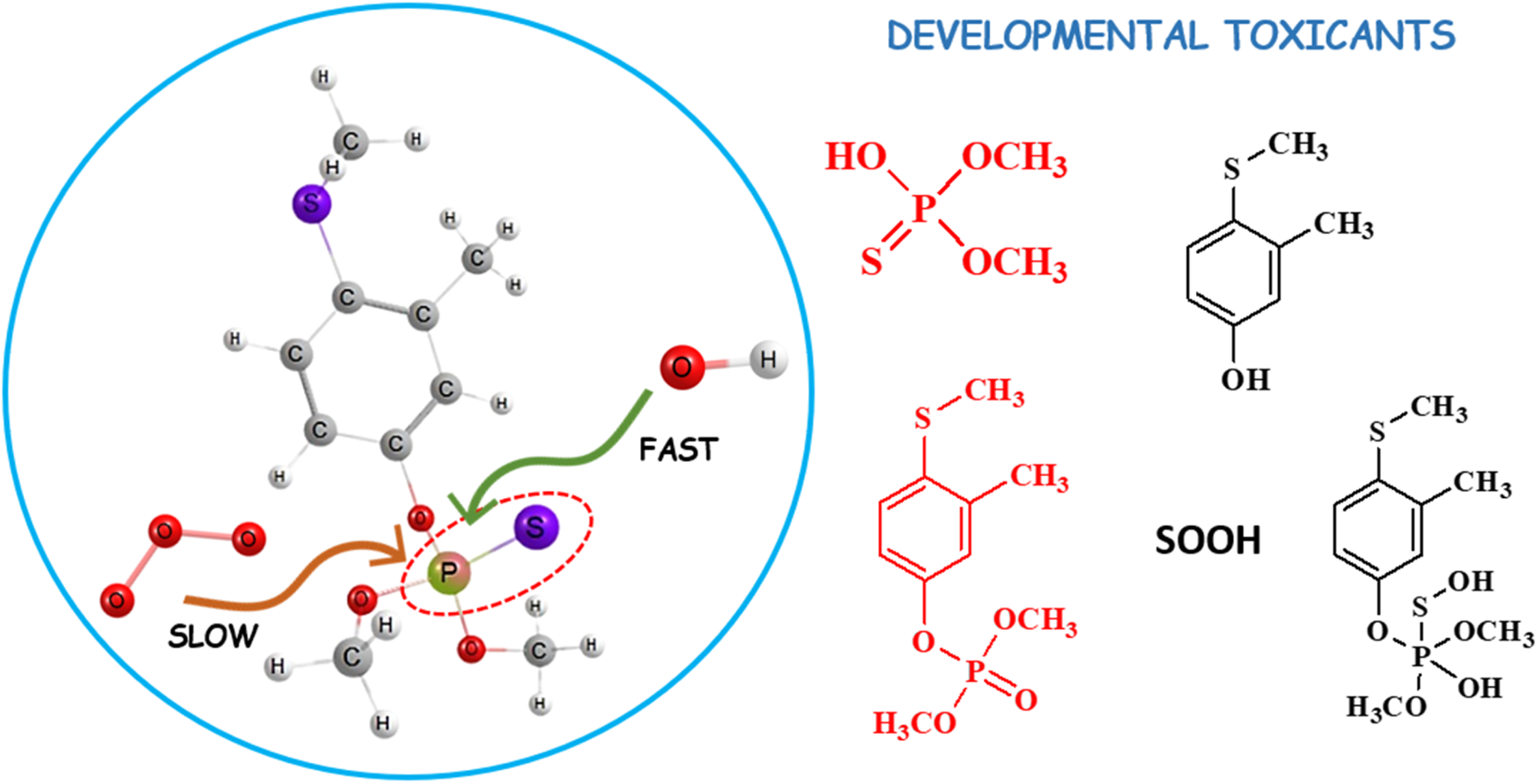
Fenthion reacts rapidly with atmospheric ˙OH, while its reaction with O3 is slow. The PS is found to be highly reactive. The subsequent reactions with O2, and ˙OH, forms closed-shell products which are developmental toxicants.   Atmospheric oxidation of fenthion initiated by hydroxyl radical and ozone

A. Bhavadharini, L. Sandhiya, K. Senthilkumar*

Environ. Sci.: Processes Impacts 2026; 28 (5): 1323–1337. https://doi.org/10.1039/d5em00984g

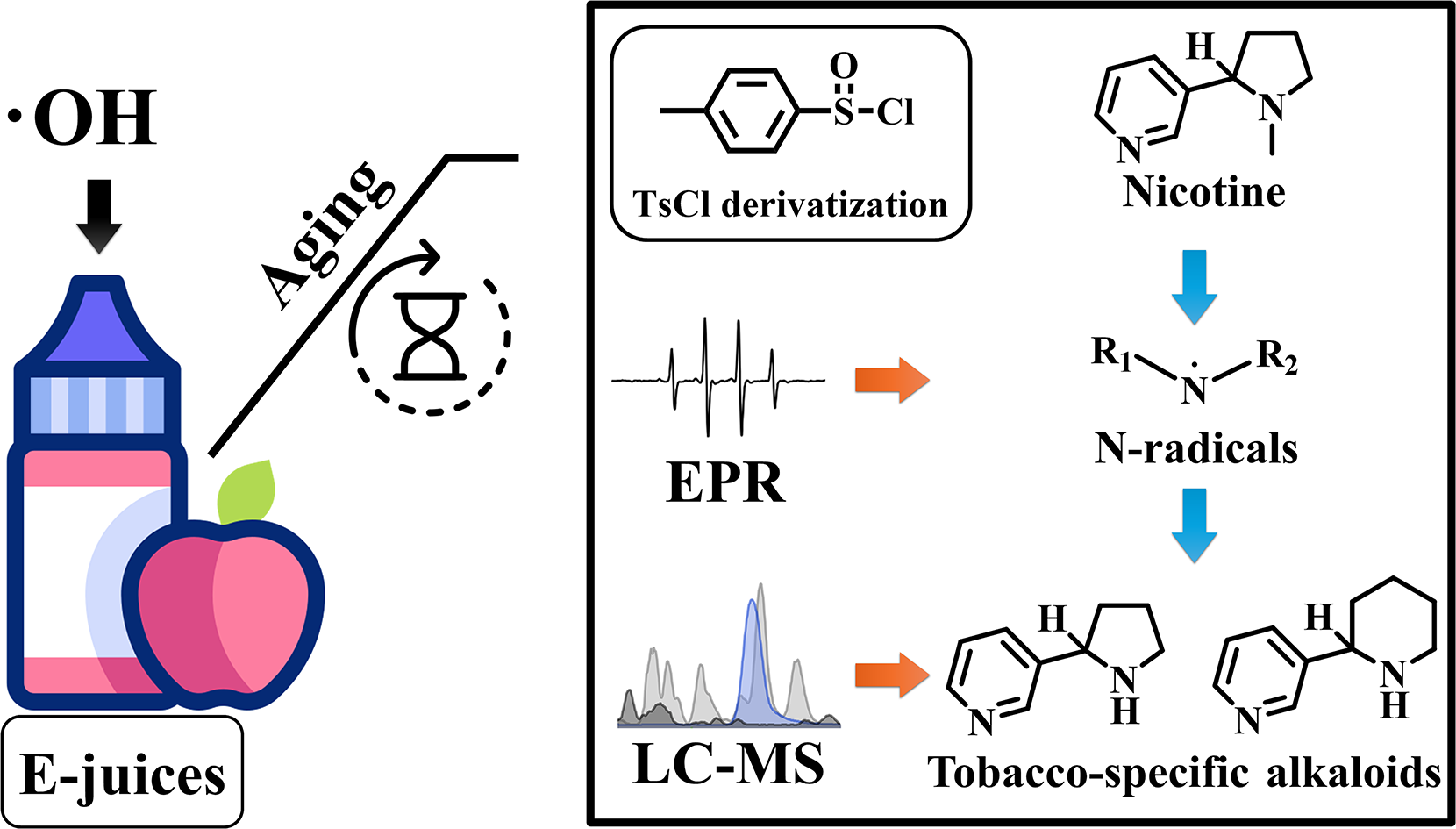
Tobacco-specific alkaloid (TSA) formation in aged e-cigarette juices: mechanistic insights into hydroxyl radical-initiated nicotine oxidation

Xinyang Guo, Bradley H. Isenor, Kimberly Wong, James Davis, Arthur Chan, Ran Zhao*

Environ. Sci.: Processes Impacts 2026; 28 (5): 1338–1347. https://doi.org/10.1039/d5em01030f


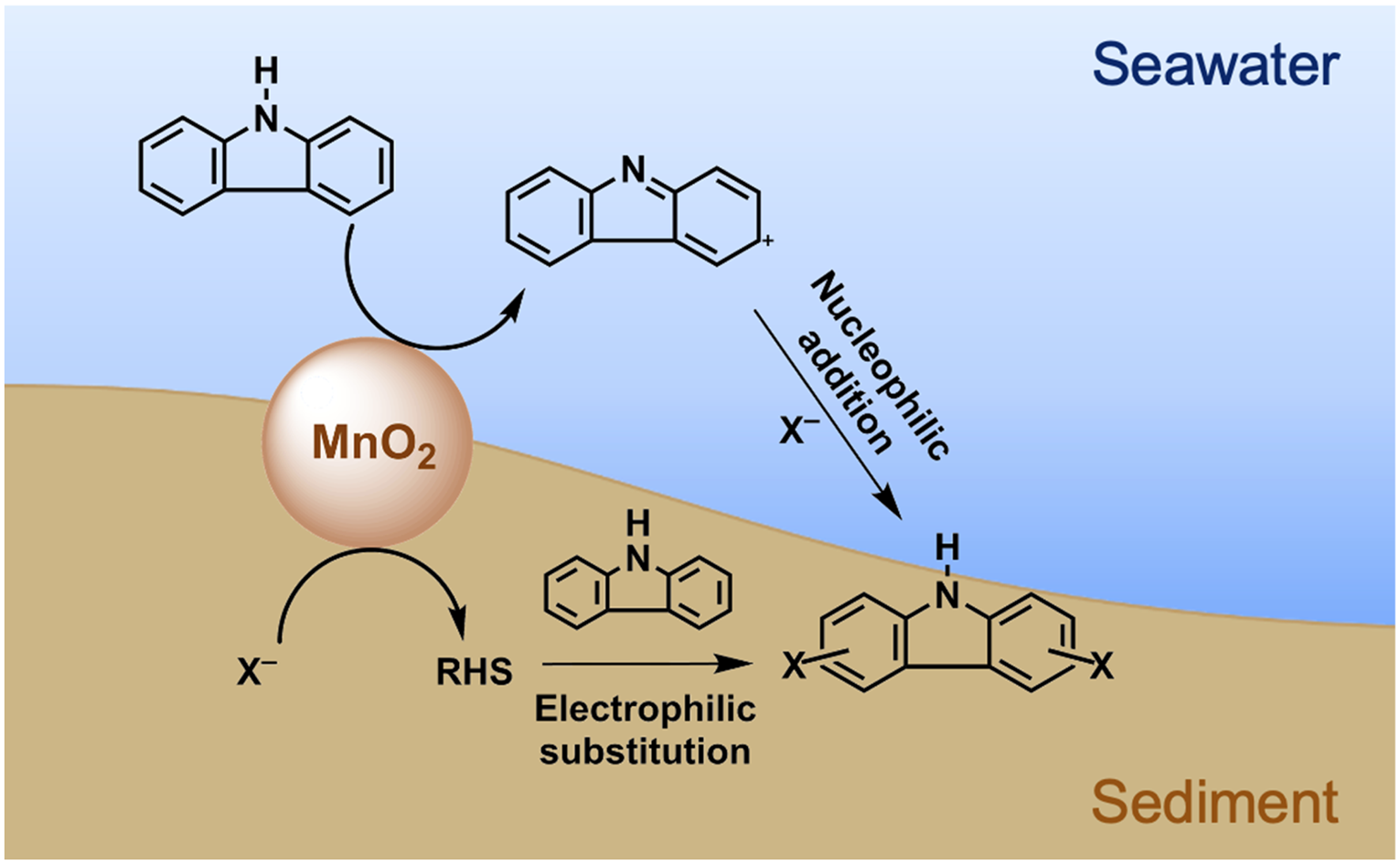
  Manganese oxide-mediated halogenation of carbazole under marine-related conditions

Meng Zhang, Jia Tang, Kunde Lin*

Environ. Sci.: Processes Impacts 2026; 28 (5): 1299–1308. https://doi.org/10.1039/d6em00064a


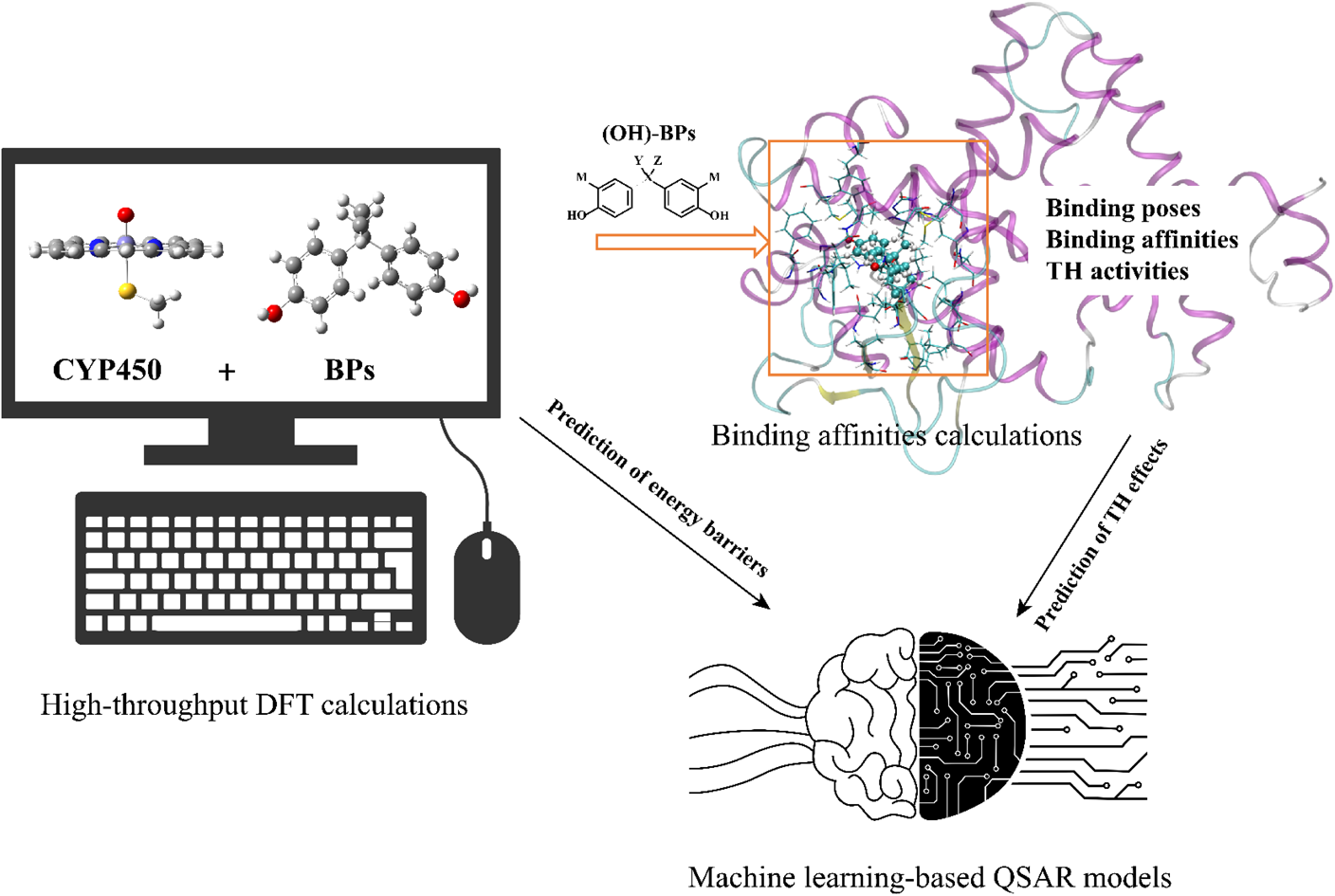
Machine learning-driven QSAR models for the prediction of metabolic mechanisms and thyroid hormone-disrupting effects of emerging pollutants in the human body: a case study of bisphenol analogues

Zijian Wang, Qingzhu Zhang*, Wenxing Wang, Qiao Wang

Environ. Sci.: Processes Impacts 2026; 28 (4): 949–960. https://doi.org/10.1039/d5em00891c


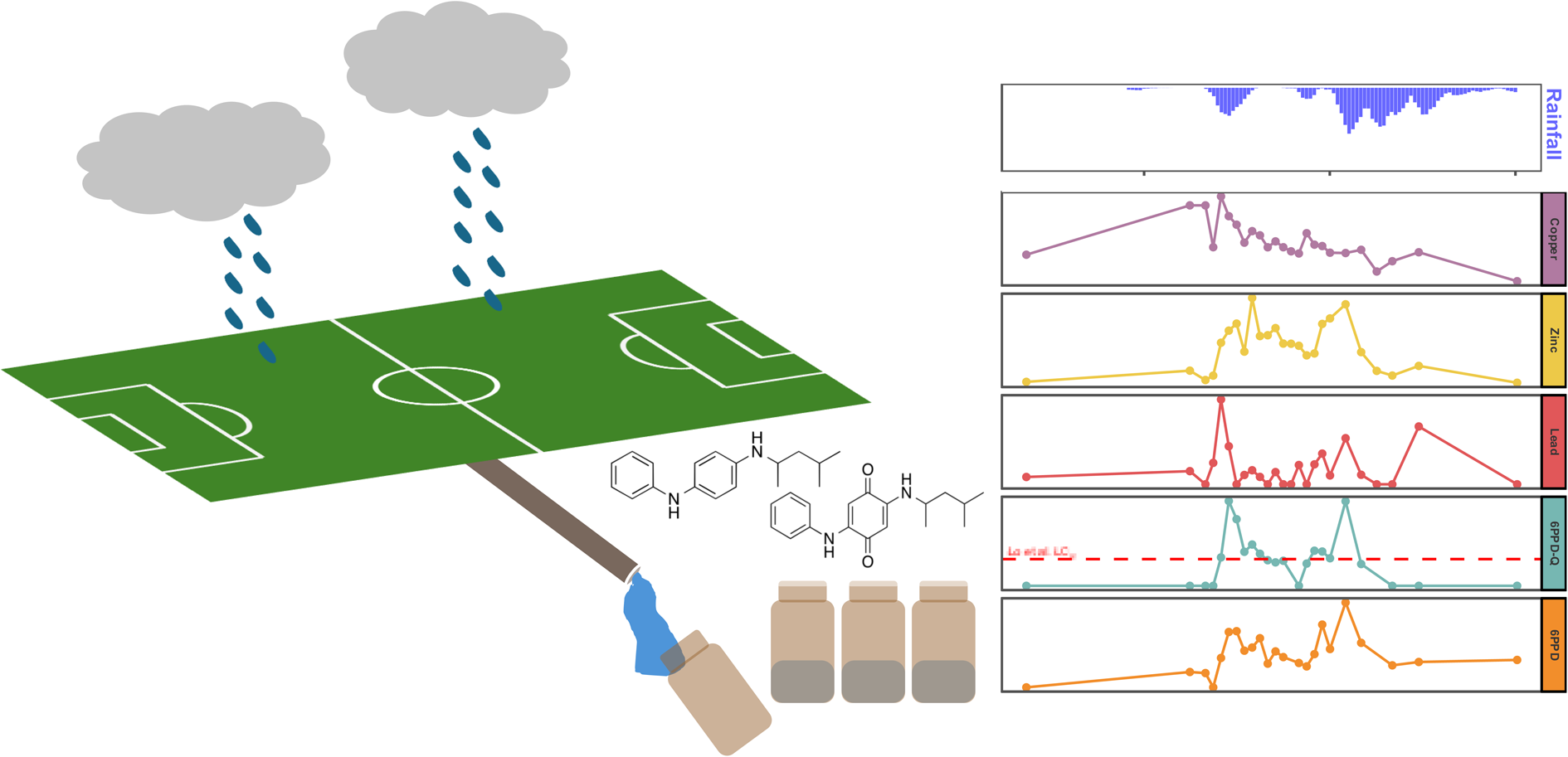
  Artificial turf fields act as recurring point sources of metals and emerging tire-derived contaminants in stormwater

Kate J. Moloney, Timothy F. M. Rodgers, Rachel C. Scholes*

Environ. Sci.: Processes Impacts 2026; 28 (4): 935–948. https://doi.org/10.1039/d5em01016k


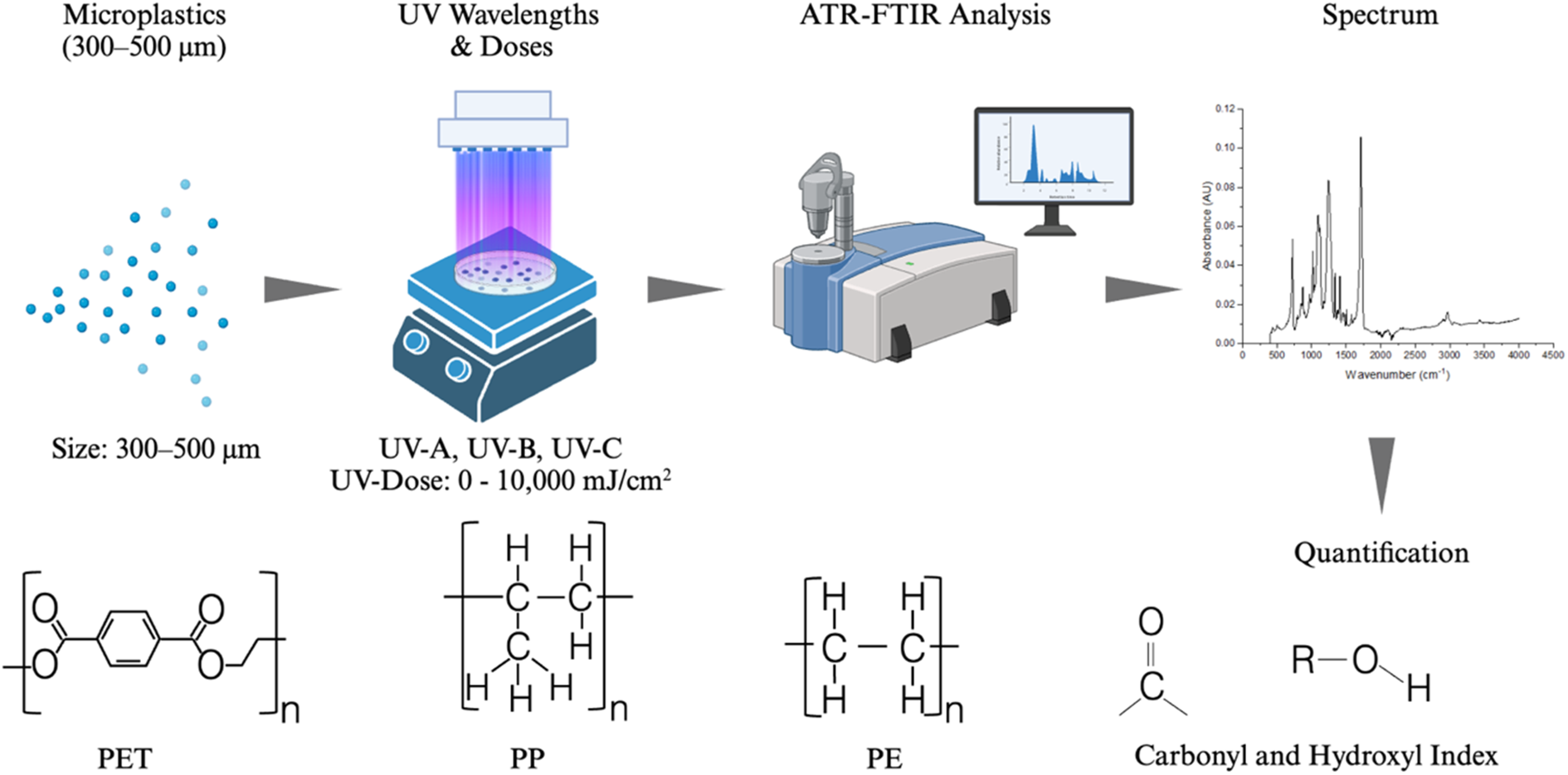
Wavelength-specific UV LED and far-UVC degradation of microplastics 

Thusitha Rathnayake, Paul Onkundi Nyangaresi, Sara E. Beck*

Environ. Sci.: Processes Impacts 2026; 28 (4): 1015–1029. https://doi.org/10.1039/d5em00818b


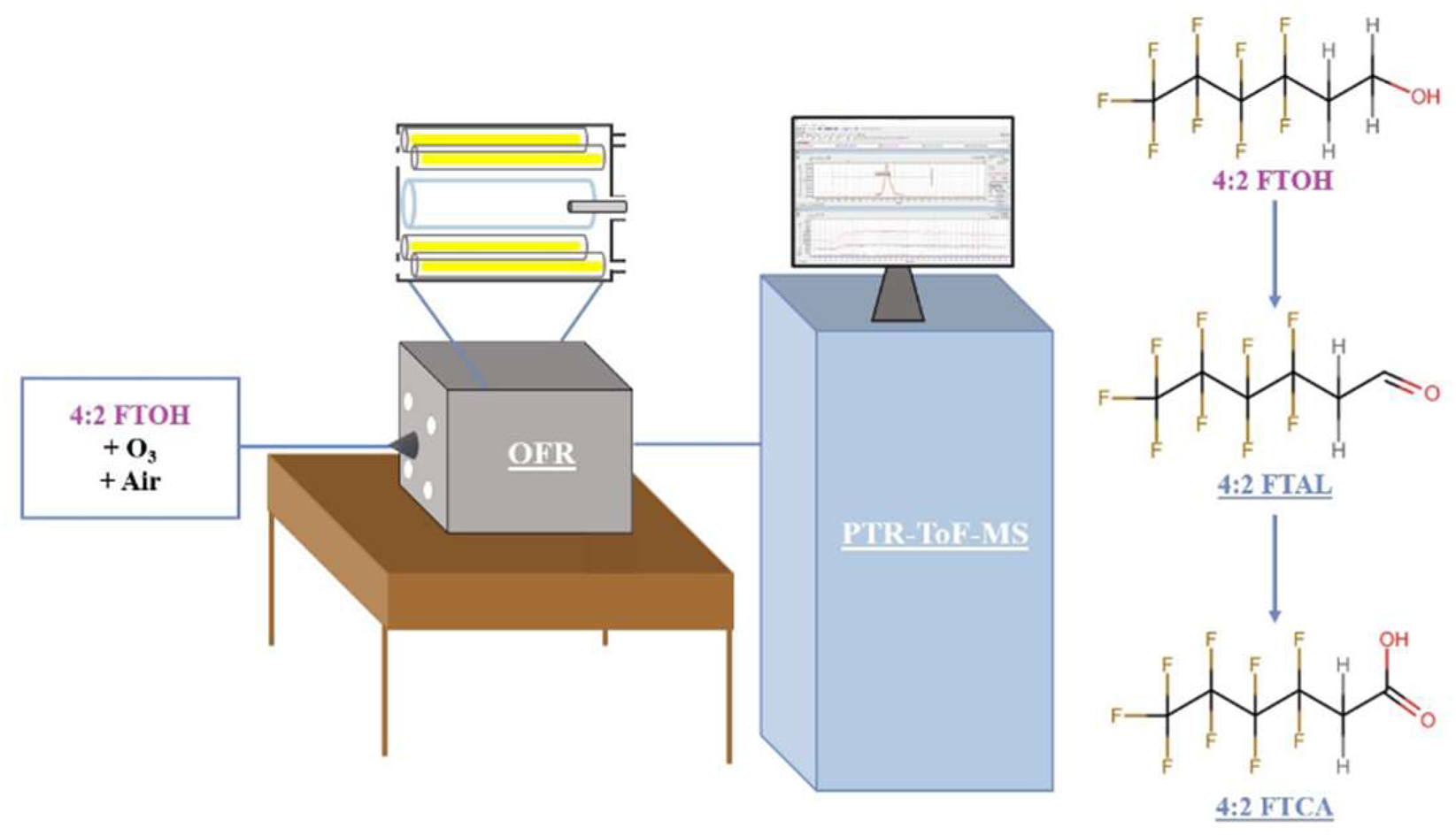
  Atmospheric fate of 4:2 fluorotelomer alcohol using an oxidation flow reactor and proton transfer reaction time-of-flight mass spectrometry

Alessia A. Colussi, Trevor C. VandenBoer, Cora J. Young*, John Liggio*

Environ. Sci.: Processes Impacts 2026; 28 (4): 986–997. https://doi.org/10.1039/d5em00943j


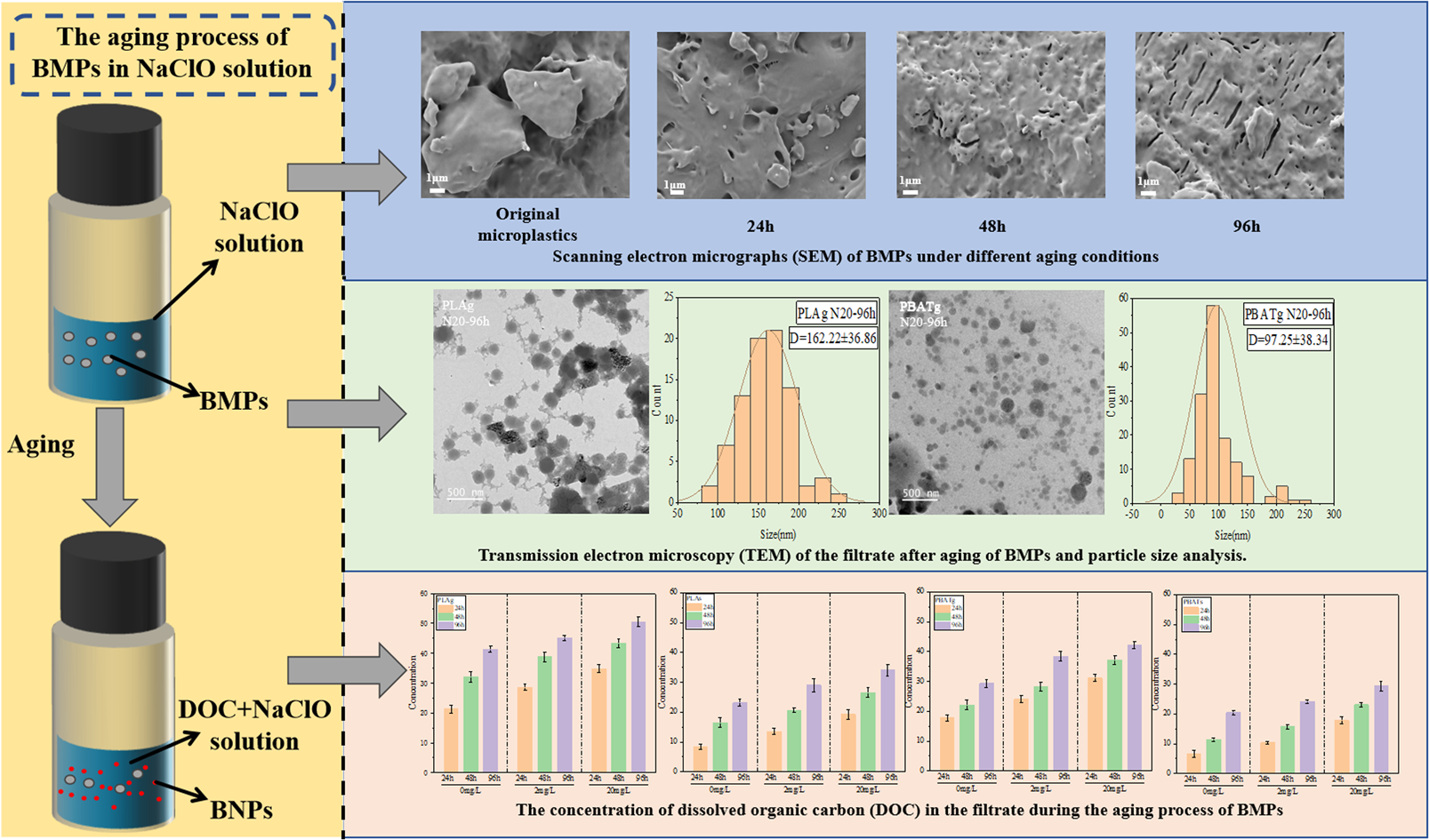
Chlorine disinfection enhances the degradation of biodegradable microplastics into nanoplastics and dissolved organic carbon in a simulated disinfection process

Xuefeng Jiang, Jianxin Fan*, Siyu Xu, Bocong Huang, Jiaoxia Sun

Environ. Sci.: Processes Impacts 2026; 28 (3): 805–816. https://doi.org/10.1039/d6em00030d


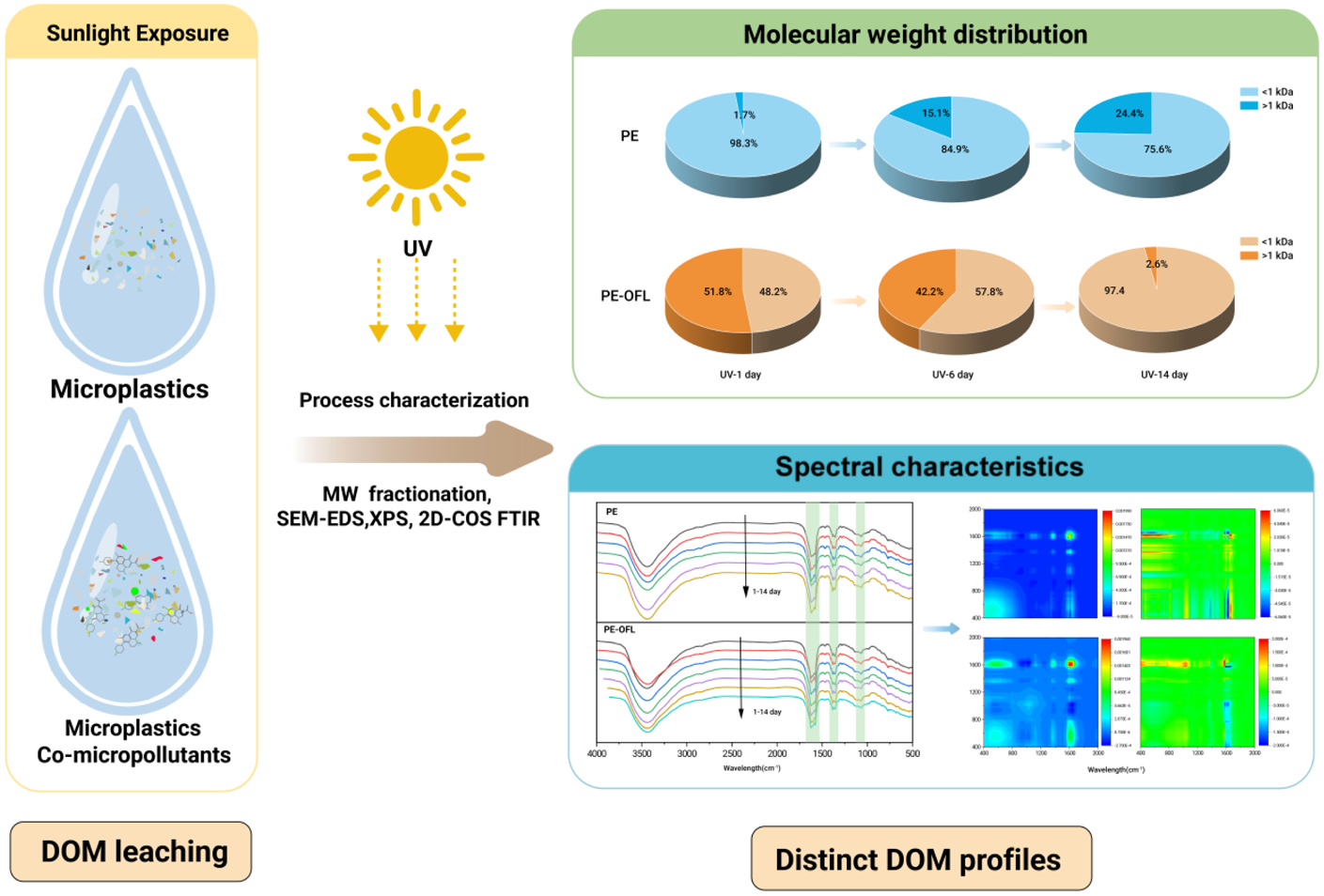
  Characteristics and mechanisms of dissolved organic matter leached by photodegradation of polyethylene microplastics: role of adsorbed antibiotics

Yanan Chen, Yunkun Qian*, Fan Liu

Environ. Sci.: Processes Impacts 2026; 28 (2): 624–634. https://doi.org/10.1039/d5em00805k


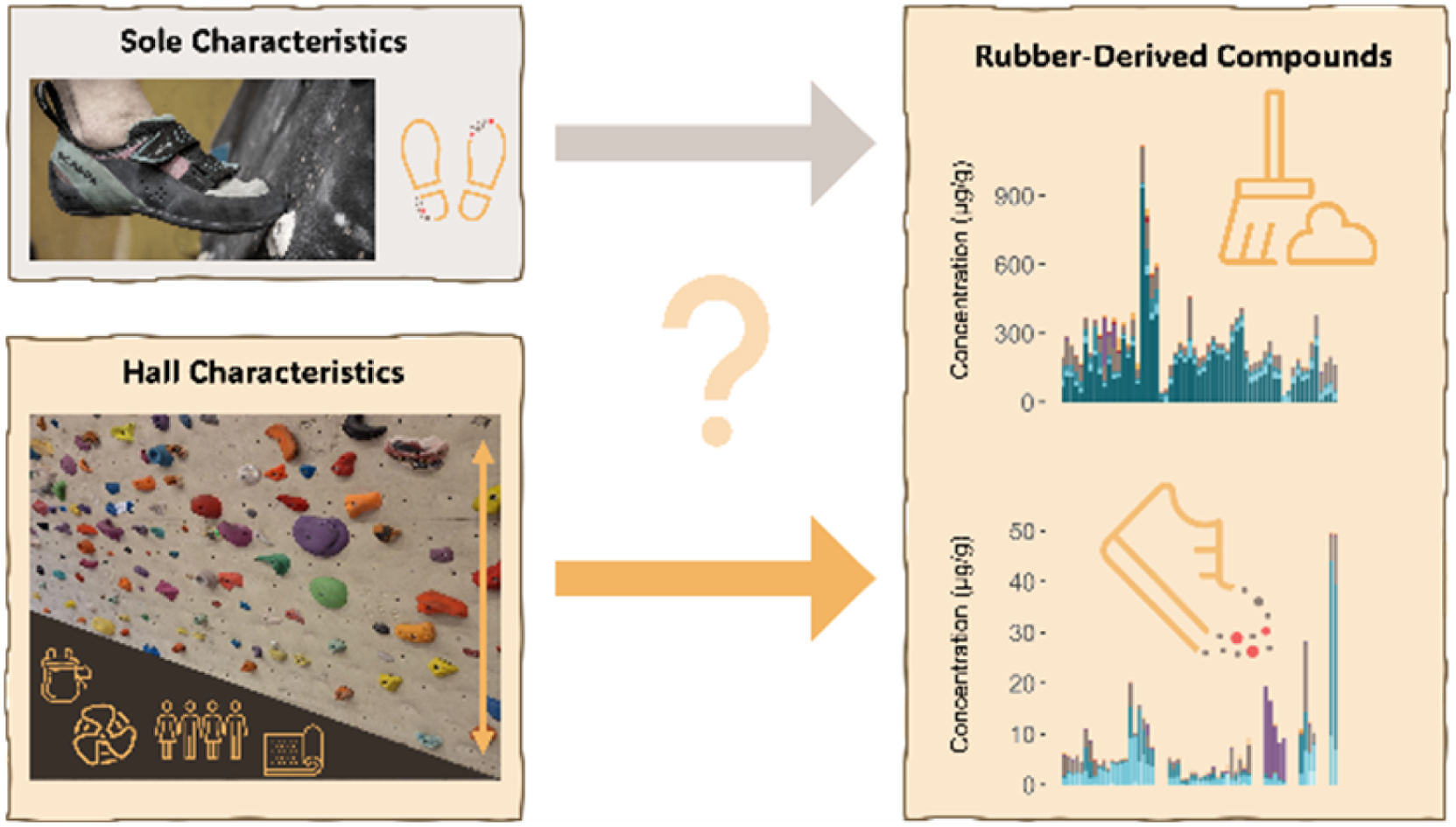
Minor influence of climbing hall characteristics on rubber-derived compound contamination highlights a need for material-level solutions

Anya Sherman, Laura Lotteraner, Leah K. Maruschka, Thilo Hofmann*

Environ. Sci.: Processes Impacts 2026; 28 (2): 468–480. https://doi.org/10.1039/d5em00812c

 
Digg This
Reddit This
Stumble Now!
Share on Facebook
Bookmark this on Delicious
Share on LinkedIn
Bookmark this on Technorati
Post on Twitter
Google Buzz (aka. Google Reader)

‘Indoor Environment’: A New ESPI Themed Collection

We are excited to launch Indoor Environment – a new Environmental Science: Processes & Impacts (ESPI)  themed collection!

Guest edited by Rachel O’Brien (University of Michigan) and Ellison Carter (Colorado State University), this collection showcases research that centres around questions of the built environment, featuring the impacts of interdisciplinary approaches.

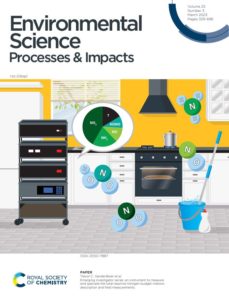
Learn more about fascinating topics such as the Longevity of size-dependent particle removal performance of do-it-yourself box fan air filters and The impact of surfaces on indoor air chemistry following cooking and cleaning. The first article demonstrates how low-cost do-it-yourself (DIY) air filters have the potential to improve the indoor environment by reducing particle concentrations and related human exposure. The second paper reveals how building design and surface materials could be altered in order to reduce the effects of indoor air pollution resulting from domestic activities.

In addition to the Open Access papers in this collection, all articles will be free to read until 13 October 2025. 

Digg This
Reddit This
Stumble Now!
Share on Facebook
Bookmark this on Delicious
Share on LinkedIn
Bookmark this on Technorati
Post on Twitter
Google Buzz (aka. Google Reader)

Indoor Chemistry issue now open for submissions

We are glad to announce that a new themed issue focusing on Indoor Chemistry is now open for submissions in Environmental Science: Processes & Impacts (ESPI). Guest edited by Rachel O’Brien (University of Michigan) and Ellison Carter (Colorado State University), the goal of this issue is to highlight research that centers around questions of the built environment, showcasing the impacts of interdisciplinary approaches.

We welcome contributors in diverse topics, included but not limited to indoor chemistry in the gas-phase, aerosol particles, and on surfaces; building materials and processes that impact indoor air quality; human behaviors, experiences, and impacts; outdoor indoor exchange of pollutants such as wildfire smoke; viruses and virus inactivation; and modeling across scales. This list is not exhaustive and other research areas that intersect with this theme are very welcome.

ESPI is a transformative journal publishing high quality papers in all areas of the environmental chemical sciences, including chemistry of the air, water, soil and sediment. We welcome studies on the environmental fate and effects of anthropogenic and naturally occurring contaminants, both chemical and microbiological, as well as related natural element cycling processes.

ESPI prefers significant contributions whose results can be generalised to other systems, especially studies that characterise chemical processes (e.g. chemical and (micro)biological transformations and transport) as well as those that address contaminant impacts on ecosystems and human health. We also welcome high impact field studies, particularly those that are broad enough to define occurrence baselines or long-term trends, identify new contaminants, or those that enrich our molecular-level understanding of environmental systems.

ESPI also invites papers that bridge between environmental chemistry and sustainability topics, such as life cycle assessment, materials flow analysis, and environmental decision making.

Digg This
Reddit This
Stumble Now!
Share on Facebook
Bookmark this on Delicious
Share on LinkedIn
Bookmark this on Technorati
Post on Twitter
Google Buzz (aka. Google Reader)

Environmental Science: Processes & Impacts Collections

Environmental Science: Processes & Impacts (ESPI) is the home for high-impact research in all areas of the environmental chemical sciences, including chemistry of the air, water, soil and sediment. We welcome studies on the environmental fate and effects of anthropogenic and naturally occurring contaminants, both chemical and microbiological, as well as related natural element cycling processes. Here, we’ve brought together our latest Article Collections and Themed Issues to enable you to easily navigate to content most relevant to you. We hope that you enjoy reading the papers in these collections.

Ongoing collections

HOT articles

Recent Reviews

Open Access articles

Emerging Investigators series


Themed issues and collections

Tracking complex mixtures of chemicals in Human- and Eco-Exposome 2023
Guest Edited by Mingliang Fang (Fudan University), Beate Escher (Helmholtz Centre for Environmental Research), Li Li (University of Nevada, Reno), and Zhenyu Tian (Northeastern University)

Indoor Air Quality 2023
A collection including ESPI and Environmental Science: Atmospheres articles, in collaboration with the Royal Society of Chemistry’s Policy and Evidence team

Chemistry of Atmospheric Pollutants 2023
Guest Edited by Amila De Silva (Environment and Climate Change Canada), Max McGillen (CNRS-ICARE), Jason Surratt (University of North Carolina) and Cora Young (York University)

Biogeochemistry of the Trace Elements 2022
Guest Edited by Lenny Winkel (Swiss Federal Institute of Aquatic Science and Technology) and Elsie Sunderland (Harvard University)

POPs and Chemicals of Emerging Arctic Concern: Influence of Climate Change 2022
Guest Edited by Derek Muir (Environment & Climate Change Canada), Cynthia de Wit (Stockholm University), Katrin Vorkamp (Aarhus University) and Simon Wilson (Stockholm University)

Cryosphere Chemistry 2020
Guest Edited by Rose Cory and Kerri Pratt (University of Michigan)

Halogenated (semi)volatile organic compounds (“X(S)VOCs”) 2020
Guest Edited by Elizabeth Edwards (University of Toronto), Lucy Carpenter (University of York), Sarah Blossom (University Arkansas Medical Science) and Paul Tratnyek (Oregon Health & Science University)

PFAS 2019
Guest Edited by Lutz Ahrens (Swedish University of Agricultural Sciences), Jonathan Benskin (Stockholm University, Sweden), Ian Cousins (Stockholm University, Sweden), Michelle Crimi (Clarkson University, USA) and Chris Higgins (Colorado School of Mines, USA)

Indoor Air : Sources, Chemistry and Health Effects 2019
Guest Edited by Delphine Farmer (Colorado State University, USA) and Marina Vance (University of Colorado at Boulder, USA)

The environmental geochemistry and biology of hydraulic fracturing 2019
Guest Edited by Desirée Plata (MIT), Rob Jackson (Stanford University), Paula Mouser (University of New Hampshire) and Avner Vengosh (Duke University)

Atmospheric Surfaces 2018
Edited by Marianne Glasius (Aarhus University, Denmark) and Guest Editors Merete Bilde (Aarhus University, Denmark) Neil Donahue (Carnegie Mellon University, USA), Miriam Freedman (Pennsylvania State University, USA) 

Mercury Biogeochemistry, Exposure, and Impacts 2018
Edited by former ESPI Associate Editor Helen Hsu-Kim (Duke University) and Guest Editors Chris Eckley (EPA) and Noelle Selin (MIT)

Bioanalytical tools for water and sediment quality assessment 2017
Edited by former ESPI Associate Editor Edward Kolodziej and Guest Editors Bryan Brooks (Baylor University, USA), Kyungho Choi (Seoul National University, Korea) and Ruth Marfil-Vega (American Water, USA)

QSARs and computational chemistry methods in environmental chemical sciences 2017
Guest Edited by Paul Tratnyek (OHSU) and Kathrin Fenner (Eawag)


Editor’s choice collections

Aquatic Photochemistry
Collated by ESPI Editor-in-Chief, Kris McNeill

Planetary Health
Collated by ESPI Associate Editor, Paul Tratnyek

Underappreciated Science
Collated by former ESPI Associate Editor, Ed Kolodziej

Digg This
Reddit This
Stumble Now!
Share on Facebook
Bookmark this on Delicious
Share on LinkedIn
Bookmark this on Technorati
Post on Twitter
Google Buzz (aka. Google Reader)

RSC Environmental Science Symposium at ACS Spring 2023

We are delighted to announce a special journal Symposium taking place at ACS Spring 2023 on Monday 27th March.

This symposium will highlight high-quality, cutting-edge research carried out by rising stars in the environmental sciences, alongside presentations from members of the Editorial Board and the recent Emerging Investigators of the Royal Society of Chemistry’s Environmental Science journals – Environmental Science: Advances, Environmental Science: Atmospheres,  Environmental Science: Nano, Environmental Science: Processes & Impacts and Environmental Science: Water Research & Technology.

More information about ACS Spring can be found here, in addition to information on how to register

Symposium details:

When: Monday 27th March (all-day)
Where: Room 112 (Indiana Convention Center), Indianapolis, IN, USA & Online

Speakers and talk titles:

8:30 AM Sarah Styler McMaster University, Canada
Building surfaces as mediators of the long-term air quality and health impacts of wildfire smoke events

8:50 AM Carrie McDonough Carnegie Mellon University, USA
The sum of its parts: Dosing with complex mixtures to deconstruct PFAS bioaccumulation 

9:10 AM Rawad Saleh University of Georgia, USA
Dissecting the complexity of brown carbon 

9:30 AM Elijah Schnitzler Oklahoma State University, USA
Light-absorption, hygroscopicity, and aging of biomass burning organic aerosol in the southern Great Plains 

9:50 AM Graham Gagnon Dalhousie University, Canada
Exploring decadal changes in natural organic matter quality in a browning drinking water supply using a large fluorescence dataset 

10:35 AM Rachel Scholes The University of British Columbia, Canada
Enhancing transformation of wastewater-derived trace organic contaminants in nature-based treatment systems 

10:55 AM Lucia Rodriguez Freire Newcastle University, UK
Harnessing the Plant Holobiont for Pollution Control and Resource Recovery 

11:15 AM Tara Kahan University of Saskatchewan, Canada
Micro-spectroscopy of solute-containing ice 

11:35 AM Paul Tratnyek Oregon Health & Science University, USA
Assessment and prediction of the physicochemical properties of per- and polyfluoroalkyl substances (PFAS) using statistical and computational chemical models 

2:05 PM Xiao Su University of Illinois Urbana-Champaign, USA
Electrochemically-driven reactive separations for environmental remediation and resource recovery 

2:25 PM Ngai Yin Yip Columbia University, USA
High-salinity electrodialysis with rationally-designed ion-exchange membranes 

2:45 PM Nirupam Aich University at Buffalo, USA [virtual]
Additive Manufacturing for Nano-Enabled Water Treatment Technologies: Opportunities and Challenges 

3:05 PM Michael Strano Massachusetts Institute of Technology, USA
Carbon Fixing Material Systems 

3:25 PM Kathryn Riley Swarthmore College, USA
Silver nanoparticle dissolution kinetics are mediated by the Caulobacter crescentus metabolite corona 

3:55 PM Amanda Giang The University of British Columbia, Canada & Miling Li University of Delaware, USA [virtual]
Investigating the dynamics of methylmercury bioaccumulation in the Beaufort Sea shelf food web: a modeling perspective 

4:15 PM Ines Zucker Tel Aviv University, Israel [virtual]
MoS2-based Nanocomposites for Water Decontamination 

4:35 PM Zeinab Hosseinidoust McMaster University, USA [virtual]
Putting bacteriophages to work for clean air, water, and food 

4:55 PM Susana Kimura University of Calgary, Canada [virtual]
The role of chlorinated benzotriazoles on the formation of disinfection byproducts 

5:15 PM Sara Mason Brookhaven National Laboratory, USA
Modeling Transformations of Nanomaterials in Aqueous Settings to Drive Sustainability and Function 

 

Digg This
Reddit This
Stumble Now!
Share on Facebook
Bookmark this on Delicious
Share on LinkedIn
Bookmark this on Technorati
Post on Twitter
Google Buzz (aka. Google Reader)

Themed Issue Open for Submissions: Chemistry of Atmospheric Pollutants

Environmental Science: Processes & Impacts seeks your highest impact research for our upcoming Themed Issue dedicated to Chemistry of Atmospheric Pollutants. 

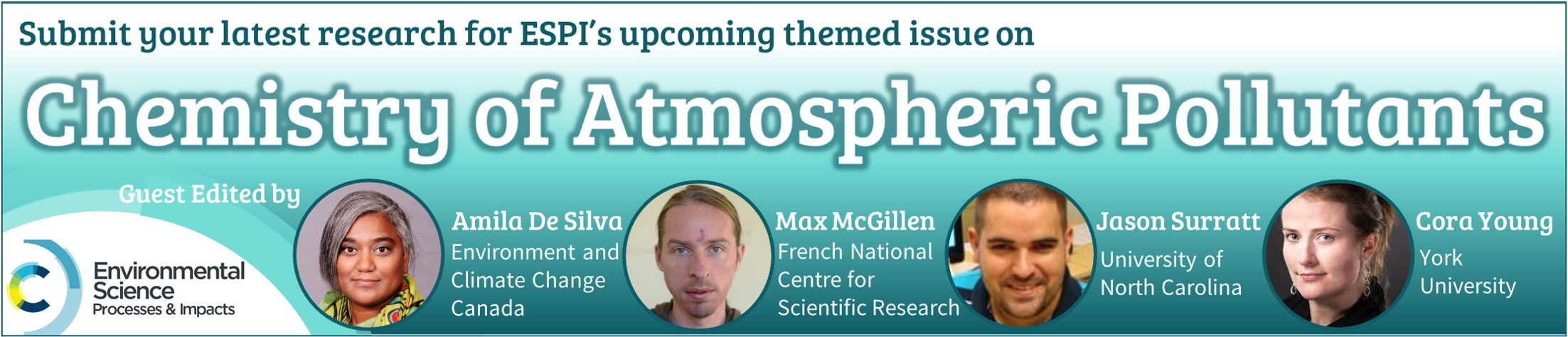
Guest Edited by ESPI Editorial Board member Amila De Silva (Environment and Climate Change Canada, Canada), Max McGillen (French National Centre for Scientific Research, France), Jason Surratt (University of North Carolina, USA) and Cora Young (York University, Canada).

The goal of the issue is to present advances in molecular-level study of atmospheric chemical processes that form our critical understanding of pollutant emissions, transport, transformation, and deposition. Such research is particularly apt given the accelerated perturbations such as climate change, changing emissions (including emerging contaminants), land development and regulations.

Submissions are open from now until 31st April 2022

We welcome urgent Communications, Full papers and Reviews. Articles can be submitted using our online submission system: https://mc.manuscriptcentral.com/em. Upon submission, please add ‘Invited for the Chemistry of Atmospheric Pollutants Themed Issue’ in step 4 of the submission process. All manuscripts will undergo initial assessment and peer review as per the usual standards of the journal.


Digg This
Reddit This
Stumble Now!
Share on Facebook
Bookmark this on Delicious
Share on LinkedIn
Bookmark this on Technorati
Post on Twitter
Google Buzz (aka. Google Reader)

Themed Issue Open for Submissions: Biogeochemistry of the Trace Elements

Environmental Science: Processes & Impacts seeks your highest impact research for our upcoming Themed Issue dedicated to Biogeochemistry of the Trace Elements

Guest Edited by Elsie Sunderland (Harvard University, USA) and Lenny Winkel (Swiss Federal Institute of Aquatic Science & Technology, Switzerland)

This themed issue will showcase advances in research on the biogeochemistry of trace elements, highlighting the wide range of biogeochemical processes and environmental impacts of essential as well as toxic trace elements. Of special interest for the themed issue is research related to interfaces, such as mineral-water and aerosol-gas phase reactions, research linking environmental compartments, such as hydrosphere/ atmosphere interactions and regional/ global trace element cycling, as well as research on coupled biogeochemical cycles, such as coupled trace element cycles or coupled trace element-carbon cycling.

Submissions due: 17th December 2021

Submit your work now: https://mc.manuscriptcentral.com/em

We welcome urgent Communications, Full papers and Reviews. Upon submission, please add ‘‘Invited for the Biogeochemistry of the Trace Elements themed issue’ in step 4 of the submission process. All manuscripts will undergo initial assessment and peer review as per the usual standards of the journal.

Digg This
Reddit This
Stumble Now!
Share on Facebook
Bookmark this on Delicious
Share on LinkedIn
Bookmark this on Technorati
Post on Twitter
Google Buzz (aka. Google Reader)

Themed Issue Open for Submissions: Wildfires – influence on air, soil and water

Environmental Science: Processes & Impacts seeks your highest impact research for our upcoming Themed Issue dedicated to Wildfires – Influence on air, soil and water.

Guest Edited by Alex Chow (Clemson University, USA) and Lu Hu (University of Montana, USA)

Ash and smoke from wildfire and prescribed fires can contaminate soil, air, and water, impacting millions of people worldwide every year. The burn area, frequency, and severity are predicted to continue increasing under a future warmer climate. In addition to the dangers of heat from an active fire, fire smoke emits hundreds if not thousands of air toxins, posing significant threats to public health and wildlife. Ash and fire retardants negatively affect soil and water quality, threatening aquatic biotics, agricultural operation, and municipal water supplies downstream. Long-term changes in vegetation composition and land cover can also alter nutrient cycles, ecosystem function, and even climate.

Despite its significant impacts on the environment, there are still many knowledge gaps on the environmental chemistry of wildfires – from essential and trace elements, heavy metals, nutrients, organic compounds, to pyrogenic and black carbon. Furthermore, studies connecting these chemicals among air, soil, and water are extremely limited. This wildfires-themed issue is to encourage the communication and understanding from atmospheric, soil and water chemistry. Laboratory, field, numerical model, and remote sensing approaches to study the processes and impact of wildfires and prescribed fire on either soil, water, air, climate, or the interfaces among them are welcome.

Submissions due: 31st March 2022

Submit your work now: mc.manuscriptcentral.com/em

Upon submission, please add ‘Invited for the Wildfires themed issue’ in step 4 of the submission process. All manuscripts will undergo initial assessment and peer review as per the usual standards of the journal.

Digg This
Reddit This
Stumble Now!
Share on Facebook
Bookmark this on Delicious
Share on LinkedIn
Bookmark this on Technorati
Post on Twitter
Google Buzz (aka. Google Reader)

Halogenated (semi)volatile organic compounds – Themed Issue in ESPI

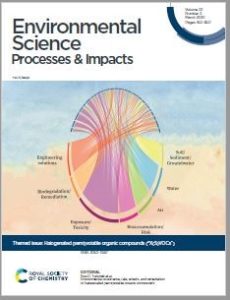
In March 2020 Environmental Science: Processes & Impacts published a special issue on Halogenated (semi)volatile organic compounds (“X(S)VOCs”).

Guest Edited by Elizabeth Edwards (University of Toronto), Lucy Carpenter (University of York), Sarah Blossom (University Arkansas Medical Science) and ESPI Associate Editor Paul Tratnyek (Oregon Health & Science University) this Themed Issue features research and reviews on chlorinated solvents, their metabolites, disinfection byproducts, and their environmental occurrence, fate, effects, and remediation. You can read the Editorial introducing this issue here.


Read the full issue at rsc.li/halocarbons

Below is a small selection of some of the articles featured in this issue:

Retrospective on microbial transformations of halogenated organics
L. McCarty, C. S. Criddle and T. M. Vogel

Placenta as a target of trichloroethylene toxicity
Elana R. Elkin, Sean M. Harris, Anthony L. Su, Lawrence H. Lash and Rita Loch-Caruso

Quantifying the efficiency and selectivity of organohalide dechlorination by zerovalent iron
Feng He, Li Gong, Dimin Fan, Paul G. Tratnyek and Gregory V. Lowry

Natural and anthropogenic sources of bromoform and dibromomethane in the oceanographic and biogeochemical regime of the subtropical North East Atlantic
Melina Mehlmann, Birgit Quack, Elliot Atlas, Helmke Hepach and Susann Tegtmeier

Diverse dechlorinators and dechlorination genes enriched through amendment of chlorinated natural organic matter fractions
Hanna R. Temme and Paige J. Novak

Summation of disinfection by-product CHO cell relative toxicity indices: sampling bias, uncertainty, and a path forward
Elizabeth McKenna, Kyle A. Thompson, Lizbeth Taylor-Edmonds, Daniel L. McCurry and David Hanigan

Comparison of modeled and measured indoor air trichloroethene (TCE) concentrations at a vapor intrusion site: influence of wind, temperature, and building characteristics
Elham Shirazi, Gregory S. Hawk, Chase W. Holton, Arnold J. Stromberg and Kelly G. Pennell

We hope that you enjoy reading the great research featured in this issue.

Digg This
Reddit This
Stumble Now!
Share on Facebook
Bookmark this on Delicious
Share on LinkedIn
Bookmark this on Technorati
Post on Twitter
Google Buzz (aka. Google Reader)

Halogenated (semi)volatile organic compounds (“X(S)VOCs”) Themed Issue

Environmental Science: Processes & Impacts (ESPI) seeks your high-impact research for our upcoming Themed Issue on Halogenated (semi)volatile organic compounds (“X(S)VOCs”).

Guest Edited by Elizabeth Edwards (University of Toronto), Lucy Carpenter (University of York), Sarah Blossom (University Arkansas Medical Science) and ESPI Associate Editor Paul Tratnyek (Oregon Health & Science University) this issue will focus especially on chlorinated solvents (TCE), their metabolites, disinfection byproducts (THMs), etc. and their environmental occurrence, fate, effects, and remediation. A wide range of contributions are encouraged, from any compartment (air, soil, water, biota, etc.).

Submissions for this Themed Issue are due by 1st November 2019 – if you would like to submit to this Themed Issue, please contact the Environmental Science: Processes & Impacts Editorial Office at espi-rsc@rsc.org to let us know.


Guest Editors (Left to Right): Elizabeth Edwards (University of Toronto), Lucy Carpenter (University of York), Sarah Blossom (University Arkansas Medical Science) and ESPI Associate Editor Paul Tratnyek (Oregon Health & Science University)

Click here to return to the journal homepage

Digg This
Reddit This
Stumble Now!
Share on Facebook
Bookmark this on Delicious
Share on LinkedIn
Bookmark this on Technorati
Post on Twitter
Google Buzz (aka. Google Reader)