Meet the authors of the 2026 Nanoscale Advances Paper Prize winning paper

We are delighted to celebrate the 2026 Nanoscale Advances Paper Prize, highlighting the most significant articles published in the journal in the previous calendar year! Find out more about Ritu Ladhi, Arshminder Kaur Dhillon and Monika Singh, the authors of the 2026 Nanoscale Advances Paper Prize winning paper A metal–organic framework with chiral nanochannels for enantioselective fluorescence switching of amino alcohols.


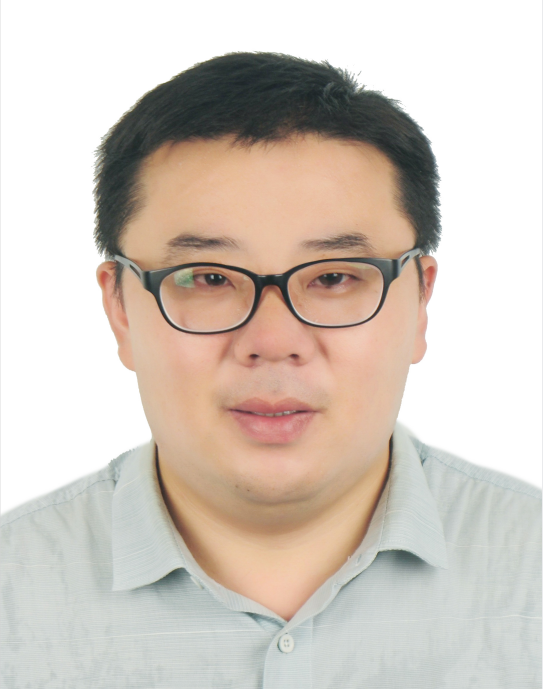
Dr. Monika Singh (corresponding author). 

After her PhD (Materials Chemistry) from IIT Delhi, India, Dr. Monika Singh joined Institute of Nano Science and Technology (INST), Mohali as a Scientist in 2013 where she is continuing till now. Currently she is Scientist E (Associate Professor) at INST Mohali. INST Mohali is an autonomous Institute of Department of Science and Technology (DST), Government of India. Dr. Singh’s research interest lies in Developing nanoporous materials (e.g. MOFs, POMs, POMOFs) for various applications such as carbon dioxide sequestration, sensing, electrocatalysis and anti-cancer

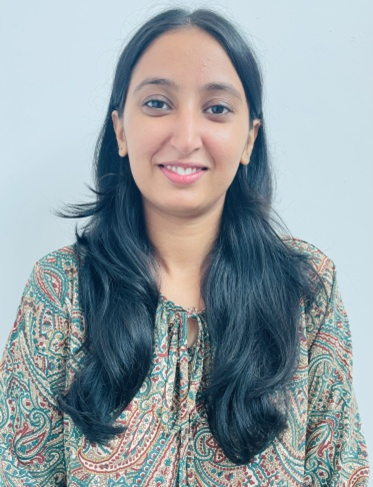
Ritu Ladhi (First author).

Ritu Ladhi obtained her Bachelor’s and Master’s degrees in Chemistry with first-class honors from Panjab University, Chandigarh, in 2016 and 2018, respectively. In 2020, she joined Ph.D. at the Institute of Nano Science and Technology (INST), Mohali, while enrolled at the Indian Institute of Science Education and Research (IISER) Mohali, under the supervision of Dr. Monika Singh. Her doctoral research focuses on designing and engineering Metal-Organic Frameworks (MOFs) for the sensing of environmental pollutants. Her broader scientific interests include porous functional materials design, fluorometric sensing and photocatalytic applications.

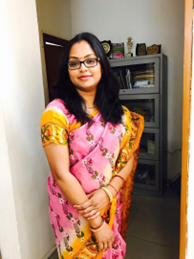
Arshminder Kaur Dhillon (Second author)

Arshminder kaur Dhillon obtained her Bachelor’s and Master’s degrees in Chemistry with first-class honors from Panjab University, Chandigarh. She joined Dr. Singh’s laboratory as a research scholar in August 2022 at the Institute of Nano Science and Technology (INST), Mohali, while enrolled at the Indian Institute of Science Education and Research (IISER) Mohali. Her doctoral research focuses on designing Metal-Organic Frameworks (MOFs) for various applications such as sensing of harmful chemicals, catalysis etc.


What aspect of your work are you most excited about at the moment?

Monika Singh: The most exciting part of this work is understanding how a chiral environment can emerge from an achiral linker system and exhibit high enantiomeric selectivity. In our work, observing distinct turn-off and turn-off-on fluorescence responses for different amino alcohol enantiomers was particularly interesting because it gave us insight into how subtle host-guest interactions inside the chiral MOF channels influence sensing performance. This work is a small contribution to the field of chiral porous materials, where the symmetry-breaking process induces chirality in a MOF constructed from achiral linkers. Although this area is still relatively less explored, there is significant scope for further investigation into how such crystallisation processes can be tailored to induce and control chirality in MOFs.


How do you feel about Nanoscale Advances as a place to publish research on this topic?

Monika Singh: I feel that Nanoscale Advances is a very suitable platform for this kind of interdisciplinary research. The journal covers innovative and emerging concepts in materials chemistry and nanoscience, which aligns well with our study. The journal has a broad readership, which makes it a valuable platform for communicating research that connects MOFs, chirality, and sensing applications. I also appreciate the journal’s emphasis on high-quality and impactful studies in rapidly developing research fields.


Can you share one piece of career-related advice for early career scientists?

Monika Singh: I would say that in research, there is rarely completely “right” or “wrong” data, it is our keen observation and understanding that give meaning to the results. Sometimes the most unexpected observations lead to the most interesting discoveries, so young researchers should stay curious and pay attention even to results that initially seem unusual or unsuccessful.

Digg This
Reddit This
Stumble Now!
Share on Facebook
Bookmark this on Delicious
Share on LinkedIn
Bookmark this on Technorati
Post on Twitter
Google Buzz (aka. Google Reader)

Announcing the 2026 Nanoscale Advances Paper Prize winners

We are delighted to announce the 2026 Nanoscale Advances Paper Prize, celebrating the most significant articles published in the journal in the previous calendar year! 

This year we recognise three outstanding papers that were published in 2025. Find the winning and runner-up papers below.


Nanoscale Advances 2026 Paper Prize Winner:

A metal–organic framework with chiral nanochannels for enantioselective fluorescence switching of amino alcohols

Ritu Ladhi,  Arshminder Kaur Dhillon and Monika Singh


Nanoscale Advances 2026 Paper Prize runner up: 

Multifunctional terahertz metamaterials device based on a dual-tunable structure incorporating graphene and vanadium oxide

Wenchao Zhao, Xiaowei Lv, Qianqian Xu, Zhengji Wen, Yuchuan Shao, Changlong Liud and Ning Dai

Digg This
Reddit This
Stumble Now!
Share on Facebook
Bookmark this on Delicious
Share on LinkedIn
Bookmark this on Technorati
Post on Twitter
Google Buzz (aka. Google Reader)

High throughput synthesis, characterisation and optimisation of nanomaterials

Read the new collection in Nanoscale Advances

We are delighted to introduce a new themed collection focusing on High throughput synthesis, characterisation and optimisation of nanomaterials!


Read the collection for free today

Read the editorial


Guest edited by Dr Philip D. Howes (University of Sussex, United Kingdom), Dr Caterina Minelli (National Physical Laboratory, United Kingdom), Dr Michael Thomas (University College London, United Kingdom and Dr Catherine Hansel (Ellison Institute of Technology, United Kingdom), this themed collection focuses on pioneering nanotechnology and biotechnology with topics exploring how high-throughput methods and automation are enabling breakthroughs in nanomaterials design and development with transformative potential in several fields of research. This collection explores the advances of high-throughput synthesis in scalable and efficient approaches to synthesising nanomaterials with precise control over their properties. It includes innovative characterisation techniques, accelerated optimisation, data-driven approaches in nanotechnology and other cross-disciplinary applications which demonstrate the role of high-throughput nanomaterials research in areas such as medicine, renewable energy, catalysis, advanced electronics, food safety and wearable technologies.

We hope you enjoy reading the papers in this collection!

Did you know?
At the nanoscale journal family, our themed collections are built by collaboration between our Guest Editors and expert Associate Editors. Our Guest Editors guide the scope and curate the contributions in our collections but all submissions are handled through peer review by our team of resident Associate Editors. This means that as an author you receive a consistent experience, and as a reader you can trust the quality of the science being presented.


If you have an idea for a topical collection in your research field, we’d love to hear from you! Get in touch at nanoscaleadvances-rsc@rsc.org 


Digg This
Reddit This
Stumble Now!
Share on Facebook
Bookmark this on Delicious
Share on LinkedIn
Bookmark this on Technorati
Post on Twitter
Google Buzz (aka. Google Reader)

Call for papers: Extracellular Vesicles

We are pleased to open submissions to this themed collection on Extracellular Vesicles running across Nanoscale and Journal of Materials Chemistry B.

This themed collection is guest edited by Dr Marley Dewey (University of California Santa Barbara, United States), Professor Chao Wang (Soochow University, China) and Professor Cristiana Boi (University of Bologna, Italy).

Extracellular vesicles are naturally occurring lipid-bound nanoparticles secreted by cells across kingdoms for cell-cell communication. These vesicles are critical for many biological processes, including disease, wound repair, cancer, and infection, among others. To understand and apply extracellular vesicles for biological applications, this involves the synergy of multiple fields, including chemistry, materials, biology, and nanoscience. This themed collection combines research from Journal of Materials Chemistry B and Nanoscale, representing the cross-disciplinary nature of extracellular vesicle research. This collection aims to publish high-impact articles on extracellular vesicles, with a focus on the connections between materials chemistry and these nanoscale particles. Articles of interest include materials innovations containing extracellular vesicles, how material and chemical modifications could better isolate or alter extracellular vesicle production and application, among others. We hope this collection offers new technologies, knowledge, and inspiration for researchers, clinicians, industry, and more to improve both our understanding of extracellular vesicle biology and the application of these for improving human lives.

Submit by 30th September 2026

Find out more about this open call

Submit to Nanoscale

Submit to Journal of Materials Chemistry B


We encourage submissions of primary research articles, and these should fit within the scope of Nanoscale or Journal of Materials Chemistry BWe invite authors to select the journal that best suits their submission.

We sincerely hope that you will be able to accept our invitation to this themed collection and we look forward to hearing from you in the very near future.

Digg This
Reddit This
Stumble Now!
Share on Facebook
Bookmark this on Delicious
Share on LinkedIn
Bookmark this on Technorati
Post on Twitter
Google Buzz (aka. Google Reader)

Call for papers: Nanoelectronics

We are pleased to open submissions to a themed collection on Nanoelectronics. This collection will be published in the Royal Society of Chemistry Journal Nanoscale and we invite you to submit some of your latest quality work to be featured in this special collection. 

On behalf of Guest Editors Professor Talip Serkan Kasirga (Bilkent UNAM, Turkey, and Middle East Technical University, Turkey) and Professor Hilmi Volkan Demir (Bilkent University, Turkey, and Nanyang Technological University, Singapore), we invite submissions of original research articles that explore nanoelectronics. This collection on nanoelectronics aims to showcase the latest breakthroughs in the design, fabrication, and application of nanoscale electronic components. As traditional silicon-based scaling approaches their physical limits, this collection focuses on the materials and architectures that will define the next generation of information technology.  

The scope of this collection includes, but is not limited to, the following areas of research: 

  • Low-Dimensional Materials: Electronic transport and device integration of 2D materials (TMDCs, graphene, h-BN), 1D nanowires/nanotubes, and 0D quantum dots; colloidal electronics. 
  • Beyond-CMOS Architectures: Innovations in neuromorphic computing, memristive systems, and steep-slope transistors (e.g., TFETs and NC-FETS). 
  • Quantum Electronics: Solid-state qubits, topological insulators, and superconducting circuits for quantum information processing. 
  • Spin-Based Electronics (Spintronics): Pure spin currents, magnetic tunnel junctions, and skyrmion-based logic. 
  • Molecular and Organic Electronics: Charge transport through single molecules and the development of flexible, printed nanoscale circuits. 
  • Nanoscale Interconnects & Thermal Management: Addressing Joule heating and signal delay through carbon-based or plasmonic interconnects.


Submit by 30th September 2026


Find out more about this open call

Submit an article


We encourage submissions of primary research articles, and these should fit within the scope of Nanoscale. Please inform the Editorial Office at nanoscale-rsc@rsc.org as soon as possible if you plan to submit to the themed collection.  

Please see the journal webpage for more information on the journal’s scopes, standards and author guidelines.  Manuscripts should be submitted via the Royal Society of Chemistry’s online submission service available here: https://mc.manuscriptcentral.com/nr. Please ensure that during the submission process you indicate that this is an open call submission for a themed collection.  

Nanoscale is a hybrid journal, meaning you can choose to publish your work open access or you can choose to publish your work for subscription-only audiences. 

Publishing open access with RSC journals unlocks the full potential of your research – bringing increased visibility, wider readership and higher citation potential to your work. As a not-for-profit organisation serving the chemical sciences community, we ensure that our article processing charge (APC) remains the most competitive of major publishers. More details can be found here and the APC for Nanoscale is £3,100 (+ any applicable tax). You can also use our journal finder tool to check if your institution currently has an agreement with the RSC that may entitle you to a discount of the APC.  

Please note that all submissions, regardless of invitation status, are subject to rigorous assessment by our Editors before being sent for peer review if appropriate. Manuscripts must meet the journal requirements and as such we cannot guarantee peer review or acceptance.  

In some cases, the Associate Editors may offer authors a transfer to our companion journal Nanoscale Advances and any transferred articles will still be included in the online collection. Nanoscale Advances is a Gold Open Access and article processing charges will apply unless you are eligible for a waiver or your institute has an open access agreement with the RSC. More details can be found here

We sincerely hope that you will be able to accept our invitation to this themed collection and we look forward to hearing from you in the very near future.

Digg This
Reddit This
Stumble Now!
Share on Facebook
Bookmark this on Delicious
Share on LinkedIn
Bookmark this on Technorati
Post on Twitter
Google Buzz (aka. Google Reader)

Call for papers: Fluorescent Nanoclusters

Nanoscale Advances is pleased to announce an open call for papers for the upcoming themed collection Fluorescent Nanoclusters.

Nanoscale Advances is a gold open access journal publishing experimental and theoretical work across the breadth of nanoscience and nanotechnology for our cross-disciplinary readership.  We invite submissions for primary research articles to Nanoscale Advances for a themed collection that will spotlight recent advances in the development and application of fluorescent nanoclusters.

These materials have generated great interest, with researchers designing fluorescent nanoclusters with tailored properties (i.e. optical properties, stability, biocompatibility, tunability, etc.) and finding applications in a wide range of fields, from clinical diagnostics to environmental monitoring.

The collection welcomes contributions across all areas of nanoscience and nanotechnology focusing on fluorescent nanoclusters. Areas of interest include but are not limited to:​

  • Design, synthesis and properties of novel fluorescent nanoclusters
  • Post-synthesis modification and functionalisation of fluorescent
  • Their advanced applications in clinical diagnostics, environmental monitoring, chemical detection, imaging, etc.


Submit before 31 October 2026


Nanoscale Advances has published many high-quality publications on this exciting topic, such as Harnessing sustainable nanoclusters for sensitive optical detection of tetracyclines and the underlying mechanism, and we would be delighted to receive your latest research on fluorescent nanoclusters.


Submit your research


Please inform the Editorial Office at nanoscaleadvances-rsc@rsc.org as soon as possible if you plan to submit to this open call and ensure that during the submission process you indicate that this is an open call submission for the Fluorescent Nanoclusters themed collection. Submissions should fit within the scope of the collection and Nanoscale Advances. Please click on the journal link for more information on the journal’s scope, standards and author guidelines.

Nanoscale Advances is a gold open access journal published by the Royal Society of Chemistry which offers a home for quality nanoscience and nanotechnology research. Open access publication maximises the visibility and impact of your article to the broadest possible audience. Submissions are handled by the same experienced and internationally recognised Associate Editors who also look after submissions to NanoscaleNanoscale Advances has a median time to first decision of 31 days* and an Impact Factor of 4.7**, which we expect to increase to above 5.0 this year.

Publishing open access with RSC journals unlocks the full potential of your research – bringing increased visibility, wider readership and higher citation potential to your work. As a not-for-profit organisation serving the chemical sciences community, we ensure that our article processing charge (APC) remains the most competitive of major publishers. More details can be found here and the APC for Nanoscale Advances is £2,200. You can also use our journal finder tool to check if your institution currently has an agreement with the RSC that may entitle you to a discount of the APC.

All submissions will undergo a rigorous review process, including an initial Editorial assessment as to suitability for the journal before potential peer review.

We sincerely hope that you will be able to contribute your latest work to this themed collection. We look forward to receiving your manuscripts!

Digg This
Reddit This
Stumble Now!
Share on Facebook
Bookmark this on Delicious
Share on LinkedIn
Bookmark this on Technorati
Post on Twitter
Google Buzz (aka. Google Reader)

Call for papers: In honour of Professor Rohit Srivastava’s 50th Birthday and his contribution to disease diagnosis

We are pleased to announce an open call for papers to an honorary themed collection in Nanoscale celebrating Professor Rohit Srivastava’s 50th birthday and his contribution to disease diagnosis 

The collection is guest edited by Professor Rajendra Prasad (Indian Institute of Technology (BHU), Varanasi, India) Professor Amnon Bar-Shir (Weizmann Institute of Science, Israel), Professor Berivan Cecen (New Jersey Institute of Technology, United States) and Professor Volkan Cecen (New Jersey Institute of Technology, United States).  

During his 20-year productive career, Professor Rohit Srivastava (Vigyan Shri awardee) has made numerous seminal contributions to translational biomedical research and innovative start-ups, advancing affordable and early-stage disease diagnosis.  His work has transformed our understanding of fundamental aspects of developing safe nanomedicines and medical devices. More recently, he has extended his work in conceptualising and translating innovative collaborations to solve various healthcare problems. 

NanoBios members and many top leaders from around the world are celebrating his 50th birthday in 2026. We hope that you will join us in celebrating his achievements and continued contributions to the field by supporting this themed collection in honour of Professor Srivastava’s 50th birthday.   

The themed collection will focus on recent developments and innovations in nanoscience and nanotechnology for affordable disease diagnosis. This themed collection will include but is not limited to the following topics:  

  • Nanoimaging and therapeutics   
  • Biomimetic nanomedicine   
  • Nanoengineered and bio-conjugated systems  
  • Medical devices in diagnosis and 3D Printing  
  • Molecular imaging techniques for cancer detection  
  • Theranostics particles for image guided cancer therapy  
  • Optotheranostics and targeted drug delivery 


Submit your research


We encourage submissions of primary research articles and these should fit within the scope of Nanoscale. Please inform the Editorial Office at nanoscale-rsc@rsc.org as soon as possible if you plan to submit to the themed collection. Please see the journal webpage for more information on the journal’s scopes, standards and author guidelines. Please ensure that during the submission process you indicate that this is an open call submission for a themed collection.

About our Guest Editors

Dr Rajendra Prasad is group leader of the Bright-NanoGhost group at the School of Biochemical Engineering, IIT (BHU) Varanasi, India. His lab is developing biomimetic nanovesicles and ionizable lipid nanoparticles for solid tumor imaging and therapeutics. His research mainly focuses on overcoming the bioengineering and biological barriers that often prevent cancer nanomedicines from reaching their targeted site. Recently, Dr. Rajendra and group have developed biomimetic platforms for diagnosing solid tumor at an early stage with precise targeting and specific biodistribution in vivo models. Dr. Rajendra is a well-trained scientist for early-stage cancer diagnosis using Nano-Contrast and Molecular Imaging approaches. Apart from research, Dr. Rajendra serves as an editorial board member for journals like Nanotheranostics (Associate Editor), Nano Letters (Early Career Advisory Board Member) and npj Imaging. Currently, he is editing a special issue at Nanoscale.
Amnon Bar-Shir is an Associate Professor at the Weizmann Institute of Science (Rehovot, Israel). He received his B.Sc. (2002), M.Sc. (2004), and Ph.D. (2009) from Tel Aviv University. He then pursued postdoctoral training at the Johns Hopkins University School of Medicine, where he pioneered the development of genetically engineered MRI reporters. Since joining the Weizmann Institute in 2014, Prof. Bar-Shir has led an interdisciplinary research program combining synthetic chemistry, molecular and cellular biology, and advanced MRI methodologies. His work focuses on developing innovative molecular probes—including small molecules, supramolecular assemblies, nanomaterials, and engineered proteins—for noninvasive in vivo imaging of biological processes. Prof. Bar-Shir has been awarded multiple competitive grants, including the ERC Starting Grant (2015) and ERC Consolidator Grant (2022). His contributions have been recognized with several distinctions, including the NIH Pathway to Independence Award (2014), the Krill Prize for Excellence in Scientific Research (2019), and the ICS Excellent Young Scientist Prize (2021).

Dr. Berivan Cecen is an Associate Professor at the Stem Cell and Tissue Engineering Research and Application Center at Istinye University in Istanbul, Turkey. She also serves as the Director of the Graduate Program in Biomedical Engineering at New Jersey Institute of Technology in New Jersey, USA. Her research areas include 3D bioprinting, microfluidics, organ-on-a-chip, cell and tissue culture, advanced microscopy, and spectrophotometry. These efforts aim to develop and characterize biomaterials, identify tissues and cells, and enhance methods in drug discovery and regenerative medicine. Dr. Cecen has a comprehensive background in tissue engineering, with specific expertise in biomaterials characterization, survey research, and tissue and cell identification, aimed at advancing these fields. As a mentor at multiple universities, she laid the foundation for her proposed research by developing microfluidic systems, hydrogels, and other tissue-related factors relevant to human health, particularly those involving substance-use-related cancer cells. She has built strong collaborations with community providers to facilitate participant recruitment and long-term tracking, as documented in her publications. Additionally, Dr. Cecen has managed projects—including staffing, research protections, and budgeting—collaborated with other researchers, and published several peer reviewed articles. These experiences emphasized the importance of regular communication among team members and realistic planning of research timelines and budgets. Her current application naturally extends from her prior work. Throughout her career, she has mentored undergraduate and graduate students, guiding them through projects suited to their experience levels and helping them develop critical research skills. She has involved these students at every stage of her research projects, each of which addresses key scientific questions and leads to publications.

Professor Volkan Cecen received his Ph.D. in mechanical engineering from Dokuz Eylul University (Turkey) in 2006. In 2007, he became a postdoctoral associate with Professor Dr. Igor Krupa at the Polymer Institute of the Slovak Academy of Sciences in Bratislava (Slovakia). He worked on the preparation and properties of highly electrically and thermally conductive polymeric nanocomposites. Afterward, he joined Professor Dr. Christian Friedrich’s group and worked as an Alexander von Humboldt Research Fellow from 2009 to 2011 at the Institute for Macromolecular Chemistry, the University of Freiburg in Germany. His research activities were at the crossroad of macromolecular chemistry, rheology, processing, and structure development in polymers. His research focused on preparing graphene-based carbon fillers, characterizing them, and incorporating them into polymers. He was then awarded a Research Fellowship for Experienced Researchers by the Alexander von Humboldt Foundation in 2013, and he spent it at the Freiburg Materials Research Center, University of Freiburg. During his initial and subsequent research stays in Freiburg, he had the opportunity to work with Professor Dr. Rolf Mülhaupt’s group. After two postdoctoral stays (in Slovakia and Germany), he rejoined Dokuz Eylul University in 2014 for a tenured position and stayed there until spring 2018. In 2018, Dr. Cecen worked as a visiting professor in the team of Professor Dr. Nicholas Kotov at the University of Michigan, Ann Arbor (USA). His 1-year research interests mainly focused on the bioinspired synthesis of aramid nanofibers (ANFs), the design of ANF-based biomimetic composites, and the application of these materials in electrochemical storage. His primary research interests included the scaleup and development of zinc-ion (Zn-ion) and lithium-sulfur (Li-S) batteries in intelligent autonomous systems (drones, robots, and self-driving vehicles) and electric vehicle technologies, respectively. In 2021, Dr. Cecen joined Professor Dr. Yury Gogotsi’s Nanomaterials Group (NMG) at Drexel University for 6 months. At Drexel, he was a visiting professor and focused on synthesizing 2D Metal Carbides and Nitrides (MXenes) and developing new materials, especially solid MXene electrolytes and sulfur cathodes for high-energy rechargeable batteries. He proposed several nanostructured designs to take small steps toward enhancing the ionic conductivity of the solid electrolyte and the structural stability of the sulfur cathode. Between 2021 and 2025, Dr. Cecen lectured in the Department of Mechanical Engineering at Rowan University (USA) as an adjunct faculty member and visiting professor. He has been working in the Biomedical Department at the New Jersey Institute of Technology since 2025.


Digg This
Reddit This
Stumble Now!
Share on Facebook
Bookmark this on Delicious
Share on LinkedIn
Bookmark this on Technorati
Post on Twitter
Google Buzz (aka. Google Reader)

Ultrafast meets ultrasmall: Exploring the uncharted territory of quantum dynamics

Read the new collection in Nanoscale Advances

We are delighted to introduce a special themed collection focusing on molecular quantum dynamics!

Guest Editors: Kristina Rusimova (University of Bath), Tom Siday (University of Birmingham), and Marcello Righetto (University of Oxford)


Read the collection


A selection of articles from the collection are highlighted below. Everything in the collection is free to read, and we hope you enjoy reading it.

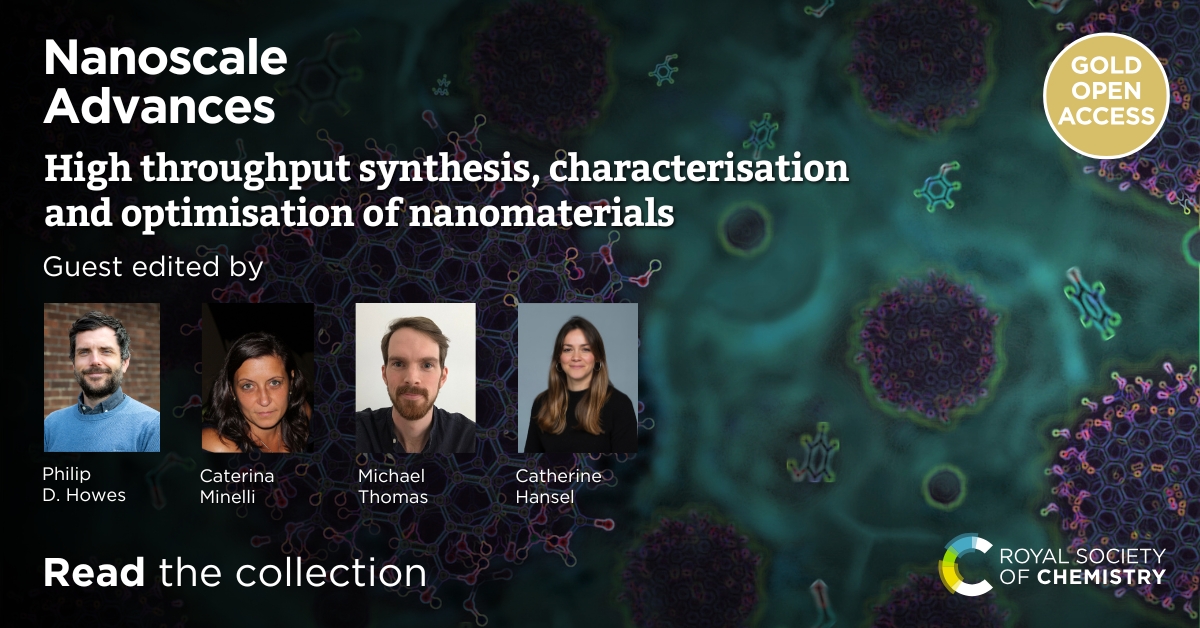
Electron spin resonance with scanning tunneling microscopy: a tool for an on-surface quantum platform of identical qubits

Deung-Jang Choi, Soo-hyon Phark, Andreas J. Heinrich and Nicolás Lorente

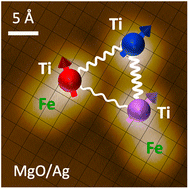
Charge transfer dynamics in noble gas endofullerenes: intra- and extramolecular tunnelling

Philip Moriarty et al.

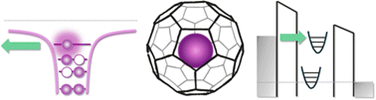
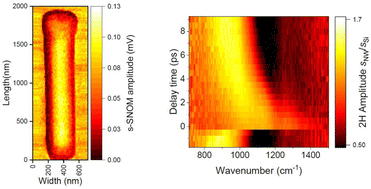
Time-resolved nanospectroscopy of III–V semiconductor nanowires

Andrei Luferau, Alexej Pashkin, Stephan Winnerl, Maximilian Obst, Susanne C. Kehr, Emmanouil Dimakis, Thales V. A. G. de Oliveira, Lukas M. Eng and Manfred Helm


Did you know?

At the nanoscale journal family, our themed collections are built by collaboration between our Guest Editors and expert Associate Editors. Our Guest Editors guide the scope and curate the contributions in our collections but all submissions are handled through peer review by our team of resident Associate Editors. This means that as an author you receive a consistent experience, and as a reader you can trust the quality of the science being presented.

If you have an idea for a topical collection in your research field, we’d love to hear from you! Get in touch at nanoscaleadvances-rsc@rsc.org 

Digg This
Reddit This
Stumble Now!
Share on Facebook
Bookmark this on Delicious
Share on LinkedIn
Bookmark this on Technorati
Post on Twitter
Google Buzz (aka. Google Reader)

Carbon nanoarchitectonics for advanced applications in energy, environment and bio

Read the new collection in Nanoscale Advances

We are delighted to introduce a new themed collection focusing on Carbon nanoarchitectonics for advanced applications in energy, environment and bio.

Guest edited by Katsuhiko Ariga (National Institute for Materials Science (NIMS), Japan, and University of Tokyo, Japan), Lok Kumar Shrestha (National Institute for Materials Science (NIMS), Japan and Tsukuba University, Japan) and Qingmin Ji (Nanjing University of Science and Technology (NJUST), China).

Nanotechnology has created various new possibilities for materials science, with nanoarchitectonics helping bridge the gap between nanoscale structures and functional materials. Carbon nanoarchitectonics grants access to a wide range of functional materials based on carbon allotropes, with increasingly widespread use in energy, environment and bio-related applications.


Read the collection

Read the editorial


All articles in the collection are open access and free to read! A selection of articles featured in the collection are highlighted below:

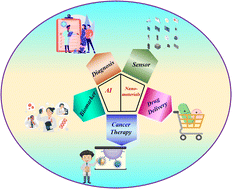
A review of emerging trends in nanomaterial-driven AI for biomedical applications

Subhendu Chakroborty, Nibedita Nath, Trishna Bal et al.

Nanoscale Adv., 2025, 7, 3619-3630

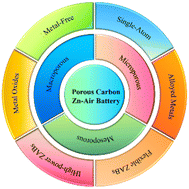
Porous carbon-nanostructured electrocatalysts for zinc–air batteries: from materials design to applications

Lei Zhang, Xinzhong Wang, Guangzhi Hu et al.

Nanoscale Adv., 2025, 7, 60-88

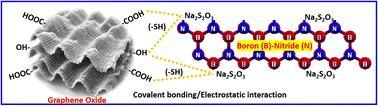
High-performance boron nitride/graphene oxide composites modified with sodium thiosulfate for energy storage applications

B. Bindhu, R. Ramesh, Sung Soo Han et al.

Nanoscale Adv., 2025, 7, 1803-1813


Did you know?

Our themed collections in our Nanoscale family journals are built by collaboration between our Guest Editors and expert Associate Editors.

Our Guest Editors guide the scope and curate the contributions in our collections, but all submissions are handled through peer review by our team of resident Associate Editors. This means that as an author you receive a consistent experience, and as a reader you can trust the quality of the science being presented.

If you have an idea for a topical collection in your research field, we’d love to hear from you! Get in touch with us at nanoscaleadvances-rsc@rsc.org


Nanoscale family at the Royal Society of Chemistry

The nanoscale family of journals at the Royal Society of Chemistry publish high impact interdisciplinary research across all areas of nanoscience and nanotechnology.

You might also be interested in this Editor’s Choice collection: Nanoarchitectonics: fine structure construction in nanoscale.

Our Guest Editor and Nanoscale Horizons board member, Katsuhiko Ariga collated some of the top articles published in Nanoscale Horizons, Nanoscale and Nanoscale Advances related to nanoarchitectonics.

Digg This
Reddit This
Stumble Now!
Share on Facebook
Bookmark this on Delicious
Share on LinkedIn
Bookmark this on Technorati
Post on Twitter
Google Buzz (aka. Google Reader)

Nanoscale Advances in Innovative Bioengineering

Read the new themed collection in Nanoscale Advances

We are delighted to introduce a new themed collection focusing on Nanoscale Advances in Innovative Bioengineering.

Guest edited by Zhen Gu (University of Science and Technology Beijing), Zhicheng Le (Sun Yat-sen University), and Zheng Su (The First Affiliated Hospital of University of Science and Technology of China).

This collection features work on nanoscale functional biomaterials, frontiers of nanobioprinting techniques and other cutting nanobiotechnology research of innovative bioengineering


Read the collection

Read the editorial


All articles in the collection are open access and free to read! A selection of articles featured in the collection are highlighted below:

Self-assembled Ac-FFA-NH2 based hydrogels with strong immunostimulating activity for vaccine delivery

Ruža Frkanec, Leo Frkanec et al.

Nanoscale Adv., 2025, 7, 4660-4672

RNA lipid nanoparticles stabilized during nebulization through excipient selection

Molly S. Shoichet et al.

Nanoscale Adv., 2025, 7, 4480-4489

Bio-nanocoatings based on castor oil enhanced with nanomaterials as corrosion reducers in injection wells pipelines

Camilo A. Franco, Farid B. Cortés et al.

Nanoscale Adv., 2025, 7, 5811-5827

Rosmarinic acid attenuates doxorubicin-induced cardiotoxicity: bio-nanocarrier system development and an in vitro study using H9c2 rat cardiomyocytes

Afnan Al-Hunaiti et al.

Nanoscale Adv., 2025, 7, 7588-7597


Did you know?

Our themed collections in our Nanoscale family journals are built by collaboration between our Guest Editors and expert Associate Editors.

Our Guest Editors guide the scope and curate the contributions in our collections, but all submissions are handled through peer review by our team of resident Associate Editors. This means that as an author you receive a consistent experience, and as a reader you can trust the quality of the science being presented.

If you have an idea for a topical collection in your research field, we’d love to hear from you! Get in touch with us at nanoscaleadvances-rsc@rsc.org.

Digg This
Reddit This
Stumble Now!
Share on Facebook
Bookmark this on Delicious
Share on LinkedIn
Bookmark this on Technorati
Post on Twitter
Google Buzz (aka. Google Reader)