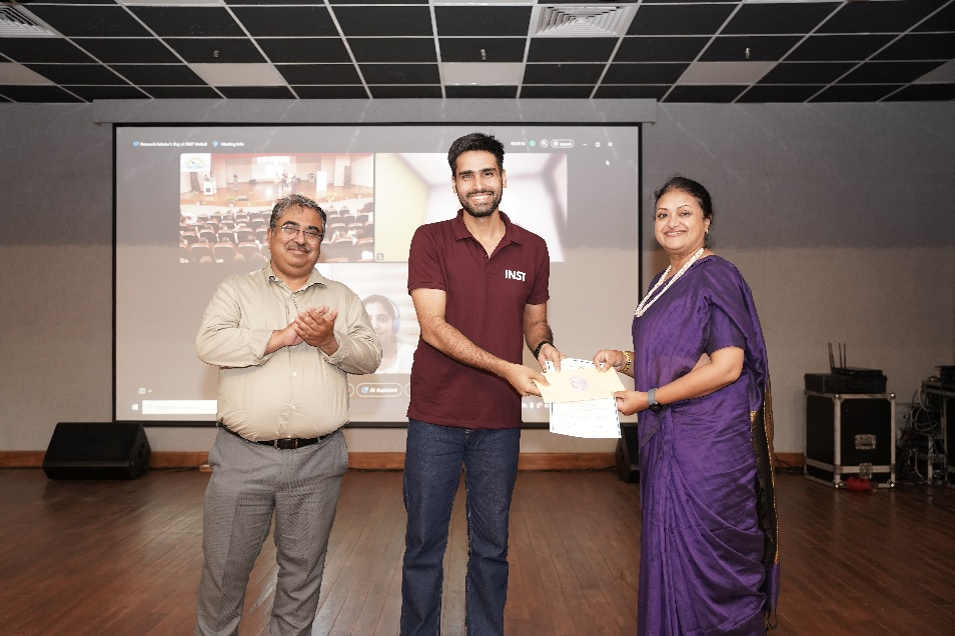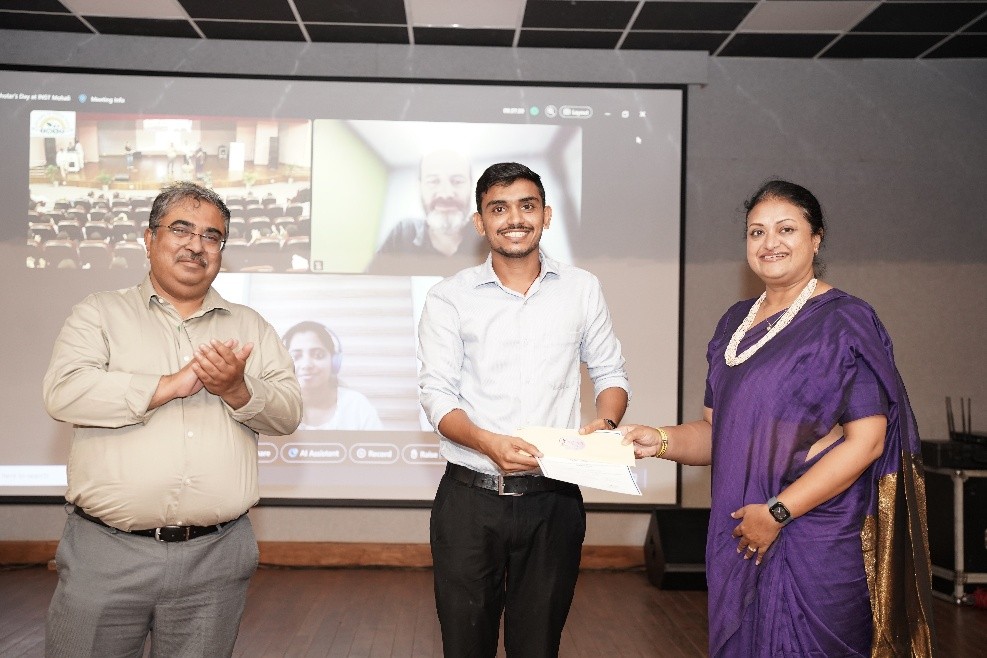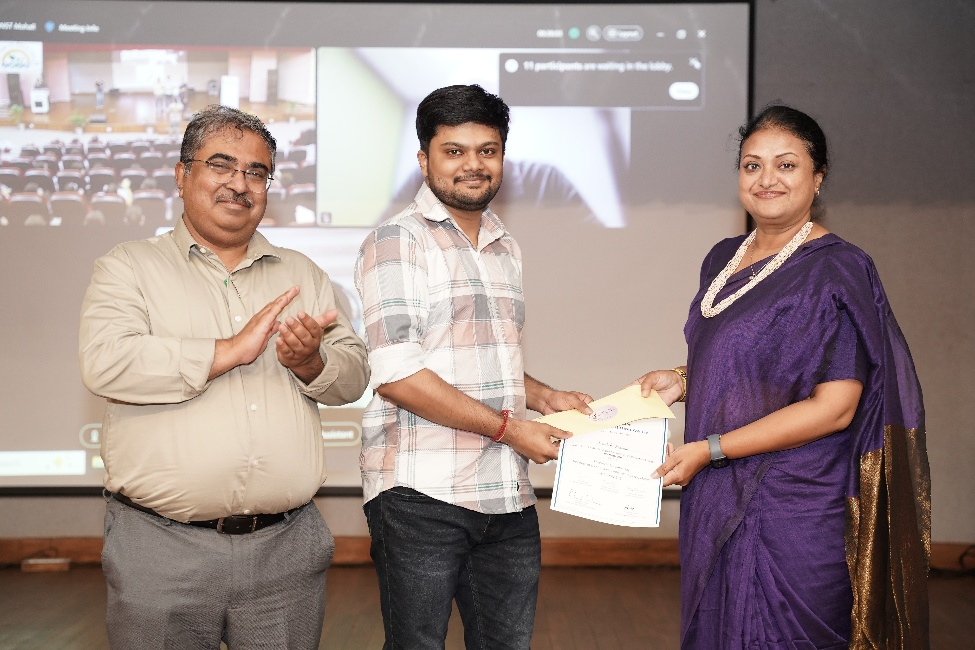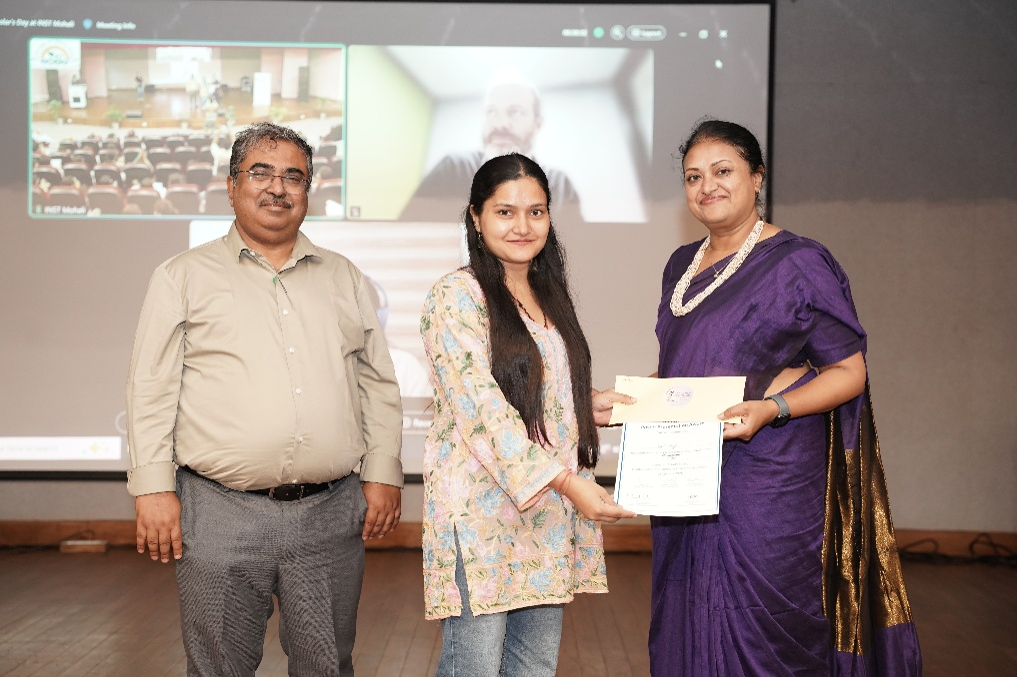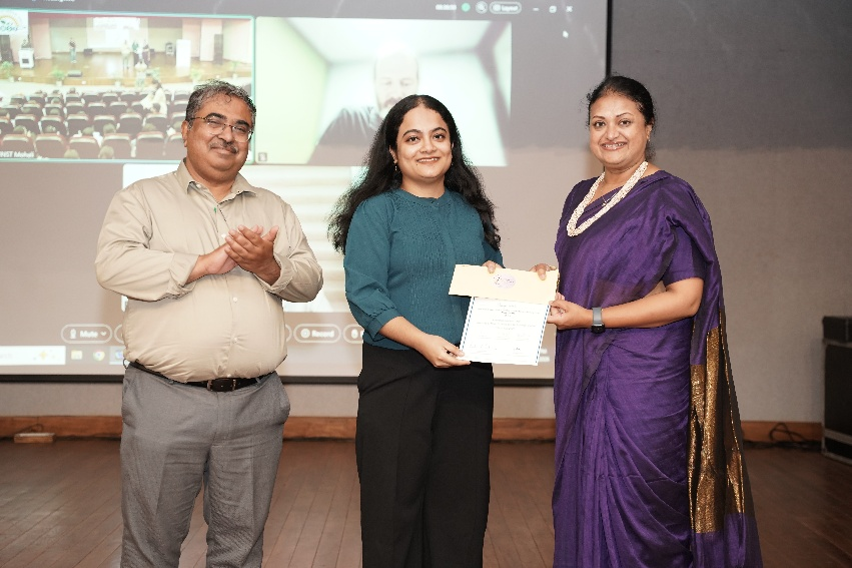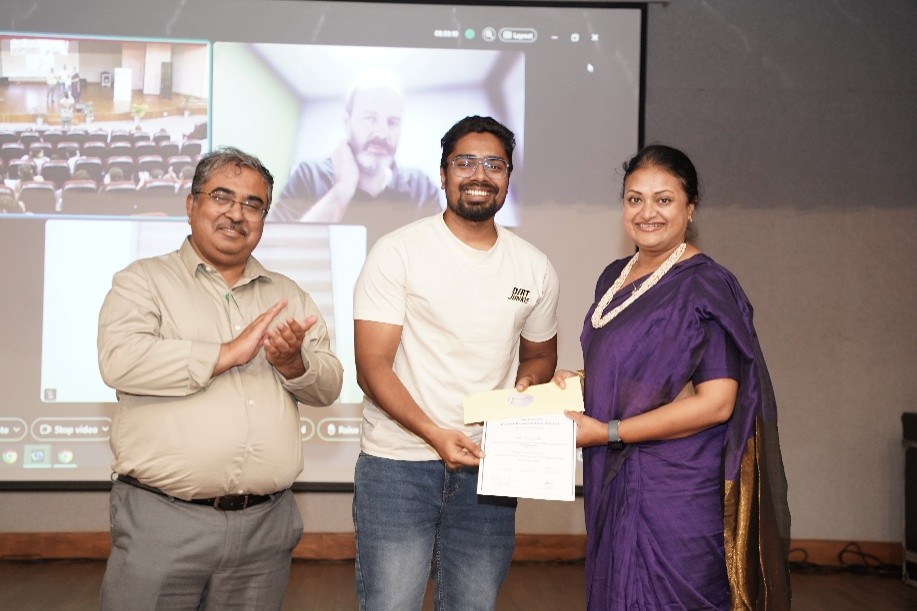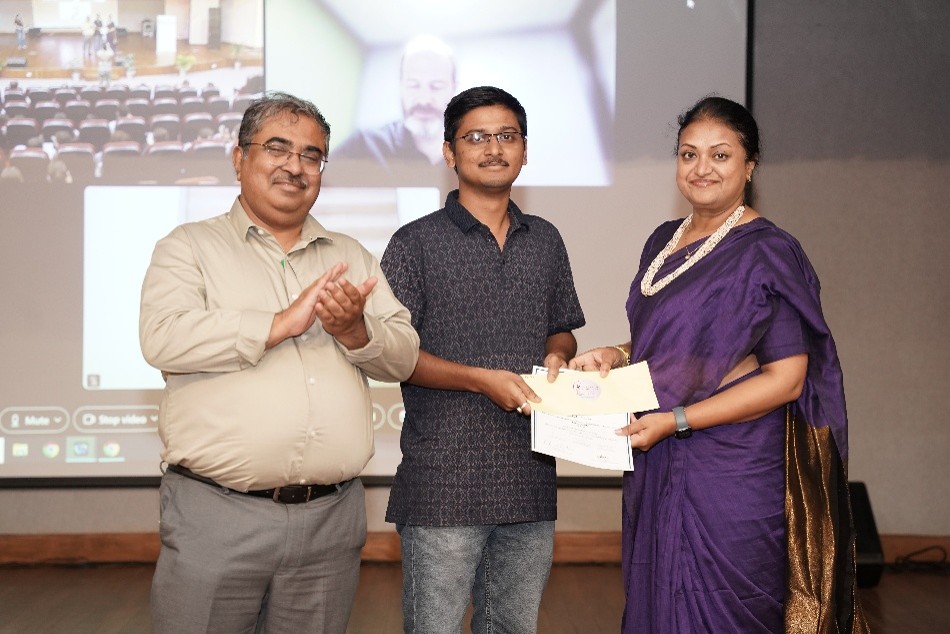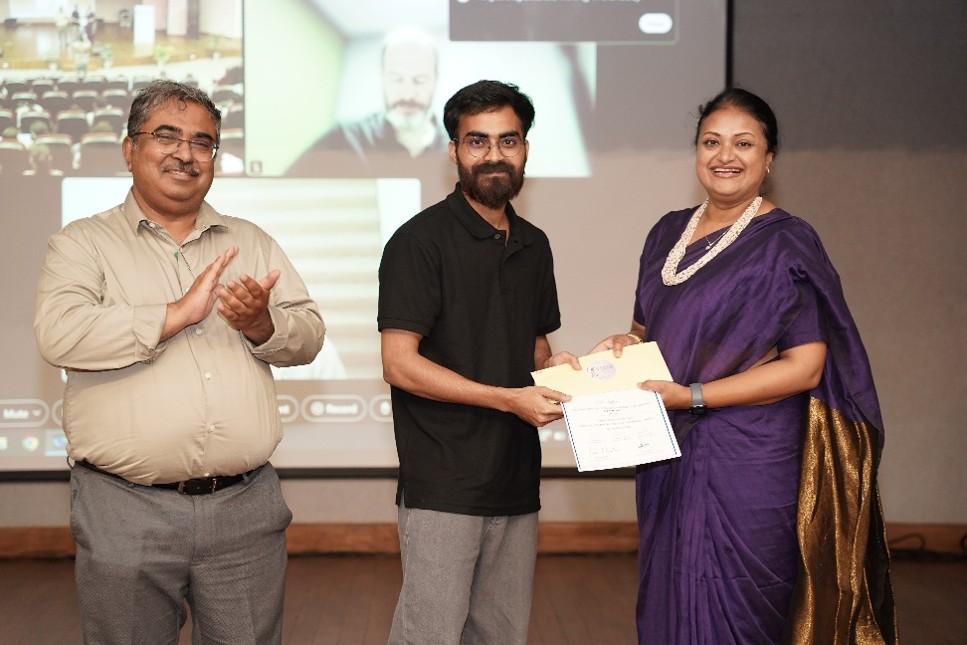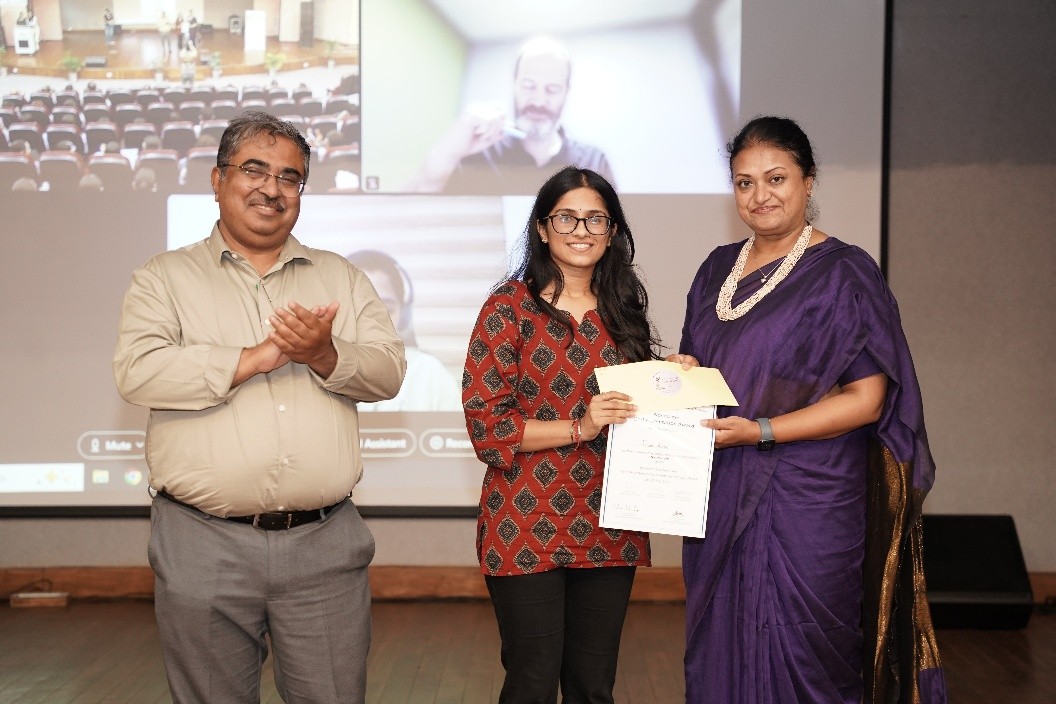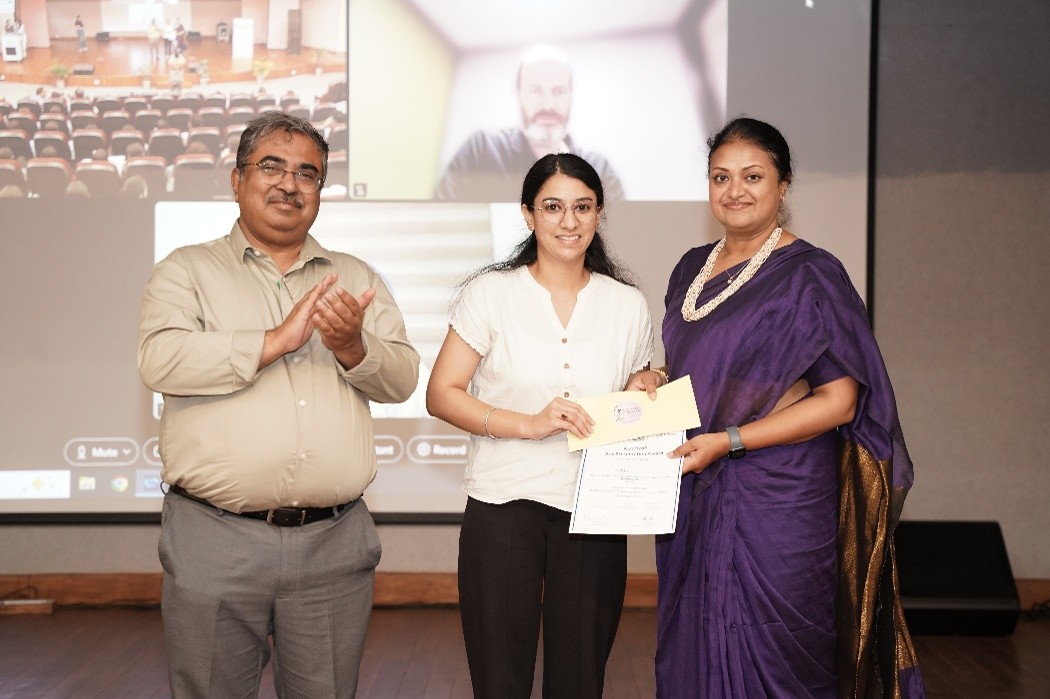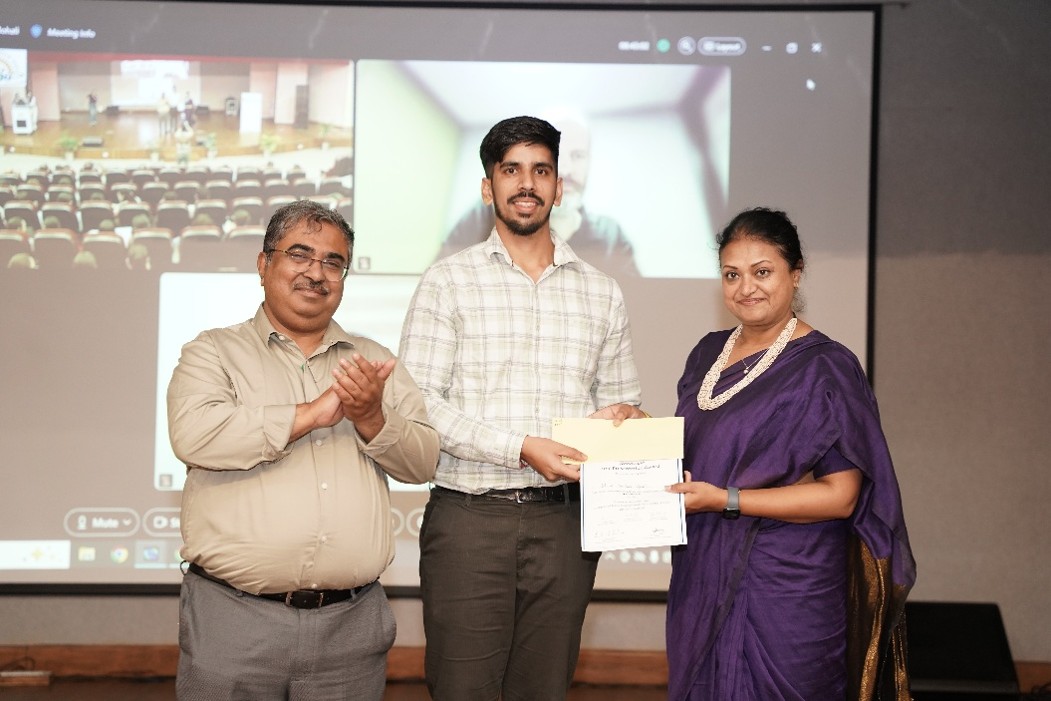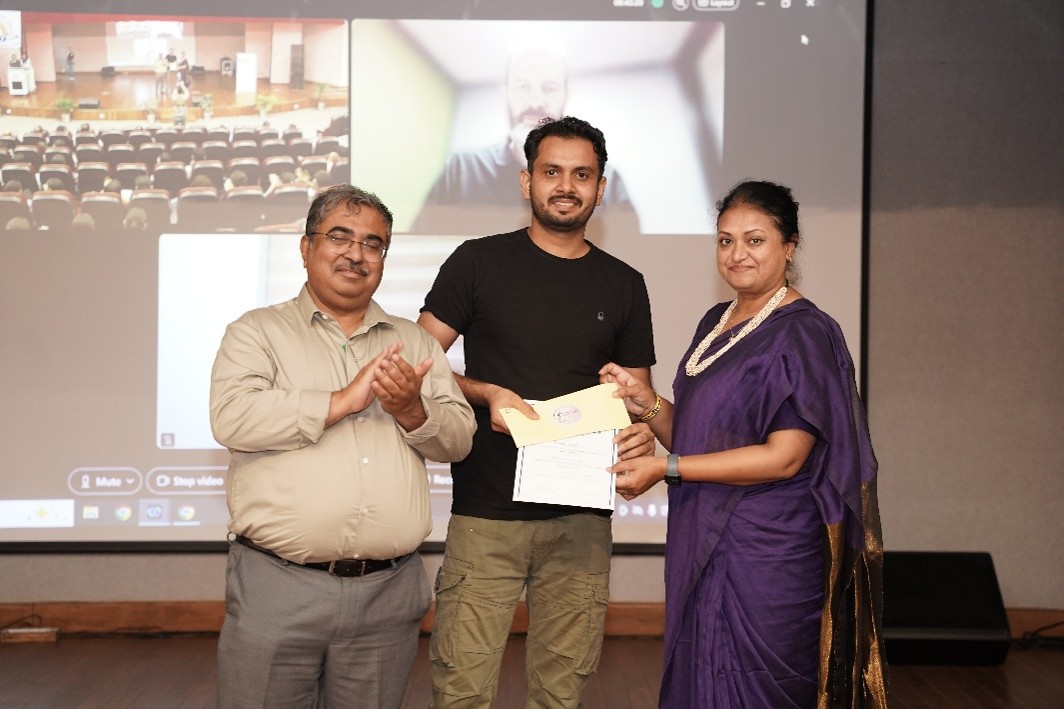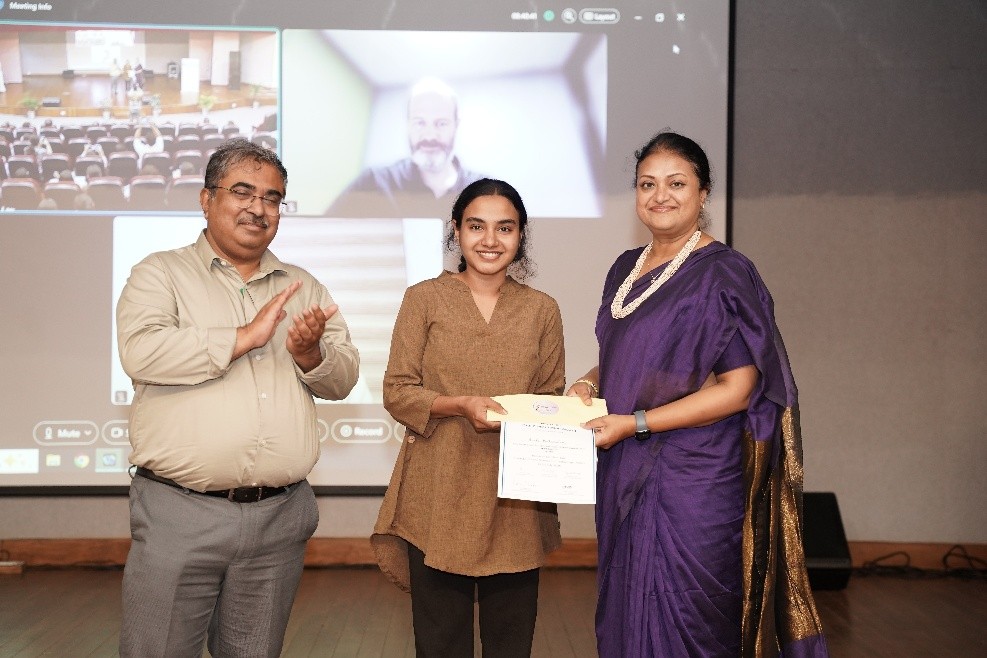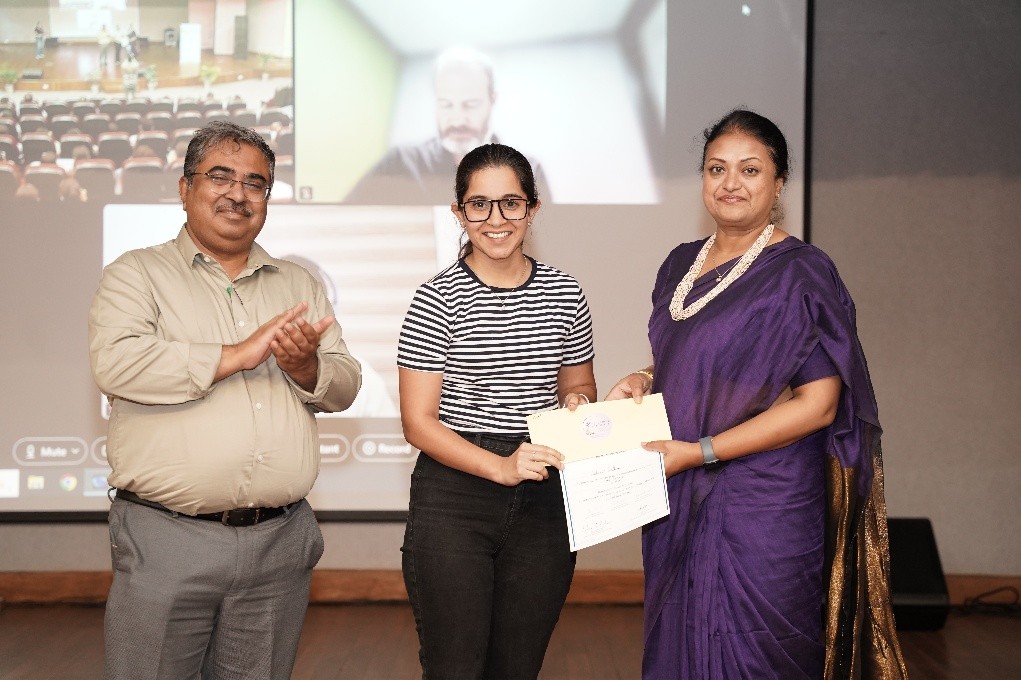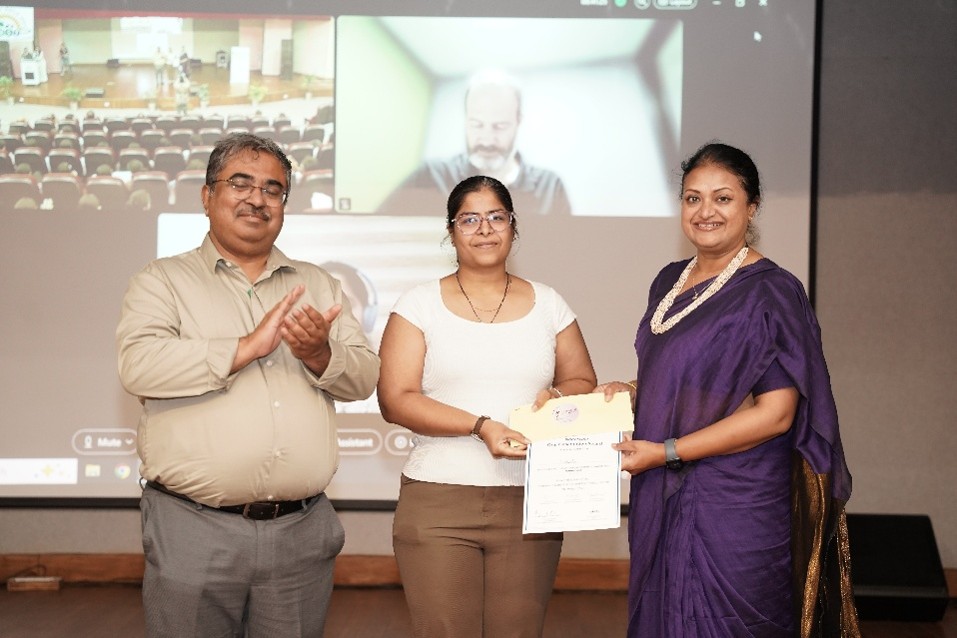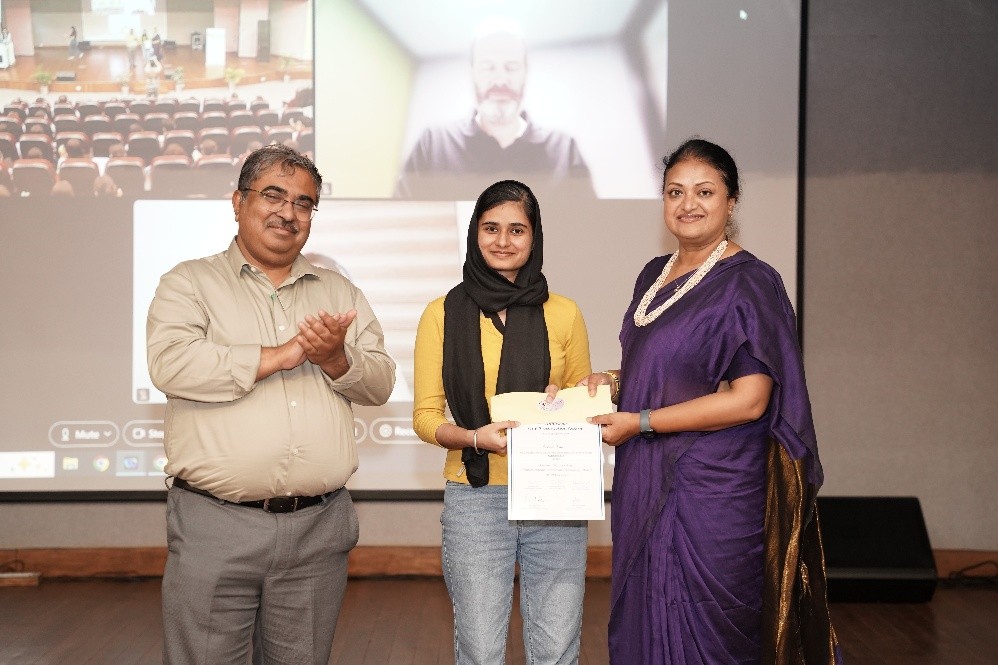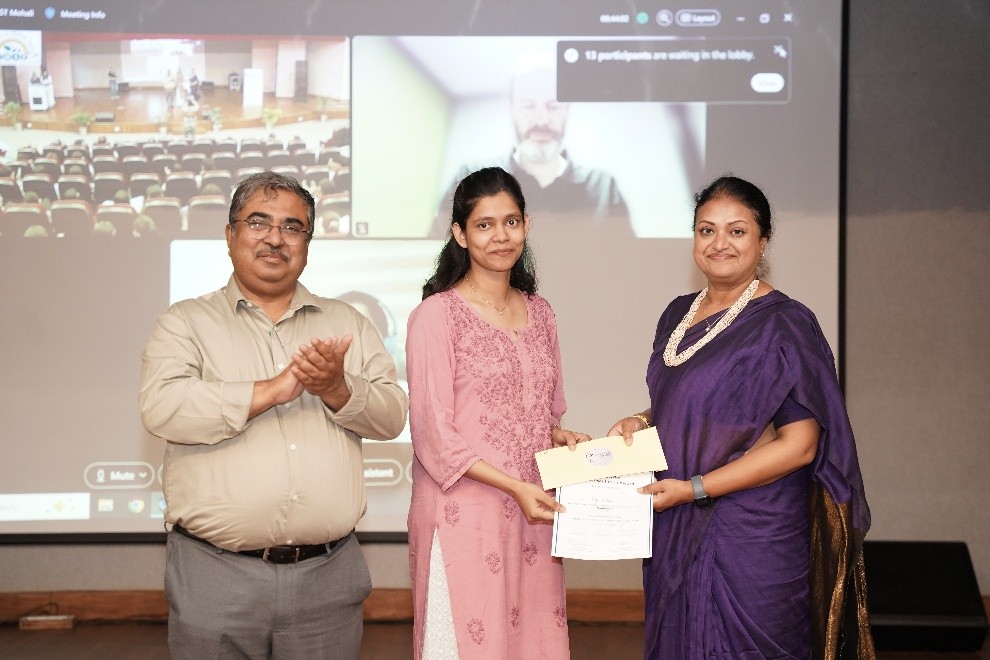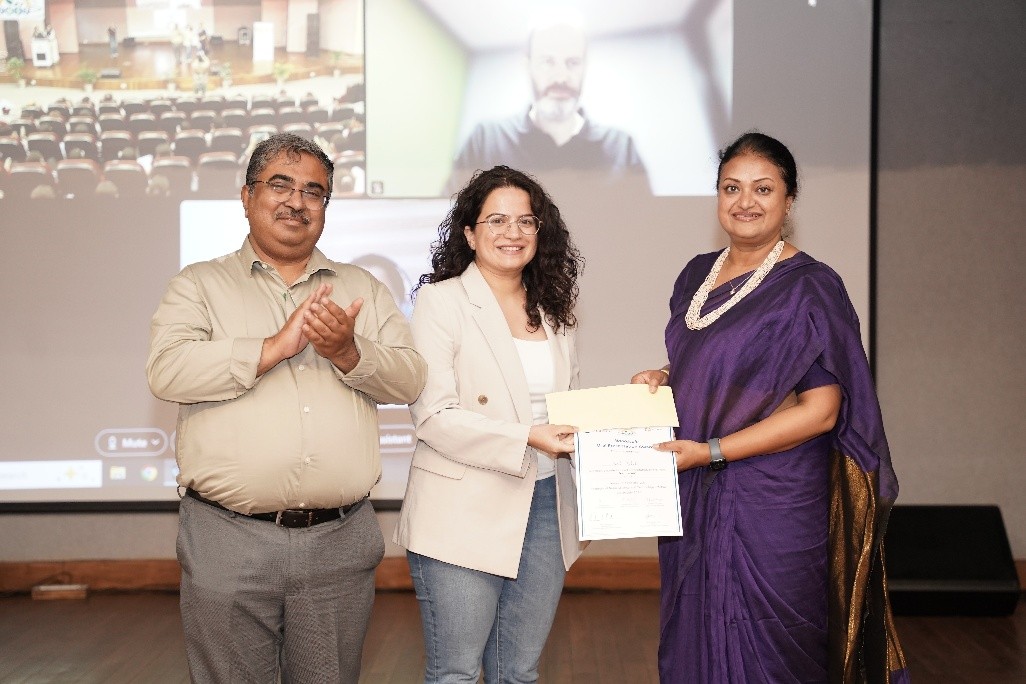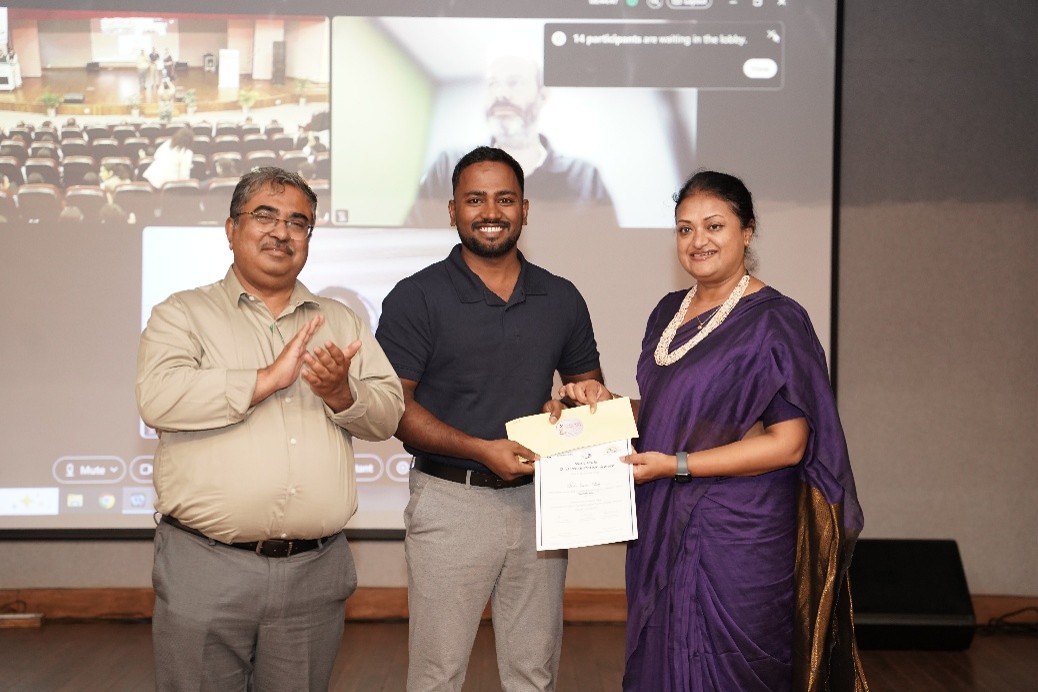
Research Scholars’ Day presentation prize winners

Nanoscale were delighted to sponsor oral and poster presentation prizes at the recent Research Scholars’ Day at Institute of Nano Science and Technology, Mohali, India, on the 29th July. Join us in congratulating all the winners! 🏆

Winners of Poster Presentations

Energy and Environment Unit

Mohit Yadav

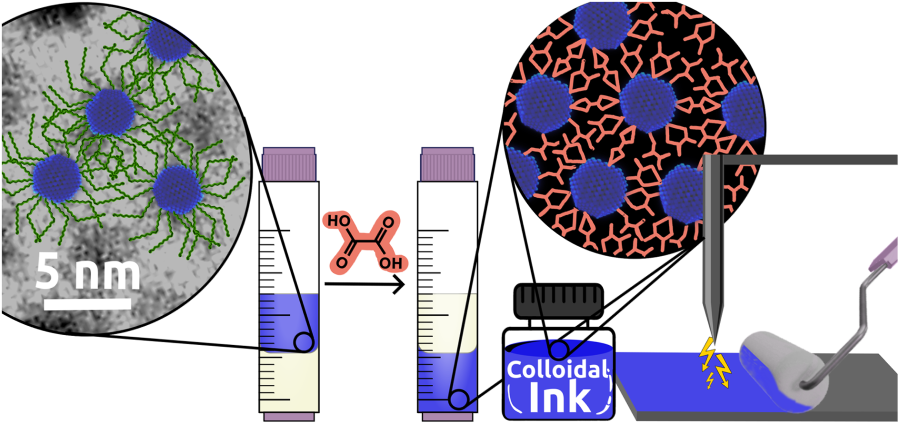
Title:  Enzyme-instructed interfacial jamming of pillar[5]arenes for macroscopic signal amplification

Robin Singh

Title : “Strategic Utilization of Soft Acid-Base Interactions Modifies Electrochemical Nitrogen Oxidation Pathways, Facilitating High Faradaic Efficiency in Nitrate Synthesis”

Kaushik Mondal

Title: Programmable Dendritic Systems for Active Fluidics and Motility


Chemical Biology Unit

Preeti Negi

Title : The Pdu Microcompartment: Linking Metabolism, Pathogenesis and Operon Architecture in Salmonella

Devangi Ghosh

Title : CD33 Targeted Epigenetic Nanotherapy Reprograms a RUNX1 DNMT1/EZH2–FOXP3 Axis to Reactivate IL-2 Mediated Immunopotentiation in AML1-ETO rearranged AML in in vitro and in vivo PDX Model

Vikas Kumar Sahu

Title : CD33 Aptamer-Engineered Liposomal Co-Delivery of 5-Azacytidine and Gilteritinib Reprograms FLT3-ITD Epigenetics to Reinforce Anti Leukemic Immunity


Quantum Materials and Devices Unit

Sudip Naskar

Title : Au-Plasmon Regulated Dipole Alignment Yielding Ultrafast Pyroelectric Response in HighlyOrdered β-PVDF Films

Shivam

Title : Nonlinear valley Hall physics in 2D antiferromagnets.

Mohd Faizee

Title : Magnon valley-orbital Hall effect driven by surface acoustic waves in two-dimensional honeycomb antiferromagnets


Winners of Oral Presentation

Energy and Environment Unit

Kiran Arora

Title : Flexible Organic Single Crystals for Multifunctional Sensing Applications

Kritika Nag

Title : Electronic Modulation of Urea–based Push–Pull Chromophores for Pathway-Controlled Fluoride Recognition and Aqueous Fluoride Sensing

Bharat Bhushan Upreti

Title : Understanding the charge storage mechanisms in the aqueous zinc ion batteries using Ultramicroelectrode

Devender singh

Title : Photo-mechanical transduction enables gradient-free oscillatory flow and autonomous motion


Chemical Biology Unit

Aarcha Radhakrishnan

Title : Bio-nanoreactor fabrication using BMC shell protein by probing the role of disordered regions of enzyme cargos

Jahanvi Ralhan

Title : Programming Self-Assembly Pathways in Stimuli-Responsive Peptide Amphiphiles: Roles of Symmetry and aromaticity

Vishakha Sherawat

Title : From In Silico Prediction to In Vitro Validation: A Netrin 1/UNC5B-Targeted Nanoformulation Strategy for Cervical Cancer


Quantum Materials and Devices Unit

Arneet Kaur

Title : Microscopic origin of magnetostructural and spin-phonon coupling in a centrosymmetric BiFeO3 monolayer

Utsa Sarkar

Title: Light-Modulated Ferroelectric Phase Control in PVDF for Advanced Electroactive Devices

Alisha Rohal

Title : Droplet-driven self-powered microfluidic platform using PVDF/Cs2AgBiBr6 nanofibers for real-time viscosity sensing and prediction

Kirana Kumar Behera

Title : Electronic structure and interface-controlled spin transport in Fe-based magnetic alloy heterostructures

Digg This
Reddit This
Stumble Now!
Share on Facebook
Bookmark this on Delicious
Share on LinkedIn
Bookmark this on Technorati
Post on Twitter
Google Buzz (aka. Google Reader)

Advanced catalytic materials for energy and environmental applications themed collection

Nanoscale Advances and Catalysis Science and Technology are delighted to introduce a new themed collection focusing on Advanced catalytic materials for energy and environmental applications. All articles in the collection are free to read from 01 September until 12 October 2026.

Guest Edited by Manuel Ramos Murillo, Kalliopi Kousi, Eleonora Cali, Raúl Pérez Hernández and Quan Li, this collection presents original research articles & review articles that delve into fundamental principles and practical applications, including but not limited to: 

  • Chemical synthesis and evaluation of catalytic materials to support clean liquid fuels production, environmental catalysis and remediation 
  • Bulk and nanoscale catalytic materials for hydrogen production in fuel cells by electrocatalytic processes, conversion of biomass, energy storage and organic electrosynthesis (Photocatalytic materials, Electro-catalytic materials and Single-Atom Catalysts) 
  • Controlled synthesis and scaling of MOFs, metal nanoparticles, metallocenes, ionic liquids, transition metal carbides, phosphides, nitrides and sulfides catalytic materials. 
  • In situ studies of synthesis and/or activation of catalytic materials during pretreatment. 
  • Application of advanced characterization techniques including in situ/operando methodologies by atomic force, scanning tunneling electron microscopy (SEM, STEM, TEM), X-ray photoelectron spectroscopy, Synchrotron Radiation, Raman, and Mössbauer spectroscopies. 
  • Computational modelling and AI/machine-learning approaches for catalytic materials, reactions and mechanisms. 


Explore the papers in the collection below.


Editorial

Introduction to advanced catalytic materials for energy and environmental applications


Reviews

The responsive behavior of hydrogels for wastewater treatment and their advancement in removal of water pollutants

Role of sodium borohydride as a co-catalyst for nanoparticle-induced degradation of toxic dyes in aquatic systems 

Catalyst screening for electrochemical ammonia synthesis: a critical review


Communication

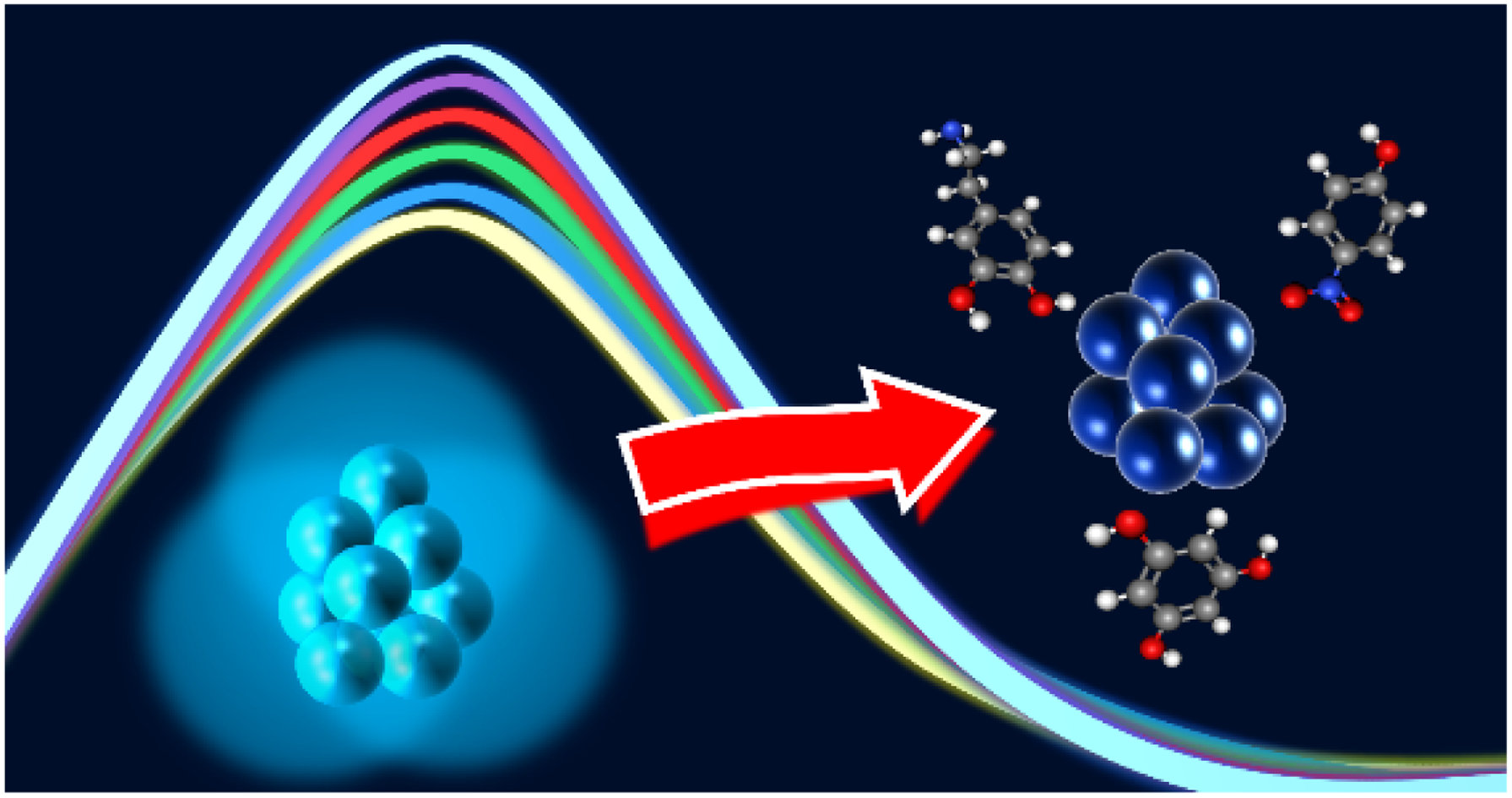
Exsolution of Fe-based pyramidal nanostructures from a noble metal doped perovskite matrix


Articles

Exsolution of Fe-based pyramidal nanostructures from a noble metal doped perovskite matrix

A high-throughput reactor array applied to the parameter exploration of copper-exchanged zeolites for dilute methane oxidation

Cu encapsulated in hierarchical MFI zeolites for ethanol dehydrogenation to acetaldehyde

Support-driven base-free oxidation of native sugars into the corresponding lactones over gold catalysts: toward bifunctional catalytic materials

Computational insights into hydrogen adsorption energies on medium-entropy oxides

Modelling hydrogen peroxide adsorption on cerium dioxide: the effect of surface strain†

Size-dependent properties of Pt catalysts for the synthesis of NH3 during a gas-switching NOx storage and reduction process using BaO/Pt/Îł-Al2O3

Synergistic enhancement of capacitance and catalysis by cobalt binary ligand complexes on porous carbon and nano silica

Defect engineering versus amorphization: divergent photocatalytic pathways in laser-synthesized niobium-based oxides

Impact of impurities in covalent organic frameworks on catalytic properties of supported isolated Pd complexes

Ab initio insights into support-induced sulfur resistance of Ni-based reforming catalyst

Catalytic studies of Pt supported on Co/CeO2 nanorods for H2 production in dry reforming of methane

Degradation of diclofenac via photocatalysis and radiocatalysis

Facile synthesis of metal-free N-doped carbon electrocatalyst from acetone aldol reaction products towards selective CO2-to-CO conversion

Operando exsolved FeNi3 nanoparticles for boosting ethanol internal reforming in solid oxide fuel cells

Engineering and optimising barium cerate-supported cobalt catalyst for ammonia synthesis

Facet-dependent metal–support interactions in cobalt–ceria binary oxides: linking ceria morphology (rods vs. cubes) to redox behaviour and CO oxidation

Thermally treated polyvinyl chloride (PVC)-derived highly microporous carbon support: applications in hydrotreating catalysis

WO3/Nb2CTx MXene 2D–2D heterojunction as a high performance photoanode for photoelectrochemical water splitting†

Synergistic enhancement of supercapacitor performance using covalent organic frameworks integrated with nitrogenated-reduced graphene oxide and polyaniline

Reversible temperature-induced shape transition of Pt nanoparticles supported on Al2O3


We are always looking for the great research catalytic nanomaterials, get in touch with the Editorial Office if are interested in submitting your work to the journal by emailing nanoscaleadvances-rsc@rsc.org.  

Digg This
Reddit This
Stumble Now!
Share on Facebook
Bookmark this on Delicious
Share on LinkedIn
Bookmark this on Technorati
Post on Twitter
Google Buzz (aka. Google Reader)

2026 Royal Society of Chemistry Prizes🏆 

We are delighted to see so many nanoscience and nanotechnology researchers celebrated in the Royal Society of Chemistry’s 2026 Prizes. 🏆 

Find out more about some of this year’s winners and explore some of their recent research that has been published in Nanoscale or Nanoscale Advances. 


🏆 Graham Newton, co-author of “Asymmetric thiol-modified hybrid polyoxometalates: building blocks for hierarchical nanostructured redox materials” 

🪪 https://www.rsc.org/standards-and-recognition/prizes/winners/professor-graham-newton  

📰 https://doi.org/10.1039/D5NR00544B  


🏆 Mathew Horrocks, co-author of “Single-molecule imaging of aquaporin-4 array dynamics in astrocytes” 

🪪 https://www.rsc.org/standards-and-recognition/prizes/winners/professor-mathew-horrocks  

📰 https://doi.org/10.1039/D4NR00330F  


🏆 Angelos Michaelides & Fabian Berger (as part of n-AQUA), co-authors of “Mechanisms for the formation of active sites in single-atom alloys” 

🪪 https://www.rsc.org/standards-and-recognition/prizes/winners/test 

🪪 https://www.rsc.org/standards-and-recognition/prizes/winners/n-aqua  

📰 https://doi.org/10.1039/D5NR05517B  


🏆 Gwilherm Kerherve, co-author of “Exsolution of Fe-based pyramidal nanostructures from a noble metal doped perovskite matrix” 

🪪 https://www.rsc.org/standards-and-recognition/prizes/winners/dr-gwilherm-kerherve  

📰 https://doi.org/10.1039/D5NA00469A  


Explore the winners across all categories of this year’s #RSCprizes and some of their excellent publications in RSC journals 👇 

🏆 https://www.rsc.org/standards-and-recognition/prizes/winners?utm_campaign=rsc_prize_winners&utm_source=linkedin&utm_medium=social_organic&utm_content=tgroup_all 

📰 https://pubs.rsc.org/en/journals/articlecollectionlanding?sercode=gc&themeid=a4045bf8-dbec-448e-8d00-d4caf91aae07  


Digg This
Reddit This
Stumble Now!
Share on Facebook
Bookmark this on Delicious
Share on LinkedIn
Bookmark this on Technorati
Post on Twitter
Google Buzz (aka. Google Reader)

Quantum Nanomaterials Themed Collection

Nanoscale is delighted to introduce a new themed collection focusing on Quantum Nanomaterials! All articles in the collection are free to read until 31st July 2026.

We invite you to discover the latest research from the Quantum nanomaterials collection and read the introductory editorial written by guest editors Dr Yujeong Bae (Empa, Swiss Federal Laboratories for materials science and technology, Switzerland), Dr Paola Ceroni (UniversitĂ  di Bologna, Italy) and Dr Yi Chen (Peking University, China).

Explore the collection  Read the Editorial

Quantum materials have emerged as a rapidly expanding field at the intersection of condensed matter physics, materials science, and quantum technology. These materials exhibit exotic quantum phenomena that cannot be described by classical models, encompassing diverse systems such as topological materials, correlated electron systems, moiré heterostructures, two-dimensional (2D) materials, and spin-based quantum systems. Their unique electronic, magnetic, and optical properties underpin advancements in quantum computing, spintronics, optoelectronics, and next-generation sensing technologies. A significant milestone in the recognition of quantum materials research was the 2023 Nobel Prize in Chemistry, awarded for the discovery and synthesis of quantum dots, highlighting the transformative impact of nanoscale semiconductor materials. This breakthrough, along with developments in topological insulators, moiré superlattices, superconducting materials, and quantum defects in solids, has fuelled new directions in quantum information science and novel device architectures. This special collection aims to highlight the latest advancements and challenges in quantum materials research, with a broad topic scope.

We have highlighted a selection of articles below, but you can explore all papers in the collection here.


Reviews


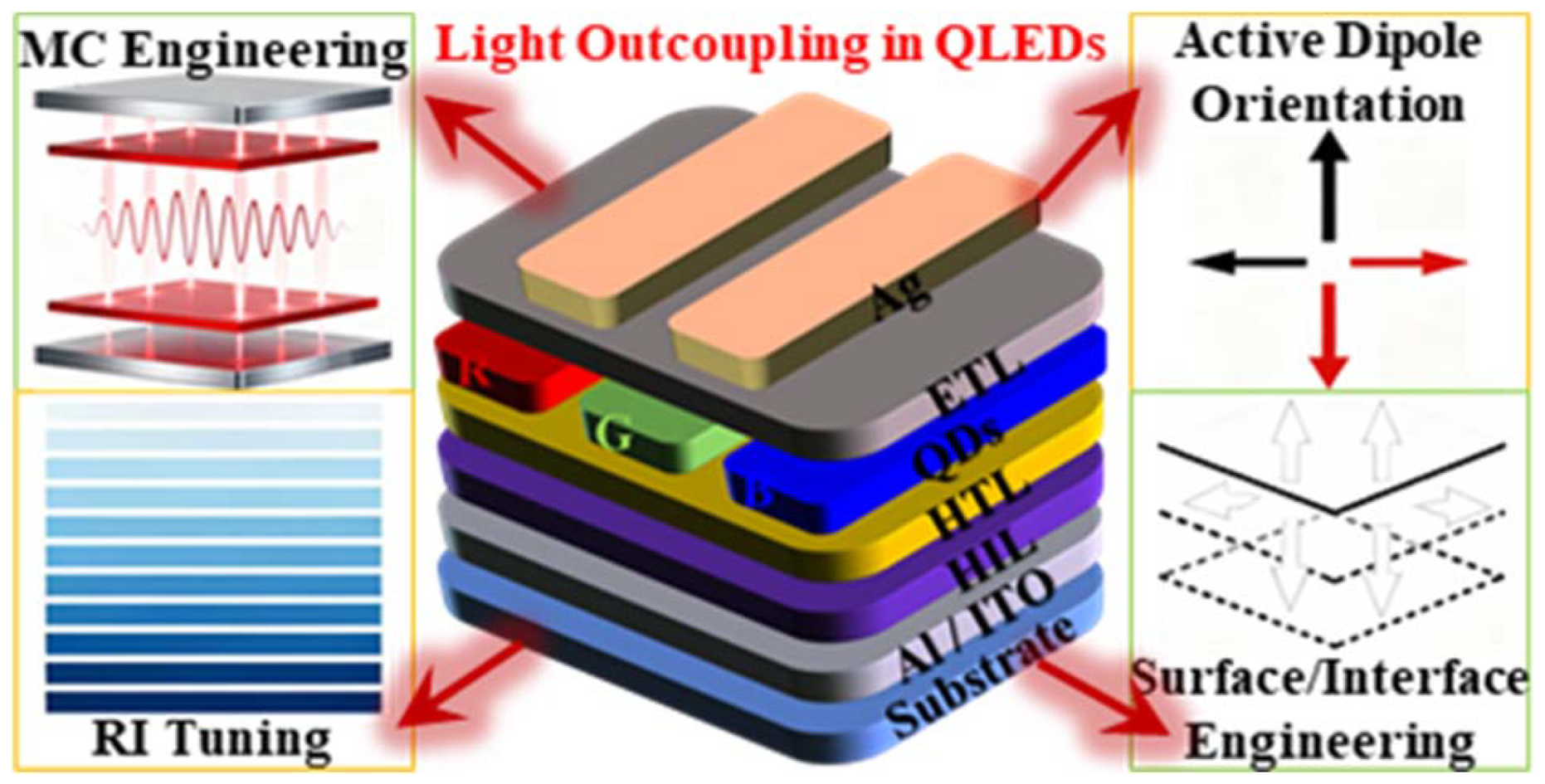
Light outcoupling strategies for quantum dot light-emitting diodes 

Rakesh Kumar Jha, Hyuntai Kim and Seong-Yong Cho 

Nanoscale, 2026, 18, 2916-2941 

Recent advances in carbon-based quantum dots for sensing applications 

Shamim Ahmed Hira, Sharmila Durairaj, Carlos A. Ramirez and Aicheng Chen 

Nanoscale, 2025, 17, 27762-27783 

Papers


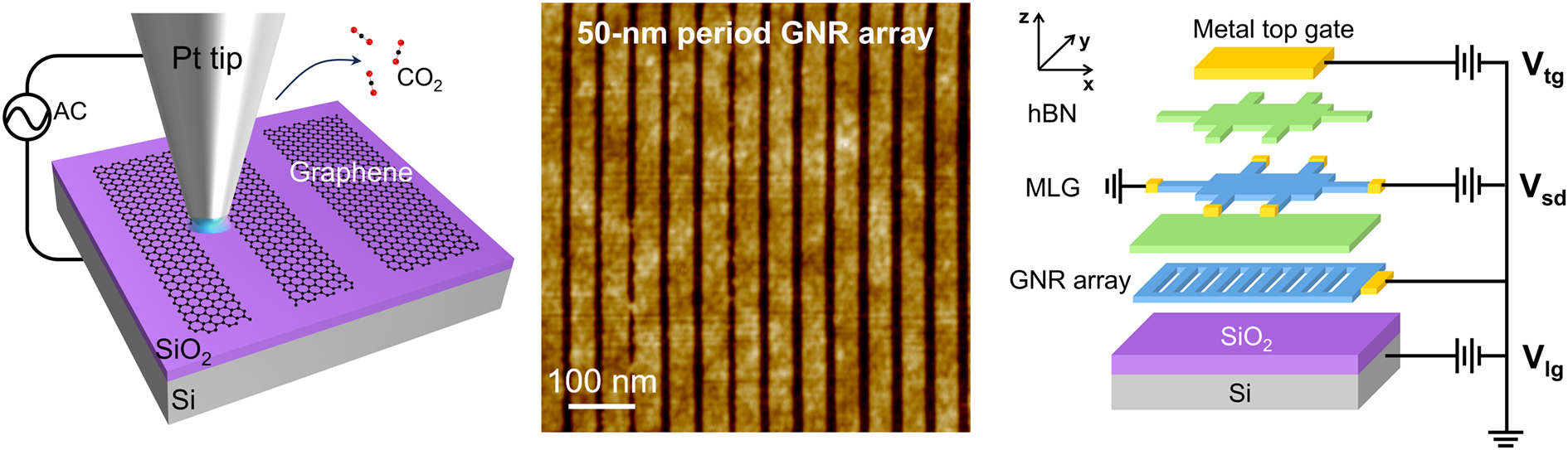
High-precision AFM cutting of graphene via improved electrode-free local anodic oxidation for electronic band engineering 

Zhenghan Wu, Xianliang Zhou, Kunqi Xu, Zhichun Zhang, Yufeng Xie, Kenji Watanabe, Takashi Taniguchi and Zhiwen Shi 

Nanoscale, 2025, 17, 25657-25663 

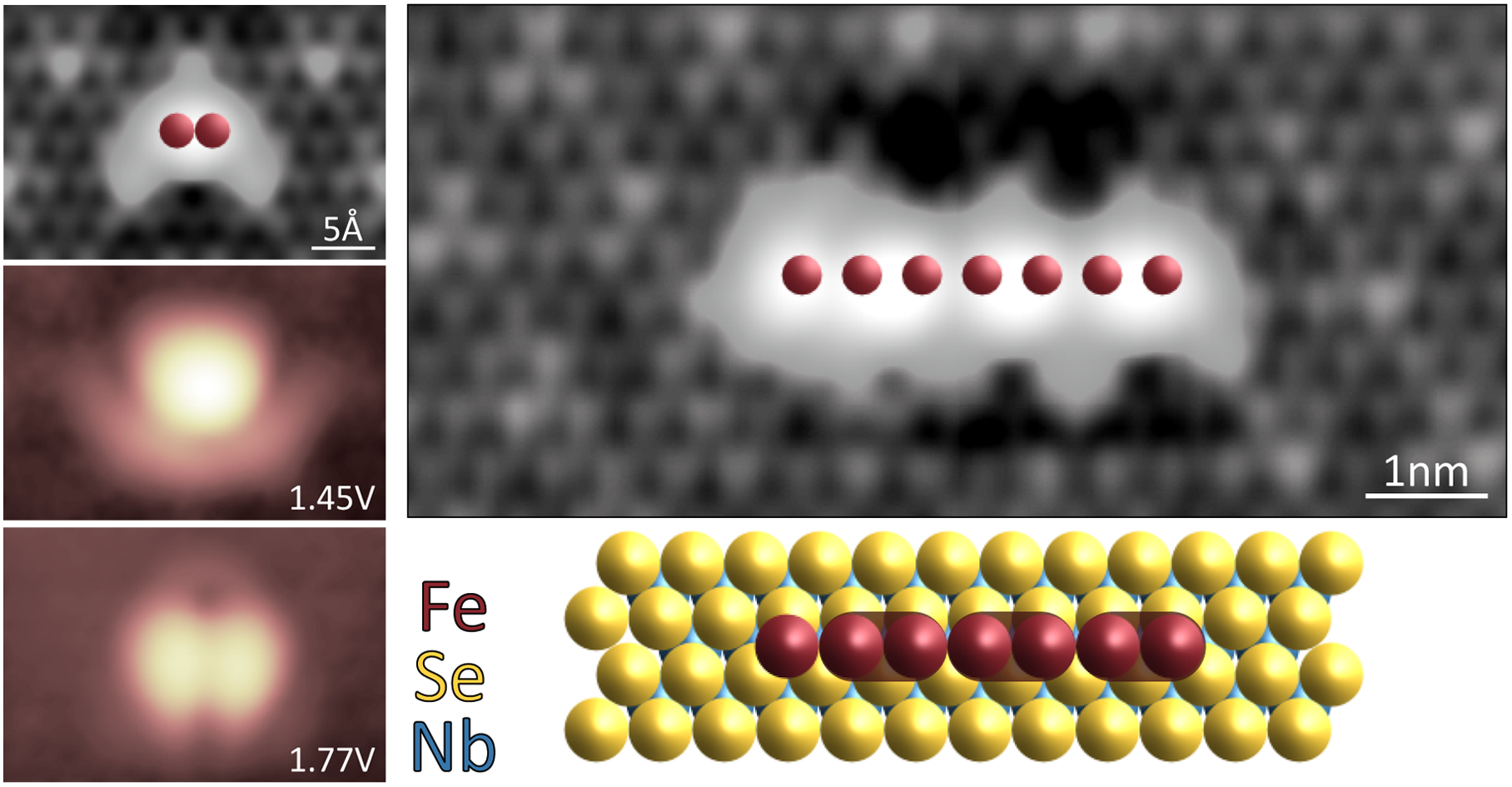
Direct signatures of d-level hybridization and dimerization in magnetic adatom chains on a superconductor 

Lisa M. Rütten, Eva Liebhaber, Gaël Reecht, Kai Rossnagel and Katharina J. Franke 

Nanoscale, 2025, 17, 26811-26819 

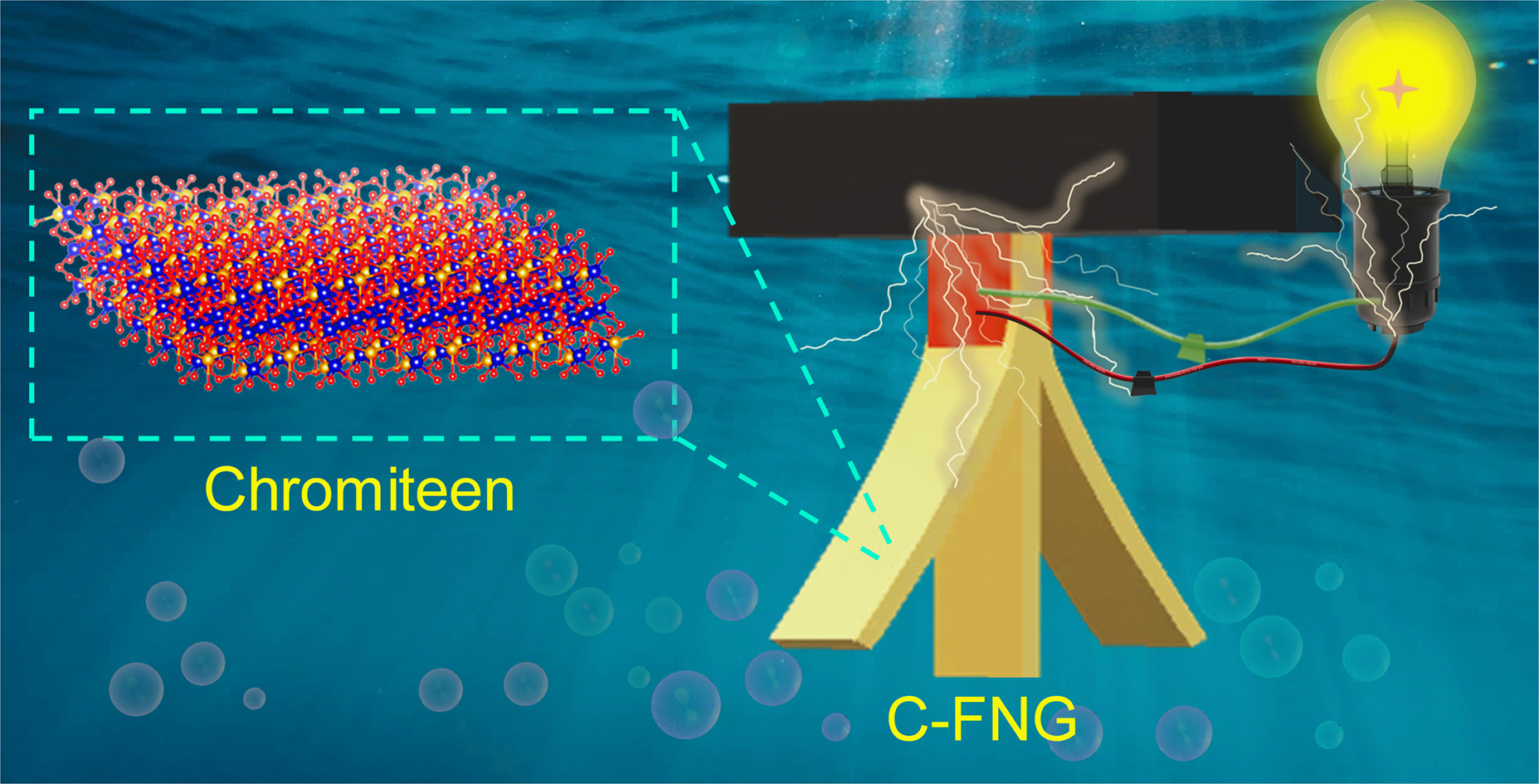
Strain-induced wave energy harvesting using atomically thin chromiteen 

Royston Mathias, Subhendu Mishra, Abhishek Kumar Singh and Partha Kumbhakar 

Nanoscale, 2025, 17, 26820-26827 

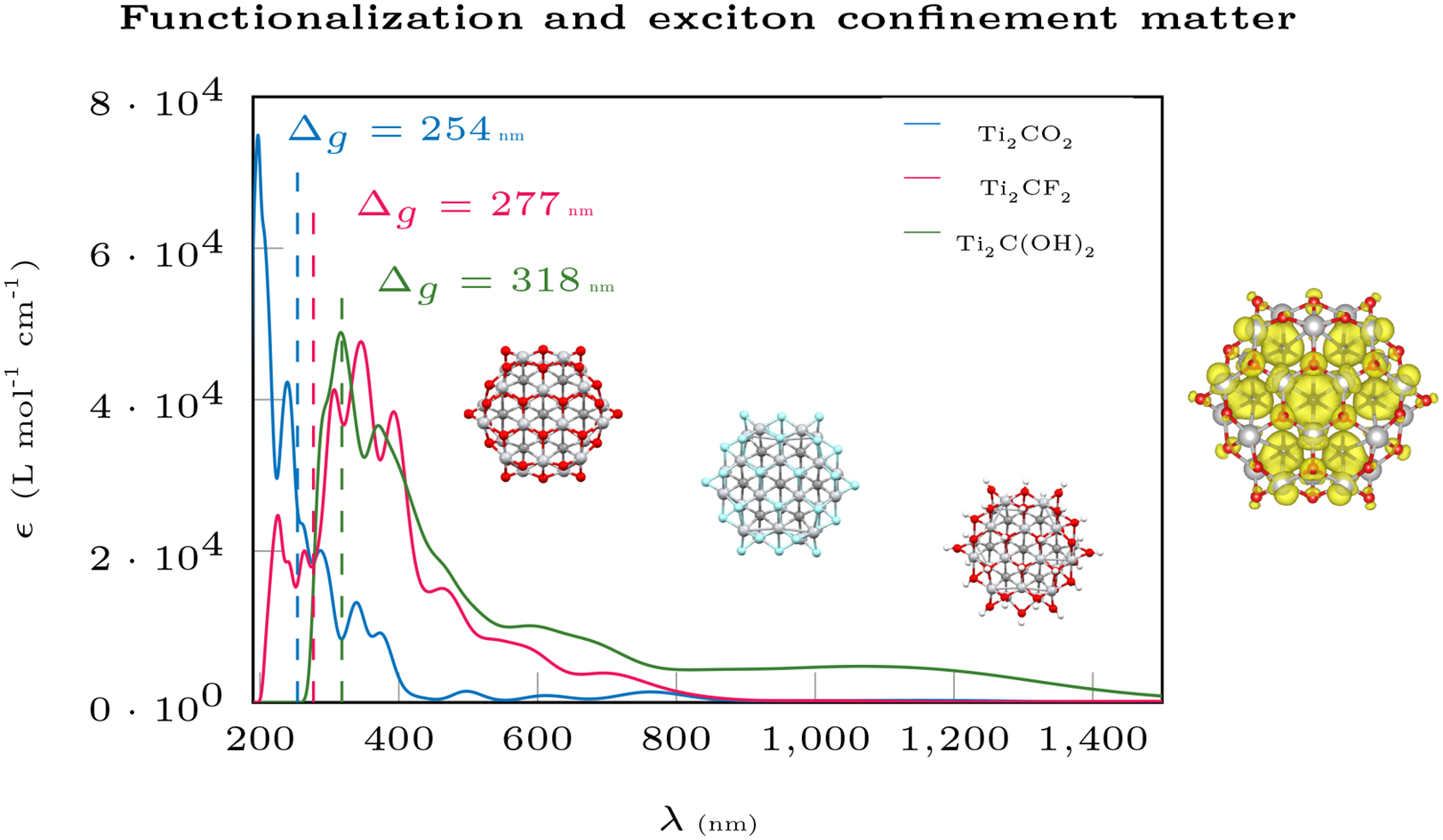
Effects of surface functionalization and size of MXene-based quantum dots on their optical properties: the exciton confinement matters  

Barbora Vénosová and František Karlický 

Nanoscale, 2025, 17, 24529-24540 

We hope you enjoy reading some of the latest research on quantum nanomaterials!  

We are always looking for great research on quantum nanomaterials. Get in touch with the Editorial Office if you are interested in submitting your work to the journal by emailing nanoscale-rsc@rsc.org.   


Digg This
Reddit This
Stumble Now!
Share on Facebook
Bookmark this on Delicious
Share on LinkedIn
Bookmark this on Technorati
Post on Twitter
Google Buzz (aka. Google Reader)

Professor Sayan Bhattacharyya joins Nanoscale and Nanoscale Advances as an Associate Editor

We are delighted to welcome Professor Sayan Bhattacharyya (Indian Institute of Science Education & Research Kolkata) as a new Associate Editor for Nanoscale and Nanoscale Advances.

Sayan Bhattacharyya is a solid state chemist whose research interests span nanoscience, optoelectronic materials and catalysis for energy conversion and storage. His group focuses on understanding structure–property correlations in functional materials, particularly quantum dots and low-dimensional hybrid perovskites for optoelectronic and photovoltaic applications. His research also explores electrocatalysis using metal alloy systems for green hydrogen and ammonia production, as well as carbon dioxide reduction.

Professor Bhattacharyya received his Ph.D. from the Indian Institute of Technology Kanpur, India, in 2006. Following postdoctoral research at Bar-Ilan University (2006–2008) and Drexel University (2008–2010), he joined the Department of Chemical Sciences at Indian Institute of Science Education & Research (IISER) Kolkata as an Assistant Professor in April 2010. He is currently a Full Professor and also served as the founding Chair of the Centre for Advanced Functional Materials at IISER Kolkata.

He is the recipient of the Science and Engineering Research Board – Science and Technology Award for Research (SERB-STAR), the Chirantan Rasayan Sanstha (CRS) Silver Star Medal, and the Chemical Research Society of India (CRSI) Bronze Medal. He currently serves on the Editorial Advisory Boards of Journal of Materials Chemistry A, Small Methods and ACS Applied Energy Materials, and is also an Editorial Board Member of Scientific Reports and the Indian Journal of Chemistry.

“It is a great honor and an exciting opportunity to join the Editorial Board. Having published our first paper in Nanoscale in 2016, I am delighted to contribute more actively to the continued growth and development of the journals. I look forward to supporting and promoting high-quality research in nanoscale science and technology, especially innovative materials for energy and sustainability, for the benefit of the broader scientific community.”
– Sayan Bhattacharyya

Explore some of Professor Bhattacharyya’s most recent RSC articles below.

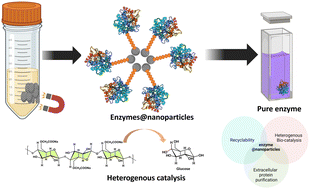
Heterogeneous biocatalysis by magnetic nanoparticle immobilized biomass-degrading enzymes derived from microbial cultures

J. Mater. Chem. B, 2025,13, 3644-3652. DOI: 10.1039/D4TB02011A

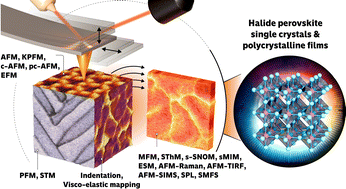
Footprints of scanning probe microscopy on halide perovskites

Chem. Commun., 2024, 60, 11685-11701. DOI: 10.1039/D4CC03658A

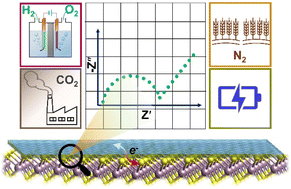
Deciphering interfacial charge transfer mechanisms in electrochemical energy systems through impedance spectroscopy

J. Mater. Chem. A, 2024,12, 14334-14353. DOI: 10.1039/D4TA00537F

Nanoscale and Nanoscale Advances are high-impact international journals, publishing high-quality experimental and theoretical work across the breadth of nanoscience and nanotechnology. Our broad scope covers cross-community research that bridges the various disciplines involved with nanoscience and nanotechnology.

We welcome you to submit your latest work on nanomaterial properties, behaviour, synthesis, hierarchical assembly, catalysis or energy to Professor Bhattacharyya for consideration in Nanoscale or Nanoscale Advances.

Please join us in welcoming Professor Bhattacharyya to Nanoscale and Nanoscale Advances! 

Digg This
Reddit This
Stumble Now!
Share on Facebook
Bookmark this on Delicious
Share on LinkedIn
Bookmark this on Technorati
Post on Twitter
Google Buzz (aka. Google Reader)

Call for papers: Nanoengineering for biomaterials and medicine

Nanoscale Advances is pleased to announce an open call for papers for the upcoming themed collection Nanoengineering for biomaterials and medicine. 

This themed collection will spotlight the latest research in nanoengineering, demonstrating its use to augment material properties (such as size, charge or functionalisation), driving advancements in medical applications and biomaterials functionality. 

The collection invites submissions of primary research articles across all areas of nanoscience and nanotechnology focussing on nanobioengineering. Areas of interest include but are not limited to:​  

  • Functional bionanomaterials 
  • Nanobioprinting materials and techniques 
  • Biomanufacturing 
  • Regenerative medicine  
  • Immunoengineering  
  • Biosensors 
  • Nanobiotechnology 
  • Nano-biointerface design 


Find out more

Submit before November 30th 2026 


Nanoscale Advances has published many high-quality articles on this exciting topic. Following the success of our previous collection on this topic, we would be delighted to receive your latest nanobioengineering research. 

Please inform the Editorial Office at nanoscaleadvances-rsc@rsc.org as soon as possible if you plan to submit to this open call.

We sincerely hope that you will be able to contribute your latest work to this themed collection. We look forward to receiving your manuscripts! 

Digg This
Reddit This
Stumble Now!
Share on Facebook
Bookmark this on Delicious
Share on LinkedIn
Bookmark this on Technorati
Post on Twitter
Google Buzz (aka. Google Reader)

Advanced semiconductor nanocrystals

Read the new collection in Nanoscale

We are delighted to introduce a new themed collection focusing on Advanced semiconductor nanocrystals.


Explore the collection


Read the editorial


Colloidal semiconductor nanocrystals are among the most captivating and influential nanomaterials due to their versatility and wide range of applications. Today, advanced nanocrystals are accessible, with high control over size, shape, and anisotropy, complex structures, exceptional purity, controlled doping, and more. These nanoscale materials exhibit unique optical and electronic properties because of their quantum confinement effects. They are used in light emitters, photodetectors, catalysis, energy harvesting, and components crucial for quantum computing endeavours.

With continued research and innovation, these nanomaterials promise to revolutionize various technological fields and address pressing societal challenges. A better grasp of existing processes and uncovering unknown phenomena are crucial for practical applications. This themed collection collates some of the latest research focusing on fundamental understanding and practical applications of semiconductor nanocrystals.

We invite you to discover the latest research from the Advanced semiconductor nanocrystals collection to read the introductory editorial written by guest editors Jannika Lauth (University of TĂĽbingen and Leibniz University Hannover, Germany), Indranath Chakraborty (IIT Kharagpur, India), Klaus Boldt (University of Rostock, Germany) and Angshuman Nag (IISER Pune, India).


All articles in the collection are free to read until the 30 June 2026.


Colloidal organometallic synthesis of solution-processable barium titanate nanoparticles for nanoelectronic applications
Lara Kim Linke, Katharina E. Dehm, Kirill Gubanov, Rainer H. Fink, Bartłomiej M. Szyja and Ryan W. Crisp
Nanoscale, 2025, 17, 7917-7925
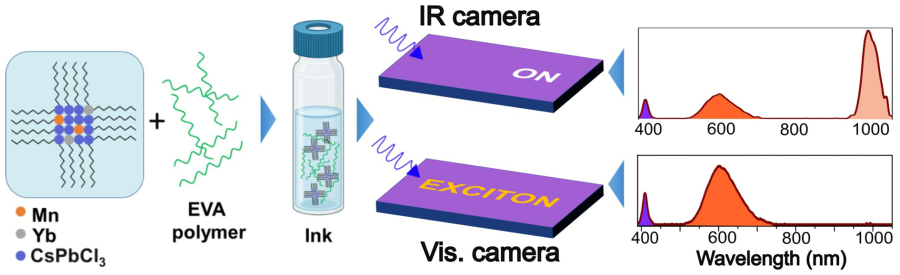
Co-doped perovskite nanocrystals for multiplexed anticounterfeiting applications
Manoj Sharma, Chang Cao, Gaveshana A. Sepalage, Shi Tang, Lan Nguyen, Hao Deng, Naufan Nurrosyid, Junlin Yan, Josh Moon, Tuncay Alan, James Andell Hutchison, Paul Mulvaney and Jacek J. Jasieniak
Nanoscale, 2025, 17, 9996-10005
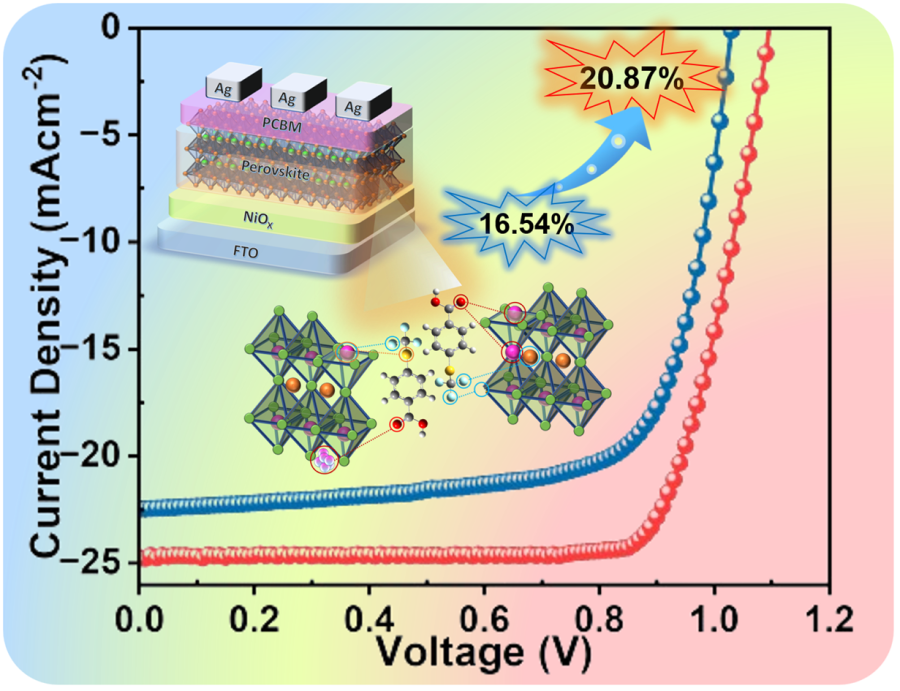
Minimizing defect states through multidentate coordination and morphology regulation for enhancing the performance of inverted perovskite solar cells
Himangshu Baishya, Mayur Jagdishbhai Patel, Ramkrishna Das Adhikari, Deepak Yadav and Parameswar Krishnan Iyer
Nanoscale, 2024, 16, 21804-21816
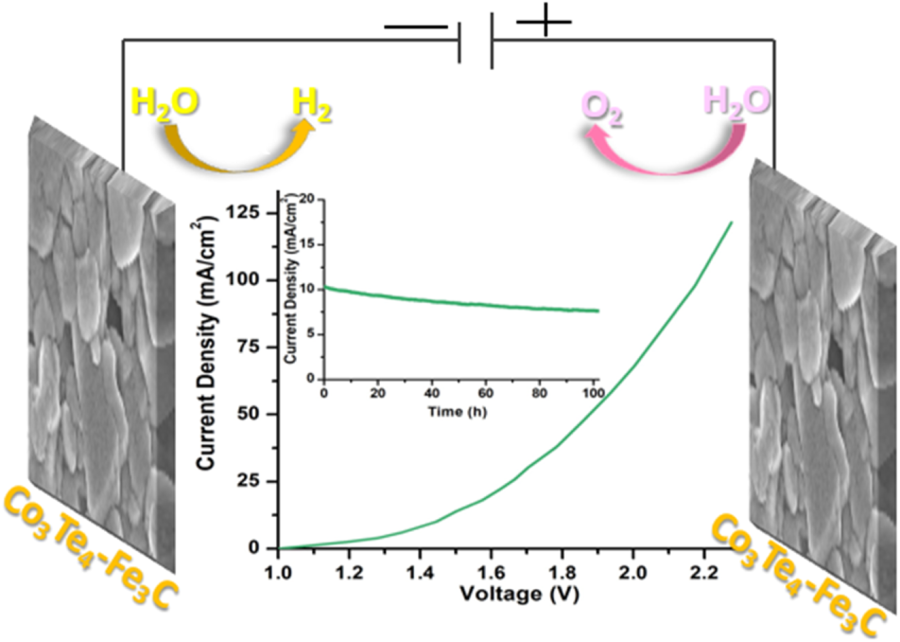
Facile synthesis of Co3Te4–Fe3C for efficient overall water-splitting in an alkaline medium
M. Abdul, Miao Zhang, Tianjun Ma, Nouf H. Alotaibi, Saikh Mohammad and Yin-Sheng Luo
Nanoscale Adv., 2025, 7, 433-447
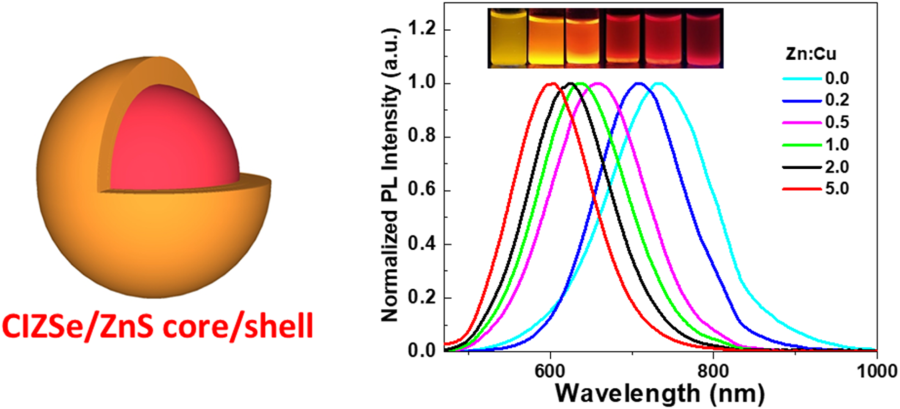
Microwave-assisted synthesis of highly photoluminescent core/shell CuInZnSe/ZnS quantum dots as photovoltaic absorbers
Shubham Shishodia, Hervé Rinnert, Lavinia Balan, Jordane Jasniewski, Stéphanie Bruyère, Ghouti Medjahdi, Thomas Gries and Raphaël Schneider
Nanoscale Adv., 2025, 7, 1326-1334


We hope you enjoy reading some of the latest research on semiconductor nanocrystals!

We are always looking for great research on semiconductor nanocrystals. Get in touch with the Editorial Office if are interested in submitting your work to the journal by emailing nanoscale-rsc@rsc.org.


Did you know?

Our themed collections in our Nanoscale family journals are built by collaboration between our Guest Editors and expert Associate Editors.
Our Guest Editors guide the scope and curate the contributions in our collections, but all submissions are handled through peer review by our team of resident Associate Editors. This means that as an author you receive a consistent experience, and as a reader you can trust the quality of the science being presented.

If you have an idea for a topical collection in your research field, we’d love to hear from you! Get in touch with us at nanoscale-rsc@rsc.org

Digg This
Reddit This
Stumble Now!
Share on Facebook
Bookmark this on Delicious
Share on LinkedIn
Bookmark this on Technorati
Post on Twitter
Google Buzz (aka. Google Reader)

Spotlight on Nano Research from India

Over the years, Nanoscale Horizons and Nanoscale have published quality research across the breadth of nanoscience. Our Indian authors and readers have been a core part of the research community, and it has been inspiring for our journals to witness and support the growth of Indian research.  

To showcase some of the great research being carried out, we have selected some of the most popular articles from authors across India.  Click the link below to read the full collection! If your institution is included in the One Nation One Subscription initiative, Nanoscale Horizons and Nanoscale articles will be free to access, as these journals are covered by the scheme. Read the RSC announcement here.  


Read the collection


Digg This
Reddit This
Stumble Now!
Share on Facebook
Bookmark this on Delicious
Share on LinkedIn
Bookmark this on Technorati
Post on Twitter
Google Buzz (aka. Google Reader)

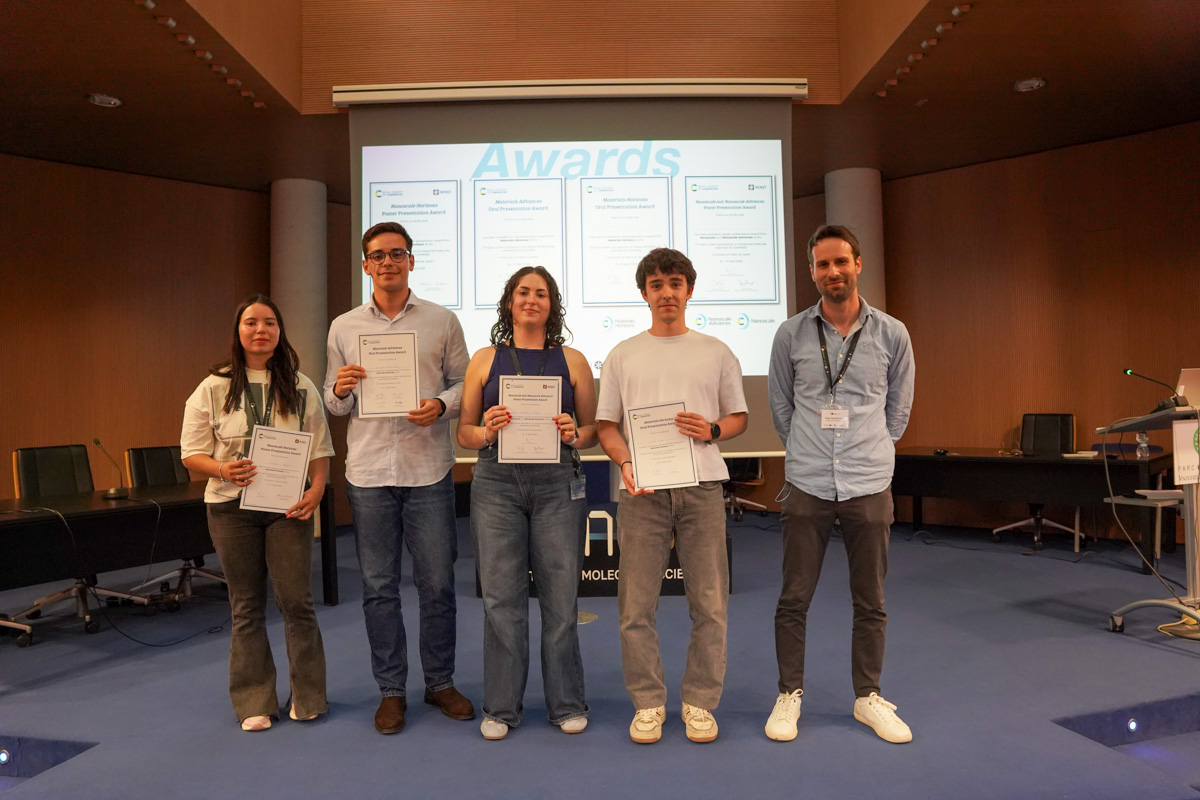
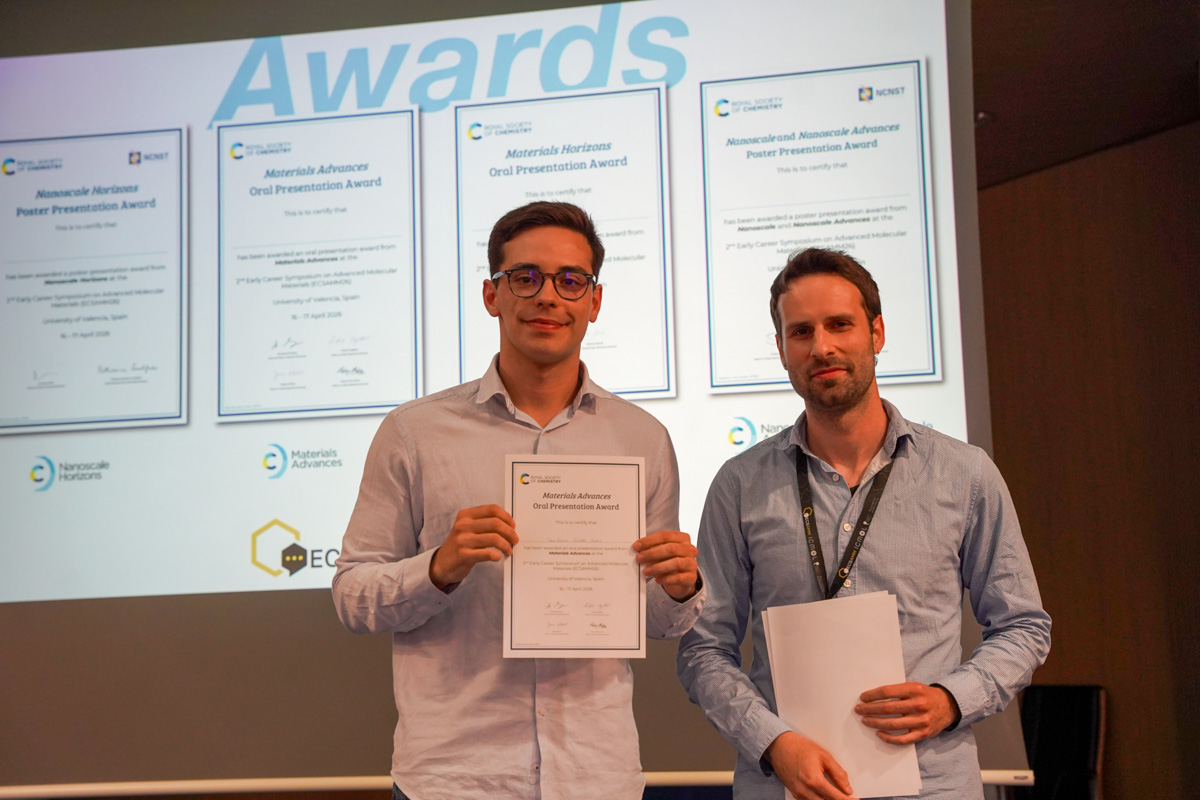
Congrtulations to the post prize winners at the 2nd Early Career Symposium on Advanced Molecular Materials (ECSAMM26)

Nanoscale Horizons, Nanoscale, Nanoscale Advances, Materials Horizons and Materials Advances were delighted to sponsor prizes at the 2nd Early Career Symposium on Advanced Molecular Materials (ECSAMM26) which took place in Valencia, Spain on April 16 and 17, 2026.

Please join us in congratulating  the winners on their awards!

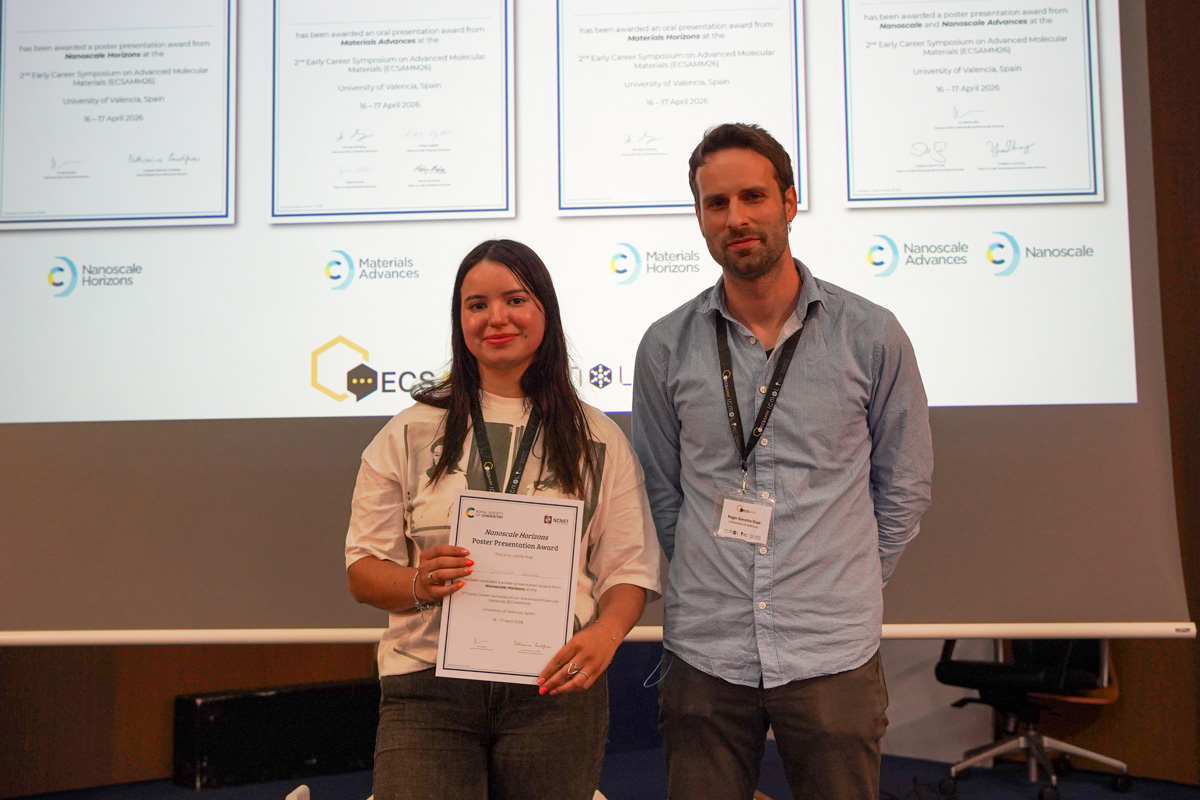
Nanoscale Horizons: Geraldine Sánchez, Instituto de Ciencia Molecular, University of Valencia

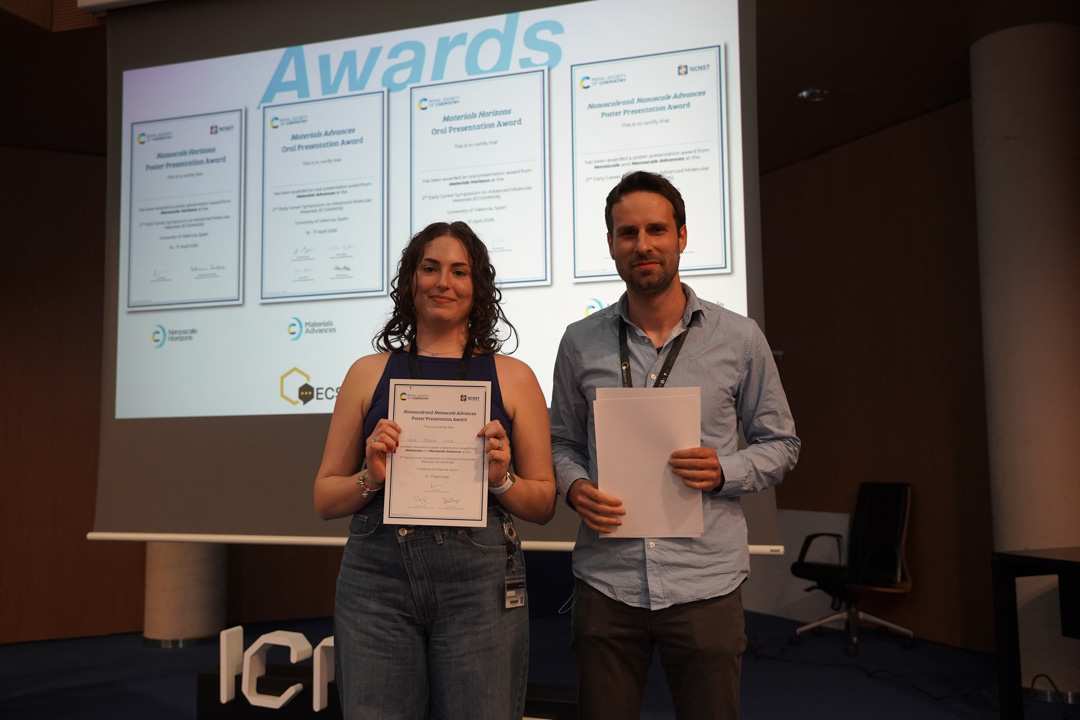
Nanoscale Advances and Nanoscale: Laura González Cervera, Instituto de Ciencia Molecular, University of Valencia

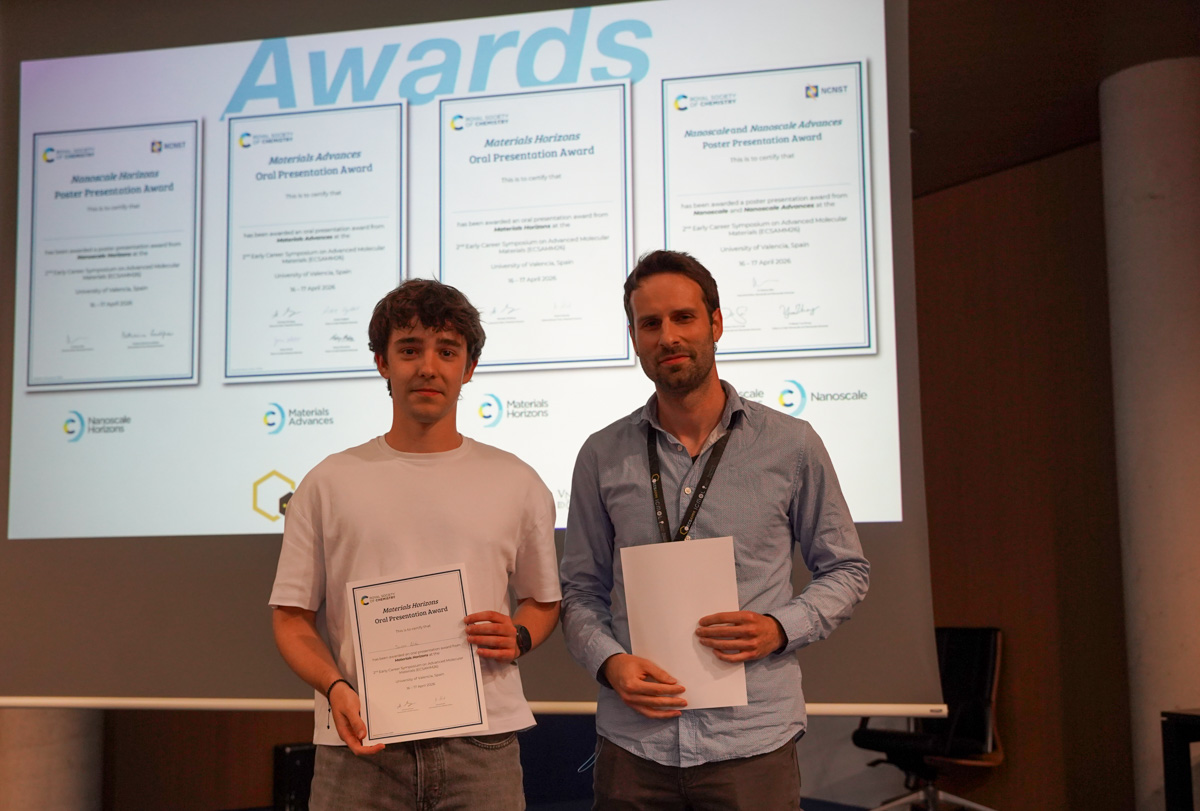
Materials Horizons: Javier Alda GĂłmez, RTMM, Instituto de Ciencia Molecular, University of Valencia

Materials Advances: Guillermo Gómez Tenés, FUNIMAT, Instituto de Ciencia Molecular, University of Valencia

Digg This
Reddit This
Stumble Now!
Share on Facebook
Bookmark this on Delicious
Share on LinkedIn
Bookmark this on Technorati
Post on Twitter
Google Buzz (aka. Google Reader)

Meet some of the authors of the 2026 Nanoscale Advances Paper Prize runner up paper

We are delighted to celebrate the 2026 Nanoscale Advances Paper Prize, highlighting the most significant articles published in the journal in the previous calendar year! Find out more about Zhengji Wen and Wenchao Zhao, two of the the authors of the 2026 Nanoscale Advances Paper Prize runner up paper Multifunctional terahertz metamaterials device based on a dual-tunable structure incorporating graphene and vanadium oxide.


Wenchao Zhao.

Wenchao Zhao is an Associate Professor at Huzhou University. His research interests include artificial electromagnetic structured materials (metamaterials), spectral regulation technology, and semiconductor optoelectronic materials and devices.

Zhengji Wen.

Zhengji Wen is an Associate Professor at Shanghai Institute of Optics and Fine Mechanics, Chinese Academy of Sciences. His research focuses on the physics and applications of meta‑films for infrared thermal radiation control, including infrared stealth, radiative cooling, narrowband infrared thermal emitters, and infrared anti‑counterfeiting/encryption.


What aspect of your work are you most excited about at the moment?

We are most excited about the dynamic tunability of our device – integrating graphene and vanadium oxide allows us to actively control both amplitude and polarization of terahertz waves, which opens new possibilities for smart, reconfigurable metamaterials.


How do you feel about Nanoscale Advances as a place to publish research on this topic?

We highly appreciate Nanoscale Advances for its rapid and rigorous peer‑review process, high‑quality editorial board, and open‑access policy. The journal provides excellent visibility for interdisciplinary research, and we are proud that our work was recognized as a runner‑up for the Paper Prize.


Can you share one piece of career‑related advice for early career scientists?

“Focus on solving a fundamental problem rather than chasing hot topics. Build a strong foundation in both theory and experiment, and do not hesitate to collaborate across disciplines – the most interesting results often come from the boundaries.”

Digg This
Reddit This
Stumble Now!
Share on Facebook
Bookmark this on Delicious
Share on LinkedIn
Bookmark this on Technorati
Post on Twitter
Google Buzz (aka. Google Reader)