Author Archive

2026 Royal Society of Chemistry Prizes🏆 

We are delighted to see so many nanoscience and nanotechnology researchers celebrated in the Royal Society of Chemistry’s 2026 Prizes. 🏆 

Find out more about some of this year’s winners and explore some of their recent research that has been published in Nanoscale or Nanoscale Advances. 


🏆 Graham Newton, co-author of “Asymmetric thiol-modified hybrid polyoxometalates: building blocks for hierarchical nanostructured redox materials” 

🪪 https://www.rsc.org/standards-and-recognition/prizes/winners/professor-graham-newton  

📰 https://doi.org/10.1039/D5NR00544B  


🏆 Mathew Horrocks, co-author of “Single-molecule imaging of aquaporin-4 array dynamics in astrocytes” 

🪪 https://www.rsc.org/standards-and-recognition/prizes/winners/professor-mathew-horrocks  

📰 https://doi.org/10.1039/D4NR00330F  


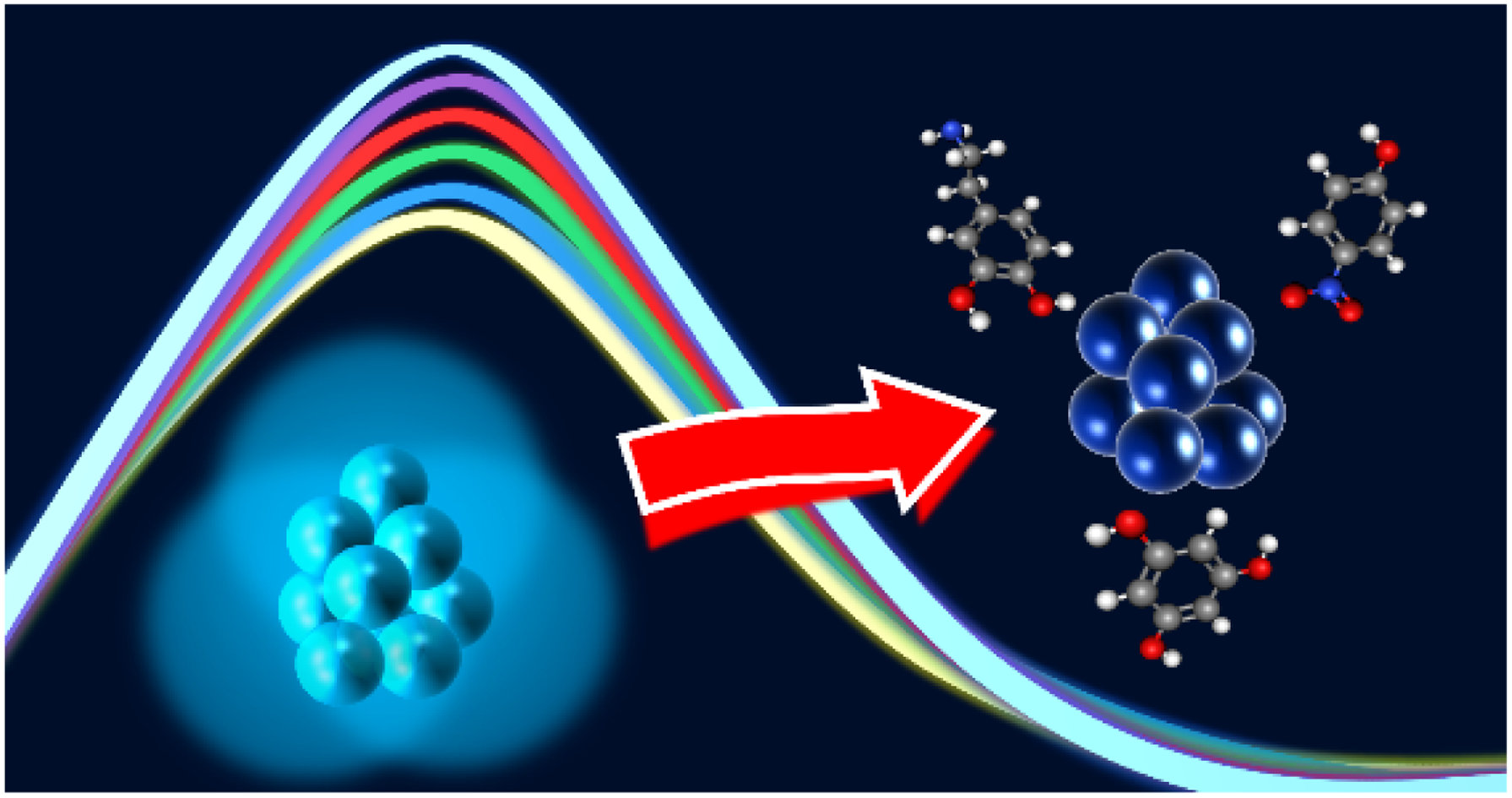
🏆 Angelos Michaelides & Fabian Berger (as part of n-AQUA), co-authors of “Mechanisms for the formation of active sites in single-atom alloys” 

🪪 https://www.rsc.org/standards-and-recognition/prizes/winners/test 

🪪 https://www.rsc.org/standards-and-recognition/prizes/winners/n-aqua  

📰 https://doi.org/10.1039/D5NR05517B  


🏆 Gwilherm Kerherve, co-author of “Exsolution of Fe-based pyramidal nanostructures from a noble metal doped perovskite matrix” 

🪪 https://www.rsc.org/standards-and-recognition/prizes/winners/dr-gwilherm-kerherve  

📰 https://doi.org/10.1039/D5NA00469A  


Explore the winners across all categories of this year’s #RSCprizes and some of their excellent publications in RSC journals 👇 

🏆 https://www.rsc.org/standards-and-recognition/prizes/winners?utm_campaign=rsc_prize_winners&utm_source=linkedin&utm_medium=social_organic&utm_content=tgroup_all 

📰 https://pubs.rsc.org/en/journals/articlecollectionlanding?sercode=gc&themeid=a4045bf8-dbec-448e-8d00-d4caf91aae07  


Digg This
Reddit This
Stumble Now!
Share on Facebook
Bookmark this on Delicious
Share on LinkedIn
Bookmark this on Technorati
Post on Twitter
Google Buzz (aka. Google Reader)

Quantum Nanomaterials Themed Collection

Nanoscale is delighted to introduce a new themed collection focusing on Quantum Nanomaterials! All articles in the collection are free to read until 31st July 2026.

We invite you to discover the latest research from the Quantum nanomaterials collection and read the introductory editorial written by guest editors Dr Yujeong Bae (Empa, Swiss Federal Laboratories for materials science and technology, Switzerland), Dr Paola Ceroni (Università di Bologna, Italy) and Dr Yi Chen (Peking University, China).

Explore the collection  Read the Editorial

Quantum materials have emerged as a rapidly expanding field at the intersection of condensed matter physics, materials science, and quantum technology. These materials exhibit exotic quantum phenomena that cannot be described by classical models, encompassing diverse systems such as topological materials, correlated electron systems, moiré heterostructures, two-dimensional (2D) materials, and spin-based quantum systems. Their unique electronic, magnetic, and optical properties underpin advancements in quantum computing, spintronics, optoelectronics, and next-generation sensing technologies. A significant milestone in the recognition of quantum materials research was the 2023 Nobel Prize in Chemistry, awarded for the discovery and synthesis of quantum dots, highlighting the transformative impact of nanoscale semiconductor materials. This breakthrough, along with developments in topological insulators, moiré superlattices, superconducting materials, and quantum defects in solids, has fuelled new directions in quantum information science and novel device architectures. This special collection aims to highlight the latest advancements and challenges in quantum materials research, with a broad topic scope.

We have highlighted a selection of articles below, but you can explore all papers in the collection here.


Reviews


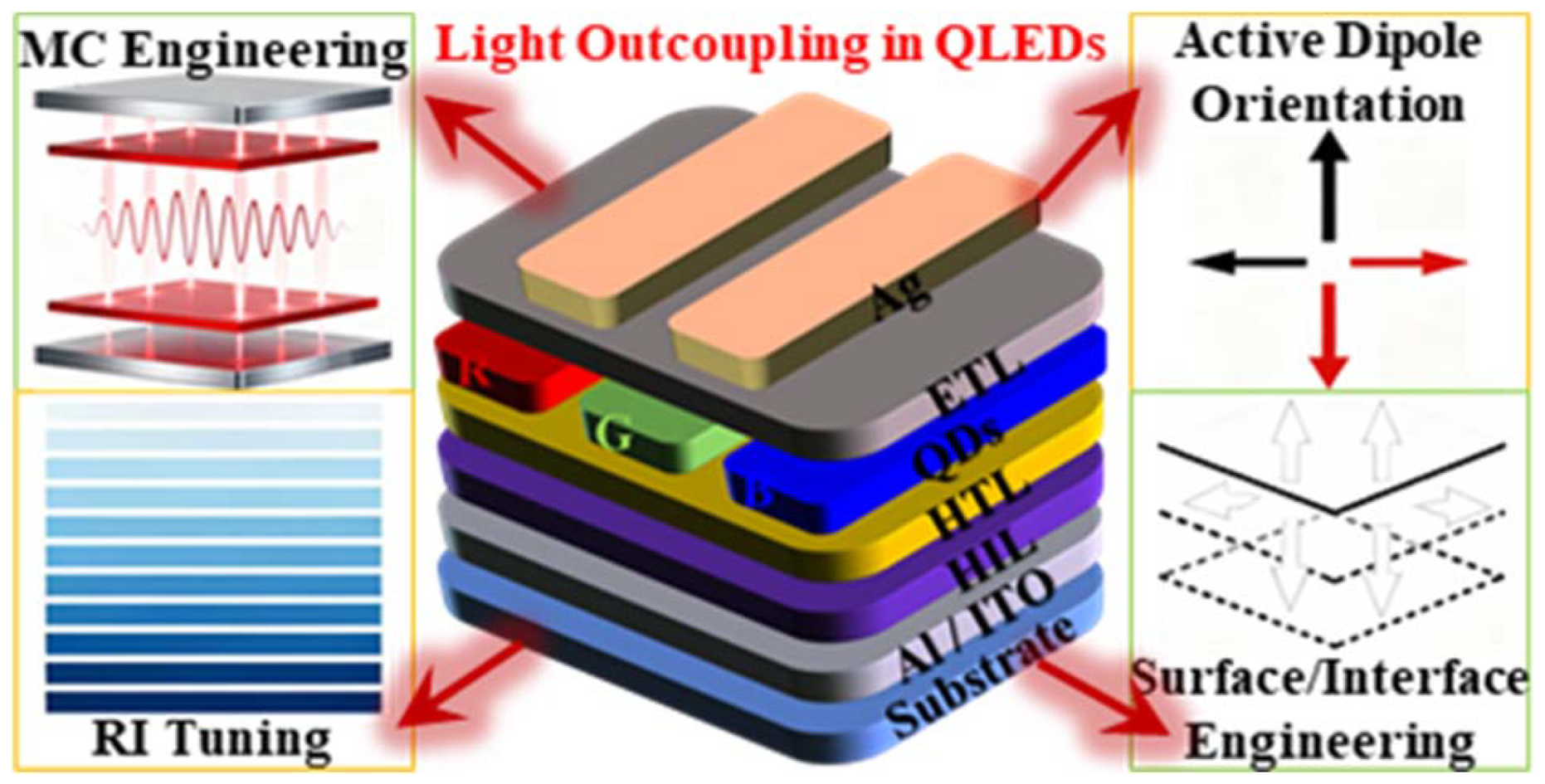
Light outcoupling strategies for quantum dot light-emitting diodes 

Rakesh Kumar Jha, Hyuntai Kim and Seong-Yong Cho 

Nanoscale, 2026, 18, 2916-2941 

Recent advances in carbon-based quantum dots for sensing applications 

Shamim Ahmed Hira, Sharmila Durairaj, Carlos A. Ramirez and Aicheng Chen 

Nanoscale, 2025, 17, 27762-27783 

Papers


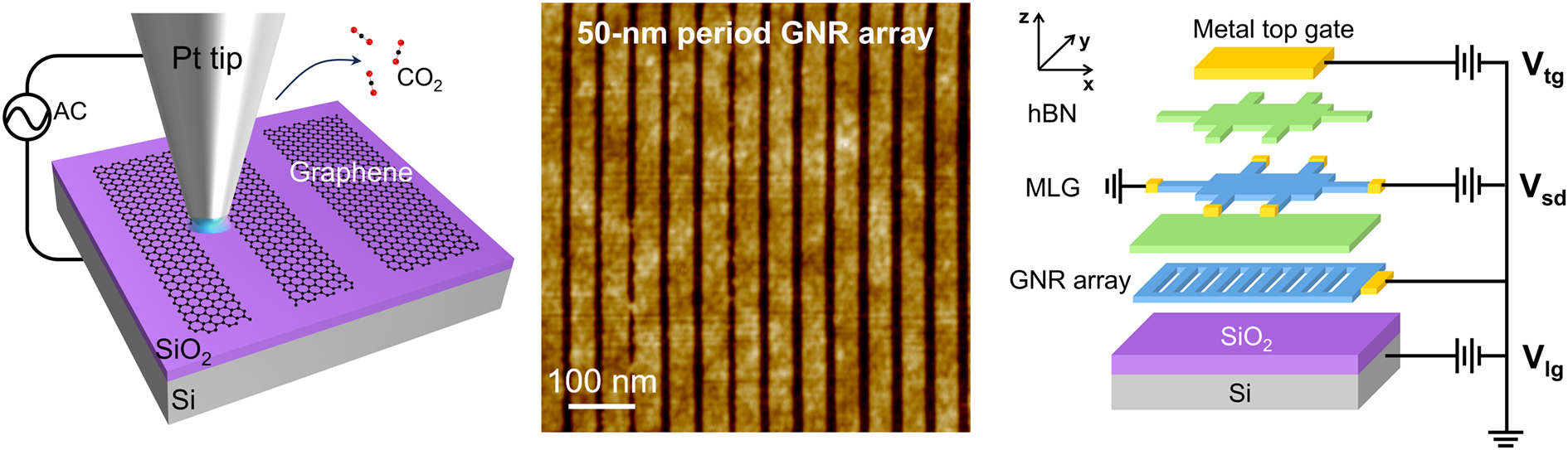
High-precision AFM cutting of graphene via improved electrode-free local anodic oxidation for electronic band engineering 

Zhenghan Wu, Xianliang Zhou, Kunqi Xu, Zhichun Zhang, Yufeng Xie, Kenji Watanabe, Takashi Taniguchi and Zhiwen Shi 

Nanoscale, 2025, 17, 25657-25663 

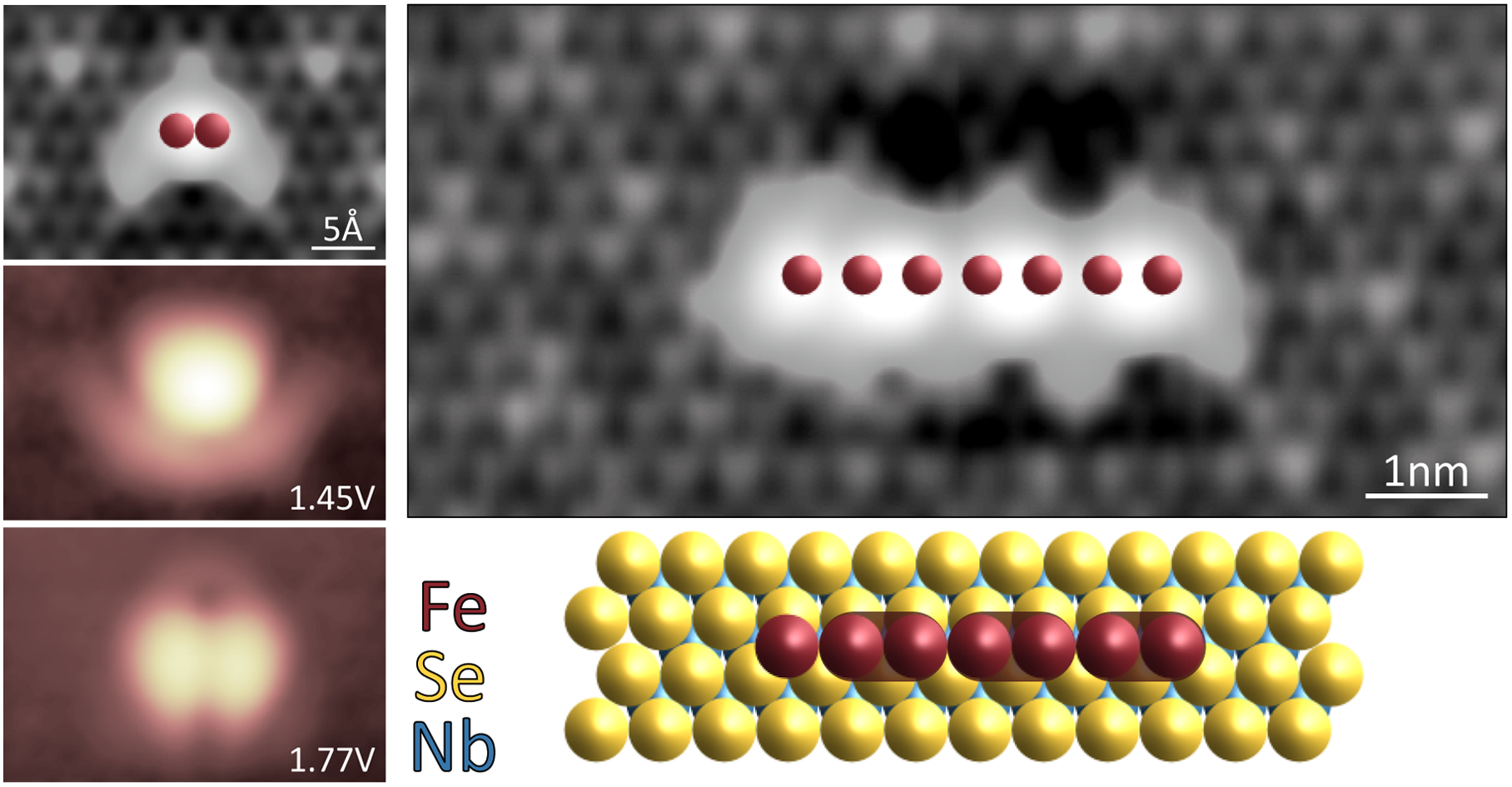
Direct signatures of d-level hybridization and dimerization in magnetic adatom chains on a superconductor 

Lisa M. Rütten, Eva Liebhaber, Gaël Reecht, Kai Rossnagel and Katharina J. Franke 

Nanoscale, 2025, 17, 26811-26819 

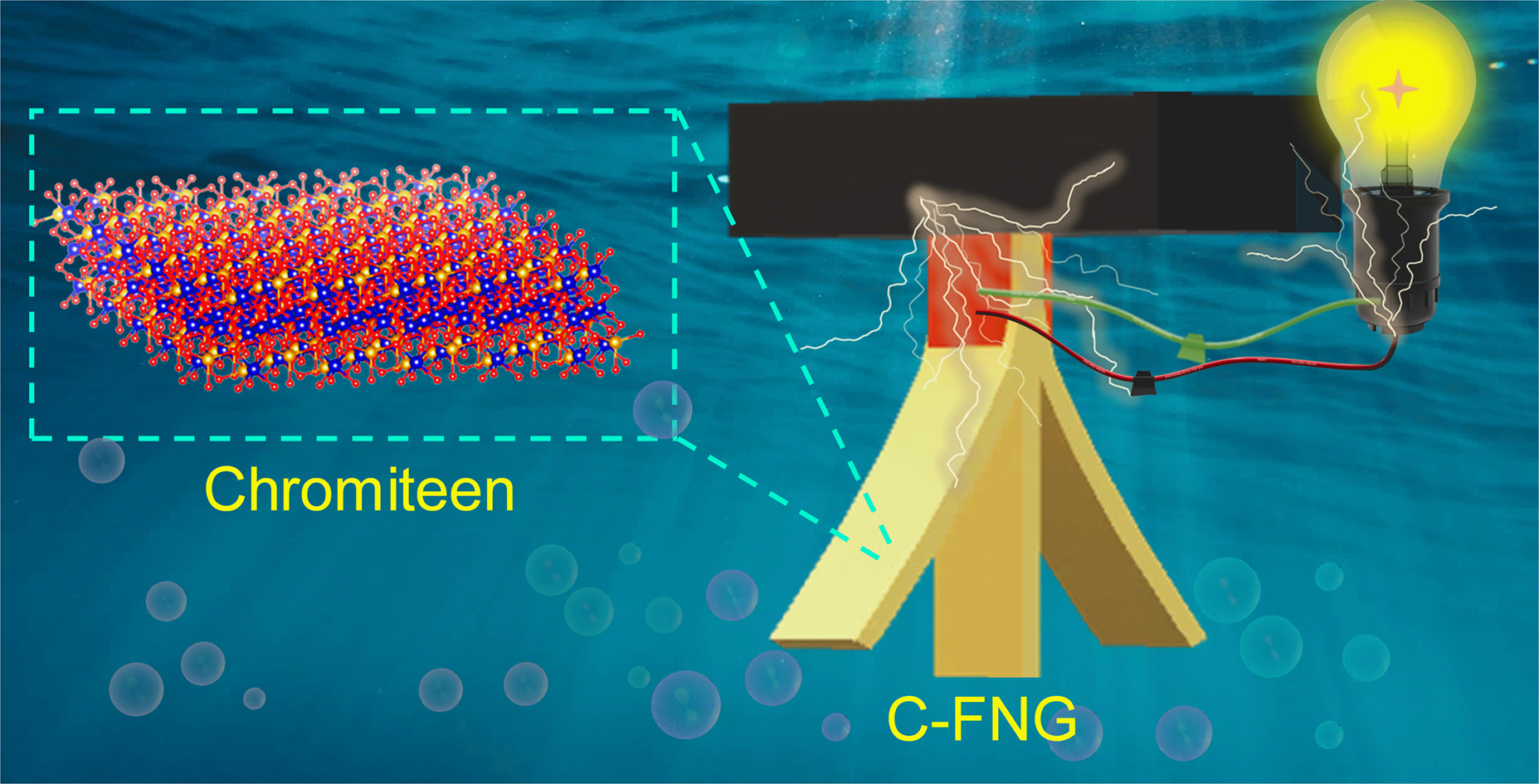
Strain-induced wave energy harvesting using atomically thin chromiteen 

Royston Mathias, Subhendu Mishra, Abhishek Kumar Singh and Partha Kumbhakar 

Nanoscale, 2025, 17, 26820-26827 

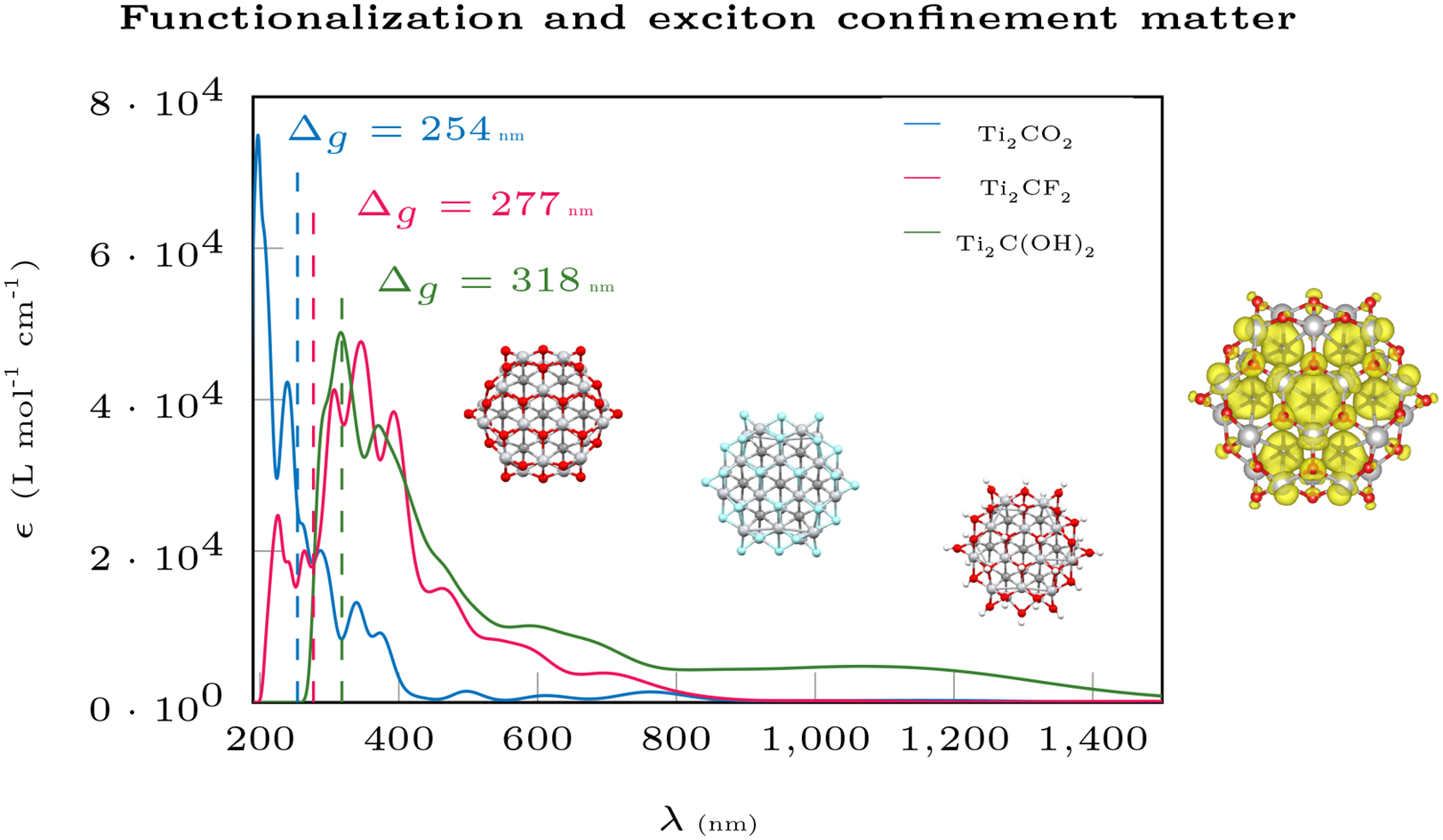
Effects of surface functionalization and size of MXene-based quantum dots on their optical properties: the exciton confinement matters  

Barbora Vénosová and František Karlický 

Nanoscale, 2025, 17, 24529-24540 

We hope you enjoy reading some of the latest research on quantum nanomaterials!  

We are always looking for great research on quantum nanomaterials. Get in touch with the Editorial Office if you are interested in submitting your work to the journal by emailing nanoscale-rsc@rsc.org.   


Digg This
Reddit This
Stumble Now!
Share on Facebook
Bookmark this on Delicious
Share on LinkedIn
Bookmark this on Technorati
Post on Twitter
Google Buzz (aka. Google Reader)

Call for papers: Nanoengineering for biomaterials and medicine

Nanoscale Advances is pleased to announce an open call for papers for the upcoming themed collection Nanoengineering for biomaterials and medicine. 

This themed collection will spotlight the latest research in nanoengineering, demonstrating its use to augment material properties (such as size, charge or functionalisation), driving advancements in medical applications and biomaterials functionality. 

The collection invites submissions of primary research articles across all areas of nanoscience and nanotechnology focussing on nanobioengineering. Areas of interest include but are not limited to:​  

  • Functional bionanomaterials 
  • Nanobioprinting materials and techniques 
  • Biomanufacturing 
  • Regenerative medicine  
  • Immunoengineering  
  • Biosensors 
  • Nanobiotechnology 
  • Nano-biointerface design 


Find out more

Submit before November 30th 2026 


Nanoscale Advances has published many high-quality articles on this exciting topic. Following the success of our previous collection on this topic, we would be delighted to receive your latest nanobioengineering research. 
Please inform the Editorial Office at nanoscaleadvances-rsc@rsc.orgas soon as possible if you plan to submit to this open call.

We sincerely hope that you will be able to contribute your latest work to this themed collection. We look forward to receiving your manuscripts! 

Digg This
Reddit This
Stumble Now!
Share on Facebook
Bookmark this on Delicious
Share on LinkedIn
Bookmark this on Technorati
Post on Twitter
Google Buzz (aka. Google Reader)

Spotlight on Nano Research from India

Over the years, Nanoscale Horizons and Nanoscale have published quality research across the breadth of nanoscience. Our Indian authors and readers have been a core part of the research community, and it has been inspiring for our journals to witness and support the growth of Indian research.  

To showcase some of the great research being carried out, we have selected some of the most popular articles from authors across India.  Click the link below to read the full collection! If your institution is included in the One Nation One Subscription initiative, Nanoscale Horizons and Nanoscale articles will be free to access, as these journals are covered by the scheme. Read the RSC announcement here 


Read the collection


Digg This
Reddit This
Stumble Now!
Share on Facebook
Bookmark this on Delicious
Share on LinkedIn
Bookmark this on Technorati
Post on Twitter
Google Buzz (aka. Google Reader)

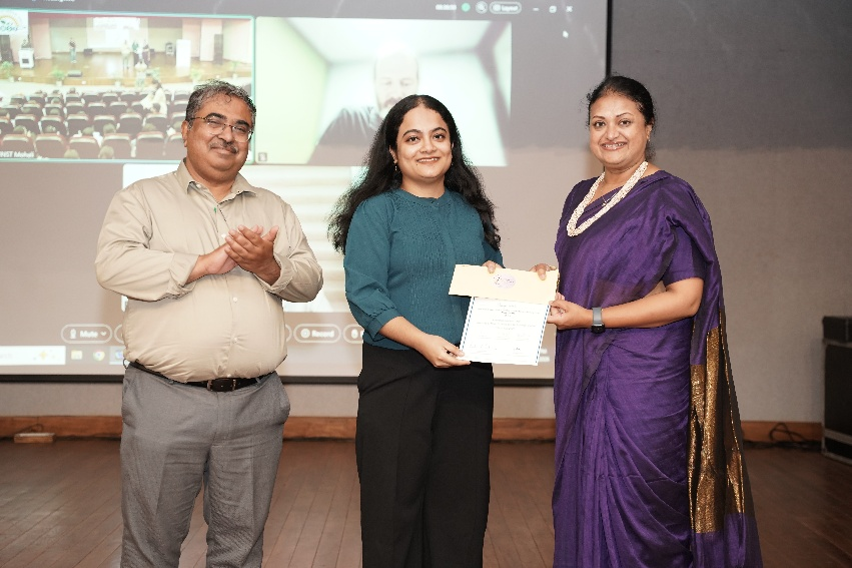
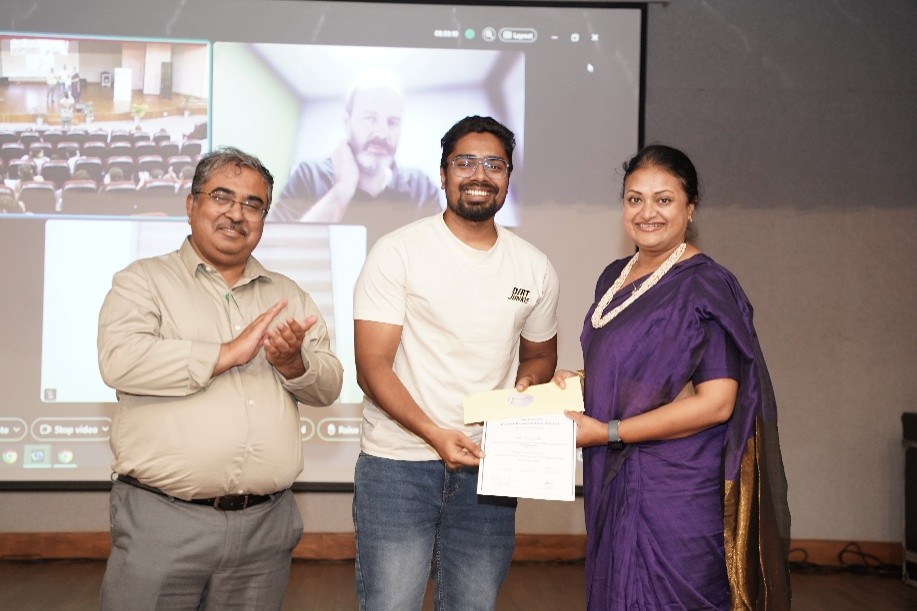
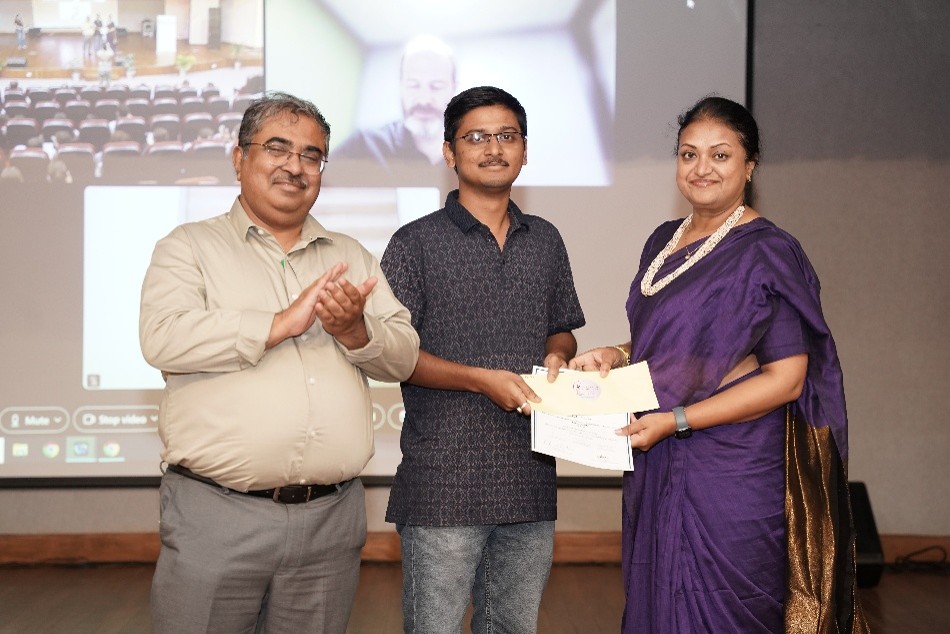
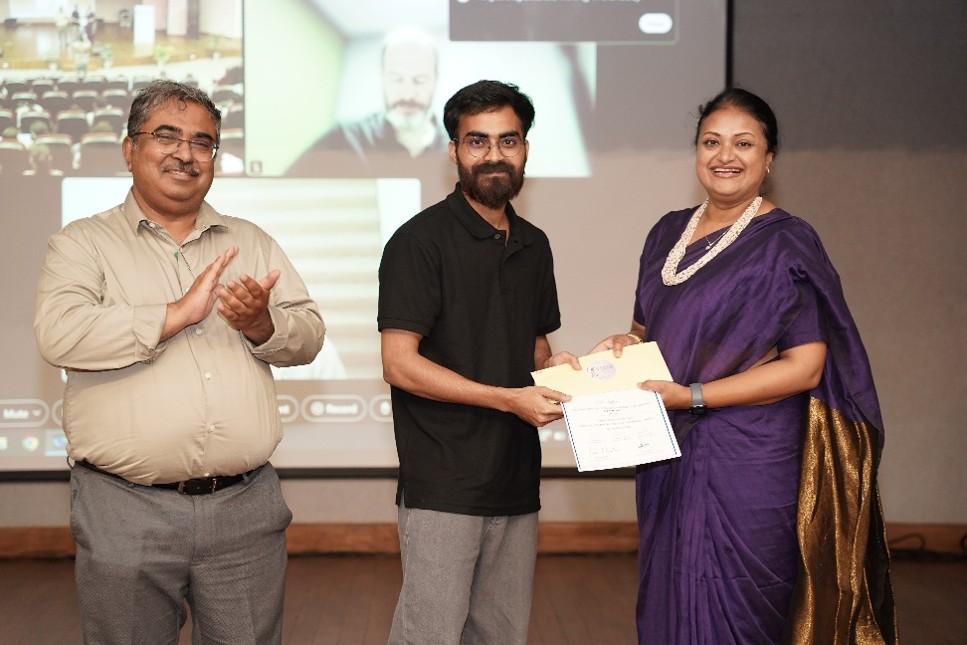
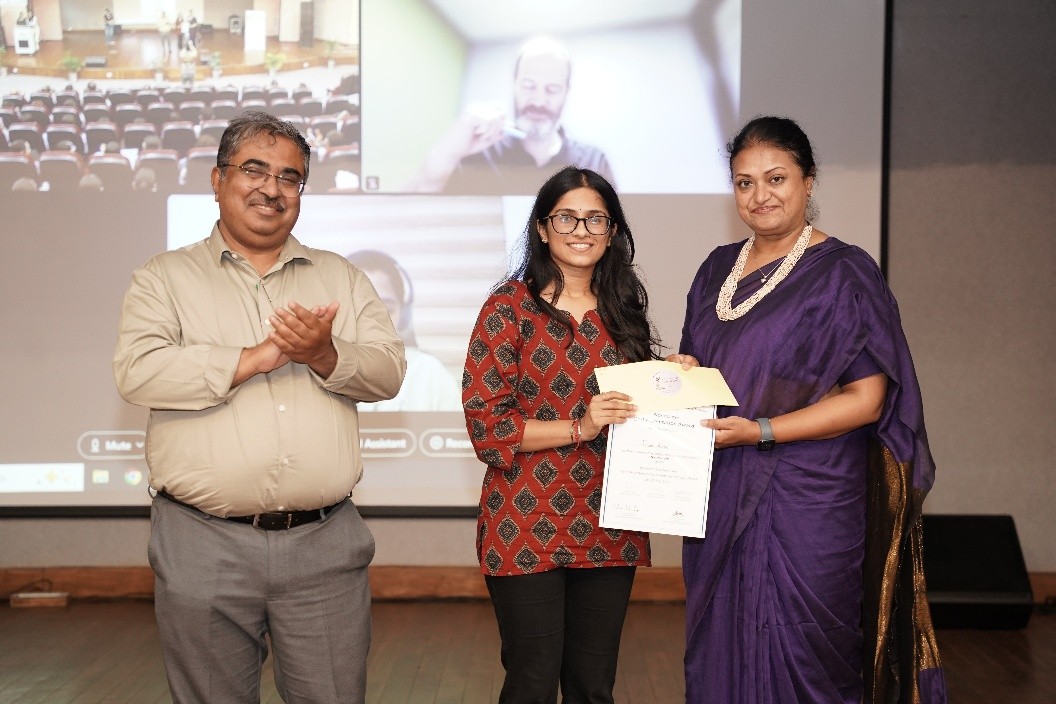
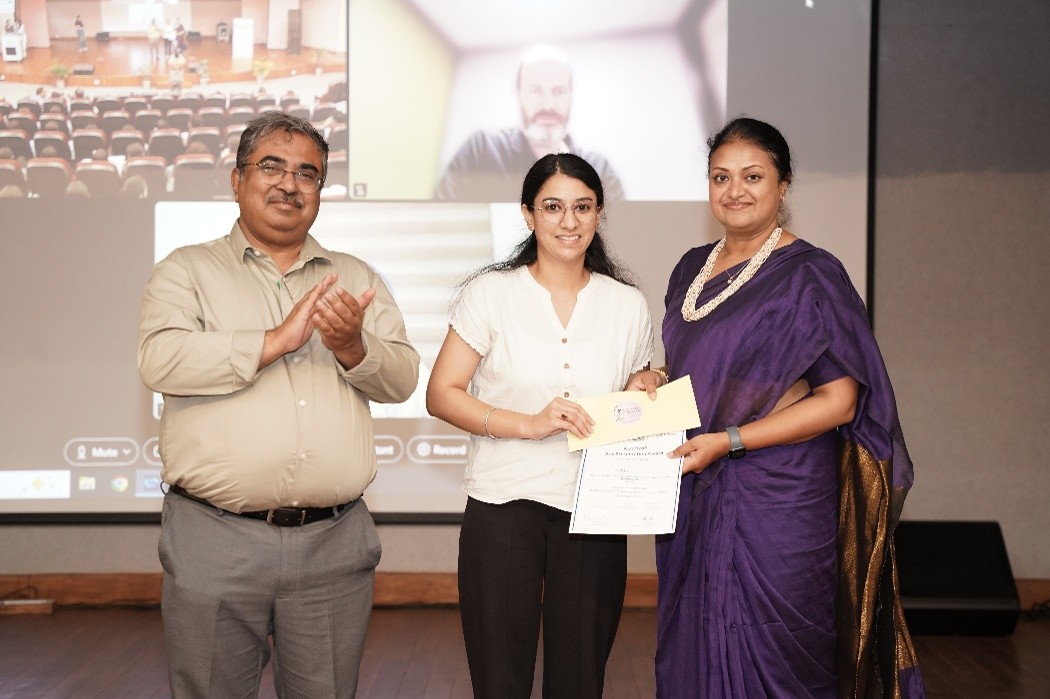
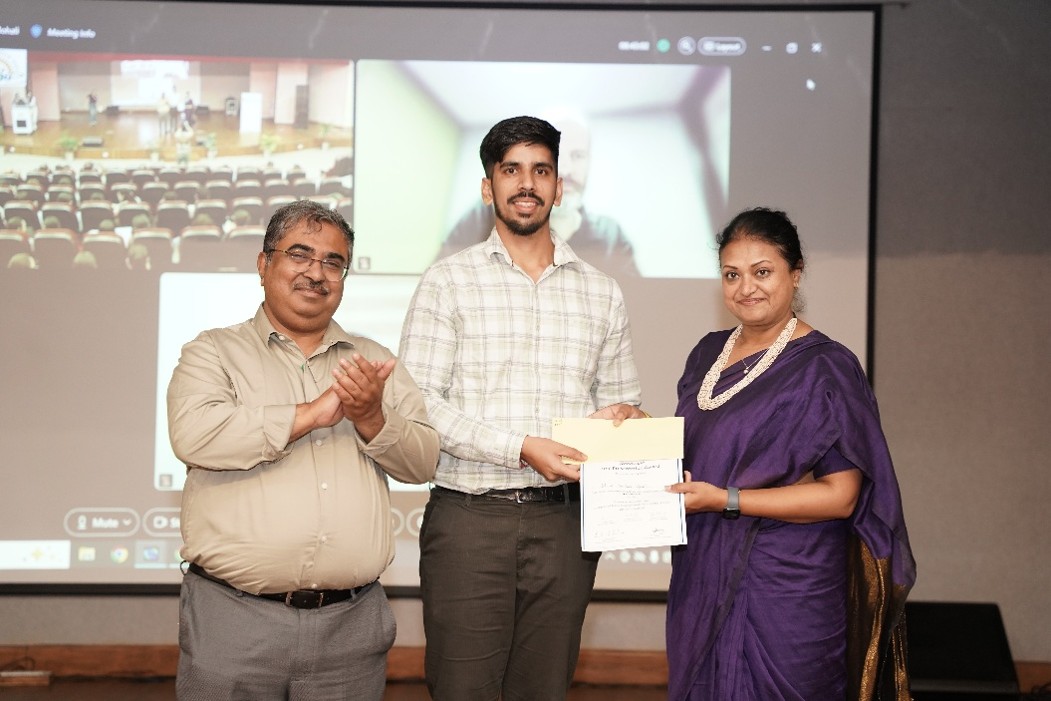
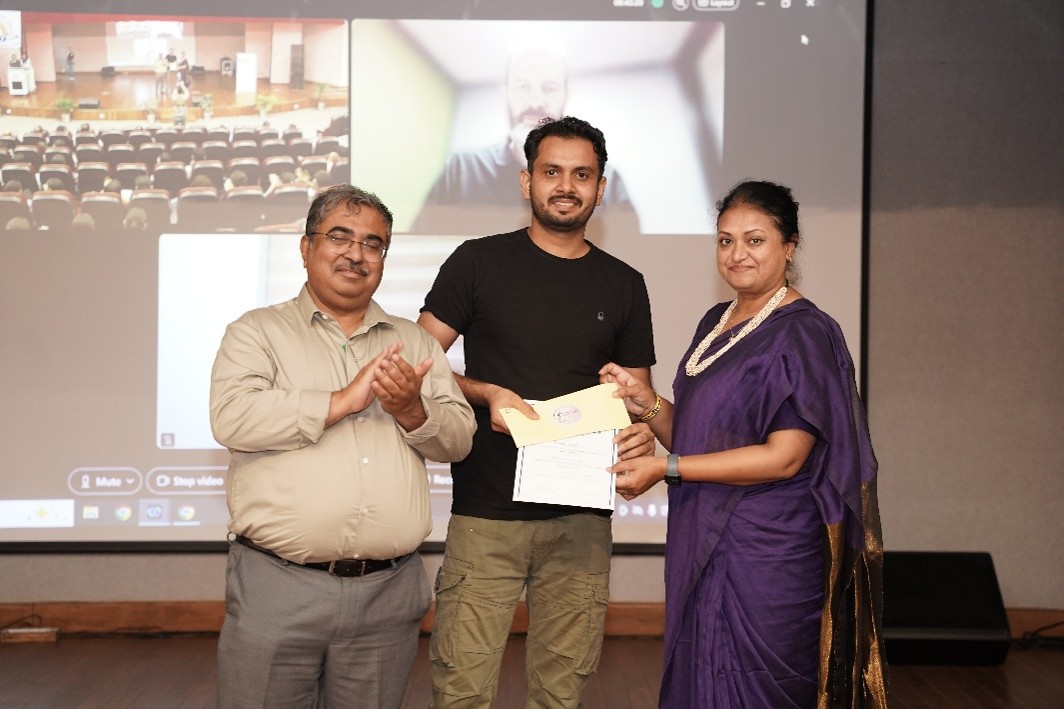
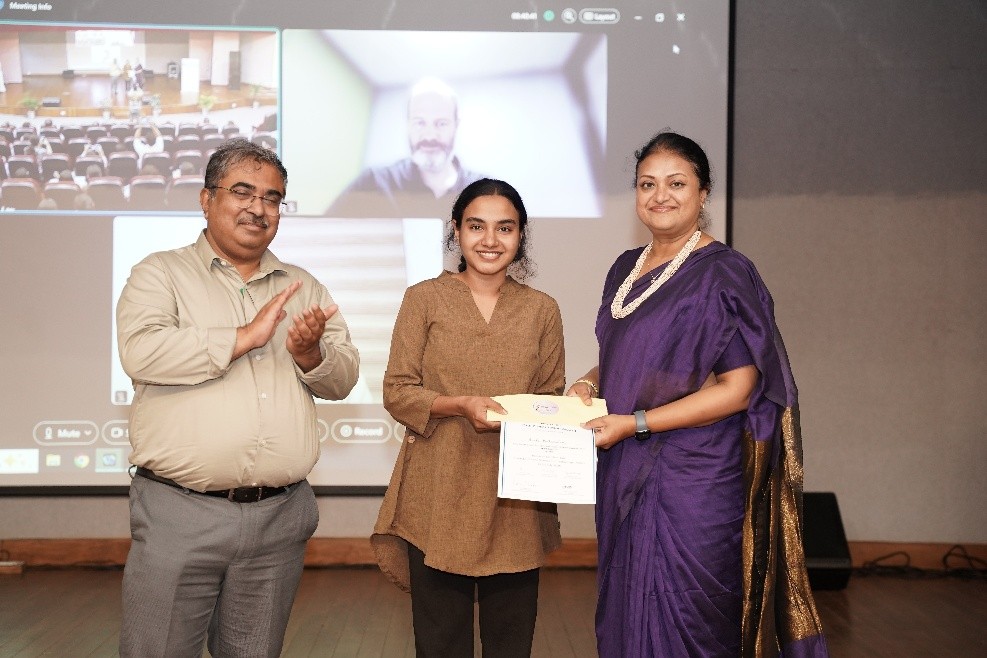
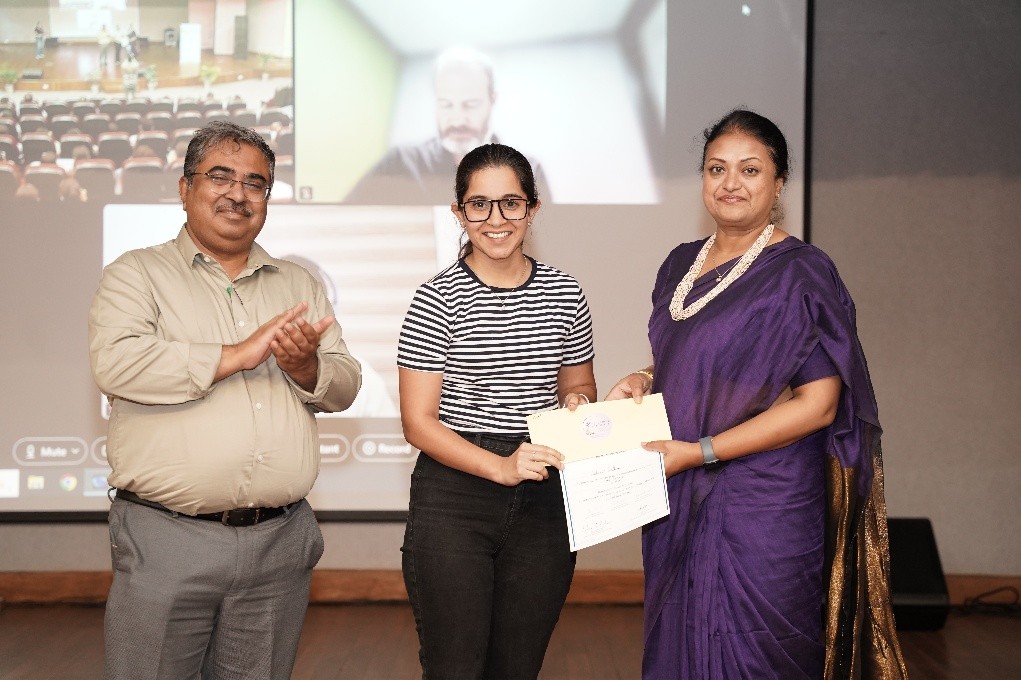
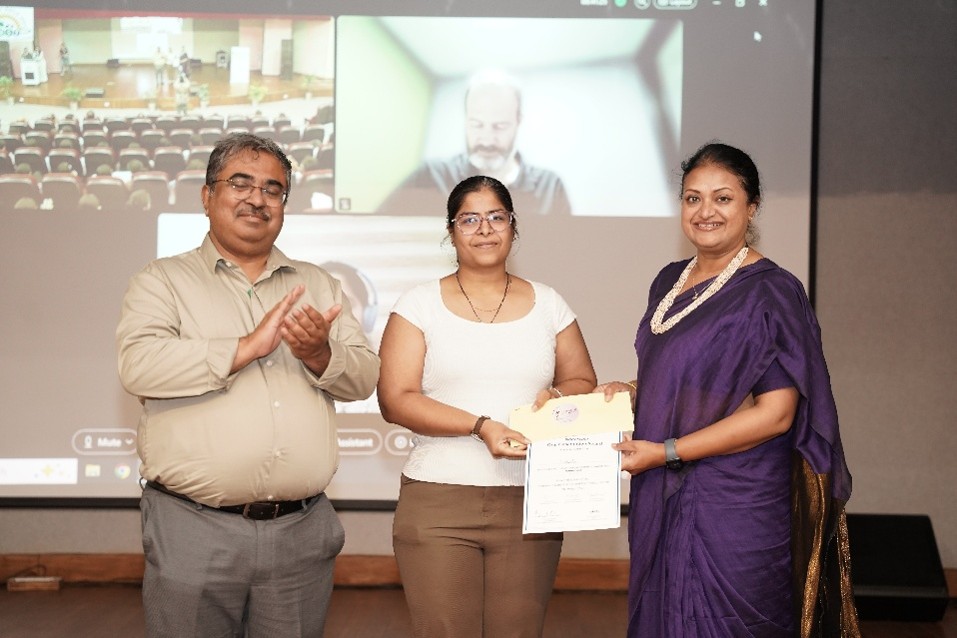
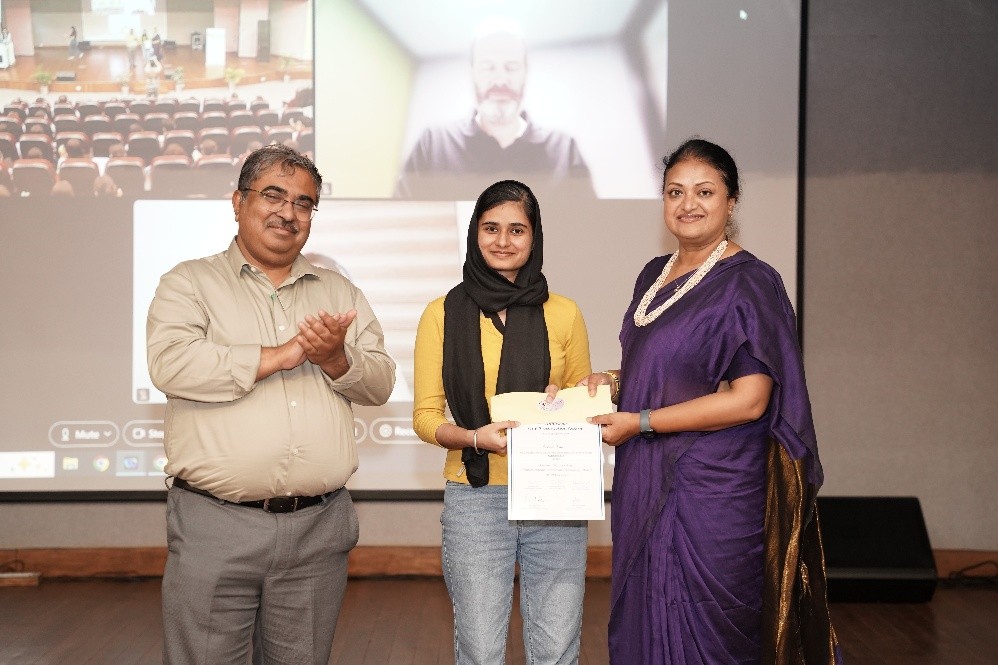
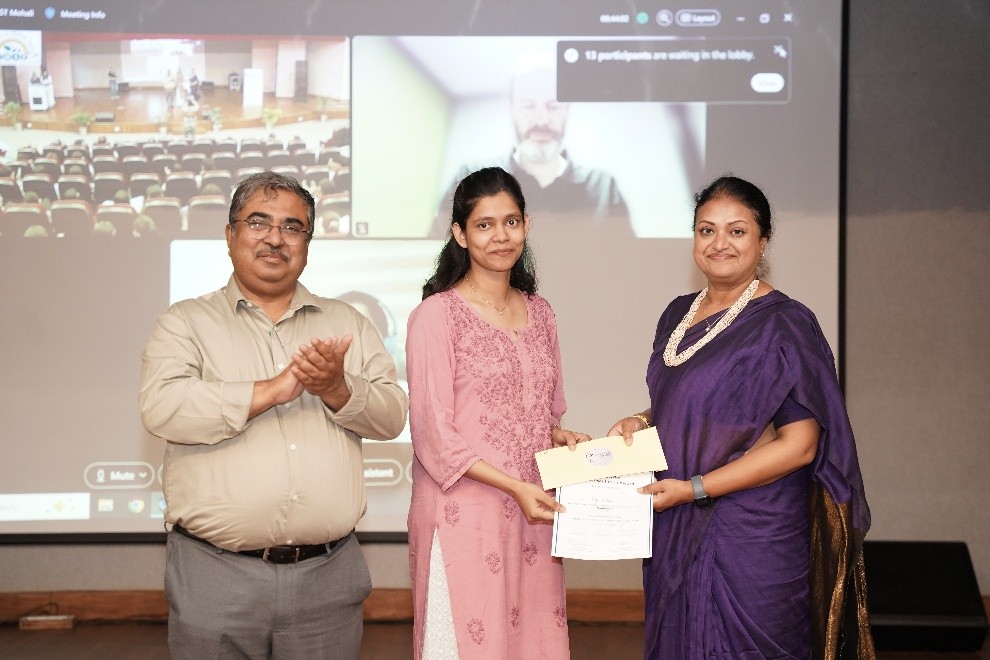
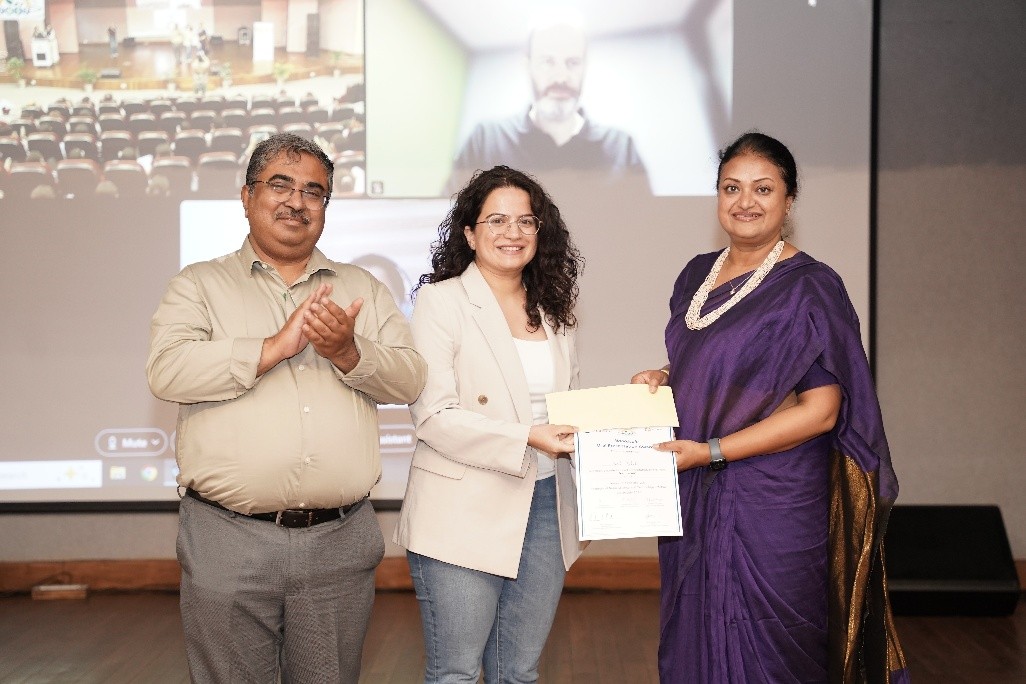
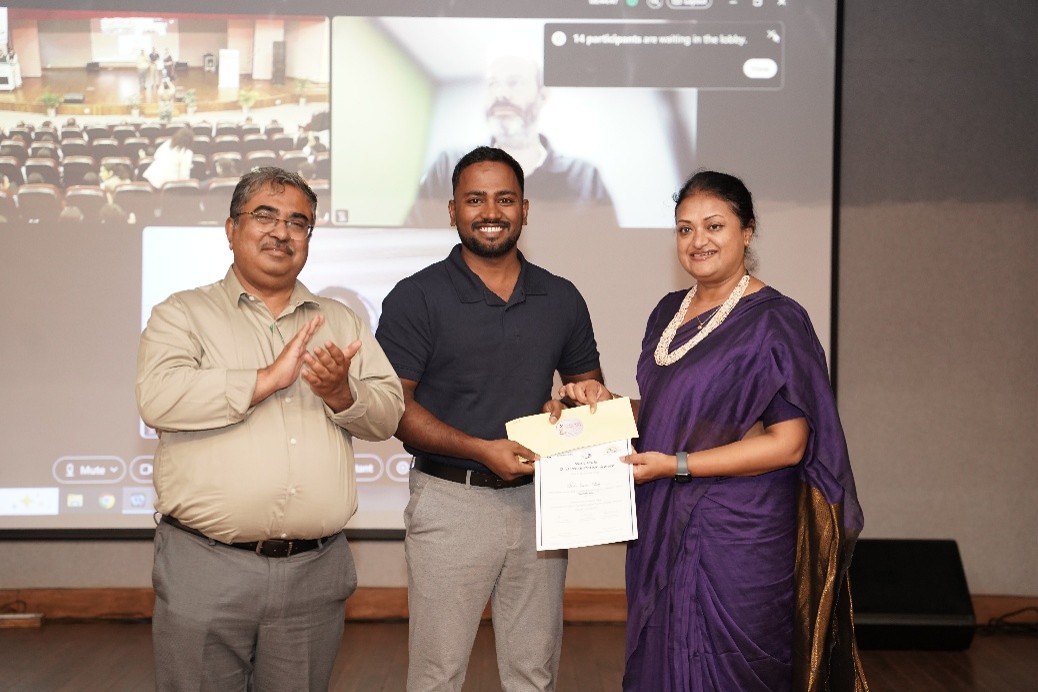
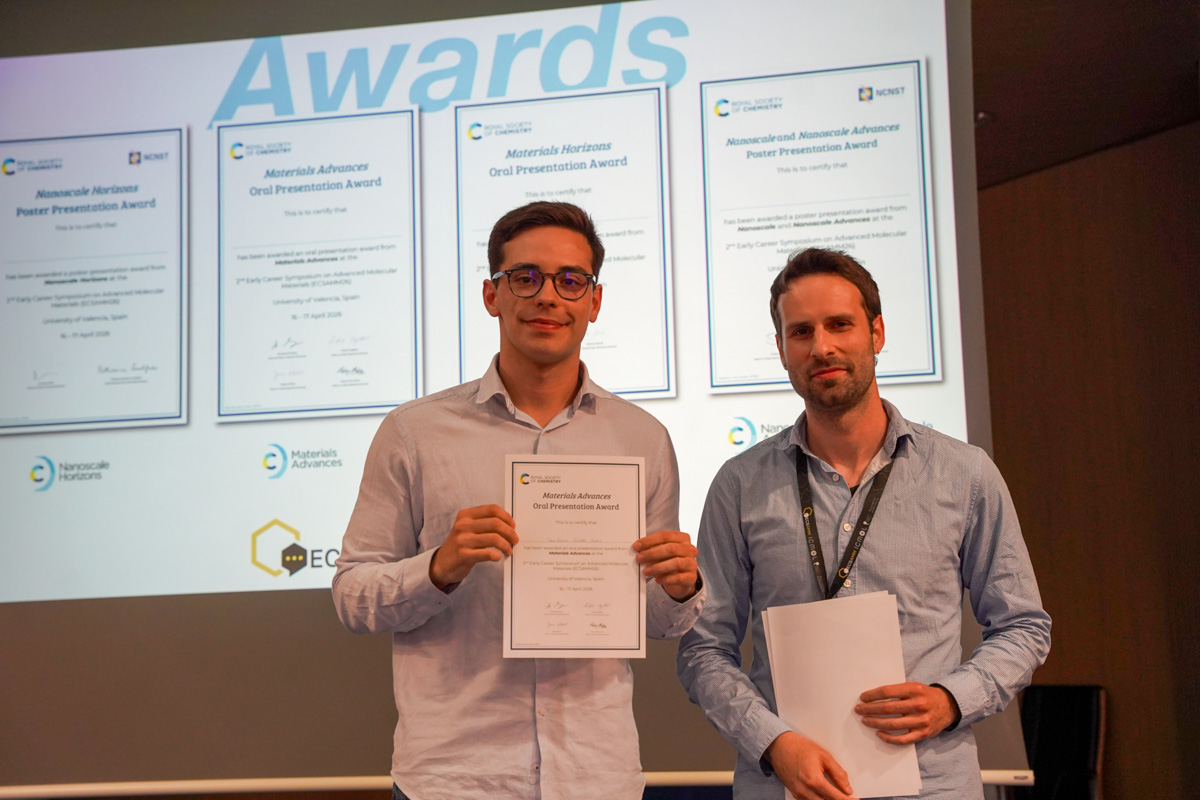
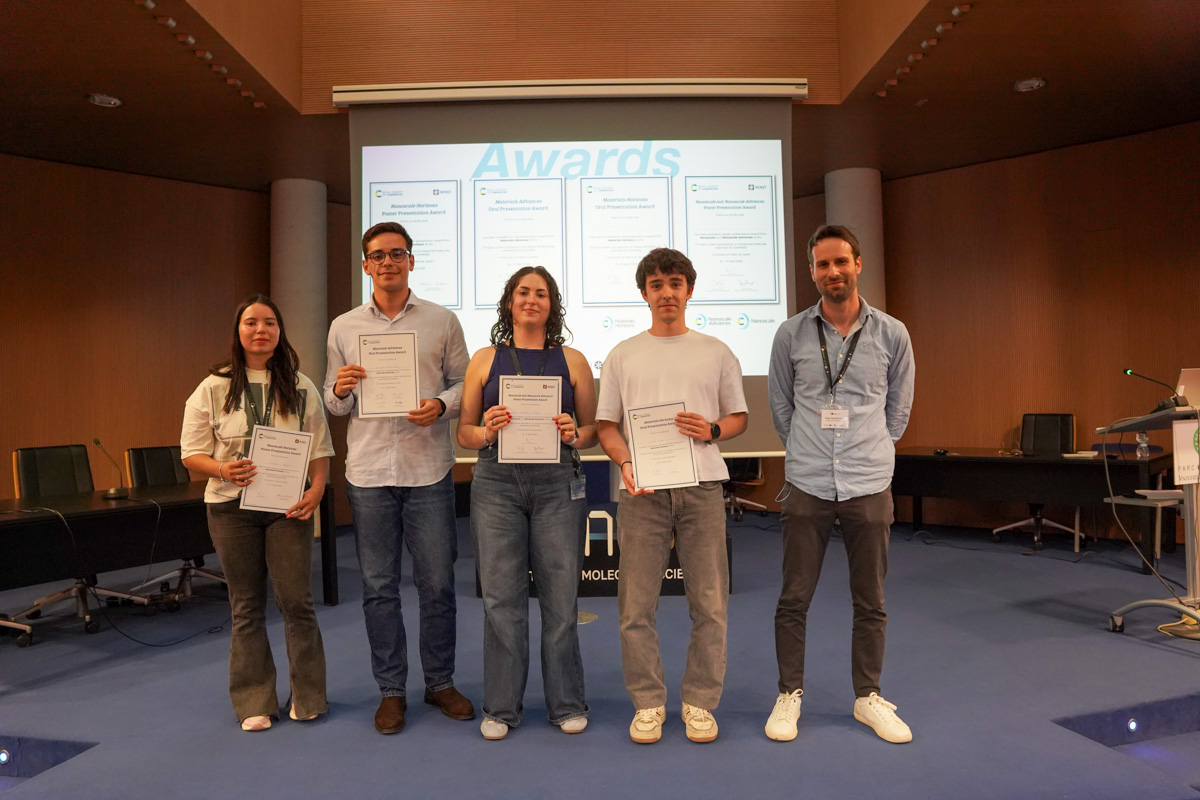
Congrtulations to the post prize winners at the 2nd Early Career Symposium on Advanced Molecular Materials (ECSAMM26)

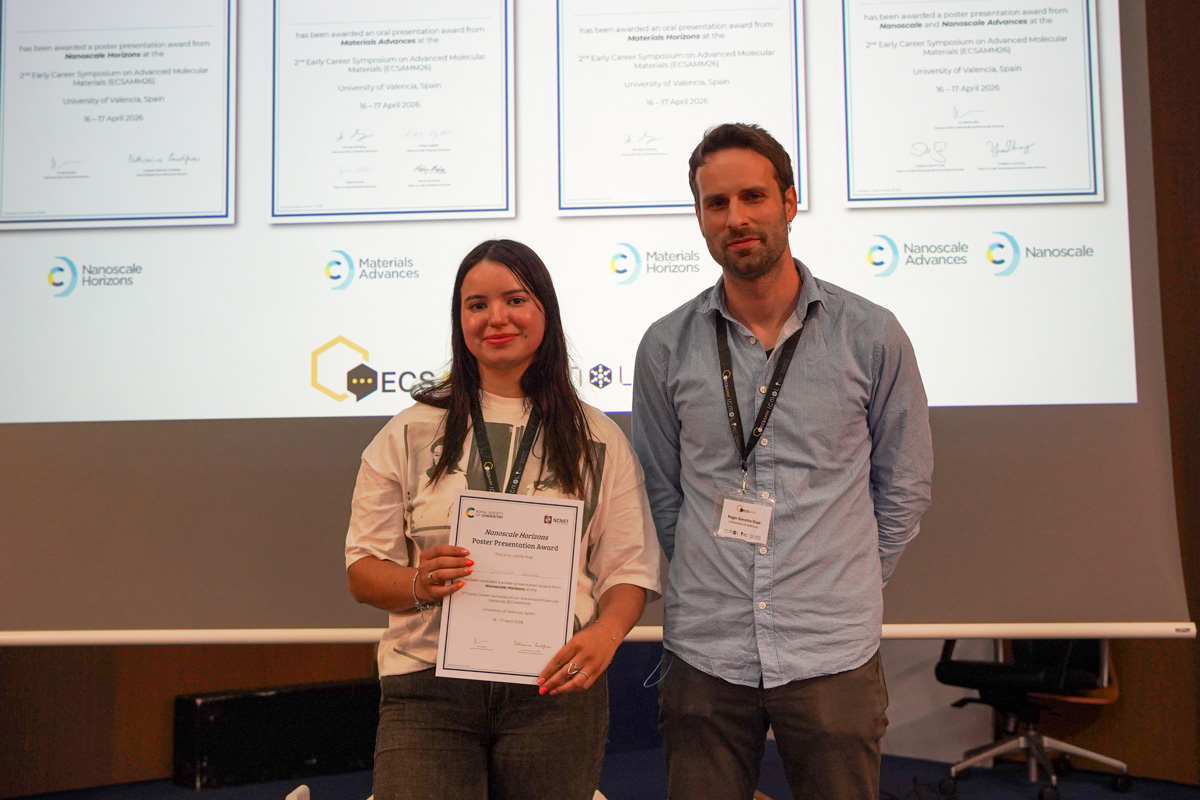
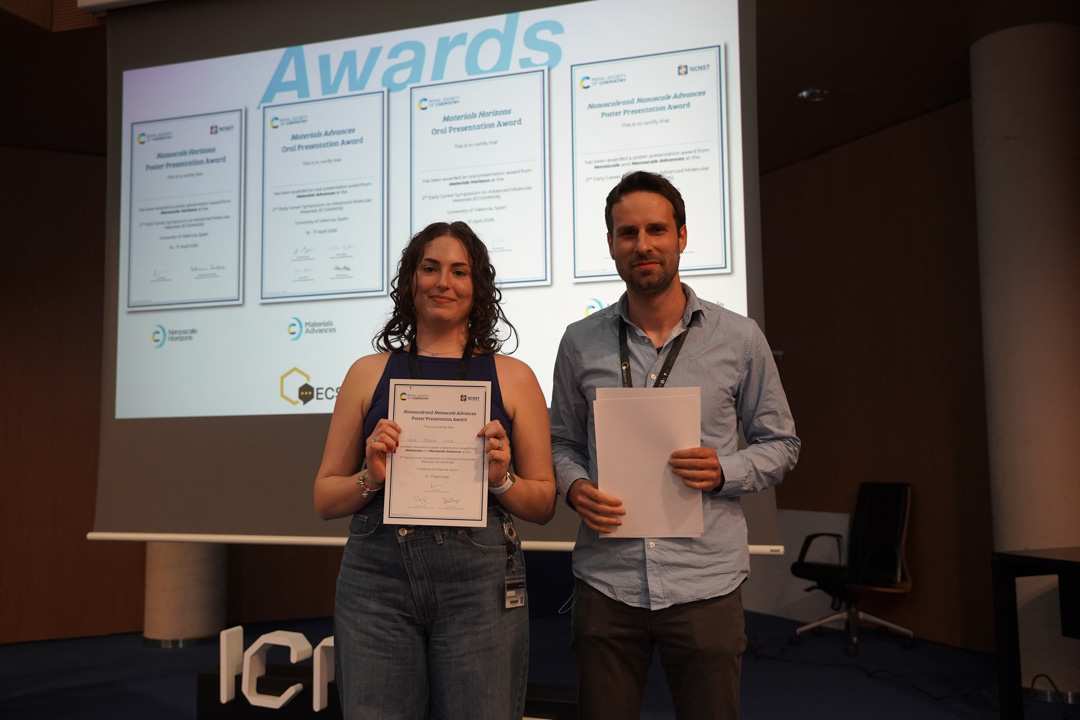
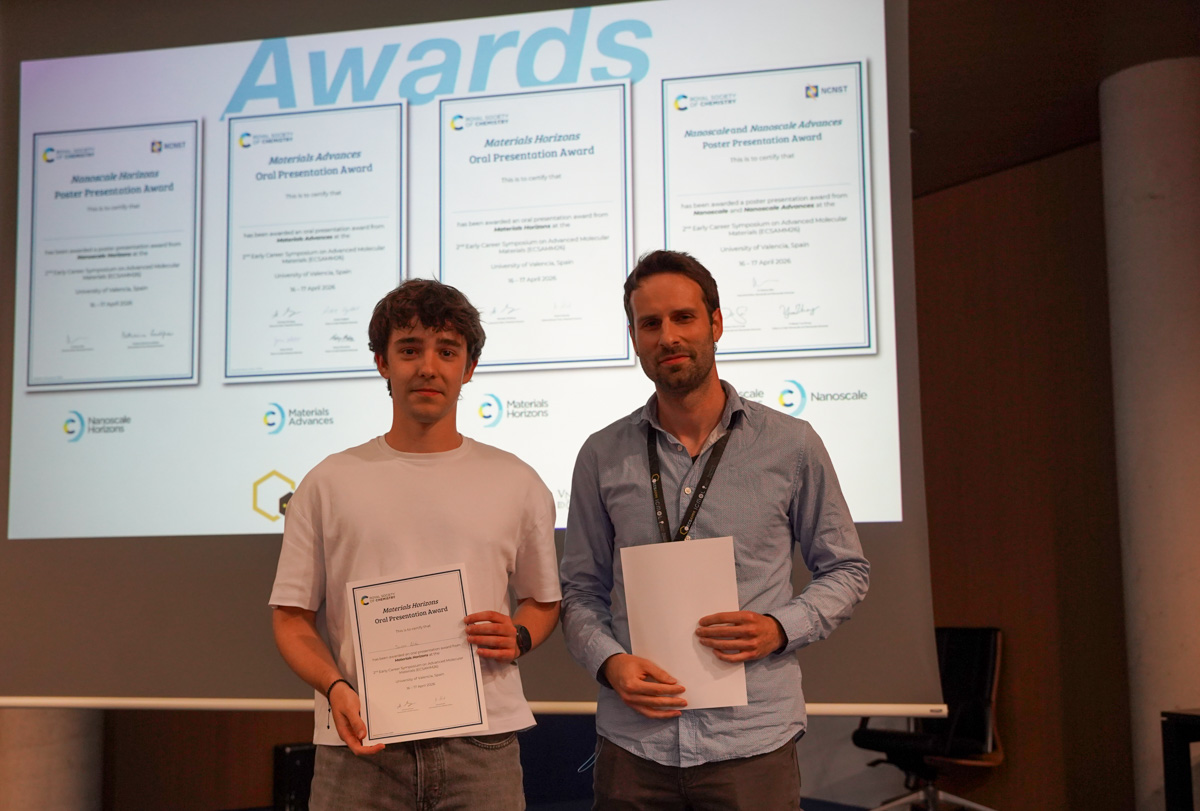
Nanoscale Horizons, Nanoscale, Nanoscale Advances, Materials Horizons and Materials Advances were delighted to sponsor prizes at the 2nd Early Career Symposium on Advanced Molecular Materials (ECSAMM26) which took place in Valencia, Spain on April 16 and 17, 2026.

Please join us in congratulating  the winners on their awards!

Nanoscale Horizons: Geraldine Sánchez, Instituto de Ciencia Molecular, University of Valencia

Nanoscale Advances and Nanoscale: Laura González Cervera, Instituto de Ciencia Molecular, University of Valencia

Materials Horizons: Javier Alda Gómez, RTMM, Instituto de Ciencia Molecular, University of Valencia

Materials Advances: Guillermo Gómez Tenés, FUNIMAT, Instituto de Ciencia Molecular, University of Valencia

Digg This
Reddit This
Stumble Now!
Share on Facebook
Bookmark this on Delicious
Share on LinkedIn
Bookmark this on Technorati
Post on Twitter
Google Buzz (aka. Google Reader)

Meet some of the authors of the 2026 Nanoscale Advances Paper Prize runner up paper

We are delighted to celebrate the 2026 Nanoscale Advances Paper Prize, highlighting the most significant articles published in the journal in the previous calendar year! Find out more about Zhengji Wen and Wenchao Zhao, two of the the authors of the 2026 Nanoscale Advances Paper Prize runner up paper Multifunctional terahertz metamaterials device based on a dual-tunable structure incorporating graphene and vanadium oxide.


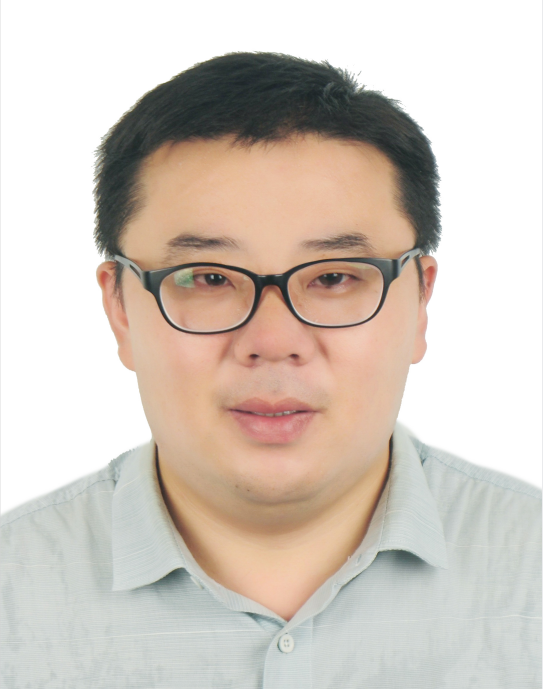
Wenchao Zhao.

Wenchao Zhao is an Associate Professor at Huzhou University. His research interests include artificial electromagnetic structured materials (metamaterials), spectral regulation technology, and semiconductor optoelectronic materials and devices.

Zhengji Wen.

Zhengji Wen is an Associate Professor at Shanghai Institute of Optics and Fine Mechanics, Chinese Academy of Sciences. His research focuses on the physics and applications of meta‑films for infrared thermal radiation control, including infrared stealth, radiative cooling, narrowband infrared thermal emitters, and infrared anti‑counterfeiting/encryption.


What aspect of your work are you most excited about at the moment?

We are most excited about the dynamic tunability of our device – integrating graphene and vanadium oxide allows us to actively control both amplitude and polarization of terahertz waves, which opens new possibilities for smart, reconfigurable metamaterials.


How do you feel about Nanoscale Advances as a place to publish research on this topic?

We highly appreciate Nanoscale Advances for its rapid and rigorous peer‑review process, high‑quality editorial board, and open‑access policy. The journal provides excellent visibility for interdisciplinary research, and we are proud that our work was recognized as a runner‑up for the Paper Prize.


Can you share one piece of career‑related advice for early career scientists?

“Focus on solving a fundamental problem rather than chasing hot topics. Build a strong foundation in both theory and experiment, and do not hesitate to collaborate across disciplines – the most interesting results often come from the boundaries.”

Digg This
Reddit This
Stumble Now!
Share on Facebook
Bookmark this on Delicious
Share on LinkedIn
Bookmark this on Technorati
Post on Twitter
Google Buzz (aka. Google Reader)

Meet the authors of the 2026 Nanoscale Advances Paper Prize winning paper

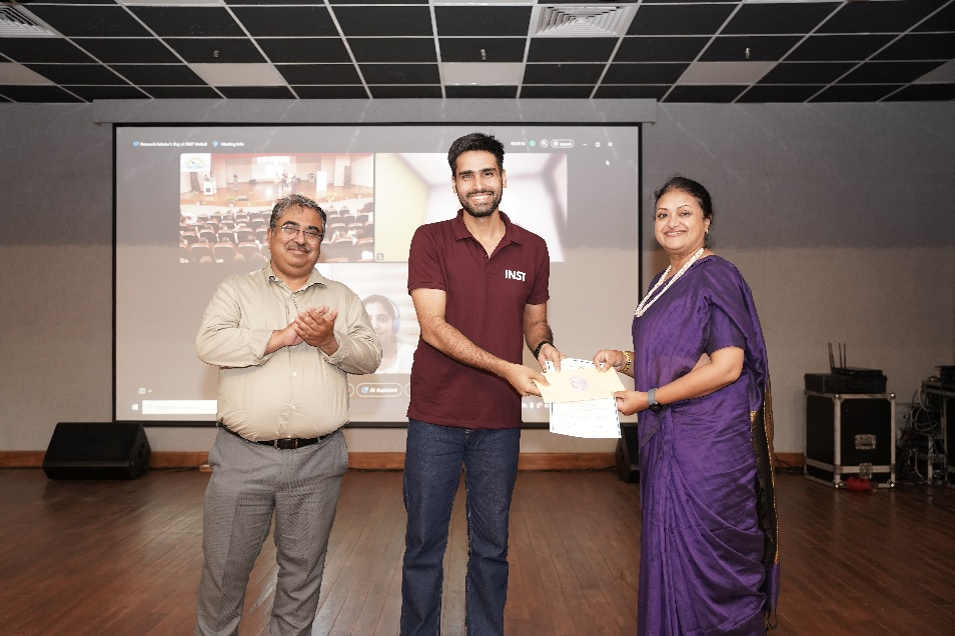
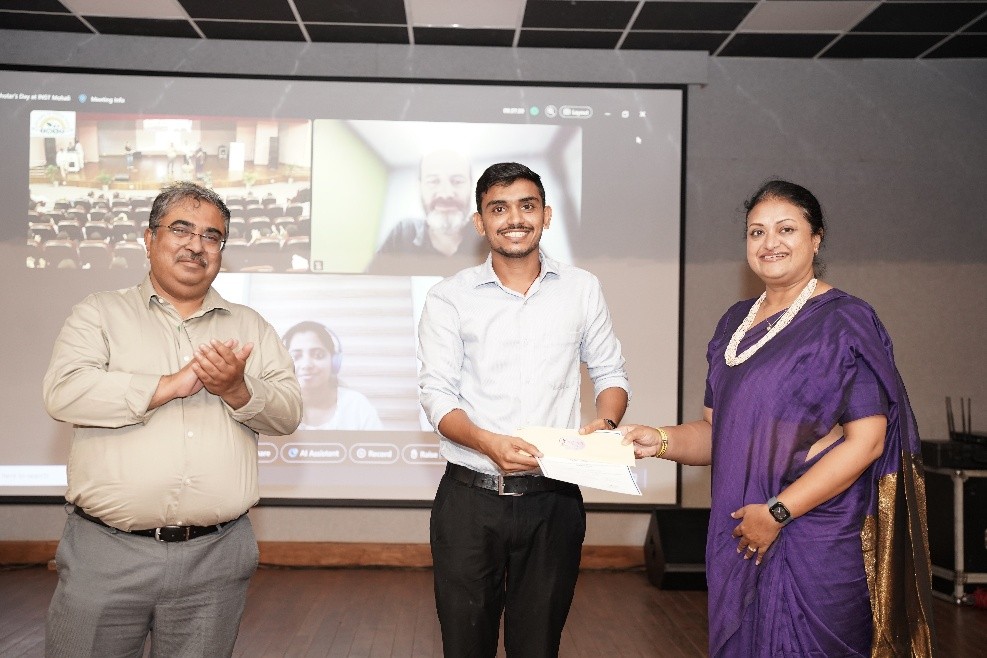
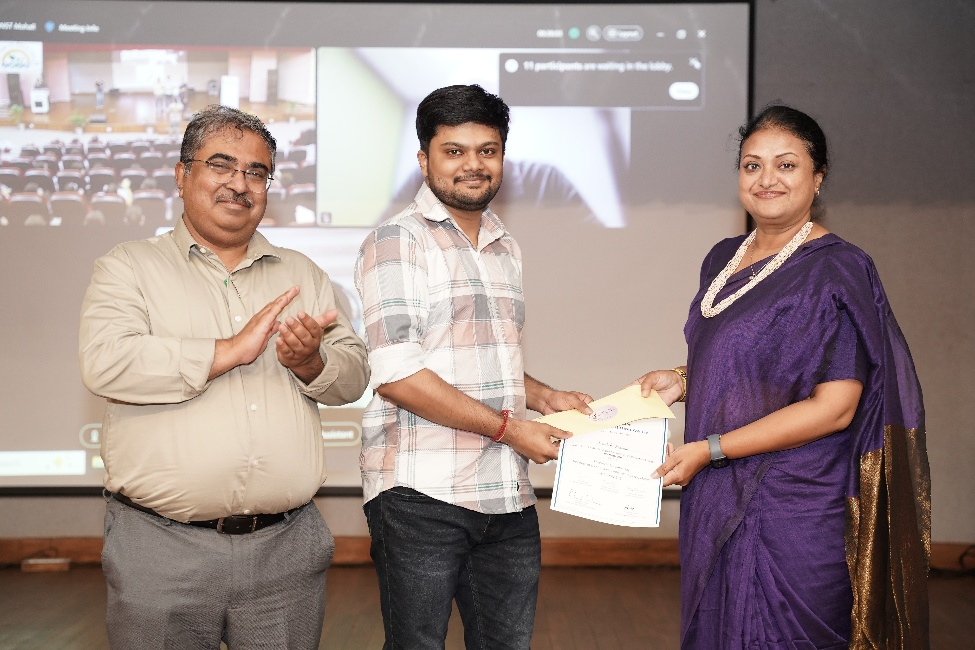
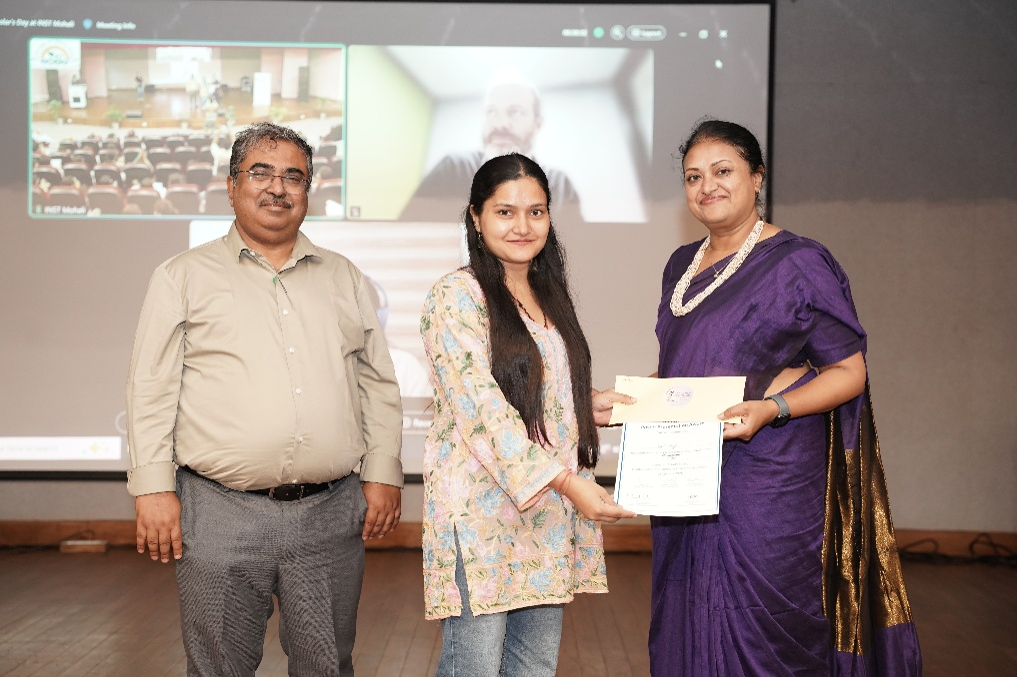
We are delighted to celebrate the 2026 Nanoscale Advances Paper Prize, highlighting the most significant articles published in the journal in the previous calendar year! Find out more about Ritu Ladhi, Arshminder Kaur Dhillon and Monika Singh, the authors of the 2026 Nanoscale Advances Paper Prize winning paper A metal–organic framework with chiral nanochannels for enantioselective fluorescence switching of amino alcohols.


Dr. Monika Singh (corresponding author). 

After her PhD (Materials Chemistry) from IIT Delhi, India, Dr. Monika Singh joined Institute of Nano Science and Technology (INST), Mohali as a Scientist in 2013 where she is continuing till now. Currently she is Scientist E (Associate Professor) at INST Mohali. INST Mohali is an autonomous Institute of Department of Science and Technology (DST), Government of India. Dr. Singh’s research interest lies in Developing nanoporous materials (e.g. MOFs, POMs, POMOFs) for various applications such as carbon dioxide sequestration, sensing, electrocatalysis and anti-cancer

Ritu Ladhi (First author).

Ritu Ladhi obtained her Bachelor’s and Master’s degrees in Chemistry with first-class honors from Panjab University, Chandigarh, in 2016 and 2018, respectively. In 2020, she joined Ph.D. at the Institute of Nano Science and Technology (INST), Mohali, while enrolled at the Indian Institute of Science Education and Research (IISER) Mohali, under the supervision of Dr. Monika Singh. Her doctoral research focuses on designing and engineering Metal-Organic Frameworks (MOFs) for the sensing of environmental pollutants. Her broader scientific interests include porous functional materials design, fluorometric sensing and photocatalytic applications.

Arshminder Kaur Dhillon (Second author)

Arshminder kaur Dhillon obtained her Bachelor’s and Master’s degrees in Chemistry with first-class honors from Panjab University, Chandigarh. She joined Dr. Singh’s laboratory as a research scholar in August 2022 at the Institute of Nano Science and Technology (INST), Mohali, while enrolled at the Indian Institute of Science Education and Research (IISER) Mohali. Her doctoral research focuses on designing Metal-Organic Frameworks (MOFs) for various applications such as sensing of harmful chemicals, catalysis etc.


What aspect of your work are you most excited about at the moment?

Monika Singh: The most exciting part of this work is understanding how a chiral environment can emerge from an achiral linker system and exhibit high enantiomeric selectivity. In our work, observing distinct turn-off and turn-off-on fluorescence responses for different amino alcohol enantiomers was particularly interesting because it gave us insight into how subtle host-guest interactions inside the chiral MOF channels influence sensing performance. This work is a small contribution to the field of chiral porous materials, where the symmetry-breaking process induces chirality in a MOF constructed from achiral linkers. Although this area is still relatively less explored, there is significant scope for further investigation into how such crystallisation processes can be tailored to induce and control chirality in MOFs.


How do you feel about Nanoscale Advances as a place to publish research on this topic?

Monika Singh: I feel that Nanoscale Advances is a very suitable platform for this kind of interdisciplinary research. The journal covers innovative and emerging concepts in materials chemistry and nanoscience, which aligns well with our study. The journal has a broad readership, which makes it a valuable platform for communicating research that connects MOFs, chirality, and sensing applications. I also appreciate the journal’s emphasis on high-quality and impactful studies in rapidly developing research fields.


Can you share one piece of career-related advice for early career scientists?

Monika Singh: I would say that in research, there is rarely completely “right” or “wrong” data, it is our keen observation and understanding that give meaning to the results. Sometimes the most unexpected observations lead to the most interesting discoveries, so young researchers should stay curious and pay attention even to results that initially seem unusual or unsuccessful.

Digg This
Reddit This
Stumble Now!
Share on Facebook
Bookmark this on Delicious
Share on LinkedIn
Bookmark this on Technorati
Post on Twitter
Google Buzz (aka. Google Reader)

Announcing the 2026 Nanoscale Advances Paper Prize winners

We are delighted to announce the 2026 Nanoscale Advances Paper Prize, celebrating the most significant articles published in the journal in the previous calendar year! 

This year we recognise three outstanding papers that were published in 2025. Find the winning and runner-up papers below.


Nanoscale Advances 2026 Paper Prize Winner:

A metal–organic framework with chiral nanochannels for enantioselective fluorescence switching of amino alcohols

Ritu Ladhi,  Arshminder Kaur Dhillon and Monika Singh


Nanoscale Advances 2026 Paper Prize runner up: 

Multifunctional terahertz metamaterials device based on a dual-tunable structure incorporating graphene and vanadium oxide

Wenchao Zhao, Xiaowei Lv, Qianqian Xu, Zhengji Wen, Yuchuan Shao, Changlong Liud and Ning Dai

Digg This
Reddit This
Stumble Now!
Share on Facebook
Bookmark this on Delicious
Share on LinkedIn
Bookmark this on Technorati
Post on Twitter
Google Buzz (aka. Google Reader)

High throughput synthesis, characterisation and optimisation of nanomaterials

Read the new collection in Nanoscale Advances

We are delighted to introduce a new themed collection focusing on High throughput synthesis, characterisation and optimisation of nanomaterials!


Read the collection for free today

Read the editorial


Guest edited by Dr Philip D. Howes (University of Sussex, United Kingdom), Dr Caterina Minelli (National Physical Laboratory, United Kingdom), Dr Michael Thomas (University College London, United Kingdom and Dr Catherine Hansel (Ellison Institute of Technology, United Kingdom), this themed collection focuses on pioneering nanotechnology and biotechnology with topics exploring how high-throughput methods and automation are enabling breakthroughs in nanomaterials design and development with transformative potential in several fields of research. This collection explores the advances of high-throughput synthesis in scalable and efficient approaches to synthesising nanomaterials with precise control over their properties. It includes innovative characterisation techniques, accelerated optimisation, data-driven approaches in nanotechnology and other cross-disciplinary applications which demonstrate the role of high-throughput nanomaterials research in areas such as medicine, renewable energy, catalysis, advanced electronics, food safety and wearable technologies.

We hope you enjoy reading the papers in this collection!

Did you know?
At the nanoscale journal family, our themed collections are built by collaboration between our Guest Editors and expert Associate Editors. Our Guest Editors guide the scope and curate the contributions in our collections but all submissions are handled through peer review by our team of resident Associate Editors. This means that as an author you receive a consistent experience, and as a reader you can trust the quality of the science being presented.


If you have an idea for a topical collection in your research field, we’d love to hear from you! Get in touch at nanoscaleadvances-rsc@rsc.org 


Digg This
Reddit This
Stumble Now!
Share on Facebook
Bookmark this on Delicious
Share on LinkedIn
Bookmark this on Technorati
Post on Twitter
Google Buzz (aka. Google Reader)

Call for papers: Extracellular Vesicles

We are pleased to open submissions to this themed collection on Extracellular Vesicles running across Nanoscale and Journal of Materials Chemistry B.

This themed collection is guest edited by Dr Marley Dewey (University of California Santa Barbara, United States), Professor Chao Wang (Soochow University, China) and Professor Cristiana Boi (University of Bologna, Italy).

Extracellular vesicles are naturally occurring lipid-bound nanoparticles secreted by cells across kingdoms for cell-cell communication. These vesicles are critical for many biological processes, including disease, wound repair, cancer, and infection, among others. To understand and apply extracellular vesicles for biological applications, this involves the synergy of multiple fields, including chemistry, materials, biology, and nanoscience. This themed collection combines research from Journal of Materials Chemistry B and Nanoscale, representing the cross-disciplinary nature of extracellular vesicle research. This collection aims to publish high-impact articles on extracellular vesicles, with a focus on the connections between materials chemistry and these nanoscale particles. Articles of interest include materials innovations containing extracellular vesicles, how material and chemical modifications could better isolate or alter extracellular vesicle production and application, among others. We hope this collection offers new technologies, knowledge, and inspiration for researchers, clinicians, industry, and more to improve both our understanding of extracellular vesicle biology and the application of these for improving human lives.

Submit by 30th September 2026

Find out more about this open call

Submit to Nanoscale

Submit to Journal of Materials Chemistry B


We encourage submissions of primary research articles, and these should fit within the scope of Nanoscale or Journal of Materials Chemistry BWe invite authors to select the journal that best suits their submission.

We sincerely hope that you will be able to accept our invitation to this themed collection and we look forward to hearing from you in the very near future.

Digg This
Reddit This
Stumble Now!
Share on Facebook
Bookmark this on Delicious
Share on LinkedIn
Bookmark this on Technorati
Post on Twitter
Google Buzz (aka. Google Reader)