An interview with our new Editorial Board Chair

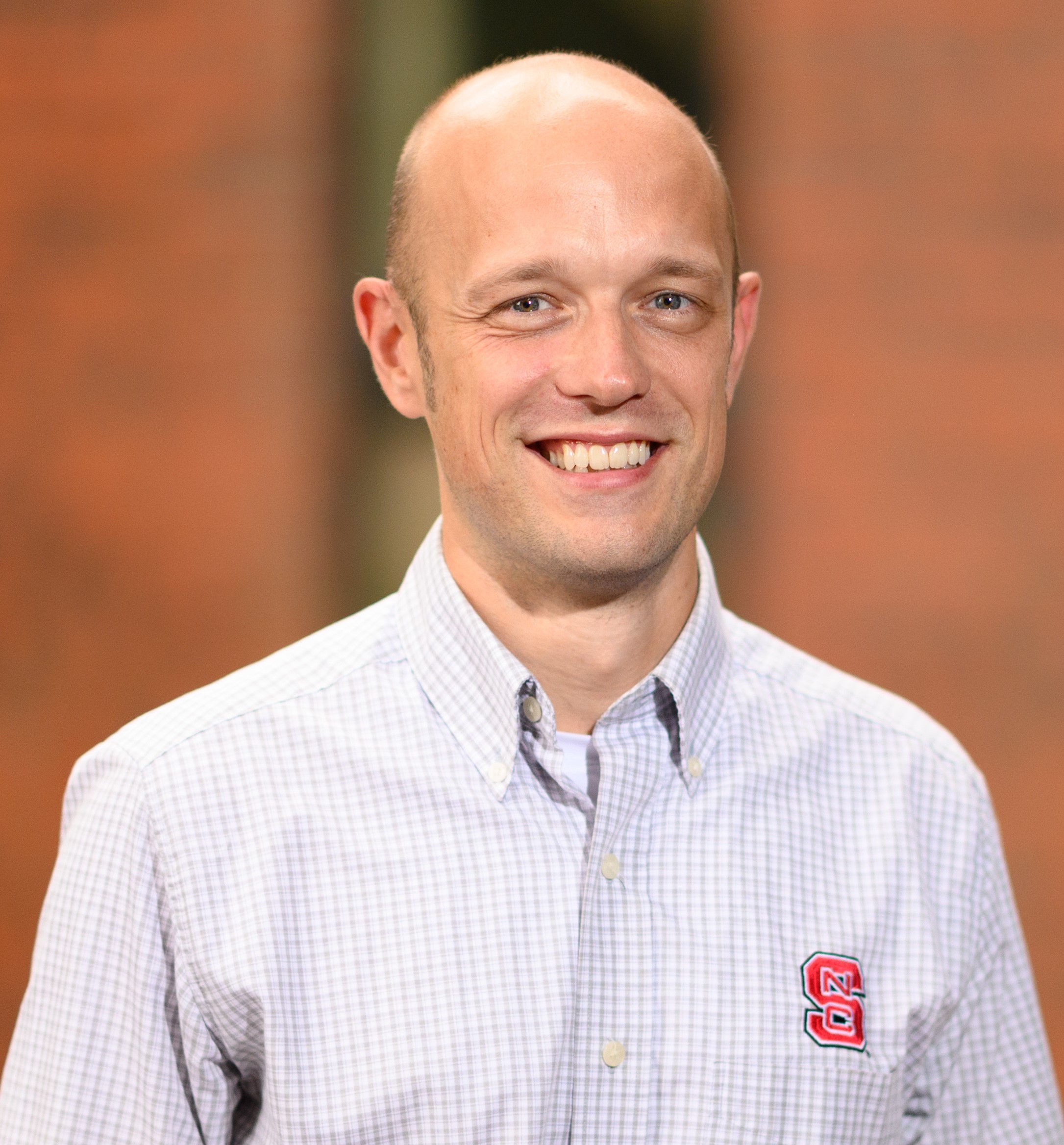
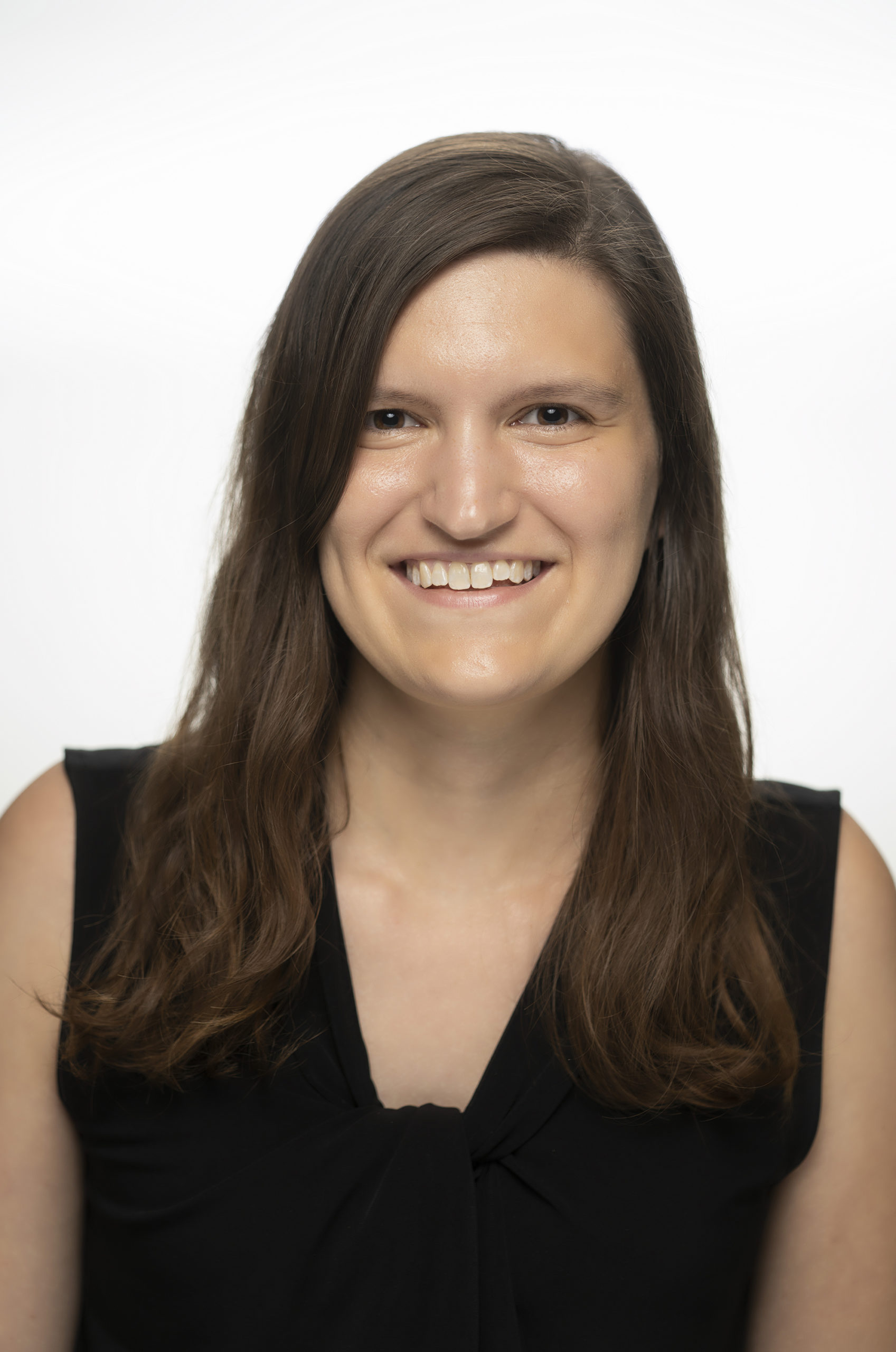
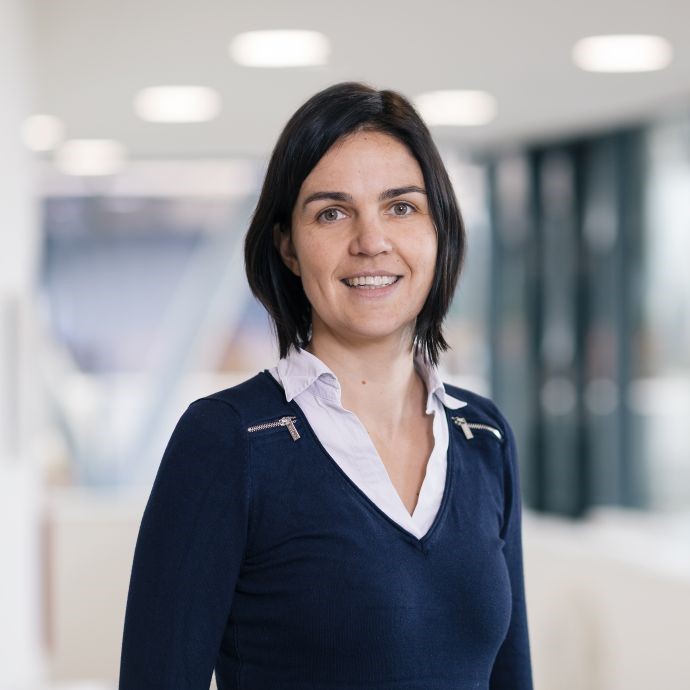
Natural Product Reports is delighted to announce that Professor Dong-Chan Oh (Seoul National University) has been appointed our new Editorial Board Chair, succeeding Professor Tobias Gulder!

Dong-Chan Oh received his PhD in Marine Natural Products Chemistry under Prof. William Fenical at the University of California, San Diego in 2006. He subsequently conducted postdoctoral research in Prof. Jon Clardy’s laboratory at Harvard Medical School. In 2009, he joined Seoul National University as an Assistant Professor before being promoted to Associate Professor in 2013, Full Professor in 2018 and serving as Director of the Natural Products Research Institute from 2019 to 2025. He was selected as an HHMI International Early Career Scientist (2012–2017) and received the Seoul National University Academy and Education Award in 2024. His research integrates metabologenomics, natural products chemistry, biosynthetic studies, and chemical biology to discover bioactive microbial natural products, elucidate their structures, and explore their potential for drug discovery.

We caught up with Dong-Chan to ask his perspective on NPR and to look ahead to his time as Editorial Board Chair.


What excites you most about taking on the role of Editorial Board Chair of Natural Product Reports?

Taking on this role is particularly meaningful to me because Natural Product Reports has been an important journal throughout my career as a scientist. Since my Ph.D. training, I have regularly read NPR reviews to learn about areas beyond my immediate research and to gain new insights and ideas for my own work. I particularly remember the annual Marine Natural Products reviews written by Professor D. John Faulkner at Scripps, which were an invaluable resource for me during my Ph.D. studies. It is therefore both exciting and deeply rewarding to now have the opportunity to help lead a journal that has contributed so much to my own development as a researcher.

What excites me most about the role is the opportunity to contribute to the future direction of natural products research through NPR. Natural products research is rapidly evolving and increasingly intersects with many other disciplines. I believe NPR has an important role not only in reviewing what has already been achieved, but also in identifying emerging directions and helping to shape where the field is heading. I am very excited to work with the Editorial Board, Advisory Board, Editorial Office, and Royal Society of Chemistry to build on this tradition and further strengthen NPR’s leadership in the global natural products community.


Are there any articles, themed collections, or areas of research in Natural Product Reports that showcase the journal’s strengths and ambitions?

One of NPR’s greatest strengths is its ability to publish authoritative reviews that become long-term references for the natural products community. I particularly value reviews that go beyond summarizing the literature to critically evaluate progress, provide new perspectives, and offer a conceptual framework for future research.

Reviews that integrate the traditional strengths of natural products chemistry with rapidly advancing areas such as biosynthesis, genomics, metabolomics, chemical biology, synthetic biology, methodological development, and drug discovery particularly demonstrate the breadth and ambition of NPR. However, I do not think we should limit ourselves to any predefined list of topics. Natural products research continues to evolve, and new scientific opportunities will undoubtedly emerge. By communicating closely with the Editorial Board and Advisory Board, I hope that we can continue to identify important new directions as the field changes and encourage timely, forward-looking reviews that help shape the future of natural products research.


What would you say sets Natural Product Reports apart for authors considering where to publish their work?

Natural Product Reports is unique in being a journal dedicated to high-quality reviews across the broad field of natural products research. This gives NPR a distinctive role in the community: it provides a forum where researchers can step back from individual discoveries, critically assess the development of a field, and present their own perspectives on where it is heading.

Rather than simply compiling published results, NPR encourages authors to provide critical insights, identify important concepts, and suggest future directions. For authors, publishing in NPR therefore offers an opportunity not only to review what is known, but also to share their intellectual perspective with the broader community and potentially influence how a field develops.


What areas of research or emerging trends would you most like to see featured in Natural Product Reports in the coming years?

Natural products research is becoming increasingly interdisciplinary, and I am particularly interested in areas where new technologies and concepts are changing the way we discover, understand, and use natural products. These include AI-assisted discovery, genome- and metabolome-driven approaches, synthetic biology, advanced analytical and structure elucidation methods, microbiome-derived natural products, and new translational opportunities for natural products in medicine.

At the same time, I would like NPR to continue highlighting fundamental areas of natural products research as they evolve through new concepts and technologies. The strength of our field comes from the close interplay between chemistry and biology, and I believe some of the most exciting future directions will emerge at the interfaces between established areas and newly developing disciplines. I hope NPR can provide a forum where these connections are recognized early and explored from broad and critical perspectives.


What advice would you give to early career researchers in the community?

My advice to early career researchers is to build on what they learned during their Ph.D. and postdoctoral training, but ultimately develop research directions that are truly their own. The training we receive from our mentors provides an essential foundation, but becoming an independent scientist requires us to move beyond the research of our former PIs and establish our own scientific identity.

To do this, I believe it is important to step back and ask fundamental questions: What is an important question that has not yet been answered? Why does it matter? And how can I approach it in a way that has not been tried before? Thinking deeply about such questions can lead us beyond simply extending what we already know how to do.

I would also encourage young researchers to be courageous in their science. I have always believed that, in science, fortune often favors those who are willing to be courageous. There is always uncertainty in exploring an uncharted path, but opportunities often emerge when we are willing to take that risk. Do not be afraid to pursue a road that others have not taken. Some attempts will inevitably fail, but truly original research often begins by having the courage to explore where others have not gone.


What do you like to do outside of work?

Outside of work, I am an avid baseball fan and have been one for more than 40 years. I think what has kept me interested for so long is that I see something of life itself in baseball. Unlike many other sports, even the best baseball teams lose regularly, and much of the competition takes place within the relatively narrow range of .400 to .600 winning percentages. Its mixture of success and failure, unexpected turns, and the need to keep going through a long season somehow reminds me of life itself. I also work out regularly at the gym to stay healthy and energized, and I enjoy occasionally getting together with close friends and colleagues over dinner and drinks, sharing stories and enjoying each other’s company.

Digg This
Reddit This
Stumble Now!
Share on Facebook
Bookmark this on Delicious
Share on LinkedIn
Bookmark this on Technorati
Post on Twitter
Google Buzz (aka. Google Reader)

S-Adenosylmethionine-dependent Chemistry themed collection

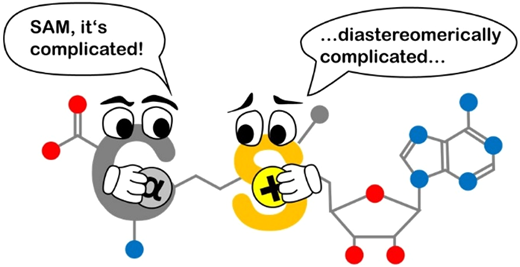
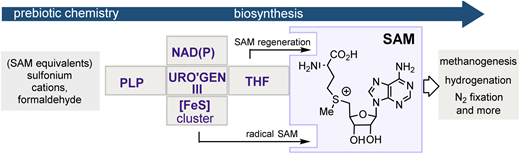
S-Adenosylmethionine (SAM) is an enzyme cofactor involved in a wide range of enzyme-catalysed reactions. Although mainly known as a methyl donor (Nature’s methyl iodide), all parts of the molecule such as the aminocarboxylpropyl chain and nucleoside moiety are used in combination with different chemical strategies (e.g. ionic and radical reactions). This makes the diversity of accessible products, as well as different types of enzymes impressive. In addition, more and more examples are emerging where SAM is being used as a building block for natural products or other small molecules such as signalling molecules, in this rapidly developing field. Continued advances in the use and design of SAM analogues further diversify the range of products and methods related to SAM chemistry. Please enjoy the articles in the collection below.


SAM is not the SAM(e): diastereomers of an important cofactor (Open Access)

Agnes Bartels, Philipp Germer & Jennifer N. Andexer*

Nat. Prod. Rep., Advance Article


S-Adenosylmethionine: considerations on its role in the origin and evolution of life (Open Access)

Andreas Kirschning*

Nat. Prod. Rep., Advance Article


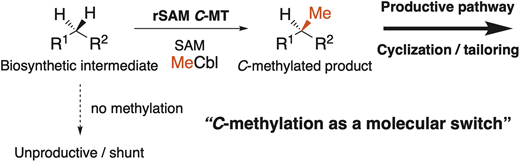
C-Methylated natural products: biosynthetic stage and significance of C-methylation

Fumitaka Kudo*

Nat. Prod. Rep., Advance Article


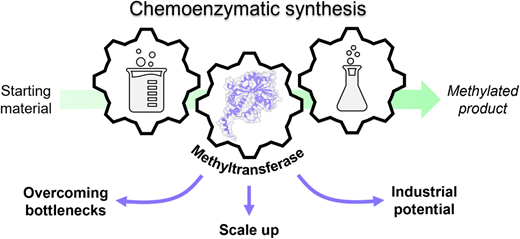
SAM-dependent methyltransferases: from chemoenzymatic natural product synthesis to industrial application (Open Access)

Lisa M. Böhmer, Benjamin P. Chapple, Diana A. Amariei, Martin A. Hayes & Jörg Pietruszka*

Nat. Prod. Rep., Advance Article

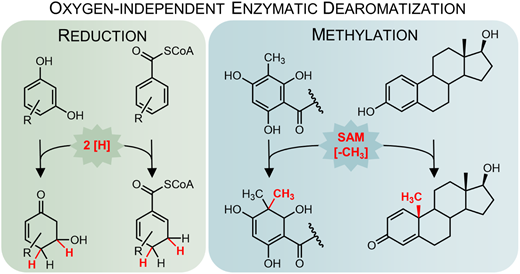
Oxygen-independent enzymatic dearomatization of homocyclic aromatic compounds (Open Access)

Tingyi Zhan, Juliane Breiltgens, Lena Appel, Lina Peller, Syed Masood Husain, Michael Müller & Matthias Boll*

Nat. Prod. Rep., Advance Article


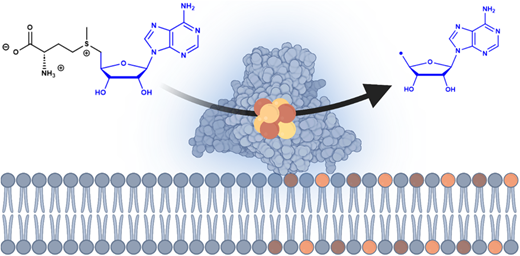
Mechanistic insight into radical S-adenosylmethionine enzymes in lipid modification (Open Access)

Tamra Blue-Lahom, Jiayuan Cui, Cody T. Lloyd & Squire J. Booker*

Nat. Prod. Rep., Advance Article

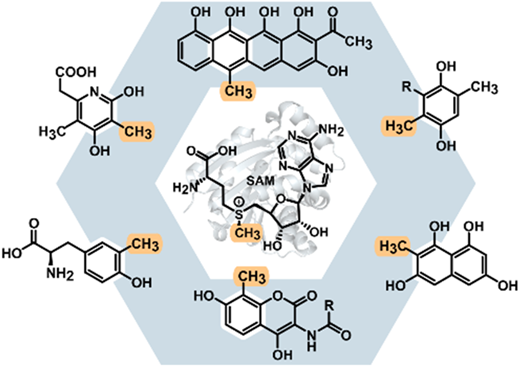
Diversity of enzymatic SAM-dependent C-methylation of aromatic compounds (Open Access)

Juliane Breiltgens & Michael Müller*

Nat. Prod. Rep., Advance Article

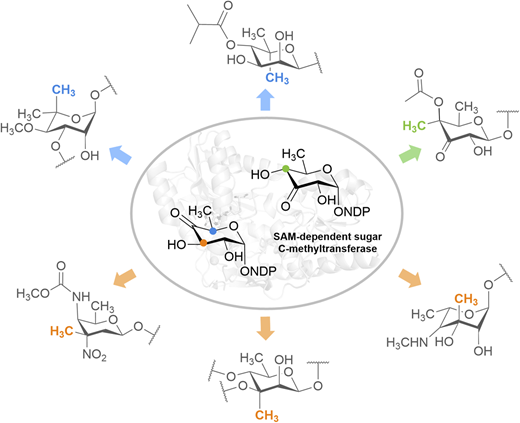
Glucose 6-phosphate: the diversity of C-methylation in sugar moieties within natural product biosynthesis (Open Access)

Ziruo Zou & Michael Müller*

Nat. Prod. Rep., Advance Article


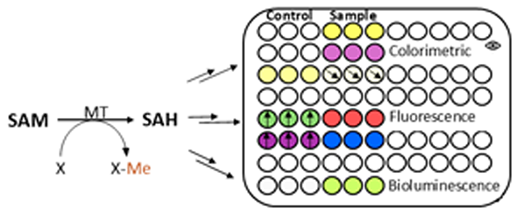
High-throughput assays for SAM-dependent methyltransferases: advances, challenges, and future perspectives (Open Access)

Renia Fotiadou, Florian Heinz, Konstantin F. G. Weigmann, Mark Doerr, Uwe T. Bornscheuer* & Ioannis V. Pavlidis*

Nat. Prod. Rep., Advance Article

Digg This
Reddit This
Stumble Now!
Share on Facebook
Bookmark this on Delicious
Share on LinkedIn
Bookmark this on Technorati
Post on Twitter
Google Buzz (aka. Google Reader)

Emerging Technologies for Natural Products Discovery themed collection

The field of natural products science is enjoying a robust period of new method development after a long period where discovery methods remained largely unchanged. Areas of innovation span a wide range of topics, from new analytical modalities to a huge number of new computational tools. This special issue, guest edited by Alessandra Eustaquio, Amy Fraley, Aaron Puri and Roger Linington brings together a set of reviews each focused on a different emerging technology with the goal of clearly and frankly assessing the success of each method for natural products discovery and highlighting gaps and opportunities that could be filled by further development in each area. Please enjoy the articles in the collection below.


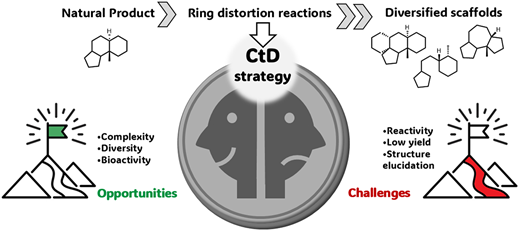
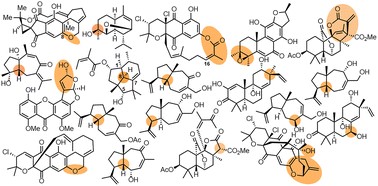
Challenges in the complexity-to-diversity strategy for natural product-like compound synthesis: two sides of the same coin
María Luz Tibaldi Bollati & Manuela García*
Nat. Prod. Rep.
, 2026, Advance Article

Brief overview of recently reported misassigned natural products and their in silico revisions enabled by DU8ML, a machine learning-augmented DFT computational NMR method
Srinivas Beduru & Andrei G. Kutateladze*
Nat. Prod. Rep., 2026, Advance Article
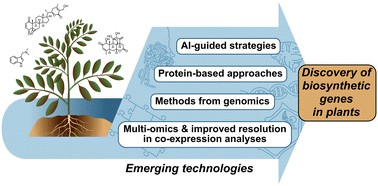
Emerging technologies for the discovery of biosynthetic genes in plants (Open Access)
Anne Jaczkowski, Arne Bültemeier, Benedikt Seligmann, Boas Pucker & Jakob Franke*
Nat. Prod. Rep., 2026, Advance Article


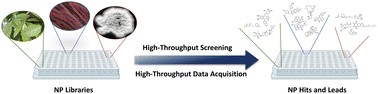
Structural determination of natural products at speeds and scale of high-throughput screening (Open Access)
Christopher C. Thornburg, Rohitesh Kumar, Dongdong Wang, Barry R. O’Keefe* & Tanja Grkovic*
Nat. Prod. Rep., 2026, Advance Article
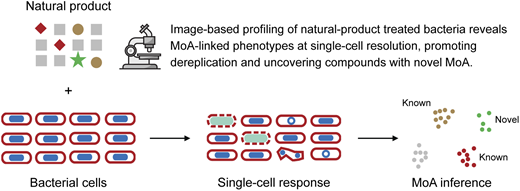
Bacterial cytological profiling for mode-of-action discovery of natural product-derived antibiotics: progress, challenges, and future directions (Open Access)
Poochit Nonejuie*, Thanadon Samernate, Filosofia F. T. A. Prasasti, Vorrapon Chaikeeratisak & Joe Pogliano
Nat. Prod. Rep., 2026, Advance Article


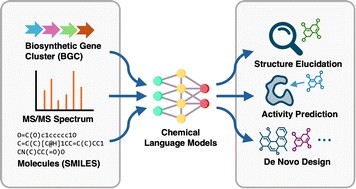
Chemical language models for natural product discovery (Open Access)
Koh Sakano, Kairi Furui, Apakorn Kengkanna, Yuta Kikuchia & Masahito Ohue*
Nat. Prod. Rep., 2026, Advance Article
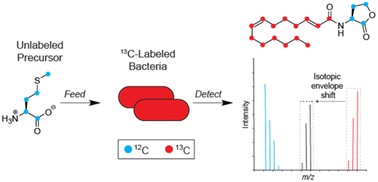
Inverse stable isotopic labeling for natural product characterization and discovery (Open Access)
Jose Miguel D. Robes & Aaron W. Puri*
Nat. Prod. Rep., 2026, Advance Article


Digg This
Reddit This
Stumble Now!
Share on Facebook
Bookmark this on Delicious
Share on LinkedIn
Bookmark this on Technorati
Post on Twitter
Google Buzz (aka. Google Reader)

Mass Spectrometry Metabolomics in Natural Products Research themed collection

Welcome to this special themed collection, guest edited by Mehdi Beniddir, Nadja Cech, Neha Garg and Roger Linington, dedicated to exploring the new developments that have been enabled by the application of mass spectrometry metabolomics to the natural product sciences, and to identifying both new strategies and best practices for the field. Please enjoy the articles in the collection below.


Mass spectrometry as the unifying force in natural product sciences
Mehdi A. Beniddir, Nadja B. Cech, Roger Linington & Neha Garg
Nat. Prod. Rep., 2026, 43, 1070-1072


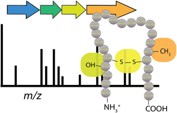
Illuminating the dark space of bioactive peptides with mass spectrometry (Open Access)
Nicole C. Parsley & Leslie M. Hicks*
Nat. Prod. Rep., 2025, 42, 950-955


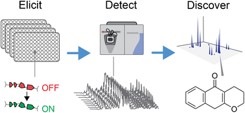
Unlocking hidden treasures: the evolution of high-throughput mass spectrometry in screening for cryptic natural products (Open Access)
Brett C. Covington & Mohammad R. Seyedsayamdost*
Nat. Prod. Rep., 2025, 42, 956-964


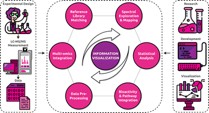
Effective data visualization strategies in untargeted metabolomics (Open Access)
Kevin Mildau*, Henry Ehlers*, Mara Meisenburg, Elena Del Pup, Robert A. Koetsier, Laura Rosina Torres Ortega, Niek F. de Jonge, Kumar Saurabh Singh, Dora Ferreira, Kgalaletso Othibeng, Fidele Tugizimana, Florian Huber & Justin J. J. van der Hooft*
Nat. Prod. Rep., 2025, 42, 982-1019


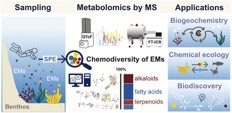
Describing the complex chemistry of benthic seawater: from exometabolite sampling strategies to MS-based metabolomics (Open Access)
Morgane Mauduit, Stéphane Greff, Marie Derrien & Charlotte Simmler*
Nat. Prod. Rep., 2025, 42, 1020-1036


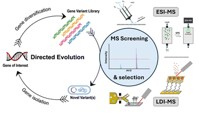
‘Need for speed: high throughput’ – mass spectrometry approaches for high-throughput directed evolution screening of natural product enzymes (Open Access)
Robert A. Shepherd, Conrad A. Fihn, Alex J. Tabag, Shaun M. K. McKinnie & Laura M. Sanchez*
Nat. Prod. Rep., 2025, 42, 1037-1054


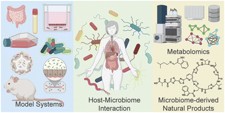
Mass spectrometry-based metabolomics approaches to interrogate host–microbiome interactions in mammalian systems (Open Access)
Atharva S. Kulkarni, Guilherme M. P. Carrara, Jiangpeiyun Jin, Jarrod Laro, Thilini Peramuna, Laura-Isobel McCall* & Neha Garg*
Nat. Prod. Rep., 2026, 43, 1078-1105


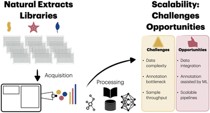
Scalability of mass spectrometry-based metabolomics for natural extracts libraries exploration: current status, challenges, and opportunities (Open Access)
Adriano Rutz*, Wout Bittremieux, Robin Schmid, Olivier Cailloux, Justin J. J. van der Hooft & Mehdi A. Beniddir*
Nat. Prod. Rep., 2026, 43, 1106-1129


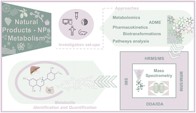
Metabolism and bioavailability aspects of natural products of plant origin using mass spectrometry-based and metabolomic approaches (Open Access)
Eleni V. Mikropoulou, Aikaterini Basdeki & Maria Halabalaki*
Nat. Prod. Rep., 2026, 43, 1130-1180


Cultivar to chemotype: characterizing complex botanicals with mass spectrometry metabolomics (Open Access)
Joshua J. Kellogg*, R. Teal Jordan, Madhusha M. Ranaweera, Kelsey Custer, Savannah G. Anez, Julia Bendlin, Francisco T. Chacon & Xiaoling Chen
Nat. Prod. Rep., 2026, 43, 1181-1200


Digg This
Reddit This
Stumble Now!
Share on Facebook
Bookmark this on Delicious
Share on LinkedIn
Bookmark this on Technorati
Post on Twitter
Google Buzz (aka. Google Reader)

Winner of the 2026 Natural Product Reports Emerging Investigator Lectureship

Congratulations to Professor Jakob Franke, recipient of the 2026 Natural Product Reports Emerging Investigator Lectureship!

The annual Natural Product Reports Emerging Investigator Lectureship recognises a researcher who has made a significant contribution to a natural products-related area of the chemical sciences in their early independent career. The Natural Product Reports Editorial Board have selected Professor Franke from Leibniz University Hannover as the winner this year.


“I am deeply honoured to receive the 2026 Natural Product Reports Emerging Investigator Lectureship. I am very grateful to my academic teachers and mentors (Peter Spiteller, Dirk Trauner, Christian Hertweck and Sarah O’Connor) who have supported me throughout my career and have sparked my love for natural products. I am also extremely grateful to my fantastic group who made our contributions possible; seeing everyone’s dedication and team spirit makes me very proud. The biggest joy of being a scientist is seeing your own students grow and become successful researchers and experts themselves.” – Professor Jakob Franke


About Jakob

Jakob Franke is an Associate Professor of Biochemistry of Plant Specialised Metabolites at Leibniz University Hannover, Germany. He originally studied Biochemistry and Chemistry in his hometown Munich. In 2011, he moved to Jena to conduct his doctoral research in the group of Prof. Dr. Christian Hertweck at the Leibniz Institute for Natural Product Research and Infection Biology, Hans Knöll Institute, focusing on biosynthetic pathways from human pathogenic bacteria. After completing his PhD in 2015, he transitioned from bacteria to plants by joining the group of Prof. Dr. Sarah O’Connor at the John Innes Centre, Norwich, UK for his postdoctoral research. In 2017, he returned to Germany to start his independent career at Leibniz University Hannover, where he received tenure in 2024.

Jakob’s research is focused on elucidating biosynthetic pathways in plants and applying this biochemical knowledge for metabolic engineering. A primary focus of his group is on triterpenoids and steroids with unusual structural features. He is also particularly interested in leveraging large-scale sequence data for discovering hidden biochemical novelty. Find out more about Jakob and the work his lab is doing on their webpage.

Digg This
Reddit This
Stumble Now!
Share on Facebook
Bookmark this on Delicious
Share on LinkedIn
Bookmark this on Technorati
Post on Twitter
Google Buzz (aka. Google Reader)

Natural Product Reports welcomes new Editorial Board members

Natural Product Reports is delighted to welcome Yihua Chen, Katherine Duncan and Joshua Kellogg to the Editorial Board!

About Yihua

Image of Yihua Chen

Yihua Chen obtained a BSc. at Nanjing Agricultural University in 1998. He received his Ph.D. degree in biochemistry and molecular biology at the Institute of Microbiology, CAS with Prof. Dr. Keqian Yang in 2005. After five years of postdoctoral research at the University of Wisconsin-Madison with Prof. Dr. Ben Shen, he started his own research group in the Institute of Microbiology, CAS in 2011.

His research lies at the crossroads of bacterial genetics and natural product chemistry, with emphasis on biosynthetic mechanisms of microbial natural products and discovery of new small molecule drug leads through synthetic biology and genome mining.

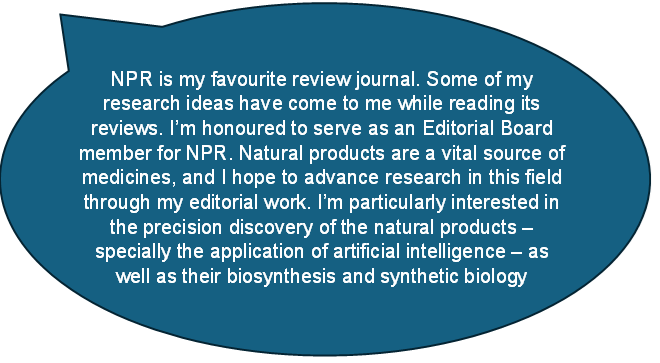
Quote from Yihua Chen describing NPR as his favourite review journal and his interest in advancing precision discovery of natural products, especially using AI, through his editorial work


About Katherine

Image of Katherine DuncanIn 2024, Kate moved to Newcastle University (UK) and leads a team focussed on microbial metabolomics and antibiotic discovery. Prior to this Kate completed a Tenure-Track Chancellor’s Fellowship at the University of Strathclyde (2016-2020) and was awarded full tenure to associate professor (2020-2023). Prior to starting her group, Kate completed two Postdoctoral Fellowships at Scripps Institution of Oceanography (California) in Marine Biomedicine and at The Scottish Marine Institute in Marine Biotechnology, a PhD in Biomedical Science (Canada) and a 5-year Masters in Chemistry (Aberdeen, Scotland) with International Placement (Florida). Kate is an advocate for community approaches to data sharing (ActinoBase, NPAtlas, MI-BiG, GNPS etc) and equality in STEMM. 

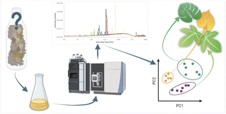
Her work focuses on accelerated biodiscovery using ‘omics methodologies to understand life at molecular, cellular and organism levels. Over recent years, the group has focused on ‘omics methods to link biology (genes) to chemistry (antibiotics) and how the assessment of chemical space across biological parameters can enable informed biodiscovery of new antibiotics. They often focus on underexplored/extreme ecosystems, such as the deep-sea and Antarctica –  you can find out more about the Duncan lab at: www.medicinesfromthesea.com.

Quote from Katherine Duncan describing her delight about joining the Editorial Board and how she looks forward to working with the journal and community

About Joshua

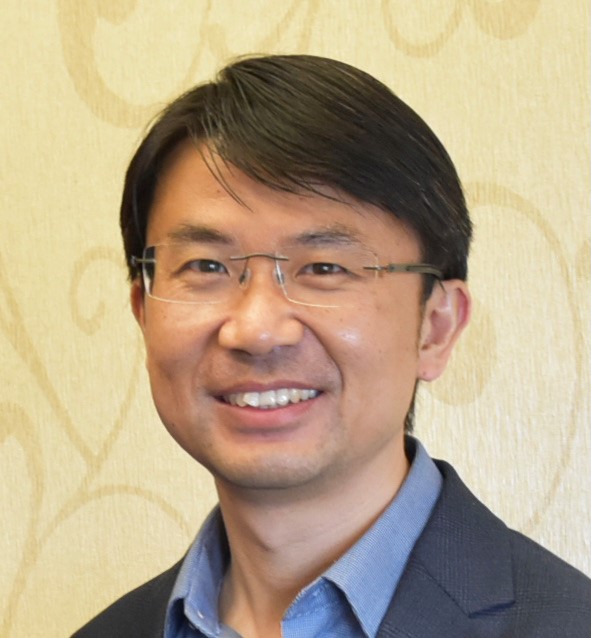
Image of Josh Kellogg smilingJoshua Kellogg is an Assistant Professor of Metabolomics at the Pennsylvania State University, where he leads natural product discovery research focused on medicinal plants, ethnobotany, and analytical metabolomics.

He obtained a B.Sc. in Chemistry (University of California, Berkeley, 2004), M.Sc. in Natural Resources (University of Illinois, Urbana-Champaign, 2009), and Ph.D. in Food, Bioprocessing, and Nutrition Sciences (North Carolina State University, 2014). He was an NIH Postdoctoral Fellow at the University of North Carolina at Greensboro until 2019, when he joined the faculty at Penn State.

His work focuses on natural product discovery from plants and fungi against infectious and chronic diseases. His group is also active in developing analytical metabolomics methods and machine learning approaches to bolster botanical research and annotation. To these ends, he employs transdisciplinary approaches that are at the interface of analytical chemistry, chemical biology, bioinformatics, natural product chemistry, and molecular biology. Dr. Kellogg’s work is supported by the NIH, USDA, and industry partnerships.

Quote from Josh Kellogg on how he is honoured to work with the journal to continue to bring high-impact reviews on natural product research and his keenness to see more articles that provide insight into natural product-host interactions and botanical natural products

Digg This
Reddit This
Stumble Now!
Share on Facebook
Bookmark this on Delicious
Share on LinkedIn
Bookmark this on Technorati
Post on Twitter
Google Buzz (aka. Google Reader)

Natural Product Reports welcomes new Editorial Board member Robert Britton

Natural Product Reports is delighted to welcome Professor Robert Britton to the Editorial Board.

About Rob

Rob grew up in Camlachie, a small town in South Western Ontario. He completed his B.Sc. degree at the University of Waterloo in 1996, developing an enthusiasm for organic chemistry through co-op placements in the research divisions of Bayer A.G. (Leverkusen) and Apotex (Toronto) as well as an undergraduate research project with Professor Victor Snieckus. He then moved on to the University of British Columbia where he was involved in natural product isolation, structure determination and total synthesis under the supervision of Professors Raymond Andersen and Edward Piers. In 2002, he was awarded a NSERC Postdoctoral Fellowship for research into the stereochemical assignment and total synthesis of complex macrolides with Professor Ian Paterson at the University of Cambridge.

In 2004, Rob accepted a position as Senior Research Chemist in the Process Research group at Merck Frosst Canada before joining the faculty at Simon Fraser University in 2005 as an Assistant Professor and was promoted to Associate Professor in 2011 and Full Professor in 2015. His current interests range from the total synthesis of biologically active natural products to the development of new synthetic methods with applications in late-stage C-H functionalization, 18F-labelling and nucleoside analogue synthesis. Discover more about his research on his website.

Digg This
Reddit This
Stumble Now!
Share on Facebook
Bookmark this on Delicious
Share on LinkedIn
Bookmark this on Technorati
Post on Twitter
Google Buzz (aka. Google Reader)

Natural Product Reports welcomes new Advisory Board members

We are delighted to welcome Professor Mingji Dai (Emory University), Professor Joshua Pierce (North Carolina State University), Dr Alisson Walker (Vanderbilt University) and Professor Nadine Ziemert (University of Tübingen) to the Natural Product Reports team as Advisory Board members!


Dr Mingji Dai is currently the Asa Griggs Candler Professor of Chemistry at Emory University. He grew up in a small village in Sichuan, China. He received his B.S. degree from Peking University, Ph.D. degree from Columbia University, and postdoctoral training at Harvard University and the Broad Institute. He began his independent career as an assistant professor at Purdue University and was promoted to associate professor with tenure in 2018 and full professor in 2020. He moved to Emory University in 2022. His lab focuses on developing new strategies and methodologies for the synthesis of complex natural products and other medicinally important molecules.


Professor Joshua Pierce is currently the Howard J. Schaeffer Distinguished Professor of Chemistry at North Carolina State University. Research in the Pierce group is focused on harnessing the diverse architectures of marine natural products to inspire advances in chemical reaction development, chemical biology and therapeutic lead identification.


Allison Walker is an Assistant Professor at Vanderbilt University with a joint appointment in the Departments of Chemistry and Biological Sciences. Her research focuses on the development of machine learning and other computational tools for natural product discovery and biosynthesis. One ongoing project in the Walker lab is the development of methods to predict the activity of natural products from the sequence of the biosynthetic gene clusters that produce them. This methodology will enable more efficient genome mining for bioactive natural products.


Nadine is a Professor of Natural Product Genome Mining at the University of Tübingen, Germany, where she leads a research group at the interface of computational and wet lab research to explore the diversity and evolution of bacterial natural products, with a focus on antibiotic discovery. Her team develops and maintains tools—including ARTS, BGC Atlas, and autoMLST—that support the prediction, classification, and comparative analysis of biosynthetic gene clusters. She is a member of the German Center for Infection Research and serves on the executive board of the CMFI Cluster of Excellence. Nadine is committed to open science and collaborative tool development to advance natural product discovery and tackle the global antibiotic resistance crisis.


Find some of their recent RSC publications below:


Antarctic bacterial natural products: from genomic insights to drug discovery
Nat. Prod. Rep., 2025, Advance Article, DOI: 10.1039/D4NP00045E

Advances, opportunities, and challenges in methods for interrogating the structure activity relationships of natural products
Nat. Prod. Rep., 2024, 41, 1543-1578, DOI: 10.1039/D4NP00009A

Pyrrolidine-2,3-diones: heterocyclic scaffolds that inhibit and eradicate S. aureus biofilms
Chem. Commun., 2024, 60, 11540-11543, DOI: 10.1039/D4CC02708F

Divergent synthesis of δ-valerolactones and furanones via palladium or copper-catalyzed α-hydroxycyclopropanol ring opening cyclizations
Chem. Commun., 2024, 60, 10112-10115, DOI: 10.1039/D4CC03255A

9-Step synthesis of (−)-larikaempferic acid methyl ester enabled by skeletal rearrangement
Chem. Commun., 2024, 60, 71647167, DOI: 10.1039/D4CC01462F

The confluence of big data and evolutionary genome mining for the discovery of natural products
Nat. Prod. Rep., 2021, 38, 2024-2040, DOI: 10.1039/D1NP00013F

Digg This
Reddit This
Stumble Now!
Share on Facebook
Bookmark this on Delicious
Share on LinkedIn
Bookmark this on Technorati
Post on Twitter
Google Buzz (aka. Google Reader)

Natural Product Reports welcomes new Editorial Board member Neha Garg

Natural Product Reports is delighted to welcome Professor Neha Garg to the Editorial Board.

About Neha

Neha Garg is a College of Sciences Blanchard Professor at Georgia Institute of Technology Tech broadly interested in understanding how small molecules shape microbiome composition in complex environments. Garg obtained her Ph.D. in Biochemistry in 2013 from the University of Illinois at Urbana-Champaign with Professors Wilfred A. van der Donk and Satish K. Nair. Neha’s dissertation work in Illinois was recognized by the Anne A Johnson work award and the Catherine Connor Outstanding Dissertation in Biotechnology award. She then worked with Professor Pieter C. Dorrestein as a postdoctoral research associate at the University of California, San Diego where she developed metabolomics methods to visualize microbial communities.

At Georgia Tech, Garg was awarded NSF CAREER award, NIH R35 MIRA award, and Sandia’s Laboratory Directed Research and Development award to develop –omics methods for investigating chemical and immunometabolic crosstalk between host and mucus-associated probiotic and pathogenic microbes. Her work has been recognized by the Natural Product Reports Emerging Investigator Lectureship Award and the ACS Organic Division with the Academic Young Investigator Award. She has also received several teaching awards at Georgia Tech including Center for Teaching and Learning Junior Faculty Teaching Excellence Award and Vasser Woolley Award for Excellence in Instruction. In her research, Garg develops and applies interdisciplinary approaches in chemical microbiology, molecular biology, microscopy, mass spectrometry, (meta) transcriptomics and genomics to unveil mechanisms of chemical crosstalk. Discover more about her research on her website.

Digg This
Reddit This
Stumble Now!
Share on Facebook
Bookmark this on Delicious
Share on LinkedIn
Bookmark this on Technorati
Post on Twitter
Google Buzz (aka. Google Reader)

Natural Product Reports welcomes new Editorial Board member Tilmann Weber

Natural Product Reports is delighted to welcome Professor Tilmann Weber to the Editorial Board.

About Tilmann:

Tilmann Weber holds a Diploma in Biology (1999), a PhD (Dr. rer. nat., 2004), and a Habilitation in Microbiology (2012) from Eberhard-Karls-University Tübingen, Germany. Following his PhD, he served as a Wissenschaftlicher Assistent and Group Leader at the Interfaculty Institute of Microbiology and Infection Medicine at Tübingen University. In 2013, he joined the Novo Nordisk Foundation Center for Biosustainability at the Technical University of Denmark (DTU Biosustain) as a Senior Researcher and Co-Principal Investigator. In 2018, he was appointed Professor of Natural Products Genome Mining at DTU Biosustain and was promoted to Associate Scientific Director in 2021. Tilmann is a faculty member at the DNRF-funded Center of Excellence “Center for Microbial Secondary Metabolites” at DTU, coordinator of the MSCA-Doctoral Network “MAGic-MOLFUN,” and head of the DTU Biosustain PhD school.


His research integrates various ‘omics technologies, computational biology, and metabolic engineering to develop and apply new tools for the discovery, characterization, and engineering of bioactive natural products. Together with international collaborators, he and his team maintain the antiSMASH genome mining platform, the antiSMASH database, and also host the community-curated MIBiG BGC reference dataset.

Digg This
Reddit This
Stumble Now!
Share on Facebook
Bookmark this on Delicious
Share on LinkedIn
Bookmark this on Technorati
Post on Twitter
Google Buzz (aka. Google Reader)