Environmental Science: Processes & Impacts Collections

Environmental Science: Processes & Impacts (ESPI) is the home for high-impact research in all areas of the environmental chemical sciences, including chemistry of the air, water, soil and sediment. We welcome studies on the environmental fate and effects of anthropogenic and naturally occurring contaminants, both chemical and microbiological, as well as related natural element cycling processes. Here, we’ve brought together our latest Article Collections and Themed Issues to enable you to easily navigate to content most relevant to you. We hope that you enjoy reading the papers in these collections.

Ongoing collections

HOT articles

Recent Reviews

Open Access articles

Emerging Investigators series


Themed issues and collections

Tracking complex mixtures of chemicals in Human- and Eco-Exposome 2023
Guest Edited by Mingliang Fang (Fudan University), Beate Escher (Helmholtz Centre for Environmental Research), Li Li (University of Nevada, Reno), and Zhenyu Tian (Northeastern University)

Indoor Air Quality 2023
A collection including ESPI and Environmental Science: Atmospheres articles, in collaboration with the Royal Society of Chemistry’s Policy and Evidence team

Chemistry of Atmospheric Pollutants 2023
Guest Edited by Amila De Silva (Environment and Climate Change Canada), Max McGillen (CNRS-ICARE), Jason Surratt (University of North Carolina) and Cora Young (York University)

Biogeochemistry of the Trace Elements 2022
Guest Edited by Lenny Winkel (Swiss Federal Institute of Aquatic Science and Technology) and Elsie Sunderland (Harvard University)

POPs and Chemicals of Emerging Arctic Concern: Influence of Climate Change 2022
Guest Edited by Derek Muir (Environment & Climate Change Canada), Cynthia de Wit (Stockholm University), Katrin Vorkamp (Aarhus University) and Simon Wilson (Stockholm University)

Cryosphere Chemistry 2020
Guest Edited by Rose Cory and Kerri Pratt (University of Michigan)

Halogenated (semi)volatile organic compounds (“X(S)VOCs”) 2020
Guest Edited by Elizabeth Edwards (University of Toronto), Lucy Carpenter (University of York), Sarah Blossom (University Arkansas Medical Science) and Paul Tratnyek (Oregon Health & Science University)

PFAS 2019
Guest Edited by Lutz Ahrens (Swedish University of Agricultural Sciences), Jonathan Benskin (Stockholm University, Sweden), Ian Cousins (Stockholm University, Sweden), Michelle Crimi (Clarkson University, USA) and Chris Higgins (Colorado School of Mines, USA)

Indoor Air : Sources, Chemistry and Health Effects 2019
Guest Edited by Delphine Farmer (Colorado State University, USA) and Marina Vance (University of Colorado at Boulder, USA)

The environmental geochemistry and biology of hydraulic fracturing 2019
Guest Edited by Desirée Plata (MIT), Rob Jackson (Stanford University), Paula Mouser (University of New Hampshire) and Avner Vengosh (Duke University)

Atmospheric Surfaces 2018
Edited by Marianne Glasius (Aarhus University, Denmark) and Guest Editors Merete Bilde (Aarhus University, Denmark) Neil Donahue (Carnegie Mellon University, USA), Miriam Freedman (Pennsylvania State University, USA) 

Mercury Biogeochemistry, Exposure, and Impacts 2018
Edited by former ESPI Associate Editor Helen Hsu-Kim (Duke University) and Guest Editors Chris Eckley (EPA) and Noelle Selin (MIT)

Bioanalytical tools for water and sediment quality assessment 2017
Edited by former ESPI Associate Editor Edward Kolodziej and Guest Editors Bryan Brooks (Baylor University, USA), Kyungho Choi (Seoul National University, Korea) and Ruth Marfil-Vega (American Water, USA)

QSARs and computational chemistry methods in environmental chemical sciences 2017
Guest Edited by Paul Tratnyek (OHSU) and Kathrin Fenner (Eawag)


Editor’s choice collections

Aquatic Photochemistry
Collated by ESPI Editor-in-Chief, Kris McNeill

Planetary Health
Collated by ESPI Associate Editor, Paul Tratnyek

Underappreciated Science
Collated by former ESPI Associate Editor, Ed Kolodziej

Digg This
Reddit This
Stumble Now!
Share on Facebook
Bookmark this on Delicious
Share on LinkedIn
Bookmark this on Technorati
Post on Twitter
Google Buzz (aka. Google Reader)

Transformation products, mixtures, and vectors themed collection

Guest edited by Professor Hans Peter Arp (Norwegian Geotechnical Institute) and Associate Professor Gabriel Sigmund (Wageningen University & Research), this themed collection includes insights into the transformation of several important pollutants, innovative methods to detect and identify transformation products, and their biological and environmental impacts.

The identity and effects of many substances on the global market remain insufficiently understood, as they often exist as complex mixtures or can generate potentially harmful transformation products. Addressing these mixtures and their transformation products therefore represents a critical frontier in environmental chemistry, as well as in chemical regulation and innovation.

Please enjoy the articles in the collection below.

Introduction to transformation products, mixtures, and vectors

Hans Peter H. Arp*, Gabriel Sigmund*

Environ. Sci.: Processes Impacts 2026, DOI: https://doi.org/10.1039/d6em90018f

 
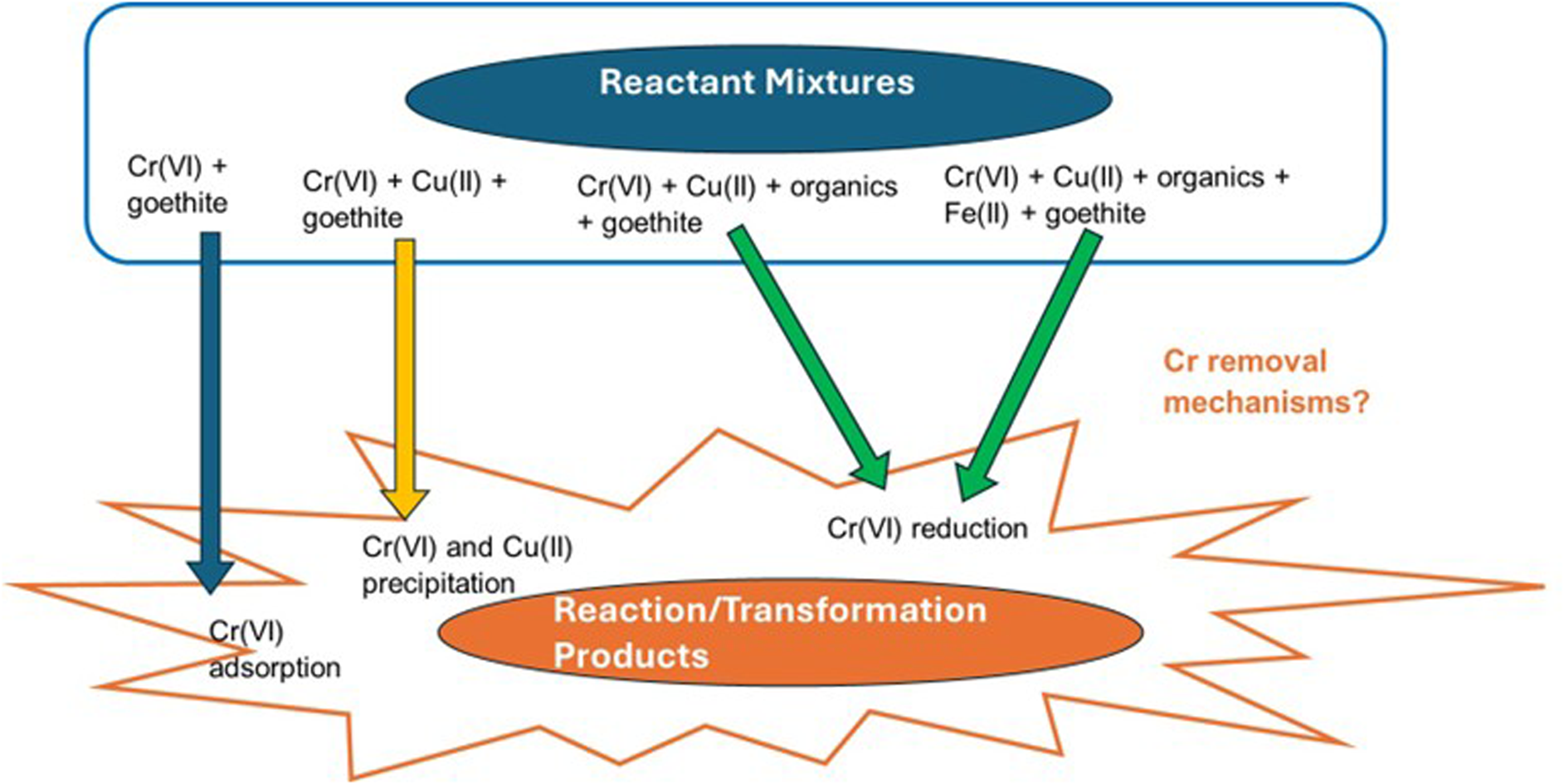
  Heterogeneous reactions control Cr(VI) release and sequestration in complex chemical mixtures of Cr, Fe, Cu, and organics

Noah Jemison*, Angelica Benavidez, Michael Spilde, Angelica Saenz Trevizo, Adrian Brearley, Juan Lezama Pacheco, Drew Latta, Kaelin Gagnon, Stephen Emeanuwa, Fernando Garzon, Stephen Cabaniss, Peter Lichtner, Abdul-Mehdi Ali, José M. Cerrato*

Environ. Sci.: Processes Impacts 2026; 28 (1): 98–111. https://doi.org/10.1039/d5em00786k

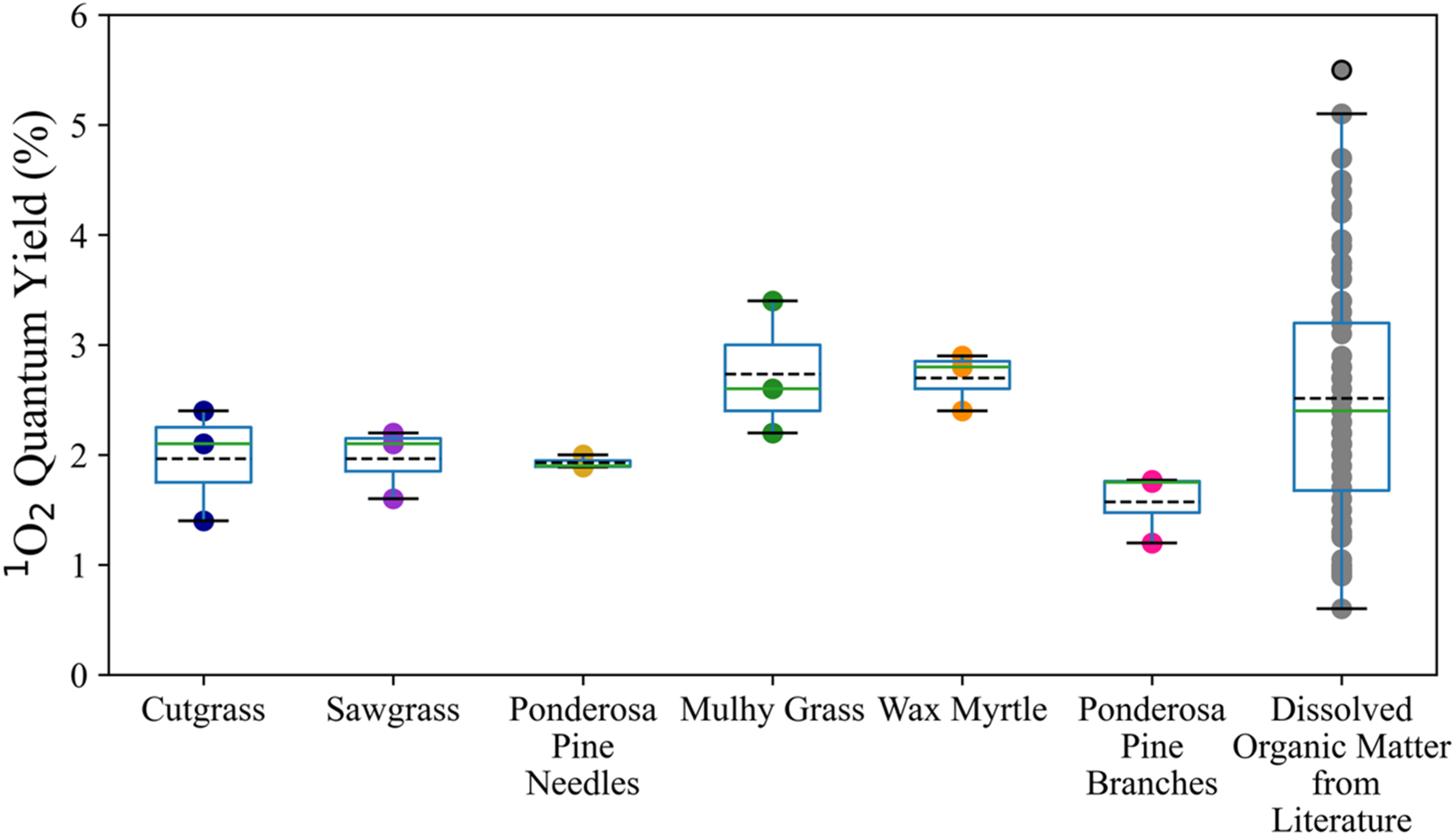
Evolution of the photosensitized production of singlet oxygen by aqueous extracts of biomass-burning aerosol

Daniel Bonomo, Ryan C. Sullivan*

Environ. Sci.: Processes Impacts 2026; 28 (8): 2288–2306. https://doi.org/10.1039/d6em00131a

 
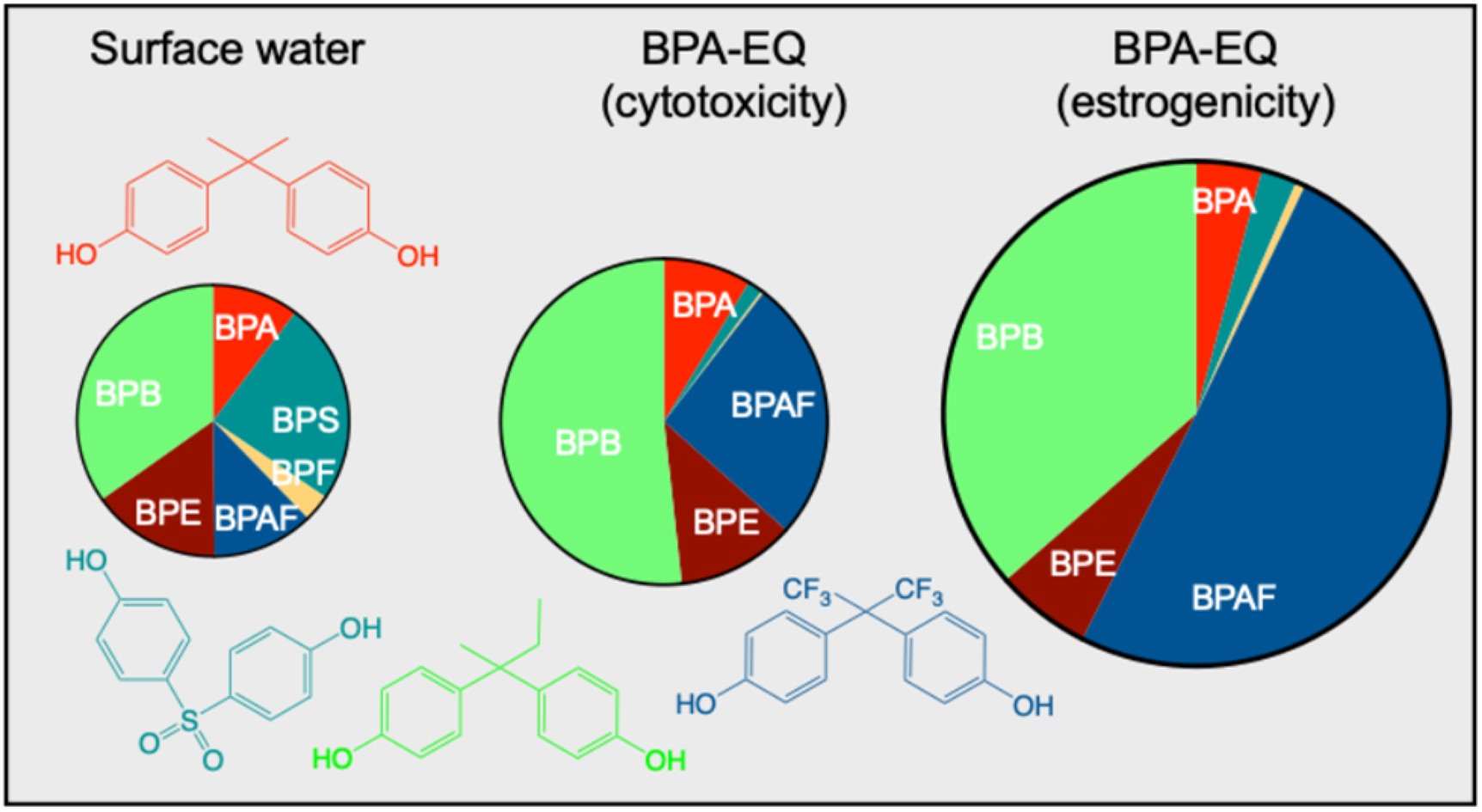
  Introducing BPA-equivalents: assessing mixture toxicity and substitution of BPA in environmental exposure scenarios

Vanessa Srebny, Georg Braun, Niklas Wojtysiak, Beate I. Escher*

Environ. Sci.: Processes Impacts 2026; 28 (3): 779–792. https://doi.org/10.1039/d5em00802f

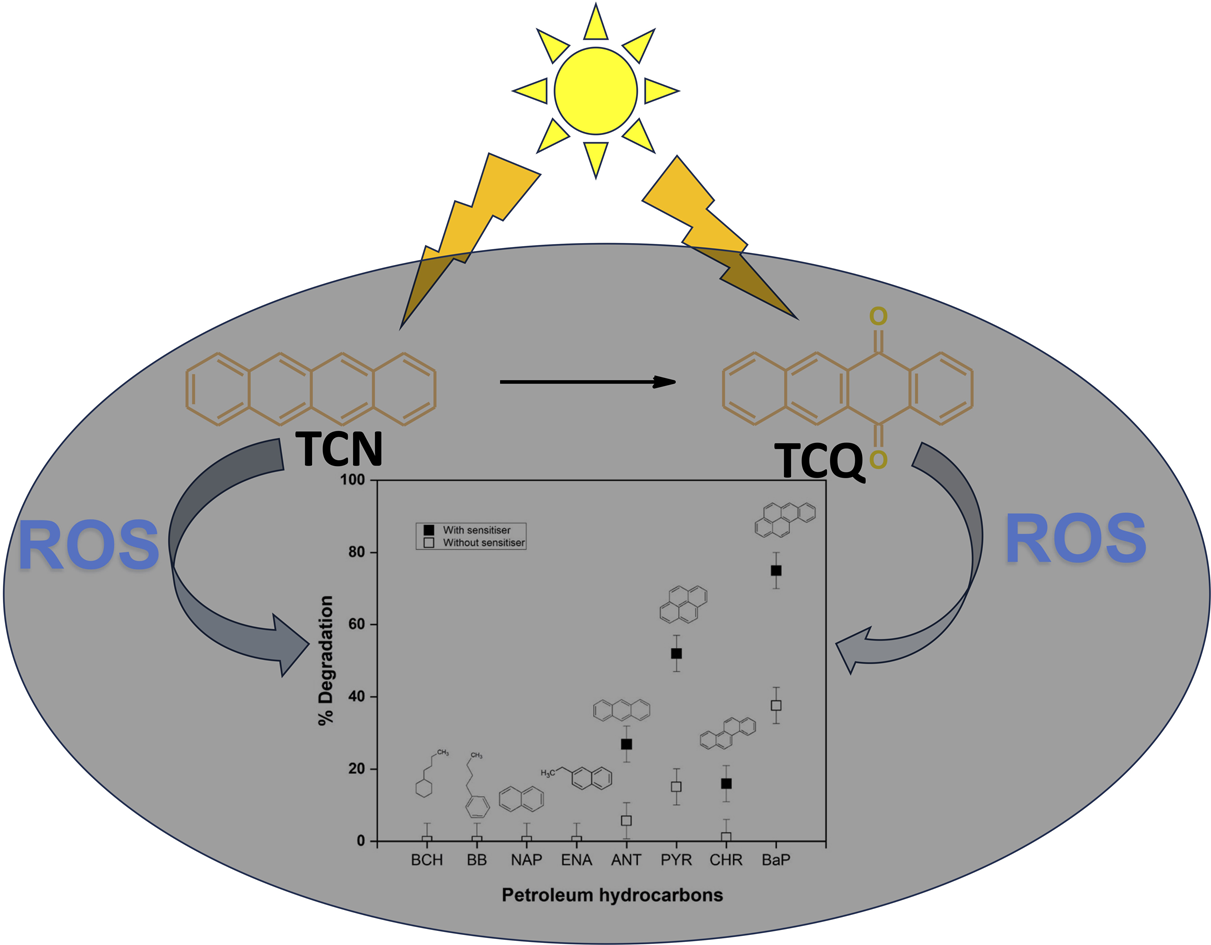
Hydrophobic model systems for oil film photooxidation: part I: sensitizer effects on hydrocarbon photodegradation

Manoj P. Rayaroth*, Bin Wu, Christoph Aeppli.

Environ. Sci.: Processes Impacts 2026; 28 (7): 2009–2020. https://doi.org/10.1039/d5em00809c


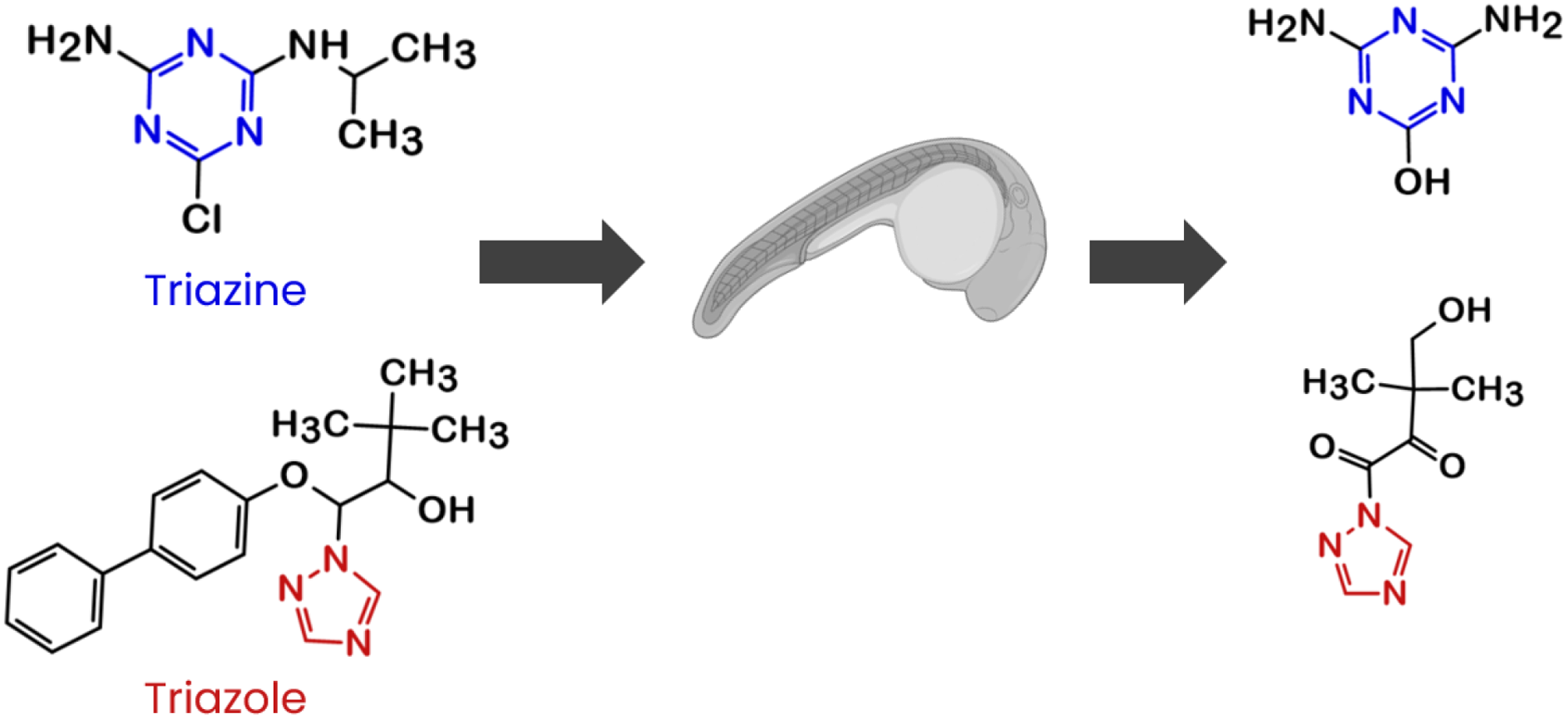
  Identification of persistent substructures in transformation products with zebrafish embryos using cheminformatics and a suspect screening approach

Parviel Chirsir*, Maria Lorena Cordero-Maldonado, Maxim P. Carlier, Timo Hamers, Emma L. Schymanski*

Environ. Sci.: Processes Impacts 2026; 28 (5): 1584–1602. https://doi.org/10.1039/d5em00825e


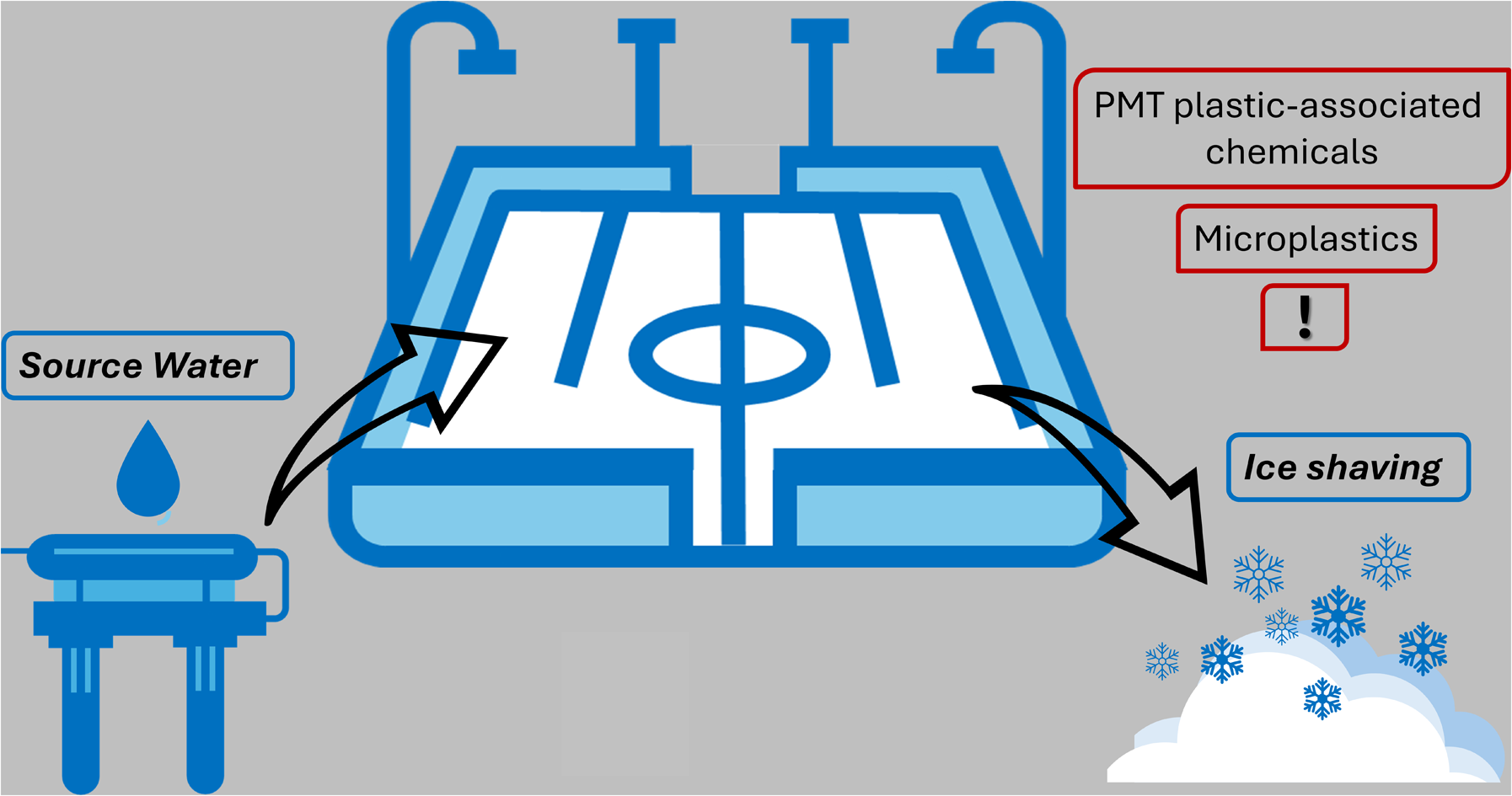
Microplastics and PMT plastic-associated chemicals as co-contaminants in ice shaving waste from an urban ice rink

Yanan Li*, Ryan H. S. Hutchins, Claire Oswald, Stefania Impellizzeri*, Roxana Sühring*

Environ. Sci.: Processes Impacts 2026; 28 (6): 1854–1865. https://doi.org/10.1039/d5em01017a


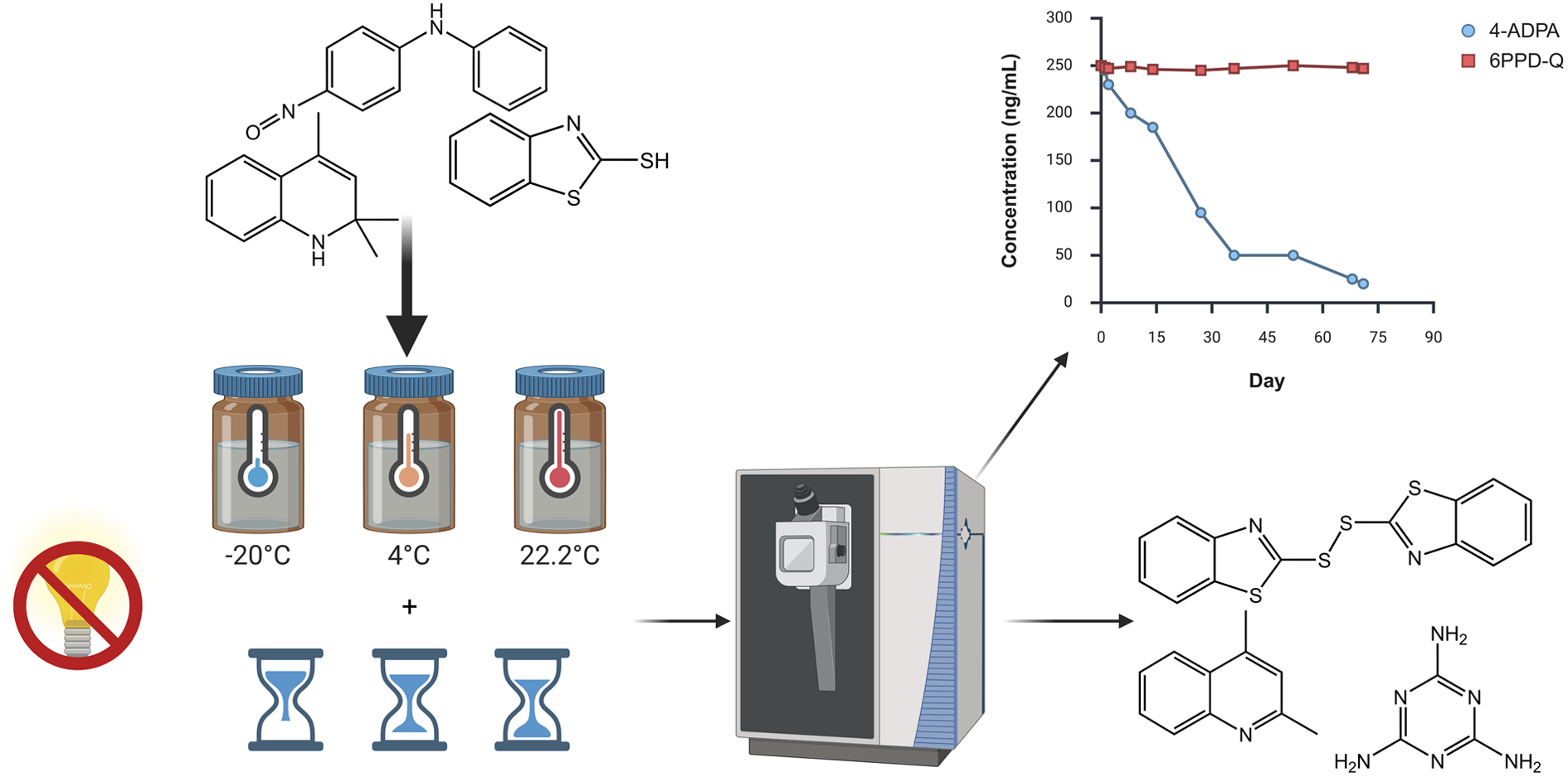
  Stability and transformation products of rubber derived compounds under various storage conditions

Phillip Berger, Katherine Poisson, Jaime Adams, Zhenyu Tian*

Environ. Sci.: Processes Impacts 2026; 28 (4): 961–973. https://doi.org/10.1039/d5em01025j


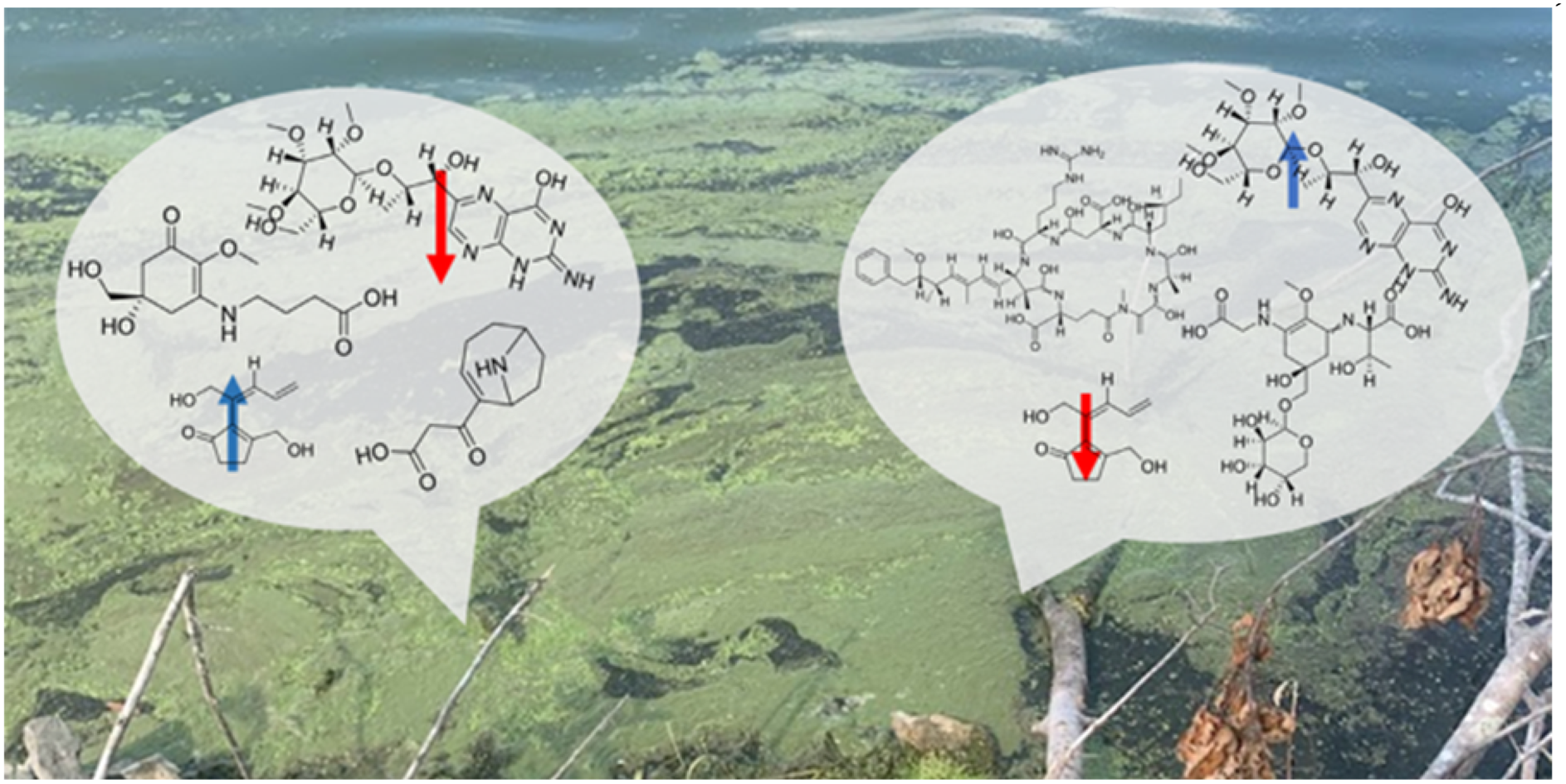
Spatial and temporal variation of suspect screening derived cyanobacterial secondary metabolite mixtures during harmful algal bloom events in shallow agroecosystem lakes

Stanley W. Kohls, Lyndy Holdt, Nervana Metwali, Corey D. Markfort, Peter S. Thorne, Gregory H. LeFevre*

Environ. Sci.: Processes Impacts 2026; 28 (7): 1998–2008. https://doi.org/10.1039/d5em01071c


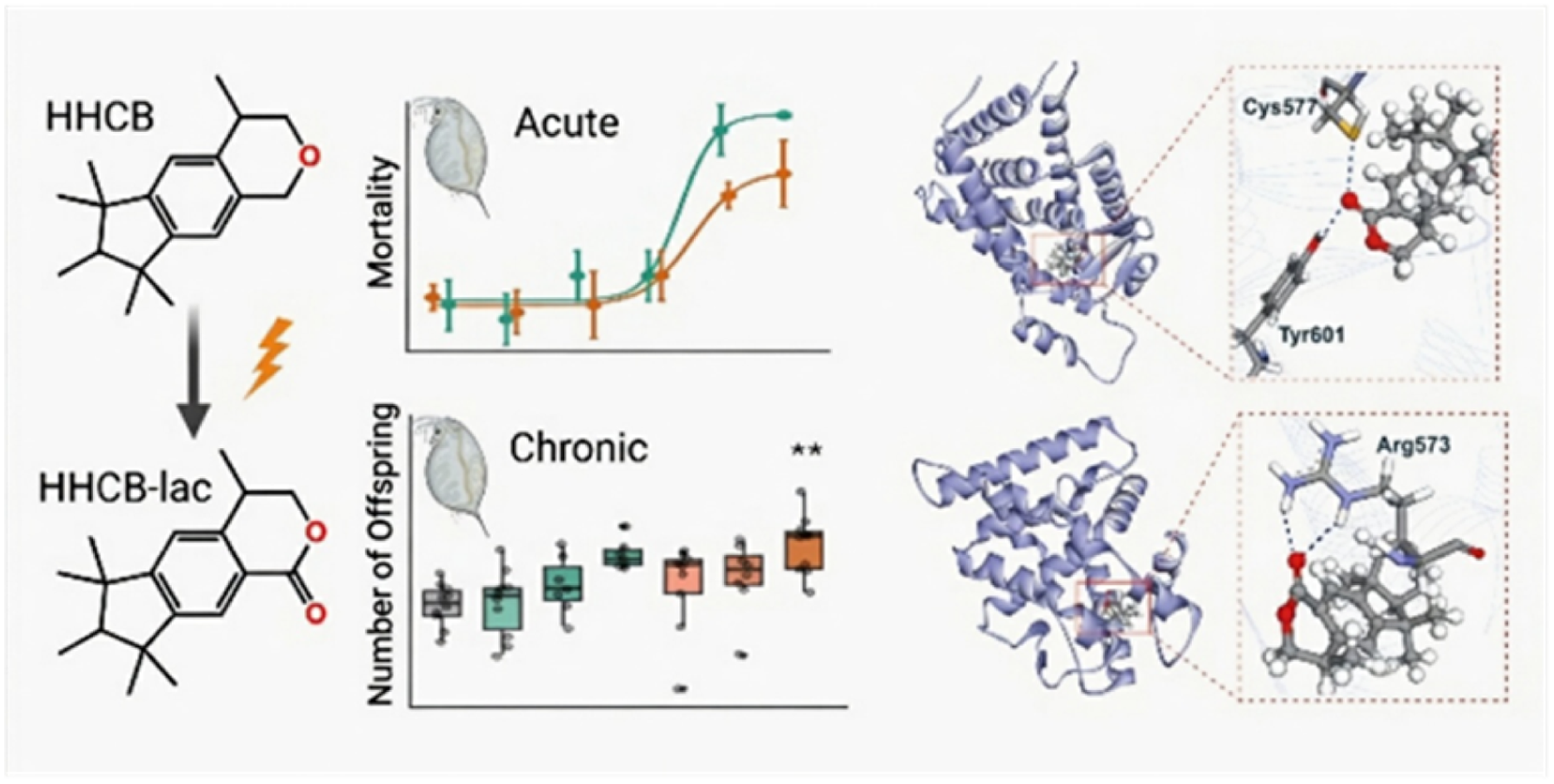
  Comparative toxicity and molecular recognition of galaxolide and its phototransformation product galaxolide lactone in Daphnia magna

Kunting Li, Chuanyang Chen, Dali Wang*, Hongjie Huang, Zixuan Yuan, Jing You

Environ. Sci.: Processes Impacts 2026; 28 (5): 1534–1543. https://doi.org/10.1039/d6em00059b


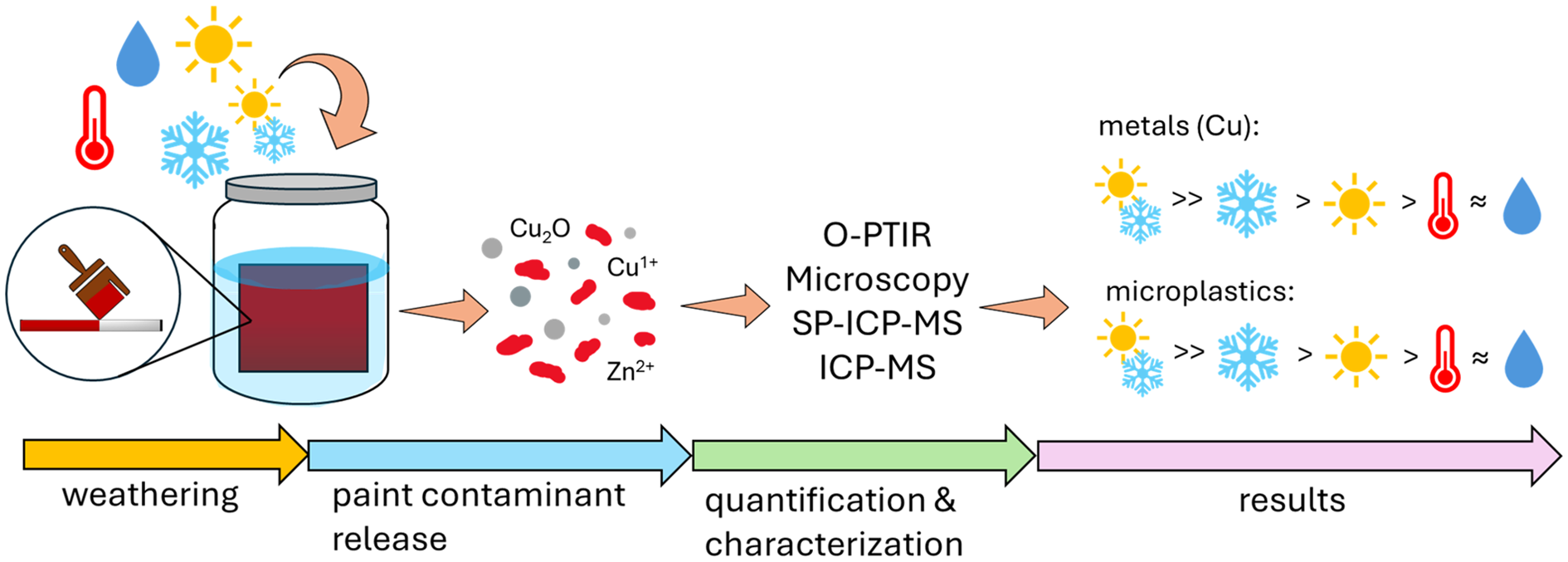
Release of microplastics and metals from antifouling paint during weathering in simulated cold climates

Guadalupe Santos, Georgina C. Kalogerakis, Jun-Ray Macairan, Laura M. Hernandez, Houssame-Eddine Ahabchane, Jennifer F. Provencher, Kevin J. Wilkinson*, Nathalie Tufenkji*

Environ. Sci.: Processes Impacts 2026; 28 (5): 1448–1462. https://doi.org/10.1039/d6em00126b


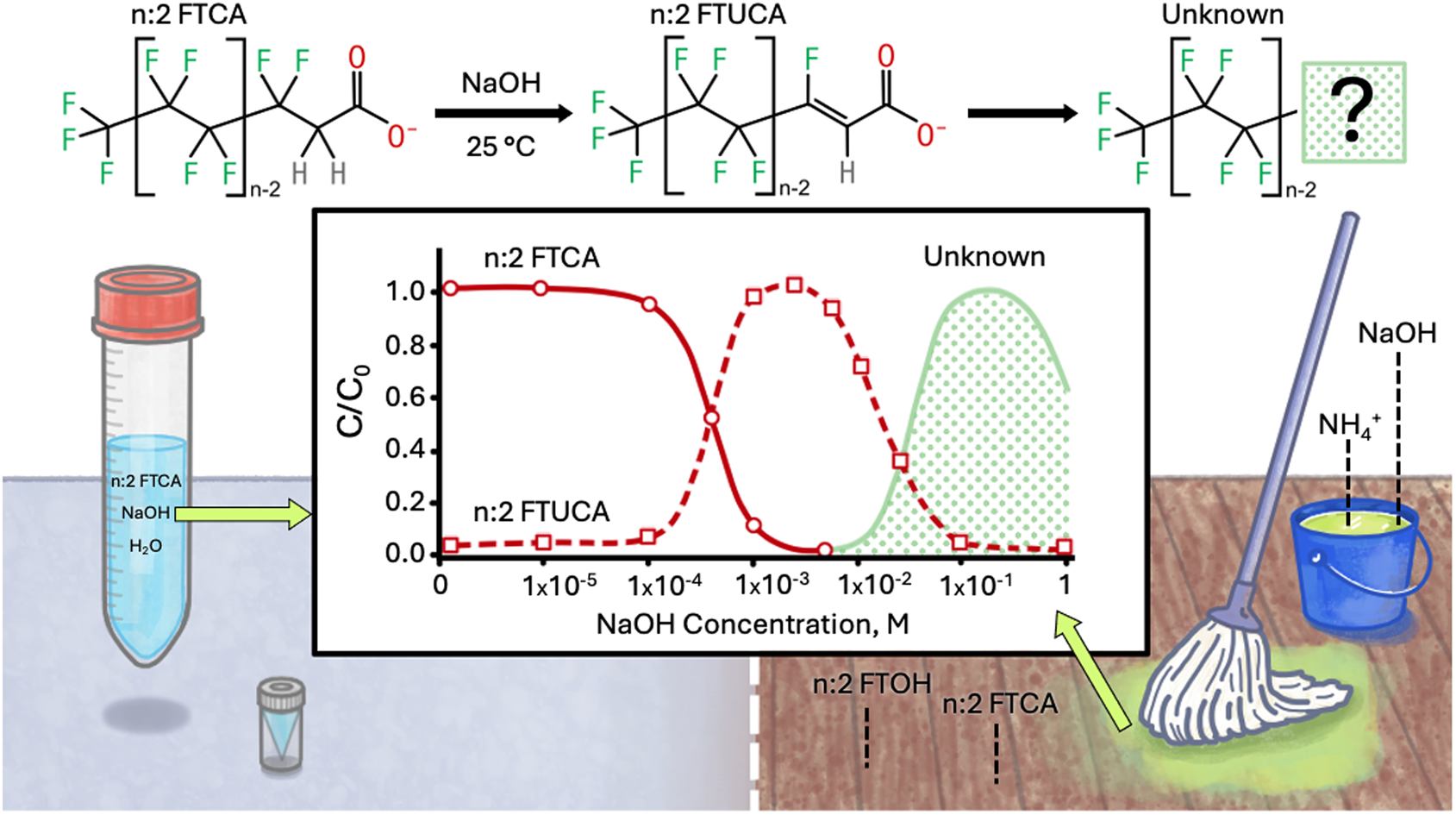
  Hydroxide-promoted transformation of fluorotelomer carboxylic acids at ambient temperature

Liliya Chernysheva, Elizabeth G. Curtis, Kyle Doudrick*

Environ. Sci.: Processes Impacts 2026; 28 (5): 1511–1520. https://doi.org/10.1039/d5em00821b


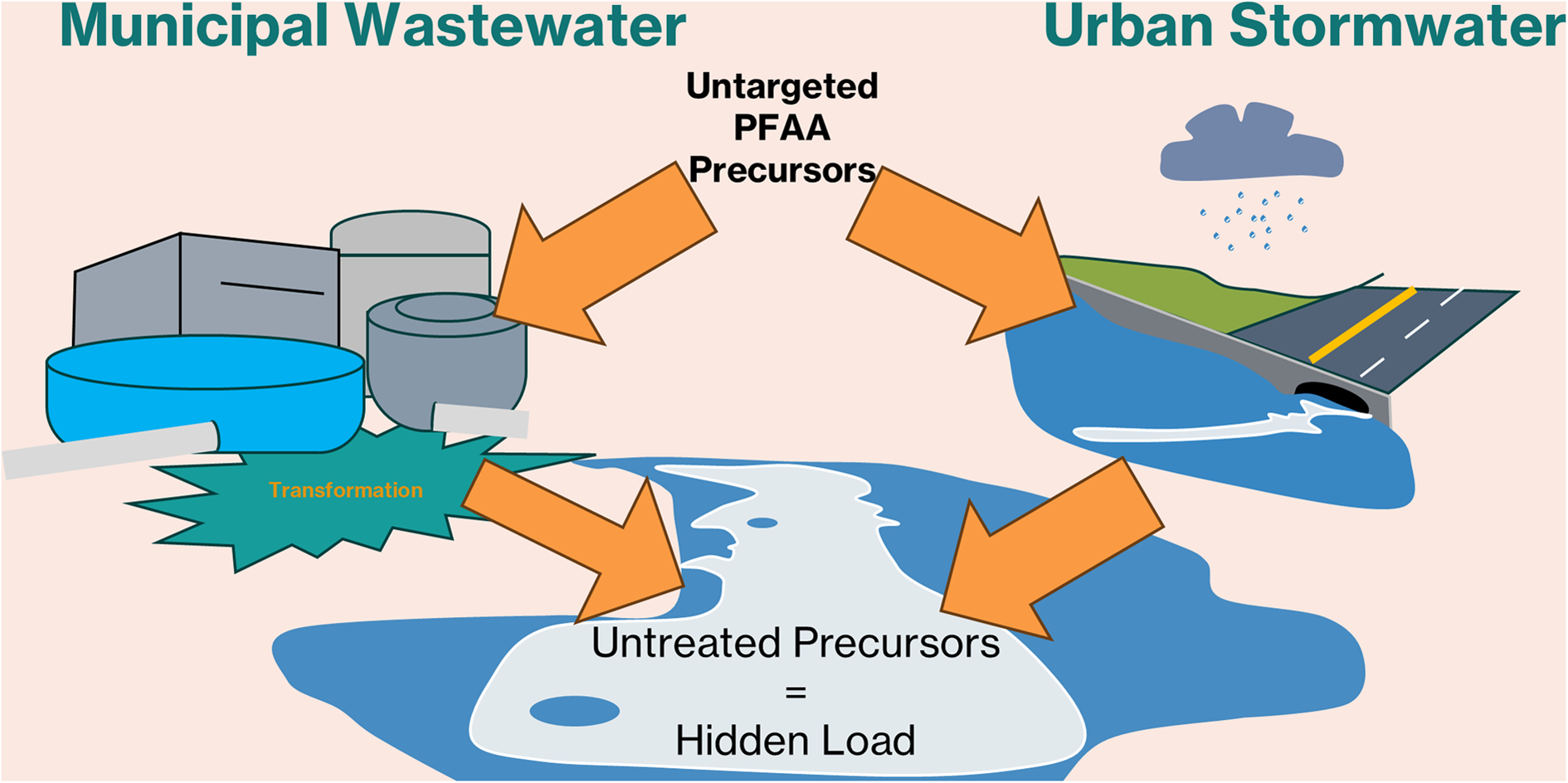
Perfluoroalkyl acid precursor discharge from engineered water systems: composition and treatment impacts

Lois D. Arku, Juhe Liu, Joseph A. Charbonnet*

Environ. Sci.: Processes Impacts 2026; 28 (5): 1521–1533. https://doi.org/10.1039/d6em00042h


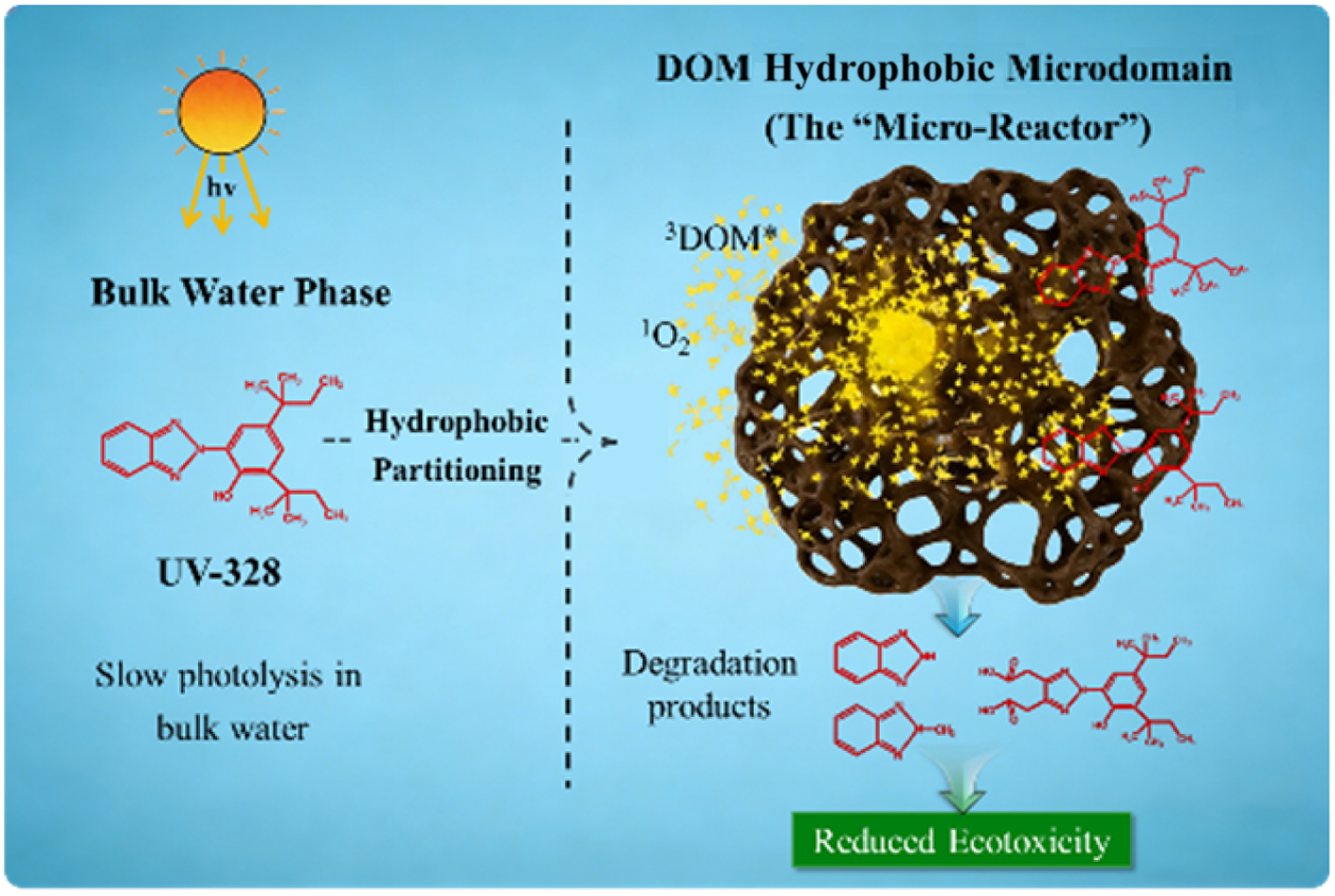
  Accelerated indirect photolysis of UV-328 within the hydrophobic microdomains of dissolved organic matter: the role of sorption and localized reactive intermediates

Mingzhu He, Zhansheng Li, Hongxia Zhao*, Yuhong Su*, Shafiul Azam, Jiawen Shao

Environ. Sci.: Processes Impacts 2026; 28 (5): 1385–1395. https://doi.org/10.1039/d6em00139d


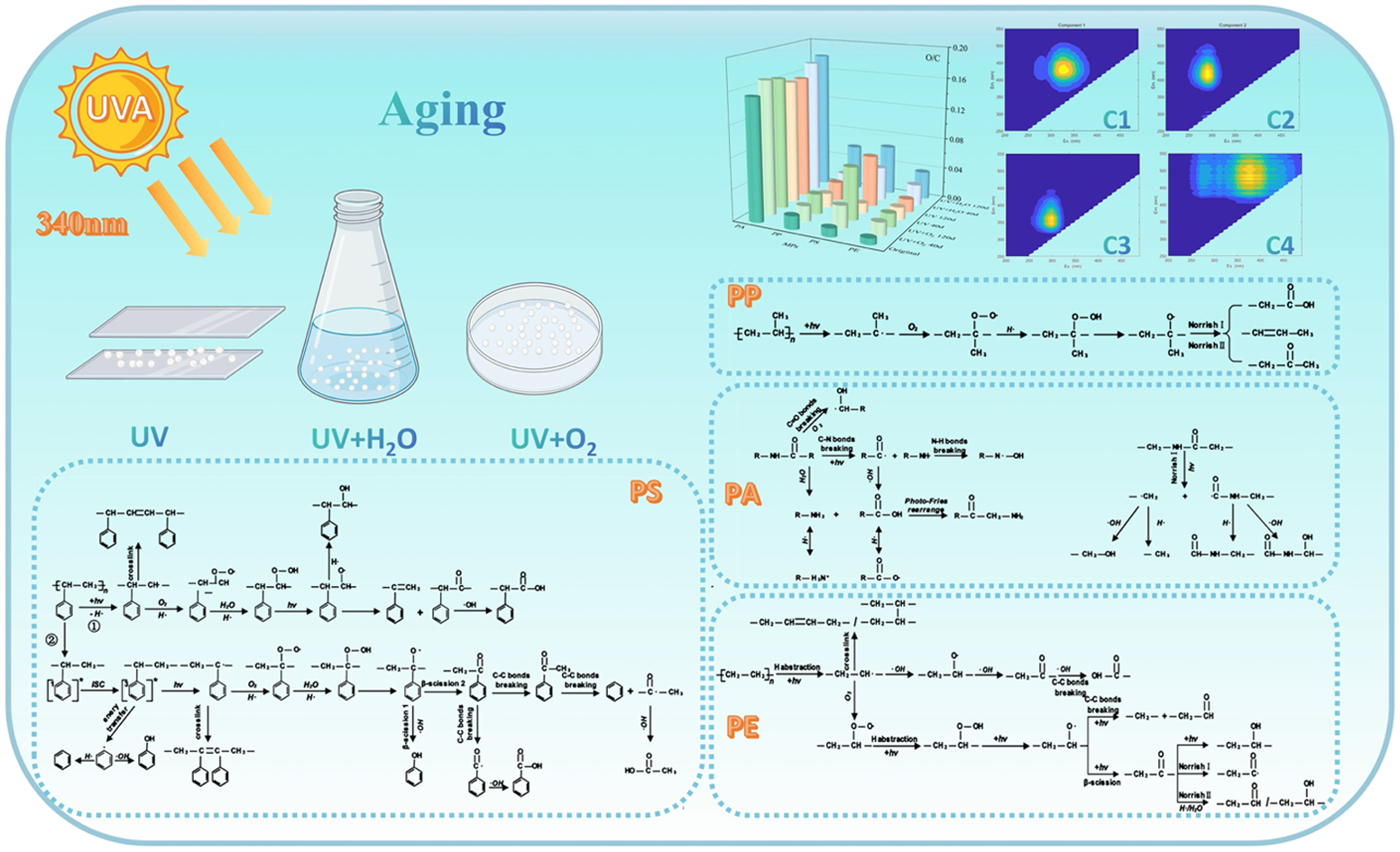
Photoaging of four microplastics under diverse conditions: characteristics and leachate composition studies

Jing Yang, Jing He*, Kening Tian

Environ. Sci.: Processes Impacts 2026; 28 (5): 1552–1565. https://doi.org/10.1039/d6em00102e


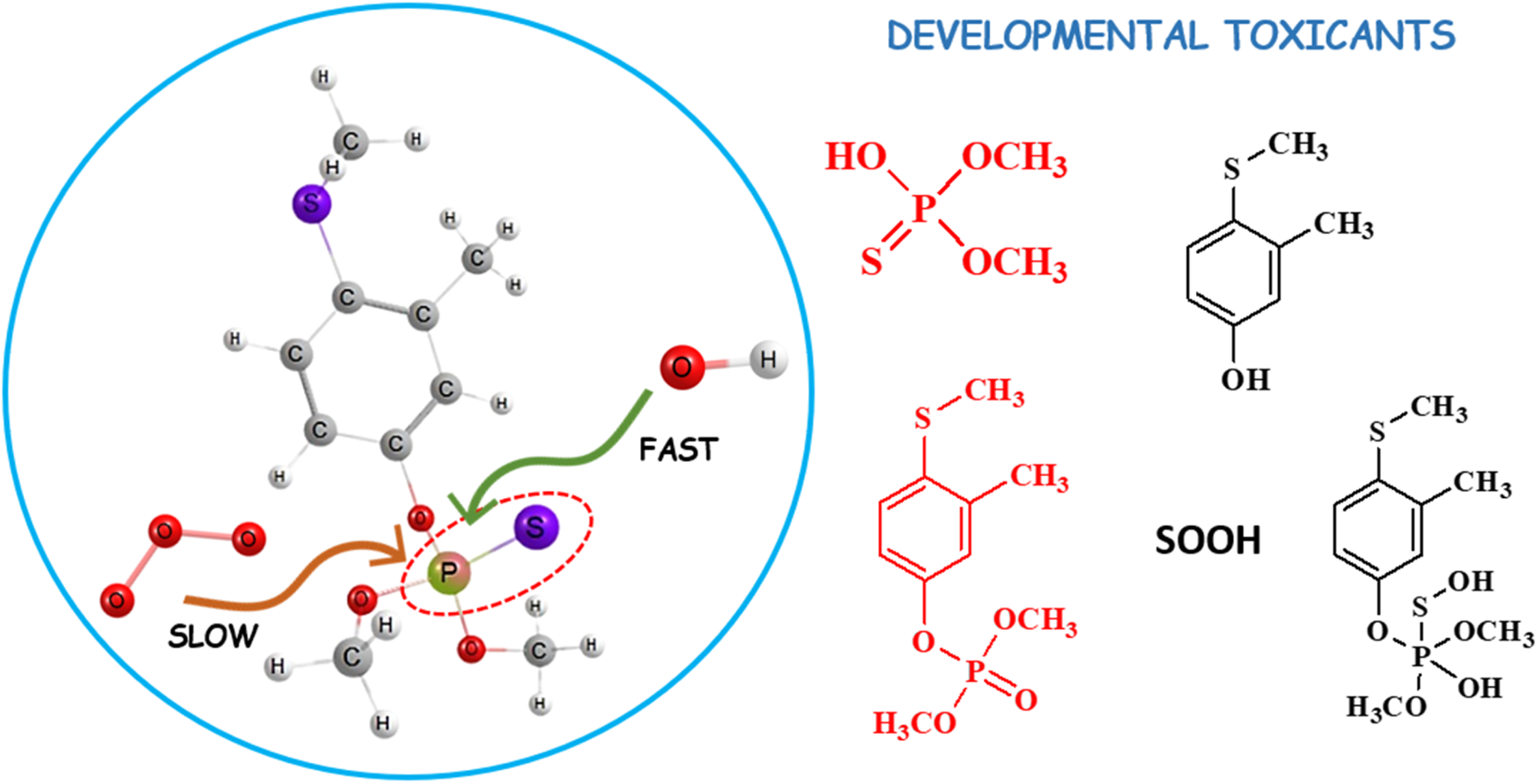
Fenthion reacts rapidly with atmospheric ˙OH, while its reaction with O3 is slow. The PS is found to be highly reactive. The subsequent reactions with O2, and ˙OH, forms closed-shell products which are developmental toxicants.   Atmospheric oxidation of fenthion initiated by hydroxyl radical and ozone

A. Bhavadharini, L. Sandhiya, K. Senthilkumar*

Environ. Sci.: Processes Impacts 2026; 28 (5): 1323–1337. https://doi.org/10.1039/d5em00984g

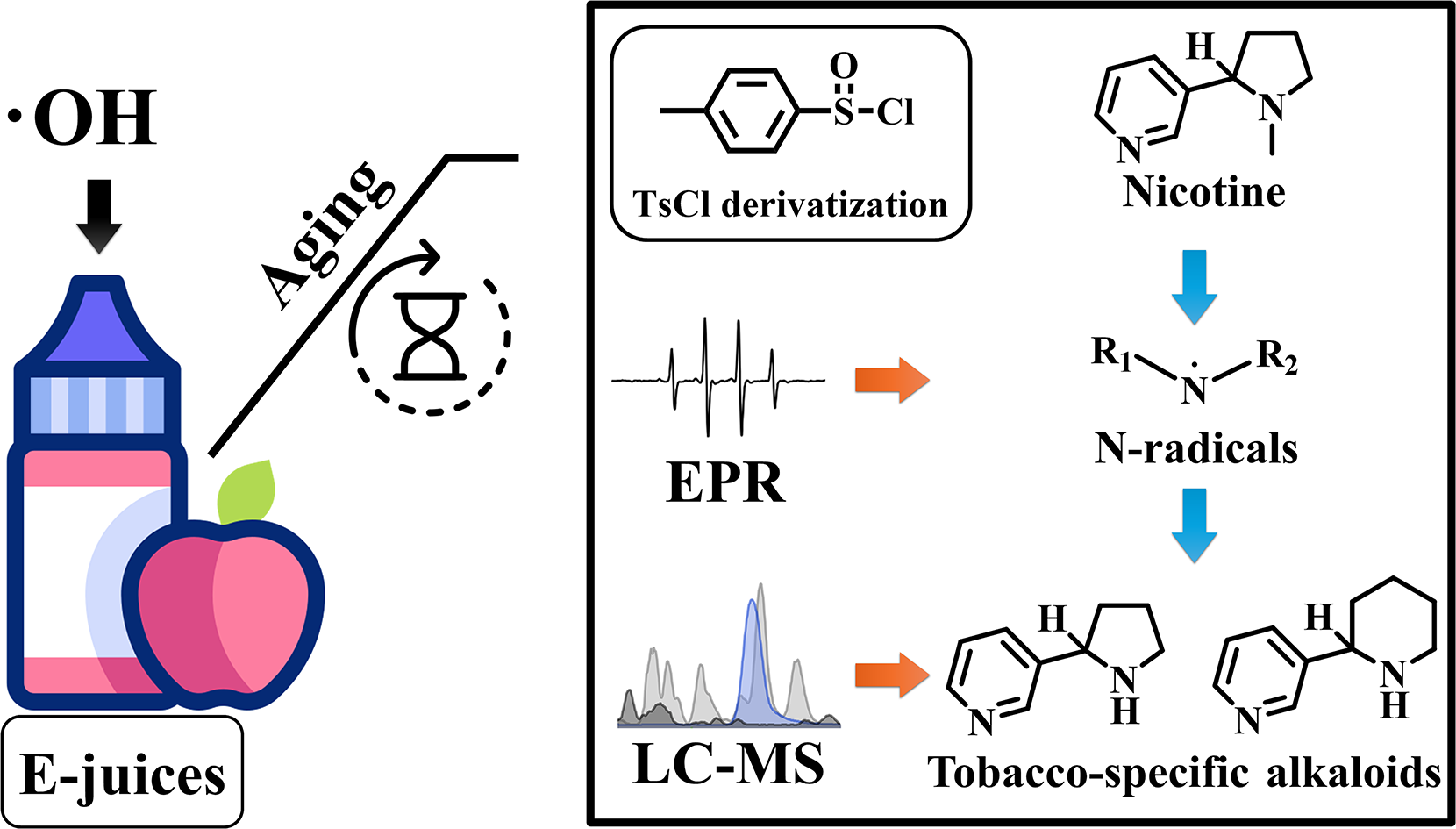
Tobacco-specific alkaloid (TSA) formation in aged e-cigarette juices: mechanistic insights into hydroxyl radical-initiated nicotine oxidation

Xinyang Guo, Bradley H. Isenor, Kimberly Wong, James Davis, Arthur Chan, Ran Zhao*

Environ. Sci.: Processes Impacts 2026; 28 (5): 1338–1347. https://doi.org/10.1039/d5em01030f


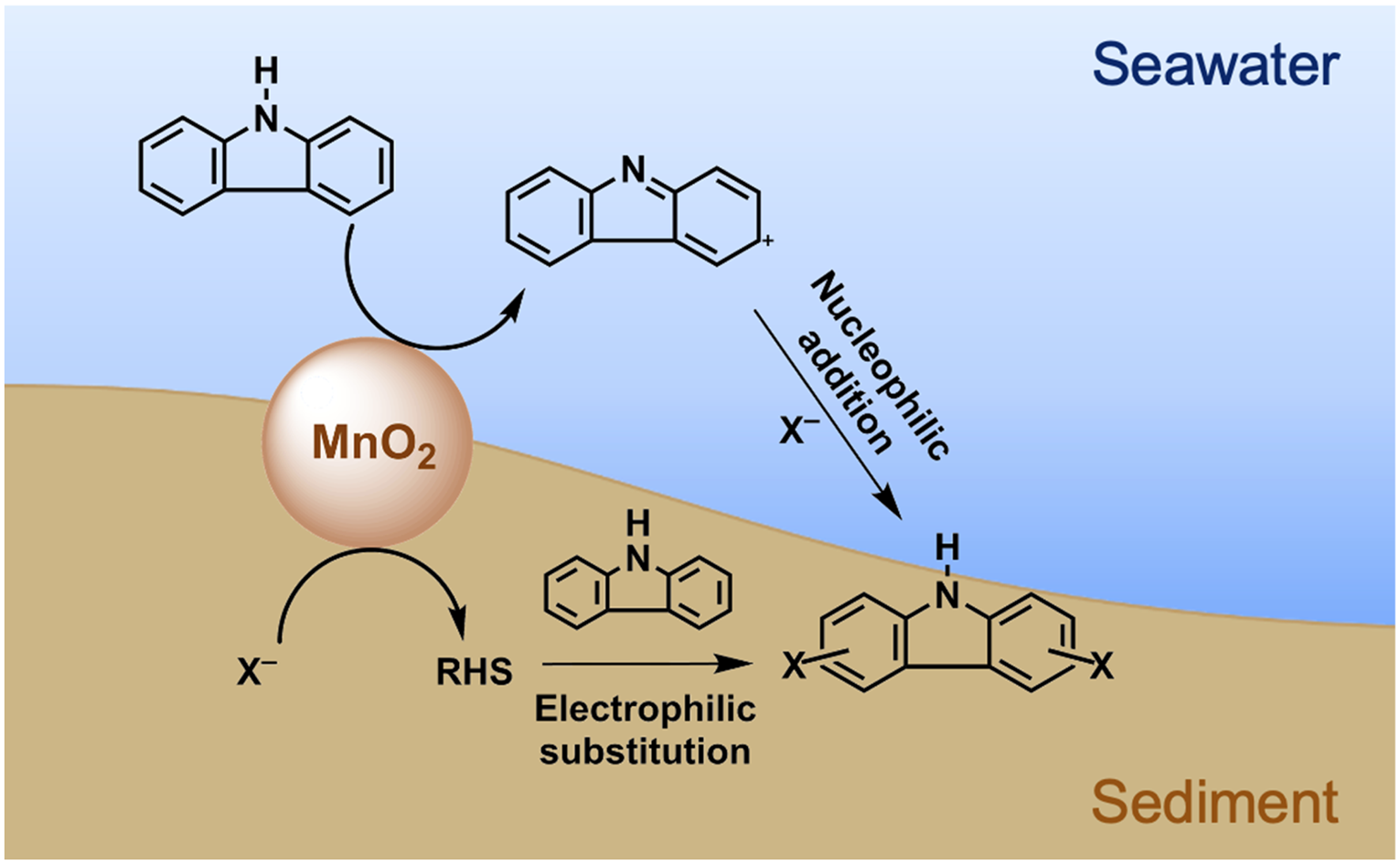
  Manganese oxide-mediated halogenation of carbazole under marine-related conditions

Meng Zhang, Jia Tang, Kunde Lin*

Environ. Sci.: Processes Impacts 2026; 28 (5): 1299–1308. https://doi.org/10.1039/d6em00064a


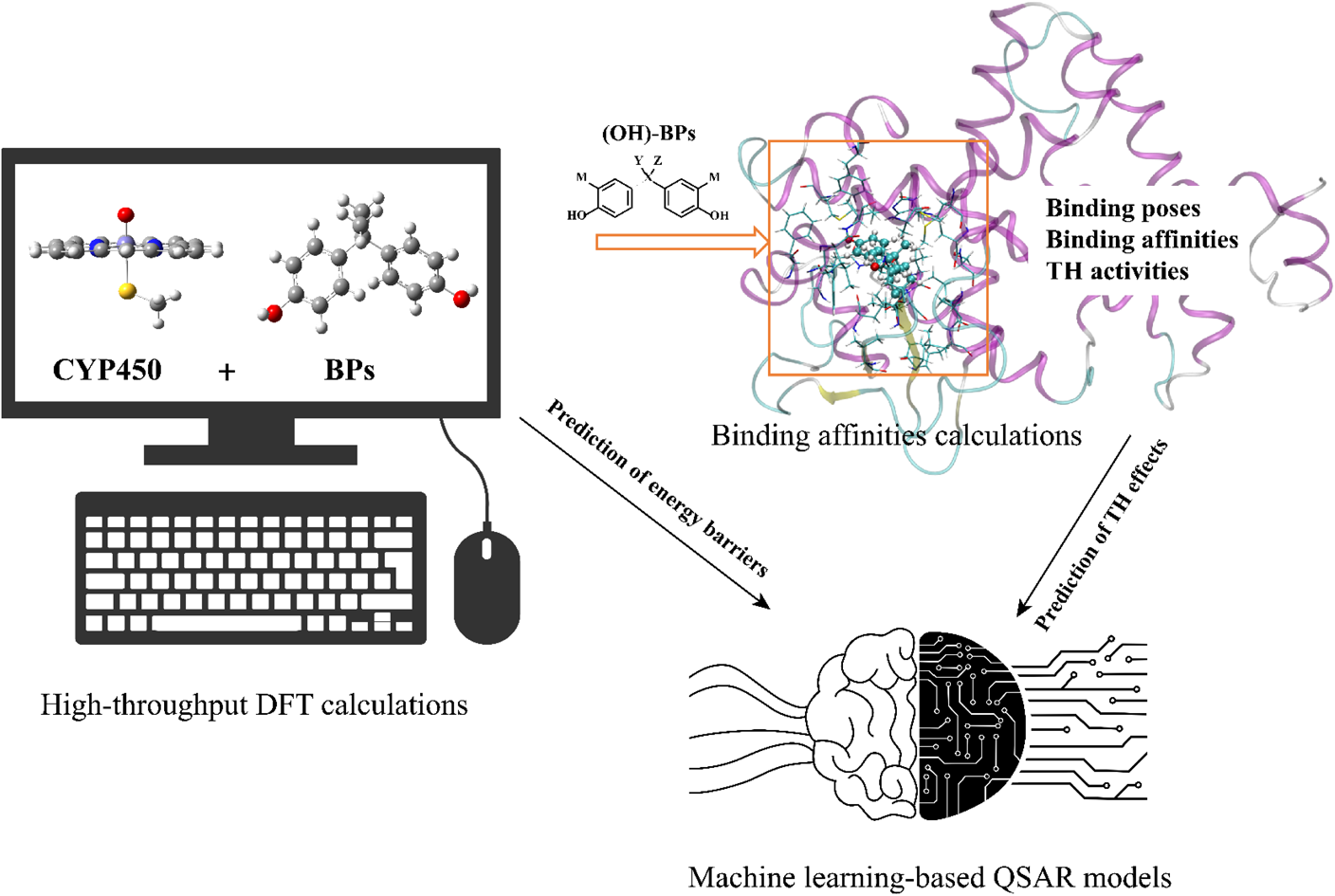
Machine learning-driven QSAR models for the prediction of metabolic mechanisms and thyroid hormone-disrupting effects of emerging pollutants in the human body: a case study of bisphenol analogues

Zijian Wang, Qingzhu Zhang*, Wenxing Wang, Qiao Wang

Environ. Sci.: Processes Impacts 2026; 28 (4): 949–960. https://doi.org/10.1039/d5em00891c


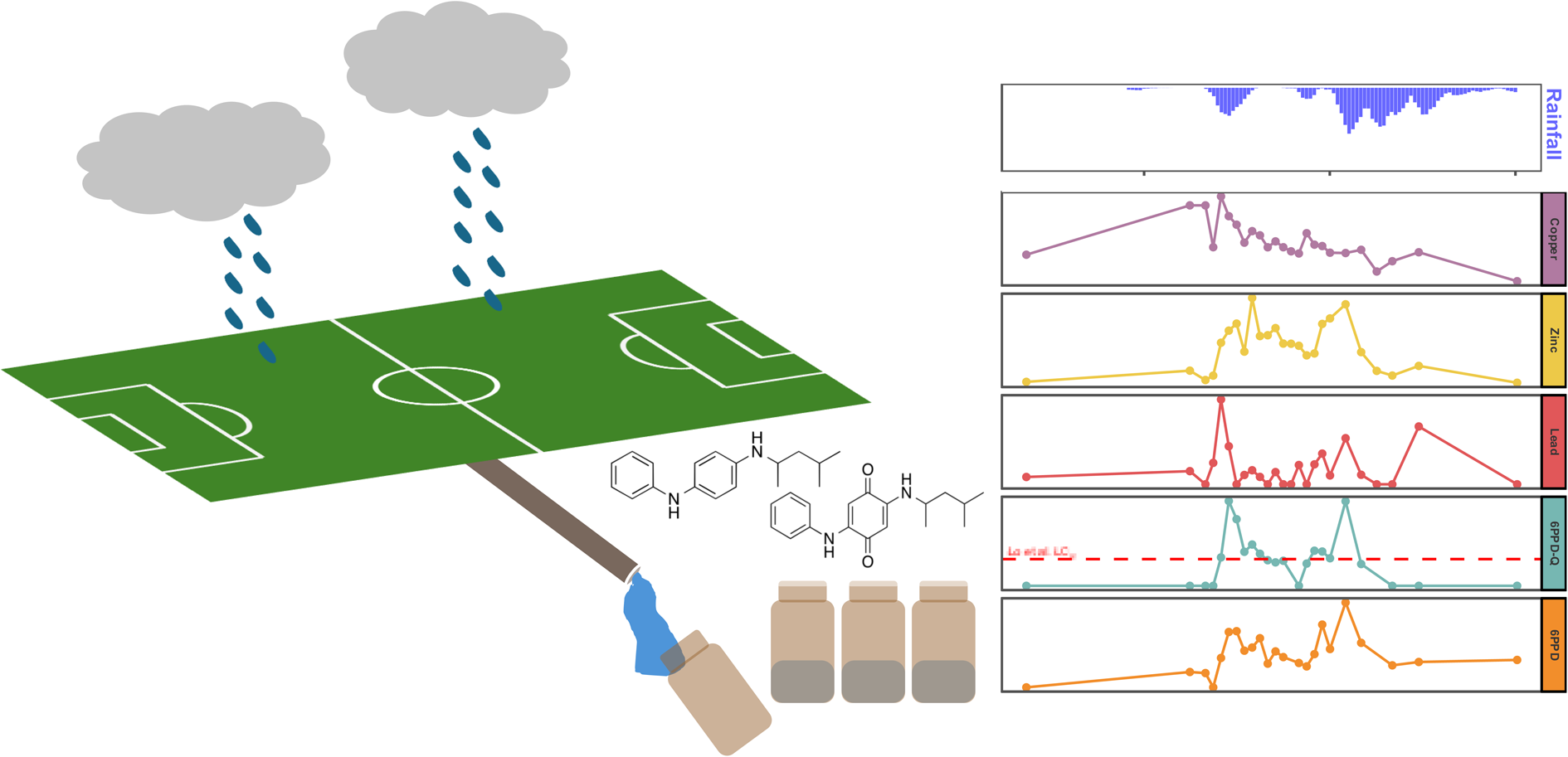
  Artificial turf fields act as recurring point sources of metals and emerging tire-derived contaminants in stormwater

Kate J. Moloney, Timothy F. M. Rodgers, Rachel C. Scholes*

Environ. Sci.: Processes Impacts 2026; 28 (4): 935–948. https://doi.org/10.1039/d5em01016k


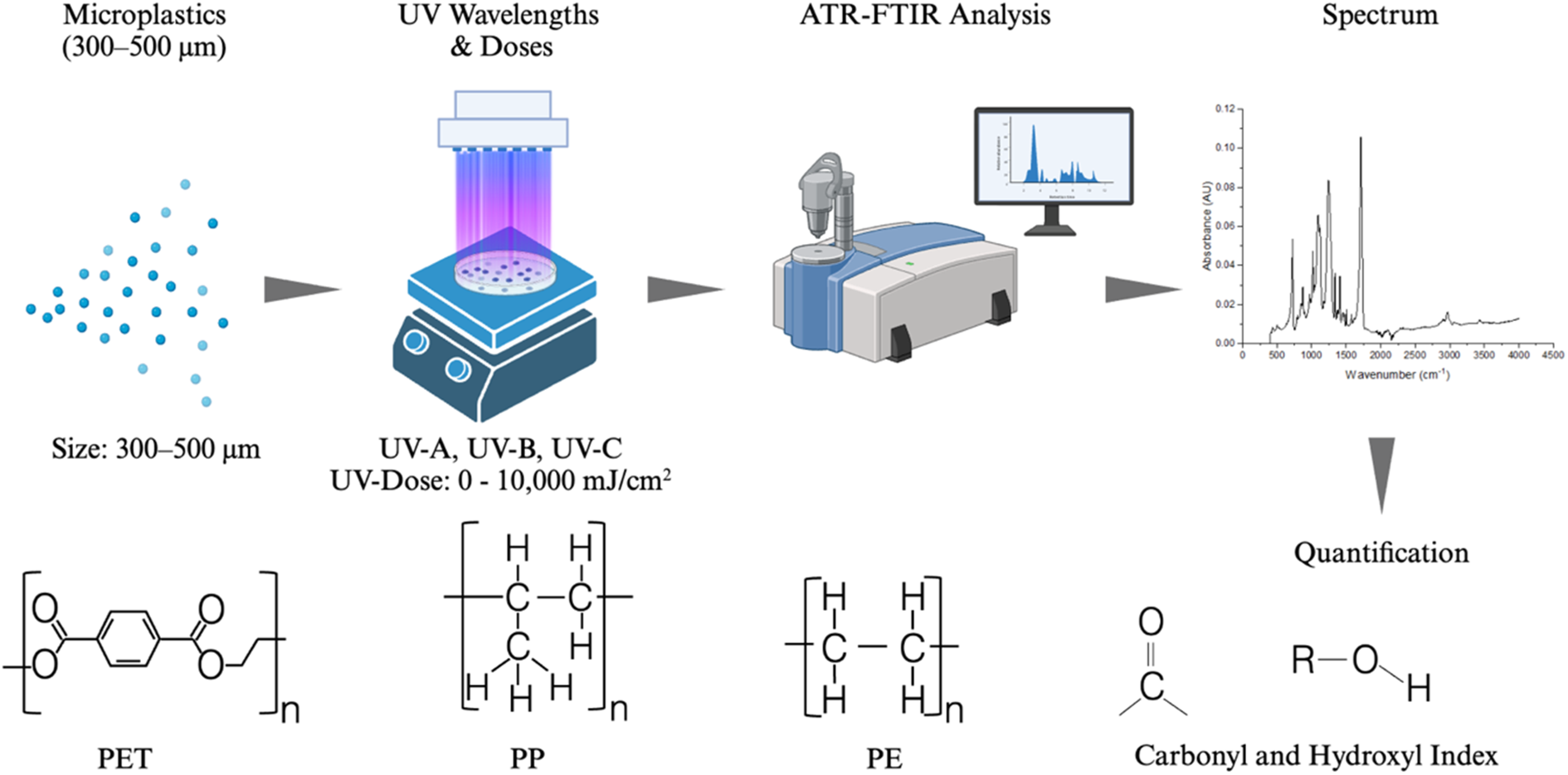
Wavelength-specific UV LED and far-UVC degradation of microplastics 

Thusitha Rathnayake, Paul Onkundi Nyangaresi, Sara E. Beck*

Environ. Sci.: Processes Impacts 2026; 28 (4): 1015–1029. https://doi.org/10.1039/d5em00818b


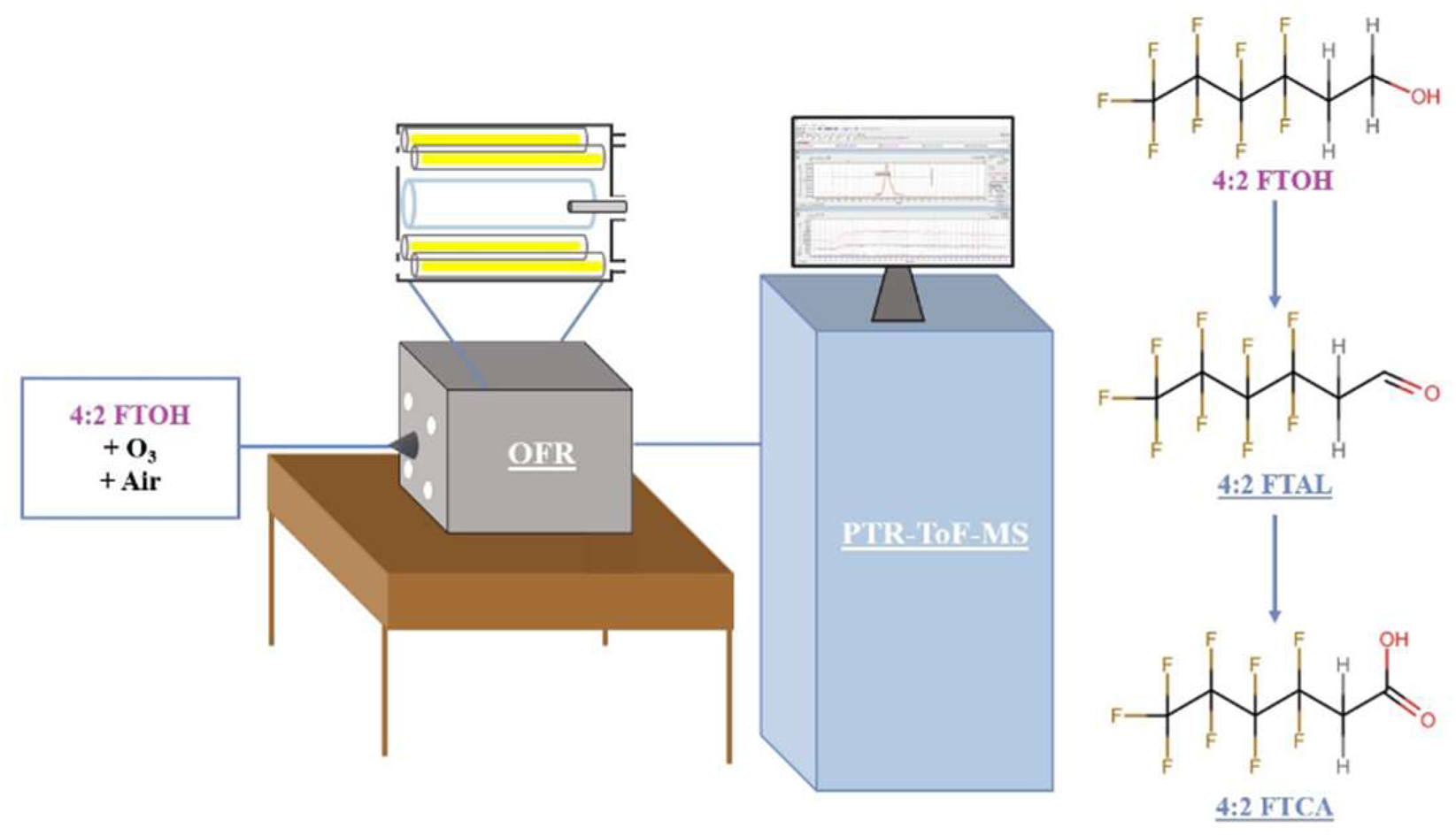
  Atmospheric fate of 4:2 fluorotelomer alcohol using an oxidation flow reactor and proton transfer reaction time-of-flight mass spectrometry

Alessia A. Colussi, Trevor C. VandenBoer, Cora J. Young*, John Liggio*

Environ. Sci.: Processes Impacts 2026; 28 (4): 986–997. https://doi.org/10.1039/d5em00943j


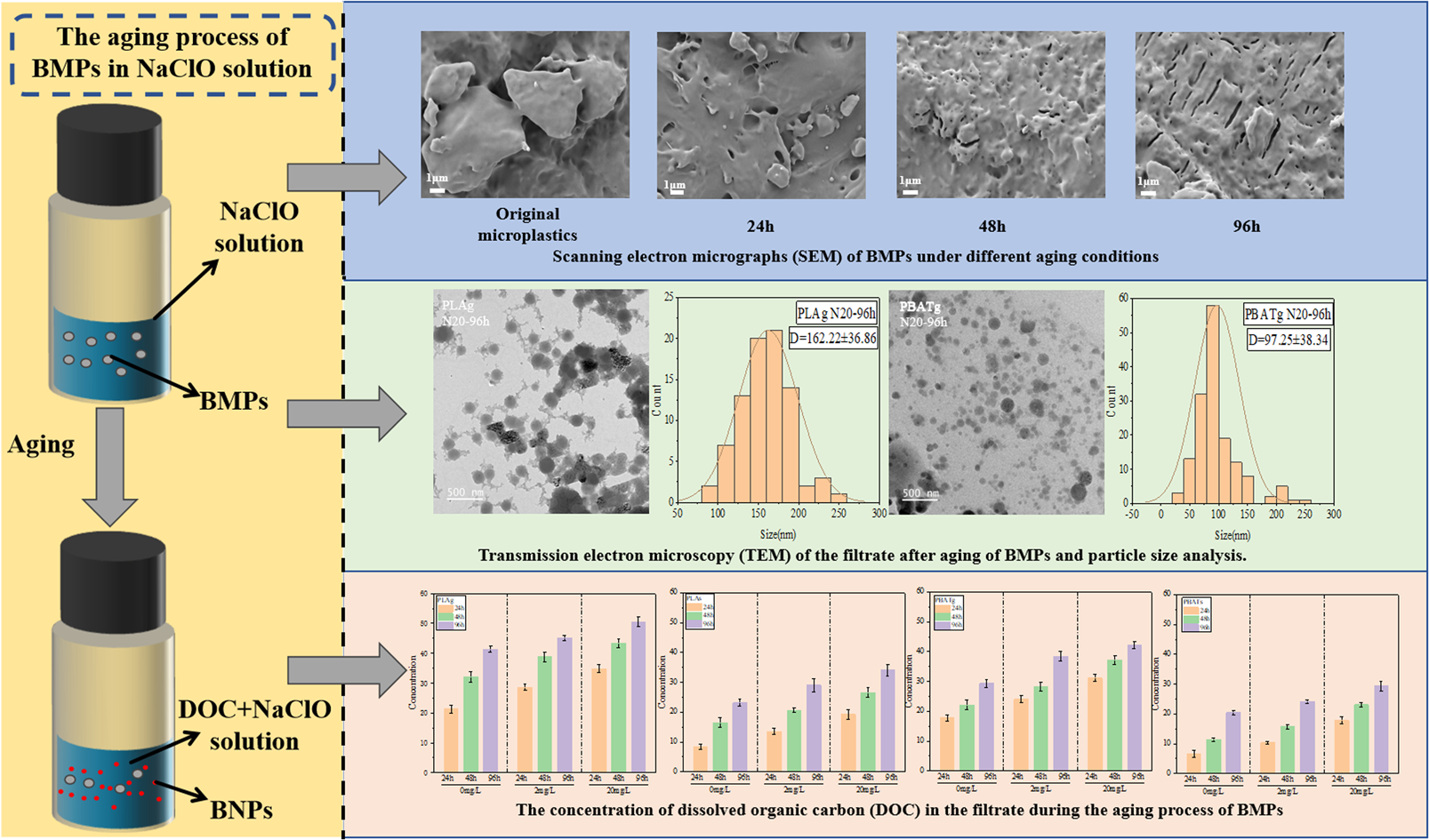
Chlorine disinfection enhances the degradation of biodegradable microplastics into nanoplastics and dissolved organic carbon in a simulated disinfection process

Xuefeng Jiang, Jianxin Fan*, Siyu Xu, Bocong Huang, Jiaoxia Sun

Environ. Sci.: Processes Impacts 2026; 28 (3): 805–816. https://doi.org/10.1039/d6em00030d


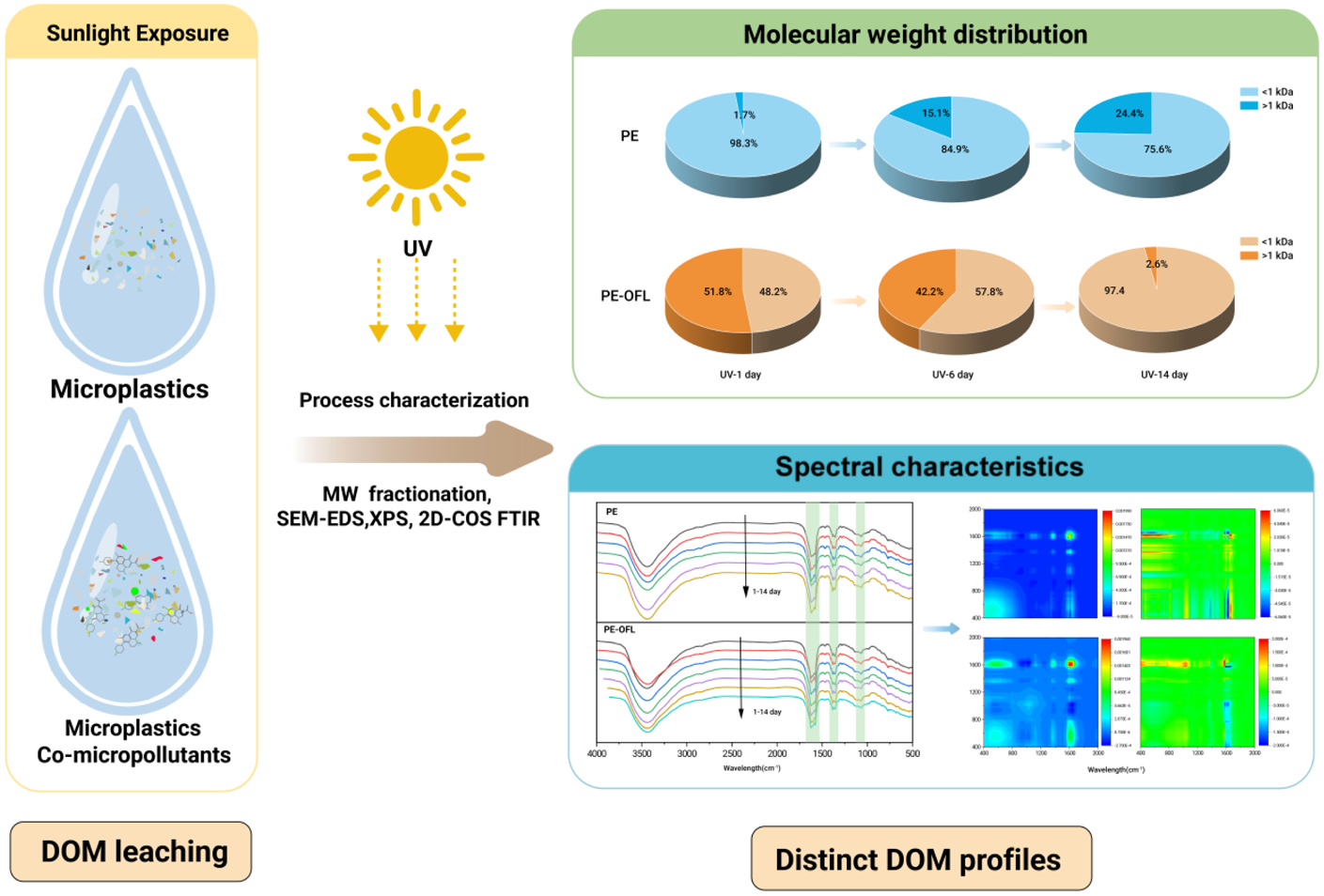
  Characteristics and mechanisms of dissolved organic matter leached by photodegradation of polyethylene microplastics: role of adsorbed antibiotics

Yanan Chen, Yunkun Qian*, Fan Liu

Environ. Sci.: Processes Impacts 2026; 28 (2): 624–634. https://doi.org/10.1039/d5em00805k


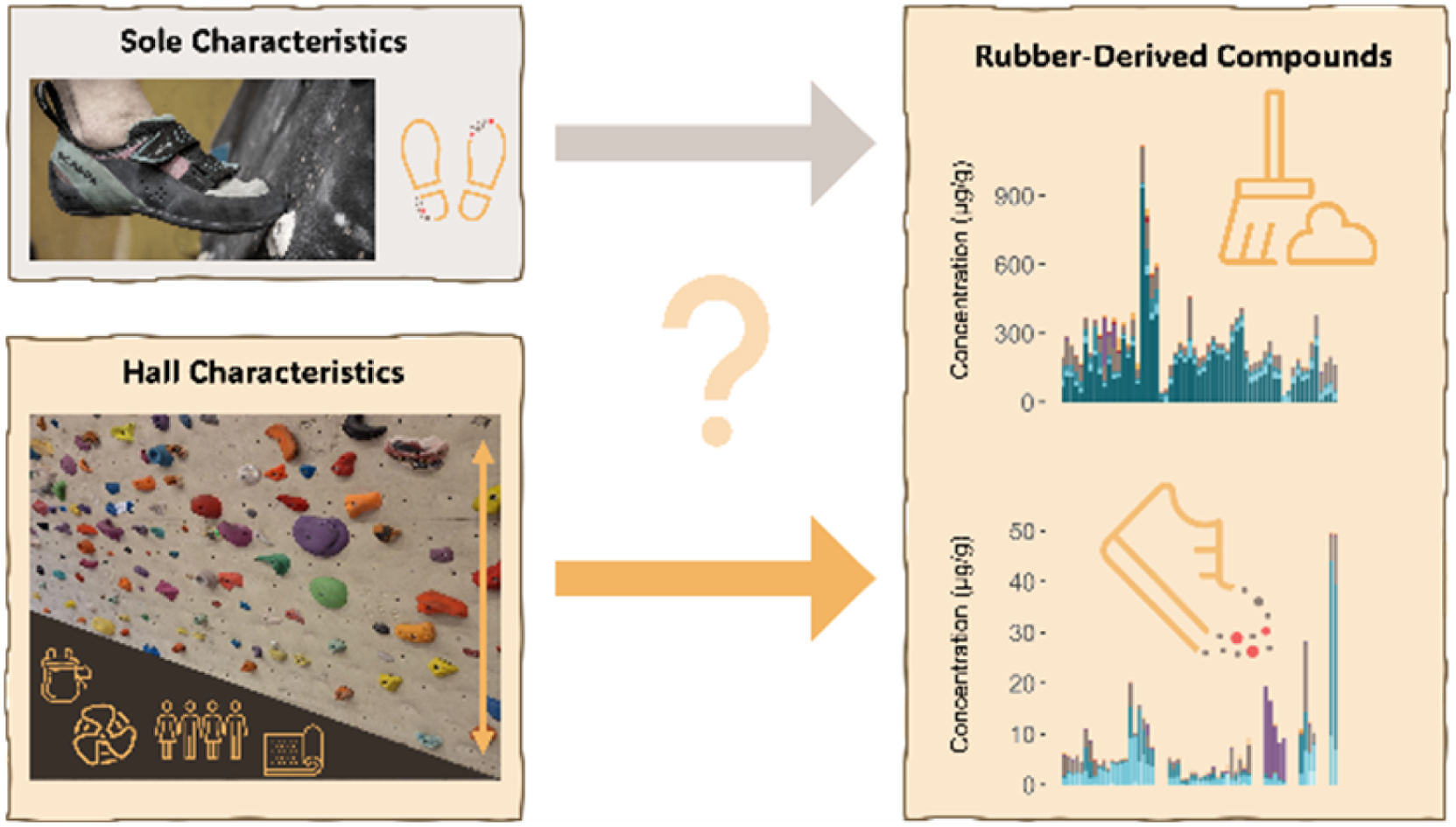
Minor influence of climbing hall characteristics on rubber-derived compound contamination highlights a need for material-level solutions

Anya Sherman, Laura Lotteraner, Leah K. Maruschka, Thilo Hofmann*

Environ. Sci.: Processes Impacts 2026; 28 (2): 468–480. https://doi.org/10.1039/d5em00812c

 
Digg This
Reddit This
Stumble Now!
Share on Facebook
Bookmark this on Delicious
Share on LinkedIn
Bookmark this on Technorati
Post on Twitter
Google Buzz (aka. Google Reader)

Extended submission deadline for ESPI themed collection: Transformation products and mixtures – 31st December 2025

We are pleased to announce an extension to the submission deadline for the Environmental Science: Processes & Impacts (ESPI) Transformation Products and Mixtures themed collection.

The new submission deadline is now: 31st December 2025 (from 30th September 2025).

About the collection:

The identity and impact of many substances on the global market are not fully known because they are complex mixtures or can lead to potentially harmful transformation products. Though it is an expectation by regulators that the health and environmental impacts of chemical mixtures and transformation products are implicitly accounted for, this is very rarely done. High profile examples of harmful mixtures include chlorinated paraffins, alkyl-phenol ethoxylates. Of particular concern are so-called UVCBs (‘unknown or variable composition, complex reaction products or biological materials’) and polymer mixtures.

Recent high-profile examples of problematic transformation products include fire stabilizer 6PPD transforming to 6PPD quinone, which has been associated with acute fish toxicity, and several substances that form the rapidly accumulating human and environmental concentrations of trifluoracetic acid (TFA), a highly persistent, mobile and potentially toxic chemical. Innovative and prospective experimental and computational approaches to identifying unknown mixtures and transformation products that are potentially causing harm are urgently needed.

To address these challenges new experimental, analytical, modelling and cheminformatic tools are being developed that can help better identify the identity and impact of transformation products and mixtures, which will pave the way towards effective hazard and risk management. The challenge of addressing mixtures and transformation products represents in this a key frontier of environmental chemistry, chemical regulation and innovation.

Topics that may be included in this collection include, but are not necessarily limited to:

• Mixtures and/or transformation products in the environment
• New analytical Methods
• Computational Methods
• Predictive Approaches
• Screening Tools
• Health & Environmental Impact Studies
• Effect Directed Analysis
• Monitoring Studies
• Cheminformatics
• Policy Analysis
• Regulatory Strategies

The collection is supported by Guest Editors Hans Peter Arp (Norwegian Geotechnical Institute, Norwegian University of Science and Technology) and Gabriel Sigmund (Wageningen University & Research).

If you are interested, we invite you to submit your research today on our submissions platform, quoting ‘EMTrans25’ in the ‘Comments to the Editor’ when submitting your manuscript. You can get in touch with the editorial office with any questions you may have about this collection.

Digg This
Reddit This
Stumble Now!
Share on Facebook
Bookmark this on Delicious
Share on LinkedIn
Bookmark this on Technorati
Post on Twitter
Google Buzz (aka. Google Reader)

‘Indoor Environment’: A New ESPI Themed Collection

We are excited to launch Indoor Environment – a new Environmental Science: Processes & Impacts (ESPI)  themed collection!

Guest edited by Rachel O’Brien (University of Michigan) and Ellison Carter (Colorado State University), this collection showcases research that centres around questions of the built environment, featuring the impacts of interdisciplinary approaches.

Learn more about fascinating topics such as the Longevity of size-dependent particle removal performance of do-it-yourself box fan air filters and The impact of surfaces on indoor air chemistry following cooking and cleaning. The first article demonstrates how low-cost do-it-yourself (DIY) air filters have the potential to improve the indoor environment by reducing particle concentrations and related human exposure. The second paper reveals how building design and surface materials could be altered in order to reduce the effects of indoor air pollution resulting from domestic activities.

In addition to the Open Access papers in this collection, all articles will be free to read until 13 October 2025. 

Digg This
Reddit This
Stumble Now!
Share on Facebook
Bookmark this on Delicious
Share on LinkedIn
Bookmark this on Technorati
Post on Twitter
Google Buzz (aka. Google Reader)

Emerging Investigator Series: Sanne J. Smith

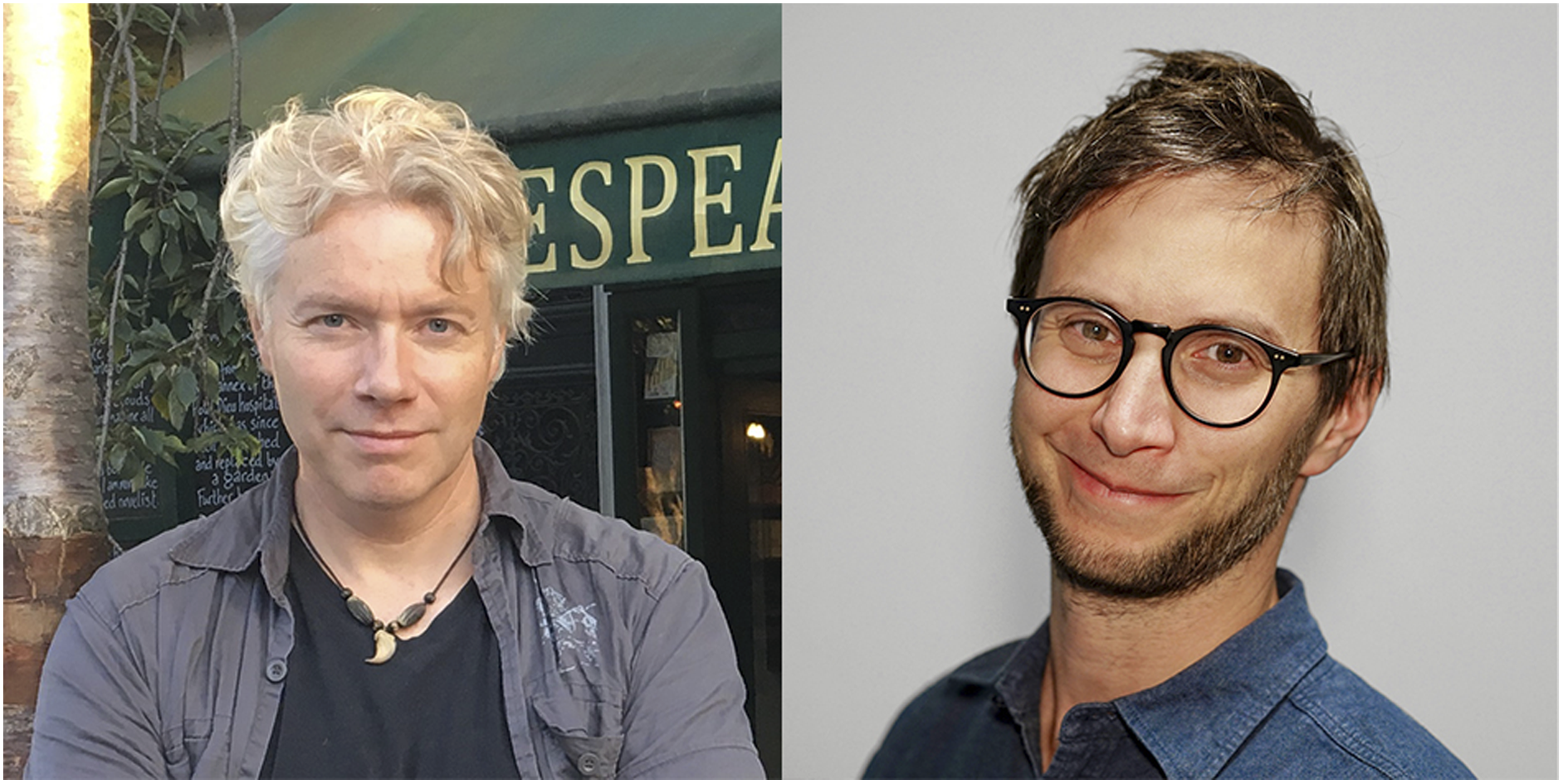
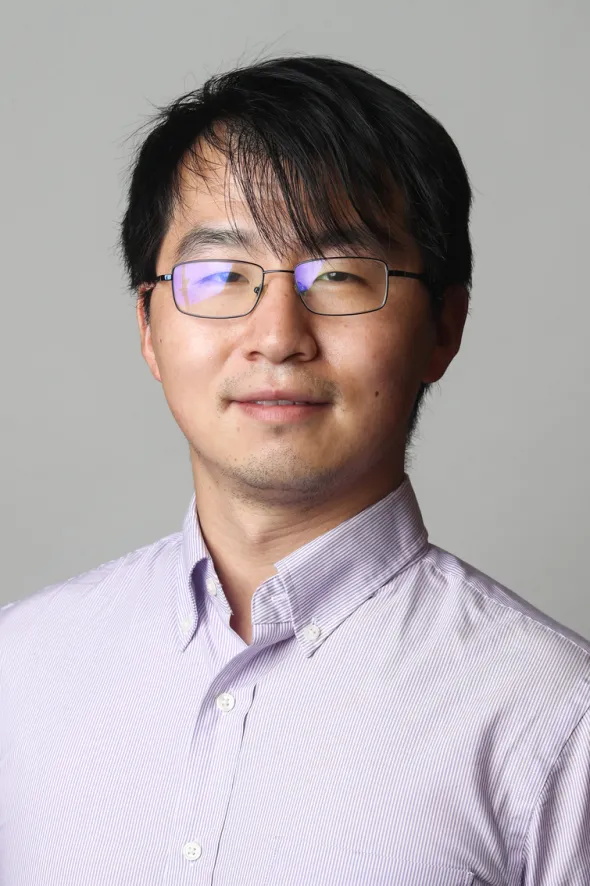
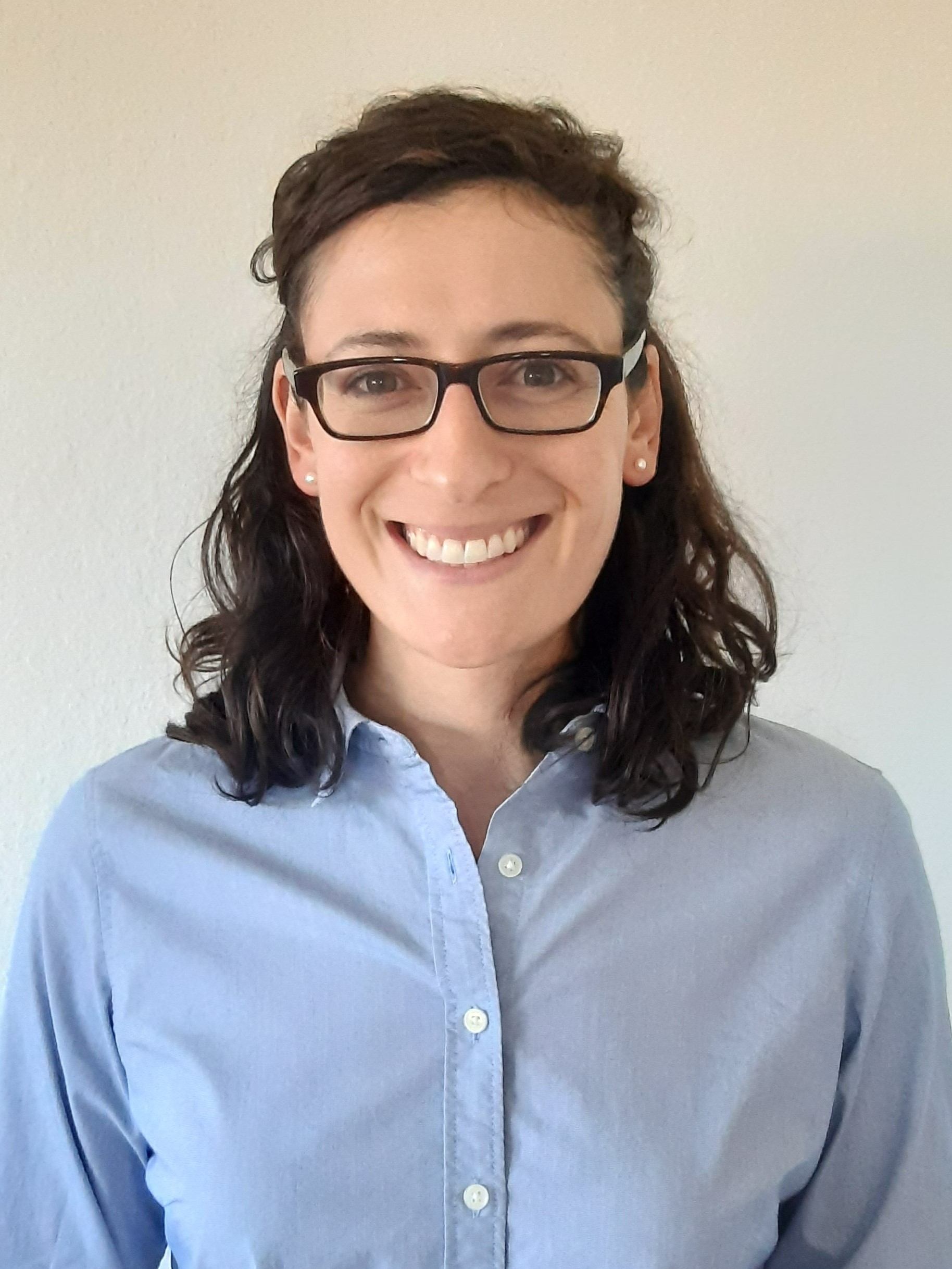
Photo of Sanne SmithSanne J. Smith is an assistant professor at TU Delft, The Netherlands, in the department of Water Management at the Faculty of Civil Engineering & Geosciences. Here, she leads a research program to develop, improve and understand water treatment to minimize the impact of industrial processes on the environment.  She believes a holistic approach is required for industrial water use to achieve sustainable solutions.  She obtained her Ph.D. at the Swedish University of Agricultural Sciences under the supervision of Professor Karin Wiberg. Her PhD thesis was centered on innovative treatment technologies for PFAS-contaminated water, and she mostly worked on foam fractionation and electrochemical oxidation. She has a double bachelor degree in chemistry and chemical engineering from the University of Groningen and a Master’s in water management from TU Delft.

Your recent Emerging Investigator Series paper focuses on a quantitative measure of net health benefits of treating PFAS in drinking water using granular activated carbon by examining the trade offs in reducing PFAS versus increased particulate matter emissions and climate risk. This is your first publication in ESPI! How has your research evolved from your earliest work to this most recent article at the start of your research career?

This paper represents a bit of a shift for me, since it is much more interdisciplinary than my previous publications. Throughout my under-/postgrad studies, I mostly worked on optimization problems: How can we best remove PFAS from water? My focus is on technology development, and I simply took the need for PFAS removal as a given. Throughout the final stages of my PhD, however, I started getting more interested in the ‘why’ of PFAS removal. It is extremely resource-intensive to treat PFAS in water, and I noticed that most cost-benefit evaluations ignored the secondary impacts of the treatment technologies. That is the research gap that we tried to address in the current publication, which required completely different methods than my usual work.

Although you did your PhD at the Swedish University of Agricultural Sciences in Uppsala, you previously studied in The Netherlands for your Bachelor and Masters degrees.  How does it feel to be back in The Netherlands establishing yourself as an independent research leader?

Honestly, it still feels a bit unreal. I applied to my current position with a ‘they probably won’t hire me without a postdoc but I might as well try’ mentality, so the job offer came as a big surprise. I am currently staff in the same department as where I was a masters student, so it took some time to convince everyone (including myself) that I am not a student anymore, but I am getting there!

What aspect of your work are you most excited about at the moment?

I am currently supervising a PhD student who is investigating if foaming on existing wastewater treatment plants can be used to remove PFAS. If successful, this could be an extremely cheap and benign way to prevent high amounts of PFAS from entering the environment. The research topic is quite niche, I believe there are only two groups in Australia and the US working on the same idea. The student is doing a great job and it is nice to be in contact with particularly the Australian group, to share our enthusiasm and ideas. The project is industry-funded and we are already moving to full-scale tests, so it is also amazing to see real-world impact so quickly!

In your opinion, what are the most important questions to be asked/answered in this field of research?

The question that we asked in this ESPI publication is definitely important: should we even always try to remove all PFAS from water? Our publication only answered a very small and specific part of that question, so more research is definitely warranted. I recently learned the term ‘temporary tolerance of presence’, which implies that it is sometimes better to simply accept that PFAS are there and focus your removal/prevention efforts elsewhere. As someone who is predominantly in the water treatment field, it is tempting to focus exclusively on the development of better technologies, but prioritizing where PFAS treatment makes most sense is maybe more impactful.

What do you find most challenging about your research?

Definitely keeping up with all developments. PFAS is such a hot topic right now, so there are publications, start-ups and projects popping up every day. It can be difficult to distinguish between what is truly promising versus what is overhyped.

In which upcoming conferences or events may our readers meet you?

I am currently involved in the organization of the ‘Water in Industry’ conference, an IWA conference that will be held in Delft at the end of June 2026. Abstract submission will open very soon, so please join me there! I usually attend SETAC Europe meetings as well.

How do you spend your spare time?

I play beach volleyball, which I do 3-4 times a week during summer. We live close to the beach, so it is a great way to empty my mind, enjoy the fresh air (including the PFAS in the sea spray…) and be active!

Which profession would you choose if you were not a scientist?

I would probably become a water treatment engineer in an industrial environment. It seems silly, but I love working at landfills: leachate water is extremely interesting (because it’s so dirty) and there is a lot of good you can do when treating it correctly. The flows are also quite small compared to other types of water, which means that unconventional technologies become possible.

Can you share one piece of career-related advice or wisdom with other early career scientists?

I have been extremely lucky to always be part of close-knit networks, so I highly recommend everyone to befriend their colleagues. I was one of the 15 PhD students in the PERFORCE3 project, and we became very close, both personally and professionally. In my current department, there are eight assistant professors who all started around the same time, and I could not have written this ESPI publication without the two of them who are co-authors.

Digg This
Reddit This
Stumble Now!
Share on Facebook
Bookmark this on Delicious
Share on LinkedIn
Bookmark this on Technorati
Post on Twitter
Google Buzz (aka. Google Reader)

Environmental Science: Processes & Impacts updates journal scope

Here at Environmental Science: Processes & Impacts we are delighted to announce an update to our journal scope.

As journals evolve and fields develop it is important to ensure that a journal’s scope reflects both the type of work that the journal wishes to publish, and the research communities that it represents. With this in mind, the Editorial Board has recently re-assessed the journal scope, and we have refined our scope as outlined below:

More details about the journal and our scope can be found on our website.

Environmental Science: Processes & Impactspublishes high quality papers and innovative perspectives that advance the understanding of chemical processes in the environment and their resulting impacts. The journal publishes research in all areas of the environmental chemical sciences, interfacing with earth science, applied science, and policy solutions, including:

  • Environmental chemistry – sources, fate, transport and transformation of organic compounds, environmental contaminants and novel entities in the environment
  • Atmospheric and indoor chemistry – chemical processes in the atmosphere, air quality, aerosol chemistry, indoor air and human exposure
  • Geochemistry and biogeochemical cycles – elemental cycling, climate change impacts
  • Ecotoxicology and human health impacts – exposure, effects and risks

The journal also publishes research with direct applications in:

  • Environmental management and pollution control
  • Science-Policy interface – environmental decision making

If you have any research that you think fits in to any of these areas, we invite you to submit your research today on our submissions platform. You can contact the editorial office with any questions you may or to request a scope check.

ESPI is complemented by our companion journals, Environmental Science: Advances, Environmental Science: Atmospheres, Environmental Science: Nano, and Environmental Science: Water Research & Technology; find out more about these journals at rsc.li/envsci

Image depicting a chemical structure with text overlayed advertising Environmental Science Processes & Impacts new scope

Image depicting a chemical structure with text over layed advertising Environmental Science Processes & Impacts new scope

Digg This
Reddit This
Stumble Now!
Share on Facebook
Bookmark this on Delicious
Share on LinkedIn
Bookmark this on Technorati
Post on Twitter
Google Buzz (aka. Google Reader)

Announcing ESPI’s new themed collection: Transformation Products and Mixtures

We are pleased to announce the launch of a new themed collection in Environmental Science: Processes & Impacts (ESPI) on the topic of Transformation Products and Mixtures.

The identity and impact of many substances on the global market are not fully known because they are complex mixtures or can lead to potentially harmful transformation products. Though it is an expectation by regulators that the health and environmental impacts of chemical mixtures and transformation products are implicitly accounted for, this is very rarely done. High profile examples of harmful mixtures include chlorinated paraffins, alkyl-phenol ethoxylates. Of particular concern are so-called UVCBs (‘unknown or variable composition, complex reaction products or biological materials’) and polymer mixtures.

Recent high-profile examples of problematic transformation products include fire stabilizer 6PPD transforming to 6PPD quinone, which has been associated with acute fish toxicity, and several substances that form the rapidly accumulating human and environmental concentrations of trifluoracetic acid (TFA), a highly persistent, mobile and potentially toxic chemical. Innovative and prospective experimental and computational approaches to identifying unknown mixtures and transformation products that are potentially causing harm are urgently needed.

To address these challenges new experimental, analytical, modelling and cheminformatic tools are being developed that can help better identify the identity and impact of transformation products and mixtures, which will pave the way towards effective hazard and risk management. The challenge of addressing mixtures and transformation products represents in this a key frontier of environmental chemistry, chemical regulation and innovation.

Topics that may be included in this collection include, but are not necessarily limited to:

• Mixtures and/or transformation products in the environment
• New analytical Methods
• Computational Methods
• Predictive Approaches
• Screening Tools
• Health & Environmental Impact Studies
• Effect Directed Analysis
• Monitoring Studies
• Cheminformatics
• Policy Analysis
• Regulatory Strategies

The collection will be supported by Guest Editors Hans Peter Arp (Norwegian Geotechnical Institute, Norwegian University of Science and Technology) and Gabriel Sigmund (Wageningen University & Research). We look forward to your contributions to this themed collection, which will highlight the latest advancements and foster continued innovation in the field of environmental sciences. The submission deadline is 30th September 2025.

If you’re interested, we invite you to submit your research today on our submissions platform, quoting ‘EMTrans25’ in the ‘Comments to the Editor’ when submitting your manuscript. You can get in touch with the editorial office with any questions you may have about this collection.

Digg This
Reddit This
Stumble Now!
Share on Facebook
Bookmark this on Delicious
Share on LinkedIn
Bookmark this on Technorati
Post on Twitter
Google Buzz (aka. Google Reader)

Emerging Investigator Series: Zhenyu Tian

Dr. Zhenyu Tian (he/him) is an environmental chemist curious about organic pollutants in the environment. He received his Ph.D. from the University of North Carolina, where he studied the transformation products and co-occurring pollutants of PAHs in contaminated soil. Then he worked as a postdoctoral research scientist at the Center for Urban Waters, University of Washington Tacoma, applying non-target screening to identify emerging contaminants in water and biota and to evaluate engineered treatment systems. With the research group, he identified 6PPD-quinone, a ubiquitous tire rubber chemical that kills coho salmon via urban stormwater. Dr. Tian is an Assistant Professor in the Department of Chemistry and Chemical Biology. He is also affiliated with the Department of Marine and Environmental Sciences and the Barnett Institute for Chemical and Biological Analysis.

Read Zhenyu’s Emerging Investigator Series article “In-depth chemical profiling of tire and artificial turf crumb rubber: aging, transformation products and transport pathways” and read more about him in the interview below:

Your recent Emerging Investigator Series paper focuses on chemical profiling of crumb rubber in tire and artificial turf at different ages. This is not the first time you’ve published in ESPI! You’ve previous coauthored papers on the complexity of contaminants mobilized from storms, characteristics of the ubiquitous transformation that you discovered – 6PPD-quinone, and you even co-edited a special issue on complex chemical mixtures . How has your research evolved from your first article to this most recent article?

I would say those earlier publications reflected a slight shift and expanding of research topics. The San Francisco Bay stormwater paper summarized a multi-year, multi-group project that dates back to 2018 and the samples provide support for stormwater as a source of high concentrations of tire-rubber related chemicals. With the discovery of 6PPD-quinone as the toxicant related to coho salmon mortality, we then did experiments to figure out its properties, like solubility, octanol-water partition coefficient, and sorption to common container materials. Now, at Northeastern University, the focus of my group is chemical contaminants from end-of-life tires, which is the subject of this new paper. Here, we discuss the aging and transformation of crumb rubber in artificial turf fields.

What aspect of your work are you most excited about at Northeastern University at the moment?

Working with students is probably one of the most exciting things. Both graduate students and undergrads at this university are outstanding. Also, the atmosphere really encourages interdisciplinary collaboration, which is great.

In your opinion, what are the most important questions to be asked/answered in this field of research?

In the realm of environmental chemistry, there are numerous unanswered questions on organic pollutants. While my perspective represents only a small part of the larger picture, I am particularly intrigued by the question: “What contaminants have the most significant impact under real environmental conditions?”. The focus on identifying the most impactful contaminants is crucial because we face an overwhelming number of organic pollutants, which is impractical to test, remediate and ban. Simultaneously, we recognize that many human diseases and ecological issues are likely linked to these contaminants. The challenge lies in bridging the gap between these two realities – identifying which specific pollutants are responsible for these problems.

What do you find most challenging about your research?

Oof, a lot of challenges! For now, I am mostly troubled by 1) getting more grants to support my projects, both ongoing or in mind and 2) finding collaborators in toxicology. Consider this an open call: Dear toxicologists in the Greater Boston Area and the northeastern United States, let’s discuss and collaborate!

In which upcoming conferences or events may our readers meet you?

Dr. Imma Ferrer from the University of Colorado Boulder and I will be hosting an invited symposium on Innovations and Future Directions in Environmental Non-Targeted Analysis at PittCon 2025, which is a conference on analytical chemistry, in Boston from March 1-5. We have lined up four great speakers. See you there!

How do you spend your spare time?

I spend time with my family and my dog. I used to have some time for sports and games, but less so now.

Which profession would you choose if you were not a scientist?

I want to work on many things but I doubt a profession is realistically achievable these days. Maybe a hunter? Archaeologist? Paleontologist?

Can you share one piece of career-related advice or wisdom with other early career scientists?

Wow, this is a hard one as I am still struggling as an early career scientist. As such, this is not advice and maybe not even wisdom, but more of an opinion: I see myself/my career as an experiment. We make hypotheses and we put in effort that we think are correct and then see if it all works. If not, we acknowledge it’s a negative result. If someday I am not working as a scientist, that means my experiment didn’t end up working.

Digg This
Reddit This
Stumble Now!
Share on Facebook
Bookmark this on Delicious
Share on LinkedIn
Bookmark this on Technorati
Post on Twitter
Google Buzz (aka. Google Reader)

Emerging Investigator Series: Laurel ThomasArrigo

Laurel ThomasArrigo is a professor of Environmental Chemistry at the University of Neuchâtel. Prof ThomasArrigo’s research links a/biotic molecular- and micro-scale processes to physical changes at the catchment-scale to study biogeochemical cycling of nutrients and elements in the context of climate change. She combines advanced spectroscopic techniques and analytical chemistry with model laboratory and field-based studies. Prof ThomasArrigo holds a BSc in Mathematics and History from the University of Colorado (USA) and worked as an environmental consultant before obtaining her MSc in Hydrogeology at the University of Goettingen (Germany), and then PhD from ETH in Soil Chemistry in 2017. In 2023, Dr. ThomasArrigo joined the Institute of Chemistry at the University of Neuchâtel in Switzerland where she formed the Environmental Chemistry group.

Read Laurel’s Emerging Investigator Series article “Coprecipitation with glucuronic acid limits reductive dissolution and transformation of ferrihydrite in an anoxic soil” and read more about her in the interview below:

Your recent Emerging Investigator Series paper focuses on the reductive dissolution and transformation of native Fe minerals in anoxic soil using stable iron isotopes. In fact you’ve published 5 other articles in our journal on ferrihydrite transformations in ESPI. How has your research evolved from your earliest work to this most recent article?

Ferrihydrite is a common iron mineral found in wetlands. It is often associated with trace elements like arsenic, which is what I initially studied during my PhD. Specifically, in places like wetlands, where the water-table fluctuates, transformation of ferrihydrite can lead to the release of sorbed arsenic. In these early studies, we also found that if organic carbon was present, it impacted the extent of ferrihydrite transformation. This finding sparked my interest in iron and carbon interactions. Over the years, I studied iron mineral transformations in both natural and synthetic samples and in field- as well as controlled lab-experiments. A continual challenge has been how to interpret and relate results across these different spatial and experimental scales. Which brings me to my most recent work. By using stable iron isotopes, we combine mechanistic information on mineral transformation with the complexity of working in a natural soil; a step towards bridging the gap between lab- and field-experimental results.

Laurel, I have to ask you how you write your name because I’ve seen it two different ways. Is it Laurel Thomas Arrigo or Laurel ThomasArrigo?

My last name is ThomasArrigo (no space).

What aspect of your work are you most excited about at the moment?

I’m really excited about combining lab- and field-based research. For example, one of my current projects explores the role of iron minerals for carbon cycling in Icelandic wetlands. In addition to field campaigns, where we have little control over environmental conditions, we conduct controlled experiments with the collected soils in the lab. Comparing the results helps us understand how various aspects of changing environmental conditions impact coupled element cycling in soils.

In your opinion, what are the most important questions to be asked/answered in this field of research?

One of the most important questions in environmental biogeochemistry is how nutrient and element cycles respond to changing environmental conditions. Soils play a big role in facilitating nutrient and element cycles, and there is a lot great work studying how soil components, including mineral phases, impact biogeochemical cycles. Still, there are many unanswered questions that currently limit our ability to accurately predict future element cycles; a key requisite to developing sustainable solutions to pressing environmental concerns.

What do you find most challenging about your research?

A challenge to many environmental science research questions is how to translate results across scales; both experimental scales; from simple to complex systems, but also spatial scales; from the lab to the field. Constantly trying to bridge this gap and explain field-scale phenomenon through mechanistic results obtained in lab studies can be trying, but it leads to diverse and exciting research with many unanswered questions.

In which upcoming conferences or events may our readers meet you?

I generally go to the Goldschmidt Conference, which is an international meeting on geochemistry jointly administered by the Geochemical Society and the European Association of Geochemistry but haven’t planned the rest of 2025 yet.

How do you spend your spare time?

I go to the mountains as often as I can. Climbing, hiking, skiing, or mountain biking; really anything that gets me outside and moving.

Which profession would you choose if you were not a scientist?

I always enjoyed sports and have great respect for physical therapists who kept me active after various injuries. So, sports therapy would be an interesting career!

Can you share one piece of career-related advice or wisdom with other early career scientists?

Start building a network, both of peers and mentors. Peers create a great support system to get through challenging times and may turn into colleagues or collaborators in the future. Mentors can offer advice, open doors, and facilitate further introductions. Invest time to attend conferences and scientific talks and keep in touch with the contacts you make.


Digg This
Reddit This
Stumble Now!
Share on Facebook
Bookmark this on Delicious
Share on LinkedIn
Bookmark this on Technorati
Post on Twitter
Google Buzz (aka. Google Reader)

Emerging Investigator Series: Prachi Joshi

Prachi Joshi is a Junior Group Leader in Geomicrobiology at the University of Tübingen in Germany. Dr. Joshi’s research focuses on redox processes that impact environmental issues including climate change and pollution. In particular, Dr. Joshi studies the biogeochemistry of carbon and iron. Dr. Joshi has extensive expertise in molecular, bench scale, and field techniques to probe organic matter and iron minerals to provide mechanistic understanding with links to large scale phenomena. Dr. Joshi has a B.Tech in Chemical Engineering from the University of Pune in India, M.S. and Ph.D. in Environmental Engineering from Pennsylvania State University, USA. After spending 2 years as a postdoctoral fellow in environmental chemistry at the Swiss Federal Institute of Technology (ETH) in Zurich, Switzerland, Dr. Prachi joined the University of Tübingen in the Department of Geosciences in 2020.

Read Prachi’s Emerging Investigator Series article “Preferential adsorption and coprecipitation of permafrost organic matter with poorly crystalline iron minerals” and read more about her in the interview below:

Your recent Emerging Investigator Series paper focuses on Fe–OC associations formed by coprecipitation and adsorption using tests you performed on field-collected palsa, bog, and fen soils. How has your research evolved from your first article to this most recent article?

It has been quite a journey from my first paper looking at the stability of goethite, a crystalline Fe(III) oxyhydroxide, to the current work in permafrost systems. When I first started my graduate research, I was driven by understanding water quality in aquifers (I’m an engineer by training). Along the way, I discovered that I was passionate about fundamental questions and enjoyed delving into the ‘why’ and ‘how’ of environmental chemical phenomena. This has led me to diverse projects such as mineral recrystallization, organic matter redox chemistry, and carbon cycling in wetland systems. Over time, I decided to expand from working in the laboratory alone to investigating classical processes in the environment. This brings me to the most recent paper that looks at association between minerals and organic carbon in thawing permafrost systems.

Dr. Joshi, like many of our emerging investigators, you’ve travelled a lot for your scientific career. Moving between continents can be daunting! How has your global experience impacted your perspective?

I’ve always thought of international mobility as one of the most exciting parts of science. Although it can be intimidating at first, I found that experiencing new cultures, both inside the laboratory and outside in a new city or country, has been enriching. Each move has brought new scientific perspectives; for example, moving to the Environmental Chemistry group at ETH Zürich brought me into contact with researchers with expertise ranging from mass spectrometry to methane release. I’ve also been fortunate to have welcoming and supportive research environments wherever I’ve moved.

What aspect of your work are you most excited about at the moment?

I’m particularly excited about bringing the concepts that we teach in our courses out into field-based research and studying them in all their complexity. For example, one of my current projects looks at carbon cycling in coastal wetlands at the northern coast of Germany, where we combine knowledge from chemistry, microbiology, soil science, and hydrology. I even had to learn quite a bit about plants in that project.

In your opinion, what are the most important questions to be asked/answered in this field of research?

One of the most important questions that environmental scientists have been chasing has been: how can we predict the release of greenhouse gases from natural systems? There is a lot of excellent work going on in this field; however, we still have a long way to go. The answer to this question is key to accurate global carbon cycling models which, in turn, guide our prediction of future climate scenarios and the development of mitigation strategies.

What do you find most challenging about your research?

The big questions in the field of environmental redox chemistry require interdisciplinary effort; bringing the right people together and speaking the same language represents a big challenge. We sometimes find that the research questions we have, posed somewhat differently, have been investigated by scientists from a different field such as materials chemistry. We should take advantage of this existing expertise and collaborate more!

In which upcoming conferences or events may our readers meet you?

I generally go to the American Chemical Society meetings or the Goldschmidt conference. I still have to plan for 2025 though.

How do you spend your spare time?

Fortunately, I’ve always lived in places that have good access to nature, so I enjoy running and hiking. I also enjoy reading (non-scientific) books and cooking.

Which profession would you choose if you were not a scientist?

As a young person, I faced the choice between computer science or chemistry and chose the latter. So, in an alternate life, I would likely be a computer scientist or developer. If I had to choose now though, I would probably delve into the field of environmental economics as I find it fascinating and extremely relevant for the future.

Can you share one piece of career-related advice or wisdom with other early career scientists?

Connections are incredibly important – the friends I made in graduate school and during my postdoc are also my collaborators today. It’s worth investing the time to nurture these connections by going to conferences, organizing scientific visits, and keeping in touch over the years. Related to this, I recommend keeping an open mind; you never know when a chance conversation during a coffee break at a meeting turns into a great project idea.

Digg This
Reddit This
Stumble Now!
Share on Facebook
Bookmark this on Delicious
Share on LinkedIn
Bookmark this on Technorati
Post on Twitter
Google Buzz (aka. Google Reader)

RSC Environmental Science Journal Forum at SETAC Asia-Pacific

We are delighted to announce a special RSC Journal Forum, ‘Environmental Solutions for Planetary Health’ taking place at SETAC Asia-Pacific in Tianjin, China, next month. This Forum will feature talks from Editorial and Advisory Board members of Environmental Science: Advances, Environmental Science: Atmospheres, Environmental Science: Processes & Impacts and Environmental Science: Nano part of our Environmental Science journal portfolio.

More details about the SETAC Asia-Pacific conference can be found here, including details on how to register.

Forum details

When: 23rd September, 12:30-17:00

Where: 19th Meeting Room, Society Hill Hotels & Conventions

12:30-13:30 Lunch & Learn

Join Grace Thoburn (Deputy Editor, RSC) for her talk ‘Publishing with the Environmental Science journals of the Royal Society of Chemistry’. This will be followed by an interactive ‘Meet the Editorial Board members’ session, where Editorial Board members of our Environmental Science journals welcome your questions about the journals and publishing.

13:30-17:00 RSC Forum: Environmental Solutions for Planetary Health

13:30-14:00 Zongwei Cai, Hong Kong Baptist University
Mass spectrometry-based investigation of environmental new pollutants and their health effects

14:00-14:30 Derek Muir, University of Guelph
Screening Global Industrial Chemical Inventories for Novel Substances of Environmental Concern

14:30-15:00 Iseult Lynch, University of Birmingham
Leveraging nanomaterials safely and sustainably for food and water security

15:00-15:30 Coffee Break

15:30-16:00 Mingliang Fang, Fudan University
Toxicological Study of Human Exposure to Mixtures of Chemicals: Challenges and Approaches

16:00-16:30 Beate Escher, Helmholtz Centre for Environmental Research
Proxies of the Ecoexposome

16:30-17:00 Shuxiao Wang, Tsinghua University
Emission and Long-Time Aging of Full-Volatility Organics from Wildfires

Digg This
Reddit This
Stumble Now!
Share on Facebook
Bookmark this on Delicious
Share on LinkedIn
Bookmark this on Technorati
Post on Twitter
Google Buzz (aka. Google Reader)