| Introduction to transformation products, mixtures, and vectors
Hans Peter H. Arp*, Gabriel Sigmund*
Environ. Sci.: Processes Impacts 2026, DOI: https://doi.org/10.1039/d6em90018f |
 |
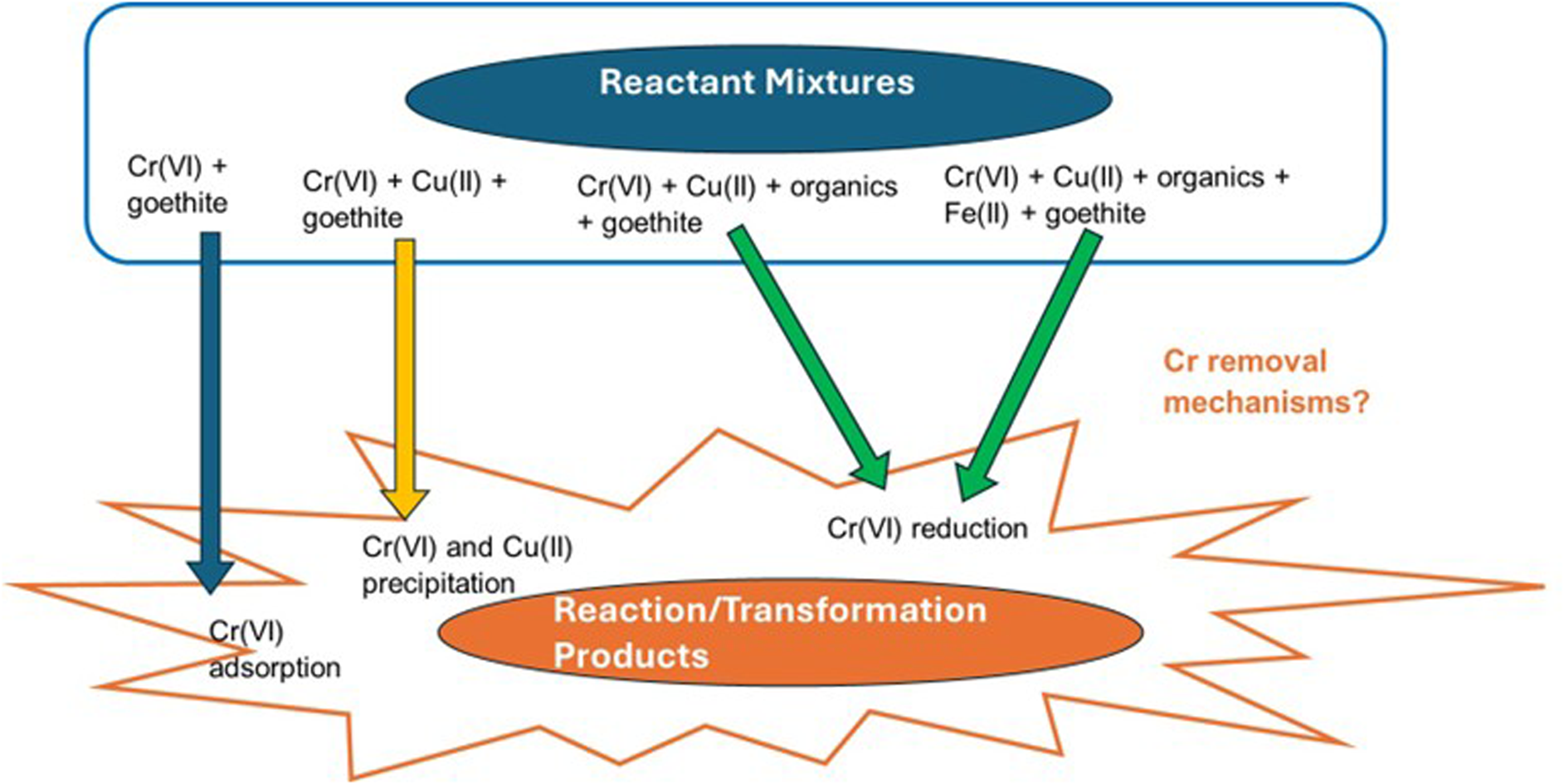 |
Heterogeneous reactions control Cr(VI) release and sequestration in complex chemical mixtures of Cr, Fe, Cu, and organics
Noah Jemison*, Angelica Benavidez, Michael Spilde, Angelica Saenz Trevizo, Adrian Brearley, Juan Lezama Pacheco, Drew Latta, Kaelin Gagnon, Stephen Emeanuwa, Fernando Garzon, Stephen Cabaniss, Peter Lichtner, Abdul-Mehdi Ali, José M. Cerrato*
Environ. Sci.: Processes Impacts 2026; 28 (1): 98–111. https://doi.org/10.1039/d5em00786k |
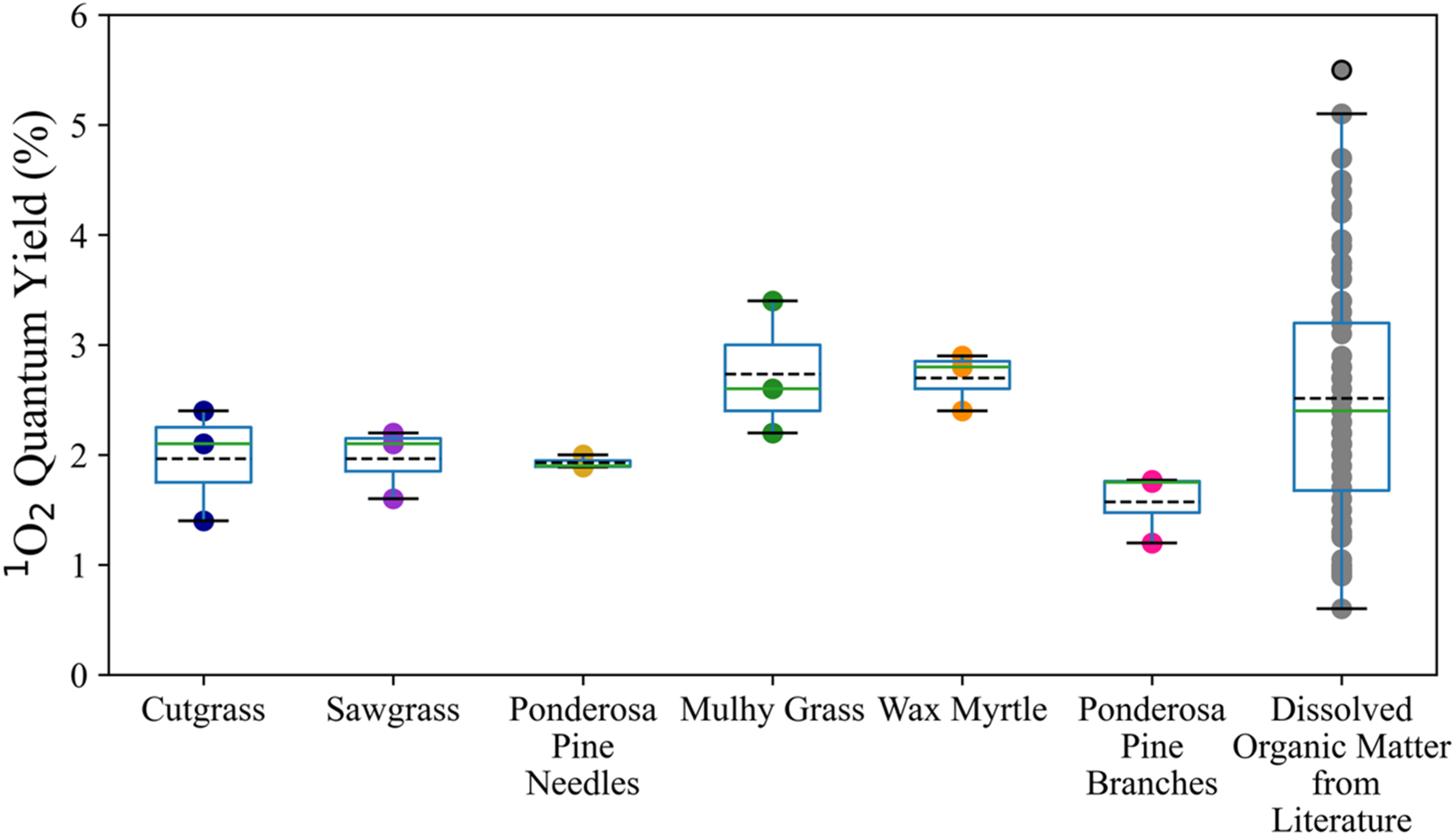
| Evolution of the photosensitized production of singlet oxygen by aqueous extracts of biomass-burning aerosol
Daniel Bonomo, Ryan C. Sullivan*
Environ. Sci.: Processes Impacts 2026; 28 (8): 2288–2306. https://doi.org/10.1039/d6em00131a |
 |
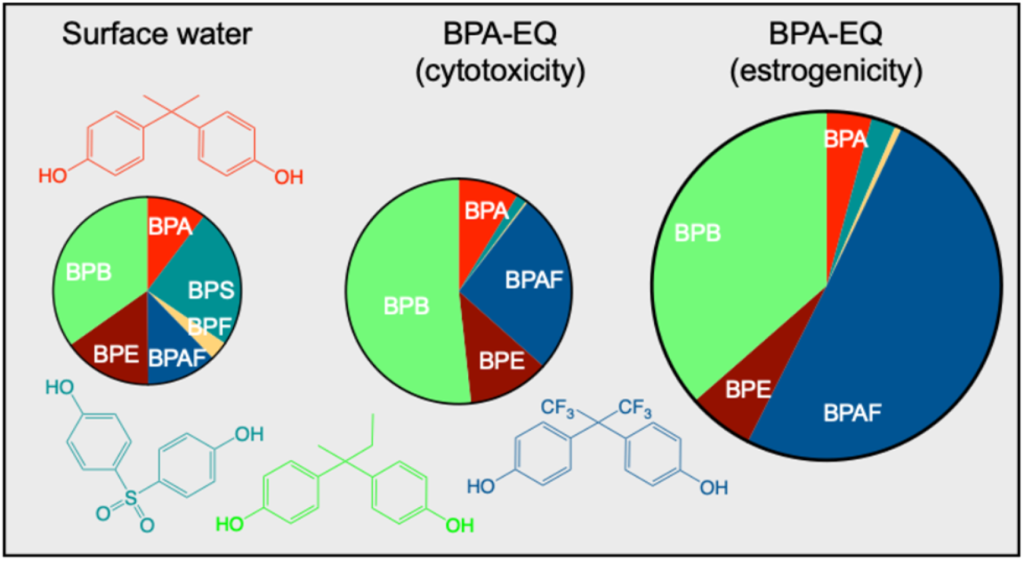 |
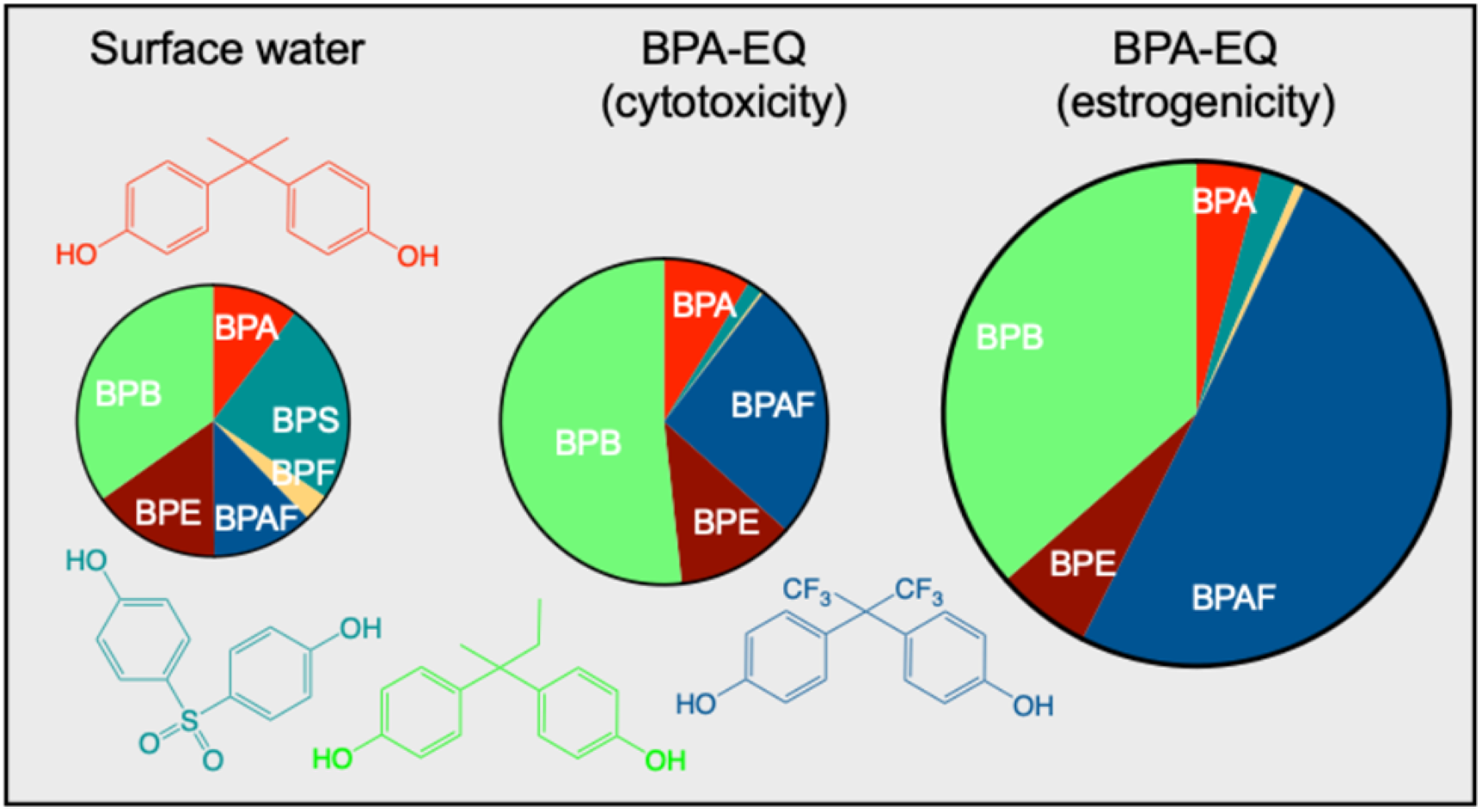
Introducing BPA-equivalents: assessing mixture toxicity and substitution of BPA in environmental exposure scenarios
Vanessa Srebny, Georg Braun, Niklas Wojtysiak, Beate I. Escher*
Environ. Sci.: Processes Impacts 2026; 28 (3): 779–792. https://doi.org/10.1039/d5em00802f |
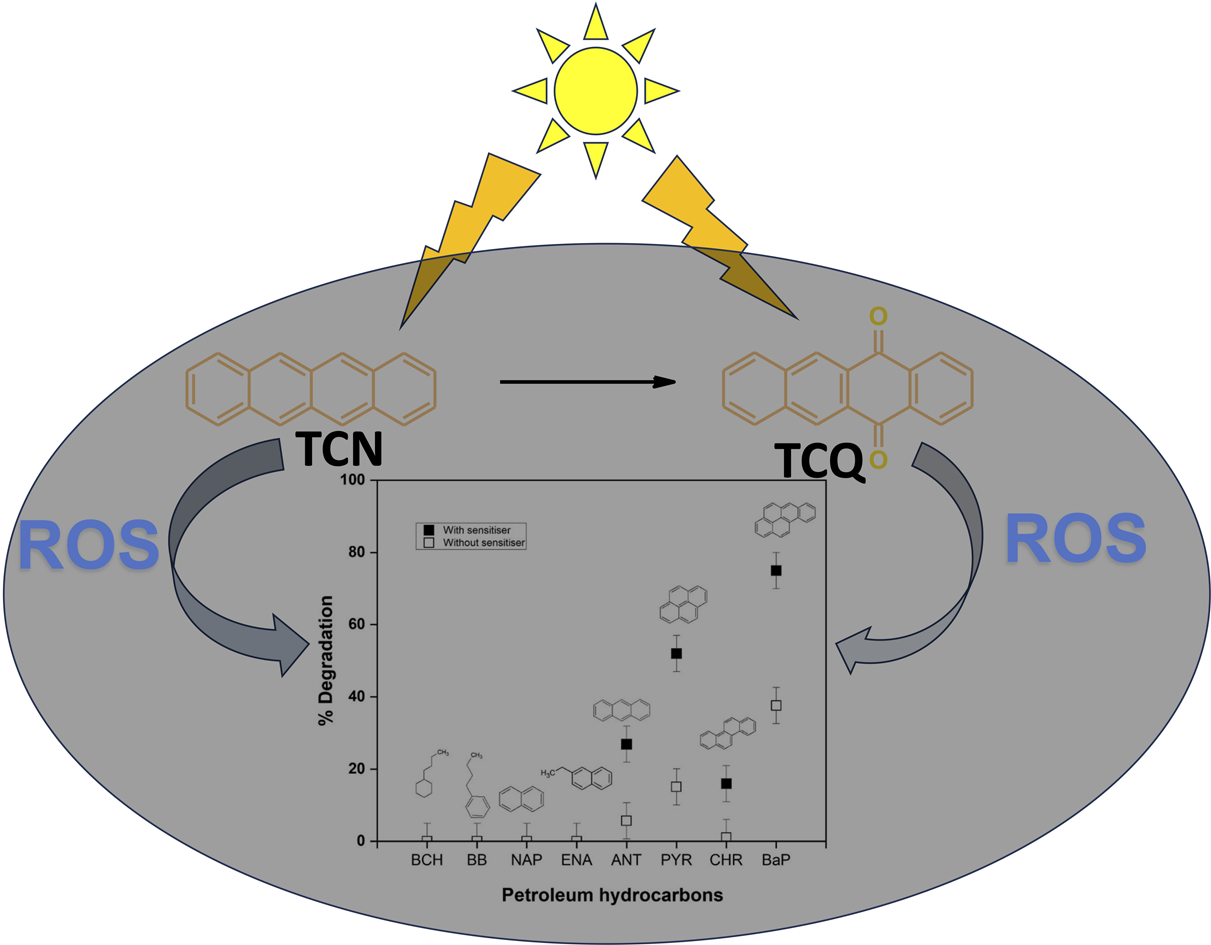
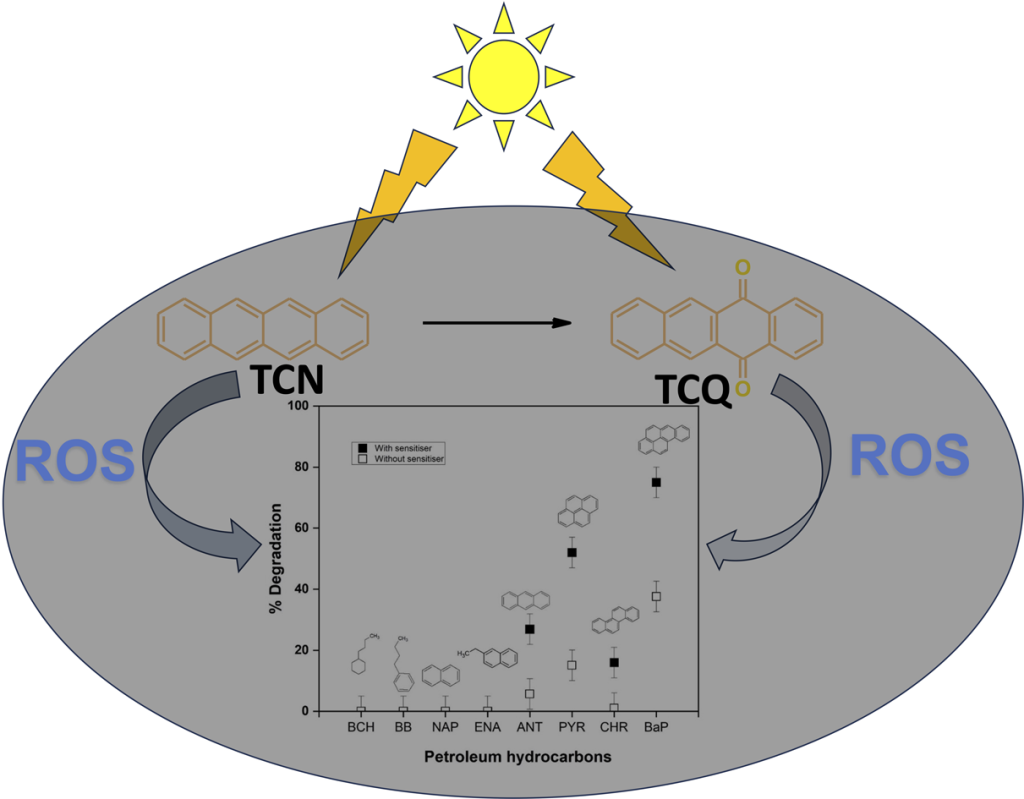
| Hydrophobic model systems for oil film photooxidation: part I: sensitizer effects on hydrocarbon photodegradation
Manoj P. Rayaroth*, Bin Wu, Christoph Aeppli.
Environ. Sci.: Processes Impacts 2026; 28 (7): 2009–2020. https://doi.org/10.1039/d5em00809c |
 |
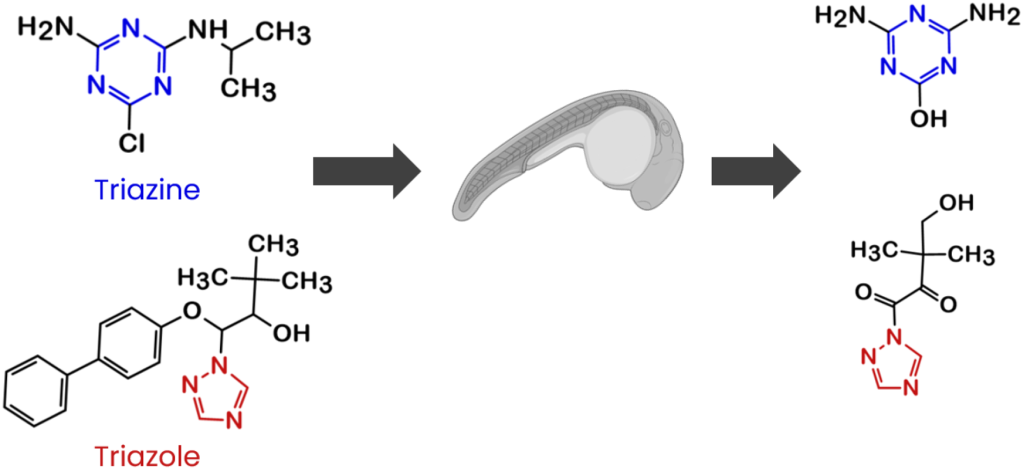 |
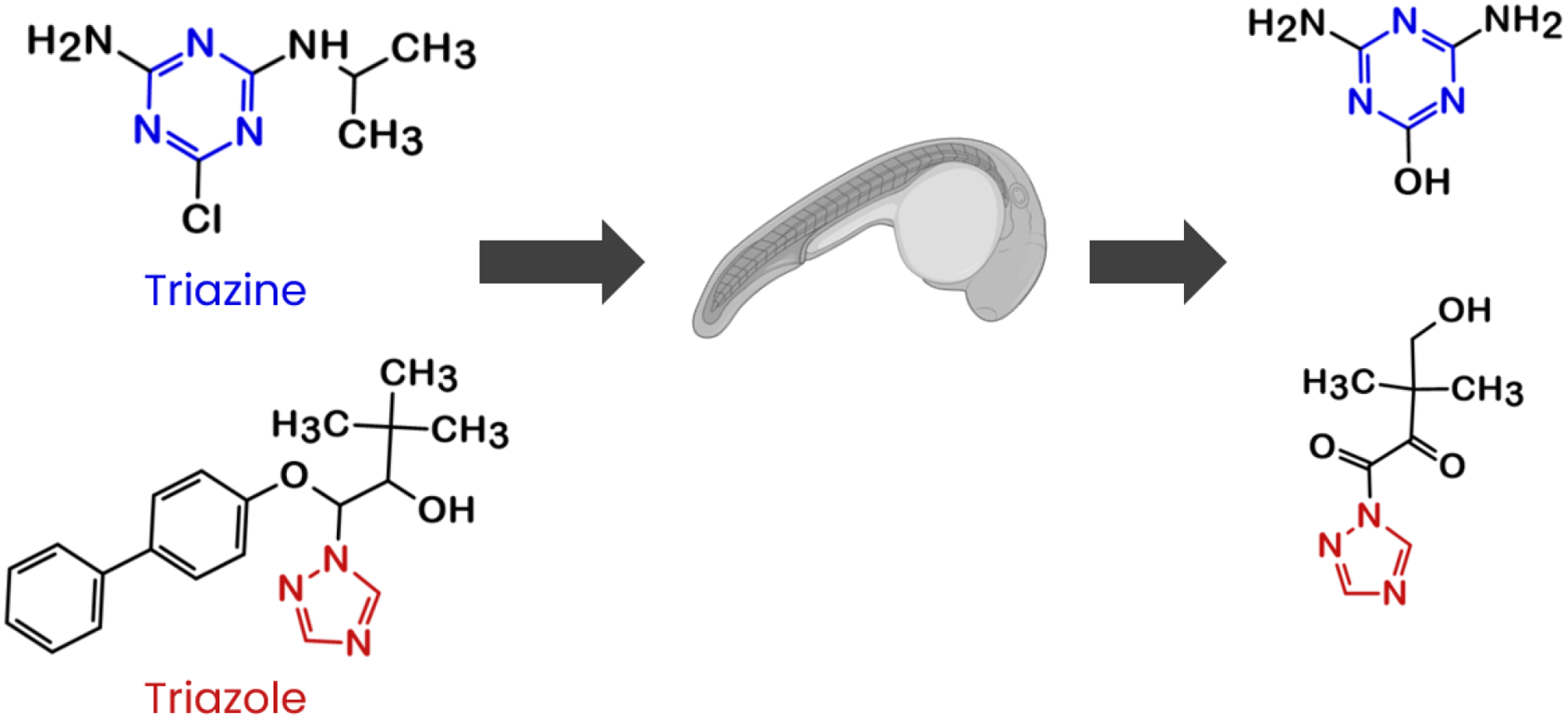
Identification of persistent substructures in transformation products with zebrafish embryos using cheminformatics and a suspect screening approach
Parviel Chirsir*, Maria Lorena Cordero-Maldonado, Maxim P. Carlier, Timo Hamers, Emma L. Schymanski*
Environ. Sci.: Processes Impacts 2026; 28 (5): 1584–1602. https://doi.org/10.1039/d5em00825e |
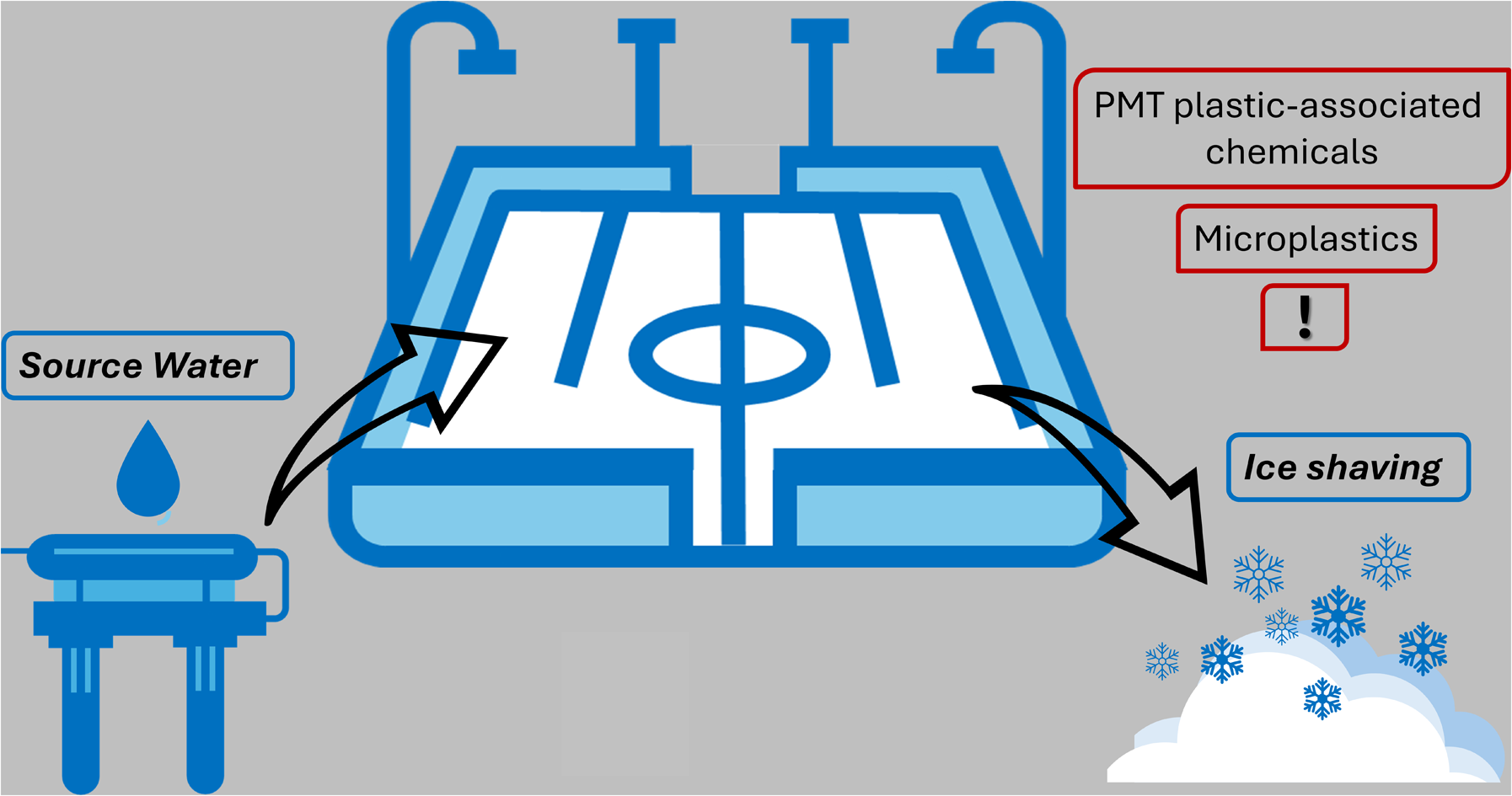
| Microplastics and PMT plastic-associated chemicals as co-contaminants in ice shaving waste from an urban ice rink
Yanan Li*, Ryan H. S. Hutchins, Claire Oswald, Stefania Impellizzeri*, Roxana Sühring*
Environ. Sci.: Processes Impacts 2026; 28 (6): 1854–1865. https://doi.org/10.1039/d5em01017a |
 |
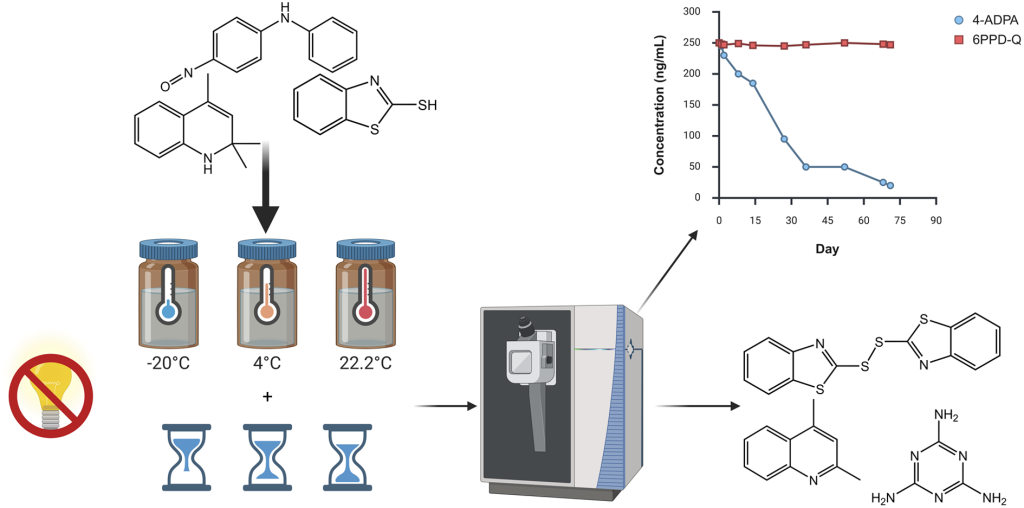 |
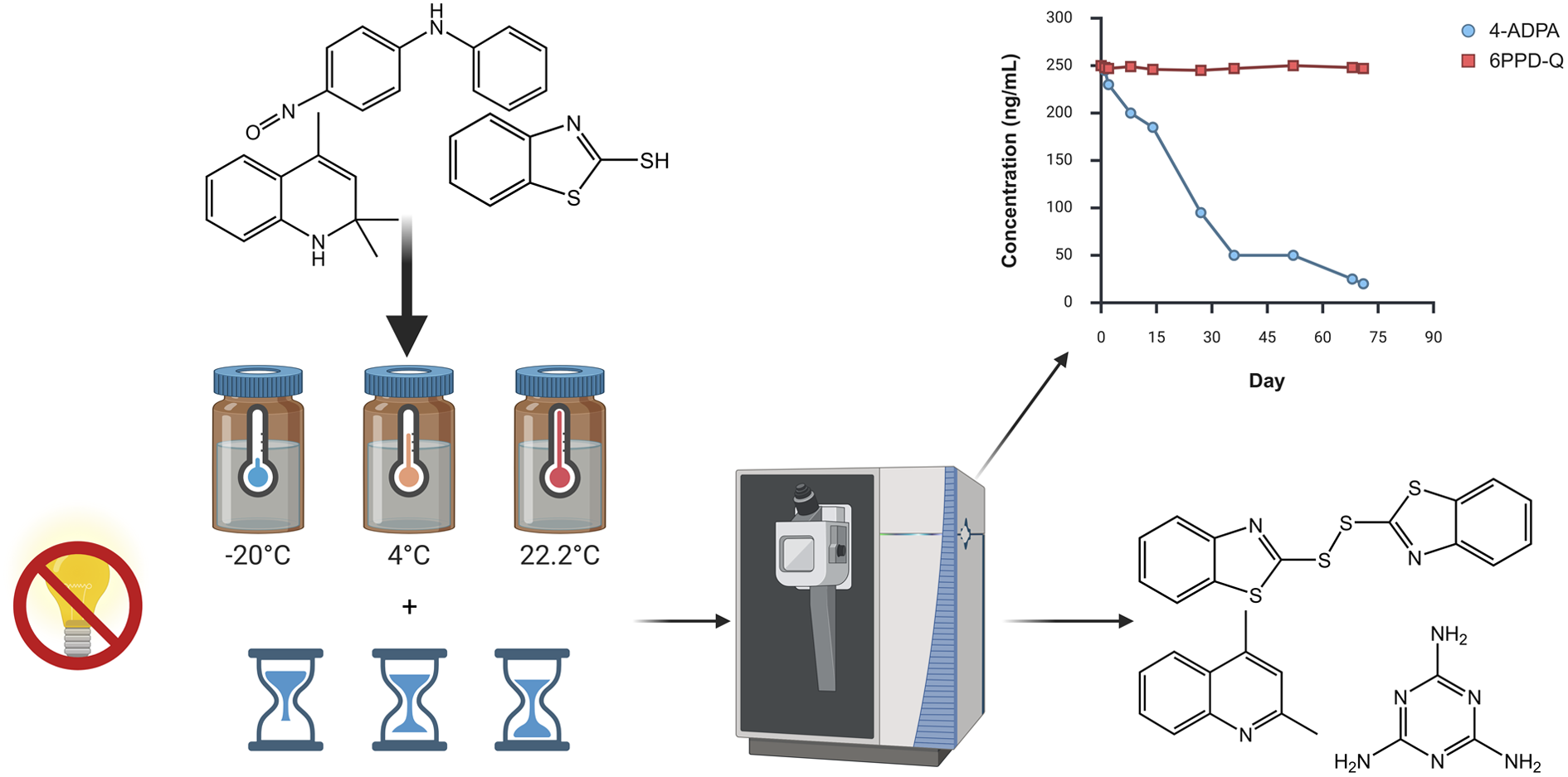
Stability and transformation products of rubber derived compounds under various storage conditions
Phillip Berger, Katherine Poisson, Jaime Adams, Zhenyu Tian*
Environ. Sci.: Processes Impacts 2026; 28 (4): 961–973. https://doi.org/10.1039/d5em01025j |
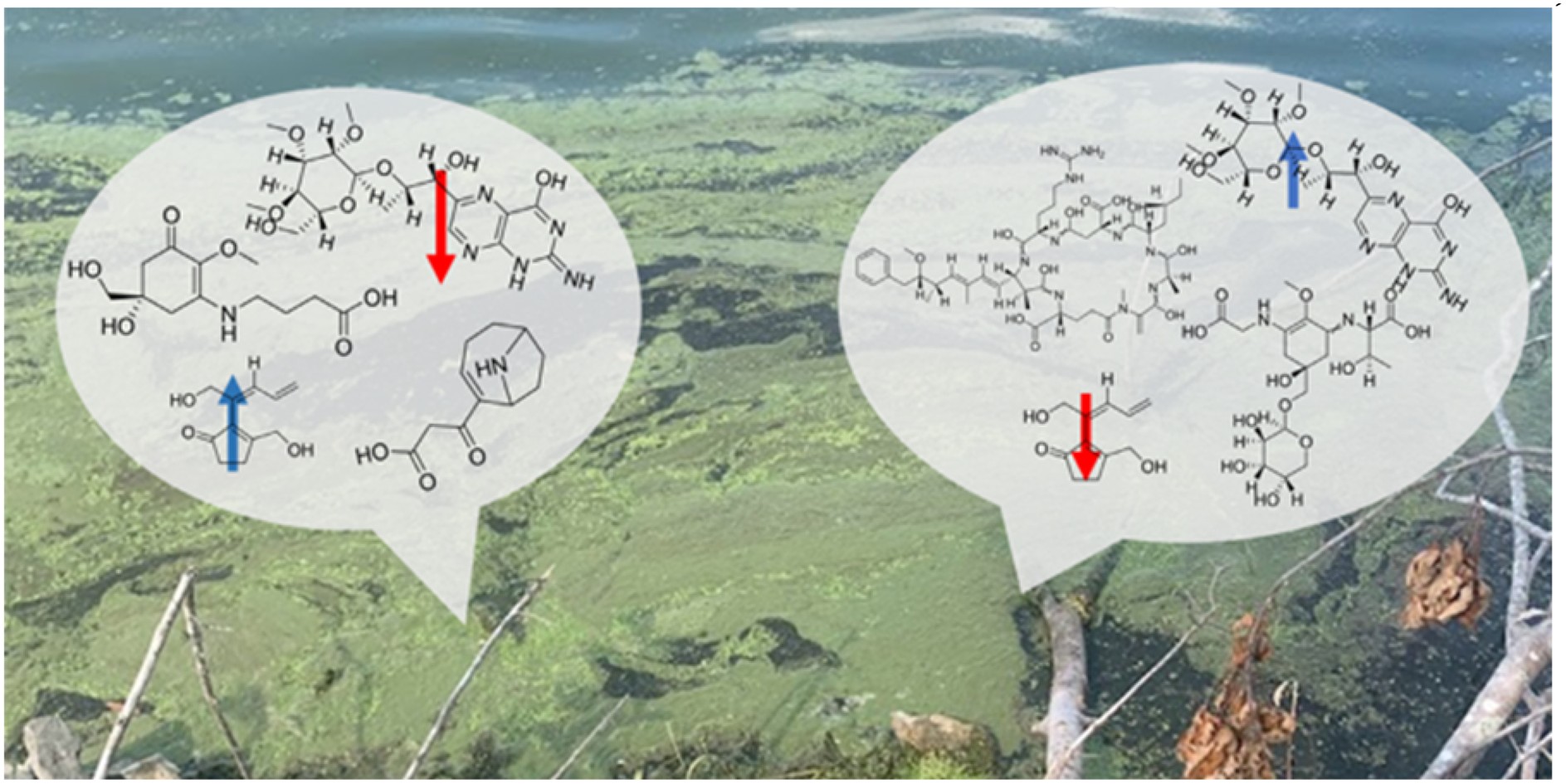
| Spatial and temporal variation of suspect screening derived cyanobacterial secondary metabolite mixtures during harmful algal bloom events in shallow agroecosystem lakes
Stanley W. Kohls, Lyndy Holdt, Nervana Metwali, Corey D. Markfort, Peter S. Thorne, Gregory H. LeFevre*
Environ. Sci.: Processes Impacts 2026; 28 (7): 1998–2008. https://doi.org/10.1039/d5em01071c |
 |
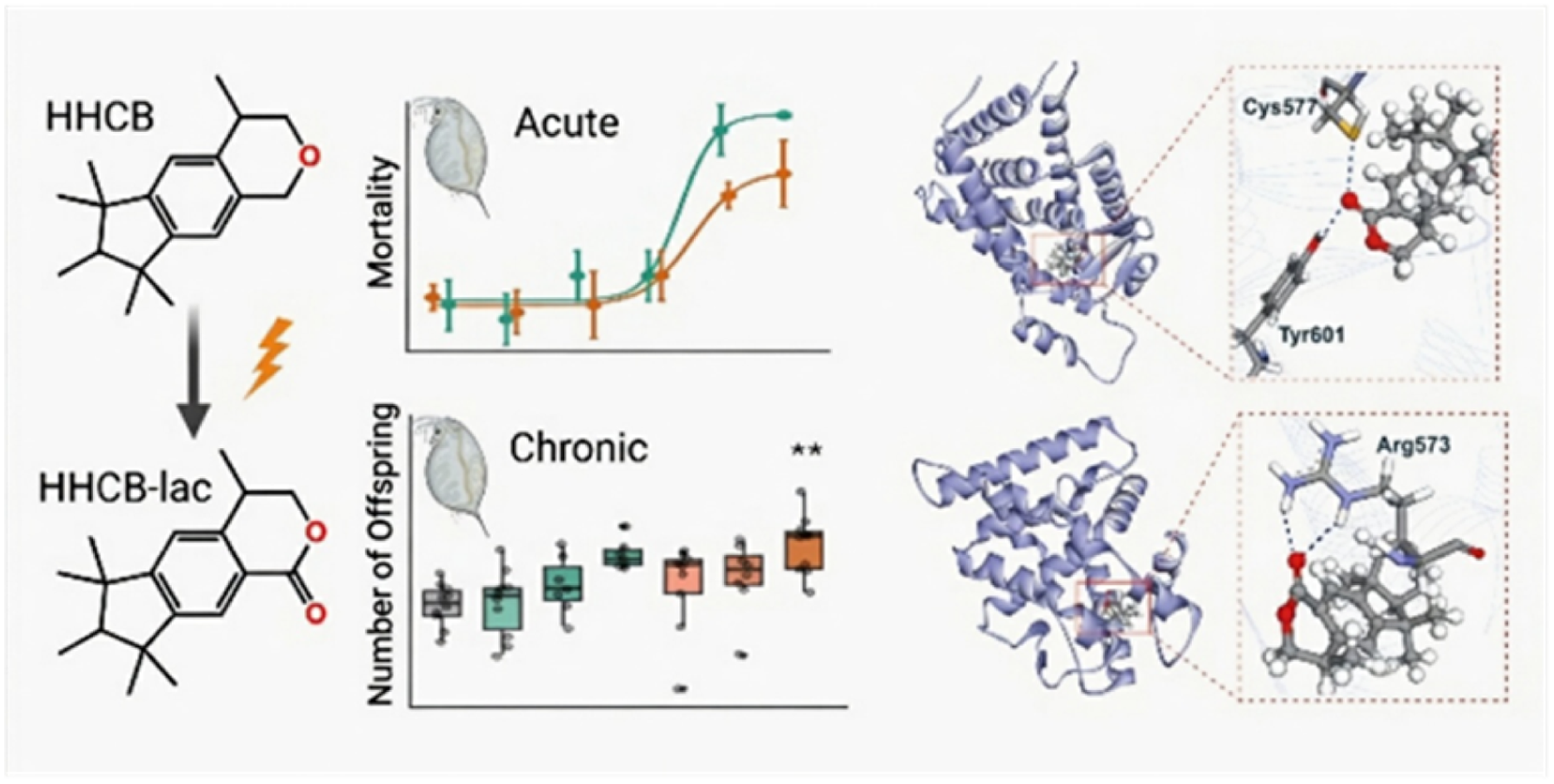 |
Comparative toxicity and molecular recognition of galaxolide and its phototransformation product galaxolide lactone in Daphnia magna
Kunting Li, Chuanyang Chen, Dali Wang*, Hongjie Huang, Zixuan Yuan, Jing You
Environ. Sci.: Processes Impacts 2026; 28 (5): 1534–1543. https://doi.org/10.1039/d6em00059b |
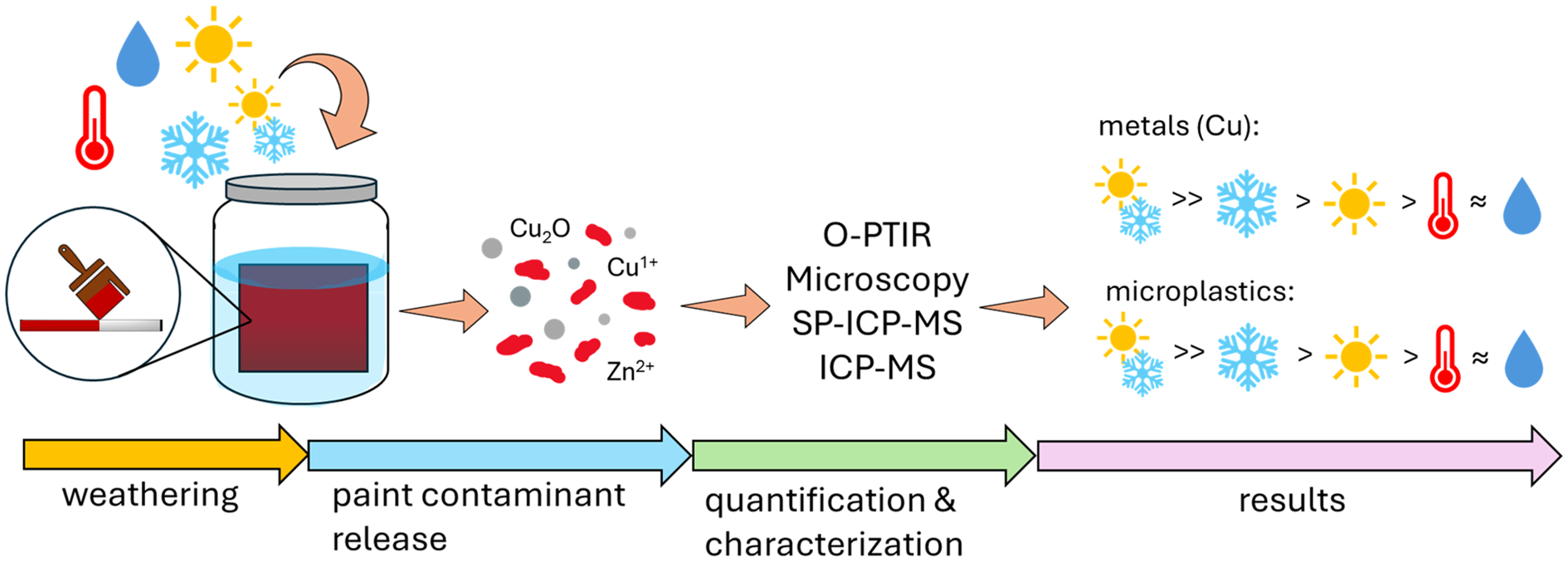
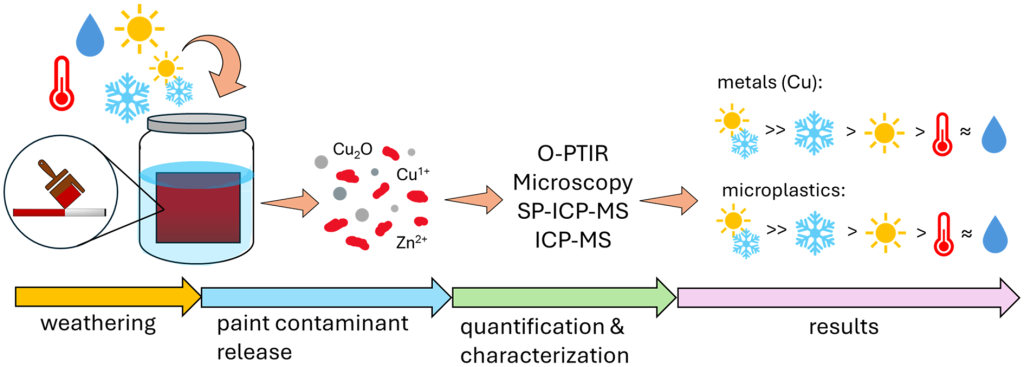
| Release of microplastics and metals from antifouling paint during weathering in simulated cold climates
Guadalupe Santos, Georgina C. Kalogerakis, Jun-Ray Macairan, Laura M. Hernandez, Houssame-Eddine Ahabchane, Jennifer F. Provencher, Kevin J. Wilkinson*, Nathalie Tufenkji*
Environ. Sci.: Processes Impacts 2026; 28 (5): 1448–1462. https://doi.org/10.1039/d6em00126b |
 |
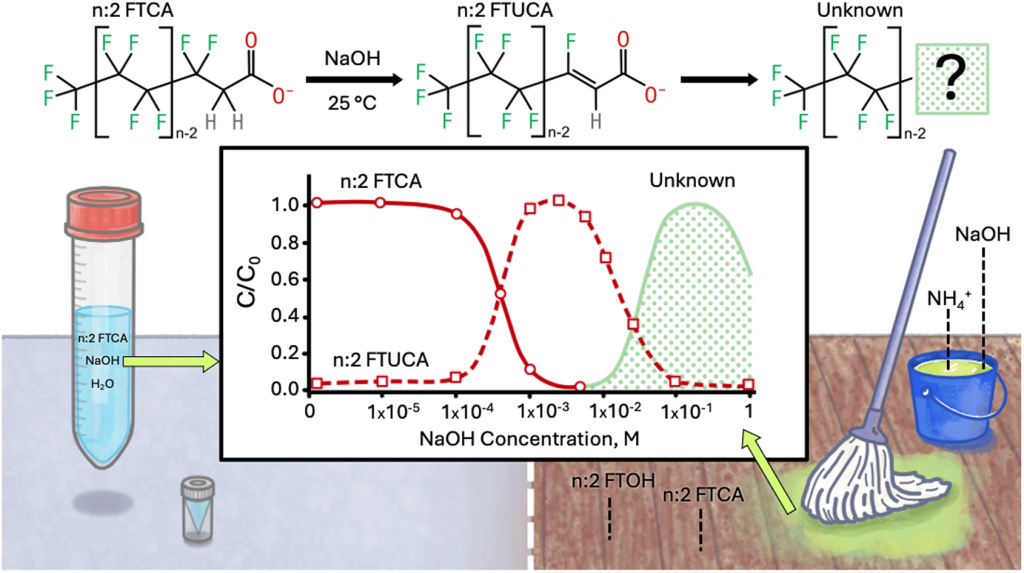 |
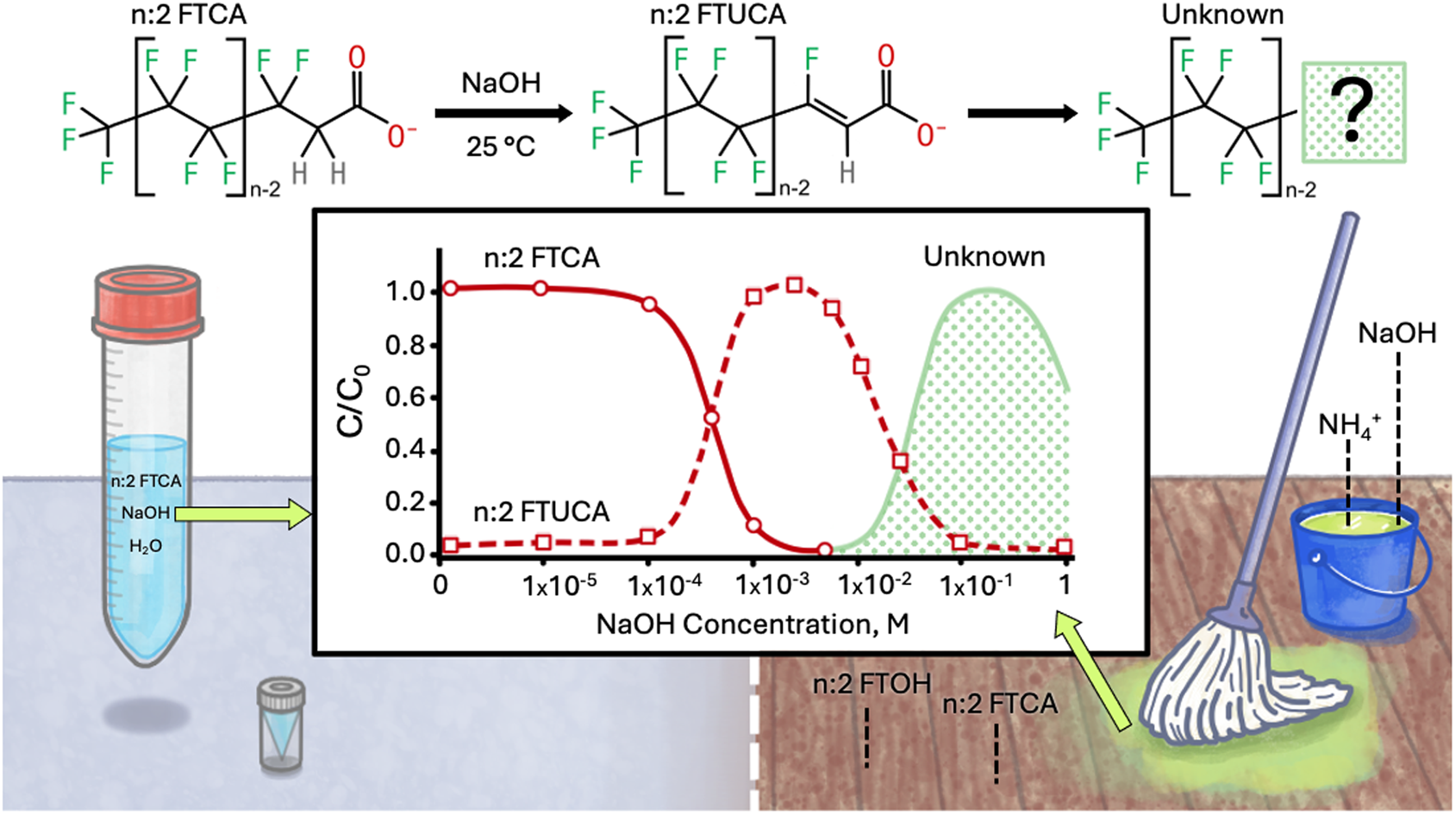
Hydroxide-promoted transformation of fluorotelomer carboxylic acids at ambient temperature
Liliya Chernysheva, Elizabeth G. Curtis, Kyle Doudrick*
Environ. Sci.: Processes Impacts 2026; 28 (5): 1511–1520. https://doi.org/10.1039/d5em00821b |
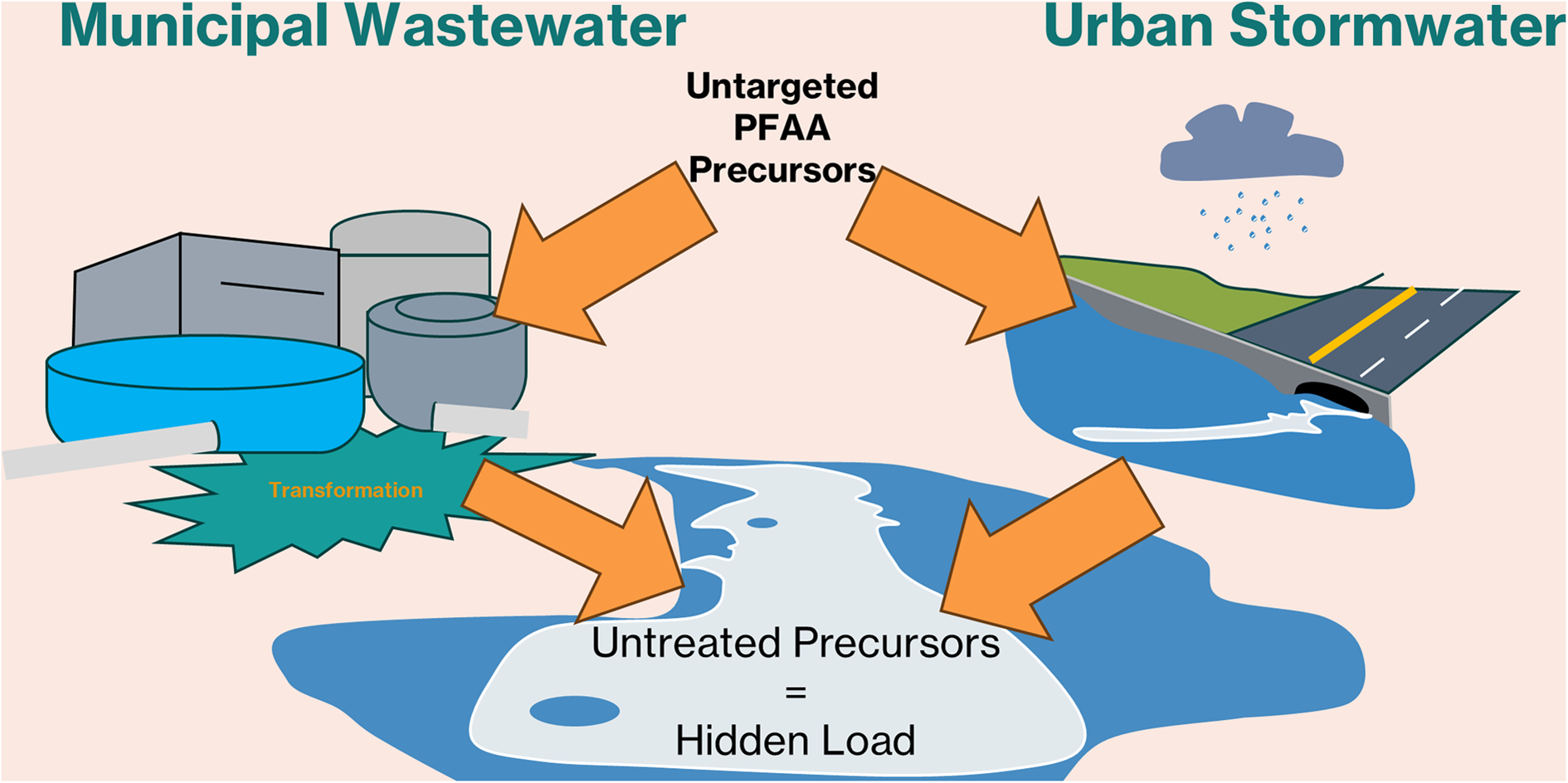
| Perfluoroalkyl acid precursor discharge from engineered water systems: composition and treatment impacts
Lois D. Arku, Juhe Liu, Joseph A. Charbonnet*
Environ. Sci.: Processes Impacts 2026; 28 (5): 1521–1533. https://doi.org/10.1039/d6em00042h |
 |
 |
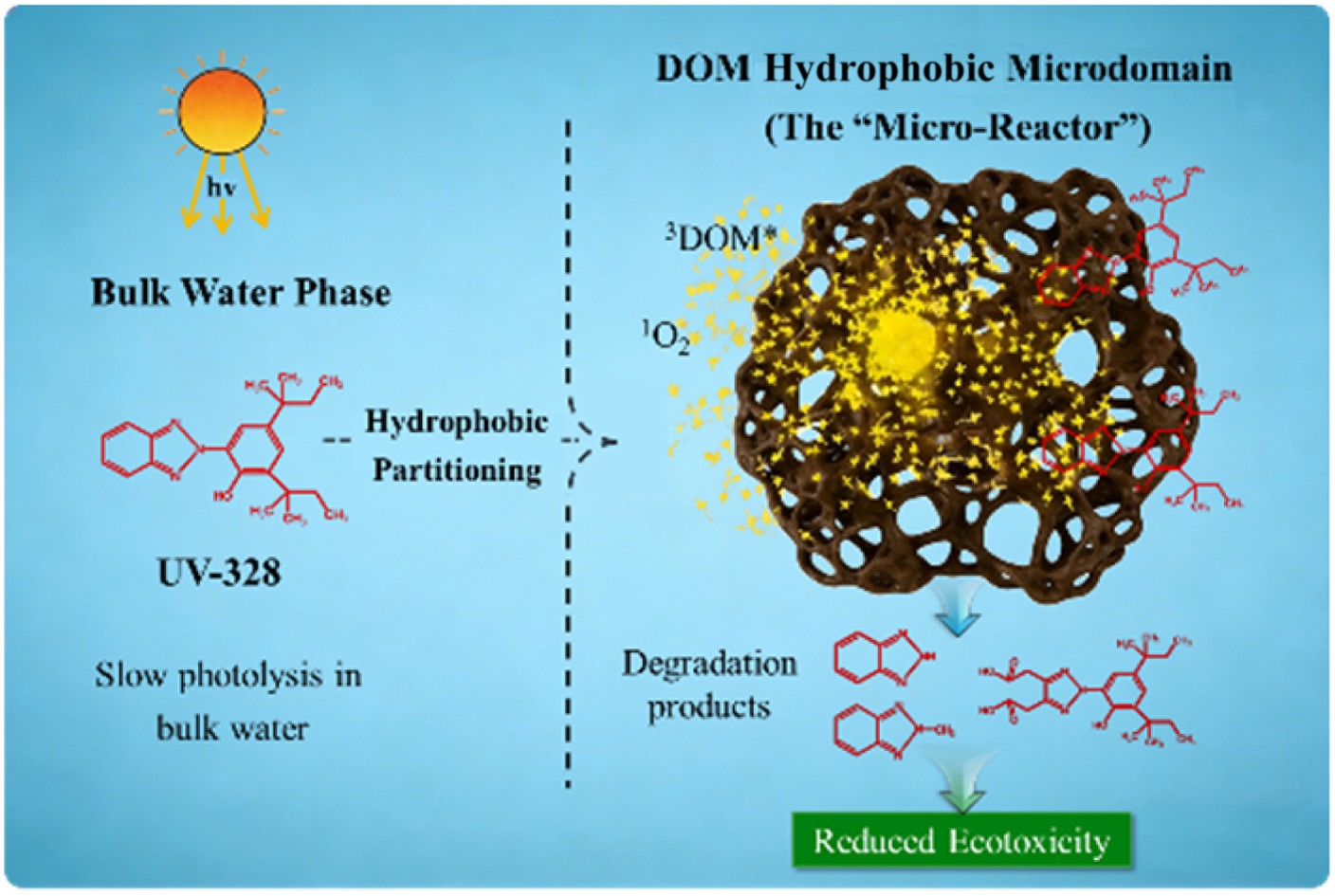
Accelerated indirect photolysis of UV-328 within the hydrophobic microdomains of dissolved organic matter: the role of sorption and localized reactive intermediates
Mingzhu He, Zhansheng Li, Hongxia Zhao*, Yuhong Su*, Shafiul Azam, Jiawen Shao
Environ. Sci.: Processes Impacts 2026; 28 (5): 1385–1395. https://doi.org/10.1039/d6em00139d |
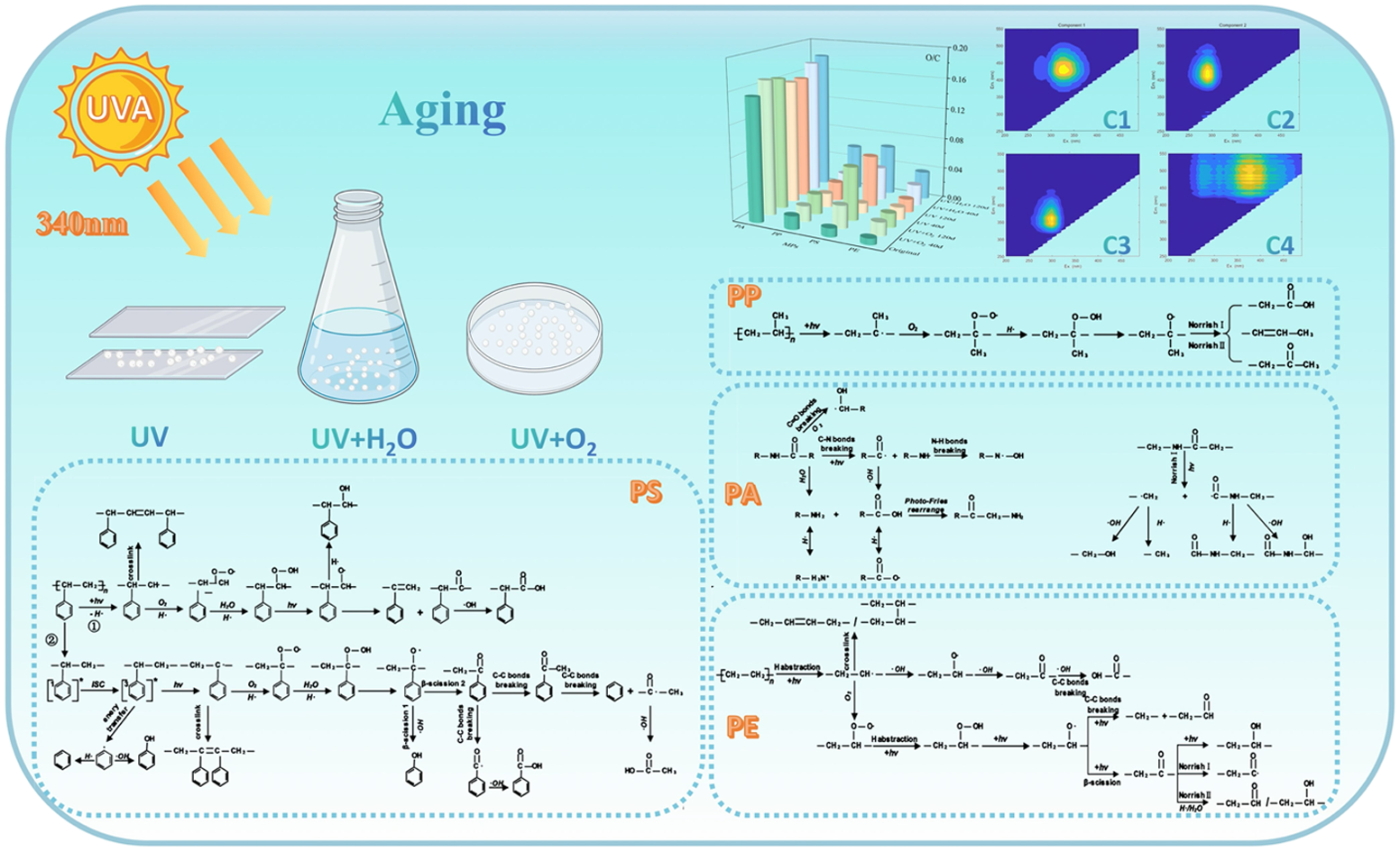
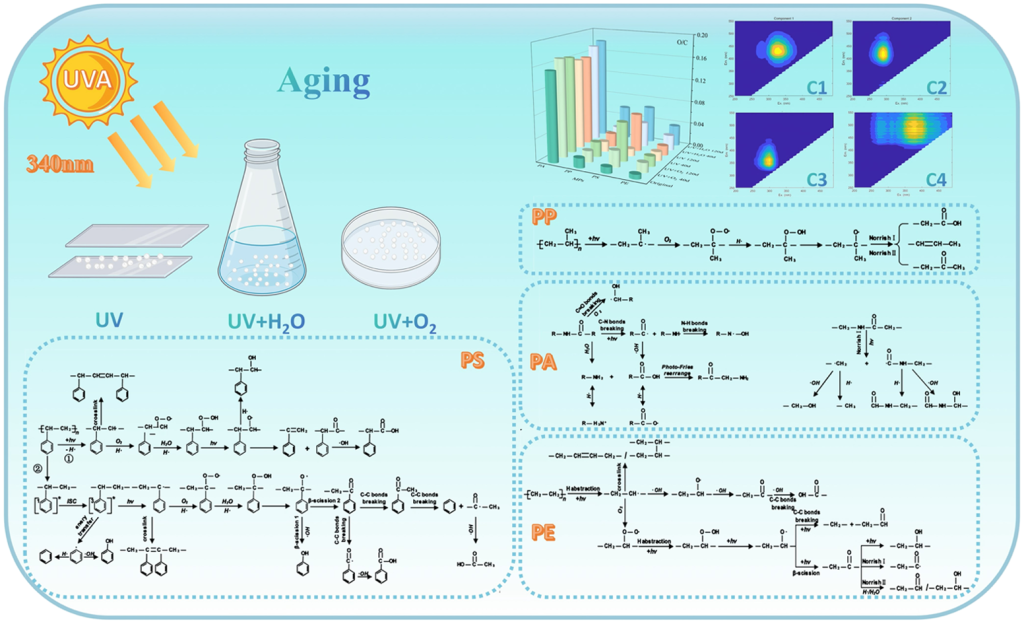
| Photoaging of four microplastics under diverse conditions: characteristics and leachate composition studies
Jing Yang, Jing He*, Kening Tian
Environ. Sci.: Processes Impacts 2026; 28 (5): 1552–1565. https://doi.org/10.1039/d6em00102e |
 |
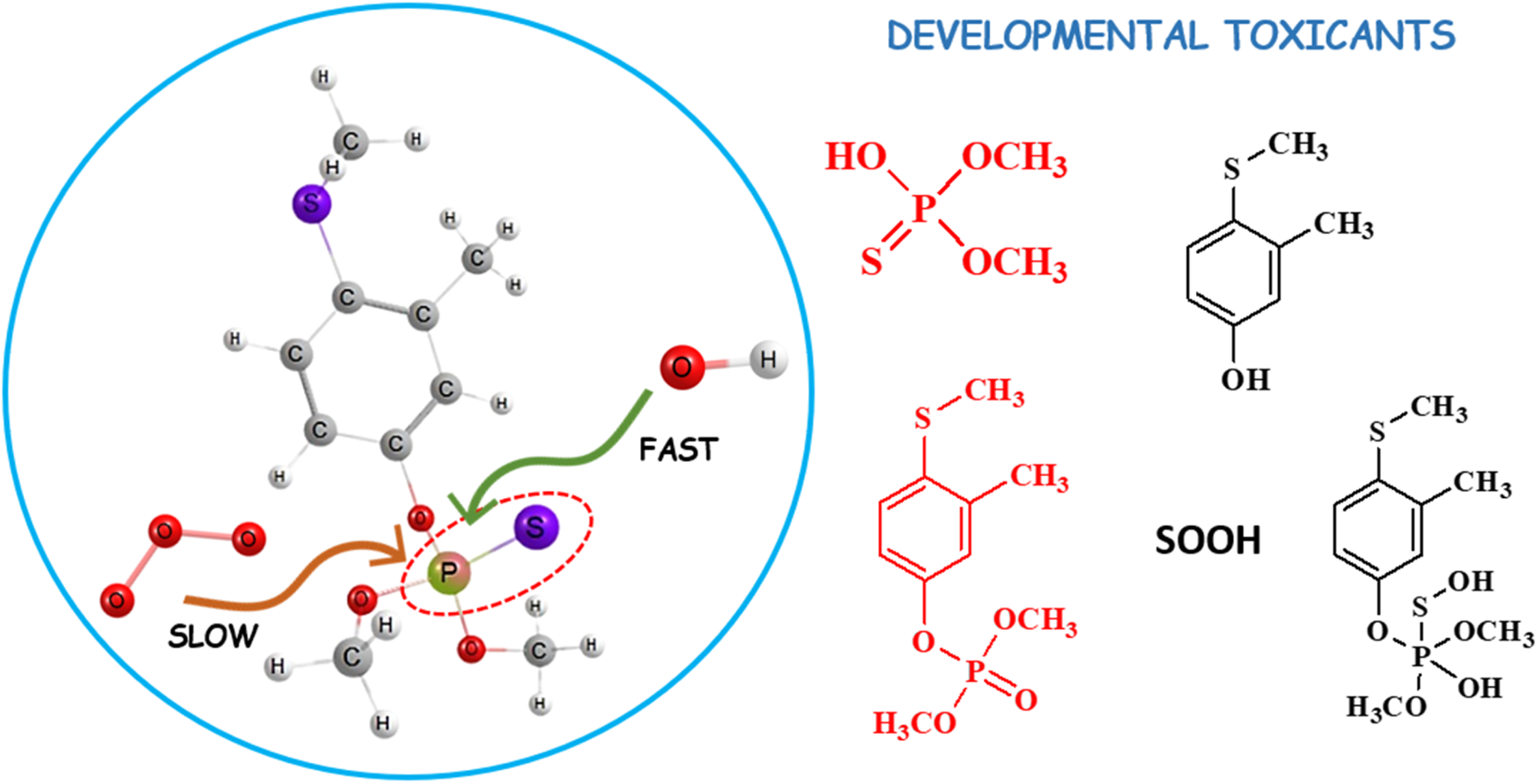 |
Atmospheric oxidation of fenthion initiated by hydroxyl radical and ozone
A. Bhavadharini, L. Sandhiya, K. Senthilkumar*
Environ. Sci.: Processes Impacts 2026; 28 (5): 1323–1337. https://doi.org/10.1039/d5em00984g |
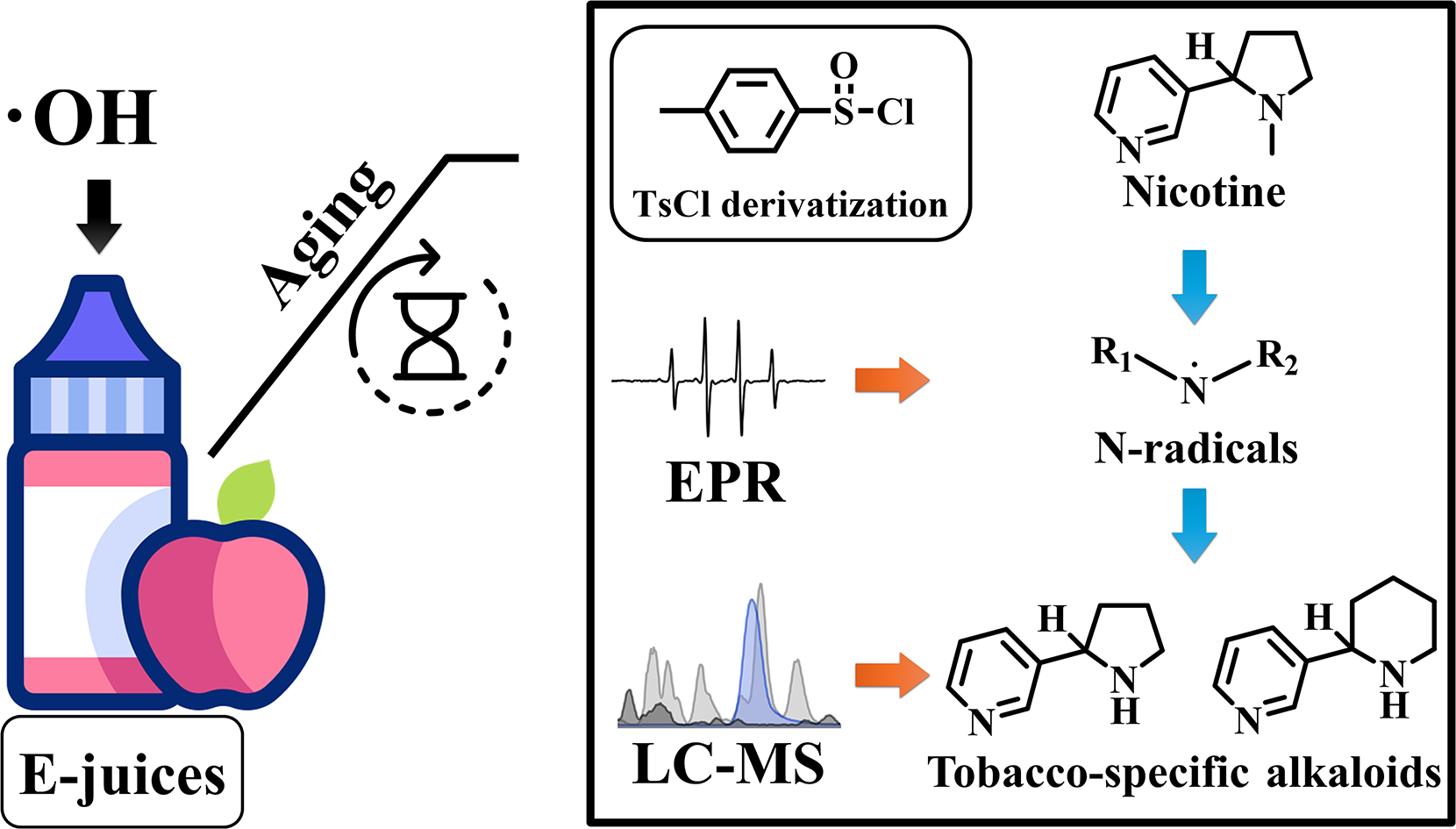
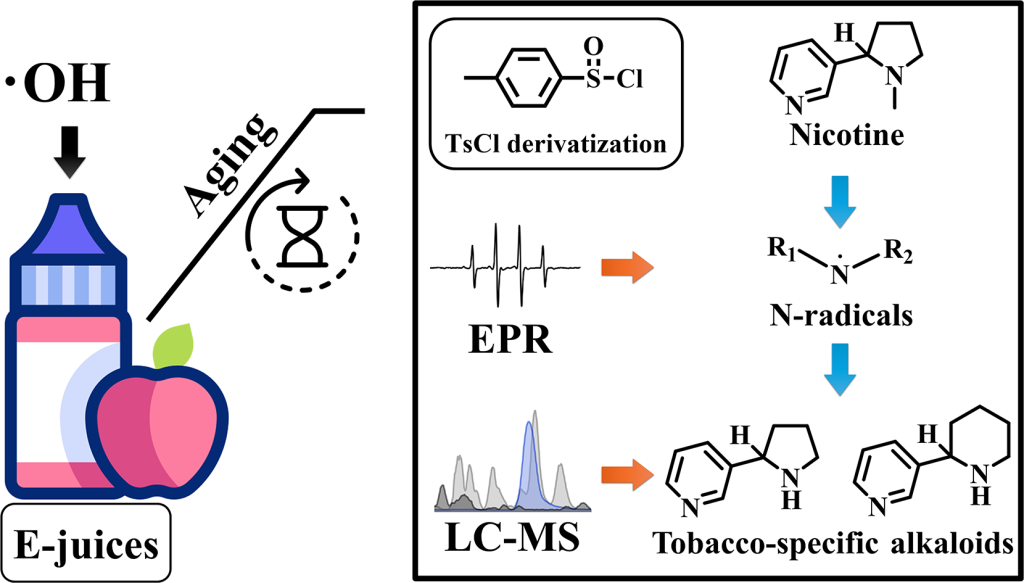
| Tobacco-specific alkaloid (TSA) formation in aged e-cigarette juices: mechanistic insights into hydroxyl radical-initiated nicotine oxidation
Xinyang Guo, Bradley H. Isenor, Kimberly Wong, James Davis, Arthur Chan, Ran Zhao*
Environ. Sci.: Processes Impacts 2026; 28 (5): 1338–1347. https://doi.org/10.1039/d5em01030f |
 |
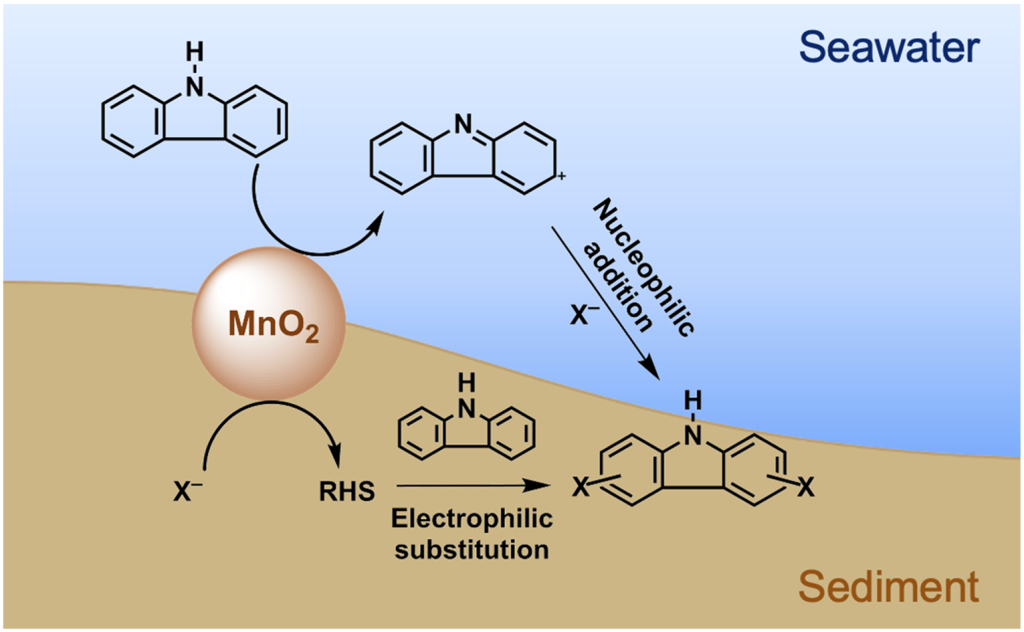 |
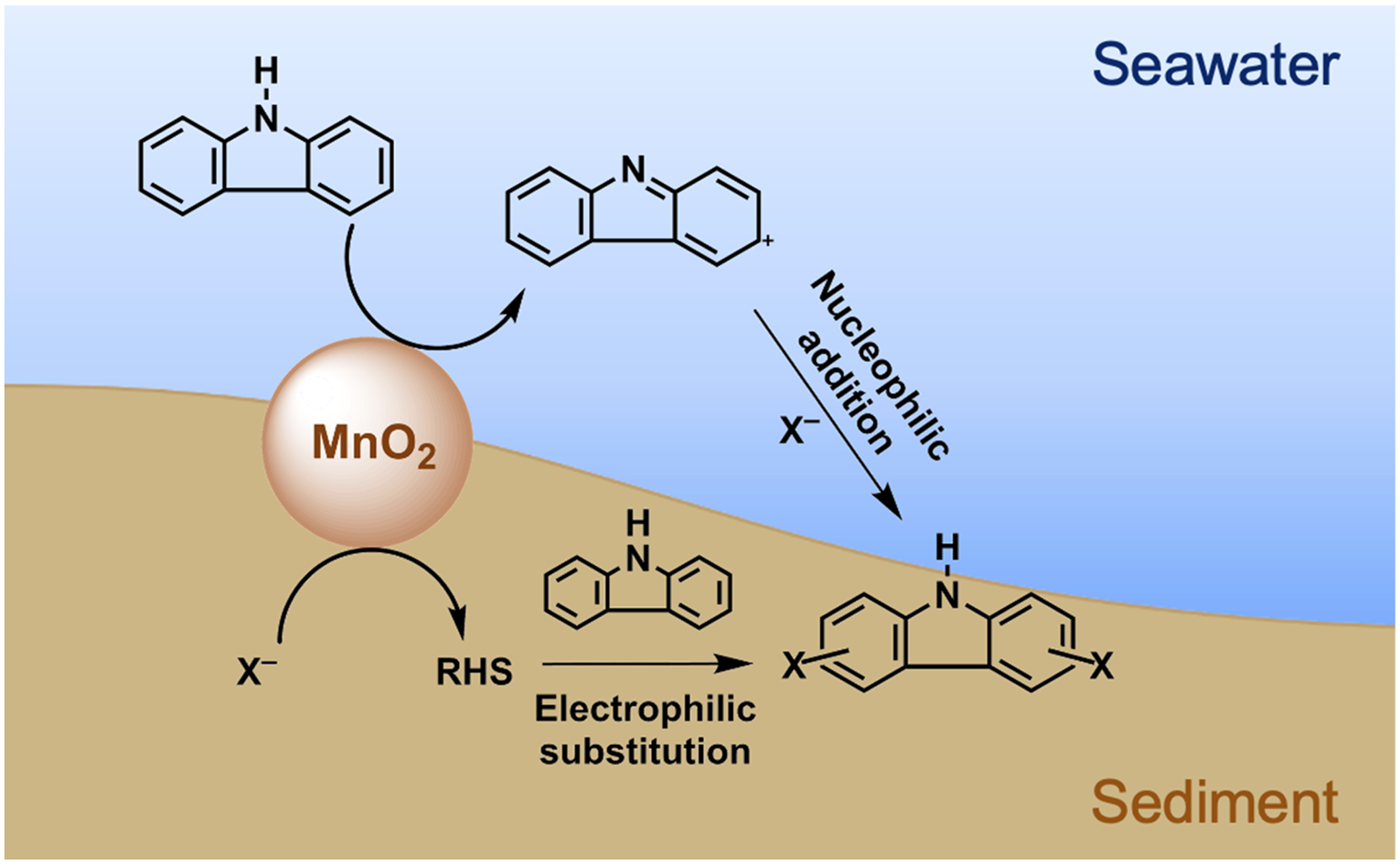
Manganese oxide-mediated halogenation of carbazole under marine-related conditions
Meng Zhang, Jia Tang, Kunde Lin*
Environ. Sci.: Processes Impacts 2026; 28 (5): 1299–1308. https://doi.org/10.1039/d6em00064a |
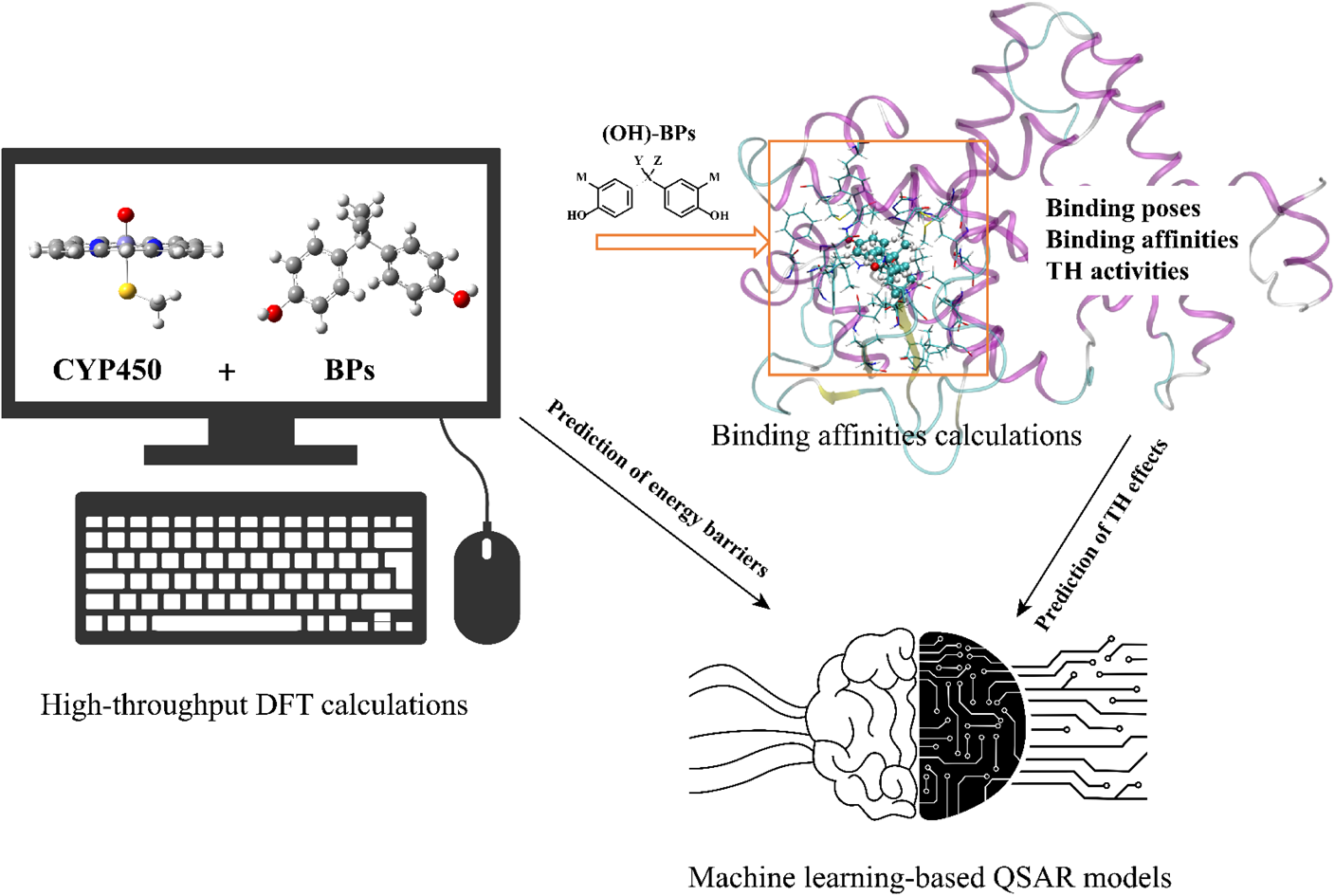
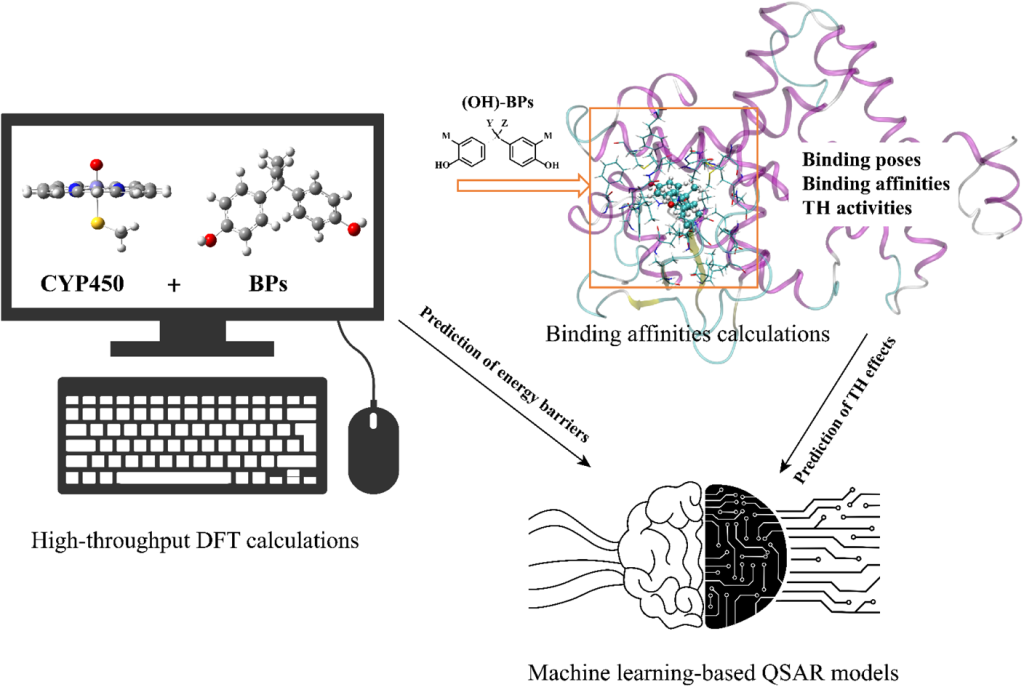
| Machine learning-driven QSAR models for the prediction of metabolic mechanisms and thyroid hormone-disrupting effects of emerging pollutants in the human body: a case study of bisphenol analogues
Zijian Wang, Qingzhu Zhang*, Wenxing Wang, Qiao Wang
Environ. Sci.: Processes Impacts 2026; 28 (4): 949–960. https://doi.org/10.1039/d5em00891c |
 |
 |
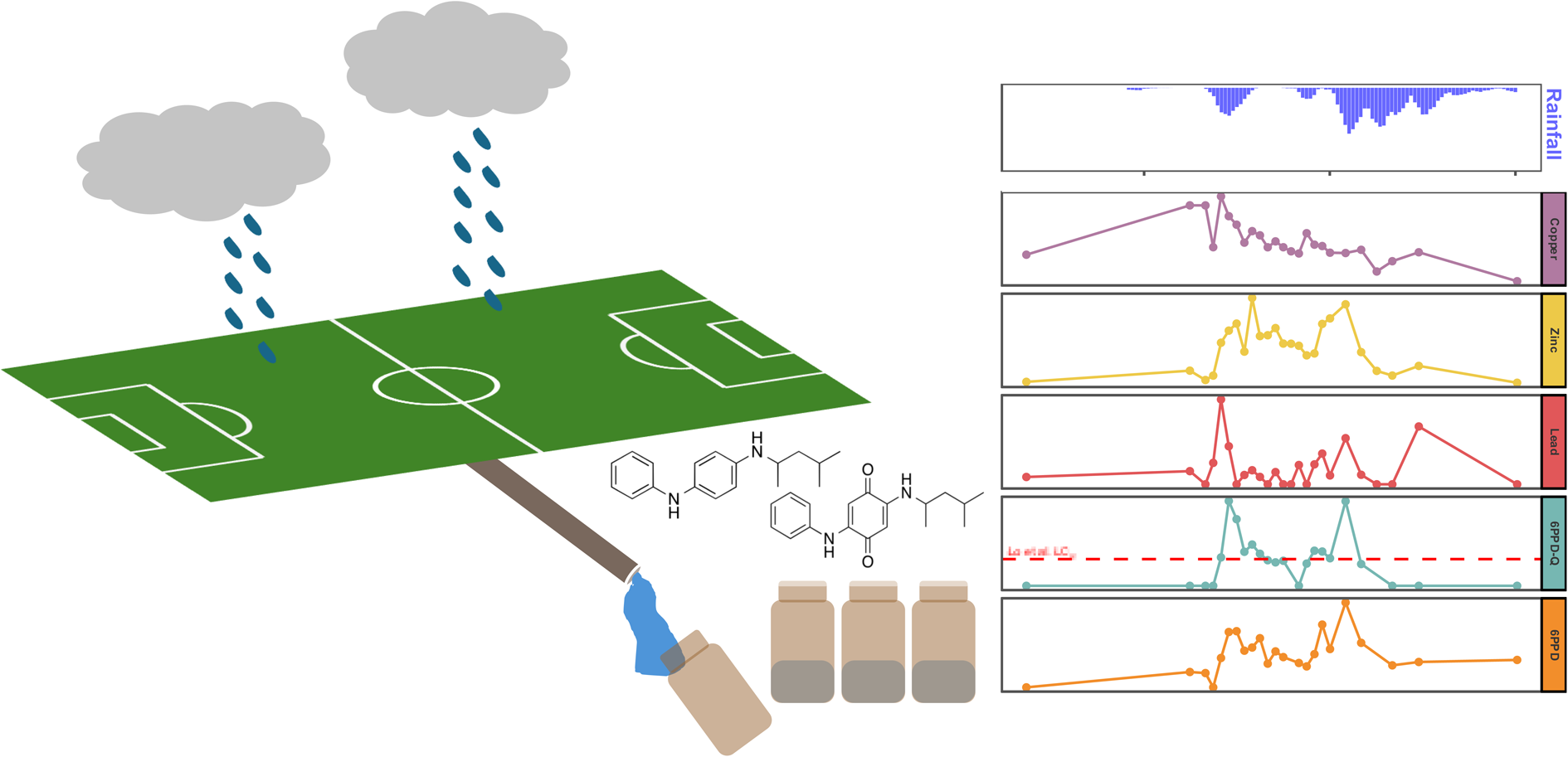
Artificial turf fields act as recurring point sources of metals and emerging tire-derived contaminants in stormwater
Kate J. Moloney, Timothy F. M. Rodgers, Rachel C. Scholes*
Environ. Sci.: Processes Impacts 2026; 28 (4): 935–948. https://doi.org/10.1039/d5em01016k |
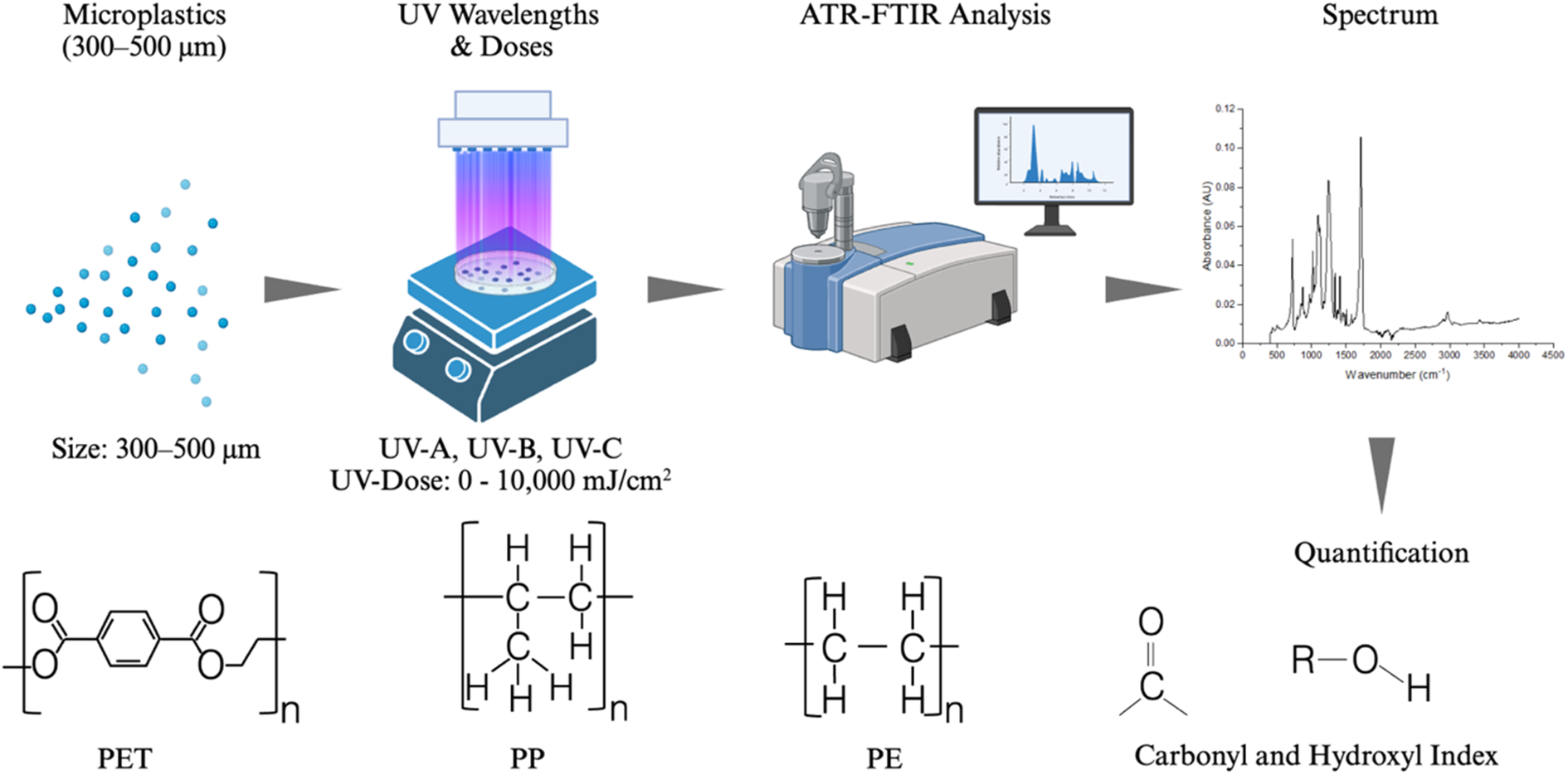
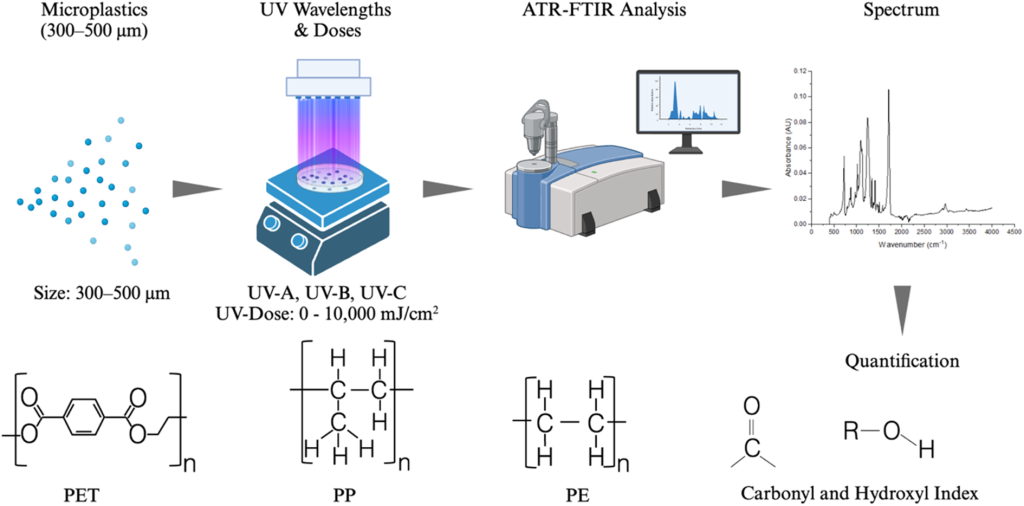
| Wavelength-specific UV LED and far-UVC degradation of microplastics
Thusitha Rathnayake, Paul Onkundi Nyangaresi, Sara E. Beck*
Environ. Sci.: Processes Impacts 2026; 28 (4): 1015–1029. https://doi.org/10.1039/d5em00818b |
 |
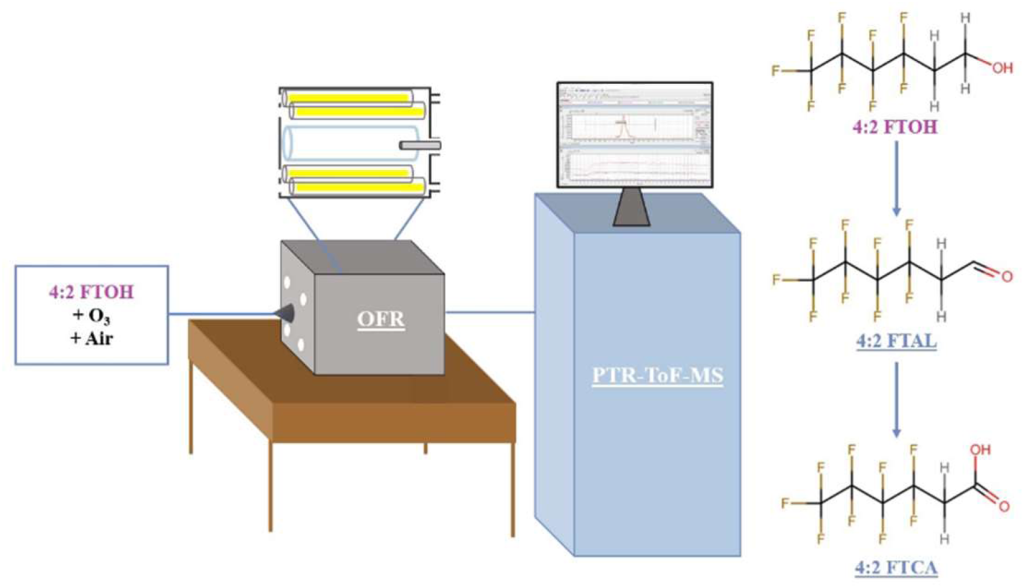 |
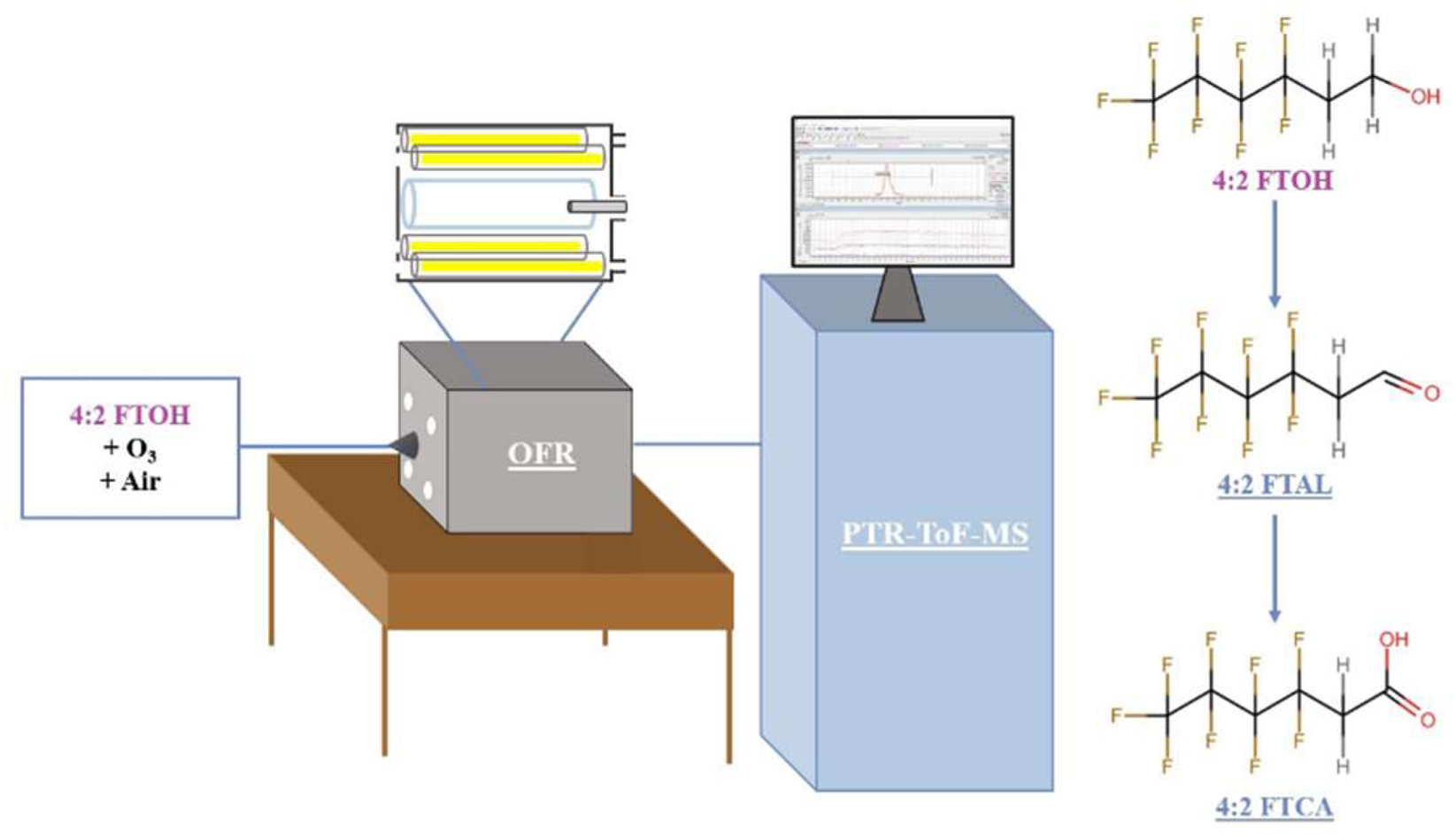
Atmospheric fate of 4:2 fluorotelomer alcohol using an oxidation flow reactor and proton transfer reaction time-of-flight mass spectrometry
Alessia A. Colussi, Trevor C. VandenBoer, Cora J. Young*, John Liggio*
Environ. Sci.: Processes Impacts 2026; 28 (4): 986–997. https://doi.org/10.1039/d5em00943j |
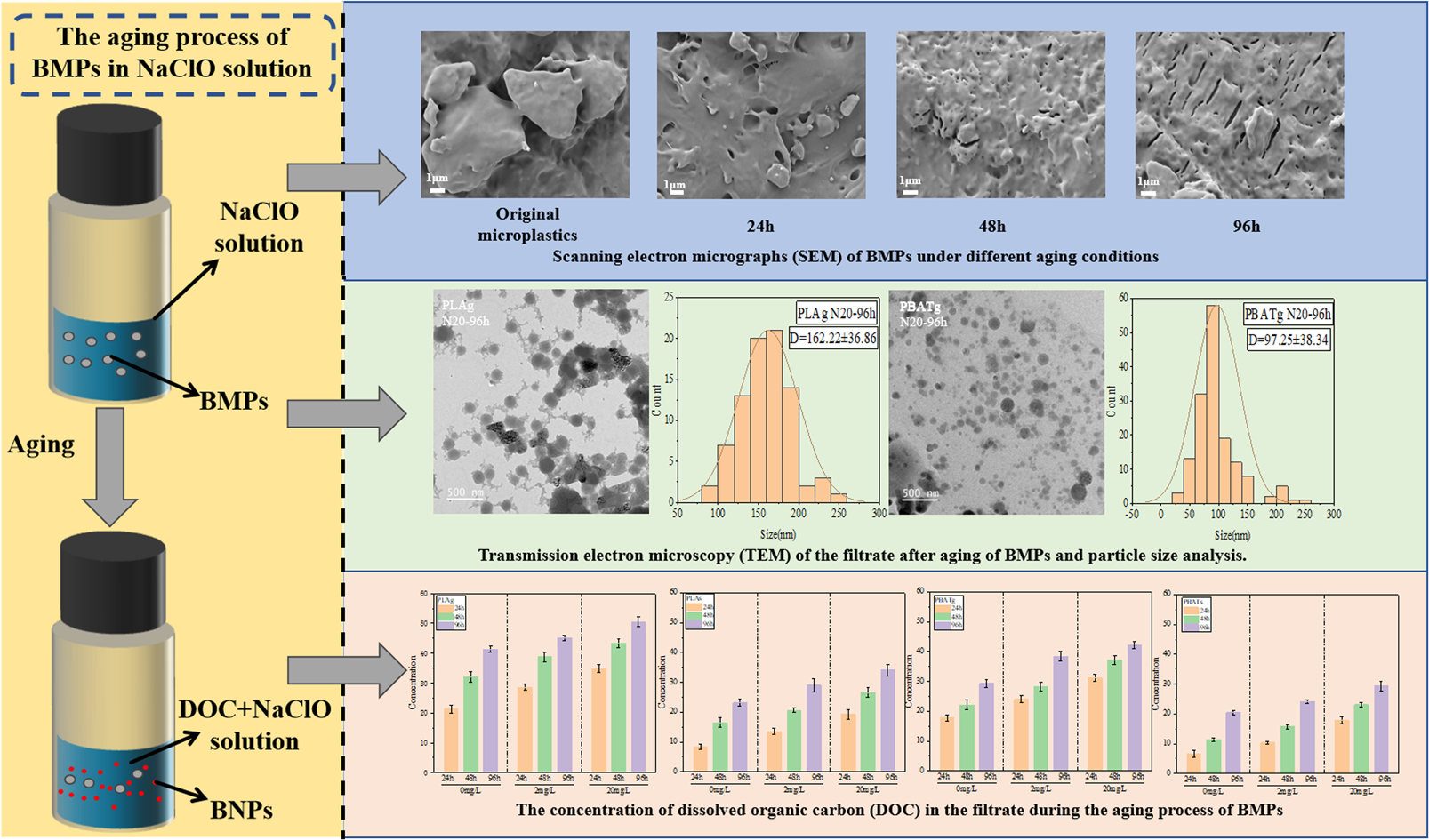
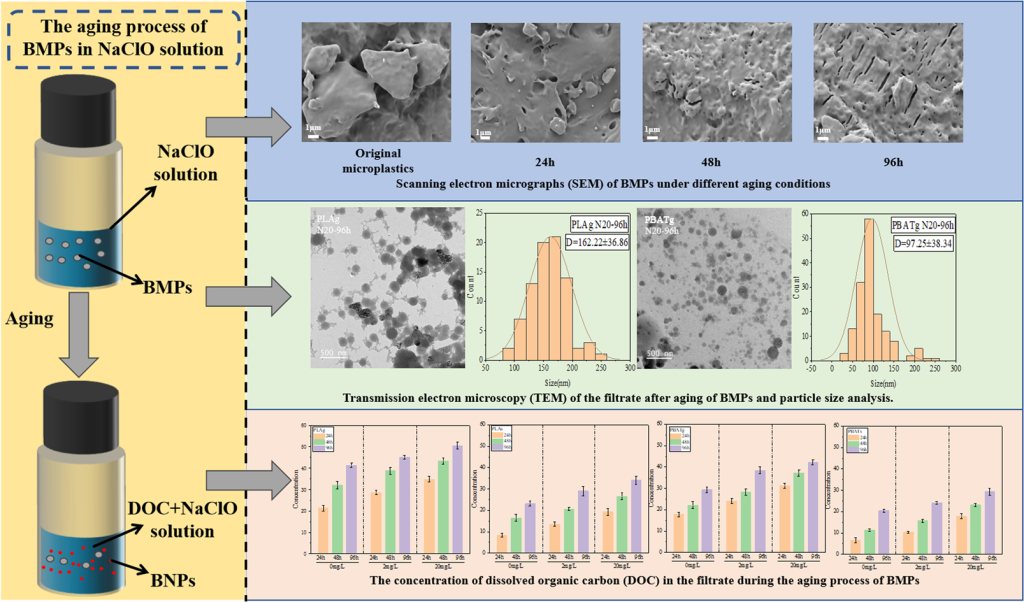
| Chlorine disinfection enhances the degradation of biodegradable microplastics into nanoplastics and dissolved organic carbon in a simulated disinfection process
Xuefeng Jiang, Jianxin Fan*, Siyu Xu, Bocong Huang, Jiaoxia Sun
Environ. Sci.: Processes Impacts 2026; 28 (3): 805–816. https://doi.org/10.1039/d6em00030d |
 |
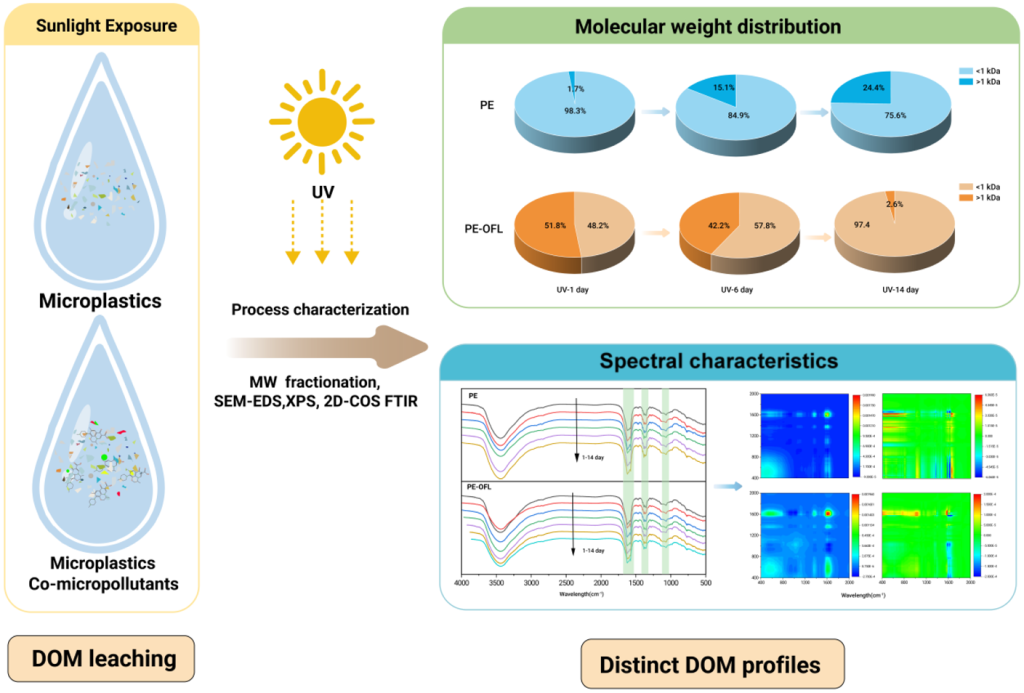 |
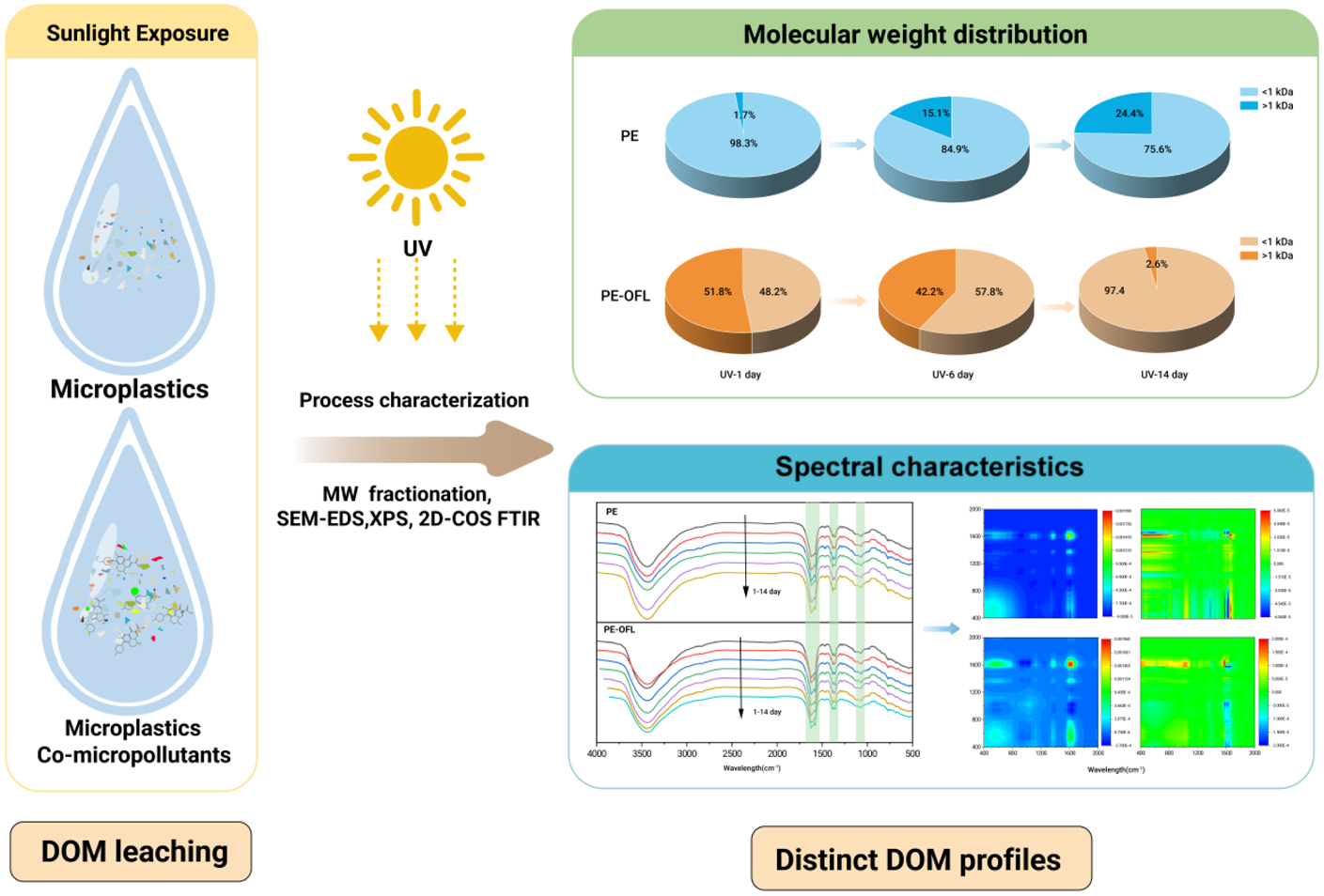
Characteristics and mechanisms of dissolved organic matter leached by photodegradation of polyethylene microplastics: role of adsorbed antibiotics
Yanan Chen, Yunkun Qian*, Fan Liu
Environ. Sci.: Processes Impacts 2026; 28 (2): 624–634. https://doi.org/10.1039/d5em00805k |
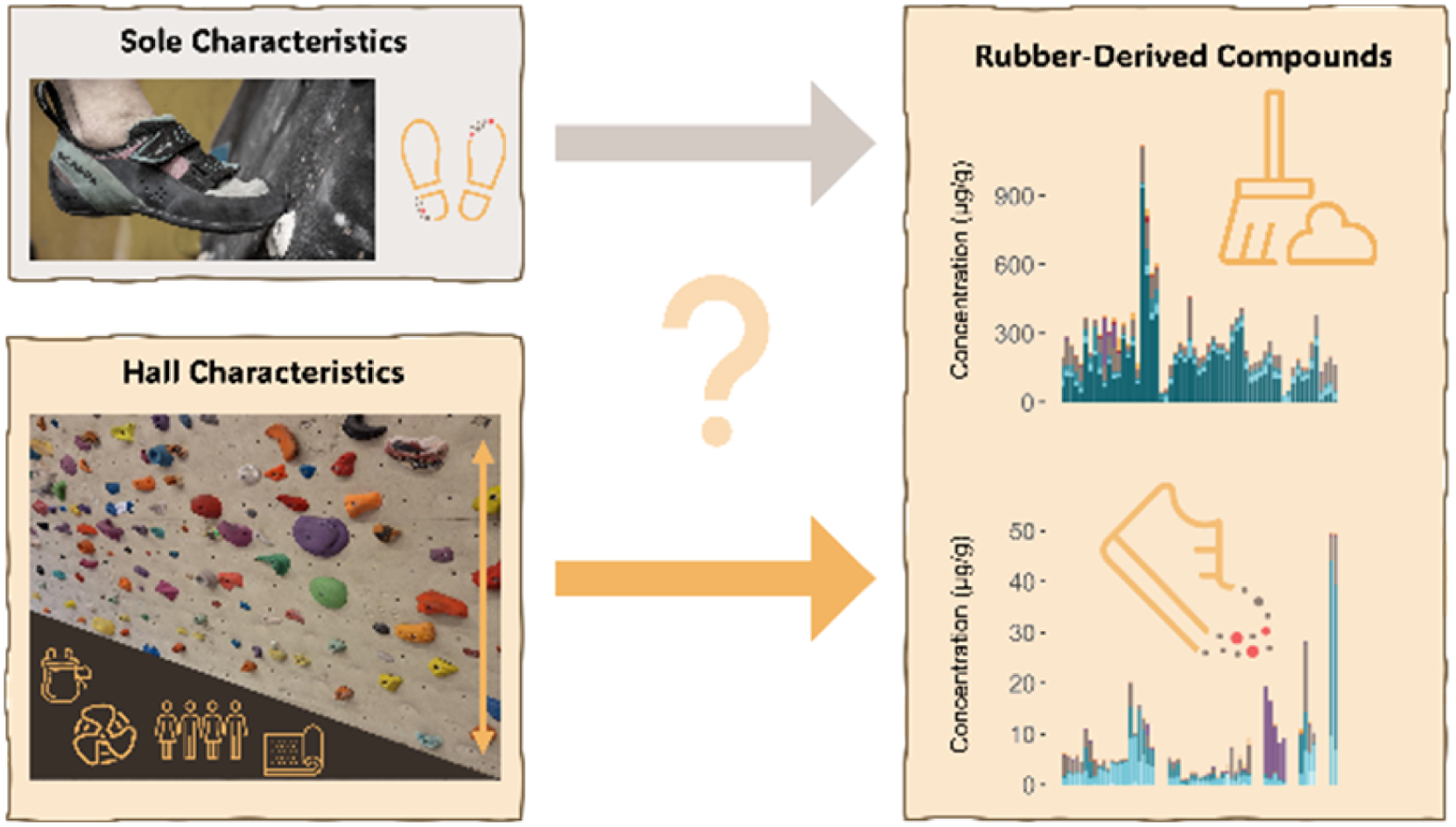
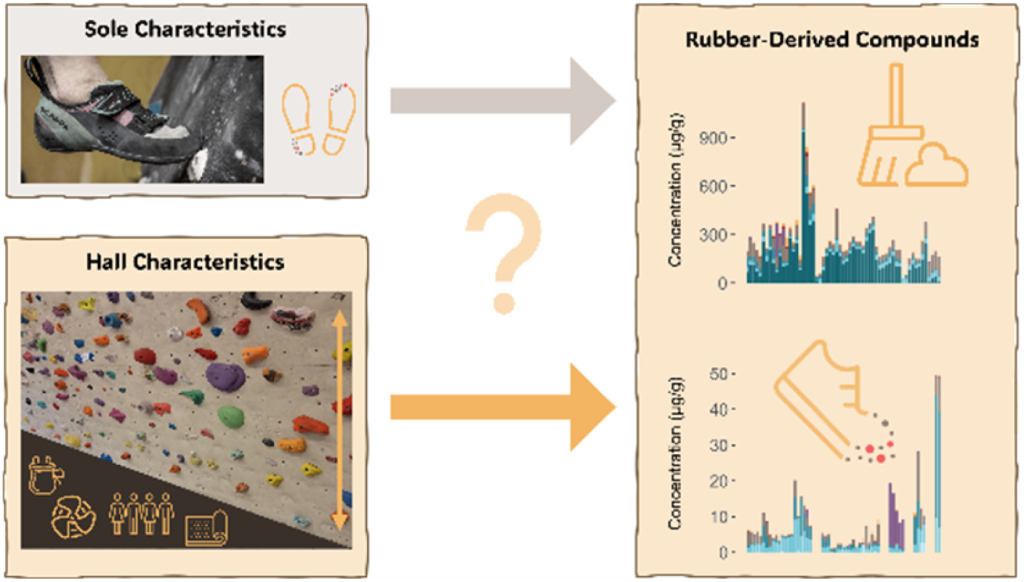
| Minor influence of climbing hall characteristics on rubber-derived compound contamination highlights a need for material-level solutions
Anya Sherman, Laura Lotteraner, Leah K. Maruschka, Thilo Hofmann*
Environ. Sci.: Processes Impacts 2026; 28 (2): 468–480. https://doi.org/10.1039/d5em00812c |
 |