Meet Our Authors – September 2013 issue of NJC

Let’s meet the people behind the papers! This month, two authors kindly took some time to answer a few questions for us.

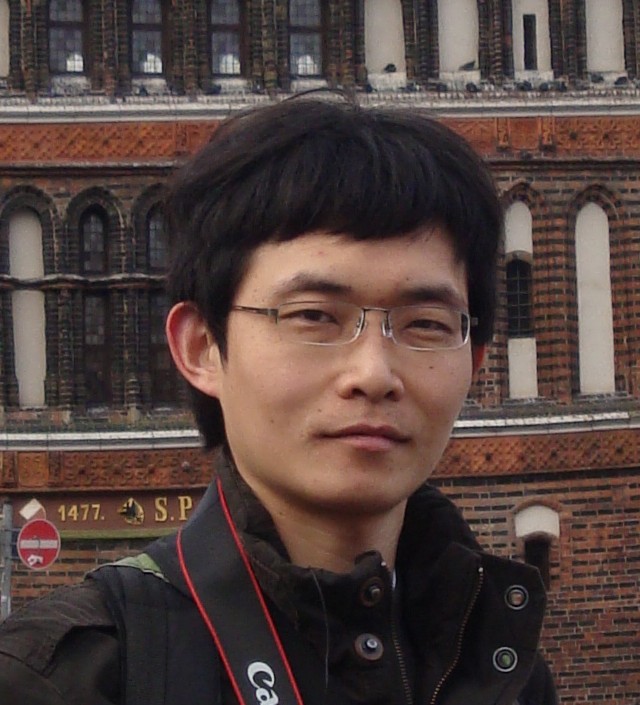
Our first author is Yasuhiro Shiraishi who is Associate Professor at the Research Center for Solar Energy Chemistry of Osaka University (Japan). Yasuhiro’s research interests are focused on the design of photocatalysts for selective organic transformations and fluorescent molecular devices driven by light.

The article by Yasuhiro and his co-authors reports the synthesis of a spiropyran-cholesterol that undergoes reversible color and phase transitions upon heat and light stimuli. These properties were successfully applied to the creation of a material for information storage, easily writable and erasable by simple light irradiation.

The interdisciplinary nature of the work, involving polymer chemistry and photochemistry made NJC a logical choice in the authors’ eyes.

Besides being a research scientist, Yasuhiro’s dream job would be professional footballer. And not surprisingly, his primary focus outside of the lab is to raise his two boys to be as good footballers as Leo Messi.

“Spiropyran–cholesterol conjugate as a photoresponsive organogelator” Shigehiro Sumiya, Yasuhiro Shiraishi and Takayuki Hirai New J. Chem., 2013, 37, 2642-2647. DOI: 10.1039/C3NJ00322A
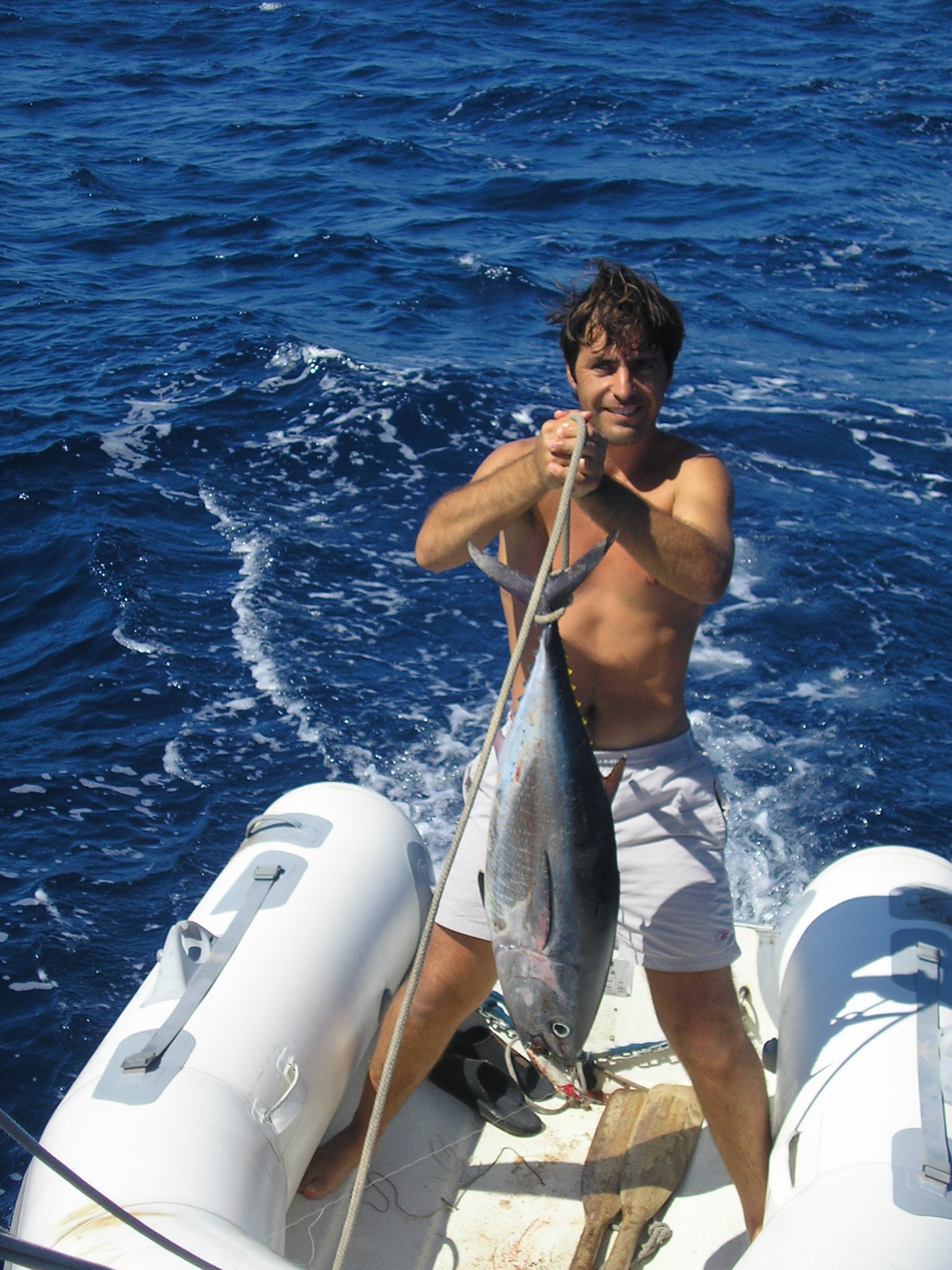
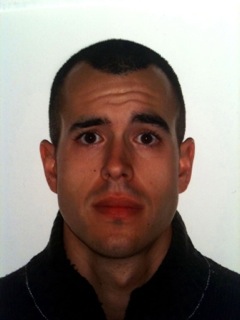
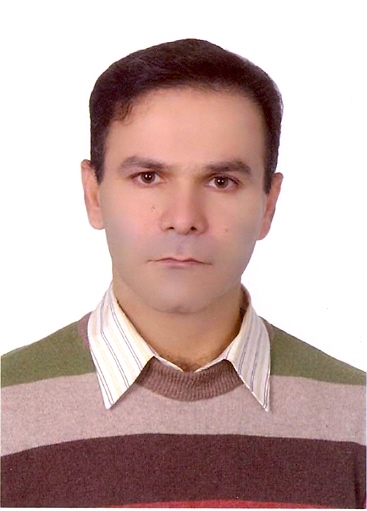
Antonio Frontera is Full Professor of Organic Chemistry in the Department of Chemistry at the Universitat de les Illes Balears (Spain). His research is in the field of Theoretical Chemistry, with an emphasis on the study of non covalent interactions.

About his paper, Antonio commented: “Seventeen years ago, pi-facial interactions were described by John D. Woolins and coworkers in thiotrithiazylium salts. Their pioneering work can be considered as the birth of the nowadays well recognized anion–pi interaction and the research published in our manuscript on this topic is dedicated to them.”

The authors chose NJC to publish this research work because the journal is addressed to a cross-disciplinary and wide readership.

Playing basketball in wintertime and fishing in summertime are Antonio’s favorite activities besides chemistry (see the photo: nice catch!). If he could not be a scientific investigator, Antonio would be a private investigator.

“Anion–π interactions in [S4N3]+ rings” Antonio Bauzá, David Quiñonero, Pere M. Deyà and Antonio Frontera New J. Chem., 2013, 37, 2636-2641. DOI: 10.1039/C3NJ00424D

To stay up-to-date with the latest NJC news, sign up to its NJC Blog RSS.

Digg This
Reddit This
Stumble Now!
Share on Facebook
Bookmark this on Delicious
Share on LinkedIn
Bookmark this on Technorati
Post on Twitter
Google Buzz (aka. Google Reader)

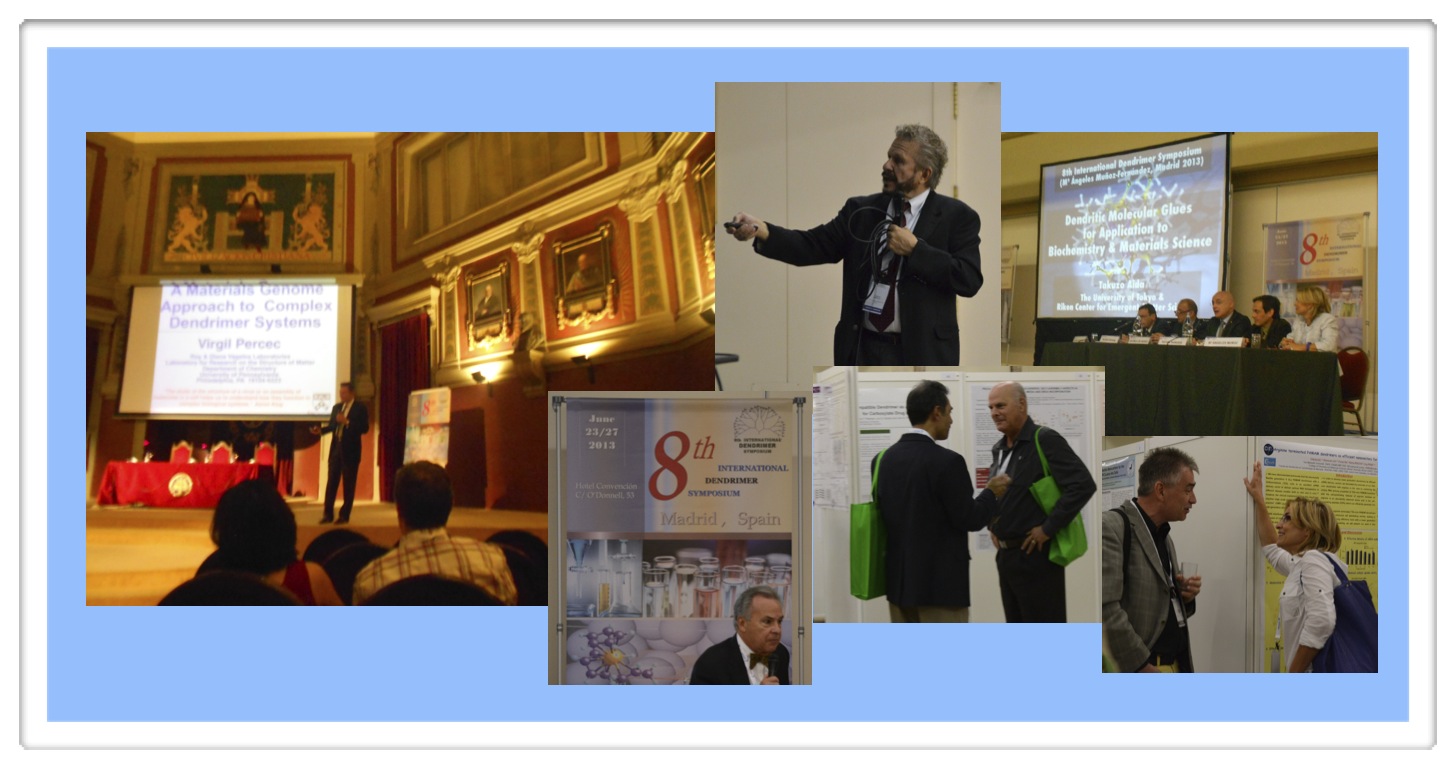
Highlights of the 8th International Dendrimer Symposium

Dr Ling Peng reports on the IDS-8 meeting, held in Madrid last June.

The 8th International Dendrimer Symposium was successfully held in Madrid on June 23–27 with Prof. Maria Angeles Muñoz-Fernandez as the chair. More than 200 scientists from all over the world participated in IDS-8 to present their latest achievements in dendrimer science.

The meeting opened with the “Ramon Areces” welcome lecture delivered by Prof. Virgil Percec, who depicted a fascinating material genome approach to construct complex dendrimer systems. Using dendritic motifs to create different types of fractal patterns was nicely exemplified by Prof. George Newkome, whereas capitalization on new strategies for dendrimer synthesis was the main focus in the lecture of Prof. René Roy. Prof. Dieter Schlüter reported the synthesis and characterization as well as discontinuities in dendronized polymers, whereas Dr. Anil Patri presented lessons learned from preclinical assessment of dendrimers.

Prof. Donald Tomalia gave a vivid and brief overview on the development of dendrimer science and focused in particular on the dendritic effects, which were further discussed in the lectures of Dr. Anne-Marie Caminade and Dr. Takuzo Aida. The meeting ended with the closing lecture of Dr. Jean-Pierre Majoral, who discussed the dendrimer space in nanomedicine and foresaw a bright future for dendrimers in therapeutic applications.

Poster prizes provided by several sponsors, including NJC, were awarded just before this closing lecture. The NJC laureats were profiled in an earlier post.

It is to note that, beside the excellent scientific program, there was a fantastic social program with a visit of the Prado museum and the Real Madrid stadium as well as the flamenco gala evening.

The next IDS meeting will be hosted by René Roy in Montreal, Canada in 2015. NJC will be there and we look forward to another excellent conference in the fascinating field of dendrimers.

Snapshots from the conference (courtesy of the organizers), including at far left the opening lecture by Virgil Percec (photo courtesy of Don Tomalia).

Digg This
Reddit This
Stumble Now!
Share on Facebook
Bookmark this on Delicious
Share on LinkedIn
Bookmark this on Technorati
Post on Twitter
Google Buzz (aka. Google Reader)

Visit September’s issue of NJC.

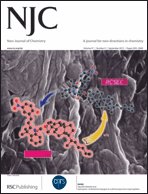
An article by Antonio Frontera and co-workers (Universitat de les Illes Baleares, Palma de Mallorca, Spain) features on this month’s front cover. In this article, the authors report a theoretical study and Cambridge Structural Database (CSD) analysis of the anion–π binding ability of thiotrithiazyl salts. The anion–π interaction was noticed and described by Woolins and co-workers prior to the original theoretical studies where it was defined and characterized. Therefore, one aim of this manuscript is also to recognize and highlight the manuscript reported by Woolins and co-workers seventeen years ago.

Anion–π interactions in [S4N3]+ rings, Antonio Bauzá, David Quiñonero, Pere M. Deyà and Antonio Frontera, New J. Chem., 2013, 37, 2636-2641 DOI: 10.1039/C3NJ00424D (Article).

The inside cover was produced by Yasuhiro Shiraishi and co-workers (Osaka University, Toyonaka, Japan), presenting a spiropyran–cholesterol conjugate that behaves as a photoresponsive organogelator and is applicable as a material for information storage writable/erasable by light stimuli.

Spiropyran–cholesterol conjugate as a photoresponsive organogelator, Shigehiro Sumiya, Yasuhiro Shiraishi and Takayuki Hirai, New J. Chem., 2013, 37, 2642-2647 DOI: 10.1039/C3NJ00322A (Article).

Take your pick amongst the 7 letters and 38 full papers that composed this issue of September here.

Digg This
Reddit This
Stumble Now!
Share on Facebook
Bookmark this on Delicious
Share on LinkedIn
Bookmark this on Technorati
Post on Twitter
Google Buzz (aka. Google Reader)

Meet Our Authors – August Issue 2013

Two authors of NJC’s August issue are interviewed for this month’s Meet our Authors feature.

Our first author is Dr. Faina Gelman, who is researcher at the Institute of Geological Survey of Israel, The Hebrew University of Jerusalem. Her current research interests are environmental chemistry and stable isotope analysis. She particularly focuses on development of new analytical tools for stable isotope analysis and their applications for understanding chemical and biochemical transformations of organic compounds.

In their NJC paper, Faina with her colleagues demonstrated determination of bromine kinetic isotope effect on Grignard reagent formation –one of the fundamental reactions of brominated organics. ” Since our work combines novel analytical, theoretical and organic chemistry approaches, we wanted to submit it to a more general-focused journal, such as NJC is, from our point of view” commented on choosing NJC.

And what contemporary scientific issue is she most concerned about: “I am very much concerned about environmental pollution and would like to find an efficient way to treat this problem “she replied. Besides her research activity, Faina likes to spend time with her family.

Bromine kinetic isotope effects: insight into Grignard reagent formation by Lukasz Szatkowski, Agnieszka Dybala-Defratyka, Charlie Batarseh, Jochanan Blum, Ludwik Halicz and Faina Gelman ; New J. Chem., 2013, 37, 2241-2244; DOI: 10.1039/C3NJ00197K.

The second author is Jürg Hulliger, who is a Professor of chemistry at the University of Berne, Switzerland. His research interest centers on Crystal growth, properties and solid state theory. His contribution to this month’s issue is Focus article that reviews on polar properties of solid molecular matter.”Here we review basic theoretical views on growth induced polarity in molecular crystals giving also all known experimental examples we have by today, which domonstrate polarity Formation. ”

If Jürg could solve any scientific problem, it would be: “Constructing equipment being able to say : a small Crystal of the size of a few 100 nm is (i) superconductive, (ii) is composed of these elements and (iii) shows this crystal structure. Such an Equipment may be used to analyze your combinatorial ceramic samples.”

In the non-lab world, Jürg is fascinated by interior decoration in the style of the 18th century, renovation of antics and art.

A stochastic principle behind polar properties of condensed molecular matter by Jürg Hulliger, Thomas Wüst, Khadidja Brahimi, Matthias Burgener and Hanane Aboulfadl  New J. Chem., 2013, 37, 2229-2235 DOI: 10.1039/C3NJ40935J

We thanks to Faina and Jürg for accepting our invitation to talk about themselves and their work!

Digg This
Reddit This
Stumble Now!
Share on Facebook
Bookmark this on Delicious
Share on LinkedIn
Bookmark this on Technorati
Post on Twitter
Google Buzz (aka. Google Reader)

Three young chemists honoured at the 8th International Dendrimer Symposium

NJC Poster Prizes were given to young researchers from Germany, Spain and the US at the IDS8 meeting held in Madrid last June.

New Journal of Chemistry sponsored 3 poster prizes at the 8th International Dendrimer Symposium that took place this summer in Madrid, continuing its support of this series of symposia and the dendrimer community in general.

Guang Zhang is a 2nd year Ph.D. student in the group of Klaus Müllen at the MPI for Polymer Research in Mainz, Germany. He is conducting research on polyphenylene dendrimers and their applications for fluorescent blue light emitting diodes. Zhang’s poster reported G1 and G2 dendrimers having triphenylamine on the surface and pyrene in the core, which showed promising properties as blue OLED materials. Guang’s reaction to winning the NJC Poster Prize: “It is a great honor for me to receive the prize. It’s also a big surprise that I can have access to NJC for free for one year.”

Surface Functionalized Polyphenylene Dendrimers for Deep Blue Light  Emitting Diodes
G. Zhang, M. Baumgarten, R. Trattnig, M. Auer, E. J. W. List, K. Müllen

The winner from Spain is Javier Sánchez, who currently is a postdoctoral fellow at the Instituto de Investigación Sanitaria Gregorio Marañón, where he also carried out his Ph.D. research in the group of María Ángeles Muñoz Fernández.  The focus of Javier’s research is anti-HIV activity, but always with an eye to the potential clinical applications. He explains: “I always try to elucidate the mechanisms by which the different dendrimers behave as they do on the HIV-1 cycle.” The research presented at the conference looked at the anti-HIV activity of different carbosilane dendrimers. After development of the dendrimers they were tested using toxicity assays, inflammatory cytokines induction, HIV infection and cell phenotyping by flow cytommetry. This has led to a dendrimer that as a microbicide has anti-HIV activity for different HIV viral strains.

Anti-HIV Activity of Thiol-Ene Carbosilane Dendrimers and Potential Topical Microbicide
J. Sánchez-Rodríguez, L. Díaz, M. Galán, M. Maly, R. Gómez, F. J. de la Mata, J. L. Jiménez, M. A. Muñoz- Fernández

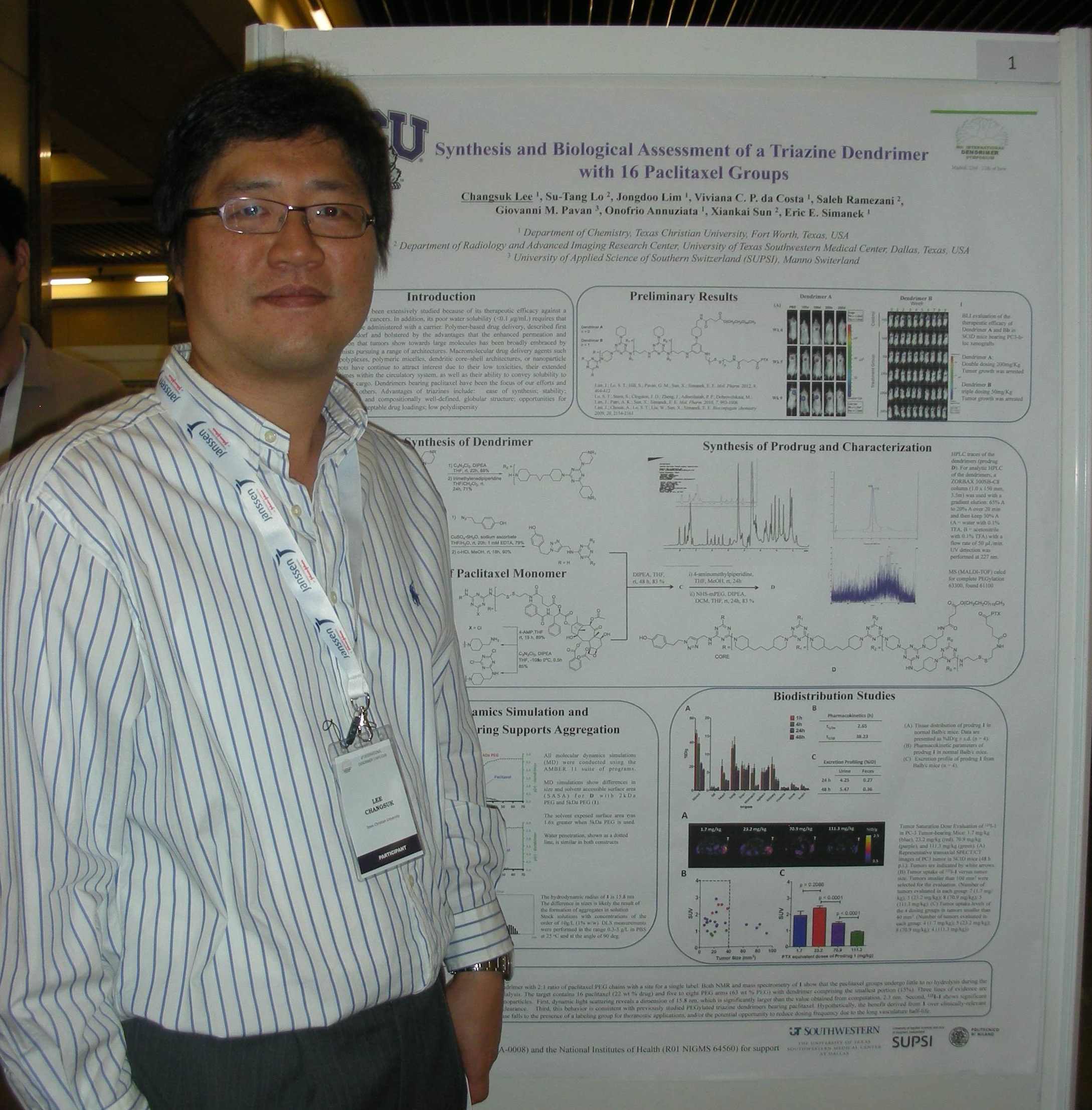
The 3rd winner is from the group of Eric Simanek at Texas Christian University in the USA. Changsuk Lee is now a postdoctoral fellow, after having obtained his Ph.D. under the direction of Daniel Romo at Texas A&M University in 2010. Changsuk works towards the development of drug delivery vehicles by using various sizes and shapes of dendrimers; to date triazine dendrimers are the best delivery vehicles among others tested. The winning poster covered the synthesis of a prodrug platform with paclitaxel, its biodistribution, mice efficacy testing, and molecular dynamic simulations.

Synthesis and Biological Assessment of a Triazine Dendrimer with 16 Paclitaxel Groups
C. Lee, S.-T. Lo, J. Lim, V. C. P. da Costa, S. Ramezani, G. M. Pavan, O. Annuziata, X. Sun, E. E. Simanek

Congratulations to all 3 winners, who received a certificate, RSC book and a one-year NJC subscription.

Digg This
Reddit This
Stumble Now!
Share on Facebook
Bookmark this on Delicious
Share on LinkedIn
Bookmark this on Technorati
Post on Twitter
Google Buzz (aka. Google Reader)

Your Vacation Reading from NJC

Highlights of New Journal of Chemistry’s August issue include a Focus review by Jürg Hulliger.

The August issue of New Journal of Chemistry contains 50 articles for your summer reading enjoyment.

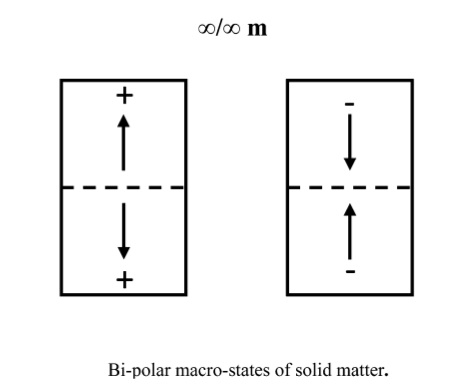
Bi-polar states of solid matter.

Among the highlights of this issue, don’t miss the latest Focus review, by the group of Jürg Hulliger at the University of Bern in Switzerland. Using condensed matter theory, the key message that molecular solids can end up in bi-polar states has implications for tissue formation, function and repair. This is an interesting example of how findings in one field might lead to breakthroughs in a very different field.

A stochastic principle behind polar properties of condensed molecular matter by Jürg Hulliger, Thomas Wüst, Khadidja Brahimi, Matthias Burgener and Hanane Aboulfadl, New J. Chem., 2013, 37, 2229-2235. DOI: 10.1039/C3NJ40935J

Cover for the work of Mikata et al.

The outside and inside front covers feature highly ranked works. This month the striking outside front cover was proposed by the group of Yuji Mikata from Nara Women’s University in Japan. They achieved OFF-ON, ratiometric or ON-OFF responses towards mercury and iron cations by modifying the substitution pattern on their basic molecular skeleton.

Thioether-tethered bisquinoline derivatives as fluorescent probes for mercury(II) and iron(III) ions by Yuji Mikata, Fumie Nakagaki and Kaori Nakanishi, New J. Chem., 2013, 37, 2236-2240. DOI: 10.1039/C3NJ00233K

Cover for the work of Andruh and collaborators.

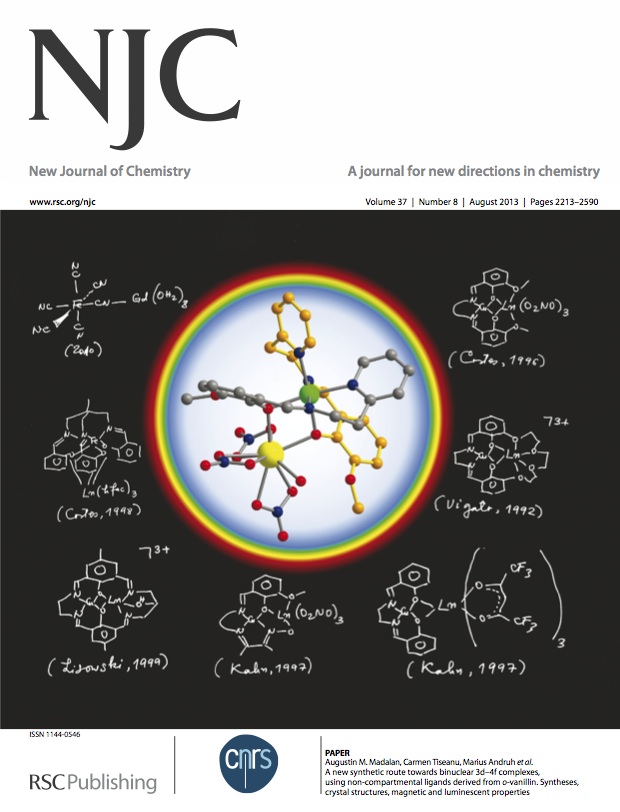
A collaborative effort by several groups in Romania and France is featured on the inside front cover. They determined the crystal structures and studied the magnetic and photophysical properties of sixteen 3d–4f Schiff-base complexes. The interaction between the two metal ions lead to interesting effects on the properties.

A new synthetic route towards binuclear 3d–4f complexes, using non-compartmental ligands derived from o-vanillin. Syntheses, crystal structures, magnetic and luminescent properties by Masood Sarwar, Augustin M. Madalan, Carmen Tiseanu, Ghenadie Novitchi, Catalin Maxim, Gabriela Marinescu, Dominique Luneau and Marius Andruh, New J. Chem., 2013, 37, 2280-2292. DOI: 10.1039/C3NJ00199G

Stay abreast of the latest research with NJC! Sign up for the free E-Alert to get the table of contents in your mailbox each month.

Digg This
Reddit This
Stumble Now!
Share on Facebook
Bookmark this on Delicious
Share on LinkedIn
Bookmark this on Technorati
Post on Twitter
Google Buzz (aka. Google Reader)

Meet Our Authors from the July 2013 issue of NJC

Authors from Italy, Iran and Chile were interviewed for the latest issue of New Journal of Chemistry.

Professor at the University of Milan

Angelo enjoying a hearty meal.

Our first featured author is (retired) Professor Angelo Gavezzotti of the University of Milan (Italy), working in the broad area of the physical chemistry of solid state materials.

Angelo is no stranger to NJC; after publishing several articles in the first years of the journal, when it was still known as Nouveau Journal de Chimie, he has recently returned as an author. In his article published in the July issue, he goes from static crystallography to the evolution and dynamics in organic crystals studied by computer simulation. This 5-year project included force field development and the writing of a new Monte Carlo simulation code, both of which had to be calibrated to organic crystals. The application of an order parameter bias to the MC code allowed it to be used to study dynamics and crystallisation.

Angelo Gavezzotti's favorite place

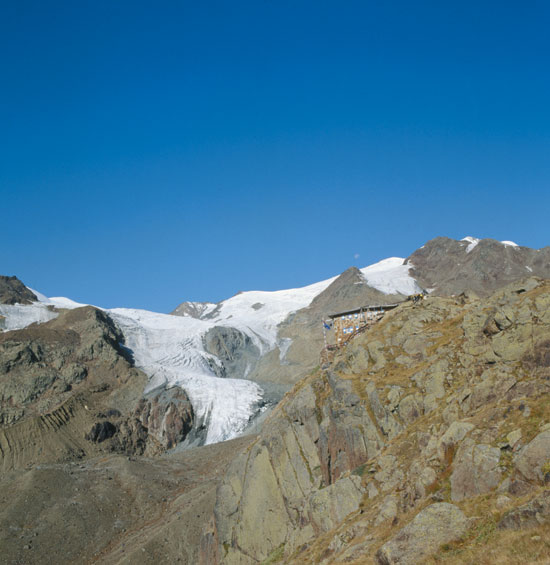
Angelo's favorite place in the Trentino

Equilibrium structure and dynamics of organic crystals by Monte Carlo simulation: critical assessment of force fields and comparison with static packing analysis” by Angelo Gavezzotti, New J. Chem., 2013, 37, 2110-2119. DOI: 10.1039/C3NJ00181D

To show us his favourite place on earth, Angelo didn’t look far: it is the Rifugio Larcher al Cevedale in the Trentino region of Italy.

Professor at Lorestan University

Mohsen Adeli

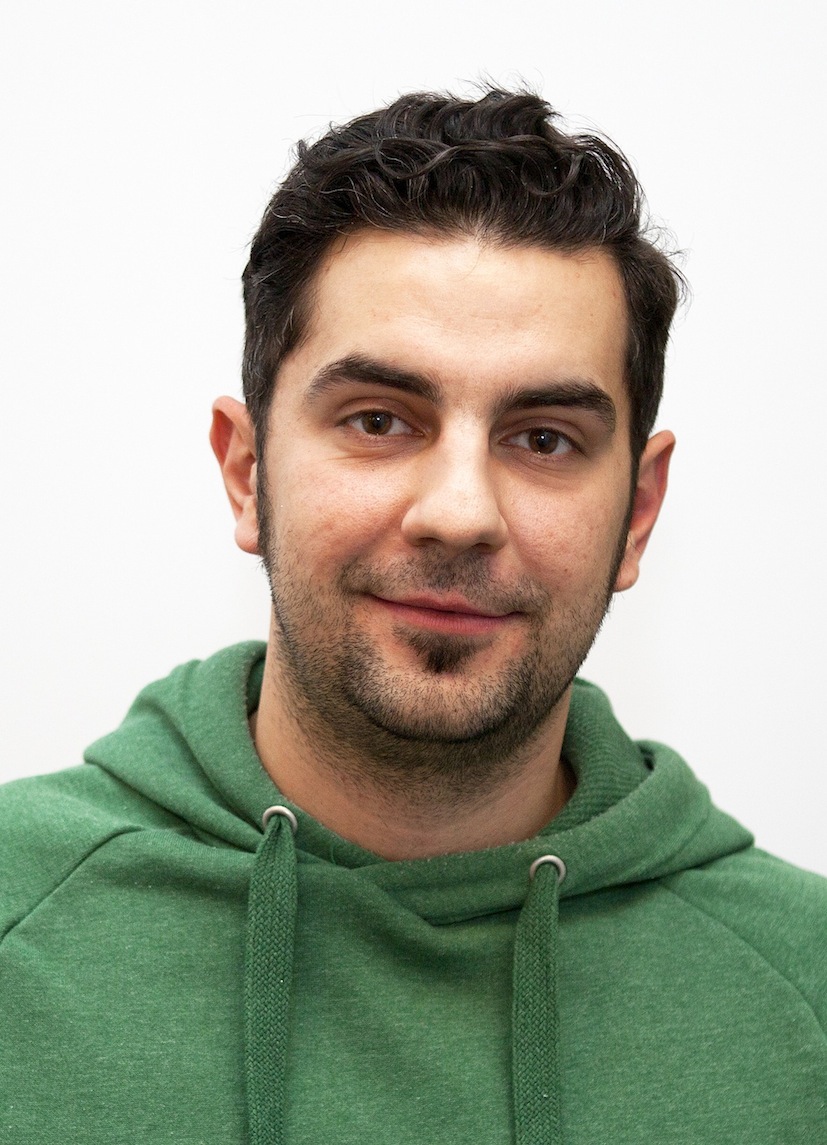
Our next guest is Professor Mohsen Adeli, who is in the chemistry department of Lorestan University in Khoramabad (Iran). His research deals with the organic chemistry and synthesis of nano materials applied to nanomedecine.

In his NJC Letter, short carbon nanotubes have been connected together using dendritic copolymers to produce very long and flexible CNTs. This process seems to be a promising strategy to avoid the fibrosis-like hazards of carbon nanotubes

Preparation of long supramolecular carbon nanotubes” by Mohsen Adeli, Ebrahim Mehdipour and Siamak Beyranvand, New J. Chem., 2013, 37, 1871-1873. DOI: 10.1039/C3NJ41156G

Our last author is Verónica Paredes-Garcia, who is in the Chemical Sciences Department of the University Andres Bello in Santiago (Chile). Her research activities are focused on the synthesis, structural and magnetic characterization of polymetallic systems based on carboxylate ligands and transition metal ions, with a recent emphasis on polyfunctional 3d-4f inorganic materials.

The contribution from the research group in which Verónica works correlates the structural characteristics and magnetic properties of an iron 3D network compound, showing the contribution of basic science to the design of new metal-containing materials. The research was motivated by the fact that solvothermal synthesis allows materials with new and fascinating topologies and novel properties to be obtained.

Professor at the University Andres Bello

Véronica on a recent trip to Easter Island

Structural and magnetic characterization of the tridimensional network [Fe(HCO2 )3]n·nHCO2H” by Verónica Paredes-García, Ignacio Rojas, Rosa Madrid, Andres Vega, Efrén Navarro-Moratalla, Walter Cañón-Mancisidor, Evgenia Spodine and Diego Venegas-Yazigi. New J. Chem., 2013, 37, 2120-2127. DOI: 10.1039/C3NJ00023K

Verónica likes to travel all over the world: she qualifies Isla de Pascua (Easter Island) as an amazing place that merits a visit.

Thanks to Véronica, Mohsen and Angelo for taking a few minutes to talk about themselves and their work!

Digg This
Reddit This
Stumble Now!
Share on Facebook
Bookmark this on Delicious
Share on LinkedIn
Bookmark this on Technorati
Post on Twitter
Google Buzz (aka. Google Reader)

NJC poster prize at 5th ECCLS

We are delighted to present the recent poster prizes awarded at the 5th European Conference on “Chemistry for Life Sciences” (5th ECCLS) in Barcelona, that gathers an ensemble of scientists at the crossroads between chemistry, biology, biophysics and material science.

Two young scientists Montserrat Serra-Batiste and Sven Hofmann received NJC Poster Prizes that reward creative and multidisciplinary research works in the chemical sciences.

Montserrat Serra-Batiste is a postdoctoral researcher in the group of the Prof. Ernest Giralt at the Institute for Research in Biomedicine, Barcelona (Spain) working under the supervision of Dr. Natàlia Carulla since September 2010.

Montserrat’s winning poster dealt with well-defined Aß42 oligomers in a biomimetic membrane environment. The idea project started with the idea of Dr Natàlia Carulla of stabilizing Aß oligomers by using an environment similar to what this peptide have in vivo. Different conditions have been testing by different techniques in order to get a stable and homogeneous preparation of Aß oligomers. As a result, an Aß42 hexamer (named (Aß42)6Membrane) has been stabilized which adopts extensive ß-sheet secondary structure and exhibits specific Aß42-Aß42 interactions. Preparation of (Aß42)6Membrane should open the possibility to explore more in deep the role of Aß oligomers in Alzheimer’s disease.

Her future plans include working with Natàlia to characterize the structure and the biological relevance of this Aß42 hexamer and contribute in solving the puzzle of Alzheimer’s disease. Besides research activities Montserrat loves cooking and dancing.

The award-winning poster of Sven Hofmann was entitledCarbaboranes in Short Neuropeptide Y Analogs – Redirecting BiologicalActivity”. Carbaboranes are icosahedral boron-carbon clusters mimicking phenyl rings. In particular, they present a three-dimensional hydrophobic structure and are capable of providing a special type of hydrogen bonding, the so-called proton-hydride bonding. Their unique chemical properties are perfectly suited for improving the biological activity of small bioactive molecules but also of peptide analogs.

Sven is a graduate student working in the research group of Prof. Annette G. Beck-Sickinger at the University of Leipzig, Leipzig (Germany) since October 2010. Working in the field of chemical modification of peptides to gain receptor subtype selectivity and biological stability, he especially focuses on the synthesis of short functionalized peptide ligands as selective diagnostic and therapeutic tools.

His future plans are not fixed yet. However, he will finish his Ph.D. in 2014 and he will apply for a postdoctoral research position abroad. Outside of the lab, Sven’s favorite activities are running, cycling, athletic sport challenges and travelling.

The two laureates received a one-year subscription to the journal and a RSC book. Our thanks go to the organizers of the conference for their help in organizing these awards, and our deep gratitude to all of the senior scientists who served on the jury to select the two following winners:

NJC wishes them continuing success in their research!

A list of all previous NJC Poster Prize winners can be found here.

Digg This
Reddit This
Stumble Now!
Share on Facebook
Bookmark this on Delicious
Share on LinkedIn
Bookmark this on Technorati
Post on Twitter
Google Buzz (aka. Google Reader)

Top ten most accessed articles from April – June 2013

During the months April – June, the following articles are in the Top Ten most accessed:-

1,1′-Diamino-5,5′-azotetrazole: a nitrogen rich compound 
Fang Li, Xiaomin Cong, Zhiming Du, Chunlin He, Linshuang Zhao and Lingqiao Meng   
New J. Chem., 2012,36, 1953-1956 
DOI: 10.1039/C2NJ40109F     

Immobilized Cu(ii) and Co(ii) salen complexes on graphene oxide and their catalytic activity for aerobic epoxidation of styrene 
Zhifang Li, Shujie Wu, Hong Ding, Dafang Zheng, Jing Hu, Xu Wang, Qisheng Huo, Jingqi Guan and Qiubin Kan 
New J. Chem., 2013,37, 1561-1568 
DOI: 10.1039/C3NJ00099K     

Towards nanoscaled gold phosphides: surface passivation and growth of composite nanostructures 
Sophie Carenco, Ileana Florea, Ovidiu Ersen, Cédric Boissière, Nicolas Mézailles and Clément Sanchez   
New J. Chem., 2013,37, 1231-1237 
DOI: 10.1039/C3NJ41037D    

A colorimetric and fluorescent chemosensor for copper ions in aqueous media and its application in living cells 
Huan-Huan Wang, Lin Xue, Zhang-Jian Fang, Guo-Ping Lia and Hua Jiang  
New J. Chem., 2010,34, 1239-1242 
DOI: 10.1039/C0NJ00168F     

Facile synthesis of ultrafine CoSn2 nanocrystals anchored on graphene by one-pot route and the improved electrochemical Li-storage properties 
Bin Feng, Jian Xie, Gao-Shao Cao, Tie-Jun Zhu and Xin-Bing Zhao   
New J. Chem., 2013,37, 474-480 
DOI: 10.1039/C2NJ40894E    

MOFs, MILs and more: concepts, properties and applications for porous coordination networks (PCNs) 
Christoph Janiak and Jana K. Vieth   
New J. Chem., 2010,34, 2366-2388 
DOI: 10.1039/C0NJ00275E     

One-pot hydrothermal synthesis of graphene quantum dots surface-passivated by polyethylene glycol and their photoelectric conversion under near-infrared light 
Jianhua Shen, Yihua Zhu, Xiaoling Yang, Jie Zong, Jianmei Zhang and Chunzhong Li  
New J. Chem., 2012,36, 97-101 
DOI: 10.1039/C1NJ20658C     

Preparation of graphene–TiO2 composites with enhanced photocatalytic activity 
Kangfu Zhou, Yihua Zhu, Xiaoling Yang, Xin Jiang and Chunzhong Li  
New J. Chem., 2011,35, 353-359 
DOI: 10.1039/C0NJ00623H     

Controlling the morphologies of WO3 particles and tuning the gas sensing properties 
Xiguang Han, Xiao Han, Liang Li and Chao Wang   
New J. Chem., 2012,36, 2205-2208 
DOI: 10.1039/C2NJ40600D     

Exploring hydrogen bonding and weak aromatic interactions induced assembly of adenine and thymine functionalised naphthalenediimides 
Nagarjun Narayanaswamy, M. B. Avinash and T. Govindaraju 
New J. Chem., 2013,37, 1302-1306 
DOI: 10.1039/C3NJ00060E     

 Why not take a look at the articles today and blog your thoughts and comments below.

Fancy submitting an article to New Journal of Chemistry? Then why not submit to us today or alternatively email us your suggestions.

Digg This
Reddit This
Stumble Now!
Share on Facebook
Bookmark this on Delicious
Share on LinkedIn
Bookmark this on Technorati
Post on Twitter
Google Buzz (aka. Google Reader)

NJC’s July issue published

We are delighted to present this month’s issue: you are guaranteed to find articles of relevance to your specialist interests!

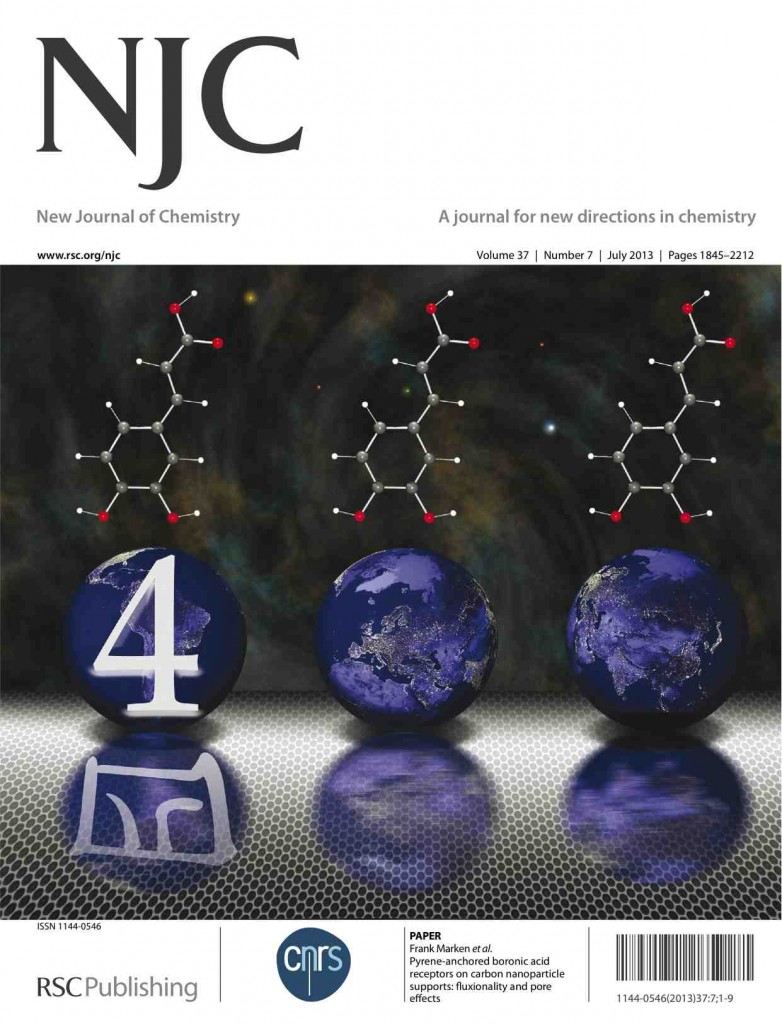
The front cover this month highlights a collaborative research effort between groups at the University of Bath (UK), the University of Birmingham (UK), and the University of Kitakyushu (Japan). The authors have designed a novel electrochemically active sensor film based on pyrene-appended boronic acids on carbon nanoparticles. Peak responses with sensitivity to caffeic acid in the micro-molar range were observed.

Pyrene-anchored boronic acid receptors on carbon nanoparticle supports: fluxionality and pore effects by Katherine Lawrence, Tomoki Nishimura, Peter Haffenden, John M. Mitchels, Kazuo Sakurai, John S. Fossey, Steven D. Bull, Tony D. James and Frank Marken, New J. Chem., 2013, 37, 1883-1888. DOI: 10.1039/C3NJ00017F

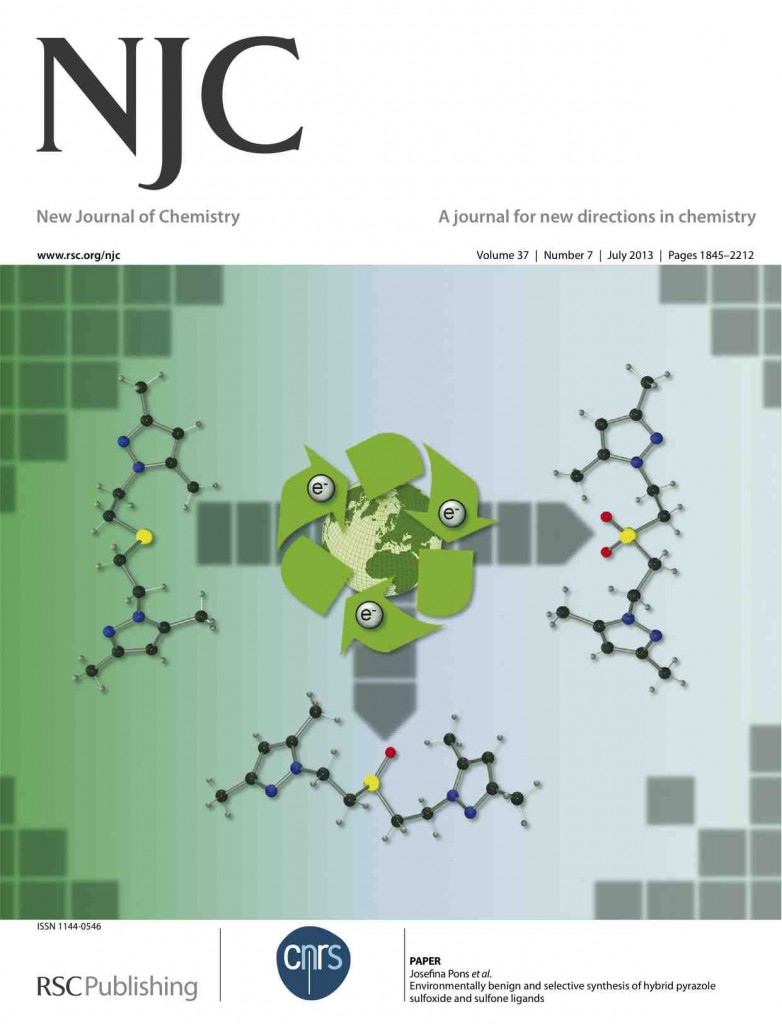
Efficient chemical and electrochemical methodologies for the oxidation of sulfur organic compounds are featured on this month’s inside cover. The group of Josefina Pons at the Universitat Autònoma de Barcelona used these new approches to synthesize sulfoxide and sulfone ligands in good yields.

Environmentally benign and selective synthesis of hybrid pyrazole sulfoxide andsulfone ligands by Antonio de León, Jordi García-Antón, Josep Ros, Gonzalo Guirado, Iluminada Gallardo and Josefina Pons, New J. Chem., 2013, 37, 1889-1894. DOI: 10.1039/C3NJ00161J

You can access and read the whole issue 7 of NJC here.

Don’t miss a single issue of NJC! Sign up for the free E-Alert to get the table of contents in your mailbox each month.

Digg This
Reddit This
Stumble Now!
Share on Facebook
Bookmark this on Delicious
Share on LinkedIn
Bookmark this on Technorati
Post on Twitter
Google Buzz (aka. Google Reader)