

We are delighted to announce George L. Donati as the recipient of the JAAS Emerging Investigator Lectureship 2020. This Lectureship aims to recognise and support an emerging scientist working in the area of atomic spectrometry in the early stages of their independent career.
Introducing George L. Donati, Wake Forest University, USA:
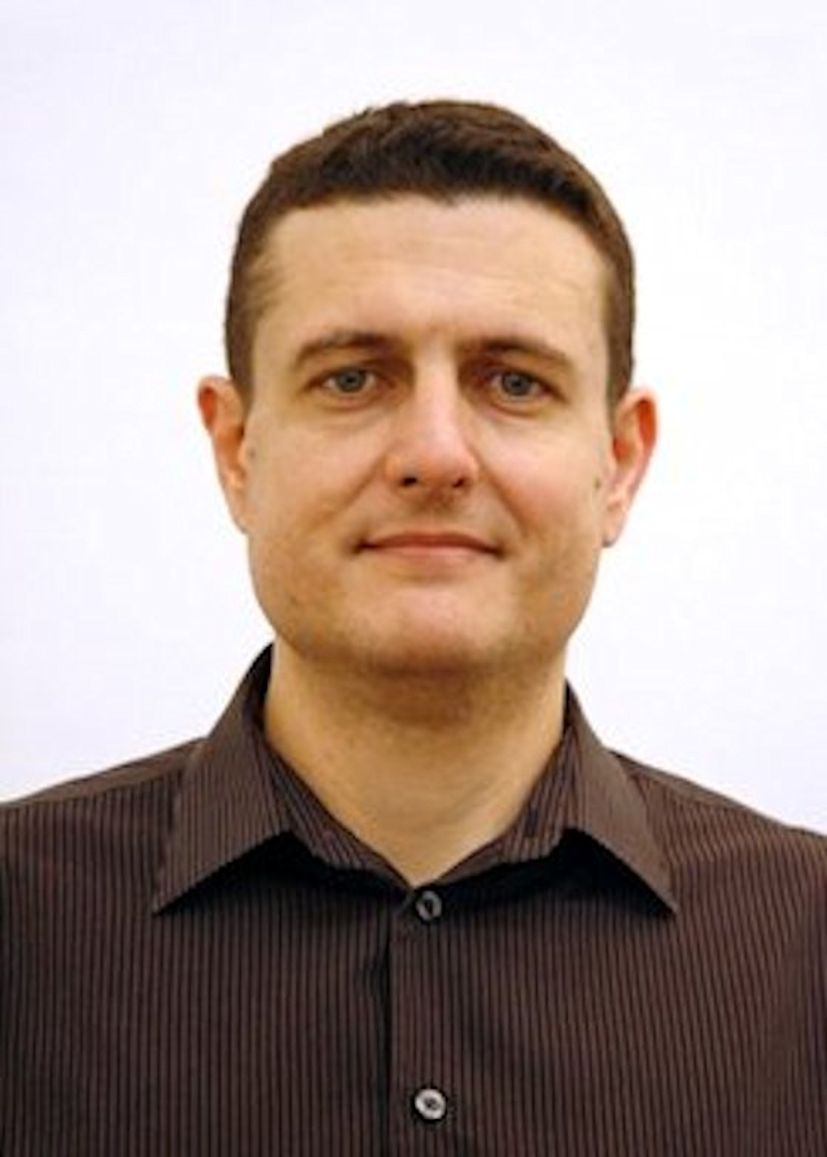
George L. Donati obtained his M.Sc. in Analytical Chemistry from the Federal University of São Carlos (UFSCar, Brazil, 2004), and his Ph.D. in Chemistry from Wake Forest University (WFU, USA, 2010), where he received The American Institute of Chemists’ Outstanding Graduate Student Award. During his postdoctoral fellowship at UFSCar, George contributed to the development of the interference standard method (IFS). He is currently an Associate Research Professor at the Department of Chemistry of Wake Forest University, in Winston-Salem, NC, where he developed the methods of multi-energy calibration (MEC), multi-isotope calibration (MICal), multispecies calibration (MSC) and multi-flow calibration (MFC), and contributed to developing the standard dilution analysis method (SDA). George has supervised three Ph.D. students and several undergraduate students at WFU. He is a member of the editorial advisory board of the Microchemical Journal, has published more than 80 peer-review papers and 3 book chapters, and has given more than 10 talks in international conferences. His research at WFU focus on the development of portable instrumentation and novel calibration methods for spectrochemical analysis, as well as the use of atomic spectrometry and advanced statistical tools to diagnose and understand diseases.


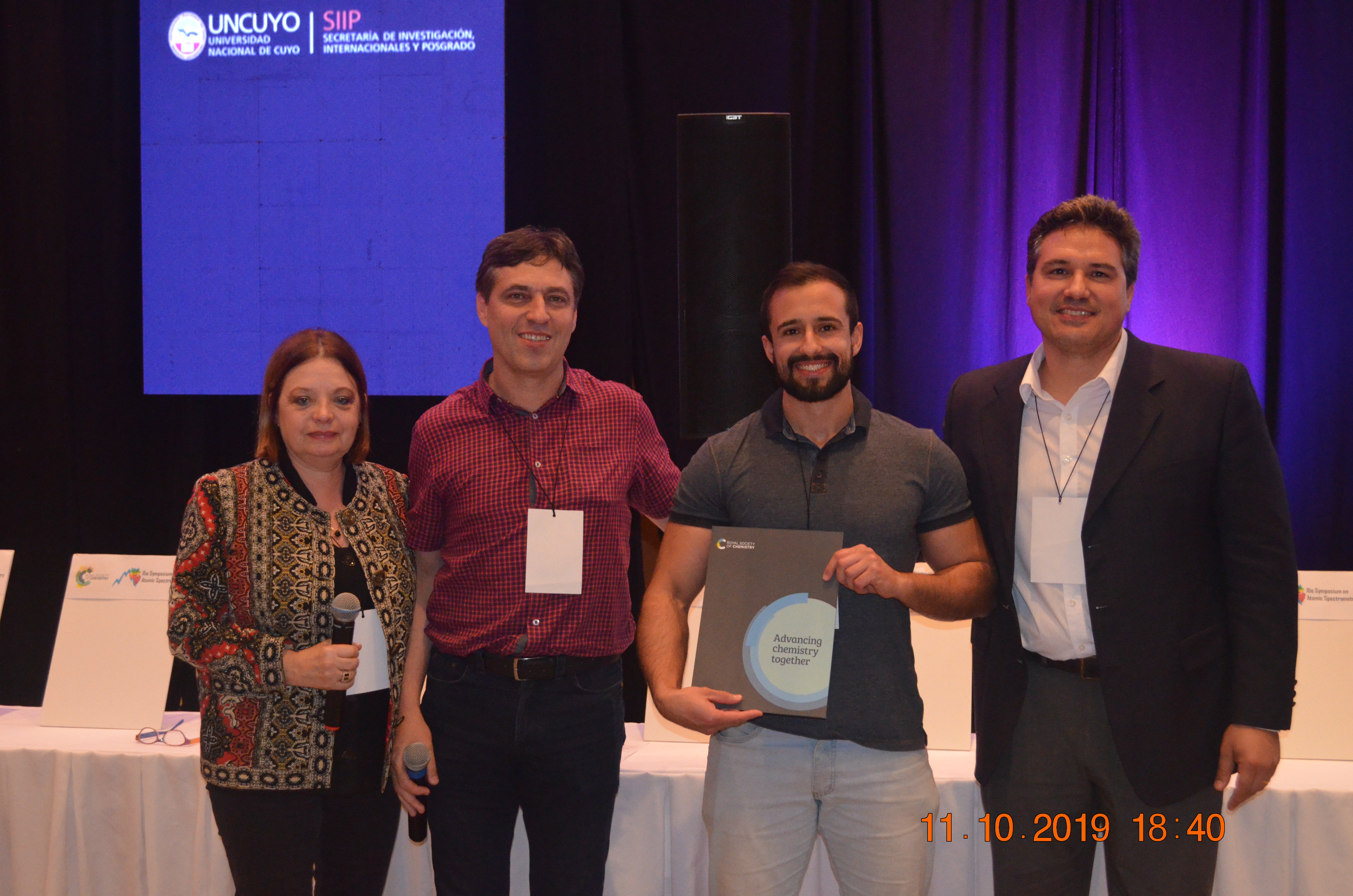
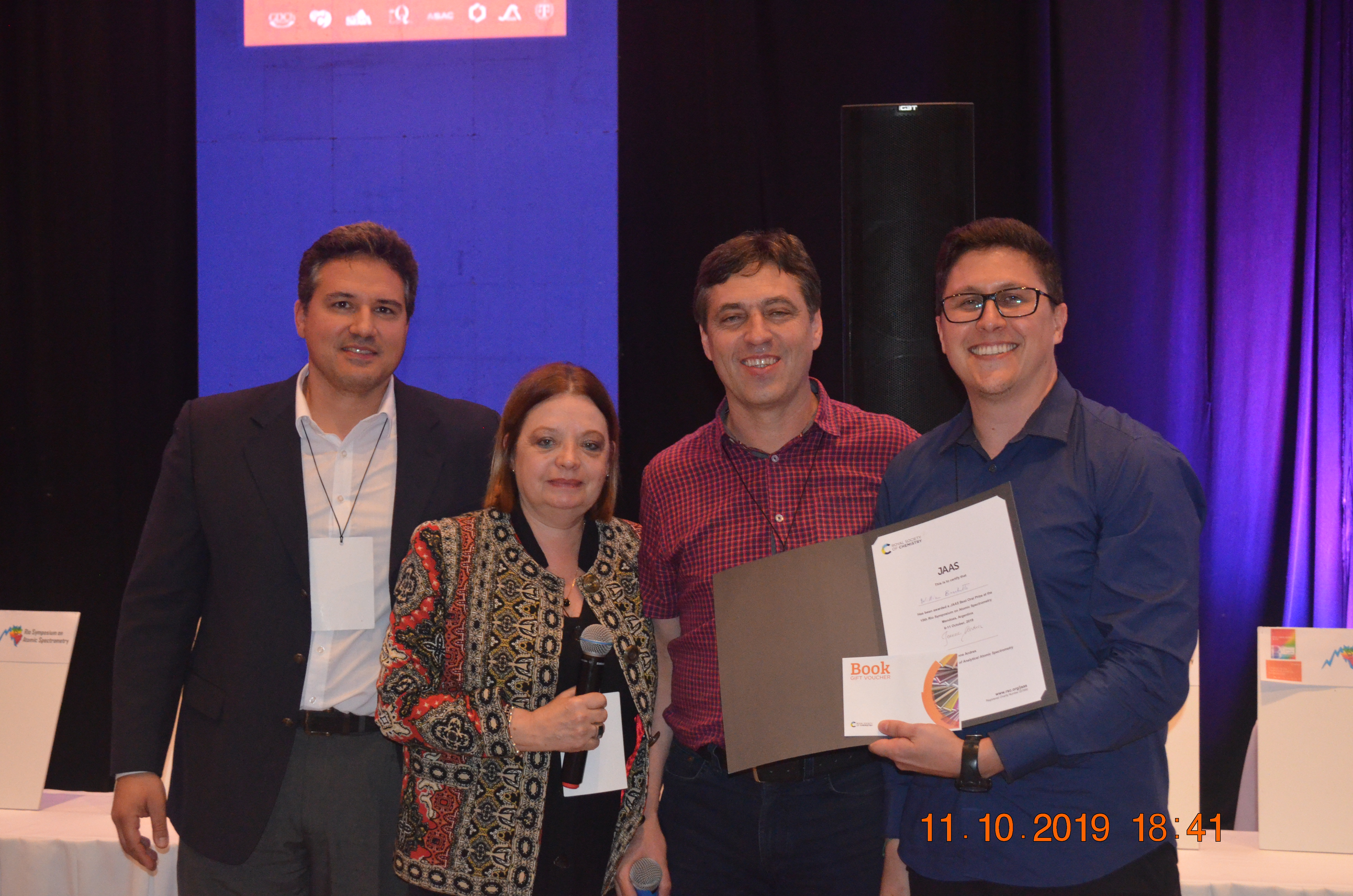

 Frank received a PhD from Ghent University (Belgium) in 1992. Currently, he is Senior Full Professor in Analytical Chemistry at Ghent University, where he leads the ‘Atomic & Mass Spectrometry – A&MS’ research group that is specialized in the determination, speciation and isotopic analysis of (trace) elements via ICP-mass spectrometry (ICP-MS). His group studies fundamentally-oriented aspects of the technique and develops methods for solving challenging scientific problems in an interdisciplinary context.