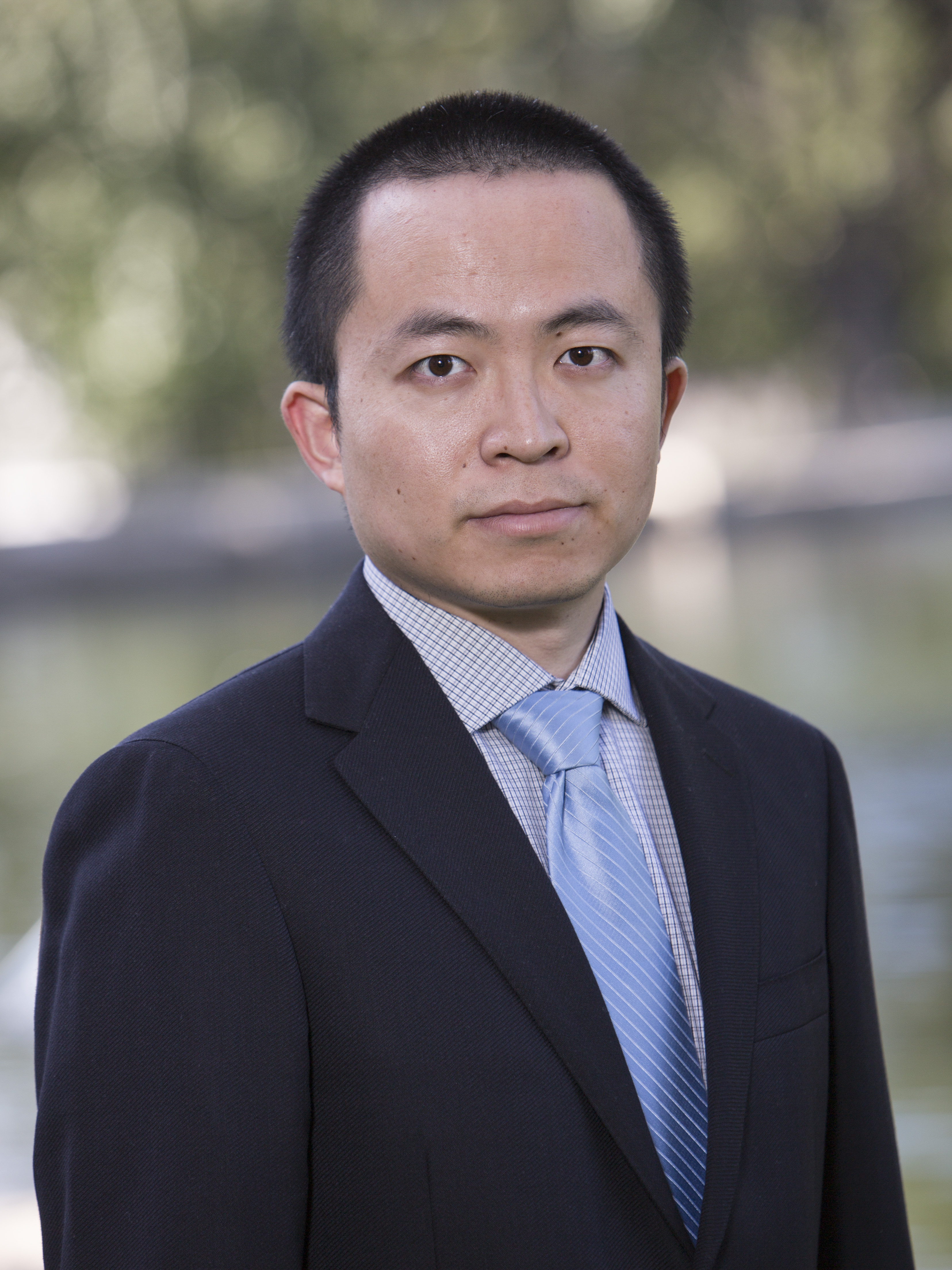


Korin E. Wheeler is an Associate Professor in the Department of Chemistry & Biochemistry at Santa Clara University. She holds a Bachelor’s degree in chemistry from New College of Florida, a PhD in bioinorganic chemistry from Northwestern University, and worked in proteogenomics as a post-doc at Lawrence Livermore National Laboratory. Her independent research at Santa Clara University focuses upon assessing the diversity of nanomaterial transformations from a biochemical perspective and developing new approaches for characterization at the nano-bio interface. Her lab’s work has been funded by the National Science Foundation, National Institutes of Health, and Research Corporation for Science advancement. Recent awards include the Royal Society of Chemistry’s Environmental Science Journal’s best paper award (2018) and the Henry Dreyfus Teacher-Scholar award (2018).
Read Korin Wheeler’s Emerging Investigator Series article “Characterization of silver and silver nanoparticle interactions with zinc finger peptides” and read more about him in the interview below:
Your recent Emerging Investigator Series paper focuses on proteins interacting with nanomaterials. How has your research evolved from your first article to this most recent article?
Our group develops new ways to study the biochemical interactions that mediate nanomaterial behavior. When characterizing the protein corona, we’ve looked at nanomaterials reacting with just one key protein, as well as interacting with hundreds of proteins at once. This study falls under the former category to examine reactivity between an important class of metalloproteins and silver nanomaterials.
What aspect of your work are you most excited about at the moment?
We are working toward developing methods to assess changes within the protein corona as nanomaterials traverse across various environments. Adding a temporal dimension to our understanding of the biochemical surface of nanomaterials should help map their fate and transport.
In your opinion, what are the most important questions to be asked/answered in this field of research?
As a field, we’ve begun to develop techniques to assess the safety and fate of nanomaterials in the environment. Yet, we’ve not yet turned the corner to broadly apply these insights. For example, how do we best design nanomaterials to protect and improve the natural environment? One field that is developing out of this broad question is nano-enabled agriculture. There is an incredible potential in nanomaterialsto improve public health and reserve the natural environment. There are many questions to answer before these technologies take off, which means there are incredible opportunities for a truly interdisciplinary mix of researchers.
What do you find most challenging about your research?
It is challenging to connect insights on various size scales. What we find at the molecular level can sometimes be difficult to connect to the cellular or organismal level and vice versa.
In which upcoming conferences or events may our readers meet you?
I enjoy taking my students to American Chemical Society meetings so that they can take in the full breadth of the chemical industry. I also often attend International Conference on the Environmental Effects of Nanoparticles and Nanomaterials, the annual meeting of the Sustainable Nanotechnology Organization, and the Environmental Nanotechnology Gordon Research Conference.
How do you spend your spare time?
Living in a place with beautiful weather, I’m often spend my weekends outside with my family – biking, hiking, or wandering the beach. My favorite evenings are spent making a mess of the kitchen with new recipes to try with friends and family. When we are able, my family and I also try to get out, travel, and explore the world as much as we can.
Which profession would you choose if you were not a scientist?
This is a tough one! I’d like to say data analyst, but I’m sure that is cheating since they are scientists too. I truly enjoy the process of making things, take solace in early mornings, and have terrible sweet tooth. So, maybe I’ll choose baker.
Can you share one piece of career-related advice or wisdom with other early career scientists?
My advice is perhaps too simple: Pick important problems and solve them with good people. If you are going to spend a lot of time working on something, you might as well pick a problem with an impactful solution. By choosing to work with intelligent and kind people, challenges will be easier to tackle – and it will be a lot more fun along the way. I love my job because of the amazingly intelligent and generous people I get to work with.