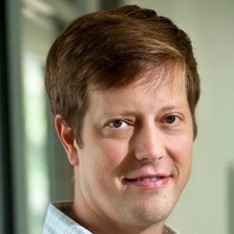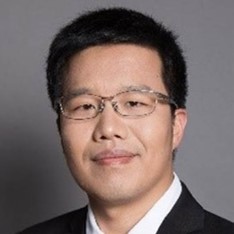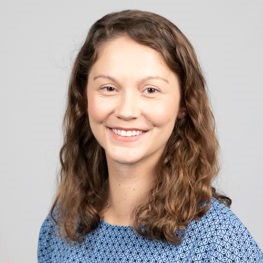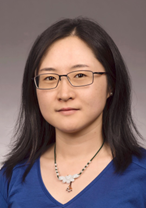

 Dr. Drenkova-Tuhtan holds a PhD in Environmental Engineering from the University of Stuttgart, Germany since 2018. She is currently a senior researcher and principal investigator at the Laboratory of Environmental Toxicology, National Institute of Chemical Physics and Biophysics (KBFI), Tallinn, Estonia which she joined in 2020 as a Marie Skłodowska-Curie postdoc fellow.
Her research focuses on advanced wastewater treatment, resource recovery, sustainable water management, and the environmental safety of emerging technologies and materials. Her work combines environmental engineering, materials science, and aquatic ecotoxicology to develop and evaluate innovative solutions for water pollution control and nutrients recovery. Her current research interests include the development of reusable nanostructured adsorbents for phosphorus recovery, the removal of micropollutants and microplastics from wastewater, and the assessment of the potential environmental risks associated with advanced wastewater treatment technologies.
Read Asya’s Emerging Investigator Series article “Emerging investigator series: environmental safety assessment of 11 novel metal oxide/hydroxide nanocomposite adsorbents for advanced magnetic removal and recovery of phosphorus from wastewater” and read more about her in the interview below:
Your recent Emerging Investigator Series paper focused on evaluating the ecotoxicity of 11 metal oxide/hydroxide nanocomposite adsorbents for the advanced magnetic removal and recovery of phosphorus from wastewater. How has your research evolved from your earliest published work to your independent research?
My research journey began with applying nanotechnology to solve environmental challenges. During my MSc studies at the University of Stuttgart in Germany, I investigated the application of nanoscale zero-valent iron (nZVI) for the removal of phosphorus, organic micropollutants, and heavy metals from wastewater. This early work sparked my interest in the potential of engineered nanomaterials to improve conventional wastewater treatment processes.
During my PhD research, I focused on developing reusable magnetic nanocomposite adsorbents for the selective removal and recovery of phosphorus from wastewater and wanted to bridge the gap between material development and practical engineering applications, which led to the successful demonstration of magnetic phosphorus recovery at pilot scale.
A turning point in my scientific career came when I questioned whether the application of these technologically powerful novel materials could introduce new environmental risks. This motivated me to expand my research into environmental nanotoxicology. Through my Marie Skłodowska-Curie fellowship at the KBFI institute in Estonia, I combined my background in environmental engineering with ecotoxicological approaches to investigate the environmental safety of engineered nanomaterials.
My independent research now involves international collaboration and takes a broader perspective, integrating advanced wastewater treatment, resource recovery, environmental risk assessment, but also developing strategies to reduce the release of emerging pollutants (including microplastics, pharmaceuticals, etc.) into the aquatic environment.
What aspect of your work are you most excited about at the moment?
What I find especially rewarding is the possibility of translating scientific findings into practical solutions that can be implemented at full scale. Seeing research move beyond the laboratory and contribute directly to cleaner water, resource conservation, and the protection of aquatic ecosystems is a powerful motivation for my work.
In your opinion, what are the most important questions to be asked/answered in your field of research?
I believe one of the most important questions in environmental engineering is how to develop increasingly efficient, resilient and sustainable water treatment technologies without creating new environmental problems, especially in the context of climate change and global instability.
What do you find most challenging about your research?
One of the greatest challenges is translating promising laboratory findings into technologies that perform reliably under real operating conditions. Another major challenge is the interdisciplinary nature of my research. Developing environmentally sustainable wastewater treatment technologies requires bringing together expertise from different fields (engineering, materials science, analytical chemistry, microbiology, etc.). Each discipline has its own methods, terminology, and priorities, and integrating them into a coherent research approach can be demanding.
In which upcoming conferences or events may our readers meet you?
I will have an oral presentation at the IWA World Water Congress & Exhibition in Glasgow, UK.
How do you spend your spare time?
I enjoy spending quality time with my family, travelling, and exploring new places and cultures. I particularly appreciate spending time outdoors in nature with my two children, which provides a refreshing contrast to the demands of scientific research.
Which profession would you choose if you were not a scientist?
Probably a human psychologist.
Can you share one piece of career-related advice or wisdom with other early career scientists?
Be persistent, stay focused and never give up pursuing your goals, build strong scientific networks, seek out supportive mentors, have a clear sense of purpose, be curious and open to exploring research directions beyond your immediate field of expertise.