Welcome to the latest Digital Discovery newsletter! We’re pleased to share a round-up of the latest journal news, as well as information on our themed collections and upcoming events.
Get future updates directly to your inbox with our email alerts. Sign up here.
Latest News

We are delighted to announce the recipients of the Outstanding Early Career Research Award 2025: a team comprising Martin Fitzner, Adrian Šošić, Alexander V. Hopp, Marcel Müller, Rim Rihana, Karin Hrovatin, Fabian Liebig, Mathias Winkel, Wolfgang Halter and led by Jan Gerit Brandenburg.
Their award-winning paper, “BayBE: a Bayesian Back End for experimental planning in the low-to-no-data regime“, describes an open-source software framework that empowers researchers to use Bayesian optimisation techniques. These seek optima, such as the best set of reaction conditions, through a minimum number of experiments. Find out more about the winners and their work at our blog post.
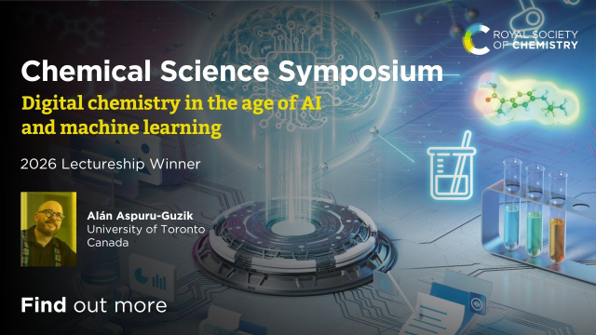
Our Editor-in-Chief Prof. Alán Aspuru-Guzik is the winner of the 2026 Chemical Science Lectureship! He will give his award lecture at the Chemical Science symposium 2026, which takes place 29-30 October 2026, in London, UK.
We’re pleased to announce that our 2025 Journal Impact Factor has increased to 7.1! Thank you to all of our authors for contributing their high-quality work, and to our editors and reviewers for their professional and prompt handling of these manuscripts. We’d particularly like to highlight our Outstanding Reviewers for 2025 who can be found in our recent Editorial.
Finally, we would like to welcome Prof. N. M. Anoop Krishnan to the Editorial Board of Digital Discovery as an Associate Editor. Prof. Krishnan is an Associate Professor in the Department of Civil and Environmental Engineering at IIT Delhi with a joint appointment in the Yardi School of Artificial Intelligence. He leads the Multiphysics & Multiscale Mechanics Research Group (M3RG), which focuses on AI-driven materials discovery, computational modeling of glasses, cementitious materials and disordered systems, and the development of foundation models for scientific applications.
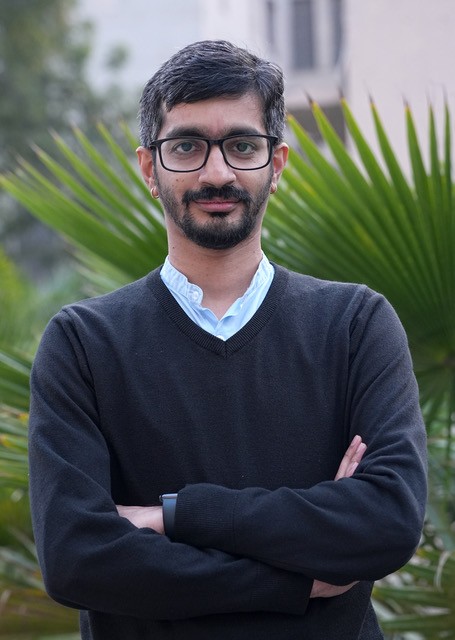
Anoop received his B.Tech. in Civil Engineering from the National Institute of Technology Calicut in 2009, followed by a Ph.D. in Civil Engineering from the Indian Institute of Science Bangalore in 2015. He was a postdoctoral researcher at the University of California Los Angeles from 2015 to 2017 before joining IIT Delhi. He recently completed an Alexander von Humboldt Fellowship for Experienced Researchers at Friedrich Schiller University Jena (2023-2024), working on machine learning approaches for glass science.
Anoop conducts research at the intersection of materials science, computational mechanics, and artificial intelligence. His work has advanced the development of domain-specific language models for materials science, including MatSciBERT and LLaMat, and autonomous discovery frameworks such as the AILA. He is particularly passionate about developing rigorous benchmarking frameworks that enable researchers to understand the capabilities and limitations of AI models in scientific applications. His research spans atomistic and multiscale simulations, machine learning force fields, and AI-driven approaches to understanding structure-property relationships in complex materials, with applications ranging from construction materials to advanced ceramics and glasses.
Among his recognitions, he has received the W. H. Zachariasen Award from the Journal of Non-Crystalline Solids, Sir A. Pilkington Award from the Society of Glass Technology, UK (2024), the W. A. Weyl International Glass Science Award from International Commission on Glass (2022), the Google Research Scholar Award (2023), the Young Engineer Award by the Indian National Academy of Engineering (2020), and Young Scientist Award by the National Academy of Sciences India (2021).
Anoop adds: “Digital Discovery‘s focus on AI and automation to solve scientific problems with emphasis on reproducible, data-driven research resonates closely with my research vision and passion. I am excited to contribute to the journal’s mission of advancing the digital transformation of materials science and chemistry.”
Research Spotlight
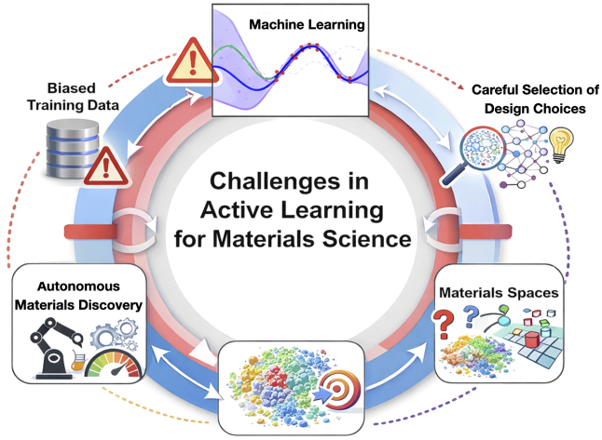
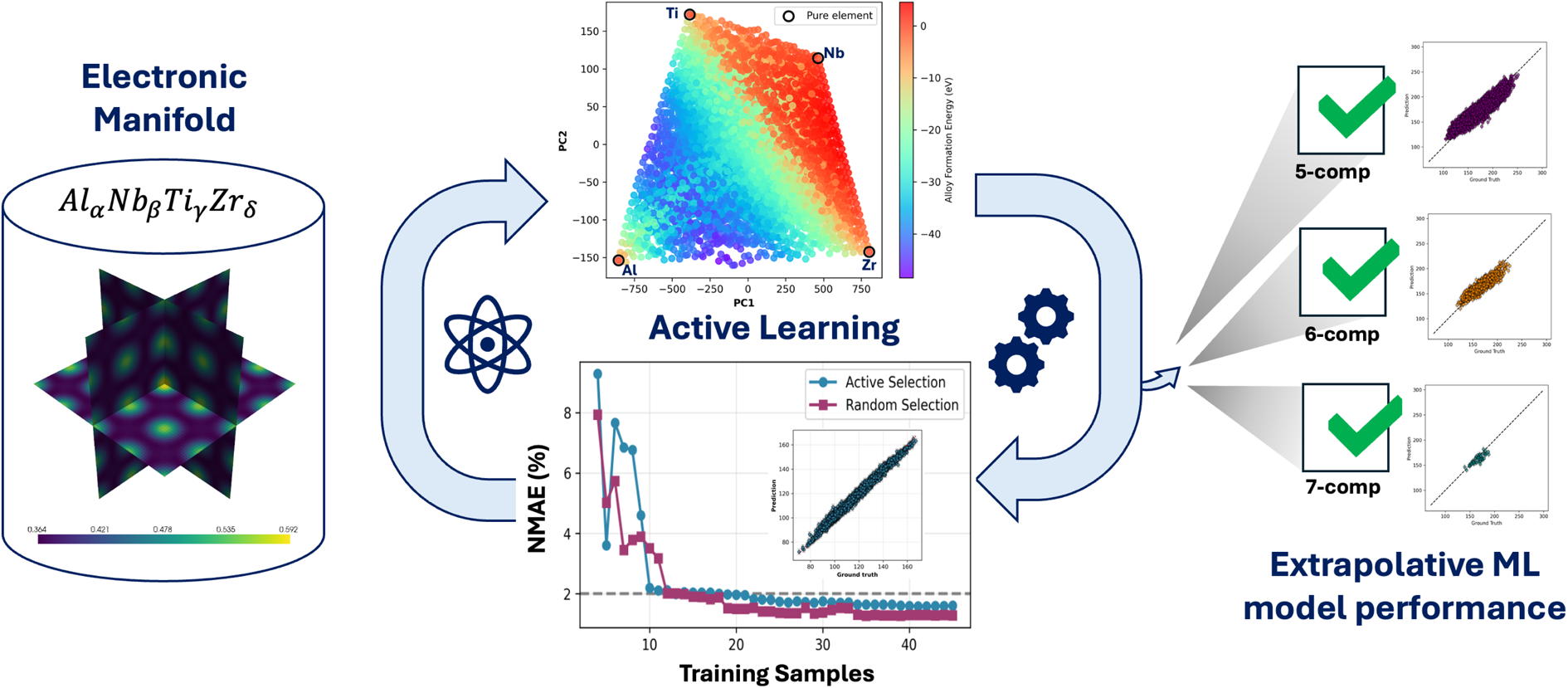
“A critical examination of active learning workflows in materials science”, Nair and Foppa, Digital Discovery¸ 2026, 5, 2366–2382, DOI: 10.1039/d6dd00081a
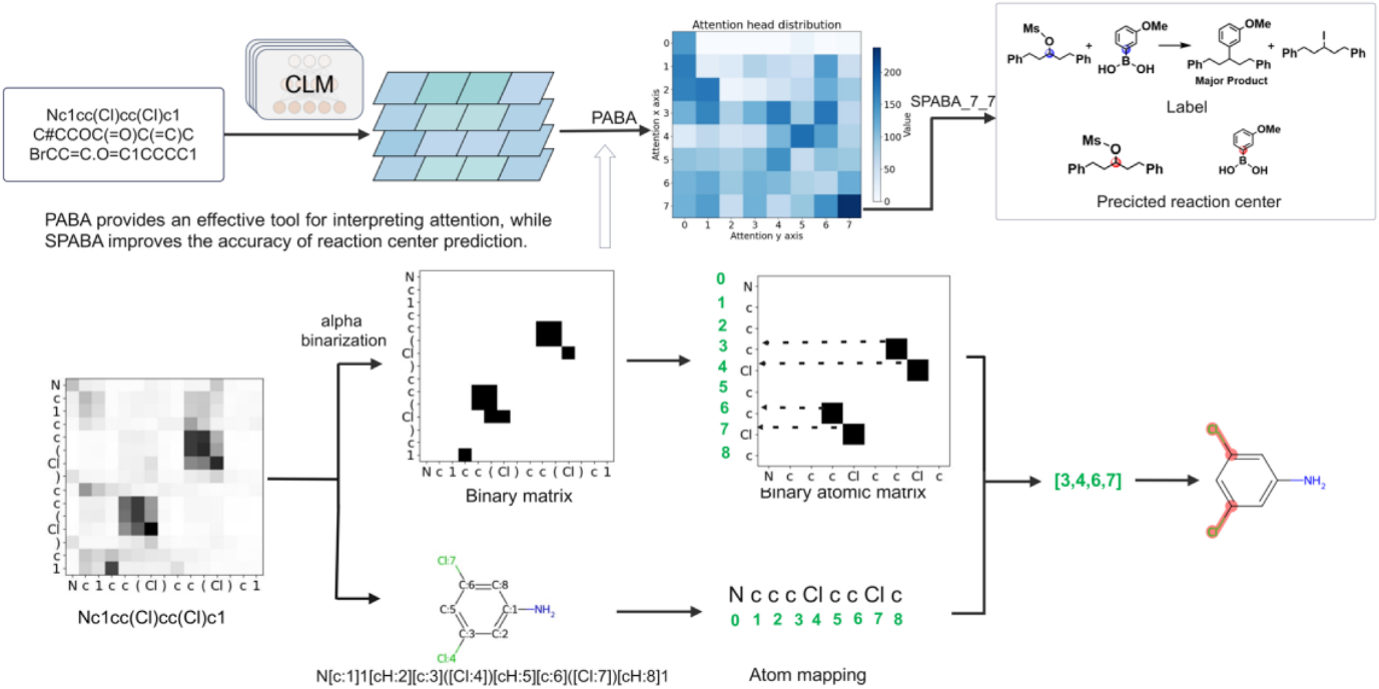
“Reaction center prediction by analyzing attention of a chemical language model”, Tian et al., Digital Discovery, 2026, 5, 2458–2468, DOI: 10.1039/d6dd00055j
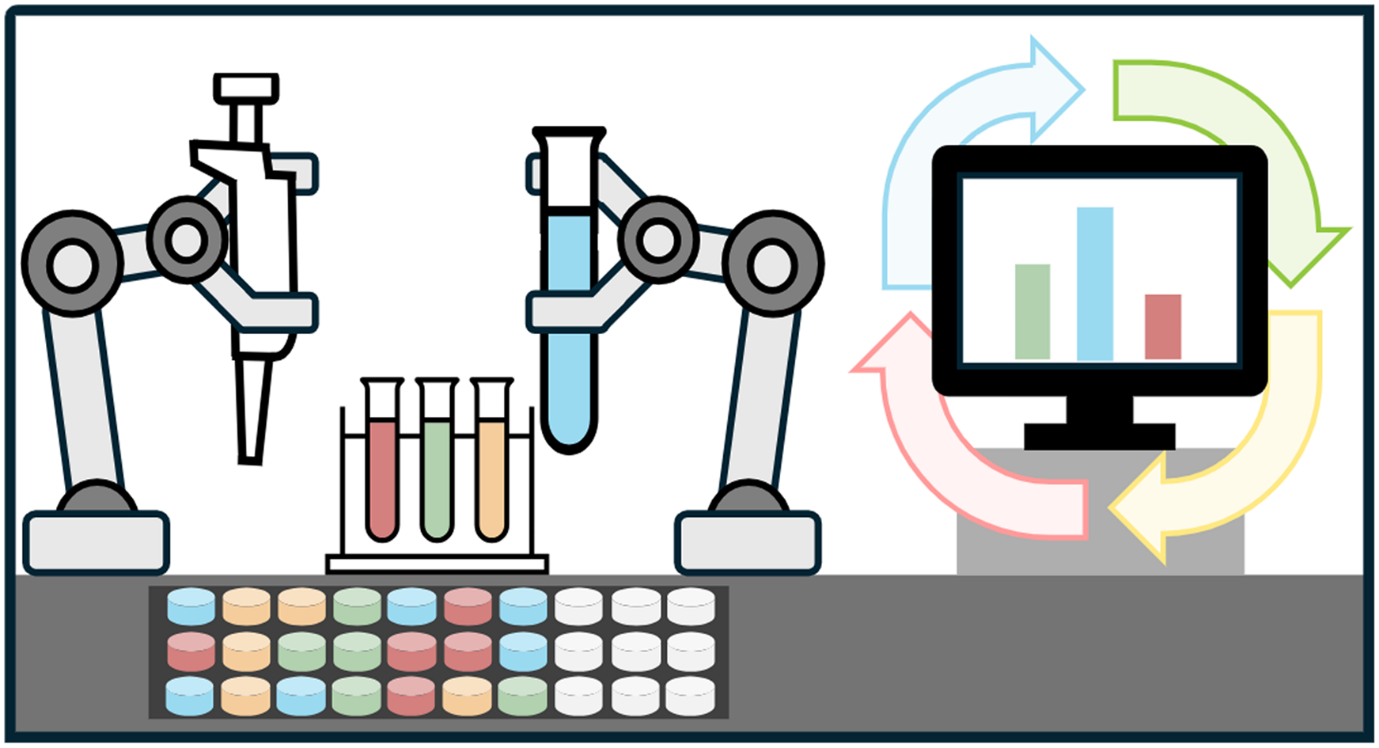
“A user’s guide to your first self-driving liquid handling lab”, Webb, Gormley et al., Digital Discovery, 2026, 5, 2028–2041, DOI: 10.1039/d5dd00525f
Themed Collections
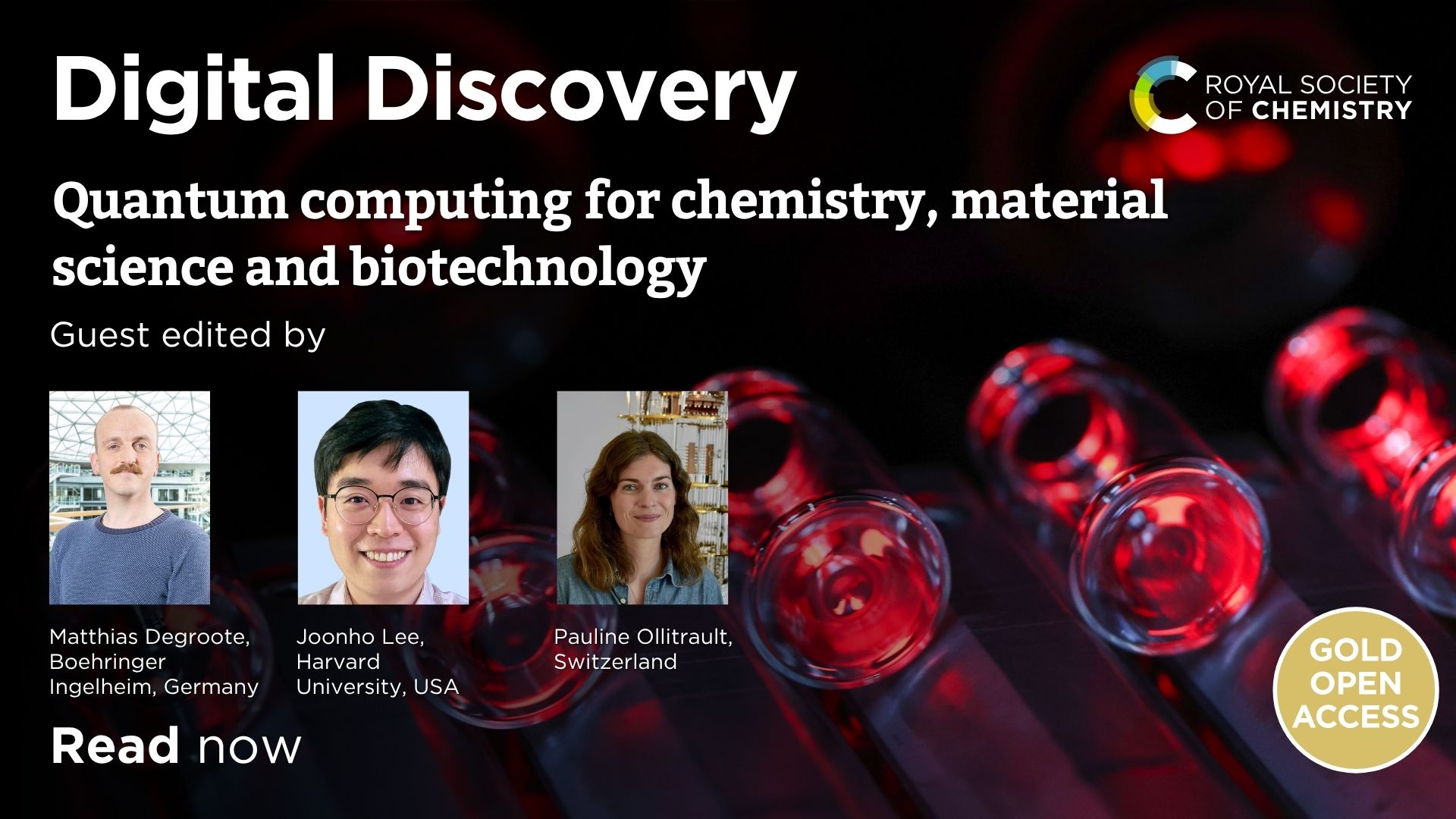
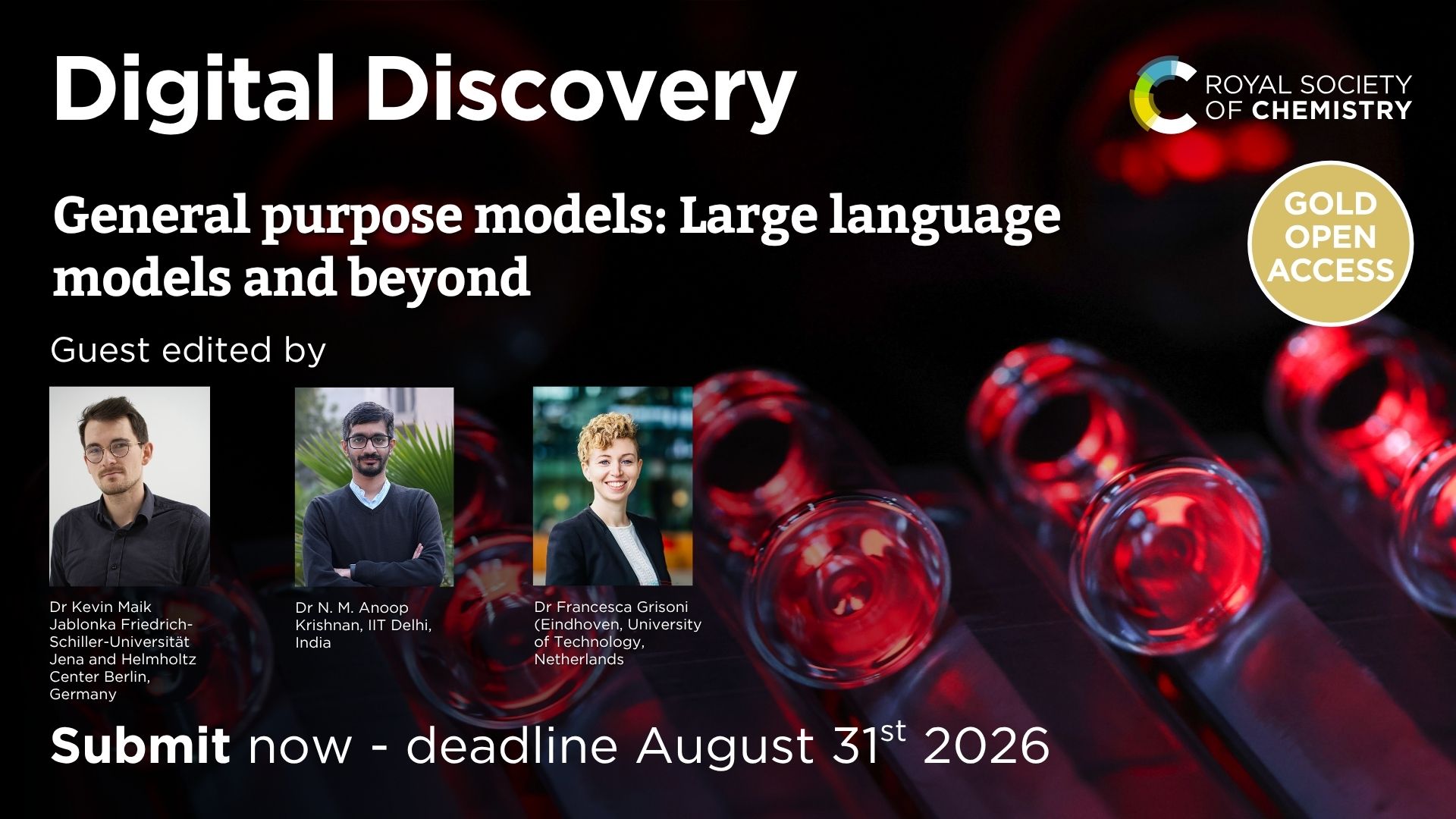
We are currently welcoming papers for our latest themed collection on General purpose models: Large language models and beyond, led by Dr N M Anoop Krishnan (IIT Delhi), Dr Francesca Grisoni (Eindhoven), and Dr Kevin Maik Jablonka (Friedrich Schiller Universität Jena and Helmholtz Center Berlin). The deadline for submissions is 31 August 2026; find out more and contribute your research here.
Recent Events
Digital Discovery was pleased to sponsor a number of conferences and their awards this spring:
The ‘Breaking Silos — Open Community for AI x Science’ social event at the International Conference on Learning Representations (ICLR 2026) in Rio de Janero, Brazil was sponsored by Digital Discovery and organised by editorial board members Indra Priyadarshini S and N M Anoop Krishnan with Sayan Ranu from Indian Institute of Technology, Delhi. The session brought together researchers from across machine learning, physics, chemistry, biology, mathematics, and medicine to discuss how AI can accelerate scientific discovery when communities collaborate more openly. Thanks to the panellists Emilio Vital Brazil, Bianca Zadrozny, and Mehrad Ansari for their insights and engaging with the attendees.
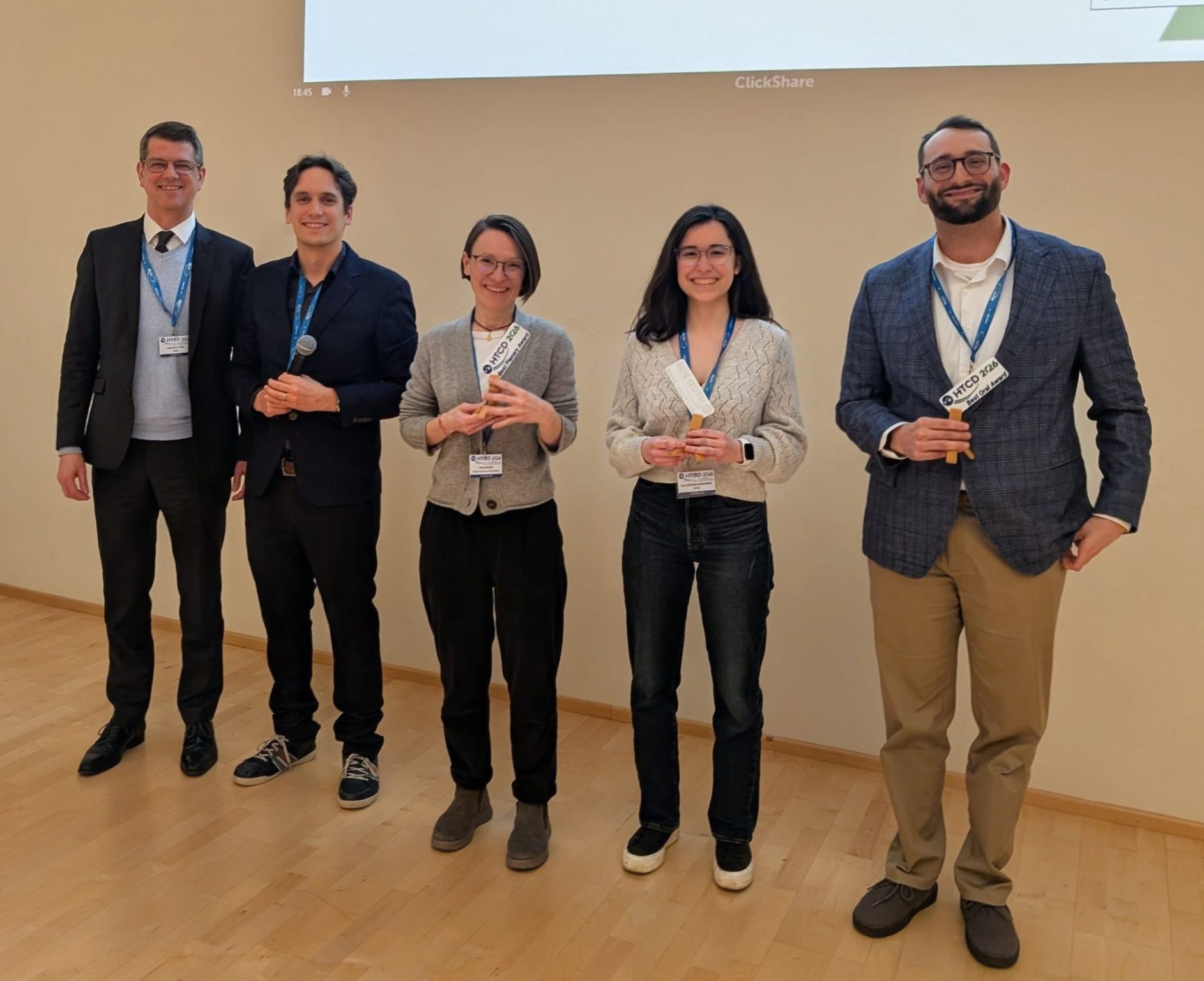
We joined with Physical Chemistry Chemical Physics and Chemical Science to co-sponsor two awards at the 18th International Congress on Quantum Chemistry. Congratulations to the winners, Muhan Zhang of Emory University, for “Symmetry Dilemmas in Quantum Computing: A Comprehensive Analysis” and Tobias Kaczun of Heidelberg University for “Taking the Next Step with Machine Learning Orbital Free DFT”.
The 54th Annual Meeting of the Southeast Theoretical Chemistry Association (SETCA 2026) took place in Atlanta, USA at the end of May 2026. Digital Discovery and Physical Chemistry Chemical Physics sponsored awards for the best student poster presentations. Huge congratulations to Krishnendu Sinha of Georgia State University presenting “Opening Promoter DNA Without ATP: A Multistep Initiation Mechanism in RNA Polymerase I”.
Congratulations to Laura Marcon from the University of Oxford who won the Best Poster Award sponsored by Digital Discovery at CAMLC26, for her work “Assessing the transferability of Machine-Learned Interatomic Potentials in Diels-Alder reactions”. Look out for the next iteration of this annual workshop on Cheminformatics, Automation and Machine Learning in Chemistry held in Zaragoza, Spain!
We were pleased to join Physical Chemistry Chemical Physics in sponsoring best poster awards at this year’s ScotChem Computational Chemistry Symposium in Edinburgh, UK. The winner of the Digital Discovery award is Theo Hatcher of the University of St Andrews for “Modelling Small Molecules in SMOM Crystals”, and the PCCP award goes to Beth Raynor of the University of Edinburgh for “Switching off Electron Delocalisation in Chalcogen Bonding Balances”.
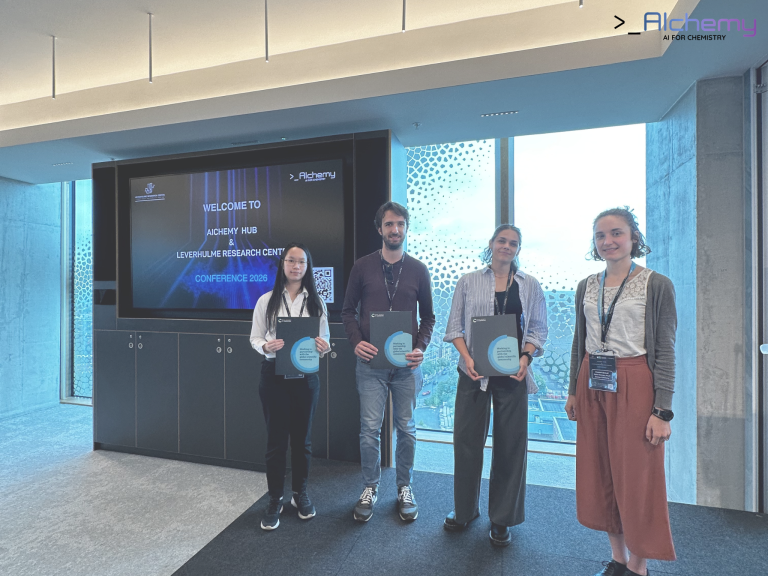
Our Assistant Editor, Elizabeth Bedwell, represented Digital Discovery at the AIchemy and Leverhulme Research Centre Conference 2026 in Liverpool, UK in June. Digital Discovery and Chemical Science sponsored the best poster awards: congratulations to Katie Zhou (University of Liverpool), Federico Ottomano (Imperial College London), and Louise Efford (University of Sheffield) for their excellent presentations.
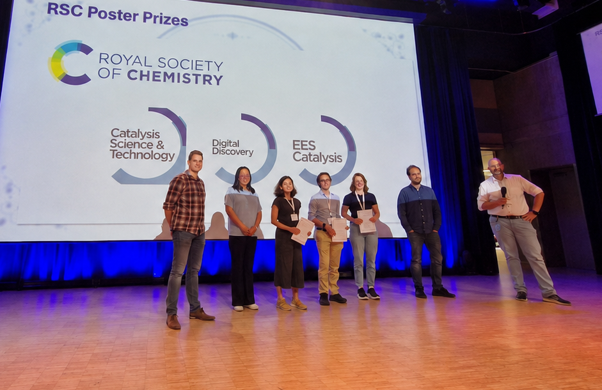
Digital Discovery joined EES Catalysis and Catalysis Science & Technology in sponsoring prizes at the 20th International Conference on Theoretical Aspects of Catalysis in Delft, The Netherlands. Our congratulations to the winners! The Digital Discovery prize went to Alexandre Peuch of the University of Cambridge, UK for “Still Foundational or Already Universal? Assessing General-Purpose MLIPs for Heterogeneous Catalysis Using the HetCat26 Benchmark”. The award from Catal. Sci. Tech. went to Lisa Hetzel of the Technical University of Munich, Germany for “Grand-Canonical Embedding for Constant-Potential Electronic Structure Calculations”. Bibiana Türkcan, of Leiden University, The Netherlands, won the EES Catalysis award for “Modeling plasmonic nanoparticles with a jellium model: an overview”.
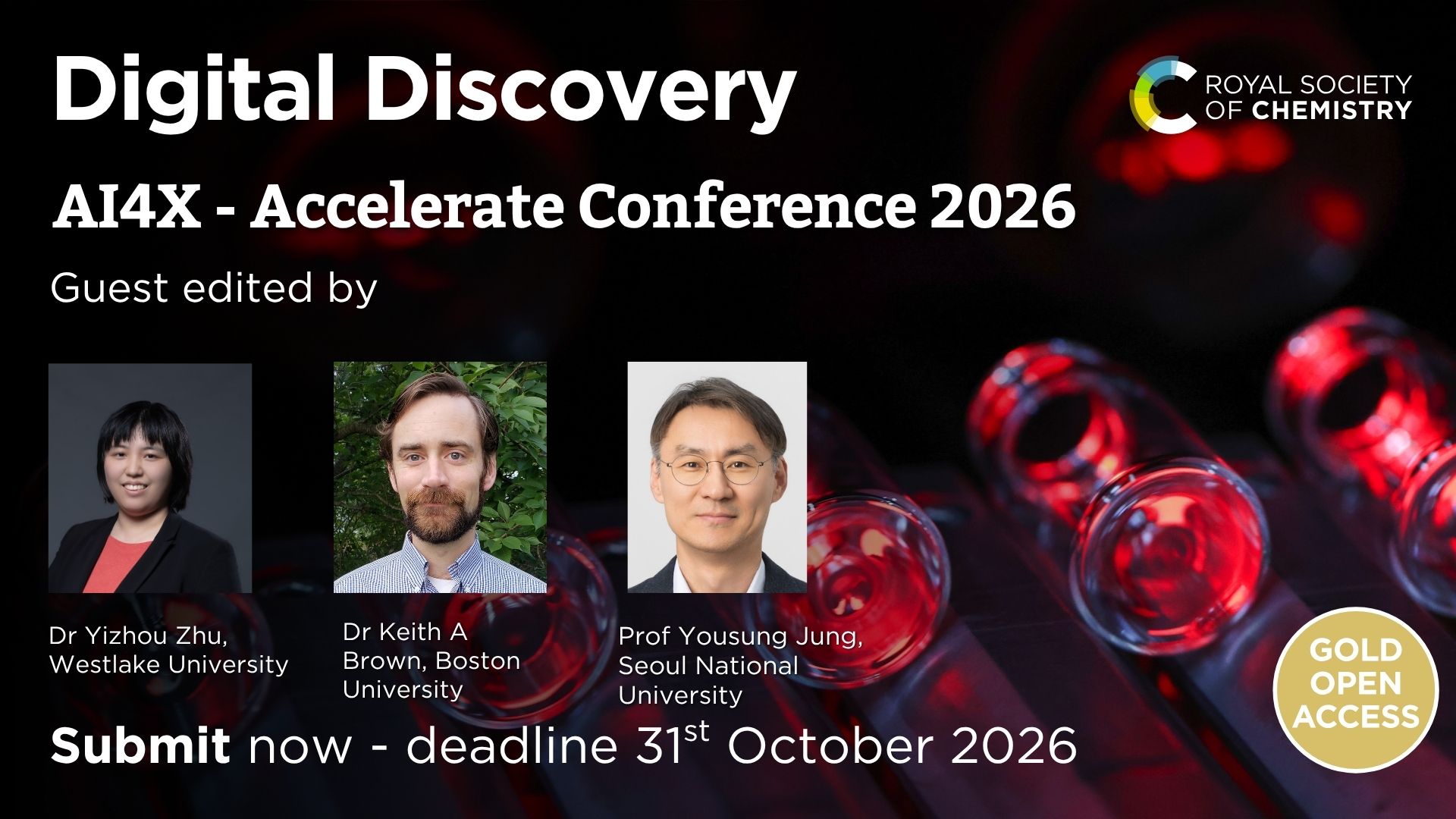
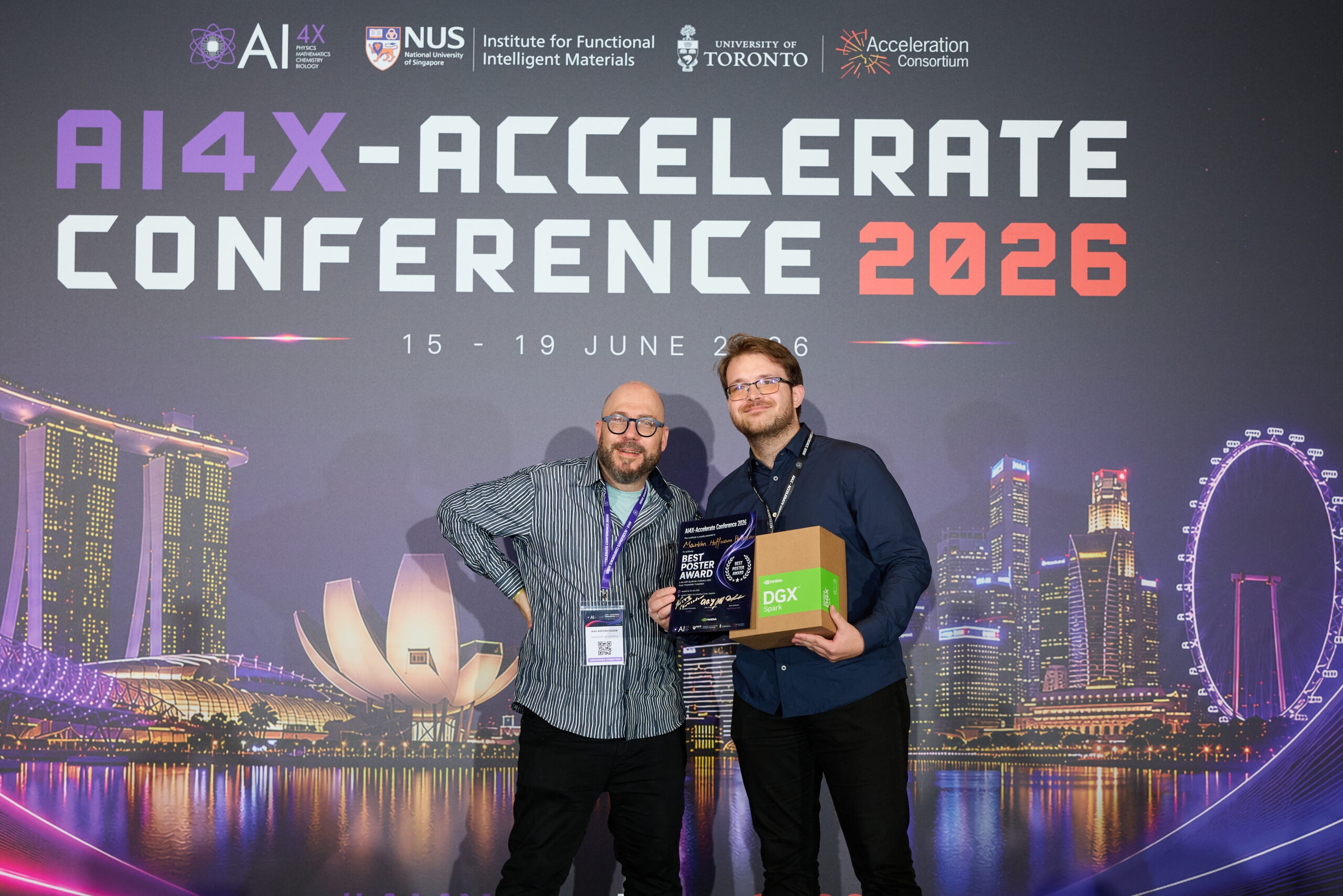
Finally, we were pleased to sponsor poster prizes at the AI4X-Accelerate Conference 2026 in Singapore, attended by our Executive Editor Dr Anna Rulka. Our congratulations to all of the winners, who you can find on the event web page, and in particular to the Best Poster Award winner Martin Hoffmann Petersen!
Upcoming Meetings:
We’re pleased to support this year’s ACS Graduate Student Symposium at the ACS Fall meeting: ‘Advancing Chemistry with AI and Emerging Technologies’. Don’t miss this exciting and broad-scope track looking at innovation, entrepreneurship, and careers using these techniques. Advance registration for the ACS Fall meeting closes on July 23, ahead of the meeting from 23-27 August in Chicago, IL, USA.
Digital Discovery is also sponsoring a poster prize at the 9th Artificial Intelligence in Chemistry Symposium running 2-4 September 2026, in Cambridge, UK. Don’t miss this this exciting meeting organised by the RSC CICAG and RSC BMCS also incorporates an ‘Introduction to AI in Chemistry’ workshop on the first day.
Can’t make it to Cambridge? Register for the RSC BMCS Hot Topics meeting on AI in Drug Discovery, an online symposium running on 3 November.
RSC FIRST 2026: AI in Chemistry runs 19-21 November in Xiamen, China. This collaboration between the Royal Society of Chemistry and Xiamen University, will dive into Artificial Intelligence (AI) in Chemistry and convene global pioneers at the forefront of AI-driven research within the chemical sciences. Abstract submission for talks and posters closes 1 September 2026! Our Deputy Editor Alexander Whiteside looks forward to meeting the community in Xiamen this autumn.
Registration is now open for GLOW 2026, the Global Conference Empowering Women in Leadership & Materials Science which takes place at NTU Singapore from 29 September to 1 October 2026.
Follow our channels below to keep up to date on the events we’re supporting later in 2026.
Submit your work to Digital Discovery
Find out more about Digital Discovery on our webpage, where you can also find our author guidelines. Digital Discovery has received a 2025 Impact Factor of 7.1, and provides a first decision on articles sent to peer review in an average of 46 days.
Publishing open access with RSC journals unlocks the full potential of your research – bringing increased visibility, wider readership and higher citation potential to your work. As a not-for-profit organisation serving the chemical sciences community, we ensure that our article processing charge (APC) remains the most competitive of major publishers. More details can be found here and the APC for Digital Discovery is £2200. You can also use our journal finder tool to check if your institution currently has an agreement with the RSC that may entitle you to a discount of the APC.
Stay Connected:
Postdoc or early career researcher? Interested in building your peer review experience and helping improve open data at Digital Discovery? Consider becoming a data reviewer. Find out more on our blog post.
Follow us on LinkedIn and Bluesky for new articles and the latest news from Digital Discovery and related journals at the Royal Society of Chemistry.
Comments Off on Digital Discovery July 2026 Newsletter