Emerging Investigator Series – Ester J. Kwon

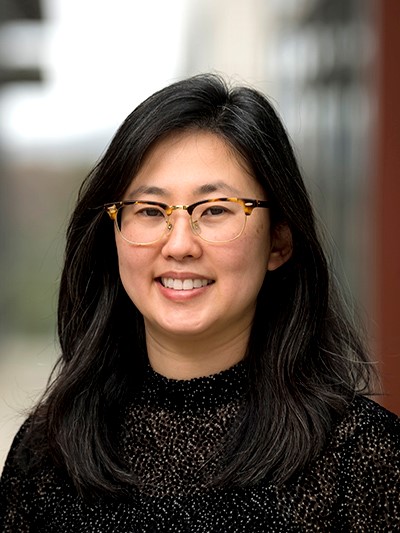
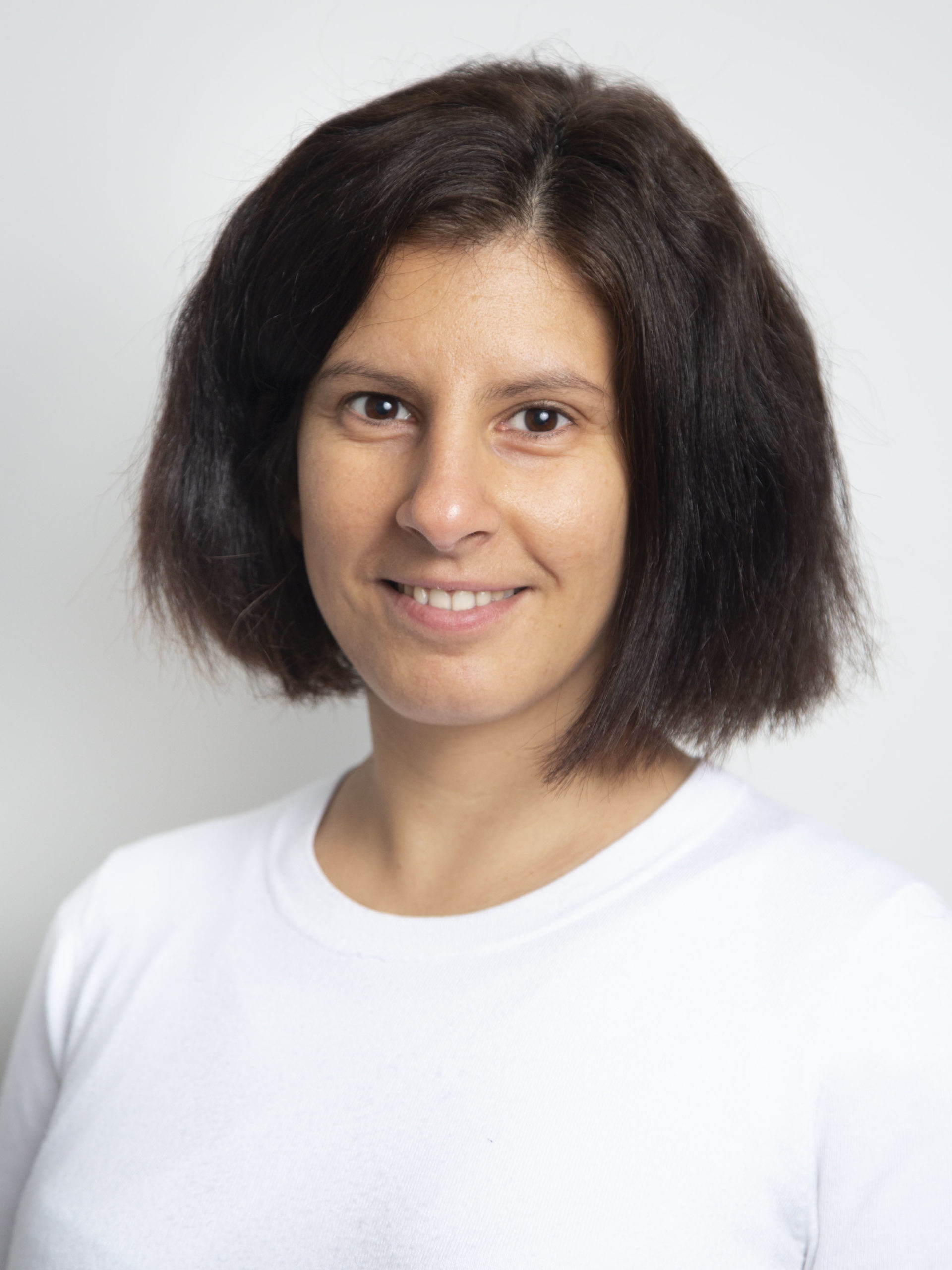
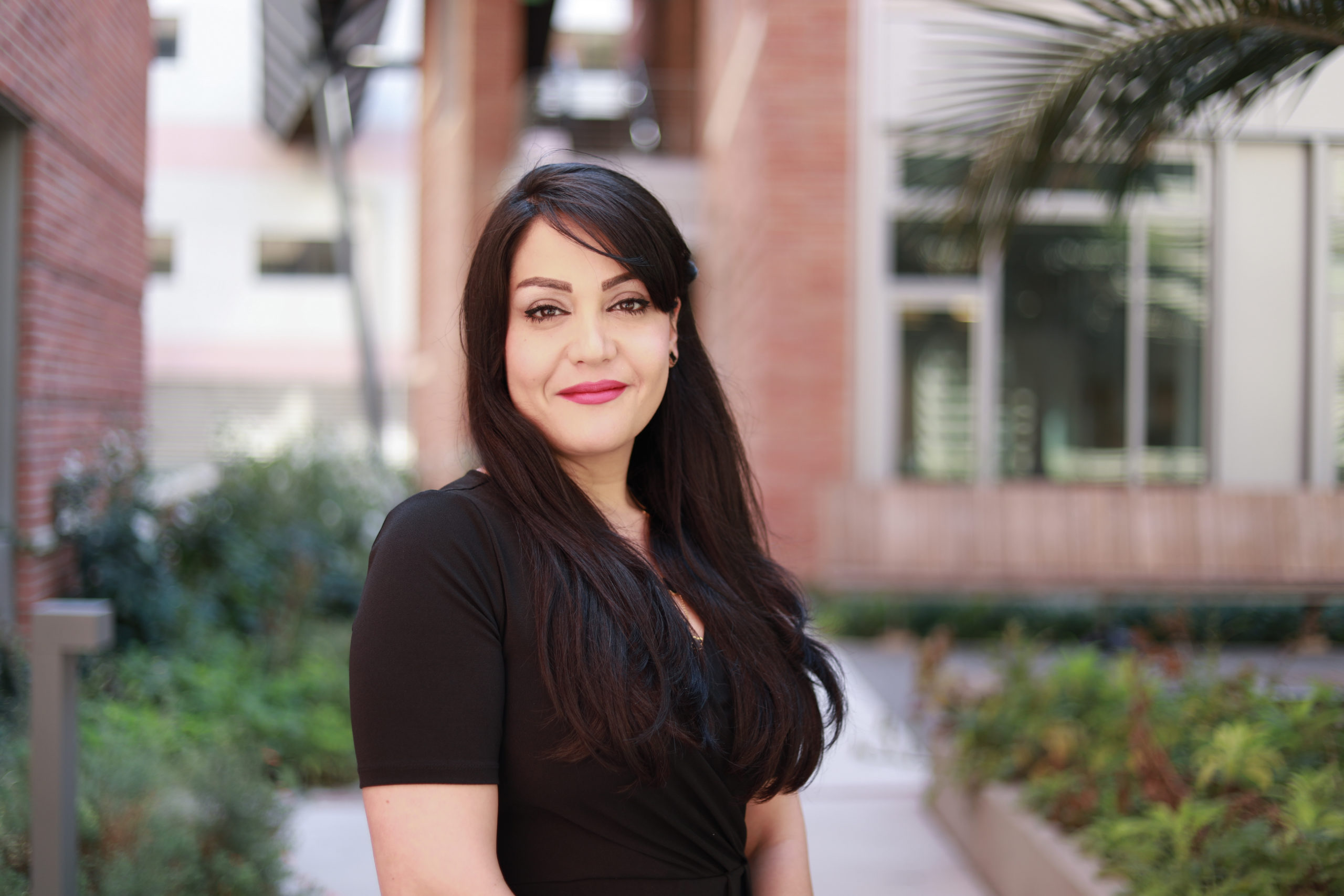
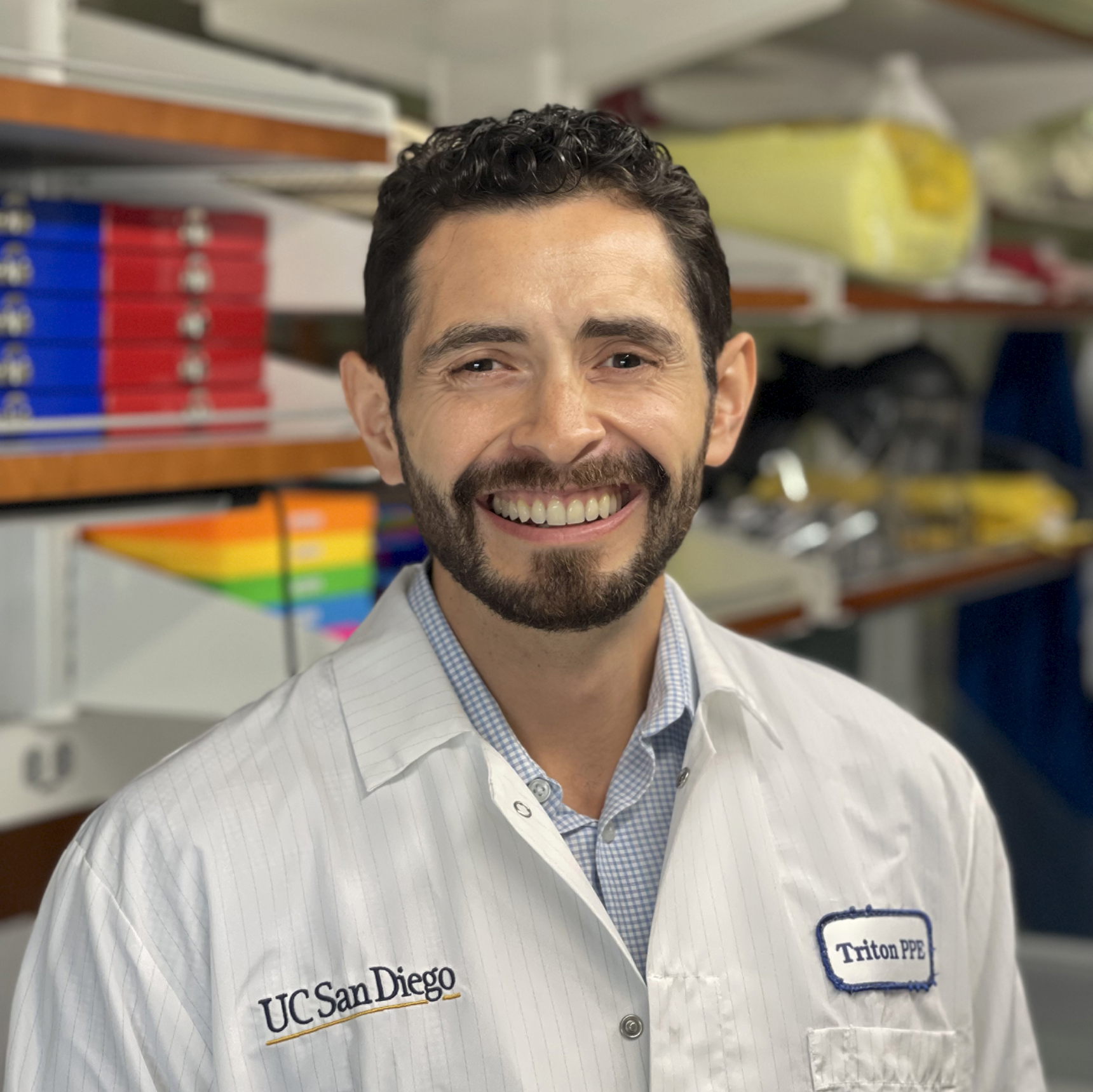
Profile picture of Ester J. Kwon. Ester J. Kwon is an assistant professor of Bioengineering at the University of California San Diego. She earned her B.S. in Bioengineering and B.A. in Molecular & Cell Biology at UC Berkeley. She went on to earn her Ph.D. in Bioengineering at the University of Washington with Suzie H. Pun and was a postdoctoral fellow at the Massachusetts Institute of Technology with Sangeeta N. Bhatia. Her group in the Bioengineering Department at UCSD engineers nanoscale tools, diagnostics, and treatments for diseases of the brain. Dr. Kwon is a recipient of the pre- and post-doctoral NIH Ruth L. Kirschstein National Research Service Awards, the NIH Director’s New Innovator award, and the NSF CAREER Award. In addition to her research activities, Dr. Kwon is motivated to create an inclusive research environment through the individualized mentorship of trainees and outreach to young scientists.

Read Dr Kwon’s Emerging Investigator article, Analysis of PEG-lipid anchor length on lipid nanoparticle pharmacokinetics and activity in a mouse model of traumatic brain injury, DOI: D2BM01846B.


Check out our interview with Dr Kwon below:


How do you feel about Biomaterials Science as a place to publish research on this topic?

I’m very pleased that Biomaterials Science is a venue for publishing work at the intersection of engineering and biology.

What aspect of your work are you most excited about at the moment and what do you find most challenging about your research?

The work that I find the most challenging and exciting is how to design nanomaterials that can navigate the body to the right organ and cell type.

In your opinion, what are the most important questions to be asked/answered in this field of research?

While the field has concentrated on how to engineer nanomaterials to interact with biological systems, as technology advances I think important questions are emerging about how biological systems change in response to nanomaterials. I believe this will have many implications for nanomedicines in the future.

Can you share one piece of career-related advice or wisdom with other early career scientists?

I’m not sure if I have any wisdom to share, but I personally found it important to focus my time and energy on a few projects.


Keep up with Dr Kwon’s research on the Kwon Lab website or follow her on twitter @esterjkwon.

Digg This
Reddit This
Stumble Now!
Share on Facebook
Bookmark this on Delicious
Share on LinkedIn
Bookmark this on Technorati
Post on Twitter
Google Buzz (aka. Google Reader)

2023 Biomaterials Science Lectureship awarded to Eric Appel

It is with great pleasure that we announce Eric Appel (Stanford University) as the recipient of the 2023 Biomaterials Science lectureship.

This award, now in its tenth year, honours an early-career researcher who has made significant contribution to the biomaterials field. The recipient is selected by the Biomaterials Science Editorial Board from a list of candidates nominated by the community.
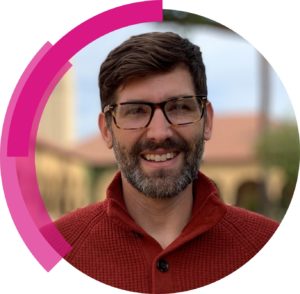
 

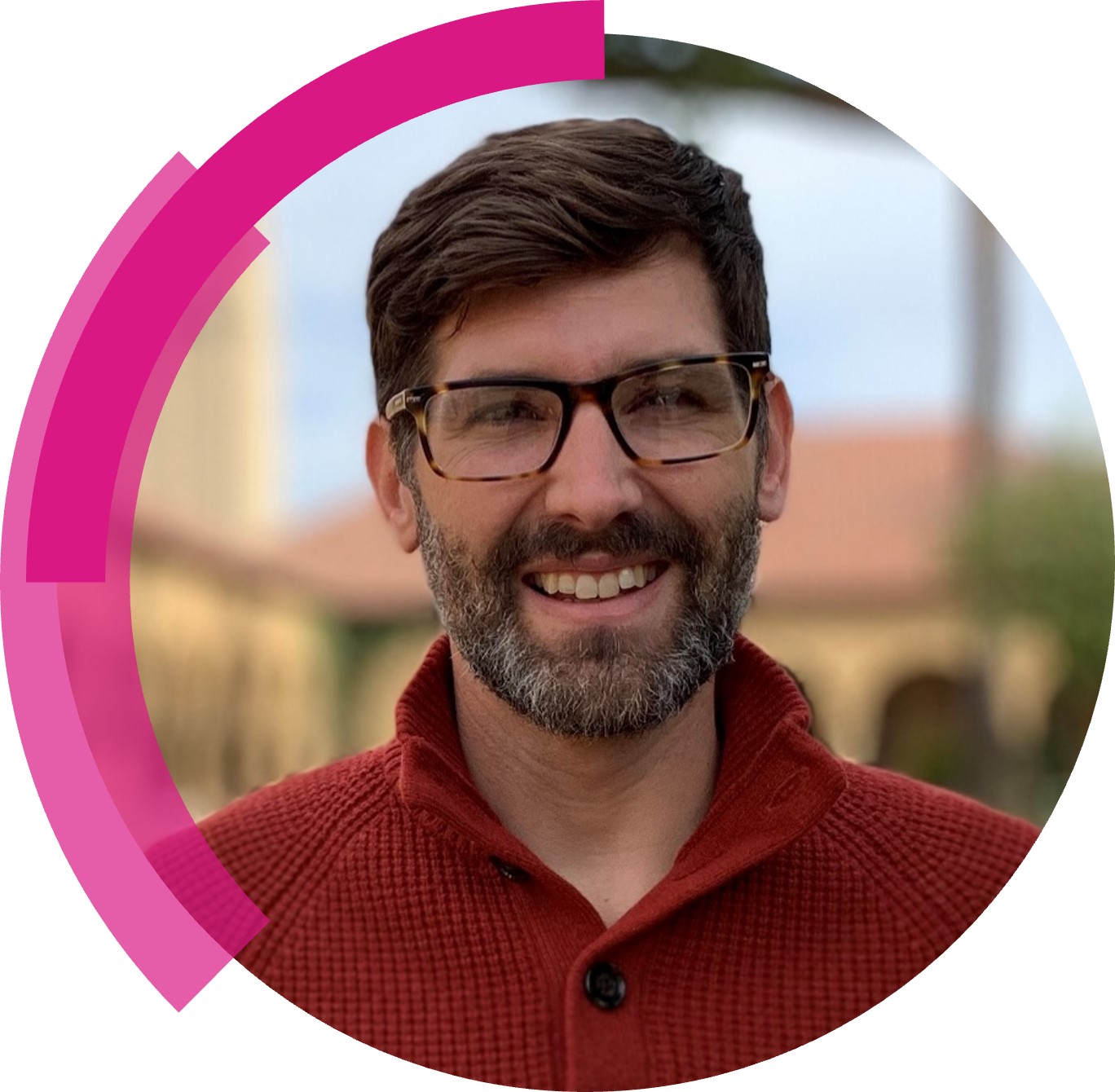
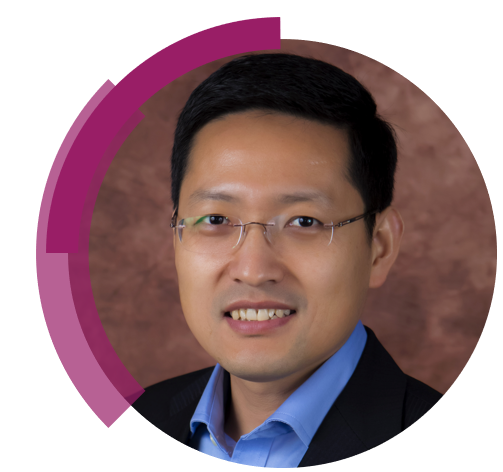
Profile picture of Eric Appel

Eric A. Appel is an Associate Professor of Materials Science & Engineering at Stanford University. He received his BS in Chemistry and MS in Polymer Science from California Polytechnic State University in San Luis Obispo, CA. Eric performed his MS thesis research with Dr Jim Hedrick and Dr Robert Miller at the IBM Almaden Research Center in San Jose, CA. He then obtained his PhD in Chemistry with Prof. Oren A. Scherman at the University of Cambridge. For his PhD work, Eric was the recipient of the Jon Weaver PhD prize from the Royal Society of Chemistry and a Graduate Student Award from the Materials Research Society. Upon graduating from Cambridge, he was awarded a National Research Service Award from the NIBIB and a Wellcome Trust Postdoctoral Fellowship to work with Prof. Robert Langer at MIT. Eric’s research at Stanford focuses on the development of biomaterials that can be used as tools to better understand fundamental biological processes and to engineer advanced healthcare solutions. His research has led to more than one hundred publications and 30 patents. While at Stanford, Eric has been awarded young faculty awards from the Hellman Foundation, American Diabetes Association, American Cancer Society, and PhRMA Foundation. He also recently received the IUPAC Hanwha-TotalEnergies Young Polymer Scientist Award in 2022 and the Society for Biomaterials Young Investigator Award in 2023. He can be found on Twitter at @AppelGroup.


Read Eric’s latest article in Biomaterials Science Subcutaneous delivery of an antibody against SARS-Cov-2 from a supramolecular hydrogel depot” and his other publications in Biomaterials Science for FREE until 30 June. These and articles from our previous lectureship winners can be found in our lectureship winners collection.


Read our interview with Eric below:


How has your research evolved from your first article to this most recent article?


My early research focused on chemical design, synthesis and characterization of supramolecular polymeric materials. My lab’s research now focuses similarly on the development of these types of materials, but we also conduct extensive translational work to leverage these materials as tools to better understand fundamental biological processes and to engineer advanced solutions to big healthcare challenges.


What excites you most about your area of research and what has been the most exciting moment of your career so far?


One thing that really excites me about our area of research is the opportunity to develop new technologies to make protein drugs better. One of the major hurdles in the development of protein-based drug products is the limited number of excipients available to solve issues with stability, biodistribution, and exposure kinetics. We hope that some of the technologies we’re building can lead to better drugs. One of the most exciting moments of my career so far has been watching my first graduate students give killer defense talks.


In your opinion, what are the most important questions to be asked/answered in your field of research?


There is so much biology yet to be understood, which is both an opportunity and a challenge for engineers. We like to have targets and solid biological hypotheses that we can engineer for, but often not quite enough is known to build the ideal therapy. But there is an opportunity to use controlled delivery technologies to ask new and/or better questions to uncover important biology. The spatiotemporal control over exposure of different molecules can help figure out where, when, how hard and for how long certain pathways should be suppressed or activated for a desirable outcome.


How do you feel about Biomaterials Science as a place to publish research on this topic?


Biomaterials Science is a terrific journal at the interface between Chemistry and Bioengineering that uniquely highlights the role of robust chemical design in creating new opportunities in biomedicine.


Which of your Biomaterials Science publications are you most proud of and why?


Our most recent Biomaterials Science publication entitled “Subcutaneous delivery of an antibody against SARS-CoV-2 from a supramolecular hydrogel depot” (Biomater. Sci., 2023, 11, 2065-2079) is one of my favorite papers reporting on a long-running project we’ve been pursuing towards improving approaches to passive immunity to infectious disease. This work was highly interdisciplinary, requiring materials development, characterization of antibody encapsulation and release (including burst release, which is a major challenge with other injectable hydrogel platforms), preclinical studies in mice, and pharmacokinetic modeling to explore the requirements for scaling potential treatments to humans.


In which upcoming conferences or events (online or in person) may our readers meet you?


I’ll be at the GRC on Polymers in June, the GRC on Biomaterials in July, the ACS Fall Meeting, and the ESB2023 meeting.


Can you share one piece of career-related advice or wisdom with early career scientists?


Work on building a solid network of mentors, both senior mentors and peer mentors (those about 2-3 years ahead of you so that they still remember well what you’re going through). This takes a lot of energy, early and often, but it is super important to build a team of trustworthy people around you to cheer you on and provide advice when needed.


How do you spend your spare time?


My wife and I have three kids and we are a pretty active bunch. We love the outdoors, including hiking and camping. Two of my favorite hobbies are skiing in the winter and mountain biking in the summer. My two boys are also very into soccer these days, and so I spend my spare time either playing soccer with them or watching them play soccer with their teams, while my daughter loves to read and wrestle.


We would like to thank everybody who nominated a candidate for the 2023 Biomaterials Science Lectureship. The Editorial Board had a very difficult task in choosing a winner from the many excellent and worthy candidates.


Please join us in congratulating Eric on winning this award!

Digg This
Reddit This
Stumble Now!
Share on Facebook
Bookmark this on Delicious
Share on LinkedIn
Bookmark this on Technorati
Post on Twitter
Google Buzz (aka. Google Reader)

Emerging Investigator Series – Jianliang Shen

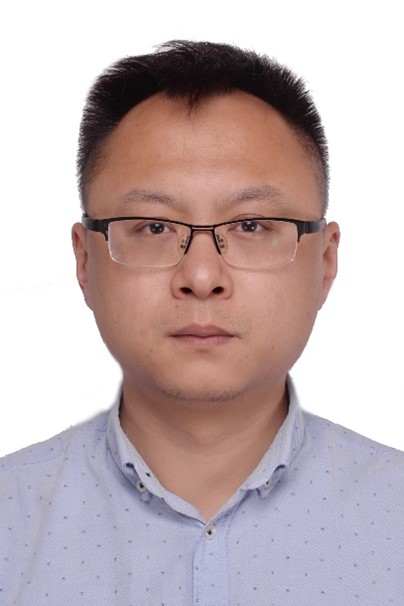
Professor Jianliang Shen leads a biomedical and biomaterial research laboratory intending to develop innovative approaches that bring the next generation of treatments and diagnostics directly to the clinic. He has joint appointments at Wenzhou Medical University and Wenzhou Institute of the University of Chinese Academy of Sciences since 2017. He has authored over 150 publications on nano/microscale strategies for cancer and tissue engineering in Nature Biotechnology, Chemical Society Reviews, Advanced Materials, Advanced Functional Materials, and so on.

Read Jianling’s Emerging Investigator Series Article, A chitosan-based self-healing hydrogel for accelerating infected wound healing, DOI: D3BM00061C.


Check out our interview with Jianliang below:


How do you feel about Biomaterials Science as a place to publish research on this topic?

It was a great experience publishing our work in Biomaterials Sciences, the editors and reviewers handled the manuscript very professionally and efficiently.


What aspect of your work are you most excited about at the moment and what do you find most challenging about your research?

At present, our most exciting aspect is hybrid biomaterials in tissue engineering. The biggest challenge in infected wound healing is how to design functional biomaterials to match the dynamic physiological bottlenecks.


In your opinion, what are the most important questions to be asked/answered in this field of research?

In my opinion, the most important questions to be asked/answered are that:#1 How to develop an antibiotic-free broad-spectrum efficient and safe antibacterial strategy; #2 How to effectively repair chronic wounds and even the regeneration of hair follicles.


Can you share one piece of career-related advice or wisdom with other early career scientists?

In my opinion, in the early stage of the scientific career, we should find like-minded scientists with different backgrounds to discuss and cooperate with because biomaterials science is an interdisciplinary subject.


Keep up with all of Jianliang’s research on the Shen lab Group Website.


Digg This
Reddit This
Stumble Now!
Share on Facebook
Bookmark this on Delicious
Share on LinkedIn
Bookmark this on Technorati
Post on Twitter
Google Buzz (aka. Google Reader)

Emerging Investigator Series – Jiangjiexing Wu

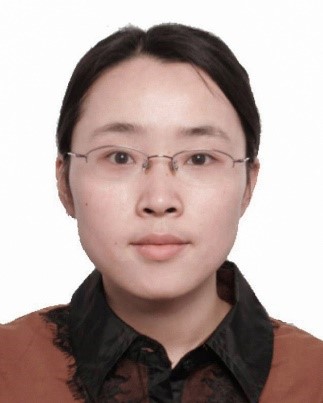
Jiangjiexing Wu is an Associate Professor at Tianjin University. She obtained her Ph.D. degree in 2014 from Tianjin University. From 2011 to 2013, she studied at University of Illinois at Urbana-Champaign as a joint Ph.D. student. After graduation, she joined Nanjing University as a Research Associate Professor before she moved to Tianjin University in 2021. Her current research focuses on the rational design and synthesis of functional nanomaterials (such as nanozymes) for analytical, biomedical, and environmental applications. Her excellent research achievements have led to high-quality publications in J. Am. Chem. Soc., Angew. Chem. Int. Ed., Adv. Mater., Nat. Commun., Chem. Soc. Rev., etc. with more than 3600 citations, and are widely reported and highly praised by domestic and foreign media as “Highly Cited Paper”, “Hot Paper”, and “Cover Article”. She has been awarded several prestigious honours and awards, such as “Emerging Investigators”, “Gordon F. Kirkbright Bursary Award”, “Nanoscale Horizons Outstanding Paper Awards”, “ChemBioTalents”, and “IAAM Scientist Medal”. She is also a Community Board Member of Nanoscale Horizons, Review Editorial Board Member of Frontiers in Bioengineering and Biotechnology, and a Youth Editorial Board Member of Chemical Synthesis.

Read Jiangjiexing’s Emerging Investigator Series article, “Glutathione peroxidase-like nanozymes: mechanism, classification, and bioapplication“, DOI: 10.1039/D2BM01915A.


Check out our interview with her below:

How do you feel about Biomaterials Science as a place to publish research on this topic?

In my opinion, Biomaterials Science is the ideal journal to publish this topic. It is not necessary to report a new biomaterial, but rather to provide novel insight, resulting in novel and more in-depth mechanisms, and thus advancing biomaterial development.


What aspect of your work are you most excited about at the moment and what do you find most challenging about your research?

There is nothing more exciting than watching this field develop rapidly, and more and more researchers are beginning to pay attention and work in it, as well as expanding the treatment to meet various medical needs.  The most challenging part is also the biomedical applications.  In what ways can these research be used as part of clinical therapy and as a means of advancing world health.


In your opinion, what are the most important questions to be asked/answered in this field of research?

It is important to ask how these studies can be useful for clinical therapy, in other words, can at least one skilled application be derived from these studies for clinical therapy?


Can you share one piece of career-related advice or wisdom with other early career scientists?

Make sure you retain an open mind about scientific research as well as an enthusiasm and curiosity about it.

Digg This
Reddit This
Stumble Now!
Share on Facebook
Bookmark this on Delicious
Share on LinkedIn
Bookmark this on Technorati
Post on Twitter
Google Buzz (aka. Google Reader)

Biomaterials Science Emerging investigator – Maria Chiara Arno

Dr Maria Chiara Arno is an Assistant Professor in Polymeric Biomaterials at the University of Birmingham, working jointly across the School of Chemistry and the Institute of Cancer and Genomic Sciences as a Birmingham Fellow.

She completed a PhD at King’s College London in 2015, focusing on the development of peptide-like drugs for the treatment of pathologies linked to a dysregulation in iron metabolism. Following her doctoral studies, Maria Chiara took up a Research Fellow position at the University of Warwick, investigating the biological interactions of polymeric nanoparticles and 3D scaffolds in vitro and in vivo with Prof. Andrew Dove. In 2018, the group moved to the University of Birmingham where she took up a position as a Group Leader in Biomaterials Chemistry.

Her current research is focussed on the development of novel cell-based therapies and materials.

Read Maria Chiara’s Emerging Investigator article, “Enhanced drug delivery to cancer cells through a pH-sensitive polycarbonate platform”, DOI: 10.1039/D2BM01626E.


Check out our interview below:

1. How do you feel about Biomaterials Science as a place to publish research on this topic?

Biomaterials Science is an exceptional journal for publishing research that fits at the interface between material chemistry and biology. In particular, the emphasis of the journal on the in vitro and in vivo investigations of a diverse range of materials makes it an ideal platform for studies that exploit how material design can influence biological performance. In our paper published as part of the Emerging Investigators series we designed a polymer-drug conjugate with a degradable polycarbonate backbone and a pH-sensitive linker for delivery to cancer cells. While cancer-cell selectivity is usually achieved through targeting specific receptors at the cell surface, we demonstrated that our polymer platform can achieve enhanced delivery towards a wide range of cancer cells when compared to non-cancerous cell lines, as a consequence of its physicochemical properties.


2. What aspect of your work are you most excited about at the moment and what do you find most challenging about your research?

I am really fortunate to work with incredibly talented people who share my passion for designing new polymers for applications in drug delivery and tissue engineering. I find it exciting and fulfilling to work at the interface of two fundamentally different fields (chemistry and biology). While this presents its challenges, it is incredibly rewarding to develop new science from the conceptual design of a project to the synthesis of new compounds and the investigation of their biological performance.


3. In your opinion, what are the most important questions to be asked/answered in this field of research?

I think it is important to ask ourselves how we, as scientists, are going to drive the field forward and what the next big problem to tackle is in the field of biomaterials. It is also fundamental to discuss solutions to this problem and work collaboratively towards those. I believe that conducting multidisciplinary research through collaborations among individuals from different disciplines is key to reach this goal.


4. Can you share one piece of career-related advice or wisdom with other early career scientists?

Be creative and build a network of people you trust and you want to work with. Don’t be shy to reach to your network when you need, you’ll find that most people are nice and keen to help.


Find out more about Maria Chiara’s research on her lab website.

Digg This
Reddit This
Stumble Now!
Share on Facebook
Bookmark this on Delicious
Share on LinkedIn
Bookmark this on Technorati
Post on Twitter
Google Buzz (aka. Google Reader)

Biomaterials Science- Lunar New Year 2023

Biomaterials Science Lunar New Year collection 2023


To celebrate the Lunar New Year, we wanted to share with you some of the most popular articles published in Biomaterials Science in 2022 by corresponding authors based in countries celebrating the Lunar New Year.

Read the collection here

All articles in the collection are FREE to read until March, 2 2023


Check out a selection of the articles in the collection below:


Review

Manufacturing functional hydrogels for inducing angiogenic–osteogenic coupled progressions in hard tissue repairs: prospects and challenges

Anuj Kumar, Ankur Sood, Ritu Singhmar, Yogendra Kumar Mishra, Vijay Kumar Thakur and Sung Soo Han

Biomater. Sci., 2022, 10, 5472-5497, DOI: 10.1039/D2BM00894G


Papers

Pulmonary delivery of curcumin-loaded glycyrrhizic acid nanoparticles for anti-inflammatory therapy

Chunxian Piao, Chuanyu Zhuang, Minji Kang, Jihun Oha and Minhyung Lee

Biomater. Sci., 2022, 10, 6698-6706, DOI: 10.1039/D2BM00756H


N-Cadherin adhesive ligation regulates mechanosensitive neural stem cell lineage commitment in 3D matrices

Jieung Baek, Sanjay Kumar, David V. Schafferabd and Sung Gap Im

Biomater. Sci., 2022, 10, 6768-6777, DOI: 10.1039/D2BM01349E


Cationic polymer synergizing with a disulfide-containing enhancer achieved efficient nucleic acid and protein delivery

Yuanji Feng, Zhaopei Guo, Jie Chen, Sijia Zhang, Jiayan Wu, Huayu Tian and Xuesi Chen

Biomater. Sci., 2022, 10, 6230-6243, DOI: 10.1039/D2BM01211A


Rational design of a small organic photosensitizer for NIR-I imaging-guided synergistic photodynamic and photothermal therapy

Shibo Lv, Yuhan Liu, Yanliang Zhao, Xiaoxue Fan, Fangyuan Lv, Erting Feng, Dapeng Liu and Fengling Song

Biomater. Sci., 2022, 10, 4785-4795, DOI: 10.1039/D2BM00661H


Why not also read the Lunar New Year collection for our companion journal, Journal of Materials Chemistry B


Congratulations to all featured authors! We hope you enjoy reading some of these popular articles.

We wish you a happy and prosperous Year of the Rabbit.

Digg This
Reddit This
Stumble Now!
Share on Facebook
Bookmark this on Delicious
Share on LinkedIn
Bookmark this on Technorati
Post on Twitter
Google Buzz (aka. Google Reader)

Biomaterials Science Overview of 2022

Now that 2022 has come to a close, join us as we look back at some of our highlights from last year and as we look forward to some of our upcoming activities in 2023!


Biomaterials Science 10th Anniversary

October 2022 marked the 10th Anniversary of Biomaterials Science. Our Editor-in-Chief, Jianjun Cheng and Executive Editor, Maria Southall wrote an Editorial reflecting on the progress of the journal over the past 10 years and look towards the future of Biomaterials Science.

We celebrated the anniversary with a number of activities such as:

·        Biomaterials Science 10th Anniversary collection featuring high quality research and review articles from some of the top authors in biomaterials

·        Post-publication web collections from four of our key regions; Europe, China, North America and Asia-Pacific, featuring some of the most cited, most downloaded and most shared articles during the first 10 years of the journal

·        ‘Reviewer spotlight’ recognising some of our most loyal outstanding reviewers who have supported the journal in the past few years

Keep an eye on our Twitter for the latest celebratory activities and check out the latest research published in the ongoing anniversary collection.


Biomaterials Science Top Picks of 2022

We have selected some of the most cited, most downloaded and most shared articles published in Biomaterials Science from last year for our Most Popular 2022 collection

All articles in this collection are FREE to read until 28 February 2023.

Congratulations to all featured authors!


Editorial Board

We welcomed Prof. Nasim Annabi (University of California, Los Angeles) to the Editorial Board of Biomaterials Science as an Associate Editor in February 2022. Prof. Annabi was the recipient of the Biomaterials Science Lectureship 2021 in recognition of her contributions to the biomaterials field. Her research involves the design and engineering of advanced biomaterials for applications in regenerative medicine.


Biomaterials Science Lectureship

The Biomaterials Science Lectureship 2022 was awarded to Dr Yizhou Dong (Ohio State University). This annual award was established in 2009 to honour an early-stage career scientist who has made a significant contribution to the biomaterials science field. Dr. Dong’s research focuses on the design and development of biotechnology platforms for the treatment of genetic disorders, infectious diseases, and cancers. To learn more about Yizhou Dong and his research, read our Lectureship winner blog post. You can check out articles from Yizhou and from our previous winners in the Lectureship winners collection.

Profile picture of Yizhou Dong

The nominations for the 2023 Lectureship award are now closed. We have received a number of excellent nominations and we would like to thank everyone for their support. We look forward to announcing the winner later this year.


Biomaterials Science Emerging Investigators

Biomaterials Science is proud to spotlight our ongoing Emerging Investigators Series. Our Emerging Investigators are at the early stages of their independent careers and invited for this collection in recognition of their potential to influence future directions in the field. Congratulations to all the featured researchers on their important work so far!

Read the collection

Meet the Scientists


Themed collections

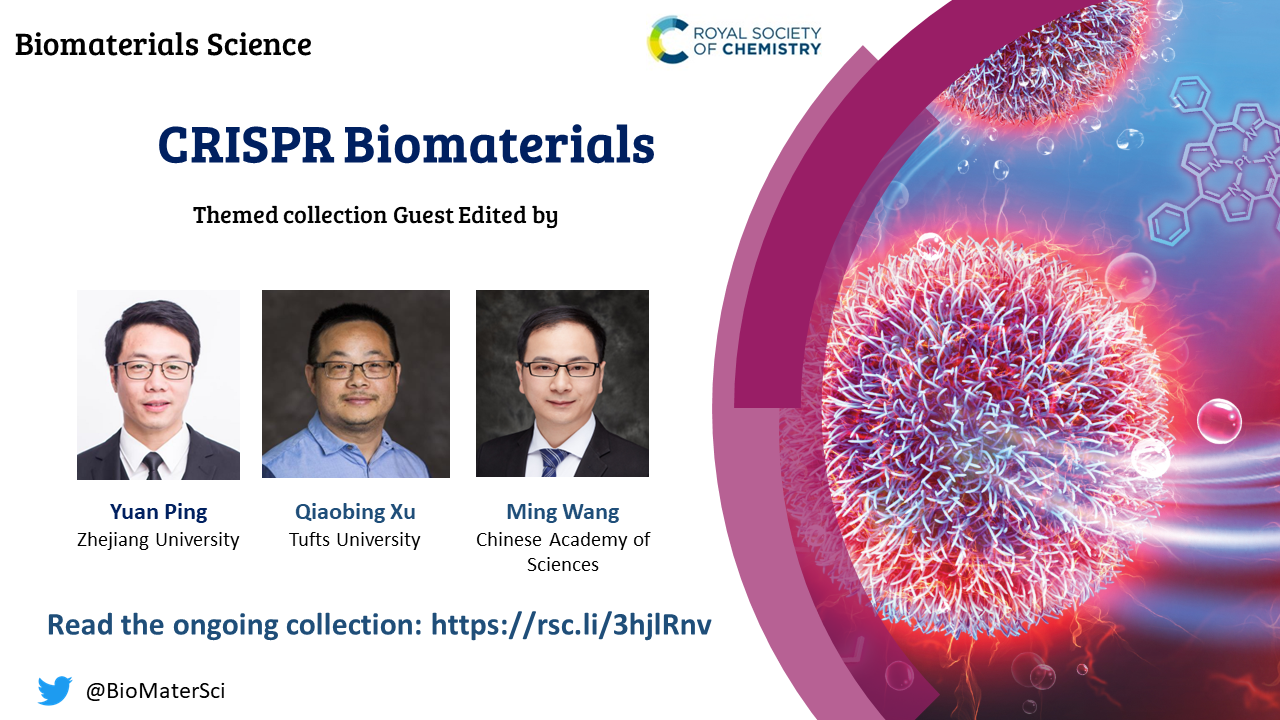
Read this ongoing themed collection in Biomaterials Science on ‘CRISPR biomaterials’, Guest Edited by Yuan Ping (Zheijiang University), Qiaobing Xu (Tufts University) and Ming Wang (Chinese Academy of Sciences).


Keep an eye out for the exciting work being added to the collection

Browse all past collections on our platform, and see our upcoming collections on our calls for submissions page. We will be announcing more collections during the year, so keep a look out!


Open calls

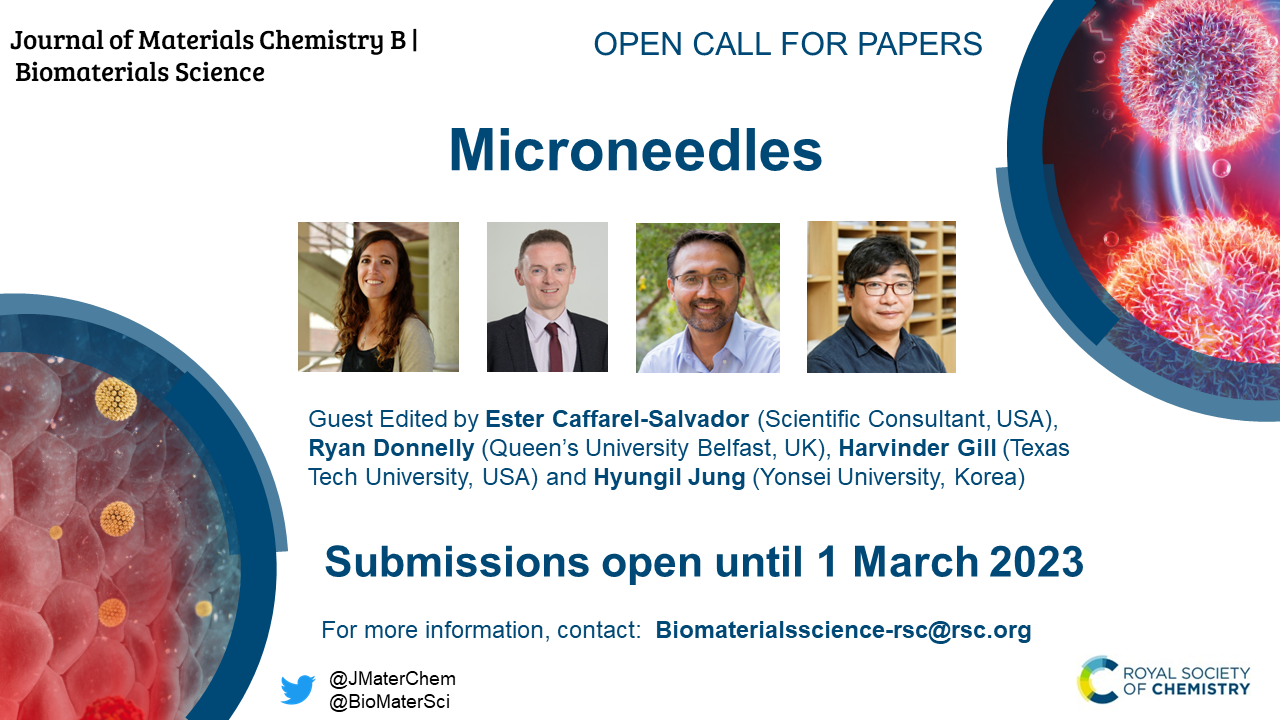
The deadline is soon approaching for this open call to submit your work to a themed collection on ‘Microneedles’ joint with our companion journal, Journal of Materials Chemistry B. Guest Edited by Ester Caffarel-Salvador (Scientific Consultant, USA), Ryan Donnelly (Queen’s University Belfast, UK), Harvinder Gill (Texas Tech University, USA) and Hyungil Jung (Yonsei University, Korea), this themed collection aims to bring together recent advancements in the field of microneedles, from materials design to application and all that is in between.

Read the collection so far


HOT articles

Remember to check out the Biomaterials Science HOT articles collection featuring hot articles highlighted by the Editors and referees. All articles in the collection are FREE to read until 28 February 2023.


Open Access

The Royal Society of Chemistry has announced that all 31 fully-owned hybrid journals, including Biomaterials Science, have been approved as “Transformative Journals” with cOAlition S, an international consortium of research funding and performing organisations. Find out more about our strive towards 100% Open Access here.


#RSCPoster: Save the date

#RSCPoster is a global Twitter Poster Conference, held entirely online over the course of 24 hours. The event brings together the global chemistry community to network with colleagues across the world and at every career stage, share their research and engage in scientific debate.

The 2023 #RSCPoster Twitter Conference will be held from 12:00 (UTC) 28 February 2023 to 12:00 (UTC) 1 March 2023.

How you can help…

We would like to take this opportunity to thank all of you in addition to our authors, reviewers and readers for their support throughout 2022. Here are some of the ways in which you can continue to make a positive contribution to Biomaterials Science:

  • Submit to one of our open themed collections and encourage your colleagues to submit.
  • If you are organising a conference or virtual event, please do let us know if you would like to arrange mutual promotion between the conference and Biomaterials Science. We can offer poster prizes, social media and blog promotion, and adverts in the journal and on the journal web page.
  • Read our recent articles and follow the latest news on the Biomaterials Science blog and on our Facebook and Twitter
  • Send your best research to Biomaterials Science.
  • Sign up to be a reviewer for Biomaterials Science.


Thank you for your continued interest in and support of Biomaterials Science. We look forward to seeing what 2023 brings!


Digg This
Reddit This
Stumble Now!
Share on Facebook
Bookmark this on Delicious
Share on LinkedIn
Bookmark this on Technorati
Post on Twitter
Google Buzz (aka. Google Reader)

Biomaterials Science Emerging investigator- Christopher Rodell


Dr. Chris Rodell is an Assistant Professor in the School of Biomedical Engineering, Health and Science Systems at Drexel University. He conducted his doctoral research at the University of Pennsylvania, working on the development and in vivo application of injectable supramolecular hydrogels. Following completion of his PhD, Chris was a postdoctoral scholar with the Center for Systems Biology at Massachusetts General Hospital and Harvard Medical School, exploring drug delivery platforms for innate immune activation and their applications toward cancer immunotherapy. To date, Chris has authored more than 40 peer-reviewed publications, five patent applications, and numerous editorials. He is the recipient of a number of awards, including an American Heart Association Predoctoral Fellowship, a Materials Research Society Gold Award, the Solomon R. Pollack Award for excellence in graduate biomedical engineering (University of Pennsylvania), an Individual Biomedical Research Award (The Hartwell Foundation), and an R35 MIRA (NIGMS). His ongoing work leverages nanomaterials and injectable hydrogels as platforms for minimally-invasive therapeutic delivery. Examples include the local or systemic delivery of immunomodulatory drugs to re-orient the immune microenvironment for tissue healing and cancer treatment.


Read Chris’s Emerging Investigator article, ‘Sustained release of drug-loaded nanoparticles from injectable hydrogels enables long-term control of macrophage phenotype’, DOI: 10.1039/D2BM01113A 


Check out our interview below:

1. How do you feel about Biomaterials Science as a place to publish research on this topic?

Biomaterials Science continues to be at the top of my reading list and is an outstanding outlet for communicating work related to material structure, composition, and biological function. Moreover, the journal has welcomed new directions in immune modulation and engineering that are critical areas of research growth as biomaterials continue to evolve as platforms for the understanding and therapeutic manipulation of either individual cell types or immune cell networks. Given the journal’s standing interest in biological applications and translation towards clinical use, it was an obvious choice for publishing our current work that focuses on developing polymer-nanoparticle hydrogels for local macrophage-targeted drug delivery.


2. What aspect of your work are you most excited about at the moment and what do you find most challenging about your research?

The most exciting parts of this work are two-fold. First, we were interested in identifying drugs that could alter macrophage behavior – inhibiting inflammation while encouraging pro-healing behaviors. This was particularly challenging because it required the development of new drug screening methods as well as follow-up analysis in immune cells from both mice and humans to ensure drug activity was genuine. Finding a drug that meets these criteria is exciting for the immune modulation field, and we hope it will have broad applications in wound healing and regenerative medicine. The delivery of such immunosuppressive drugs, however, is often a problem clinically. This is because delivery throughout the body places patients at a greater risk of infection. The hydrogels developed overcome this by locally targeting drug delivery to specific cell types, potentially avoiding systemic immune suppression. I expect these materials to become a platform for delivering a library of suitable drugs, concentrating effects at the injection site while limiting off-target effects throughout the body that have continually derailed clinical trials.


3. In your opinion, what are the most important questions to be asked/answered in this field of research?

Some of the most critical and under-explored topics in immune modulation are related to how immune systems change in response to perturbations, including both injury and therapeutic delivery. Too often, cell types or single tissues are considered in isolation. In the context of macrophage-targeted therapeutics like the ones discussed here, it remains an open question as to which cells are best to manipulate. We can surely change the behavior of macrophages locally through drug delivery, but is this the most impactful approach? Considering the systems physiology, these cells generally have a short lifespan and are continually replaced by precursors from the bone marrow. Emerging evidence suggests that profound changes in these precursor cells drive long-term response to injury and link inflammatory co-morbidities (e.g., gum and heart disease, stroke and heart attack). Addressing these types of questions requires a broader systems biology thinking and is difficult to directly address experimentally. These are the types of problems we are beginning to address in my research group, which would not be possible without unique biomaterials platforms.


4. Can you share one piece of career-related advice or wisdom with other early career scientists?

Be happy. Just like Marie Kondo, find what sparks joy and hold onto it. It might be the location, environment, people, type of research, or any combination of these. I believe everyone is most productive in their life and work when they are happy. And frankly, you deserve it. Whether it’s a degree program or a long-term career, it’s a long-haul and you should be excited by what you do and where you are.


Find out more about Chris’s Tissue Instructive Materials lab on his website

Follow Chris and his research group on these social media:

Twitter: @ChrisRodell2 @DrexelBiomed  

Chris’s Facebook and Department Facebook

Department Instagram

Chris’s Linkedin and Department Linkedin

Digg This
Reddit This
Stumble Now!
Share on Facebook
Bookmark this on Delicious
Share on LinkedIn
Bookmark this on Technorati
Post on Twitter
Google Buzz (aka. Google Reader)

Biomaterials Science Emerging Investigator- Brian Aguado

Dr. Brian Aguado is currently an Assistant Professor of Bioengineering at UC San Diego, where his laboratory research is focused on studying sex differences in cardiovascular disease using biomaterial technologies. Dr. Aguado completed his BS degree in Biomechanical Engineering from Stanford University and his MS and PhD in Biomedical Engineering from Northwestern University. He also obtained his certificate in Management for Scientists and Engineers from the Kellogg School of Management at Northwestern. He completed his postdoctoral fellowship in Chemical and Biological Engineering at the University of Colorado Boulder.

Dr. Aguado has received numerous awards to support his research, including the Burroughs Wellcome Fund Postdoctoral Enrichment Program award, the NIH K99/R00 Pathway to Independence Award, the American Heart Association Career Development Award, and the Chan Zuckerberg Initiative Science Diversity Leadership Award. Dr. Aguado currently serves on the Editorial Advisory Boards for the Journal of Biomedical Materials Research Part A and GEN Biotechnology. Dr. Aguado is also a dedicated science communicator outside of the lab and seeks to engage historically excluded and marginalized populations in the sciences. Dr. Aguado co-founded LatinXinBME (Twitter: @LatinXinBME), a new social media initiative dedicated to building a diverse and inclusive community of Latinx biomedical engineers and scientists to support each other personally and professionally through their careers.  For his efforts, he was named one of the 100 Most Inspiring Latinx Scientists in America by Cell Press and received the Biomaterials Diversity Award for Young Investigator from the Biomaterials journal.

Find out more about Brian’s research on his webpage

Follow Brian on Twitter @BrianAguado and check out @LatinXinBME

Read Brian’s Emerging Investigator article, ‘Inflammatory serum factors from aortic valve stenosis patients modulate sex differences in valvular myofibroblast activation and osteoblast-like differentiation‘, DOI: 10.1039/D2BM00844K


Check out our interview below:

1. How do you feel about Biomaterials Science as a place to publish research on this topic? 

Ever since graduate school, I have always acknowledged Biomaterials Science as the preeminent journal for our field. For a couple years during my PhD, I blogged for the Royal Society of Chemistry and contributed short “pop science” articles about Hot Papers published in Biomaterials Science. Now as a PI, it feels rather special to have contributed my lab’s first research article in a journal I have respected my entire career. 

2. What aspect of your work are you most excited about at the moment and what do you find most challenging about your research?

I am proud that my lab’s research program at the intersection of sex-specific cardiovascular biology and biomaterials engineering resonates with historically marginalized students in STEM fields. I believe that through addressing health disparities (specifically sex-based disparities) in the lab, I can simultaneously attract folks from marginalized communities to the bioengineering community, all while conducting research that impacts their respective communities. 

3. In your opinion, what are the most important questions to be asked/answered in this field of research?

Our lab is interested in understanding the independent and synergistic contributions sex hormones, sex chromosomes, and inflammation in regulating sex differences in cardiovascular disease. In order to resolve sex and gender disparities, our lab believes biomaterials can be leveraged to determine sex-specific mechanisms of disease and more accurate sex-specific treatments. 

4. Can you share one piece of career-related advice or wisdom with other early career scientists?

Prioritize your trainees over your science always. Your students’ career success hinges on their personal happiness and well being. Focus your efforts on bringing your full authentic self to the work place, which will help develop strong rapport and trust with your lab members and create a more inclusive lab environment. 

Digg This
Reddit This
Stumble Now!
Share on Facebook
Bookmark this on Delicious
Share on LinkedIn
Bookmark this on Technorati
Post on Twitter
Google Buzz (aka. Google Reader)

Biomaterials Science Emerging Investigator- Katelyn Swindle-Reilly

Dr. Katelyn Swindle-Reilly – Photo courtesy of College of Engineering at Ohio State

Katelyn Swindle-Reilly, PhD, received a BS in Chemical Engineering from Georgia Institute of Technology, and MS in Chemical Engineering and PhD in Energy, Environmental, and Chemical Engineering from Washington University in St. Louis. She completed postdoctoral training in Biomedical Engineering (BME) at Saint Louis University. She then worked in industry as a Senior Scientist at Rochal Industries. She concurrently held an Adjunct appointment in BME at The University of Texas at San Antonio. She joined The Ohio State University (OSU) as Assistant Professor in BME and Chemical and Biomolecular Engineering (CBE) in 2016. She has a courtesy appointment in Ophthalmology and Visual Sciences.

Dr. Swindle-Reilly’s research focuses on the design of polymeric biomaterials for soft tissue repair and drug delivery with focused applications in ophthalmology. Since 2020, she has also been serving as Chief Technology Officer of Vitranu, Inc., a startup that licensed ocular drug delivery technologies her lab developed at OSU. Professional recognitions have included the Controlled Release Society (CRS) Ocular Delivery Focus Group (OcD) Young Investigator Award, selection as an Emerging Vision Scientist by NAEVR, OSU Early Career Innovator of the Year, OSU College of Engineering Innovators Award, and the Ohio Lions Eye Research Foundation Lois Hagelberger-Huebner Young Investigator Award. Her teaching and mentoring incorporates entrepreneurial minded learning (EML). Dr. Swindle-Reilly is interested in promoting entrepreneurialism and STEM careers, particularly to female students, and is actively involved with programming that supports these interests.

Find out more about Katelyn’s research on her webpage

Follow Katelyn on Twitter @SwindleReilly and LinkedIn

Read Katelyn’s Emerging Investigator article, ‘Sustained release of heme–albumin as a potential novel therapeutic approach for age-related macular degeneration’, DOI: 10.1039/D2BM00905F

Check out our interview with Katelyn below:

1. How do you feel about Biomaterials Science as a place to publish research on this topic?

Biomaterials Science is an excellent biomaterials journal, and was therefore a great place to publish our interdisciplinary work exploring new protein therapeutics and delivery from polydopamine nanoparticles.

2. What aspect of your work are you most excited about at the moment and what do you find most challenging about your research?

I am really excited about recent collaborations that have developed. This will enable us to explore new therapeutic approaches for treatments of several ocular diseases.

3. In your opinion, what are the most important questions to be asked/answered in this field of research?

There have been many recent significant advances and there are new and emerging treatments for vision-threatening conditions, but there is still a lot that remains unknown about the eye. For example, age-related macular degeneration appears to have many root causes, and more is being discovered by basic scientists and clinicians. In order to advance treatments for these patients, it is important to work with a diverse team that is investigating mechanisms behind a disease, clinicians treating the condition, and translational scientists/engineers.

4. Can you share one piece of career-related advice or wisdom with other early career scientists?

Believe in yourself and your abilities, know your worth, and persist through failure. It is not easy to establish your own program, and research is riddled with obstacles. I took a less traditional path to my academic career, which caused additional challenges, but ultimately my different perspective and persistence enabled my work.  


Digg This
Reddit This
Stumble Now!
Share on Facebook
Bookmark this on Delicious
Share on LinkedIn
Bookmark this on Technorati
Post on Twitter
Google Buzz (aka. Google Reader)