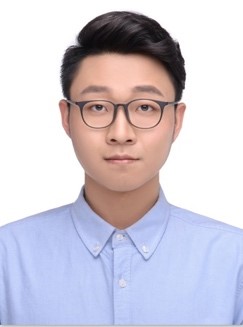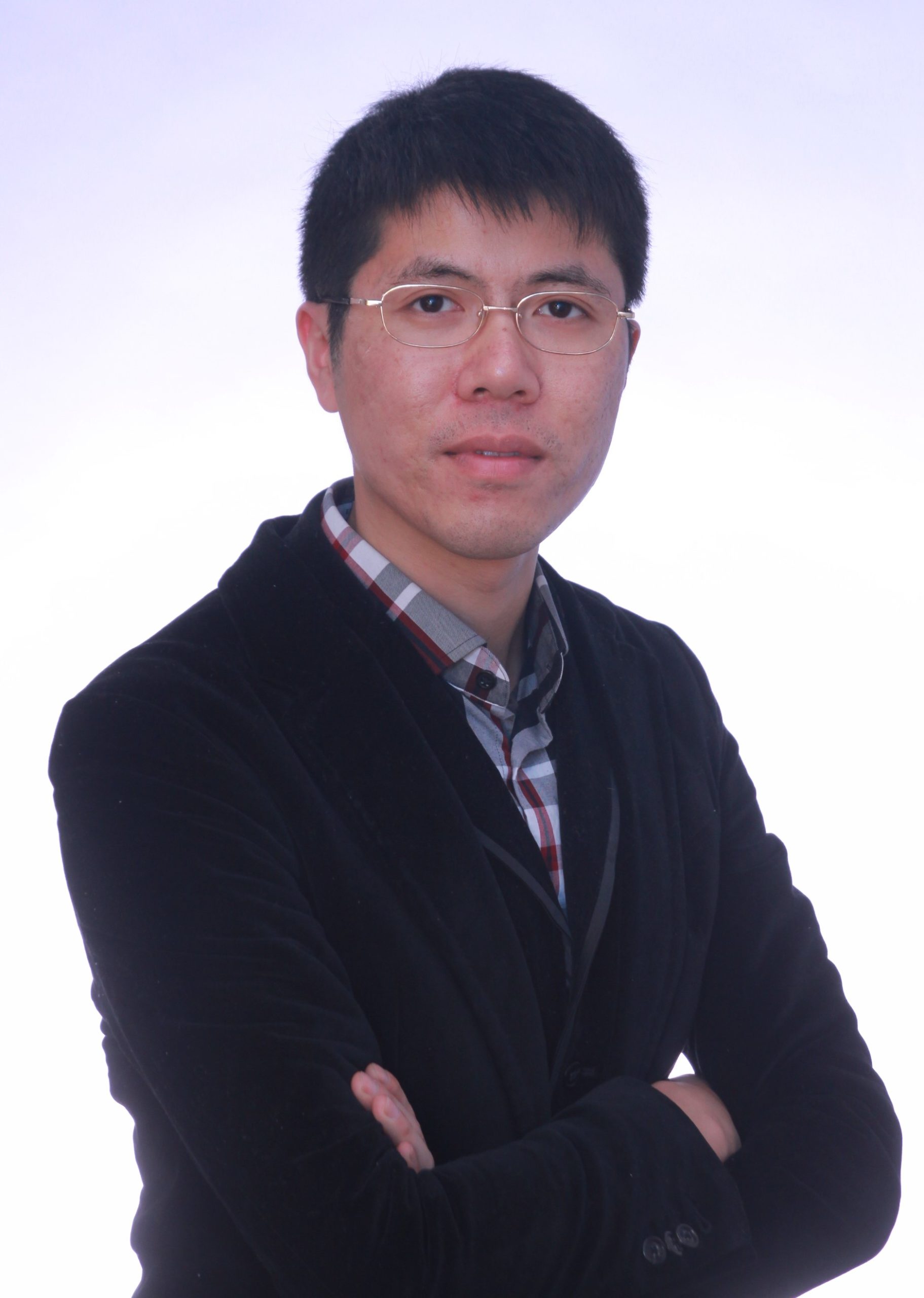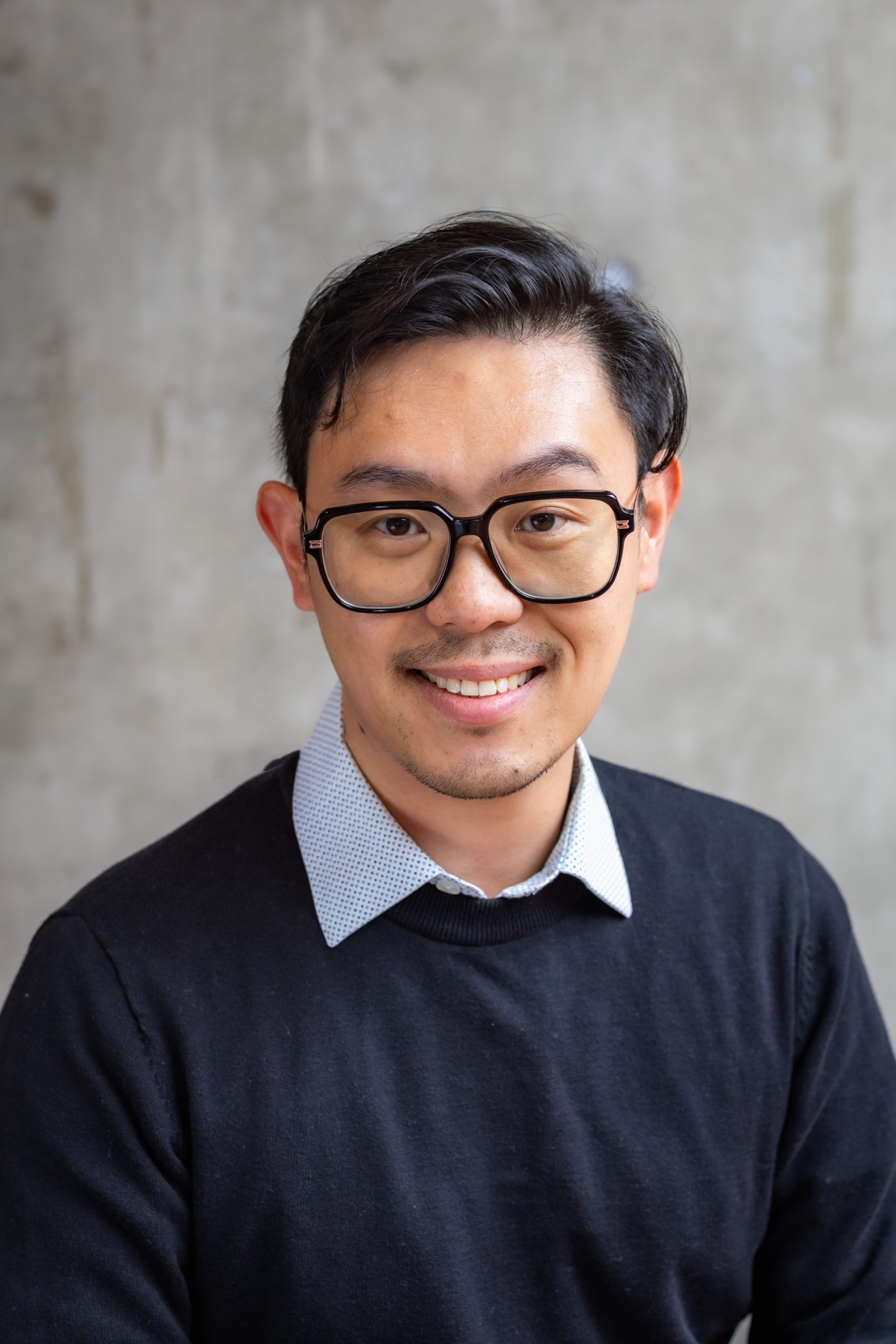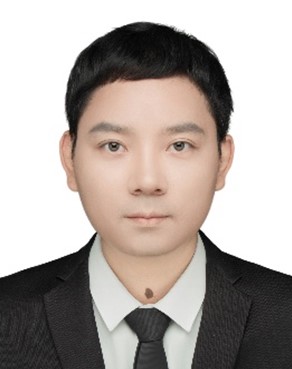

It is with great pleasure that we announce Hua Wang (University of Illinois at Urbana-Champaign, USA) as the recipient of the 2026 Biomaterials Science lectureship.
This award, established in 2014, honours an early-career researcher who has made significant contribution to the biomaterials field. The recipient is selected by the Biomaterials Science Editorial Board from a list of candidates nominated by the community.
 |
Prof. Hua Wang is an Associate Professor in the Department of Materials Science and Engineering at UIUC. He is also affiliated with the Cancer Center at Illinois, Department of Bioengineering, Department of Chemistry, Carle College of Medicine, Beckman Institute, Materials Research Laboratory, and Institute for Genomic Biology. Prof. Wang received his B.S. degree in Polymer Science and Engineering from the University of Science & Technology of China in 2012, completed his PhD in Materials Science and Engineering at UIUC in 2016, and pursued his postdoc in cancer immunotherapy and immunoengineering at Harvard University during 2016-2020.
The Wang lab is conducting interdisciplinary research in the fields of cancer immunotherapy, metabolic glycan labeling, immunoengineering, cell engineering, and biomaterials. Prof. Wang is a recipient of NSF CAREER Award (2021), NCI and NIGMS R01 grants, Scialog Fellow (2023), CMBE Young Innovator Award (2023), Sontag Distinguished Scientist Award (2024), American Cancer Society Research Scholar Award (2024), DoD CDMRP Idea Development Award (2024), Dean’s Award for Excellence in Research (2024), BMES CMBE Rising Star Junior Faculty Award (2025), American Association of Extracellular Vesicles (AAEV) Young Investigator Award (2026), METAvivor Early Career Investigator Award (2026), and attendee of the 2023 Grainger Foundation Frontiers of Engineering Symposium organized by NAE. |
Read Hua’s Biomaterials Science publications for FREE until 31st August. These and articles from our previous lectureship winners can be found in our lectureship winners collection.
Read our interview with Hua below:
How has your research evolved from your first article to this most recent article?
My first 1st-authored research article, back in 2013, was about the development of a core-crosslinked polymeric micelle for anticancer drug delivery. Our most recent article is about polyplex vaccines for treating solid tumors. It has been a memorable research journey for me to receive training in polymer science and chemistry, step into biomaterial and drug delivery field, pick up cancer biology and immunology knowledge, and now run a laboratory of biomaterials for immunoengineering and immunotherapy.
What excites you most about your area of research and what has been the most exciting moment of your career so far?
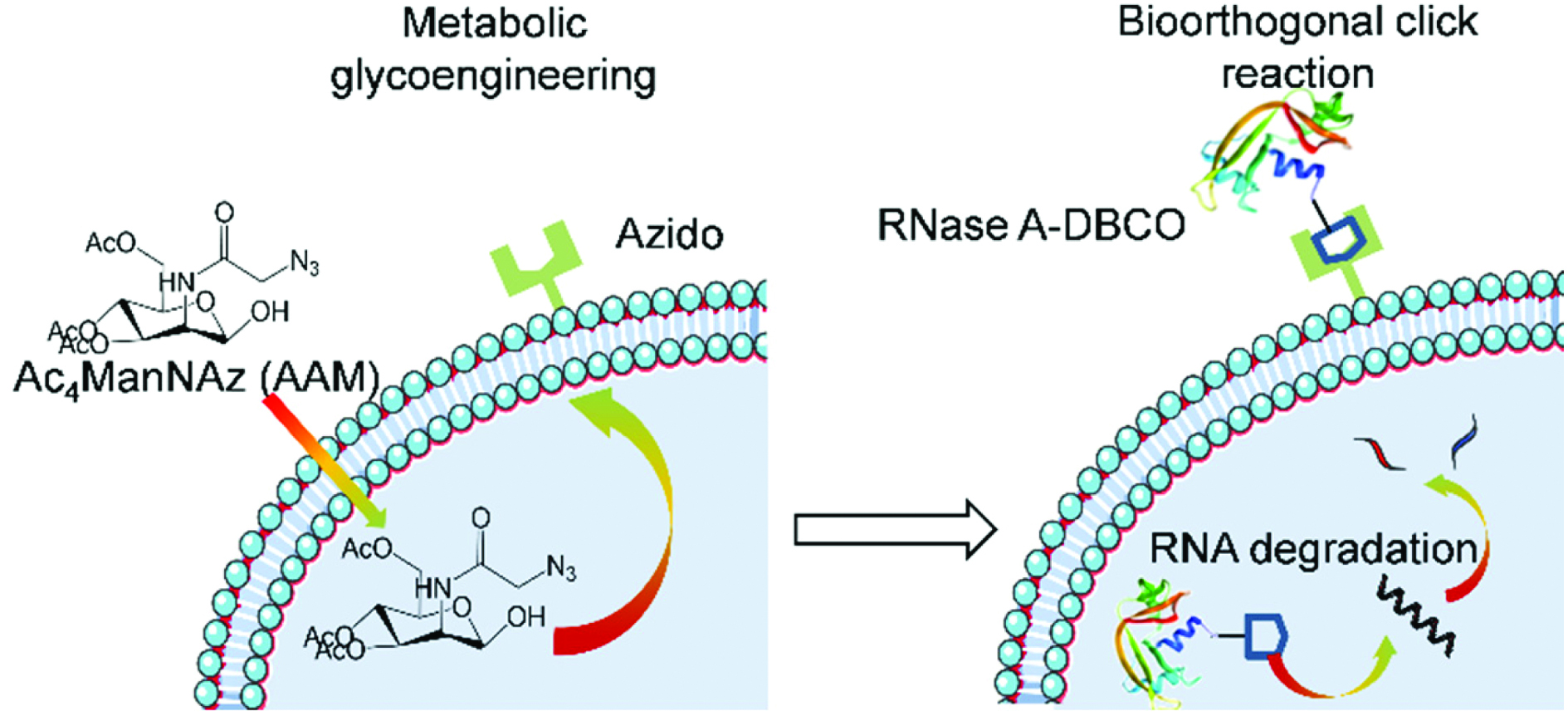
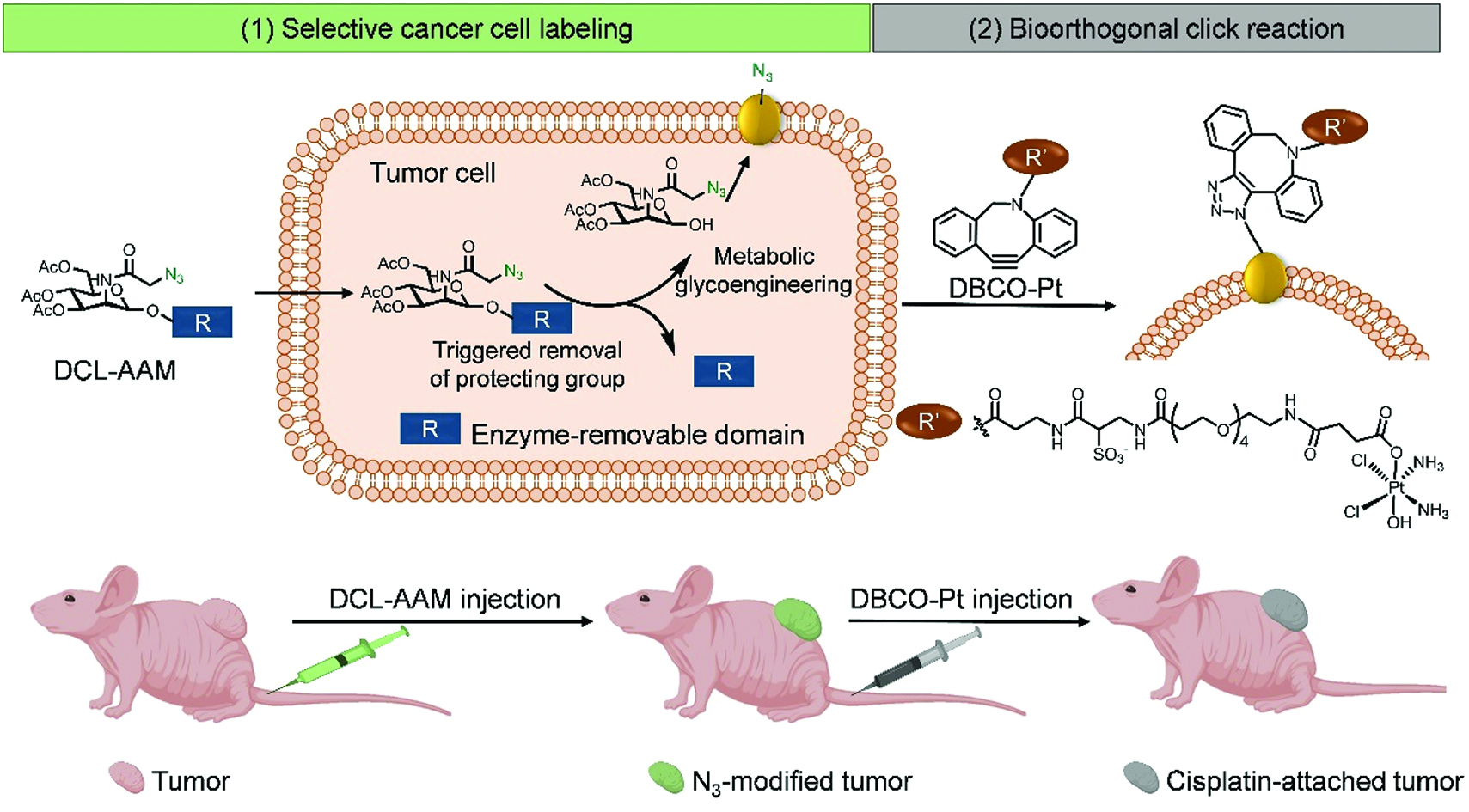
My lab pursues both fundamental science and the translation of therapies/technologies. There have been many exciting moments for me so far, including the moment of successfully validating the trigger-responsive azido-sugar idea back in my PhD, successfully demonstrating the in vivo dendritic cell labeling and targeting idea, and witnessing my students’ success in validating the effectiveness of our tumor extracellular vesicle vaccine, among others. The moments of receiving intent from clinical collaborators to push forward the clinical translation of our cancer vaccine platforms were also amazing.
In your opinion, what are the most important questions to be asked/answered in your field of research?
In cancer immunotherapy field, the grand challenge is still to find the best treatment option for different patients. For cancer vaccines, it is time to make them the next breakthrough in cancer immunotherapy, following the well-known checkpoint blockade therapies and chimeric antigen receptor (CAR) T cell therapies.
How do you feel about Biomaterials Science as a place to publish research on this topic?
Biomaterials Science has been a great place to publish our exciting results in new biomaterials development and applications. It is getting better and better over the years.
Which of your Biomaterials Science publications are you most proud of and why?
Probably the most recent one titled “Tannin-Bearing Hydrogel Adhesives with Enhanced Mechanical and Adhesion Strength in Response to Protein Leakage”. It is a bit different from our core platforms (e.g., cancer vaccines, immunoengineering, metabolic glycan labeling) and is a nice example that my trainees are encouraged to pursue whatever topics they are interested in.
In which upcoming conferences or events (online or in person) may our readers meet you?
BMES annual conference, Society for Biomaterials conference, BMES-CMBE conference, Gordon research conferences in immunoengineering, biomaterials, drug delivery, etc. I will be at European Society for Biomaterials Conference this September as well.
Can you share one piece of career-related advice or wisdom with early career scientists?
I keep reminding myself to work on something that is impactful/meaningful and what I am truly interested in.
How do you spend your spare time?
I do photography, watch many different sports, among others.
We would like to thank everybody who nominated a candidate for the 2026 Biomaterials Science Lectureship. The Editorial Board had a very difficult task in choosing a winner from the many excellent and worthy candidates.
Please join us in congratulating Hua on winning this award!



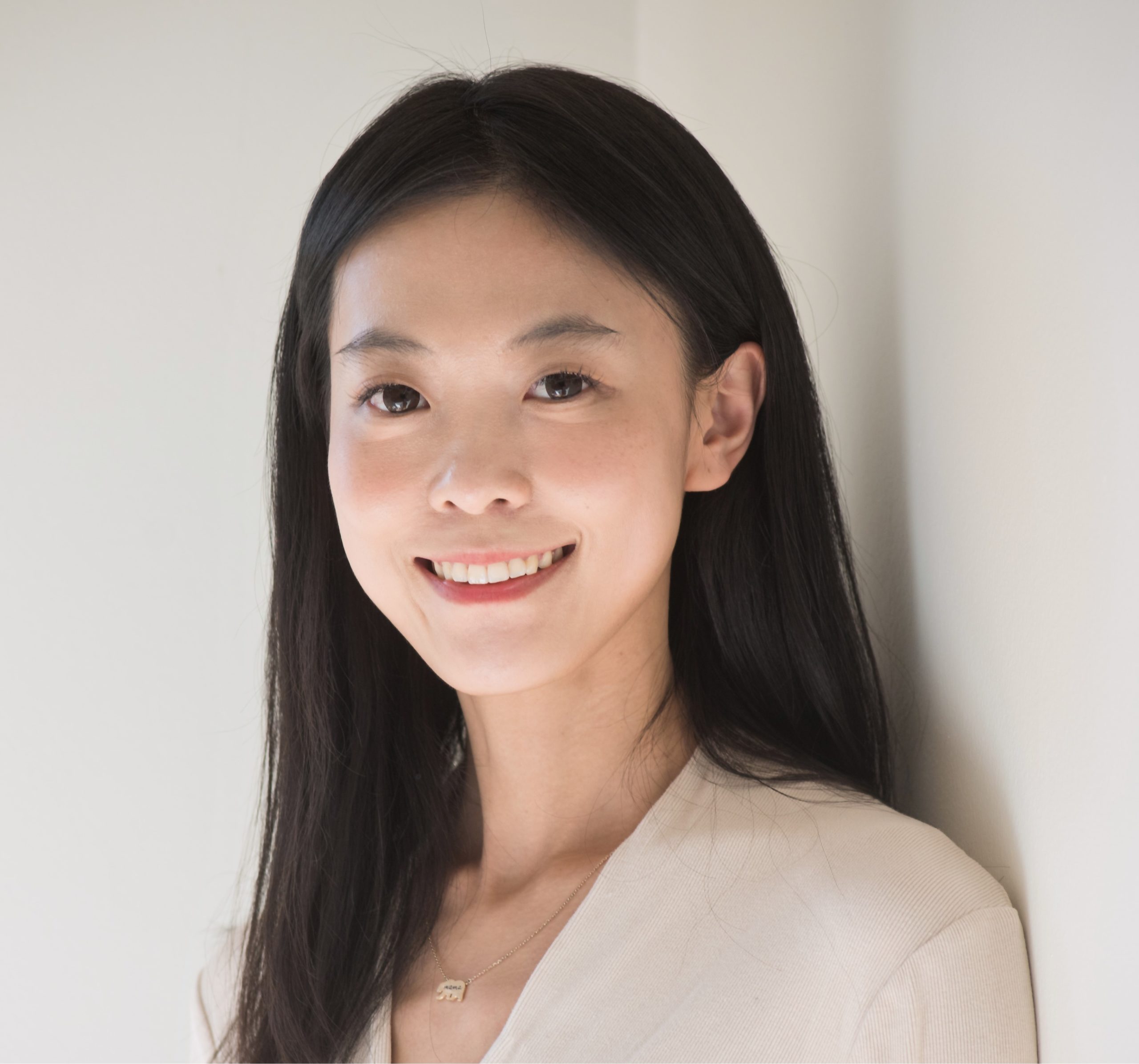
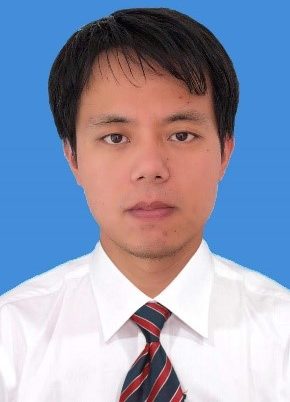
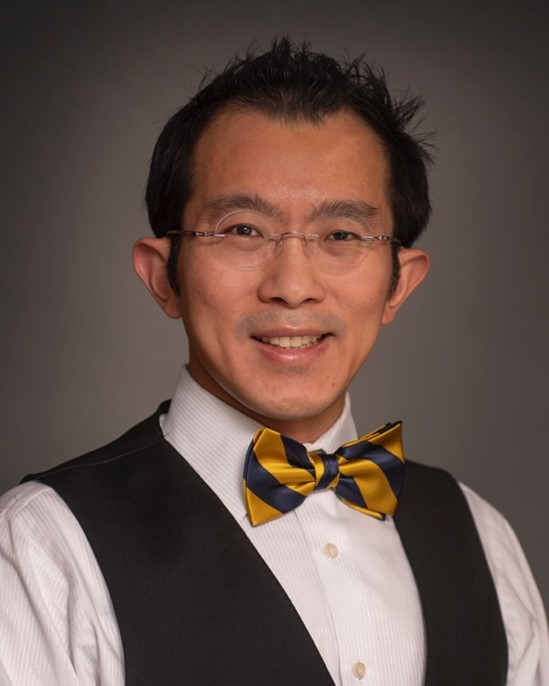
 Hang Ping received his PhD degree in materials processing engineering (2017) from the Wuhan University of Technology. He is currently a professor in Wuhan University of Technology. His research interests mainly focus on bioprocessing-inspired synthesis and fabrication. He has published more than 50 peer-reviewed papers as coauthors, authorized 6 invention patents in China, and hosted 3 projects from national natural science foundation of China.Hang received an award sponsored by Materials Horizons for his talk entitled ‘Bioprocessing-inspired intrafibrillar collagen mineralization with megapascal contractile prestresses’
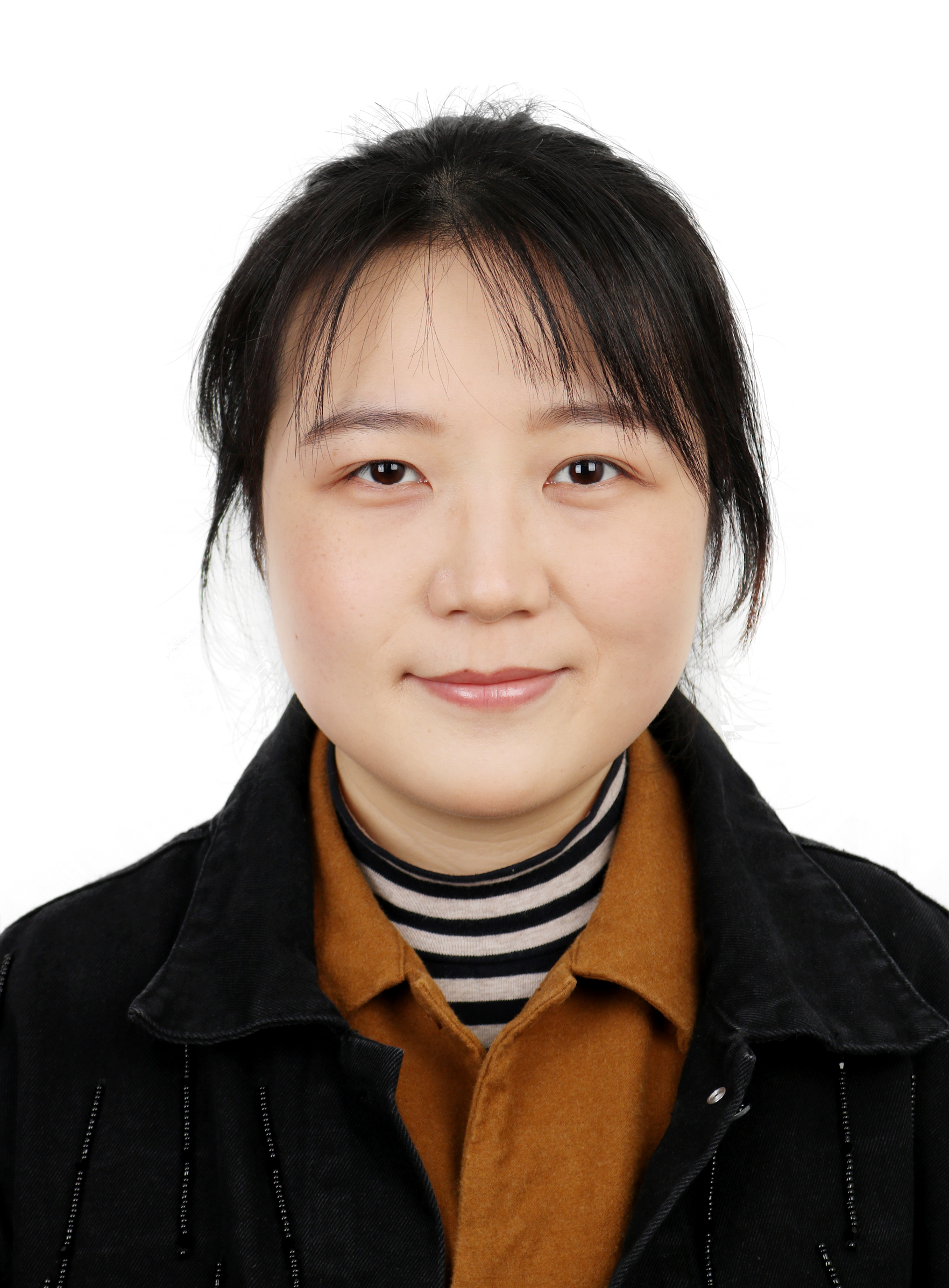
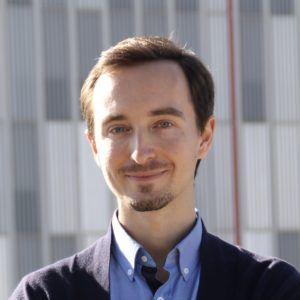 Jan Grzelak was born in 1993 in Warsaw, Poland. He obtained his bachelor´s (B.Sc.) and master´s degrees (M.Sc.) in Nanostructure Engineering from University of Warsaw. In 2017, he was granted a “la Caixa” INPhINIT Fellowship to pursue a PhD degree in Materials Science at Institut de Ciència de Materials de Barcelona (ICMAB-CSIC), under the supervision of Prof. Anna Roig Serra and Dr. Martí Gich Garcia, in the Nanoparticles and Nanocomposites Group. In October 2021, he obtained his PhD with Cum Laude qualification for his doctoral thesis entitled “Magnetic and fluorescent mesoporous silica nanorods towards liver theranostic uses”. Later, he pursued an additional master’s degree in Biomedicine at the University of Barcelona. In January 2023, he started working as a postdoctoral researcher in the ERC project “Bio-inspired AntiMicrobial Bone Bioceramics: Deciphering contact-based biocidal mechanisms” (BAMBBI) in the research line of Biomaterials for Bone Regeneration led by Prof. Maria Pau Ginebra at the Polytechnic University of Catalonia (UPC), where he works on the development of calcium phosphate surfaces with tailored nanotopographies.