


Nanoscale is delighted to introduce a new themed collection focusing on Quantum Nanomaterials! All articles in the collection are free to read until 31st July 2026.

We invite you to discover the latest research from the Quantum nanomaterials collection and read the introductory editorial written by guest editors Dr Yujeong Bae (Empa, Swiss Federal Laboratories for materials science and technology, Switzerland), Dr Paola Ceroni (Università di Bologna, Italy) and Dr Yi Chen (Peking University, China).
| Explore the collection | Read the Editorial |
Quantum materials have emerged as a rapidly expanding field at the intersection of condensed matter physics, materials science, and quantum technology. These materials exhibit exotic quantum phenomena that cannot be described by classical models, encompassing diverse systems such as topological materials, correlated electron systems, moiré heterostructures, two-dimensional (2D) materials, and spin-based quantum systems. Their unique electronic, magnetic, and optical properties underpin advancements in quantum computing, spintronics, optoelectronics, and next-generation sensing technologies. A significant milestone in the recognition of quantum materials research was the 2023 Nobel Prize in Chemistry, awarded for the discovery and synthesis of quantum dots, highlighting the transformative impact of nanoscale semiconductor materials. This breakthrough, along with developments in topological insulators, moiré superlattices, superconducting materials, and quantum defects in solids, has fuelled new directions in quantum information science and novel device architectures. This special collection aims to highlight the latest advancements and challenges in quantum materials research, with a broad topic scope.
We have highlighted a selection of articles below, but you can explore all papers in the collection here.
| Reviews
|
|
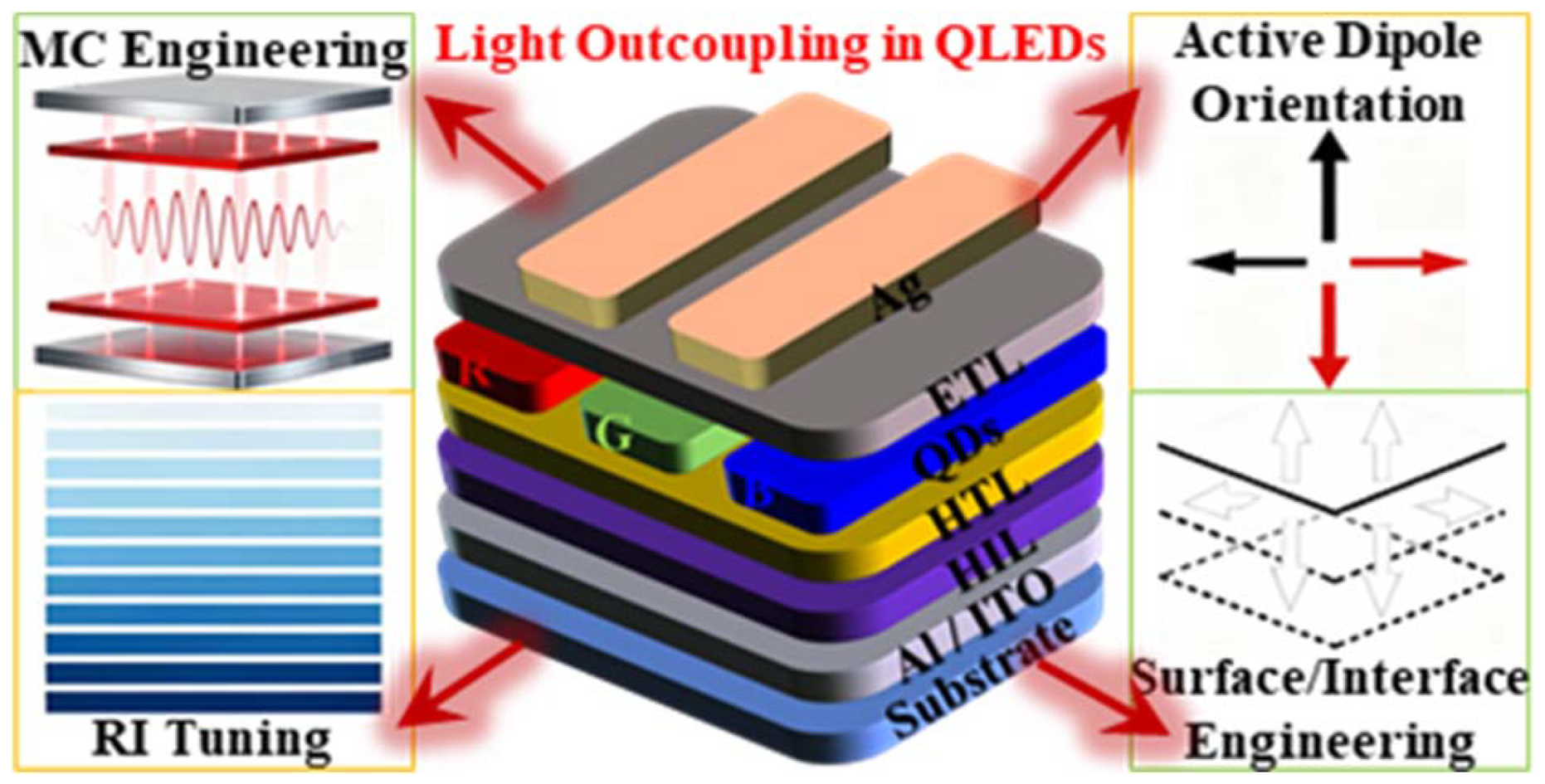 |
Light outcoupling strategies for quantum dot light-emitting diodes
Rakesh Kumar Jha, Hyuntai Kim and Seong-Yong Cho Nanoscale, 2026, 18, 2916-2941 |
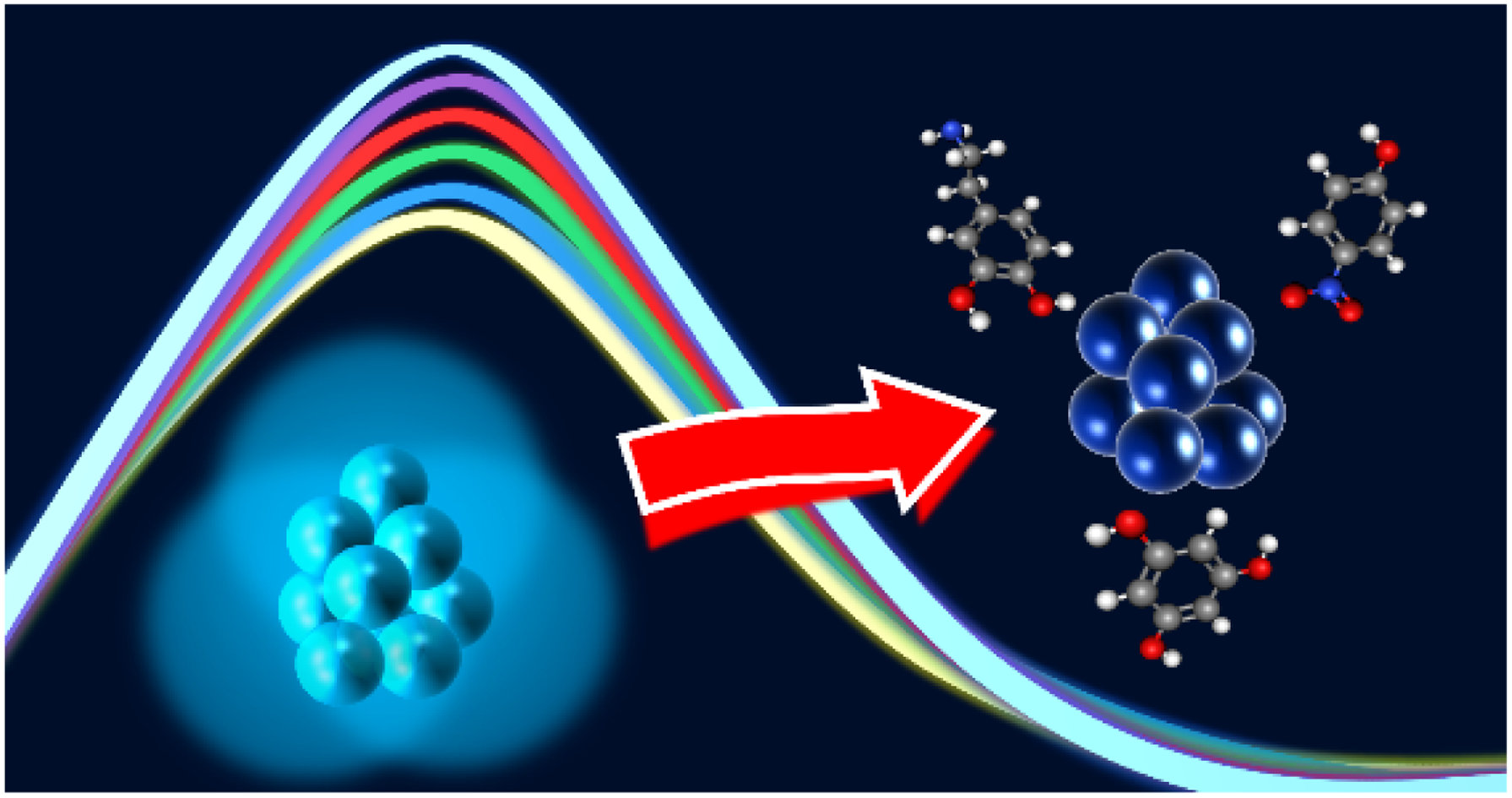 |
Recent advances in carbon-based quantum dots for sensing applications
Shamim Ahmed Hira, Sharmila Durairaj, Carlos A. Ramirez and Aicheng Chen Nanoscale, 2025, 17, 27762-27783 |
| Papers
|
|
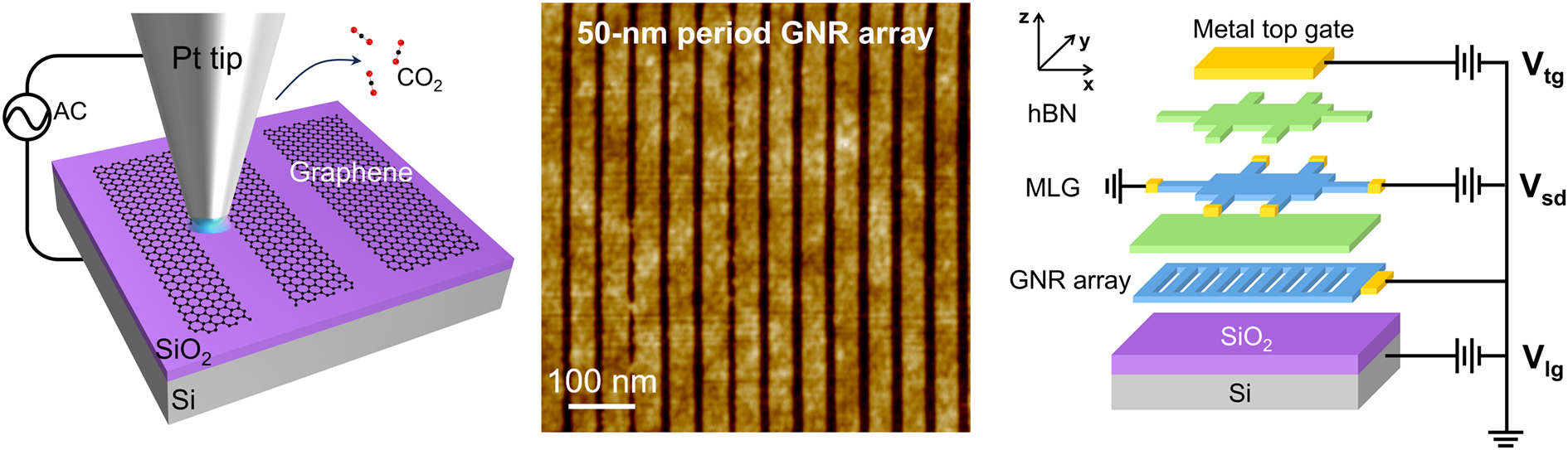 |
High-precision AFM cutting of graphene via improved electrode-free local anodic oxidation for electronic band engineering
Zhenghan Wu, Xianliang Zhou, Kunqi Xu, Zhichun Zhang, Yufeng Xie, Kenji Watanabe, Takashi Taniguchi and Zhiwen Shi Nanoscale, 2025, 17, 25657-25663 |
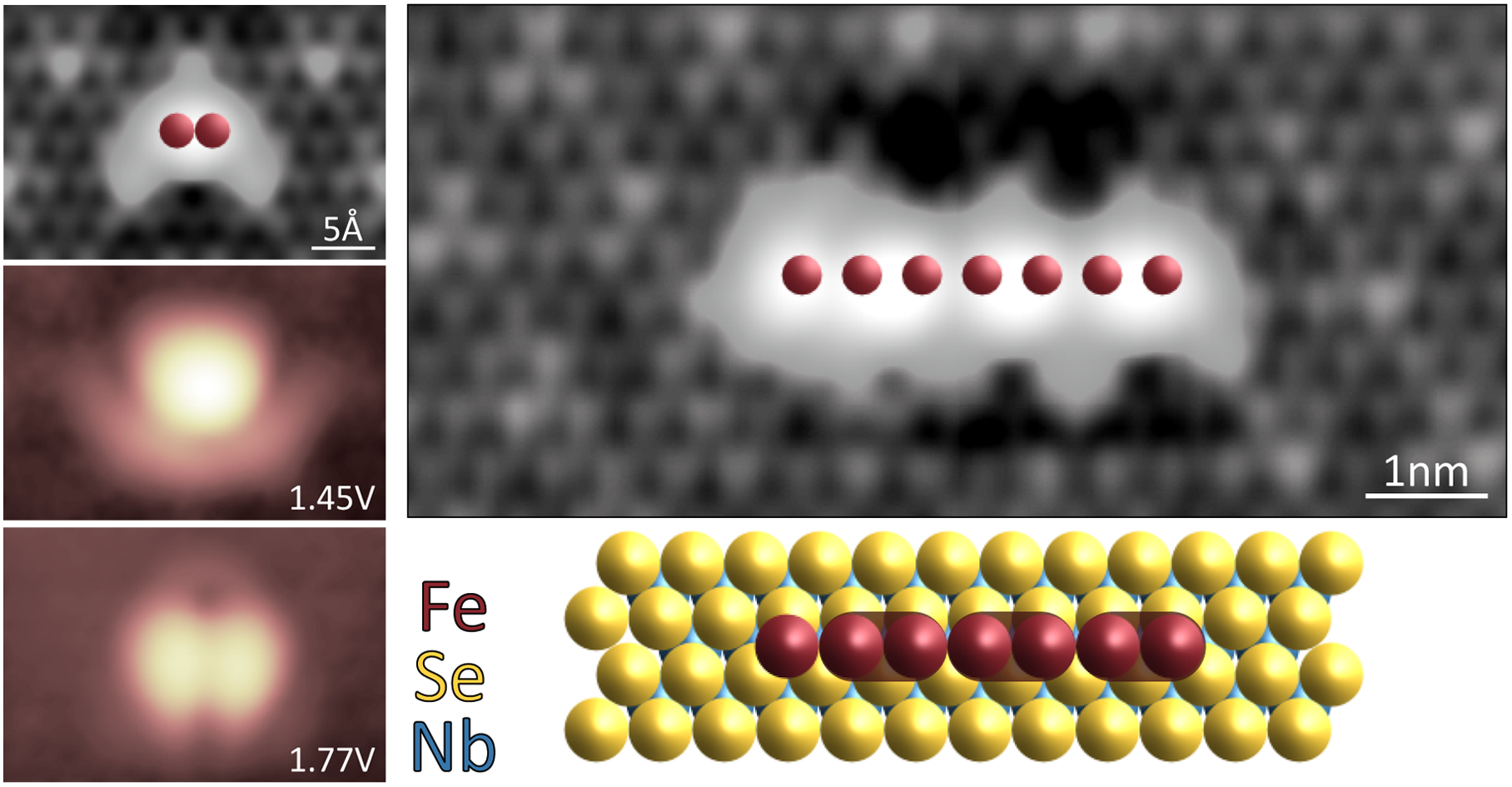 |
Direct signatures of d-level hybridization and dimerization in magnetic adatom chains on a superconductor
Lisa M. Rütten, Eva Liebhaber, Gaël Reecht, Kai Rossnagel and Katharina J. Franke Nanoscale, 2025, 17, 26811-26819 |
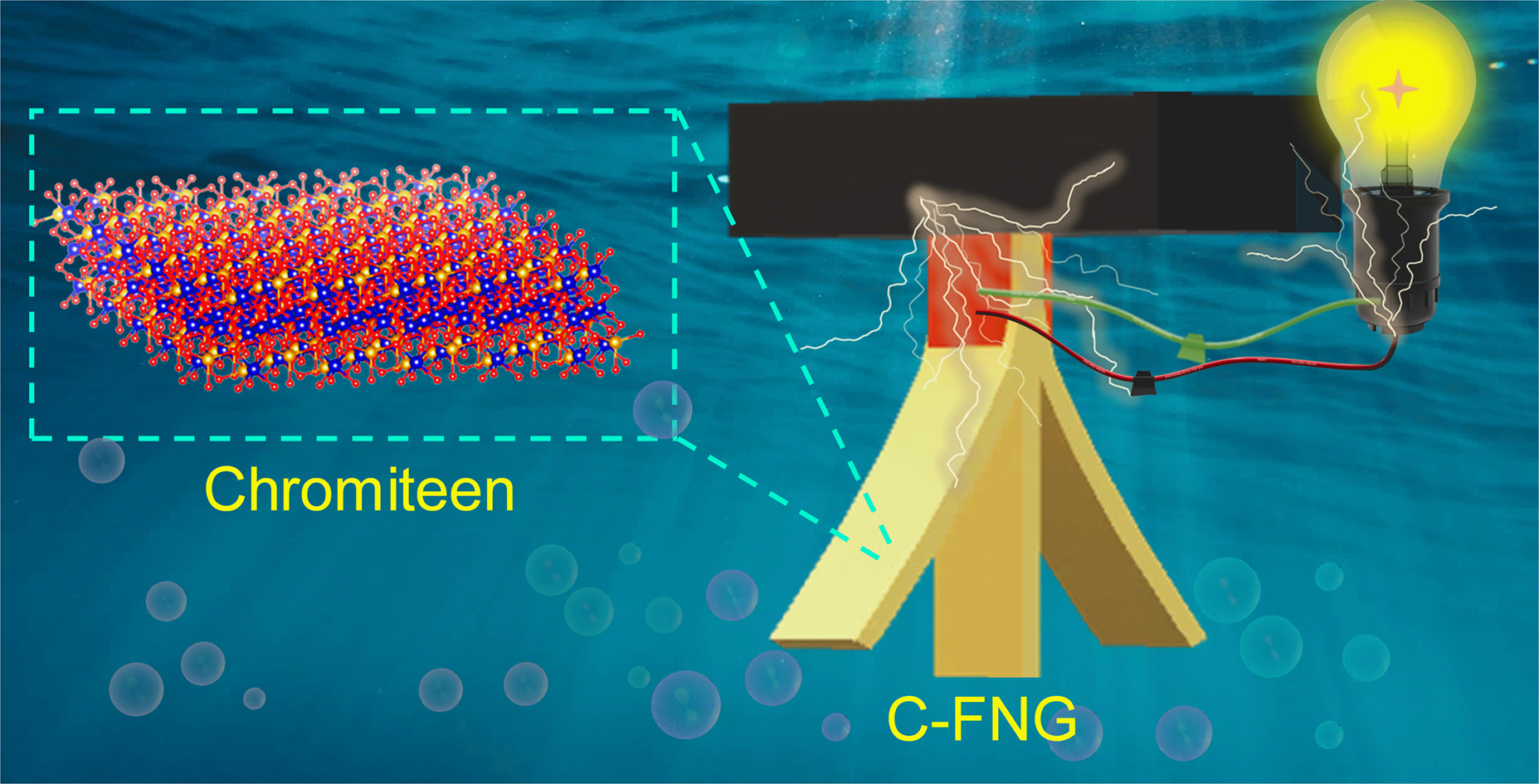 |
Strain-induced wave energy harvesting using atomically thin chromiteen
Royston Mathias, Subhendu Mishra, Abhishek Kumar Singh and Partha Kumbhakar Nanoscale, 2025, 17, 26820-26827 |
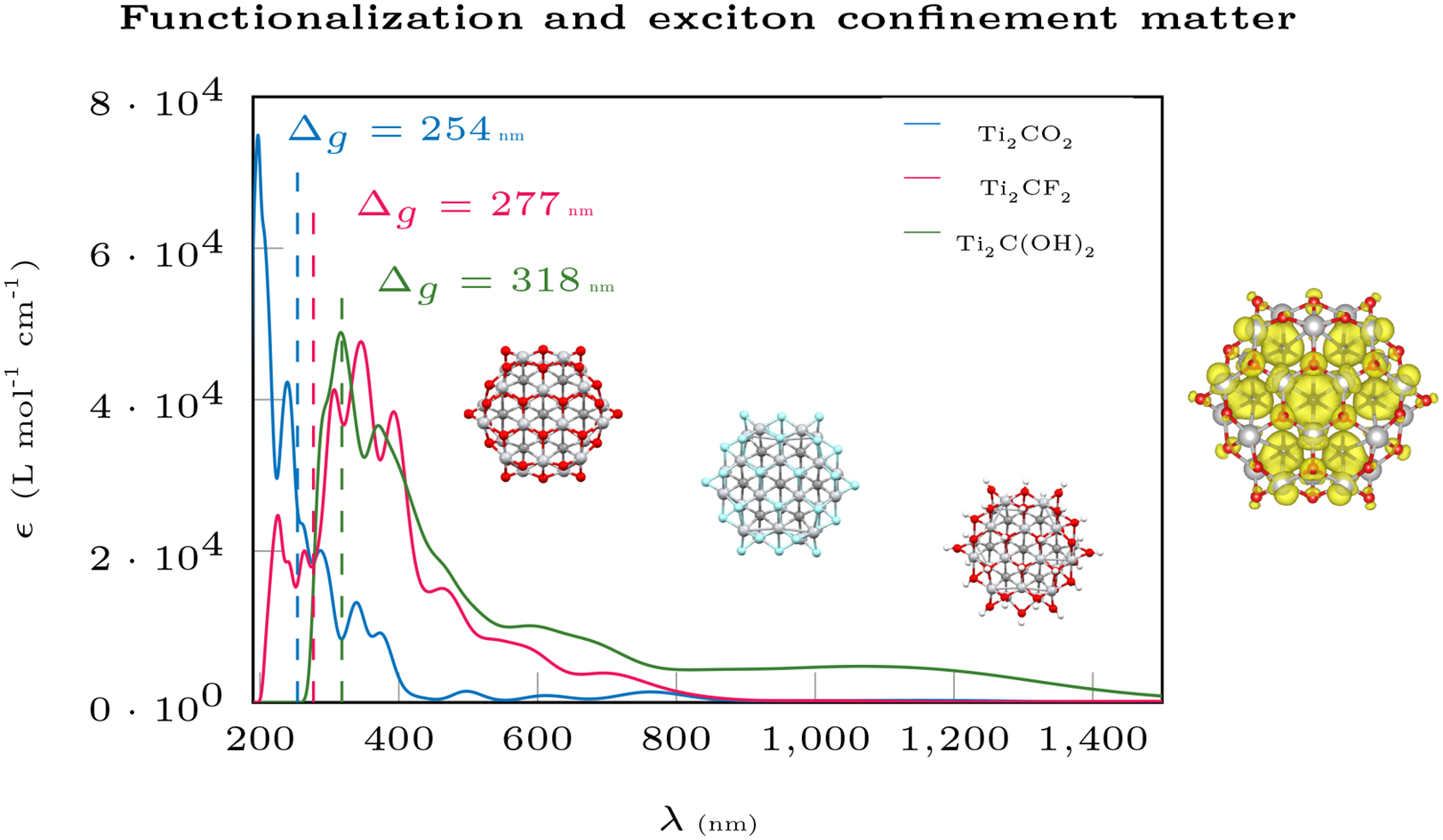 |
Effects of surface functionalization and size of MXene-based quantum dots on their optical properties: the exciton confinement matters
Barbora Vénosová and František Karlický Nanoscale, 2025, 17, 24529-24540 |
We hope you enjoy reading some of the latest research on quantum nanomaterials!
We are always looking for great research on quantum nanomaterials. Get in touch with the Editorial Office if you are interested in submitting your work to the journal by emailing nanoscale-rsc@rsc.org.


