Dalton Transactions now publishes Tutorial Reviews
We are delighted to introduce a new article-type to Dalton Transactions: Tutorial Reviews.
Tutorial Reviews are designed to introduce readers to a concept or methodology at the forefront of inorganic chemistry research and should particularly appeal to early career researchers as well as established researchers seeking new fields to explore.
Our Tutorial reviews will include a ‘key learning points’ box, highlighting up to five points that a reader should expect to gain from reading the review.
Our first Tutorial Review has now been published
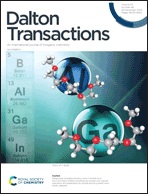
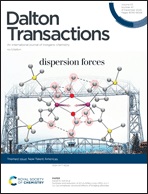
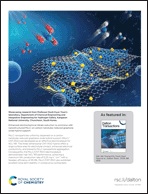
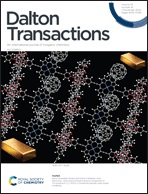
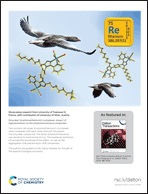
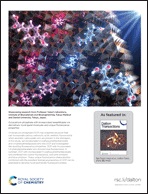
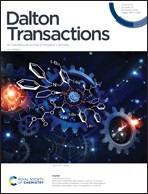
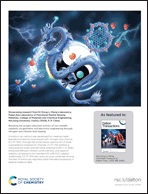
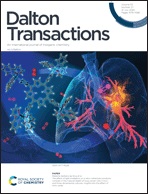
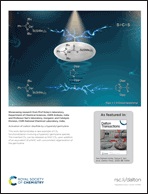
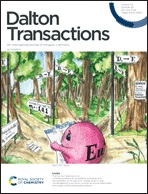
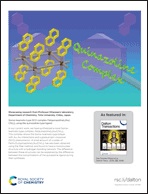
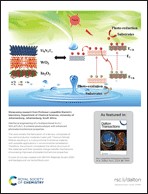
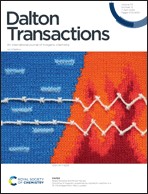
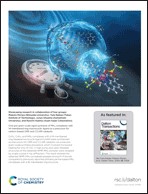
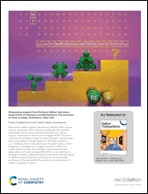
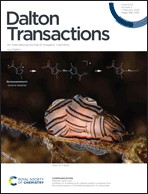
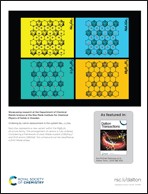
Be sure to read our first Tutorial Review, written by Mamta Dagar and Ellen Matson from University of Rochester.
Here are the key learning points in this Tutorial Review:
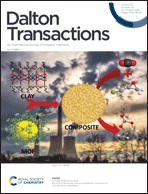
1. Prevalent methodologies for assessing the physicochemical properties of inorganic electrolytes in non-aqueous redox flow batteries (RFBs).
2. Key design considerations for improving the efficiency of the battery electrolyte.
3. A systematic framework encompassing initial screening criteria and advanced characterization techniques for selecting suitable electrolyte candidates for RFBs.
4. A step-by-step guide for data collection, interpretation, and benchmarking of transport, electrokinetic, and electrochemical properties of electrolyte systems.
Please note that Tutorial Reviews are normally invited by the Editorial Board, however suggestions are welcome and enquiries, along with a brief synopsis and authors’ credentials, should be directed to the Editorial Board at dalton-rsc@rsc.org. Readers may nominate themselves, or others, to write a Tutorial Review.
We hope you enjoy reading the first Tutorial Review in Dalton Transactions. Keep an eye out for more in our journal.
Comments Off on Introducing Dalton Transactions’ new Tutorial Reviews
We are delighted to announce the winner of our 2024 Outstanding Paper Award.
The Outstanding Paper Award is aimed at recognising the great work published in Dalton Transactions from the previous year. The process for selecting the winner involves the shortlisting of papers based on nominations by members of the Editorial Board as well as a variety of metrics including article downloads, Altmetric score and citations. The Editorial Board then votes on this shortlist to select the winner.
Maximilian Dietz, Merle Arrowsmith and Holger Braunschweig*
Dalton Trans., 2024, 53, 449-453
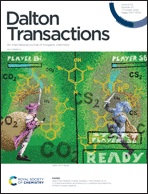
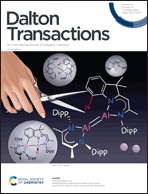
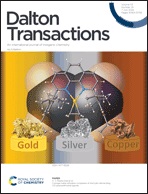
In this outstanding article, the authors explored new reaction patterns of a doubly CAAC-stabilised 9,10-diboraanthracene derivative with small molecules and highlighted the structural and electronic flexibility of this framework through complexation with group 6 carbonyls.
Meet the authors of this outstanding paper
Holger Braunschweig
Holger Braunschweig is Chair and Head of Inorganic Chemistry at Julius-Maximilians Universität Würzburg and the Founding Director of the Institute for Sustainable Chemistry & Catalysis with Boron. His research is focused on the chemistry of reactive main-group and transition metal complexes. Braunschweig’s discoveries have led to the publication of over 750 publications, and he has an h-index of 78. He is a member of the German, Bavarian, North Rhine-Westfalian, and Indian science academies, and has received a number of major international awards, most recently the 2024 ENI Advanced Environmental Solutions Prize and the 2024 ACS M. Frederick Hawthorne Award.
Maximilian Dietz
Maximilian Dietz studied at the University of Würzburg, Germany, and obtained his PhD in inorganic chemistry in 2023, where he worked on the synthesis and reactivity of neutral diboraarenes under the supervision of Professor Holger Braunschweig. In 2024 he joined the group of Professor Simon Aldridge (FRS) at the University of Oxford, UK, as a Humboldt Feodor Lynen Postdoctoral Fellow, where he is currently investigating bimetallic aluminium–transition metal systems, as well as the chemistry of low-valent group 14 compounds.
Merle Arrowsmith
Merle Arrowsmith obtained her PhD in 2011 under the supervision of Prof. Michael S. Hill at the University of Bath, UK, on the topic of group 2 catalysis. She then continued working in the Hill group as a postdoctoral researcher, specialising in beryllium chemistry. In 2014, she started a two-year Humboldt Research Fellowship in the group of Prof. Dr. Holger Braunschweig at the University of Würzburg, Germany. She has been working as a senior research officer in the Braunschweig group ever since, with a current focus on highly reactive borylenes and unsymmetrical diborenes.
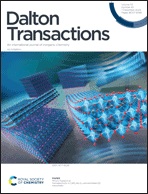
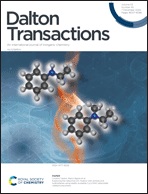
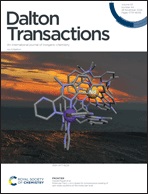
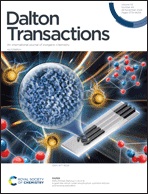
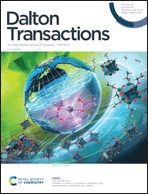
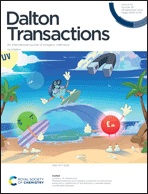
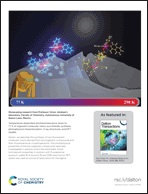
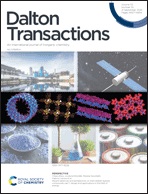
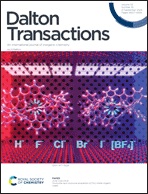
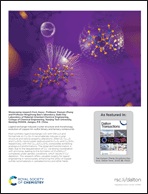
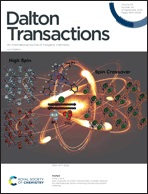
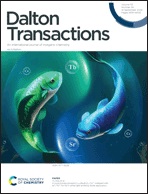
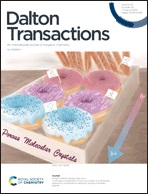
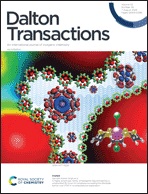
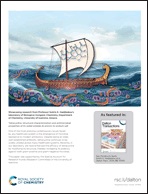
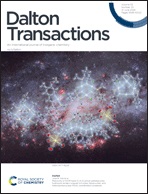
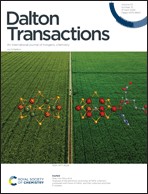
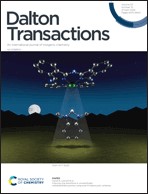
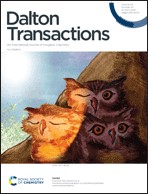
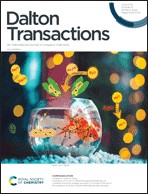
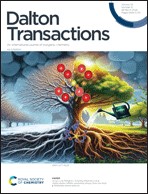
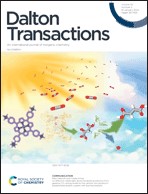
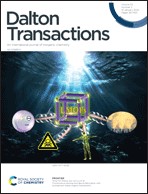
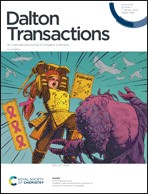
This year, Dalton Transactions has introduced three new awards to celebrate the cover artworks published in our journal each year. These awards were voted for by the Dalton Transactions Editorial Board, our Editorial Office and the inorganic community via social media. We are delighted to announce this year’s winners below.
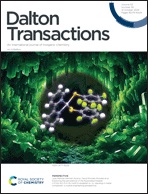
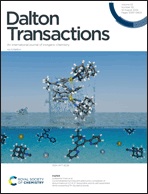
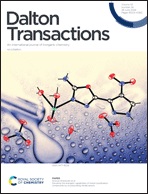
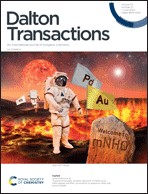
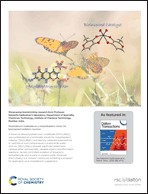
Winner of the 2024 Dalton Transactions’ Best Cover Award, chosen by our Editorial Board:
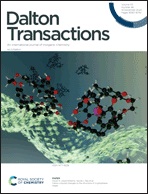
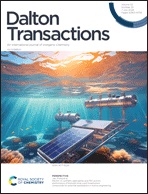
Romualdo Troisi, Gabriella Tito, Giarita Ferraro, Filomena Sica, Lara Massai, Andrea Geri, Damiano Cirri, Luigi Messori and Antonello Merlino*
Dalton Trans., 2024, 53, 3476-3483
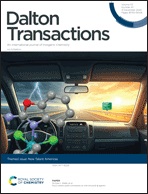
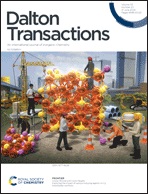
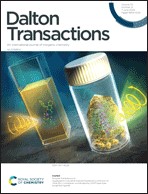
Explore all of last year’s covers in our cover gallery, which includes links to the articles behind each cover.
Have you thought about highlighting your work on one of our covers?*
Articles that are associated with a cover receive an average of 35% more downloads than articles without. To achieve this, the Editorial Office will take extra steps to enhance the visibility of your article.
When your article and cover are published, we will:
Make your article free to access for 6 weeks, ensuring global reach
Insert your cover into the PDF of your article, making it more prominent to readers
Place your article towards the front of the issue, where it will be more readily accessible to readers
Promote your article and your cover through our social media channels
Include your article in our ‘Articles behind the covers’ online themed collection, see our 2025 collection as it grows, here.
Enter your artwork into our annual Cover Artwork competition
Feature your article in the cover gallery on our blog
Send you a high-resolution electronic copy of the cover for you to use in presentations or print and display at your institution
For front covers, highlight your cover in the contents page of the journal online
If you are interested in showcasing your research on one of our covers, once your article has been accepted for publication, please do contact the Editorial Office for further information.
Please join us in congratulating this year’s winners and make sure to read all the work behind our 2024 covers, here.
*Please note that authors are required to pay a fee for this service. All covers are typically £1000 (plus applicable taxes). All covers must be approved prior to publication and will be used at the discretion of the Editorial Office.
Comments Off on The 2024 Dalton Transactions Best Cover Award Winners
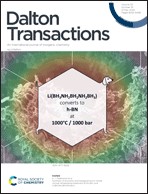
Ana C. R. Gonçalves, Silvia H. Libardi, Júlio C. Borges, Ronaldo J. Oliveira, Carla Gotzmann, Olivier Blacque, Sergio de Albuquerque, Carla D. Lopes*, Roger Alberto and Pedro I. S. Maia*
Jared S. Kinyon, Eliel Villa-Aleman*, Elodia Ciprian, Amy E. Hixon, Bryan J. Foley, Jonathan H. Christian, Jason R. Darvin, Don D. Dick, Amanda J. Casella, Lucas E. Sweet, Edgar C. Buck, Forrest D. Heller, Aaron D. Nicholas, Cody A. Nizinski and Richard A. Clark
Ru(ii)–arene azole complexes as anti-amyloid-β agents Ryan M. Hacker, Daniela M. Grimard, Katie A. Morgan, Eaman Saleh, Morgan M. Wrublik, Cade J. Meiss, Caitlyn C. Kant, Marjorie A. Jones, William W. Brennessel and Michael I. Webb*
Oscar H. Lloyd Williams, Claudia S. Cox, Meng Yuan Zhang, Martina Lessio, Olivia Rusli, William A. Donald, Lachlan Jekimovs, David L. Marshall, Michael C. Pfrunder, Berwyck L. J. Poad, Thierry Brotin and Nicole J. Rijs*
Mattia Benedet, Angelica Fasan, Davide Barreca, Chiara Maccato*, Cinzia Sada, Silvia Maria Deambrosis, Valentina Zin, Francesco Montagner, Oleg I. Lebedev, Evgeny Modin, Gian Andrea Rizzi and Alberto Gasparotto
Irene Bonastre-Sabater, Alberto Lopera, Álvaro Martínez-Camarena, Salvador Blasco, Antonio Doménech-Carbó, Hermas R. Jiménez, Begoña Verdejo, Enrique García-España* and M. Paz Clares*
Stéphen Le Garrec, David Martins-Bessa, Mariusz Wolff, Béatrice Delavaux-Nicot, Sonia Mallet-Ladeira, Charles-Louis Serpentini, Eric Benoist, Florence Bedos-Belval* and Suzanne Fery-Forgues*
Jean-Pierre Glauber, Julian Lorenz, Ji Liu, Björn Müller, Sebastian Bragulla, Aleksander Kostka, Detlef Rogalla, Michael Wark, Michael Nolan, Corinna Harms and Anjana Devi*
Cleverton O. C. da Silveira, Willian X. C. Oliveira, Eufrânio N. da Silva Júnior, Meiry E. Alvarenga, Felipe T. Martins, Claudia C. Gatto, Carlos B. Pinheiro, Emerson F. Pedroso, Júlia P. O. Silva, Lippy F. Marques, Moliria V. Santos, Francisco R. Torres, Rividy Euclides, Ricardo O. Freire, Wallace C. Nunes, Adriele A. de Almeida, Marcelo Knobel and Cynthia L. M. Pereira*
Arelly M. Cantón-Díaz, Blanca M. Muñoz-Flores, Luis F. Macías-Gamboa, Ivana Moggio, Eduardo Arias, Gleb Turlakov, H. V. Rasika Dias, Gioele Colombo, Stefano Brenna and Víctor M. Jiménez-Pérez*
Kenneth Zhang, Matthew J. Wallis, Alexander R. Craze, Shinya Hayami, Hyunsung Min, Daniel J. Fanna, Mohan M. Bhadbhade, Ruoming Tian, Christopher E. Marjo, Leonard F. Lindoy and Feng Li*
Daria Nowicka, Dawid Marcinkowski, Nahir Vadra, Martyna Szymańska, Maciej Kubicki, Giuseppe Consiglio, Wojciech Drożdż, Artur R. Stefankiewicz, Violetta Patroniak, Marta Fik-Jaskółka* and Adam Gorczyński*
Gabriela Kuzderová, Simona Sovová, Michaela Rendošová, Róbert Gyepes, Danica Sabolová, Ivona Kožárová, Ľudmila Balážová, Mária Vilková, Martin Kello, Alan Liška and Zuzana Vargová*
Andrei F. V. de Lima, Annaíres de A. Lourenço, Vinícius D. Silva, André L. Menezes de Oliveira, Arpad M. Rostas, Lucian Barbu-Tudoran, Cristian Leostean, Ovidiu Pana, Rodolfo B. da Silva, Daniel A. Macedo and Fausthon F. da Silva*
Isabelle Gerz, Erlend S. Aunan, Valeria Finelli, Mouhammad Abu Rasheed, Gabriele Deplano, Rafael Cortez S. P., Inga L. Schmidtke, David S. Wragg, Matteo Signorile, Knut T. Hylland, Elisa Borfecchia, Karl Petter Lillerud, Silvia Bordiga*, Unni Olsbye* and Mohamed Amedjkouh*
João Franco Machado, Marco Sá, Inês Pires, Miguel Tarita da Silva, Fernanda Marques, Jaime A. S. Coelho, Filipa Mendes, M. Fátima M. Piedade, Miguel Machuqueiro, María Angeles Jiménez, Maria Helena Garcia, João D. G. Correia* and Tânia S. Morais*
Stephen P. Mezyk*, Makayla Baxter, Cristian Celis-Barros, Travis S. Grimes, Peter R. Zalupski, Cathy Rae, Christopher A. Zarzana, Andrew R. Cook and Gregory P. Horne*
Swapnil S. Pawar, Rohit N. Ketkar, Pranav B. Gaware, Kaustubh U. Jagushte, Divyani Dhawne, Shreyada N. Save, Shilpy Sharma, Ganga Periyasamy, Niyamat Chimthanawala, Sadhana Sathaye, Shreerang V. Joshi and Nabanita Sadhukhan*
Lorenzo Sirna, Anna Lucia Pellegrino*, Salvatore Pio Sciacca, Martina Lippi, Patrizia Rossi, Carmela Bonaccorso, Giuseppe Bengasi, Marina Foti and Graziella Malandrino*
Augusto Iwashita Costa, Rafaela M. R. da Silva, Luckerman D. G. Botelho, Sergio F. N. Coelho, Fernando A. Sigoli, João Honorato, Javier Ellena, Felipe T. Martins, Angelo M. Gomes, Wallace C. Nunes, Francesc Lloret, Miguel Julve and Maria Vanda Marinho*
Wajid Ali, Fatemeh Jamshidi-Adegani, Zahra Mirsanei, Juhaina Al-Kindi, Saeid Vakilian, Mohammed Al-Broumi, Sulaiman Al-Hashmi, Jeremy M. Rawson*, Ahmed Al-Harrasi* and Muhammad Usman Anwar*
Dalton Trans., 2024, 53, 65-73
Comments Off on Dalton Transactions Cover Gallery 2024
We are delighted to announce the winner of our 2023 Outstanding Paper Award.
The Outstanding Paper Award is aimed at recognising the great work published in Dalton Transactions from the previous year. The process for selecting the winner involves the shortlisting of papers published in the journal within the previous year based on nominations by members of the Editorial Board as well as a variety of metrics including article downloads, Altmetric score and citations. The Editorial Board then votes on this shortlist to select the winner.
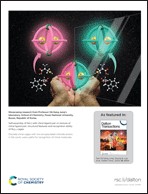
Ru-Jin Li, Jean de Montmollin, Farzaneh Fadaei-Tirani, Rosario Scopelliti and Kay Severin*
Dalton Trans., 2023, 52, 6451-6456
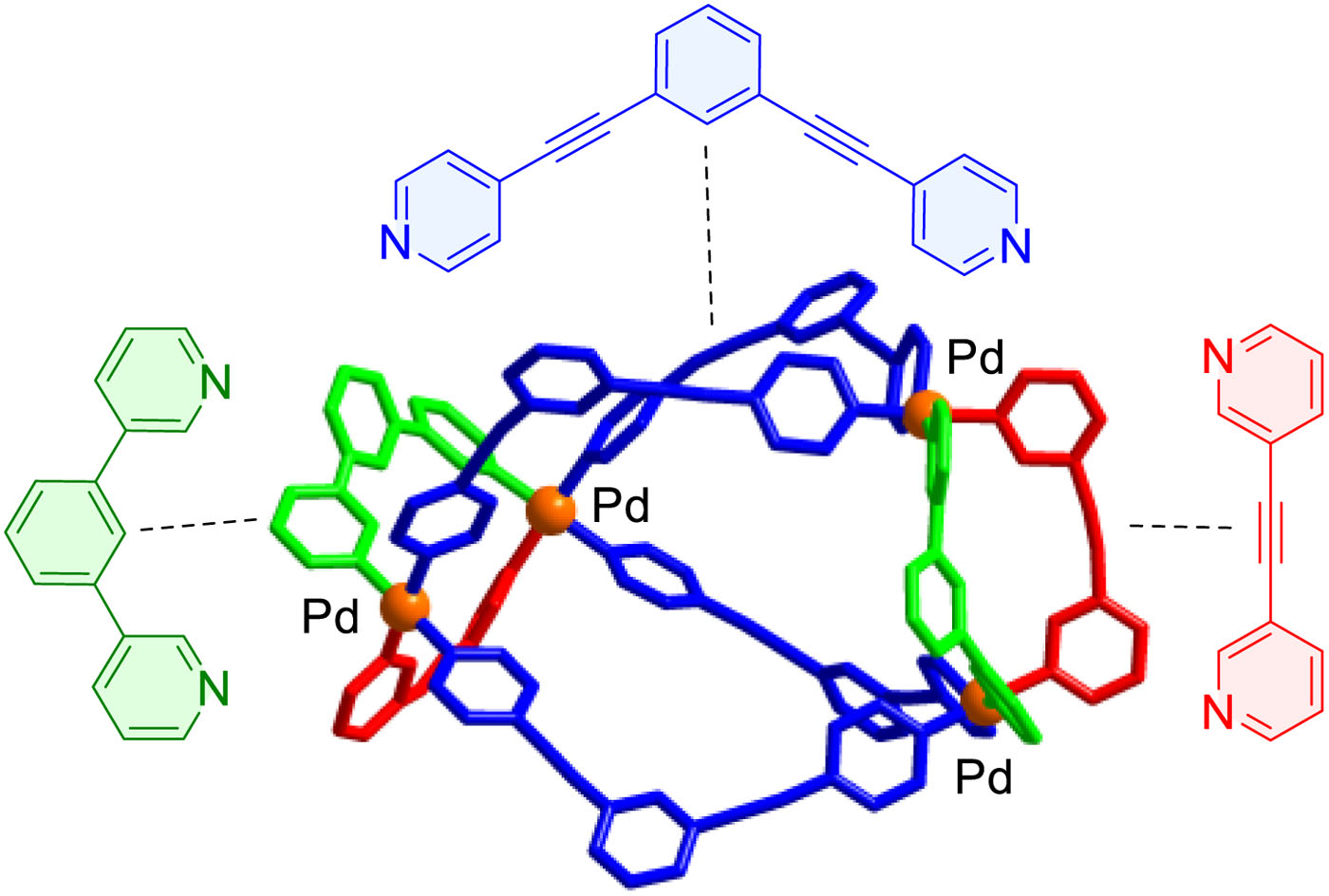
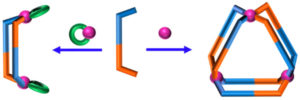
In this outstanding article, the authors combined three different dipyridyl ligands with [Pd(CH3CN)4](BF4)2 to give mixtures of homo- and/or heteroleptic coordination cages. They found that the structural flexibility of ligands with alkynyl spacers were important for the formation of the heteroleptic complexes.
Meet the authors of this outstanding paper
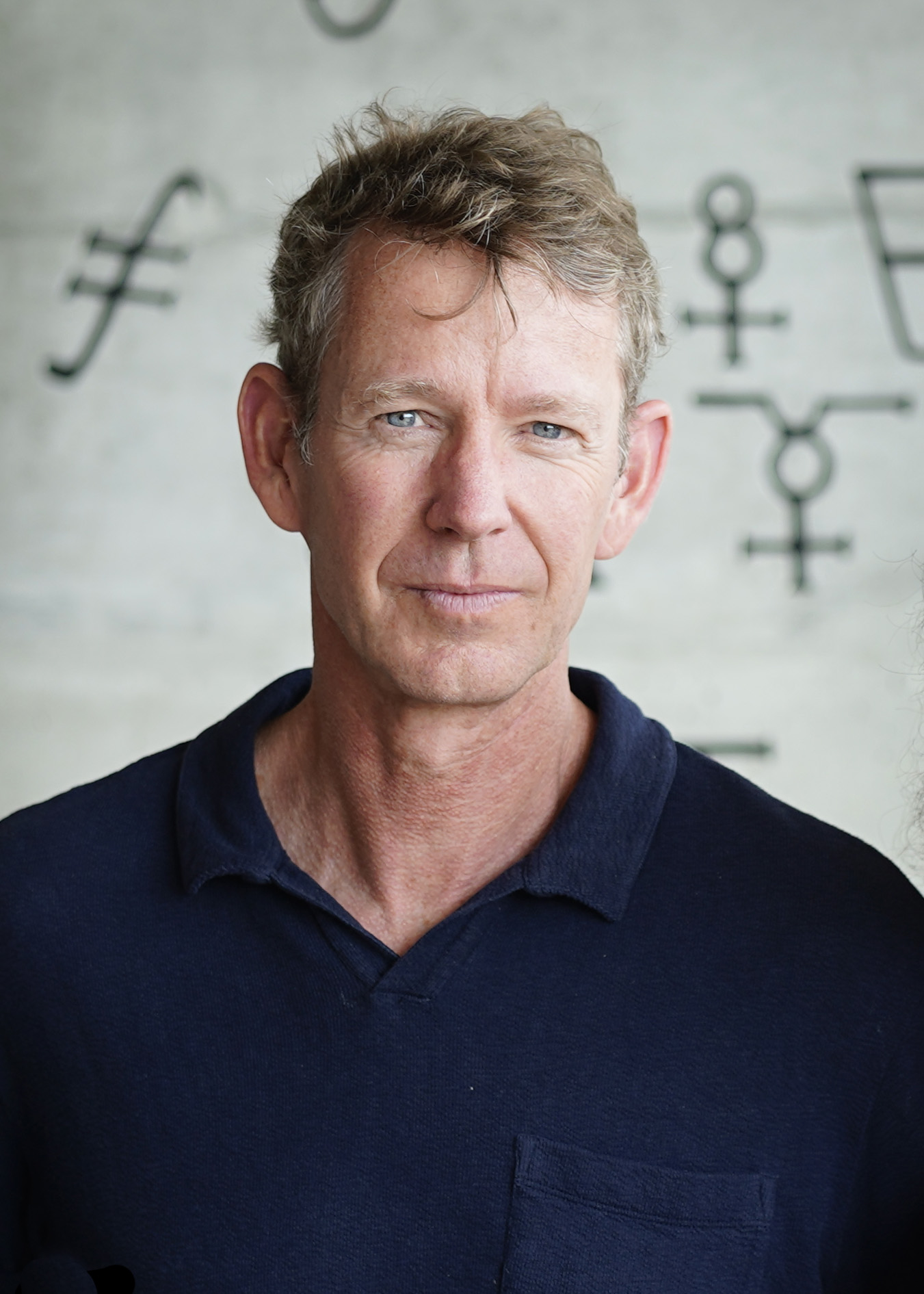
Kay Severin
Kay Severin is professor of chemistry at the Ecole Polytechnique Fédérale de Lausanne (EPFL), Switzerland. His research group works on synthetic organic and inorganic chemistry, with projects ranging from small molecule activation (the chemistry of laughing gas) to the construction of functional nanostructures.
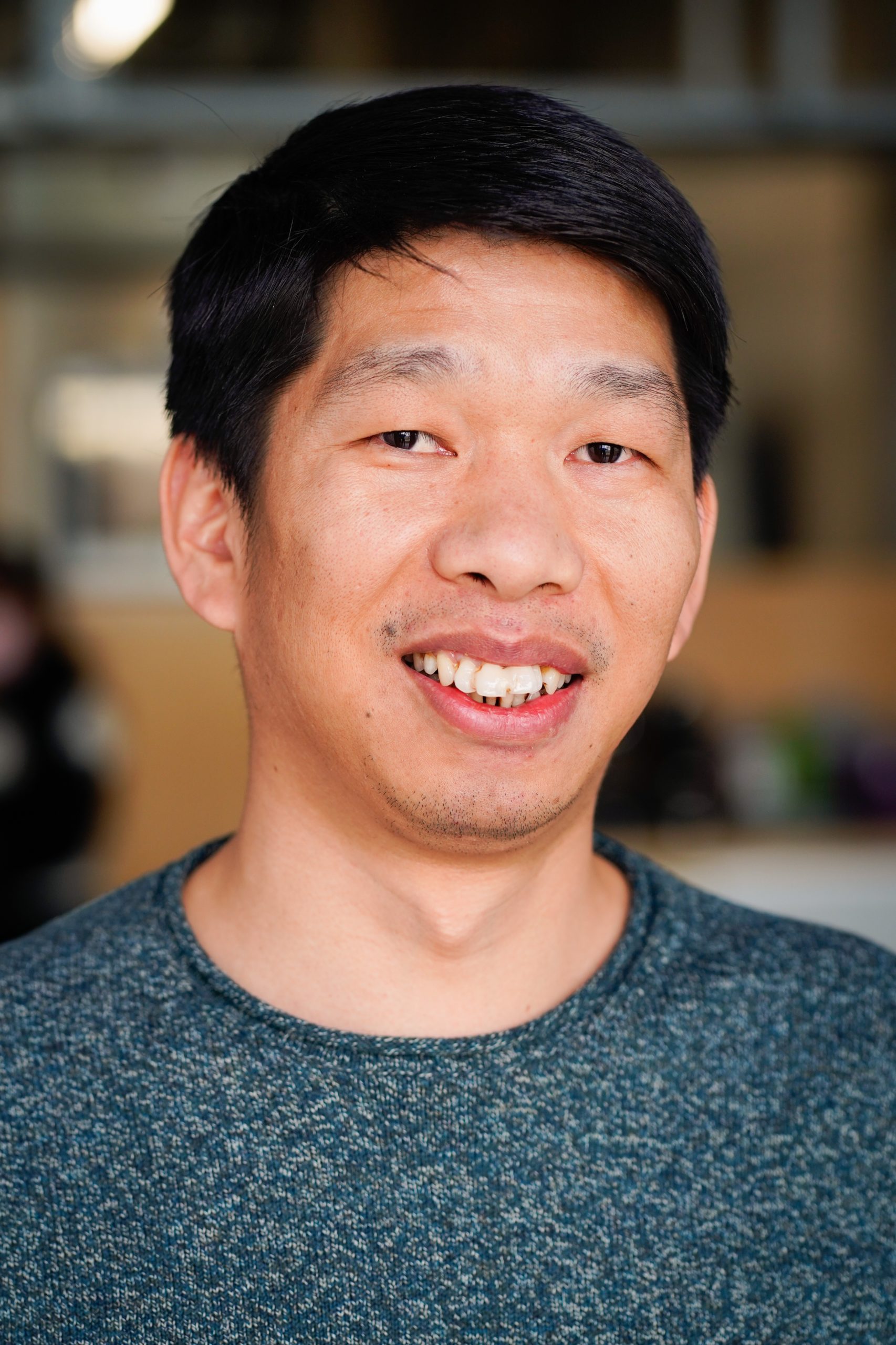
Ru-Jin Li
Ru-Jin Li obtained his PhD in 2019 from TU Dortmund under the supervision of Prof. Guido H. Clever. He then continued his passion in supramolecular chemistry as postdoctoral researcher in École Polytechnique Fédérale de Lausanne (EPFL) with Prof. Kay Severin. Since 2023, He joined China BlueChemical Ltd. (“CBC”), a modern large-scale enterprise under China National Offshore Oil Corporation (“CNOOC”). He currently focuses on developing environmentally friendly technologies for the Marine Gas industry, and sustainable technologies for direct air capture (DAC) and CO2 conversion.
Jean de Montmollin
Jean de Montmollin received his B.Sc. and M.Sc. in Interdisciplinary Sciences with majors in Chemistry and Materials Science from ETH Zürich. During his studies, he conducted research projects in the field of organic and inorganic chemistry under Prof. Antonio Togni (aryl-SF2CF3 compounds), Prof. Bill Morandi (ambiphilic ligands) and Prof. Maksym Kovalenko (metal-organic frameworks). Since 2022 he is pursuing his Ph.D. under the supervision of Prof. Kay Severin on palladium-based metal-organic cages of low symmetry.
Farzaneh Fadaei-Tirani
Farzaneh obtained her PhD in inorganic chemistry from the Isfahan University of Technology in 2013. During her PhD and a post-doctoral stay at EPFL, she discovered her passion for crystallography. In 2016, she began working for ISIC and became tenured in 2019. She is routinely solving structures of small molecules, supramolecular assemblies and MOFs. She is particularly interested in phase transitions of perovskites and modulated organic molecules. She also enjoys teaching and training the users of the Open Access Facility at the EPFL.
Rosario Scopelliti
Rosario Scopelliti was born in 1967 in Italy and obtained his PhD in Chemistry in 1998 at the University of Messina (Italy). He moved the same year to the University of Lausanne (Switzerland), working in Carlo Floriani’s group, mainly taking care about crystal structures. He joined EPFL (Switzerland) in 2001 and has been working – since then – in the XRD service of the school.
Please join us in congratulating this year’s winners and read the outstanding paper here.
Comments Off on Dalton Transactions Outstanding Paper Award 2023
Happy New Year from the Dalton Transactions Editorial Office!
In 2023, Dalton Transactions published 48 issues with over 1800 articles, including 81 Frontier and Perspectives review articles, from 60 countries. With over 3 million article downloads, you can be confident that your article has excellent visibility.
We would also like share with you some highlights from Dalton Transactions in 2023, including our outstanding paper award, themed collections, and our most popular articles.
Meet our new Associate Editors
We were delighted to welcome Neal Mankad and Eric Rivard as Associate Editors to the journal in 2023. Read on to find out more about them and meet our full Editorial Board here.
Neal Mankad
Professor Neal Mankad, University of Illinois Chicago
Neal P. Mankad received his S.B. in chemistry from MIT in 2004 after having conducted undergraduate research with Prof. Joseph P. Sadighi on copper N-heterocyclic carbene complexes. In 2010, Neal earned a Ph.D. in inorganic chemistry from Caltech as an NSF graduate research fellow under the supervision of Prof. Jonas C. Peters, working on biomimetic and bioinspired complexes of copper and iron. During 2010-2012, he was an NIH postdoctoral research fellow at the University of California, Berkeley, with Prof. F. Dean Toste studying fundamental organometallic chemistry of gold.
Since 2012, Neal has been an independent faculty member in the Department of Chemistry at the University of Illinois Chicago (UIC), where his group focuses on synthetic inorganic and organometallic systems relevant to chemical sustainability. Selected research awards earned by Neal include the Alfred P. Sloan Research Fellowship and the NIH Maximizing Investigators’ Research Award (MIRA). He has also gained distinction for excellence in teaching, including by the UIC Teaching Recognition Program.
Eric Rivard
Professor Eric Rivard, University of Alberta
Eric Rivard completed his Ph.D. at the University of Toronto under the supervision of Professor Ian Manners in 2004. After NSERC sponsored postdoctoral work with Professors Jonas Peters (Caltech) and Philip Power (University of California, Davis), and a research stay with Professor Cameron Jones (Monash University), he joined the University of Alberta in 2008 where he is now a Full Professor. He has given over 200 invited lectures worldwide and has published around 150 articles. He was the inaugural 2016 Michael Lappert Lecturer from the RSC, an RCMS Visiting Professor at Nagoya University (2016), an Alexander von Humboldt Experienced Researcher Fellow (2017), held visiting fellowships in 2015 and 2023 from the Japan Society for the Promotion of Science (JSPS), was a Visiting Professor at National Taiwan University (2023), and won the 2018 Strem Chemicals Award for Pure and Applied Inorganic Chemistry (Canadian Society for Chemistry). The Rivard group studies fundamental low-coordinate and main group chemistry, catalysis, semiconducting material synthesis, and the development of phosphorescent materials and conjugated polymers based on inorganic elements.
2023 Dalton Transactions Outstanding Paper Award Winners
The Outstanding Paper Award is a new award aimed at recognising the great work published in Dalton Transactions from the previous year. This year’s winners were Bronte Charette, Lisa Olshansky, Paul Griffin and Claire Zimmerman for their paper:
Bronte J. Charette, Paul J. Griffin, Claire M. Zimmerman and Lisa Olshansky*
Dalton Trans., 2022, 51, 6212-6219
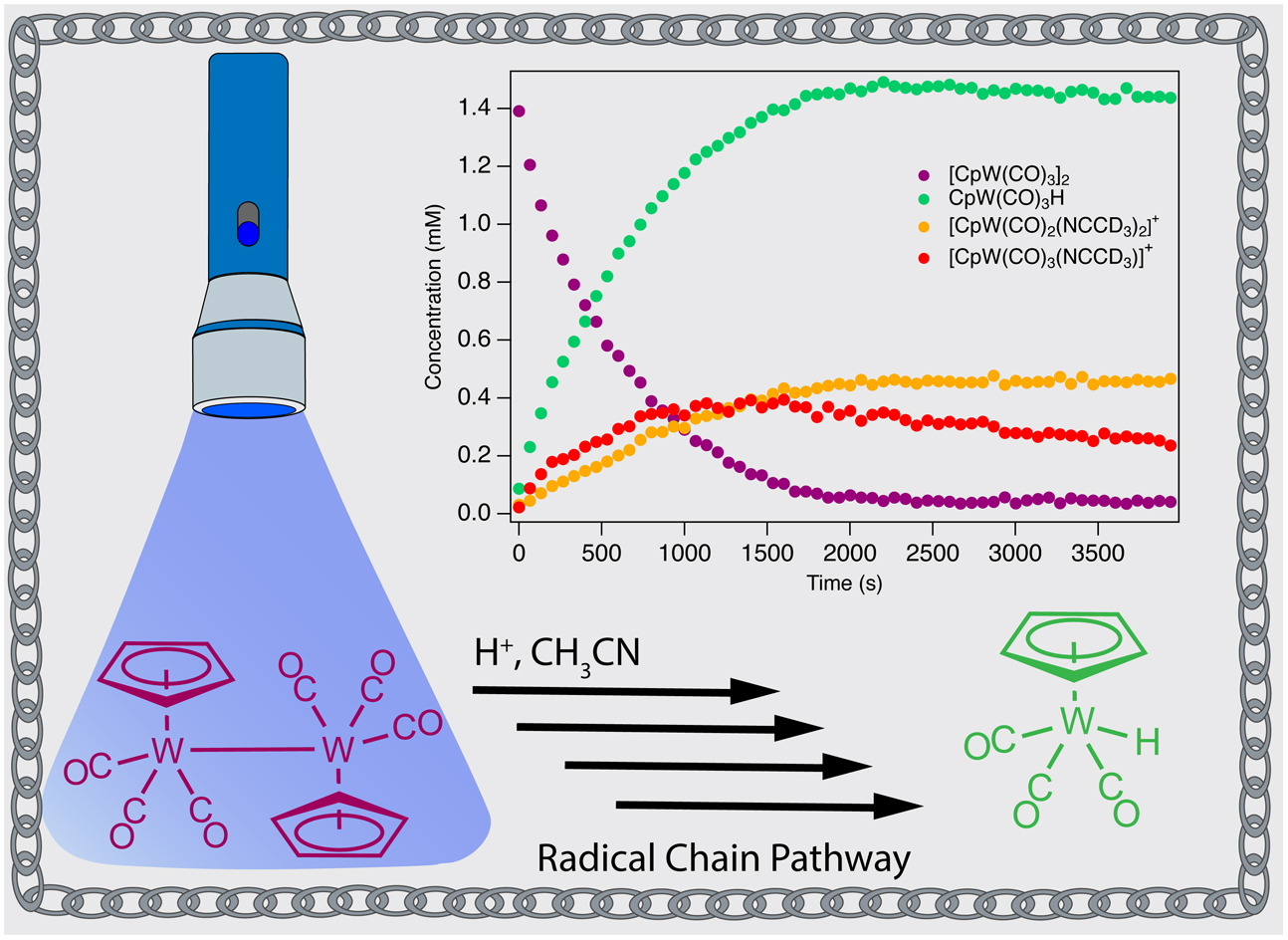
Graphical Abstract from Dalton Transactions paper: https://doi.org/10.1039/D2DT00312K
In this outstanding article, the authors explored the interplay between molecular and electronic structure for a series of Cu(I) and Cu(II) complexes with dpaR ligands through various spectroscopic and physical techniques.
Themed Collections
Find out more about the themed collections we have launched in 2023, including:
Highlighting recent developments in the application of the structural, optical, electronic and magnetic properties of inorganic and organometallic complexes in molecular electronics.
Includes recent research and reviews by early career researchers in the Asia-Pacific region, highlighting the achievements of emerging scientists in the field of inorganic chemistry
Guest Editors:
Jitendra K. Bera, Indian Institute of Technology Kanpur
Sally Brooker, University of Otago
Takashi Uemura, University of Tokyo
Li-Min Zheng, Nanjing University
Themed Collections still open for submissions:
Intercalation Compounds: properties, mechanisms and advanced applications
Submission deadline: 31st January 2024
Guest Editors:
Chiara Bisio, University of Eastern Piedmont Sebastien Cahen, Institut Jean Lamour – CNRS-Université de Lorraine
Fabrice Leroux, University of Clermont-Ferrand
Recent Progress and Perspectives on Spin Transition Compounds
Submission deadline: 16th February 2024
Guest Editors:
Shinya Hayami, Kumamoto University
Malcolm Halcrow, University of Leeds
Birgit Weber, University of Jena
If you would like to contribute to any of the above collections, please email dalton-rsc@rsc.org.
Most popular articles from 2023
We are pleased to share a selection of our most popular articles from 2023 – all free to access until July 2024.
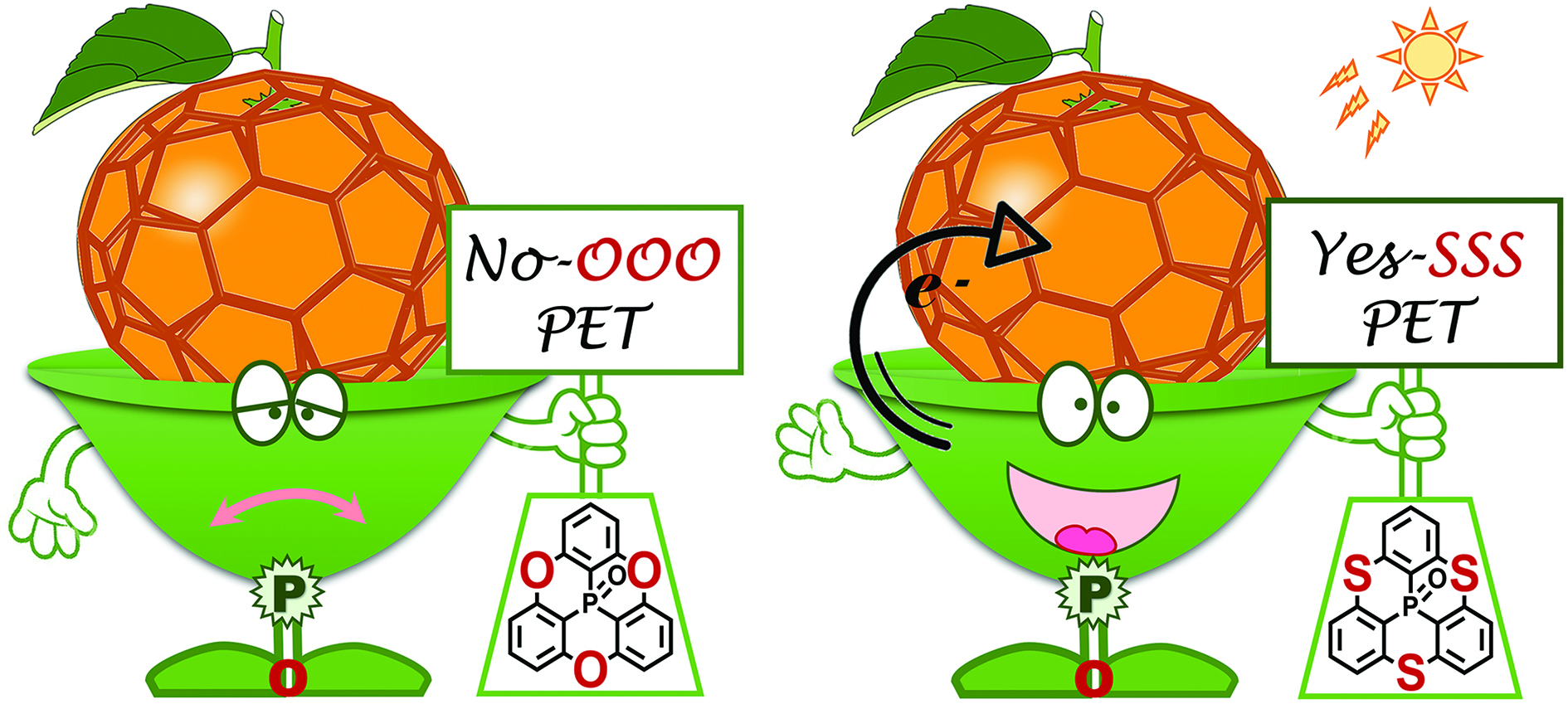
Graphical Abstract from Dalton Transactions paper: https://doi.org/10.1039/D3DT00413A
We are delighted to welcome our new Associate Editor Professor Eric Rivard from the University of Alberta to the Dalton TransactionsEditorial Board!
Eric Rivard completed his Ph.D. at the University of Toronto under the supervision of Professor Ian Manners in 2004. After NSERC sponsored postdoctoral work with Professors Jonas Peters (Caltech) and Philip Power (University of California, Davis), and a research stay with Professor Cameron Jones (Monash University), he joined the University of Alberta in 2008 where he is now a Full Professor. He has given over 200 invited lectures worldwide and has published around 150 articles. He was the inaugural 2016 Michael Lappert Lecturer from the RSC, an RCMS Visiting Professor at Nagoya University (2016), an Alexander von Humboldt Experienced Researcher Fellow (2017), held visiting fellowships in 2015 and 2023 from the Japan Society for the Promotion of Science (JSPS), was a Visiting Professor at National Taiwan University (2023), and won the 2018 Strem Chemicals Award for Pure and Applied Inorganic Chemistry (Canadian Society for Chemistry). The Rivard group studies fundamental low-coordinate and main group chemistry, catalysis, semiconducting material synthesis, and the development of phosphorescent materials and conjugated polymers based on inorganic elements.
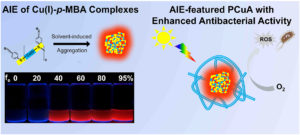
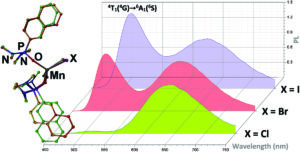
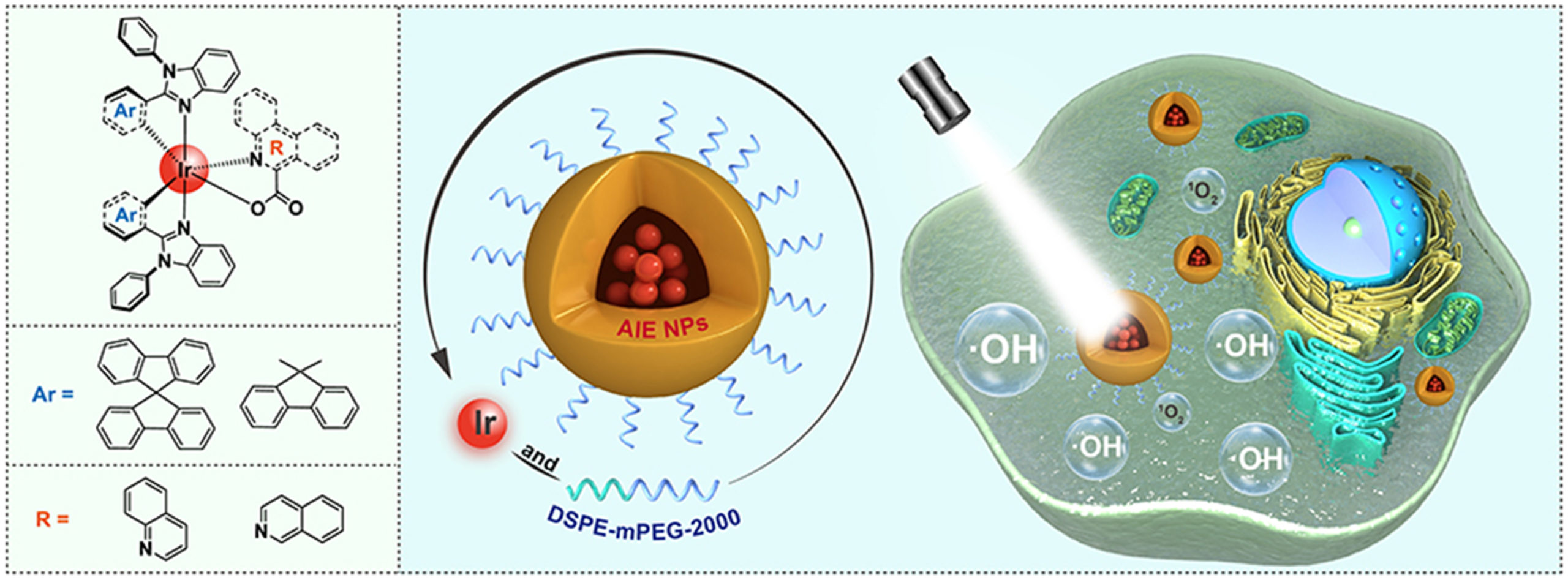
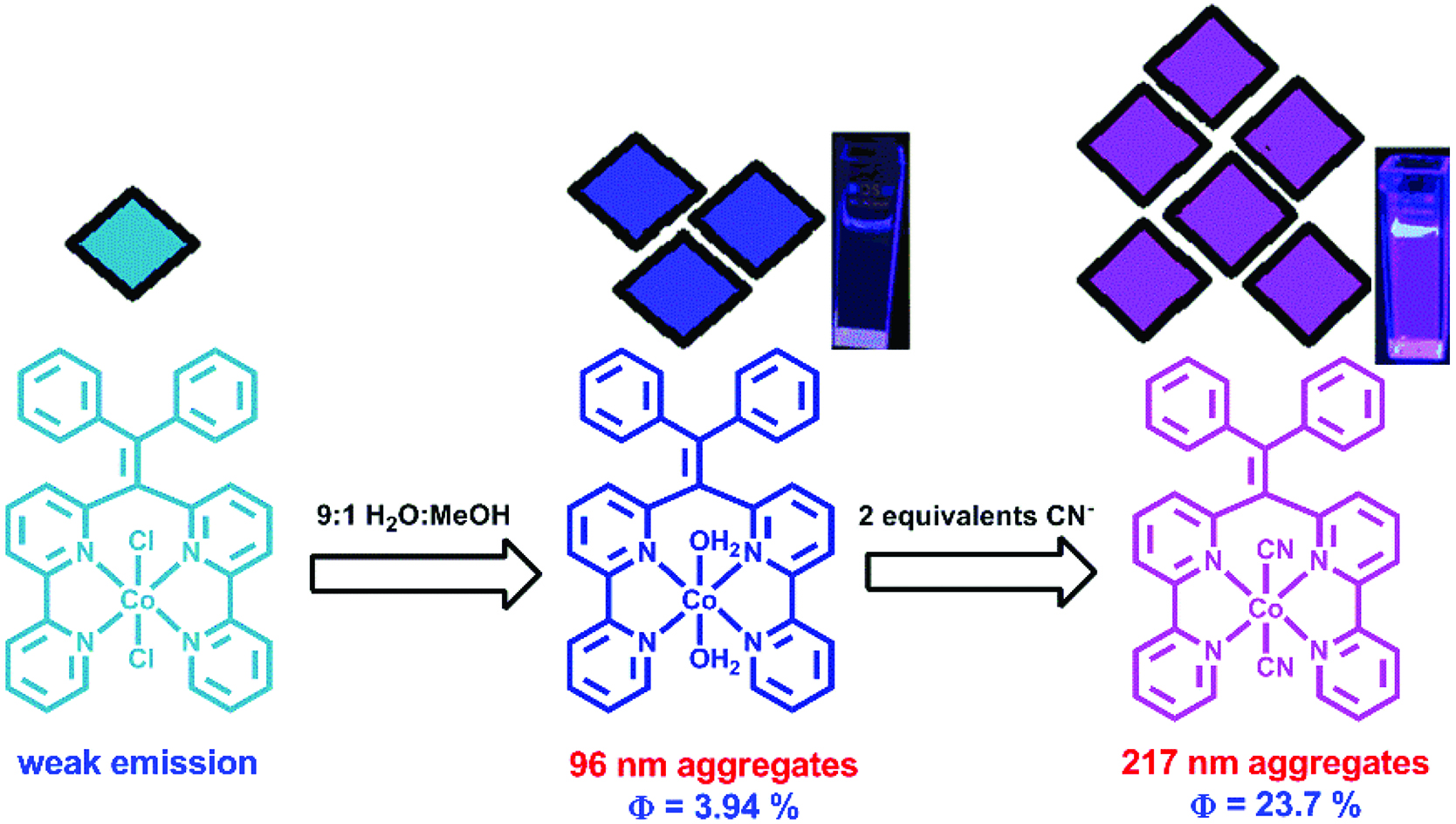
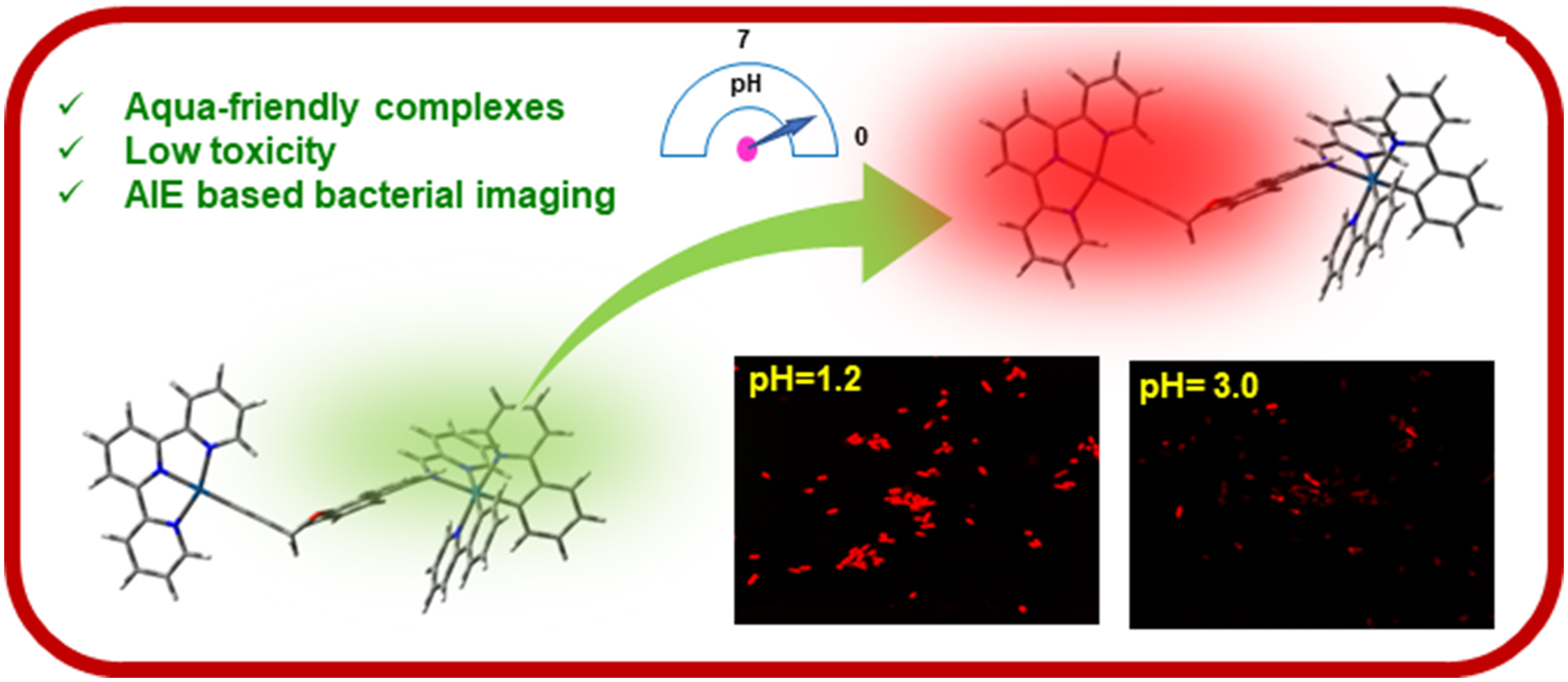
We are delighted to announce our new spotlight collection on aggregation induced luminescence of metal complexes. Spotlight Collections are ongoing themed collections highlighting the best past and present work in Dalton Transactions.
Metal complexes have been known as luminescent materials for decades and still represent an extremely attractive class of materials due to their peculiar structure-related properties. As a consequence, they have found applications as responsive supramolecular motifs, sensors and photocatalysts. In the last 10 years, the emerging field of Aggregation-Induced Emission (AIE) demonstrated how a vast variety of compounds are able to switch from negligible emissive compounds in solutions to intensely luminescent materials upon aggregation.
This Spotlight Collection is focused on recent advances of AIE-active metal complexes published in Dalton Transactions, displaying the synthetic strategies for the preparation of new coordination motifs, their photophysical properties and their use as tuneable emissive materials in sensing-oriented and opto-electronic applications, aiming to define useful design principles for future improvements.
This collection is guest edited by Dalton Transactions Associate Editor Professor Paola Ceroni (University of Bologna, Italy), Dr Andrea Fermi (University of Bologna, Italy) and Professor Inamur R. Laskar (Birla Institute of Technology and Science Pilani, India).
Prof Paola Ceroni
Dr Andrea Fermi
Prof Inamur Laskar
See the full collection as it grows on our collection webpage, and check out a selection of articles below:
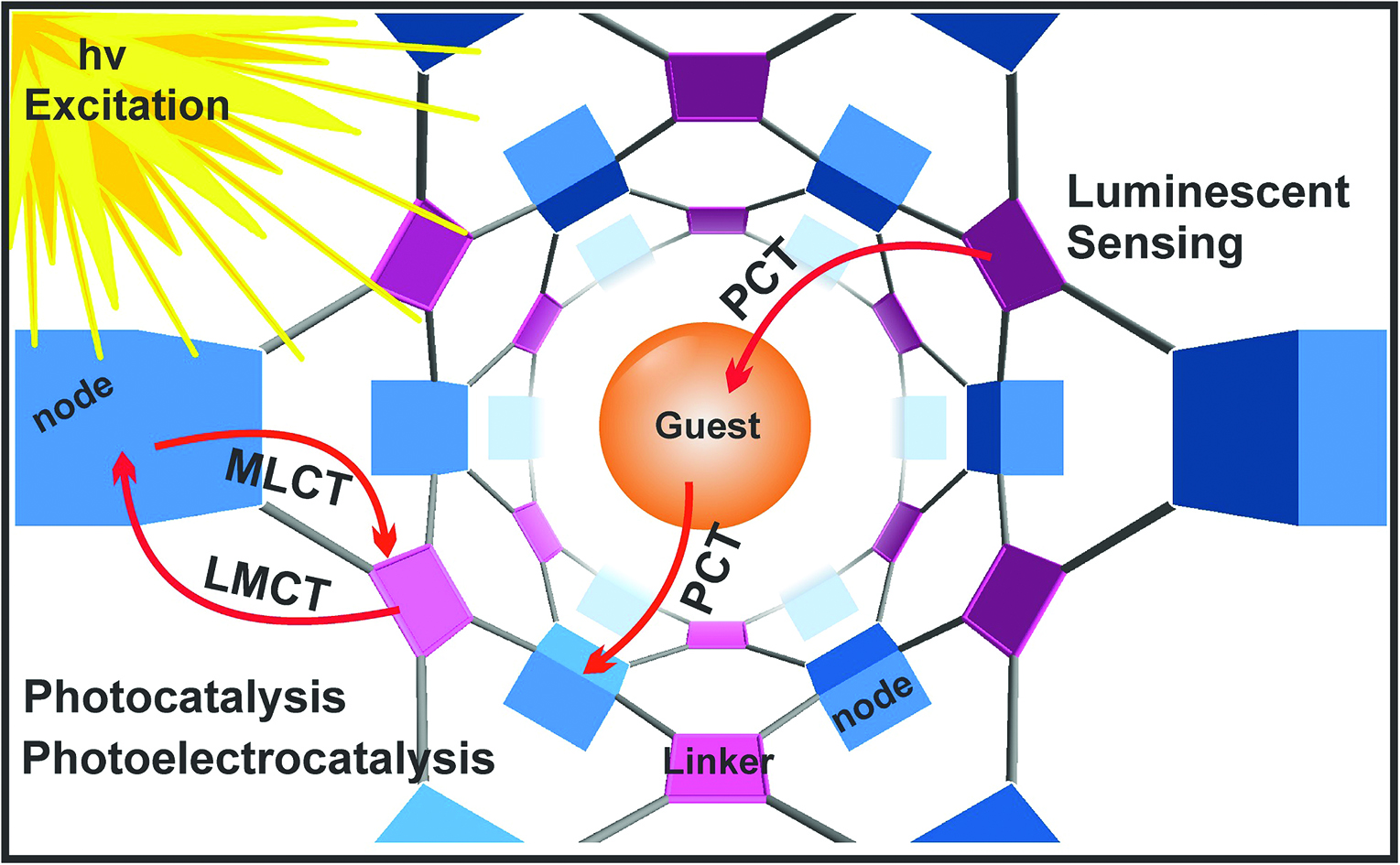
We are delighted to announce our new spotlight collection on Photoinduced redox chemistry. Spotlight Collections are ongoing themed collections highlighting the best past and present work in Dalton Transactions.
This collection demonstrates the incredible breadth of ground-breaking research being undertaken in the area of photoinduced redox chemistry all over the world.
Many classes of inorganic complexes and materials can participate in photoinduced redox chemistry, in which absorption of a photon generates an excited state that then undergoes an electron-transfer event with a redox partner. Many classes of inorganic compounds spanning a large portion of the periodic table, including transition metal and f-element coordination compounds, organometallic complexes, MOFs, nanomaterials, and extended inorganic solids, can undergo photoinduced redox chemistry. Fundamental studies of the thermodynamics and kinetics of these excited-state redox processes remain important, as they continue to reveal key insights into how ligand design, electron configuration, molecular structure, crystal structure, environment and composition affect the excited-state redox chemistry of these many categories of inorganic compounds. Moreover, photoinduced charge transport processes involving inorganic compounds are important elementary steps in several applications, including but not limited to solar fuels, organic photoredox catalysis, dye-sensitized solar cells, and photodynamic therapy.
This Spotlight Collection covers various aspects of photoinduced redox chemistry in inorganic compounds including excited-state redox processes involving new inorganic materials, the development of novel systems for studying and optimizing these processes, and studies using known compounds for applications related to photoinduced charge transport, highlighting the important roles that existing inorganic compounds can play in these areas. This collection will showcase the combined roles that synthetic and physical inorganic chemistry, including time-resolved spectroscopy and computational studies, play in driving fundamental and applied research in this continually evolving field of research.
This collection is guest edited by Dalton Transactions Advisory Board member Prof. Thomas Teets (University of Houston), Prof. Dr. Katja Heinze (Johannes Gutenberg University Mainz) and Prof. Paul Elliott (University of Huddersfield).
Prof Paul Elliott
Prof Dr Katja Heinze
Prof Thomas Teets
See the full collection as it grows on our collection webpage, and check out a selection of articles below:
We are delighted to announce our new spotlight collection on Metallocycles and Metallocages. Spotlight Collections are ongoing themed collections highlighting the best past and present work in Dalton Transactions.
This collection demonstrates the amazing breadth of ground-breaking research being undertaken in the area of metallocycles and metallocages all over the world.
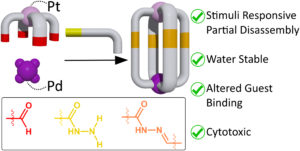
Metallocycles and metallocages are discrete, 2D and 3D metal-organic architectures. These beautiful and often complex structures can be formed from relatively simple building blocks through self-assembly processes centred around transition metal and lanthanide coordination chemistry. The diversity of accessible topologies and sizes, combined with their well-defined cavities, make them fascinating synthetic targets and attractive hosts in supramolecular chemistry. This Spotlight Collection aims to celebrate recent developments in the field, highlighting both fundamental and applied research.
Fundamental research into the construction and structural interconversion of new cages and metallocycles remains a valuable and popular research topic, while new and varied applications of these structures continue to develop and expand. Examples found within this collection include studies of spin and magnetism, hierarchical self-assembly into gels and applications in catalysis, separations, cancer therapeutics and optical detection.
This collection is guest edited by Dalton Transactions Advisory Board member Professor Lin Xu (East China Normal University), alongside Dr Cally Haynes (University College London) and Dr James Lewis (Imperial College London).
Dr Jamie Lewis
Dr Cally Haynes
Professor Lin Xu
See the full collection as it grows on our collection webpage, and check out a selection of articles below: