Archive for the ‘Uncategorized’ Category

Explore Dalton Transactions Tutorial Reviews

We are delighted to introduce our new series of Tutorial Reviews!

Tutorial Reviews are designed to introduce readers to a concept or methodology at the forefront of inorganic chemistry research and should particularly appeal to early career researchers as well as established researchers seeking new fields to explore.

Our Tutorial reviews will include a ‘key learning points’ box, highlighting up to five points that a reader should expect to gain from reading the review.

See our published Tutorial Reviews below.


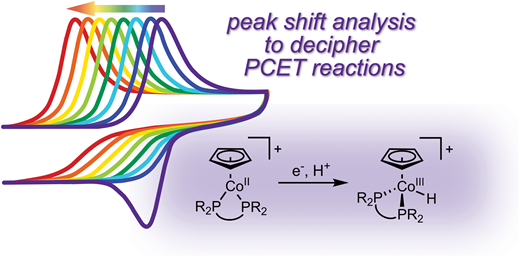
New! – Using peak shift analysis to elucidate proton-coupled electron transfer mechanisms and kinetics for cobalt hydride formation (Open Access)


This tutorial outlines approaches to probe the mechanisms of proton-coupled electron transfer reactions that form metal hydride complexes, integrating electrochemical and computational methods to provide insights that guide catalyst design.

This tutorial outlines approaches to probe the mechanisms of proton-coupled electron transfer reactions that form metal hydride complexes, integrating electrochemical and computational methods to provide insights that guide catalyst design.


Ana Sonea and Jillian L. Dempsey*

Dalton Trans. (2026)

10.1039/d6dt00711b 


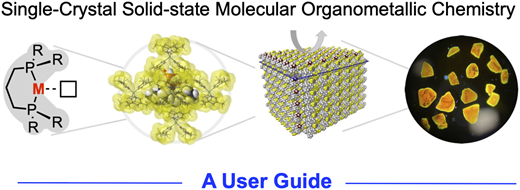
Solid-state molecular organometallic chemistry (SMOM): a user guide to in crystallo single-crystal to single-crystal transformations using solid/gas methods (Open Access)

This tutorial review provides a practical guide for solid/gas in crystallo solid-state molecular organometallic chemistry (SMOM).

This tutorial review provides a practical guide for solid/gas in crystallo solid-state molecular organometallic chemistry (SMOM).


Kristof M. Altus,* Samantha K. Furfari, Joe C. Goodall, Matthew R. Gyton, Jack H. Heaton, Chloe L. Johnson, Alasdair I. McKay, Mads Sondrup Møller, Sebastian D. Pike, Andrew S. Weller*


Spontaneous assemblies of gigantic polyoxomolybdates; from structure and properties to synthetic methods (Open Access)
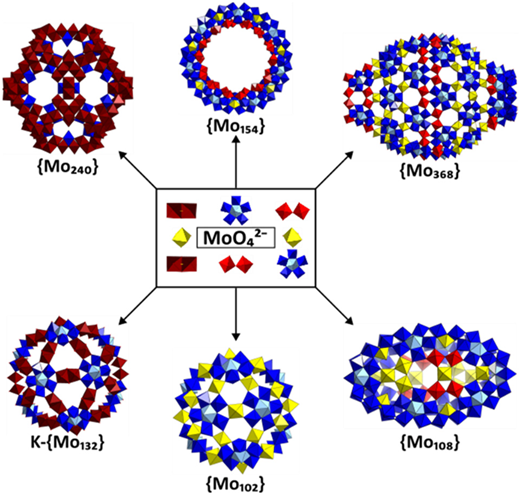
Gigantic polyoxomolybdates, dominated by the Molybdenum Blue (MB) family, constitute a key subclass of polyoxometalates (POMs) and play a role in elucidating structural construction principles and showcasing the diversity of POM architectures. Gigantic polyoxomolybdates, dominated by the Molybdenum Blue (MB) family, constitute a key subclass of polyoxometalates (POMs) and play a role in elucidating structural construction principles and showcasing the diversity of POM architectures.


Vishal Lakhanpal, De-Liang Long, Leroy Cronin*

Dalton Trans. (2026) 55 (16): 6237–6252.

10.1039/d5dt03084f


A practical guide to measuring and reporting photophysical data (Open Access)
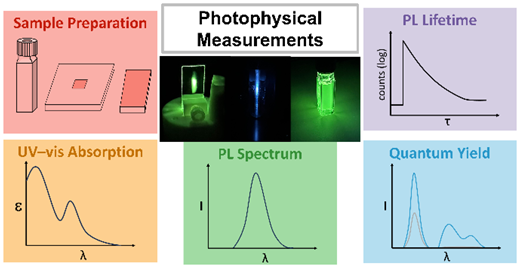
This tutorial provides practical recommendations for measuring and reporting photophysical data, including both experimental considerations and best practices for presenting the data in published work. This tutorial provides practical recommendations for measuring and reporting photophysical data, including both experimental considerations and best practices for presenting the data in published work.


Vinh Q. Dang, Thomas S. Teets*

Dalton Trans. (2025) 54 (44): 16268–16284.

10.1039/d5dt02095f


Fluorescence spectroscopy: detection and sensing of SO2 and H2S using MOFs and other emerging porous materials (Open Access)
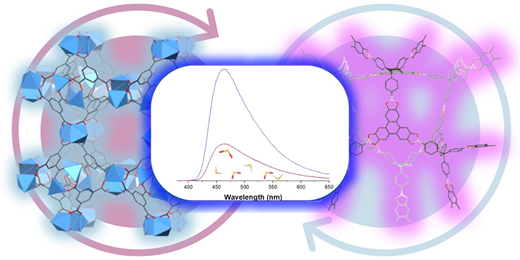
MOFs and other advanced emerging porous materials (i.e., COFs, POCs) have demonstrated tuneable structural and photoluminescent features, which can be helpful to monitor highly toxic SO2 and H2S pollutants using fluorescence spectroscopy techniques. MOFs and other advanced emerging porous materials (i.e., COFs, POCs) have demonstrated tuneable structural and photoluminescent features, which can be helpful to monitor highly toxic SO2 and H2S pollutants using fluorescence spectroscopy techniques.


Marco L. Martínez, Pablo Marín-Rosas, Valeria B. López-Cervantes, Ariel Guzmán-Vargas, Ricardo A. Peralta,* Diego Solis-Ibarra,* Ilich A. Ibarra*

Dalton Trans. (2025) 54 (37): 13806–13819.

10.1039/d5dt01521a


Assessment methods for identifying suitable charge carriers for non-aqueous redox flow batteries
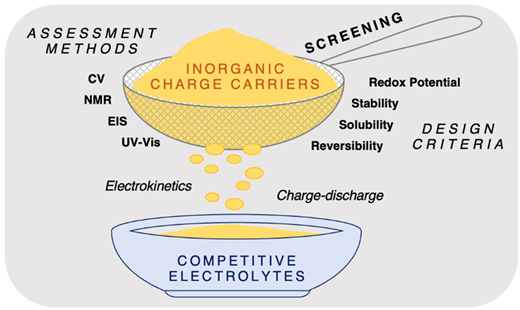
This tutorial-review describes a systematic framework for selecting suitable electrolytes to improve the efficiency of resulting non-aqueous redox flow batteries. This tutorial-review describes a systematic framework for selecting suitable electrolytes to improve the efficiency of resulting non-aqueous redox flow batteries.


Mamta Dagar* and Ellen M. Matson*
Dalton Trans. (2025) 54 (26): 10164–10177.
10.1039/d5dt00830a


Digg This
Reddit This
Stumble Now!
Share on Facebook
Bookmark this on Delicious
Share on LinkedIn
Bookmark this on Technorati
Post on Twitter
Google Buzz (aka. Google Reader)

An interview with our new Editor-in-Chief

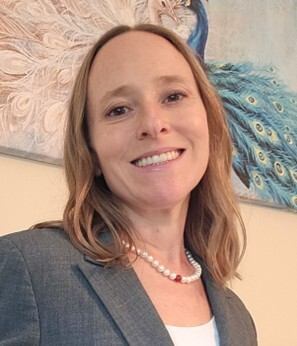
Dalton Transactions is delighted to announce that Professor Christine Thomas of The Ohio State University has been appointed as our new Editor-in-Chief, succeeding Professor Russell Morris!

We caught up with Christine to ask her perspective on Dalton Transactions and looking ahead to her time as Editor-in-Chief of the journal….


What excites you about current research in inorganic chemistry?

Over the past few decades, I have really enjoyed watching inorganic chemistry become increasingly interdisciplinary. The connections being made between the molecular, solid-state, and biological inorganic communities have greatly strengthened our understanding of the roles that individual components play in tuning both properties and reactivity.

How has your work as an Associate Editor of Dalton Transactions influenced your view on inorganic chemistry?

During my 9 years as an Associate Editor at Dalton Transactions, I definitely broadened my knowledge of the inorganic chemistry field by handling manuscripts in a lot of different areas.  Reading through submitted manuscripts that I might not normally read often gave me ideas for new applications for molecules developed in my lab or new methods to characterize or probe them. Through my work with Dalton Transactions, I came to appreciate the remarkable breadth and interdisciplinary nature of the field of inorganic chemistry.

What do you hope to bring to Dalton Transactions as Editor-in-Chief?

I hope to enhance Dalton Transactions’ role in providing a service to the inorganic chemistry community as a resource and venue for disseminating research. I look forward to networking with inorganic chemistry researchers worldwide in the coming years and learning how the journal can best support them and their community.

What research do you hope to see more of in the journal during your tenure as Editor-in-Chief?

I would love to see more foundational publications, such as tutorial reviews on burgeoning research areas or best practices for data collection and/or benchmarking, articles that describe new methods for the preparation of widely used inorganic precursors, or papers that establish structure/function relationships that inform the design of new molecules and materials.

Why should authors choose to publish with Dalton Transactions?

As an author, I have always found publishing in Dalton Transactions to be a streamlined and expedient process.  Authors can expect to receive insightful reviews and manuscript decisions quickly thanks to the hard work and diligence of our Associate Editors and peer reviewers.

What advice would you give to early career researchers in your field?

Keep an open mind and don’t be afraid to pivot your research directions to go where the chemistry takes you.

What do you like to do outside of work?

In the “spare time” that I don’t have, I like to spend time with my kids (11 and 5 years old), garden, go fishing, watch and identify birds, swim, lift weights, and run long distances. My current goal is to complete a full marathon (26.2 miles, 42.2 km) in all 50 US states (18 down, 32 to go!).


Christine commenced in her role on July 1st, 2026, following Professor Russell Morris’s term as Chair of the Dalton Transactions Editorial Board.

“Dalton Transactions is an important journal for general inorganic chemistry. In Christine Thomas we have an outstanding chemist as Editor-in-Chief and I wish her the very best in her new role.”

-Professor Russell Morris, Advisory Board Member & former Editor-in-Chief


Interested in learning more about Christine and the rest of our editorial board?


Submit your research to the journal here:


Digg This
Reddit This
Stumble Now!
Share on Facebook
Bookmark this on Delicious
Share on LinkedIn
Bookmark this on Technorati
Post on Twitter
Google Buzz (aka. Google Reader)

Introducing the new Dalton Transactions Editor-in-Chief, Professor Christine Thomas

We are delighted to announce that Professor Christine Thomas has been appointed as the new Dalton Transactions Editor-in-Chief, succeeding Professor Russell Morris.

Christine Thomas is a Professor of Chemistry at the Department of Chemistry and Biochemistry at The Ohio State University. She received her PhD in inorganic chemistry at the California Institute of Technology, and performed postdoctoral research at Texas A&M University. Her research focuses on fundamental catalyst design involving cooperative effects in bimetallic systems and complexes with non-innocent ligands.


I am both honored and excited to rejoin the Dalton Transactions team as Editor-in-Chief. As a long-time author, reviewer, and reader of articles in Dalton Transactions, I look forward to leading new initiatives while we continue to expeditiously publish the highest quality advancements in all areas of inorganic chemistry.” – Christine Thomas, Dalton Transactions Editor-in-Chief

Christine will commence in her role as Editor-in-Chief from July 1st, 2026. She previously served as an Associate Editor from 2014 until 2023 handling submissions in the fields of catalysis and organometallic, theoretical, and coordination chemistry. She has a strong history of publishing in the journal and has guest-edited several themed collections.


I am delighted that Christine will be joining the Dalton Transactions team once again. Christine was an asset to the journal during her time as Associate Editor from 2014 to 2023 and I am looking forward to working with Christine again to help shape and develop the journal over the coming years. Her knowledge of the journal, influence in the community and insight into the needs of researchers will ensure that Dalton Transactions goes from strength the strength under her guidance. I am also incredibly pleased that we have appointed the journal’s first female Editor-in-Chief!” – Sally Howells-Wyllie, Dalton Transactions Executive Editor


Take a look at Christine’s recent Perspective in Dalton Transactions:

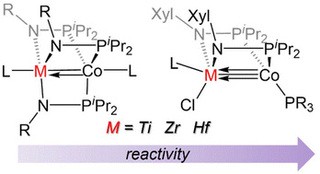
Polarized metal–metal multiple bonding and reactivity of phosphinoamide-bridged heterobimetallic group IV/cobalt compounds (Open Access)

Nathanael H. Hunter and Christine M. Thomas*

Dalton Trans., 2024,53, 15764-15781


To mark Christine’s appointment as Editor-in-Chief, she is collating some of her favourite recent publications in Dalton Transactions and we will be interviewing her to find out more about her visions for the journal. Stay tuned to see these very soon.


Please join us in congratulating Professor Christine Thomas on her new appointment. We also want to share a huge thank you to Professor Russell Morris for his dedication to the journal since his tenure as Chair began in 2020!


Professor Christine Thomas – Biography


Christine Thomas
was born and raised on the East Coast of the United States, in a suburb of Philadelphia. She received her B.S. in chemistry from Lafayette College, completed her PhD at the California Institute of Technology, and performed postdoctoral research at Texas A&M University. After spending more than 9 years on the faculty at Brandeis University, she joined the Department of Chemistry and Biochemistry at The Ohio State University, where is currently the Phyllis and Richard Leet Professor of Chemistry.

Her research interests focus on synthetic inorganic, organometallic, and main group chemistry, with an emphasis on bond-activation using Earth abundant metals. She pioneered the field of metal-metal multiple bonding in early/late heterobimetallic compounds and her recent work has uncovered multiple modes of bimetallic cooperativity in these frameworks that enable bond activation and functionalization processes. Ongoing projects in her laboratory involve organometallic catalysis using first row transition metals, ligand design, small molecule activation, electrocatalysis, metal-metal and metal-ligand cooperativity, spectroscopy, magnetism, and computational evaluation of electronic structure and reaction mechanism.

 
She is a Fellow of the Royal Society of Chemistry and the recipient of many awards including the Alfred P. Sloan Fellowship, the NSF CAREER award, the DOE Early Career Award, the Dalton Transactions Lectureship, and selection as an Organometallics fellow. She was as an Associate Editor for Dalton Transactions from 2014-2023 and has served on the Editorial Advisory boards for Dalton Transactions, Chemical Communications, Chemical Science, Inorganic Chemistry, Polyhedron, and Inorganic Syntheses. She was Chair of the 2018 Gordon Research Conference on Organometallic Chemistry and Co-Chair of the 2024 North American Silicon Symposium, and served as 2020 Chair of the Organometallic Chemistry subdivision of the American Chemical Society Division of Inorganic Chemistry.


Digg This
Reddit This
Stumble Now!
Share on Facebook
Bookmark this on Delicious
Share on LinkedIn
Bookmark this on Technorati
Post on Twitter
Google Buzz (aka. Google Reader)

Spotlight Collection: Aggregation Induced Luminescence of Metal Complexes

We are delighted to announce our new spotlight collection on aggregation induced luminescence of metal complexes. Spotlight Collections are ongoing themed collections highlighting the best past and present work in Dalton Transactions.

Metal complexes have been known as luminescent materials for decades and still represent an extremely attractive class of materials due to their peculiar structure-related properties. As a consequence, they have found applications as responsive supramolecular motifs, sensors and photocatalysts. In the last 10 years, the emerging field of Aggregation-Induced Emission (AIE) demonstrated how a vast variety of compounds are able to switch from negligible emissive compounds in solutions to intensely luminescent materials upon aggregation.

This Spotlight Collection is focused on recent advances of AIE-active metal complexes published in Dalton Transactions, displaying the synthetic strategies for the preparation of new coordination motifs, their photophysical properties and their use as tuneable emissive materials in sensing-oriented and opto-electronic applications, aiming to define useful design principles for future improvements.

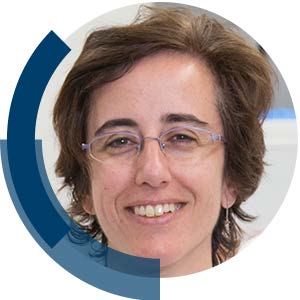
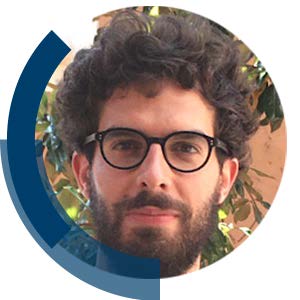
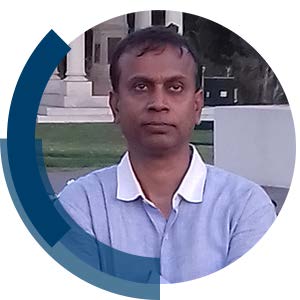
This collection is guest edited by Dalton Transactions Associate Editor Professor Paola Ceroni (University of Bologna, Italy), Dr Andrea Fermi (University of Bologna, Italy) and Professor Inamur R. Laskar (Birla Institute of Technology and Science Pilani, India).


Prof Paola Ceroni


Dr Andrea Fermi


Prof Inamur Laskar


See the full collection as it grows on our collection webpage, and check out a selection of articles below:


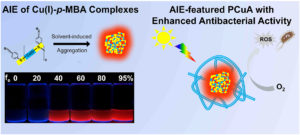
Cu(i) complexes with aggregation-induced emission for enhanced photodynamic antibacterial application

Zhongxiang Zuo, Xinxin Pan, Ge Yang, Yuemin Zhang, Xingwen Liu, Jinrun Zha and Xun Yuan*

Dalton Trans., 2023, 52, 2942-2947


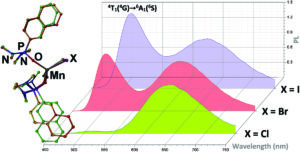
  Synthesis and photoluminescence of manganese(ii) naphtylphosphonic diamide complexes

Marco Bortoluzzi*, Valentina Ferraro and Jesús Castro*

Dalton Trans., 2021, 50, 3132-3136


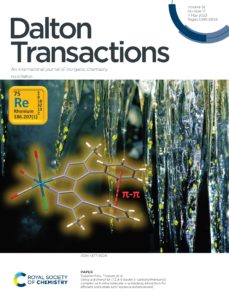
Using a diphenyl-bi-(1,2,4-triazole) tricarbonylrhenium(i) complex with intramolecular π–π stacking interaction for efficient solid-state luminescence enhancement (Open Access)

Alexandre Poirot, Corinne Vanucci-Bacqué, Béatrice Delavaux-Nicot, Clarisse Meslien,a   Nathalie Saffon-Merceron, Charles-Louis Serpentini, Florence Bedos-Belval, Eric Benoist and Suzanne Fery-Forgues*

Dalton Trans., 2023, 52, 5453-5465


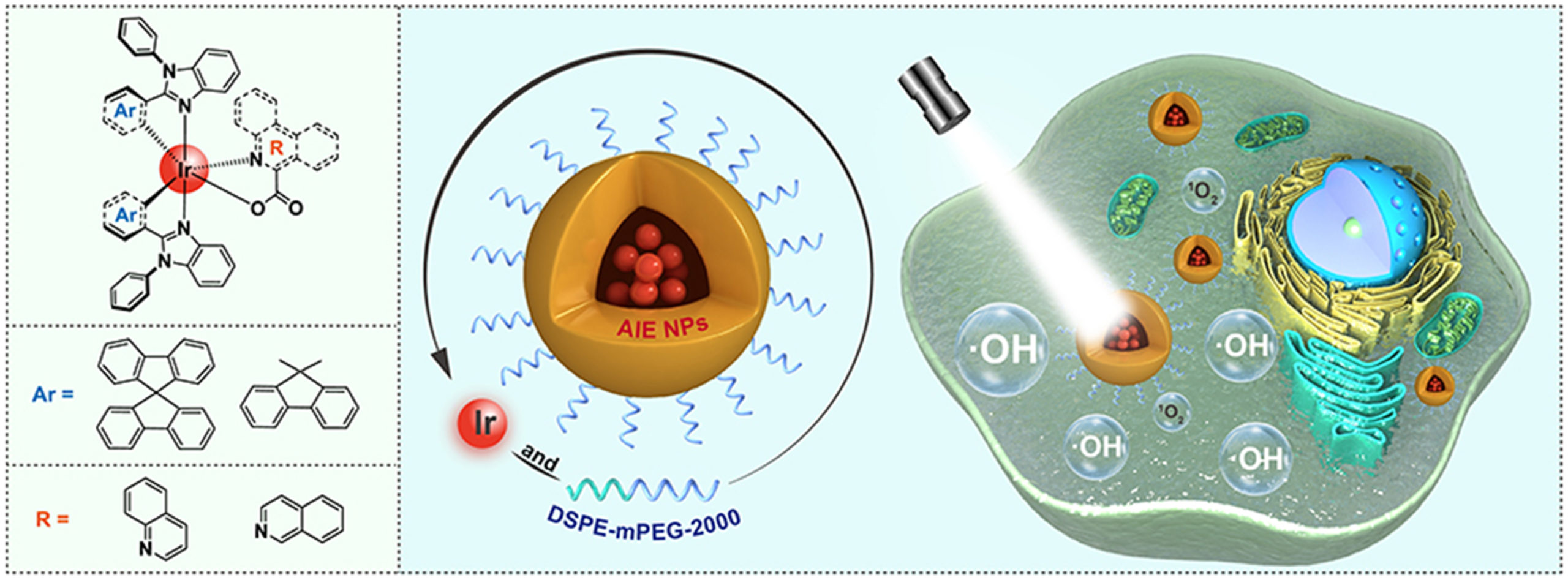
AIE-active Ir(iii) complexes as type-I dominant photosensitizers for efficient photodynamic therapy

Jialin Tong, Xinyue Yang, Xiaoxian Song, Jie Liang*, Shanshan Huang, Huiting Mao*, Mansoor Akhtar, Ao Liu, Guo-Gang Shan* and Guangfu Li

Dalton Trans., 2023, 52, 1105-1112


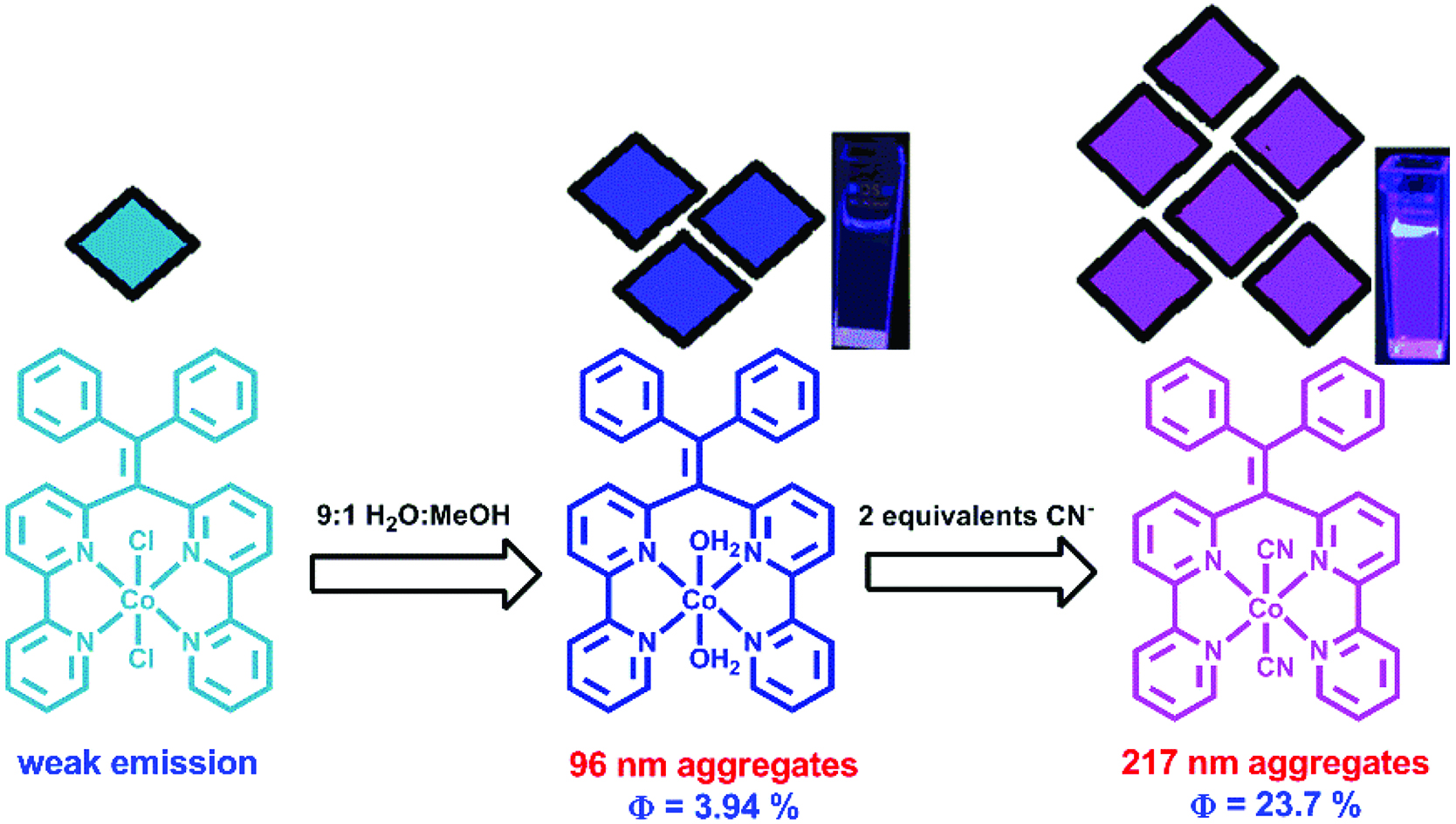
A fluorescent turn-on probe for cyanide anion detection based on an AIE active cobalt(ii) complex

Moustafa T. Gabr, and F. Christopher Pigge*

Dalton Trans., 2018, 47, 2079-2085


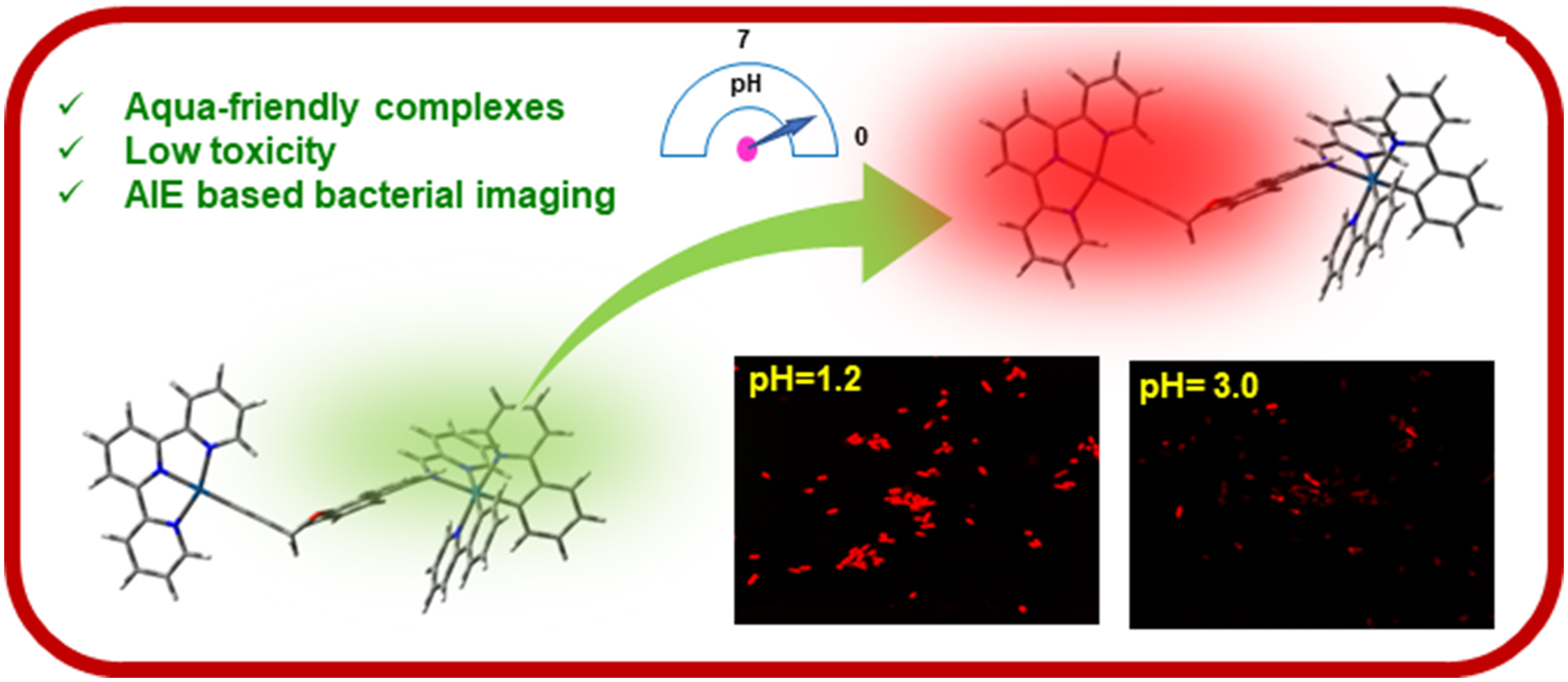
Aqua-friendly organometallic Ir–Pt complexes: pH-responsive AIPE-guided imaging of bacterial cells

Sakira Tabassum Borah, Bishnu Das, Prakash Biswas, Amirul I. Mallick* and Parna Gupta*

Dalton Trans., 2023, 52, 2282-2292


Digg This
Reddit This
Stumble Now!
Share on Facebook
Bookmark this on Delicious
Share on LinkedIn
Bookmark this on Technorati
Post on Twitter
Google Buzz (aka. Google Reader)

Register now for the New Talent Europe desktop seminar!

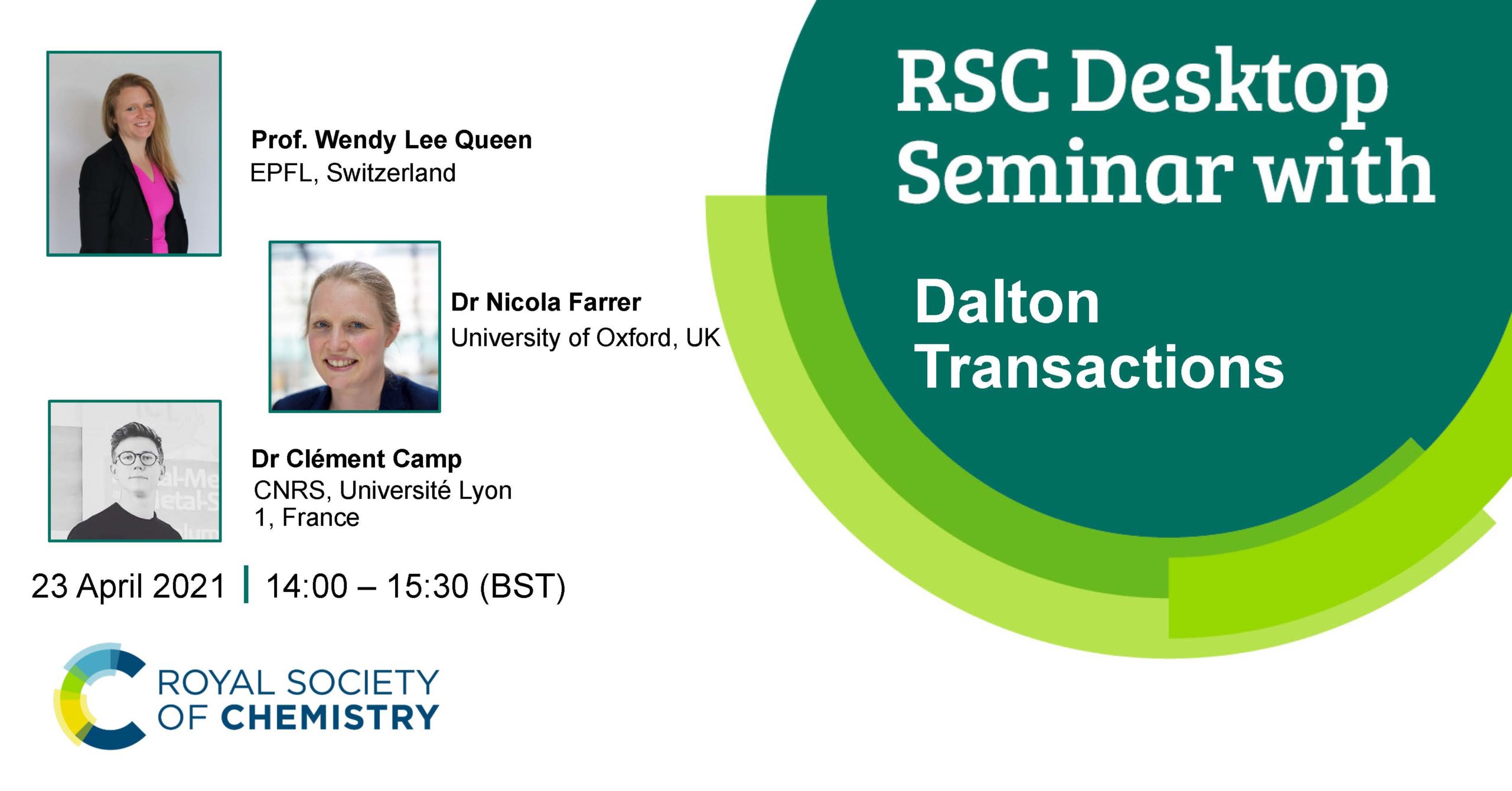
Among the immense disruption faced by the scientific community in 2020, one significant loss has been the cancellation or postponement of conferences, symposia, and other scientific meetings. Emerging investigators have been particularly effected by this, having lost the chance to present their research at a key stage in their career. Dalton Transactions, therefore, has decided to launch a desktop seminar series, aimed specifically at early career researchers and based on our popular New Talent series of themed issues.


The next desktop seminar is based on our 2018 themed issue, New Talent: Europe attendance is free and registration is now open.

The seminar will be held on April 23, 2021 and will be chaired by Dalton Transactions Editorial Board Member, Professor Marinella Mazzanti. The talks will cover a wide spectrum of topics within inorganic chemistry, including metal-organic frameworks, bioinorganic chemistry, and organometallic chemistry.


Speakers: 


Professor Wendy Lee Queen

EPFL Switzerland

Talk Title: Realizing the global benefits of the world’s most porous materials

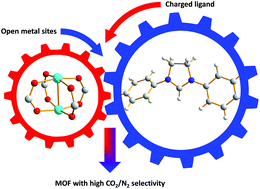
To find out more about Professor Queen’s work, check out her article in the New Talent: Europe themed issue on Selective CO2 adsorption by a new metal–organic framework: synergy between open metal sites and a charged imidazolinium backbone.

.


Dr Nicola Farrer

University of Oxford, UK

Talk Title: Metals in medicine: challenges and opportunities

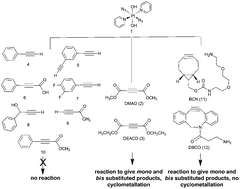
To find out more about Dr Farrer’s work, check out her article in the New Talent: Europe themed issue on Platinum(iv) azido complexes undergo copper-free click reactions with alkynes.


Dr Clément Camp

CNRS, Université Lyon 1, France

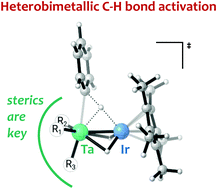
Talk Title: Cooperative Heterobimetallic C-H bond Activations at Supported Tantalum/Iridium Pair-site Catalysts

To find out more about Dr Camp’s work, check out his recent article: Mechanistic investigations via DFT support the cooperative heterobimetallic C–H and O–H bond activation across Ta[double bond, length as m-dash]Ir multiple bonds.

.

.  


Register now to attend these exciting talks!

https://www.rsc.org/events/detail/46391/dalton-transactions-new-talent-europe 


Future desktop seminars will include more speakers from our 2018 themed issue, New Talent: Europe, as well as our 2020 themed issue, New Talent: Americas, so watch this space for more details or sign up to our newsletter!  


Digg This
Reddit This
Stumble Now!
Share on Facebook
Bookmark this on Delicious
Share on LinkedIn
Bookmark this on Technorati
Post on Twitter
Google Buzz (aka. Google Reader)

Register now for the Dalton Transactions New Talent: Asia-Pacific desktop seminar

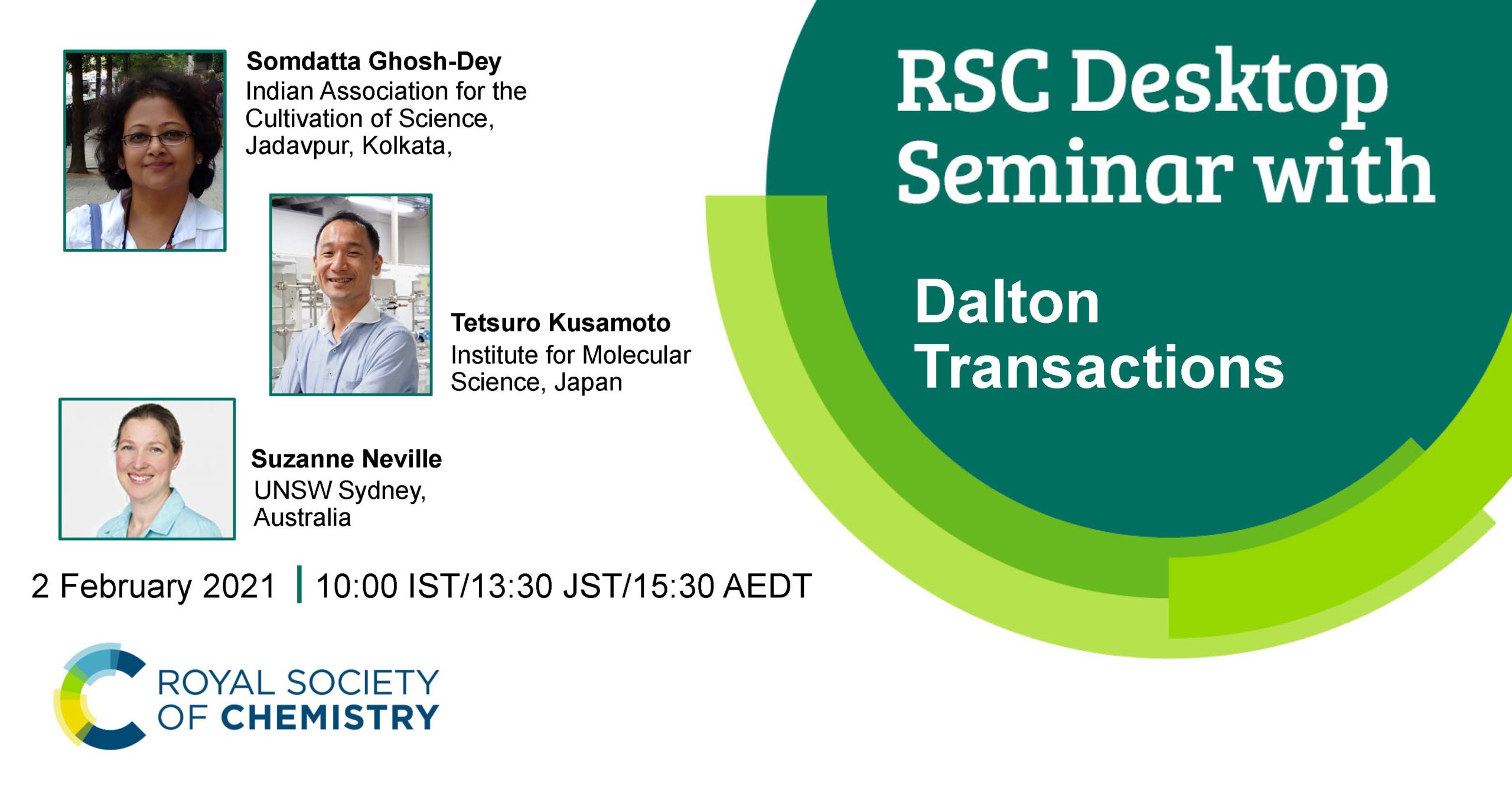
Among the immense disruption faced by the scientific community in 2020, one significant loss has been the cancellation or postponement of conferences, symposia, and other scientific meetings. Emerging investigators have been particularly effected by this, having lost the chance to present their research at a key stage in their career. Dalton Transactions, therefore, has decided to launch a desktop seminar series, aimed specifically at early career researchers and based on our popular New Talent series of themed issues. The first of these desktop seminars is based on our 2019 themed issue, New Talent: Asia-Pacific, and registration is now open.

The seminar will be held on February 2, 2021 and will be chaired by Dalton Transactions Associate Editor, Vadapalli Chandrasekhar. The talks cover a wide spectrum of topics within inorganic chemistry, including bioinorganic chemistry, coordination chemistry, and molecular magnetism.


Speakers: 


Somdatta Ghosh-Dey

Indian Association for the Cultivation of Science, Jadavpur, Kolkata, India

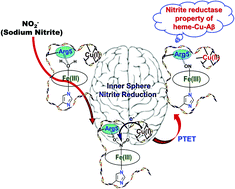
Talk Title: Small Molecule Interactions with Heme and Copper bound Amyloid β peptides associated with Alzheimer’s Disease

To find out more about Professor Ghosh-Dey’s work, check out her article on Nitrite reductase activity of heme and copper bound Aβ peptides.


Tetsuro Kusamoto

Institute for Molecular Science, Japan

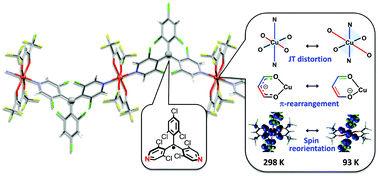
Talk Title: A Cu(II)-radical heterospin magnetic chain: temperature-dependent Jahn-Teller distortion correlated to π-conjugation and magnetic properties

To find out more about Professor Kusamoto’s work, check out his article on One-dimensional magnetic chain composed of CuII and polychlorinated dipyridylphenylmethyl radical: temperature-dependent Jahn–Teller distortion correlated to π-conjugation and magnetic properties.


Suzanne Neville

University of New South Wales Sydney, Australia

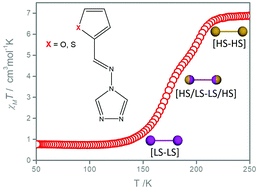
Talk Title: Spin crossover dinuclear complexes: ligand and guest effects

To find out more about Professor Neville’s work, check our her article on Heteroatom substitution effects in spin crossover dinuclear complexes.  


Register now to attend these exciting talks!

https://www.rsc.org/events/detail/45987/dalton-transactions-new-talent-asia-pacific


Future desktop seminars will be based on our 2018 themed issue, New Talent: Europe, and our 2020 themed issue, New Talent: Americas, so watch this space for more details or sign up to our newsletter!  


Digg This
Reddit This
Stumble Now!
Share on Facebook
Bookmark this on Delicious
Share on LinkedIn
Bookmark this on Technorati
Post on Twitter
Google Buzz (aka. Google Reader)

Dalton Transactions Symposia: Advancing Inorganic Chemistry

In November Dalton Transactions is holding a series of symposia on the theme of Advancing Inorganic Chemistry. These one-day meetings will be held in three different cities – Tianjin, Nanjing, and Shanghai  – and feature presentations on the cutting edge of inorganic chemistry by leading researchers from around the world.

Richard Layfield (University of Sussex, UK), Nils Metzler-Nolte (Ruhr-Universität Bochum, Germany), Sascha Ott (Uppsala University, Sweden), and Christine Thomas (The Ohio State University, USA) will be joined by Guanqun Song (RSC Editorial Development Manager – Beijing) and Andrew Shore (Executive Editor – Dalton Transactions) as well leading researchers from the host cities.

The symposia give anyone with an interest in inorganic chemistry the opportunity to speak to leading researchers in the field as well as RSC editorial staff. There will also be poster sessions, giving early career researchers the chance to discuss their research in a relaxed setting.

We’ve put together a web collection of recent papers in Dalton Transactions by speakers and hosts at these events, or see below for more details and links to the registration pages for each event.


November 26th:TianjinREGISTER HERE

Hosted by Xianhe Bu (Nankai University) and featuring Chunming Cui (崔春明) (Nankai University), Yi Ding (丁轶) (Tianjin University of Technology), Lingdong Sun (孙聆东) (Peking University) and Ruqiang Zou (邹如强) (Peking University).


November 28th:Nanjing REGISTER HERE

Hosted by Jinglin Zuo (Nanjing University) and featuring Jian-Ping Lang (郎建平) (Soochow University), Ming-Liang Tong (童明良) (Sun Yat-Sen University), Hai-Long Jiang (江海龙) (University of Science and Technology of China), and Jing Zhao (赵劲) (Nanjing University). 


November 30th:ShanghaiREGISTER HERE

Hosted by Dalton Transactions Associated Editor Guo-Xin Jin (Fudan University) and featuring  Qiaowei Li (李巧伟) (Fudan University), Yingfeng Han (韩英锋) (Northwest University), Chi Zhang (张弛) (Tongji University), and Yong Cui (崔勇) (Shanghai Jiao Tong University).


Digg This
Reddit This
Stumble Now!
Share on Facebook
Bookmark this on Delicious
Share on LinkedIn
Bookmark this on Technorati
Post on Twitter
Google Buzz (aka. Google Reader)

Workshop on Silicon Nanoparticles

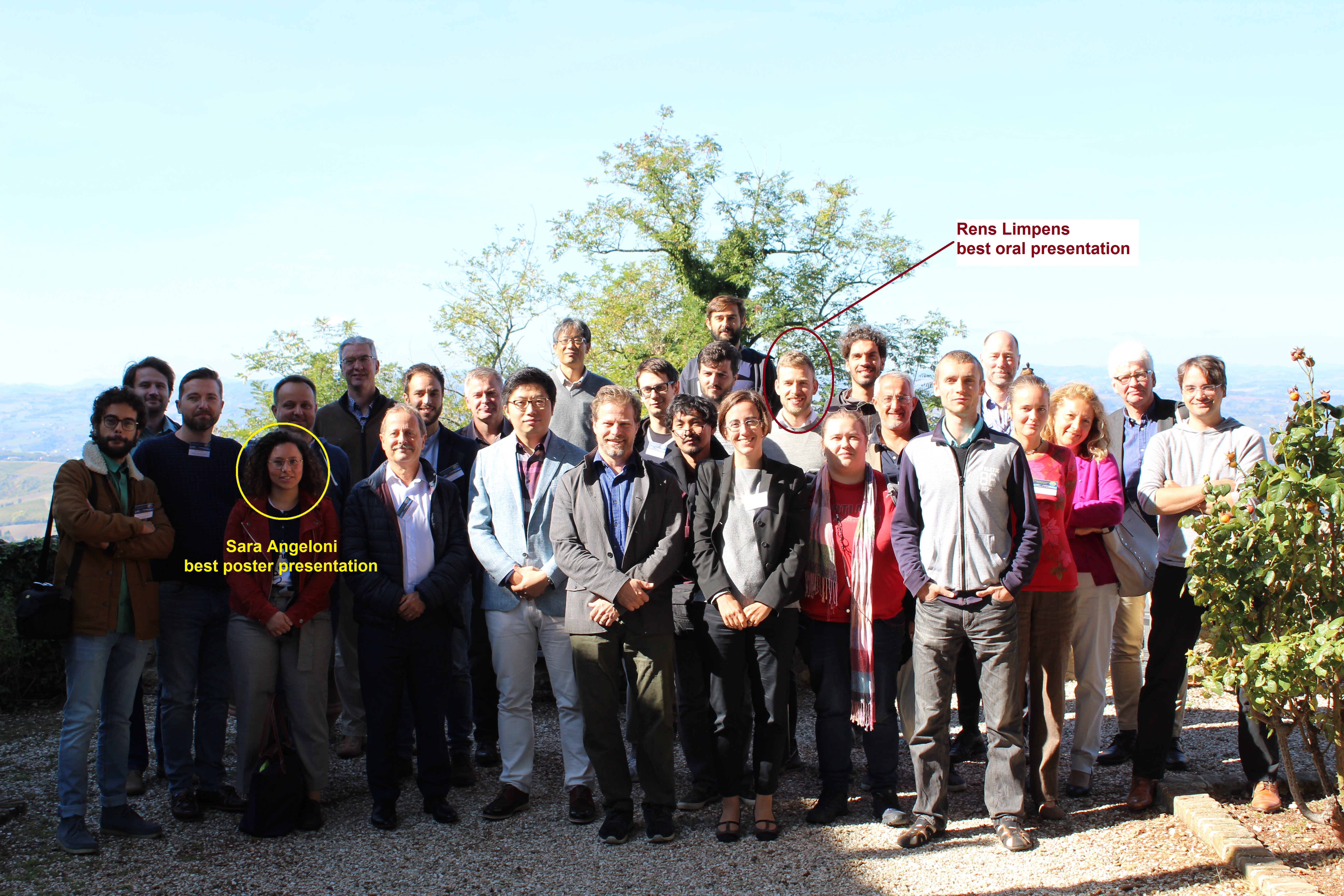
Earlier this month the Workshop on Silicon Nanoparticles was held in Bertinoro, Italy. Organised by Dalton Transactions Associate Editor Paola Ceroni (University of Bologna), the workshop gathered world-renowned scientists in the field of silicon nanocrystals and porous silicon, such as Leigh Canham (University of Birmingham, UK), Michael Sailor (University of California, San Diego, US), and Brian Korgel (University of Texas at Austin, US). The workshop was a great success, providing a forum to discuss the latest developments in the field and the most debated aspects related to properties of silicon nanoparticles.

Dalton Transactions was pleased to provide awards to the best Oral and Poster presentations.

The best oral presentation was awarded to Rens Limpens, for his talk entitled  “Carrier Dynamics and Mobilities in Doped Silicon Nanocrystals: When Do Free Carriers Matter?”

The best poster presentation was awarded to Sara Angeloni, for her poster entitled “9-10 Diphenyl Anthracene-functionalized Silicon Nanocrystals via covalent and non-covalent method


Dalton Transactions offers a huge congratulations to both of the presentation winners!


Digg This
Reddit This
Stumble Now!
Share on Facebook
Bookmark this on Delicious
Share on LinkedIn
Bookmark this on Technorati
Post on Twitter
Google Buzz (aka. Google Reader)

UK-India Symposium on Advances in Inorganic Chemistry

This September saw the occasion of the UK-India Symposium on Advances in Inorganic chemistry, held at The University of Manchester. Jointly organised by the Royal Society of Chemistry and the Chemical Research Society of India, it is the fourth such meeting held in the UK. The purpose is encourage collaborations and discussion by bringing together world-renowned researchers from the respective countries. 

Dalton Transactions Editorial Board member V. Chandrasekhar (Tata Institute of Fundamental Research, Hyderabad) gave an excellent lecture on multiple bonding between heavier main-group elements. The journal was also on hand to provide prizes to the best poster presentations by early-career researchers.

The winners of the Dalton Transactions Outstanding Poster Presentation awards were:

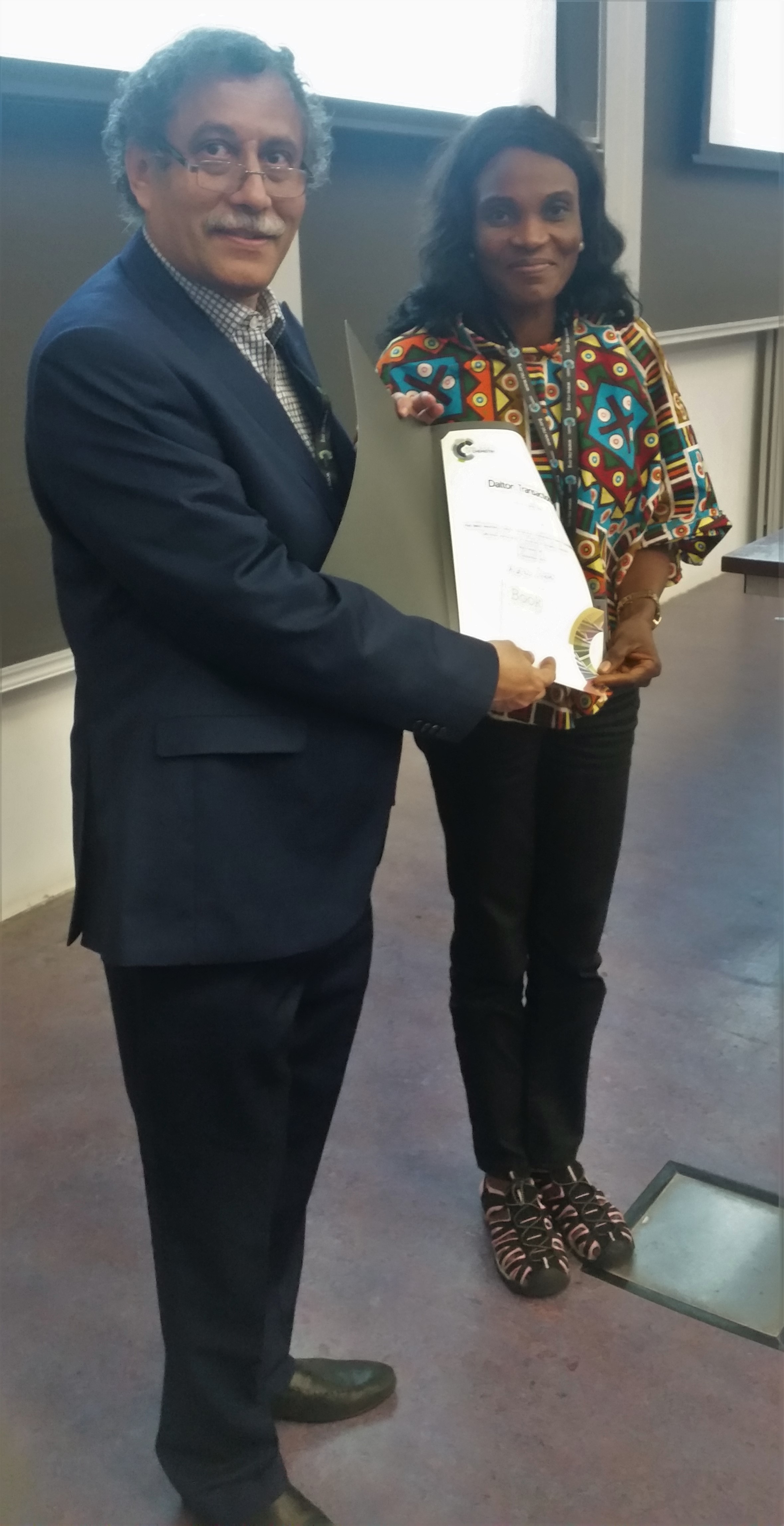
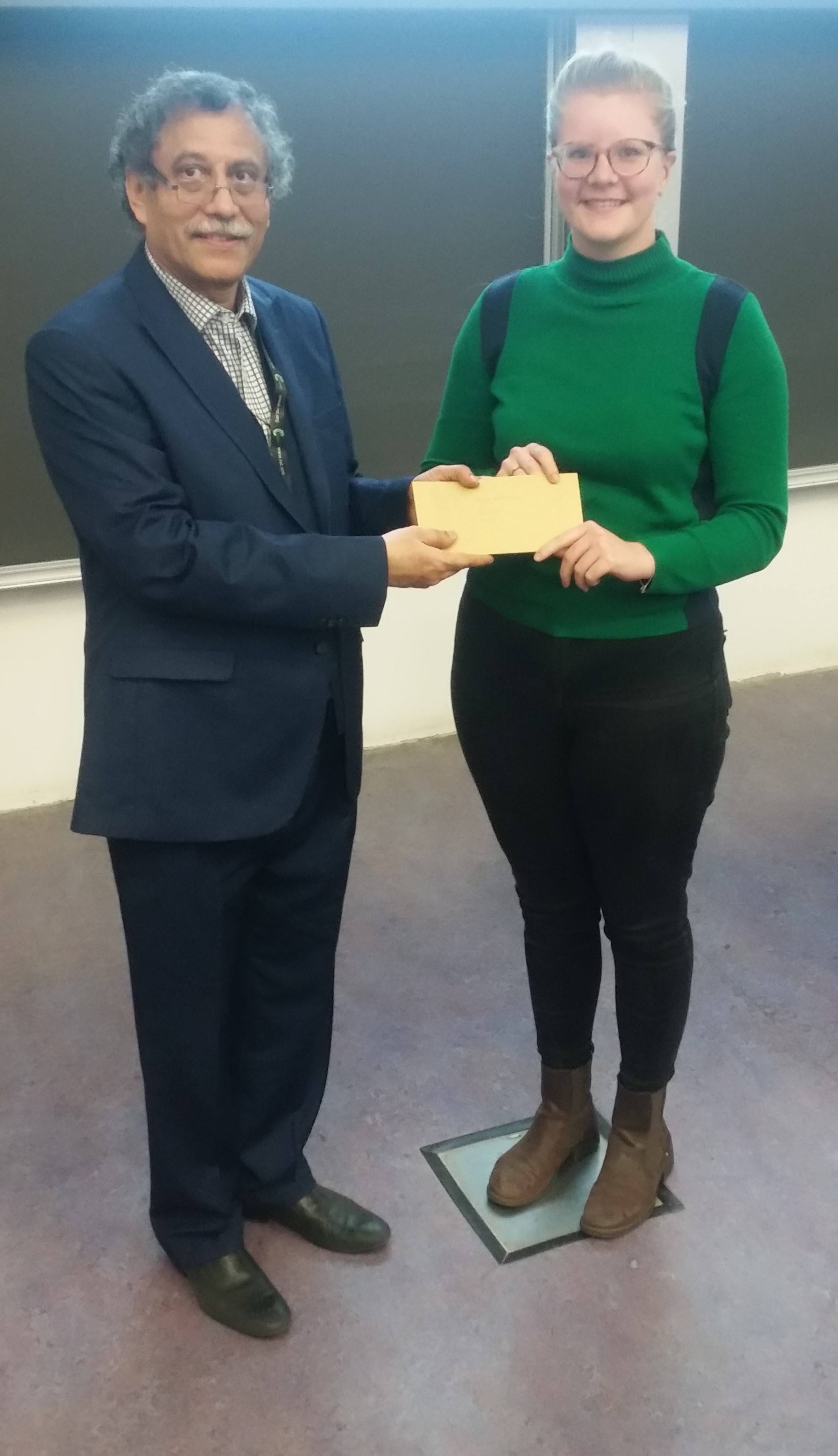
Cordelia U. Dueke-Eze (University of Lagos, Nigeria) for her poster entitled Synthesis, Characterisation and antibacterial activity of halogen substituted Isonicotinic acid hydrazide Schiff bases and their Co(II) and Cu(II) complexes 

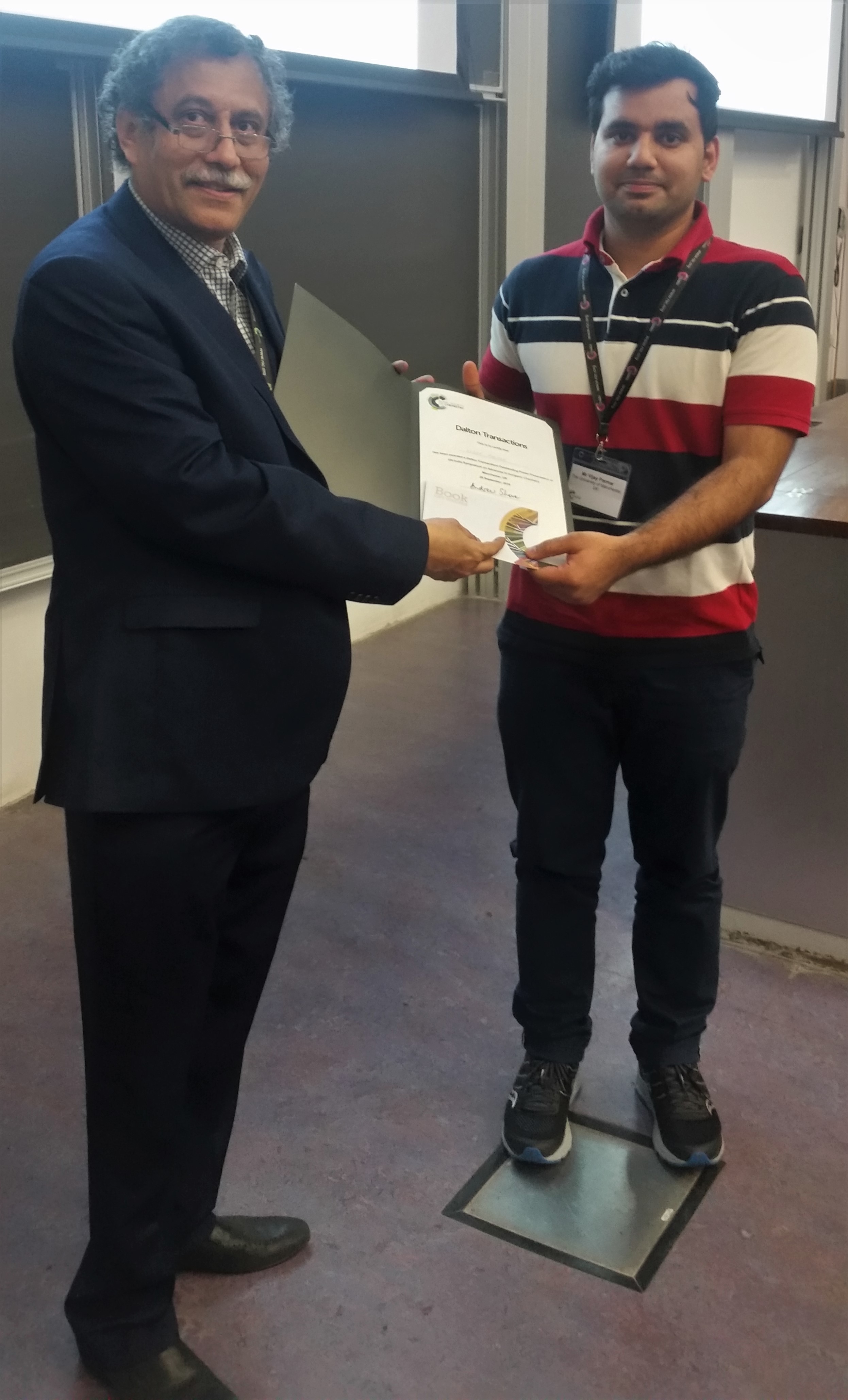
Vijay Parmer (The University of Manchester, UK) for his poster entitled Towards High-Temperature Single-Molecule Magnets 

Poster prizes were also awarded by The University of Manchester to Benjamin L. L. Réant, Jessica Cid, and Rosie Magnall.

Left-to-right: Cordelia U. Dueke-Eze, Vijay Parmer, Benjamin L. L. Réant, Jessica Cid, and Rosie Magnall receiving their poster prizes from Sourav Pal (IISER-Kolkata)

Dalton Transactions offer a huge congratulations to all poster prize winners!

Digg This
Reddit This
Stumble Now!
Share on Facebook
Bookmark this on Delicious
Share on LinkedIn
Bookmark this on Technorati
Post on Twitter
Google Buzz (aka. Google Reader)

Congratulations to the EuroBIC poster prize winners!

This August saw the occasion of the 14th European Biological Inorganic Chemistry Conference (EuroBIC), held at the University of Birmingham in the UK. With an excellent line up of internationally renowned plenary and keynote speakers the event was a huge success, attracting around 400 attendees.

The Royal Society of Chemistry was pleased to support the event, offering poster prizes of books and book vouchers. The winners of RSC vouchers were:

  • Raul Berrocal-Martin (University of Glasgow) – Dalton Transactions Poster Prize
  • Wilma Neumann (Massachusetts Institute of Technology) – Metallomics Poster Prize
  • Ying Zhou (University of Hong Kong) – ChemComm Poster Prize
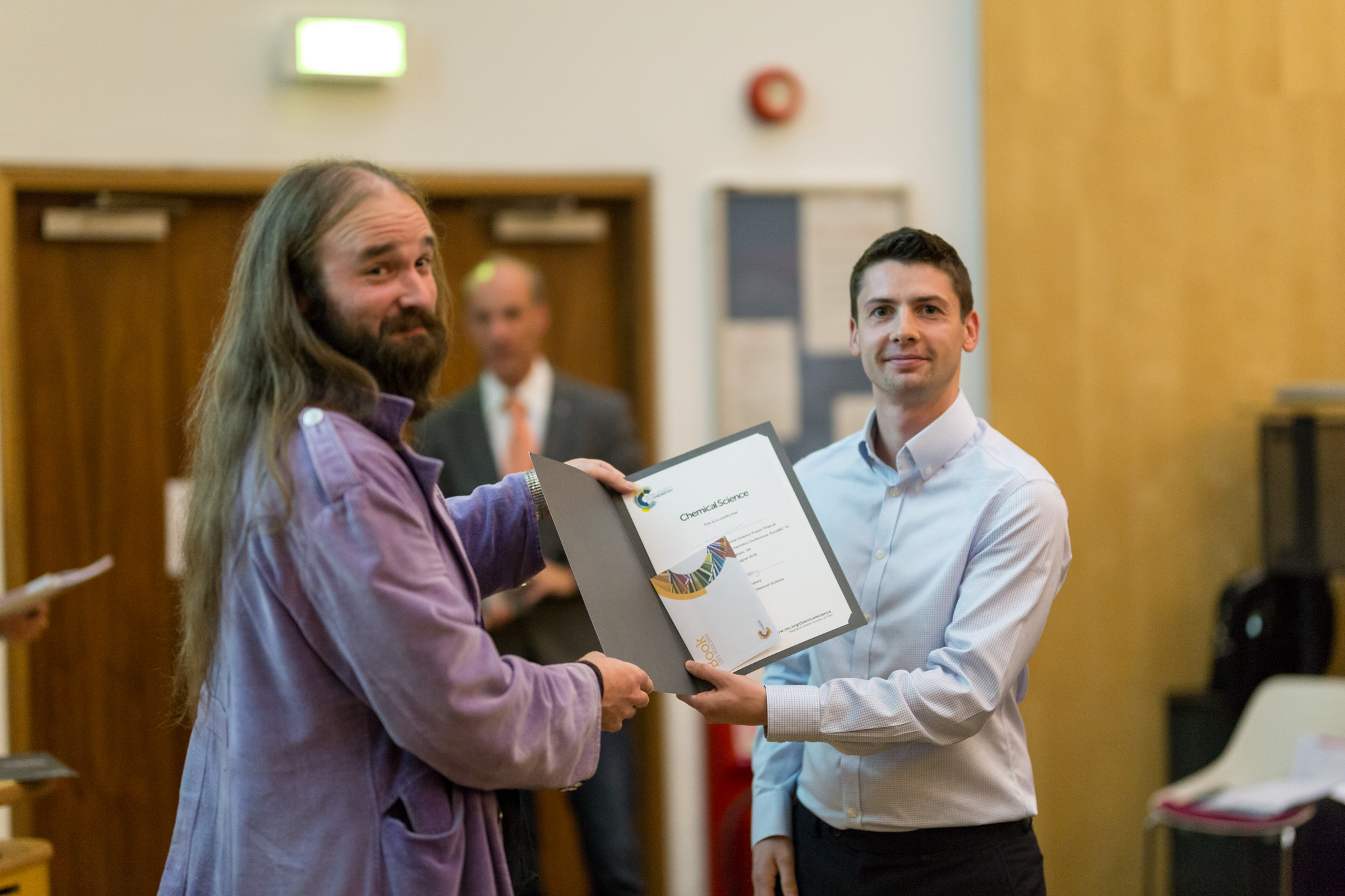
  • Leon Jenner (University of East Anglia) – Chemical Science Poster Prize

The following presenters also won the RSC Highly Commended Poster Awards:

  • Gloria Vigueras Bautista (University of Murcia)
  • Nicolai Burzlaff (Friedrich-Alexander University)
  • Samya Banerjee (University of Warwick)
  • Riccardo Bonsignore (Cardiff University)
  • Philip Ash (University of Oxford)

Dalton Transactions associate editor Nils Metzler-Nolte (Ruhr-Universität Bochum) and Chemical Science assistant editor William King were on hand to award the prizes.

Raul Berrocal-Martin (left) receiving the Dalton Transactions prize from Nils Metzler-Nolte (right) Ying Zhou (left) receiving the ChemComm prize from Nils Metzler-Nolte (right)
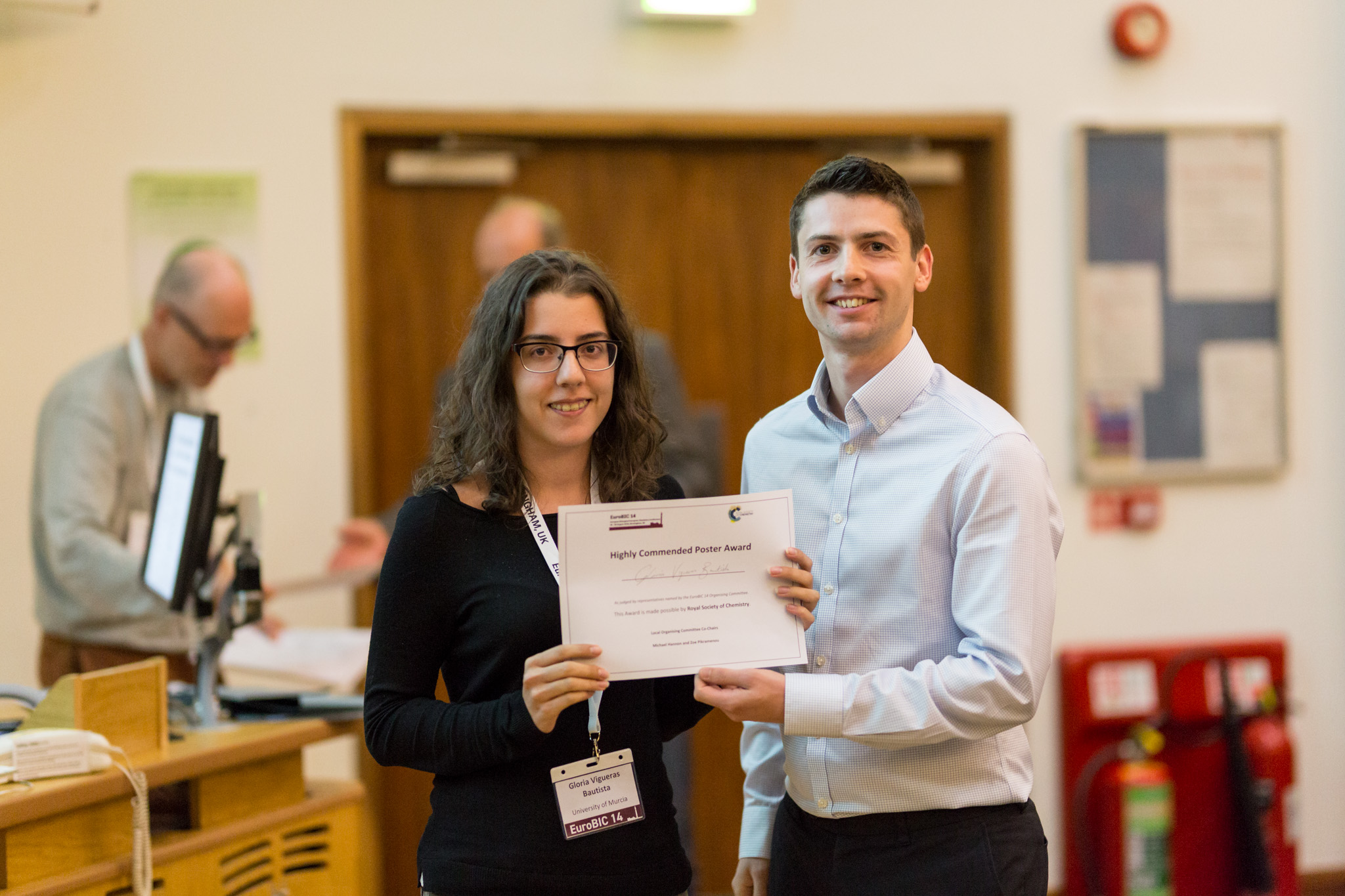
Leon Jenner (left) receiving the Chemical Science prize from William King (right) Gloria Vigueras Bautista (left) receiving a Highly Commended Poster Prize from William King (right)
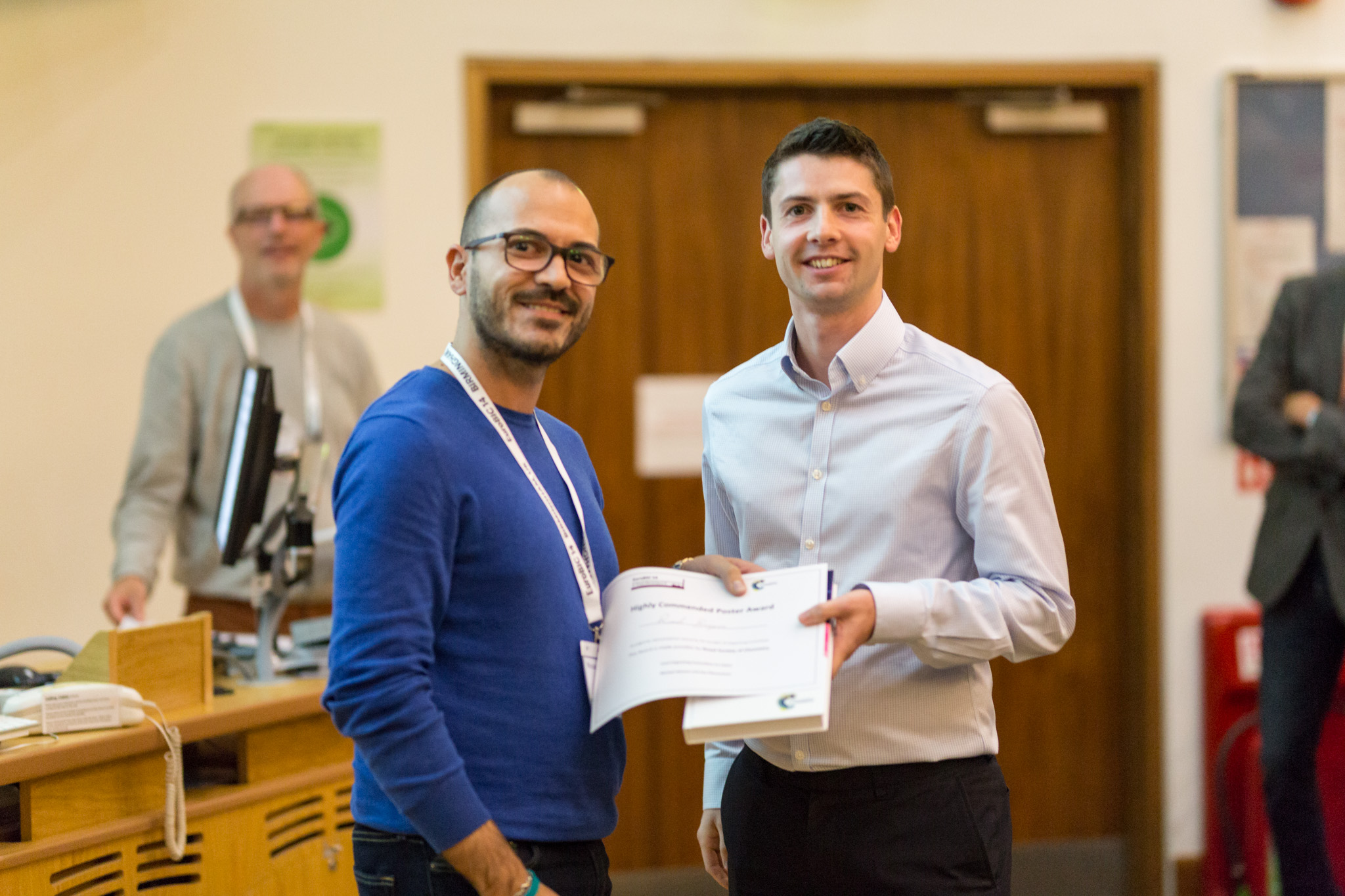
Riccardo Bonsignore (left) receiving a Highly Commended Poster Prize from William King (right) Philip Ash (left) receiving a Highly Commended Poster Prize from William King (right)

The RSC offers a hearty congratulations to all poster prize winners!

Next year the 19th International Conference on Biological Inorganic Chemistry (ICBIC 19) will be held in Interlaken, Switzerland – August 11th to 16th. The next European Biological Inorganic Chemistry Conference (EuroBIC 15) will be held in Reykjavik, Iceland, in August 2020. 

Digg This
Reddit This
Stumble Now!
Share on Facebook
Bookmark this on Delicious
Share on LinkedIn
Bookmark this on Technorati
Post on Twitter
Google Buzz (aka. Google Reader)