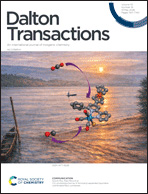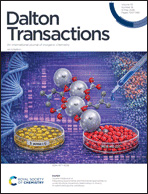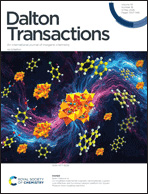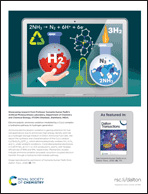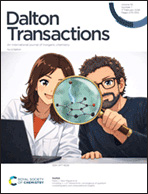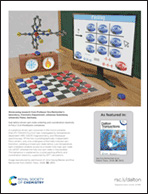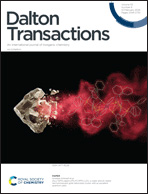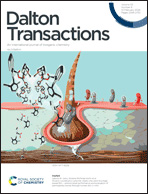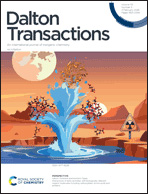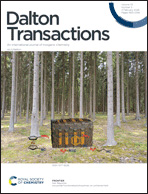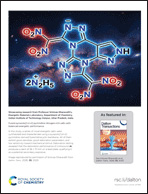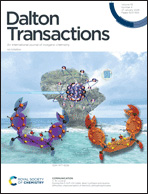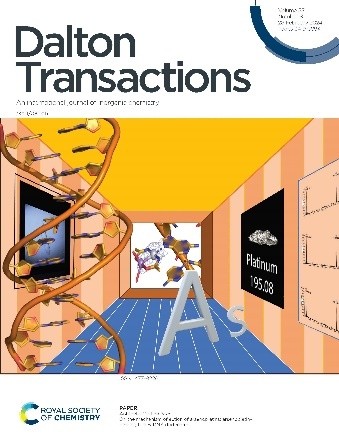
Explore Dalton Transactions Tutorial Reviews

We are delighted to introduce our new series of Tutorial Reviews!

Tutorial Reviews are designed to introduce readers to a concept or methodology at the forefront of inorganic chemistry research and should particularly appeal to early career researchers as well as established researchers seeking new fields to explore.

Our Tutorial reviews will include a ‘key learning points’ box, highlighting up to five points that a reader should expect to gain from reading the review.

See our published Tutorial Reviews below.


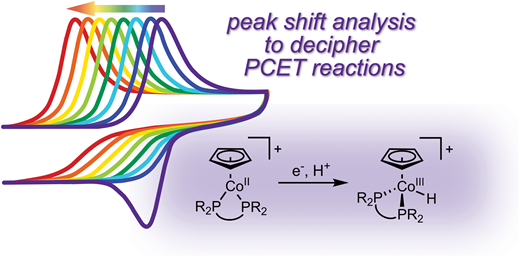
New! – Using peak shift analysis to elucidate proton-coupled electron transfer mechanisms and kinetics for cobalt hydride formation (Open Access)


This tutorial outlines approaches to probe the mechanisms of proton-coupled electron transfer reactions that form metal hydride complexes, integrating electrochemical and computational methods to provide insights that guide catalyst design.

This tutorial outlines approaches to probe the mechanisms of proton-coupled electron transfer reactions that form metal hydride complexes, integrating electrochemical and computational methods to provide insights that guide catalyst design.


Ana Sonea and Jillian L. Dempsey*

Dalton Trans. (2026)

10.1039/d6dt00711b 


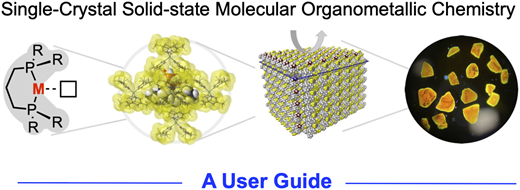
Solid-state molecular organometallic chemistry (SMOM): a user guide to in crystallo single-crystal to single-crystal transformations using solid/gas methods (Open Access)

This tutorial review provides a practical guide for solid/gas in crystallo solid-state molecular organometallic chemistry (SMOM).

This tutorial review provides a practical guide for solid/gas in crystallo solid-state molecular organometallic chemistry (SMOM).


Kristof M. Altus,* Samantha K. Furfari, Joe C. Goodall, Matthew R. Gyton, Jack H. Heaton, Chloe L. Johnson, Alasdair I. McKay, Mads Sondrup Møller, Sebastian D. Pike, Andrew S. Weller*


Spontaneous assemblies of gigantic polyoxomolybdates; from structure and properties to synthetic methods (Open Access)
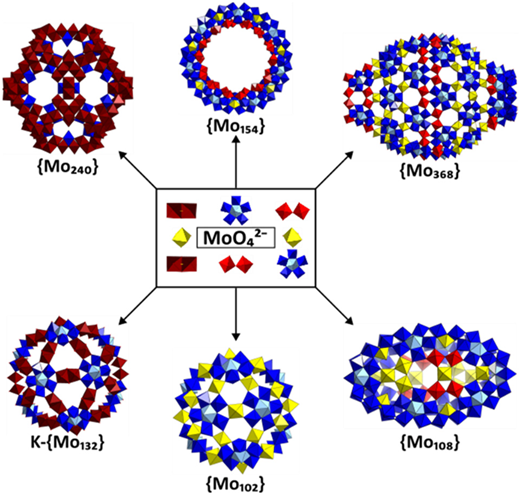
Gigantic polyoxomolybdates, dominated by the Molybdenum Blue (MB) family, constitute a key subclass of polyoxometalates (POMs) and play a role in elucidating structural construction principles and showcasing the diversity of POM architectures. Gigantic polyoxomolybdates, dominated by the Molybdenum Blue (MB) family, constitute a key subclass of polyoxometalates (POMs) and play a role in elucidating structural construction principles and showcasing the diversity of POM architectures.


Vishal Lakhanpal, De-Liang Long, Leroy Cronin*

Dalton Trans. (2026) 55 (16): 6237–6252.

10.1039/d5dt03084f


A practical guide to measuring and reporting photophysical data (Open Access)
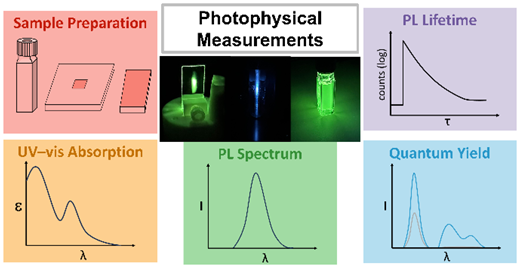
This tutorial provides practical recommendations for measuring and reporting photophysical data, including both experimental considerations and best practices for presenting the data in published work. This tutorial provides practical recommendations for measuring and reporting photophysical data, including both experimental considerations and best practices for presenting the data in published work.


Vinh Q. Dang, Thomas S. Teets*

Dalton Trans. (2025) 54 (44): 16268–16284.

10.1039/d5dt02095f


Fluorescence spectroscopy: detection and sensing of SO2 and H2S using MOFs and other emerging porous materials (Open Access)

MOFs and other advanced emerging porous materials (i.e., COFs, POCs) have demonstrated tuneable structural and photoluminescent features, which can be helpful to monitor highly toxic SO2 and H2S pollutants using fluorescence spectroscopy techniques. MOFs and other advanced emerging porous materials (i.e., COFs, POCs) have demonstrated tuneable structural and photoluminescent features, which can be helpful to monitor highly toxic SO2 and H2S pollutants using fluorescence spectroscopy techniques.


Marco L. Martínez, Pablo Marín-Rosas, Valeria B. López-Cervantes, Ariel Guzmán-Vargas, Ricardo A. Peralta,* Diego Solis-Ibarra,* Ilich A. Ibarra*

Dalton Trans. (2025) 54 (37): 13806–13819.

10.1039/d5dt01521a


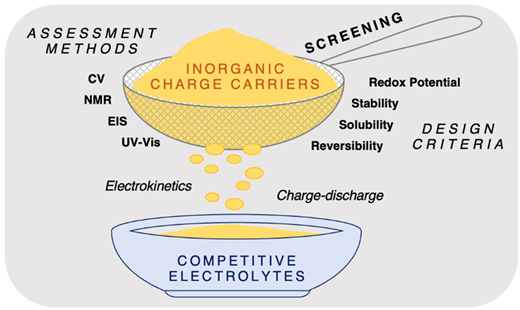
Assessment methods for identifying suitable charge carriers for non-aqueous redox flow batteries

This tutorial-review describes a systematic framework for selecting suitable electrolytes to improve the efficiency of resulting non-aqueous redox flow batteries. This tutorial-review describes a systematic framework for selecting suitable electrolytes to improve the efficiency of resulting non-aqueous redox flow batteries.


Mamta Dagar* and Ellen M. Matson*
Dalton Trans. (2025) 54 (26): 10164–10177.
10.1039/d5dt00830a


Digg This
Reddit This
Stumble Now!
Share on Facebook
Bookmark this on Delicious
Share on LinkedIn
Bookmark this on Technorati
Post on Twitter
Google Buzz (aka. Google Reader)

An interview with our new Editor-in-Chief

Dalton Transactions is delighted to announce that Professor Christine Thomas of The Ohio State University has been appointed as our new Editor-in-Chief, succeeding Professor Russell Morris!

We caught up with Christine to ask her perspective on Dalton Transactions and looking ahead to her time as Editor-in-Chief of the journal….


What excites you about current research in inorganic chemistry?

Over the past few decades, I have really enjoyed watching inorganic chemistry become increasingly interdisciplinary. The connections being made between the molecular, solid-state, and biological inorganic communities have greatly strengthened our understanding of the roles that individual components play in tuning both properties and reactivity.

How has your work as an Associate Editor of Dalton Transactions influenced your view on inorganic chemistry?

During my 9 years as an Associate Editor at Dalton Transactions, I definitely broadened my knowledge of the inorganic chemistry field by handling manuscripts in a lot of different areas.  Reading through submitted manuscripts that I might not normally read often gave me ideas for new applications for molecules developed in my lab or new methods to characterize or probe them. Through my work with Dalton Transactions, I came to appreciate the remarkable breadth and interdisciplinary nature of the field of inorganic chemistry.

What do you hope to bring to Dalton Transactions as Editor-in-Chief?

I hope to enhance Dalton Transactions’ role in providing a service to the inorganic chemistry community as a resource and venue for disseminating research. I look forward to networking with inorganic chemistry researchers worldwide in the coming years and learning how the journal can best support them and their community.

What research do you hope to see more of in the journal during your tenure as Editor-in-Chief?

I would love to see more foundational publications, such as tutorial reviews on burgeoning research areas or best practices for data collection and/or benchmarking, articles that describe new methods for the preparation of widely used inorganic precursors, or papers that establish structure/function relationships that inform the design of new molecules and materials.

Why should authors choose to publish with Dalton Transactions?

As an author, I have always found publishing in Dalton Transactions to be a streamlined and expedient process.  Authors can expect to receive insightful reviews and manuscript decisions quickly thanks to the hard work and diligence of our Associate Editors and peer reviewers.

What advice would you give to early career researchers in your field?

Keep an open mind and don’t be afraid to pivot your research directions to go where the chemistry takes you.

What do you like to do outside of work?

In the “spare time” that I don’t have, I like to spend time with my kids (11 and 5 years old), garden, go fishing, watch and identify birds, swim, lift weights, and run long distances. My current goal is to complete a full marathon (26.2 miles, 42.2 km) in all 50 US states (18 down, 32 to go!).


Christine commenced in her role on July 1st, 2026, following Professor Russell Morris’s term as Chair of the Dalton Transactions Editorial Board.

“Dalton Transactions is an important journal for general inorganic chemistry. In Christine Thomas we have an outstanding chemist as Editor-in-Chief and I wish her the very best in her new role.”

-Professor Russell Morris, Advisory Board Member & former Editor-in-Chief


Interested in learning more about Christine and the rest of our editorial board?


Submit your research to the journal here:


Digg This
Reddit This
Stumble Now!
Share on Facebook
Bookmark this on Delicious
Share on LinkedIn
Bookmark this on Technorati
Post on Twitter
Google Buzz (aka. Google Reader)

Introducing the new Dalton Transactions Editor-in-Chief, Professor Christine Thomas

We are delighted to announce that Professor Christine Thomas has been appointed as the new Dalton Transactions Editor-in-Chief, succeeding Professor Russell Morris.

Christine Thomas is a Professor of Chemistry at the Department of Chemistry and Biochemistry at The Ohio State University. She received her PhD in inorganic chemistry at the California Institute of Technology, and performed postdoctoral research at Texas A&M University. Her research focuses on fundamental catalyst design involving cooperative effects in bimetallic systems and complexes with non-innocent ligands.


I am both honored and excited to rejoin the Dalton Transactions team as Editor-in-Chief. As a long-time author, reviewer, and reader of articles in Dalton Transactions, I look forward to leading new initiatives while we continue to expeditiously publish the highest quality advancements in all areas of inorganic chemistry.” – Christine Thomas, Dalton Transactions Editor-in-Chief

Christine will commence in her role as Editor-in-Chief from July 1st, 2026. She previously served as an Associate Editor from 2014 until 2023 handling submissions in the fields of catalysis and organometallic, theoretical, and coordination chemistry. She has a strong history of publishing in the journal and has guest-edited several themed collections.


I am delighted that Christine will be joining the Dalton Transactions team once again. Christine was an asset to the journal during her time as Associate Editor from 2014 to 2023 and I am looking forward to working with Christine again to help shape and develop the journal over the coming years. Her knowledge of the journal, influence in the community and insight into the needs of researchers will ensure that Dalton Transactions goes from strength the strength under her guidance. I am also incredibly pleased that we have appointed the journal’s first female Editor-in-Chief!” – Sally Howells-Wyllie, Dalton Transactions Executive Editor


Take a look at Christine’s recent Perspective in Dalton Transactions:

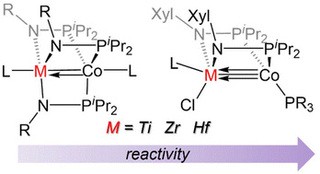
Polarized metal–metal multiple bonding and reactivity of phosphinoamide-bridged heterobimetallic group IV/cobalt compounds (Open Access)

Nathanael H. Hunter and Christine M. Thomas*

Dalton Trans., 2024,53, 15764-15781


To mark Christine’s appointment as Editor-in-Chief, she is collating some of her favourite recent publications in Dalton Transactions and we will be interviewing her to find out more about her visions for the journal. Stay tuned to see these very soon.


Please join us in congratulating Professor Christine Thomas on her new appointment. We also want to share a huge thank you to Professor Russell Morris for his dedication to the journal since his tenure as Chair began in 2020!


Professor Christine Thomas – Biography


Christine Thomas
was born and raised on the East Coast of the United States, in a suburb of Philadelphia. She received her B.S. in chemistry from Lafayette College, completed her PhD at the California Institute of Technology, and performed postdoctoral research at Texas A&M University. After spending more than 9 years on the faculty at Brandeis University, she joined the Department of Chemistry and Biochemistry at The Ohio State University, where is currently the Phyllis and Richard Leet Professor of Chemistry.

Her research interests focus on synthetic inorganic, organometallic, and main group chemistry, with an emphasis on bond-activation using Earth abundant metals. She pioneered the field of metal-metal multiple bonding in early/late heterobimetallic compounds and her recent work has uncovered multiple modes of bimetallic cooperativity in these frameworks that enable bond activation and functionalization processes. Ongoing projects in her laboratory involve organometallic catalysis using first row transition metals, ligand design, small molecule activation, electrocatalysis, metal-metal and metal-ligand cooperativity, spectroscopy, magnetism, and computational evaluation of electronic structure and reaction mechanism.

 
She is a Fellow of the Royal Society of Chemistry and the recipient of many awards including the Alfred P. Sloan Fellowship, the NSF CAREER award, the DOE Early Career Award, the Dalton Transactions Lectureship, and selection as an Organometallics fellow. She was as an Associate Editor for Dalton Transactions from 2014-2023 and has served on the Editorial Advisory boards for Dalton Transactions, Chemical Communications, Chemical Science, Inorganic Chemistry, Polyhedron, and Inorganic Syntheses. She was Chair of the 2018 Gordon Research Conference on Organometallic Chemistry and Co-Chair of the 2024 North American Silicon Symposium, and served as 2020 Chair of the Organometallic Chemistry subdivision of the American Chemical Society Division of Inorganic Chemistry.


Digg This
Reddit This
Stumble Now!
Share on Facebook
Bookmark this on Delicious
Share on LinkedIn
Bookmark this on Technorati
Post on Twitter
Google Buzz (aka. Google Reader)

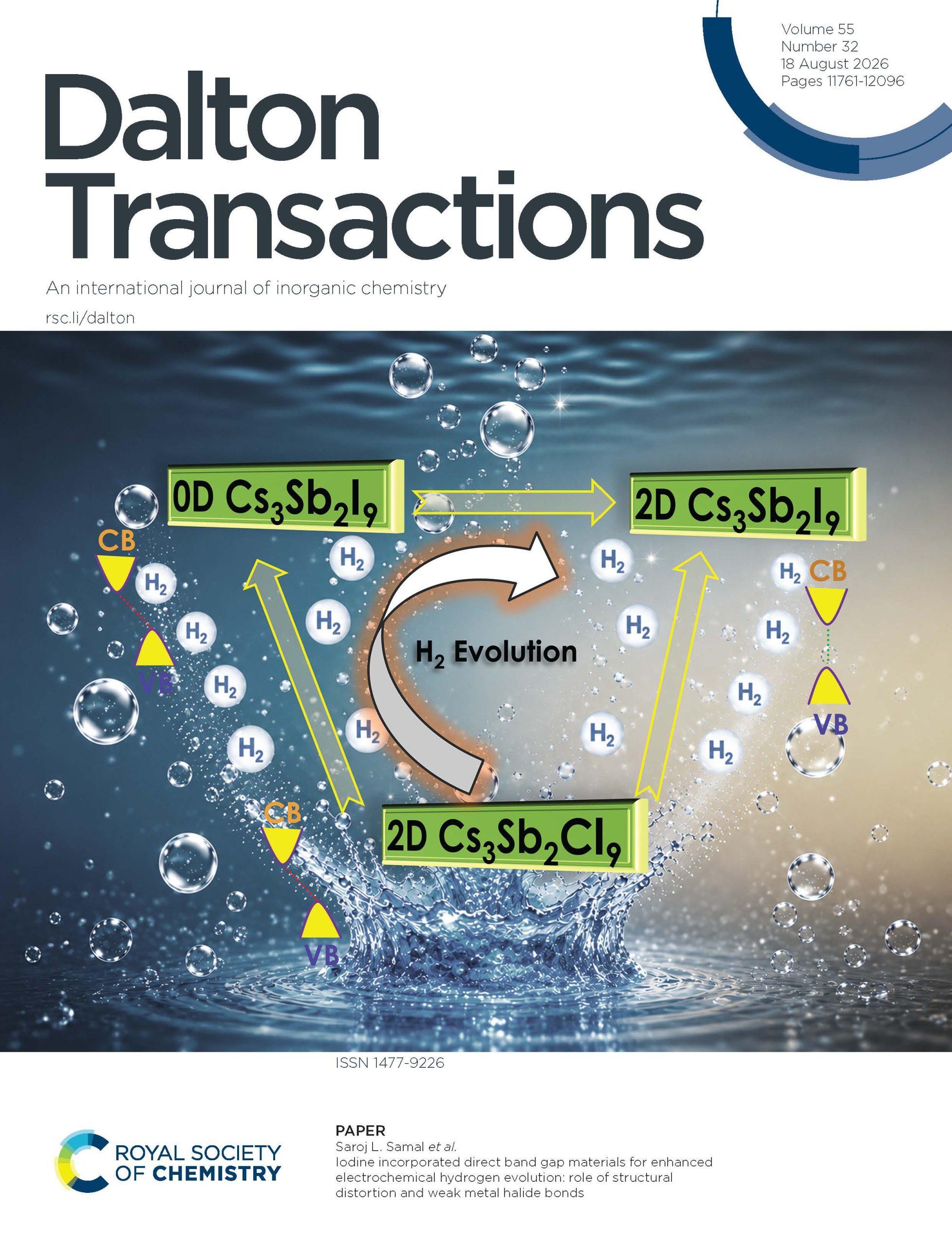
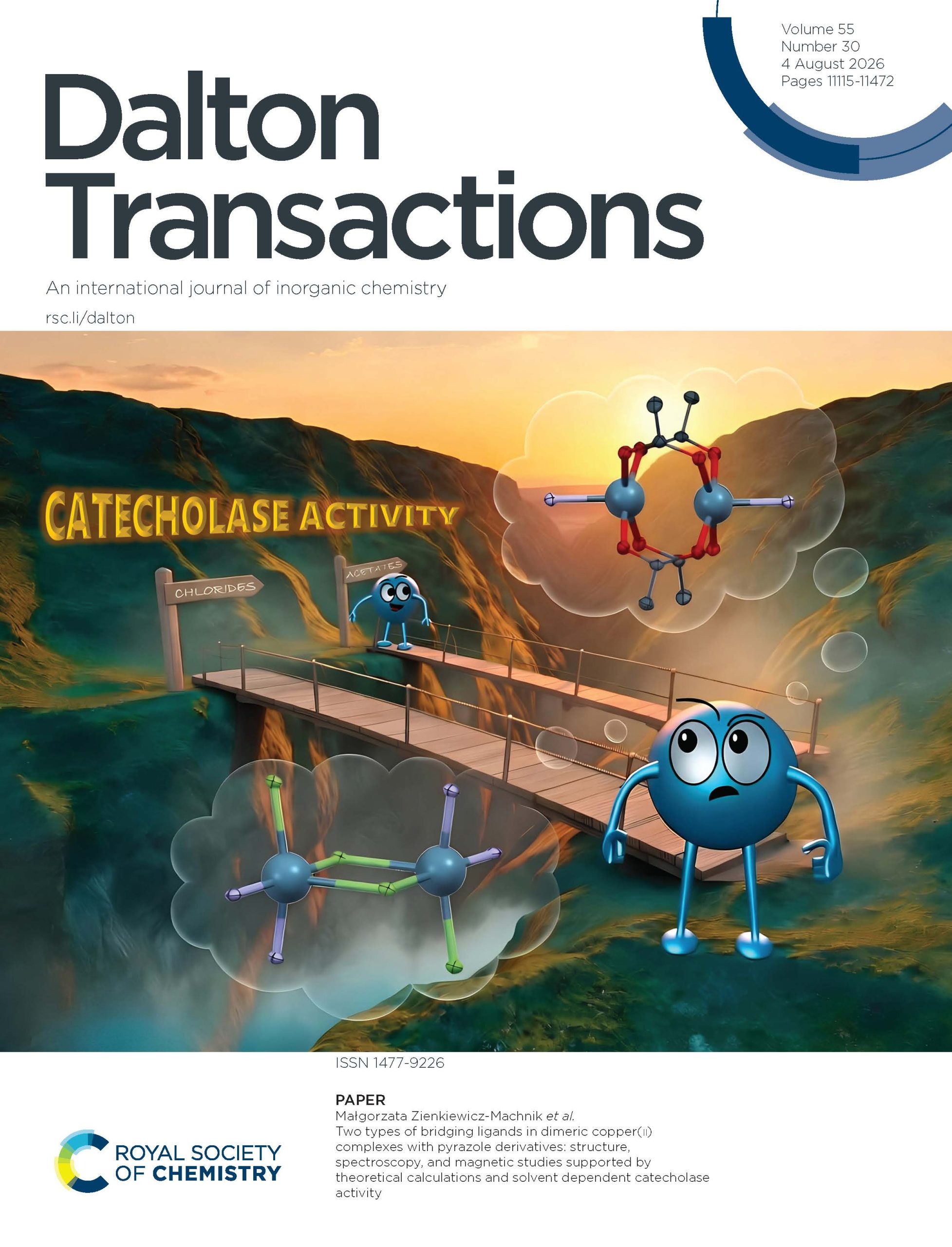
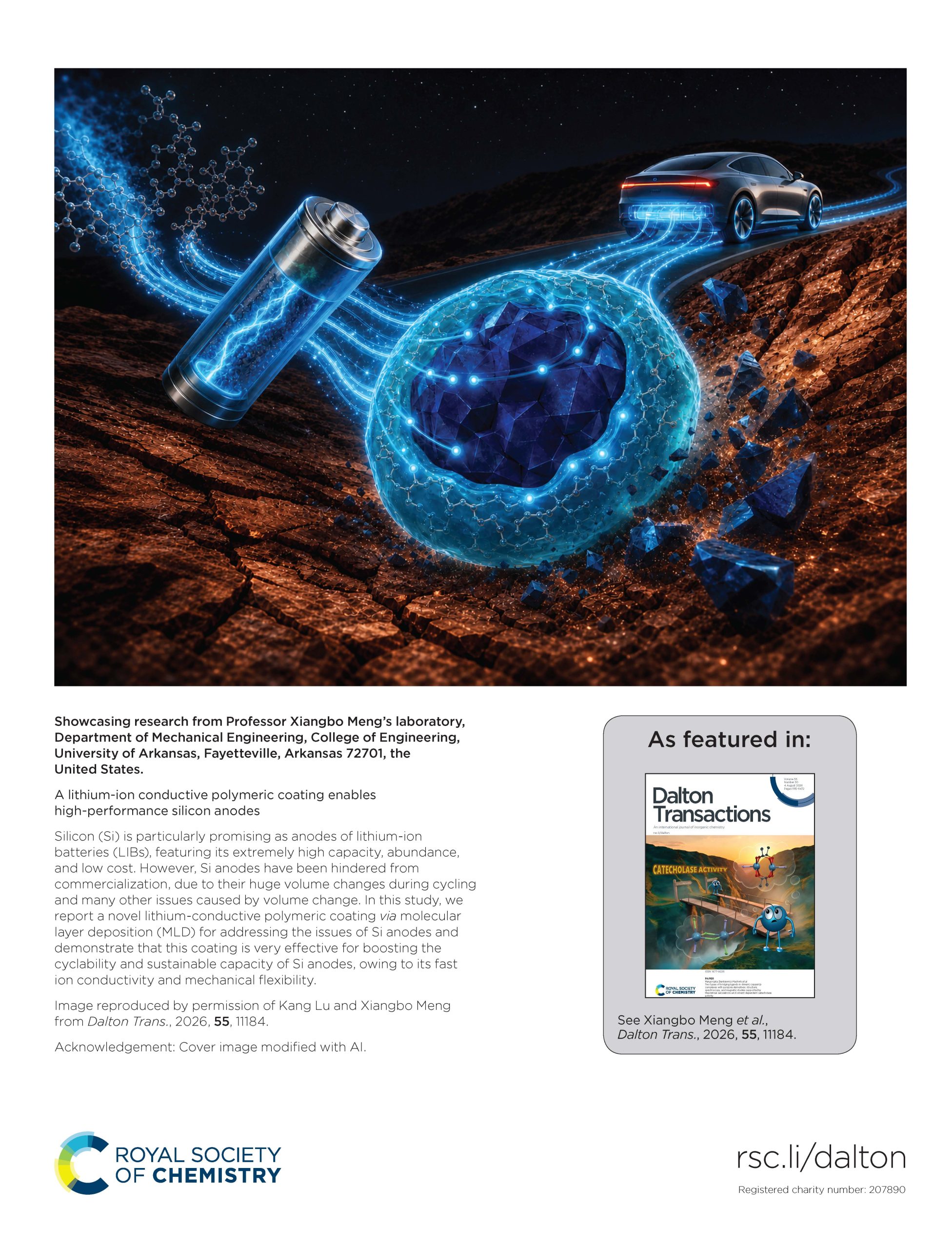
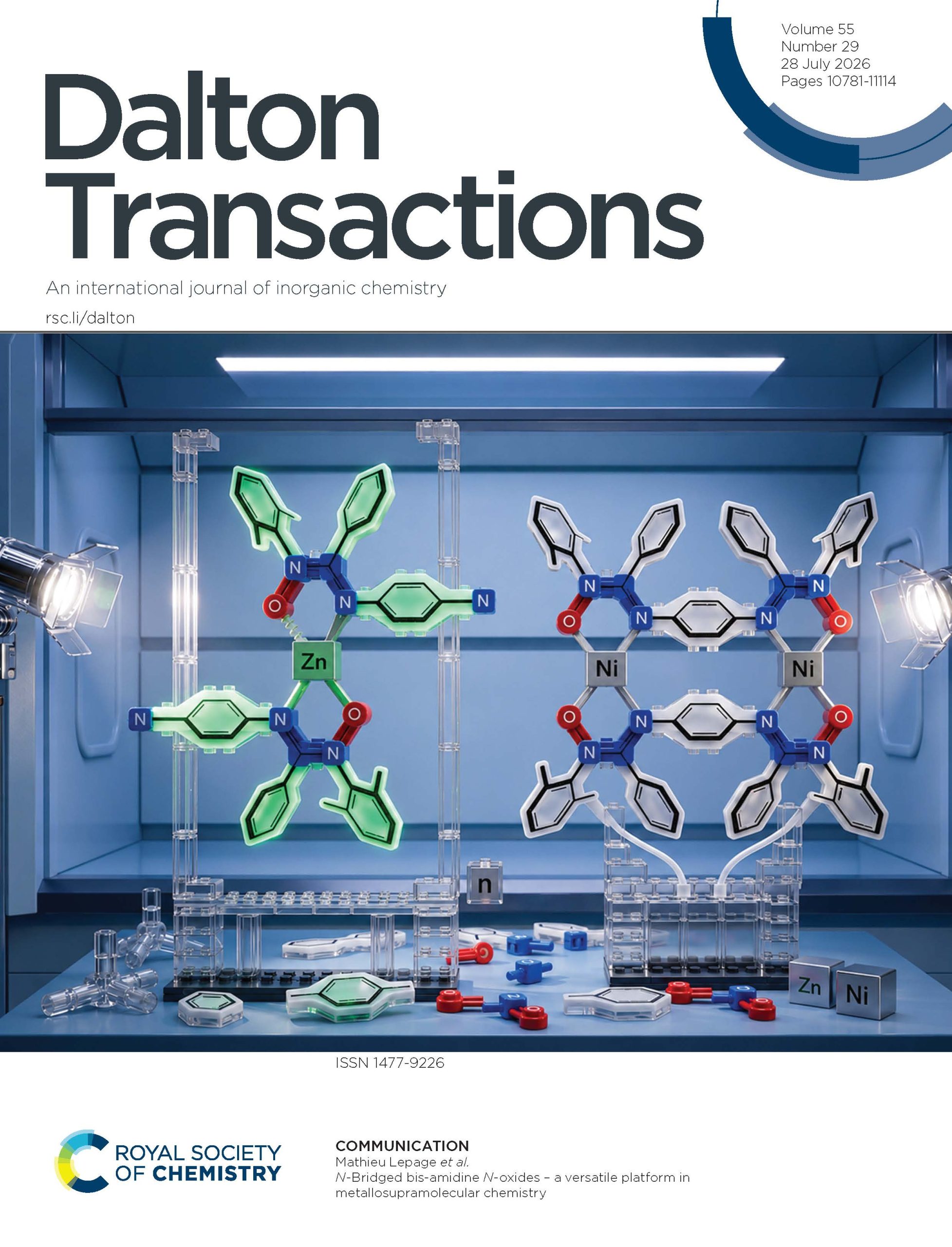
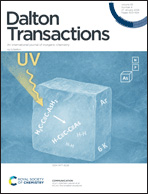
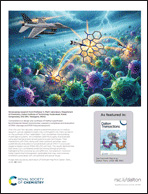
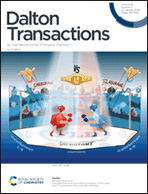
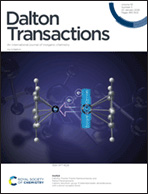
Dalton Transactions Cover Gallery 2026

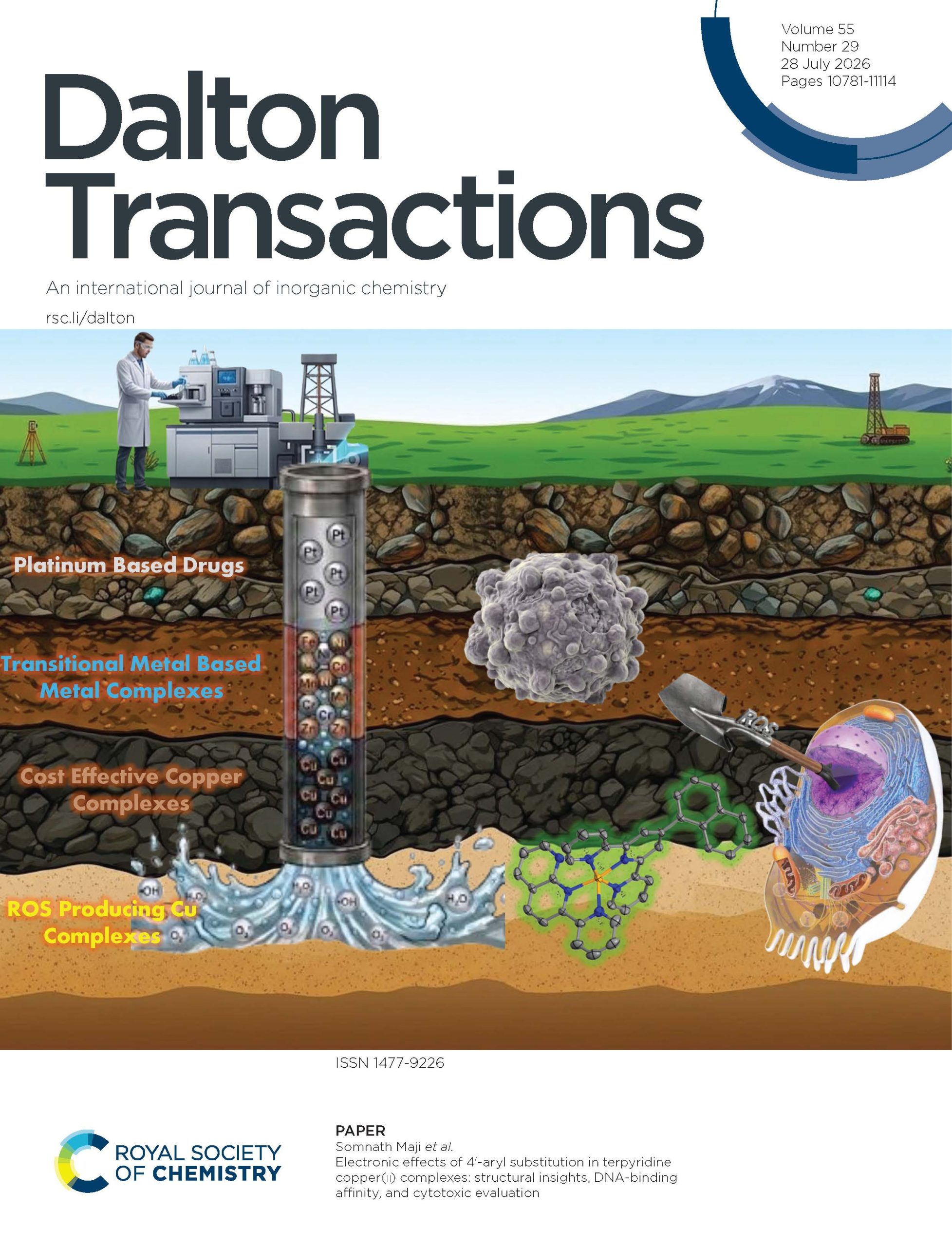
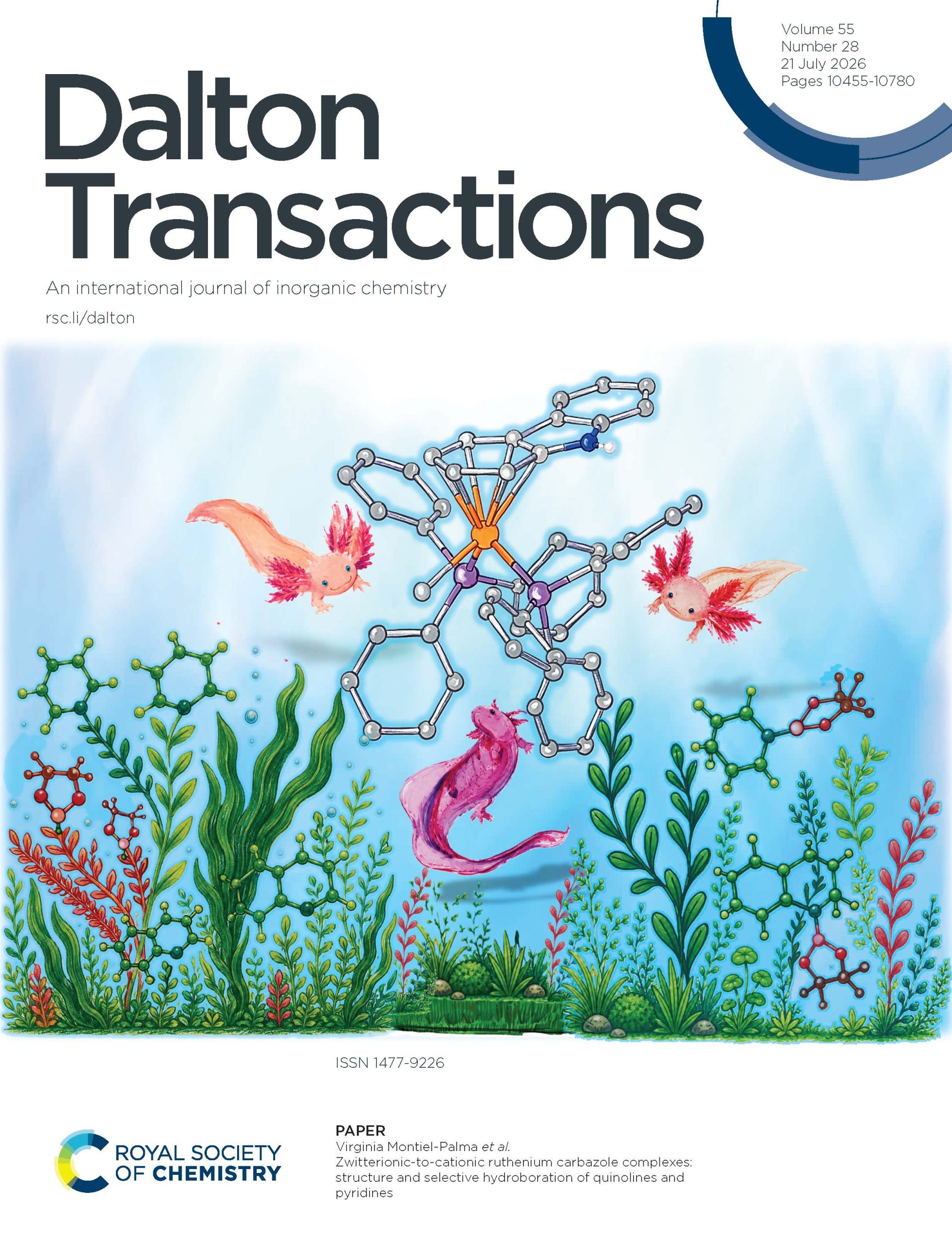
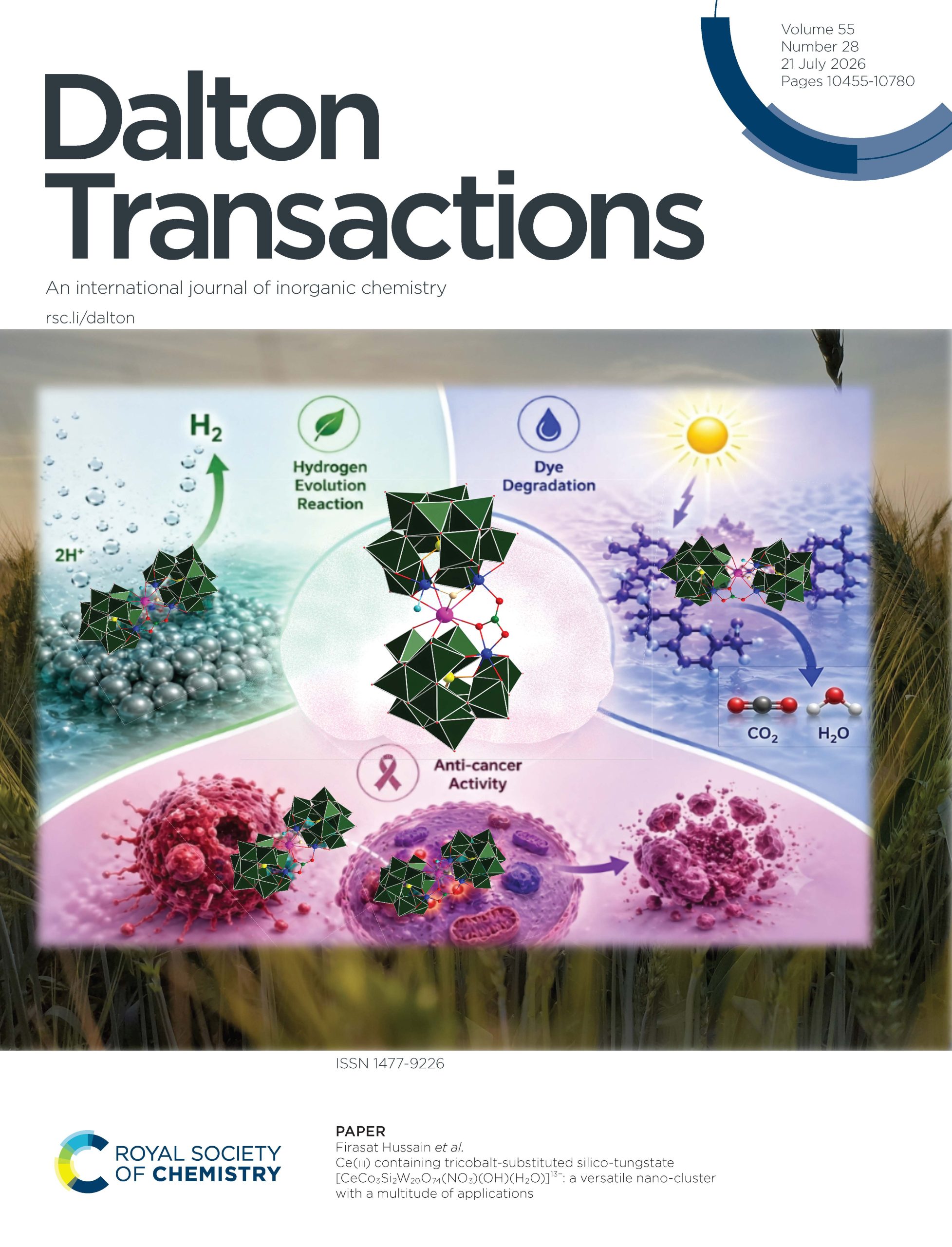
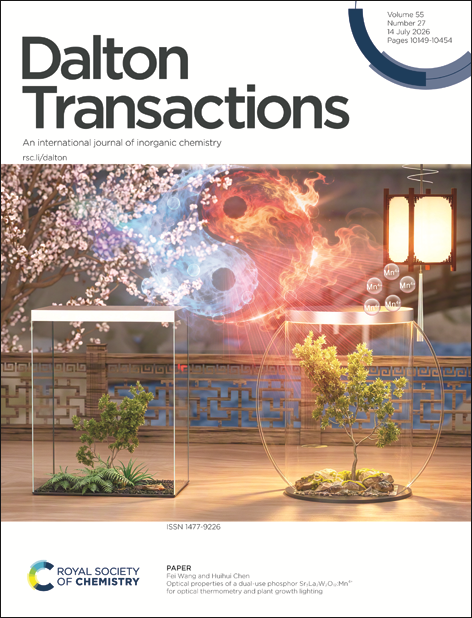
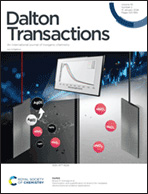
Issue 27​​


Alt-text is not available for this image. Alt-text is not available for this image.

Optical properties of a dual-use phosphor Sr3La2W2O12:Mn4+ for optical thermometry and plant growth lighting

Fei Wang,* Huihui Chen

Dalton Trans., 2026, 55, 10184-10195

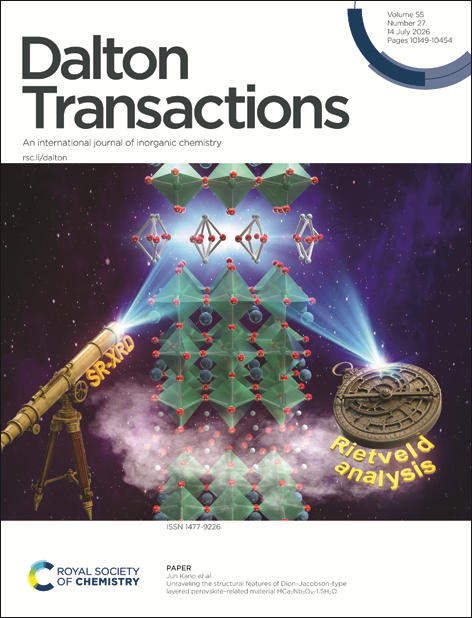
Unraveling the structural features of Dion–Jacobson-type layered perovskite-related material HCa2Nb3O10·1.5H2O (Open Access)

Zihao Zhang, Jun Kano,* Shu Morita, Hiromu Shimokawa, Minoru Osada

Dalton Trans., 2026, 55, 10196-10202

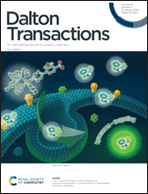
Issue 26​​


Alt-text is not available for this image. Alt-text is not available for this image.

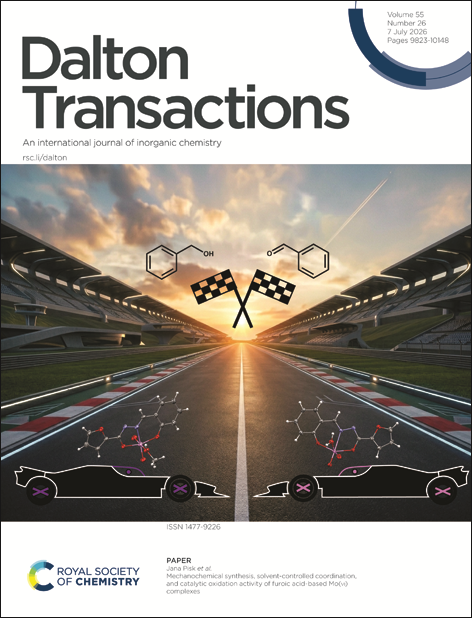
Mechanochemical synthesis, solvent-controlled coordination, and catalytic oxidation activity of furoic acid-based Mo(vi) complexes (Open Access)

Josipa Sarjanović, Béla Fiser, Jana Pisk*

Dalton Trans., 2026, 55, 9854-9868

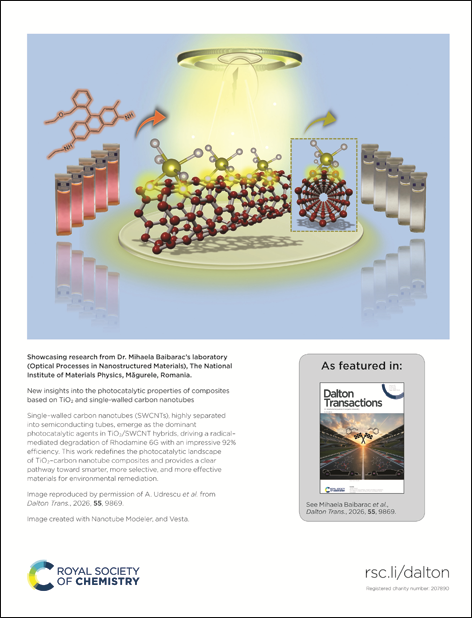
New insights into the photocatalytic properties of composites based on TiO2 and single-walled carbon nanotubes (Open Access)

Adelina Udrescu, Ion Smaranda, Radu Cercel, Andreea Androne, Andreea Nila, Elena Matei, Ionel Mercioniu, Stefano Bellucci, Mihaela Baibarac*

Dalton Trans., 2026, 55, 9869-9880

Issue 25​​


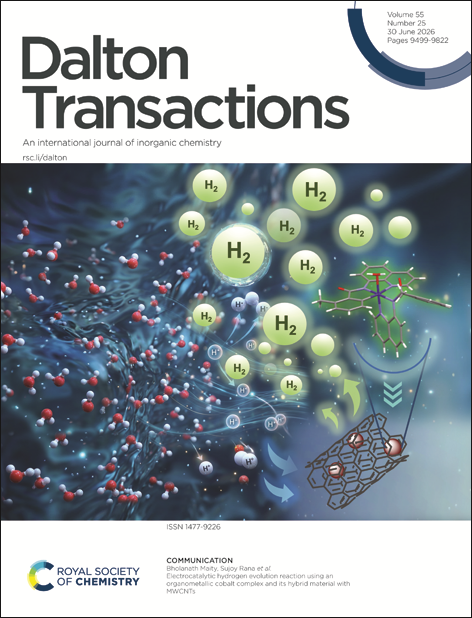
Alt-text is not available for this image. Alt-text is not available for this image.

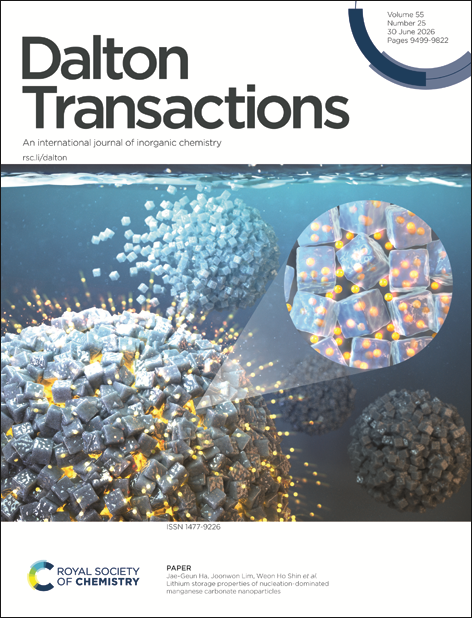
Lithium storage properties of nucleation-dominated manganese carbonate nanoparticles

Yun Seong Ahn, Zahid Husain Momin, Joo-Young Han, Nguyen Van Du, Jong-Min Oh, Sang-Mo Koo, Jong Ho Won, Se Yun Kim, Jae-Geun Ha,* Joonwon Lim,* Weon Ho Shin*

Dalton Trans., 2026, 55, 9574-9582

Electrocatalytic hydrogen evolution reaction using an organometallic cobalt complex and its hybrid material with MWCNTs

Aniruddha Paik, Abhijit Singha, Sabarni Paul, Arijit Maity, Debesh Sharma, Lokesh Rai, Bholanath Maity,* Sujoy Rana*

Dalton Trans., 2026, 55, 9558-9562

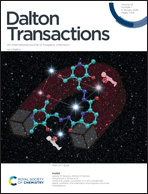
Issue 24​​


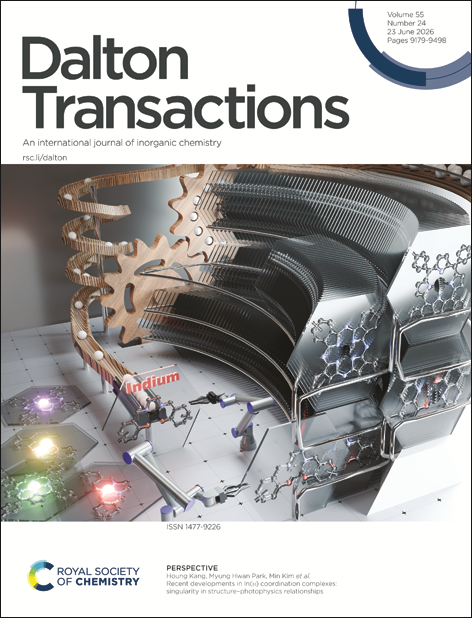
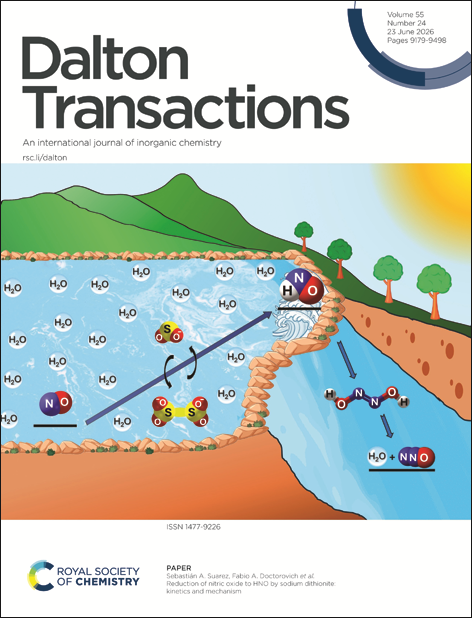
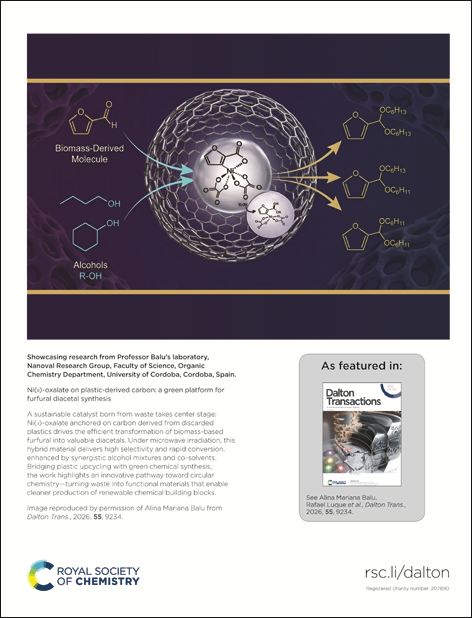
Alt-text is not available for this image. Alt-text is not available for this image. Alt-text is not available for this image.

Recent developments in In(iii) coordination complexes: singularity in structure–photophysics relationships

Minseo Ji, Haein Kim, Gahyeon Baek, Houng Kang,* Myung Hwan Park,* Min Kim*

Dalton Trans., 2026, 55, 9190-9206

Reduction of nitric oxide to HNO by sodium dithionite: kinetics and mechanism (Open Access)

Paola Vargas, Mateus F. Venâncio, Willian R. Rocha, Sebastián A. Suarez,* Fabio A. Doctorovich*

Dalton Trans., 2026, 55, 9223-9233

Ni(ii)-oxalate on plastic-derived carbon: a green platform for furfural diacetal synthesis (Open Access)

Alexander Pokutsa,  Salvador Perez-Huertas, Alina Mariana Balu,* Rafael Luque*

Dalton Trans., 2026, 55, 9234-9246

Issue 23​​


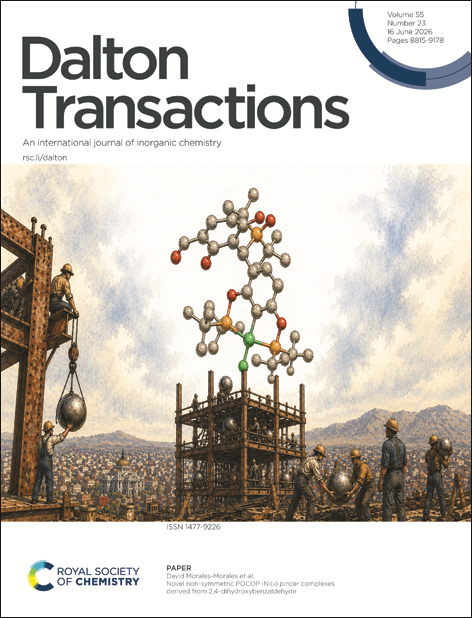
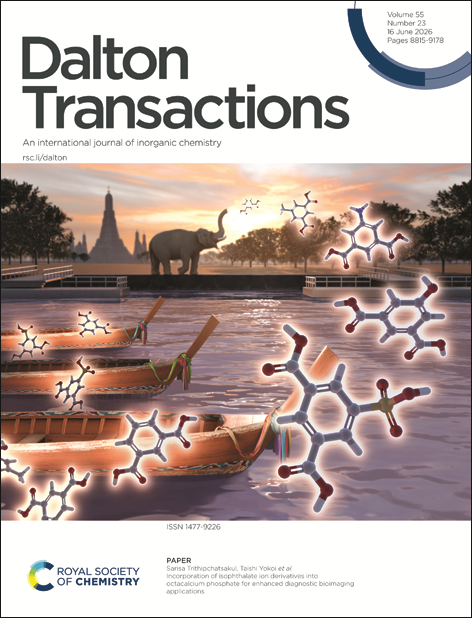
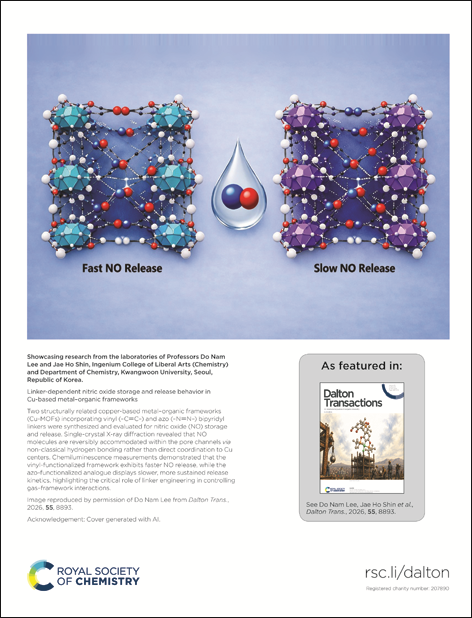
Alt-text is not available for this image. Alt-text is not available for this image. Alt-text is not available for this image.

Novel non-symmetric POCOP–Ni(ii) pincer complexes derived from 2,4-dihydroxybenzaldehyde

(Open Access)

Jordi R.-Galindo, Jhon Sebastian Oviedo-Ortiz, Antonino Arenaza-Corona, Adrián Ruíz-Martínez, Juan S. Serrano-García, Simón Hernández-Ortega, Marcos Flores-Alamo, T. Keith Hollis, David Morales-Morales*

Dalton Trans., 2026, 55, 8868-8882

Incorporation of isophthalate ion derivatives into octacalcium phosphate for enhanced diagnostic bioimaging applications

Sarisa Trithipchatsakul,* Mio Yoshizaki, Yuejun Wang, Masaya Shimabukuro, Atsunori Matsuda, Masakazu Kawashita, Charusluk Viphavakit, Taishi Yokoi*

Dalton Trans., 2026, 55, 8883-8892

Linker-dependent nitric oxide storage and release behavior in Cu-based metal–organic frameworks

Do Nam Lee,* Sooji Son, Kihak Gwon, Youngmee Kim, Sung-Jin Kim, Seungwoo Choi, Jae Ho Shin*

Dalton Trans., 2026, 55, 8893-8900

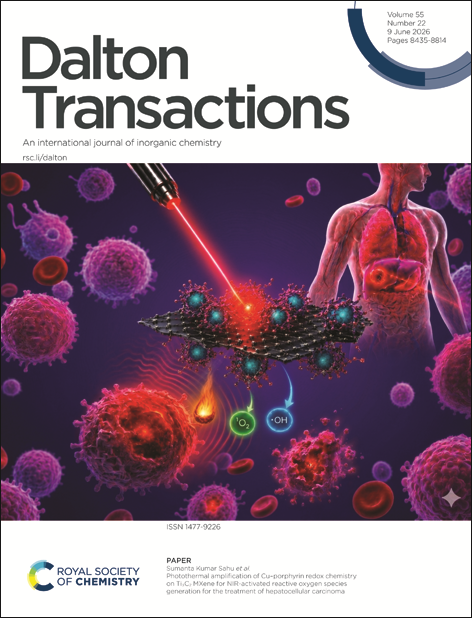
Issue 22​​

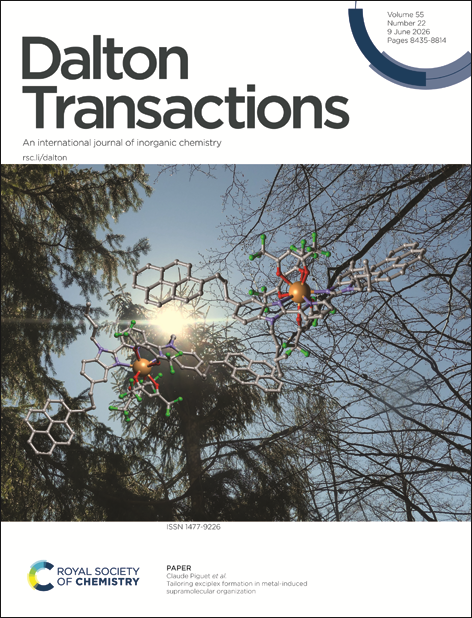
Alt-text is not available for this image. Alt-text is not available for this image.
Tailoring exciplex formation in metal-induced supramolecular organization (Open Access)

Giau Le-Hoang,* Laure Guénée, Claude Piguet*

Dalton Trans., 2026, 55, 8481-8488

Photothermal amplification of Cu–porphyrin redox chemistry on Ti3C2 MXene for NIR-activated reactive oxygen species generation for the treatment of hepatocellular carcinoma

Ushmita Dey, Antara Ghosh, Nilanjan Das, Archana Singh, Sumanta Kumar Sahu*

Dalton Trans., 2026, 55, 8489-8507

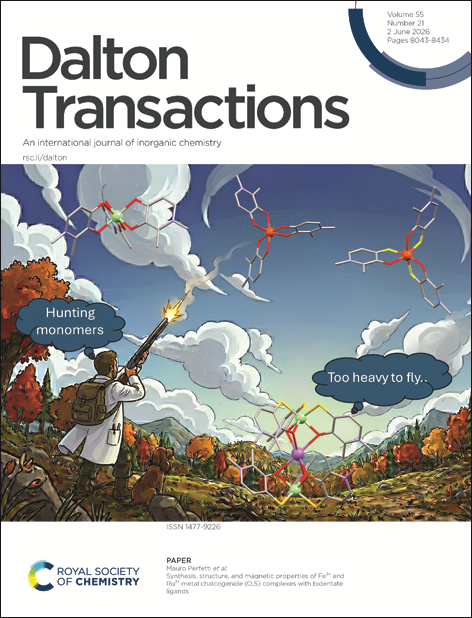
Issue 21​​

Alt-text is not available for this image.
Synthesis, structure, and magnetic properties of Fe3+ and Ru3+ metal chalcogenide (O,S) complexes with bidentate ligandsXanthene-anchored salen-based open and closed dinuclear indium complexes: synthesis and photophysical properties (Open Access)

Arsen Raza, José Severiano Carneiro Neto, Arianna Lanza, Jesper Bendix, Matteo Briganti, Lorenzo Sorace, Mauro Perfetti*

Dalton Trans., 2026, 55, 8433-8434

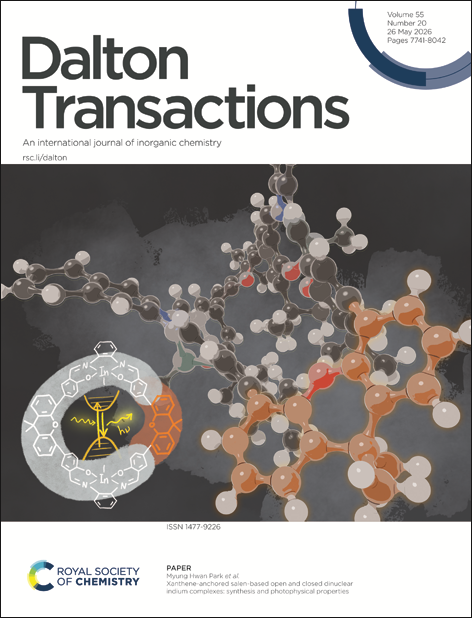
Issue 20​​

Alt-text is not available for this image.
Xanthene-anchored salen-based open and closed dinuclear indium complexes: synthesis and photophysical properties (Open Access)

Yoseph Kim, Ji Hye Lee, Hyeongkwon Moon, Himchan Mo, Hyonseok Hwang, Junseong Lee, Jun Hui Park, Youngjo Kim* and Myung Hwan Park*

Dalton Trans., 2026, 55, 7840-7847

Issue 19​​

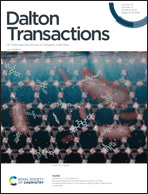
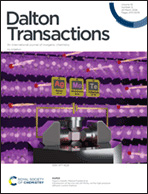
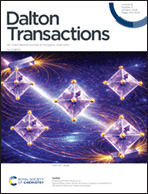
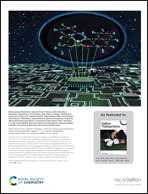
Dalton Transactions outside front cover for vol 55, issue 19. Dalton Transactions inside front cover for vol 55, issue 19.
Magnetically recoverable swellable magnetite/SOMS hybrid nanocomposites for rapid adsorption of organic dyes from water (Open Access)

Lorenzo Maccarino, Ibtissame Sidane, Gianni Barucca, Sawssen Slimani*, Leonardo Marchese, Davide Peddis and Chiara Bisio*

Dalton Trans., 2026, 55, 7502-7511

CO2 photoreduction by 4-ferrocenyl appended bipyridine coordinated Re(i) complexes

Shriya Saha, Dolores G. Gil-Gavilán, Matthias J. Gutmann, Debasish Manna, Souvik Roy* and Raja Mitra*

Dalton Trans., 2026, 55, 7468-7473

Issue 18​​

Dalton Transactions outside front cover for vol 55, issue 18. Dalton Transactions inside front cover for vol 55, issue 18. Dalton Transactions outside back cover for vol 55, issue 18.

Integrating experimental and theoretical approaches to unveil structure–bioactivity relationships in silver(i) N-substituted glycine complexes

Gabriela Kuzderová, Róbert Gyepes, Alan Liška, Jana Havlíčková, Mária Vilková, Simona Žiláková, Martin Kello, Tomáš Pagáč, Petra Olejníková, Eva Petrovová, Ľudmila Balažová, Henrieta Matajová, Mária Kožurková, Danica Sabolová, Michaela Rendošová and Zuzana Vargová*

Dalton Trans., 2026, 55, 7062-7094

Co-modified nickel ferrite magnetic nanomaterials: a green, cost-effective, and functional catalytic platform for Suzuki–Miyaura cross-coupling reactions

Jyotismita Bora, Mayuri Dutta, Aquif Suleman, Gunjan Hazarika, Tikendrajit Chetia, Rituparna Chutia and Bolin Chetia*

Dalton Trans., 2026, 55, 7095-7110

Electrocatalytic ammonia oxidation mediated by a Cu(ii) complex: a hydrazine pathway to hydrogen generation

Thillai Natarajan M., Deewan S. Teja, Sk Samim Akhter, Prabhakar Bhardwaj, Pankaj Kumar, Bhabani S. Mallik and Sumanta Kumar Padhi*

Dalton Trans., 2026, 55, 7111-7126

Issue 17​​

 Dalton Transactions outside front cover for vol 55, issue 17. Dalton Transactions outside back cover for vol 55, issue 17.

Solid-state molecular organometallic chemistry (SMOM): a user guide to in crystallo single-crystal to single-crystal transformations using solid/gas methods (Open Access)

Kristof M. Altus*, Samantha K. Furfari, Joe C. Goodall, Matthew R. Gyton, Jack H. Heaton, Chloe L. Johnson, Alasdair I. McKay, Mads Sondrup Møller, Sebastian D. Pike and Andrew S. Weller*

Dalton Trans., 2026, 55, 6649-6666

Nanoscale morphometric visualization of the endoplasmic reticulum under stress using a bright zinc complex

Abdul Salam, Goraksha T. Sapkal, Bodhidipra Mukherjee, Sakshi Chouhan, Richa Garg, Shilpa Chandra and Chayan Kanti Nandi*

Dalton Trans., 2026, 55, 6705-6709

Issue 16​​

 Dalton Transactions outside front cover for vol 55, issue 16. Dalton Transactions outside back cover for vol 55, issue 16.
IPr*BndiNHC – sterically adaptable benzyl-linked dinuclear N-heterocyclic carbenes

Katarzyna Halikowska-Tarasek, Błażej Dziuk, Roman Szostak, Michal Szostak* and Elwira Bisz*

Dalton Trans., 2026, 55, 6282-6293

Spontaneous assemblies of gigantic polyoxomolybdates; from structure and properties to synthetic methods (Open Access)

Vishal Lakhanpal, De-Liang Long and Leroy Cronin*

Dalton Trans., 2026, 55, 6237-6252

Issue 15​​

Dalton Transactions outside front cover for vol 55, issue 15. Dalton Transactions outside back cover for vol 55, issue 15.

Janus-faced coordination chemistry of pyridyl-functionalized phosphinines with Cu(i) and Au(i) (Open Access)

Richard O. Kopp, Nathan T. Coles, Moritz J. Ernst, Manuela Weber, Benjamin D. Ward and Christian Müller*

Dalton Trans., 2026, 55, 5908-5919

In situ transformed binuclear Co(ii) and Ni(ii) complexes as electrocatalysts for the water oxidation reaction

Juli Nanda Goswami, Sreenivasan Nagappan, Ankan Sardar, Krishna Chandra Murmu, Najirul Haque, Sudipta De, Paula Brandao, Subrata Kundu* and Malay Dolai*

Dalton Trans., 2026, 55, 5920-5933

Issue 14​​

 Dalton Transactions outside front cover for vol 55, issue 14.  Dalton Transactions inside front cover for vol 55, issue 14. Dalton Transactions outside back cover for vol 55, issue 14.

Ligand-field symmetry and magneto-optical correlations in a luminescent Dy(iii) single-molecule magnet (Open Access)

Senthil Kumar Kuppusamy*, Christian Pachl, Zhaoyang Jing, Sagar Paul, Benoît Heinrich, Olaf Fuhr, Svetlana Klyatskaya, Wolfgang Wernsdorfer, Annie K. Powell, Karin Fink and Mario Ruben

Dalton Trans., 2026, 55, 5448-5465

Interaction of copper(ii) (3 + 2) N-chelating complexes with DNA and BSA: hydrolytic DNA cleavage and ROS-mediated apoptosis

Mariappan Murali*, Anbarasu Kanchana Mala, Somasundaram Sangeetha, Balasubramaniam Selvakumaran, Pitchan Arul Prakash, Selvaraj Shanmugavadivel, Tamilarasan Ajay Kamal and Mohamed Sultan Mohamed Jaabir

Dalton Trans., 2026, 55, 5466-5484

A Pd(ii) catecholato complex bearing 5,5′-divinyl-2,2′-bipyridine: synthesis, characterization, and electrochemical disproportionation in solutions and electropolymerized films

Rizu Tahara, Kohei Matsuura and Keishiro Tahara*Dalton Trans., 2026, 55, 5485-5494

Issue 13​​

Dalton Transactions outside front cover for vol 55, issue 13. Dalton Transactions inside front cover for vol 55, issue 13.
A comprehensive experimental, multivariate statistical, and DFT computational analysis of the catalytic oxidation of benzyl alcohols mediated by Mn(iii) and Fe(iii) metalloporphyrins

Larissa Chimilouski, Sheetal Ranaut, William Henrique Slominski, Patrícia Salvador Tessaro, Gilson DeFreitas-Silva, Edmar Martendal, Cláudio N. Verani, Shivnath Mazumder* and Fernando Roberto Xavier*

Dalton Trans., 2026, 55, 5117-5129

Structural features and antibacterial activity of Ni(ii) thiosemicarbazones in a zirconium metal-organic framework composite (Open Access)

Edward Loukopoulos,  David Fabra, Jorge Melones-Herrero, Ana I. Matesanz, Carmen Viciana, Ana E. Platero-Prats*, Isabel Sánchez-Pérez* and Adoracion G. Quiroga*

Dalton Trans., 2026, 55, 5130-5138

Issue 12​​

Dalton Transactions outside front cover for vol 55, issue 12.

Dalton Transactions inside front cover for vol 55, issue 12.

Introduction of Ag ions into 2H-MoTe2via the high-pressure diffusion control method (Open Access)

Suguru Iwasaki*, Melbert Jeem, Akitoshi Nakano and Masaya Fujioka*

Dalton Trans., 2026, 55, 4772-4779

Deciphering cation-driven structure–property correlations in 0D hybrid ruthenium halide perovskites

Himangshu Pratim Saikia, Ankita Likson, Khyati Anand,b Bidyut Das, Abinash Tiwari, Sandeep Kumar Dey, Beatriz Gil-Hernández and Prashurya Pritam Mudoi*

Dalton Trans., 2026, 55, 4780-4791

Issue 11​​

Dalton Transactions outside front cover for vol 55, issue 11.

On the nature and feasibility of unsupported Au⋯Pd metallophilic interactions: a correlated computational study (Open Access)

Félix Reboiro, M. Elena Olmos, José M. López-de-Luzuriaga* and Miguel Monge*

Dalton Trans., 2026, 55, 4406-4420

Issue 10​​

Dalton Transactions outside front cover for vol 55, issue 10.

Dalton Transactions outside back cover for vol 55, issue 10.

Ruthenium(ii) carbonyl amidates – a new class of precursors for atomic layer deposition (Open Access)

Jorit Obenlüneschloß, Cara-Lena Nies, Michael Gock, Michael Unkrig-Bau, Jan-Niklas Huster, Michael Nolan and Anjana Devi*

Dalton Trans., 2026, 55, 4046-4050

Field-induced slow magnetic relaxation, molecular docking and antibacterial studies of quasi-isotropic copper(ii) (S = ½) systems stabilised by tetradentate (ONNO) and tridentate (NNO)-donor ligands

Amit Saha Roy*, Sourav Ghosh, Indranil Nath, Sergi Caballero,cd Albert Escuer, Júlia Mayans* and Shasank Sekhar Swain

Dalton Trans., 2026, 55, 4062-4074

Issue 9​​

Dalton Transactions outside front cover for vol 55, issue 9.

Chirality-controlled biomolecular recognition in Cu(i) metallodrugs: the first enantiomorphic CuP2O2 systems with dual DNA/LOX activity (Open Access)

S. K. Hadjikakou*, T. M. Koufou, C. N. Banti*, N. Tsoureas, C. P. Raptopoulou, V. Psycharis and C. A. Mitsopoulou*

Dalton Trans., 2026, 55, 3687-3702

Issue 8​​

Dalton Transactions outside front cover for vol 55, issue 8. Dalton Transactions inside front cover for vol 55, issue 8.

Upcycled materials for water treatment and emerging contaminant recovery: a preliminary study on waste-derived magnetic zeolites (Open Access)

Claudia Belviso*, Veronica Bonadeo, Maura Mancinelli, Maryam Abdolrahimi, Alessandro Lascialfari, Francesca Brero, Annalisa Martucci, Giacomo Diego Gatta, Marco Parolini, Davide Peddis, Antonio Lettino, Francesco Cavalcante, Lara Gigli, Federica Maraschi and Michela Sturini*

Dalton Trans., 2026, 55, 3242-3258

Cobalt-based metallo-mesoionic carbene gold complexes with antiproliferative effects (Open Access)

D. Menia, F. R. Neururer, K. Wurst, P. Lippmann, I. V. Esarev, M. Seidl, I. Ott*, M. Podewitz*, S. Hohloch* and B. Bildstein*

Dalton Trans., 2026, 55, 3259-3265

Issue 7​​

Dalton Transactions outside front cover for vol 55, issue 7. Dalton Transactions inside front cover for vol 55, issue 7.  Dalton Transactions outside back cover for vol 55, issue 7.

A cytosine–silver incorporated metal–organic framework for efficient laccase-mimicking reactions

Jonghyeon Lee, Gahyeon Baek, Youngjo Kim*, Soyoung Park* and Min Kim*

Dalton Trans., 2026, 55, 2817-2824

Unveiling n → π* interactions: convergence of quantum crystallography and computational insights

Alvaro Polo, Pilar García-Orduña, Jorge Echeverría and Pablo J. Sanz Miguel*

Dalton Trans., 2026, 55, 2825-2832

Sub lattice driven spin state ordering and coordination elasticity in Fe(ii) 1,3,4-thiadiazole complexes (Open Access)

Jens-Georg Becker, Sriram Sundaresan, Tim Hochdörffer, Juliusz A. Wolny, Luca M. Carrella, Volker Schünemann and Eva Rentschler*

Dalton Trans., 2026, 55, 2833-2844

Issue 6​​

Dalton Transactions outside front cover for vol 55, issue 6. Dalton Transactions inside front cover for vol 55, issue 6. 

[Au8(TePh)4dppm2(Ph2PCHPPh2)2]Cl2: a water and air stable red-luminescent gold–tellurolate cluster with an excellent quantum yield (Open Access)

Adrian Ott, Wolfgang Leis, Michael Seitz and Andreas Schnepf*

Dalton Trans., 2026, 55, 2438-2442

Silver(i) coordination polymer meets chia seed mucilage based film – antimicrobial performance and evaluation of permeability trends through human skin in vitro

Sabina W. Jaros*, Justyna Markieton, Magdalena Florek, Jarosław Król, Seeprarani Rath, Sesha Rajeswari Talluri, Nubul Albayati and Bożena Michniak-Kohn*

Dalton Trans., 2026, 55, 2443-2451

Issue 5​​

Dalton Transactions outside front cover for vol 55, issue 5. Dalton Transactions inside front cover for vol 55, issue 5.   Dalton Transactions outside back cover for vol 55, issue 5.

Interactions of early actinides with biologically-relevant organic molecules including carboxylates, amino acids and proteins (Open Access)

Satoru Tsushima* and Koichiro Takao*

Dalton Trans., 2026, 55, 1938-1957

Isocyanide-functionalised phosphines: an uncharted field (Open Access)

Petr Štěpnička

Dalton Trans., 2026, 55, 2000-2014

Fused pyrazolo[3,4-d] pyrimidine nitrogen-rich salts with balanced energetic performance

Sagar Nehe, Vikas D. Ghule and Srinivas Dharavath*

Dalton Trans., 2026, 55, 2025-2029

Issue 4​​

Dalton Transactions outside front cover for vol 55, issue 4. Dalton Transactions inside front cover for vol 55, issue 4.  Dalton Transactions outside back cover for vol 55, issue 4.

Solving the P–O/P–OH riddle: direct synthesis and neutron diffraction characterization of dianionic dithiophosphonates

Michael N. Pillay, Min-Chi Li, Yu-Rong Ni, Wei-Jung Yen, Tzu-Hao Chiu, Xiaoping Wang, Jean-Yves Saillard and C. W. Liu*

Dalton Trans., 2026, 55, 1637-1641

HC3As, the simplest arsadiyne (Open Access)

Arun-Libertsen Lawzer*, Thomas Custer, Jean-Claude Guillemin and Robert Kołos

Dalton Trans., 2026, 55, 1642-1645

Comprehensive design and synthesis of methyl-substituted benzimidazole-based mononuclear copper(ii) complexes and evaluation of DNA cleavage and ROS-induced apoptosis

Manoj Kumar Kumawat, Shobhit Mathur, Sharan Shanmuga Vuppaladadium Rathnam, Jitender Jangra, Roy Anindya and Somnath Maji*

Dalton Trans., 2026, 55, 1680-1696

Issue 3​​

Dalton Transactions outside front cover for vol 55, issue 3. Dalton Transactions inside front cover for vol 55, issue 3. 
Can silaborane serve as an effective bridging unit for Lewis pairs? A comparative discourse with carborane (Open Access)

Mohmmad Faizan, Zaid Malik, Madem Sandhya and Ravinder Pawar*

Dalton Trans., 2026, 55, 1125-1139

Cationic beryllium–group 13 heterobimetallic dimetallocenes with a donor–acceptor bond (Open Access)

Fathima Thanha Thazhe Namboorikandy and Pattiyil Parameswaran*

Dalton Trans., 2026,55, 1140-1148

Issue 2​​

Dalton Transactions outside front cover for vol 55, issue 2. Dalton Transactions inside front cover for vol 55, issue 2.  Dalton Transactions outside back cover for vol 55, issue 2.

Optimization and quantification of silver(ii) for mediated electrochemical oxidation applications (Open Access)

Briana R. Schrage*, Joshua E. Leach, Ethan Villarreal, Jisue Braatz and Kristian G. Myhre*

Dalton Trans., 2026, 55, 586-593

Lysosome-targeted Ru(ii)–cyclopentadienyl organometallic anticancer complexes

Ricardo G. Teixeira, Lívia Stenico, Xavier Fontrodona, Isabel Romero, Radosław Starosta, Maria João Moreno, Ana Isabel Tomaz, Lígia C. Gomes-da-Silva* and Andreia Valenter*

Dalton Trans., 2026, 55, 594-610

Recent advances in non-precious metal catalysts for anion exchange membrane water electrolysis

Suprobhat Singha Roy, Sreenivasan Nagappan, Prasita Mazumder, Fajar Dhanish C P, Vishesh Vishesh and Subrata Kundu*

Dalton Trans., 2026, 55, 540-562

Issue 1​​

 Dalton Transactions outside front cover for vol 55, issue 1. Dalton Transactions inside front cover for vol 55, issue 1. 

Next-generation therapeutics: unlocking the power of lanthanide compounds with phosphorus-containing ligands

Kacper Kardas, Debbie C. Crans and Urszula K. Komarnicka*

Dalton Trans., 2026, 55, 59-71

Nickel and copper complexes of a new multidentate ligand: synthesis, characterization and magneto-structural investigations

Wajid Ali, Hamed Bakhshi, Abdul Jabbar, Melanie Pilkington, Jeremy M. Rawson*, Ahmed Al-Harrasi* and Muhammad U. Anwar*

Dalton Trans., 2026, 55, 114-124

Digg This
Reddit This
Stumble Now!
Share on Facebook
Bookmark this on Delicious
Share on LinkedIn
Bookmark this on Technorati
Post on Twitter
Google Buzz (aka. Google Reader)

Explore Dalton Transactions’ latest Tutorial Review

We are delighted to share with you the latest Dalton Transactions: Tutorial Review.

Tutorial Reviews are designed to introduce readers to a concept or methodology at the forefront of inorganic chemistry research and should particularly appeal to early career researchers as well as established researchers seeking new fields to explore.

Our Tutorial reviews will include a ‘key learning points’ box, highlighting up to five points that a reader should expect to gain from reading the review.

Our latest Tutorial Review has just been published

Be sure to read our latest Tutorial Review, written by Leroy Cronin & co from University of Glasgow, UK, to learn about how the structure and spontaneous formation of gigantic polyoxomolybdates, especially Molybdenum Blue clusters, enable their diverse properties and applications.

Graphical abstract for article: d5dt03084f.  

Spontaneous assemblies of gigantic polyoxomolybdates; from structure and properties to synthetic methods (Open Access)

Vishal Lakhanpal, De-Liang Long and Leroy Cronin*

Dalton Trans., 2026, Advance Article


Here are the key learning points in this Tutorial Review:
  1. The generation of polyoxomolybdate building blocks and their associated structures.
  2. Parameters for synthetic control governing cluster self-assembly.
  3. The electronic structure of giant polyoxomolybdates.
  4. Their properties and potential applications.
  5. Synthetic procedures and characterisation methods for isolation and analysis.
Photo of the authors of the latest Tutorial Review in Dalton Transactions.

A message from the authors…

Quote from Leroy Cronin on his latest Tutorial Review in Dalton Transactions.


Please note that Tutorial Reviews are normally invited by the Editorial Board, however suggestions are welcome and enquiries, along with a brief synopsis and authors’ credentials, should be directed to the Editorial Board at dalton-rsc@rsc.org. Readers may nominate themselves, or others, to write a Tutorial Review.

We hope you enjoy reading this Tutorial Review in Dalton Transactions. Keep an eye out for more in our new collection.

Digg This
Reddit This
Stumble Now!
Share on Facebook
Bookmark this on Delicious
Share on LinkedIn
Bookmark this on Technorati
Post on Twitter
Google Buzz (aka. Google Reader)

Explore Dalton Transactions’ latest Tutorial Review

We are delighted to share with you the latest Dalton Transactions: Tutorial Review.

Tutorial Reviews are designed to introduce readers to a concept or methodology at the forefront of inorganic chemistry research and should particularly appeal to early career researchers as well as established researchers seeking new fields to explore.

Our Tutorial reviews will include a ‘key learning points’ box, highlighting up to five points that a reader should expect to gain from reading the review.

Our latest Tutorial Review has just been published

Be sure to read our latest Tutorial Review, written by Kristof Altus, Andrew Weller and colleagues from University of York, a user guide to in crystallo single-crystal to single-crystal transformations using solid/gas methods.

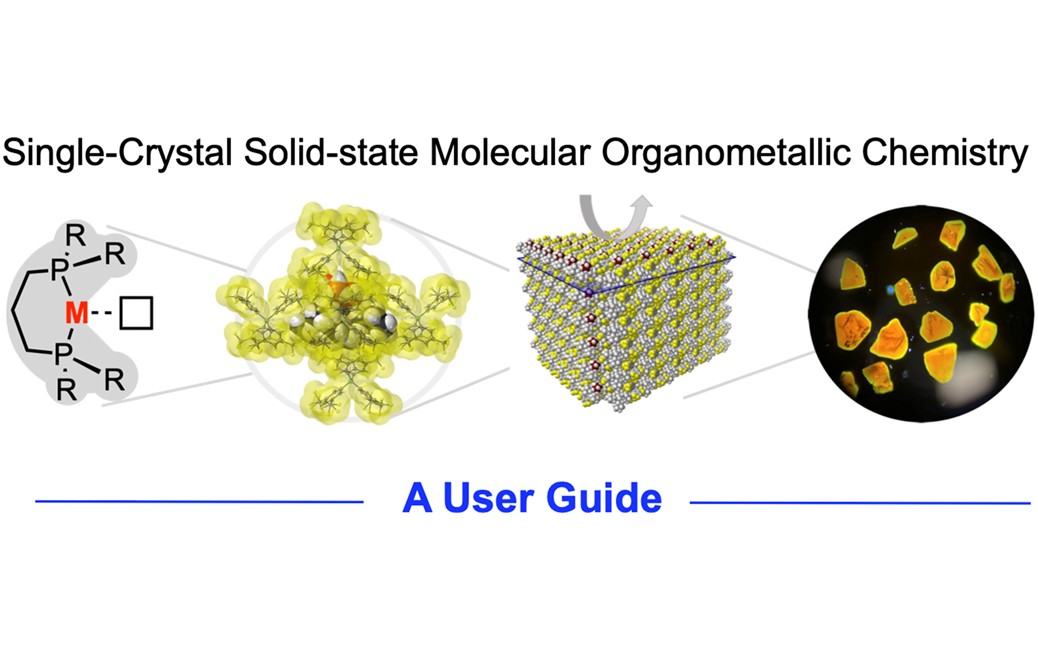
 Graphical abstract for article: d6dt00444j.     

Solid-state molecular organometallic chemistry (SMOM): a user guide to in crystallo single-crystal to single-crystal transformations using solid/gas methods (Open Access)

Kristof M. Altus*, Samantha K. Furfari, Joe C. Goodall, Matthew R. Gyton, Jack H. Heaton, Chloe L. Johnson, Alasdair I. McKay, Mads Sondrup Møller, Sebastian D. Pike and Andrew S. Weller*

Dalton Trans., 2026, Advance Article


Here are the key learning points in this Tutorial Review:
  1. An introduction to solid/gas in crystallo solid-state molecular organometallic chemistry (SMOM) and a comparison with other solid-state organometallic techniques.
  2. Overview of the design principles of SMOM and general considerations needed to enable successful reactivity in crystallo.
  3. A step-by-step user guide to SMOM including preparation of crystalline material, single-crystal X-ray diffraction, bulk reactivity considerations, gas purity and handling, solid/vapour reactivity and the use of NMR spectroscopy in SMOM.


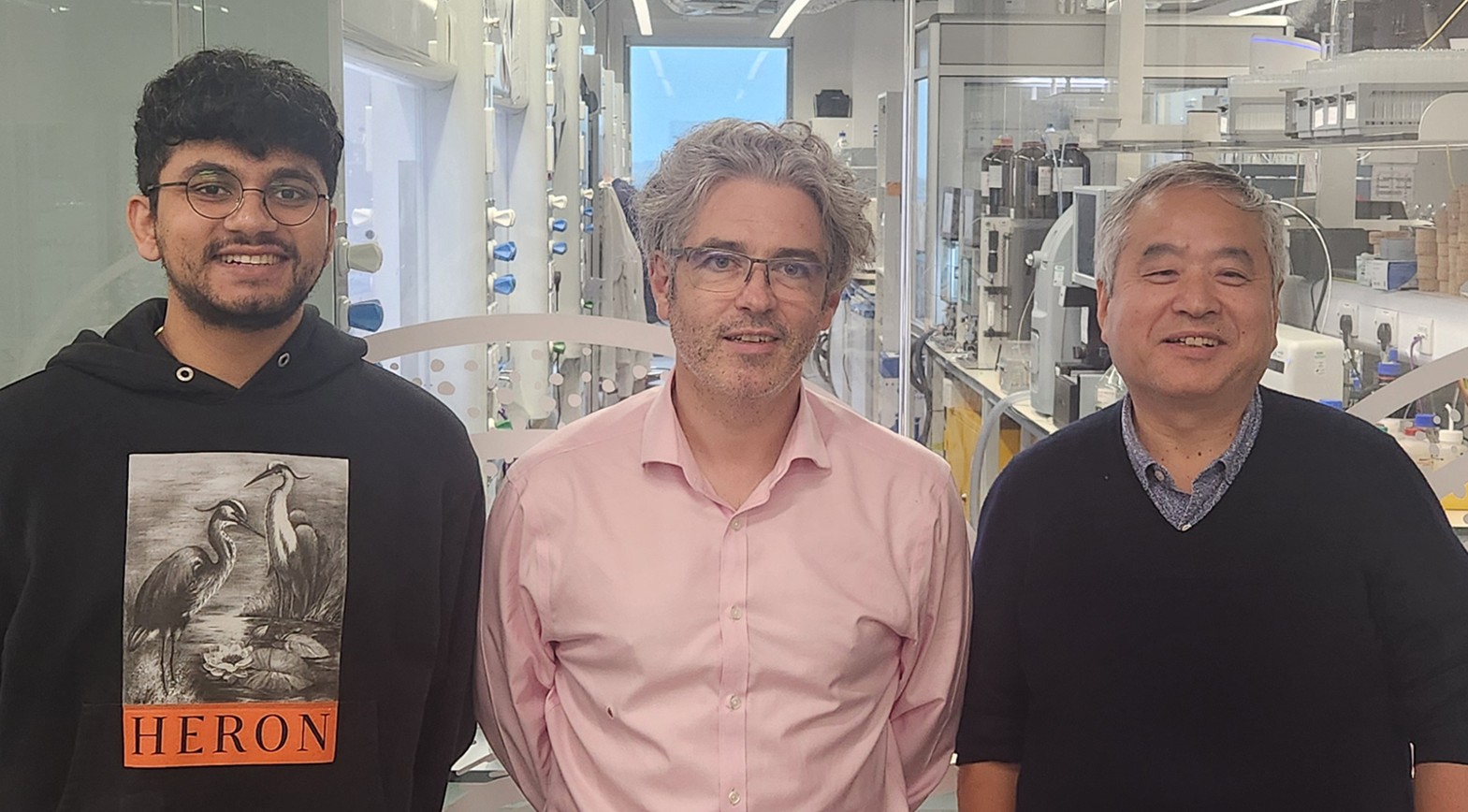
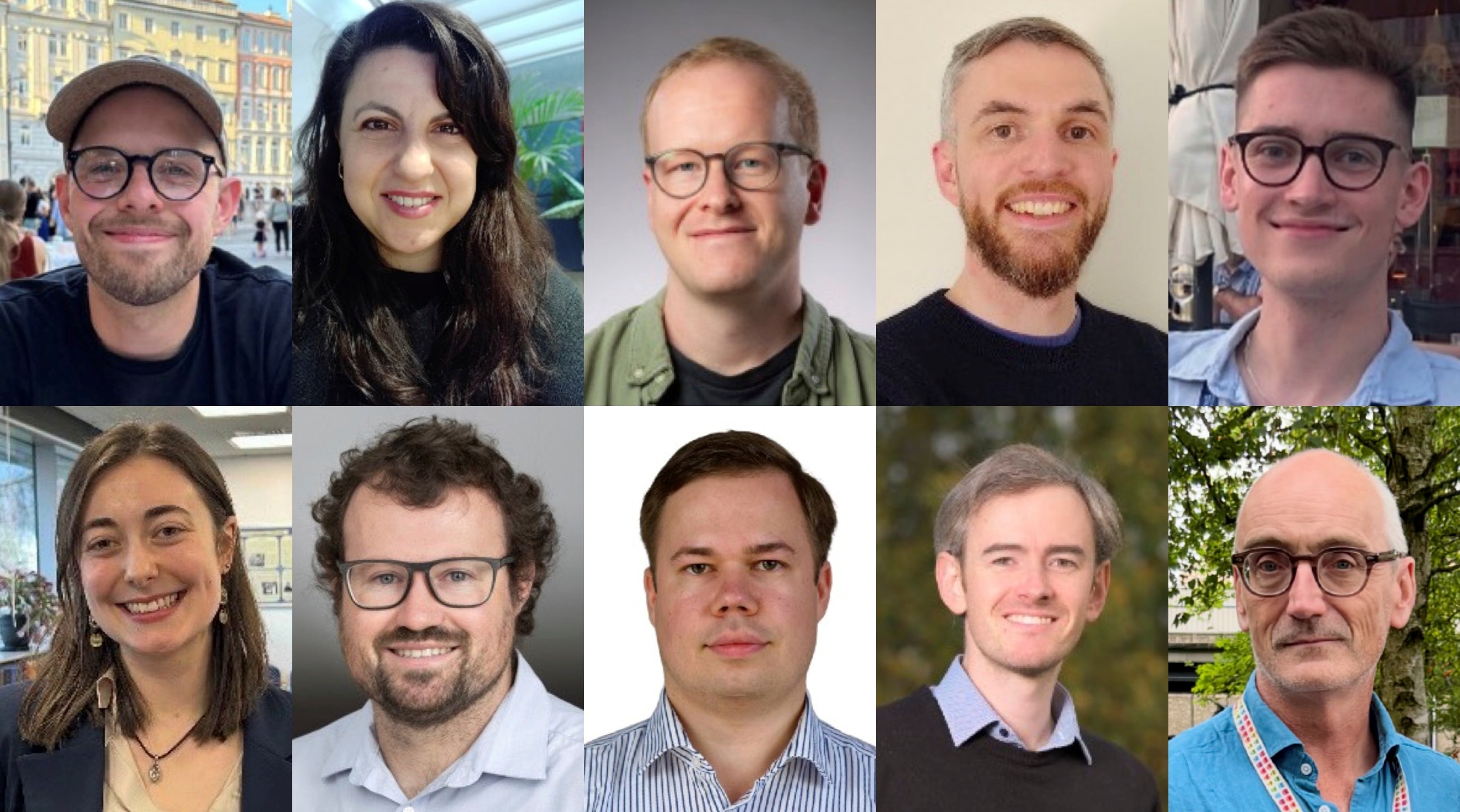
 Photo collage of Weller group behind Tutorial Review: D6DT00444J.

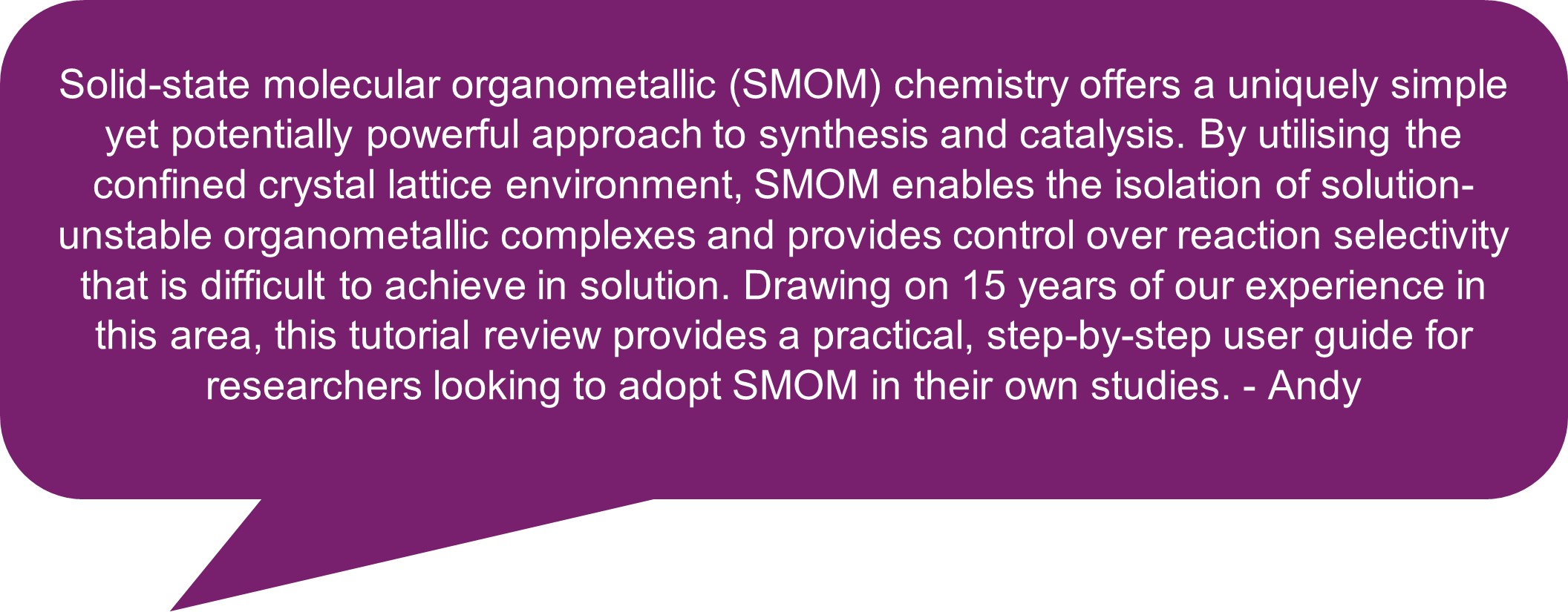
A message from the authors…


Please note that Tutorial Reviews are normally invited by the Editorial Board, however suggestions are welcome and enquiries, along with a brief synopsis and authors’ credentials, should be directed to the Editorial Board at dalton-rsc@rsc.org. Readers may nominate themselves, or others, to write a Tutorial Review.

We hope you enjoy reading this Tutorial Review in Dalton Transactions. Keep an eye out for more in our new collection.

Digg This
Reddit This
Stumble Now!
Share on Facebook
Bookmark this on Delicious
Share on LinkedIn
Bookmark this on Technorati
Post on Twitter
Google Buzz (aka. Google Reader)

Dalton Transactions welcomes new Associate Editor Michael Hayward

We are delighted to welcome our new Associate Editor Professor Michael Hayward from the University of Oxford, UK, to the Dalton Transactions Editorial Board!

Michael’s research is in solid state inorganic chemistry and specifically focuses on the synthesis and detailed characterisation of new solid-state compounds which exhibit novel electronic and magnetic behaviours.


Photo of Professor Michael Hayward, Dalton Transactions Associate Editor.Michael Hayward is a Professor of Inorganic Chemistry at the University of Oxford. After completing a D.Phil. under the supervision of Prof. M. J. Rosseinsky at the University of Oxford, Prof. Hayward undertook a period of post-doctoral research with Prof. R. J. Cava at Princeton University, returning to Oxford in 2002 as a Royal Society University Research Fellow. In 2004 he was appointed as an Associate Professor in the Department of Chemistry, University of Oxford and Fellow of Somerville College. In 2015 he was promoted to Professor of Inorganic Chemistry. Research in the Hayward group focuses on the synthesis of novel solid compounds which exhibit interesting physical behaviour (magnetic, electronic, electrochemical, etc.). Materials are prepared principally via low-temperature, topochemical routes, which enable the synthesis of metastable phases and allow the introduction of a degree of ‘design’ into the preparation of solid-state materials.


Quote from Professor Michael hayward on joining the Dalton Transactions Editorial Board.


Take a look at Michael’s recent publications in Dalton Transactions:

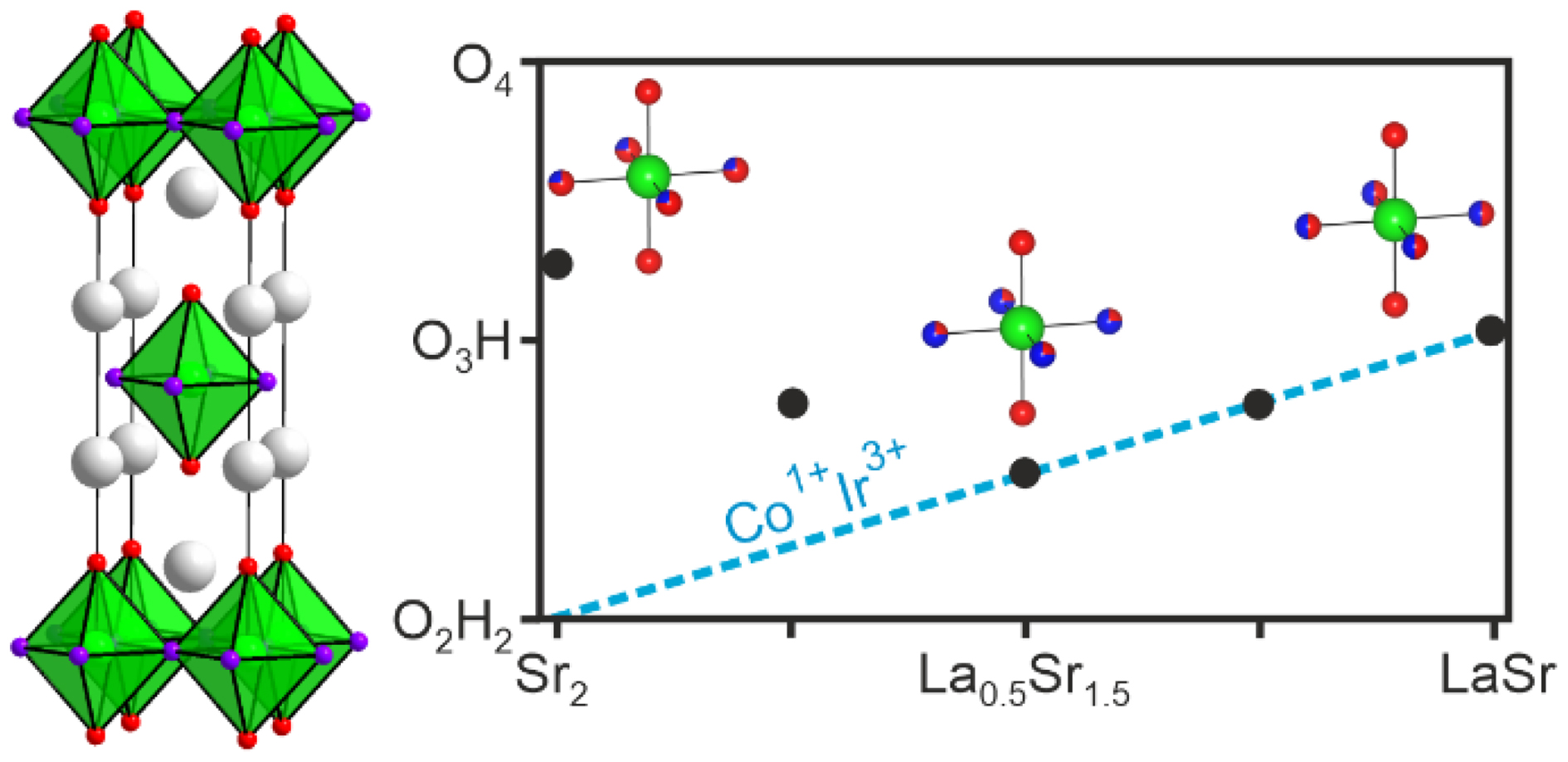
Structure and magnetism of LaxSr2−xCo0.5Ir0.5O4−yHy (0 < x < 1) iridium-containing oxyhydride phases (Open Access)

James I. Murrell, Romain Wernert, Hank C. H. Wu, Benjamin M. Huddart, Stephen J. Blundell, Ronald I. Smith and Michael A. Hayward*

Dalton Trans., 2025, 54, 12293-12300

 Graphical abstract for article: d5dt00979k.


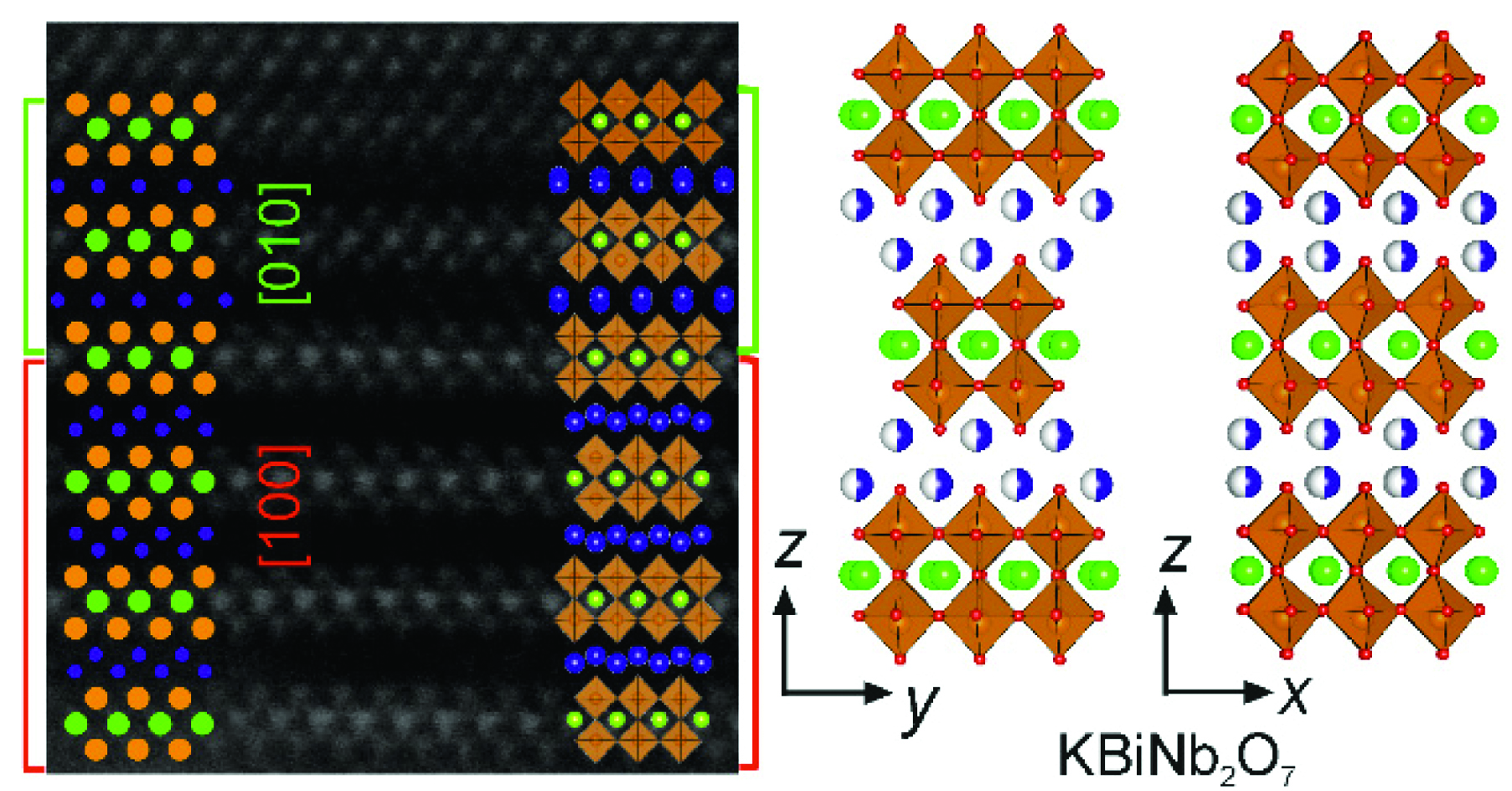
Graphical abstract for article: d1dt04064b. The crystal and defect structures of polar KBiNb2O7 (Open Access)

Subhadip Mallick, Weiguo Zhang, Maria Batuk, Alexandra S. Gibbs, Joke Hadermann, P. Shiv Halasyamani and Michael A. Hayward*

Dalton Trans., 2022, 51, 1866-1873

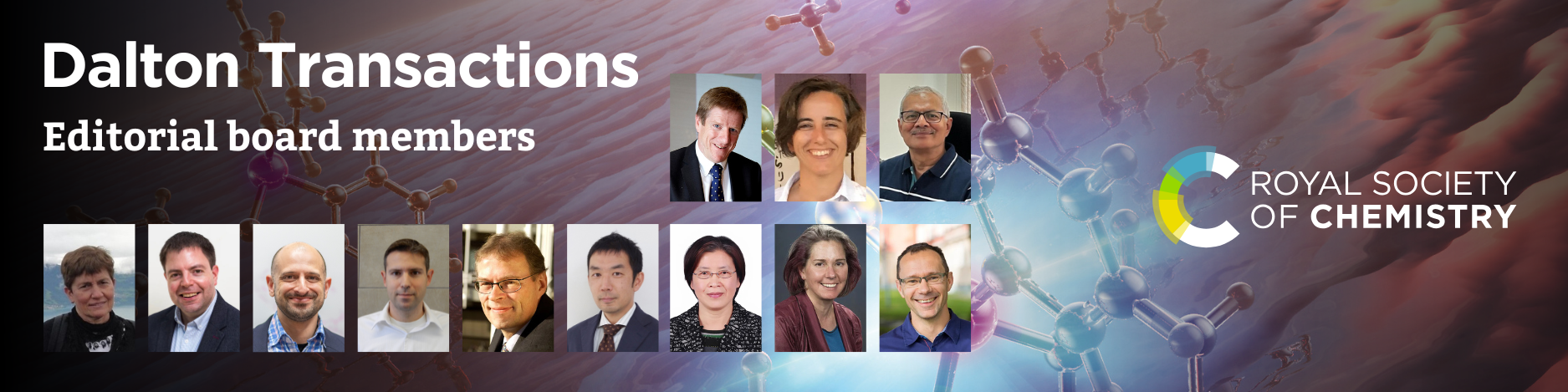
You can also find out more about all our Associate Editors and the full Editorial Board on our webpage.

Dalton Transactions Editorial Board member banner.

Digg This
Reddit This
Stumble Now!
Share on Facebook
Bookmark this on Delicious
Share on LinkedIn
Bookmark this on Technorati
Post on Twitter
Google Buzz (aka. Google Reader)

The 2025 Dalton Transactions Best Cover Award Winners

The winners of the Dalton Transactions best cover awards, celebrating the cover artworks published in our journal each year, have now been chosen. These awards were voted for by the Dalton Transactions Editorial Board, our Editorial Office and the inorganic community via social media. We are delighted to announce this year’s winners below.

Winner of the 2025 Dalton Transactions’ Best Cover Award, chosen by our Editorial Board:


Dalton Transactions outside front cover for vol 54, issue 42.Outside front cover, Issue 42

Trinuclear gold chains and octanuclear copper gyrobifastigia stabilized using a fluorinated pyridyl ligand

Vo Quang Huy Phan, Mukundam Vanga, Benjamin T. Diroll, Alvaro Muñoz-Castro and H. V. Rasika Dias*

Dalton Trans., 2025, 54, 15717-15725


Winner of the 2025 Dalton Transactions’ Best Cover Award, chosen by our Editorial Office:

Dalton Transactions outside front cover for vol 54, issue 33.Outside front cover, Issue 33 Discrete inorganic molecular upconversion: a dinuclear ytterbium–polyoxometalate complex exhibits cooperative upconversion luminescence

Ryunosuke Karashimada*, Motoki Nakahara and Nobuhiko Iki*

Dalton Trans., 2025, 54, 12443-12446


Winner of the 2025 Dalton Transactions’ Best Cover Award, chosen by the Dalton Transactions community:

Dalton Transactions outside front cover for vol 54, issue 27.

Outside front cover, Issue 27

p-Cymene–Ru(ii)–organometallic conjugates based on ‘V-shaped’ 4-amino-1,8-naphthalimide Tröger’s base scaffolds: synthesis, photophysics, bioimaging, and BSA/HSA binding studies (Open Access)

Binduja Mohan, Anna Jose, Indrajit Bhattacharjee, Raju Saravanan, Mannanthara Kunhumon Noushija, Mintu Porel, Bibhu Ranjan Sarangi and Sankarasekaran Shanmugaraju*

Dalton Trans., 2025, 54, 10549-10557


Explore all of last year’s covers in our cover gallery, which includes links to the articles behind each cover.


Have you thought about highlighting your work on one of our covers?*

Articles that are associated with a cover receive an average of 35% more downloads than articles without. To achieve this, the Editorial Office will take extra steps to enhance the visibility of your article.

When your article and cover are published, we will:

  • Make your article free to access for 6 weeks, ensuring global reach
  • Insert your cover into the PDF of your article, making it more prominent to readers
  • Place your article towards the front of the issue, where it will be more readily accessible to readers
  • Promote your article and your cover through our social media channels
  • Include your article in our ‘Articles behind the covers’ online themed collection, see our 2025 collection as it grows, here.
  • Enter your artwork into our annual Cover Artwork competition
  • Feature your article in the cover gallery on our blog
  • Send you a high-resolution electronic copy of the cover for you to use in presentations or print and display at your institution
  • For front covers, highlight your cover in the contents page of the journal online

If you are interested in showcasing your research on one of our covers, once your article has been accepted for publication, please do contact the Editorial Office for further information.

Please join us in congratulating this year’s winners and make sure to read all the work behind our 2025 covers, here.


*Please note that authors are required to pay a fee for this service.  All covers must be approved prior to publication and will be used at the discretion of the Editorial Office.

Digg This
Reddit This
Stumble Now!
Share on Facebook
Bookmark this on Delicious
Share on LinkedIn
Bookmark this on Technorati
Post on Twitter
Google Buzz (aka. Google Reader)

HOT Articles – Online now and free to access

Dalton Transactions, Royal Society of Chemistry

We have updated our reviewer recommended ‘HOT articles’ for 2025.

We update our HOT articles collection quarterly and make the selected articles free to access until 18 February 2026! This collection represents the top 10% of research published in Dalton Transactions between October – December 2025.

Make the most of the free to access period by browsing the collection today!

Digg This
Reddit This
Stumble Now!
Share on Facebook
Bookmark this on Delicious
Share on LinkedIn
Bookmark this on Technorati
Post on Twitter
Google Buzz (aka. Google Reader)

Dalton Transactions highlights from 2025

Happy New Year from the Dalton Transactions Editorial Office!

In 2025, Dalton Transactions published 48 issues with over 1600 articles, including over 110 Frontier and Perspectives review articles, from 56 countries. With our articles receiving a total of over 2.4 million downloads within 90 days of being published, our articles have excellent visibility.

We are delighted to share with you some highlights from Dalton Transactions in 2025, including our Outstanding Paper Award winners, a new Associate Editor, themed collections, and our most popular articles from the year.


2024 Dalton Transactions Outstanding Paper Award Winners

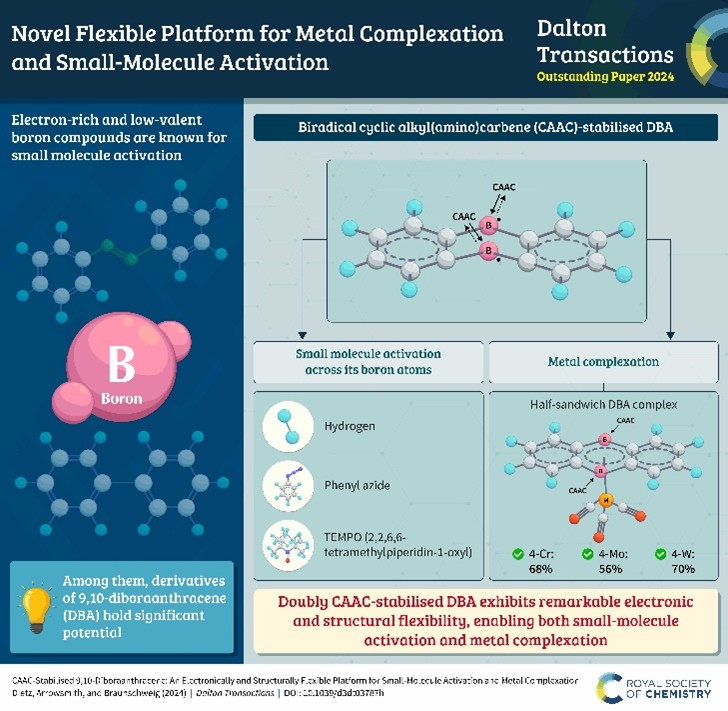
The Outstanding Paper Award is an award aimed at recognising the great work published in Dalton Transactions from the previous year. This year’s winners were Maximilian Dietz, Merle Arrowsmith and Holger Braunschweig for their paper:

Dalton Transactions infographic for 2024 Outstanding Paper: CAAC-stabilised 9,10-diboraanthracene: an electronically and structurally flexible platform for small-molecule activation and metal complexation. CAAC-stabilised 9,10-diboraanthracene: an electronically and structurally flexible platform for small-molecule activation and metal complexation

Maximilian Dietz, Merle Arrowsmith and Holger Braunschweig*

Dalton Trans., 2024, 53, 449-453

In this outstanding article, the authors explored new reaction patterns of a doubly CAAC-stabilised 9,10-diboraanthracene derivative with small molecules and highlighted the structural and electronic flexibility of this framework through complexation with group 6 carbonyls.


New Associate Editor: Dinorah Gambino

In 2025, Dinorah Gambino from Universidad de la República, Uruguay, joined our Editorial Board as an Associate Editor. Dinorah’s research is in bioinorganic chemistry and specifically focuses on the development of new metal-based drugs for the treatment of neglected diseases caused by trypanosomatid parasites.

Our international Editorial Board is made up of 13 high-profile researchers across 12 countries worldwide with a wide range of expertise covering inorganic chemistry. Find out more about our Editorial Board members, here.


Submit to our Editorial Board

Photo of Dalton Transactions Associate Editor, Dinorah Gambino.

Dalton Transactions banner with photos of Editorial Board members.


Themed Collections

Explore the themed collections we have launched in 2025.

Read now:

Nitrogen Ligands Guest Editors: Gabriel Canard, Aix-Marseille University, and Olivier Siri, Aix-Marseille University, CNRS
Main Group Element Compounds in Materials and Catalysis Guest Editors: Eric Rivard, University of Alberta, Selvarajan Nagendran, IIT Delhi, and Ramaswamy Murugavel, IIT Bombay
Spotlight Collection: Mixed-Anion Compounds Guest Editors: Maarit Karppinen, Aalto University, Simon Clarke, University of Oxford, and Teruki Motohashi, Kanagawa University
Celebrating International Women’s Day 2025: Women in Inorganic Chemistry Highlighting a selection of articles published in Dalton Transactions in 2024 and 2025 led by women scientists around the world.

Be part of our next Themed Collection:

Inorganic Nanomaterials

Submission deadline: 19th January 2026

Open call details

If you would like to contribute to the above collection, please email dalton-rsc@rsc.org.


2025 Nobel Prize in Chemistry

The 2025 Nobel Prize in Chemistry was awarded to Dalton Transactions authors Susumu Kitagawa, Richard Robson, and Omar M. Yaghi for their development of a new form of molecular architecture – metal–organic frameworks (MOFs). In celebration of this, we launched our MOFs: Three Decades of Design and Discovery collection.


Most popular articles from 2025

We are pleased to share a selection of our most popular articles from 2025 – all free to access until July 2026.

Graphical abstract for article: d4dt02662d. ZIF-8 metal–organic frameworks and their hybrid materials: emerging photocatalysts for energy and environmental applications (Open Access)

Diptirani Behera, Priyanka Priyadarshini and Kulamani Parida*

Dalton Trans., 2025, 54, 2681-2708

A terahertz band multifunctional metamaterial transmission–absorption switching device based on vanadium dioxide

Xinmei Wang, Xianding He, Chaojun Tang*, Bin Shui and Zao Yi*

Dalton Trans., 2025, 54, 5494-5501

Graphical abstract for article: d5dt00153f.
Graphical abstract for article: d4dt03003f. Rationalization of the structural, electronic and photophysical properties of silver(i) halide n-picolylamine hybrid coordination polymers (Open Access)

Caterina Zuffa, Daniele Veclani, Marianna Marchini, Filippo Monti*, Chiara Cappuccino, Lucia Maini* and Barbara Ventura

Dalton Trans., 2025, 54, 2799-2811

Two-fold proton coupled electron transfer of a Ta(v) aniline complex mediated by a redox active NNN pincer ligand (Open Access)

Sotirios Pavlidis, Jasmin Alasadi, Amanda Opis-Basilio and Josh Abbenseth*

Dalton Trans., 2025, 54, 2421-2429

Graphical abstract for article: d4dt03281k.
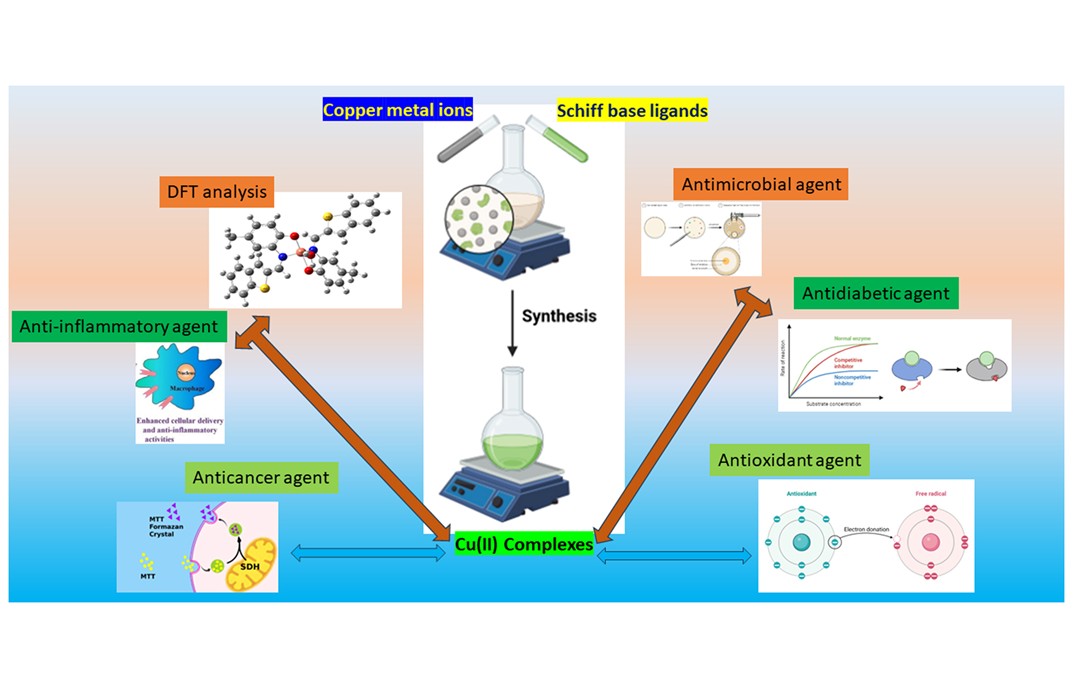
Graphical abstract for article: d4dt02486a. Unveiling the multifaceted bioactivity of copper(ii)–Schiff base complexes: a comprehensive study of antioxidant, anti-bacterial, anti-inflammatory, enzyme inhibition and cytotoxic potentials with DFT insights

T. M. Dhanya, M. R. Prathapachandra Kurup, K. J. Rajimon, G. Anjali Krishna, Jibin K. Varughese, K. G. Raghu, Sachin Philip, K. M. Divya, Maria Augustine and P. V. Mohanan*

Dalton Trans., 2025, 54, 3216-3234


Dalton Transactions published our first Tutorial Reviews

Assessment methods for identifying suitable charge carriers for non-aqueous redox flow batteries

Mamta Dagar* and Ellen M. Matson*

Dalton Trans., 2025, 54, 10164-10177

Graphical abstract for article: D5DT00830A.
Graphical abstract for article: D5DT01521A. Fluorescence spectroscopy: detection and sensing of SO2 and H2S using MOFs and other emerging porous materials (Open Access)
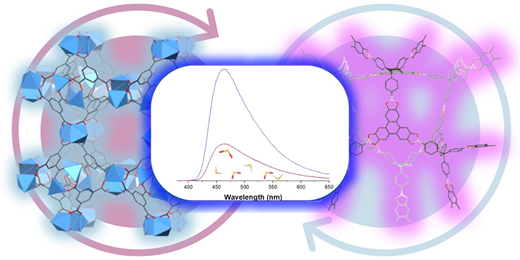
 

Marco L. Martínez, Pablo Marín-Rosas, Valeria B. López-Cervantes, Ariel Guzmán-Vargas, Ricardo A. Peralta*, Diego Solis-Ibarra* and Ilich A. Ibarra*


Dalton Trans., 2025, 54, 13806-13819

A practical guide to measuring and reporting photophysical data (Open Access)


Vinh Q. Dang and Thomas S. Teets*


Dalton Trans., 2025, 54, 16268-16284

Graphical abstract for article: D5DT02095F.

Dalton Transactions annual cover competition

This year Dalton Transactions introduced three new awards to celebrate the cover artworks published in the journal from the previous year. These awards were voted for by the Dalton Transactions Editorial Board, our Editorial Office and the inorganic community via social media.

Check out the 2024 winners below.

Winner of the 2024 Dalton Transactions’ Best Cover Award, chosen by our Editorial Board:

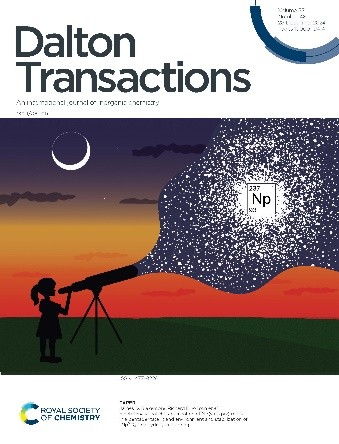
Cover for article: D4DT02557A.Outside front cover, Issue 48

Electroanalytical characterization of Np(vi)/Np(v) redox in a pentadentate ligand environment and stabilization of [NpVO2]+ by hydrogen bonding (Open Access)


Emily R. Mikeska, T. Davis Curry, Richard E. Wilson* and James D. Blakemore*


Dalton Trans., 2024, 53, 19126-19142

Winner of the 2024 Dalton Transactions’ Best Cover Award, chosen by our Editorial Office:

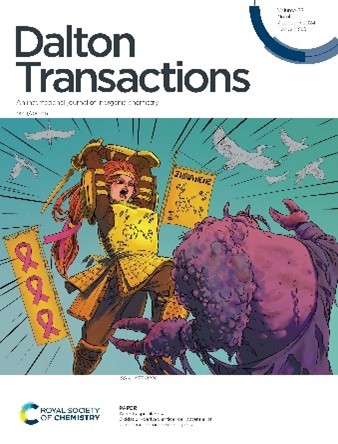
Cover for article: D3DT03810F.Outside front cover, Issue 1

Oxidation-derived anticancer potential of sumanene–ferrocene conjugates (Open Access)


Artur Kasprzak*, Agnieszka Zuchowska, Pawel Romanczuk, Agata Kowalczyk, Ireneusz P. Grudzinski, Anna Malkowska, Anna M. Nowicka and Hidehiro Sakurai


Dalton Trans., 2024, 53, 56-64

Winner of the 2024 Dalton Transactions’ Best Cover Award, chosen by the Dalton Transactions community:

Cover for article: D3DT04302A.Outside front cover, Issue 8

On the mechanism of action of arsenoplatins: arsenoplatin-1 binding to a B-DNA dodecamer (Open Access)


Romualdo Troisi, Gabriella Tito, Giarita Ferraro, Filomena Sica, Lara Massai, Andrea Geri, Damiano Cirri, Luigi Messori and Antonello Merlino*


Dalton Trans., 2024, 53, 3476-3483

Be sure to cast your vote for this year’s best cover award!

Cover competition survey


We would like to thank our authors, reviewers, Editorial and Advisory Board members and the wider Dalton Transactions community for your continued support of our journal and wish you all the best for 2026.

Digg This
Reddit This
Stumble Now!
Share on Facebook
Bookmark this on Delicious
Share on LinkedIn
Bookmark this on Technorati
Post on Twitter
Google Buzz (aka. Google Reader)