Archive for the ‘News’ Category

RSC Chemical Biology October 2026 Newsletter

Welcome to the last RSC Chemical Biology newsletter of 2026! We’re pleased to share a round-up of the latest journal news, as well as information on our themed collections and upcoming events as we head in to the end of the year. Get future updates directly to your inbox with our email alerts. Sign up here.

Latest News

RSC Chemical Biology Editorial Board member Prof. Michelle Arkin has reached the end of her term and has retired from her position on the Board, where she has served since the journal’s launch. We’re pleased to say that Prof. Arkin will now be joining our Advisory Board, and we look forward to our continued collaboration.

Research Spotlight
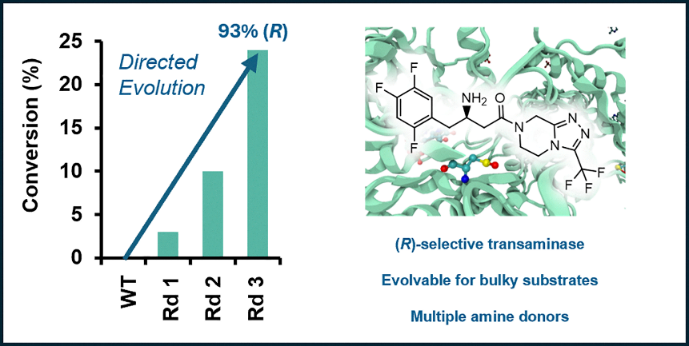
The graphical abstract of d6cb00180g

Discovery and evolution of an (R)-selective transaminase for production of sitagliptin, Matthew Treadell, Gareth R. E. Surman, Grayson J. Ford, Christopher W. Otun, Shiny Joseph Srinivasan, James Galman, Maria Bawn, Akash Pandya, Craig J. Markin, Anthony P. Green and Jack S. Rowbotham, RSC Chem. Biol., 2026, DOI: 10.1039/d6cb00180g.
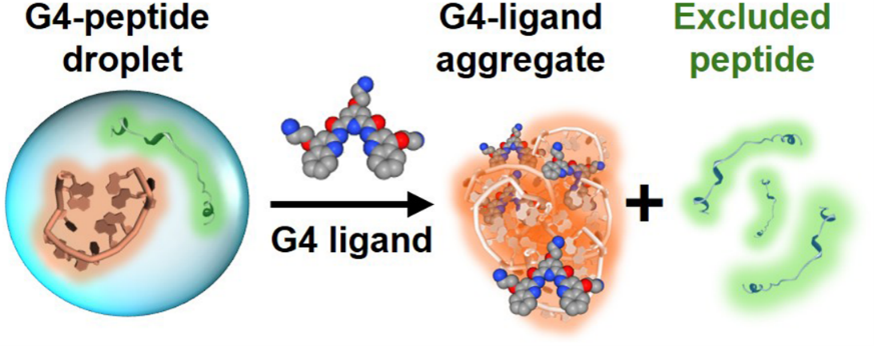
The graphical abstract of 10.1039/d6cb00020g

Exclusion of RNA-binding domains from G-quadruplex condensates by G-quadruplex ligands, Yoshiki Hashimoto, Ryosuke Suzuki, Mizuho Aya, Nagisa Takamiya, Mitsuki Tsuruta, Takeru Torii, Toshiyuki Goto, Keiko Kawauchi and Daisuke Miyoshi, RSC Chem. Biol., 2026, 7, 1578–1588, DOI: 10.1039/d6cb00020g.
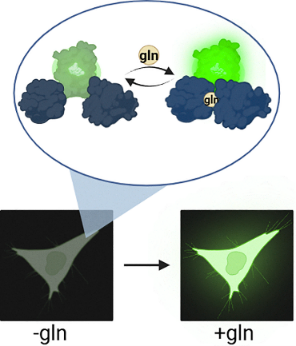
The graphical abstract of 10.1039/d6cb00164e

Illuminating spatial dynamics of glutamine metabolism with a sensitive genetically encoded biosensor, Jack M. Scully, Michael J. Sun, Siddharth Das, Nataly J. Arias, Edmund D. Kapelczak, Tiffany D. Robinson, Katie G. Vineall, Teagan S. Dean, Tara TeSlaa, Ajit S. Divakaruni and Danielle L. Schmitt, RSC Chem. Biol., 2026, 7, 1839–1855, DOI: .

Themed Collections
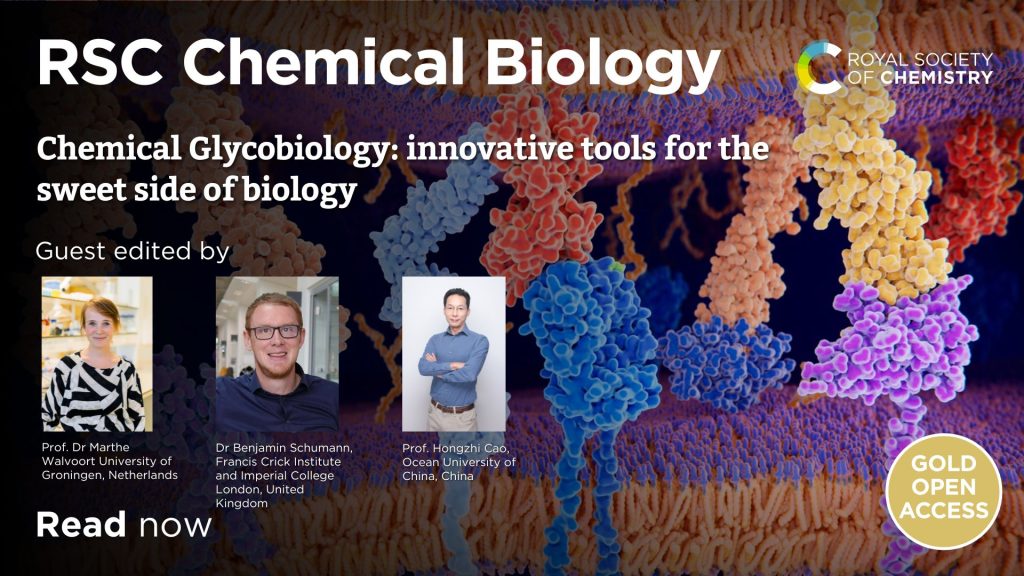
A banner for the collection with the Guest Editor details

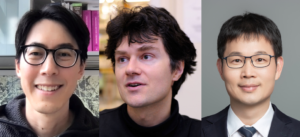
We’re pleased to share our new themed collection “Chemical Glycobiology: innovative tools for the sweet side of biology”. This collection highlighting the use of innovative chemistry in advancing glycobiology was Guest Edited by Dr Benjamin Schumann (Francis Crick Institute and Imperial College London, United Kingdom), Prof. Hongzhi Cao (Ocean University of China, China), and Prof. Dr Marthe Walvoort (University of Groningen, Netherlands). Read the collection online here.

Recent Events

The 22nd RSC Nucleic Acids Forum took place at our headquarters, Burlington House in London on 10 July 2026. The RSC Nucleic Acids Group hosted oral and poster presentations, and a careers event for early-career researchers. The winner of our prize for best poster was Tahia Taufiq from (UCL) for their poster titled “Biological Evaluation of Novel 2′-Difluoromethyl Modification in Therapeutic Oligonucleotides”.
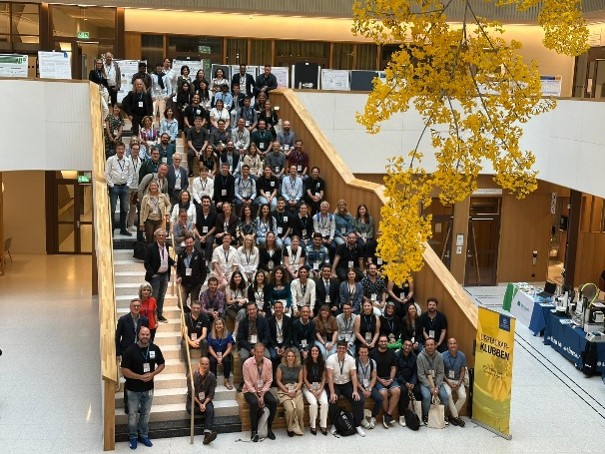
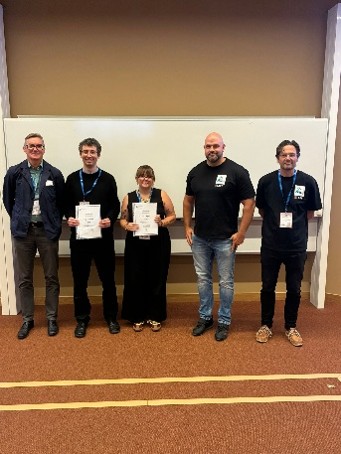
The full delegate group of GP2AThe GP2A prize winners

We’re delighted to announce that Alice Eddershaw, Karolinska Institute, Sweden has won our best poster prize at the 34th GP2A Conference on Medicinal Chemistry! Her winning poster was “Small-molecule chemical switches change the function of the repair protein HMCES”. Pictured above are the delegation from the conference, and the winners of the poster awards sponsored by our other journals: Billy Brennan (The University of Dublin Trinity College) is second from left and received the RSC Medicinal Chemistry prize, and Juliette Lafoni (LilNCog) is third for left and won the RSC Pharmaceutics prize. Also pictured are the President of GP2A Florence McMarthy (left) and University of Gothenburg organising committee members Philipp Klahn and Morten Grötli (right).
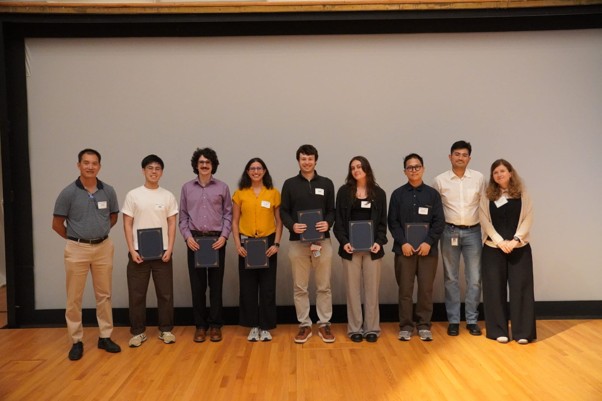
All of the prize winners at the 22nd Tri-I Chem. Bio. symposium

RSC Chemical Biology and its peer Royal Society of Chemistry journals sponsored awards for the best posters at the 22nd Annual Tri-institutional Chemical Biology Symposium, a regular showcase of novel research organised by Memorial Sloan Kettering Cancer Center, The Rockefeller University, and Weill Cornell Medicine in New York City. We’re pleased to share that the winner of the award from RSC Chemical Biology is Theodore Yassa, for “Protein-Protein Interaction Discovery in Human Solid Cancer Biopsies”. The award sponsored by Chemical Science was granted to Karl Lin, and Emily Scheib received the prize from Organic and Biomolecular Chemistry. All of the winners across the awards from the meeting are pictured above.

Our Assistant Editor Dr Elizabeth Bedwell attended the EMBO Chemical Biology Workshop in Heidelberg, Germany. An excellent event bringing together students and experts from across the full breadth of Chemical Biology research. There were thought-provoking presentations, inspiring keynote sessions, and nearly 150 posters presented. RSC Chemical Biology sponsored two poster prizes and we’re pleased to announce that the winners are Rachel Chan at the University of Chicago for the poster titled “Mapping Stress Granule Proteome and Transcriptome Dynamics by Integrated BAP-seq and BAP-ID” and Nithyashree Babu at Technische Universität Wien for the poster titled “Conformational Caging of Nucleic Acid Probes via Bioorthogonal Click Chemistry”.

Upcoming events
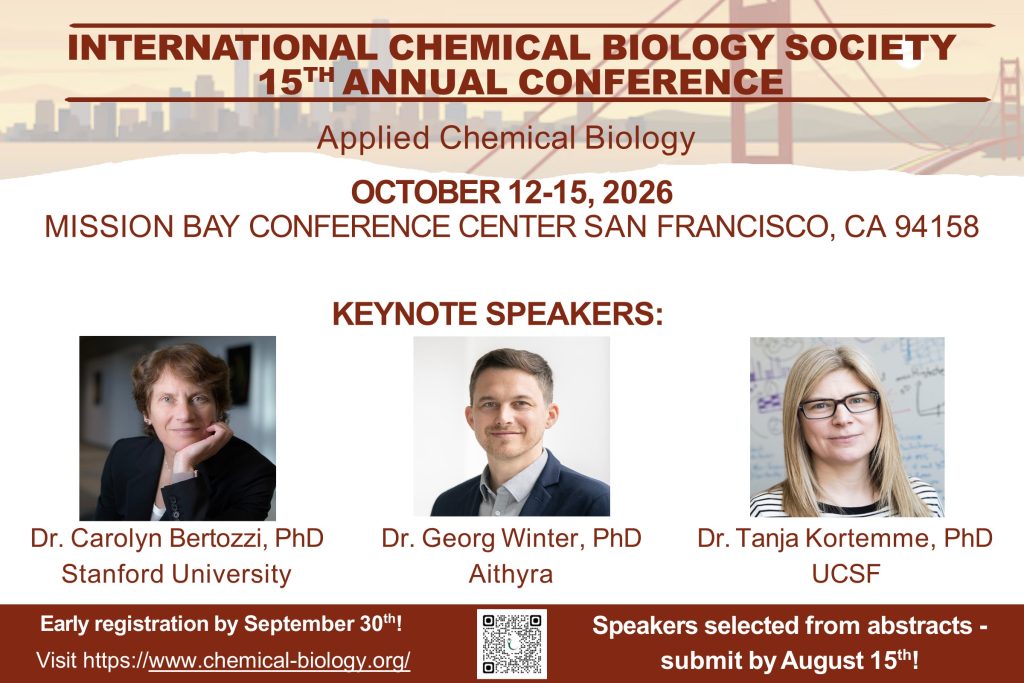
The ICBS 2026 conference flyer.

We’re proud to be sponsoring the trainee communication awards at International Chemical Biology Society 15th Annual Conference taking place 12-15 October in San Francisco, CA, United States. This year’s meeting is chaired by our Editorial Board member Prof. Michelle Arkin, and was also organised with our Editorial Board members Prof. Boris Vauzeilles and Prof. Zaneta Nikolovska-Coleska. Our Deputy Editor Dr Alexander Whiteside will be attending; please contact us by email if you would like to arrange a meeting.

The 35th Annual GP2A conference will take place in Modena, Italy on 25th-27th August 2027. See the GP2A web site or contact them at contact@gp2a.org for more information.
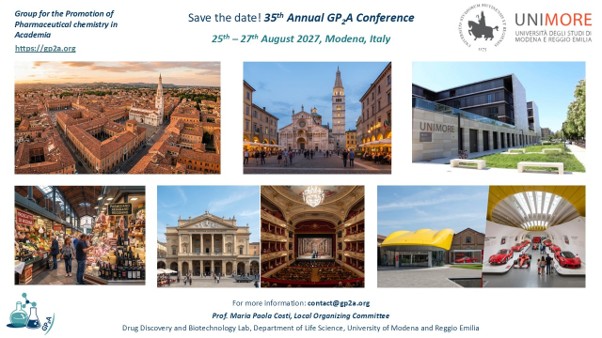
The flyer for the 35th annual GP2A conference

Follow our channels below to keep up to date on the events we’re supporting in late 2026 and into 2027.

Submit your work to RSC Chemical Biology

Find out more about RSC Chemical Biology on our webpage, where you can also find our author guidelines. RSC Chemical Biology has received a 202 Impact Factor of 3.9, and provides a first decision on articles sent to peer review in an average of 38 days.

Publishing open access with RSC journals unlocks the full potential of your research – bringing increased visibility, wider readership and higher citation potential to your work. As a not-for-profit organisation serving the chemical sciences community, we ensure that our article processing charge (APC) remains the most competitive of major publishers. More details can be found here and the APC for RSC Chemical Biology is £2200. You can also use our journal finder tool to check if your institution currently has an agreement with the RSC that may entitle you to a discount of the APC.

Stay Connected:

Follow us on LinkedIn and Bluesky for new articles and the latest news from RSC Chemical Biology and related journals at the Royal Society of Chemistry.


RSC Chemical Biology April 2026 Newsletter

Welcome to the latest RSC Chemical Biology newsletter! We’re pleased to share a round-up of the latest journal news, as well as information on our themed collections and upcoming events.

Get future updates directly to your inbox with our email alerts. Sign up here.

Latest News

Our 2026 #RSCPoster conference took place on LinkedIn for 24 hours, from 3-4 March. We’re pleased to share the winner in the #RSCChemBio category is Smitaroopa Kahali for the poster Mapping Chemical Fluctuations during ‘Cellular Recycling’ Processes!

This year’s runner-up is Krystyna Maslowska-Jarzyna, who presented Combining Anion Transport and Phospholipid Binding for Improved Antibacterial Activity of Diamidocarbazoles.

Congratulations to the winner and runner up, and our thanks to the all of the contributors for their excellent posters. Find out about the winners in other categories on our web page: 2026 #RSCPoster winners.

We were pleased to highlight the contributions of women doing research at the interface of chemistry and biology, with a special article collection which you can read here: Celebrating International Women’s Day 2026: Women in Chemical Biology.

The RSC Biological and Medicinal Chemistry Sector Interest group has opened nominations for the RSC-BMCS Hall of Fame and Medal 2026, recognising chemists who have made outstanding, sustained, significant contributions to the BMCS areas of interest. Find out more about the award and how to nominate at their web page – please note the deadline of Thursday 30 April 2026.

Themed Collections

A banner with the collection's details.

We’re pleased to share our new themed collection in collaboration with RSC Pharmaceutics on Endocytosis and cellular delivery. Guest Edited by Prof. Alexander Kros (Leiden University), Prof. Vince Rotello (University of Massachusetts) and Prof. Georgina Such (University of Melbourne), this collection explores how both biological and synthetic tools can be leveraged to understand the impact of material structure on the migration of specific cellular barriers, aiming to enhance the delivery efficiency of macromolecules and delivery systems such as liposomes, lipid nanoparticles, and polymeric carriers. Read the collection here.

We’re pleased to announce that we will be running a themed collection on Chemical biology and biocatalysis, celebrating the careers of Nicholas Turner and Sabine Flitsch on the occasion of their retirement. This arrives in collaboration with the Celebration of Chemical Biology – Turner-Flitsch Retirement Symposium taking place 16-17 April in Manchester, UK. Participants and speakers at the event will be contacted to contribute, but Prof. Turner and Prof. Flitcsch’s groups’ alumni, collaborators, and other interested parties are welcome to contact us and discuss contributing an article, at chembio-rsc@rsc.org.

A banner with the collection details

Submissions are still open for our themed collection on ‘Bioorthogonal chemistry for illuminating life processes’. This themed collection aims to highlight the most recent advances in chemical probe design, imaging methodologies, and applications that reveal the living world in action. We welcome contributions that showcase how bioorthogonal chemistry empowers molecular imaging and spatiotemporal analysis in living systems. The deadline for submissions is 30 June 2026 Find out more, including how to contribute your article, on our blog post.

Events

RSC Chemical Biology sponsored a poster prize at the German Chemical Society (GDCh) Biochemistry 2026 conference, a great international meeting showcasing cutting-edge research in biochemistry and chemical biology.  Congratulations to Felix Veitl from the Technical University of Munich for winning a prize for their poster “Engineering and Structural Elucidation of a Sac7d-Derived IgG Fc-Specific Affitin for the Light-Controlled Affinity Purification of Antibodies”!

We recently sponsored poster prizes at the RSC CBBG Forum 2026 alongside RSC Medicinal Chemistry, Chemical Science, and Organic and Biomolecular Chemistry, a great event showcasing talented researchers in chemical biology and bio-organic chemistry. The winners are:

Lorna Minty at the University of Bristol with poster “Chemoenzymatic Construction of Spirocycles Using [4+2]-Cylases”.

Poluru Snehith Surya Teja Hanuman at the University of Strathclyde with poster “Establishing a general synthetic platform for the preparation of 2′-modified nucleosides”.

Sofia Srdanovic at Imperial College London with poster “Cyclin dependent kinase 12/cyclin K as targets for antibody-mediated degradation by molecular glues”.

Congratulations to all the winners!

A banner with the event details

We’re pleased to lend our support to the RSC Chemical biology symposium 2026, which takes place on 11 May at our headquarters in Burlington House in London, UK. Don’t miss this year’s meeting, registration closes on 27 April!

We’re also partnering with the XXIV GEM and 7th APPICOM Meeting, “At the Confluence Biomembrane Sciences” taking place 3-6 November 2026 at Domaine Saint-Joseph in Sainte-Foy-lès-Lyon, France. Monitor the event web site for news on registration and abstract submission deadlines.

A banner with the details from the event web site.

RSC Chemical Biology is also supporting the 5th Synthetic Biology of Natural Products Conference, 01 – 04 November 2026, Playa Mujeres, Mexico. Chaired by: Paco Barona Gomez (University of Leiden), Rebecca Goss (University of St Andrews), Colin Harvey (Hexagon Bio), Nigel Mouncey (DOE Joint Genome Institute) & Jaclyn Winter (University of Utah)

Important Deadlines:
Early Bird & Talk Submission: Monday 04 May 2026
Poster Submission and Registration Deadline: Monday 03 August 2026

For more information: https://bit.ly/414TIEh

Follow our channels below to keep up to date on the events we’re supporting in 2026.

Submit your work to RSC Chemical Biology

Find out more about RSC Chemical Biology on our webpage, where you can also find our author guidelines. RSC Chemical Biology has received a 2024 Impact Factor of 3.1, has an article acceptance rate of 52%, and provides a first decision on articles sent to peer review in an average of 40 days.

Publishing open access with RSC journals unlocks the full potential of your research – bringing increased visibility, wider readership and higher citation potential to your work. As a not-for-profit organisation serving the chemical sciences community, we ensure that our article processing charge (APC) remains the most competitive of major publishers. More details can be found here and the APC for RSC Chemical Biology is £2200. You can also use our journal finder tool to check if your institution currently has an agreement with the RSC that may entitle you to a discount of the APC.

Stay Connected:

Follow us on LinkedIn and Bluesky for new articles and the latest news from RSC Chemical Biology and related journals at the Royal Society of Chemistry.


Professor Christopher J. Chang recieves the ACS Alfred Bader Award

We’re pleased to share that Professor Christopher J. Chang, Advisory Board member for RSC Chemical Biology, is the recipient of the 2024 Alfred Bader Award in Bioinorganic or Bioorganic Chemistry. Congratulations Chris! You can read more about Chris’ award, and Professor Michelle Chang’s, in UC Berkeley’s announcement; and find out about all of the 2024 ACS National Award winners at their web page,

New themed collection on Xenonucleic acids (XNA)

We’re pleased to announce that a new themed collection from RSC Chemical Biology has now been published online.

Read the Collection

Guest-edited by Dennis Bong (Ohio State University), Philipp Holliger (MRC Laboratory of Molecular Biology), and Chaoyong Yang (Xiamen University), this themed collection covers all aspects of modified nucleic acids in chemical and synthetic biology including both in vitro as well as in vivo applications, and new chemistries. Taken together, the papers collected in this themed collection represent the state of the art on XNAs and highlights work at the interface of chemistry and biology.

A selection of the articles has been provided below. All articles in RSC Chemical Biology are open access and free to read.

Editorial

Introduction to the themed collection on XNA xenonucleic acids
Dennis Bong, Philipp Holliger and Chaoyong Yang
RSC. Chem. Biol., 2022, 3, DOI: 10.1039/D2CB90036J

Reviews

From polymerase engineering to semi-synthetic life: artificial expansion of the central dogma
Leping Sun, Xingyun Ma, Binliang Zhang, Yanjia Qin, Jiezhao Ma, Yuhui Du and Tingjian Chen
RSC Chem. Biol., 2022, 3, 1173-1197, DOI: 10.1039/D2CB00116K

Perspectives on conformationally constrained peptide nucleic acid (PNA): insights into the structural design, properties and applications
Chaturong Suparpprom and Tirayut Vilaivan
RSC Chem. Biol., 2022, 3, 648-697, DOI: 10.1039/D2CB00017B

Communications

Efficient synthesis and replication of diverse sequence libraries composed of biostable nucleic acid analogues
John R. D. Hervey, Niklas Freund, Gillian Houlihan, Gurpreet Dhaliwal, Philipp Holliger and Alexander I. Taylor
RSC Chem. Biol., 2022, 3, 1209-1215, DOI: 10.1039/D2CB00035K

Dependence of click-SELEX performance on the nature and average number of modified nucleotides
Julia Siegl, Olga Plückthun and Günter Mayer
RSC Chem. Biol., 2022, 3, 288-294, DOI: 10.1039/D2CB00012A

Papers

Synthesis and structure–activity relationship of peptide nucleic acid probes with improved interstrand-crosslinking abilities: application to biotin-mediated RNA-pulldown
Enrico Cadoni, Francesca Pennati, Penthip Muangkaew, Joke Elskens, Annemieke Madder and Alex Manicardi
RSC Chem. Biol., 2022, 3, 1129-1143, DOI: 10.1039/D2CB00095D

Stimuli-responsive assembly of bilingual peptide nucleic acids
Hector S. Argueta-Gonzalez, Colin S. Swenson, George Song and Jennifer M. Heemstra
RSC Chem. Biol., 2022, 3, 1035-1043, DOI: 10.1039/D2CB00020B

Mutant polymerases capable of 2′ fluoro-modified nucleic acid synthesis and amplification with improved accuracy
Trevor A. Christensen, Kristi Y. Lee, Simone Z. P. Gottlieb, Mikayla B. Carrier and Aaron M. Leconte
RSC Chem. Biol., 2022, 3, 1044-1051, DOI: 10.1039/D2CB00064D

Covalently attached intercalators restore duplex stability and splice-switching activity to triazole-modified oligonucleotides
Anna Dysko, Ysobel R. Baker, Graham McClorey, Matthew J. A. Wood, Sabine Fenner, Glynn Williams, Afaf El-Sagheer and Tom Brown
RSC Chem. Biol., 2022, 3, 765-772, DOI: 10.1039/D2CB00100D

Conjugation of oligonucleotides with activated carbamate reagents prepared by the Ugi reaction for oligonucleotide library synthesis
Ryosuke Kita, Takashi Osawa and Satoshi Obika
RSC Chem. Biol., 2022, 3, 728-738, DOI: 10.1039/D1CB00240F

A ruthenium–oligonucleotide bioconjugated photosensitizing aptamer for cancer cell specific photodynamic therapy
Luke K. McKenzie, Marie Flamme, Patrick S. Felder, Johannes Karges, Frederic Bonhomme, Albert Gandioso, Christian Malosse, Gilles Gasser and Marcel Hollenstein
RSC Chem. Biol., 2022, 3, 85-95, DOI: 10.1039/D1CB00146A

Targeting a conserved structural element from the SARS-CoV-2 genome using L-DNA aptamers
Jing Li and Jonathan T. Sczepanski
RSC Chem. Biol., 2022, 3, 79-84, DOI: 10.1039/D1CB00172H


We hope you enjoy this new themed collection from RSC Chemical Biology.

RSC Desktop Seminar Series – The Interface of Chemistry & Biology


We are delighted to introduce the latest series of Desktop Seminars on the Interface of Chemistry & Biology.

This exciting Series will feature talks from authors and Board Members from across the RSC’s publishing portfolio, including RSC Chemical Biology, RSC Advances, ChemComm, Chemical Science, and Molecular Omics.

Each session will include two talks from a range of international speakers highlighting their research in relation to the interface of chemistry and biology.


Save the dates and join us for these free virtual events: 

RSC Desktop Seminar with ChemComm – Register Here

Join us on Wednesday 26th October 2022, at 15:00 GMT / 10:00 EST

Featuring Prof. Mingxu You, University of Massachusetts Amherst, USA, and Prof. Amanda Hargrove, Duke University, USA


RSC Desktop Seminar with RSC Chemical Biology – Register Here

Join us on Friday 11th November 2022, at 14:00 GMT / 15:00 CET

Featuring Prof. Jennifer Andexer, University of Freiburg, Germany, and Prof. Roderich Suessmuth, TU Berlin, Germany


RSC Desktop Seminar with Chemical Science – Register Here

Join us on Thursday 17th November 2022, at 15:00 GMT / 10:00 EST

Featuring Prof. Gonçalo Bernardes, University of Cambridge, UK, and Prof. Dorothea Fiedler, Research Institute for Molecular Pharmacology (FMP) and Humboldt University of Berlin, Germany


RSC Desktop Seminar with RSC Advances – Register Here

Join us on Thursday 24th November 2022, at 11:00 GMT / 16:30 IST

Featuring Prof. Surajit Ghosh, Indian Institute of Technology Jodhpur, India, and Dr. Christine Beemelmanns, Hans-Knoll Institute, Germany

More dates to be announced soon!

The first RSC Chemical Biology Emerging Investigators collection

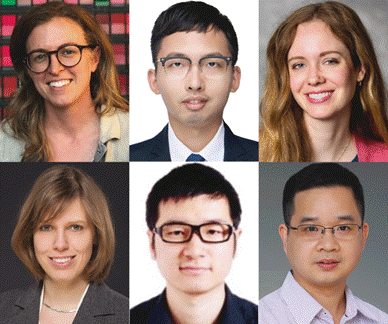
Photographs of the six corresponding authors on the articles in this collection

We’re pleased to announce that our first Emerging Investigators collection has now been published online!

Read the collection

RSC Chemical Biology is committed to supporting and recognizing the excellent work of early career researchers. We are thus proud to present our first annual Emerging Investigators collection. The collection showcases research carried out by internationally recognised, up-and-coming scientists in the early stage of their independent careers who are making outstanding contributions to their respective fields. Each contributor was recommended by an expert in their field for carrying out work with the potential to influence future directions. The collection encompasses the entire scope of the journal.

Looking forward, we will soon be inviting for an Emerging Investigators Collection that will be published in 2023, and you are encouraged to recommend a colleague at the beginning of their career by contacting the Editorial Office. To be considered, a scientist must be a research group leader with less than 10 years of independent research (although the timescale is flexible in cases of career breaks and personal circumstances).

Congratulations to all the featured researchers on their work. Join us in celebrating their contributions!

Editorial

RSC Chemical Biology Emerging Investigators Collection and Outstanding Paper Award 
RSC. Chem. Biol., 2022, Advance Article, DOI: 10.1039/D2CB90027K

Profile

Contributors to the RSC Chemical Biology Emerging Investigators Collection 2022 
RSC. Chem. Biol., 2022, Advance Article, DOI: 10.1039/D2CB90028A

Communications

The CSY-protecting group in the microwave-assisted synthesis of aggregation-prone peptides 
Truc Lam Pham, Jennifer Zilke, Christine Charlotte Müller and Franziska Thomas
RSC. Chem. Biol., 2022, 3, 426–430, DOI: 10.1039/D1CB00252J

A light-initiated chemical reporter strategy for spatiotemporal labeling of biomolecules 
Feifei Wang, Hao Kong, Xiangfeng Meng, Xiao Tian, Changjiang Wang, Lei Xu, Xiang Zhang, Lei Wang and Ran Xie
RSC. Chem. Biol., 2022, 3, 539–545, DOI: 10.1039/D2CB00072E

A dual-responsive doxorubicin–indoximod conjugate for programmed chemoimmunotherapy 
Zhaoxuan Yang, Jiaqi Huang, Yaying Lin, Xiangjie Luo, Haojin Lin, Hongyu Lin and Jinhao Gao
RSC. Chem. Biol., 2022, 3, 853–858, DOI: 10.1039/D1CB00257K

Fluorescent metabolic labeling-based quick antibiotic susceptibility test for anaerobic bacteria
Juan Gao, Juanxiu Qin, Chenling Ding, Yuan Gao, Junnan Guo, Min Li, Chaoyong Yang and Wei Wang
RSC Chem. Biol., 2022, Advance Article, DOI: 10.1039/D2CB00163B

Papers

Proteomic characterization of phagocytic primary human monocyte-derived macrophages
Regan F. Volk, José L. Montaño, Sara E. Warrington, Katherine L. Hofmann and Balyn W. Zaro
RSC. Chem. Biol., 2022, 3, 783–793, DOI: 10.1039/D2CB00076H

Improved ClickTags enable live-cell barcoding for highly multiplexed single cell sequencing
Xinlu Zhao, Shiming Sun, Wenhao Yu, Wenqi Zhu, Zihan Zhao, Yiqi Zhou, Xiuheng Ding, Nan Fang, Rong Yang and Jie P. Li
RSC. Chem. Biol., 2022, Advance Article, DOI: 10.1039/D2CB00046F

Structural insights into inhibition of the drug target dihydroorotate dehydrogenase by bacterial hydroxyalkylquinolines 
Samantha M. Horwitz, Tamra C. Blue, Joseph A. Ambarian, Shotaro Hoshino, Mohammad R. Seyedsayamdost and Katherine M. Davis
RSC. Chem. Biol., 2022, 3, 420–425, DOI: 10.1039/D1CB00255D

One-step asparaginyl endopeptidase (OaAEP1)-based protein immobilization for single-molecule force spectroscopy
Xuan Ding, Ziyi Wang, Bin Zheng, Shengchao Shi, Yibing Deng, Hanyang Yu and Peng Zheng
RSC Chem. Biol., 2022, Advance Article, DOI: 10.1039/D2CB00135G

Celebrating International Women’s Day 2022

Today at the RSC we are celebrating International Women’s Day 2022 and the fantastic women who have recently published in our journals.

We encourage you to explore some of the excellent work published in RSC Chemical Biology by women so far, and don’t forget to browse our whole collection of articles here.


Reviews

Professor Anne-Kathrin Duhme-Klair, University of York, UK:

Artificial imine reductases: developments and future directions
Rosalind L. Booth, Gideon Grogan, Keith S. Wilson and Anne-Kathrin Duhme-Klair
RSC Chem. Biol., 2020, 1, 369-378
DOI: 10.1039/D0CB00113A


Professor Rosa de Lederkremer, University of Buenos Aires, Argentina:

trans-Sialylation: a strategy used to incorporate sialic acid into oligosaccharides
Rosa M. de Lederkremer, María Eugenia Giorgi and Rosalía Agusti
RSC Chem. Biol., 2022, 3, 121-139
DOI: 10.1039/D1CB00176K


Professor Yan Zhang, University of Texas at Austin, USA:

What’s all the phos about? Insights into the phosphorylation state of the RNA polymerase II C-terminal domain via mass spectrometry
Blase M. LeBlanc, R. Yvette Moreno, Edwin E. Escobar, Mukesh Kumar Venkat Ramani, Jennifer S. Brodbelt and Yan Zhang
RSC Chem. Biol., 2021, 2, 1084-1095
DOI: 10.1039/D1CB00083G


Communications

Professor Franziska Thomas, University of Heidelberg, Germany:

The CSY-protecting group in the microwave-assisted synthesis of aggregation-prone peptides
Truc Lam Pham, Jennifer Zilke, Christine Charlotte Müller and Franziska Thomas
RSC Chem. Biol., 2022, Advance Article
DOI: 10.1039/D1CB00252J


Dr Katherine Davis, Emory University, USA:

Structural insights into inhibition of the drug target dihydroorotate dehydrogenase by bacterial hydroxyalkylquinolines
Samantha M. Horwitz, Tamra C. Blue, Joseph A. Ambarian, Shotaro Hoshino, Mohammad R. Seyedsayamdost and Katherine M. Davis
RSC Chem. Biol., 2022, Advance Article
DOI: 10.1039/D1CB00255D


Papers

Professor Andrea Rentmeister, University of Munster, Germany:

Computational design and experimental characterization of a photo-controlled mRNA-cap guanine-N7 methyltransferase
Dennis Reichert, Helena Schepers, Julian Simke, Horst Lechner, Wolfgang Dörner, Birte Höcker, Bart Jan Ravoo and Andrea Rentmeister
RSC Chem. Biol., 2021, 2, 1484-1490
DOI: 10.1039/D1CB00109D


Dr Anne Connibear, University of Queensland, Australia:

Site-specific modification and segmental isotope labelling of HMGN1 reveals long-range conformational perturbations caused by posttranslational modifications
Gerhard Niederacher, Debra Urwin, Yasmin Dijkwel, David J. Tremethick, K. Johan Rosengren, Christian F. W. Becker and Anne C. Conibear
RSC Chem. Biol., 2021, 2, 537-550
DOI: 10.1039/D0CB00175A


Dr Clarissa Czekster, University of St Andrews, UK:

Bypassing the requirement for aminoacyl-tRNA by a cyclodipeptide synthase enzyme
Christopher J. Harding, Emmajay Sutherland, Jane G. Hanna, Douglas R. Houston and Clarissa M. Czekster
RSC Chem. Biol., 2021, 2, 230-240
DOI: 10.1039/D0CB00142B


Professor Tia Keyes, Dublin City University, Ireland:

Ru(II)/BODIPY core co-encapsulated ratiometric nanotools for intracellular O2 sensing in live cancer cells
Karmel Sofia Gkika, Anna Kargaard, Christopher S. Burke, Ciaran Dolan, Andreas Heise and Tia E. Keyes
RSC Chem. Biol., 2021, 2, 1520-1533
DOI: 10.1039/D1CB00102G


We hope you enjoy reading these articles!


Contact us:  chembio-rsc@rsc.org

Visit our website – rsc.li/rsc-chembio


RSC Chemical Biology is an international gold open access journal, publishing exceptionally significant findings in chemical biology.

Sign up now to get updates on all articles as they are published on Twitter and in our e-alerts.


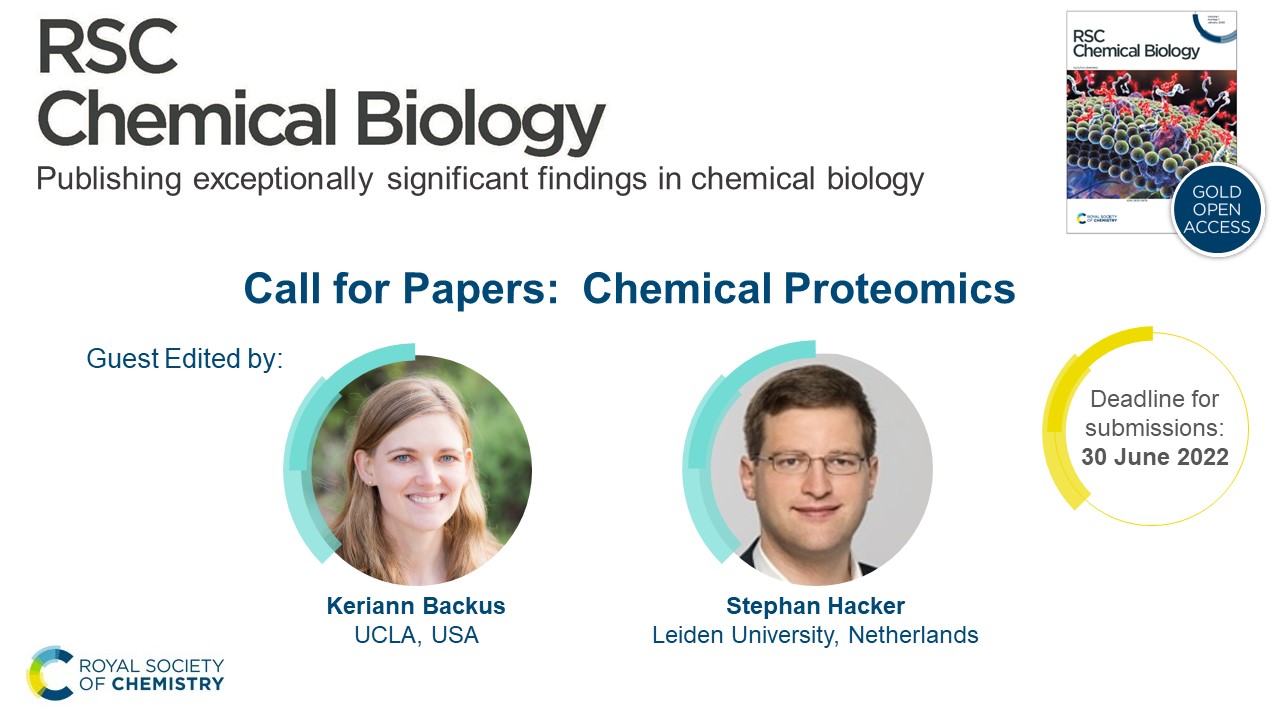
Call for papers – Chemical Proteomics

RSC Chemical Biology is delighted to welcome papers for its latest online themed collection on ‘Chemical Proteomics’, guest edited by Dr Keriann Backus (UCLA, USA) and Dr Stephan Hacker (Leiden University, Netherlands).

Scope

RSC Chemical Biology is delighted to welcome submissions on applications of chemoproteomics to study the targets and off-targets of covalent and non-covalent inhibitors, to study the reactivity of amino acids in the proteome, to develop new reactive groups for photocrosslinkers, covalent inhibitors and protein labeling as well as to study post-translational modifications and cofactor binding proteome-wide.

The deadline for submissions is 30 June 2022.

Submit to the collection now!

Promotion of the collection is scheduled for winter 2022, but articles will be published online as soon as they’re accepted.

Authors are welcome to submit original research in the form of a Communication or Full Paper.  Articles can be submitted via our website: rsc.li/rsc-chembio. We would be grateful if upon submission you would be able to mention that your manuscript is intended for this themed collection in the “notes to the editor” box.

Please note that before a final decision is made, all submissions are subject to an initial assessment to confirm the manuscript’s suitability for full peer review.

 If you have any questions about the journal or the collection, please contact the editorial office via chembio-rsc@rsc.org.

With kind regards,

Dr Keriann Backus

UCLA, USA

Dr Stephan Hacker

Leiden University, Netherlands


Explore all open calls for papers from RSC journals! 


About RSC Chemical Biology

Led by Hiroaki Suga (University of Tokyo), RSC Chemical Biology is dedicated to publishing and disseminating the most exceptionally significant, breakthrough findings of interest to the chemical biology community. All submissions are handled by our experienced and internationally recognised Associate Editors. For more information on the journal, please visit the journal homepage.

As a gold open access journal, there are no barriers to accessing content and your research article will reach an international audience. Please note that the article processing charges are waived until mid-2022, so the journal is currently free to publish in.


RSC Chemical Biology is now indexed in the Directory of Open Access Journals (DOAJ), PubMed Central, Scopus and Web of Science: Emerging Sources Citation Index.  Find out more about the journal and submit your work at rsc.li/rsc-chembio


RSC Chemical Biology

Royal Society of Chemistry

www.rsc.org


RSC Chemical Biology Advisory Board

New additions to the RSC Chemical Biology Advisory Board!

We are delighted to welcome Professors Lei Liu & Guifang Jia, and Dr Chudi Ndubaku to the RSC Chemical Biology Advisory Board!  They join 19 other prominent researchers in the chemical biology field.

Explore the current Advisory Board line-up below.  For more information on the Editorial Board, visit rsc.li/rsc-chembio.

Dr Chudi Ndubaku, ORIC Pharmaceuticals, USA

Dr Ndubaku is the Vice President for Drug Discovery at ORIC Pharmaceuticals.

Professor Guifang Jia, Peking University, China

Professor Jia’s research focuses on the functions of RNA modifications in regulation of human diseases and plant development.

Professor Lei Liu, Tsinghua University, China

Research in the Lei group focuses on chemical protein synthesis and its applications to biomedical studies.

Professor Paul Dyson, EPFL, Switzerland

The research in Professor Dyson’s lab centres on organometallic chemistry at the interface with medicine, catalysis and material science.

Professor Luc Brunsveld, TU Eindhoven, Netherlands

Professor Brunsveld’s research interests are focused on chemical biology approaches studying protein-protein interactions, particularly drug discovery and supramolecular signalling systems.

Professor Peng Chen, Peking University, China

Professor Chen’s research focus is to develop novel technologies for protein manipulation in living cells, including protein-based bioorthoganol chemistry and precise protein engineering.

Professor Donald Hilvert, ETH Zurich, Switzerland

The group of Professor Hilvert are using chemical biology tools to understand and engineer proteins for various applications.

Professor May Khanna, University of Arizona, USA

The work of Professor Khanna’s lab looks to combine biochemical and biophysical techniques to target key protein-protein and protein-RNA interactions in neurodegenerative disease.

Professor Hermen Overkleeft, Leiden University, Netherlands

The research of the Overkleeft lab is characterized by the design, synthesis and application of chemical probes in glycobiology and immunology.

Professor Giulio Superti-Furga, CeMM, Austria

The Superti-Furga laboratory addresses the mechanisms by which cells respond to challenges that perturb homeostasis, and how homeostasis can subsequently be restored.

Professor Xiu-Jie Wang, Chinese Academy of Sciences, China

Professor Wang’s research interests include developing computational methods to analyze biological data, identifying new non-coding regulatory RNA genes and studying the functions of non-coding RNAs.

Professor Christopher Chang, University of California Berkeley, USA

Professor Chang’s research interests include transition metal signaling, activity-based sensing and artificial photosynthesis.

Professor Russell Cox, Leibniz University Hannover, Germany

The Cox group is interested in understanding and engineering the biosynthesis of natural products by fungi.

Professor Dorothea Fiedler, FMP Berlin, Germany

The goal of the Fiedler lab is to develop new chemical and biochemical tools that will provide a mechanistic picture of inositol phosphate signaling.

Professor Christian Hackenberger, FMP Berlin, Germany

The research projects of Professor Hackenberger’s group focus on understanding how nature generates specific biological function in complex cellular environments.

Professor Maja Köhn, University of Freiburg, Germany

Professor Köhn’s group explores integrative signaling research on phosphatase chemistry and biology.

Professor Yamuna Krishnan, University of Chicago, USA

Work in Professor Krishnan’s lab aims to build quantitative chemical maps of organelle lumens using the tools of bionanotechnology.

Professor Elizabeth Nolan, Massachusetts Institute of Technology, USA

Professor Nolan and her team investigate the chemistry and biology of small molecules, peptides, and proteins that participate in the human innate immune response and host/pathogen interaction.

Professor Jennifer Prescher, University of California Irvine, USA

The research in Professor Prescher’s lab has the aim of crafting novel chemical probes and noninvasive imaging technologies to interrogate cells in their native habitats.

Professor Christopher Schofield, University of Oxford, UK

Professor Schofield aims to define functions for all human ‘2OG oxygenases’ at biochemical, cellular, and physiological level.

Professor Pamela Silver, Harvard Medical School, USA

Professor Silver’s research interests include cell programming, therapeutic design, and environment & pathogen sensing.

Professor Kira Weissman, University of Lorraine, France

Professor Weissman is expert in multiple aspects of the biosynthesis of polyketides and related secondary metabolites.

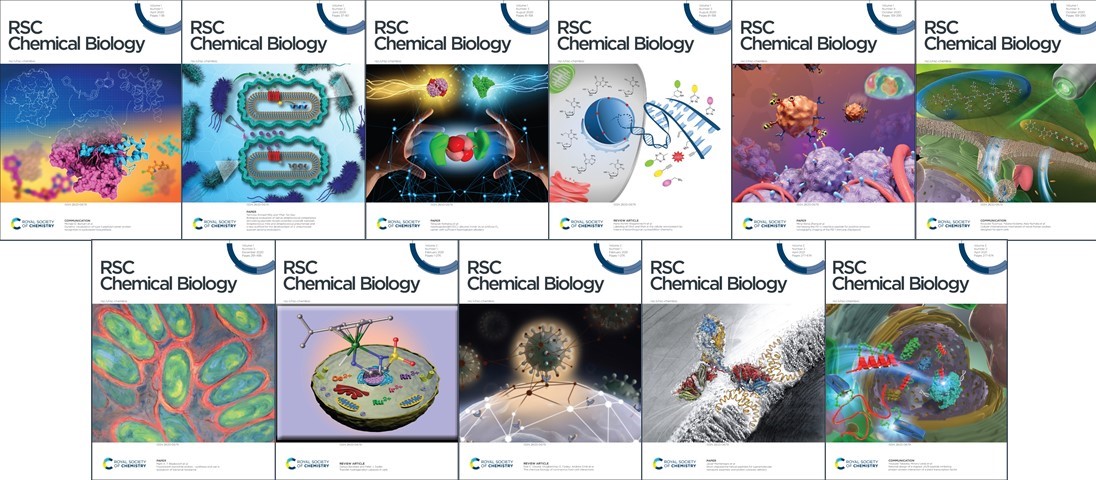
1 year of RSC Chemical Biology – the covers

This month we are celebrating our fantastic first year of RSC Chemical Biology!  We have seen six issues, containing 56 high quality articles, and two editorials.

We have chosen some of our favourite covers from all the wonderful artwork that has featured on the journal so far.  Thank you to all the authors who have provided these amazing artworks!

We invite you to join us on Twitter to vote for your favourite cover of the year from the shortlist below.

Click on each of the images for a close-up look of each cover.


Join us on Twitter to vote for your favourite

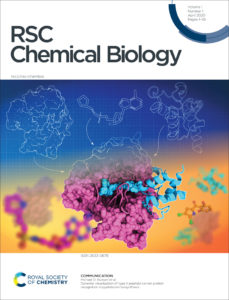
A

Vol. 1, Issue 1

Dynamic visualization of type II peptidyl carrier protein recognition in pyoluteorin biosynthesis
Joshua C. Corpuz, Larissa M. Podust, Tony D. Davis, Matt J. Jaremko and Michael D. Burkart
RSC Chem. Biol., 2020,1, 8-12; DOI: 10.1039/C9CB00015A

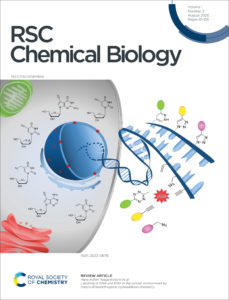
B

Vol. 1, Issue 3 Inside cover

Labelling of DNA and RNA in the cellular environment by means of bioorthogonal cycloaddition chemistry
Dorothée Ganz, Dennis Harijan and Hans-Achim Wagenknecht
RSC Chem. Biol., 2020,1, 86-97; DOI: 10.1039/D0CB00047G

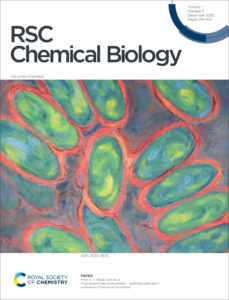
C

Vol. 1, Issue 5

Fluorescent macrolide probes – synthesis and use in evaluation of bacterial resistance
M. Rhia L. Stone, Urszula Łapińska, Stefano Pagliara, Muriel Masi, Joanne T. Blanchfield, Matthew A. Cooper and Mark A. T. Blaskovich
RSC Chem. Biol., 2020,1, 395-404; DOI: 10.1039/D0CB00118J

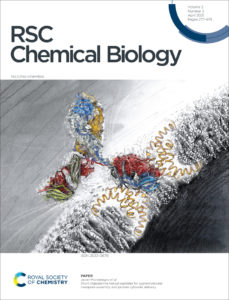
D

Vol. 2, Issue 2

Short oligoalanine helical peptides for supramolecular nanopore assembly and protein cytosolic delivery
Marta Pazo, Giulia Salluce, Irene Lostalé-Seijo, Marisa Juanes, Francisco Gonzalez, Rebeca Garcia-Fandiño and Javier Montenegro
RSC Chem. Biol., 2021,2, 503-512; DOI: 10.1039/D0CB00103A