Late 2025 Newsletter

As we enter the last quarter of 2025, we are excited to share our latest updates with the RSC Chemical Biology community.

Get future updates directly to your inbox with our email alerts. Sign up here.

Latest News

OECRA 2024 winners

Our 2024 Outstanding Early Career Researcher Award goes to a team comprising Kilian Roßmann, Ramona Birke, Joshua Levitz, Ben Jones and Johannes Broichhagen, for their paper Red and far-red cleavable fluorescent dyes for self-labelling enzyme protein tagging and interrogation of GPCR co-internalization. Our congratulations to the winners! Find out more about the team and their paper at our blog post.


Research Spotlight

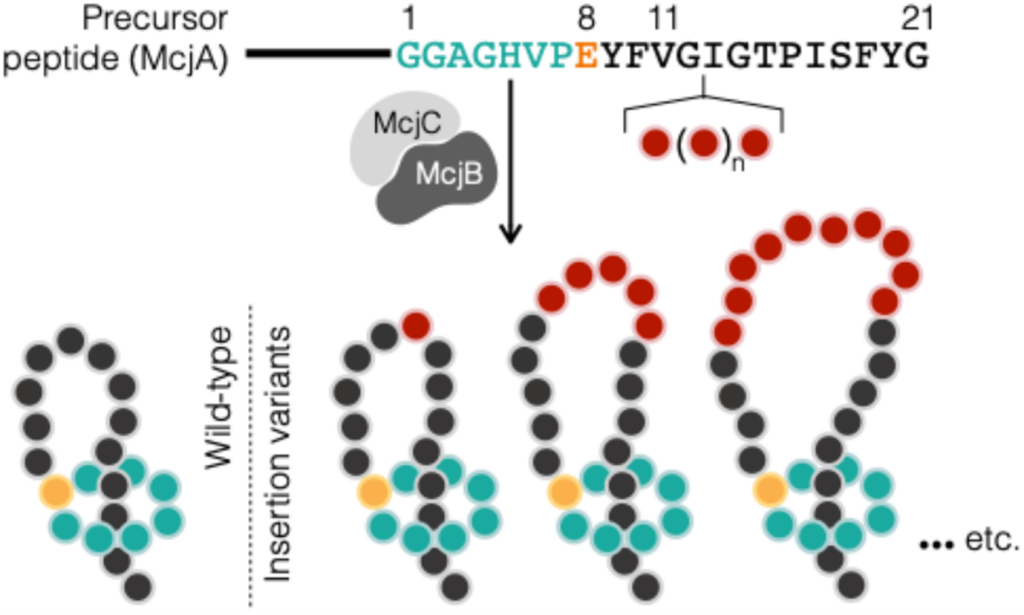
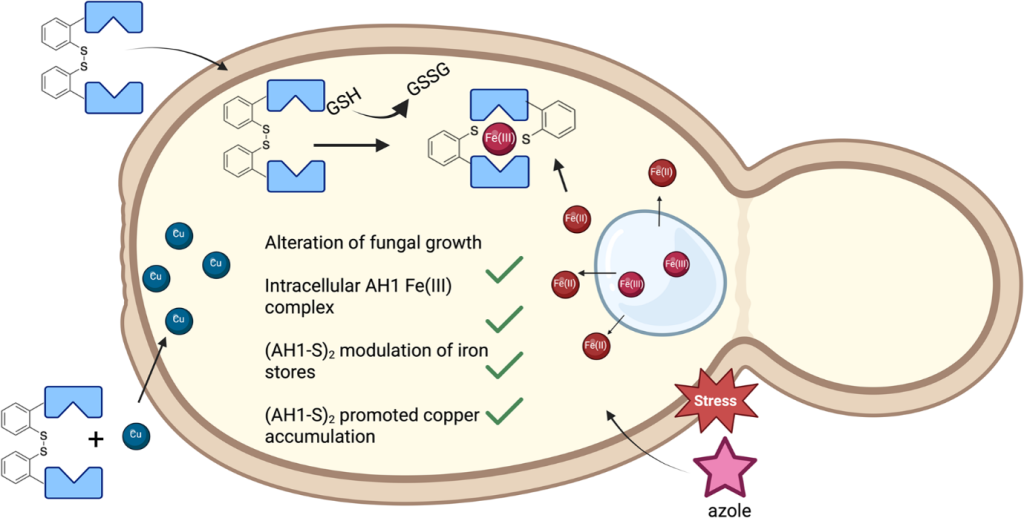
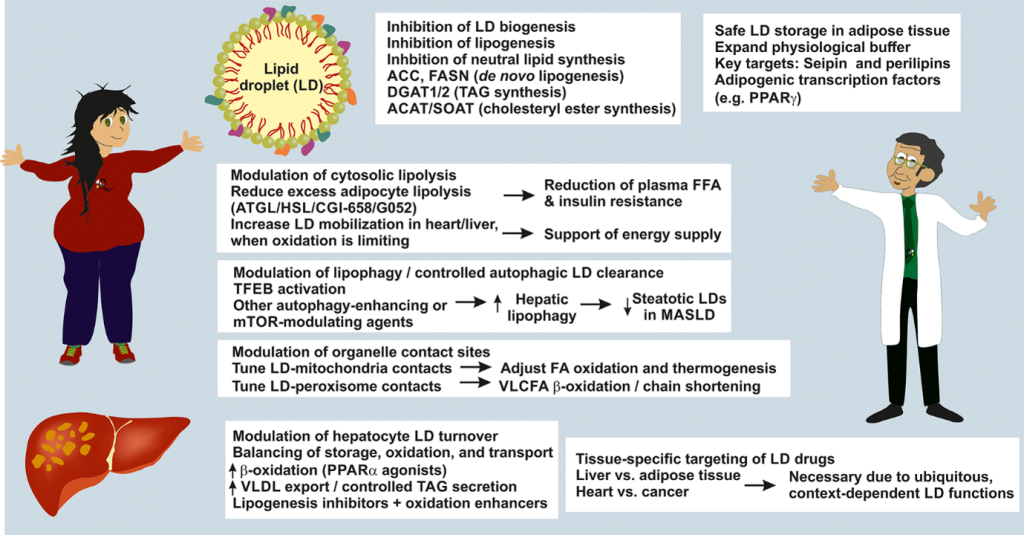
Peptidiscs offer a way to stabilise membrane proteins for mass photometry and cryo-EM in their native structure. In a recent article, Robinson, Bolla et al. have extended this to mass spectrometry, and share their insights on appropriate technique and the wide applicability of these stabilisers. Read “Native Mass spectrometry of membrane proteins reconstituted in peptidiscs” to find out more.

Onizuka, Nagatsugi et al. have devised new RNA-binding fluorogenic molecular probes for FID assays by combining thiazole orange derivatives with G-clamp, which were sensitive to hit compounds not found by the well-known indicator TO-PRO-1. Read their paper, “RNA-binding fluorogenic probes: G-clamp conjugated with a thiazole orange derivative for screening RNA-binding small molecules”, for more.

A new Review from Galenkap, van den Noort, and Maglia investigates the “Dynamics of single enzymes confined inside a nanopore”. Read the article to discover the promise of nanopore technology in studying single-molecule enzymology, the underlying principles, and the insights these techniques offer.


RSC Chemical Biology in the Community

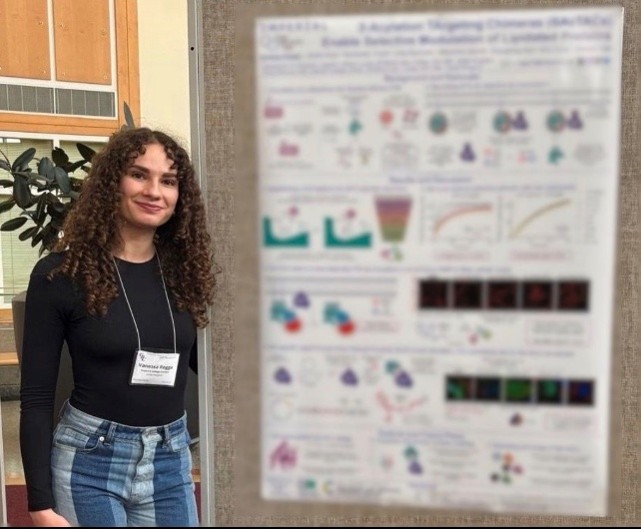
We were proud to sponsor the second RSC CBIC (Chemistry Biology Interface Community) Early Career Researcher Leadership Retreat at Imperial College London, continuing our partnership with this new event. Anna Rulka, the journal’s Executive Editor, took part and presented an overview of publishing with the Royal Society of Chemistry and the support available to early career authors. Find out more about the meeting on our blog post, and in Imperial College London’s news article.


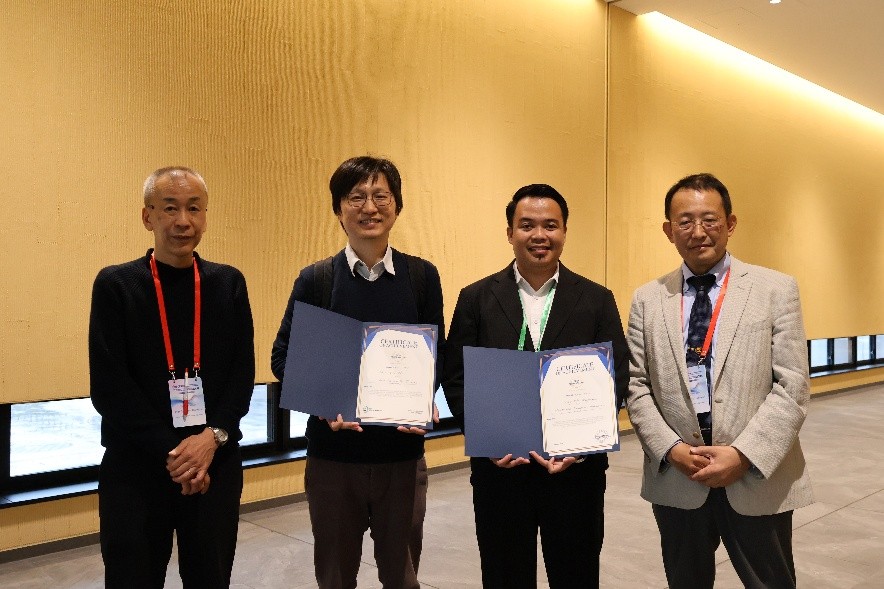
In October, Dr Rulka (centre) attended the joint ICBS & ECBS meeting ChemBioParis2025 to award poster and talk prizes sponsored by RSC Chemical Biology, meet our community, and learn from the state of the art scientific program. Our Associate Editor Zaneta Nikolovska-Coleska (second from right) also participated. Our congratulations to Hayoung Son (Seoul National University, Korea, third from left) on their Best Trainee Communications Prize, and Sebastian Hecko (TU Wien, Austria) and Yuko Hirata (University of Tokyo, Japan) on their best poster awards!


Dr Rulka was also pleased to attend the satellite 5th Young Investigator Workshop of the EuChemS Division of Chemical Biology and Chemistry in Life Sciences, at Institut Pasteur. RSC Chemical Biology proudly sponsor this event, which brings together early career researchers nominated by the EuChemS’ member National Chemical Societies.


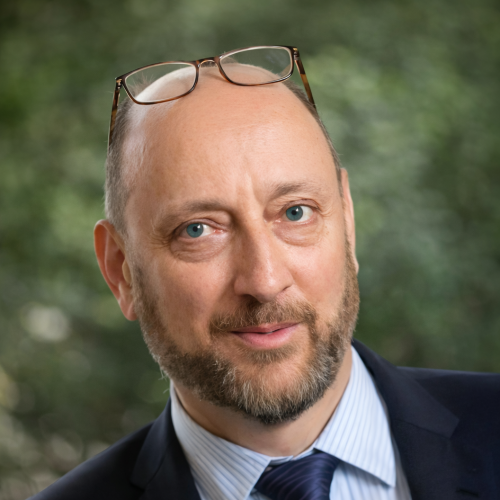
The journal’s new Deputy Editor Alexander Whiteside (left) joined the EMBO “The epitranscriptome” workshop this October to build connections with this rapidly developing field and present prizes from RSC Chemical Biology and Molecular Omics to the authors of the best posters, Lea Pradel (EPFL, Switzerland) and Aniek Martens (Radboud University, Netherlands). Congratulations to the winners!


Collections

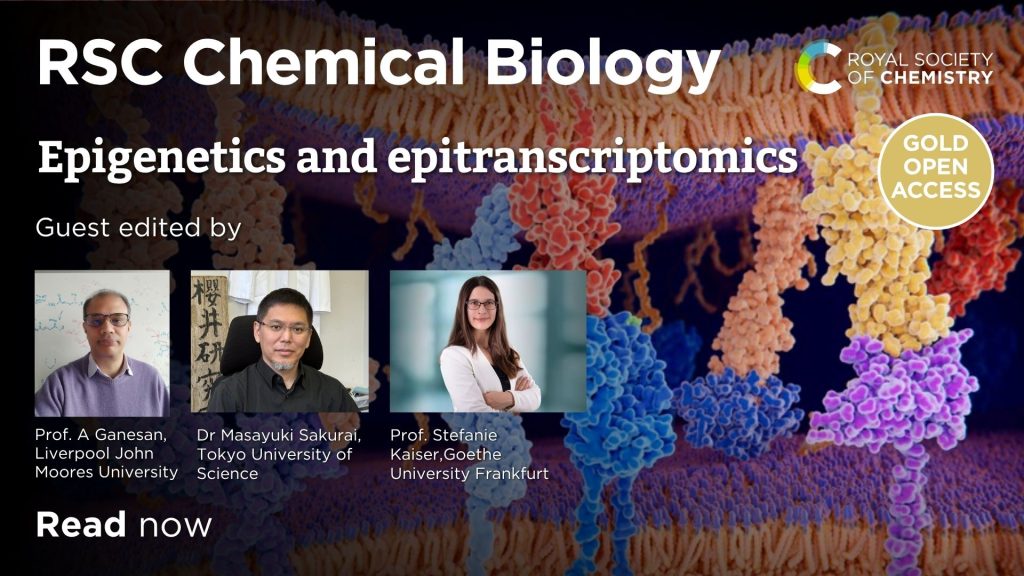
Our new themed collection on “Biomolecular Technologies”, Guest Edited by Prof. Sheel Dodani (The University of Texas at Dallas) and Prof. Ariel Furst (Massachusetts Institute of Technology), brings together engineered biomolecule-based technologies spanning small molecules, nucleic acids, and proteins, with applications in biocatalysis, biosensing, and synthetic biology. Read the completed collection here.

Do you have some exciting new research in nucleic acids or peptides? Consider our upcoming themed collections, currently open for submissions:


Our collection Chemical biology of nucleic acids: modifications, interactions, and therapeutic applications is open for submissions until 29 January 2026. Guest-Edited by Satoshi Obika (Osaka University), Hiroshi Abe (Nagoya University), and Michal Hocek (Czech Academy of Sciences), this collection invites research on the design and synthesis of nucleosides, nucleotides, and oligonucleotides, as well as evaluations of their biological activities both in vitro and in vivo. In addition, submissions focused on chemical biology research and drug discovery related to long DNA and RNA, and the development of new chemical biology techniques and analytical methods for nucleic acids, are also encouraged. Read the call for papers for information on how to contribute your work.


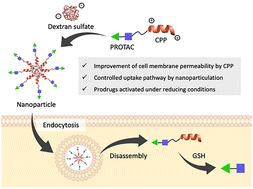
Rahul Jain (NIPER), Alex Deiters (University of Pittsburgh) Brett VanVeller (Iowa State University), and Krishna K. Sharma (Iowa State University) lead our collection on Peptide chemistry and biology: emerging technologies and translational applications. Developments in peptide modifications and new applications in PROTACs or as protein inhibitors underscore a bright future for peptide chemistry and biology. This themed collection showcases that progress, highlighting cutting-edge research from clinical and translational advances to innovative molecular designs, biological insights, and computational design approaches. Read the call for papers for information on the collection, and how to contribute your work by 29 January 2026.


Upcoming Events

Executive Editor Anna Rulka, and Associate Editor Zaneta Nikolovska-Coleska will be at this year’s Pacifichem symposium in Honolulu, Hawaii, on 15-20 December 2025. This year’s meeting includes sessions organised by our Editor-in-Chief Hiroaki Suga. We look forward to meeting you there!

We’re proud to sponsor a best poster award at the 29th Enzyme Mechanisms Conference in Carlsbad, CA, United States, January 4-8 2026.

RSC Chemical Biology is also pleased to support the 7th DNA Repair/Replication Structures & Cancer Conference in Playa Mujeres, Mexico, 1-6 February 2026.


Stay Connected

Follow us on LinkedIn and Bluesky for new articles and the latest news from RSC Chemical Biology and related journals at the Royal Society of Chemistry.


Building connections and confidence: the 2nd CBIC Early Career Researcher Leadership Retreat

Early career researchers in chemical biology are not only shaping the future of their field, they are also redefining what scientific leadership looks like. This September, early career researchers (ECRs) gathered at Imperial College London for the second Chemistry Biology Interface Community (CBIC) Early Career Researcher Leadership Retreat, a three-day residential event designed to strengthen leadership skills, encourage collaboration, and build a supportive professional network.

Organised by CBIC Council members Anna Barnard, Gavin Miller and Andrew Truman, with local coordination support from Imperial’s Institute of Chemical Biology, the retreat brought together a diverse group of participants from across the UK and beyond. The event was sponsored by RSC Chemical Biology, and supported with a grant from the RSC’s Chemistry Biology Interface Community, with RSC staff joining throughout the programme to share resources and highlight opportunities available for ECRs across publishing, funding, and professional development.

Day 1: Research, publishing, and RSC support for early career researchers

The retreat opened with a warm welcome from the organisers and an introduction to the programme’s aims: to provide a dedicated space where early career researchers could reflect on their professional journeys and exchange ideas on leading research teams effectively.

The first morning included an invited talk from Professor Ed Tate (Imperial College London), who shared insights into advances in chemical biology and the importance of interdisciplinary collaboration. His talk set a motivating tone for the retreat.

A highlight of the opening day was a session of flash presentations, where each participant delivered a short overview of their research area. These rapid-fire talks helped participants learn about one another’s scientific interests, sparking discussions that continued throughout the event.

Later, the session focused on research and publishing, with the RSC Chemical Biology Executive Editor, Anna Rulka, presenting an overview of publishing with the Royal Society of Chemistry and the support available to early career authors. Delegates heard about opportunities to contribute to themed issues, editorials, and community-led features, as well as guidance on navigating the publication process.

These discussions sparked valuable conversations around scientific communication, authorship, and how ECRs can raise the visibility of their work.

Throughout the day, participants exchanged insights on research leadership, group management, and the evolving landscape of chemical biology research, setting the tone for an open, collaborative retreat.

Dr Anna Rulka’s presentation

Day 2: Leadership skills and industry insights

The second day centred on leadership and industry engagement, with sessions designed to help participants reflect on how they lead, communicate, and collaborate.

Elizabeth Adams from Scafell Coaching facilitated an interactive morning workshop exploring what effective leadership looks like in research environments. Drawing on her experience, she encouraged participants to consider the importance of positive team culture, clear communication, and wellbeing in academic settings.

Through group exercises, attendees developed team charters, discussed approaches to conflict management, and shared practical strategies for workload balance and mentoring students. The conversations highlighted that leadership in science goes beyond technical expertise, it’s also about fostering inclusion, trust, and collaboration.

Collaboration was a recurring theme throughout the day. Delegates explored how to find suitable research partners, set clear expectations, and ensure fair recognition using different frameworks. Reviewing each other’s online profiles also helped participants reflect on how to represent their work effectively to potential collaborators and employers.

In the afternoon, participants heard from Dr Nadia Luheshi of AstraZeneca, whose talk offered an inspiring view of career pathways in industry. With experience spanning immunology, mRNA research, and oncology, she spoke about her transition from academia to industry and shared insights into open innovation, target validation, and the future of cancer research.

Nadia’s talk also highlighted how AI, data science, and digital health are transforming research and diagnostics, reinforcing how chemical biologists can contribute to advancing sustainable, patient-centred innovation.


Dr Nadia Luheshi

Day 3: Research sharing and reflection

The final day of the retreat returned to a focus on research, with each participant delivering a “chalk talk”: a concise five-minute presentation showcasing new data, challenges, or ideas from their lab, followed by a short discussion.

These sessions were energetic and collaborative, reflecting the diversity of expertise represented in the room. Participants provided constructive feedback, discovered shared interests, and even identified potential collaborations to pursue after the retreat.

The CBIC Programme Manager joined the final session to share upcoming opportunities for ECRs, including an RSC Funding Workshop on establishing independent research careers. As the retreat drew to a close, many participants reflected on how the experience had strengthened their confidence, expanded their professional networks, and provided new tools for leadership.

Prof. Ed Tate at his plenary

Strengthening the early career chemical biology community

The CBIC Early Career Researcher Leadership Retreat aims to become a cornerstone event for the chemical biology community. Building on the success of the inaugural 2023 meeting in Newcastle, this second edition continued to provide a supportive and intellectually stimulating environment for emerging leaders in the field. The quality of the ECRs at the event indicates that the future is bright for chemical biology research in the UK.

By combining scientific discussion with leadership training and peer-to-peer learning, the retreat underscored the importance of nurturing the people who will shape the next generation of chemical biology research. Feedback from delegates highlighted the value of the programme’s mix of sessions, which balanced professional development with time for reflection and collaboration.

For the RSC, events like this are an important way to connect with early career researchers, listen to their experiences, and ensure that Royal Society of Chemistry continues to meet their evolving needs—from publishing support and career development resources to funding opportunities and community networks.

The RSC extends sincere thanks to the organisers, speakers, and participants for delivering another inspiring retreat. Their enthusiasm, openness, and collaborative spirit reflect the best of the chemical biology community.

Read more: RSC CBIC Leadership Retreat Empowers Next-Gen Chemical Biologists | Imperial News | Imperial College London

Illuminating Discovery: RSC Chemical Biology’s Outstanding Early Career Researcher Award

OECRA 2024 winners

We are delighted to announce the recipients of the Outstanding Early Career Researcher Award 2024 from RSC Chemical Biology: a team comprising Kilian Roßmann, Ramona Birke, Joshua Levitz, Ben Jones and led by Johannes Broichhagen.

Their award-winning paper, Red and far-red cleavable fluorescent dyes for self-labelling enzyme protein tagging and interrogation of GPCR co-internalization, introduces a chemical toolset that enables new insight into receptor trafficking—specifically the complex internalization of G protein-coupled receptors (GPCRs), a key class of drug targets.

The team developed membrane-impermeable fluorescent probes for self-labelling protein tags (SNAP/Halo), which can be selectively removed from the cell surface using a mild reducing agent (MESNA). This innovation allows researchers to “strip away” uninternalized dye, revealing precise trafficking patterns and uncovering signalling crosstalk between receptors like GLP1R and GIPR.

Their approach spans from high-resolution imaging to high-throughput ligand screening, offering a powerful and versatile method for studying GPCR biology.

About the team:

  • Johannes Broichhagen leads a chemical biology group at FMP Berlin, focusing on chromophore photophysics and optical control of cell-surface proteins.
  • Kilian Roßmann, who completed his PhD in 2025, specializes in novel imaging techniques.
  • Ramona Birke brings deep expertise in molecular cell physiology and mass spectrometry.
  • Joshua Levitz, Associate Professor at Weill Cornell, works on optical tools for receptor neuroscience.
  • Ben Jones, Clinician Scientist at Imperial College London, focuses on GPCR pharmacology in metabolic disease.

In their words:

“This honour means a great deal to us, highlighting the visibility and impact of our research approach and motivates us for our ongoing scientific work. We would like to extend our special thanks to the editorial and advisory boards of RSC Chemical Biology for recognizing the research results in our manuscript “Red and far-red cleavable fluorescent dyes for self-labelling enzyme protein tagging and interrogation of GPCR co-internalization”. We would like to highlight that this study has been an interdisciplinary collaboration across continents, which shows how important international support and cooperation are to yield maximal scientific success. In particular, Chemical biology is a fascinating field that combines interdisciplinary approaches and opens up new avenues of research, which RSC Chemical Biology covers extraordinarily. We are proud to be able to contribute to the further development of this exciting field, and this award encourages us to continue our journey with curiosity to tackle new questions, gaining unprecedented insights in the intricate world of receptor signalling.”

We are proud to celebrate this outstanding contribution to the field and look forward to what this team uncovers next!

🔗 Read the  winners’ paper here!


New themed collection on ‘Biomolecular Technologies’

We’re pleased to inform you that this new themed collection from RSC Chemical Biology has now been published online.
Read the collection here


As both chemical and biological engineering approaches continue to expand, the landscape of biomolecular technologies is rapidly evolving, affording new opportunities from basic science to real-world applications. Guest Edited by Prof. Sheel Dodani (The University of Texas at Dallas; ORCID 0000-0003-0271-6080) and Prof. Ariel Furst (Massachusetts Institute of Technology; ORCID 0000-0001-9583-9703), this themed collection brings together engineered biomolecule-based technologies spanning small molecules, nucleic acids, and proteins, with applications in biocatalysis, biosensing, and synthetic biology. Each study showcases the modular and tunable nature of biomolecular design to tailor properties for function in both aqueous solutions and biological environments.


The articles in this collection are featured below. All articles in RSC Chemical Biology are open access and free to read.

Editorial

Introduction to “Biomolecular Technologies”

Sheel C. Dodani and Ariel Furst

RSC Chem. Biol., 2025, DOI: 10.1039/D5CB90031J

Communication

A chemigenetic indicator based on a synthetic chelator and a green fluorescent protein for imaging of intracellular sodium ions

Shiori Takeuchi, Shosei Imai, Takuya Terai and Robert E. Campbell

RSC Chem. Biol., 2025, 6, 170–174 DOI: 10.1039/D4CB00256C

Papers

An expanded substrate scope for cross-chiral ligation enables efficient synthesis of long L-RNAs

Xuan Han and Jonathan T. Sczepanski

RSC Chem. Biol., 2025, 6, 209–217 DOI: 10.1039/D4CB00253A


Functionalization of a versatile fluorescent sensor for detecting protease activity and temporally gated opioid sensing

Jennifer Sescil, Hailey Fiel, Steven M. Havens, Emma Fu, Xingyu Li, Kayla E. Kroning, Isabel Solowiej, Peng Li and Wenjing Wang

RSC Chem. Biol., 2025, 6, 555–562 DOI: 10.1039/D4CB00276H


Regulating ferredoxin electron transfer using nanobody and antigen interactions

Albert Truong and Jonathan J. Silberg

RSC Chem. Biol., 2025, 6, 746–753 DOI: 10.1039/D4CB00257A


Real-time bioluminescence imaging of nitroreductase in breast cancer bone metastasis

Kang Lu, Mengxi Zhang, Zuotong Tian and Han Xiao

RSC Chem. Biol., 2025, 6, 754–760 DOI: 10.1039/D4CB00310A


We hope you enjoy this new themed collection from RSC Chemical Biology.

2024 RSC Chemical Biology Emerging Investigators collection

We’re pleased to announce that the latest RSC Chemical Biology Emerging Investigators collection has now been published online!

Read the collection here.

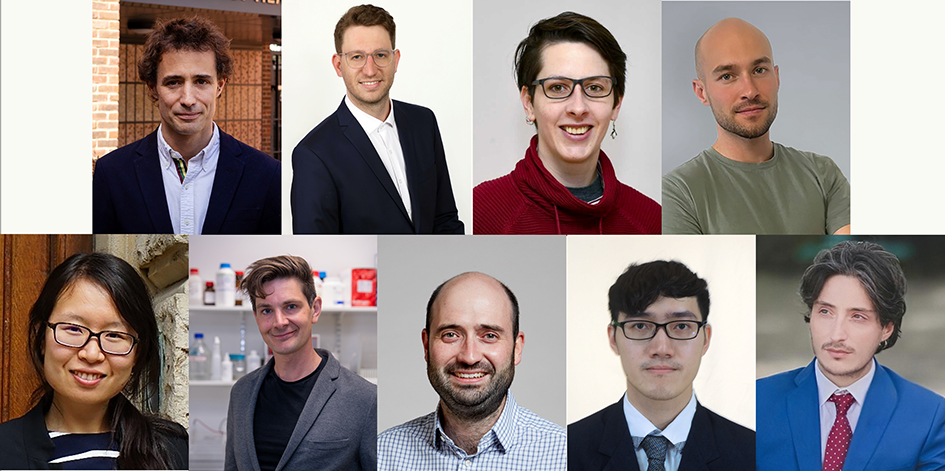
Photographs of the 7 Emerging Investigators

This collection highlights the work of outstanding early career researchers from across the chemical biology community. We’ve provided links to these articles and the summary Profile below. All articles in RSC Chemical Biology are open access and free to read.

If you would like to nominate a colleague or yourself as an Emerging Investigator for our next collection, please contact us for further details. Emerging Investigators must be group leaders or principal investigators in the first 10 years of their independent career.

Profile

Contributors to the 2024 RSC Chemical Biology Emerging Investigators Collection
RSC. Chem. Biol., 2025, DOI: 10.1039/D5CB90017D

Communication

Redox-neutral, metal-free tryptophan labeling of polypeptides in hexafluoroisopropanol (HFIP)
Mohammad Nuruzzaman, Brandon M. Colella, Zeinab M. Nizam, Isaac JiHoon Cho, Julia Zagorski and Jun Ohata
RSC. Chem. Biol., 2024, 5, 963–969, DOI: 10.1039/D4CB00142G

Papers

Reverse transcription as key step in RNA in vitro evolution with unnatural base pairs
Eva S. Hoffmann, Mareike C. De Pascali, Lukas Neu, Christof Domnick, Alice Soldà and Stephanie Kath-Schorr
RSC. Chem. Biol., 2024, 5, 556–566 DOI: 10.1039/D4CB00084F

Expanding the repertoire of GalNAc analogues for cell-specific bioorthogonal tagging of glycoproteins
Abdul Zafar, Sandhya Sridhar, Ganka Bineva-Todd, Anna Cioce, Nadia Abdulla, Vincent Chang, Stacy A. Malaker, David S. Hewings and Benjamin Schumann
RSC. Chem. Biol., 2024,  5, 1002–1009, DOI: 10.1039/D4CB00093E

Superoxide-responsive quinone methide precursors (QMP-SOs) to study superoxide biology by proximity labeling and chemoproteomics
Hinyuk Lai and Clive Yik-Sham Chung
RSC. Chem. Biol., 2024,  5, 924–937, DOI: 10.1039/D4CB00111G

A nanoengineered tandem nitroreductase: designing a robust prodrug-activating nanoreactor
Mariia Zmyslia, Michael J. Capper, Michael Grimmeisen, Kerstin Sartory, Benedikt Deuringer, Mohamed Abdelsalam, Kaiwei Shen, Manfred Jung, Wolfgang Sippl, Hans-Georg Koch, Laurine Kaul, Regine Süss, Jesko Köhnke and Claudia Jessen-Trefzer
RSC. Chem. Biol., 2025,  6, 21–35, DOI: 10.1039/D4CB00127C

Development of selective nanomolar cyclic peptide ligands as GBA1 enzyme stabilisers
Rebecca E. Katzy, Renier H. P. van Neer, Maria J. Ferraz, Kim Nicolai, Toby Passioura, Hiroaki Suga, Seino A. K. Jongkees and Marta Artola
RSC. Chem. Biol., 2025, 6, 563–570, DOI: 10.1039/D4CB00218K

Development of a fluorescence-based assay for RecBCD activity using Functional Data Analysis and Design of Experiments
Adam Winnifrith, Steven R. Brown, Piotr Jedryszek , Christopher Grant, Philip E. Kay, Adam M. Thomas, Jacob D. Bradbury and Thomas Lanyon-Hogg
RSC. Chem. Biol., 2025,  DOI: 10.1039/D4CB00291A

Discover the Future of Proximity-Based Therapeutics at next weeks Keystone Symposium


Join the Keystone Symposia for Proximity-Based Therapeutics: Targeted Protein Degradation and Other Pharmacological Approaches from February 16-19, 2025, at the Eldorado Hotel & Spa in Santa Fe, NM. Organised by Dr Philip Chamberlain from Neomorph, and Dr Fleur M. Ferguson, from the University of California, San Diego, this symposium promises to unravel the latest advancements in targeted protein degradation (TPD) and chemically-induced proximity.

This symposium is a great event for researchers, clinicians, and industry leaders keen on translating cutting-edge discoveries into clinical applications. With sessions covering biochemistry, drug discovery, and digital bioengineering, attendees will delve into the clinical pharmacology of targeted protein degraders and explore new modalities that harness cellular processes for therapeutic benefit.

Engage with pioneers in the field through exclusive speaker sessions and a dedicated Career Roundtable. This unique opportunity allows trainees and early-career investigators to connect with leaders from academia and industry, offering invaluable career advice and networking prospects.

Join the Keystone Symposia Community
Stay updated with the latest conference news and announcements by subscribing to their newsletter. Be the first to know about program updates, speaker reveals, and exclusive offers.

Sign up for newsletters here.

Don’t miss out on this opportunity to shape the future of proximity-based therapeutics. Register now and secure your place among the leaders driving innovation in TPD and induced proximity.

Visit the official conference page for more details and to register.

Extended call for Papers – Endocytosis and cellular delivery

RSC Chemical Biology and RSC Pharmaceutics are extending the submission deadline for the upcoming themed collection on ‘Endocytosis and Cellular Delivery‘.

The new deadline for submissions is 30 April 2025

Articles can be submitted to either of the two journals depending on the topic of the manuscript and how well it fits in to the journal’s scope. Authors who contribute their work to RSC Pharmaceutics will benefit from a full waiver of the article processing charges, so their work can be published and read at no cost.

A banner with photos of the Guest Editors

Guest Edited by Prof. Alexander Kros (Leiden University), Prof. Vince Rotello (University of Massachusetts) and Prof. Georgina Such (University of Melbourne), this collection will explore how both biological and synthetic tools can be leveraged to understand the impact of material structure on the migration of specific cellular barriers, aiming to enhance the delivery efficiency of macromolecules and delivery systems such as liposomes, lipid nanoparticles, and polymeric carriers. Key topics will include the following:

  1. Novel tools to understand and quantify cellular trafficking of nanoparticles and their cargo, including processes such as endosomal escape, membrane fusion, cytosolic delivery and nuclear localisation.
  2. Fundamental understanding of how nanoparticle structure impacts cellular interactions.
  3. Design of new delivery systems that incorporate intelligent strategies to migrate biological barriers for more effective therapeutic delivery.
  4. Novel tools, methodologies to understand and quantify cell uptake and the fate of the multiple components in drug delivery systems.
  5. Tools/basic understanding on the role of the protein corona on the fate of the particles beyond the very general basic level.

Articles can be submitted via the respective journal’s website, rsc.li/rsc-chembio or rsc.li/RSCPharma. Information on the journals’ scopes can be found at the bottom of this message. We would be grateful if, upon submission you would mention that your manuscript is intended for this themed collection.  Please note that all submissions are subject to the journal’s normal peer review processes, an initial assessment to confirm the manuscript’s suitability for full peer review.

Promotion of the collection is scheduled for  mid-2025, with articles published online as soon as they’re accepted.

About RSC Chemical Biology

Led by Hiroaki Suga (University of Tokyo), RSC Chemical Biology is dedicated to publishing and disseminating the most exceptionally significant, breakthrough findings of interest to the chemical biology community. All submissions are handled by our experienced and internationally recognised Associate Editors. For more information on the journal, please visit the journal homepage.

About RSC Pharmaceutics

RSC Pharmaceutics acknowledges how chemistry and related disciplines can make a big difference to addressing health challenges. The journal provides a platform to publish crucial research on pharmaceutics, covering emerging technologies and techniques in pharmaceutics, including drug delivery, precision medicine, and enhanced drug targeting. Publications in RSC Pharmaceutics have the potential to drive real change in worldwide health. For more information on the journal, please visit the journal homepage.

As gold open access journals, there are no barriers to accessing content and your research article will reach an international audience.

Article processing charges apply at RSC Chemical Biology – please see the journal web site for details on fees, discounts, and waivers. RSC Pharmaceutics is currently waiving article processing charges for all submissions.

Call for Papers – themed collection on Chemical Glycobiology

A bannerr featuring the Guest Editors of the collection and the collection title

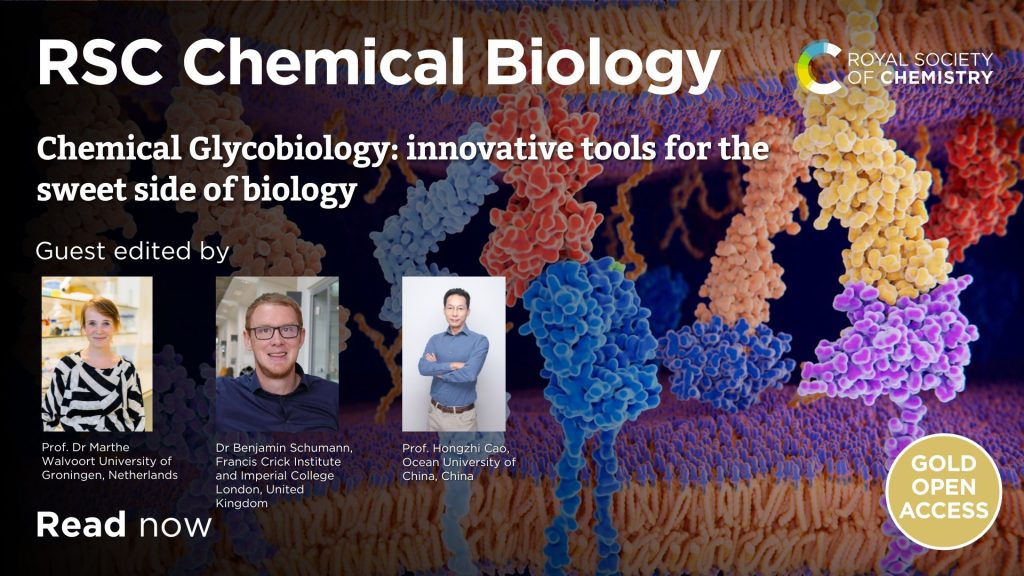
RSC Chemical Biology is delighted to welcome papers for a themed collection on ‘Chemical Glycobiology: innovative tools for the sweet side of biology’, Guest Edited by Dr Benjamin Schumann (Francis Crick Institute and Imperial College London), Prof. Hongzhi Cao (Ocean University of China) and Prof. Dr Marthe Walvoort (University of Groningen).

 Glycans have come a long way from their consideration of “decorating” biomolecules to proven, essential modulators of physiology. Chemistry has played an essential part in this process: the non-templated biosynthesis of glycans needed tools for their profiling, perturbation and visualization. The field of glycobiology has thus served as a catalyst to invent new chemistry, recognized through awards by major learned societies as well as the Nobel Prize in Chemistry in 2022.

Submit now

Through the invention of new tools, their use in understanding critical new biology, and their application in quantitative biology, it is certain that today, chemical glycobiology is advancing the boundaries of science. This themed collection seeks to highlight the use of innovative chemistry in advancing glycobiology in its full breadth. We are excited about contributions that feature all aspects of a field that truly tackles the sweet side of biology!

The deadline for submissions is 1 May 2025.

Authors are welcome to submit original research in the form of a Communication or Full Paper. The manuscript should be prepared according to our article guidelines and submitted via our online system. Ideally, computational work should be experimentally validated wherever possible. For articles to be accepted into the collection, the applications and relevance to chemical biology must be clear. For more information on the journal, please see the journal homepage.

All manuscripts will be subject to the usual initial assessment and peer review processes as necessary, and inclusion in the Collection will be at the discretion of the Guest Editors. Please indicate in your submission that you are submitting to this Collection and inform the Editorial Office by email.

Following our peer-review process, we will publish accepted articles online in a citeable form as soon as they are ready, with compilation and promotion of the complete collection in late 2025.

Welcoming Dr Haian Fu to the RSC Chemical Biology Editorial Board!

Haian Fu

“I am thrilled to join the Advisory Board of RSC Chemical Biology and look forward to working with colleagues

to elevate the global impact of the field of chemical biology.”


We’re excited to announce that Dr Haian Fu has joined the RSC Chemical Biology journal as an Advisory Board Member.

Dr Fu is the Professor and Chair of Pharmacology & Chemical Biology at Emory University School of Medicine. He’s also the Associate Dean for Therapeutic Discovery and co-directs the Emory Centre for New Medicines. With his team, Dr Fu works on finding new ways to target important protein interactions to develop treatments for diseases.

Dr Fu’s research on 14-3-3 proteins, which help control many processes in our cells, has been ground-breaking. These insights have opened new opportunities for drug discovery. Dr Fu has also been very active in the chemical biology community, co-founding the International Chemical Biology Society and serving as its president.

We’re truly thrilled to have Dr Fu join the RSC Chemical Biology team, and we look forward to the valuable perspective he’ll bring to the journal.


RSC Chemical Biology is now indexed in the Directory of Open Access Journals (DOAJ), PubMed Central, Scopus and Web of Science: Emerging Sources Citation Index.  Find out more about the journal and submit your work at rsc.li/rsc-chembio 


RSC Chemical Biology

Royal Society of Chemistry

www.rsc.org


Call for papers – Endocytosis and cellular delivery

A banner with photos of the Guest Editors

RSC Chemical Biology and RSC Pharmaceutics are delighted to welcome papers for a joint themed collection on ‘Endocytosis and Cellular Delivery’, Guest Edited by Prof. Alexander Kros (Leiden University, ORCID 0000-0002-3983-3048), Prof. Vince Rotello (University of Massachusetts, ORCID 0000-0002-5184-5439) and Prof. Georgina Such (University of Melbourne, ORCID 0000-0002-2868-5799).

This collection will explore how both biological and synthetic tools can be leveraged to understand the impact of material structure on the migration of specific cellular barriers, aiming to enhance the delivery efficiency of macromolecules and delivery systems such as liposomes, lipid nanoparticles, and polymeric carriers. Key topics will include the following:

  1. Novel tools to understand and quantify cellular trafficking of nanoparticles and their cargo, including processes such as endosomal escape, membrane fusion, cytosolic delivery and nuclear localisation.
  2. Fundamental understanding of how nanoparticle structure impacts cellular interactions.
  3. Design of new delivery systems that incorporate intelligent strategies to migrate biological barriers for more effective therapeutic delivery.
  4. Novel tools, methodologies to understand and quantify cell uptake and the fate of the multiple components in drug delivery systems.
  5. Tools/basic understanding on the role of the protein corona on the fate of the particles beyond the very general basic level.

The deadline for submissions is 31 January 2025

Articles can be submitted via the respective journal’s website, rsc.li/rsc-chembio or rsc.li/RSCPharma. Information on the journals’ scopes can be found at the bottom of this message. We would be grateful if, upon submission you would mention that your manuscript is intended for this themed collection.  Please note that all submissions are subject to the journal’s normal peer review processes, an initial assessment to confirm the manuscript’s suitability for full peer review.

Promotion of the collection is scheduled for  mid-2025, with articles published online as soon as they’re accepted.

About RSC Chemical Biology

Led by Hiroaki Suga (University of Tokyo), RSC Chemical Biology is dedicated to publishing and disseminating the most exceptionally significant, breakthrough findings of interest to the chemical biology community. All submissions are handled by our experienced and internationally recognised Associate Editors. For more information on the journal, please visit the journal homepage.

About RSC Pharmaceutics

RSC Pharmaceutics acknowledges how chemistry and related disciplines can make a big difference to addressing health challenges. The journal provides a platform to publish crucial research on pharmaceutics, covering emerging technologies and techniques in pharmaceutics, including drug delivery, precision medicine, and enhanced drug targeting. Publications in RSC Pharmaceutics have the potential to drive real change in worldwide health. For more information on the journal, please visit the journal homepage.

As gold open access journals, there are no barriers to accessing content and your research article will reach an international audience.

Article processing charges apply at RSC Chemical Biology – please see the journal web site for details on fees, discounts, and waivers. RSC Pharmaceutics is currently waiving article processing charges for all submissions.